

‘Women and babies are dying but not of Ebola’: the effect of the Ebola virus epidemic on the availability, uptake and outcomes of maternal and newborn health services in Sierra Leone
Open accessThe DOI matches its Crossref record; 7 of the 7 references it cites were found in a registry or an index.
Abstract
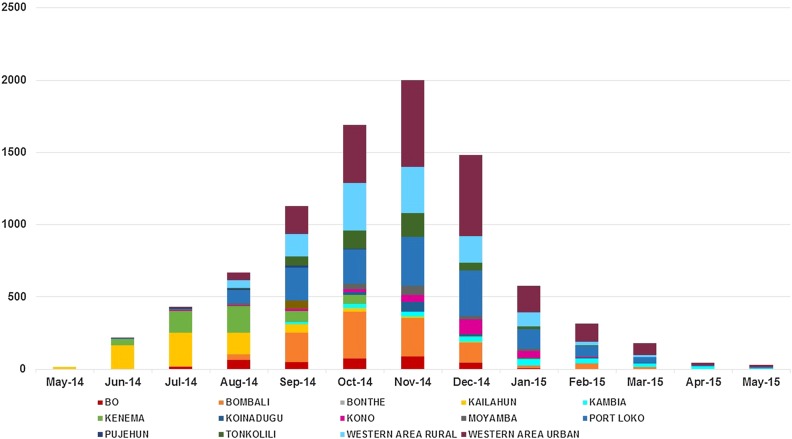
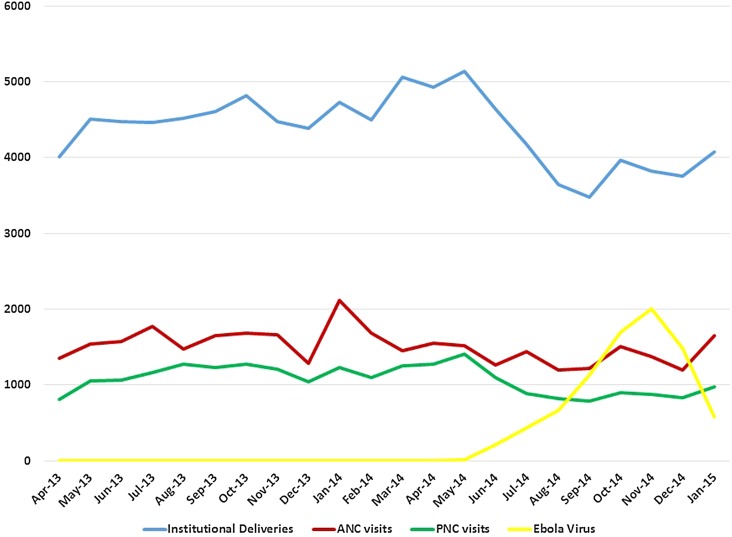
Background: We sought to determine the impact of the Ebola virus epidemic on the availability, uptake and outcome of routine maternity services in Sierra Leone. Methods: The number of antenatal and postnatal visits, institutional births, availability of emergency obstetric care (EmOC), maternal deaths and stillbirths were assessed by month, by districts and by level of healthcare for 10 months during, and 12 months prior to, the Ebola virus disease (EVD) epidemic. All healthcare facilities designated to provide comprehensive (n=13) or basic (n=67) EmOC across the 13 districts of Sierra Leone were included. Results: Preservice students were not deployed during the EVD epidemic. The number of healthcare providers in facilities remained constant (incidence rate ratio (IRR) 1.03, 95% CI 1.00 to 1.07). Availability of antibiotics, oxytocics, anticonvulsants, manual removal of placenta, removal of retained products of conception, blood transfusion and caesarean section were not affected by the EVD epidemic. Across Sierra Leone, following the onset of the EVD epidemic, there was a 18% decrease in the number of women attending for antenatal (IRR 0.82, 95% CI 0.79 to 0.84); 22% decrease in postnatal attendance (IRR 0.78, 95% CI 0.75 to 0.80) visits and 11% decrease in the number of women attending for birth at a healthcare facility (IRR 0.89, 95% CI 0.87 to 0.91). There was a corresponding 34% increase in the facility maternal mortality ratio (IRR 1.34, 95% CI 1.07 to 1.69) and 24% increase in the stillbirth rate (IRR 1.24, 95% CI 1.14 to 1.35). Conclusions: During the EVD epidemic, fewer pregnant women accessed healthcare. For those who did, an increase in maternal mortality and stillbirth was observed. In the post-Ebola phase, ‘readiness’ (or not) of the global partners for large-scale epidemics has been the focus of debate. The level of functioning of the health system with regard to ability to continue to provide high-quality effective routine care needs more attention.
Overview
The claims and statistics of this paper haven’t been checked yet.
Free: it reads the open-access text and checks the first 5 claims that cite a source we can check. Create a free account to check every claim.
Integrity signals
Registry
Cites
Statistics
Figures
Verification
Claims the paper makes
The claims and statistics of this paper haven’t been checked yet.
Free: it reads the open-access text and checks the first 5 claims that cite a source we can check. Create a free account to check every claim.
Claims other papers make about this one
Each is checked against this paper’s own text: does it say what the citing paper says it does?
The source backs part of the claim, not all of it — or backs it for a different population, condition or comparison.
In the citing paper
“These delays are worse during pandemics leading to low hospital visits for antenatal care, delivery, and postnatal care [6].”
From Community-based referral transportation system for accessing emergency obstetric services in the Rohingya refugee camp during the COVID-19 pandemic in Bangladesh: facilitators and barriers through beneficiaries’ and providers’ lens using a mixed-method design (2022) · cites this paper as [6]
Experimental — accuracy not yet measured
Self-check
Percentages, sums and reported differences re-computed from the paper’s own numbers.
The self-check needs the paper’s full text.
Citations
Cites
Monitoring emergency obstetric care : a handbook
Disability (2009) · Cited by 986
Moon, S., Sridhar, D., Pate, M. A., Jha, A. K., Clinton, C., Delaunay, S., Edwin, V., Fallah, M., Fidler, D. P., Garrett, L., et al. (2015) · The Lancet · doi:10.1016/s0140-6736(15)00946-0 · Cited by 629
Ameh, C., Msuya, S., Hofman, J., Raven, J., Mathai, M., & van den Broek, N. (2012) · PLoS ONE · doi:10.1371/journal.pone.0049938 · Cited by 139 · cited 1×
“Data were obtained on the availability of healthcare providers, availability and provision of EmOC signal functions, drugs, equipment, number of ANC and PNC visits, number of births at the facility, reported number of emergency complications, maternal deaths, and stillbirths.(11) Signal functions were classified as be…”
BackgroundSelf-citationBarden-O'Fallon, J., Barry, M. A., Brodish, P., & Hazerjian, J. (2015) · PLoS Currents · doi:10.1371/currents.outbreaks.0b0ba06009dd091bc39ddb3c6d7b0826 · Cited by 64
Dynes, M. M., Miller, L. J., Sam, T., Vandi, M. A., & Tomczyk, B. (2015) · PubMed · Cited by 58
Ebola viral disease and pregnancy
Black, B. O., Caluwaerts, S., & Achar, J. (2015) · Obstetric Medicine · doi:10.1177/1753495x15597354 · Cited by 55 · cited 1×
“However, such isolation may also prevent women from receiving timely obstetric care.(6) Obstetric care is considered one of the most high-risk areas for exposure to body fluids, through which EVD is spread, and as a consequence healthcare providers face increased risks of exposure to Ebola and so may be reluctant to a…”
BackgroundBlack, B. O. (2014) · BJOG An International Journal of Obstetrics & Gynaecology · doi:10.1111/1471-0528.13232 · Cited by 25 · cited 1×
“It can be difficult to differentiate between complications of pregnancy such as obstetric haemorrhage (the leading cause of maternal death in low resource settings) and the case definition of EVD, which could affect patient management.(5) Women suspected of having EVD would normally be isolated until their Ebola statu…”
Background
Cited by
(2020) · RePEc: Research Papers in Economics · Cited by 475
Semaan, A., Audet, C., Huysmans, E., Afolabi, B., Assarag, B., Banke-Thomas, A., Blencowe, H., Caluwaerts, S., Campbell, O. M. R., Cavallaro, F. L., et al. (2020) · BMJ Global Health · doi:10.1136/bmjgh-2020-002967 · Cited by 311
“58,66-68 These disruptions have previously led to an increase in maternal and neonatal mortality, 22, 69 and currently there are signs of similar trends reported from two maternity hospitals in Uganda.”
ResultChanges in Access to Health Services during the COVID-19 Pandemic: A Scoping Review
Pujolar, G., Oliver-Anglès, A., Vargas, I., & Vázquez, M.-L. (2022) · International Journal of Environmental Research and Public Health · doi:10.3390/ijerph19031749 · Cited by 284
“Likewise, one of the individual characteristics that has been most influential in terms of new barriers created by the pandemic is fear of contagion [83–86,88,89,94,95,97], an aspect that has been discussed in many publications, including opinion articles [113,137–142], and also played a highly significant role in pre…”
BackgroundShapira, G., Ahmed, T., Drouard, S. H. P., Amor Fernandez, P., Kandpal, E., Nzelu, C., Wesseh, C. S., Mohamud, N. A., Smart, F., Mwansambo, C., et al. (2021) · Health Policy and Planning · doi:10.1093/heapol/czab064 · Cited by 224
“Studies following the 2013–16 West African Ebola epidemic found disruptions measured from HMIS data were consistent estimates from facility registers, household surveys and key informant interviews (Iyengar et al., 2015; Lori et al., 2015; Jones et al., 2016; Wesseh et al., 2017; Wagenaar et al., 2018; Quaglio et al.,…”
MethodWilhelm, J. A., & Helleringer, S. (2019) · PubMed Central · doi:10.7189/jogh.09.010406 · Cited by 133
Rimmer, M. P., Wattar, B. H. A., & Members, U. (2020) · BJOG An International Journal of Obstetrics & Gynaecology · doi:10.1111/1471-0528.16313 · Cited by 91
Inzaule, S. C., Ondoa, P., Loembé, M. M., Tebeje, Y. K., Ouma, A. E. O., & Nkengasong, J. N. (2021) · PLoS Medicine · doi:10.1371/journal.pmed.1003666 · Cited by 88
“In addition, a potential decline in quality of healthcare services or late access to care was associated with a 34% increase in maternal deaths and a 24% rise in stillbirths among those who had facility-based delivery [36].”
BackgroundRapid assessment on the utilization of maternal and child health services during COVID-19 in Rwanda
Wanyana, D., Wong, R., & Hakizimana, D. (2021) · Public Health Action · doi:10.5588/pha.20.0057 · Cited by 84
Owolabi, O., Wong, K. L., Dennis, M. L., Radovich, E., Cavallaro, F. L., Lynch, C. A., Fatusi, A. O., Sombié, I., & Beňová, L. (2017) · The Lancet Child & Adolescent Health · doi:10.1016/s2352-4642(17)30025-1 · Cited by 83
Coulson, J., Sharma, V., & Wen, H. (2023) · China Population and Development Studies · doi:10.1007/s42379-023-00130-7 · Cited by 83
“This was documented during the Ebola epidemic in West Africa (Elston et al., 2017; Jones et al., 2016; Parpia et al., 2016).”
BackgroundAsefa, A., Semaan, A., Delvaux, T., Huysmans, E., Galle, A., Sacks, E., Bohren, M. A., Morgan, A., Sadler, M., Vedam, S., et al. (2022) · Women and Birth · doi:10.1016/j.wombi.2021.09.003 · Cited by 79
Bampoe, S., Odor, P. M., & Lucas, D. N. (2020) · International Journal of Obstetric Anesthesia · doi:10.1016/j.ijoa.2020.04.006 · Cited by 75
“This corresponded to a 34% increase in the facility-based maternal mortality ratio and a 24% increase in the stillbirth rate.(51) While there are obvious disparities between income and the provision of healthcare in Sierra Leone and the highincome world, this highlights that the battle against COVID-19 should not come…”
Pandemics and maternal health: the indirect effects of COVID‐19
Lucas, D. N., & Bamber, J. H. (2021) · Anaesthesia · doi:10.1111/anae.15408 · Cited by 73
“Following the onset of the Ebola epidemic in Sierra Leone, there was a decrease in the number of women attending for antenatal and postnatal care and birth at a healthcare facility, with a corresponding 34% increase in the facility-based maternal mortality ratio and a 24% increase in the stillbirth rate [12].”
BackgroundInfluentialAminu, M., Bar‐Zeev, S., White, S. A., Mathai, M., & van den Broek, N. R. (2019) · BMC Pregnancy and Childbirth · doi:10.1186/s12884-019-2626-7 · Cited by 73
Self-citationYerger, P., Jalloh, M. F., Coltart, C. E. M., & King, C. (2020) · BMJ Global Health · doi:10.1136/bmjgh-2020-002974 · Cited by 66
Maternal health after Ebola: unmet needs and barriers to healthcare in rural Sierra Leone
Elston, J. W. T., Danis, K., Gray, N., West, K., Lokuge, K., Black, B., Stringer, B., Jimmisa, A. S., Biankoe, A., Sanko, M. O., et al. (2019) · Health Policy and Planning · doi:10.1093/heapol/czz102 · Cited by 37
“These negative factors had the greatest impact on pregnant women and young children, probably leading to greatly increased morbidity and mortality (Menéndez et al., 2015; Popova et al., 2015; Brolin Ribacke et al., 2016; Jones et al., 2016; Sochas et al., 2017).”
BackgroundPalo, S. K., Dubey, S., Negi, S., Sahay, M. R., Patel, K., Swain, S. P., Mishra, B. K., Bhuyan, D., Kanungo, S., Som, M., et al. (2022) · PLoS ONE · doi:10.1371/journal.pone.0268106 · Cited by 58
Jones, S., Sam, B., Bull, F., Pieh, S. B., Lambert, J., Mgawadere, F., Gopalakrishnan, S., Ameh, C. A., & van den Broek, N. (2017) · Midwifery · doi:10.1016/j.midw.2017.05.009 · Cited by 56
“Previous quantitative studies have looked at the availability and uptake of maternity services during the epidemic (Jones et al., 2016).”
BackgroundSelf-citationQuaglio, G., Tognon, F., Finos, L., Bome, D., Sesay, S., Kebbie, A., Di Gennaro, F., Camara, B. S., Marotta, C., Pisani, V., et al. (2019) · BMJ Open · doi:10.1136/bmjopen-2019-029093 · Cited by 49
“They found that following the onset of the epidemic there was an 18% decrease in the number of women attending ANC visits and an 11% decrease in the number of women attending for birth at healthcare facilities.(14) During the Ebola epidemic, the Pujehun hospital maintained C-sections and delivery volume at pre-Ebola l…”
BackgroundResultSelf-citationTampe, T. (2020) · Cities & Health · doi:10.1080/23748834.2020.1791443 · Cited by 51
“…Geneva, Switzerland © 2020 Informa UK Limited, trading as Taylor & Francis Group the utilization of antenatal, skilled delivery and postnatal services, along with reported deteriorating health outcomes among pregnant women who did access health services during the epidemic (Jones et al. 2016).”
BackgroundHedstrom, A. B., Mubiri, P., Nyonyintono, J., Nakakande, J., Magnusson, B., Vaughan, M., Waiswa, P., & Batra, M. (2021) · PLoS ONE · doi:10.1371/journal.pone.0260006 · Cited by 49
Application of the ICD-PM classification system to stillbirth in four sub-Saharan African countries
Aminu, M., Mathai, M., & van den Broek, N. R. (2019) · PLoS ONE · doi:10.1371/journal.pone.0215864 · Cited by 44
Health-seeking behaviour among pregnant women during the COVID-19 pandemic: A qualitative study
Onchonga, D., Alfatafta, H., Ngetich, E., & Makunda, W. (2021) · Heliyon · doi:10.1016/j.heliyon.2021.e07972 · Cited by 43
Parenting, mental health, and Covid-19: A rapid systematic review
Vescovi, G., Riter, H. D. S., Azevedo, E. C., Pedrotti, B. G., & Frizzo, G. B. (2021) · Psicologia - Teoria e Prática · doi:10.5935/1980-6906/eptpc1913554 · Cited by 42
“Past crises, such as the Ebola outbreak, have taught us that pregnant women affected by these situations do not receive appropriate prenatal and birth care, increasing psychological distress and adverse birth outcomes (Jones et al., 2016).”
BackgroundTackling inequality in maternal health: Beyond the postpartum
Womersley, K., Ripullone, K., & Hirst, J. E. (2021) · Future Healthcare Journal · doi:10.7861/fhj.2020-0275 · Cited by 40
Rodo, M., Singh, L., Russell, N., & Singh, N. (2022) · Conflict and Health · doi:10.1186/s13031-022-00465-x · Cited by 38
“Supply- and demand-side challenges to MNCHN services have also been seen across previous large-scale infectious disease outbreaks, particularly in contexts with fragile health systems [124].”
BackgroundWomen's Health in Times of Emergency: We Must Take Action
Lee, Y. S., Behn, M., & Rexrode, K. M. (2020) · Journal of Women s Health · doi:10.1089/jwh.2020.8600 · Cited by 35
“8 Although almost one-half of pregnancies in the United States are unintended, 9 federal funds have been systematically diverted from national family planning clinics, compounding the difficulty of emergency preparedness for these clinics.”
Why the Promotion of Family Planning Makes More Sense Now Than Ever Before?
Sharma, V., Beni, D. D., Robertson, A. S., & Maurizio, F. (2020) · Journal of Health Management · doi:10.1177/0972063420935545 · Cited by 34
Hung, Y. W., Law, M. R., Cheng, L., Abramowitz, S. A., Alcayna‐Stevens, L., Lurton, G., Mayaka, S., Olekhnovitch, R., Kyomba, G. K., Ruton, H., et al. (2019) · BMJ Global Health · doi:10.1136/bmjgh-2019-002119 · Cited by 32
Do not forget our pregnant women during the COVID-19 pandemic
Osanan, G. C., Vidarte, M. F. E., & Ludmir, J. (2020) · Women & Health · doi:10.1080/03630242.2020.1789264 · Cited by 31
“…experienced a decrease on the number of women attending antenatal care by 18%, a reduction in postnatal care by 22%, and 11% decrease in women going to a health-care facility for delivery; resulting in an increase of 34% on maternal mortality and of 24% the rate of stillbirth (Jones et al. 2016).”
BackgroundDeml, M. J., Minnema, J., Dubois, J., Senn, O., Streit, S., Rachamin, Y., & Jungo, K. T. (2022) · Social Science & Medicine · doi:10.1016/j.socscimed.2022.114858 · Cited by 30
Jones, T., Ho, L. S., Kun, K. K., Milsom, P., Shakpeh, J. K., Ratnayake, R., & Loewenson, R. H. (2018) · Global Public Health · doi:10.1080/17441692.2018.1427772 · Cited by 30
“Detail on the tools can be found in Loewenson et al. (2014) and on their use in the stage 1 and stage 2 meetings can be found in Jones et al. (2016b).”
BackgroundInfluentialNgandu, M., Mešić, A., Pry, J. M., Mwamba, C., Roff, F., Chipungu, J., Azgad, Y., & Sharma, A. (2022) · Systematic Reviews · doi:10.1186/s13643-022-02035-x · Cited by 26
“Other studies noted reductions in services including reproductive and maternal care, HIV testing, and delivery services [25, 26, 31].”
BackgroundResultInfluentialMhajabin, S., Hossain, A. T., Nusrat, N., Jabeen, S., Ameen, S., Banik, G., Tahsina, T., Ahmed, A., Rahman, Q. S.-U., Gurley, E. S., et al. (2022) · BMJ Open · doi:10.1136/bmjopen-2021-056951 · Cited by 25
Kassa, Z. Y., Scarf, V. L., & Fox, D. J. (2022) · Reproductive Health · doi:10.1186/s12978-022-01343-8 · Cited by 25
“A study conducted in Sierra Leone [17] showed that the maternal mortality ratio at the health facilities significantly increased by 34% (IRR = 1.”
BackgroundInfluentialAlhomaizi, A., Alhomaizi, D., Willis, S., & Verdeli, H. (2021) · Global Health Science and Practice · doi:10.9745/ghsp-d-20-00398 · Cited by 24
“These incidents suggest a dangerous parallel to prior epidemics in which maternal and neonatal deaths indirectly caused by the epidemic surpassed the number of deaths directly caused by the infection.(79) Therefore, a need exists to alter COVID-19–related policies and practices of health and social care systems to bec…”
BackgroundSpace-Time Trends in Lassa Fever in Sierra Leone by ELISA Serostatus, 2012–2019
Shaffer, J. G., Schieffelin, J. S., Momoh, M., Goba, A., Kanneh, L., Alhasan, F., Gbakie, M., Engel, E. J., Bond, N. G., Hartnett, J. N., et al. (2021) · Microorganisms · doi:10.3390/microorganisms9030586 · Cited by 24
“The detrimental im‐ pact on reproductive health services in Sierra Leone resulting from the epidemic was also recently described [38,39].”
BackgroundPublic Water and Covid-19: Dark Clouds and Silver Linings
McDonald, D. A., Spronk, S. J., & Chávez, D. (2020) · QSpace (Queen's University Library) · Cited by 24
Drevin, G., Alvesson, H. M., van Duinen, A. J., Bolkan, H. A., Koroma, A. P., & von Schreeb, J. (2019) · BMJ Global Health · doi:10.1136/bmjgh-2018-001361 · Cited by 22
Jalloh, M. F., Jalloh, M. B., Albert, A. P., Wolff, B., Callis, A., Ramakrishnan, A., Cramer, E., Sengeh, P., Pratt, S., Conteh, L., et al. (2019) · Vaccine · doi:10.1016/j.vaccine.2019.01.046 · Cited by 20
Could COVID-19 Reverse the Modest Gains Made in Newborn Health in Ethiopia?
Estifanos, A. S., Kazmi, K., & Morris, S. K. (2021) · Maternal and Child Health Journal · doi:10.1007/s10995-021-03175-7 · Cited by 19
“For women that did access care, there was a corresponding increase in facility maternal mortality ratio and stillbirth rate (Jones et al., 2016).”
BackgroundA qualitative study examining the health system’s response to COVID-19 in Sierra Leone
Stone, H., Bailey, E., Wurie, H. R., Leather, A. J. M., Davies, J. I., Bolkan, H. A., Sevalie, S., Youkee, D., & Parmar, D. (2024) · PLoS ONE · doi:10.1371/journal.pone.0294391 · Cited by 18
Wang, Z., Tang, Y., Cui, Y., Guan, H., Cui, X., Liu, Y., Liu, Y., Zheng, K., Wu, Q., Hao, Y., et al. (2023) · Frontiers in Public Health · doi:10.3389/fpubh.2023.1100715 · Cited by 17
“History shows that the Ebola outbreak in 2014–2015 created serious interruptions on the availability, uptake, and demand of health care services in Sierra Leone (4).”
BackgroundShafiq, Y., Rubini, E., Fazal, Z. Z., Bukhari, M. M., Zakaria, M., Zeeshan, N. U. H., Muhammad, A., Ragazzoni, L., Barone‐Adesi, F., & Valente, M. (2024) · Conflict and Health · doi:10.1186/s13031-024-00572-x · Cited by 17
Zimmerman, L. A., Desta, S., Karp, C. A., Yihdego, M. G., Seme, A., Shiferaw, S., & Ahmed, S. (2021) · PLOS Global Public Health · doi:10.1371/journal.pgph.0000023 · Cited by 17
Rohan, H. (2022) · PLoS neglected tropical diseases · doi:10.1371/journal.pntd.0010423 · Cited by 17
“The crisis highlighted the weakness of the health system, and simultaneously had a substantial impact on access to routine care [33] as the health system was almost entirely re-oriented to Ebola response, and trust in it collapsed [34].”
BackgroundShrivastava, S., Rai, S., & Sivakami, M. (2021) · Indian Journal of Medical Ethics · doi:10.20529/ijme.2021.004 · Cited by 17
“The Ebola outbreak in 2014–15 created serious interruptions in the availability, uptake, outcomes, and demand for MCH services in Sierra Leone (13).”
BackgroundBarua, M., Chowdhury, S., Saha, A., Mia, C., Sajow, S. H., & Sarker, M. (2022) · Conflict and Health · doi:10.1186/s13031-022-00485-7 · Cited by 16
“These delays are worse during pandemics leading to low hospital visits for antenatal care, delivery, and postnatal care [6].”
Backgroundvan Duijn, S., Siteyi, A., Smith, S., Milimo, E., Stijvers, L., Oguttu, M., Amollo, M., Okeyo, E., Dayo, L., Kwambai, T. K., et al. (2021) · BMC Medical Informatics and Decision Making · doi:10.1186/s12911-021-01600-z · Cited by 16
Quaglio, G., Pizzol, D., Bome, D., Kebbie, A., Bangura, Z., Massaquoi, V., Frasson, C., Riva, D. D., & Putoto, G. (2016) · Europe PMC (PubMed Central) · doi:10.1371/currents.outbreaks.d67aea257f572201f835772d7f188ba5 · Cited by 16
Rentschler, J. E. M., Klaiber, C., Tariverdi, M., Desjonquères, C., & Mercadante, J. (2021) · World Bank, Washington, DC eBooks · doi:10.1596/35429 · Cited by 16
Stevens, J., Sabin, L., Onyango, M. A., Sarker, M., & Declercq, E. R. (2022) · PLoS ONE · doi:10.1371/journal.pone.0278336 · Cited by 15
“Natural and human-caused events that lead to humanitarian crises, such as earthquakes, conflicts, and disease outbreaks, disproportionately impact women [22] with documented increased maternal mortality [23] from, among other things, fear and mistrust keeping women from accessing healthcare in facilities [24].”
BackgroundGuttieres, D., Diepvens, C., Decouttere, C. J., & Vandaele, N. J. (2023) · Vaccines · doi:10.3390/vaccines12010024 · Cited by 14
“Given the already-constrained capacities in many EBOV-endemic countries and the ability for outbreaks to rapidly disrupt routine services [97,98], vaccination strategies should aim to reduce cases and hospitalizations to avoid saturation and subsequent collapse of the healthcare system of affected…”
BackgroundGómez-Pérez, G. P., de Graaff, A. E., Dekker, J. T., Agyei, B. B., Dada, I., Milimo, E., Ommeh, M. S., Risha, P., de Wit, T. F. R., & Spieker, N. (2024) · BMC Health Services Research · doi:10.1186/s12913-024-10761-2 · Cited by 14
“Facilities already in the Saf-eCare program had higher supplies scores (63.3 [43 to 83]) than facilities not in the SafeCare program (58.3 [39 to 83]), and also higher capability scores (58.6 [40 to 78] versus 56.9 [41 to 75]), but the differences were not significant ( P = 0.10/ P = 0.69,…”
InfluentialFonka, C. B., Khamisa, N., Worku, E. B., & Blaauw, D. (2024) · BMJ Open · doi:10.1136/bmjopen-2024-090645 · Cited by 14
Semaan, A. T., Annerstedt, K. S., Beňová, L., Dossou, J., Hounsou, C. B., Agballa, G., Namazzi, G., Kandeya, B., Meja, S. J., Mkoka, D. A., et al. (2023) · Frontiers in Global Women s Health · doi:10.3389/fgwh.2023.1192473 · Cited by 14
How can countries create outbreak response policies that are sensitive to maternal health?
Takemoto, M. L. S., McKay, G., Amorim, M. M. R., Gbomosa, C. N., Tengbeh, A. F., & Wenham, C. (2021) · BMJ · doi:10.1136/bmj.n1271 · Cited by 14
Sayem, A. S. M., Musuka, G., Atuhebwe, P. L., Dadari, I., & Siddique, A. R. (2025) · Vaccine · doi:10.1016/j.vaccine.2025.127328 · Cited by 13
Hawkes, S., & Buse, K. (2020) · Canadian Journal of Development Studies/Revue canadienne d études du développement · doi:10.1080/02255189.2020.1824894 · Cited by 13
“…it has been estimated that only a quarter of women who required Caesarian sections received them (Ribacke et al. 2016); women’s lack of access to antenatal and obstetric care saw significant increases in rates of both maternal mortality and stillbirths during the epidemic (Jones et al. 2016).”
BackgroundInfectious disease outbreaks highlight gender inequity
Binagwaho, A., & Mathewos, K. (2022) · Nature Microbiology · doi:10.1038/s41564-022-01075-2 · Cited by 12
Indirect impact of health disasters on maternal and child mortality
El-Shal, A., Mohieldin, M., & Moustafa, E. (2022) · Economic Analysis and Policy · doi:10.1016/j.eap.2022.03.003 · Cited by 11
Ebola Virus Disease and Pregnancy: Perinatal Transmission and Epidemiology
Bebell, L. M. (2019) · Global maternal and child health · doi:10.1007/978-3-319-97637-2_4 · Cited by 9
Ebola outbreak 2014-2016: Effects on other health services
Mæstad, O., & Shumbullo, E. L. (2020) · NORA - Norwegian Open Research Archives · Cited by 9
Family Planning in the Sierra Leone Ebola Outbreak: Women's Proximal and Distal Reasoning
McKay, G., Enria, L., Nam, S. L., Fofanah, M., Conteh, S. G., & Lees, S. S. (2022) · Studies in Family Planning · doi:10.1111/sifp.12210 · Cited by 8
“The impacts of the West African outbreak of Ebola on reproductive health have been well documented (Sochas, Channon, and Nam 2017; S.A. Jones et al. 2016; Yerger et al. 2020).”
BackgroundMochache, T., Momanyi, M., Ameda, I. M., Gohar, F., Ebele, M., Odhiambo, F., Mzozo, T., Bekele, H. N., Waituru, M., & Nanyunja, M. (2022) · Pan African Medical Journal · doi:10.11604/pamj.supp.2022.41.2.28000 · Cited by 8
“This was the case in the West Africa Ebola Virus Disease (EVD) outbreak (2014-2015), where the number of deaths caused by disrupted access to essential maternal and newborn care, measles, malaria, HIV/AIDS, and tuberculosis exceeded direct EVD mortality [2, 3].”
BackgroundA review of methodology and tools for measuring maternal mortality in humanitarian settings
Morgan, S. A., & Ali, M. M. (2018) · Health Policy and Planning · doi:10.1093/heapol/czy092 · Cited by 7
Ravi, S., Potter, C., Paina, L., & Merritt, M. W. (2023) · PLoS ONE · doi:10.1371/journal.pone.0292793 · Cited by 7
Gómez-Pérez, G. P., de Groot, R., Abajobir, A. A., Wainaina, C., de Wit, T. F. R., Sidze, E., Pradhan, M., & Janssens, W. (2023) · Journal of Global Health · doi:10.7189/jogh.13.06024 · Cited by 7
“In Sierra Leone, there was a significant decrease in utilization of services for antenatal and postnatal care, associated with marked increases in maternal mortality ratio and stillbirth [5].”
BackgroundYıldız, Y., Gürlek, B., Yıldız, İ. E., Aydin, T., Kanburoğlu, M. K., & Yılmaz, B. (2021) · Revista da Associação Médica Brasileira · doi:10.1590/1806-9282.20210067 · Cited by 7
Campbell, F., Booth, A., Carroll, C., Lee, A. C., & Relton, C. (2022) · PLoS neglected tropical diseases · doi:10.1371/journal.pntd.0010080 · Cited by 7
Carter, S., Moncrieff, I. S., Akilimali, P. Z., Kazadi, D. M., & Grépin, K. A. (2022) · Anthropology in Action · doi:10.3167/aia.2022.290106 · Cited by 7
Maternity waiting homes in times of crisis: Can current models meet women’s needs?
Wild, K. J., & Kurji, J. (2020) · Women and Birth · doi:10.1016/j.wombi.2020.07.001 · Cited by 6
Barua, M., Saha, A., Chowdhury, S., Chowdhury, S., Sajow, H. S., & Sarker, M. (2022) · BMJ Innovations · doi:10.1136/bmjinnov-2021-000831 · Cited by 6
King, J., Sadique, Z., Amara, M., & Borghi, J. (2022) · Social Science & Medicine · doi:10.1016/j.socscimed.2022.114995 · Cited by 5
Management of Ebola Virus Disease in Children
Trehan, I., & Silva, S. C. D. (2017) · Infectious Disease Clinics of North America · doi:10.1016/j.idc.2017.10.010 · Cited by 5
Mckay, G. (2023) · LSHTM Research Online (London School of Hygiene and Tropical Medicine) · doi:10.17037/pubs.04670683 · Cited by 5
Aghababaei, S., Masoumi, S. Z., Tahmasebi, R., Jenabi, E., Toosi, Z., & Ghelichkhani, S. (2024) · Industrial Psychiatry Journal · doi:10.4103/ipj.ipj_167_23 · Cited by 4
Imani‐Musimwa, P., Grant, E., Mukadi‐Bamuleka, D., Tsongo‐Kibendelwa, Z., Fraterne‐Muhayangabo, R., Kingebeni, P. M., Kitenge-Omasumbu, R., Nyakio, O., Barhwamire-Kabesha, T., Minani-Ndabahweje, M., et al. (2025) · BMC Pregnancy and Childbirth · doi:10.1186/s12884-025-07265-0 · Cited by 4
Kurji, J. (2021) · uO Research (University of Ottawa) · doi:10.20381/ruor-26384 · Cited by 5
In Support of Community-based Primary Health Care: Coping with the COVID-19 Crisis.
Webber, G. C., & Chirangi, B. (2020) · African Journal of Reproductive Health · doi:10.29063/ajrh2020/v24i2s.10 · Cited by 3
Anaesthetic Management of Pregnant Patients With COVID-19
Daykin, H., & Moore, J. N. (2020) · Aberdeen University Research Archive (Aberdeen University) · Cited by 3
Sambo, J. A. M., Chicumbe, S., de Deus, N., & Gonçalves, L. A. P. (2023) · BMJ Open · doi:10.1136/bmjopen-2023-073239 · Cited by 2
Hoeks, R. A., Deml, M. J., Dubois, J., Senn, O., Streit, S., Rachamin, Y., & Jungo, K. T. (2023) · Anthropology and Medicine · doi:10.1080/13648470.2023.2269523 · Cited by 2
“Jones et al. (2016), for instance, point out that during the outbreak of Ebola, pregnant women and babies were dying at an increased rate due to the weakened health care system and decrease in resources, and not due to the infectious Ebola outbreak itself.”
BackgroundRajagopalan, H. (2024) · Pediatrics & Neonatal Biology Open Access · doi:10.23880/pnboa-16000191 · Cited by 2
Marsh, R. H., Kralievits, K. E., Williams, G., Sheku, M. G., Dierberg, K. L., Barron, K., & Farmer, P. E. (2019) · Global maternal and child health · doi:10.1007/978-3-319-97637-2_3 · Cited by 2
Ritter, P. I., & Sanchez, R. A. (2022) · Journal of Population Economics · doi:10.1007/s00148-022-00886-1 · Cited by 2
“…to affect access to prenatal care and institutional deliveries; this has been seen, for example, in the case of the Ebola epidemic in West Africa (Jones et al. 2016; Strong and Schwartz 2019), although this evidence comes from correlational studies.3 The Ebola epidemic is probably an extreme…”
BackgroundInfluentialAbdul‐Mumin, A., Bimpong, K. A., Cotache-Condor, C. F., Oppong, J., Charadan, A. M. S., Munkaila, A., de Souza, J. V. P., & Smith, E. R. (2024) · PLoS ONE · doi:10.1371/journal.pone.0301081 · Cited by 2
Kayastha, N., Sindan, N., Shrestha, S., & Thani, K. P. (2020) · Journal of Karnali Academy of Health Sciences · Cited by 2
Risk Factors for Poor Birth Outcomes in Moderately Malnourished Pregnant Women in Sierra Leone
Rodriguez, C. A. (2020) · DigitalCommons - CalPoly (California State Polytechnic University) · doi:10.15368/theses.2020.96 · Cited by 2
A Scoping Review of the Impact of the COVID-19 Pandemic on Family Wellbeing in Africa
Chigeza, S., Fadiji, A. W., & Matamela, N. A. (2024) · The Family Journal · doi:10.1177/10664807241269507 · Cited by 1
Burns, R., Seeley, J., Fofanah, M., Momoh, T., Lees, S. S., Singh, N., & Colombini, M. (2025) · SSM - Health Systems · doi:10.1016/j.ssmhs.2025.100102 · Cited by 1
Henderson, R. R., & McLean, K. E. (2019) · Global maternal and child health · doi:10.1007/978-3-319-97637-2_24 · Cited by 1
African Women’s Health and the Covid-19 Pandemic: Implications for Policy and Development
Effiong, U., Okeke, U., & Nwoko, F. (2021) · Springer eBooks · doi:10.1007/978-3-030-88152-8_5 · Cited by 1
Moravej, M., Glazer, I., Gomanie, N. N., & Mehta, K. (2022) · IEEE Global Humanitarian Technology Conference (GHTC) · doi:10.1109/ghtc55712.2022.9911005 · Cited by 1
Gendered Disparities during the COVID-19 Crisis in Sierra Leone
Levine, M., Meriggi, N. F., Mobarak, A. M., Ramakrishna, V., Voors, M. J., & Wadehra, U. (2023) · AEA Papers and Proceedings · doi:10.1257/pandp.20231092 · Cited by 1
Mayhew, S., Doyle, K., Babawo, L. S., Mokuwa, E. Y., Rohan, H., Martínez-Álvarez, M., Borghi, J., Balabanova, D., Hanefeld, J., Hanson, T. M., et al. (2024) · Conflict and Health · doi:10.1186/s13031-024-00589-2 · Cited by 1
“For women and neonates who did use services, institutional death rates increased (10, 11) both as a direct effect of Ebola (higher foetal loss and pregnancy-associated haemorrhage) (32) and because of poor supplies and equipment or inadequate workforce (19, 34).”
BackgroundAdefalu, A. A., Bankole, O., Olabode, F., Afolabi, M., Buba, M. A., Dafe, V., Kalu, M. N., & Watkins, E. (2025) · Open Access Journal of Contraception · doi:10.2147/oajc.s494588 · Cited by 1
Impact on COVID-19 pandemic on children immunization coverage in Bulgaria
Nikolova, V. (2025) · Biotechnology & Biotechnological Equipment · doi:10.1080/13102818.2025.2515108 · Cited by 1
“Temporary interruptions in maternal and child health care can impact negatively child development [11] and increase neonatal, maternal, and infant mortality rates in children under 5 years of age [12,13].”
Saulnier, D. D. (2020) · Figshare · Cited by 1
Maternal and Newborn Health Concerns in a Growing Urban Population
Frantz, A. L. (2022) · Springer eBooks · doi:10.1007/978-3-030-66252-3_4074 · Cited by 1
Metadata
- Authors
- Jones, S. A., Gopalakrishnan, S., Ameh, C. A., White, S., & van den Broek, N. R.
- Affiliations
- Liverpool School of Tropical Medicine (GB)
- Centre for Maternal and Newborn Health, Liverpool School of Tropical Medicine, Liverpool, UK
- Corresponding author
- Jones, Susan A
- Venue
- BMJ Global Health
- Publisher
- BMJ
- Published
- 2016-10
- Volume
- 1
- Issue
- 3
- Pages
- e000065
- ISSN
- 2059-7908 (ISSN-L)
- PMC
- PMC5321347
- OpenAlex
- W2527759547
- Cited by
- 114
- References
- 7
- Citations by year
- 2026: 4 · 2025: 6 · 2024: 14 · 2023: 9 · 2022: 30 · 2021: 18 · 2020: 16 · 2019: 11 · 2018: 2 · 2017: 3 · 2016: 1
- FWCI
- 6.59
- Type
- journal article
- Language
- en
- Open access
- gold
- doi.org
- Licence
- cc-by
- Locations
- BMJ Global Health (publishedVersion, cc-by)
- Europe PMC (PubMed Central) (publishedVersion, other-oa)
- PubMed Central (publishedVersion, cc-by)
- PubMed (publishedVersion)
- LSTM Online Archive (Liverpool School of Tropical Medicine) (acceptedVersion)
- Topics
- Health Sciences › Medicine › Pediatrics, Perinatology and Child Health › Global Maternal and Child Health
- Health Sciences › Medicine › Infectious Diseases › Viral Infections and Outbreaks Research
- Health Sciences › Health Professions › General Health Professions › Health and Conflict Studies
- Keywords
- obstetric care, emergency obstetric care, antenatal care uptake, postpartum care, facility-based childbirth, maternal mortality, stillbirth, health system resilience, Sierra Leone, health facility readiness, disaster preparedness, health system evaluation
About these checks
Registry, retraction, Cites and statistics results are computed, not judged, with one exception: a printed reference that no index lists is read once by a model before it counts as a citation error. Claims are extracted by a model and kept only when their quote appears verbatim in the text; each cited source is then checked, with a model’s help, for whether it says what the claim relies on. Those verdicts can be wrong — read the claim’s quote and the cited source before relying on one.
Statistics and arithmetic are recomputed, not judged.
Confidence bands are shown only for fields calibrated on our annotated test set. None is calibrated yet, so no band is shown.
What counts as a claim ›How we measure confidence ›How we check this ›
Are you an author, or do you see a problem with this page? Request a review
Data sources
Bibliographic data: Semantic Scholar, OpenAlex, Crossref.
Contains information from the Semantic Scholar Academic Graph Datasets, made available under the ODC Attribution License (ODC-BY 1.0).
Semantic Scholar’s data is described in: Kinney, R., et al. (2023). The Semantic Scholar Open Data Platform. arXiv:2301.10140.
