

Intimate partner violence in 46 low-income and middle-income countries: an appraisal of the most vulnerable groups of women using national health surveys
Open accessThe DOI matches its Crossref record; 36 of the 37 references it cites were found in a registry or an index.
Abstract
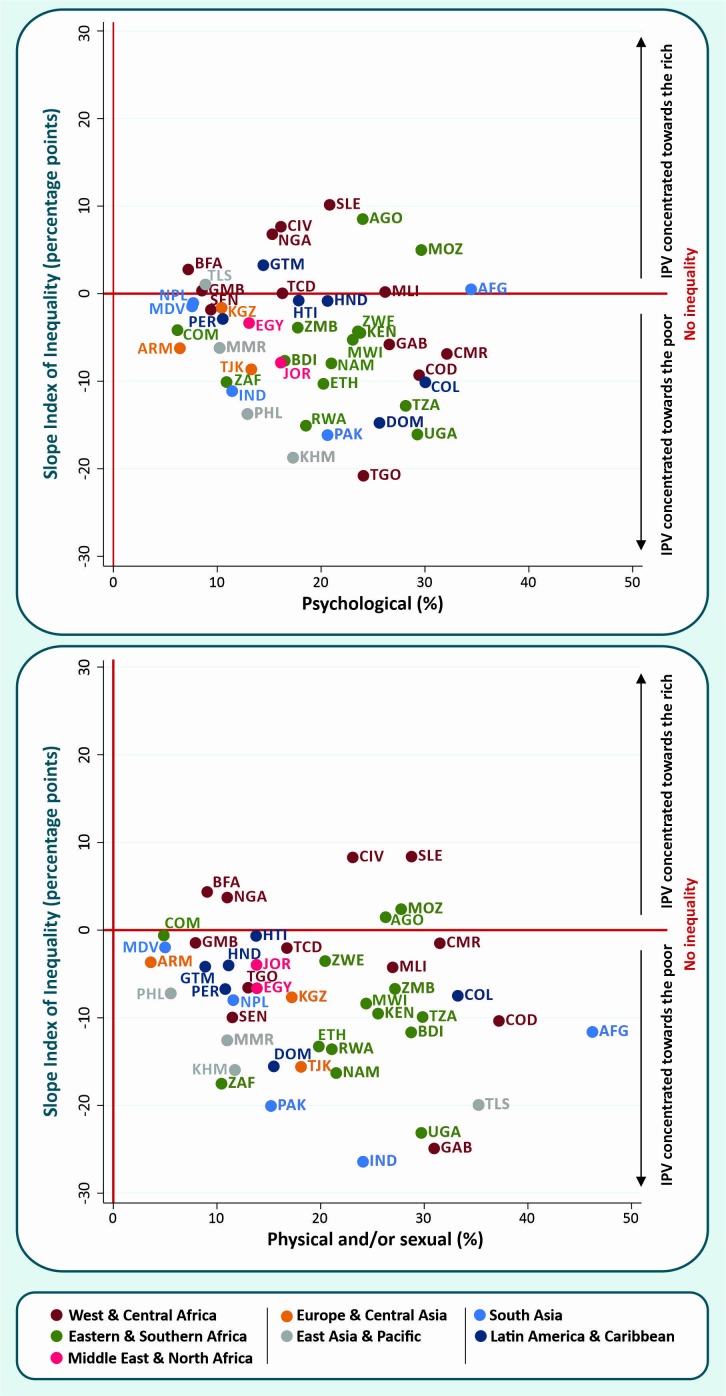
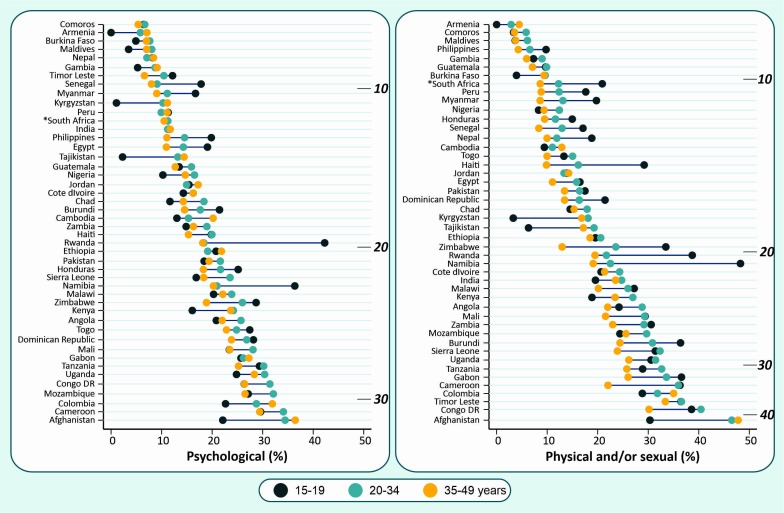
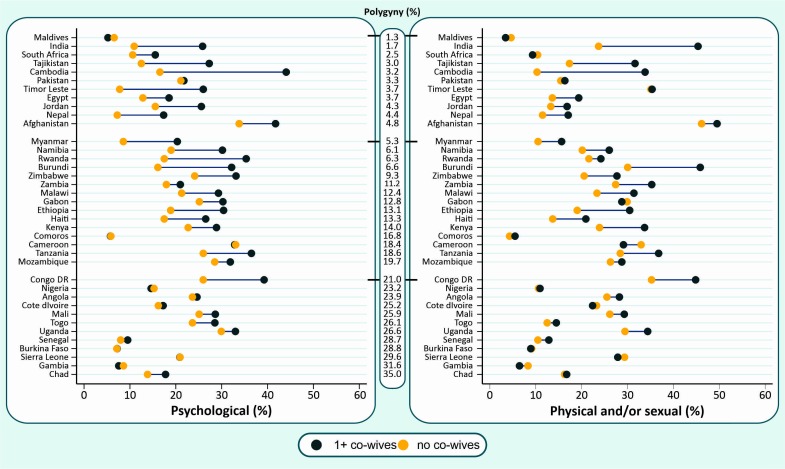
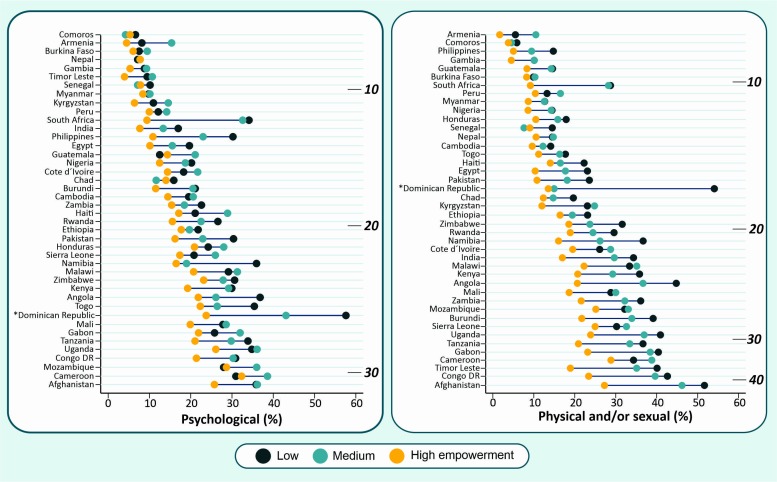
Introduction: Intimate partner violence (IPV) against women is a critical public health issue that transcends social and economic boundaries and considered to be a major obstacle to the progress towards the 2030 women, children and adolescents’ health goals in low-income and middle-income countries (LMICs). Standardised IPV measures have been increasingly incorporated into Demographic and Health Surveys carried out in LMICs. Routine reporting and disaggregated analyses at country level are essential to identify populational subgroups that are particularly vulnerable to IPV exposure. Methods: We examined data from 46 countries with surveys carried out between 2010 and 2017 to assess the prevalence and inequalities in recent psychological, physical and sexual IPV among ever-partnered women aged 15–49 years. Inequalities were assessed by disaggregating the data according to household wealth, women’s age, women’s empowerment level, polygyny status of the relationship and area of residence. Results: National levels of reported IPV varied widely across countries—from less than 5% in Armenia and Comoros to more than 40% in Afghanistan. Huge inequalities within countries were also observed. Generally, richer and more empowered women reported less IPV, as well as those whose partners had no cowives. Different patterns across countries were observed according to women’s age and area of residence but in most cases younger women and those living in rural areas tend to be more exposed to IPV. Conclusion: The present study advances the current knowledge by providing a global panorama of the prevalence of different forms of IPV across LMICs, helping the identification of the most vulnerable groups of women and for future monitoring of leaving no one behind towards achieving the elimination of all forms of violence among women and girls.
Overview
The claims and statistics of this paper haven’t been checked yet.
Free: it reads the open-access text and checks the first 5 claims that cite a source we can check. Create a free account to check every claim.
Integrity signals
Registry
Cites
Statistics
Figures
Verification
Claims the paper makes
The claims and statistics of this paper haven’t been checked yet.
Free: it reads the open-access text and checks the first 5 claims that cite a source we can check. Create a free account to check every claim.
Claims other papers make about this one
Each is checked against this paper’s own text: does it say what the citing paper says it does?
The source backs part of the claim, not all of it — or backs it for a different population, condition or comparison.
In the citing paper
“Data from a high-income context is unlikely to accurately depict the experiences of IPV in low-middle-income countries (LMIC) based on notable cultural and socioeconomic differences (Cerna-Turoff et al., 2021;Coll et al., 2020).”
From The Intergenerational Transmission of Emotional Intimate Partner Violence: a Systematic Review and Meta-Analysis (2025) · cites this paper as Coll et al., 2020
Experimental — accuracy not yet measured
Self-check
Percentages, sums and reported differences re-computed from the paper’s own numbers.
The self-check needs the paper’s full text.
Citations
Cites
The world report on violence and health
Krug, E. G., Mercy, J. A., Dahlberg, L. L., & Zwi, A. B. (2002) · The Lancet · doi:10.1016/s0140-6736(02)11133-0 · Cited by 9,110
Filmer, D., & Pritchett, L. H. (2001) · Demography · doi:10.1353/dem.2001.0003 · Cited by 5,238
García‐Moreno, C., Pallitto, C., Devries, K. M., Stöckl, H., Watts, C. G., & Abrahams, N. (2013) · Cited by 3,523
Self-citationGarcia-Moreno, C., Jansen, H. A., Ellsberg, M., Heise, L., & Watts, C. H. (2006) · The Lancet · doi:10.1016/s0140-6736(06)69523-8 · Cited by 3,176
Self-citationFilmer, D., & Pritchett, L. H. (2001) · Demography · doi:10.2307/3088292 · Cited by 2,972
Intimate partner violence: causes and prevention
Jewkes, R. (2002) · The Lancet · doi:10.1016/s0140-6736(02)08357-5 · Cited by 1,993
Abramsky, T., Watts, C. H., Garcia-Moreno, C., Devries, K., Kiss, L., Ellsberg, M., Jansen, H. A., & Heise, L. (2011) · BMC Public Health · doi:10.1186/1471-2458-11-109 · Cited by 1,413
Self-citationWorld Report on Violence and Health
(2002) · New South Wales Public Health Bulletin · doi:10.1071/nb02075 · Cited by 1,028
Garcia‐Moreno, C. (2001) · DigitalGeorgetown (Georgetown University Library) · Cited by 933
Heise, L. L., & Kotsadam, A. (2015) · The Lancet Global Health · doi:10.1016/s2214-109x(15)00013-3 · Cited by 605 · cited 1×
“30 From either side, our results support the potential effectiveness of interventions that promote women’s empowerment by addressing norms that justify wife beating for IPV reduction.”
Result
Research works printed but not linked: 1
- United Nations Human development indices and indicators. 2018 statistical update. 27 United Nations Development Programme, 2018: 123 http://hdr.undp.org/sites/default/files/2018_human_development_statistical_update.pdf
Cited by
Oram, S., Fisher, H. L., Minnis, H., Seedat, S., Walby, S., Hegarty, K., Rouf, K., Angénieux, C., Callard, F., Chandra, P. S., et al. (2022) · The Lancet Psychiatry · doi:10.1016/s2215-0366(22)00008-6 · Cited by 331
Self-citationEwerling, F., Raj, A., Victora, C. G., Hellwig, F., Coll, C. V., & Barros, A. J. (2020) · Journal of Global Health · doi:10.7189/jogh.10.020434 · Cited by 164
Self-citationNabaggala, M. S., Reddy, T., & Manda, S. (2021) · BMC Women s Health · doi:10.1186/s12905-021-01286-5 · Cited by 142
“The estimated associations could also be confounded by age, a known cofounder for IPV against women [45, 46].”
BackgroundMethodInfluentialGunarathne, L., Bhowmik, J., Apputhurai, P., & Nedeljkovic, M. (2023) · PLoS ONE · doi:10.1371/journal.pone.0293295 · Cited by 143
Wado, Y., Mutua, M., Mohiddin, A., Ijadunola, M., Faye, C., Coll, C., Barros, A., & Kabiru, C. (2021) · Reproductive Health · doi:10.1186/s12978-021-01077-z · Cited by 87
“Traditional beliefs that men have a right to control women and that increase vulnerability to violence are more common among the poorest, less educated and rural adolescents in SSA [9, 20, 37, 43].”
BackgroundResultInfluentialSelf-citationAlemi, Q., Panter‐Brick, C., Oriya, S., Ahmady, M., Alimi, A. Q., Faiz, H., Hakim, N., Hashemi, S. A. S., Manaly, M. A., Naseri, R., et al. (2023) · BJPsych Open · doi:10.1192/bjo.2023.502 · Cited by 128
Ma, N., Chen, S., Kong, Y., Chen, Z., Geldsetzer, P., Zeng, H., Wu, L., Wehrmeister, F. C., Lu, C., Subramanian, S. V., et al. (2023) · The Lancet Global Health · doi:10.1016/s2214-109x(23)00417-5 · Cited by 97
Mannell, J., Lowe, H., Brown, L. J., Mukerji, R., Devakumar, D., Gram, L., Jansen, H. A. F. M., Minckas, N., Osrin, D., Prost, A., et al. (2022) · BMJ Global Health · doi:10.1136/bmjgh-2021-007704 · Cited by 109
Huang, K., Kumar, M., Cheng, S., Urcuyo, A. E., & Macharia, P. M. (2022) · BMC Health Services Research · doi:10.1186/s12913-022-08673-0 · Cited by 118
“A trans-regional study based on 46 countries also reported an overall higher prevalence of IPV in younger women (15–19 years old) than the older women (20–34 or 35–49) [10].”
BackgroundZhu, Y., He, C., Bell, M. L., Zhang, Y., Fatmi, Z., Zhang, Y., Zaid, M., Bachwenkizi, J., Liu, C., Zhou, L., et al. (2023) · JAMA Psychiatry · doi:10.1001/jamapsychiatry.2023.1958 · Cited by 75
Kebede, S. A., Weldesenbet, A. B., & Tusa, B. S. (2022) · BMC Women's Health · doi:10.1186/s12905-022-01656-7 · Cited by 48
“This could be explained by women who do seek help but find difficulty in accessing services due to geographical isolation, lack of transportation, and not having access to their income [21, 22].”
BackgroundThe Influence of Interparental Conflict and Violence on Parenting and Parent–Child Relationships
Kopystynska, O., Mueller, J., Bradford, K. P., Chandler, A. B., Foran, H. M., & Higginbotham, B. J. (2022) · Personal Relationships · doi:10.1111/pere.12441 · Cited by 64
Mossie, T. B., Fenta, H. M., Tadesse, M., & Tadele, A. (2023) · Frontiers in Public Health · doi:10.3389/fpubh.2023.1188718 · Cited by 44
“Similar prior studies across 20 and 40 countries, respectively, revealed that except for Mozambique in the first study, wealthier women had lower odds of IPV in both studies (23, 54) and the number of children is a modifiable factor that needs to be considered by programs against IPV.”
ResultShinwari, R., Wilson, M. L., Abiodun, O. A., & Shaikh, M. A. (2021) · Archives of Women s Mental Health · doi:10.1007/s00737-021-01143-2 · Cited by 59
Intimate partner violence and hair cortisol concentration: A biomarker for HPA axis function
Alhalal, E., & Falatah, R. (2020) · Psychoneuroendocrinology · doi:10.1016/j.psyneuen.2020.104897 · Cited by 43
Verbal and psychological violence against women in Turkey and its determinants
Alkan, Ö., Serçemeli, C., & Özmen, K. (2022) · PLoS ONE · doi:10.1371/journal.pone.0275950 · Cited by 46
“In another study, unlike this one, it was stated that unattached women aged between 15–49 had a higher possibility of exposure to psychological violence [85].”
BackgroundAhinkorah, B. O. (2021) · SSM - Population Health · doi:10.1016/j.ssmph.2021.100730 · Cited by 59
Liyew, A. M., Alem, A. Z., & Ayalew, H. G. (2022) · BMC Public Health · doi:10.1186/s12889-022-12720-0 · Cited by 44
“In low-income countries, reported intimate partner violence (IPV) varied widely from less than 5% in Armenia and Comoros to more than 40% in Afghanistan with richer and more empowered women having less IPV [4].”
BackgroundTrends and disparities in non-communicable diseases in the Western Pacific region
Peng, W. H., Zhang, L., Wen, F., Tang, X., Zeng, L., Chen, J., Galea, G., Wen, D., & Wang, Y. (2023) · The Lancet Regional Health - Western Pacific · doi:10.1016/j.lanwpc.2023.100938 · Cited by 91
“22,23 Though the recognition of mental health problems in LMICs is growing, the gap still exists in monitoring the issue and studying the strategies, policies, and programs to prevent mental disorders by income groups.”
BackgroundBrown, L. J., Lowe, H., Gibbs, A., Smith, C. J., & Mannell, J. (2022) · Journal of Interpersonal Violence · doi:10.1177/08862605221086642 · Cited by 52
“…and study IPV prevalence using simplistic divisions of high income countries (HICs) versus low and middle income countries (LMICs) (Mercy et al., 2017; Stöckl et al., 2013; WHO, 2021), or to solely focus on IPV prevalence in just one or the other (Coll et al., 2020; Peterman et al., 2015).”
BackgroundBelay, H. G., Arage, G., Ayele, A. D., Kassa, B. G., Mihretie, G. N., Meseret, L., & Worke, M. D. (2022) · PLoS ONE · doi:10.1371/journal.pone.0275836 · Cited by 37
A scoping review on the nature and impact of gender based violence on women primary producers
O’Mullan, C., Sinai, S., & Kaphle, S. (2024) · BMC Women s Health · doi:10.1186/s12905-024-03228-3 · Cited by 47
“Furthermore, novel data collection approaches to capture prevalence data, including methods that increase respondent privacy and anonymity, are being trialed worldwide [84, 88].”
BackgroundMental health and COVID-19 in a general population cohort in Spain (COVICAT study)
Goldberg, X., Castaño‐Vinyals, G., Espinosa, A., Carreras, A., Liutsko, L., Sicuri, E., Foraster, M., O’Callaghan-Gordo, C., Dadvand, P., Moncunill, G., et al. (2022) · Social Psychiatry and Psychiatric Epidemiology · doi:10.1007/s00127-022-02303-0 · Cited by 40
Maguele, M. S. B., Taylor, M., & Khuzwayo, N. (2020) · BMJ Open · doi:10.1136/bmjopen-2020-040641 · Cited by 37
Maguele, M. S. B., Tlou, B., Taylor, M., & Khuzwayo, N. (2020) · PLoS ONE · doi:10.1371/journal.pone.0243304 · Cited by 33
“In studies from SSA and elsewhere including the Zimbabwean study [13, 20, 41, 48] and from USA settings [44, 45, 49], psychological violence was reported as the most prevalent form of IPV.”
InfluentialBuffarini, R., Coll, C. V. N., Moffitt, T. E., da Silveira, M. F., Barros, F. C., & Murray, J. (2021) · BMJ Global Health · doi:10.1136/bmjgh-2020-004306 · Cited by 38
Self-citationLaslett, A., Graham, K., Wilson, I. M., Kuntsche, S., Fulu, E., Jewkes, R. K., & Taft, A. (2021) · Addiction · doi:10.1111/add.15485 · Cited by 31
“who are less educated, poorer and younger) are disproportionately more likely to be victims of IPV [2].”
BackgroundGoldberg, X., Espelt, C., Casteràs, D. P., Palao, D. J., Nadal, R. A., & Armario, A. (2021) · Neuroscience & Biobehavioral Reviews · doi:10.1016/j.neubiorev.2021.06.045 · Cited by 34
Tamiru, D., Misgana, T., Tariku, M., Tesfaye, D., Alemu, D., Weldesenbet, A. B., Gebremichael, B., & Dheresa, M. (2022) · Frontiers in Psychiatry · doi:10.3389/fpsyt.2022.843984 · Cited by 35
“The experience of intimate partner violence (IPV) was assessed using the WHO multi-country study questionnaire constituting psychological, physical, and sexually violent acts, often accompanied by controlling behavior where a single positive answer indicated the presence of violence (42).”
MethodOluwole, E. O., Onwumelu, N. C., & Okafor, I. P. (2020) · PubMed Central · doi:10.11604/pamj.2020.36.345.24402 · Cited by 26
“Intimate partner violence is one the most common forms of violence against women worldwide which can lead to wide array of health consequences among survivors [2].”
BackgroundInfluentialKebede, S., van Harmelen, A., & Román-Urrestarazu, A. (2021) · Journal of Interpersonal Violence · doi:10.1177/08862605211016337 · Cited by 39
“One such study provided descriptive analysis of 46 countries from 2010 to 2016, and showed IPV prevalence to be higher in households in the lowest wealth brackets (Coll et al., 2020).”
BackgroundOluwagbemiga, A., Johnson, A., & Olaniyi, M. (2022) · Journal of Interpersonal Violence · doi:10.1177/08862605221109896 · Cited by 34
“Because of the community acceptance of violence against women by men as a normative pattern of male dominance, the risk of violence that women run is usually overlooked (Coll et al., 2020; Iman’ishimwe et al., 2020).”
BackgroundTsegaw, M., Mulat, B., & Shitu, K. (2022) · BMC Women s Health · doi:10.1186/s12905-022-01830-x · Cited by 22
“Empowered women have a greater self-esteem control over their own lives and their surrounding environment,as a result she will have a low probability of being exposed to IPV [41].”
BackgroundBoddy, J., Harris, C., O’Leary, P., Hohenhaus, M., Bond, C. E. W., Panagiotaros, C. V., & Holdsworth, L. (2024) · Trauma Violence & Abuse · doi:10.1177/15248380241249145 · Cited by 23
“IPV has been identified as a global public health issue and serious abuse of human rights (Coll et al., 2020; Garcia-Moreno et al., 2006), given its severe impacts on the physical, psychological, sexual, and reproductive health of women and families (Coll et al., 2020).”
BackgroundRingwald, B., Tolhurst, R., Taegtmeyer, M., Digolo, L., Gichuna, G., Gaitho, M., Phillips‐Howard, P. A., Otiso, L., & Giorgi, E. (2022) · Journal of Interpersonal Violence · doi:10.1177/08862605221120893 · Cited by 22
“Multi-country studies on violence against women suggest IPV risk is greater in rural than urban areas (Coll et al., 2020; García-Moreno et al., 2005).”
BackgroundFactors associated with violence against women by an intimate partner in Northeast Brazil
Lima, L. A. D. A., Monteiro, C. F. D. S., Nunes, B. M. V. T., Júnior, F. J. G. D. S., Fernandes, M. A., Zafar, S., dos Santos, M. A., Wagstaff, C., Diehl, A., & Pillon, S. C. (2021) · Archives of Psychiatric Nursing · doi:10.1016/j.apnu.2021.10.006 · Cited by 25
Coll, C. V. N., Santos, T. M., Devries, K. M., Knaul, F. M., Bustreo, F., Gatuguta, A., Houvèssou, G. M., & Barros, A. J. D. (2021) · EClinicalMedicine · doi:10.1016/j.eclinm.2021.101214 · Cited by 35
“This analysis therefore builds on our earlier work which performed data stratification by a limited set of pre-specified sociodemographic indicators to identify subgroups of women at increased risk of IPV and estimate inequalities [1].”
BackgroundResultSelf-citationPhilbrick, W. C., MILNOR, J. R., Deshmukh, M., & Mechael, P. (2022) · Campbell Systematic Reviews · doi:10.1002/cl2.1277 · Cited by 32
“Although excluded, we did consider studies conducted in higher ‐ income countries (HIC) only to provide context and contrast for the EGM discussion of the eligible studies from LMIC.”
BackgroundInfluentialColl, C. V. N., Wendt, A. T., Santos, T. M., Bhatia, A., & Barros, A. J. D. (2023) · International Journal of Environmental Research and Public Health · doi:10.3390/ijerph20043218 · Cited by 19
Self-citationJewkes, R. K., Chirwa, E. D., Alangea, D. O., Addo-Lartey, A. A., Christofides, N. J., Dunkle, K., Ramsoomar, L., & Gibbs, A. (2023) · Journal of Global Health · doi:10.7189/jogh.13.04021 · Cited by 25
The Impacts of Intimate Partner Violence on Postpartum Depression: An Updated Meta-Analysis
Wei, X., Wang, W., Law, Y. W., & Zhang, H. (2024) · Trauma, Violence, & Abuse · doi:10.1177/15248380231188068 · Cited by 19
“Coll et al. (2020), in their study encompassing 46 low-and middle-income countries, found that poorer, younger, and less powerful women were particularly vulnerable to IPV, compared to their richer, older, and more empowered counterparts in most included countries.”
BackgroundLiu, C., & Olamijuwon, E. O. (2024) · Social Science & Medicine · doi:10.1016/j.socscimed.2024.116688 · Cited by 26
“Previous studies have highlighted the importance of examining power dynamics between intimate partners (Coll et al., 2020; Gage and Thomas, 2017; Villarreal, 2007).”
BackgroundAbramsky, T., Harvey, S. E., Mosha, N. R., Mtolela, G. J., Gibbs, A., Mshana, G. H., Lees, S. S., Kapiga, S., & Stöckl, H. (2022) · BMC Women s Health · doi:10.1186/s12905-022-01697-y · Cited by 22
“Financial hardship (and other indicators of socio-economic status) are strong risk factors for IPV[52, 53].”
Backgroundda Conceição, H. N., Coelho, S. F., & Madeiro, A. P. (2021) · Epidemiologia e Serviços de Saúde · doi:10.1590/s1679-49742021000200012 · Cited by 47
DeHond, A., Brady, F., & Kalokhe, A. S. (2022) · Trauma Violence & Abuse · doi:10.1177/15248380221097441 · Cited by 21
Hadush, F., Tsegaye, D., Legass, S. A., Abebe, E., & Zenu, S. (2023) · BMC Public Health · doi:10.1186/s12889-023-16343-x · Cited by 21
“It is also higher than reports on the prevalence of IPV among non-refugee women from 46 Low and Middle Income Countries(LMIC) where the prevalence ranged from 5-40% [39].”
BackgroundSignorelli, M. C., de Souza, F. G., Pinheiro, R. V. B., Valente, J. Y., Andreoni, S., Rezende, L. F. M., & Sanchez, Z. M. (2023) · Journal of Interpersonal Violence · doi:10.1177/08862605231155141 · Cited by 25
“IPV against women is more prevalent and challenging in low- and middle-income countries, where there are fewer resources available to cope with the problem (Coll et al., 2020; WHO, 2021).”
BackgroundMurray, S. M., Skavenski, S. V. W., Metz, K. L., Munthali, S., Mwenge, M., Kane, J. C., Alto, M. E., Venturo‐Conerly, K. E., Wasil, A. R., Fine, S. L., et al. (2020) · Social Science & Medicine · doi:10.1016/j.socscimed.2020.113458 · Cited by 19
Dating violence among adolescents from a region of high social vulnerability
de Oliveira, A. P. F., Silva, S. M. C., Campeiz, A. B., de Oliveira, W. A., Silva, M. A. I., & Carlos, D. M. (2021) · Revista Latino-Americana de Enfermagem · doi:10.1590/1518-8345.5353.3499 · Cited by 23
“A metaanalysis with data from 46 underdeveloped or developing countries indicated that young and rural women were more exposed to intimate partner violence(7).”
BackgroundMootz, J. J., Spencer, C. M., Ettelbrick, J., Kann, B., dos Santos, P. F., Palmer, M., & Stith, S. M. (2022) · Trauma Violence & Abuse · doi:10.1177/15248380221129589 · Cited by 19
“Data from 46 low-and middle-income countries (LMICs) showed that women who were poorer, younger, and lived in rural areas were more likely to experience IPV victimization (Coll et al., 2020).”
BackgroundNowshad, G., Jahan, N., Shah, N. Z., Ali, N., Ali, T. S., Alam, S., Khan, A., Mahmood, M. A., Saba, M., Arnone, D., et al. (2022) · PLoS ONE · doi:10.1371/journal.pone.0268735 · Cited by 19
“In the present study the IPV estimates were of a similar magnitude to what reported in global studies in low- and middle-income countries, using a similar criterion of IPV occurrence in the past 12 months [33] including countries such as India (22.”
BackgroundResultIkuteyijo, O. O., Zepro, N. B., Akinyemi, A. I., Probst-Hensch, N. M., & Merten, S. (2025) · Public health reviews · doi:10.3389/phrs.2024.1607041 · Cited by 13
Johnson, S. L., Rasmussen, J. D., Mansoor, M., Ibrahim, H., Rono, W., Goel, P., Vissoci, J. R. N., von Isenburg, M., & Puffer, E. S. (2023) · Trauma Violence & Abuse · doi:10.1177/15248380231173428 · Cited by 18
“Moreover, adolescent girls and younger women (aged 15–19) experience higher levels of IPV compared to older women in some SSA counties (Coll et al., 2020).”
BackgroundKeynejad, R. C., Bitew, T., Sorsdahl, K., Myers, B., Honikman, S., Medhin, G., Deyessa, N., Mulushoa, A., Fekadu, E., Howard, L. M., et al. (2023) · PLOS Global Public Health · doi:10.1371/journal.pgph.0002054 · Cited by 12
Kheirallah, K. A., Elbarazi, I., Alrawashdeh, A., Al-Saleh, A., Megdadi, M. A., Obeidat, S., Elfauri, K. A., & Al-Mistarehi, A.-H. W. (2023) · Journal of Medicine and Life · doi:10.25122/jml-2023-0111 · Cited by 15
“While some studies reported that adolescent girls were at higher risk of DV [34, 35], others indicated that older women were at higher risk [24, 25, 33].”
BackgroundResultPrevalence of Physical Violence Against Brazilian Women: Systematic Review and Meta-Analysis
Nakamura, I. B., Silva, M. T., García, L. P., & Galvão, T. F. (2021) · Trauma Violence & Abuse · doi:10.1177/15248380211029410 · Cited by 24
“Higher rates of violence against women and the consequences to women’s lives due to violence are remarked in low- and middle-income countries (Coll et al., 2020).”
BackgroundAbudulai, F., Pichon, M., Buller, A. M., Scott, J. A., & Sharma, V. (2022) · International Journal of Environmental Research and Public Health · doi:10.3390/ijerph19095757 · Cited by 15
Bhatt-Carreño, S., Orjuela‐Grimm, M., Vahedi, L., Roesch, E., Heckman, C., Beckingham, A., Gayford, M., & Meyer, S. R. (2024) · PLoS ONE · doi:10.1371/journal.pone.0298364 · Cited by 20
Samad, N., Das, P., Ahinkorah, B. O., Seidu, A., Frimpong, J. B., Okyere, J., Hagan, J. E., Nabi, M. H., & Hawlader, M. D. H. (2021) · European Journal of Investigation in Health Psychology and Education · doi:10.3390/ejihpe11020022 · Cited by 11
R.E.S.P.e.c.T and intimate partner violence: a cross-sectional study using DHS data in Kenya
Ward, C. L., & Harlow, S. D. (2021) · BMJ Open · doi:10.1136/bmjopen-2020-046069 · Cited by 11
Hiscox, L. V., Fairchild, G. F., Donald, K. A., Groenewold, N. A., Koen, N., Roos, A., Narr, K. L., Lawrence, M., Hoffman, N., Wedderburn, C. J., et al. (2022) · Developmental Cognitive Neuroscience · doi:10.1016/j.dcn.2023.101210 · Cited by 17
“…household and national health surveys, the prevalence of violence against women by their intimate partner varies widely across countries but tends to be substantially higher in low-income and middle-income countries versus high-income countries (Coll et al., 2020; Garcia-Moreno et al., 2006).”
Alemi, Q., Stempel, C., Montgomery, S., Koga, P. M., Smith, V. J., Baek, K., Fisher, C. C., & Malika, N. M. (2021) · Violence Against Women · doi:10.1177/10778012211051398 · Cited by 11
“In more recent estimates based on the country’s 2015 DHS, Coll et al. (2020) estimated a 45.8% prevalence rate for past-12 month physical IPV and 46% for past-12 month emotional and/or sexual IPV.”
BackgroundInfluentialMurray, S. M., Lasater, M. E., Guimond, M.-F., Poku, O. B., Musci, R. J., Al-Fataftah, M., Kasina, L. K., Lwambi, M., Salaimeh, A., & Falb, K. (2021) · Conflict and Health · doi:10.1186/s13031-021-00431-z · Cited by 14
“The past year prevalence of physical or sexual intimate partner violence among ever-partnered women aged 15–49 has been found to range from 5 to 40% across low- and middle-income counties (LMIC), with a greater prevalence observed among lower-income women [1].”
BackgroundTeshome, L., Adugna, H., & Deribe, L. (2023) · PLoS ONE · doi:10.1371/journal.pone.0295494 · Cited by 10
Gunarathne, L., Apputhurai, P., Nedeljkovic, M., & Bhowmik, J. (2024) · Health Care For Women International · doi:10.1080/07399332.2024.2319214 · Cited by 13
“IPV has widespread and long-lasting consequences for women and their families, causing both short-term and long-term adverse physical and psychological effects (Coll et al., 2020).”
InfluentialGunarathne, L., Nedeljkovic, M., Apputhurai, P., & Bhowmik, J. (2024) · Journal of Public Health · doi:10.1093/pubmed/fdae082 · Cited by 13
“36,40 Furthermore, these opportunities resulting from marrying at a later age may also reduce the likelihood of experiencing IPV, 41 thereby reducing the mental health consequences associated with it.”
BackgroundInfluentialRahman, L., Mont, J. D., O'Campo, P. J., & Einstein, G. (2022) · International Journal for Equity in Health · doi:10.1186/s12939-021-01587-z · Cited by 12
“Such widespread within community differences indicated that women’s age, education, and poverty are sites of both oppressions and privileges with underlying patriarchal and socio-economic power structures in Bangladesh, as elsewhere [57].”
BackgroundMootz, J. J., Fennig, M., Giusto, A. M., Mumey, A., Greene, M. C., & Wainberg, M. L. (2023) · Cambridge Prisms Global Mental Health · doi:10.1017/gmh.2023.62 · Cited by 13
“Povertyisariskfactorfor IPV perpetration and child maltreatment (Skeen and Tomlinson, 2013; Coll et al. , 2020), and food insecurity increases odds of being exposed to family violence (Gibbs et al. , 2018).”
BackgroundBloom, B. E., Wagman, J. A., Dunkle, K., & Fielding-Miller, R. K. (2020) · Global Public Health · doi:10.1080/17441692.2020.1849347 · Cited by 13
“…living in rural areas and in polygamous © 2020 Informa UK Limited, trading as Taylor & Francis Group CONTACT Brittnie E. Bloom brittniebloom@gmail.com Graduate School of Public Health, San Diego State University, 5500 Campanile Drive, San Diego, CA 92182, USA relationships (Coll et al., 2020).”
BackgroundPhilbrick, W. C., MILNOR, J. R., Deshmukh, M., & Mechael, P. (2021) · Campbell Systematic Reviews · doi:10.1002/cl2.1153 · Cited by 14
“( Coll et al., 2020).”
Abas, M., Müller, M., Gibson, L. J., Derveeuw, S., Dissanayake, N., Smith, P. A., Verhey, R., Danese, A., & Chibanda, D. (2023) · BJPsych Open · doi:10.1192/bjo.2022.621 · Cited by 9
Mulatu, T., Dessie, Y., & Abera, M. (2024) · BMC Public Health · doi:10.1186/s12889-024-18781-7 · Cited by 9
“Although great efforts have been made to identify, combat, and prevent all forms of IPV, there is still little investment in IPV research and coordination for tracking progress towards the SDGs in most low and middle income countries, including Ethiopia [17–19].”
BackgroundMishra, S. K., Pradhan, G., Pradhan, S. K., & Choubey, G. (2024) · Cureus · doi:10.7759/cureus.66113 · Cited by 9
“…of experiencing DV decrease as we move up the income ladder, as economic deprivation can lead to family stress and strain that contribute to DV. Similar results were explained by studies across the globe, highlighting the positive influence of economic stability on family health [13,14,19,22,23].”
ResultA Scoping Review of the Intimate Partner Violence Literature Among Afghans Across Contexts
Wachter, K., Baccam, Z., Burgess, T. L., & Alemi, Q. (2024) · Trauma Violence & Abuse · doi:10.1177/15248380241271419 · Cited by 9
“IPV varied widely across countries, from less than 5% in Armenia and Comoros to more than 40% in Afghanistan (Coll et al., 2020).”
InfluentialMukamana, J. I., Machakanja, P., Zeeb, H., Yaya, S., & Adjei, N. K. (2022) · PLoS ONE · doi:10.1371/journal.pone.0272038 · Cited by 11
Lowe, H., Mannell, J., Faumuina, T., Sinclair, L., Tamanikaiyaroi, L., & Brown, L. J. (2023) · The Lancet Regional Health - Western Pacific · doi:10.1016/j.lanwpc.2023.100957 · Cited by 11
Domestic violence in Kazakhstan: Forensic-medical and medical-social aspects
Mussabekova, S., Mkhitaryan, X. E., & Abdikadirova, K. R. (2024) · Forensic Science International Reports · doi:10.1016/j.fsir.2024.100356 · Cited by 16
Impact of the COVID-19 lockdown on intimate partner violence: Issues of non-reporting in Bangladesh
Mahmood, N., Kamruzzaman, M., Rahman, A., Reidpath, D. D., & Akhter, S. (2022) · Women s Health · doi:10.1177/17455057221087888 · Cited by 10
Bidirectional intimate partner violence: Evidence from a list experiment in Kenya
Castilla, C., & Murphy, D. M. A. (2022) · Health Economics · doi:10.1002/hec.4616 · Cited by 14
Polygyny and Women’s Status: Myths and Evidence
Pesando, L. M. (2021) · Encyclopedia of the UN sustainable development goals · doi:10.1007/978-3-319-95687-9_141 · Cited by 10
Tie, L., & Zheng, Y. (2023) · Journal of Interpersonal Violence · doi:10.1177/08862605231172477 · Cited by 9
Using Machine Learning Prediction to Create a 15-question IPV Measurement Tool
Shashidhara, S., Mamidi, P., Vaidya, S., & Daral, I. (2023) · Journal of Interpersonal Violence · doi:10.1177/08862605231191187 · Cited by 8
“Younger women from low-income households are more likely to experience IPV (Coll et al., 2020).”
BackgroundGopalakrishnan, L., Bertozzi, S., Bradshaw, P. T., Deardorff, J., Baker, H. (., & Rabe‐Hesketh, S. (2023) · Violence Against Women · doi:10.1177/10778012231208999 · Cited by 10
Intimate Partner Violence and Age at Marriage in Mali: The Moderating Influence of Polygynous Unions
Hayes, B. E., & van Baak, C. (2022) · Violence Against Women · doi:10.1177/10778012221108418 · Cited by 12
“The increased risk of IPV among women in polygynous marriages has also been reported in cross-national studies (Abramsky et al., 2011; Ahinkorah, 2021; Coll et al., 2020; Izugbara et al., 2020).”
BackgroundOsborne, K.-L., Munasinghe, S., & Page, A. (2025) · Journal of Family Violence · doi:10.1007/s10896-025-00871-8 · Cited by 7
Gunarathne, L., Apputhurai, P., Nedeljkovic, M., & Bhowmik, J. (2024) · Journal of Interpersonal Violence · doi:10.1177/08862605241279980 · Cited by 10
“Furthermore, in line with existing evidence, women’s involvement in decision-making showed a significant negative direct effect on their IPV experiences (Coll et al., 2020; Semahegn & Mengistie, 2015).”
InfluentialPadilla-Medina, D. M., Small, E., & Nikolova, S. (2022) · Violence Against Women · doi:10.1177/10778012221088308 · Cited by 14
“…other studies in Colombia and other developing countries in Latin America, our results indicated that women between the ages of 25 and 39 experienced more controlling and violent behaviors from their partners and husbands than women in other age groups (Coll et al., 2020; Tuesca & Borda, 2003).”
ResultUnpacking power dynamics and women's economic empowerment in polygynous households in Burkina Faso
Eissler, S., Heckert, J., Pedehombga, A., Sanou, A. K., Ganaba, R., & Gelli, A. (2024) · Journal of Marriage and the Family · doi:10.1111/jomf.13063 · Cited by 12
Adhikari, S. P., Stranges, T. N., Lorenz, B. R., Marshall, R. A., Jiang, N., & van Donkelaar, P. (2025) · Trauma Violence & Abuse · doi:10.1177/15248380241309292 · Cited by 9
“Our findings are consistent with the published literature on IPV (Abramsky et al., 2011; Coll et al., 2020).”
Gunarathne, L., Apputhurai, P., Nedeljkovic, M., & Bhowmik, J. (2025) · Violence Against Women · doi:10.1177/10778012251324890 · Cited by 7
“…associated with various maladaptive factors including lower educational attainment, lower socioeconomic status, early marriage, exposure to childhood abuse, norms accepting violence, women ’ s decision-making power, and income levels (Coll et al., 2020; Gunarathne et al., 2023; Sanni et al., 2021).”
InfluentialDale, M. T. G., Aakvaag, H. F., Nissen, A., & Strøm, I. F. (2025) · BMC Public Health · doi:10.1186/s12889-025-22763-8 · Cited by 8
Tadesse, G., Nakie, G., Rtbey, G., Tinsae, T., Fentahun, S., Andualem, F., Kelebie, M. A., Wassie, Y. A., Tsegaw, T. K., & Kibralew, G. (2025) · Archives of Public Health · doi:10.1186/s13690-025-01736-8 · Cited by 6
“Reports of IPV in low-income countries ranged significantly, from less than 5% in Armenia and Comoros to over 40% in Afghanistan [9].”
Nakie, G., Tadesse, G., Fentahun, S., Rtbey, G., Andualem, F., Kibralew, G., Kelebie, M. A., Melkam, M., Tinsae, T., Kassa, M. A., et al. (2025) · BMC Public Health · doi:10.1186/s12889-025-23544-z · Cited by 13
“For instance, studies from 46 low-and middle-income nations reported IPV rates ranging from less than 5% in Armenia and Comoros to over 40% in Afghanistan, with younger women more commonly affected [6].”
Vinnakota, D., Parsa, A. D., Sivasubramanian, M., Mahmud, I., Sathian, B., & Kabir, R. (2022) · Women · doi:10.3390/women2020012 · Cited by 8
“The Institutional review board approved the TJDHS research instrument of ICF, and the women’s questionnaire was validated by pretesting with 11 women for 4 weeks [41].”
MethodAddressing Intimate Partner Violence and Child Maltreatment: Challenges and Opportunities
Spearman, K. J., Alhusen, J. L., Ho, G. W. K., Smith, K. F., & Campbell, J. C. (2022) · Child Maltreatment · doi:10.1007/978-3-030-82479-2_16 · Cited by 6
Diki, G., Makochekanwa, A., Moyo, S., & Mhloyi, M. M. (2022) · Cogent Social Sciences · doi:10.1080/23311886.2022.2082096 · Cited by 9
“Concurring to the views about household wealth is a study by Coll et al. (2020), who indicated that richer and more empowered women reported less IPV.”
BackgroundInfluentialAllan‐Blitz, L., Olson, R. M., & Tran, Q. (2023) · JAMA Network Open · doi:10.1001/jamanetworkopen.2022.53552 · Cited by 12
DHEERA reaching the young, a novel approach addressing gender‐based violence in India
Kumari, S. S., Suman, B. A., Devineni, K., & Bhardwaj, A. (2023) · International Journal of Gynecology & Obstetrics · doi:10.1002/ijgo.15120 · Cited by 9
Ahmed, A. K., Azees, A. S., Fasiku, M. M., Jimoh, O. S., Imhonopi, G. B., Temitayo-Oboh, A. O., Salam, R. A., El-Imam, I. A., Ojo, O. Y., & Ehiem, E. C. (2024) · Nigerian Postgraduate Medical Journal · doi:10.4103/npmj.npmj_23_24 · Cited by 5
Gender-based economic violence and the exploitation of women: A deep dive
Saraç, E., & ODABAŞ, D. (2025) · World Journal of Psychiatry · doi:10.5498/wjp.v15.i3.103725 · Cited by 11
Metadata
- Authors
- Coll, C. V. N., Ewerling, F., García-Moreno, C., Hellwig, F., & Barros, A. J. D.
- Affiliations
- Universidade Federal de Pelotas (BR)
- Reproductive Health and Research, WHO, Geneve, GE, Switzerland
- International Center for Equity in Health, Universidade Federal de Pelotas, Pelotas, RS, Brazil
- Corresponding author
- Coll, Carolina V N
- Venue
- BMJ Global Health
- Publisher
- BMJ
- Published
- 2020-01
- Volume
- 5
- Issue
- 1
- Pages
- e002208
- ISSN
- 2059-7908 (ISSN-L)
- PMC
- PMC7042580
- OpenAlex
- W3002907999
- Cited by
- 240
- References
- 37
- Citations by year
- 2026: 35 · 2025: 45 · 2024: 39 · 2023: 48 · 2022: 41 · 2021: 23 · 2020: 9
- FWCI
- 16.69
- Type
- journal article
- Language
- en
- Open access
- gold
- doi.org
- Locations
- BMJ Global Health (publishedVersion, cc-by)
- Europe PMC (PubMed Central) (publishedVersion, cc-by)
- PubMed Central (publishedVersion, cc-by)
- PubMed (publishedVersion)
- DOAJ (DOAJ: Directory of Open Access Journals) (submittedVersion, cc-by-sa)
- Funders
- Bill and Melinda Gates Foundation (OPP1148933)
- Wellcome Trust (101815/Z/13/Z)
- Topics
- Social Sciences › Health › Intimate Partner and Family Violence
- Health Sciences › Medicine › Geriatrics and Gerontology › Elder Abuse and Neglect
- Social Sciences › Sociology and Political Science › Gender, Violence, Rights in Latin America
- Keywords
- intimate partner violence, violence against women, low- and middle-income countries, psychological violence, physical violence, sexual violence, IPV prevalence, socioeconomic disparities, women's empowerment, polygyny, household wealth, urban-rural differences, maternal age, vulnerable populations, Demographic and Health Surveys
- MeSH terms
- Intimate Partner Violence, Adolescent, Adult, Developing Countries, Female, Health Surveys, Humans, Middle Aged, Poverty, Vulnerable Populations, Young Adult
About these checks
Registry, retraction, Cites and statistics results are computed, not judged, with one exception: a printed reference that no index lists is read once by a model before it counts as a citation error. Claims are extracted by a model and kept only when their quote appears verbatim in the text; each cited source is then checked, with a model’s help, for whether it says what the claim relies on. Those verdicts can be wrong — read the claim’s quote and the cited source before relying on one.
Statistics and arithmetic are recomputed, not judged.
Confidence bands are shown only for fields calibrated on our annotated test set. None is calibrated yet, so no band is shown.
What counts as a claim ›How we measure confidence ›How we check this ›
Are you an author, or do you see a problem with this page? Request a review
Data sources
Bibliographic data: Semantic Scholar, OpenAlex, Crossref.
Contains information from the Semantic Scholar Academic Graph Datasets, made available under the ODC Attribution License (ODC-BY 1.0).
Semantic Scholar’s data is described in: Kinney, R., et al. (2023). The Semantic Scholar Open Data Platform. arXiv:2301.10140.
