

Dual targeting of TGF-β and PD-L1 via a bifunctional anti-PD-L1/TGF-βRII agent: status of preclinical and clinical advances
Open accessThe DOI matches its Crossref record; 46 of the 47 references it cites were found in a registry or an index.
Abstract
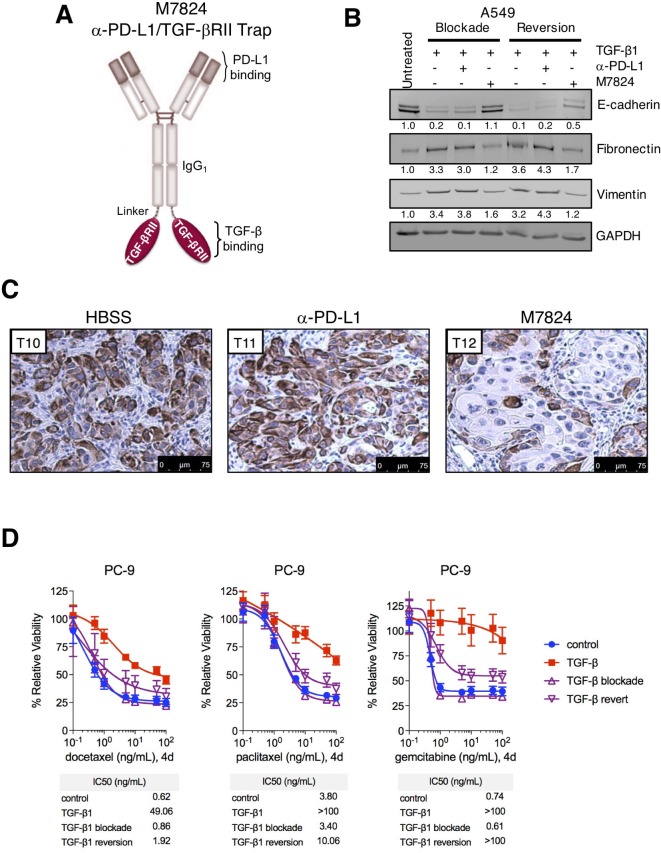
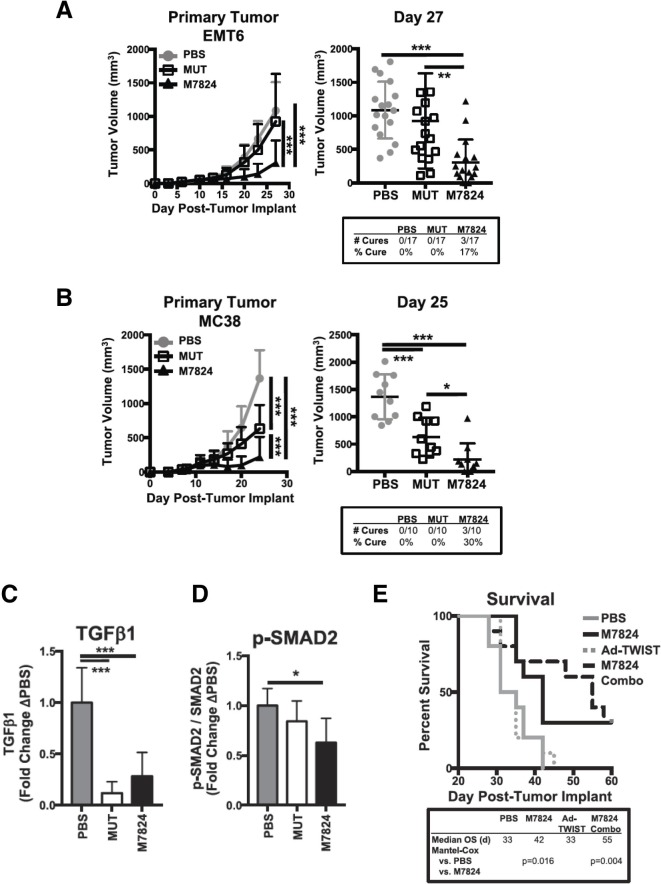
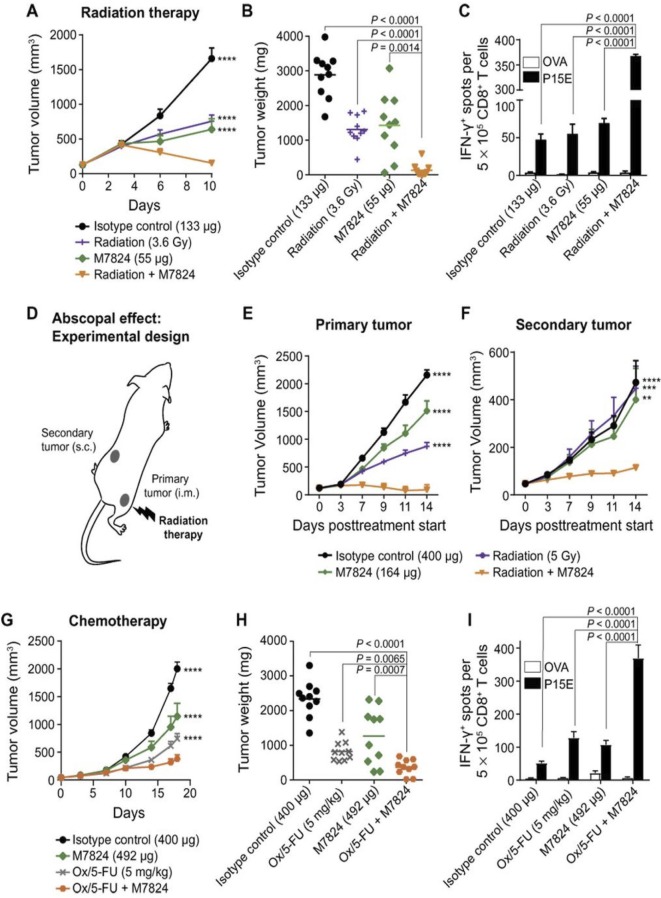
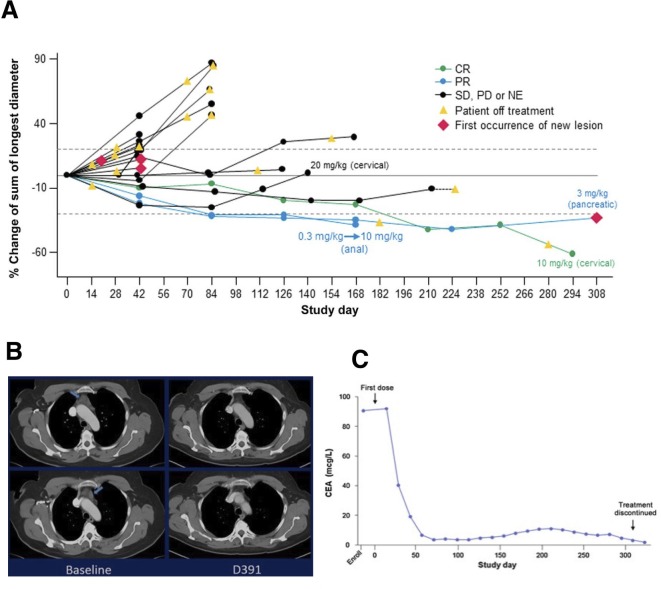
Immunosuppressive entities in the tumor microenvironment (TME) remain a major impediment to immunotherapeutic approaches for a majority of patients with cancer. While the immunosuppressive role of transforming growth factor-β (TGF-β) in the TME is well known, clinical studies to date with anti-TGF-β agents have led to limited success. The bifunctional agent bintrafusp alfa (previously designated M7824) has been developed in an attempt to address this issue. Bintrafusp alfa consists of an IgG 1 targeting programmed death ligand 1 (PD-L1) moiety fused via peptide linkers to the extracellular domain of two TGF-β receptor II molecules designed to ‘trap’ TGF-β in the TME. This agent is able to bring the TGF-β trap to the TME via its anti-PD-L1 component, thus simultaneously attacking both the immunosuppressive PD-L1 and TGF-β entities. A number of preclinical studies have shown bintrafusp alfa capable of (1) preventing or reverting TGF-β-induced epithelial-mesenchymal transition in human carcinoma cells; this alteration in tumor cell plasticity was shown to render human tumor cells more susceptible to immune-mediated attack as well as to several chemotherapeutic agents; (2) altering the phenotype of natural killer and T cells, thus enhancing their cytolytic ability against tumor cells; (3) mediating enhanced lysis of human tumor cells via the antibody-dependent cell-mediated cytotoxicity mechanism; (4) reducing the suppressive activity of T reg cells; (5) mediating antitumor activity in numerous preclinical models and (6) enhancing antitumor activity in combination with radiation, chemotherapy and several other immunotherapeutic agents. A phase I clinical trial demonstrated a safety profile similar to other programmed cell death protein 1 (PD-1)/PD-L1 checkpoint inhibitors, with objective and durable clinical responses. We summarize here preclinical and emerging clinical data in the use of this bispecific and potentially multifunctional agent.
Overview
The claims and statistics of this paper haven’t been checked yet.
Free: it reads the open-access text and checks the first 5 claims that cite a source we can check. Create a free account to check every claim.
Integrity signals
Registry
Cites
Statistics
Figures
Verification
Claims the paper makes
The claims and statistics of this paper haven’t been checked yet.
Free: it reads the open-access text and checks the first 5 claims that cite a source we can check. Create a free account to check every claim.
Claims other papers make about this one
Each is checked against this paper’s own text: does it say what the citing paper says it does?
The source backs part of the claim, not all of it — or backs it for a different population, condition or comparison.
In the citing paper
“Tumor-intrinsic signaling through these pathways is associated with an immunosuppressive microenvironment and low T-cell infiltration [20, 21].”
From Pembrolizumab in advanced osteosarcoma: results of a single-arm, open-label, phase 2 trial (2021) · cites this paper as [21]
Experimental — accuracy not yet measuredIn the citing paper
“The anti-PD-L1-TβRII chimera, M7824, also demonstrated increased efficacy of tumor regression in some mouse models, when compared to TβRII trap alone or anti-PD-L1 monotherapy366, consistent with results from combinations of anti-TGF-β or anti-PD-1/PD-L1145.”
From TGFβ biology in cancer progression and immunotherapy (2021) · cites this paper as [366]
Self-check
Percentages, sums and reported differences re-computed from the paper’s own numbers.
The self-check needs the paper’s full text.
Citations
Cites
Safety, activity, and immune correlates of anti–PD-1 antibody in cancer
Topalian, S. L., Hodi, F. S., Brahmer, J. R., Gettinger, S. N., Smith, D. C., McDermott, D. F., Powderly, J. D., Carvajal, R. D., Sosman, J. A., Atkins, M. B., et al. (2012) · New England Journal of Medicine · doi:10.1056/nejmoa1200690 · Cited by 12,628
Nivolumab versus docetaxel in advanced nonsquamous non-small-cell lung cancer
Borghaei, H., Paz-Ares, L., Horn, L., Spigel, D. R., Steins, M., Ready, N. E., Chow, L. Q., Vokes, E. E., Felip, E., Holgado, E., et al. (2015) · New England Journal of Medicine · doi:10.1056/nejmoa1507643 · Cited by 9,335
TGFβ attenuates tumour response to PD-L1 blockade by contributing to exclusion of T cells
Mariathasan, S., Turley, S. J., Nickles, D., Castiglioni, A., Yuen, K., Wang, Y., Kadel III, E. E., Koeppen, H., Astarita, J. L., Cubas, R., et al. (2018) · Nature · doi:10.1038/nature25501 · Cited by 5,400
The consensus molecular subtypes of colorectal cancer
Guinney, J., Dienstmann, R., Wang, X., de Reyniès, A., Schlicker, A., Soneson, C., Marisa, L., Roepman, P., Nyamundanda, G., Angelino, P., et al. (2015) · Nature Medicine · doi:10.1038/nm.3967 · Cited by 5,170
Nivolumab plus Ipilimumab in Advanced Melanoma
Wolchok, J. D., Kluger, H., Callahan, M. K., Postow, M. A., Rizvi, N. A., Lesokhin, A. M., Segal, N. H., Ariyan, C. E., Gordon, R.-A., Reed, K., et al. (2013) · New England Journal of Medicine · doi:10.1056/nejmoa1302369 · Cited by 4,230
New insights into the mechanisms of epithelial–mesenchymal transition and implications for cancer
Dongre, A., & Weinberg, R. A. (2019) · Nature Reviews Molecular Cell Biology · doi:10.1038/s41580-018-0080-4 · Cited by 3,876
Genomic and Transcriptomic Features of Response to Anti-PD-1 Therapy in Metastatic Melanoma
Hugo, W., Zaretsky, J. M., Sun, L., Song, C., Moreno, B. H., Hu-Lieskovan, S., Berent-Maoz, B., Pang, J., Chmielowski, B., Cherry, G., et al. (2016) · Cell · doi:10.1016/j.cell.2016.02.065 · Cited by 3,448
EMT, cancer stem cells and drug resistance: an emerging axis of evil in the war on cancer
Singh, A., & Settleman, J. (2010) · Oncogene · doi:10.1038/onc.2010.215 · Cited by 2,545
Avelumab plus Axitinib versus Sunitinib for Advanced Renal-Cell Carcinoma
Motzer, R. J., Penkov, K., Haanen, J., Rini, B., Albiges, L., Campbell, M. T., Venugopal, B., Kollmannsberger, C., Negrier, S., Uemura, M., et al. (2019) · New England Journal of Medicine · doi:10.1056/nejmoa1816047 · Cited by 2,503
Transforming Growth Factor-β Signaling in Immunity and Cancer
Batlle, E., & Massagué, J. (2019) · Immunity · doi:10.1016/j.immuni.2019.03.024 · Cited by 2,366
Cited by
Items 101–200 of 261
Armitage, J. D., Newnes, H. V., McDonnell, A. M., Bosco, A., & Waithman, J. C. (2021) · Cells · doi:10.3390/cells10010056 · Cited by 28
“This synergistic effect with ICB has also led to the development of bifunctional agents that simultaneously block PD-L1 and TGF-βRII which has shown promising results in pre-clinical models and phase I clinical trials [36].”
BackgroundMicroenvironmental regulation of tumour immunity and response to immunotherapy
Kockx, M. M., McCleland, M. L., & Koeppen, H. (2021) · The Journal of Pathology · doi:10.1002/path.5681 · Cited by 30
Exploiting Canonical TGFβ Signaling in Cancer Treatment
Liu, Q., Chen, G., Moore, J., Guix, I., Placantonakis, D., & Barcellos-Hoff, M. H. (2022) · Molecular Cancer Therapeutics · doi:10.1158/1535-7163.mct-20-0891 · Cited by 27
“One development is bintrafusp alfa, a first-in-class bifunctional fusion protein composed of the extracellular domain of the TGFb receptor II (a TGFb “trap”) fused to a human antibody blocking PD-L1 (98).”
BackgroundInfluentialLi, Y., Gao, X., Huang, Y., Zhu, X., Chen, Y., Xue, L., Zhu, Q., Wang, B., & Wu, M. (2023) · Frontiers in Oncology · doi:10.3389/fonc.2023.1114042 · Cited by 29
Immunotherapy for Thymomas and Thymic Carcinomas: Current Status and Future Directions
Rajan, A., Sivapiromrat, A. K., & McAdams, M. J. (2024) · Cancers · doi:10.3390/cancers16071369 · Cited by 25
“Bintrafusp alfa is a first-in-class bifunctional protein consisting of a human IgG1 anti-PD-L1 antibody fused to two transforming growth factor (TGF)- β receptor II molecules that function as a TGF-β trap [85].”
BackgroundThe PD-L1 metabolic interactome intersects with choline metabolism and inflammation
Pacheco‐Torres, J., Penet, M., Mironchik, Y., Krishnamachary, B., & Bhujwalla, Z. M. (2021) · Cancer & Metabolism · doi:10.1186/s40170-021-00245-w · Cited by 25
Rana, M., Kansal, R. G., Chaib, M., Teng, B., Morrrison, M., Hayes, D. N., Stanfill, A. G., Shibata, D., Carson, J. A., Makowski, L., et al. (2022) · Molecular Carcinogenesis · doi:10.1002/mc.23401 · Cited by 25
“There are also other immunosuppressive cells in the TME such as regulatory T cells, M2‐like tumor‐associated macrophages (TAM), and myeloid‐derived suppressor cells (MDSCs) that demonstrate increased expression of PDL1 (B7‐H1), indoleamine 2,3‐dioxygenase, lymphocyte activation gene 3, and/or cytokines, such as interl…”
BackgroundMechanisms and biomarkers of immune-related adverse events in gastric cancer
Ding, P., Liu, P., Meng, L., & Zhao, Q. (2023) · European journal of medical research · doi:10.1186/s40001-023-01365-3 · Cited by 25
Platelets in cancer and immunotherapy: functional dynamics and therapeutic opportunities
Cai, C., Liu, Y., Lu, R., Fan, X., Zeng, S., & Gan, P. (2025) · Experimental Hematology and Oncology · doi:10.1186/s40164-025-00676-x · Cited by 25
“Targeted approaches, particularly those blocking TGF-β, have shown promising synergy with immunotherapies in both preclinical and clinical studies [171, 172].”
Gatti-Mays, M. E., Gameiro, S. R., Ozawa, Y., Knudson, K. M., Hicks, K. C., Palena, C., Cordes, L. M., Steinberg, S. M., Francis, D. C., Karzai, F. H., et al. (2021) · Frontiers in Oncology · doi:10.3389/fonc.2020.581801 · Cited by 24
Self-citationImmunotherapy in colorectal cancer: Statuses and strategies
Li, Y., Cheng, Z., Li, S., & Zhang, J. (2024) · Heliyon · doi:10.1016/j.heliyon.2024.e41354 · Cited by 27
“Bintrafusp alfa, a novel bifunctional fusion protein, inhibits immunosuppression and diminishes TGF levels within the tumor microenvironment [65].”
Combined Anti-Cancer Strategies Based on Anti-Checkpoint Inhibitor Antibodies
Golay, J., & Andrea, A. E. (2020) · Antibodies · doi:10.3390/antib9020017 · Cited by 25
Divide and Conquer—Targeted Therapy for Triple-Negative Breast Cancer
Nedeljković, M., Vuletić, A. M., & Martinović, K. M. (2025) · International Journal of Molecular Sciences · doi:10.3390/ijms26041396 · Cited by 25
Li, L., Wen, Q., & Ding, R. (2022) · Frontiers in Oncology · doi:10.3389/fonc.2022.905520 · Cited by 33
Júnior, R. F. D. A., Lira, G. A., Schomann, T., Cavalcante, R. S., Vilar, N. F., de Paula, R. C. M., Gomes, R. F., Chung, C. K., Jorquera‐Cordero, C., Vepris, O., et al. (2023) · Translational Oncology · doi:10.1016/j.tranon.2023.101647 · Cited by 25
“Previous studies [10,48,49] suggest that blocking PD-1/PD-L1 as therapy does not seem to be effective, since IL-10 is a major compensatory suppression mechanism.”
BackgroundVathiotis, I. A., Johnson, J. M., & Argiris, A. E. (2021) · Cancer Treatment Reviews · doi:10.1016/j.ctrv.2021.102192 · Cited by 24
Strait, A. A., Woolaver, R. A., Hall, S. C., Young, C. D., Karam, S. D., Jimeno, A., Lan, Y., Raben, D., Wang, J. H., & Wang, X. (2021) · Communications Biology · doi:10.1038/s42003-021-02522-2 · Cited by 22
Targeting TNFR2: A Novel Breakthrough in the Treatment of Cancer
Li, M., Zhang, X., Bai, X., & Liang, T. (2022) · Frontiers in Oncology · doi:10.3389/fonc.2022.862154 · Cited by 23
Yi, L., Pan, H., Ning, Z., Xu, L., Zhang, H., Peng, L., Liu, Y., Yang, Y., Si, W., Wang, Y., et al. (2024) · Signal Transduction and Targeted Therapy · doi:10.1038/s41392-024-02052-3 · Cited by 21
Immunocytokines and cytokine neutralization for cancer immunotherapy
Berraondo, P., Cuesta, R., Aranda, F., Riaño, A. M., Eguren‐Santamaría, I., Luri‐Rey, C., Risson, A., Melero, A., Gomis, G., & Melero, I. (2025) · Trends in cancer · doi:10.1016/j.trecan.2025.04.014 · Cited by 24
TGFβ in Pancreas and Colorectal Cancer: Opportunities to Overcome Therapeutic Resistance
Johansen, A. M., Forsythe, S. D., McGrath, C. T., Barker, G., Jimenez, H., Paluri, R. K., & Pasche, B. (2024) · Clinical Cancer Research · doi:10.1158/1078-0432.ccr-24-0468 · Cited by 21
Ancel, J., Dewolf, M., Deslée, G., Nawrocki‐Raby, B., Dalstein, V., Gilles, C., & Polette, M. (2020) · Cells Tissues Organs · doi:10.1159/000510103 · Cited by 23
Modulation of the TGF-β signaling pathway by long noncoding RNA in hepatocellular carcinoma
Han, M., Liao, Z., Liu, F., Chen, X., & Zhang, B. (2020) · Biomarker Research · doi:10.1186/s40364-020-00252-x · Cited by 21
Tateo, V., Manuzzi, L., Parisi, C., Giglio, A. D., Campana, D., Pantaleo, M. A., & Lamberti, G. (2021) · Pharmaceuticals · doi:10.3390/ph14040316 · Cited by 22
Mitsuhashi, A., Koyama, K., Ogino, H., Afroj, T., Nguyen, N. T., Yoneda, H., Otsuka, K., Sugimoto, M., Kondoh, O., Nokihara, H., et al. (2023) · Cell Reports · doi:10.1016/j.celrep.2023.112162 · Cited by 23
Santiago-Sánchez, G. S., Hodge, J. W., & Fabian, K. P. (2022) · Frontiers in Immunology · doi:10.3389/fimmu.2022.993624 · Cited by 21
Unveiling the tumor microenvironment in colorectal cancer therapeutic resistance
Han, J., Liang, W., & Li, K. (2026) · Frontiers in Cell and Developmental Biology · doi:10.3389/fcell.2025.1753180 · Cited by 21
Bispecific antibodies for the treatment of breast cancer
Dillon, P. M., Tushir‐Singh, J., & Lum, L. G. (2021) · Expert Opinion on Biological Therapy · doi:10.1080/14712598.2021.1922665 · Cited by 19
“The TGFβRII moiety binds three different TGF-β isoforms (TGF-β1, TGF-β 2, and TGF-β 3) [42].”
Natural killer cells in neuroblastoma: immunological insights and therapeutic perspectives
Radoš, M., Landegger, A., Schmutzler, L., Rabidou, K., Taschner‐Mandl, S., & Fetahu, I. S. (2024) · Cancer and Metastasis Reviews · doi:10.1007/s10555-024-10212-8 · Cited by 19
“Emerging approaches suggest combining TGFβ inhibitors, such as TGF-βRII, as a decoy receptor with PD-L1 antibodies, allowing for inhibition of TGFβ within the TME [167].”
BackgroundLind, H., Hall, S. C., Strait, A. A., Goon, J. B., Aleman, J., Chen, S. M. Y., Karam, S. D., Young, C. D., Wang, J. H., & Wang, J. H. (2024) · Cancer Letters · doi:10.1016/j.canlet.2024.217347 · Cited by 19
Self-citationTian, S., Wang, F., Zhang, R., & Chen, G. (2021) · Frontiers in Pharmacology · doi:10.3389/fphar.2021.715721 · Cited by 21
“For those colorectal cancer patients, a combination of anti-PD1 with drugs targeting myeloid-derived suppressor cells or a combination of drugs targeting other co-expressed inhibitors could be considered (Kuang et al., 2020; Lind et al., 2020; Zhang et al., 2020).”
BackgroundManipulating TGF-β signaling to optimize immunotherapy for cervical cancer
Yin, S., Cui, H., Qin, S., & Yu, S. (2023) · Biomedicine & Pharmacotherapy · doi:10.1016/j.biopha.2023.115355 · Cited by 19
Franks, S. E., Fabian, K. P., Santiago-Sánchez, G. S., Wolfson, B., & Hodge, J. W. (2022) · OncoImmunology · doi:10.1080/2162402x.2022.2124666 · Cited by 19
“These results are consistent with current literature.(29)”
Structure, unique biological properties, and mechanisms of action of transforming growth factor β
Zelisko, N., Lesyk, R., & Стойка, Р. С. (2024) · Bioorganic Chemistry · doi:10.1016/j.bioorg.2024.107611 · Cited by 19
Recent Advances in Immunotherapy for Advanced Biliary Tract Cancer
Yue, S., Zhang, Y., & Zhang, W. (2024) · Current Treatment Options in Oncology · doi:10.1007/s11864-024-01243-y · Cited by 19
“While anti-TGF-β therapeutics offer a potential treatment for cancer, these agents have had little effectiveness in the clinic as monotherapies thus far [28].”
BackgroundWhy has immune “checkpoint” therapy failed in most clinical trials?
Yang, X., & Chen, L. (2025) · Journal for ImmunoTherapy of Cancer · doi:10.1136/jitc-2025-012457 · Cited by 18
Li, Z., Wang, F., Dang, J., Cheng, F., & Zheng, F. (2022) · Translational Cancer Research · doi:10.21037/tcr-22-292 · Cited by 18
“Although there still lacked clinical trial data of M7824 in patients with melanoma, TGF-β 1 gene signatures were indeed found to be associated with resistance to PD-1/ PD-L1 blockade in melanoma patients (13).”
InfluentialNeoadjuvant lutetium PSMA, the TIME and immune response in high-risk localized prostate cancer
Eapen, R. S., Williams, S., Macdonald, S., Keam, S. P., Lawrentschuk, N., Au, L., Hofman, M. S., Murphy, D. G., & Neeson, P. J. (2024) · Nature Reviews Urology · doi:10.1038/s41585-024-00913-8 · Cited by 17
“An example is bintrafusp alfa, which comprises the extracellular domain of two TGFβ receptor II (TGFβRII) molecules that bind to TGFβ in the TIME, fused via peptide linkers to an IgG1 targeting the programmed cell death 1 ligand 1 (PDL1) domain 124 .”
Daveri, E., Vergani, B., Lalli, L., Ferrero, G., Casiraghi, E., Cova, A., Zorza, M., Huber, V., Gariboldi, M., Pasanisi, P., et al. (2024) · Journal for ImmunoTherapy of Cancer · doi:10.1136/jitc-2024-009720 · Cited by 18
Mechanisms of Immune Modulation by Radiation
Spina, C. S., & Drake, C. G. (2021) · Seminars in Radiation Oncology · doi:10.1016/j.semradonc.2021.02.001 · Cited by 18
He, J., Tao, J., Zhou, Y., Li, H., Feng, W., & Xu, Y. (2025) · Frontiers in Immunology · doi:10.3389/fimmu.2025.1698088 · Cited by 17
From immune exclusion to exhaustion: tumor microenvironment drives therapy response
Maletin, N. (2026) · Frontiers in Immunology · doi:10.3389/fimmu.2026.1785587 · Cited by 17
Khalili‐Tanha, G., Fiuji, H., Gharib, M., Moghbeli, M., Khalili‐Tanha, N., Rahmani, F., Shakour, N., Maftooh, M., Hassanian, S. M., Asgharzadeh, F., et al. (2023) · Life Sciences · doi:10.1016/j.lfs.2023.121865 · Cited by 17
RetractedStructural insights and clinical advances in small-molecule inhibitors targeting TGF-β receptor I
Leonardo-Sousa, C., Barriga, R., Florindo, H. F., Acúrcio, R. C., & Guedes, R. C. (2025) · Molecular Therapy Oncology · doi:10.1016/j.omton.2025.200945 · Cited by 23
Zhang, Z., Cui, D., Wang, H., Wu, L., & Liu, X. (2026) · Cancer Immunology Immunotherapy · doi:10.1007/s00262-025-04278-8 · Cited by 17
“Alternatively, the CRISPR/Cas9 system was employed to block PD-1/ PD-L1 signaling between CAR-T cells and tumor cells, as described above, which has been shown to not only improve the infiltration capacity of CAR-T cells, but also enhance their expansion capacity [160].”
Tapia‐Galisteo, A., Sánchez-Rodríguez, I., Narbona, J., Iglesias-Hernández, P., Aragón-García, S., Jiménez-Reinoso, A., Compte, M., Khan, S. A., Tsuda, T., Chames, P., et al. (2024) · OncoImmunology · doi:10.1080/2162402x.2024.2338558 · Cited by 15
“39 However, BA phase III clinical trials in NSCLC and biliary tract cancer did not fulfill efficacy endpoints despite preliminary encouraging clinical data.”
BackgroundNK cell immunometabolism as target for liver cancer therapy
Wang, J., Liu, X., Jin, T., Cao, Y., Tian, Y., & Xu, F. (2022) · International Immunopharmacology · doi:10.1016/j.intimp.2022.109193 · Cited by 15
Horn, L. A., Fousek, K., Hamilton, D. H., Hodge, J. W., Zebala, J. A., Maeda, D. Y., Schlom, J., & Palena, C. (2021) · Cancers · doi:10.3390/cancers13050968 · Cited by 16
“Similarly, bintrafusp alfa is able to mediate neutralization of PD-L1 and TGF-β in the TME, leading to alleviation of local tumor immunosuppression mediated by both pathways, including the reversion of tumor mesenchymal features for improved susceptibility to immune attack [15,17].”
BackgroundSelf-citationXie, L., Liang, X., Xu, J., Sun, X., Liu, K., Sun, K., Li, Y., Tang, X., Li, X., Zhan, X., et al. (2023) · BMC Cancer · doi:10.1186/s12885-023-11390-4 · Cited by 14
Revisiting the TGFβ paradox: insights from HPV-driven cancer and the DNA damage response
Barcellos‐Hoff, M. H., & Yom, S. S. (2025) · Nature reviews. Cancer · doi:10.1038/s41568-025-00819-6 · Cited by 17
Single‐Domain Antibody‐Based TCR‐Like CAR‐T: A Potential Cancer Therapy
Zhu, L., Yang, X., Zhong, D., Xie, S., Shi, W., Li, Y., Hou, X., HuaYao, Zhou, H., Zhao, M., et al. (2020) · Journal of Immunology Research · doi:10.1155/2020/2454907 · Cited by 17
Immune landscape and therapeutic strategies: new insights into PD-L1 in tumors
Yuan, W., Xiao, C., Lao, X., Zheng, L., & Kuang, D. (2020) · Cellular and Molecular Life Sciences · doi:10.1007/s00018-020-03637-1 · Cited by 14
Targeted Therapies in Advanced and Metastatic Urothelial Carcinoma
Katims, A., Reisz, P. A., Nogueira, L. M., Truong, H., Lenis, A. T., Pietzak, E. J., Kim, K., & Coleman, J. (2022) · Cancers · doi:10.3390/cancers14215431 · Cited by 14
“There is also evidence that TGF-β plays a role in regulating the epithelial– mesenchymal transition (EMT) of cancer cells, which is associated with invasion and therapy resistance [53].”
BackgroundZhou, Y., Wang, F., Li, G., Xu, J., Zhang, J., Gullen, E. A., Yang, J., & Wang, J. (2024) · Frontiers in Immunology · doi:10.3389/fimmu.2024.1340307 · Cited by 14
A Novel Prognostic Biomarker Panel for Early-Stage Colon Carcinoma
Azcue, P., Setas, D. G., Encío, I., Ibáñez, B., Mercado, M., Vera, R., & Dorronsoro, M. L. G. (2021) · Cancers · doi:10.3390/cancers13235909 · Cited by 13
“It has been suggested that the level of expression is lower in CRC [40–42], specifically in the early-stage setting [43,44].”
BackgroundInfluentialYang, G., Yoon, S., Lee, J., Leem, S., & Choi, Y. H. (2025) · Genes & Genomics · doi:10.1007/s13258-025-01710-2 · Cited by 14
“Trial designs should include TME-related endpoints such as immune infiltration scores, ECM den - sity, or hypoxia markers (Benjamin and Lyou 2021b; Lind et al. 2020).”
Zhu, H., & Liu, X. (2021) · Frontiers in Oncology · doi:10.3389/fonc.2021.666340 · Cited by 12
ElBeblawy, R., Jani, C., Pérez‐Granado, J., Gramling, M., & Desai, A. P. (2025) · Cancer Medicine · doi:10.1002/cam4.71432 · Cited by 12
Rahavi, H., Alizadeh‐Navaei, R., & Tehrani, M. (2023) · Immunotherapy · doi:10.2217/imt-2022-0079 · Cited by 11
Lu, Z., Lu, Z., Lai, Y., Zhou, H., Li, Z., Cai, W., Xu, Z., Luo, H., Chen, Y., Li, J., et al. (2023) · IET Systems Biology · doi:10.1049/syb2.12067 · Cited by 11
“The results of our Immune cell infiltration analysis suggested that high FBN2 may lead to NK cells resting and the reason may be related to immunosuppression of the TME(55).”
BackgroundInfluentialTGF-β-mediated suppression of NK cell function and targeting strategies in tumor immunotherapy
Wang, B., & Bi, J. (2026) · Critical Reviews in Oncology/Hematology · doi:10.1016/j.critrevonc.2026.105141 · Cited by 11
Shen, L., Schaefer, A., Tiruthani, K., Wolf, W., & Lai, S. K. (2024) · Bioengineering & Translational Medicine · doi:10.1002/btm2.10651 · Cited by 10
“50 Unfortunately, their results have been disappointing to date.”
Emerging drug targets for triple-negative breast cancer: a guided tour of the preclinical landscape
Xie, X., Lee, J., Iwase, T., Kai, M., & Ueno, N. T. (2022) · Expert Opinion on Therapeutic Targets · doi:10.1080/14728222.2022.2077188 · Cited by 12
Yasui, K., Kondou, R., Miyata, H., Iizuka, A., Ashizawa, T., Nagashima, T., Ohshima, K., Urakami, K., Muramatsu, K., Sugino, T., et al. (2022) · Anticancer Research · doi:10.21873/anticanres.15942 · Cited by 12
A rare insight into the immunosuppressive landscape of prostate cancer bone metastases
Palena, C., & Gulley, J. L. (2021) · Cancer Cell · doi:10.1016/j.ccell.2021.09.004 · Cited by 9
Self-citationvan Duijvenvoorde, M., Derks, S., Bahce, I., Leemans, C. R., van de Ven, R., & Fransen, M. F. (2022) · Clinical & Translational Immunology · doi:10.1002/cti2.1363 · Cited by 9
Che, X., Li, J., Xu, Y., Wang, Q., & Wu, G. (2022) · Frontiers in Genetics · doi:10.3389/fgene.2022.953322 · Cited by 9
“Recent studies have found that the combination therapy of blocking TGF-β and PD-1/PD-L1 has achieved relatively ideal efficacy (Lind et al., 2019; Wang et al., 2020b).”
BackgroundKajdaniuk, D., Hudy, D., Strzelczyk, J. K., Młynarek-Śnieżek, K., Słomian, S., Potyka, A., Szymonik, E., Strzelczyk, J., Fołtyn, W., Kos‐Kudła, B., et al. (2023) · Clinical & Translational Oncology · doi:10.1007/s12094-023-03350-y · Cited by 9
“Blockade of the TGFβ signaling has shown promising prospects in cancer therapy [21, 38, 43, 46], due to attenuation of the Treg-mediated immunosuppression, increase in the T cell cytotoxicity, facilitating of the T cell penetration into the center of the tumor, as well as inhibition of…”
Fay, M., Sievers, C. M., Robbins, Y. L., Yang, X., Huynh, A. P., Redman, J. M., Hodge, J. W., Schlom, J., Gulley, J. L., Allen, C. T., et al. (2024) · iScience · doi:10.1016/j.isci.2024.110520 · Cited by 9
“33 Our observations indicate that increased CD8 + TIL clonal expansion and activation, helper CD4 + TIL T H 1 polarization, and reduced Treg number and immunosuppressive function in tumors treated with TGF-b neutralization in addition to ICB may all play a mechanistic role.”
Self-citationde Folmont, A. D. T., Bourhis, J.-H., Chouaïb, S., & Terry, S. (2021) · Immuno · doi:10.3390/immuno1030010 · Cited by 13
Treating Biliary Tract Cancers: New Targets and Therapies
Ho, J. K., Fiocco, C., & Spencer, K. R. (2022) · Drugs · doi:10.1007/s40265-022-01808-x · Cited by 9
Eghtedari, A. R., Vaezi, M. A., Safari, E., Salimi, V., Safizadeh, B., Babaheidarian, P., Abiri, A., Mahdinia, E., Mirzaei, A., Mokhles, P., et al. (2023) · Scientific Reports · doi:10.1038/s41598-023-47996-8 · Cited by 10
“Interestingly, it was shown that administration of bintrafusp alfa as a bi-functional agent capable of inhibiting PD-L1 and TGF-β simultaneously, leading to TGF-β trap in tumor microenvironment and EMT prevention in carcinoma cells 31 .”
BackgroundPatel, A. J., Wakeam, E., Josephides, E., Lampridis, S., Karapanagiotou, E. M., Middleton, G., Naidu, B. V., de Perrot, M. E., & Billè, A. (2026) · Journal for ImmunoTherapy of Cancer · doi:10.1136/jitc-2025-014098 · Cited by 8
“Anti-TGF β agents have been used in conjunction with PD-L1 targeting 79 to remodel the fibrotic and immuno-suppressive TME, facilitating T-cell infiltration with resultant durable clinical responses.”
Optimization strategies for expression of a novel bifunctional anti-PD-L1/TGFBR2-ECD fusion protein
Gao, Z., Li, C., Chen, G., Yuan, J., Zhou, Y., Jiao, J., Nie, L., Qi, J., Yang, Y., Chen, S., et al. (2021) · Protein Expression and Purification · doi:10.1016/j.pep.2021.105973 · Cited by 9
Quach, H. T., Hou, Z., Bellis, R. Y., Saini, J. K., Amador-Molina, A., Adusumilli, P. S., & Xiong, Y. (2022) · Expert Opinion on Investigational Drugs · doi:10.1080/13543784.2022.2152323 · Cited by 8
TGF-β Type I Receptor Signaling in Melanoma Liver Metastases Increases Metastatic Outgrowth
Marvin, D. L., Dijkstra, J. J., Zulfiqar, R. M., Vermeulen, M., ten Dijke, P., & Ritsma, L. (2023) · International Journal of Molecular Sciences · doi:10.3390/ijms24108676 · Cited by 8
“This has encouraged therapeutic exploration of the combination of TGF-β inhibitors and immunotherapies to relieve tumor-induced immune suppression [36,37].”
BackgroundGarcía‐Rocha, R., Monroy-García, A., Vázquez-Cruz, A. L., Marín‐Aquino, L. A., Weiss‐Steider, B., Hernández‐Montes, J., Don‐López, C. A., Molina-Castillo, G., & Mora‐García, M. D. L. (2024) · Pharmaceuticals · doi:10.3390/ph17030397 · Cited by 9
“Because TGF-β 1 is associated with the expression of PD-L1 in different tumors [14–16], in this study, we analyzed the effect of Ado on the production of TGF-β 1 and on the induction of PD-L1 expression in CeCa cells.”
BackgroundMarín‐Aquino, L. A., Mora‐García, M. D. L., Moreno-Lafont, M. C., García‐Rocha, R., Montesinos, J. J., López‐Santiago, R., Sánchez‐Torres, L. E., Torres‐Pineda, D. B., Weiss‐Steider, B., Hernández‐Montes, J., et al. (2024) · Cell Biochemistry and Function · doi:10.1002/cbf.4010 · Cited by 9
Tauriello, D. V. F., Sancho, E., Byrom, D., Sánchez, C., Salvany, M., Henriques, A. R., Palomo‐Ponce, S., Sevillano, M., Hernando‐Momblona, X., Matarin, J. A., et al. (2024) · ACS Pharmacology & Translational Science · doi:10.1021/acsptsci.4c00374 · Cited by 8
Cai, G., Zhu, J., Ning, D., Li, G., Zhang, Y., Xiong, Y., Liang, J., Yu, C., Chen, X., Liang, H., et al. (2022) · Frontiers in Immunology · doi:10.3389/fimmu.2022.997316 · Cited by 8
“TGF-b can increase the number of Tregs, suppress effector T cell activity and attenuate dendritic cell function (61).”
BackgroundHall, P. E., & Schmid, P. (2021) · Expert Opinion on Emerging Drugs · doi:10.1080/14728214.2021.1916468 · Cited by 8
“Bintrafusp alfa (Merck KGaA) is a PD-L1 blocking antibody fused with the extracellular domain of the TGFβ-RII receptor, thereby acting as a trap for TGFβ [78].”
BackgroundAtezolizumab: an investigational agent for the treatment of biliary tract cancer
Hack, S. P., & Zhu, A. X. (2021) · Expert Opinion on Investigational Drugs · doi:10.1080/13543784.2021.1974838 · Cited by 8
The Case for Cancer-Associated Fibroblasts: Essential Elements in Cancer Drug Discovery?
Brewer, G., Fortier, A.-M., Park, M., & Moraes, C. (2022) · Future Drug Discovery · doi:10.4155/fdd-2021-0004 · Cited by 8
Kiem, D., Ocker, M., Greil, R., Neureiter, D., & Melchardt, T. (2024) · Expert Opinion on Investigational Drugs · doi:10.1080/13543784.2024.2319317 · Cited by 7
“Features included reversion of epithelial to mesenchymal transition (a mechanism linked to chemoresistance), increased cytotoxic activity of natural killer as well as T cells [90].”
BackgroundClinical and immunological characteristics of high-risk double-hit multiple myeloma
Shang, Y., Chen, G., Liu, L., Pan, R., Li, X., Shen, H., Tan, Y., Ma, L., Tong, X., Wang, W., et al. (2024) · BMC Cancer · doi:10.1186/s12885-024-13124-6 · Cited by 7
Targeting Cancer-associated Fibroblasts (CAFs) to Optimize Radiation Responses
O’Fee, K., Burley, A., Stewart, S., & Wilkins, A. C. (2025) · The Cancer Journal · doi:10.1097/ppo.0000000000000776 · Cited by 8
Bispecific Antibodies Progression in Malignant Melanoma
Tang, J., Gong, Y., & Ma, X. (2022) · Frontiers in Pharmacology · doi:10.3389/fphar.2022.837889 · Cited by 7
Maloney, L. T., Latour, E. J., Chen, Y., Rice, D., Grossblatt-Wait, A., Nabavizadeh, N., Thomas, C. R., Young, K. H., Walker, J. M., Holland, J. M., et al. (2022) · Cancer Biology & Therapy · doi:10.1080/15384047.2022.2126250 · Cited by 7
Bispecific Antibodies in Colorectal Cancer Therapy: Recent Insights and Emerging Concepts
Ghalamfarsa, F., Khatami, S. H., Vakili, O., Taheri‐Anganeh, M., Tajbakhsh, A., Savardashtaki, A., Fazli, Y., Uonaki, L. R., Shabaninejad, Z., Movahedpour, A., et al. (2021) · Immunotherapy · doi:10.2217/imt-2021-0107 · Cited by 7
Strait, A. A., & Wang, X. (2021) · Molecular Carcinogenesis · doi:10.1002/mc.23373 · Cited by 7
Luo, D., Kuang, F. L., Du, J., Zhou, M., Peng, F., Gan, Y., Fang, C., Yang, X., Li, B., & Su, S. (2021) · Frontiers in Oncology · doi:10.3389/fonc.2021.677609 · Cited by 7
Nonsense-mediated mRNA decay inhibits TRAF6-dependent anti-tumor immunity in colorectal cancer
Wang, Y., Wang, Z., Wang, C., Wu, Y., Li, J., Feng, L., Hao, M., Jin, H., Zhou, J., & Wang, X. (2025) · Cell Reports Medicine · doi:10.1016/j.xcrm.2025.102463 · Cited by 6
“40,41 In our study, we combined the TGF-β receptor type I (TGF-β RI) kinase inhibitor, Galunisertib, with the anti-PD-1 antibody as a positive control.”
Nan, L., Qin, Y., Huang, X., Pan, M., Wang, X., Lv, Y., Sørensen, A., Kang, X., Ling, H., & Zhang, J. (2025) · International Journal of Molecular Sciences · doi:10.3390/ijms26157567 · Cited by 6
Grišić, A., Terranova, N., Mould, D. R., Vugmeyster, Y., Mrowiec, T., Machl, A. W., Girard, P., Venkatakrishnan, K., & Khandelwal, A. (2023) · CPT Pharmacometrics & Systems Pharmacology · doi:10.1002/psp4.13068 · Cited by 6
Ozawa, Y., Hicks, K. C., Minnar, C. M., Knudson, K. M., Schlom, J., & Gameiro, S. R. (2021) · OncoImmunology · doi:10.1080/2162402x.2021.1915561 · Cited by 6
“Bintrafusp alfa (previously designated M7824) is a first-in-class bifunctional fusion protein with two extracellular transforming growth factor ß receptor II (TGF-βRII) domains fused to the C-terminus of a human MAb targeting the IC PD-L1.”
BackgroundSelf-citationChen, X., Liu, D., Jin, J., Yao, H., Yao, S., Liu, Y., Sun, J., & Yang, Y. (2025) · Advanced Science · doi:10.1002/advs.202506827 · Cited by 6
Lei, J., Liu, Y. U., Yuan, S., Yuan, X., & Yuan, Q. (2025) · Frontiers in Cell and Developmental Biology · doi:10.3389/fcell.2025.1520739 · Cited by 6
TGF-β in hematologic malignancies: molecular functions and clinical applications
Li, R., Fang, W., & Ml, Y. (2026) · Frontiers in Immunology · doi:10.3389/fimmu.2026.1728730 · Cited by 5
Introduction to Emerging Technologies in Biomedical Sciences
Sobti, R. C., Rai, J., & Prakash, A. (2022) · Springer eBooks · doi:10.1007/978-981-16-4345-3_1 · Cited by 7
Mortaheb, S., Pezeshki, P. S., & Rezaei, N. (2024) · Expert Opinion on Biological Therapy · doi:10.1080/14712598.2024.2426636 · Cited by 5
“Moreover, bintrafusp alfa was demonstrated to improve host antitumor immunity by altering natural killer phenotype, promoting NK cell-mediated cytotoxicity, and increasing cytotoxic and proliferative CD8 + T cell density in the TME [115].”
Metadata
- Authors
- Lind, H., Gameiro, S. R., Jochems, C., Donahue, R. N., Strauss, J., Gulley, J. L., Palena, C., & Schlom, J.
- Affiliations
- National Institutes of Health (US)
- Laboratory of Tumor Immunology and Biology, Center for Cancer Research, National Cancer Institute, National Institutes of Health, Bethesda, Maryland, USA
- Corresponding author
- Schlom, Jeffrey
- ORCID
- Venue
- Journal for ImmunoTherapy of Cancer
- Publisher
- BMJ
- Published
- 2020-02
- Volume
- 8
- Issue
- 1
- Pages
- e000433
- ISSN
- 2051-1426 (ISSN-L)
- PMC
- PMC7057416
- OpenAlex
- W3006876324
- Cited by
- 247
- References
- 47
- Citations by year
- 2026: 20 · 2025: 25 · 2024: 37 · 2023: 32 · 2022: 53 · 2021: 61 · 2020: 19
- FWCI
- 4.43
- Type
- journal article
- Language
- en
- Open access
- gold
- doi.org
- Licence
- Locations
- Journal for ImmunoTherapy of Cancer (publishedVersion, cc-by-nc)
- Europe PMC (PubMed Central) (publishedVersion, cc-by-nc)
- PubMed Central (publishedVersion, cc-by-nc)
- PubMed (publishedVersion)
- DOAJ (DOAJ: Directory of Open Access Journals) (submittedVersion, cc-by-sa)
- Funders
- National Cancer Institute (ZIA BC 010425, ZIA BC 010944)
- Topics
- Health Sciences › Medicine › Oncology › Cancer Immunotherapy and Biomarkers
- Life Sciences › Biochemistry, Genetics and Molecular Biology › Molecular Biology › TGF-β signaling in diseases
- Life Sciences › Immunology and Microbiology › Immunology › Immunotherapy and Immune Responses
- Keywords
- bintrafusp alfa, TGFBR2, PD-L1, bifunctional antibody, immunosuppressive tumor microenvironment, epithelial-mesenchymal transition, natural killer cells, regulatory T cells, antibody-dependent cellular cytotoxicity, combination immunotherapy, cancer immunotherapy
- MeSH terms
- Receptor, Transforming Growth Factor-beta Type II, Animals, Humans, Immunotherapy, Transforming Growth Factor beta, Mice, B7-H1 Antigen
About these checks
Registry, retraction, Cites and statistics results are computed, not judged, with one exception: a printed reference that no index lists is read once by a model before it counts as a citation error. Claims are extracted by a model and kept only when their quote appears verbatim in the text; each cited source is then checked, with a model’s help, for whether it says what the claim relies on. Those verdicts can be wrong — read the claim’s quote and the cited source before relying on one.
Statistics and arithmetic are recomputed, not judged.
Confidence bands are shown only for fields calibrated on our annotated test set. None is calibrated yet, so no band is shown.
What counts as a claim ›How we measure confidence ›How we check this ›
Are you an author, or do you see a problem with this page? Request a review
Data sources
Bibliographic data: Semantic Scholar, OpenAlex, Crossref.
Contains information from the Semantic Scholar Academic Graph Datasets, made available under the ODC Attribution License (ODC-BY 1.0).
Semantic Scholar’s data is described in: Kinney, R., et al. (2023). The Semantic Scholar Open Data Platform. arXiv:2301.10140.
