

Dual targeting of TGF-β and PD-L1 via a bifunctional anti-PD-L1/TGF-βRII agent: status of preclinical and clinical advances
Open accessThe DOI matches its Crossref record; 46 of the 47 references it cites were found in a registry or an index.
Abstract
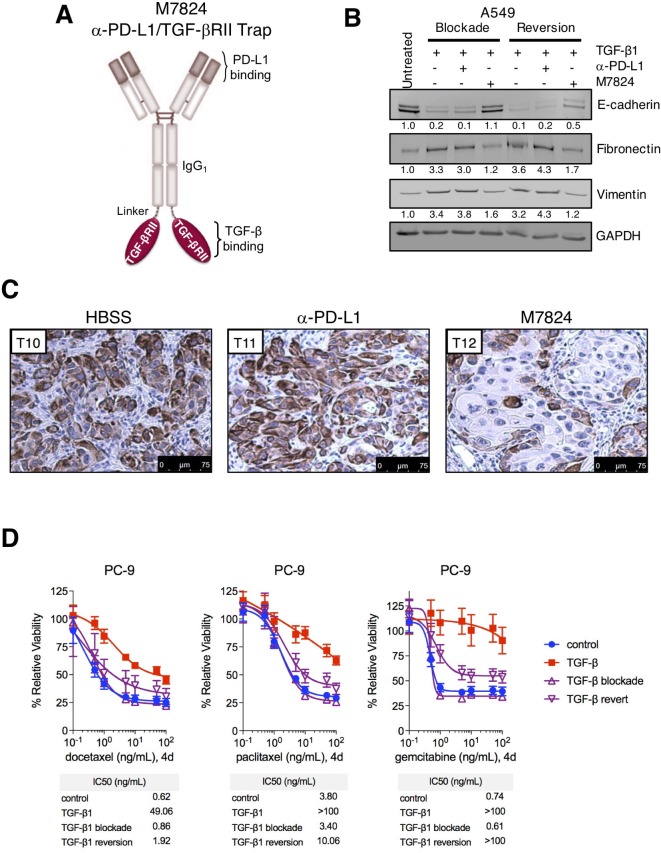
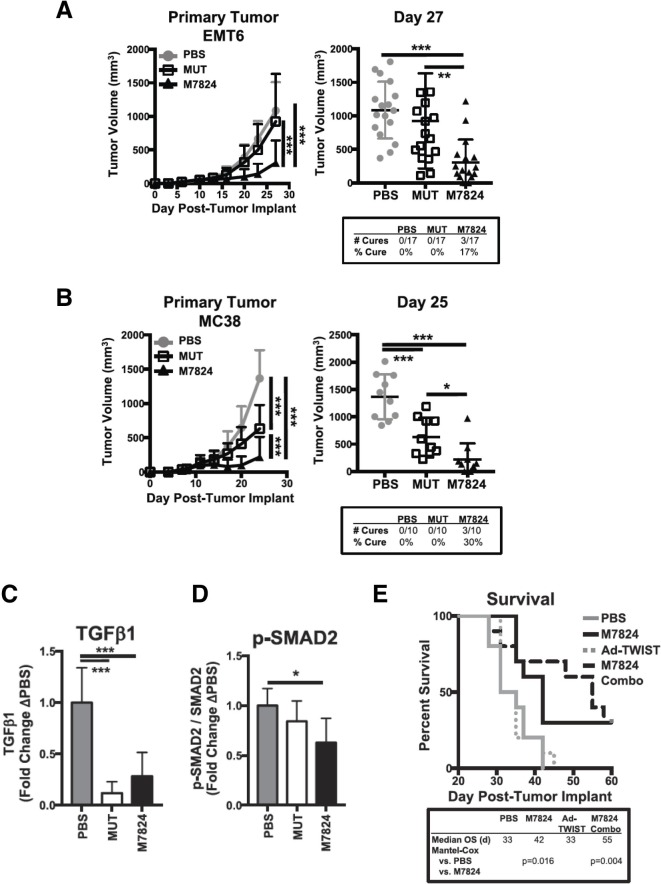
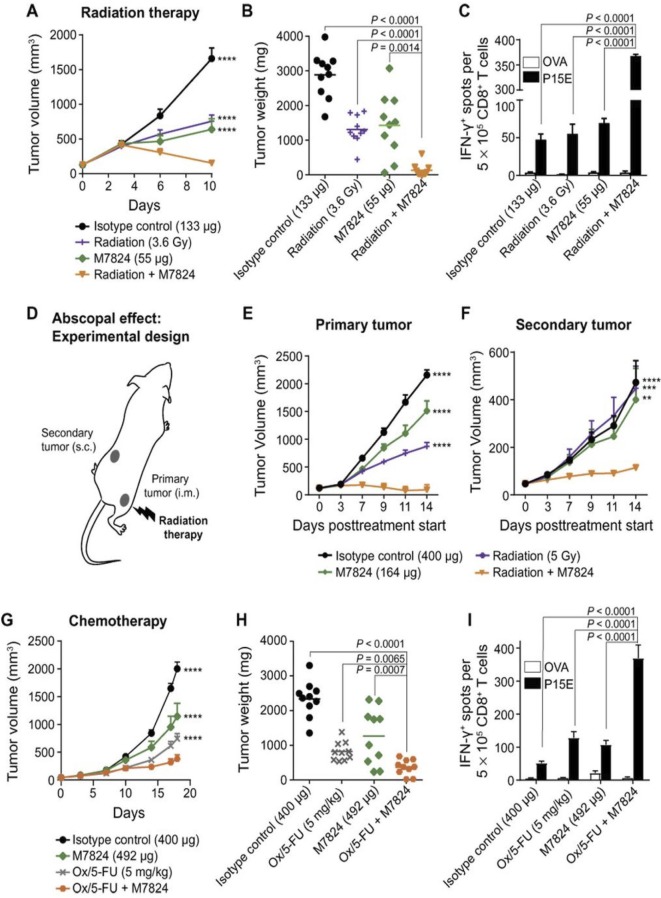
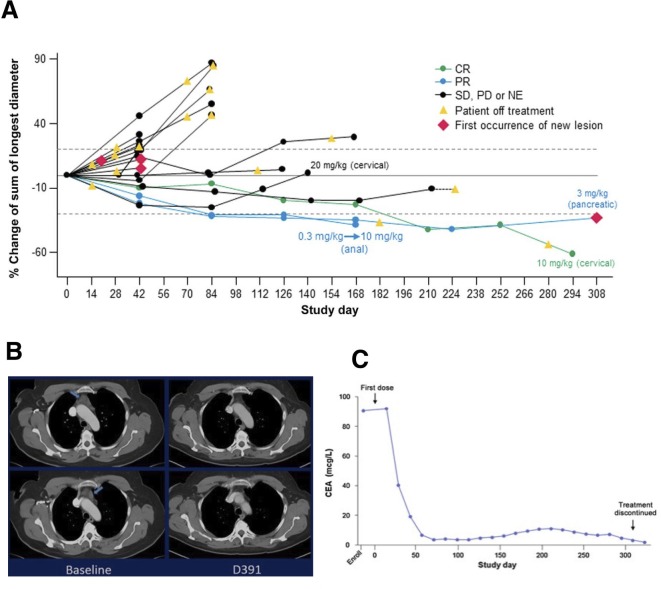
Immunosuppressive entities in the tumor microenvironment (TME) remain a major impediment to immunotherapeutic approaches for a majority of patients with cancer. While the immunosuppressive role of transforming growth factor-β (TGF-β) in the TME is well known, clinical studies to date with anti-TGF-β agents have led to limited success. The bifunctional agent bintrafusp alfa (previously designated M7824) has been developed in an attempt to address this issue. Bintrafusp alfa consists of an IgG 1 targeting programmed death ligand 1 (PD-L1) moiety fused via peptide linkers to the extracellular domain of two TGF-β receptor II molecules designed to ‘trap’ TGF-β in the TME. This agent is able to bring the TGF-β trap to the TME via its anti-PD-L1 component, thus simultaneously attacking both the immunosuppressive PD-L1 and TGF-β entities. A number of preclinical studies have shown bintrafusp alfa capable of (1) preventing or reverting TGF-β-induced epithelial-mesenchymal transition in human carcinoma cells; this alteration in tumor cell plasticity was shown to render human tumor cells more susceptible to immune-mediated attack as well as to several chemotherapeutic agents; (2) altering the phenotype of natural killer and T cells, thus enhancing their cytolytic ability against tumor cells; (3) mediating enhanced lysis of human tumor cells via the antibody-dependent cell-mediated cytotoxicity mechanism; (4) reducing the suppressive activity of T reg cells; (5) mediating antitumor activity in numerous preclinical models and (6) enhancing antitumor activity in combination with radiation, chemotherapy and several other immunotherapeutic agents. A phase I clinical trial demonstrated a safety profile similar to other programmed cell death protein 1 (PD-1)/PD-L1 checkpoint inhibitors, with objective and durable clinical responses. We summarize here preclinical and emerging clinical data in the use of this bispecific and potentially multifunctional agent.
Overview
The claims and statistics of this paper haven’t been checked yet.
Free: it reads the open-access text and checks the first 5 claims that cite a source we can check. Create a free account to check every claim.
Integrity signals
Registry
Cites
Statistics
Figures
Verification
Claims the paper makes
The claims and statistics of this paper haven’t been checked yet.
Free: it reads the open-access text and checks the first 5 claims that cite a source we can check. Create a free account to check every claim.
Claims other papers make about this one
Each is checked against this paper’s own text: does it say what the citing paper says it does?
The source backs part of the claim, not all of it — or backs it for a different population, condition or comparison.
In the citing paper
“Tumor-intrinsic signaling through these pathways is associated with an immunosuppressive microenvironment and low T-cell infiltration [20, 21].”
From Pembrolizumab in advanced osteosarcoma: results of a single-arm, open-label, phase 2 trial (2021) · cites this paper as [21]
Experimental — accuracy not yet measuredIn the citing paper
“The anti-PD-L1-TβRII chimera, M7824, also demonstrated increased efficacy of tumor regression in some mouse models, when compared to TβRII trap alone or anti-PD-L1 monotherapy366, consistent with results from combinations of anti-TGF-β or anti-PD-1/PD-L1145.”
From TGFβ biology in cancer progression and immunotherapy (2021) · cites this paper as [366]
Self-check
Percentages, sums and reported differences re-computed from the paper’s own numbers.
The self-check needs the paper’s full text.
Citations
Cites
Safety, activity, and immune correlates of anti–PD-1 antibody in cancer
Topalian, S. L., Hodi, F. S., Brahmer, J. R., Gettinger, S. N., Smith, D. C., McDermott, D. F., Powderly, J. D., Carvajal, R. D., Sosman, J. A., Atkins, M. B., et al. (2012) · New England Journal of Medicine · doi:10.1056/nejmoa1200690 · Cited by 12,628
Nivolumab versus docetaxel in advanced nonsquamous non-small-cell lung cancer
Borghaei, H., Paz-Ares, L., Horn, L., Spigel, D. R., Steins, M., Ready, N. E., Chow, L. Q., Vokes, E. E., Felip, E., Holgado, E., et al. (2015) · New England Journal of Medicine · doi:10.1056/nejmoa1507643 · Cited by 9,335
TGFβ attenuates tumour response to PD-L1 blockade by contributing to exclusion of T cells
Mariathasan, S., Turley, S. J., Nickles, D., Castiglioni, A., Yuen, K., Wang, Y., Kadel III, E. E., Koeppen, H., Astarita, J. L., Cubas, R., et al. (2018) · Nature · doi:10.1038/nature25501 · Cited by 5,400
The consensus molecular subtypes of colorectal cancer
Guinney, J., Dienstmann, R., Wang, X., de Reyniès, A., Schlicker, A., Soneson, C., Marisa, L., Roepman, P., Nyamundanda, G., Angelino, P., et al. (2015) · Nature Medicine · doi:10.1038/nm.3967 · Cited by 5,170
Nivolumab plus Ipilimumab in Advanced Melanoma
Wolchok, J. D., Kluger, H., Callahan, M. K., Postow, M. A., Rizvi, N. A., Lesokhin, A. M., Segal, N. H., Ariyan, C. E., Gordon, R.-A., Reed, K., et al. (2013) · New England Journal of Medicine · doi:10.1056/nejmoa1302369 · Cited by 4,230
New insights into the mechanisms of epithelial–mesenchymal transition and implications for cancer
Dongre, A., & Weinberg, R. A. (2019) · Nature Reviews Molecular Cell Biology · doi:10.1038/s41580-018-0080-4 · Cited by 3,876
Genomic and Transcriptomic Features of Response to Anti-PD-1 Therapy in Metastatic Melanoma
Hugo, W., Zaretsky, J. M., Sun, L., Song, C., Moreno, B. H., Hu-Lieskovan, S., Berent-Maoz, B., Pang, J., Chmielowski, B., Cherry, G., et al. (2016) · Cell · doi:10.1016/j.cell.2016.02.065 · Cited by 3,448
EMT, cancer stem cells and drug resistance: an emerging axis of evil in the war on cancer
Singh, A., & Settleman, J. (2010) · Oncogene · doi:10.1038/onc.2010.215 · Cited by 2,545
Avelumab plus Axitinib versus Sunitinib for Advanced Renal-Cell Carcinoma
Motzer, R. J., Penkov, K., Haanen, J., Rini, B., Albiges, L., Campbell, M. T., Venugopal, B., Kollmannsberger, C., Negrier, S., Uemura, M., et al. (2019) · New England Journal of Medicine · doi:10.1056/nejmoa1816047 · Cited by 2,503
Transforming Growth Factor-β Signaling in Immunity and Cancer
Batlle, E., & Massagué, J. (2019) · Immunity · doi:10.1016/j.immuni.2019.03.024 · Cited by 2,366
Cited by
Harnessing cytokines and chemokines for cancer therapy
Propper, D. J., & Balkwill, F. R. (2022) · Nature Reviews Clinical Oncology · doi:10.1038/s41571-021-00588-9 · Cited by 989
TGFβ biology in cancer progression and immunotherapy
Derynck, R., Turley, S. J., & Akhurst, R. J. (2021) · Nature Reviews Clinical Oncology · doi:10.1038/s41571-020-0403-1 · Cited by 944
Radiotherapy combined with immunotherapy: the dawn of cancer treatment
Zhang, Z., Liu, X., Chen, D., & Yu, J. (2022) · Signal Transduction and Targeted Therapy · doi:10.1038/s41392-022-01102-y · Cited by 670
Immunosuppressive cells in cancer: mechanisms and potential therapeutic targets
Tie, Y., Tang, F., Wei, Y.-Q., & Wei, X.-W. (2022) · Journal of Hematology & Oncology · doi:10.1186/s13045-022-01282-8 · Cited by 591
“Moreover, M7824 is an efficient combination cooperator for chemotherapy or radiotherapy in murine models [292, 293].”
BackgroundThe present and future of bispecific antibodies for cancer therapy
Klein, C., Brinkmann, U., Reichert, J. M., & Kontermann, R. E. (2024) · Nature Reviews Drug Discovery · doi:10.1038/s41573-024-00896-6 · Cited by 490
“Bintrafusp alfa showed activation of both the innate and the adaptive immune systems in preclinical studies, resulting in better inhibition of tumour growth and metastasis than treatment with the individual anti-PDL1 antibody or TGFβ trap modules alone 82,83 , and is currently in clinical trials.”
Overcoming TGFβ-mediated immune evasion in cancer
Tauriello, D. V. F., Sancho, E., & Batlle, E. (2022) · Nature Reviews Cancer · doi:10.1038/s41568-021-00413-6 · Cited by 377
How to select IgG subclasses in developing anti-tumor therapeutic antibodies
Yu, J., Song, Y., & Tian, W. (2020) · Journal of Hematology & Oncology · doi:10.1186/s13045-020-00876-4 · Cited by 269
Clinical development of therapies targeting TGFβ: current knowledge and future perspectives
Ciardiello, D., Elez, E., Tabernero, J., & Seoane, J. (2020) · Annals of Oncology · doi:10.1016/j.annonc.2020.07.009 · Cited by 265
Fibroblast heterogeneity in tumor micro-environment: Role in immunosuppression and new therapies
Mhaidly, R., & Mechta-Grigoriou, F. (2020) · Seminars in Immunology · doi:10.1016/j.smim.2020.101417 · Cited by 259
“Interestingly, co-administration of TGF b and anti-PD-L1 blocking antibodies reduces TGF b signaling in stromal cells, facilitates T cell penetration, reduces tumor progression and improves patient prognosis [28, 163-166].”
Yi, M., Zhang, J., Li, A., Niu, M., Yan, Y., Jiao, Y., Luo, S., Zhou, P., & Wu, K. (2021) · Journal of Hematology & Oncology · doi:10.1186/s13045-021-01045-x · Cited by 233
Radiotherapy as a tool to elicit clinically actionable signalling pathways in cancer
Petroni, G., Cantley, L. C., Santambrogio, L., Formenti, S. C., & Galluzzi, L. (2022) · Nature Reviews Clinical Oncology · doi:10.1038/s41571-021-00579-w · Cited by 213
Teixeira, A. F., ten Dijke, P., & Zhu, H.-J. (2020) · Frontiers in Cell and Developmental Biology · doi:10.3389/fcell.2020.00605 · Cited by 211
“…details about the synergism between TGF-β pharmacological inhibitors and immune checkpoint inhibitors has been reviewed and discussed by others regarding its use in pre-clinical models and clinical trials (Ganesh and Massagué, 2018; Bai et al., 2019; Groeneveldt et al., 2020; Lind et al., 2020).”
MethodXu, L., Zou, C., Zhang, S., Chu, T. S. M., Zhang, Y., Chen, W., Zhao, C., Yang, L., Xu, Z., Dong, S., et al. (2022) · Journal of Hematology & Oncology · doi:10.1186/s13045-022-01307-2 · Cited by 209
TGF-β Signaling and Resistance to Cancer Therapy
Zhang, M., Zhang, Y. Y., Chen, Y., Wang, J., Wang, Q., & Lu, H. (2021) · Frontiers in Cell and Developmental Biology · doi:10.3389/fcell.2021.786728 · Cited by 191
“…showed that combination treatment elicited higher anti-tumor activity in murine model and human cancer cell lines, such as breast cancer, colon cancer, SCC (Lan et al., 2018; Mariathasan et al., 2018; Tauriello et al., 2018; Dodagatta-Marri et al., 2019; Principe et al., 2019; Lind et al., 2020).”
BackgroundInfluentialBispecific and multispecific antibodies in oncology: opportunities and challenges
Goebeler, M.-E., Stuhler, G., & Bargou, R. (2024) · Nature Reviews Clinical Oncology · doi:10.1038/s41571-024-00905-y · Cited by 177
“Moreover, the armamentarium of multispecific antibodies can potentially be extended even further by fusion with non-immunoglobulin proteins such as immune cell-activating cytokines, TCR variable regions capable of recognizing peptide–MHC I complexes or direct-acting payloads 34–36 .”
Dual inhibition of TGF‐β and PD‐L1: a novel approach to cancer treatment
Gulley, J. L., Schlom, J., Barcellos‐Hoff, M. H., Wang, X., Seoane, J., Audhuy, F., Lan, Y., Dussault, I., & Moustakas, A. (2022) · Molecular Oncology · doi:10.1002/1878-0261.13146 · Cited by 175
Self-citationYi, M., Wu, Y., Niu, M., Zhu, S., Zhang, J., Yan, Y., Zhou, P., Dai, Z., & Wu, K. (2022) · Journal for ImmunoTherapy of Cancer · doi:10.1136/jitc-2022-005543 · Cited by 167
Transforming Growth Factor-β: A Multifunctional Regulator of Cancer Immunity
Xue, V. W., Chung, J. Y., Córdoba, C. A. G., Cheung, A. H. K., Kang, W., Lam, E. W. ‐., Leung, K. T., To, K., Lan, H. Y., & Tang, P. M. (2020) · Cancers · doi:10.3390/cancers12113099 · Cited by 172
Targeting oncogene and non-oncogene addiction to inflame the tumour microenvironment
Petroni, G., Buqué, A., Coussens, L. M., & Galluzzi, L. (2022) · Nature Reviews Drug Discovery · doi:10.1038/s41573-022-00415-5 · Cited by 160
Leveraging NKG2D Ligands in Immuno-Oncology
Fuertes, M. B., Domaica, C. I., & Zwirner, N. W. (2021) · Frontiers in Immunology · doi:10.3389/fimmu.2021.713158 · Cited by 166
Horn, L. A., Chariou, P. L., Gameiro, S. R., Qin, H., Iida, M., Fousek, K., Meyer, T. J., Cam, M., Flies, D., Langermann, S., et al. (2022) · Journal of Clinical Investigation · doi:10.1172/jci155148 · Cited by 127
“Immune checkpoint blockade (ICB) therapies targeting the programmed cell death 1 receptor (PD-1) or its ligand PD-L1 have shown unprecedented clinical benefit across various cancer types, yet durable responses have been achieved only in a limited subset of patients (1).”
Self-citationTertiary lymphoid structures and B lymphocytes in cancer prognosis and response to immunotherapies
Jacquelot, N., Tellier, J., Nutt, S. L., & Belz, G. T. (2021) · OncoImmunology · doi:10.1080/2162402x.2021.1900508 · Cited by 157
Huang, M.-Y., Jiang, X.-M., Wang, B.-L., Sun, Y., & Lu, J.-J. (2021) · Pharmacology & Therapeutics · doi:10.1016/j.pharmthera.2020.107694 · Cited by 136
Roles of TGF-β signaling pathway in tumor microenvirionment and cancer therapy
Zhao, H., Wei, J., & Sun, J. M. (2020) · International Immunopharmacology · doi:10.1016/j.intimp.2020.107101 · Cited by 134
Zhou, X., Ni, Y., Liang, X., Lin, Y., An, B., He, X., & Zhao, X. (2022) · Frontiers in Immunology · doi:10.3389/fimmu.2022.915094 · Cited by 145
Pembrolizumab in advanced osteosarcoma: results of a single-arm, open-label, phase 2 trial
Boye, K., Longhi, A., Guren, T., Lorenz, S., Næss, S., Pierini, M., Taksdal, I., Lobmaier, I., Cesari, M., Paioli, A., et al. (2021) · Cancer Immunology, Immunotherapy · doi:10.1007/s00262-021-02876-w · Cited by 112
“Tumor-intrinsic signaling through these pathways is associated with an immunosuppressive microenvironment and low T-cell infiltration [20, 21].”
BackgroundZhang, J., Hu, Z., Horta, C. A., & Yang, J. (2022) · Seminars in Cancer Biology · doi:10.1016/j.semcancer.2022.12.002 · Cited by 114
The changing role of natural killer cells in cancer metastasis
Chan, I. S., & Ewald, A. J. (2022) · Journal of Clinical Investigation · doi:10.1172/jci143762 · Cited by 116
Castiglioni, A., Yang, Y., Williams, K., Gogineni, A., Lane, R. S., Wang, A. W., Shyer, J. A., Zhang, Z., Mittman, S., Gutierrez, A., et al. (2023) · Nature Communications · doi:10.1038/s41467-023-40398-4 · Cited by 116
Improving the ability of CAR-T cells to hit solid tumors: Challenges and strategies
Zhang, Z., Wang, T., Wang, X.-F., Zhang, Y., Song, S., & Ma, C. (2021) · Pharmacological Research · doi:10.1016/j.phrs.2021.106036 · Cited by 115
The Role of TGF-β in Bone Metastases
Trivedi, T., Pagnotti, G. M., Guise, T. A., & Mohammad, K. S. (2021) · Biomolecules · doi:10.3390/biom11111643 · Cited by 108
CAR-T cell therapy: developments, challenges and expanded applications from cancer to autoimmunity
Kong, Y., Li, J., Zhao, X., Wu, Y., & Chen, L. (2025) · Frontiers in Immunology · doi:10.3389/fimmu.2024.1519671 · Cited by 120
The Function of NK Cells in Tumor Metastasis and NK Cell-Based Immunotherapy
Yu, Y. (2023) · Cancers · doi:10.3390/cancers15082323 · Cited by 108
“IL21 is a promising cytokine with the capability to activate NK cell antitumor immunity [201,202].”
BackgroundTGF-β: A novel predictor and target for anti-PD-1/PD-L1 therapy
Yi, M., Li, T., Niu, M., Wu, Y., Zhao, Z., & Wu, K. (2022) · Frontiers in Immunology · doi:10.3389/fimmu.2022.1061394 · Cited by 102
Chatterjee, S., Chatterjee, A., Jana, S., Dey, S., Roy, H., Das, M. K., Alam, J., Adhikary, A., Chowdhury, A., Biswas, A., et al. (2020) · Carcinogenesis · doi:10.1093/carcin/bgaa092 · Cited by 101
Interplay between coagulation and inflammation in cancer: Limitations and therapeutic opportunities
Bauer, A. T., Gorzelanny, C., Gebhardt, C., Pantel, K., & Schneider, S. W. (2021) · Cancer Treatment Reviews · doi:10.1016/j.ctrv.2021.102322 · Cited by 103
Cao, Z., Quazi, S., Arora, S., Osellame, L. D., Burvenich, I. J. G., Janes, P. W., & Scott, A. M. (2025) · Journal of Biomedical Science · doi:10.1186/s12929-024-01099-2 · Cited by 100
Gautam, S. K., Batra, S. K., & Jain, M. (2023) · Molecular Cancer · doi:10.1186/s12943-023-01813-y · Cited by 106
“Similarly, a bifunctional agent, constructed by fusing an anti-PD-L1 antibody with peptide linkers to trap extracellular TGFβ, was found effective in regressing tumors in a preclinical model of PDAC [285].”
BackgroundLi, J., Xiao, Z., Wang, D., Jia, L., Nie, S., Zeng, X., & Hu, W. (2023) · Molecular Cancer · doi:10.1186/s12943-023-01844-5 · Cited by 105
“To further improve the efficacy of checkpoint inhibitor antibodies, bifunctional antibody ligands have been produced that consist of antibodies targeting CTLA-4 or PD-L1 fused into the TGFβ receptor II extracellular domain (TGFβRIIecd), where TGFβRIIecd isolates TGF-β secretion in the TME, while checkpoint inhibitor a…”
BackgroundZhang, X., Hu, L.-P., Yang, Q., Qin, W., Wang, X., Xu, C., Tian, G.-A., Yang, X., Yao, L.-L., Zhu, L., et al. (2021) · Oncogene · doi:10.1038/s41388-021-01827-0 · Cited by 88
Therapeutic strategies to remodel immunologically cold tumors
Wang, M., Wang, S., Desai, J., Trapani, J. A., & Neeson, P. J. (2020) · Clinical & Translational Immunology · doi:10.1002/cti2.1226 · Cited by 88
“Bintrafusp alfa (M7824) is an innovative first-inclass bifunctional fusion protein composed of an IgG1 PD-L1 antibody and the extracellular domain of the human TGF-b receptor II (TGF-bRII or TGF-b trap).(106) Preclinical studies manifested that bintrafusp alfa inhibited tumor growth and”
BackgroundRedman, J. M., Friedman, J., Robbins, Y., Sievers, C., Yang, X., Lassoued, W., Sinkoe, A., Papanicolau-Sengos, A., Lee, C.-C., Marte, J. L., et al. (2022) · Journal of Clinical Investigation · doi:10.1172/jci161400 · Cited by 74
“Here, we provide evidence of activity in cancer not associated with HPV in the up-front, neoadjuvant treatment setting, consistent with preclinical studies demonstrating efficacy in multiple cancer types (13, 14).”
BackgroundResultSelf-citationMetropulos, A. E., Munshi, H. G., & Principe, D. R. (2022) · eBioMedicine · doi:10.1016/j.ebiom.2022.104380 · Cited by 81
Transcriptomic Determinants of Response to Pembrolizumab Monotherapy across Solid Tumor Types
Cristescu, R., Nebozhyn, M., Zhang, C., Albright, A. V., Kobie, J., Huang, L., Zhao, Q., Wang, A., Ma, H., Cao, Z. A., et al. (2021) · Clinical Cancer Research · doi:10.1158/1078-0432.ccr-21-3329 · Cited by 82
“For instance, TGFb-modulating agents (33) are being tested in combination with ICIs, with promising results (30).”
BackgroundBu, M. T., Chandrasekhar, P., Ding, L., & Hugo, W. (2022) · Pharmacology & Therapeutics · doi:10.1016/j.pharmthera.2022.108211 · Cited by 84
“…immunosuppressive functions of immune inhibitory checkpoints (e.g., PD-1, PD-L1, or CTLA4) and the TGF-β pathway (Derynck et al., 2021; Lind et al., 2020; Strauss et al., 2018), combined inhibition (i.e., ICB plus TGF-β targeting agents) holds significant promise as an effective…”
BackgroundNanomaterials: small particles show huge possibilities for cancer immunotherapy
Chen, Z., Yue, Z., Yang, K., & Li, S. (2022) · Journal of Nanobiotechnology · doi:10.1186/s12951-022-01692-3 · Cited by 80
“Among them, therapeutic regimens targeting the PD-1/PD-L1 signaling axis are also being explored [138, 139].”
BackgroundThe Role of TGF-β Signaling Pathways in Cancer and Its Potential as a Therapeutic Target
Yang, Y., Ye, W.-L., Zhang, R., He, X., Wang, J., Liu, Y., Wang, Y., Yang, X., Zhang, Y., & Gan, W.-J. (2021) · Evidence-based Complementary and Alternative Medicine · doi:10.1155/2021/6675208 · Cited by 86
“Preclinical studies have found that M7824 can inhibit the EMT induced by TGF-β and exert antitumor activity in various antitumor models [191].”
BackgroundNatural Killer Cells: The Linchpin for Successful Cancer Immunotherapy
Shaver, K. A., Croom-Perez, T. J., & Copik, A. J. (2021) · Frontiers in Immunology · doi:10.3389/fimmu.2021.679117 · Cited by 76
The enhanced antitumor activity of bispecific antibody targeting PD-1/PD-L1 signaling
Li, T., Niu, M., Zhou, J., Wu, K., & Yi, M. (2024) · Cell Communication and Signaling · doi:10.1186/s12964-024-01562-5 · Cited by 71
“Its role in the TME is multifaceted, as it not only contributes to the promotion of tumorigenesis but also establishes an immunosuppressive milieu that shields cancer cells from immune surveillance [44].”
BackgroundWatabe, T., Takahashi, K., Pietras, K., & Yoshimatsu, Y. (2023) · Seminars in Cancer Biology · doi:10.1016/j.semcancer.2023.04.007 · Cited by 67
RetractedMurad, J. P., Christian, L., Rosa, R. C. A., Ren, Y., Buckley, A. J., Lee, E. H. J., Lopez, L. S., Park, A. K., Yang, J., Yamaguchi, Y., et al. (2025) · Nature Biomedical Engineering · doi:10.1038/s41551-025-01509-2 · Cited by 69
“Clinically, this αPD-L1–TGFβ trap approach so far has faced safety challenges in phase 3 trials 19,58 .”
Sirica, A. E., Strazzabosco, M., & Cadamuro, M. (2020) · Advances in cancer research · doi:10.1016/bs.acr.2020.10.005 · Cited by 62
“In addition, combinations of bintrafusp alpha with chemotherapy (oxaliplatin/5-fluorouracil) or radiotherapy was demonstrated to be effective at improving antitumor efficacy and enhancing CD8+ T-cell activation in various preclinical mouse carcinoma models (Lan et al., 2018; Lind et al. 2020).”
BackgroundEngineered antibody fusion proteins for targeted disease therapy
Silver, A. B., Leonard, E. K., Gould, J. R., & Spangler, J. B. (2021) · Trends in Pharmacological Sciences · doi:10.1016/j.tips.2021.09.009 · Cited by 63
“In a cancer-directed soluble factor trap, bintrafusp alfa sequesters immunosuppressive transforming growth factor beta (TGF-β), while also targeting tumor cells via programmed death-ligand 1 (PD-L1) (Figures 3G and 4F) [117,118].”
BackgroundConsensus molecular subtypes of colorectal cancer in clinical practice: A translational approach
Valenzuela, G., Canepa, J., Simonetti, C., de Zaldívar, L. S., Marcelain, K., & González‐Montero, J. (2021) · World Journal of Clinical Oncology · doi:10.5306/wjco.v12.i11.1000 · Cited by 63
Immunotherapy in cervix cancer
Attademo, L., Tuninetti, V., Pisano, C., Cecere, S. C., Napoli, M. D., Tambaro, R., Valabrega, G., Musacchio, L., Setola, S. V., Piccirillo, P., et al. (2020) · Cancer Treatment Reviews · doi:10.1016/j.ctrv.2020.102088 · Cited by 57
Tu, S., Xu, L., Qiu, J., Zhou, J., Wang, H., Hu, S., Yao, Y., Wang, Y., Deng, Y., Zhou, Y., et al. (2021) · Frontiers in Immunology · doi:10.3389/fimmu.2021.650105 · Cited by 57
TGF‐β signaling in liver metastasis
Marvin, D. L., Heijboer, R., ten Dijke, P., & Ritsma, L. (2020) · Clinical and Translational Medicine · doi:10.1002/ctm2.160 · Cited by 57
T lymphocytes as dynamic regulators of glioma pathobiology
Cordell, E., Alghamri, M. S., Castro, M. G., & Gutmann, D. H. (2022) · Neuro-Oncology · doi:10.1093/neuonc/noac055 · Cited by 54
Challenges to the broad application of allogeneic natural killer cell immunotherapy of cancer
Kennedy, P. R., Felices, M., & Miller, J. S. (2022) · Stem Cell Research & Therapy · doi:10.1186/s13287-022-02769-4 · Cited by 54
“TGFβ ‘traps’ that bind TGFβ in the tumor environment and prevent it triggering immune cells have shown promising preclinical data and a good safety profile in a phase I clinical trial [60].”
BackgroundZheng, J., & Hao, H. (2024) · Frontiers in Oncology · doi:10.3389/fonc.2023.1333839 · Cited by 54
Role of Immune Checkpoint Inhibitors in Cervical Cancer: From Preclinical to Clinical Data
Duranti, S., Pietragalla, A., Daniele, G., Nero, C., Ciccarone, F., Scambia, G., & Lorusso, D. (2021) · Cancers · doi:10.3390/cancers13092089 · Cited by 53
“Finally, since TGF-β appears to be a key mediator of resistance to anti-PD-(L)1 treatments [67], its inhibition in association to PD-(L)1 inhibitors seems a promising strategy.”
BackgroundCheng, L., Chen, L., Shi, Y., Gu, W., Ding, W., Zheng, X. W., Liu, Y., Jiang, J., & Zheng, Z. (2024) · Molecular Cancer · doi:10.1186/s12943-024-01956-6 · Cited by 50
“…(1) impeding or reversing TGF-β-induced EMT in tumor cells, (2) changing the NK and T cell phenotypes to augment their capacity to kill tumors, (3) eliciting ADCC to enhance tumor lysis, (4) diminishing Treg activity, and (5) increasing the sensitivity of tumors to chemotherapeutic agents [188].”
BackgroundReversing T-cell exhaustion in immunotherapy: a review on current approaches and limitations
Tabana, Y., Moon, T. C., Siraki, A. G., Elahi, S., & Barakat, K. (2021) · Expert Opinion on Therapeutic Targets · doi:10.1080/14728222.2021.1937123 · Cited by 50
de Miguel‐Pérez, D., Russo, A., Gunasekaran, M., Buemi, F., Hester, L., Fan, X., Carter‐Cooper, B., Lapidus, R. G., Peleg, A., Arroyo‐Hernández, M., et al. (2022) · Cancer · doi:10.1002/cncr.34576 · Cited by 51
“mesenchymal transition, enhancing the activity of natural killer and cytotoxicT cells, reducing the suppressive activityof T‐regulatory cells, and increasing the antitumor activity of other agents.(37) Furthermore, in early clinical trials, TGF‐β pathway antagonists such as galunisertib or vactosertib have shown promi…”
BackgroundLi, K., Liu, W., Yu, H., Chen, J., Tang, W., Wang, J., Qi, M., Sun, Y., Xu, X., Zhang, J., et al. (2024) · Journal of Clinical Investigation · doi:10.1172/jci170490 · Cited by 49
Zhou, Z., Jiang, X., Yi, L., Li, C., Wang, H., Xiong, W., Li, Z., & Shen, J. (2024) · Advanced Science · doi:10.1002/advs.202401394 · Cited by 47
Su, X., Li, J., Xu, X., Ye, Y., Wang, C., Pang, G., Liu, W., Liu, A., Zhao, C., & Hao, X. (2024) · Journal of Translational Medicine · doi:10.1186/s12967-024-05552-6 · Cited by 49
Key promoters of tumor hallmarks
Mortezaee, K., & Majidpoor, J. (2021) · International Journal of Clinical Oncology · doi:10.1007/s10147-021-02074-9 · Cited by 47
“Such drug can reduce tumor plasticity and strengthen anti-tumor immunity [145, 146].”
BackgroundTransforming growth factor-β in tumour development
Trelford, C. B., Dagnino, L., & Guglielmo, G. M. D. (2022) · Frontiers in Molecular Biosciences · doi:10.3389/fmolb.2022.991612 · Cited by 49
“Finally, M7824, a bifunctional fusion protein containing an extracellular TGFβRII domain and antibody against PD-L1, localizes to tumour microenvironments, sequesters TGFβ ligands, and stimulates T-cell immune activity (Figure 13) (Knudson et al., 2018; Paz-Ares et al., 2018; Lind et al., 2020).”
BackgroundTrispecific antibodies for cancer immunotherapy
Yao, Y., Hu, Y., & Wang, F. (2023) · Immunology · doi:10.1111/imm.13636 · Cited by 45
“TGF-β promotes tumour progression through stromal modification, angiogenesis, and induction of epithelial–mesenchymal transition (EMT), and TGF-β signalling-related gene upregulation is associated with tumour treatment resistance [53].”
BackgroundLiu, B., Zhu, X., Kong, L., Wang, M., Spanoudis, C. M., Chaturvedi, P., George, V., Jiao, J., You, L., Egan, J. O., et al. (2021) · Molecular Therapy · doi:10.1016/j.ymthe.2021.06.001 · Cited by 46
Im, E., Sim, D. Y., Lee, H.-J., Park, J. E., Park, W. Y., Ko, S., Kim, B., Shim, B. S., & Kim, S. (2021) · Seminars in Cancer Biology · doi:10.1016/j.semcancer.2021.08.008 · Cited by 44
Anti-PD-1 and Anti-PD-L1 Monoclonal Antibodies in People Living with HIV and Cancer
Lurain, K. A., Ramaswami, R., Yarchoan, R., & Uldrick, T. S. (2020) · Current HIV/AIDS Reports · doi:10.1007/s11904-020-00525-y · Cited by 43
Tumor microenvironment: a prospective target of natural alkaloids for cancer treatment
Luo, Y., Yin, S., Lu, J., Zhou, S., Shao, Y., Bao, X., Wang, T., Qiu, Y., & Yu, H. (2021) · Cancer Cell International · doi:10.1186/s12935-021-02085-6 · Cited by 43
Weaponizing natural killer cells for solid cancer immunotherapy
Wong, J. K. M., Dolcetti, R., Rhee, H., Simpson, F., & Souza-Fonseca-Guimarães, F. (2022) · Trends in cancer · doi:10.1016/j.trecan.2022.10.009 · Cited by 39
Pastor, D. M., & Schlom, J. (2021) · Current Oncology Reports · doi:10.1007/s11912-021-01085-z · Cited by 40
Self-citationLucarini, V., Melaiu, O., D’Amico, S., Pastorino, F., Tempora, P., Scarsella, M., Pezzullo, M., Ninno, A. D., Doria, V., Cilli, M., et al. (2022) · Journal of Experimental & Clinical Cancer Research · doi:10.1186/s13046-022-02525-9 · Cited by 38
Chi, A., He, X., Hou, L., Nguyen, N. P., Zhu, G., Cameron, R. B., & Lee, J. M. (2021) · Cancers · doi:10.3390/cancers13122924 · Cited by 37
“Overall, different TIME subtypes represent variations in different aspects or steps of antitumor immunity generation and maintenance, involving a variety of factors that are intrinsic to tumor cells and extrinsically present in the TME.”
BackgroundInfluentialAdvancements in conventional cancer therapy combined with immunotherapy
Li, H., Han, S., Dong, C., & Liu, Z. (2024) · Oncology and Translational Medicine · doi:10.1097/ot9.0000000000000067 · Cited by 45
Chen, P., Wang, H., Tang, Z., Shi, J., Cheng, L., Zhao, C., Li, X., & Zhou, C. (2025) · Journal of Thoracic Oncology · doi:10.1016/j.jtho.2025.02.029 · Cited by 39
Wang, Z., Wang, M., Wang, M., Zhou, R., Deng, X., Ouyang, X., Chu, M., Wei, X., Yang, L., Liu, J., et al. (2025) · International Journal of Biological Sciences · doi:10.7150/ijbs.108036 · Cited by 36
“Moreover, bispecific therapies targeting TGF-β and PD-L1 in various tumors, including lung, breast, and colorectal cancers, have been shown to significantly enhance T cell activation and cytotoxic responses [105, 143, 144].”
Preclinical and clinical studies of a tumor targeting IL-12 immunocytokine
Minnar, C. M., Lui, G., Gulley, J. L., Schlom, J., & Gameiro, S. R. (2024) · Frontiers in Oncology · doi:10.3389/fonc.2023.1321318 · Cited by 37
Self-citationGameiro, S. R., Strauss, J., Gulley, J. L., & Schlom, J. (2022) · Experimental Biology and Medicine · doi:10.1177/15353702221089910 · Cited by 36
Self-citationYi, M., Li, T., Niu, M., Wu, Y., Zhao, B., Shen, Z., Hu, S., Zhang, C. H., Zhang, X., Zhang, J., et al. (2024) · Advanced Science · doi:10.1002/advs.202408598 · Cited by 40
Li, A., Chang, Y., Song, N., Wu, X., Chung, D., Riesenberg, B., Velegraki, M., Giuliani, G. D., Das, K., Okimoto, T., et al. (2022) · Journal for ImmunoTherapy of Cancer · doi:10.1136/jitc-2022-005433 · Cited by 35
Liu, L., Wan, W., Chang, Y., Ao, L., Xu, Y., & Xu, X. (2025) · Journal of Experimental & Clinical Cancer Research · doi:10.1186/s13046-025-03527-z · Cited by 36
“However, the limited clinical success of anti-TGF-β drugs has driven the development of bifunctional drugs, such as bintrafusp alfa (M7824) [192] and bifunctional anti-body-ligand traps (Y-traps) [193], which simultaneously block PD-L1 and TGF-β signals.”
Yang, Y., Chen, L., Zheng, B., & Zhou, S. (2022) · Oncogene · doi:10.1038/s41388-022-02562-w · Cited by 32
“Bintrasusp alfa, the bifunctional drug that neutralizes TGF-βRII and PD-L1 simultaneously, was reported to have the ability to enhance cytotoxic activity of NK cells, therefore improving immune response against tumors [78].”
BackgroundThe role of the tumor matrix environment in progression of head and neck cancer
Saint, A., & Obberghen‐Schilling, E. V. (2021) · Current Opinion in Oncology · doi:10.1097/cco.0000000000000730 · Cited by 31
“However, a chimeric anti-PD-L1-anti-TGFb trap (M7824/bintrafusp alfa) designed to simultaneously target two immuno-suppressive pathways is currently being tested in patients with a variety of cancers [58], including head and neck carcinomas (ClinicalTrials.”
BackgroundTGFβ: Signaling Blockade for Cancer Immunotherapy
Chen, S., Mamaï, O., & Akhurst, R. J. (2021) · Annual Review of Cancer Biology · doi:10.1146/annurev-cancerbio-070620-103554 · Cited by 31
“…antigen-processing and -presentation machinery, and TGF β blockade has been shown to reepithelialize aggressive carcinomas to elevate the expression of MHC-I and antigen presentation and enhance tumor visibility to antigen-specific cytotoxic T cells (Dodagatta-Marri et al. 2019, Lind et al. 2020).”
BackgroundYe, F., Cai, Z., Wang, B., Zeng, C., Xi, Y., Hu, S., Qu, R., Yuan, Z., Yue, J., Tian, Y., et al. (2023) · Cancer Research · doi:10.1158/0008-5472.can-22-3009 · Cited by 31
Breast cancer immune microenvironment: from pre-clinical models to clinical therapies
Wilson, B. E., Gorrini, C., & Cescon, D. W. (2021) · Breast Cancer Research and Treatment · doi:10.1007/s10549-021-06431-0 · Cited by 31
Varricchio, L., & Hoffman, R. (2022) · Frontiers in Oncology · doi:10.3389/fonc.2022.906698 · Cited by 29
Niu, B., Tian, T., Wang, L., Tian, Y., Tian, T., Guo, Y., Zhou, H., & Zhang, Z. (2024) · Acta Pharmaceutica Sinica B · doi:10.1016/j.apsb.2024.05.009 · Cited by 28
Single-cell transcriptomics reveals the effect of PD-L1/TGF-β blockade on the tumor microenvironment
Lim, Y. W., Coles, G. L., Sandhu, S. K., Johnson, D. S., Adler, A. S., & Stone, E. L. (2021) · BMC Biology · doi:10.1186/s12915-021-01034-z · Cited by 29
Ma, X., Luo, Y.-F., Zeng, F.-F., Su, C., Liu, X., Li, X., & Lü, J. (2022) · Frontiers in Oncology · doi:10.3389/fonc.2022.815437 · Cited by 36
Targeting tumor microenvironment for cholangiocarcinoma: Opportunities for precision medicine
Carloni, R., Rizzo, A., Ricci, A. D., Federico, A. D., Luca, R. D., Güven, D. C., Yalçın, Ş., & Brandi, G. (2022) · Translational Oncology · doi:10.1016/j.tranon.2022.101514 · Cited by 29
Burvenich, I. J. G., Goh, Y. W., Guo, N. Y., Gan, H. K., Rigopoulos, A., Cao, D., Liu, Z., Ackermann, U., Wichmann, C. W., McDonald, A. F., et al. (2021) · European Journal of Nuclear Medicine and Molecular Imaging · doi:10.1007/s00259-021-05251-0 · Cited by 28
“Clinical trials with bintrafusp alfa have commenced and early results indicate improved efficacy compared to current anti-PD-1/PD-L1 antibodies [19, 20].”
ResultThe Emerging Role of Immunotherapy in Intrahepatic Cholangiocarcinoma
Fiste, O., Ntanasis‐Stathopoulos, I., Gavriatopoulou, M., Liontos, M., Koutsoukos, K., Dimopoulos, M. A., & Zagouri, F. (2021) · Vaccines · doi:10.3390/vaccines9050422 · Cited by 29
“M7824, also known as bintrafusp alfa, is a first-in-class bifunctional fusion protein immunotherapy, which combines a TGF-β ‘trap’ with an anti-PD-L1 immunoglobulin G (IgG) monoclonal antibody, thus simultaneously targeting two immune-suppressive pathways in the TME [161].”
BackgroundRETRACTED: Coagulation and inflammation in cancer: Limitations and prospects for treatment
Singh, A. K., & Malviya, R. (2022) · Biochimica et Biophysica Acta (BBA) - Reviews on Cancer · doi:10.1016/j.bbcan.2022.188727 · Cited by 27
RetractedVugmeyster, Y., Grišić, A., Wilkins, J. J., Loos, A. H., Hallwachs, R., Osada, M., Venkatakrishnan, K., & Khandelwal, A. (2022) · Cancer Chemotherapy and Pharmacology · doi:10.1007/s00280-022-04468-6 · Cited by 27
Metadata
- Authors
- Lind, H., Gameiro, S. R., Jochems, C., Donahue, R. N., Strauss, J., Gulley, J. L., Palena, C., & Schlom, J.
- Affiliations
- National Institutes of Health (US)
- Laboratory of Tumor Immunology and Biology, Center for Cancer Research, National Cancer Institute, National Institutes of Health, Bethesda, Maryland, USA
- Corresponding author
- Schlom, Jeffrey
- ORCID
- Venue
- Journal for ImmunoTherapy of Cancer
- Publisher
- BMJ
- Published
- 2020-02
- Volume
- 8
- Issue
- 1
- Pages
- e000433
- ISSN
- 2051-1426 (ISSN-L)
- PMC
- PMC7057416
- OpenAlex
- W3006876324
- Cited by
- 247
- References
- 47
- Citations by year
- 2026: 20 · 2025: 25 · 2024: 37 · 2023: 32 · 2022: 53 · 2021: 61 · 2020: 19
- FWCI
- 4.43
- Type
- journal article
- Language
- en
- Open access
- gold
- doi.org
- Licence
- Locations
- Journal for ImmunoTherapy of Cancer (publishedVersion, cc-by-nc)
- Europe PMC (PubMed Central) (publishedVersion, cc-by-nc)
- PubMed Central (publishedVersion, cc-by-nc)
- PubMed (publishedVersion)
- DOAJ (DOAJ: Directory of Open Access Journals) (submittedVersion, cc-by-sa)
- Funders
- National Cancer Institute (ZIA BC 010425, ZIA BC 010944)
- Topics
- Health Sciences › Medicine › Oncology › Cancer Immunotherapy and Biomarkers
- Life Sciences › Biochemistry, Genetics and Molecular Biology › Molecular Biology › TGF-β signaling in diseases
- Life Sciences › Immunology and Microbiology › Immunology › Immunotherapy and Immune Responses
- Keywords
- bintrafusp alfa, TGFBR2, PD-L1, bifunctional antibody, immunosuppressive tumor microenvironment, epithelial-mesenchymal transition, natural killer cells, regulatory T cells, antibody-dependent cellular cytotoxicity, combination immunotherapy, cancer immunotherapy
- MeSH terms
- Receptor, Transforming Growth Factor-beta Type II, Animals, Humans, Immunotherapy, Transforming Growth Factor beta, Mice, B7-H1 Antigen
About these checks
Registry, retraction, Cites and statistics results are computed, not judged, with one exception: a printed reference that no index lists is read once by a model before it counts as a citation error. Claims are extracted by a model and kept only when their quote appears verbatim in the text; each cited source is then checked, with a model’s help, for whether it says what the claim relies on. Those verdicts can be wrong — read the claim’s quote and the cited source before relying on one.
Statistics and arithmetic are recomputed, not judged.
Confidence bands are shown only for fields calibrated on our annotated test set. None is calibrated yet, so no band is shown.
What counts as a claim ›How we measure confidence ›How we check this ›
Are you an author, or do you see a problem with this page? Request a review
Data sources
Bibliographic data: Semantic Scholar, OpenAlex, Crossref.
Contains information from the Semantic Scholar Academic Graph Datasets, made available under the ODC Attribution License (ODC-BY 1.0).
Semantic Scholar’s data is described in: Kinney, R., et al. (2023). The Semantic Scholar Open Data Platform. arXiv:2301.10140.
