

Deep immune profiling reveals targetable mechanisms of immune evasion in immune checkpoint inhibitor-refractory glioblastoma
Open accessPublished version of a preprint
The DOI matches its Crossref record; 58 of the 59 references it cites were found in a registry or an index.
Abstract
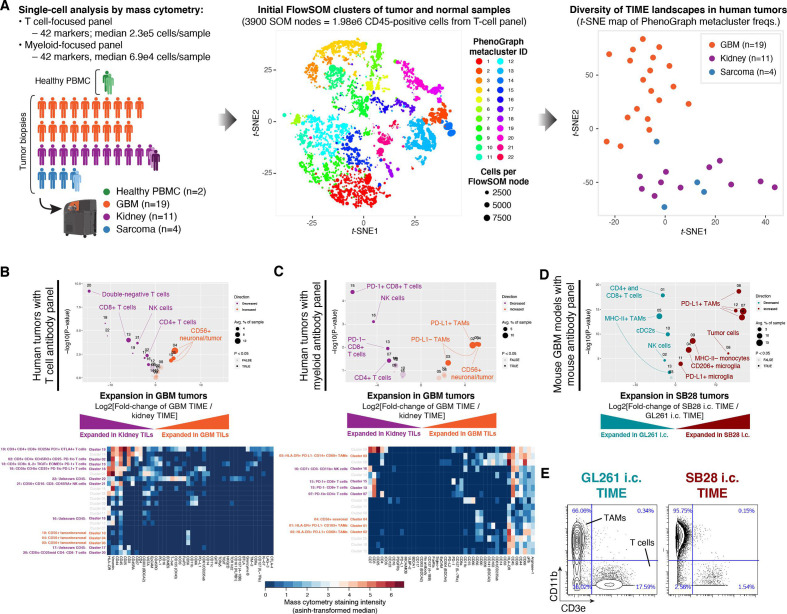
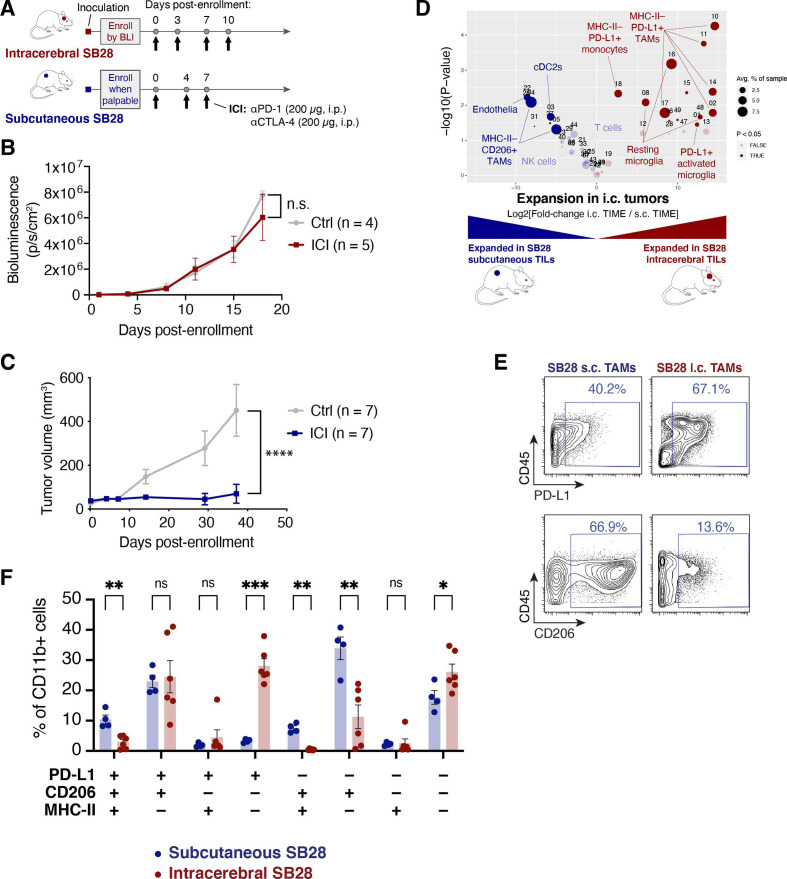
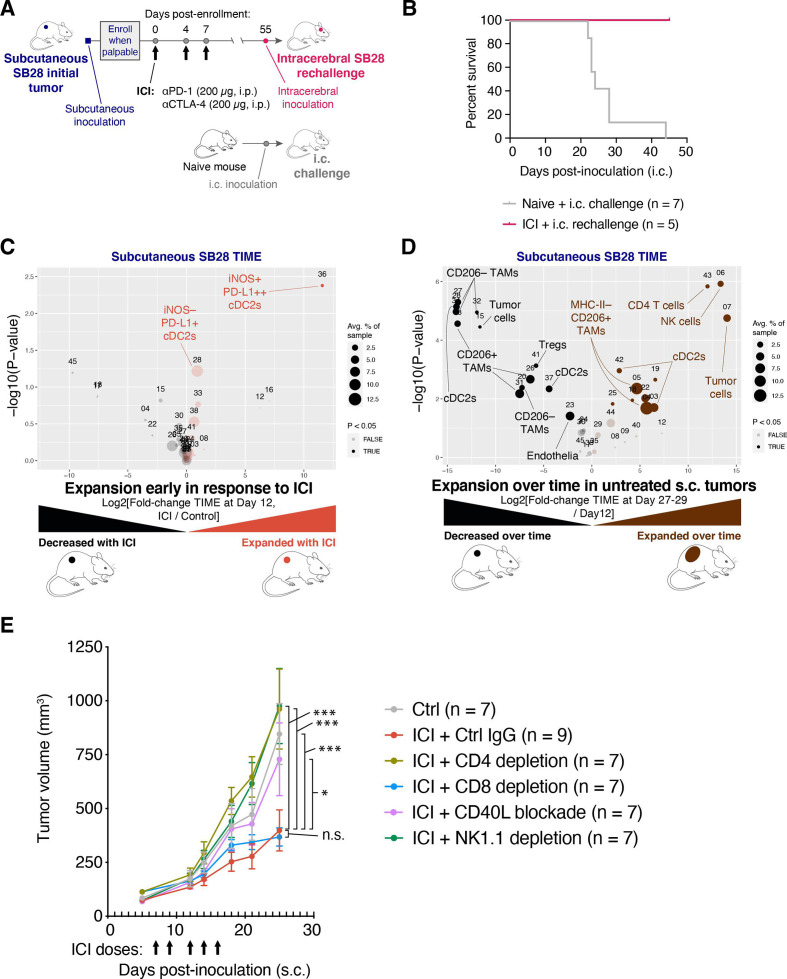
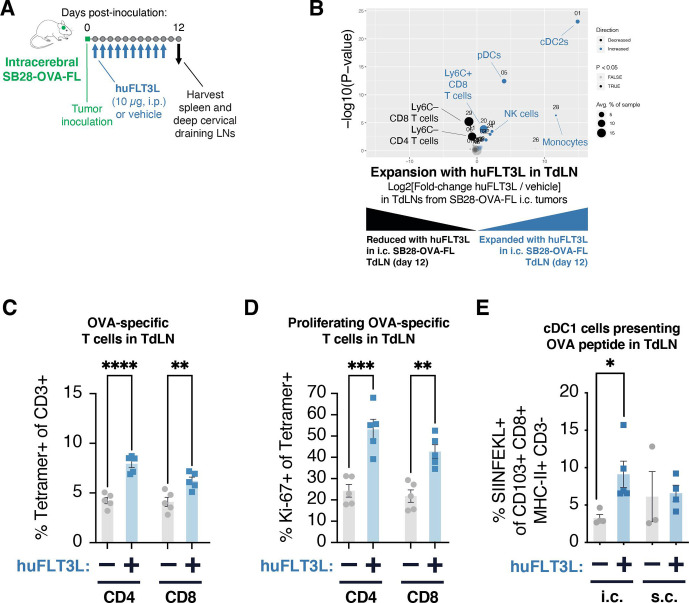
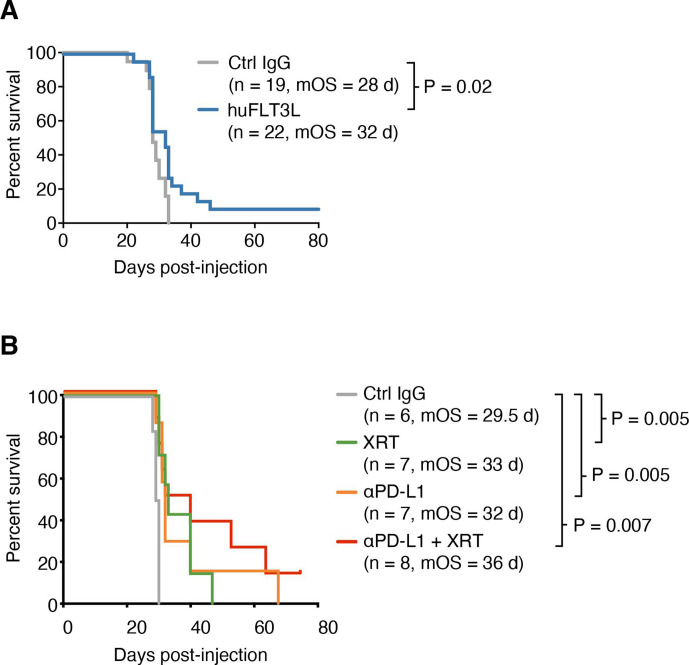
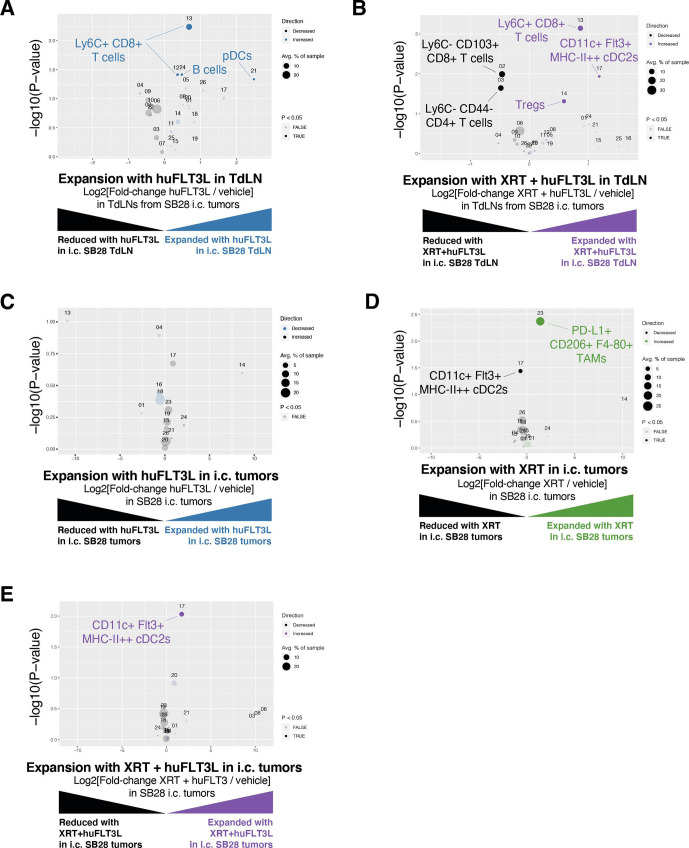
Background: Glioblastoma (GBM) is refractory to immune checkpoint inhibitor (ICI) therapy. We sought to determine to what extent this immune evasion is due to intrinsic properties of the tumor cells versus the specialized immune context of the brain, and if it can be reversed. Methods: We used CyTOF mass cytometry to compare the tumor immune microenvironments (TIME) of human tumors that are generally ICI-refractory (GBM and sarcoma) or ICI-responsive (renal cell carcinoma), as well as mouse models of GBM that are ICI-responsive (GL261) or ICI-refractory (SB28). We further compared SB28 tumors grown intracerebrally versus subcutaneously to determine how tumor site affects TIME and responsiveness to dual CTLA-4/PD-1 blockade. Informed by these data, we explored rational immunotherapeutic combinations. Results: ICI-sensitivity in human and mouse tumors was associated with increased T cells and dendritic cells (DCs), and fewer myeloid cells, in particular PD-L1+ tumor-associated macrophages. The SB28 mouse model of GBM responded to ICI when grown subcutaneously but not intracerebrally, providing a system to explore mechanisms underlying ICI resistance in GBM. The response to ICI in the subcutaneous SB28 model required CD4 T cells and NK cells, but not CD8 T cells. Recombinant FLT3L expanded DCs, improved antigen-specific T cell priming, and prolonged survival of mice with intracerebral SB28 tumors, but at the cost of increased Tregs. Targeting PD-L1 also prolonged survival, especially when combined with stereotactic radiation. Conclusions: Our data suggest that a major obstacle for effective immunotherapy of GBM is poor antigen presentation in the brain, rather than intrinsic immunosuppressive properties of GBM tumor cells. Deep immune profiling identified DCs and PD-L1+ tumor-associated macrophages as promising targetable cell populations, which was confirmed using therapeutic interventions in vivo.
Overview
The claims and statistics of this paper haven’t been checked yet.
Free: it reads the open-access text and checks the first 5 claims that cite a source we can check. Create a free account to check every claim.
Integrity signals
Registry
Cites
Statistics
Figures
Verification
Claims the paper makes
The claims and statistics of this paper haven’t been checked yet.
Free: it reads the open-access text and checks the first 5 claims that cite a source we can check. Create a free account to check every claim.
Claims other papers make about this one
Each is checked against this paper’s own text: does it say what the citing paper says it does?
The cited source says what the claim attributes to it.
In the citing paper
“Deep immune profiling of immune checkpoint inhibitor (ICI)‐refractory and responsive in mouse models using Cytometry by the time of flight (CyTOF) showed that ICI‐refractory in glioma tumors was associated with accumulating PD‐L1+ TAMs and lack of MHC‐II+ antigen‐presenting cells [289].”
From Tumor microenvironment signaling and therapeutics in cancer progression (2023) · cites this paper as [289]
Self-check
Percentages, sums and reported differences re-computed from the paper’s own numbers.
The self-check needs the paper’s full text.
Citations
Cites
Subramanian, A., Tamayo, P., Mootha, V. K., Mukherjee, S., Ebert, B. L., Gillette, M. A., Paulovich, A., Pomeroy, S. L., Golub, T. R., Lander, E. S., et al. (2005) · Proceedings of the National Academy of Sciences · doi:10.1073/pnas.0506580102 · Cited by 53,625
Robinson, M. D., McCarthy, D. J., & Smyth, G. K. (2010) · Bioinformatics · doi:10.1093/bioinformatics/btp616 · Cited by 41,364
(2008) · Journal of Machine Learning Research · Cited by 33,051
Oncology meets immunology: the cancer-immunity cycle.
Chen, D. S., & Mellman, I. (2013) · Immunity · doi:10.1016/j.immuni.2013.07.012 · Cited by 6,929
Cancer immunotherapy using checkpoint blockade
Ribas, A., & Wolchok, J. D. (2018) · Science · doi:10.1126/science.aar4060 · Cited by 6,791
Macrophage activation and polarization: nomenclature and experimental guidelines
Murray, P. J., Allen, J. E., Biswas, S. K., Fisher, E. A., Gilroy, D. W., Goerdt, S., Gordon, S., Hamilton, J. A., Ivashkiv, L. B., Lawrence, T., et al. (2014) · Immunity · doi:10.1016/j.immuni.2014.06.008 · Cited by 6,337
IFN-γ–related mRNA profile predicts clinical response to PD-1 blockade
Ayers, M., Lunceford, J., Nebozhyn, M., Murphy, E., Loboda, A., Kaufman, D. R., Albright, A., Cheng, J. D., Kang, S. P., Shankaran, V., et al. (2017) · Journal of Clinical Investigation · doi:10.1172/jci91190 · Cited by 3,788
Melanoma-intrinsic β-catenin signalling prevents anti-tumour immunity
Spranger, S., Bao, R., & Gajewski, T. F. (2015) · Nature · doi:10.1038/nature14404 · Cited by 2,830
Stupp, R., Taillibert, S., Kanner, A., Read, W., Steinberg, D. M., Lhermitte, B., Toms, S., Idbaih, A., Ahluwalia, M. S., Fink, K., et al. (2017) · JAMA · doi:10.1001/jama.2017.18718 · Cited by 2,644
Data-Driven Phenotypic Dissection of AML Reveals Progenitor-like Cells that Correlate with Prognosis
Levine, J. H., Simonds, E. F., Bendall, S. C., Davis, K. L., Amir, E.-A. D., Tadmor, M. D., Litvin, O., Fienberg, H. G., Jager, A., Zunder, E. R., et al. (2015) · Cell · doi:10.1016/j.cell.2015.05.047 · Cited by 2,303
Self-citation
Cited by
Macrophages and microglia in glioblastoma: heterogeneity, plasticity, and therapy
Khan, F., Pang, L., Dunterman, M., Lesniak, M. S., Heimberger, A. B., & Chen, P. (2023) · Journal of Clinical Investigation · doi:10.1172/jci163446 · Cited by 414
“Emerging evidence demonstrates that TAMs are critical for promoting tumor progression and inducing immunosuppression in GBM (20).”
BackgroundMethodInfluentialTumor microenvironment signaling and therapeutics in cancer progression
Goenka, A., Khan, F., Verma, B., Sinha, P., Dmello, C. C., Jogalekar, M. P., Gangadaran, P., & Ahn, B. (2023) · Cancer Communications · doi:10.1002/cac2.12416 · Cited by 323
Adaptive design of mRNA-loaded extracellular vesicles for targeted immunotherapy of cancer
Dong, S., Liu, X., Bi, Y., Wang, Y., Antony, A., Lee, D., Huntoon, K. M., Jeong, S. D., Ma, Y., Li, X., et al. (2023) · Nature Communications · doi:10.1038/s41467-023-42365-5 · Cited by 136
TREM2 inhibition triggers antitumor cell activity of myeloid cells in glioblastoma
Sun, R., Han, R., McCornack, C., Khan, S., Tabor, G. T., Chen, Y., Hou, J., Jiang, H., Schoch, K. M., Mao, D. D., et al. (2023) · Science Advances · doi:10.1126/sciadv.ade3559 · Cited by 119
“…using the IDH1 – wild-type syngeneic mouse model SB28 ( 19 ), which recapitulates major characteristics of human GBM, such as resistance to radiotherapy and temozolomide treatment ( 20 , 21 ), resistance to immune checkpoint blockade, and high fraction of myeloid cells in the TME ( 19 , 22 , 23 ).”
Peripheral Blood-Based Biomarkers for Immune Checkpoint Inhibitors
An, H. J., Chon, H. J., & Kim, C. (2021) · International Journal of Molecular Sciences · doi:10.3390/ijms22179414 · Cited by 112
Tumor-Associated Macrophages in Gliomas—Basic Insights and Treatment Opportunities
Andersen, J. K., Miletić, H., & Hossain, J. A. (2022) · Cancers · doi:10.3390/cancers14051319 · Cited by 111
Yu, K.-X., Yuan, W.-J., Wang, H.-Z., & Li, Y. (2024) · Cancer Immunology Immunotherapy · doi:10.1007/s00262-024-03675-9 · Cited by 96
“TAMs promote immune suppression of TME by inhibiting T cell activity and inducing the expression of immune checkpoint ligands [97], which is associated with low immune therapy response and reduced overall survival rate (OS) in tumor patients [98].”
BackgroundImpact of epigenetic reprogramming on antitumor immune responses in glioma
McClellan, B. L., Haase, S., Núñez, F. J., Alghamri, M. S., Dabaja, A. A., Lowenstein, P. R., & Castro, M. G. (2023) · Journal of Clinical Investigation · doi:10.1172/jci163450 · Cited by 85
Glioma-neuronal circuit remodeling induces regional immunosuppression
Nejo, T., Krishna, S., Yamamichi, A., Lakshmanachetty, S., Jimenez, C., Lee, K. Y., Baker, D. L., Young, J. S., Chen, T., Phyu, S. M., et al. (2025) · Nature Communications · doi:10.1038/s41467-025-60074-z · Cited by 81
“As SB28 tumors are intrinsically characterized by sparse T-cell in fi ltration 38,39 , we were able to recover only a limited number of T-cells, which may have impeded a comprehensive examination.”
Self-citationWang, X., Luo, X., Xiao, R., Liu, X., Zhou, F., Jiang, D., Bai, J., Cui, M., You, L., & Yupei, Z. (2026) · Signal Transduction and Targeted Therapy · doi:10.1038/s41392-025-02334-4 · Cited by 65
Targeting immune checkpoints on tumor-associated macrophages in tumor immunotherapy
Xu, S., Wang, C., Yang, L., Wu, J., Li, M., Xiao, P., Xu, Z., Xu, Y., & Wang, K. (2023) · Frontiers in Immunology · doi:10.3389/fimmu.2023.1199631 · Cited by 63
“Additionally, TAMs regulate the anti-tumor immune response and are associated with low immunotherapeutic efficacy and decreased overall survival (OS) of patients with tumors (22, 23).”
BackgroundFaisal, S. M., Comba, A., Varela, M. L., Argento, A. E., Brumley, E. K., Abel, C. C., Castro, M. G., & Lowenstein, P. R. (2022) · Frontiers in Oncology · doi:10.3389/fonc.2022.1005069 · Cited by 62
Next-generation antigen-presenting cell immune therapeutics for gliomas
Lee-Chang, C., & Lesniak, M. S. (2023) · Journal of Clinical Investigation · doi:10.1172/jci163449 · Cited by 58
“Alternatively, CNS-and tumor-associated Ags can move out of the CNS through perivascular spaces and be collected by resident DCs in cervical lymph nodes (50, 51).”
The diversity and dynamics of tumor-associated macrophages in recurrent glioblastoma
Zhang, L., Jiang, Y., Zhang, G., & Wei, S. (2023) · Frontiers in Immunology · doi:10.3389/fimmu.2023.1238233 · Cited by 56
“previously discovered the association between PD-L1 TAMs and resistance to ICB by comparing the TME of human ICB-refractory GBM and ICBresponsive tumors using cytometry by time-of-flight (CyTOF) (96).”
Immune Checkpoint Inhibitors and Glioblastoma: A Review on Current State and Future Directions
Ser, M. H., Webb, M., Sener, U. T., & Campian, J. L. (2024) · Journal of Immunotherapy and Precision Oncology · doi:10.36401/jipo-23-34 · Cited by 56
“[145] These strategies include enhancing T-cell response by neoadjuvant administering ICIs; activating antitumor adaptive immunity via RT, LITT, or TTFields-induced immunologic cell death; reversing the exhaustion signature of TILs by simultaneously inhibiting multiple checkpoints; reversing…”
BackgroundJohnson, A. L., Laterra, J., & López-Bertoni, H. (2022) · Frontiers in Oncology · doi:10.3389/fonc.2022.995498 · Cited by 50
Mo, H., Yu, Y., Sun, X., Ge, H., Yu, L., Guan, X., Zhai, J., Zhu, A., Wei, Y., Wang, J., et al. (2024) · Nature Medicine · doi:10.1038/s41591-024-03088-2 · Cited by 50
Cross-Talk Between Cancer and Its Cellular Environment—A Role in Cancer Progression
Turlej, E., Domaradzka, A., Radzka, J., Drulis‐Fajdasz, D., Kulbacka, J., & Gizak, A. (2025) · Cells · doi:10.3390/cells14060403 · Cited by 50
Generation of immunocompetent syngeneic allograft mouse models for pediatric diffuse midline glioma
du Chatinier, A., Meel, M. H., Das, A. I., Metselaar, D. S., Waranecki, P., Bugiani, M., Breur, M., Simonds, E. F., Lu, E. D., Weiss, W. A., et al. (2022) · Neuro-Oncology Advances · doi:10.1093/noajnl/vdac079 · Cited by 51
Self-citationPP2Ac/STRN4 negatively regulates STING-type I IFN signaling in tumor-associated macrophages
Ho, W. S., Mondal, I., Xu, B., Das, O., Sun, R., Chiou, P., Cai, X., Tahmasebinia, F., McFadden, E., Wu, C. Y.-J., et al. (2023) · Journal of Clinical Investigation · doi:10.1172/jci162139 · Cited by 50
“To this end, we generated cGAS KO in B16 and SB28 cell lines using CRISPR/Cas9 and confirmed that cGAS protein expression was absent in these cells (Supplemental Figure 2, B and C).”
InfluentialZhou, J., Li, L., Jia, M., Liao, Q., Peng, G., Luo, G., & Zhou, Y. (2022) · Cancer Medicine · doi:10.1002/cam4.5511 · Cited by 45
Chuntova, P., Yamamichi, A., Chen, T., Narayanaswamy, R., Ronseaux, S., Hudson, C., Tron, A. E., Hyer, M. L., Montoya, M., Mende, A., et al. (2022) · Journal for ImmunoTherapy of Cancer · doi:10.1136/jitc-2022-004644 · Cited by 39
“As multiple clinical trials are evaluating the therapeutic efficacy of R132Hp vaccination in patients with glioma (reviewed in Platten, Bunse, and Wick, 2021), 23 our mouse model can be a useful tool to extend these efforts in a translational bedside- to-bench approach.”
Self-citationImmunotherapy for brain metastases and primary brain tumors
Giacomo, A. M. D., Mair, M. J., Ceccarelli, M., Anichini, A., Ibrahim, R. A., Weller, M., Lahn, M., Eggermont, A. M. M., Fox, B. A., & Maio, M. (2022) · European Journal of Cancer · doi:10.1016/j.ejca.2022.11.012 · Cited by 39
CAR-NK cell therapy combined with checkpoint inhibition induces an NKT cell response in glioblastoma
Straßheimer, F., Elleringmann, P., Ludmirski, G., Roller, B., Macas, J., Alekseeva, T., Cakmak, P., Aliraj, B., Krenzlin, H., Demes, M. C., et al. (2025) · British Journal of Cancer · doi:10.1038/s41416-025-02977-8 · Cited by 38
Liu, S. J., Zou, C., Pak, J., Morse, A. P., Pang, D., Casey-Clyde, T., Borah, A. A., Wu, D., Seo, K., O’Loughlin, T., et al. (2024) · Genome biology · doi:10.1186/s13059-024-03404-6 · Cited by 37
“S8B-D), consistent with prior reports [46].”
MethodSelf-citationBadani, A., Ozair, A., Khasraw, M., Woodworth, G. F., Tiwari, P., Ahluwalia, M. S., & Mansouri, A. (2024) · Journal of Neuro-Oncology · doi:10.1007/s11060-024-04881-2 · Cited by 34
“Specifically, classic markers of ICI response seen in other cancers have yielded inconsistent results in GBM [ 45 , 46 ].”
Wang, Z., Zhang, L., Xu, W., Li, J., Liu, Y., Zeng, X., Zhong, M., & Zhu, Y. (2022) · Journal of Inflammation Research · doi:10.2147/jir.s341001 · Cited by 34
Luo, F., Mei, Y., Li, Y.-W., Yang, J., Xi, S., Cao, E., Shen, C., Zhou, D., Wang, P., Zhou, D., et al. (2025) · Neuro-Oncology · doi:10.1093/neuonc/noaf157 · Cited by 34
Wang, T., Denman, D., Bacot, S. M., & Feldman, G. M. (2022) · Biomedicines · doi:10.3390/biomedicines10051181 · Cited by 28
Espinoza, F. I., Tankov, S., Chliate, S., Couto, J. P., Marinari, E., Vermeil, T., Lecoultre, M., Harane, N. E., Dutoit, V., Migliorini, D., et al. (2025) · Cellular and Molecular Life Sciences · doi:10.1007/s00018-025-05642-8 · Cited by 27
“Another major hurdle for ICB efficacy is the presence of a highly immunosuppressive TME, with a complex and dynamic ecosystem comprising cellular and non-cellular elements [4 , 14 , 19].”
Self-citationAdvances in tumor-associated macrophage-mediated chemotherapeutic resistance in glioma
Liu, X., & Yu, Q. (2025) · Frontiers in Cell and Developmental Biology · doi:10.3389/fcell.2025.1676338 · Cited by 26
Xu, D., Cao, M., Wang, B., Bi, X., Zhang, H., Wu, D., Zhang, C., Xu, J., Xu, Z., Zheng, D., et al. (2023) · Theranostics · doi:10.7150/thno.79874 · Cited by 25
“Glioblastoma has been reported to feature intrinsic properties of immune evasion with the specialized immune context of the brain [50].”
Targeting the dendritic cell-T cell axis to develop effective immunotherapies for glioblastoma
Gardam, B., Gargett, T., Brown, M. P., & Ebert, L. M. (2023) · Frontiers in Immunology · doi:10.3389/fimmu.2023.1261257 · Cited by 26
Montoya, M., Collins, S., Chuntova, P., Patel, T. S., Nejo, T., Yamamichi, A., Kasahara, N., & Okada, H. (2024) · Neuro-Oncology · doi:10.1093/neuonc/noae149 · Cited by 24
Self-citationEllert‐Miklaszewska, A., Pilanc, P., Poleszak, K., Roura, A.-J., Cyranowski, S., Ghosh, M., Baluszek, S., Pasierbińska, M., Gielniewski, B., Swatler, J., et al. (2025) · Journal of Experimental & Clinical Cancer Research · doi:10.1186/s13046-025-03393-9 · Cited by 23
“Profiling the immune landscapes of human and mouse tumors has revealed that the scarcity of activated cytotoxic T cells, the plenitude of suppressive myeloid cell subsets and poor antigen presentation in the brain are the major obstacles to effective immunotherapy in GBM [17, 47].”
Novel EGFRvIII-CAR transgenic mice for rigorous preclinical studies in syngeneic mice
Chuntova, P., Hou, Y., Naka, R., Yamamichi, A., Chen, T., Goretsky, Y. E., Hatae, R., Nejo, T., Kohanbash, G., Mende, A., et al. (2021) · Neuro-Oncology · doi:10.1093/neuonc/noab182 · Cited by 23
Self-citationNourizadeh, M., Mounesyar, S. M., Movahhed, M. S., Alipour, K., Zekavatbakhsh, R., Hoseinzadeh, M., Davari, S., Amirhooshangi, M., Amirhoushangi, H., & Hamzehzadeh, S. (2025) · Discover Oncology · doi:10.1007/s12672-025-03807-2 · Cited by 21
Lofiego, M. F., Piazzini, F., Caruso, F. P., Marzani, F., Solmonese, L., Bello, E., Celesti, F., Costa, M. C., Noviello, T., Mortarini, R., et al. (2024) · Journal of Translational Medicine · doi:10.1186/s12967-024-05040-x · Cited by 21
Li, Y., Jiang, X., Luo, T., Xia, J., Lee, M. J., Weichselbaum, R. R., & Lin, W. (2022) · Biomaterials · doi:10.1016/j.biomaterials.2022.121831 · Cited by 20
Pediatric glioblastoma: mechanisms of immune evasion and potential therapeutic opportunities
Tchoquessi, R. L. N., Jackson, C. M., Woodworth, G. F., & Hersh, D. S. (2022) · Cancer Immunology Immunotherapy · doi:10.1007/s00262-021-03131-y · Cited by 19
Schatz, J., Ladinig, A., Fietkau, R., Putz, F., Gaipl, U. S., Frey, B., & Derer, A. (2022) · Strahlentherapie und Onkologie · doi:10.1007/s00066-022-02028-8 · Cited by 19
Chiang, Y.-C., Wang, C., Kumar, S., Hsieh, C.-B., Chang, K.-F., Ko, C.-C., Chang, C.-H., Lin, H.-R., Wu, C.-J., Yuan, C., et al. (2025) · Cancer Cell International · doi:10.1186/s12935-025-04003-6 · Cited by 18
Wang, L., He, Z., Fan, S., Li, M., Li, Y., Xia, Y., Xu, B., Mou, Y., & Yin, Y. (2024) · International Immunopharmacology · doi:10.1016/j.intimp.2024.113109 · Cited by 18
Self-citationCytofIn enables integrated analysis of public mass cytometry datasets using generalized anchors
Lo, Y., Keyes, T., Jager, A., Sarno, J., Domizi, P., Majeti, R., Sakamoto, K. M., Lacayo, N. J., Mullighan, C. G., Waters, J., et al. (2022) · Nature Communications · doi:10.1038/s41467-022-28484-5 · Cited by 18
“To determine CytofIn ’ s utility in datasets collected across tissue types, we applied CytofIn to three datasets analyzing tumor-in fi ltrating leukocytes (TIL) across four different cancer histol-ogies (breast 37 and Flow Repository ID FR-FCM-ZYJP; and glioma, kidney, sarcoma 38 ).”
MethodHuman dendritic cell subsets in the glioblastoma-associated microenvironment
Hu, X., Jiang, C., Gao, Y., & Xue, X. (2023) · Journal of Neuroimmunology · doi:10.1016/j.jneuroim.2023.578147 · Cited by 17
NKG2C/ KLRC2 tumor cell expression enhances immunotherapeutic efficacy against glioblastoma
de Dios, O., Ramírez-González, M. A., Gómez-Soria, I., Segura‐Collar, B., Manosalva, J., Megías, D., de Andrea, C. E., Fernández, L., Hernández‐Laín, A., Sepúlveda-Sánchez, J. M., et al. (2024) · Journal for ImmunoTherapy of Cancer · doi:10.1136/jitc-2024-009210 · Cited by 17
Xing, Y. L., Panovska, D., Park, J., Grossauer, S., Koeck, K., Bui, B., Nasajpour, E., Nirschl, J., Feng, Z.-P., Cheung, P., et al. (2025) · Cell Reports Medicine · doi:10.1016/j.xcrm.2025.102183 · Cited by 17
Ye, Q., Zhou, X., Ren, H., Han, F., Lin, R., & Li, J. (2023) · Frontiers in Pharmacology · doi:10.3389/fphar.2023.1274336 · Cited by 15
Imaging PD-L1 in the brain—Journey from the lab to the clinic
Dar, D., Rodak, M., Pieve, C. D., Gorczewska, I., Sharma, G., Chmielik, E., Niedbała, M., Bzowski, P., d’Amico, A., Bobek‐Billewicz, B., et al. (2024) · Neuro-Oncology · doi:10.1093/neuonc/noae190 · Cited by 15
Xia, M., Liu, Q., Zhang, W., Ge, J., & Mei, Z. (2025) · MedComm · doi:10.1002/mco2.70328 · Cited by 16
“Targeting PD-L1 combined with stereotactic radiation suggests effectiveness in prolonged survival of mice with intracerebral SB28 tumors at the cost of increased Tregs [211].”
Within and beyond the tumor: Mechanisms of glioblastoma-induced immunosuppression
Puviindran, B. J., Wallace, S., Ayasoufi, K., Lerner, E., & Fecci, P. E. (2025) · Neuro-Oncology Advances · doi:10.1093/noajnl/vdaf006 · Cited by 15
“130–133 Conversely, others have more recently identified a novel population of skull bone marrow-derived TANs that appear to possess APC-like features and can activate T cell cytotoxicity through antigen presentation on MHC II.”
Figg, J., Chen, D., Font, L. F., Flores, C., & Jin, D. (2024) · Neuro-Oncology · doi:10.1093/neuonc/noae131 · Cited by 13
Badillo, O., Niemi, J. V. L., Helfridsson, L., Karimi, S., Ramachandran, M., Mangukiya, H. B., Nelander, S., & Hellström, M. (2025) · Journal for ImmunoTherapy of Cancer · doi:10.1136/jitc-2025-011548 · Cited by 13
Self-citationCyTOF as a suitable tool for stratification and monitoring of cancer patients
Seliger, B., & Massa, C. (2025) · Journal of Translational Medicine · doi:10.1186/s12967-025-06764-0 · Cited by 13
“Similarly, deep evaluation of a preclinical glioblastoma model demonstrated reduced antigen presenting capabilities of DC within the brain, which might be a possible reason for the reduced responsiveness to ICPi in these tumors [75].”
Cellular diversity through space and time: adding new dimensions to GBM therapeutic development
Johnson, A. L., & López-Bertoni, H. (2024) · Frontiers in Genetics · doi:10.3389/fgene.2024.1356611 · Cited by 13
T cell immunity in glioma and potential implications for immunotherapy: A systematic review
Luning, R., French, P. J., Vanbilloen, W. J. F., Dobber, L., van Hijfte, L., Hoogendijk, R., van den Bent, M. J., Debets, R., & Geurts, M. (2025) · Neuro-Oncology · doi:10.1093/neuonc/noaf236 · Cited by 12
Cifola, I., Fratini, F., Cardinali, B., Palmieri, V., Gatti, G., Selmi, T., Donzelli, S., Sacconi, A., Cesarini, V., Marei, H. E. S., et al. (2022) · Biomedicines · doi:10.3390/biomedicines10081886 · Cited by 12
“, tumor-associated macrophages), and release of tumor-derived immunosuppressive factors, all of which are obstacles to effectively treating this tumor [8,9].”
BackgroundDrug resistance in glioblastoma: from chemo- to immunotherapy
Sharma, S., Chepurna, O. M., & Sun, T. (2023) · Cancer Drug Resistance · doi:10.20517/cdr.2023.82 · Cited by 12
Young, J. S., Cho, N. W., Lucas, C. G., Najem, H., Mirchia, K., Chen, W., Tamaki, C. M., Congivaram, H., Seo, K., Zakimi, N., et al. (2026) · Cancer Research · doi:10.1158/0008-5472.can-25-2922 · Cited by 11
Lu, B., Lu, T., Shi, J., Sun, P., Zhang, X., Yang, L. F., Wang, Z., & Huang, J. (2024) · American Journal Of Pathology · doi:10.1016/j.ajpath.2024.01.011 · Cited by 11
The role of ST3GAL4 in glioma malignancy, macrophage infiltration, and prognostic outcomes
Zheng, W., Zhang, H., Huo, Y., Zhang, L., Sa, L., Shan, L., & Wang, T. (2024) · Heliyon · doi:10.1016/j.heliyon.2024.e29829 · Cited by 10
“TAMs play a crucial role in promoting tumor progression and inducing immune suppression within the glioma microenvironment [20].”
Therapeutic Targeting of Glioblastoma and the Interactions with Its Microenvironment
Genoud, V., Kinnersley, B., Brown, N. F., Ottaviani, D., & Mulholland, P. J. (2023) · Cancers · doi:10.3390/cancers15245790 · Cited by 10
“FLT3L-mediated DC population expansion led to enhanced immune priming in a mouse model of GBM [154], and the recent encouraging results of DC-Vax-L [6] support the exploration of DC-targeted therapies.”
ResultSelf-citationBeffinger, M., Schellhammer, L., Taşkoparan, B., Deplazes, S., Salazar, U., Tatari, N., Seehusen, F., von Balthazar, L., Zinner, C., Spath, S., et al. (2025) · Nature Communications · doi:10.1038/s41467-025-59971-0 · Cited by 9
Self-citationWang, Y., Li, C., Chi, X., Huang, X., Gao, H., Ji, N., & Zhang, Y. (2022) · Frontiers in Oncology · doi:10.3389/fonc.2022.865779 · Cited by 9
“In treating GBMs, several novel immune approaches are under development and have generated encouraging results in preclinical studies (9, 10) as well as in early trials (11, 12).”
BackgroundAytekin, E., Maksoud, S., Tannous, B. A., Pehlivan, S. B., & Badr, C. E. (2025) · European Journal of Pharmaceutical Sciences · doi:10.1016/j.ejps.2025.107255 · Cited by 8
“While survival improvement was moderate compared to some studies reporting complete remission (Wu et al., 2020; Simonds et al., 2021; Park et al., 2019), this can be attributed to the conservative dosing regimen used here (TMZ: 5 mg/kg; scFv: 2 mg/kg × 3 doses).”
Zhu, D., Zhu, Y., Yang, X., Gao, L., Zhang, Z., Xu, X., Dong, L., Zhang, H., Yun, Z., Yang, H., et al. (2025) · Journal of Controlled Release · doi:10.1016/j.jconrel.2025.114367 · Cited by 8
Zhang, H., Miao, J., Gao, L., Yang, X., Yun, Z., Dong, L., Cheng, W., Wang, Y., Yang, H., Zhou, Y., et al. (2026) · Nature Communications · doi:10.1038/s41467-026-71646-y · Cited by 8
Norollahi, S. E., Babaei, K., Rashidy‐Pour, A., Yousefi, B., Baharlou, R., Far, B. F., Jalali, A., & Samadani, A. A. (2025) · Biochemistry and Biophysics Reports · doi:10.1016/j.bbrep.2025.102149 · Cited by 8
“It bolsters GBM growth and T-cell anergy produced by CTLR-4 [22,23].”
Gao, T. A., Shih, R. M., Clubb, J. D., Hung, S.-H., Singh, T., James‐Allan, L. B., DiBernardo, G., Shafer, A. M., Bouren, A., Ceja, M. A., et al. (2026) · Science Translational Medicine · doi:10.1126/scitranslmed.adw9286 · Cited by 8
Xu, H., Zhao, X., & Luo, J. (2024) · Cellular and Molecular Life Sciences · doi:10.1007/s00018-024-05300-5 · Cited by 7
“However, both the abundance and functionality of DCs are impaired in GBM, and their immunological relevance in tumor sites remains poorly understood [80].”
BackgroundMatsuzaki, H., Kai, K., Komohara, Y., Yano, H., Pan, C., Fujiwara, Y., Yamada, R., Iwauchi, A., Fukasawa, N., Tanaka, T., et al. (2025) · Cancer Science · doi:10.1111/cas.70014 · Cited by 6
“GAMs play a critical role in promoting GBM tumor growth and inducing immunosuppression [10], and elucidating the function of GAMs will deepen our understanding of GBM pathogenesis.”
Advancing glioblastoma immunotherapy: Molecular pathways and innovative therapeutic strategies
Tang, M., Xu, P., & Zhang, X. (2025) · Pathology - Research and Practice · doi:10.1016/j.prp.2025.156326 · Cited by 6
Myeloid-targeting immunotherapies overcome inhibitory barriers in immune-evasive neuroblastoma
Menard, M. J., Yoda, H., Nasholm, N. M., Barata, M. J., Wang, L., Simonds, E. F., Lu, E. D., Wong‐Michalak, S., McHenry, L., Farrel, A., et al. (2025) · The Journal of Experimental Medicine · doi:10.1084/jem.20231417 · Cited by 5
Self-citationSharkey, C., Akligoh, H., Finocchiaro, M. A., Rampelli, A., Wang, Z., Olumi, A. F., & Konry, T. (2026) · Advanced Materials Technologies · doi:10.1002/admt.202501801 · Cited by 5
“Capturing these interactions at single-cell resolution while simultaneously linking functional activity to molecular signatures is essential for advancing our understanding of immune heterogeneity and developing effective immunotherapies [ 9–12 ].”
Wang, S., Gao, S., Lin, S., Fang, X., Zhang, H., Qiu, M., Zheng, K., Ji, Y., Xiao, B., & Zhang, X. (2024) · BMC Neurology · doi:10.1186/s12883-024-03924-5 · Cited by 5
“Macrophages in the glioblastoma immune microenvironment play an important role in promoting tumor progression and inducing tumor immune escape [59].”
BackgroundTian, L., Li, X., Guo, L., Huang, L., & Gao, W. (2024) · Chemical Engineering Journal · doi:10.1016/j.cej.2024.157744 · Cited by 5
The progress on the relationship between gut microbiota and immune checkpoint blockade in tumors
Jiang, H., Ye, Y., Wang, M., Sun, X., Sun, T., Chen, Y., Li, P., Zhang, M., & Wang, T. (2023) · Biotechnology and Genetic Engineering Reviews · doi:10.1080/02648725.2023.2212526 · Cited by 5
“In tumors, immune check-points have become one of the main reasons for tumor immune escape (Okazaki et al., 2013; Simonds et al., 2021; Tang et al., 2020) (Figure 1).”
Lee, G., Kim, Y. J., Ham, S. J., Ahn, H., Choi, D., Ha, J., Lee, J., Lee, H.-J., Lim, J., & Ahn, J. (2026) · Theranostics · doi:10.7150/thno.126324 · Cited by 4
“…[220], and studies were also conducted on the association between immune evasion, a characteristic of GBM, and the intrinsic characteristics of the tumor and the special immune context of the brain using immune checkpoint inhibitors (ICIs) and the possibility of overcoming them [221, 222].”
Ready for Prime Time? Dendritic Cells in High-Grade Gliomas
Conarroe, C. A., & Bullock, T. N. J. (2023) · Cancers · doi:10.3390/cancers15112902 · Cited by 4
“On a similar note, pseudotime trajectory analyses performed by Friedrich et al. indicate a monocyte to DC pathway in patient samples of IDH mutant GBM that is dysfunctional in IDH wildtype GBM samples, adding further nuance to the heterogeneity of DC within HGG [51].”
BackgroundInfluentialZhong, R., He, H., & Wang, X. (2025) · International Immunopharmacology · doi:10.1016/j.intimp.2025.114173 · Cited by 4
Non-cellular immunotherapies in pediatric central nervous system tumors
Rumler, S. (2023) · Frontiers in Immunology · doi:10.3389/fimmu.2023.1242911 · Cited by 4
Yin, H., Yu, X., Hu, C., Yang, Y., Wang, M., Xing, Y., Zuo, B., Zhang, C., Yang, W., Li, Y., et al. (2026) · Nature Communications · doi:10.1038/s41467-025-68079-4 · Cited by 3
Miller, D. M., Yadanapudi, K., Rai, V., Rai, S. N., Chen, J., Frieboes, H. B., Masters, A. H., McCallum, A. P., & Williams, B. J. (2023) · The American Journal of the Medical Sciences · doi:10.1016/j.amjms.2023.06.010 · Cited by 3
Bhatt, D., Sundaram, R. K., López, K. S. L., Lee, T., Gueble, S. E., & Vasquez, J. C. (2025) · Current Protocols · doi:10.1002/cpz1.70097 · Cited by 3
Yuan, Q., Gao, W., Guo, M., & Liu, B. (2024) · Environmental Toxicology · doi:10.1002/tox.24309 · Cited by 2
“…anti-PD-1 check-point blockade monotherapy could improve the survival outcomes and enhance anti-tumor activity in GBM patients treated with GBM. 58,59 This was consistent with the results that patients in IMvi-gor210 cohort had different responses to PD-L1 receptor blocker, with CR/PR patients…”
Xuan, Z., Wang, K., Zhu, Q., Sun, T., Jiang, J., Wu, Z., Zheng, S., & Zhao, H. (2025) · Biochemistry and Biophysics Reports · doi:10.1016/j.bbrep.2025.102119 · Cited by 2
“However, emerging evidence suggests that PD-1 blockade may reshape the tumor immune microenvironment (TIME) in recurrent GBM, potentially reinvigorating antitumor immune responses at both local and systemic levels and enhancing the infiltration of immune cells into the tumor [5,6].”
Cavanagh, R. J., Shaw, G. C., McCrorie, P., Elsherbeny, A., Pandele, A., Jearranaiprepame, S., Ghanim, B. Y., Allcock, N., Wurdak, H., Mathew, R. K., et al. (2025) · Drug Delivery and Translational Research · doi:10.1007/s13346-025-02003-7 · Cited by 2
Multimodality mapping of immunotherapy distribution as a predictive marker in glioma
Scheck, J. G., Boztepe, B., Kernbach, J. M., Jazi, K. K., Heinz, L., Schregel, K., Sturm, V. J. F., Schell, M., Bojcevski, J., Fischer, M. (., et al. (2025) · Neuro-Oncology · doi:10.1093/neuonc/noaf295 · Cited by 3
Tumors located in the brain impair the frequency and phenotype of dendritic cells in blood and tumor
Gardam, B., Gargett, T., Nam, E., Khan, S., Ormsby, R. J., Poonnoose, S. I., Bracken, J. M., Pasam, A., Lenin, S., Gliddon, B. L., et al. (2026) · iScience · doi:10.1016/j.isci.2026.115160 · Cited by 2
MFSD2A as a prognostic biomarker in low-grade glioma: mechanistic links to immune suppression
Jia, Z., Jiang, T., Zhang, Y., Chen, Q., Cen, X., Yuan, Q., Di, Z., Ma, C., & Lin, X. (2026) · Brain Research · doi:10.1016/j.brainres.2026.150320 · Cited by 2
Makranz, C., Huguely, C., Zhang, M., Davis, D. S., Anderson, B., Haynes, T., Spurgeon, J., Hara, A., Briceno, N., Song, H., et al. (2026) · Neuro-Oncology Advances · doi:10.1093/noajnl/vdag118 · Cited by 2
Self-citationMicroglia-specificity of different markers is overridden in glioblastoma specimens
Bungert, A. D., Sanchin, A., Blank, A., Jüngst-Mieczkowska, M., Mueller, A., Felsenstein, M., Turkowski, K., Zhang, W., Vajkoczy, P., & Brandenburg, S. (2026) · Scientific Reports · doi:10.1038/s41598-026-52315-y · Cited by 2
The intersection of chemokine signaling with the hallmarks of cancer in glioblastoma
Chojak, R., Turunen, J. R., Drewes, N. B., Koutah, L., Fares, J., Chen, R. X., Du, R., Faisal, U. H., Kazi, H. A., Kelley, C., et al. (2026) · Journal of Neuro-Oncology · doi:10.1007/s11060-026-05768-0 · Cited by 2
Maeoka, R., Nakazawa, T., Matsuda, R., Morimoto, T., Shida, Y., Yamada, S., Nishimura, F., Nakamura, M., Nakagawa, I., Park, Y.-S., et al. (2023) · International Journal of Molecular Sciences · doi:10.3390/ijms241814183 · Cited by 2
“…against newly diagnosed and recurrent GBM reported that they were not e ff ective [6–9]. to standard treatments [10], immunotherapy One possible reason for the ine ffi cacious treatment is that GBM is a more aggressive, strongly heterogeneous, immunologically “cold”, and rapid-progression tumor [8,9].”
BackgroundEllert‐Miklaszewska, A., Pilanc, P., Poleszak, K., Roura, A.-J., Cyranowski, S., Ghosh, M., Baluszek, S., Pasierbińska, M., Gielniewski, B., Swatler, J., et al. (2024) · bioRxiv (Cold Spring Harbor Laboratory) · doi:10.1101/2024.08.06.606798 · Cited by 2
Mukherjee, A. (2025) · Biomedical Research and Therapy · doi:10.15419/0gq0et18 · Cited by 1
Perineural invasion in digestive tract tumors: Immune system interactions and therapeutic strategies
Pang, J.-Y., Jin, R.-Y., Zhang, H. T., Zhang, Y.-H., Wei, X.-Y., Cao, W.-B., Chen, Y.-X., Wang, J.-L., & Mo, S. (2026) · World Journal of Clinical Oncology · doi:10.5306/wjco.v17.i2.113674 · Cited by 1
Tanzhu, G., Chen, L., Ning, J.-Y., Xiao, G., Wen, S., Wang, C., Wen, H., Zhang, K.-Q., Yang, J., Jia, M.-Y., et al. (2026) · Military Medical Research · doi:10.1016/j.mmr.2026.100047 · Cited by 1
Ugolini, A., Scirocchi, F., Leo, A. D., Badii, F., Liu, X., Pace, A., D’Angelo, L., Liu, J. K., Etame, A. B., Ray, P., et al. (2026) · Neuro-Oncology · doi:10.1093/neuonc/noag226 · Cited by 1
Ulloa-Navas, M. J., Luo, Y., Sanchez-Garavito, J. E., Qie, Y., Jones, V. K., Brooks, M., Aramburu-Berckemeyer, M. M., Hundal, T., Gadd, M. E., Gomez-Palmero, C., et al. (2024) · bioRxiv (Cold Spring Harbor Laboratory) · doi:10.1101/2024.11.22.624897 · Cited by 1
Metadata
- Authors
- Simonds, E. F., Lu, E. D., Badillo, O., Karimi, S., Liu, E. V., Tamaki, W., Rancan, C., Downey, K. M., Stultz, J., Sinha, M., McHenry, L. K., Nasholm, N. M., Chuntova, P., Sundström, A., Genoud, V., Shahani, S. A., Wang, L. D., Brown, C. E., Walker, P. R., Swartling, F. J., Fong, L., Okada, H., Weiss, W. A., & Hellström, M.
- Affiliations
- University of California, San Francisco (US)
- Uppsala University (SE)
- University of Geneva (CH)
- City Of Hope National Medical Center (US)
- Corresponding author
- Okada, Hideho
- Weiss, William A
- Hellström, Mats
- ORCID
- Simonds, Erin F
- Lu, Edbert D
- Badillo, Oscar
- Karimi, Shokoufeh
- Tamaki, Whitney
- Rancan, Chiara
- Downey, Kira M
- Sinha, Meenal
- McHenry, Lauren K
- Nasholm, Nicole M
- Chuntova, Pavlina
- Sundström, Anders
- Genoud, Vassilis
- Wang, Leo D
- Brown, Christine E
- Walker, Paul R
- Swartling, Fredrik J
- Fong, Lawrence
- Okada, Hideho
- Weiss, William A
- Hellström, Mats
- Venue
- Journal for ImmunoTherapy of Cancer
- Publisher
- BMJ
- Published
- 2021-06
- Volume
- 9
- Issue
- 6
- Pages
- e002181
- ISSN
- 2051-1426 (ISSN-L)
- PMC
- PMC8183210
- OpenAlex
- W3165096196
- Cited by
- 119
- References
- 59
- Citations by year
- 2026: 21 · 2025: 33 · 2024: 25 · 2023: 23 · 2022: 15 · 2021: 2
- FWCI
- 6.55
- Type
- journal article
- Language
- en
- Open access
- gold
- doi.org
- Locations
- Journal for ImmunoTherapy of Cancer (publishedVersion, cc-by)
- bioRxiv (Cold Spring Harbor Laboratory) (acceptedVersion)
- PubMed Central (publishedVersion, cc-by)
- PubMed (publishedVersion)
- Archive ouverte UNIGE (University of Geneva) (publishedVersion, other-oa)
- eScholarship (California Digital Library) (submittedVersion, cc-by)
- KTH Publication Database DiVA (KTH Royal Institute of Technology) (submittedVersion, other-oa)
- DOAJ (DOAJ: Directory of Open Access Journals) (submittedVersion, cc-by-sa)
- eScholarship (California Digital Library) (submittedVersion)
- Archive ouverte UNIGE (University of Geneva) (submittedVersion, cc-by)
- Funders
- National Institutes of Health (P30CA82103, P30DK063720, P50CA097257, R01CA221969, R33CA183692, S101S10OD018040-01, U01CA176287, R35NS105068, R01CA222965, K08CA201591)
- Cancer Research UK (A28592)
- Samuel Waxman Cancer Research Foundation
- Alex's Lemonade Stand Foundation for Childhood Cancer (YIA)
- Swedish Cancer Society
- Damon Runyon Cancer Research Foundation (DRG-2190-14)
- MH: Wenner-Gren Foundations
- Parker Institute for Cancer Immunotherapy
- Swedish Research Council (2018-05973)
- California Institute for Regenerative Medicine (CLIN2-10248)
- Prostate Cancer Foundation (Challenge Award)
- Topics
- Health Sciences › Medicine › Oncology › Cancer Immunotherapy and Biomarkers
- Health Sciences › Medicine › Oncology › Glioma Diagnosis and Treatment
- Life Sciences › Immunology and Microbiology › Immunology › Immunotherapy and Immune Responses
- Keywords
- glioblastoma, immune checkpoint inhibitors, immune evasion, tumor immune microenvironment, PD-L1, tumor-associated macrophages, dendritic cells, antigen presentation, Flt3L, regulatory T cells, CD4+ T cells, natural killer cells, immunotherapy resistance
- MeSH terms
- Immune Checkpoint Inhibitors, Animals, Brain Neoplasms, Glioblastoma, Humans, Membrane Proteins, Tumor Escape, Xenograft Model Antitumor Assays, Cell Line, Tumor, T-Lymphocytes, Regulatory, Mice, CTLA-4 Antigen, Programmed Cell Death 1 Receptor
About these checks
Registry, retraction, Cites and statistics results are computed, not judged, with one exception: a printed reference that no index lists is read once by a model before it counts as a citation error. Claims are extracted by a model and kept only when their quote appears verbatim in the text; each cited source is then checked, with a model’s help, for whether it says what the claim relies on. Those verdicts can be wrong — read the claim’s quote and the cited source before relying on one.
Statistics and arithmetic are recomputed, not judged.
Confidence bands are shown only for fields calibrated on our annotated test set. None is calibrated yet, so no band is shown.
What counts as a claim ›How we measure confidence ›How we check this ›
Are you an author, or do you see a problem with this page? Request a review
Data sources
Bibliographic data: Semantic Scholar, OpenAlex, Crossref.
Contains information from the Semantic Scholar Academic Graph Datasets, made available under the ODC Attribution License (ODC-BY 1.0).
Semantic Scholar’s data is described in: Kinney, R., et al. (2023). The Semantic Scholar Open Data Platform. arXiv:2301.10140.
