

The DOI matches its Crossref record; 124 of the 124 references it cites were found in a registry or an index.
Ectopic fat and insulin resistance: pathophysiology and effect of diet and lifestyle interventions.
Open accessAbstract
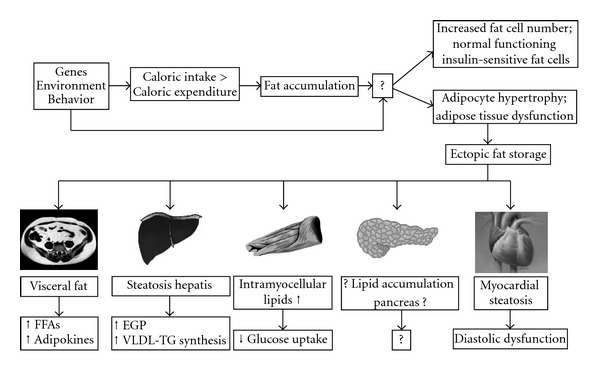
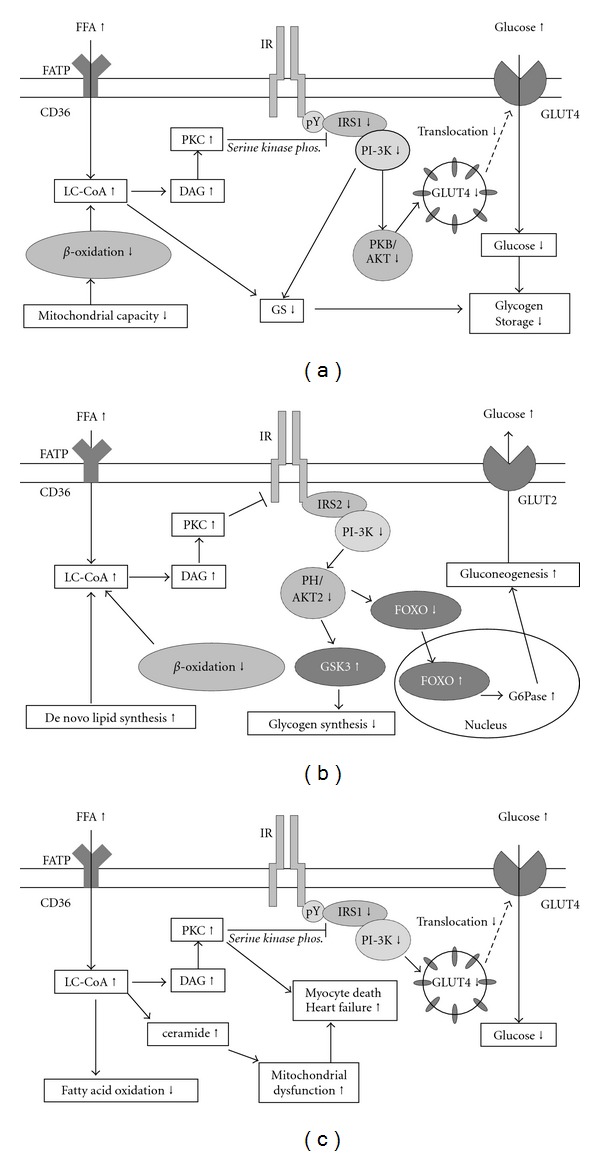
The storage of triglyceride (TG) droplets in nonadipose tissues is called ectopic fat storage. Ectopic fat is associated with insulin resistance and type 2 diabetes mellitus (T2DM). Not the triglycerides per se but the accumulation of intermediates of lipid metabolism in organs, such as the liver, skeletal muscle, and heart seem to disrupt metabolic processes and impair organ function. We describe the mechanisms of ectopic fat depositions in the liver, skeletal muscle, and in and around the heart and the consequences for each organs function. In addition, we systematically reviewed the literature for the effects of diet-induced weight loss and exercise on ectopic fat depositions.
Overview
The claims and statistics of this paper haven’t been checked yet.
Run the check — free, no account needed. It reads the open-access text and checks the sources it cites.
Integrity signals
Registry
Cites
Statistics
Figures
Verification
Claims the paper makes
The claims and statistics of this paper haven’t been checked yet.
Run the check — free, no account needed. It reads the open-access text and checks the sources it cites.
Claims other papers make about this one
Each is checked against this paper’s own text: does it say what the citing paper says it does?
The source backs part of the claim, not all of it — or backs it for a different population, condition or comparison.
In the citing paper
“In addition, obesity-related insulin resistance is associated with impaired insulin-mediated inhibition of lipolysis in adipose tissue (AT), resulting in an increased efflux of free fatty acids (FFAs) into the blood and, consequently, ectopic lipid deposition (Snel et al., 2012).”
From Effect of Exercise Training on Fat Loss—Energetic Perspectives and the Role of Improved Adipose Tissue Function and Body Fat Distribution (2021) · cites this paper as Snel et al., 2012
Experimental — accuracy not yet measuredThe source backs part of the claim, not all of it — or backs it for a different population, condition or comparison.
In the citing paper
“Lipid deposition in the liver and muscle directly increases insulin resistance”
From Effect of Exercise Training on Fat Loss—Energetic Perspectives and the Role of Improved Adipose Tissue Function and Body Fat Distribution (2021) · cites this paper as Snel et al., 2012
Experimental — accuracy not yet measured
Self-check
Percentages, sums and reported differences re-computed from the paper’s own numbers.
The self-check needs the paper’s full text.
Citations
Cites
Design and validation of a histological scoring system for nonalcoholic fatty liver disease†
Kleiner, D. E., Brunt, E. M., Van Natta, M., Behling, C., Contos, M. J., Cummings, O. W., Ferrell, L. D., Liu, Y., Torbenson, M. S., Unalp‐Arida, A., et al. (2005) · Hepatology · doi:10.1002/hep.20701 · Cited by 10,791
Levesque, R. J. R. (2017) · Springer eBooks · doi:10.1007/978-3-319-32132-5_447-2 · Cited by 4,060
Endoplasmic Reticulum Stress Links Obesity, Insulin Action, and Type 2 Diabetes
Özcan, U., Cao, Q., Yilmaz, E., Lee, A.-H., Iwakoshi, N. N., Özdelen, E., Tuncman, G., Görgün, C., Glimcher, L. H., & Hotamisligil, G. S. (2004) · Science · doi:10.1126/science.1103160 · Cited by 3,844
Dysfunction of Mitochondria in Human Skeletal Muscle in Type 2 Diabetes
Kelley, D. E., He, J., Menshikova, E. V., & Ritov, V. B. (2002) · Diabetes · doi:10.2337/diabetes.51.10.2944 · Cited by 2,321
Impaired Mitochondrial Activity in the Insulin-Resistant Offspring of Patients with Type 2 Diabetes
Petersen, K. F., Dufour, S., Befroy, D., Garcia, R., & Shulman, G. I. (2004) · New England Journal of Medicine · doi:10.1056/nejmoa031314 · Cited by 2,193
Obesity and nonalcoholic fatty liver disease: biochemical, metabolic, and clinical implications
Fabbrini, E., Sullivan, S., & Klein, S. (2010) · Hepatology · doi:10.1002/hep.23280 · Cited by 2,100
Nonalcoholic steatohepatitis: association of insulin resistance and mitochondrial abnormalities
Sanyal, A. J., Campbell–Sargent, C., Mirshahi, F., Rizzo, W. B., Contos, M. J., Sterling, R. K., Luketic, V. A., Shiffman, M. L., & Clore, J. N. (2001) · Gastroenterology · doi:10.1053/gast.2001.23256 · Cited by 2,078
Weight gain as a risk factor for clinical diabetes mellitus in women
Colditz, G. A., Willett, W. C., Rotnitzky, A., & Manson, J. E. (1995) · Annals of Internal Medicine · doi:10.7326/0003-4819-122-7-199504010-00001 · Cited by 2,064
Human epicardial adipose tissue is a source of inflammatory mediators
Mazurek, T., Zhang, L., Zalewski, A., Mannion, J. D., Diehl, J. T., Arafat, H., Sarov-Blat, L., O’Brien, S., Keiper, E. A., Johnson, A. G., et al. (2003) · Circulation · doi:10.1161/01.cir.0000099542.57313.c5 · Cited by 1,966
Obesity, Fat Distribution, and Weight Gain as Risk Factors for Clinical Diabetes in Men
Chan, J. M., Rimm, E. B., Colditz, G. A., Stampfer, M. J., & Willett, W. C. (1994) · Diabetes Care · doi:10.2337/diacare.17.9.961 · Cited by 1,808
Research works printed but not linked: 8
- 1993, Annals of Internal Medicine, 119, 655
- 2003, Netherlands Journal of Medicine, 61, 194
- 2001, American Journal of Physiology, 280, E632
- 1984, International Journal of Obesity, 8, 97
- 2000, Annals of Internal Medicine, 132, 112
- 1990, International Journal of Obesity, 14, 1013
- 2008, Heart, 94
- 1947, La Presse Médicale, 55, 339
Cited by
Sorted by citations
Gut Microbiota and Immune System Interactions
Yoo, J. Y., Groer, M. E., Dutra, S. V. O., Sarkar, A., & McSkimming, D. I. (2020) · Microorganisms · doi:10.3390/microorganisms8101587 · Cited by 1,110
Trends in insulin resistance: insights into mechanisms and therapeutic strategy
Li, M., Chi, X., Wang, Y., Setrerrahmane, S., Xie, W., & Xu, H. (2022) · Signal Transduction and Targeted Therapy · doi:10.1038/s41392-022-01073-0 · Cited by 939
Friedenreich, C. M., Ryder‐Burbidge, C., & McNeil, J. (2020) · Molecular Oncology · doi:10.1002/1878-0261.12772 · Cited by 693
Modeling type 2 diabetes in rats using high fat diet and streptozotocin
Skovsø, S. (2014) · Journal of Diabetes Investigation · doi:10.1111/jdi.12235 · Cited by 627
Body Fat Distribution and Insulin Resistance
Patel, P., & Abate, N. I. (2013) · Nutrients · doi:10.3390/nu5062019 · Cited by 356
Rajagopal, P., Shyamaladevi, B., Vijayalakshmi, P., & Jayaraman, S. (2018) · Toxicology Mechanisms and Methods · doi:10.1080/15376516.2018.1545815 · Cited by 237
Targeting fatty acid metabolism to improve glucose metabolism
Stinkens, R., Goossens, G. H., Jocken, J. W. E., & Blaak, E. E. (2015) · Obesity Reviews · doi:10.1111/obr.12298 · Cited by 183
Recent advances in pharmacotherapy for hypertriglyceridemia
Sahebkar, A., Chew, G. T., & Watts, G. F. (2014) · Progress in Lipid Research · doi:10.1016/j.plipres.2014.07.002 · Cited by 166
Kang, G. G., Francis, N., Hill, R. A., Waters, D. L., BLANCHARD, C. L., & Santhakumar, A. B. (2019) · International Journal of Molecular Sciences · doi:10.3390/ijms21010140 · Cited by 157
Metabolic syndrome: A review of the role of vitamin D in mediating susceptibility and outcome
Strange, R. C. (2015) · World Journal of Diabetes · doi:10.4239/wjd.v6.i7.896 · Cited by 146
Low‐volume high‐intensity interval training for cardiometabolic health
Sabag, A., Little, J. P., & Johnson, N. A. (2021) · The Journal of Physiology · doi:10.1113/jp281210 · Cited by 145
DiNicolantonio, J. J., Mehta, V., Onkaramurthy, N. J., & O’Keefe, J. H. (2017) · Progress in Cardiovascular Diseases · doi:10.1016/j.pcad.2017.12.001 · Cited by 135
Espino-González, E., Dalbram, E., Mounier, R., Gondin, J., Farup, J., Jessen, N., & Treebak, J. T. (2024) · Cell Metabolism · doi:10.1016/j.cmet.2024.02.014 · Cited by 141
Babu, S., Krishnan, M., Rajagopal, P., Vijayalakshmi, P., Veeraraghavan, V., Govindan, R., & Jayaraman, S. (2020) · European Journal of Pharmacology · doi:10.1016/j.ejphar.2020.173004 · Cited by 127
Gaborit, B., Abdesselam, I., Kober, F., Jacquier, A., Ronsin, O., Emungania, O., Lesavre, N., Alessi, M., Martin, J., Bernard, M., et al. (2014) · International Journal of Obesity · doi:10.1038/ijo.2014.126 · Cited by 119
Su, K., Yi, B., Yao, B.-Q., Xia, T., Yang, Y., Zhang, Z., & Chen, C. (2020) · Pharmacological Research · doi:10.1016/j.phrs.2020.104778 · Cited by 123
Kolnes, K. J., Petersen, M. H., Lien-Iversen, T., Højlund, K., & Jensen, J. (2021) · Frontiers in Physiology · doi:10.3389/fphys.2021.737709 · Cited by 112
Trouwborst, I., Bowser, S. M., Goossens, G. H., & Blaak, E. E. (2018) · Frontiers in Nutrition · doi:10.3389/fnut.2018.00077 · Cited by 121
Positive Effects of Physical Activity on Insulin Signaling
Małkowska, P. (2024) · Current Issues in Molecular Biology · doi:10.3390/cimb46060327 · Cited by 126
Blanco-Rojo, R., Alcala-Diaz, J. F., Wopereis, S., Pérez‐Martínez, P., Quintana‐Navarro, G. M., Marı́n, C., Ordovás, J. M., van Ommen, B., Pérez‐Jiménez, F., Delgado‐Lista, J., et al. (2015) · Diabetologia · doi:10.1007/s00125-015-3776-4 · Cited by 104
Impact of Lipids on Insulin Resistance: Insights from Human and Animal Studies
Elkanawati, R. Y., Sumiwi, S. A., & Levita, J. (2024) · Drug Design Development and Therapy · doi:10.2147/dddt.s468147 · Cited by 110
Zhou, H. W., Yu, B., Sun, J., Liu, Z., Chen, H., Ge, L., & Chen, D. (2021) · Journal of Animal Science and Biotechnology/Journal of animal science and biotechnology · doi:10.1186/s40104-021-00581-3 · Cited by 103
Hroob, A. M. A., Abukhalil, M. H., Hussein, O. E., & Mahmoud, A. M. (2018) · Biomedicine & Pharmacotherapy · doi:10.1016/j.biopha.2018.11.086 · Cited by 96
Age-related muscle anabolic resistance: inevitable or preventable?
Aragon, A. A., Tipton, K. D., & Schoenfeld, B. J. (2022) · Nutrition Reviews · doi:10.1093/nutrit/nuac062 · Cited by 102
Ruskovska, T., & Bernlohr, D. (2013) · Journal of Proteomics · doi:10.1016/j.jprot.2013.04.002 · Cited by 92
Sabag, A., Barr, L., Armour, M., Armstrong, A., Baker, C. J., Twigg, S. M., Chang, D., Hackett, D. A., Keating, S. E., George, J., et al. (2022) · The Journal of Clinical Endocrinology & Metabolism · doi:10.1210/clinem/dgab795 · Cited by 88
van Eyk, H. J., Paiman, E. H. M., Bizino, M. B., de Heer, P., Geelhoed-Duijvestijn, P. H., Kharagjitsingh, A. V., Smit, J. W. A., Lamb, H. J., Rensen, P. C. N., & Jazet, I. M. (2019) · Cardiovascular Diabetology · doi:10.1186/s12933-019-0890-5 · Cited by 90
Self-citationJiao, A., Yu, B., He, J., Yu, J., Zheng, P., Luo, Y., Luo, J., Mao, X., & Chen, D. (2020) · Food & Function · doi:10.1039/c9fo02585e · Cited by 88
Zhong, W. H., Zhao, Y., Sun, X., Song, Z., McClain, C. J., & Zhou, Z. (2013) · PLoS ONE · doi:10.1371/journal.pone.0076522 · Cited by 85
Role of metabolic lipases and lipolytic metabolites in the pathogenesis of NAFLD
Fuchs, C. D., Claudel, T., & Trauner, M. (2014) · Trends in Endocrinology and Metabolism · doi:10.1016/j.tem.2014.08.001 · Cited by 85
Herranz‐López, M., Barrajón‐Catalán, E., Segura‐Carretero, A., Menéndez, J. A., Joven, J., & Micol, V. (2015) · Phytomedicine · doi:10.1016/j.phymed.2015.03.015 · Cited by 85
Exercise and diabetes: relevance and causes for response variability
Böhm, A., Weigert, C., Staiger, H., & Häring, H. (2015) · Endocrine · doi:10.1007/s12020-015-0792-6 · Cited by 83
Bakker, L. E. H., van Schinkel, L. D., Guigas, B., Streefland, T. C. M., Jonker, J. T., van Klinken, J. B., van der Zon, G. C. M., Lamb, H. J., Smit, J. W. A., Pijl, H., et al. (2014) · Diabetes · doi:10.2337/db13-0696 · Cited by 77
Self-citationvan Ommen, B., Wopereis, S., van Empelen, P., van Keulen, H. M., Otten, W., Kasteleyn, M. J., Molema, J. J. W., de Hoogh, I. M., Chavannes, N. H., Numans, M. E., et al. (2018) · Frontiers in Endocrinology · doi:10.3389/fendo.2017.00381 · Cited by 78
Self-citationDistinctive Metabolomics Patterns Associated With Insulin Resistance and Type 2 Diabetes Mellitus
Gu, X., Dubayee, M. A., Alshahrani, A. S., Masood, A., Benabdelkamel, H., Zhra, M., Li, L., Rahman, A. M. A., & Aljada, A. (2020) · Frontiers in Molecular Biosciences · doi:10.3389/fmolb.2020.609806 · Cited by 78
Impact of Adipose Tissue and Lipids on Skeletal Muscle in Sarcopenia
Jang, S. Y., & Choi, K. M. (2025) · Journal of Cachexia Sarcopenia and Muscle · doi:10.1002/jcsm.70000 · Cited by 81
Physiological Suppression of Lipotoxic Liver Damage by Complementary Actions of HDAC3 and SCAP/SREBP
Papazyan, R., Sun, Z., Kim, Y. H., Titchenell, P. M., Hill, D. A., Lu, W., Damle, M., Wan, M., Zhang, Y., Briggs, E. R., et al. (2016) · Cell Metabolism · doi:10.1016/j.cmet.2016.10.012 · Cited by 80
Lipid-mediated muscle insulin resistance: different fat, different pathways?
Ritter, O., Jelenik, T., & Roden, M. (2015) · Journal of Molecular Medicine · doi:10.1007/s00109-015-1310-2 · Cited by 74
Matar, D. B., Zhra, M., Nassar, W. K., Altemyatt, H., Naureen, A., Abotouk, N., Elahi, M. A., & Aljada, A. (2025) · Frontiers in Endocrinology · doi:10.3389/fendo.2025.1592683 · Cited by 93
Pranata, R., Huang, I., Irvan, I., Lim, M. A., & Vania, R. (2021) · Endocrine · doi:10.1007/s12020-021-02780-4 · Cited by 76
Molecular mechanisms underlying metabolic syndrome: the expanding role of the adipocyte
Armani, A., Berry, A., Cirulli, F., & Caprio, M. (2017) · The FASEB Journal · doi:10.1096/fj.201601125rrr · Cited by 76
Ectopic fat: the true culprit linking obesity and cardiovascular disease?
Morelli, M., Gaggini, M., Daniele, G., Marraccini, P., Sicari, R., & Gastaldelli, A. (2013) · Thrombosis and Haemostasis · doi:10.1160/th13-04-0285 · Cited by 68
Quantification of liver fat: A comprehensive review
Göçeri, E., Shah, Z. K., Layman, R. R., Jiang, X., & Gürcan, M. N. (2016) · Computers in Biology and Medicine · doi:10.1016/j.compbiomed.2016.02.013 · Cited by 68
FXR activation normalizes insulin sensitivity in visceral preadipocytes of a rabbit model of MetS
Maneschi, E., Vignozzi, L., Morelli, A., Mello, T., Filippi, S., Cellai, I., Comeglio, P., Sarchielli, E., Calcagno, A., Mazzanti, B., et al. (2013) · Journal of Endocrinology · doi:10.1530/joe-13-0109 · Cited by 67
Al‐Sulaiti, H., Diboun, I., Banu, S., Al-Emadi, M., Amani, P., Harvey, T. M., Dömling, A. S. S., Latiff, A. A., & Elrayess, M. A. (2018) · Journal of Translational Medicine · doi:10.1186/s12967-018-1548-x · Cited by 66
Wong, T. H. T., & Louie, J. C. Y. (2016) · Starch - Stärke · doi:10.1002/star.201600205 · Cited by 66
Veum, V. L., Laupsa‐Borge, J., Eng, Ø., Rostrup, E., Larsen, T. H., Nordrehaug, J. E., Nygard, O. K., Sagen, J. V., Gudbrandsen, O. A., Dankel, S. N., et al. (2016) · American Journal of Clinical Nutrition · doi:10.3945/ajcn.115.123463 · Cited by 72
Sommerweiss, D., Gorski, T., Richter, S., Garten, A., & Kieß, W. (2013) · Biochemical and Biophysical Research Communications · doi:10.1016/j.bbrc.2013.10.130 · Cited by 66
Vliex, L. M. M., Penders, J., Nauta, A., Zoetendal, E. G., & Blaak, E. E. (2024) · Nature Reviews Endocrinology · doi:10.1038/s41574-024-00966-0 · Cited by 71
MECHANISMS IN ENDOCRINOLOGY: Pathogenesis of type 2 diabetes in South Asians
Bakker, L. E. H., Sleddering, M. A., Schoones, J. W., Meinders, A. E., & Jazet, I. M. (2013) · European Journal of Endocrinology · doi:10.1530/eje-13-0307 · Cited by 63
Self-citationLipidomics—Reshaping the Analysis and Perception of Type 2 Diabetes
Markgraf, D. F., Al‐Hasani, H., & Lehr, S. (2016) · International Journal of Molecular Sciences · doi:10.3390/ijms17111841 · Cited by 64
Metformin prevents the pathological browning of subcutaneous white adipose tissue
Auger, C., Knuth, C. M., Abdullahi, A., Samadi, O., Parousis, A., & Jeschke, M. G. (2019) · Molecular Metabolism · doi:10.1016/j.molmet.2019.08.011 · Cited by 63
Type 2 diabetes mellitus in African women
Goedecke, J. H., Mtintsilana, A., Dlamini, S. N., & Kengne, A. P. (2016) · Diabetes Research and Clinical Practice · doi:10.1016/j.diabres.2016.11.017 · Cited by 60
Westley, R., & May, F. E. B. (2013) · International Journal of Endocrinology · doi:10.1155/2013/632461 · Cited by 60
Regnier, S. M., Kirkley, A. G., Ye, H., El‐Hashani, E., Zhang, X., Neel, B. A., Kamau, W., Thomas, C. C., Williams, A. K., Hayes, E. T., et al. (2014) · Endocrinology · doi:10.1210/en.2014-1668 · Cited by 55
Guo, C., Kogan, S., Amano, S. U., Wang, M., Dağdeviren, S., Friedline, R. H., Aouadi, M., Kim, J. K., & Czech, M. (2013) · American Journal of Physiology-Endocrinology and Metabolism · doi:10.1152/ajpendo.00514.2012 · Cited by 57
Metabolic and Energy Imbalance in Dysglycemia-Based Chronic Disease
Kalra, S., Unnikrishnan, A., Baruah, M. P., Sahay, R. K., & Bantwal, G. (2021) · Diabetes Metabolic Syndrome and Obesity · doi:10.2147/dmso.s286888 · Cited by 55
Liu, W., Gao, Y., Zhou, Y., Yu, F., Li, X., & Zhang, N. (2022) · Frontiers in Pharmacology · doi:10.3389/fphar.2022.881835 · Cited by 52
Sheu, W. H., Chan, S. P., Matawaran, B. J., Deerochanawong, C., Mithal, A., Chan, J. C. N., Suastika, K., Khoo, C. M., Nguyen, H. M., Ji, L., et al. (2020) · Diabetes & Metabolism Journal · doi:10.4093/dmj.2019.0208 · Cited by 53
Effects of bariatric surgery on pericardial ectopic fat depositions and cardiovascular function
van Schinkel, L. V., Sleddering, M. A., Lips, M., Jonker, J., de Roos, A., Lamb, H., Jazet, I., Pijl, H., & Smit, J. W. (2014) · Clinical Endocrinology · doi:10.1111/cen.12402 · Cited by 45
Self-citationMtintsilana, A., Micklesfield, L. K., Chorell, E., Olsson, T., Shivappa, N., Hébert, J. R., Kengne, A. P., & Goedecke, J. H. (2019) · Nutrients · doi:10.3390/nu11061246 · Cited by 52
Haczeyni, F., Barn, V., Mridha, A. R., Yeh, M. M., Estévez, E., Febbraio, M. A., Nolan, C. J., Bell-Anderson, K. S., Teoh, N., & Farrell, G. C. (2015) · Obesity · doi:10.1002/oby.21170 · Cited by 54
The obesity paradox and diabetes
Gravina, G., Ferrari, F., & Nebbiai, G. (2020) · Eating and Weight Disorders - Studies on Anorexia Bulimia and Obesity · doi:10.1007/s40519-020-01015-1 · Cited by 52
Oral administration of short chain fatty acids could attenuate fat deposition of pigs
Jiao, A., Diao, H., Yu, B., He, J., Yu, J., Zheng, P., Huang, Z., Luo, Y., Luo, J., Mao, X., et al. (2018) · PLoS ONE · doi:10.1371/journal.pone.0196867 · Cited by 48
Cioffi, F., Giacco, A., Petito, G., Matteis, R. D., Senese, R., Lombardi, A., de Lange, P., Moreno, M., Goglia, F., Lanni, A., et al. (2022) · Genes · doi:10.3390/genes13020315 · Cited by 49
Johnson, N. A., Sultana, R. N., Brown, W. J., Bauman, A. E., & Gill, T. (2021) · Journal of Science and Medicine in Sport · doi:10.1016/j.jsams.2021.07.009 · Cited by 47
Jiao, A., Diao, H., Yu, B., He, J., Yu, J., Zheng, P., Luo, Y., Luo, J., Wang, Q., Wang, H., et al. (2020) · Animal nutrition · doi:10.1016/j.aninu.2020.05.009 · Cited by 48
Veelen, A., Erazo‐Tapia, E., Oscarsson, J., & Schrauwen, P. (2020) · Molecular Metabolism · doi:10.1016/j.molmet.2020.101158 · Cited by 50
Egger, A., Kreis, R., Allemann, S., Stettler, C., Diem, P., Buehler, T., Boesch, C., & Christ, E. (2013) · PLoS ONE · doi:10.1371/journal.pone.0070865 · Cited by 46
Stop feeding cancer: Pro-inflammatory role of visceral adiposity in liver cancer
Zhao, J., & Lawless, M. W. (2013) · Cytokine · doi:10.1016/j.cyto.2013.09.009 · Cited by 45
Adeyanju, O. A., Badejogbin, O. C., Areola, E. D., Olaniyi, K. S., Dibia, C., Soetan, O. A., Oniyide, A. A., Michael, O. S., Olatunji, L. A., & Soladoye, A. O. (2020) · Biomedicine & Pharmacotherapy · doi:10.1016/j.biopha.2020.110994 · Cited by 44
Atherosclerosis and Insulin Resistance: Is There a Link Between Them?
Brie, A. D., Christodorescu, R., Popescu, R., Adam, O., Tîrziu, A., & Brie, D. M. (2025) · Biomedicines · doi:10.3390/biomedicines13061291 · Cited by 50
Natriuretic peptides in the control of lipid metabolism and insulin sensitivity
Verboven, K., Hansen, D., Jocken, J. W. E., & Blaak, E. E. (2017) · Obesity Reviews · doi:10.1111/obr.12598 · Cited by 45
Anti-lipoapoptotic effect of Artemisia capillaris extract on free fatty acids-induced HepG2 cells
Jang, E., Shin, M.-H., Kim, K., Kim, Y., Na, Y., Woo, H.-J., Kim, Y., Lee, J. H., & Jang, H.-J. (2014) · BMC Complementary and Alternative Medicine · doi:10.1186/1472-6882-14-253 · Cited by 41
Molecular Mechanisms of Insulin Resistance Development
Va, T., & Vorotnikov, A. V. (2014) · Diabetes Mellitus · doi:10.14341/dm2014229-40 · Cited by 48
The interplay between nonalcoholic fatty liver disease and atherosclerotic cardiovascular disease
Finney, A. C., Das, S., Kumar, D., McKinney, M. P., Cai, B., Yurdagul, A., & Rom, O. (2023) · Frontiers in Cardiovascular Medicine · doi:10.3389/fcvm.2023.1116861 · Cited by 40
Keating, S. E., Hackett, D. A., Parker, H. M., Way, K. L., O'Connor, H. T., Sainsbury, A., Baker, M. K., Chuter, V., Caterson, I. D., George, J., et al. (2016) · Hepatology Research · doi:10.1111/hepr.12781 · Cited by 42
The Role of Lymphatic Vascular Function in Metabolic Disorders
Norden, P. R., & Kume, T. (2020) · Frontiers in Physiology · doi:10.3389/fphys.2020.00404 · Cited by 41
Metabolic fate of fructose in human adipocytes: a targeted 13C tracer fate association study
Varma, V., Boros, L. G., Nolen, G. T., Chang, C., Wabitsch, M., Beger, R. D., & Kaput, J. (2014) · Metabolomics · doi:10.1007/s11306-014-0716-0 · Cited by 41
Associations of Sedentary Time with Fat Distribution in a High-Risk Population
HENSON, J., EDWARDSON, C. L., MORGAN, B., HORSFIELD, M. A., BODICOAT, D. H., BIDDLE, S. J. H., GORELY, T., NIMMO, M. A., MCCANN, G. P., KHUNTI, K., et al. (2015) · Medicine & Science in Sports & Exercise · doi:10.1249/mss.0000000000000572 · Cited by 39
Xi, Y., Li, H.-X., Chen, C., Liu, Y., Lv, H.-M., Dong, S.-Q., Luo, E., Gu, M., & Liu, H. (2016) · PubMed · doi:10.3724/sp.j.1009.2016.00048 · Cited by 39
Cellular Senescence in Obesity and Associated Complications: a New Therapeutic Target
Narasimhan, A., Flores, R. R., Camell, C. D., Bernlohr, D., Robbins, P. D., & Niedernhofer, L. J. (2022) · Current Diabetes Reports · doi:10.1007/s11892-022-01493-w · Cited by 40
CCN5/WISP2 and metabolic diseases
Grünberg, J. R., Elvin, J., Paul, A., Hedjazifar, S., Hammarstedt, A., & Smith, U. (2017) · Journal of Cell Communication and Signaling · doi:10.1007/s12079-017-0437-z · Cited by 41
Adiponectin deficiency induces hepatic steatosis during pregnancy and gestational diabetes in mice
Gruber, B. L. M., Cole, L., Xiang, B., Fonseca, M. A., Klein, J., Hatch, G. M., Doucette, C. A., & Dolinsky, V. W. (2022) · Diabetologia · doi:10.1007/s00125-021-05649-3 · Cited by 43
Hongmei, Y., Xie, J., Wang, N., Zhou, Q., Yang, L., Qu, Z., & Wang, H. (2021) · Food Science & Nutrition · doi:10.1002/fsn3.2394 · Cited by 35
The Role of Adipose Tissue in Insulin Resistance in Women of African Ancestry
Goedecke, J. H., Levitt, N. S., Evans, J., Ellman, N., Hume, D. J., Kotzé-Hörstmann, L. M., Tootla, M., Victor, H., & Keswell, D. (2013) · Journal of Obesity · doi:10.1155/2013/952916 · Cited by 39
Liang, Y., Kaushal, D., & Wilson, R. B. (2024) · International Journal of Molecular Sciences · doi:10.3390/ijms25147943 · Cited by 40
Babalola, O. O., Akinnusi, E., Ottu, P. O., Bridget, K., Oyubu, G., Ajiboye, S. A., Adio, W. S., Amafili, C. C., Adebimpe, H. O., Nwokafor, C. V., et al. (2025) · Aspects of Molecular Medicine · doi:10.1016/j.amolm.2025.100072 · Cited by 49
Insulin resistance induced by obesity: Mechanisms, metabolic implications and therapeutic approaches
Choo, Y. N., Ravi, R. N., & Subramaniyan, V. (2026) · Molecular Biology Reports · doi:10.1007/s11033-026-11509-3 · Cited by 48
Oxidative Stress Linking Obesity and Cancer: Is Obesity a ‘Radical Trigger’ to Cancer?
Jovanović, M., Kovačević, S., Brkljačić, J. M., & Djordjevic, A. D. (2023) · International Journal of Molecular Sciences · doi:10.3390/ijms24098452 · Cited by 39
Guest, N. S., Raj, S., Landry, M. J., Mangels, A. R., Pawlak, R., Senkus, K. E., Handu, D., & Rozga, M. (2024) · Advances in Nutrition · doi:10.1016/j.advnut.2024.100294 · Cited by 40
Teodoro, J. S., Gomes, A. P., Varela, A. T. I. F., Duarte, F. V., Rolo, A. P., & Palmeira, C. M. (2013) · Molecular and Cellular Biochemistry · doi:10.1007/s11010-012-1555-9 · Cited by 34
Nonalcoholic fatty liver disease and insulin resistance in children
Song, K., Kim, H.-S., & Chae, H. W. (2023) · Korean Journal of Pediatrics · doi:10.3345/cep.2022.01312 · Cited by 39
Postnatal high-fat diet enhances ectopic fat deposition in pigs with intrauterine growth retardation
Yan, H., Zheng, P., Yu, B., Yu, J., Mao, X., He, J., Huang, Z., & Chen, D. (2015) · European Journal of Nutrition · doi:10.1007/s00394-015-1093-9 · Cited by 33
Mir, R., Jeelani, M., Alharthi, M. H., Rizvi, S. F., Sohail, S. K., Wani, J. I., Sabah, Z. U., BinAfif, W. F., Nandi, P. S., Alshahrani, A. M., et al. (2025) · International Journal of Molecular Sciences · doi:10.3390/ijms26062770 · Cited by 47
The Flexibility of Ectopic Lipids
Loher, H., Kreis, R., Boesch, C., & Christ, E. (2016) · International Journal of Molecular Sciences · doi:10.3390/ijms17091554 · Cited by 34
Eid, H. M., Thong, F. S. L., Nachar, A., & Haddad, P. S. (2017) · Pharmaceutical Biology · doi:10.1080/13880209.2017.1345952 · Cited by 32
Risk Factors and Lifestyle Interventions
Salzberg, L. (2022) · Primary Care Clinics in Office Practice · doi:10.1016/j.pop.2021.11.001 · Cited by 42
From an Apple to a Pear: Moving Fat around for Reversing Insulin Resistance
Alser, M., & Elrayess, M. A. (2022) · International Journal of Environmental Research and Public Health · doi:10.3390/ijerph192114251 · Cited by 33
Shen, L., Gan, M., Zhang, S., Ma, J., Tang, G., Jiang, Y., Li, M., Wang, J., Li, X., Che, L., et al. (2018) · Frontiers in Genetics · doi:10.3389/fgene.2018.00291 · Cited by 33
Metadata
- Authors
- Snel, M., Jonker, J. T., Schoones, J., Lamb, H., de Roos, A., Pijl, H., Smit, J. W. A., Meinders, A. E., & Jazet, I. M.
- Affiliations
- Leiden University Medical Center (NL)
- Department of Radiology, Leiden University Medical Center, P.O. Box 9600, 2300 RC Leiden, The Netherlands
- Corresponding author
- Jazet, I. M.
- Venue
- International Journal of Endocrinology
- Publisher
- Hindawi Limited
- Published
- 2012
- Volume
- 2012
- Pages
- 1-18
- ISSN
- 1687-8337 (ISSN-L)
- 1687-8345
- PMC
- PMC3366269
- OpenAlex
- W2025152562
- Cited by
- 368
- References
- 124
- Citations by year
- 2026: 25 · 2025: 30 · 2024: 32 · 2023: 27 · 2022: 33 · 2021: 34 · 2020: 32 · 2019: 21 · 2018: 17 · 2017: 17 · 2016: 18 · 2015: 24 · 2014: 24 · 2013: 29 · 2012: 4
- FWCI
- 20.79
- Type
- journal article
- Language
- en
- Open access
- gold
- doi.org
- Locations
- International Journal of Endocrinology (publishedVersion, cc-by)
- Europe PMC (PubMed Central) (publishedVersion, cc-by)
- PubMed Central (publishedVersion, cc-by)
- PubMed (publishedVersion)
- Leiden Repository (Leiden University) (submittedVersion)
- Radboud Repository (Radboud University) (submittedVersion, other-oa)
- Data Archiving and Networked Services (DANS) (submittedVersion, other-oa)
- DOAJ (DOAJ: Directory of Open Access Journals) (submittedVersion)
- Radboud Repository (Radboud University) (submittedVersion)
- Topics
- Health Sciences › Medicine › Endocrinology, Diabetes and Metabolism › Diabetes, Cardiovascular Risks, and Lipoproteins
- Health Sciences › Medicine › Cardiology and Cardiovascular Medicine › Cardiovascular Disease and Adiposity
- Health Sciences › Medicine › Hepatology › Liver Disease Diagnosis and Treatment
- Keywords
- ectopic fat, insulin resistance, type 2 diabetes, hepatic steatosis, diet-induced weight loss, physical activity, lifestyle intervention
About these checks
Registry, retraction, Cites and statistics results are computed, not judged, with one exception: a printed reference that no index lists is read once by a model before it counts as a citation error. Claims are extracted by a model and kept only when their quote appears verbatim in the text; each cited source is then checked, with a model’s help, for whether it says what the claim relies on. Those verdicts can be wrong — read the claim’s quote and the cited source before relying on one.
Statistics and arithmetic are recomputed, not judged.
Confidence bands are shown only for fields calibrated on our annotated test set. None is calibrated yet, so no band is shown.
What counts as a claim ›How we measure confidence ›How we check this ›
Are you an author, or do you see a problem with this page? Request a review
