

Effects of Chitosan on Candida albicans: Conditions for Its Antifungal Activity
Open accessThe DOI matches its Crossref record; 41 of the 41 references it cites were found in a registry or an index.
Abstract
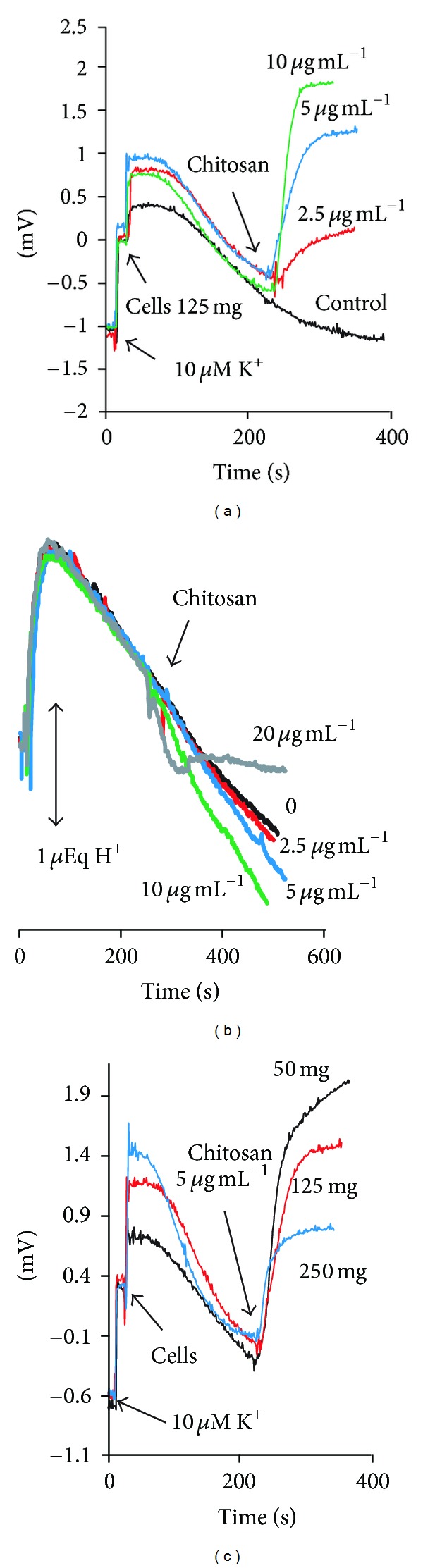
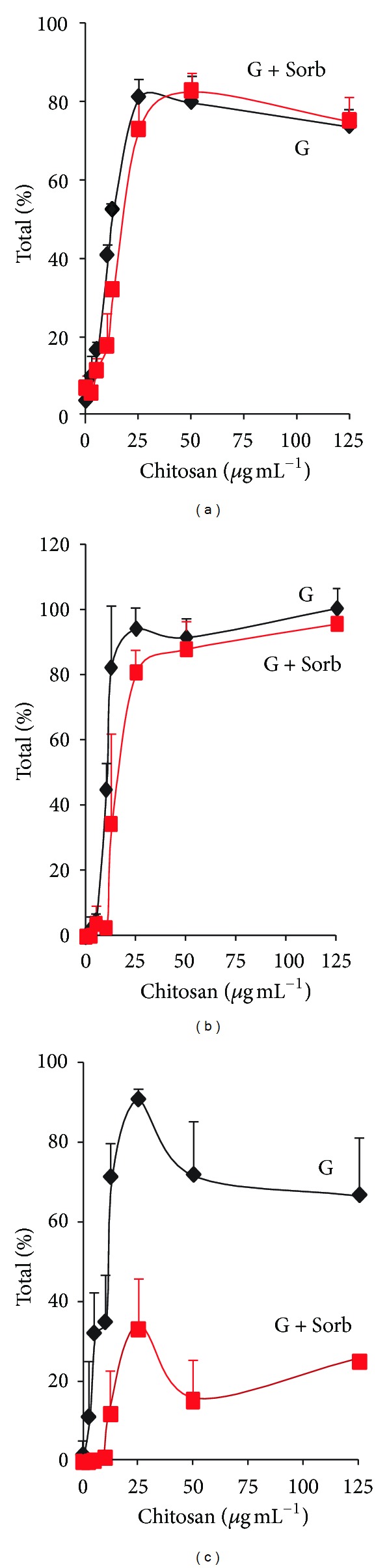
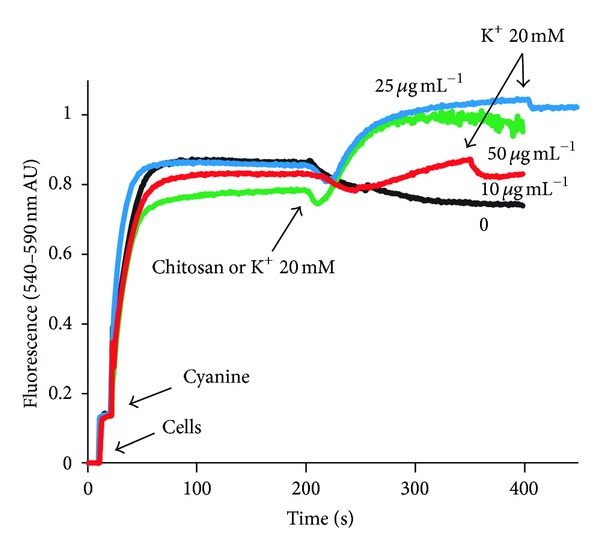
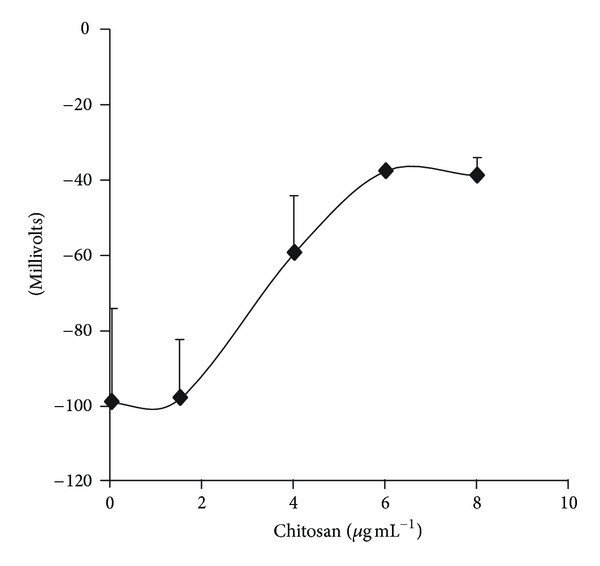
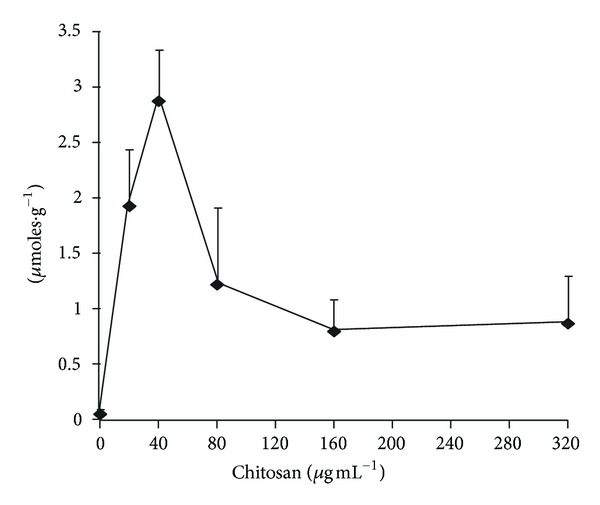
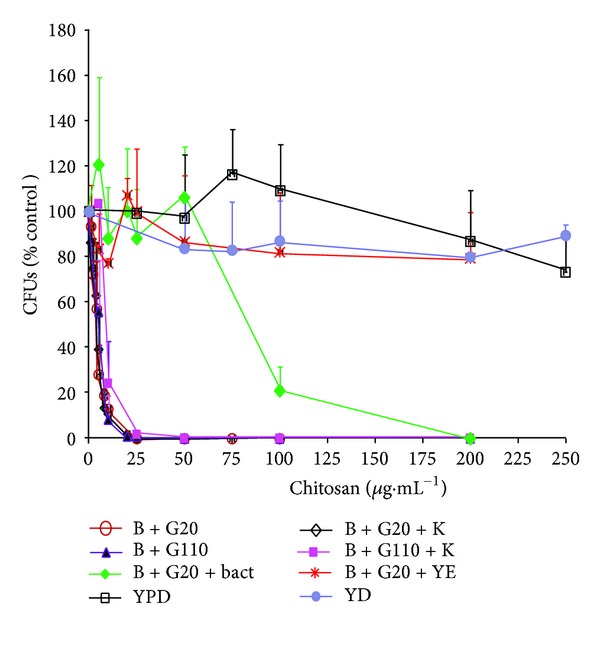
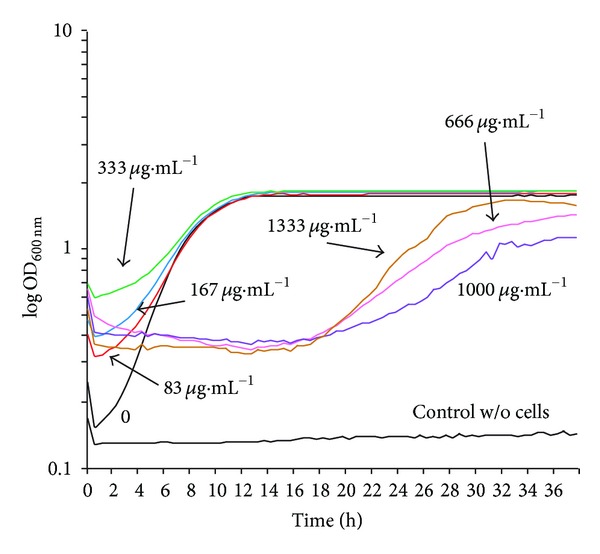
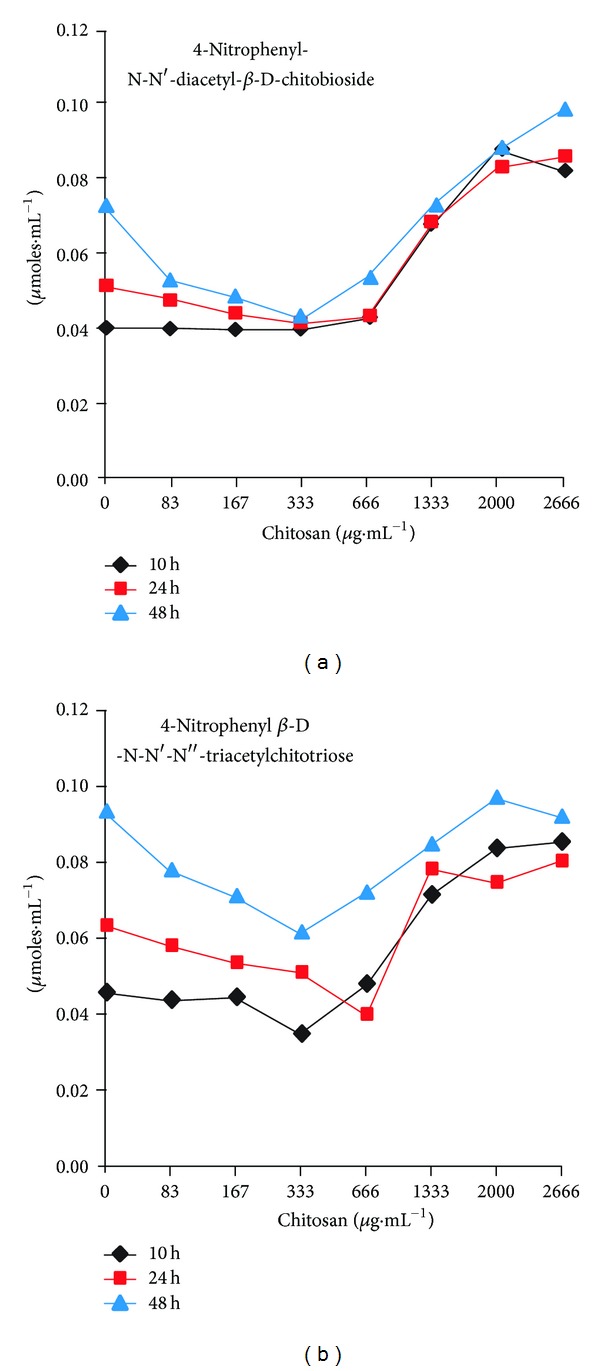
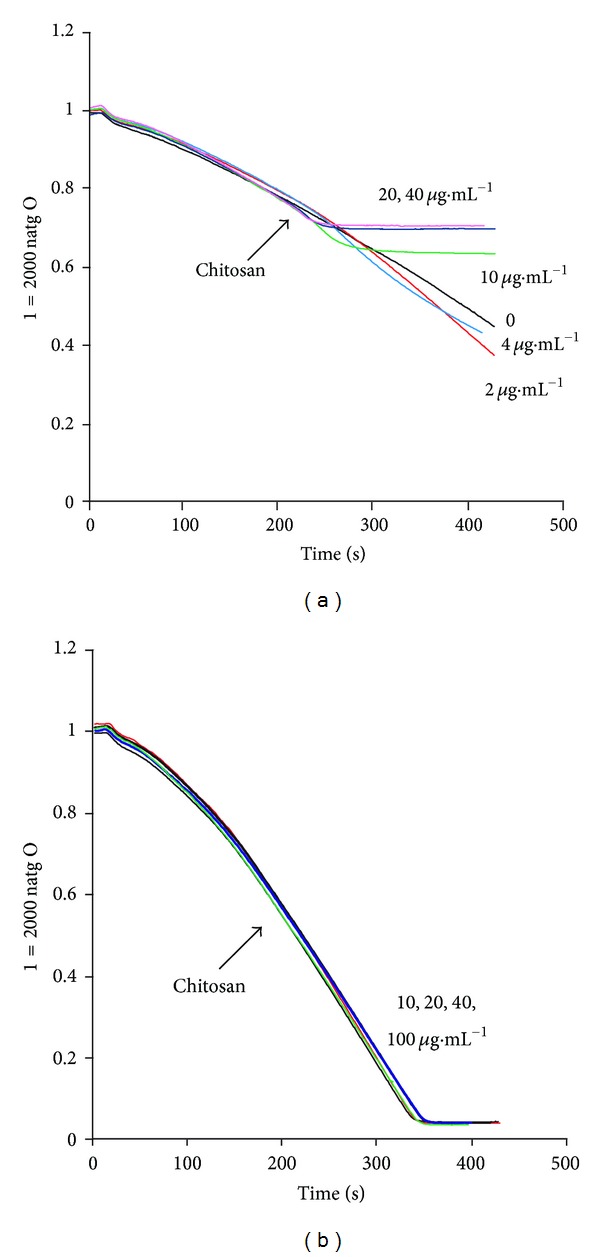
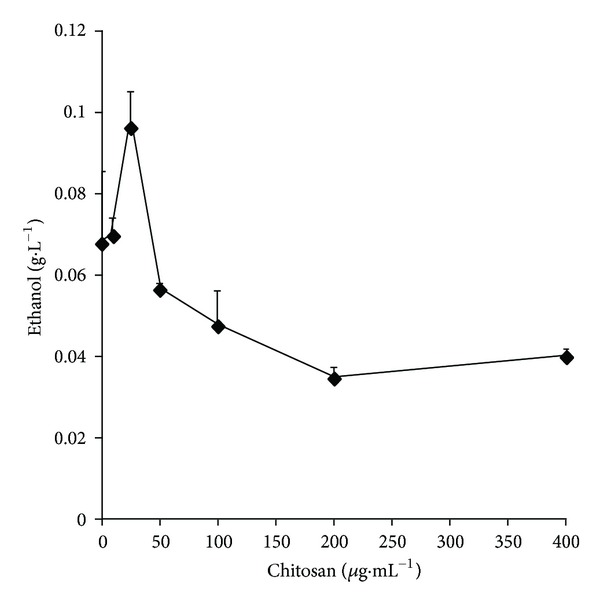
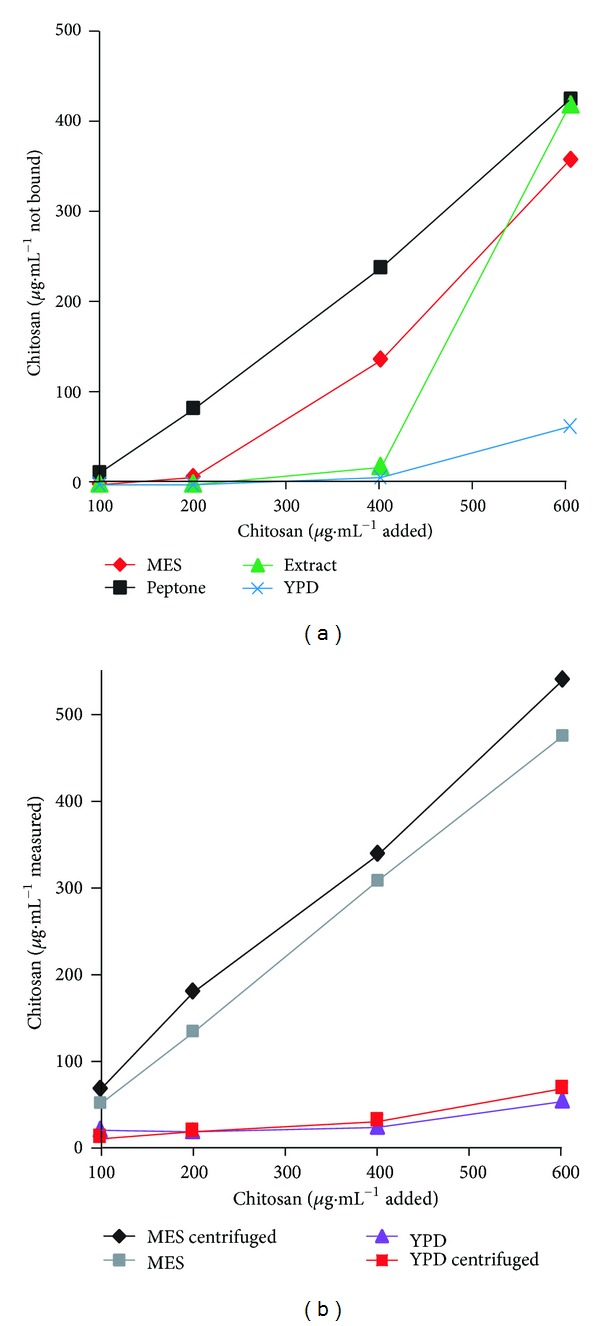
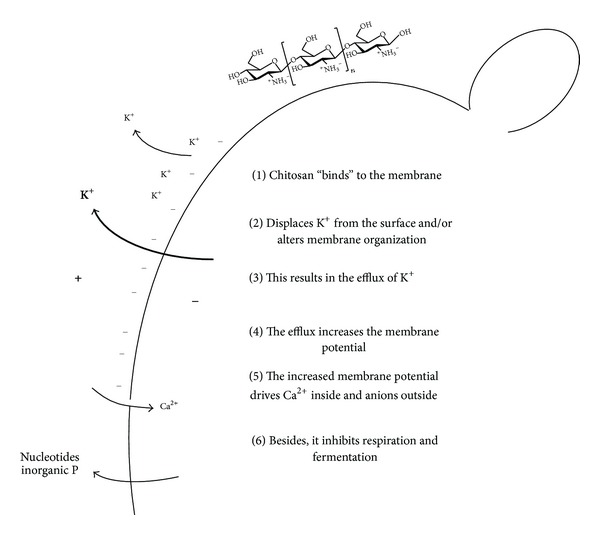
The effects of low molecular weight (96.5 KDa) chitosan on the pathogenic yeast Candida albicans were studied. Low concentrations of chitosan, around 2.5 to 10 μ g·mL(-1) produced (a) an efflux of K(+) and stimulation of extracellular acidification, (b) an inhibition of Rb(+) uptake, (c) an increased transmembrane potential difference of the cells, and (d) an increased uptake of Ca(2+). It is proposed that these effects are due to a decrease of the negative surface charge of the cells resulting from a strong binding of the polymer to the cells. At higher concentrations, besides the efflux of K(+), it produced (a) a large efflux of phosphates and material absorbing at 260 nm, (b) a decreased uptake of Ca(2+), (c) an inhibition of fermentation and respiration, and (d) the inhibition of growth. The effects depend on the medium used and the amount of cells, but in YPD high concentrations close to 1 mg·mL(-1) are required to produce the disruption of the cell membrane, the efflux of protein, and the growth inhibition. Besides the findings at low chitosan concentrations, this work provides an insight of the conditions required for chitosan to act as a fungistatic or antifungal and proposes a method for the permeabilization of yeast cells.
Overview
The claims and statistics of this paper haven’t been checked yet.
Free: it reads the open-access text and checks the first 5 claims that cite a source we can check. Create a free account to check every claim.
Integrity signals
Registry
Cites
Statistics
Figures

Verification
Claims the paper makes
The claims and statistics of this paper haven’t been checked yet.
Free: it reads the open-access text and checks the first 5 claims that cite a source we can check. Create a free account to check every claim.
Claims other papers make about this one
Each is checked against this paper’s own text: does it say what the citing paper says it does?
The cited source says what the claim attributes to it.
In the citing paper
“The antimicrobial activity of chitosan has been documented, but the mechanisms underlying its antifungal action on C. albicans remain unclear (Raafat et al., 2008; Kong et al., 2010; Pena et al., 2013; Cheung et al., 2015).”
From A Potential Antifungal Effect of Chitosan Against Candida albicans Is Mediated via the Inhibition of SAGA Complex Component Expression and the Subsequent Alteration of Cell Surface Integrity (2019) · cites this paper as Pena et al., 2013
The cited source says what the claim attributes to it.
In the citing paper
“Many studies have shown that the antimicrobial effect of chitosan targets the cell surface, which suggests that chitosan is a good alternative approach for antifungal therapy (Kong et al., 2010; Pena et al., 2013; Cheung et al., 2015; Hosseinnejad and Jafari, 2016).”
From A Potential Antifungal Effect of Chitosan Against Candida albicans Is Mediated via the Inhibition of SAGA Complex Component Expression and the Subsequent Alteration of Cell Surface Integrity (2019) · cites this paper as Pena et al., 2013
The cited source says what the claim attributes to it.
In the citing paper
“The antimicrobial activity of chitosan has been documented, but the mechanisms underlying its antifungal action on C. albicans remain unclear (Raafat et al., 2008; Kong et al., 2010; Pena et al., 2013; Cheung et al., 2015).”
From A Potential Antifungal Effect of Chitosan Against Candida albicans Is Mediated via the Inhibition of SAGA Complex Component Expression and the Subsequent Alteration of Cell Surface Integrity (2019) · cites this paper as Pena et al., 2013
Self-check
Percentages, sums and reported differences re-computed from the paper’s own numbers.
The self-check needs the paper’s full text.
Citations
Cites
THE COLORIMETRIC DETERMINATION OF PHOSPHORUS
Fiske, C. H., & Subbarow, Y. (1925) · Journal of Biological Chemistry · doi:10.1016/s0021-9258(18)84756-1 · Cited by 18,997
Chitin and chitosan: Properties and applications
Rinaudo, M. (2006) · Progress in Polymer Science · doi:10.1016/j.progpolymsci.2006.06.001 · Cited by 8,259 · cited 1×
“Chitosan is an N-deacetylated derivative of chitin, mostly extracted from exoskeletons of crustacea; it is biodegradable, biocompatible, and with low toxicity, which makes it useful and convenient in many different practical applications, such as those in water and waste treatment, food and beverages, cosmetics and to…”
BackgroundChitosan as antimicrobial agent: applications and mode of action.
Rabea, E. I., Badawy, M. E.-T., Stevens, C. V., Smagghe, G., & Steurbaut, W. (2003) · Biomacromolecules · doi:10.1021/bm034130m · Cited by 3,123 · cited 4×
“[2] stressed the following: “Chitosan is inexpensive and nontoxic and possesses reactive amino groups.”
BackgroundInfluentialGee, G. (1972) · Polymer · doi:10.1016/0032-3861(72)90025-0 · Cited by 1,360
Chitosan kills bacteria through cell membrane damage
Liu, H., Du, Y., Wang, X., & Sun, L. (2004) · International Journal of Food Microbiology · doi:10.1016/j.ijfoodmicro.2004.01.022 · Cited by 882 · cited 1×
“It was also found that blocking the amino groups prevents the antimycotic properties of chitosan [13].”
BackgroundSullivan, D. J., Haynes, K. A., Bennett, D. E., Coleman, D. C., & Westerneng, T. J. (1995) · Microbiology · doi:10.1099/13500872-141-7-1507 · Cited by 763
Early Events in the Activation of Plant Defense Responses
Dixon, R. (1994) · Annual Review of Phytopathology · doi:10.1146/annurev.phyto.32.1.479 · Cited by 635 · cited 1×
“In plants, the efflux of ions (K, H, Ca, and Cl) has also been observed [10].”
BackgroundChitinase is required for cell separation during growth of Saccharomyces cerevisiae.
Kuranda, M. J., & Robbins, P. W. (1991) · Journal of Biological Chemistry · doi:10.1016/s0021-9258(18)55057-2 · Cited by 591 · cited 1×
“is secreted into the growthmediumwhen cells are grown in a nutrient-rich medium, YPD [23].”
BackgroundChitinolytic Enterobacter agglomerans Antagonistic to Fungal Plant Pathogens
Chernin, L., Ismailov, Z., Haran, S., & Chet, I. (1995) · Applied and Environmental Microbiology · doi:10.1128/aem.61.5.1720-1726.1995 · Cited by 375 · cited 1×
“Results with the exochitinase substrates presented provide information about exosplitting activity on the polymer chains, as it happens on higher analogs of chitin [24, 25].”
BackgroundChitosan Derivatives Killed Bacteria by Disrupting the Outer and Inner Membrane
Je, J.-Y., & Kim, S.-K. (2006) · Journal of Agricultural and Food Chemistry · doi:10.1021/jf061310p · Cited by 318 · cited 1×
“Some studies have demonstrated the disruption of bacterial membranes, both by chitosan itself and by some derivatives [6].”
Background
Cited by
Items 101–165 of 165
Begum, E. R. A., Shenbagarathai, R., Lavanya, U., & Bhavan, K. (2023) · Journal of Microbiology Biotechnology and Food Sciences · doi:10.55251/jmbfs.4215 · Cited by 11
Abusrewil, S., Brown, J. L., Delaney, C., Butcher, M. C., Kean, R., Gamal, D., Scott, J. A., McLean, W., & Ramage, G. (2020) · Microorganisms · doi:10.3390/microorganisms8121988 · Cited by 10
Guzzon, R., Nardin, T., & Larcher, R. (2022) · European Food Research and Technology · doi:10.1007/s00217-021-03919-3 · Cited by 10
Gómez-Gaviria, M., & Mora-Montes, H. M. (2024) · Carbohydrate Research · doi:10.1016/j.carres.2024.109220 · Cited by 9
Honeybee chitosan-melanin complex: isolation and investigation of antimicrobial activity
Lootsik, M. D., Manko, N. O., Gromyko, O., Tistechok, S., Lutsyk, M. M., & Стойка, Р. С. (2020) · The Ukrainian Biochemical Journal · doi:10.15407/ubj92.06.143 · Cited by 9
“That leads to alteration in membrane permeability and a leakage of the vital components from cell cytoplasm [23, 24].”
BackgroundSynergistic effect of acetic acid and chitosan against Aspergillus flavus
Liu, J., Chen, H., Lv, Y., Yang, L., Wang, W., Huang, J., & Zhang, D. (2024) · International Journal of Biological Macromolecules · doi:10.1016/j.ijbiomac.2024.136548 · Cited by 8
Ignatova, M. G., Paneva, D., Kyuchyuk, S., Manolova, N. E., Rashkov, I. B., Mourdjeva, M., & Markova, N. (2025) · Polymers · doi:10.3390/polym17192657 · Cited by 7
“Addition‑ ally, Ch has a valuable set of biological properties—antibacterial, hemostatic, antifungal, and anticancerogenic—as well as the ability to modulate the macrophage activity, thereby promoting accelerated wound healing [28–31].”
Tarek, A. A., Tartor, Y. H., Hassan, M. N., Peț, I., Ahmadi, M., & Abdelkhalek, A. (2024) · Antibiotics · doi:10.3390/antibiotics13070578 · Cited by 7
Hernández-Abril, P. A., LÓPEZ-MENESES, A. K., Lizardi‐Mendoza, J., Plascencia‐Jatomea, M., & Luque-Alcaraz, A. G. (2024) · Materials · doi:10.3390/ma17071525 · Cited by 7
Harnessing Metal Homeostasis Offers Novel and Promising Targets Against Candida albicans
Hameed, S., Hans, S., Singh, S., & Fatima, Z. (2019) · Current Drug Discovery Technologies · doi:10.2174/1570163816666190227231437 · Cited by 7
Ibrahim, A.-H. J., & Al-Judy, H. J. (2018) · Journal of Research in Medical and Dental Science · Cited by 7
Cortés-Rivera, H. J., González-Estrada, R. R., Huerta‐Ocampo, J. Á., Blancas‐Benítez, F. J., & Gutiérrez–Martínez, P. (2021) · TIP Revista Especializada en Ciencias Químico-Biológicas · doi:10.22201/fesz.23958723e.2021.0.293 · Cited by 7
Alfaro‐Gutiérrez, I. C., Guerra‐Sánchez, M. G., Hernández‐Lauzardo, A. N., & Valle, M. G. V.-D. (2014) · Journal of Phytopathology · doi:10.1111/jph.12252 · Cited by 7
Mandras, N., Argenziano, M., Prato, M., Roana, J., Luganini, A., Allizond, V., Tullio, V. C., Finesso, N., Comini, S., Bressan, B. E., et al. (2022) · International Journal of Nanomedicine · doi:10.2147/ijn.s345553 · Cited by 6
Ibrahim, I. M., Ebid, W. M. A., & Sayed, A. M. E. (2025) · Food and Bioprocess Technology · doi:10.1007/s11947-025-03765-1 · Cited by 6
Use of chitosan mouth-wash in radio-chemotherapy induced oral mucositis: A case-control study
Mahima, V., Patil, K., Kulkarni, P. K., Tayal, S., & Keshari, D. (2015) · Journal of Advanced Clinical and Research Insights · doi:10.15713/ins.jcri.88 · Cited by 6
“The anti‐fungal activity if Chitosan is through permeabilization of yeast cells and efflux of potassium ions, along with an increased uptake of calcium ions, and inhibition of respiration, fermentation, and viability of the cells.[17] A study[18] was done to assess the antifungal and post‐antifungal effects of chlorhe…”
Taha, T. H., Abu-Saied, M. A., Elnouby, M. S., Hashem, M., Alamri, S., & Mostafa, Y. S. (2019) · Water Science & Technology Water Supply · doi:10.2166/ws.2019.126 · Cited by 6
Pharmacotherapy and nanotechnology
Gherasim, O., Popescu, R. C., Gherasim, T. G., Grumezescu, V., & Andronescu, E. (2019) · Elsevier eBooks · doi:10.1016/b978-0-12-816504-1.00002-8 · Cited by 6
Antimicrobial potential of chitosan
Sette‐de‐Souza, P. H., Francinalva, D. D. M., Martina, G. D. O. P., Julio, C. Q., Rayanne, I. M. D. S., Patricia, M. B., Daniela, P. D. M., Pollianna, M. A., & Ana, C. D. D. M. (2015) · African Journal of Microbiology Research · doi:10.5897/ajmr2014.7235 · Cited by 6
Dharmaputra, O. S., Hasbullah, R., & Fransiscus, J. (2021) · Jurnal Fitopatologi Indonesia/Jurnal Fitopatologi · doi:10.14692/jfi.17.4.131-140 · Cited by 5
García‐Romo, J. S., Yépiz-Gómez, M. S., Plascencia‐Jatomea, M., Santacruz‐Ortega, H., Burgos‐Hernández, A., León, J. R. G. D., Cinco-Moroyoqui, F. J., & Borboa‐Flores, J. (2018) · BIOtecnia · doi:10.18633/biotecnia.v20i3.713 · Cited by 5
“This may have caused hyperpolarization of cell membrane, directly affecting the entry and exit of molecules by the imbalance of active and passive transport, which is known as damage to cell permeability (Peña et al., 2013).”
BackgroundPeña, A., Sánchez, N. S., & Calahorra, M. (2017) · InTech eBooks · doi:10.5772/intechopen.70403 · Cited by 4
“Chitosan, a cationic polymer mostly composed of glucosamine is very effective to permeabilize the plasma membrane of Candida albicans [30], but actually this effect was found before on S.”
BackgroundSelf-citationOlicón-Hernández, D. R., Araiza-Villanueva, M. G., Vázquez-Carrada, M., & Guerra‐Sánchez, G. (2021) · Carbohydrate Research · doi:10.1016/j.carres.2021.108335 · Cited by 4
Calahorra, M., Sánchez, N. S., & Peña, A. (2017) · Journal of Bioenergetics and Biomembranes · doi:10.1007/s10863-017-9699-7 · Cited by 4
“…of low molecular weight chitosan a cationic polymer, mostly of glucosamine which has been shown to disrupt the plasma membrane of Candida albicans (Peña et al. 2013) but also of S. cerevisiae (unpublished) expecting it would allow the release of the free dye, while that bound would remain inside…”
InfluentialSelf-citationRetractedPeña, A., Sánchez, N. S., Padilla-Garfias, F., Ramiro‐Cortés, Y., Araiza-Villanueva, M. G., & Calahorra, M. (2023) · Journal of Fungi · doi:10.3390/jof9090948 · Cited by 4
Self-citationKitosan sebagai Bahan Potensial Antikaries
Hakim, E. R. (2024) · Jurnal Material Kedokteran Gigi · doi:10.32793/jmkg.v11i1.451 · Cited by 4
Fawzya, Y. N., Martosuyono, P., & Irianto, H. E. (2022) · Springer eBooks · doi:10.1007/978-981-16-5374-2_3 · Cited by 4
Desenvolvimento de um tecido multifuncional por acabamento para utilização em vestuário desportivo
Scacchetti, F. A. P. (2017) · Portuguese National Funding Agency for Science, Research and Technology (RCAAP Project by FCT) · Cited by 4
Maruthapandi, M., & Luong, J. H. T. (2026) · Polymers · doi:10.3390/polym18111329 · Cited by 3
Effects of medium pH on the yeast plasma membrane potential
Peña, A., Sánchez, N. S., Ramiro‐Cortés, Y., & Calahorra, M. (2024) · Archives of Biochemistry and Biophysics · doi:10.1016/j.abb.2024.110131 · Cited by 3
Self-citationEffect of chitosan on Fusarium spp. isolated from the soil of the Nile Delta region in Egypt
Abou‐Zeid, A. M., Amer, S. M., El-bedawy, M. Y., Elhaitty, M., & Ali, G. M. E.-H. (2020) · Delta Journal of Science · doi:10.21608/djs.2020.142847 · Cited by 3
“…of the chitosan amino group and the electronegative charges in the outer surface of the fungal membrane (PalmaGuerrero et al., 2010); (b) affectation on homeostasis (K+, Ca2+), leading to the efflux of small molecules affecting fungal respiration (Peña et al., 2013 and Hosseinnejad & Jafari, 2016).”
BackgroundKaraki, N. (2015) · theses.fr (ABES) · doi:10.70675/f8793292z73f9z4f3fza692z533ab49f5e45 · Cited by 3
Basawa, R., Kabra, S., & Raval, R. (2024) · Carbohydrate Polymer Technologies and Applications · doi:10.1016/j.carpta.2024.100465 · Cited by 2
Beyond single parameters: How structural combinations determine chitosans' antibacterial effects
Eickelpasch, K., Brussel, L., Cord‐Landwehr, S., Moerschbacher, B. M., & Richter, C. G. (2026) · Carbohydrate Polymers · doi:10.1016/j.carbpol.2026.125404 · Cited by 2
Detailed investigation on FAME capped metal nanocomposite synthesis as potential antifungal agent
Sartaj, K., Mishra, P., Gupta, P., Patel, A., Poluri, K. M., & Prasad, R. (2024) · Journal of Drug Delivery Science and Technology · doi:10.1016/j.jddst.2024.105891 · Cited by 2
Lokočová, K., Maťátková, O., Vaňková, E., Kolouchová, I., Čejková, A., & Masák, J. (2021) · Microbiology · doi:10.1134/s0026261721030061 · Cited by 2
“Peña et al. (2013) studied the effect of low molecular weight chitosan on Candida albicans cells.”
BackgroundInfluence of phenothiazines, phenazines and phenoxazine on cation transport inCandida albicans
Calahorra, M., Sánchez, N. S., & Peña, A. (2018) · Journal of Applied Microbiology · doi:10.1111/jam.14092 · Cited by 2
Self-citationJitjak, W., & Sanoamuang, N. (2021) · International Journal of Agricultural Technology · Cited by 2
El‐Zahed, M. M., Baka, Z. A. M., Abou-Dobara, M. I., El-Sayed, A., Aboser, M. M., & Hyder, A. (2021) · Research Square · doi:10.21203/rs.3.rs-353063/v1 · Cited by 2
Chiang, H.-S., Chen, J.-H., Liao, Y., Peng, Y.-C., Hsu, C.-C., Ke, C.-L., Chung, C., Yeh, Y.-C., Tsai, H.-Y., & Lin, C. (2025) · Medical Mycology · doi:10.1093/mmy/myaf025 · Cited by 1
de Oca-Islas, M. M. M., Olicón-Hernández, D. R., & Guerra‐Sánchez, G. (2024) · Archives of Phytopathology and Plant Protection · doi:10.1080/03235408.2024.2388333 · Cited by 1
“Researchers have reported varying sensitivities to chitosan, with some fungi exhibiting inhibition at low concentrations, while others require higher concentrations (Peña et al. 2013; Olicón-Hernández et al. 2017; Zepeda-Giraud et al. 2020).”
Uprarawanna, U., Jaimun, R., & Kanha, N. (2023) · Journal of Food Health and Bioenvironmental Science · Cited by 1
Molecular mechanisms of growth and development inhibition in fungi and plants by chitosan
Lopez‐Moya, F. (2016) · LA Referencia (Red Federada de Repositorios Institucionales de Publicaciones Científicas) · Cited by 1
Calahorra, M., Sánchez, N. S., & Peña, A. (2019) · Journal of Bioenergetics and Biomembranes · doi:10.1007/s10863-019-09801-y · Cited by 1
Self-citationA hydrogel in combination with essential oils for oral therapy
Serra, E. (2026) · e-space (Manchester Metropolitan University) · doi:10.83056/mmu.32479434 · Cited by 1
Auto-assemblage de polysaccharides fonctionnalisés : une étude thermodynamique
Vuillemin, M. E. (2019) · theses.fr (ABES) · doi:10.70675/ed793d71z24d1z4aaczad6bzc27724275598 · Cited by 1
Falcon, P. S. (2016) · Tesis Doctorals en Xarxa (Consorci de Serveis Universitaris de Catalunya)
Samseth, Å. (2016) · NVA (Nasjonalt vitenarkiv)
Genome-wide phenotypic analysis of Saccharomyces cerevisiae in response to chitosan
Lemos, A. I. A. (2017) · Repository of UTAD (Universidad De Tras-os Montes e Alto Douro)
Evelyna, A., Sutanto, D., & Nadapdap, A. (2017) · Dentika Dental Journal · doi:10.32734/dentika.v20i2.990
Review on the Importance of Chitosan in Different Pharmaceutical Applications
Alkadi, H., & Allaf, A. W. (2022) · Current Applied Polymer Science · doi:10.2174/2452271606666221117163317
Ariza-Flores, R., la Paz, M. V.-D., Gálvez-Marroquín, L. A., Cadena-Íñiguez, P., & Cano-García, M. Á. (2024) · Journal of Agricultural Sciences Research (2764-0973) · doi:10.22533/at.ed.9734122419093
Gálvez-Marroquín, L. A., Martínez-Bolaños, M., Cruz-López, J. A., & Ariza-Flores, R. (2024) · Journal of Agricultural Sciences Research (2764-0973) · doi:10.22533/at.ed.9734162416124
Cabrera-Padrón, P. E., Sarmiento-Ordóñez, J. M., & Pacheco-Quito, E.-M. (2025) · CIENCIAMATRIA · doi:10.35381/cm.v11i1.1573
El‐Zahed, M. M., Baka, Z. A. M., Abou-Dobara, M. I., El-Sayed, A. K., Aboser, M. M., & Hyder, A. (2021) · Figshare · doi:10.6084/m9.figshare.14728493
Siotey, A., Singhania, U., Jain, P., Pathan, E. K., & Sonawane, S. L. (2026) · Bulletin of Materials Science · doi:10.1007/s12034-026-03569-9
Camacho‐Alonso, F., Lacal‐Luján, J., Mercado‐Díaz, A. M., Rodríguez-Sánchez, M., Sánchez, J., Jardón, A. P., Mourelo, J. P., & Pérez‐Sayáns, M. (2026) · BMC Oral Health · doi:10.1186/s12903-026-08397-1
“Resorbable membranes, (e.g., chitosan or collagen), are widely used in GBR, although their biological response depends on the polymer used [20–28].”
Naqvi, S. A. H., Duan, M., Ali, A., Ali, M. A., Iqbal, S., Hakim, F., Ahmad, M., & Moya-Elizondo, E. A. (2026) · Plant Stress · doi:10.1016/j.stress.2026.101487
Valverde-Urrea, M., Defez-Perez, J., Colom, M. F., Terradas, M., Lopez-Llorca, L. V., & Lopez‐Moya, F. (2026) · Marine Drugs · doi:10.3390/md24090296
Shoro, M., Memon, M. R., Butt, A. M., Memon, H., Khattak, O., Das, G., & Alanesi, W. A. (2026) · BMC Oral Health · doi:10.1186/s12903-026-09845-8
“The strategies outlined yielded encouraging outcomes and validated CS’s anti-fungal and antibiofilm properties [21–24].”
Xie, F., Beizhi, J., Xiang, S., & Cai, J. (2026) · Carbohydrate Polymers · doi:10.1016/j.carbpol.2026.125867
Chitosan-induced permeabilization in yeast and its use for in situ enzymatic measurements
Araiza-Villanueva, M. G., Sánchez, N. S., Calahorra, M., Padilla-Garfias, F., & Peña, A. (2026) · Applied Microbiology and Biotechnology · doi:10.1007/s00253-026-14027-1
Self-citationHamarsha, A. M., Atatra, M., Watted, N., Irekeola, A. A., Sulaiman, M. M., & Hasbullah, N. (2026) · International Journal of Molecular Sciences · doi:10.3390/ijms27209031
“The cationic polymer interacts electrostatically with the anionic cell envelope, producing potassium efflux, altered transmembrane potential, and increased calcium uptake [44].”
Kamran, M., Ahmar, M. A., Shah, N. A., & Amir, A. (2026) · Future Microbiology · doi:10.1080/17460913.2026.2763606
Metadata
- Authors
- Peña, A., Sánchez, N. S., & Calahorra, M.
- Affiliations
- Universidad Nacional Autónoma de México (MX)
- Corresponding author
- Peña, Antonio
- Venue
- BioMed Research International
- Publisher
- Hindawi Limited
- Published
- 2013
- Volume
- 2013
- Pages
- 1-15
- ISSN
- 1110-7243 (ISSN-L)
- 2314-6133
- 2314-6141
- PMC
- PMC3703409
- OpenAlex
- W2123118282
- Cited by
- 136
- References
- 41
- Citations by year
- 2026: 5 · 2025: 6 · 2024: 9 · 2023: 14 · 2022: 13 · 2021: 15 · 2020: 10 · 2019: 14 · 2018: 16 · 2017: 12 · 2016: 9 · 2015: 6 · 2014: 7
- FWCI
- 5.33
- Type
- journal article
- Language
- en
- Open access
- hybrid
- doi.org
- Locations
- BioMed Research International (publishedVersion, cc-by)
- Europe PMC (PubMed Central) (publishedVersion, cc-by)
- PubMed Central (publishedVersion, cc-by)
- PubMed (publishedVersion)
- DOAJ (DOAJ: Directory of Open Access Journals) (submittedVersion)
- Funders
- Instituto Politécnico Nacional
- Consejo Nacional de Ciencia y Tecnología
- Universidad Nacional Autónoma de México
- Topics
- Health Sciences › Medicine › Infectious Diseases › Antifungal resistance and susceptibility
- Physical Sciences › Materials Science › Biomaterials › Nanocomposite Films for Food Packaging
- Life Sciences › Immunology and Microbiology › Applied Microbiology and Biotechnology › Antimicrobial agents and applications
- Keywords
- chitosan, Candida albicans, antifungal activity, low molecular weight chitosan, potassium efflux, calcium uptake, membrane potential, surface charge, cell membrane damage, fungistatic activity, yeast growth inhibition, fermentation inhibition
- MeSH terms
- Antifungal Agents, Calcium, Candida albicans, Cell Membrane Permeability, Chitinases, Fermentation, Glucosephosphate Dehydrogenase, Kinetics, Membrane Potentials, Microbial Sensitivity Tests, Nucleotides, Oxygen Consumption, Phosphates, Potassium, Rubidium, Colony Count, Microbial, Chitosan, Microbial Viability, Static Electricity, Enzyme Assays
About these checks
Registry, retraction, Cites and statistics results are computed, not judged, with one exception: a printed reference that no index lists is read once by a model before it counts as a citation error. Claims are extracted by a model and kept only when their quote appears verbatim in the text; each cited source is then checked, with a model’s help, for whether it says what the claim relies on. Those verdicts can be wrong — read the claim’s quote and the cited source before relying on one.
Statistics and arithmetic are recomputed, not judged.
Confidence bands are shown only for fields calibrated on our annotated test set. None is calibrated yet, so no band is shown.
What counts as a claim ›How we measure confidence ›How we check this ›
Are you an author, or do you see a problem with this page? Request a review
Data sources
Bibliographic data: Semantic Scholar, OpenAlex, Crossref.
Contains information from the Semantic Scholar Academic Graph Datasets, made available under the ODC Attribution License (ODC-BY 1.0).
Semantic Scholar’s data is described in: Kinney, R., et al. (2023). The Semantic Scholar Open Data Platform. arXiv:2301.10140.
