

Hepatitis B–Induced IL8 Promotes Hepatocellular Carcinoma Venous Metastasis and Intrahepatic Treg Accumulation
Open accessPublished version of a preprint
The DOI matches its Crossref record; 56 of the 59 references it cites were found in a registry or an index.
Abstract
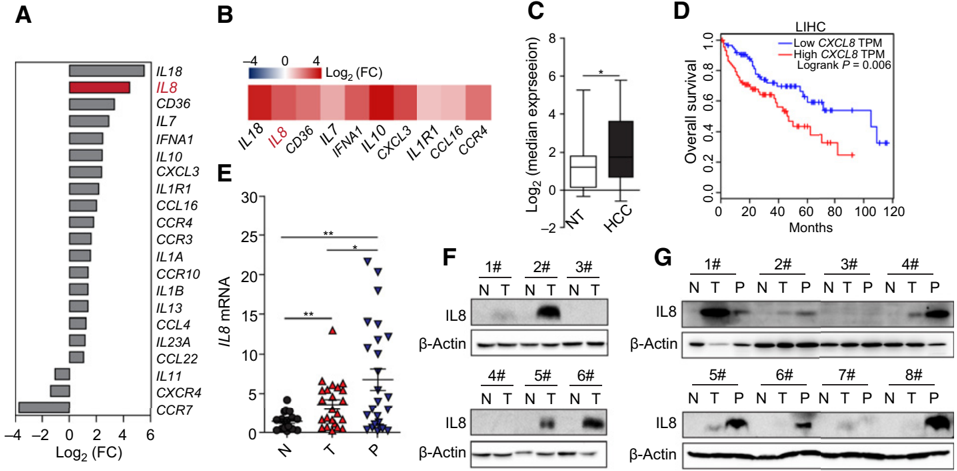
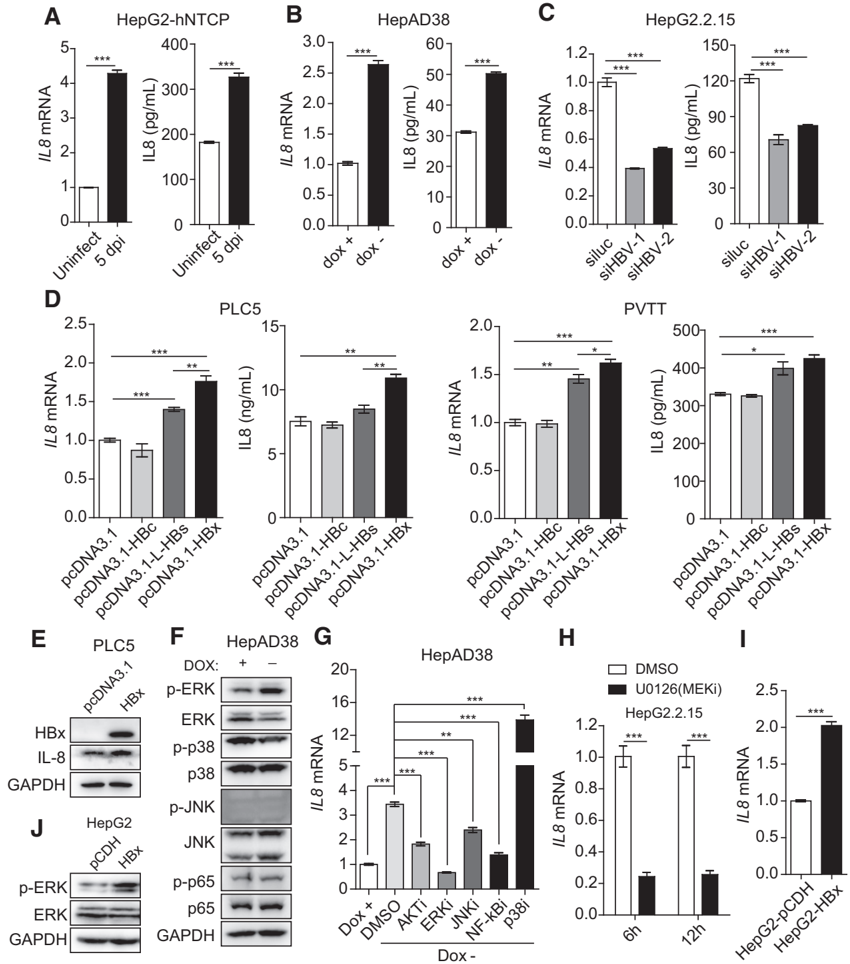
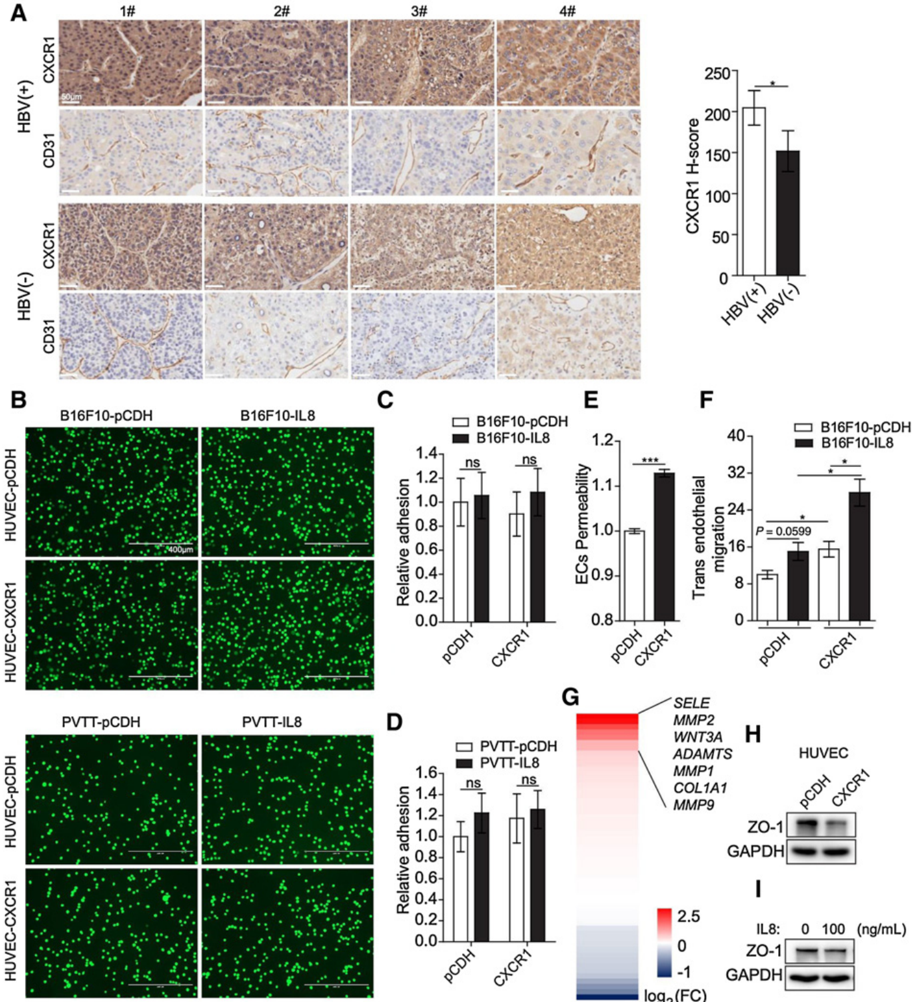
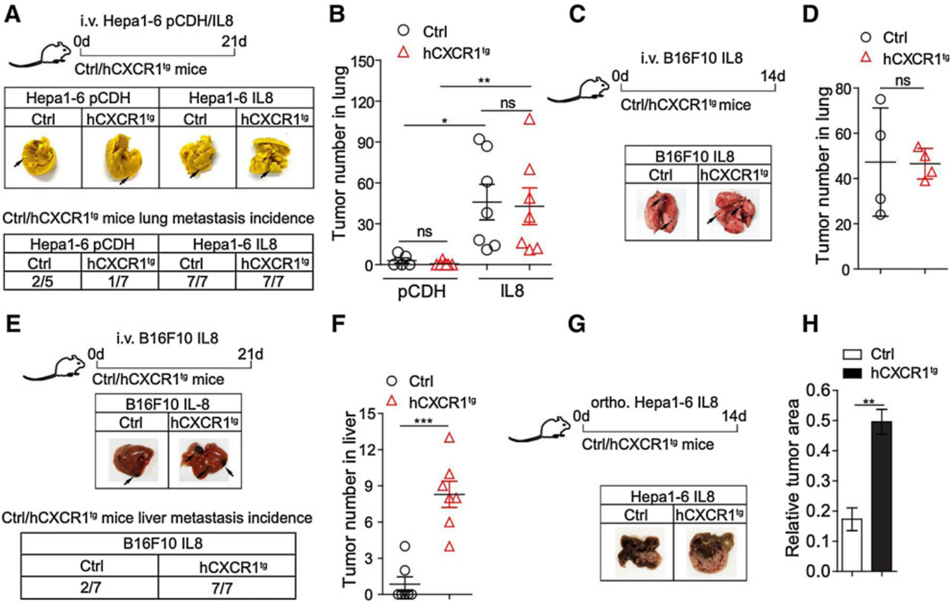
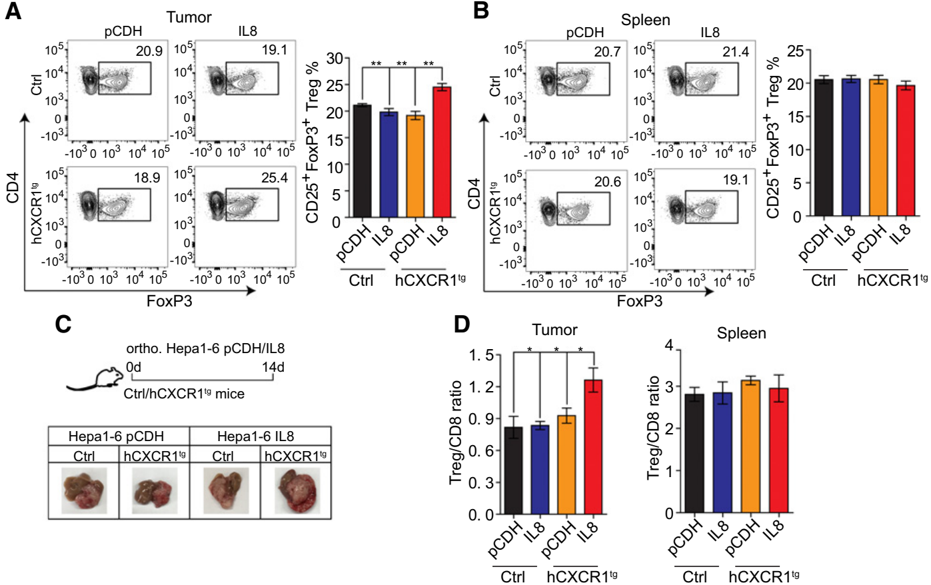
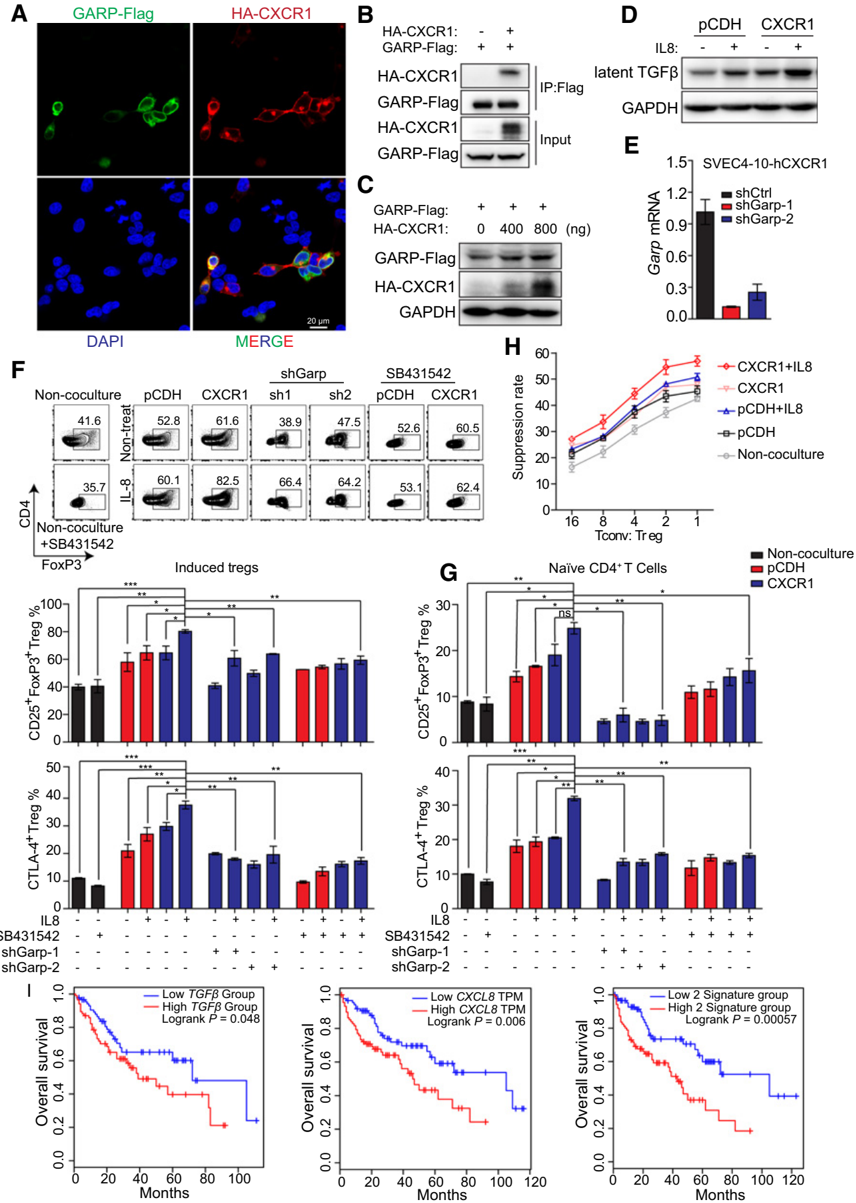
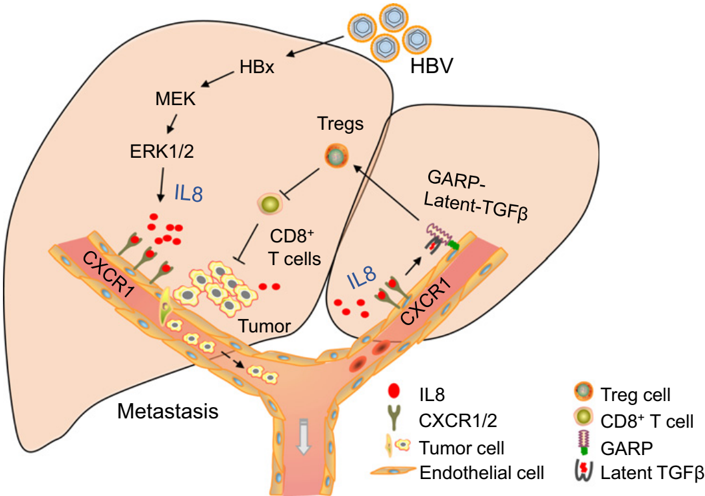
Hepatitis B–associated hepatocellular carcinoma (HCC) is often accompanied by severe vascular invasion and portal vein tumor thrombus, leading to a poor prognosis. However, the underlying mechanism of this disease remains obscure. In this study, we demonstrate that the hepatitis B virus (HBV)–encoded gene HBx induces high IL8 production through MEK–ERK signal activation, leading to enhanced endothelial permeability to facilitate tumor vascular invasion. In a vascular metastatic model using a tail vein injection in a transgenic mouse with selective expression of human CXCR1 in the endothelium, activation of the IL8–CXCR1 cascade by overexpression of IL8 in tumor cells dramatically enhanced liver metastasis. Mechanistically, IL8 selectively induced GARP-latent-TGFβ in liver sinusoidal endothelial cells and subsequently provoked preferential regulatory T-cell polarization to suppress antitumor immunity. Collectively, these findings reveal a hepatitis B–associated IL8–CXCR1 signaling axis that mediates vascular invasion and local microenvironmental immune escape of HCC to induce intrahepatic metastasis, which may serve as potential therapeutic targets for HBV-associated HCC. Significance: This study identifies a hepatitis B–induced IL8/CXCR1/TGFβ signaling cascade that suppresses antitumor immunity and enhances metastasis in hepatocellular carcinoma, providing new potential targets for therapeutic intervention.
Overview
The claims and statistics of this paper haven’t been checked yet.
Free: it reads the open-access text and checks the first 5 claims that cite a source we can check. Create a free account to check every claim.
Integrity signals
Registry
Cites
Statistics
Figures

Verification
Claims the paper makes
The claims and statistics of this paper haven’t been checked yet.
Free: it reads the open-access text and checks the first 5 claims that cite a source we can check. Create a free account to check every claim.
Claims other papers make about this one
Each is checked against this paper’s own text: does it say what the citing paper says it does?
The cited source says what the claim attributes to it.
In the citing paper
“The IL-8/CXCR1 axis also induces glycoprotein-A repetitions predominant (GARP)-latent-TGFβ in liver sinusoidal endothelial cells to subsequently provoke preferential regulatory T-cell polarization to suppress antitumor immunity [328].”
From Inflammation and immunity in liver homeostasis and disease: a nexus of hepatocytes, nonparenchymal cells and immune cells (2025) · doi:10.1038/s41423-025-01313-7 · cites this paper as [328]
In the citing paper
“Additionally, LSECs participate in vascular invasion and local microenvironmental immune escape in HCC [328].”
From Inflammation and immunity in liver homeostasis and disease: a nexus of hepatocytes, nonparenchymal cells and immune cells (2025) · doi:10.1038/s41423-025-01313-7 · cites this paper as [328]
In the citing paper
“In this context, HBV-associated tumor cells release high amounts of interleukin 8 (IL-8), which binds to endothelial CXCR1, leading to increased LSEC permeability to facilitate tumor invasion.”
From Inflammation and immunity in liver homeostasis and disease: a nexus of hepatocytes, nonparenchymal cells and immune cells (2025) · doi:10.1038/s41423-025-01313-7 · cites this paper as [328]
Self-check
Percentages, sums and reported differences re-computed from the paper’s own numbers.
The self-check needs the paper’s full text.
Citations
Cites
Bray, F., Ferlay, J., Soerjomataram, I., Siegel, R. L., Torre, L. A., & Jemal, A. (2018) · CA: A Cancer Journal for Clinicians · doi:10.3322/caac.21492 · Cited by 84,109
Cancer statistics in China, 2015
Chen, W., Zheng, R., Baade, P. D., Zhang, S., Zeng, H., Bray, F., Jemal, A., Yu, X. Q., & He, J. (2016) · CA: A Cancer Journal for Clinicians · doi:10.3322/caac.21338 · Cited by 17,038
Siegel, R. L., Miller, K. D., & Jemal, A. (2018) · CA: A Cancer Journal for Clinicians · doi:10.3322/caac.21442 · Cited by 16,579
GEPIA: a web server for cancer and normal gene expression profiling and interactive analyses
Tang, Z., Li, C., Kang, B., Gao, G., Li, C., & Zhang, Z. (2017) · Nucleic Acids Research · doi:10.1093/nar/gkx247 · Cited by 9,849
Self-citationForner, A., Reig, M., & Bruix, J. (2018) · The Lancet · doi:10.1016/s0140-6736(18)30010-2 · Cited by 5,531
AASLD guidelines for the treatment of hepatocellular carcinoma
Heimbach, J. K., Kulik, L. M., Finn, R. S., Sirlin, C. B., Abecassis, M. M., Roberts, L. R., Zhu, A. X., Murad, M. H., & Marrero, J. A. (2018) · Hepatology · doi:10.1002/hep.29086 · Cited by 4,070
ONCOMINE: A Cancer Microarray Database and Integrated Data-Mining Platform
Rhodes, D. R., Yu, J., Shanker, K., Deshpande, N., Varambally, R., Ghosh, D., Barrette, T., Pander, A., & Chinnaiyan, A. M. (2004) · Neoplasia · doi:10.1016/s1476-5586(04)80047-2 · Cited by 3,612
Chemokines in the cancer microenvironment and their relevance in cancer immunotherapy
Nagarsheth, N., Wicha, M. S., & Zou, W. (2017) · Nature Reviews Immunology · doi:10.1038/nri.2017.49 · Cited by 2,206 · cited 1×
“Therefore, inhibition of IL8 signaling pathway may be an important therapeutic intervention to target the tumor microenvironment (18).”
BackgroundYan, H., Zhong, G., Xu, G., He, W., Jing, Z., Gao, Z., Huang, Y., Qi, Y., Peng, B., Wang, H., et al. (2012) · eLife · doi:10.7554/elife.00049 · Cited by 2,115 · cited 4×
“The authors thank Dr. Ailong Huang (ChongQing Medical University), Dr. Wenhui Li (National Institute of Biological Sciences), and Dr. Xiyun Yan (IBP, CAS) for HepAD38, HepG2-NTCP, HepG2.”
MethodInfluentialSelf-citationEvidence-Based Diagnosis, Staging, and Treatment of Patients With Hepatocellular Carcinoma
Bruix, J., Reig, M., & Sherman, M. (2016) · Gastroenterology · doi:10.1053/j.gastro.2015.12.041 · Cited by 1,694
Cited by
Xin, X., Cheng, X., Zeng, F., Xu, Q., & Hou, L. (2024) · International Journal of Biological Sciences · doi:10.7150/ijbs.89568 · Cited by 122
“Zhang et al. showed that the gene HBx encoded by HBV was involved in angiogenesis and immune escape of the HCC tumor microenvironment through the IL8/CXCR1/TGF-β signaling axis, thus inducing liver metastasis[64].”
Background(2025) · doi:10.1038/s41423-025-01313-7 · Cited by 97
“Additionally, LSECs participate in vascular invasion and local microenviron-mental immune escape in HCC [328].”
Cytokines and Chemokines in HBV Infection
Zhong, S., Zhang, T., Tang, L., & Li, Y. (2021) · Frontiers in Molecular Biosciences · doi:10.3389/fmolb.2021.805625 · Cited by 99
The role of IL-8 in cancer development and its impact on immunotherapy resistance
Meier, C., & Brieger, A. (2025) · European Journal of Cancer · doi:10.1016/j.ejca.2025.115267 · Cited by 84
Wang, X., Liu, C., Chen, J., Chen, L., Ren, X., Hou, M., Cui, X., Jiang, Y., Liu, E., Zong, Y., et al. (2022) · Cell Discovery · doi:10.1038/s41421-022-00445-8 · Cited by 79
Self-citationRegulatory T cells and their associated factors in hepatocellular carcinoma development and therapy
Zhang, C.-Y., Liu, S., & Yang, M. J. (2022) · World Journal of Gastroenterology · doi:10.3748/wjg.v28.i27.3346 · Cited by 55
Self-citationNiu, Z.-S., Wang, W., & Niu, X.-J. (2022) · World Journal of Gastroenterology · doi:10.3748/wjg.v28.i46.6433 · Cited by 53
CXCL8, CXCL9, CXCL10, and CXCL11 as biomarkers of liver injury caused by chronic hepatitis B
Yu, X., Chen, Y., Cui, L., Yang, K., Wang, X., Lei, L., Zhang, Y., Kong, X., Lao, W., Li, Z., et al. (2022) · Frontiers in Microbiology · doi:10.3389/fmicb.2022.1052917 · Cited by 51
“HBV can directly target the CXCL8 promoter and regulate the expression of CXCL8 through epigenetic modifications, but the protein of hepatitis B virus X (HBx) encoded by HBV can promote the increase of CXCL8 expression through the MEK– ERK signal pathway (Pollicino et al., 2013; Zhang et al., 2021).”
BackgroundLu, J., Ru, J., Chen, Y., Ling, Z., Liu, H., Ding, B., Jiang, Y., Ma, J., Zhang, D., Ge, J., et al. (2023) · Clinical and Translational Medicine · doi:10.1002/ctm2.1451 · Cited by 47
“…Interleukin 8 ( IL8 ) was found to be stably regulated by circSTX6 , and it has been established as an important tumourigenic factor in HCC. 32,33 Our findings suggest that the interaction of circSTX6 and HNRNPD promotes HCC progression through diverse pathways, and ATF3 represents only one…”
BackgroundRole of T cells in liver metastasis
Wu, K., Zhang, G., Shen, C., Zhu, L., Yu, C., Sartorius, K., Ding, W., Jiang, Y., & Lu, Y. (2024) · Cell Death and Disease · doi:10.1038/s41419-024-06726-2 · Cited by 43
“Mechanistically, the selective induction of TGF-β by IL-8 leads to increased Treg polarization to suppress anti-tumor immunity [122].”
BackgroundFelli, É., Nulan, Y., Ortega‐Ribera, M., Fernández‐Iglesias, A., & Gracia‐Sancho, J. (2025) · Journal of Hepatology · doi:10.1016/j.jhep.2025.10.017 · Cited by 40
Portal vein tumor thrombosis in hepatocellular carcinoma: molecular mechanism and therapy
Zhou, X.-H., Li, J., Zheng, T., Chen, H., Cai, C., Ye, S., Gao, B., & Xue, T. (2022) · Clinical & Experimental Metastasis · doi:10.1007/s10585-022-10188-1 · Cited by 35
“Hepatitis B virus X protein (HBx) promoted HCC cells to secrete high level of IL-8 via MEK-ERK signaling, which increased endothelial permeability and accelerated the PVTT formation [116].”
BackgroundTargeting ferroptosis in hepatocellular carcinoma
Mo, Y., Zou, Z., & Chen, E. (2023) · Hepatology International · doi:10.1007/s12072-023-10593-y · Cited by 33
“In the context of tumor immunity, Treg cells undermine the immune surveillance of cancer in healthy individuals and suppress the anti-tumor immune response in those with tumors, contributing to the progression of HCC [129].”
Zhu, C., Liao, J.-Y., Liu, Y., Chen, Z., Chang, R.-Z., Chen, X., Zhang, B., & Liang, J.-N. (2024) · Molecular Cancer · doi:10.1186/s12943-024-02171-z · Cited by 29
Zhang, G. (2022) · Frontiers in Immunology · doi:10.3389/fimmu.2022.975762 · Cited by 25
“High Tregs infiltration is also linked to poor outcomes and recurrence in HCC patients (13, 14).”
BackgroundWar or peace: Viruses and metastasis
Bayat, M., Golestani, S., Motlaghzadeh, S., Baghi, H. B., Lalehzadeh, A., & Nahand, J. S. (2024) · Biochimica et Biophysica Acta (BBA) - Reviews on Cancer · doi:10.1016/j.bbcan.2024.189179 · Cited by 27
Bioinformatic Analysis of the CXCR2 Ligands in Cancer Processes
Korbecki, J., Bosiacki, M., Chlubek, D., & Baranowska‐Bosiacka, I. (2023) · International Journal of Molecular Sciences · doi:10.3390/ijms241713287 · Cited by 24
Chen, E., Zou, Z., Wang, R., Liu, J., Peng, Z., Gan, Z., Lin, Z., & Liu, J. (2024) · Frontiers in Immunology · doi:10.3389/fimmu.2024.1244392 · Cited by 26
“CXCL8 induced by the hepatitis B virus promotes Treg cell accumulation in the liver (43).”
BackgroundRen, S., Wang, W., Lu, J., Wang, K., Ma, L., Zheng, Y., Zheng, S., & Chen, X. (2022) · Frontiers in Immunology · doi:10.3389/fimmu.2022.1035923 · Cited by 22
“Increased IL-8 was related to severe liver damage, and its levels decreased when these conditions improved in HBV (32).”
BackgroundThe role of regulatory T cells and follicular T helper cells in HBV infection
Lin, N., Yin, W. H., Miller, H. I., Byazrova, M. G., Herrada, A. A., Benlagha, K., Lee, P. P. W., Guan, F., Lei, J., Gong, Q., et al. (2023) · Frontiers in Immunology · doi:10.3389/fimmu.2023.1169601 · Cited by 23
“Gearhart et al. first showed this in rat hepatocytes, whereby HBx was capable of inducing normal hepatocytes to reach the G1 phase of the cell cycle (22).”
BackgroundInfluentialSelf-citationNovel Molecular Therapeutics Targeting Signaling Pathway to Control Hepatitis B Viral Infection
Yan, Y., Qiu, Y., Davgadorj, C., & Zheng, C. (2022) · Frontiers in Cellular and Infection Microbiology · doi:10.3389/fcimb.2022.847539 · Cited by 20
“The secreted IFN-I binds to the cognate IFN-a/b receptor (IFNAR) on the surface of most nucleated cells, then initiates JAK/STAT signaling and induces hundreds of ISGs to exert a direct antiviral effect (Zhou et al., 2021).”
BackgroundInfluentialOverview of miR-106a Regulatory Roles: from Cancer to Aging
Daneshpour, M., & Ghadimi‐Daresajini, A. (2023) · Bioengineering · doi:10.3390/bioengineering10080892 · Cited by 19
Zhao, B., Qiao, H., Zhao, Y. M., Gao, Z., Wang, W., Cui, Y., Li, J., Guo, Z., Chuai, X., & Chiu, S. (2023) · Virologica Sinica · doi:10.1016/j.virs.2023.06.004 · Cited by 19
“8), a decisive and central pathway in the development of HCC (Xia et al., 2012; Li et al., 2016; Moon and Ro, 2021; Zhang et al., 2021).”
BackgroundTh1 cells inducing IFNγ response improves immunotherapy efficacy in gastric cancer
Cao, Q., Xue, R., Zhang, N., & Yunnan Baiyao Group, K. 6. (2023) · Chinese Journal of Cancer Research · doi:10.21147/j.issn.1000-9604.2023.03.08 · Cited by 18
Zhu, W.-H., Chen, J., Huang, R., Zhang, Y., Huang, Z.-X., Pang, X., Hu, B., Yang, Y., & Li, X. (2023) · Theranostics · doi:10.7150/thno.82907 · Cited by 18
“Tumors secrete a variety of procoagulant substances (including tissue factors, planopodia proteins, and plasminogen activator inhibitors) and macrovesicles carrying phosphatidylserine to initiate coagulation and activate platelets in various ways (ADP and thrombin), resulting in the formation of thrombus [2-4].”
Liu, Y., Zhang, J., Zhai, Z., Liu, C., Yang, S., Zhou, Y., Zeng, X., Liu, J., Zhang, X., Nie, X., et al. (2024) · npj Precision Oncology · doi:10.1038/s41698-024-00697-5 · Cited by 17
“Notably, among these, only IL-8 (CXCL8) is a key downstream molecule that promotes hepatocarcinogenesis 38,39 .”
BackgroundSelf-citationMa, M., Yi, L., Pei, Y., Zhang, Q., Tong, C., Zhao, M., Chen, Y., Zhu, J., Zhang, W., Yao, F., et al. (2024) · Nature Communications · doi:10.1038/s41467-024-52201-z · Cited by 16
Self-citationAmoras, E. D. S. G., de Brito, W. B., Queiroz, M. A. F., Conde, S. R. S. D. S., Vallinoto, I. M. V. C., Ishak, R., & Vallinoto, A. C. R. (2021) · Biomolecules · doi:10.3390/biom11111664 · Cited by 14
“Additionally, this cytokine is considered to be one of those responsible for maintaining the inflammatory environment in HBV infection and was associated with HCC interfering with antitumor immunity [27].”
BackgroundAdvances in experimental animal models of hepatocellular carcinoma
Li, J., Wang, X., Ren, M., He, S., & Zhao, Y. (2023) · Cancer Medicine · doi:10.1002/cam4.6163 · Cited by 15
Altalbawy, F. M. A., Zwamel, A. H., Sanghvi, G. V., Roopashree, R., Kumari, M., Kashyap, A., S, G. S., & Panigrahi, R. (2025) · Pathology - Research and Practice · doi:10.1016/j.prp.2025.156074 · Cited by 11
Lin, S., Zhu, K., Yang, C., Zhou, Z.-Y., Qin, C., Liu, C.-Q., Zhang, H., Zhang, R., & Zhu, X. P. (2023) · Journal of Hepatocellular Carcinoma · doi:10.2147/jhc.s417407 · Cited by 11
Self-citationGao, X., & Zuo, S. (2023) · Clinical and Experimental Medicine · doi:10.1007/s10238-023-01015-2 · Cited by 10
Yuan, H., Zhao, L., Yang, G., Zhang, S., Lv, P., Zhang, S., Wang, Y., Cai, Q., Shan, C., Liu, Y., et al. (2025) · Journal of Hepatology · doi:10.1016/j.jhep.2025.09.033 · Cited by 11
Harnessing immunotherapy for hepatocellular carcinoma: Principles and emerging promises
Miri, H., Rahimzadeh, P., Hashemi, M., Nabavi, N., Aref, A. R., Daneshi, S., Razzaghi, A., Abedi, M., Tahmasebi, S., Farahani, N., et al. (2025) · Pathology - Research and Practice · doi:10.1016/j.prp.2025.155928 · Cited by 9
Chen, H., Huang, T.-X., Jiang, Y., Chen, X., & Wang, A.-F. (2023) · World Journal of Hepatology · doi:10.4254/wjh.v15.i12.1258 · Cited by 8
“HBV-induced IL-8 inhibits antitumor immunity and elevates HCC metastasis[104].”
Cui, J., Che, Z., Zou, L., Chen, D., Xie, Z., Ding, K., Jiang, H., Li, A., Zhou, J., & Shu, Y. (2023) · JCI Insight · doi:10.1172/jci.insight.161675 · Cited by 8
“The hepatitis B virus protein HBx induces high IL-8 production through MEK/ERK signal activation, leading to enhanced endothelial permeability to facilitate tumor vascular invasion (23).”
BackgroundSignaling molecules in the microenvironment of hepatocellular carcinoma
Chen, W., Tan, M., Zhang, H., Gao, T., Ren, J., Cheng, S., & Chen, J. (2024) · Functional & Integrative Genomics · doi:10.1007/s10142-024-01427-7 · Cited by 8
“…al. 2022; Zhou et al. 2015), while CXCL8 can promote the secretion of transforming growth factor-β (TGF-β) by liver sinusoidal endothelial cells, inducing the accumulation of Treg cells and inhibiting the proliferation of T cells, ultimately promoting HCC metastasis (Table 1) (Zhang et al. 2021a).”
Takamatsu, Y., Hayashi, S., Kumamoto, H., Imoto, S., Tanaka, Y., Mitsuya, H., & Higashi‐Kuwata, N. (2023) · Virus Research · doi:10.1016/j.virusres.2023.199094 · Cited by 8
The role of liver macrophages in viral liver pathogenesis
Brantly, A., Yeakle, K., Bouchard, M. J., Gaskill, P. J., & Nonnemacher, M. R. (2025) · Journal of Leukocyte Biology · doi:10.1093/jleuko/qiaf088 · Cited by 7
Li, J., Ma, X., Xuan, Q., Li, Q., Wu, M., Shi, B., Fang, Z., Chen, L., Chen, J., Wen, Y., et al. (2024) · Hepatology · doi:10.1097/hep.0000000000000972 · Cited by 7
Blood-based biomarkers for immune-based therapy in advanced HCC: Promising but a long way to go
Sung, P. S., Lee, I. K., Roh, P. R., Kang, M. W., Ahn, J., & Yoon, S. K. (2022) · Frontiers in Oncology · doi:10.3389/fonc.2022.1028728 · Cited by 9
“A recent study demonstrated that HBV-induced IL-8 promotes HCC metastasis and intrahepatic regulatory T cell accumulation, suggesting the potential negative role of IL-8 in immune-based therapy in HCC (56).”
BackgroundGDF15 Reprograms the Microenvironment to Drive Liver Metastasis of Uveal Melanoma
Sriramareddy, S. N., Siddarajappa, N., Park, J. S., Nguyen, T., Kuznetsoff, J. N., Kurtenbach, S., Dollar, J. J., Adams, D. J., Licht, J. D., Corrêa, Z. M., et al. (2026) · Cancer Research · doi:10.1158/0008-5472.can-25-0536 · Cited by 6
Yang, M., Lin, Z., Zhuang, L., Pan, L., Wang, R., Chen, H., Hu, Z., Shen, W., Zhuo, J., Yang, X., et al. (2024) · MedComm · doi:10.1002/mco2.678 · Cited by 6
Liu, C. Z., Liu, X. B., Sun, J., Yu, C., Yao, J. C., Liu, Z., & Hao, J. C. (2023) · BMC Cancer · doi:10.1186/s12885-023-11109-5 · Cited by 5
“Overexpression of IL-8 was found in Hepatitis B-associated hepatocellular carcinoma and led to enhanced endothelial permeability to facilitate tumor vascular invasion [21].”
BackgroundSelf-citationPerioperative predictors of outcome of hepatectomy for HBV-related hepatocellular carcinoma
He, Z., & Tang, D. (2023) · Frontiers in Oncology · doi:10.3389/fonc.2023.1230164 · Cited by 5
Huang, S., Zuo, M., & Xie, C. (2023) · Journal of Personalized Medicine · doi:10.3390/jpm13020246 · Cited by 5
“HBV X protein has been reported to be associated with the development of MVI in HCC patients [30].”
BackgroundLiu, J., Xiong, S., Zhao, Y., Yang, X., Shen, J., He, Z., Zhang, Y., Zhang, Y., Guo, L., & Liang, T. (2025) · Biochemical Pharmacology · doi:10.1016/j.bcp.2025.117229 · Cited by 4
Wang, E., Sun, S., Li, H., Jia, Y., & Bai, Z. (2025) · Immunologic Research · doi:10.1007/s12026-025-09620-x · Cited by 4
An, Y., Duan, R., & Guan, L. (2025) · Cell Biochemistry and Biophysics · doi:10.1007/s12013-025-01818-y · Cited by 3
“Also, Zhang et al. [10] referred that the IL-8-CXCR1 signaling axis increased GARP expression in hepatic blood sinusoidal endothelial cells, stabilizing Latent-TGF-β on the membrane.”
AAV Immunotoxicity: Implications in Anti-HBV Gene Therapy
Jacobs, R., Dogbey, D. M., Mnyandu, N., Neves, K., Barth, S., Arbuthnot, P. B., & Maepa, M. B. (2023) · Microorganisms · doi:10.3390/microorganisms11122985 · Cited by 3
“Recent studies have suggested the involvement of host factors such as heat shock protein 60, furin protein, and viral proteins such as HBeAg and HBx [40–43].”
BackgroundXiao, G., Huang, X., Huang, T., Chen, Z., Huang, Y., Huang, R., & Wang, X. (2024) · Annals of Hepatology · doi:10.1016/j.aohep.2024.101543 · Cited by 2
Zhang, J., Yin, Y., Tang, J., Ma, M., Shen, H., Zhang, Y., & Sun, F. (2024) · Medicine · doi:10.1097/md.0000000000039458 · Cited by 3
“…of tumors and reported to play a crucial role in carcinogenesis, angiogenesis, invasion, and metastasis of various cancers, including HCC. [7–9] Within the context of tumors, IL-8 has been described to have dual pro-tumorigenic roles, including directly stimulating proliferation or…”
BackgroundWang, Y., Sun, M., Zhang, T., Feng, Y., Luo, X., Xie, M., Ji, X., Liu, D., Huang, W., & Xia, L. (2022) · Oncology and Translational Medicine · doi:10.1007/s10330-022-0556-6 · Cited by 2
Zhang, M., Su, C., Liu, X., Hu, S., & Yan, X. (2024) · Translational Cancer Research · doi:10.21037/tcr-23-1589 · Cited by 3
“Moreover, interactions between external factors like the immunosuppressive microenvironment, hypoxia, hepatitis virus infection (31-33), and the tumor’s interactions with normal cells/components (e.g., endothelial cells, platelets, neutrophils, etc.) (34-36), can also contribute to genetic…”
Yang, K., Zhu, Y., Chen, J., & Zhou, W. (2024) · Biochemical and Biophysical Research Communications · doi:10.1016/j.bbrc.2024.150455 · Cited by 2
Dhivya, S., Devi, R. G., Selvaraj, J., & Priya, A. J. (2021) · Journal of Pharmaceutical Research International · doi:10.9734/jpri/2021/v33i47b33158 · Cited by 2
“It is also called bael fruit, japanese bitter fruit, wood apple (etc) and is available in the Indian subcontinent, South Asia[9][2].”
BackgroundXu, S., Liu, H., Tian, R., Xie, J., Chen, S., Luo, J., Zhu, H., Wang, Y., & Li, Z. (2022) · Frontiers in Oncology · doi:10.3389/fonc.2022.970613 · Cited by 3
Dicer Suppresses Hepatocellular Carcinoma via Interleukin-8 Pathway
Han, X., Wu, J., Sha, Z., Lai, R., Shi, J., Mi, L., Yin, F., & Guo, Z. (2023) · Clinical Medicine Insights Oncology · doi:10.1177/11795549231161212 · Cited by 2
“29 In this study, we evaluated the interaction of Dicer with IL-8 as well as their influence on HCC progression.”
BackgroundNecroptosis-related lncRNAs and Hepatocellular Carcinoma Undoubtedly SecretPreprint
Ning, J., Sun, K., Fan, X., Jia, K., Wang, X., Ma, C., & Wei, L. (2022) · Research Square · doi:10.21203/rs.3.rs-1303697/v2 · Cited by 2
Zhang, Y., Guo, W. M., Wang, H., Zhan, Z., Xing, R. S., & Bai, O. (2025) · iScience · doi:10.1016/j.isci.2025.113225 · Cited by 1
“25 In another study, 26 silencing HBx by small interfering RNA targeting HBx significantly inhibited HBV replication and disrupted Treg differentiation in vivo .”
Self-citationLiu, M., Zhang, F.-Y., Huang, Y.-J., Jiang, Z.-H., Chen, Q.-Y., Zhang, L.-J., Hu, L.-P., & Fang, Z. (2026) · Applied Biochemistry and Biotechnology · doi:10.1007/s12010-025-05528-2 · Cited by 1
Li, X., Wu, Z., He, Z., Xu, Y., Xie, W., Huang, S., Chen, L., Gao, Z., Tang, S., Gao, X., et al. (2026) · Journal of Gastroenterology and Hepatology · doi:10.1111/jgh.70309 · Cited by 1
“The interaction of IL-8 with its receptor CXCR1 enhances the permeability of endothelial cells by reducing cell–cell tight junctions, enhancing the ability of tumor cells to traverse the endothelial cell layer, thereby promoting tumor vascular metastasis and invasion [71].”
El‐Tayeb, M. A. (2025) · Current Microbiology · doi:10.1007/s00284-025-04306-x · Cited by 1
Necroptosis-related lncRNAs and Hepatocellular Carcinoma Undoubtedly SecretPreprint
Ma, C., Ning, J., Sun, K., Fan, X., Jia, K., Wang, X., & Wei, L. (2022) · Research Square · doi:10.21203/rs.3.rs-1303697/v1
Necroptosis-related lncRNAs and Hepatocellular Carcinoma Undoubtedly SecretPreprint
Ning, J., Sun, K., Fan, X., Jia, K., Wang, X., Wang, X., Ma, C., & Wei, L. (2022) · Research Square · doi:10.21203/rs.3.rs-1303697/v3
Huang, R., Ding, J., & Xie, W. (2024) · Elsevier eBooks · doi:10.1016/b978-0-323-95262-0.00017-6
Wang, Y., Yang, H., Hu, J., Jiang, Y., Ma, W., Gao, S., & Chen, D. (2024) · Applied Microbiology and Biotechnology · doi:10.1007/s00253-024-13115-4
“The hepatitis B virus, also a double-stranded DNA, induces IL-8 and promotes intrahepatic Treg accumulation (Li et al. 2019a; Zhang et al. 2021).”
Hépatocarcinomes liés à l’infection par le VHB et potentielles nouvelles stratégies thérapeutiques
Dang, H. N., Augustin, J., Sotty, J., Goy, C., Bablon, P., & Soussan, P. (2024) · Revue Francophone des Laboratoires · doi:10.1016/s1773-035x(24)00265-x
Yu, L., Liu, X., Hu, Y., Yan, H., Xie, Y., Shang, Z., Liang, Y., Shi, W., Du, J., Jiang, Y., et al. (2025) · Frontiers in Immunology · doi:10.3389/fimmu.2025.1629052
“Furthermore, targeting upstream mediators such as the IL8/CXCR2 axis to inhibit MDSC recruitment or neutralizing Gal9 to relieve TIM3-mediated suppression represents promising strategies to reverse immunosuppression in this high-risk population (27, 38).”
Xu, L., Zhang, X., Zhu, H., Niu, D., Zhu, X., & Jin, C. (2026) · Frontiers in Bioscience-Landmark · doi:10.31083/fbl45415 · Cited by 1
The Endothelial CXCR Family in Vascular Health and Disease
Wu, Z., Wu, Y., Xu, S., Huang, Y., & Wang, L. (2026) · iNew Medicine · doi:10.1002/inm3.70034
Regulatory T Cells: A Critical Factor in the Development and Progression of Hepatocellular Carcinoma
沈, 慶. (2026) · Advances in Clinical Medicine · doi:10.12677/acm.2026.1662315
Li, X., Ma, D., Yuan, Z., Zhu, J., & Gao, J. (2026) · Frontiers in Immunology · doi:10.3389/fimmu.2026.1946103
Metadata
- Authors
- Zhang, C., Gao, Y., Du, C., Markowitz, G. J., Fu, J., Zhang, Z., Liu, C., Qin, W., Wang, H., Wang, F., & Yang, P.
- Affiliations
- University of Science and Technology of China (CN)
- Chinese Academy of Sciences (CN)
- Weill Cornell Medicine (US)
- Second Military Medical University (CN)
- Corresponding author
- Wang, Fan
- Yang, Pengyuan
- ORCID
- Venue
- Cancer Research
- Published
- 2021-03-02
- Volume
- 81
- Issue
- 9
- Pages
- 2386-2398
- ISSN
- 0008-5472 (ISSN-L)
- 1538-7445
- OpenAlex
- W3135090205
- Semantic Scholar
- ba7297514572e4fd44e4737b6cdf8b5810b649cf
- Cited by
- 72
- References
- 59
- Citations by year
- 2026: 4 · 2025: 14 · 2024: 17 · 2023: 20 · 2022: 14 · 2021: 3
- FWCI
- 4.92
- Type
- journal article
- Language
- en
- Open access
- hybrid
- doi.org
- Licence
- cc-by
- Locations
- Cancer Research (publishedVersion, cc-by)
- PubMed (publishedVersion)
- Funders
- Strategic Priority Research Program (XDB29040102, XDB37030206)
- National Natural Science Foundation of China (81672464, 81988101, 81872231, 82073411)
- NCI (KL2-TR-002385)
- Topics
- Health Sciences › Medicine › Oncology › Chemokine receptors and signaling
- Health Sciences › Medicine › Hepatology › Hepatocellular Carcinoma Treatment and Prognosis
- Health Sciences › Medicine › Hepatology › Liver physiology and pathology
- Keywords
- interleukin-8, CXCR1, HBx, MEK/ERK signaling, liver metastasis, intrahepatic metastasis, regulatory T cells, TGF-beta, liver sinusoidal endothelial cells, endothelial permeability, tumor vascular invasion, immune evasion
- MeSH terms
- Animals, Disease Models, Animal, Hepatitis B, Hepatitis B virus, Carcinoma, Hepatocellular, Humans, Liver, Liver Neoplasms, Mice, Inbred C57BL, Mice, Transgenic, Recombinant Proteins, Transfection, Trans-Activators, Interleukin-8, MAP Kinase Signaling System, Receptors, Interleukin-8A, T-Lymphocytes, Regulatory, Mice, Viral Regulatory and Accessory Proteins, Hep G2 Cells, HEK293 Cells, Human Umbilical Vein Endothelial Cells
About these checks
Registry, retraction, Cites and statistics results are computed, not judged, with one exception: a printed reference that no index lists is read once by a model before it counts as a citation error. Claims are extracted by a model and kept only when their quote appears verbatim in the text; each cited source is then checked, with a model’s help, for whether it says what the claim relies on. Those verdicts can be wrong — read the claim’s quote and the cited source before relying on one.
Statistics and arithmetic are recomputed, not judged.
Confidence bands are shown only for fields calibrated on our annotated test set. None is calibrated yet, so no band is shown.
What counts as a claim ›How we measure confidence ›How we check this ›
Are you an author, or do you see a problem with this page? Request a review
Data sources
Bibliographic data: Semantic Scholar, OpenAlex, Crossref.
Contains information from the Semantic Scholar Academic Graph Datasets, made available under the ODC Attribution License (ODC-BY 1.0).
Semantic Scholar’s data is described in: Kinney, R., et al. (2023). The Semantic Scholar Open Data Platform. arXiv:2301.10140.
