

A Microfluidic Cancer-on-Chip Platform Predicts Drug Response Using Organotypic Tumor Slice Culture
Open accessPublished version of a preprint
The DOI matches its Crossref record; 52 of the 52 references it cites were found in a registry or an index.
Abstract
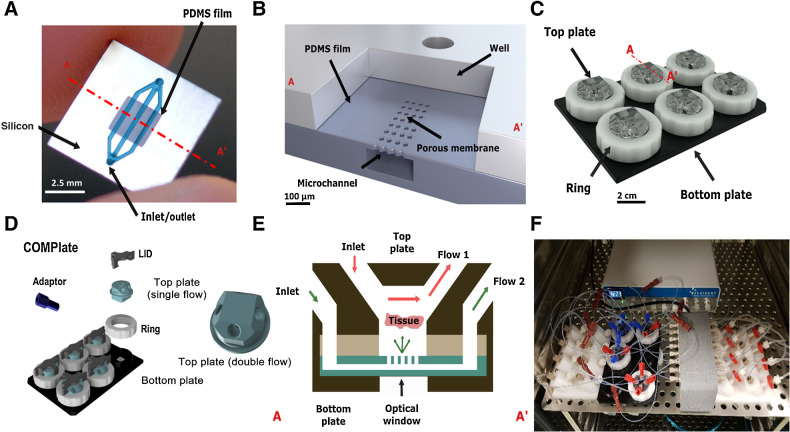
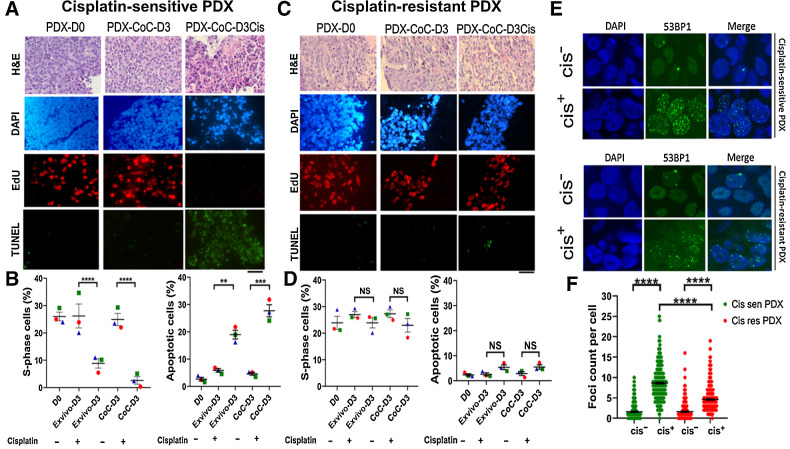
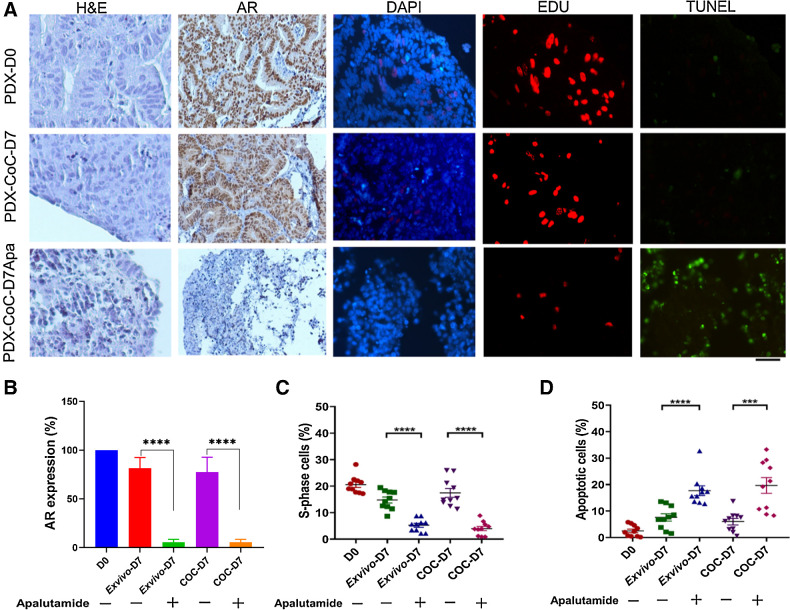
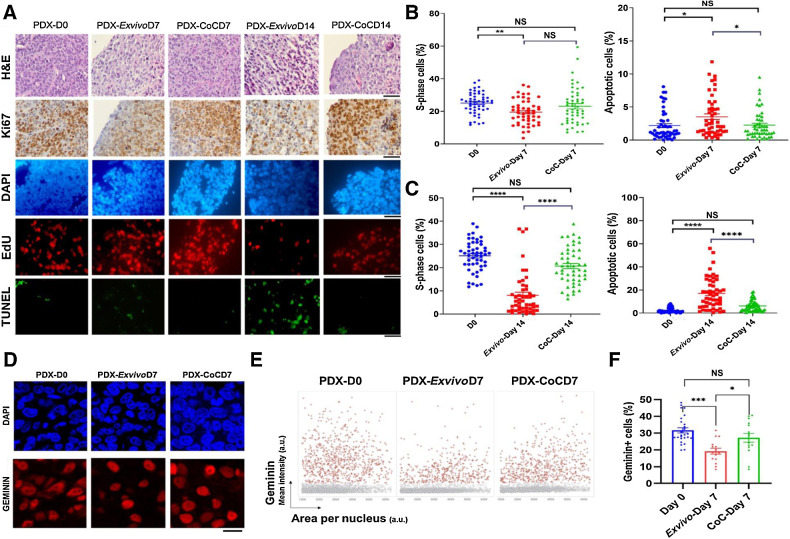
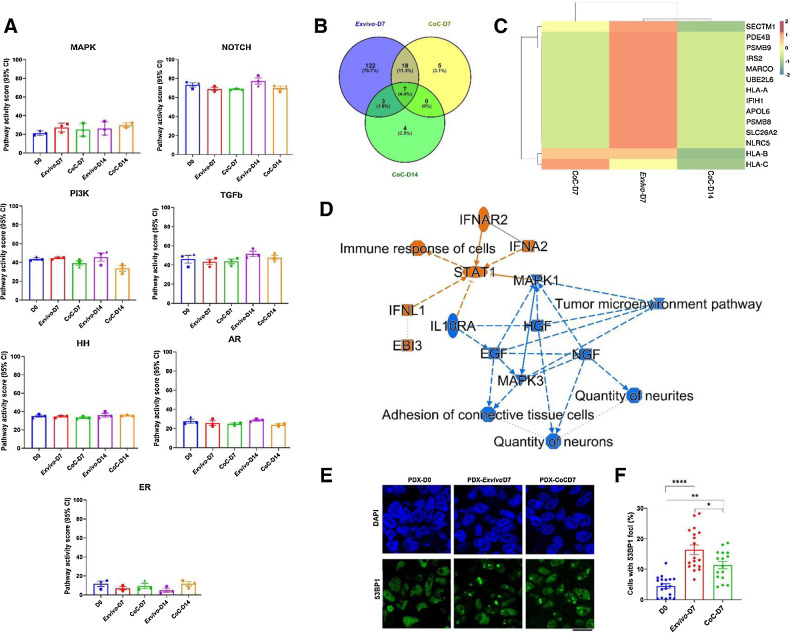
Optimal treatment of cancer requires diagnostic methods to facilitate therapy choice and prevent ineffective treatments. Direct assessment of therapy response in viable tumor specimens could fill this diagnostic gap. Therefore, we designed a microfluidic platform for assessment of patient treatment response using tumor tissue slices under precisely controlled growth conditions. The optimized Cancer-on-Chip (CoC) platform maintained viability and sustained proliferation of breast and prostate tumor slices for 7 days. No major changes in tissue morphology or gene expression patterns were observed within this time frame, suggesting that the CoC system provides a reliable and effective way to probe intrinsic chemotherapeutic sensitivity of tumors. The customized CoC platform accurately predicted cisplatin and apalutamide treatment response in breast and prostate tumor xenograft models, respectively. The culture period for breast cancer could be extended up to 14 days without major changes in tissue morphology and viability. These culture characteristics enable assessment of treatment outcomes and open possibilities for detailed mechanistic studies. SIGNIFICANCE: The Cancer-on-Chip platform with a 6-well plate design incorporating silicon-based microfluidics can enable optimal patient-specific treatment strategies through parallel culture of multiple tumor slices and diagnostic assays using primary tumor material.
Overview
The claims and statistics of this paper haven’t been checked yet.
Free: it reads the open-access text and checks the first 5 claims that cite a source we can check. Create a free account to check every claim.
Integrity signals
Registry
Cites
Statistics
Figures
Verification
Claims the paper makes
The claims and statistics of this paper haven’t been checked yet.
Free: it reads the open-access text and checks the first 5 claims that cite a source we can check. Create a free account to check every claim.
Claims other papers make about this one
Each is checked against this paper’s own text: does it say what the citing paper says it does?
The source backs part of the claim, not all of it — or backs it for a different population, condition or comparison.
In the citing paper
“Interestingly, the prostate cancer tumor slices maintained their viability, morphology, proliferation potential and gene expression profiles in the microfluidic device for 7 days, allowing for the assessment of the chemotherapeutic sensitivity of the tumors.”
From Microphysiological systems as models for immunologically ‘cold’ tumors (2024) · cites this paper as Chakrabarty et al., 2022
Experimental — accuracy not yet measuredThe cited source says what the claim attributes to it.
In the citing paper
“The administration of apalutamide resulted in decreased AR expression, an increase in apoptotic cells and a significant decrease in proliferation, which replicates the effect of antiandrogen treatment in ex vivo cultures and in vivo.”
From Microphysiological systems as models for immunologically ‘cold’ tumors (2024) · cites this paper as Chakrabarty et al., 2022
Self-check
Percentages, sums and reported differences re-computed from the paper’s own numbers.
The self-check needs the paper’s full text.
Citations
Cites
The Sequence Alignment/Map format and SAMtools
Li, H., Handsaker, B., Wysoker, A., Fennell, T., Ruan, J., Homer, N., Marth, G., Abecasis, G., Durbin, R., & 1000 Genome Project Data Processing Subgroup (2009) · Bioinformatics · doi:10.1093/bioinformatics/btp352 · Cited by 62,041 · cited 1×
“251 Samtools and PICARD programs were used on the aligned files to obtain the mapping statistics and other 252 RNAseq metrics(29).”
MethodRobinson, M. D., McCarthy, D. J., & Smyth, G. K. (2010) · Bioinformatics · doi:10.1093/bioinformatics/btp616 · Cited by 41,364 · cited 1×
“8 Bioconductor package edgeR was used for differential expression analysis (33).”
MethodfeatureCounts: an efficient general purpose program for assigning sequence reads to genomic features
Liao, Y., Smyth, G. K., & Shi, W. (2014) · Bioinformatics · doi:10.1093/bioinformatics/btt656 · Cited by 27,219 · cited 1×
“We used 255 the feature Counts program to generate the count table for differential expression analysis (32).”
MethodGraph-based genome alignment and genotyping with HISAT2 and HISAT-genotype
Kim, D., Paggi, J. M., Park, C., Bennett, C., & Salzberg, S. L. (2019) · Nature Biotechnology · doi:10.1038/s41587-019-0201-4 · Cited by 15,022 · cited 1×
“The 249 trimmed and processed fastqc files were separately aligned to human and mouse genomes (GRCh38 and 250 GRCm38 versions) downloaded from GENCODE respectively using HISAT2 (a splice aware aligner)(28).”
MethodStringTie enables improved reconstruction of a transcriptome from RNA-seq reads
Pertea, M., Pertea, G. M., Antonescu, C. M., Chang, T.-C., Mendell, J. T., & Salzberg, S. L. (2015) · Nature Biotechnology · doi:10.1038/nbt.3122 · Cited by 14,298 · cited 1×
“Expression analysis was performed for both human and mouse mapped reads using 254 StringTie using the reference only approach and the gene abundance tables were obtained (31).”
MethodPatient-derived organoids model treatment response of metastatic gastrointestinal cancers
Vlachogiannis, G., Hedayat, S., Vatsiou, A., Jamin, Y., Fernández-Mateos, J., Khan, K., Lampis, A., Eason, K., Huntingford, I., Burke, R., et al. (2018) · Science · doi:10.1126/science.aao2774 · Cited by 2,096 · cited 1×
“Defining features of this 405 microfluidic system are: (1) relatively large (tumor) tissue slices can be loaded, (2) flow of culture media 406 both above and under the tissue slice to sustain constant delivery of nutrients and gasses and removal of 407 waste products, (3) mainly silicon-based components, (4) standard…”
BackgroundRottenberg, S., Jaspers, J. E., Kersbergen, A., van der Burg, E., Nygren, A. O. H., Zander, S. A. L., Derksen, P. W. B., de Bruin, M., Zevenhoven, J., Lau, A., et al. (2008) · Proceedings of the National Academy of Sciences · doi:10.1073/pnas.0806092105 · Cited by 956 · cited 1×
“For example, (breast) cancer patients with pathogenic 77 BRCA1/2 mutations are homologous recombination (HR) deficient, which makes them eligible for PARP 78 inhibitor (PARPi) therapy (6).”
BackgroundSelf-citationHuman 3D vascularized organotypic microfluidic assays to study breast cancer cell extravasation
Jeon, J. S., Bersini, S., Gilardi, M., Dubini, G., Charest, J. L., Moretti, M., & Kamm, R. D. (2015) · Proceedings of the National Academy of Sciences · doi:10.1073/pnas.1417115112 · Cited by 723 · cited 1×
“engineering for controlled culture of cells or tissue specimens (13,14).”
BackgroundFLEXBAR—Flexible Barcode and Adapter Processing for Next-Generation Sequencing Platforms
Dodt, M., Roehr, J., Ahmed, R., & Dieterich, C. (2012) · Biology · doi:10.3390/biology1030895 · Cited by 719 · cited 1×
“Adapter trimming and removal 248 of homo-polymers were performed using FLEXBAR and reads less than 25 bases were discarded (27).”
MethodLukas, C., Savic, V., Bekker-Jensen, S., Doil, C., Neumann, B., Sølvhøj Pedersen, R., Grøfte, M., Chan, K. L., Hickson, I. D., Bartek, J., et al. (2011) · Nature Cell Biology · doi:10.1038/ncb2201 · Cited by 667 · cited 1×
“A similar phenomenon has been observed before in cells and was shown to be due to 446 replication stress (50), suggesting that the culture conditions presented here led to similar replication 447 problems.”
Background
Cited by
Cancer organoids 2.0: modelling the complexity of the tumour immune microenvironment
Polak, R., Zhang, E. T., & Kuo, C. J. (2024) · Nature Reviews Cancer · doi:10.1038/s41568-024-00706-6 · Cited by 298
Organ-on-a-chip meets artificial intelligence in drug evaluation
Deng, S., Li, C., Cao, J., Cui, Z., Du, J., Fu, Z., Yang, H., & Chen, P. (2023) · Theranostics · doi:10.7150/thno.87266 · Cited by 260
“At present, tumor OoCs also include colorectal [55, 140], ovarian [141, 142], prostate [143, 144], bladder [145, 146], cervical [147, 148], gastric [56, 149], and skin [150, 151] cancer.”
BackgroundDrug screening on digital microfluidics for cancer precision medicine
Zhai, J., Liu, Y., Ji, W., Huang, X., Wang, P., Li, Y., Li, H., Wong, A. H., Zhou, X., Chen, P., et al. (2024) · Nature Communications · doi:10.1038/s41467-024-48616-3 · Cited by 133
“Another approach to observe the primary tumor cell responses to drug involved the use of a thin slice of tumor which already has the same microenvironment as an in-vivo tumor 59,67 .”
Breakthroughs and Applications of Organ-on-a-Chip Technology
Koyilot, M. C., Natarajan, P., Hunt, C. R., Sivarajkumar, S., Roy, R., Joglekar, S. S., Pandita, S., Tong, C. W.-C., Marakkar, S., Subramanian, L., et al. (2022) · Cells · doi:10.3390/cells11111828 · Cited by 117
Creating a kidney organoid-vasculature interaction model using a novel organ-on-chip system
Menéndez, A. B.-C., Du, Z., van den Bosch, T. P. P., Othman, A., Gaio, N., Silvestri, C., Quirós-Solano, W. F., Lin, H., Korevaar, S. S., Merino, A. M., et al. (2022) · Scientific Reports · doi:10.1038/s41598-022-24945-5 · Cited by 82
Self-citationExperimental in vitro, ex vivo and in vivo models in prostate cancer research
Sailer, V. W., Amsberg, G. V., Duensing, S. M., Kirfel, J., Lieb, V., Metzger, E., Offermann, A., Pantel, K., Schüle, R., Taubert, H. W., et al. (2022) · Nature Reviews Urology · doi:10.1038/s41585-022-00677-z · Cited by 82
Bridging the gap between tumor-on-chip and clinics: a systematic review of 15 years of studies
Bouquerel, C., Dubrova, A., Hofer, I., Phan, D. T. T., Bernheim, M., Ladaigue, S., Cavaniol, C., Maddalo, D., Cabel, L., Mechta-Grigoriou, F., et al. (2023) · Lab on a Chip · doi:10.1039/d3lc00531c · Cited by 58
Cancer-on-a-chip for precision cancer medicine
Liu, L., Wang, H., Chen, R., Song, Y., Wei, W., Baek, D. S. H., Gillin, M., Kurabayashi, K., & Chen, W. (2025) · Lab on a Chip · doi:10.1039/d4lc01043d · Cited by 52
In vitro and in vivo experimental models for cancer immunotherapy study
Zhang, C., Sui, Y., Liu, S., & Yang, M. J. (2024) · Current Research in Biotechnology · doi:10.1016/j.crbiot.2024.100210 · Cited by 54
Functional Drug Screening in the Era of Precision Medicine
Napoli, G. C., Figg, W. D., & Chau, C. H. (2022) · Frontiers in Medicine · doi:10.3389/fmed.2022.912641 · Cited by 45
“PDX-derived organoids (PDXOs) have also been explored as high throughput alternatives to PDXs that allow for prolonged culture and preservation of the unique disease profiles initially cultured in vivo.”
BackgroundInfluentialOrgan-on-Chip platforms to study tumor evolution and chemosensitivity
Dsouza, V. L., Kuthethur, R., Kabekkodu, S. P., & Chakrabarty, S. (2022) · Biochimica et Biophysica Acta (BBA) - Reviews on Cancer · doi:10.1016/j.bbcan.2022.188717 · Cited by 39
Self-citationUse and application of organ-on-a-chip platforms in cancer research
Yu, Y., Zhou, T., & Cao, L.-L. (2023) · Journal of Cell Communication and Signaling · doi:10.1007/s12079-023-00790-7 · Cited by 31
Cancer-on-chip: a breakthrough organ-on-a-chip technology in cancer cell modeling
Nejati, B., Shahhosseini, R., Hajiabbasi, M., Ardabili, N. S., Baktash, K. B., Alivirdiloo, V., Moradi, S., Rad, M. F., Rahimi, F., Farani, M. R., et al. (2024) · Medical & Biological Engineering & Computing · doi:10.1007/s11517-024-03199-5 · Cited by 31
“In other words, OoC technology has rapidly evolved due to the need for alternatives to animal testing and the need for real-time detection of drug toxicity [91, 92].”
Organotypic Models for Functional Drug Testing of Human Cancers
Huang, Y. L., Dickerson, L. K., Kenerson, H. L., Jiang, X., Pillarisetty, V. G., Tian, Q., Hood, L., Gujral, T. S., & Yeung, R. S. W. (2023) · BME Frontiers · doi:10.34133/bmef.0022 · Cited by 29
“Although cancer cell lines are often use to model the tumor, recently, patient-derived pancreatic organoids [28] and breast and prostate PDX tumor slice culture [29] that are more physiologically relevant were established in cancer-on-a-chip for successful culturing and subsequent therapeutic testing, highlighting the…”
BackgroundZhou, Y., Yu, F., Guo, M., Tang, Y., & Xu, Q. (2025) · Frontiers in Bioengineering and Biotechnology · doi:10.3389/fbioe.2025.1498141 · Cited by 28
How organ-on-a-chip is advancing cancer research and oncology - a cancer hallmarks’ perspective
Avula, L. R., & Grodzinski, P. A. (2024) · Frontiers in Lab on a Chip Technologies · doi:10.3389/frlct.2024.1487377 · Cited by 26
Culture of vibrating microtome tissue slices as a 3D model in biomedical research
Siwczak, F., Hiller, C., Pfannkuche, H., & Schneider, M. R. (2023) · Journal of Biological Engineering · doi:10.1186/s13036-023-00357-5 · Cited by 21
“Breast and prostate PDX models hu 300 μm 2 weeks (breast), 1 week (prostate) In chip, submerged, shear stress, perfusion Cancer on chip platform for predicting drug response [94]”
BackgroundModels for barrier understanding in health and disease in lab-on-a-chips
Ponmozhi, J., Dhinakaran, S., Kocsis, D., Iván, K., & Erdő, F. (2023) · Tissue Barriers · doi:10.1080/21688370.2023.2221632 · Cited by 20
Ponte, F., Kim, H., Warren, A. D., Iyer, S. V., Han, L., Mannen, E. M., Gómez-Acevedo, H., Nookaew, I., Almeida, M., & Manolagas, S. C. (2022) · Scientific Reports · doi:10.1038/s41598-022-14470-w · Cited by 20
Advances and Challenges in Human 3D Solid Tumor Models
Natesh, N. R., & Varghese, S. (2025) · Advanced Functional Materials · doi:10.1002/adfm.202419912 · Cited by 15
Microphysiological systems as models for immunologically ‘cold’ tumors
Gaebler, D., Hachey, S. J., & Hughes, C. C. W. (2024) · Frontiers in Cell and Developmental Biology · doi:10.3389/fcell.2024.1389012 · Cited by 14
Ladan, M. M., Meijer, T. G., Verkaik, N. S., de Monyé, C., Koppert, L. B., Hoop, E. O., van Deurzen, C. H. M., Kanaar, R., Nonnekens, J., van Gent, D. C., et al. (2023) · npj Breast Cancer · doi:10.1038/s41523-023-00583-6 · Cited by 12
“In the future, culture conditions could be optimized using a Cancer-on-Chip approach, that we recently developed 17 .”
Self-citationBrennen, W. N., Magnen, C. L., Karkampouna, S., Anselmino, N., Bock, N., Choo, N., Clark, A. K., Coleman, I. M., Dolgos, R., Ferguson, A. M., et al. (2024) · The Prostate · doi:10.1002/pros.24682 · Cited by 13
“61,62 These systems could also model biological interfaces and mechanical forces to mimic the TME and dynamic changes in various factors, including drugs, over time.”
BackgroundOrgan mimicking technologies and their applications in drug discovery
Qu, Y., Ye, J., Lin, B., Luo, Y., & Zhang, X. (2023) · Intelligent Pharmacy · doi:10.1016/j.ipha.2023.05.003 · Cited by 14
DLM–GelMA/tumor slice sandwich structured tumor on a chip for drug efficacy testing
Hu, W., Bei, H., Jiang, H., Wu, D., Yu, X., Zhou, X., Sun, Q., Lu, Q., Du, Q., Wang, L., et al. (2024) · Lab on a Chip · doi:10.1039/d4lc00278d · Cited by 9
Resistance to neoadjuvant chemotherapy in breast cancers: a metabolic perspective
Desgres, M., Poyraz, M., Sari, B., Duhoux, F. P., van Marcke, C., & Corbet, C. (2025) · Journal of Experimental & Clinical Cancer Research · doi:10.1186/s13046-025-03500-w · Cited by 11
Tumor-on-chip’s alliance with molecular pathology against metastatic disease
Carlo, E. D. (2026) · Journal of Biomedical Science · doi:10.1186/s12929-025-01209-8 · Cited by 11
“This is direct experimental validation that cancer-on-chip readouts reflect in vivo drug sensitivity [33].”
Artificial tumor matrices and bioengineered tools for tumoroid generation
Liu, Y., Chen, P., Chang, R., Liu, X., Jhang, J.-W., Enkhbat, M., Chen, S., Wang, H., Deng, C., & Wang, P. (2024) · Biofabrication · doi:10.1088/1758-5090/ad2534 · Cited by 8
“In 2022, Chakrabarty et al combined TSC and micro-fluidic technology with the concept of organ-on-a-chip; therefore, breast tumor slices can be perfused culture in vitro and predict the chemotherapy sensitivity of tumors [56].”
BackgroundMechano-Organ-on-Chip for Cancer Research
Wang, L., Cheung, J. C., Zhao, X., Khoo, B. L., & Wong, S. H. D. (2026) · International Journal of Molecular Sciences · doi:10.3390/ijms27031330 · Cited by 7
Human Multi-Organ-on-a-Chip Platforms for Next-Generation Drug Delivery Strategies
Mitchell, C. S., Hong-Il, Y., Díaz, C. G., Green, J. J., & Kim, D.-H. (2026) · Theranostics · doi:10.7150/thno.130030 · Cited by 8
“Subsequent studies have further clarified the role of MOoC platforms as experimental parameter generators for PBPK modeling rather than standalone predictors [113,114].”
Establishing a Microfluidic Tumor Slice Culture Platform to Study Drug Response
Komar, Z. M., van Gent, D. C., & Chakrabarty, S. (2023) · Current Protocols · doi:10.1002/cpz1.693 · Cited by 7
“Recently, we described a Cancer-on-Chip device with a 6-well plate design incorporating silicon-based microfluidics, which has application in the parallel culture of multiple tumor slices and diagnostic assays using primary tumor material (Chakrabarty et al., 2022).”
BackgroundMethodInfluentialSelf-citationImmunocompetent tumor-on-a-chip: A translational tool for drug screening and cancer therapy
Liang, A., Tao, T., Chen, J., Yang, Y., Zhou, X., Zhu, X. M., & Yu, G. (2025) · Critical Reviews in Oncology/Hematology · doi:10.1016/j.critrevonc.2025.104716 · Cited by 6
Gupta, R., Radhakrishnan, R. A., Kabekkodu, S. P., & Chakrabarty, S. (2025) · Biochimica et Biophysica Acta (BBA) - Reviews on Cancer · doi:10.1016/j.bbcan.2025.189504 · Cited by 7
Self-citationShetty, S., Kumar, N. A. N., Kabekkodu, S. P., & Chakrabarty, S. (2026) · Biochimica et Biophysica Acta (BBA) - Reviews on Cancer · doi:10.1016/j.bbcan.2026.189627 · Cited by 6
Self-citationSibbitts, J., Pietro, L. D., Privitera, A., Cardaci, V., Maugeri, S., Camarda, M., & Caruso, G. (2024) · Current Medicinal Chemistry · doi:10.2174/0109298673298382240307040239 · Cited by 7
Banerjee, M., & Rajeswari, V. D. (2023) · Medical Oncology · doi:10.1007/s12032-023-02112-8 · Cited by 5
Epigenetic and Transcriptional Reprogramming in 3D Culture Models in Breast Cancer
Flores-García, L. C., Rubio, K., Ibarra-Sierra, E., Silva-Cázares, M. B., Flores, C. P., & López‐Camarillo, C. (2025) · Cancers · doi:10.3390/cancers17233830 · Cited by 4
“- Organ-on-a-Chip (OoC) Systems: Using microfluidic systems that allow continuous media perfusion, patient explants are embedded to recreate vascular flow, chemical gradients, and dynamic co-cultures [47,49].”
Unveiling the Clinical Potential of Prostate Cancer Three-dimensional Models: A Systematic Review
Peyrottes, A., Brek, N. D., Aleixo, A.-S. V., Baboudjian, M., Anract, J., Morgan Rouprêt, A., Timsit, M., Méjean, A., Guidotti, J., Goffin, V., et al. (2026) · European Urology Oncology · doi:10.1016/j.euo.2026.03.007 · Cited by 4
Tumor organoid and tumor-on-a-chip equipped next generation precision medicine
Zhao, W., Zhang, Z., Xu, S., Sun, X., Wang, Y., Ye, J., Wang, X., Gu, Z., & Chen, Z. (2025) · Biofabrication · doi:10.1088/1758-5090/ae0bb3 · Cited by 4
“Chakrabarty et al constructed a tumor organoid-on-a-chip using patient-derived osteosarcoma cells and assessed the effects of anti-angiogenic drugs (such as VEGFR2 inhibitors) on tumor cells through a combination of immunohistochemical analysis and RNA-seq [184].”
Breast Cancer Tissue Explants: An Approach to Develop Personalized Therapy in Public Health Services
Carranza‐Rosales, P., Valencia-Mercado, D., Esquivel-Hernández, O., González-Geroniz, M. I., Bañuelos-García, J. I., Castruita-Ávila, A. L., Sánchez-Prieto, M. A., Viveros‐Valdez, E., Morán‐Martínez, J., Balderas-Rentería, I., et al. (2023) · Journal of Personalized Medicine · doi:10.3390/jpm13101521 · Cited by 4
“In the past, tumor tissue slices have been used to study culture conditions and drug response assays with antineoplastic agents [8,35,39,40], analyze metastatic processes [41], and investigate new therapeutic or diagnostic strategies [42–44].”
BackgroundQuarta, R., Cristiano, E., Han, M. K. L., Boccanegra, B., Marinelli, M., Gaio, N., Ohana, J., Mouly, V., Cappellari, O., & Luca, A. D. (2025) · Biomedicines · doi:10.3390/biomedicines13051109 · Cited by 4
Self-citationFrom 3D culture to clinical decision-making: Systematic innovations in breast cancer organoids
Hu, M., Zhou, C., Li, M., & Zhao, J. (2025) · Biomaterials Advances · doi:10.1016/j.bioadv.2025.214528 · Cited by 3
Doffe, F., Fuoco, L., Michels, J., Jernström, S., Tomasi, R. F.-X., & Savagner, P. (2022) · Exploration of Targeted Anti-tumor Therapy · doi:10.37349/etat.2022.00117 · Cited by 3
“[22] have shown that tumor-derived PDX provided a reliable predictive tool to anticipate the effect of treatment on tumors, in that case, to assess resistance to cisplatin in breast tumors.”
Zhou, L., Li, G., Yao, J., Wang, J., Yao, X., Ye, Z., Zheng, D., Song, K., Zhang, H., Zhang, X., et al. (2024) · Lab on a Chip · doi:10.1039/d4lc00051j · Cited by 3
Adefolaju, A., Kram, D. E., Mann, B., Hingtgen, S., & Satterlee, A. (2025) · Advanced Drug Delivery Reviews · doi:10.1016/j.addr.2025.115736 · Cited by 2
CombiCTx: screening diffusion gradients of anti-cancer drug combinations
Stelzl, C., Clavero, A. L., Camenisch, S., Simon, B., Eriksson, O., Degerstedt, O., Lennernäs, H., Heindryckx, F., Kreuger, J., & O'Callaghan, P. W. (2026) · Lab on a Chip · doi:10.1039/d5lc00686d · Cited by 2
Tumor-on-chip platforms for transport phenotyping: decoding CAF-driven barriers to drug delivery
Manach, D. L., Senez, V., & Nees, M. (2026) · Lab on a Chip · doi:10.1039/d5lc01131k · Cited by 2
Tumor-on-chip as a personalized platform for rapid drug testing in breast cancer
Helal, C., Pinon, L., Jin, J., Schintu, N., Vazquez, A., Domalain, L., Nurmik, M., Antonelli, G., Ladaigue, S., Simon, M., et al. (2026) · Cell Reports Medicine · doi:10.1016/j.xcrm.2026.103011 · Cited by 3
“40,41 In the context of validating the correlation between ex vivo techniques and in vivo outcomes, 42 a multiplexed ToC model of colorectal cancer derived from PDX was successfully established within only 4 days, demonstrating on three models a rather good in vitro - in vivo correlation with…”
Revealing the secret behind Epstein‐Barr virus‐specific tumor immune contexture
Deng, C. (2024) · 癌症:英文版 · doi:10.1002/cac2.12529 · Cited by 2
“Similarly, various ex vivo models such as patient-derived tumor fragment platform [10], microfluidic cancer-on-chip platform [11], and three-dimensional tumor slice culture platform [12] have been documented with the potential to assess the effect of various antitumor treatment strategies.”
BackgroundFunctional Assays to Guide Personalized Oncological Treatment of Patients with Soft-Tissue Sarcomas
Yarar, S., & Tsagozis, P. (2025) · Cancers · doi:10.3390/cancers17213452 · Cited by 1
“These platforms are innovative but remain largely experimental [45–47].”
The Tumor Microenvironment: Translating Intravital Insights into Microphysiological Systems
Imparato, G., Mazio, C., Nevola, P., & Netti, P. A. (2026) · Cellular and Molecular Bioengineering · doi:10.1007/s12195-026-00910-4 · Cited by 2
Gupta, R., Singh, J., Shetty, S. D., Kumar, N. A. N., Kudva, A., Srivastava, S. K., & Chakrabarty, S. (2026) · ACS Omega · doi:10.1021/acsomega.6c02787 · Cited by 1
Self-citationSéraudie, I. (2023) · theses.fr (ABES) · doi:10.70675/7e0591b2zd2a1z4954z812az8dbd6f2ed4fe · Cited by 2
Oleuropein Inhibits Cancer Stemness in a Dynamic 3D Breast Tumor Model
Altundag‐Erdogan, Ö., Sarwar, M., & Çelebi‐Saltik, B. (2025) · Hacettepe Journal of Biology and Chemistry · doi:10.15671/hjbc.1743955
Hypoxia-on-chip : from technological developments to biological applications
Bouquerel, C. (2023) · theses.fr (ABES) · doi:10.70675/d7d58b5dzd927z4235z8c54z8dbb6fd4757e · Cited by 1
Advances in Microfluidic Chip-Enabled Personalized Cancer Diagnosis and Therapy
王, 子. (2026) · World Journal of Cancer Research · doi:10.12677/wjcr.2026.162017
Nayak, S., Karmakar, A., & Kumar, L. (2026) · Elsevier eBooks · doi:10.1016/b978-0-443-43870-7.00015-1
New insights in tumor-on-a-chip models for studying cancer drug resistance
Wang, Y., Shi, L., Li, J., Zhang, X., Ren, J., Jia, Q., Lv, L., Yang, L., Zhang, Z., Yang, J., et al. (2026) · Pathology - Research and Practice · doi:10.1016/j.prp.2026.156562
Yadav, A., Das, U., Singh, R., Tyagi, S., Ghodeswar, A., Mishra, S., Kushwaha, H. R., Singh, R. K. B., & Chaturvedi, R. (2026) · Biotechnology Journal · doi:10.1002/biot.70305
“Studies have demonstrated the ability of NPs to penetrate spheroids and exert cytotoxic effects, with DOX-loaded nanoformulations showing significant tumor inhibition [100, 155–158].”
Lei, X., Song, B., Jin, D., Zhou, J., Guo, T., & Kong, J. (2026) · Frontiers in Physiology · doi:10.3389/fphys.2026.1848297
Wu, Y., Govindaraju, D. T., Lakshmikanthacharya, G. M., Hsu, T.-Y., Lin, C.-F., Sharma, S., & Anilkumar, T. S. (2026) · Pharmaceutics · doi:10.3390/pharmaceutics18101227
Ramanathan, G., Ponnusamy, K., Dhanasekaran, S., & Devaraju, P. (2026) · Microfluidics and Nanofluidics · doi:10.1007/s10404-026-02949-1
“Furthermore, CTCs from the blood of patients with BC can be successfully separated using inertial microfluidic chips, which have demonstrated a high degree of sensitivity in CTC detection from patient samples (Chakrabarty et al. 2022).”
Metadata
- Authors
- Chakrabarty, S., Quiros-Solano, W. F., Kuijten, M. M. P., Haspels, B., Mallya, S., Lo, C. S. Y., Othman, A., Silvestri, C., van de Stolpe, A., Gaio, N., Odijk, H., van de Ven, M., de Ridder, C. M. A., van Weerden, W. M., Jonkers, J., Dekker, R., Taneja, N., Kanaar, R., & van Gent, D. C.
- Affiliations
- Manipal Academy of Higher Education (IN)
- 3Department of Microelectronics, Electronic Components, Technology and Materials, Delft University of Technology, Delft, the Netherlands.
- Erasmus MC (NL)
- 4BIOND Solutions B.V., Delft, the Netherlands.
- 7Philips Research, Eindhoven, the Netherlands.
- 8Preclinical Intervention Unit, Mouse Clinic for Cancer and Ageing, The Netherlands Cancer Institute, Amsterdam, the Netherlands.
- 9Department of Urology, Erasmus MC Cancer Institute, Erasmus University Medical Center, Rotterdam, the Netherlands.
- The Netherlands Cancer Institute (NL)
- Delft University of Technology (NL)
- 1Department of Molecular Genetics, Erasmus MC Cancer Institute, Erasmus University Medical Center, Rotterdam, the Netherlands.
- ORCID
- Venue
- Cancer Research
- Published
- 2021-12-06
- Volume
- 82
- Issue
- 3
- Pages
- 510-520
- ISSN
- 0008-5472 (ISSN-L)
- 1538-7445
- PMC
- PMC9397621
- OpenAlex
- W4200376156
- Semantic Scholar
- 83aabd9100f0593fac2ff85c353c9ed6d4eb1117
- Cited by
- 61
- References
- 52
- Citations by year
- 2026: 15 · 2025: 14 · 2024: 12 · 2023: 13 · 2022: 7
- FWCI
- 2.43
- Type
- journal article
- Language
- en
- Open access
- hybrid
- doi.org
- Licence
- Locations
- Cancer Research (publishedVersion, cc-by-nc-nd)
- PubMed Central (publishedVersion, cc-by-nc-nd)
- PubMed (publishedVersion)
- EUR Research Repository (Erasmus University Rotterdam) (publishedVersion, cc-by-nc-nd)
- EUR Research Repository (Erasmus University Rotterdam) (submittedVersion, other-oa)
- Research Repository (Delft University of Technology) (submittedVersion, cc-by-nc-nd)
- Data Archiving and Networked Services (DANS) (submittedVersion, other-oa)
- Funders
- KWF Kankerbestrijding (KWF11011)
- Nederlandse Organisatie voor Wetenschappelijk Onderzoek (737.016.011)
- Electronic Components and Systems for European Leadership (H2020-ECSEL-2019-IA-876190)
- Topics
- Physical Sciences › Engineering › Biomedical Engineering › 3D Printing in Biomedical Research
- Physical Sciences › Engineering › Biomedical Engineering › Microfluidic and Capillary Electrophoresis Applications
- Health Sciences › Medicine › Oncology › Cancer Cells and Metastasis
- Keywords
- drug response prediction, microfluidic platform, breast cancer, prostate cancer, cisplatin, apalutamide, chemosensitivity, xenograft models, personalized treatment, silicon microfluidics, primary tumor tissue
- MeSH terms
- Humans, Organ Culture Techniques, Gene Expression, Microfluidics, Biomarkers, Pharmacological
About these checks
Registry, retraction, Cites and statistics results are computed, not judged, with one exception: a printed reference that no index lists is read once by a model before it counts as a citation error. Claims are extracted by a model and kept only when their quote appears verbatim in the text; each cited source is then checked, with a model’s help, for whether it says what the claim relies on. Those verdicts can be wrong — read the claim’s quote and the cited source before relying on one.
Statistics and arithmetic are recomputed, not judged.
Confidence bands are shown only for fields calibrated on our annotated test set. None is calibrated yet, so no band is shown.
What counts as a claim ›How we measure confidence ›How we check this ›
Are you an author, or do you see a problem with this page? Request a review
Data sources
Bibliographic data: Semantic Scholar, OpenAlex, Crossref.
Contains information from the Semantic Scholar Academic Graph Datasets, made available under the ODC Attribution License (ODC-BY 1.0).
Semantic Scholar’s data is described in: Kinney, R., et al. (2023). The Semantic Scholar Open Data Platform. arXiv:2301.10140.
