

Early Inspiratory Effort Assessment by Esophageal Manometry Predicts Noninvasive Ventilation Outcome in De Novo Respiratory Failure. A Pilot Study
Open accessThe DOI matches its Crossref record; 30 of the 30 references it cites were found in a registry or an index.
Abstract
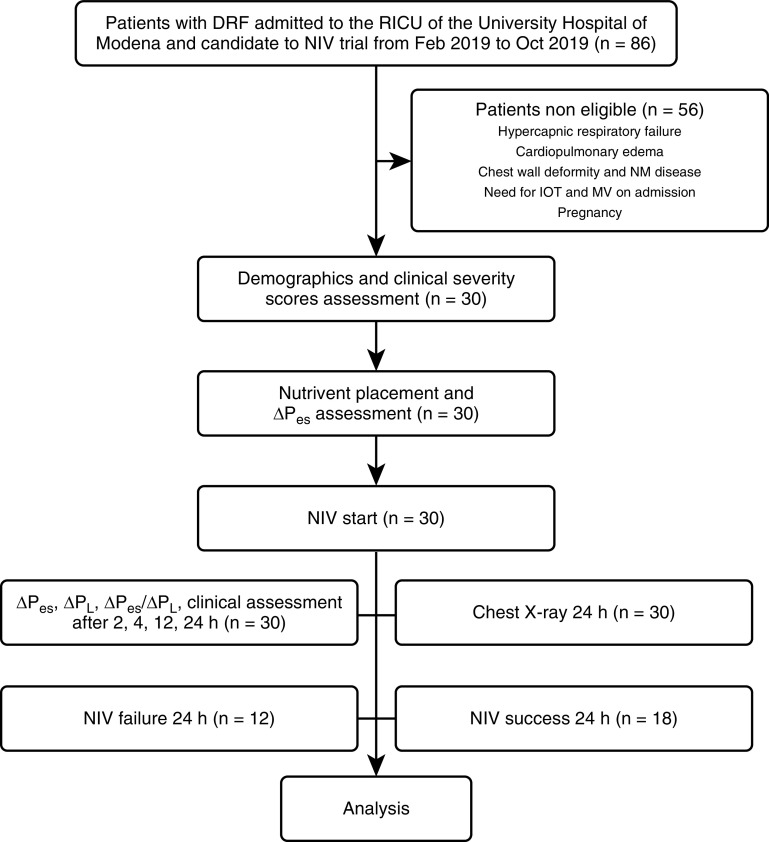
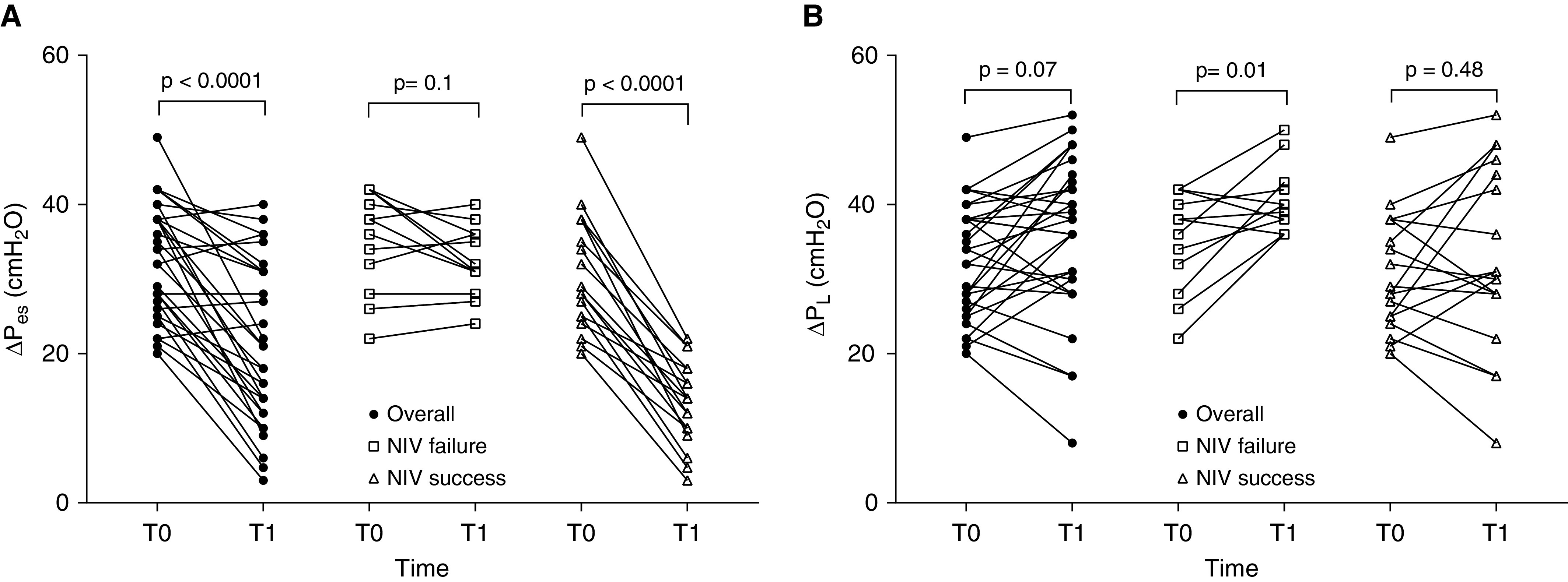
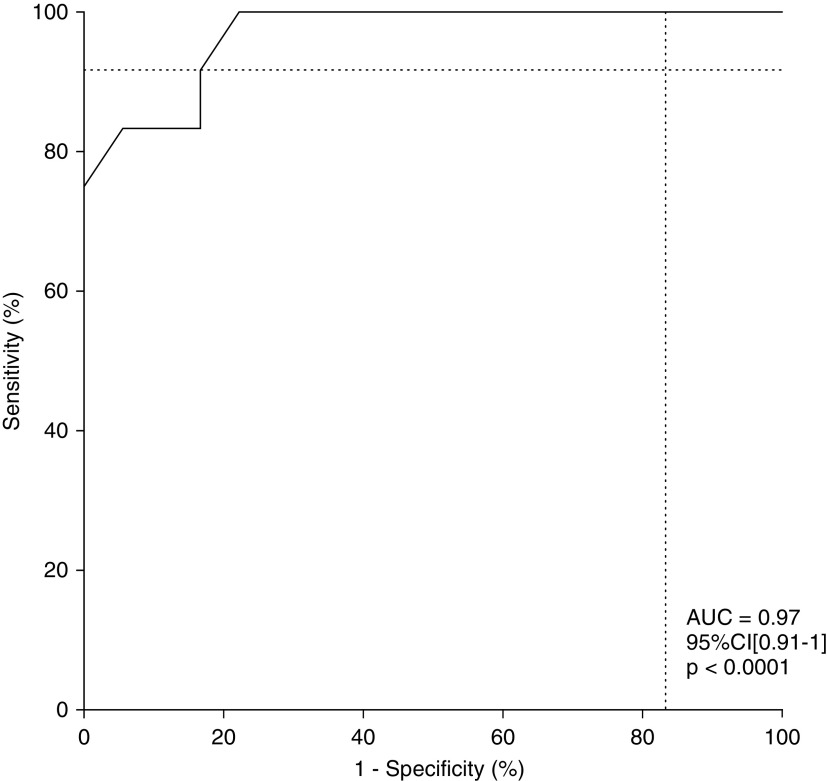
Rationale: The role of inspiratory effort still has to be determined as a potential predictor of noninvasive mechanical ventilation (NIV) failure in acute hypoxic de novo respiratory failure. Objectives: To explore the hypothesis that inspiratory effort might be a major determinant of NIV failure in these patients. Methods: Thirty consecutive patients with acute hypoxic de novo respiratory failure admitted to a single center and candidates for a 24-hour NIV trial were enrolled. Clinical features, tidal change in esophageal pressure (ΔPes), tidal change in dynamic transpulmonary pressure (ΔPl), expiratory Vt, and respiratory rate were recorded on admission and 2–4 to 12–24 hours after NIV start and were tested for correlation with outcomes. Measurements and Main Results: ΔPes and ΔPes/ΔPl ratio were significantly lower 2 hours after NIV start in patients who successfully completed the NIV trial (n = 18) compared with those who needed endotracheal intubation (n = 12) (median [interquartile range], 11 [8–15] cm H2O vs. 31.5 [30–36] cm H2O; P < 0.0001), whereas other variables differed later. ΔPes was not related to other predictors of NIV failure at baseline. NIV-induced reduction in ΔPes of 10 cm H2O or more after 2 hours of treatment was strongly associated with avoidance of intubation and represented the most accurate predictor of treatment success (odds ratio, 15; 95% confidence interval, 2.8–110; P = 0.001 and area under the curve, 0.97; 95% confidence interval, 0.91–1; P < 0.0001). Conclusions: The magnitude of inspiratory effort relief as assessed by ΔPes variation within the first 2 hours of NIV was an early and accurate predictor of NIV outcome at 24 hours. Clinical trial registered with www.clinicaltrials.gov (NCT 03826797).
Overview
The claims and statistics of this paper haven’t been checked yet.
Free: it reads the open-access text and checks the first 5 claims that cite a source we can check. Create a free account to check every claim.
Integrity signals
Registry
Cites
Statistics
Figures
Verification
Claims the paper makes
The claims and statistics of this paper haven’t been checked yet.
Free: it reads the open-access text and checks the first 5 claims that cite a source we can check. Create a free account to check every claim.
Claims other papers make about this one
Each is checked against this paper’s own text: does it say what the citing paper says it does?
The check wasn’t confident either way, so it gives no verdict — never disputed.
In the citing paper
“A previous metaanalysis of RCTs in septic patients showed a higher risk of RRT with the use of HES 130/0.38-0.45(RR, 1.36; 95% CI, 1.08-1.72)and a higher risk of death in a predefined analysis of low risk of bias trials (RR, 1.11; 95% CI, 1.0-1.2) (343).”
From Surviving Sepsis Campaign: International Guidelines for Management of Sepsis and Septic Shock 2021. (2021) · cites this paper as [343]
Experimental — accuracy not yet measured
Self-check
Percentages, sums and reported differences re-computed from the paper’s own numbers.
The self-check needs the paper’s full text.
Citations
Cites
Bellani, G., Laffey, J. G., Pham, T., Fan, E., Brochard, L., Esteban, A., Gattinoni, L., van Haren, F., Larsson, A., McAuley, D. F., et al. (2016) · JAMA · doi:10.1001/jama.2016.0291 · Cited by 5,766 · cited 1×
“Two recent studies have demonstrated that moderate-to-severe hypoxemia significantly affects NIV outcome in patients with ARDS-induced AHRF (19, 20).”
BackgroundGirard, T. D., Kress, J. P., Fuchs, B. D., Thomason, J. W., Schweickert, W. D., Pun, B. T., Taichman, D. B., Dunn, J. G., Pohlman, A. S., Kinniry, P. A., et al. (2008) · The Lancet · doi:10.1016/s0140-6736(08)60105-1 · Cited by 2,055
The Berlin definition of ARDS: an expanded rationale, justification, and supplementary material
Ferguson, N. D., Fan, E., Camporota, L., Antonelli, M., Anzueto, A., Beale, R., Brochard, L., Brower, R., Esteban, A., Gattinoni, L., et al. (2012) · Intensive Care Medicine · doi:10.1007/s00134-012-2682-1 · Cited by 1,443 · cited 7×
“Two recent studies have demonstrated that moderate-to-severe hypoxemia significantly affects NIV outcome in patients with ARDS-induced AHRF (19, 20).”
MethodInfluentialAntonelli, M., Conti, G., Rocco, M., Bufi, M., De Blasi, R. A., Vivino, G., Gasparetto, A., & Meduri, G. U. (1998) · New England Journal of Medicine · doi:10.1056/nejm199808133390703 · Cited by 1,014
Early Neuromuscular Blockade in the Acute Respiratory Distress Syndrome
The National Heart, L. (2019) · New England Journal of Medicine · doi:10.1056/nejmoa1901686 · Cited by 886
Antonelli, M., Conti, G., Moro, M., Esquinas, A., Gonzalez-Diaz, G., Confalonieri, M., Pelaia, P., Principi, T., Gregoretti, C., Beltrame, F., et al. (2001) · Intensive Care Medicine · doi:10.1007/s00134-001-1114-4 · Cited by 757 · cited 1×
“exchange within 1 h of treatment) are associated with NIV failure in patients with AHRF, although these were insufficient to influence ETI timing (17).”
BackgroundBellani, G., Laffey, J. G., Pham, T., Madotto, F., Fan, E., Brochard, L., Esteban, A., Gattinoni, L., Bumbasirevic, V., Piquilloud, L., et al. (2017) · American Journal of Respiratory and Critical Care Medicine · doi:10.1164/rccm.201606-1306oc · Cited by 667 · cited 2×
“failure, and it seems to be associated with higher mortality when the PaO2/FIO2 ratio is ,150 mm Hg (4).”
BackgroundThe Application of Esophageal Pressure Measurement in Patients with Respiratory Failure
Akoumianaki, E., Maggiore, S. M., Valenza, F., Bellani, G., Jubran, A., Loring, S. H., Pelosi, P., Talmor, D., Grasso, S., Chiumello, D., et al. (2014) · American Journal of Respiratory and Critical Care Medicine · doi:10.1164/rccm.201312-2193ci · Cited by 635
Self-citationNoninvasive Pressure Support Ventilation in Patients With Acute Respiratory Failure
Wysocki, M., Tric, L., Wolff, M. A., Millet, H., & Herman, B. (1995) · Chest · doi:10.1378/chest.107.3.761 · Cited by 491
Carteaux, G., Millán-Guilarte, T., De Prost, N., Razazi, K., Abid, S., Thille, A. W., Schortgen, F., Brochard, L., Brun-Buisson, C., & Mekontso Dessap, A. (2016) · Critical Care Medicine · doi:10.1097/ccm.0000000000001379 · Cited by 491 · cited 1×
“In a recent trial, Carteaux and coworkers (22) showed that a VTe value.”
Background
Cited by
Items 101–200 of 275
Noninvasive Ventilation for De Novo Respiratory Failure: Impact of Ventilator Setting Adjustments
Tuffet, S., Dessap, A. M., & Carteaux, G. (2020) · American Journal of Respiratory and Critical Care Medicine · doi:10.1164/rccm.202005-1565le · Cited by 10
Non-invasive ventilation in patients with novel coronavirus infection COVID-19
Avdeev, S. N. (2020) · PULMONOLOGIYA · doi:10.18093/0869-0189-2020-30-5-679-687 · Cited by 10
Evidence-Based Management of the Critically Ill Adult With SARS-CoV-2 Infection
Chivukula, R. R., Maley, J. H., Dudzinski, D. M., Hibbert, K. A., & Hardin, C. C. (2020) · Journal of Intensive Care Medicine · doi:10.1177/0885066620969132 · Cited by 12
How to recognize patients at risk of self-inflicted lung injury
Pettenuzzo, T., Sella, N., Zarantonello, F., CASSAI, A. D., Geraldini, F., Persona, P., Pistollato, E., Boscolo, A., & Navalesi, P. (2022) · Expert Review of Respiratory Medicine · doi:10.1080/17476348.2022.2128335 · Cited by 11
“In patients with de novo hARF, Tonelli et al found a rate of NIV failure of 40% (12 out of 30 patients) [8].”
BackgroundResultYaroshetskiy, A. I., Мержоева, З. М., Tsareva, N. A., Трушенко, Н. В., Nuralieva, G. S., Konanykhin, V. D., Krasnoshchekova, A. P., & Avdeev, S. N. (2022) · BMC Anesthesiology · doi:10.1186/s12871-022-01847-7 · Cited by 13
Luján, M., Gómez, C. C., Peñuelas, Ó., Ferrando, C., Heili-Frades, S. B., Perales, J. M. C., Mas, A., Catalán, J. S., Mediano, O., Roca, O., et al. (2024) · Archivos de Bronconeumología · doi:10.1016/j.arbres.2024.02.017 · Cited by 12
“Persistent intense inspiratory effort 7 and high exhaled tidal volume (>9–9.5 ml/kg ideal body weight) have been associated with NIRS failure.”
BackgroundInfluentialOptimising respiratory support for early COVID-19 pneumonia: a computational modelling study
Weaver, L., Das, A., Saffaran, S., Yehya, N., Chikhani, M., Scott, T. E., Laffey, J. G., Hardman, J. G., Camporota, L., & Bates, D. G. (2022) · British Journal of Anaesthesia · doi:10.1016/j.bja.2022.02.037 · Cited by 10
How to use facemask noninvasive ventilation
Ferreyro, B. L., JONG, A. D., & Grieco, D. L. (2024) · Intensive Care Medicine · doi:10.1007/s00134-024-07471-y · Cited by 9
“Accord-ingly, persistently intense inspiratory effort (> 10–15 cm H 2 O), measured through esophageal manometry early after NIV initiation, suggests high risk of NIV failure [21].”
Shamohammadi, H., Weaver, L., Saffaran, S., Tonelli, R., Laviola, M., Laffey, J. G., Camporota, L., Scott, T. E., Hardman, J. G., Clini, E. M., et al. (2025) · Respiratory Research · doi:10.1186/s12931-025-03096-x · Cited by 9
Self-citationGuarracino, F., Baldassarri, R., Brizzi, G., Isirdi, A., Landoni, G., Marmiere, M., & Belletti, A. (2025) · Journal of Cardiothoracic and Vascular Anesthesia · doi:10.1053/j.jvca.2024.12.045 · Cited by 10
Menga, L. S., Balzani, E., Gelormini, C., Mastropietro, C., Volpe, N., Signore, R. D., Mondello, M., Cardu, A., Cese, L. D., Rosà, T., et al. (2025) · Critical Care · doi:10.1186/s13054-025-05670-7 · Cited by 11
“…persists despite NIV, the marked improvement in oxygenation and partial relief of dyspnea caused by the intervention may eventually mask the severity of respiratory failure; this potentially delays the clinical decision to intubate the patient and may favor progression of lung injury [31, 37].”
Patient Self-Inflicted Lung Injury in ARDS: From Physiological Concept to Clinical Syndrome
Merola, R., Rocco, P. R. M., & Battaglini, D. (2026) · Journal of Clinical Medicine · doi:10.3390/jcm15041412 · Cited by 9
“Similarly, the inability to achieve an early reduction in inspiratory effort, assessed by esophageal pressure swings shortly after initiation of non-invasive support, identifies patients at particularly high risk of deterioration [58].”
Cheema, H. A., Siddiqui, A., Ochani, S., Adnan, A., Sukaina, M., Haider, R., Shahid, A., Rehman, M. E. U., Awan, R. U., Singh, H., et al. (2023) · Journal of Clinical Medicine · doi:10.3390/jcm12030926 · Cited by 9
Nurok, M., Friedman, O., Driver, M. P., Sun, N., Kumaresan, A., Chen, P., Cheng, S. C., Talmor, D. S., & Ebinger, J. E. (2022) · Anesthesia & Analgesia · doi:10.1213/ane.0000000000006211 · Cited by 11
Vega, M. L., Schifino, G., Pisani, L., Catalanotti, V., Prediletto, I., & Nava, S. (2023) · Pulmonology · doi:10.1016/j.pulmoe.2023.02.001 · Cited by 9
“In patients with AHRF receiving NIV, the evaluation of patients’ inspiratory effort is desirable to predict NIV failure and to avoid a delay in endotracheal intubation.(2) Nonetheless, assessing DPes is not always feasible since it is not widely used in clinical practice.”
BackgroundSelf-citationWhen Should We Intubate in Hypoxemic Respiratory Failure?
Yarnell, C. J., & Patel, B. K. (2023) · NEJM Evidence · doi:10.1056/evidtt2200305 · Cited by 9
Influence of different noninvasive oxygenation support devices on tidal volume
Haudebourg, A.-F., Maraffi, T., Tuffet, S., Corvoisier, P. L., Dessap, A. M., & Carteaux, G. (2023) · Annals of Intensive Care · doi:10.1186/s13613-023-01200-2 · Cited by 9
“…between all the devices, the tidal volume in HFNC and CPAP obtained with a simulated inspiratory effort of 10 cm H 2 O was compared to that obtained in NIV with a simulated respiratory effort reduced by half, in order to replicate the reported physiological effects of pressure support [10, 13, 17].”
MethodBedside Assessment of the Respiratory System During Invasive Mechanical Ventilation
Giosa, L., Collins, P. D., Shetty, S., Lubian, M., Signore, R. D., Chioccola, M., Pugliese, F., & Camporota, L. (2024) · Journal of Clinical Medicine · doi:10.3390/jcm13237456 · Cited by 11
“High ∆ P es as ventilatory support is changed correlates with subsequent clinical failure across a wide range of illness severities, support strategies, and ages [104–109].”
High-Flow Nasal Cannula Liberation
Freeman, H., Vranas, K. C., Tuthill, S., & Drake, M. G. (2025) · CHEST Journal · doi:10.1016/j.chest.2025.01.037 · Cited by 8
Bruna, M., Hidalgo, G., Castañeda, S., Galvez, M., Bravo, D., Benitez, R., Tobar, R., Quevedo, J., Rodríguez, J., Murua, C., et al. (2022) · Journal of Ultrasound in Medicine · doi:10.1002/jum.16141 · Cited by 8
“Tonelli et al assessed early inspiratory effort by esophageal manometry to predict noninvasive ventilation failure.(29) They demonstrated that the failing group had a more profound dip of esophageal pressure (Pes) curves and it occurs in a shorter inspiration time.”
MethodTonelli, R., Fantini, R., Bruzzi, G., Tabbì, L., Cortegiani, A., Crimi, C., Pisani, L., Moretti, A., Guidotti, F., Rizzato, S., et al. (2023) · Internal and Emergency Medicine · doi:10.1007/s11739-023-03471-w · Cited by 9
“However, a study by our group showed that patients with moderate to severe AHRF may reach an average baseline value of ΔP es up to 34 cmH 2 O. 22 Therefore, considering on data from this study, it is reasonable to assume that a significant proportion of patients with AHRF may not respond to HFNO in…”
Self-citationBalzani, E., Murgolo, F., Pozzi, M., Mussi, R. D., Bartolomeo, N., Simonetti, U., Brazzi, L., Spadaro, S., Bellani, G., Grasso, S., et al. (2024) · Journal of Clinical Medicine · doi:10.3390/jcm13175227 · Cited by 10
“In a recent study, Tonelli and colleagues demonstrated that the magnitude of inspiratory effort relief, as assessed by the swing in esophageal pressure within the initial two hours of non-invasive ventilation (NIV), was an early and accurate predictor of NIV failure at 24 h [7].”
BackgroundAdvantages and drawbacks of helmet noninvasive support in acute respiratory failure
Bongiovanni, F., Michi, T., Natalini, D., Grieco, D. L., & Antonelli, M. M. (2023) · Expert Review of Respiratory Medicine · doi:10.1080/17476348.2023.2174974 · Cited by 8
Musso, G., Taliano, C., Paschetta, E., Iuliis, M. D., Fonti, C., Vianou, I. S., Druetta, M., Riedo, F., Ferraris, A., & Tirabassi, G. (2023) · Critical Care Medicine · doi:10.1097/ccm.0000000000005915 · Cited by 8
“Differently from patients with other etiologies of AHRF (4), spontaneously breathing patients with SARS-CoV-2 pneumonia-related AHRF present normal lung compliance, respiratory drive, and inspiratory effort during early disease stages; consistently, the magnitude of inspiratory effort during noninvasive ventilation (N…”
InfluentialStandardised PaO2/FiO2 ratio in COVID-19: Added value or risky assumptions?
Gattinoni, L., Busana, M., & Camporota, L. (2021) · European Journal of Internal Medicine · doi:10.1016/j.ejim.2021.09.004 · Cited by 8
“The respiratory effort when excessive may be responsible for the Patient Self-Inflicted Lung Injury (P-SILI) exacerbating the respiratory failure [6,7].”
The Dark Side of Spontaneous Breathing during Noninvasive Ventilation. From Hypothesis to Theory
Yoshida, T. (2020) · American Journal of Respiratory and Critical Care Medicine · doi:10.1164/rccm.202005-1612ed · Cited by 8
“Several intriguing findings were revealed by Tonelli and coworkers (10).”
InfluentialDevelopment of a deep learning model that predicts Bi-level positive airway pressure failure
Im, D. D., Laksana, E., Ledbetter, D., Aczon, M., Khemani, R. G., & Wetzel, R. C. (2022) · Scientific Reports · doi:10.1038/s41598-022-12984-x · Cited by 7
Collins, P. D., Giosa, L., Camporota, L., & Barrett, N. A. (2023) · Perfusion · doi:10.1177/02676591231210461 · Cited by 7
Monitoring effort and respiratory drive in patients with acute respiratory failure
Carteaux, G., & Coudroy, R. (2025) · Current Opinion in Critical Care · doi:10.1097/mcc.0000000000001271 · Cited by 7
COVID-19: 10 things I wished I’d known some months ago
Pickkers, P., van der Hoeven, H., & Citerio, G. (2020) · Intensive Care Medicine · doi:10.1007/s00134-020-06098-z · Cited by 7
Torregiani, C., Veneroni, C., Confalonieri, P., Citton, G. M., Salton, F., Jaber, M., Confalonieri, M., & Dellacà, R. L. (2022) · PLoS ONE · doi:10.1371/journal.pone.0265202 · Cited by 7
“In our dataset, no patients failed NIV and the X5 improvement we found is in line with the improvement in lung compliance reported in AHRF patients with NIV success [21].”
ResultNoninvasive Oxygenation in Patients with Acute Respiratory Failure: Current Perspectives
Frat, J., Pape, S. L., Coudroy, R., & Thille, A. W. (2022) · International Journal of General Medicine · doi:10.2147/ijgm.s294906 · Cited by 9
“An initial physiological study conducted in 1990 reported decreased PaCO2 and increased pH after a 45-min NIV session.70 Moreover, some authors have reported that diaphragmatic activity decreased significantly, when assessed either by transdiaphragmatic pressure changes or electromyographic signals.70 Thereafter, a cl…”
BackgroundInfluentialNoninvasive ventilation in acute hypoxemic respiratory failure: What is the future?
Carteaux, G., & Haudebourg, A.-F. (2025) · Journal of Intensive Medicine · doi:10.1016/j.jointm.2025.01.001 · Cited by 11
Yu, Q., Huang, Z., Zhou, X., Gui, S., Lihong, X., Liu, L., & Liu, J. (2024) · Journal of Clinical Monitoring and Computing · doi:10.1007/s10877-023-01116-z · Cited by 6
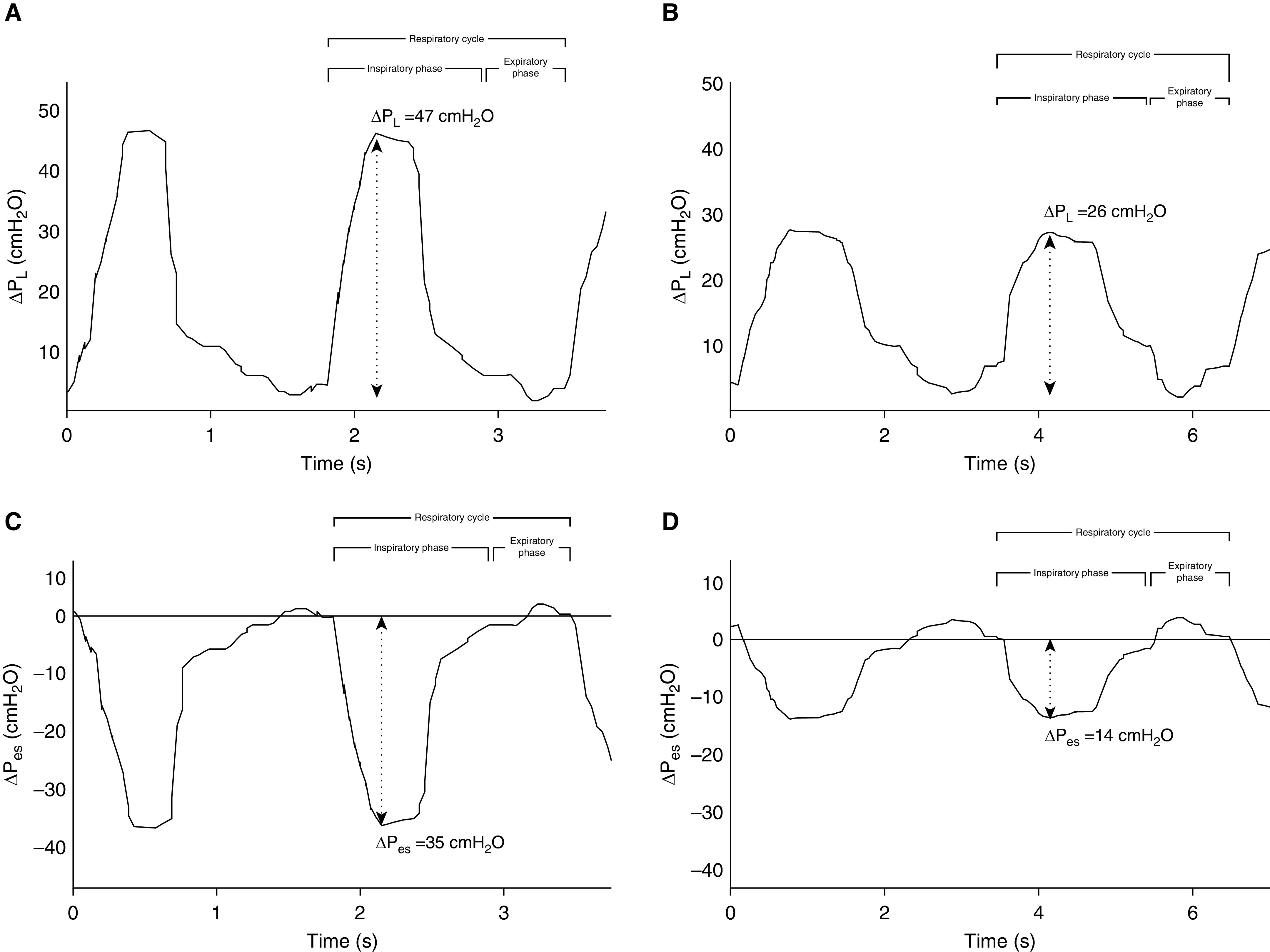
“It is calculated by using the Peso value at the beginning of the inspiratory phase subtracted from the peak value of the Peso signal in the same respiratory cycle in patients with assisted ventilation [30], as shown in Fig.”
MethodMosier, J. M., Tidswell, M., & Wang, H. E. (2024) · Journal of the American College of Emergency Physicians Open · doi:10.1002/emp2.13118 · Cited by 11
“97, 105– 110”
InfluentialPaCO2 is nonlinearly associated with NIV failure in patients with hypoxemic respiratory failure
Xu, X.-P., Ma, M., Min, Y., Hu, W., Bai, L., & Duan, J. (2024) · BMC Pulmonary Medicine · doi:10.1186/s12890-024-03023-8 · Cited by 6
“It ranges from 40 to 57% [2–4].”
Tonelli, R., Bruzzi, G., Fantini, R., Tabbì, L., Moretti, A., Livrieri, F., Castaniere, I., Cerri, S., Puggioni, D., Guidotti, F., et al. (2025) · European Journal of Internal Medicine · doi:10.1016/j.ejim.2025.02.016 · Cited by 6
Self-citationMusso, G., Taliano, C., Iuliis, M. D., Paschetta, E., Fonti, C., Ferraris, A., Druetta, M., Vianou, I. S., Ranghino, F., Riedo, F., et al. (2023) · The EPMA Journal · doi:10.1007/s13167-023-00325-5 · Cited by 6
“Different ventilatory variables have been proposed to contribute to VILI progression, including high tidal volume [2], minute ventilation [3] and inspiratory effort [4]: these parameters have been separately addressed in clinical studies, but data in noninvasively ventilated patients are scarce, inconsistent and incon…”
BackgroundPetitjeans, F., Leroy, S., Pichot, C., GHIGNONE, M., Quintin, L., & Constantin, J. (2021) · Critical Care Medicine · doi:10.1097/ccm.0000000000005288 · Cited by 6
Sherren, P. B., Camporota, L., Sanderson, B., Jones, A., Shankar‐Hari, M., Meadows, C. I. S., Barrett, N. A., Ostermann, M., & Hart, N. (2020) · Journal of the Intensive Care Society · doi:10.1177/1751143720978850 · Cited by 8
Evaluation of PaCO2 trend in COVID-19 patients undergoing helmet CPAP in the emergency department
Capsoni, N., Privitera, D., Airoldi, C., Gheda, S., Mazzone, A., Terranova, G., Galbiati, F., & Bellone, A. (2023) · Emergency Care Journal · doi:10.4081/ecj.2023.11274 · Cited by 6
Anand, A., Kodamanchili, S., Joshi, A., Joshi, R. P., Sharma, J. P., Goyal, A., Pakhare, A. P., Niwariya, Y. K., Panda, R., Karna, S. T., et al. (2024) · The Journal of Critical Care Medicine · doi:10.2478/jccm-2024-0013 · Cited by 5
“Failure of NIV to correct hypoxemia may lead to intubation and invasive mechanical ventilation (IMV) [6-9].”
Backgroundda Cruz, A. P., Martins, G. A. R., Martins, C. M., Marques, V., Christovam, S., Battaglini, D., Robba, C., Pelosi, P. P., Rocco, P. R. M., Cruz, F. F., et al. (2024) · European journal of medical research · doi:10.1186/s40001-024-01826-3 · Cited by 5
“Tonelli et al. [27] showed that an esophageal pressure variation of < 10 cmH 2 O may be linked to a higher rate of orotracheal intubation.”
BackgroundNakayama, R., Iwamoto, Y., Bunya, N., Sawada, A., Takahashi, K., Goto, Y., Kasai, T., Kakizaki, R., Uemura, S., & Narimatsu, E. (2021) · Respiratory Medicine Case Reports · doi:10.1016/j.rmcr.2021.101455 · Cited by 6
Michard, F., & Shelley, K. H. (2020) · American Journal of Respiratory and Critical Care Medicine · doi:10.1164/rccm.202004-1504le · Cited by 5
Real-time stress and strain monitoring at the bedside: new frontiers in mechanical ventilation
Pettenuzzo, T., Zarantonello, F., Zambianchi, A., Lumetti, G., Ruggerini, D., Pacchiarini, G., Pistollato, E., Fincati, V., Mormando, G., CASSAI, A. D., et al. (2025) · Frontiers in Medicine · doi:10.3389/fmed.2025.1692488 · Cited by 4
“…in patients with COVID-19-related ARDS suggest that individuals receiving non-invasive ventilation who generate high inspiratory efforts, estimated by large negative deflections in esophageal pressure, and correspondingly elevated transpulmonary Δ P may face a higher risk of intubation (67, 68).”
Rauseo, M., Cotoia, A., Padovano, F. P., Squiccimarro, E., Paparella, D., Vetuschi, P., Lima, S. D., Mollica, G., Mirabella, L., Paternoster, G., et al. (2026) · Journal of Cardiothoracic and Vascular Anesthesia · doi:10.1053/j.jvca.2026.02.009 · Cited by 5
Liu, X., Liu, H., Chen, L., Duan, J., Ran, H., Chen, L., Zhou, R., & Zheng, X. (2025) · Heart & Lung · doi:10.1016/j.hrtlng.2025.03.010 · Cited by 4
Huang, T., Chen, L., Liu, X., Wang, K., Shu, W., Jiang, L., Bai, L., Hu, W., Ma, M., & Duan, J. (2025) · Therapeutic Advances in Respiratory Disease · doi:10.1177/17534666251347757 · Cited by 4
“Nevertheless, NIV failure rates remain substantial, ranging from 40% to 54%, 7–9 and such failure is associated with increased mortality.”
Defining and Measuring Patient–Ventilator Interactions: 10 Fundamental Maxims
Mireles‐Cabodevila, E., Vaporidi, K., Blanch, L. L., & Chatburn, R. L. (2026) · Respiratory Care · doi:10.1177/19433654261425219 · Cited by 4
“Over the years, there have been several alternative approaches to quanti fi cation (pressure-based indices, 31 – 34 estimation of the P mus from airway signals, 26,35 – 37 or airway occlusion, 35,38 or ratios using the EA di like Patient-Ventila-tor Breath Contribution ratio 2,16,26 ) that provide…”
COVID-19: general overview, pharmacological options and ventilatory support strategies
Menzella, F., Matucci, A., Vultaggio, A., Barbieri, C., Biava, M., Scelfo, C., Fontana, M. S., & Facciolongo, N. C. (2020) · Multidisciplinary Respiratory Medicine · doi:10.4081/mrm.2020.708 · Cited by 4
Noninvasive ventilation and high-flow nasal oxygen for acute respiratory failure: is less more?
Thille, A. W., Coudroy, R., & Frat, J. (2020) · Current Opinion in Critical Care · doi:10.1097/mcc.0000000000000785 · Cited by 4
Steriade, A. T., Gologanu, M., Bumbăcea, R. S., Bogdan, S. N., & Bumbăcea, D. (2022) · Journal of Clinical Medicine · doi:10.3390/jcm11226810 · Cited by 4
Petitjeans, F., Leroy, S., Pichot, C., GHIGNONE, M., Quintin, L., Longrois, D., & Constantin, J. (2023) · European Journal of Anaesthesiology Intensive Care · doi:10.1097/ea9.0000000000000030 · Cited by 4
“13 The more severe the lung injury, the higher thedrive .”
Electrical impedance tomography: Usefulness for respiratory physiotherapy in critical illnesses
Arriagada, R., Bachmann, M. C., Martin, C. S., Rauseo, M., & Battaglini, D. (2024) · Medicina Intensiva · doi:10.1016/j.medin.2024.02.012 · Cited by 4
Control of Respiratory Drive by Noninvasive Ventilation as an Early Predictor of Success
Spinelli, E., Marongiu, I., & Mauri, T. (2020) · American Journal of Respiratory and Critical Care Medicine · doi:10.1164/rccm.202007-2928le · Cited by 4
“The clinical study by Tonelli and colleagues (2) testing the hypothesis that inspiratory effort estimated by esophageal balloon manometry might be an early predictor of NIV failure and worsening lung injury is a valuable addition to the field.”
BackgroundYarnell, C. J., & Sklar, M. C. (2022) · JAMA · doi:10.1001/jama.2022.5276 · Cited by 4
Ghiani, A., Walcher, S., Lutfi, A., Paderewska, J., Jæger, S., Kneidinger, N., Stecher, S. S., Trudzinski, F. C., & Neurohr, C. (2024) · Scientific Reports · doi:10.1038/s41598-024-67237-w · Cited by 3
“This index probably reflects different pathophysiological mechanisms in acute and chronic respiratory failure, indicating a high respiratory drive in the acute setting 25 but increased lung capacity during prolonged weaning.”
High-flow nasal oxygen is the reference treatment in acute hypoxemic respiratory failure: Con
Kemoun, G., & Demoule, A. (2025) · Journal of Intensive Medicine · doi:10.1016/j.jointm.2024.12.005 · Cited by 3
Vega, M. L., Nava, S., Hill, N. S., & Pisani, L. (2025) · European Journal of Internal Medicine · doi:10.1016/j.ejim.2025.04.018 · Cited by 3
Self-citationReveco, S., Llancalahuén, F. M., Caviedes, P., Silva, A., Contreras, J., González, C., Erranz, B., Perez, A., Cruces, J. P., Hurtado, D. E., et al. (2026) · Scientific Reports · doi:10.1038/s41598-026-39564-7 · Cited by 3
“Abbreviations: HFNO, high-flow nasal oxygen; CPAP, Continuous positive airway pressure; MV, mechanical ventilation thirds of them 12,37–40 , and therapy success is associated with improved survival 41,42 .”
Yu, H., Saffaran, S., Ali, A., Henry, C., Mustfa, N., Thomas, A., Rajhan, A., Isrhad, S., Weaver, L., Tonelli, R., et al. (2026) · Critical Care · doi:10.1186/s13054-026-05894-1 · Cited by 6
Self-citationFu, W., Liu, X., Guan, L., Lin, Z., He, Z., Niu, J., Huang, Q., Liu, Q., & Chen, R. (2024) · Frontiers in Medicine · doi:10.3389/fmed.2024.1213169 · Cited by 4
Severe Community-Acquired Pneumonia: Noninvasive Mechanical Ventilation, Intubation, and HFNT
Ferrer, M., PASCALE, G. D., Tanzarella, E. S., & Antonelli, M. M. (2024) · Seminars in Respiratory and Critical Care Medicine · doi:10.1055/s-0043-1778140 · Cited by 9
“70 Finally, during NIV, intubation should be rapidly performed in presence of the following clinical features: worsening/unbearable dyspnea, lack of improvement of oxygenation, hemodynamic instability, persistent respiratory muscle fatigue, persistent tachypnea, and neurological deterioration.”
BackgroundNoninvasive Respiratory Support in Acute Respiratory Distress Syndrome
Lassola, S., Giani, M., & Bellani, G. (2024) · Clinics in Chest Medicine · doi:10.1016/j.ccm.2024.08.006 · Cited by 4
Lu, Y., Zhang, J., Zhang, W., Shi, H., Wang, K., Li, Z., & Sun, L. (2025) · BMC Pulmonary Medicine · doi:10.1186/s12890-025-03610-3 · Cited by 8
“This finding is consistent with previous studies [43, 44].”
Oxygénothérapie à haut débit nasal dans l’insuffisance respiratoire aiguë hypoxémique
Rodriguez, M., Arrivé, F., Thille, A. W., & Frat, J. (2022) · Revue des Maladies Respiratoires · doi:10.1016/j.rmr.2022.06.001 · Cited by 3
ERS International Congress 2023: highlights from the Respiratory Intensive Care Assembly
Bianquis, C., Agüero, S. L., Cantero, C., Bonmatí, A. G., González, J., Hu, X., Lacoste-Palasset, T., Livesey, A., Guillamat‐Prats, R., Salai, G., et al. (2023) · ERJ Open Research · doi:10.1183/23120541.00886-2023 · Cited by 3
“A thorough physical examination (assessing respiratory effort) and vigilant monitoring are crucial for optimising treatment, mitigating the risk of treatment failure and patient self-inflicted lung injury, and avoiding delays in intubation [36, 37].”
BackgroundTorregiani, C., Baratella, E., Segalotti, A., Ruaro, B., Salton, F., Confalonieri, P., Tavano, S., Lapadula, G., Bozzi, C., Confalonieri, M., et al. (2024) · Journal of Clinical Medicine · doi:10.3390/jcm13071868 · Cited by 3
“The reactance increased over time as the dynamic compliance measured by Tonelli et al. in ARDS patients was successfully managed using NIV [36].”
MethodMagdy, D. M. (2024) · Indian Journal of Critical Care Medicine · doi:10.5005/jp-journals-10071-24769 · Cited by 4
“25,26 Persistently high inspiratory effort and RR are attributed to treatment failure and the need for intubation 27,28 Conversely, a preliminary RCT investigated HFNO usage among patients with mild to moderate hypoxaemic respiratory failure, and they found no improvement in oxygenation.”
BackgroundConservative management of COVID-19 associated hypoxaemia
Voshaar, T., Stais, P., Köhler, D., & Dellweg, D. (2021) · ERJ Open Research · doi:10.1183/23120541.00134-2021 · Cited by 3
ERS International Congress 2022: highlights from the Respiratory Intensive Care Assembly
Valentin, S., Padilla, D. E. L., Nolasco, S., Ranilović, D., Guillamat‐Prats, R., Marín, T., Ho, S., Tang, S., Papadopoulou, E., Malone, J., et al. (2023) · ERJ Open Research · doi:10.1183/23120541.00532-2022 · Cited by 3
Angkoontassaneeyarat, C., Charoenphon, P., Sanguanwit, P., Yuksen, C., & Seesuklom, S. (2025) · International Journal of Emergency Medicine · doi:10.1186/s12245-025-00842-2 · Cited by 2
“However, in contrast to our findings, a study by Tonelli et al. suggested that NIV is considerably less effective and less safe when used for patients with new-onset acute hypox-emic respiratory failure [25].”
Self‐Induced Lung Injury and the Quest for a Smoking Gun: A Nosologic Perspective
Perchiazzi, G., & Ranieri, V. M. (2025) · Acta Anaesthesiologica Scandinavica · doi:10.1111/aas.70072 · Cited by 2
“As a result, higher transpulmonary pressures ( P L ) are generated during inspiration, accompanied by increased respiratory frequencies [24].”
Panzuti, G., Giancotti, G., Nava, S., & Vega, M. L. (2025) · Expert Review of Respiratory Medicine · doi:10.1080/17476348.2025.2529540 · Cited by 5
“The reduction of inspiratory effort, reflected by a decrease in esophageal pressure (Pes), is a predictor of NIV success in patients with acute respiratory failure [71].”
Self-citationInspiratory Effort and Dynamic Transpulmonary Driving Pressure in Extremely Preterm Infants
Luca, D. D., Rubia, S. D. L., Miselli, F., Émériaud, G., Loi, B., Piastra, M., Conti, G., Antonelli, M., & Grieco, D. L. (2025) · CHEST Journal · doi:10.1016/j.chest.2025.09.119 · Cited by 2
Roman-Sarita, G., Dianti, J., Bassi, T. G., MHSc, K. G. L., Ferreyro, B. L., Fard, S., Telías, I., Ferguson, N. D., Slutsky, A. S., Brochard, L. J., et al. (2026) · CHEST Critical Care · doi:10.1016/j.chstcc.2026.100246 · Cited by 2
Gonzalez-Plascencia, M., Martinez-Fierro, M. L., de Santiago, A. S., Castañeda-Miranda, A. G., Badillo-Almaraz, J. I., & Veloz, I. G. (2026) · Medical Sciences · doi:10.3390/medsci14010134 · Cited by 5
Fazzini, B., Tonelli, R., Gosselink, R., Lucchini, A., Galazzi, A., Swingwood, E. L., Marti, D., Rezoagli, E., Paulus, F., Schultz, M. J., et al. (2026) · Intensive and Critical Care Nursing · doi:10.1016/j.iccn.2026.104490 · Cited by 2
Self-citationKhemani, R. G., Lee, J. T., Wu, D., Schenck, E. J., Hayes, M. M., Kritek, P., Mutlu, G. M., Gershengorn, H. B., & Coudroy, R. (2021) · American Journal of Respiratory and Critical Care Medicine · doi:10.1164/rccm.202102-0336up · Cited by 4
Shu, W., Huang, T., Jiang, T., Bai, L., Han, X., Huang, S., & Duan, J. (2021) · Pancreas · doi:10.1097/mpa.0000000000001889 · Cited by 2
Watanabe, R., Nakayama, R., Bunya, N., Yama, N., Iwamoto, Y., Katayama, Y., Kasai, T., Sawamoto, K., Uemura, S., & Narimatsu, E. (2022) · Acute Medicine & Surgery · doi:10.1002/ams2.796 · Cited by 2
Electrical impedance tomography: Usefulness for respiratory physiotherapy in critical illnesses
Arriagada, R., Bachmann, M. C., Martin, C. S., Rauseo, M., & Battaglini, D. (2024) · Medicina Intensiva (English Edition) · doi:10.1016/j.medine.2024.03.006 · Cited by 2
Noninvasive vs invasive respiratory support for patients with acute hypoxemic respiratory failure
Mosier, J. M., Subbian, V., Pungitore, S. A., Prabhudesai, D., Essay, P., Bedrick, E. J., Stocking, J. C., & Fisher, J. M. (2024) · PLoS ONE · doi:10.1371/journal.pone.0307849 · Cited by 5
“While spontaneous breathing can have some advantages in acute hypoxemic respiratory failure patients, patient self-inflicted lung injury is the likely reason for worse outcomes in patients that fail a noninvasive strategy [44, 45].”
BackgroundOptimal Postextubation Support in Critically Ill Patients: One Size Does Not Fit All
García-de-Acilu, M., Sellas, A., Hernández, G., & Roca, O. (2024) · Respiratory Care · doi:10.4187/respcare.12282 · Cited by 2
Vashisht, R., Krishnan, S., & Duggal, A. (2020) · Annals of Translational Medicine · doi:10.21037/atm-20-4633 · Cited by 4
Soporte ventilatorio en pacientes críticos con COVID-19:a 18 meses de la pandemia en Chile
Ulloa, R., Born, P., Kattan, E., & Bugedo, G. J. (2021) · Revista Chilena de Anestesia · doi:10.25237/revchilanestv5001101606 · Cited by 4
Highlights from the Respiratory Failure and Mechanical Ventilation 2022 Conference
Viegas, P., Ageno, E., Corsi, G., Tagariello, F., Razakamanantsoa, L., Vilde, R., Ribeiro, C. S. M. F., Heunks, L. M. A., Patout, M., & Fisser, C. (2022) · ERJ Open Research · doi:10.1183/23120541.00467-2022 · Cited by 5
Helmet noninvasive ventilation in acute hypoxic respiratory failure
Buell, K. G., & Patel, B. K. (2022) · Current Opinion in Critical Care · doi:10.1097/mcc.0000000000001008 · Cited by 2
Continued Vigorous Inspiratory Effort as a Predictor of Noninvasive Ventilation Failure
Jha, A. K. (2020) · American Journal of Respiratory and Critical Care Medicine · doi:10.1164/rccm.202008-3217le · Cited by 2
“This letter is in response to an article by Tonelli and colleagues published in a recent issue of the Journal (1).”
BackgroundKrasnoshchekova, A. P., Yaroshetskiy, A. I., Serkova, T. S., Мержоева, З. М., Трушенко, Н. В., Nuralieva, G. S., Tsareva, N. A., & Avdeev, S. N. (2024) · Annals of critical care · doi:10.21320/1818-474x-2024-2-62-72 · Cited by 1
High-flow nasal oxygen is the reference treatment in acute hypoxemic respiratory failure: Pro
Frat, J., & Pape, S. L. (2025) · Journal of Intensive Medicine · doi:10.1016/j.jointm.2024.12.003 · Cited by 2
Marabotti, A., Cianchi, G., Pelagatti, F., Ciapetti, M., Franci, A., Socci, F., Fulceri, G. E., Lazzeri, C., Bonizzoli, M., & Peris, A. (2025) · Respiratory Care · doi:10.1089/respcare.12246 · Cited by 1
Liu, X., Liu, H., Chen, L., Zheng, X., Ran, H., Chen, L., Zhou, R., & Wang, Y. (2025) · The Clinical Respiratory Journal · doi:10.1111/crj.70098 · Cited by 1
Jiang, R., Zhou, H., & Zhou, Z. (2026) · Medicine · doi:10.1097/md.0000000000046989 · Cited by 1
“[3,10] The enhancement in ventilation-perfusion matching is likely due to an improved distribution of physical forces, such as alterations in pleural pressure gradients and gravitational forces, as well as the distribution of transpulmonary pressure.”
Recognizing and managing excessive respiratory drive and effort: an expert narrative review
Pacchiarini, G., Monteleone, F., Zarantonello, F., Sella, N., Bassi, M., Zambianchi, A., Fincati, V., Bolzon, A., Pistollato, E., CASSAI, A. D., et al. (2026) · Expert Review of Respiratory Medicine · doi:10.1080/17476348.2026.2622110 · Cited by 1
“More recent physiological studies in Coronavirus (Covid)-19–related AHRF confirmed that excessive inspiratory effort and P L during NIV were associated with NIV failure [15,16].”
Hoermann, C., Drotleff, L. S. S., Link, B., Doerflinger, L., Neetz, B., Michels-Zetsche, J. D., Herth, F. J., Britsch, M., Duerschmied, D. R., Britsch, S., et al. (2026) · Scientific Reports · doi:10.1038/s41598-026-40192-4 · Cited by 1
Lee, K. G., Hopkins, M., Couban, R., Kattakkayam, T., Reardon, P. M., Tomlinson, G., Pitre, T., Rochwerg, B. N., & Yarnell, C. J. (2026) · The Lancet Respiratory Medicine · doi:10.1016/s2213-2600(26)00039-1 · Cited by 2
Monitoring the Patient During Assisted Ventilation
Grassi, A., Telías, I., & Bellani, G. (2022) · Springer eBooks · doi:10.1007/978-3-030-93401-9_6 · Cited by 1
Early Intubation Reduces the Risk of Death Among COVID-19 Patients: An Observational Study
Dash, A., Roy, C., Nayak, B., & Mishra, S. B. (2022) · Biomedical & Pharmacology Journal · doi:10.13005/bpj/2484 · Cited by 1
Metadata
- Authors
- Tonelli, R., Fantini, R., Tabbì, L., Castaniere, I., Pisani, L., Pellegrino, M. R., Della Casa, G., D’Amico, R., Girardis, M., Nava, S., Clini, E. M., & Marchioni, A.
- Affiliations
- University of Modena and Reggio Emilia (IT)
- University of Bologna (IT)
- Radiology Unit and
- Corresponding author
- Clini, Enrico M.
- ORCID
- Venue
- American Journal of Respiratory and Critical Care Medicine
- Publisher
- Oxford University Press (OUP)
- Published
- 2020-08-01
- Volume
- 202
- Issue
- 4
- Pages
- 558-567
- ISSN
- 1073-449X (ISSN-L)
- 1535-4970
- PMC
- PMC7427381
- OpenAlex
- W3020183443
- Semantic Scholar
- c220f59b1885bbdd64703093ba5e5a31d56d7504
- Cited by
- 274
- References
- 30
- Citations by year
- 2026: 36 · 2025: 35 · 2024: 48 · 2023: 32 · 2022: 54 · 2021: 41 · 2020: 28
- FWCI
- 21.84
- Type
- journal article
- Language
- en
- Open access
- hybrid
- doi.org
- Licence
- Locations
- American Journal of Respiratory and Critical Care Medicine (publishedVersion, cc-by-nc-nd)
- PubMed Central (publishedVersion, cc-by-nc-nd)
- PubMed (publishedVersion)
- IRIS UNIMORE (University of Modena and Reggio Emilia) (submittedVersion, cc-by)
- Archivio istituzionale della ricerca (Alma Mater Studiorum Università di Bologna) (submittedVersion, cc-by-nc-nd)
- Topics
- Health Sciences › Medicine › Pulmonary and Respiratory Medicine › Respiratory Support and Mechanisms
- Health Sciences › Medicine › Physiology (medical) › Obstructive Sleep Apnea Research
- Health Sciences › Medicine › Pulmonary and Respiratory Medicine › Neonatal Respiratory Health Research
- Keywords
- inspiratory effort, esophageal manometry, non-invasive ventilation, acute hypoxemic respiratory failure, endotracheal intubation, transpulmonary pressure
- MeSH terms
- Aged, Aged, 80 and over, Inhalation, Esophagus, Female, Humans, Male, Manometry, Middle Aged, Pilot Projects, Predictive Value of Tests, Prospective Studies, Respiratory Insufficiency, Time Factors, Noninvasive Ventilation
About these checks
Registry, retraction, Cites and statistics results are computed, not judged, with one exception: a printed reference that no index lists is read once by a model before it counts as a citation error. Claims are extracted by a model and kept only when their quote appears verbatim in the text; each cited source is then checked, with a model’s help, for whether it says what the claim relies on. Those verdicts can be wrong — read the claim’s quote and the cited source before relying on one.
Statistics and arithmetic are recomputed, not judged.
Confidence bands are shown only for fields calibrated on our annotated test set. None is calibrated yet, so no band is shown.
What counts as a claim ›How we measure confidence ›How we check this ›
Are you an author, or do you see a problem with this page? Request a review
Data sources
Bibliographic data: Semantic Scholar, OpenAlex, Crossref.
Contains information from the Semantic Scholar Academic Graph Datasets, made available under the ODC Attribution License (ODC-BY 1.0).
Semantic Scholar’s data is described in: Kinney, R., et al. (2023). The Semantic Scholar Open Data Platform. arXiv:2301.10140.
