

The input reduction principle of agroecology is wrong when it comes to mineral fertilizer use in sub-Saharan Africa
Open accessThe DOI matches its Crossref record; 116 of the 116 references it cites were found in a registry or an index.
Abstract
Can farmers in sub-Saharan Africa (SSA) boost crop yields and improve food availability without using more mineral fertilizer? This question has been at the center of lively debates among the civil society, policy-makers, and in academic editorials. Proponents of the “yes” answer have put forward the “input reduction” principle of agroecology, i.e. by relying on agrobiodiversity, recycling and better efficiency, agroecological practices such as the use of legumes and manure can increase crop productivity without the need for more mineral fertilizer. We reviewed decades of scientific literature on nutrient balances in SSA, biological nitrogen fixation of tropical legumes, manure production and use in smallholder farming systems, and the environmental impact of mineral fertilizer. Our analyses show that more mineral fertilizer is needed in SSA for five reasons: (i) the starting point in SSA is that agricultural production is “agroecological” by default, that is, very low mineral fertilizer use, widespread mixed crop-livestock systems and large crop diversity including legumes, but leading to poor soil fertility as a result of widespread soil nutrient mining, (ii) the nitrogen needs of crops cannot be adequately met solely through biological nitrogen fixation by legumes and recycling of animal manure, (iii) other nutrients like phosphorus and potassium need to be replaced continuously, (iv) mineral fertilizers, if used appropriately, cause little harm to the environment, and (v) reducing the use of mineral fertilizers would hamper productivity gains and contribute indirectly to agricultural expansion and to deforestation. Yet, the agroecological principles directly related to soil fertility—recycling, efficiency, diversity—remain key in improving soil health and nutrient-use efficiency, and are critical to sustaining crop productivity in the long run. We argue for a nuanced position that acknowledges the critical need for more mineral fertilizers in SSA, in combination with the use of agroecological practices and adequate policy support.
Overview
The claims and statistics of this paper haven’t been checked yet.
Free: it reads the open-access text and checks the first 5 claims that cite a source we can check. Create a free account to check every claim.
Integrity signals
Registry
Cites
Statistics
Figures

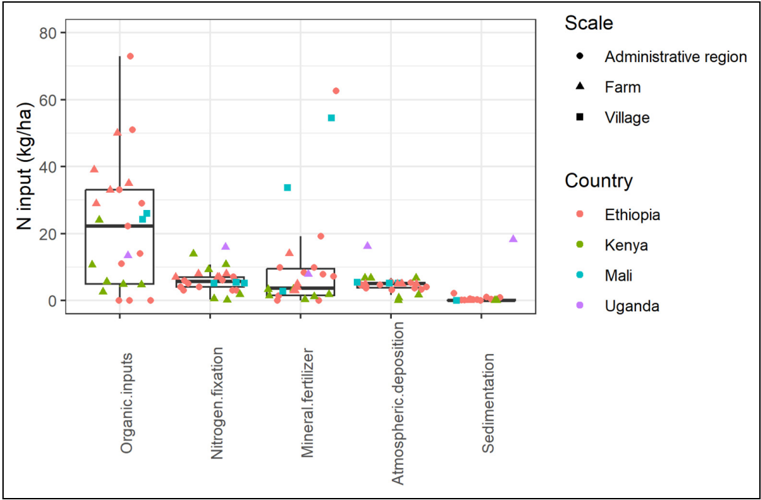
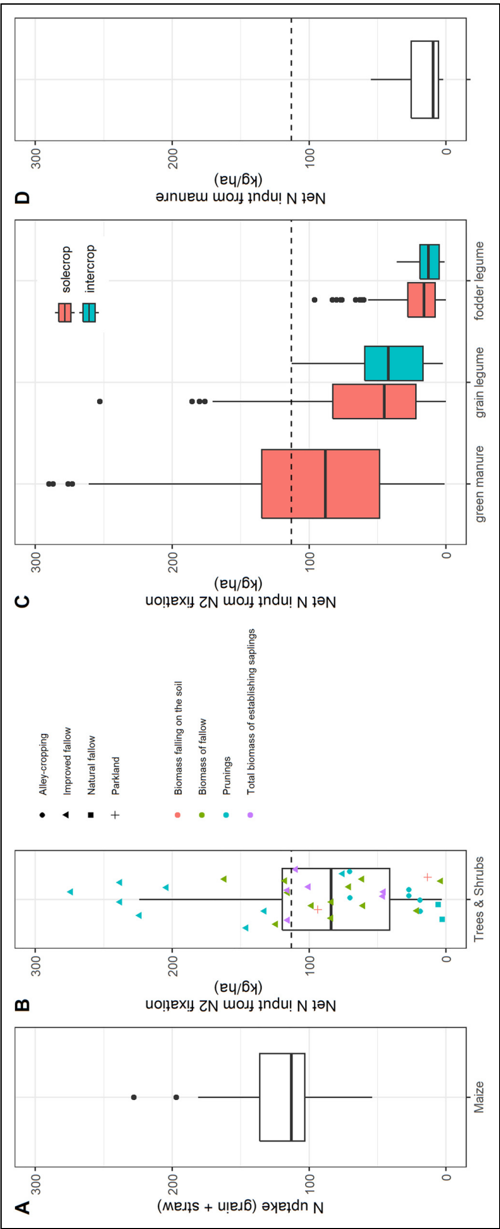
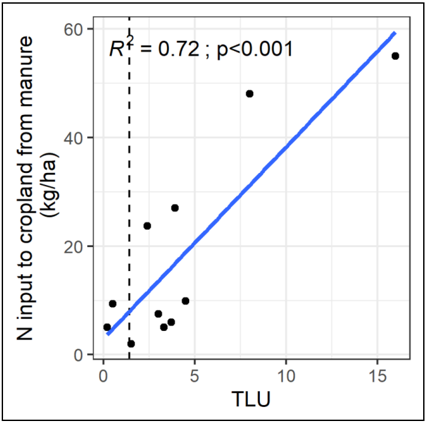
Verification
Claims the paper makes
The claims and statistics of this paper haven’t been checked yet.
Free: it reads the open-access text and checks the first 5 claims that cite a source we can check. Create a free account to check every claim.
Claims other papers make about this one
Each is checked against this paper’s own text: does it say what the citing paper says it does?
The source backs part of the claim, not all of it — or backs it for a different population, condition or comparison.
In the citing paper
“In addition, it should be considered that in resource-limited zones where pedoclimatic conditions are particularly constraining, like many areas of sub-Saharan Africa, a regular application of reduced doses of synthetic fertilisers may be required to complement the role of agroecological practices in sustaining agricultural production (Falconnier et al. 2023).”
From The socio-economic performance of agroecology. A review (2024) · cites this paper as Falconnier et al. 2023
Experimental — accuracy not yet measured
Self-check
Percentages, sums and reported differences re-computed from the paper’s own numbers.
The self-check needs the paper’s full text.
Citations
Cites
OERKE, E.-C. (2006) · The Journal of Agricultural Science · doi:10.1017/s0021859605005708 · Cited by 5,283 · cited 1×
“Weeds also contribute substantially to yield gaps globally for a range of crops (maize, wheat, cotton, soybean) (Oerke, 2006).”
BackgroundAn Earth-system perspective of the global nitrogen cycle
Gruber, N., & Galloway, J. N. (2008) · Nature · doi:10.1038/nature06592 · Cited by 3,602 · cited 1×
“Mineral fertilizers are often and rightly blamed for environmental pollution (Gruber and Galloway, 2008).”
BackgroundGlobal land use change, economic globalization, and the looming land scarcity
Lambin, E. F., & Meyfroidt, P. (2011) · Proceedings of the National Academy of Sciences · doi:10.1073/pnas.1100480108 · Cited by 3,160 · cited 1×
“…in the South, such as Vietnam, India, Bhutan, El Salvador and Chile, have successfully achieved a land-use transition in recent decades through sound policies and innovations, which has led to the simultaneous increase of their forest cover and agricultural production (Lambin and Meyfroidt, 2011).”
BackgroundManaging nitrogen for sustainable development.
Zhang, X., Davidson, E. A., Mauzerall, D. L., Searchinger, T. D., Dumas, P., & Shen, Y. (2015) · Nature · doi:10.1038/nature15743 · Cited by 3,054 · cited 1×
“Global N-use ef fi ciency in croplands has dramatically dropped over the last decades and is now only about 40% (Lassaletta et al., 2014; Zhang et al., 2015).”
BackgroundBianchi, F. J. J. A., Booij, C. J. H., & Tscharntke, T. (2006) · Proceedings of the Royal Society B: Biological Sciences · doi:10.1098/rspb.2006.3530 · Cited by 2,022 · cited 1×
“For example, the populations of wild pollinators, and predatory and parasitoid arthropods may increase following the retention of natural and semi-natural patches in cropland, that provide nectar, alternative preys, and over-wintering and nesting habitats (Bianchi et al., 2006).”
BackgroundCurrent and future role of Haber–Bosch ammonia in a carbon-free energy landscape
Smith, C., Hill, A. K., & Torrente-Murciano, L. (2020) · Energy & Environmental Science · doi:10.1039/c9ee02873k · Cited by 1,994 · cited 4×
“These GHG emissions could, however, be largely reduced by the production of NH3 using hydrogen from water hydrolysis with renewable energy instead of fossil fuels (Smith et al., 2020; Wang et al., 2018).”
BackgroundInfluentialA comprehensive quantification of global nitrous oxide sources and sinks
Tian, H., Xu, R., Canadell, J. G., Thompson, R. L., Winiwarter, W., Suntharalingam, P., Davidson, E. A., Ciais, P., Jackson, R. B., Janssens-Maenhout, G., et al. (2020) · Nature · doi:10.1038/s41586-020-2780-0 · Cited by 1,959 · cited 2×
“First, direct soil emission from the application of mineral fertilizers is the most important source of N 2 O emission from agriculture, together with emissions from organic fertilizer (Tian et al., 2020).”
BackgroundEcological intensification: harnessing ecosystem services for food security
Bommarco, R., Kleijn, D., & Potts, S. G. (2013) · Trends in Ecology & Evolution · doi:10.1016/j.tree.2012.10.012 · Cited by 1,862 · cited 1×
“Maintaining other ecosystem services for sustained crop productivity Bommarco et al. (2013) highlighted the link between supporting and regulating ecosystem services, crop productivity and yield gaps, both in low-input and intensively cultivated production systems.”
BackgroundGlobal inputs of biological nitrogen fixation in agricultural systems
Herridge, D. F., Peoples, M. B., & Boddey, R. M. (2008) · Plant and Soil · doi:10.1007/s11104-008-9668-3 · Cited by 1,775
Increase in crop losses to insect pests in a warming climate
Deutsch, C. A., Tewksbury, J. J., Tigchelaar, M., Battisti, D. S., Merrill, S. C., Huey, R. B., & Naylor, R. L. (2018) · Science · doi:10.1126/science.aat3466 · Cited by 1,549 · cited 1×
“Crop losses due to pests are projected to increase with climate change (Deutsch et al., 2018) while the use of insecticides in agriculture is increasingly regulated and its cost-bene fi t ratio is declining globally (Zhang, 2018).”
BackgroundNitrogen fixation in tropical cropping systems
(2001) · CABI Publishing eBooks · doi:10.1079/9780851994178.0000 · Cited by 1,334
Lassaletta, L., Billen, G., Grizzetti, B., Anglade, J., & Garnier, J. (2014) · Environmental Research Letters · doi:10.1088/1748-9326/9/10/105011 · Cited by 1,219 · cited 2×
“For example, it has been reported that N-use ef fi - ciency in Greece increased from 30% in 1990 to more than 70% in 2010 (Lassaletta et al., 2014).”
BackgroundSoil Fertility and Hunger in Africa
Sanchez, P. A. (2002) · Science · doi:10.1126/science.1065256 · Cited by 1,180 · cited 2×
“This discrepancy can be largely attributed to low nutrient availability in the soils (Sanchez, 2002).”
BackgroundAizen, M. A., & Harder, L. D. (2009) · Current Biology · doi:10.1016/j.cub.2009.03.071 · Cited by 1,113 · cited 1×
“On the other hand, yields of crops with a high dependence on pollination may have been maintained by their stronger reliance on domestic honeybees, whose stocks are, however, growing slower than the demand for pollination (Aizen and Harder, 2009; Garibaldi et al., 2009).”
BackgroundThe contribution of manure and fertilizer nitrogen to atmospheric nitrous oxide since 1860
Davidson, E. A. (2009) · Nature Geoscience · doi:10.1038/ngeo608 · Cited by 1,075 · cited 1×
“…North America, and East and South Asia, which together consume over 80% of the world ’ s mineral N fertilizers (Guenet et al., 2021; Tian et al., 2020), while it is manure application that is currently the main source of agricultural N 2 O emissions in SSA (Davidson, 2009; Guenet et al., 2021).”
BackgroundGreening Ammonia toward the Solar Ammonia Refinery
Wang, L., Xia, M., Wang, H., Huang, K., Qian, C., Maravelias, C. T., & Ozin, G. A. (2018) · Joule · doi:10.1016/j.joule.2018.04.017 · Cited by 995 · cited 1×
“These GHG emissions could, however, be largely reduced by the production of NH 3 using hydrogen from water hydrolysis with renewable energy instead of fossil fuels (Smith et al., 2020; Wang et al., 2018).”
BackgroundWezel, A., Herren, B. G., Kerr, R. B., Barrios, E., Gonçalves, A. L. R., & Sinclair, F. (2020) · Agronomy for Sustainable Development · doi:10.1007/s13593-020-00646-z · Cited by 926 · cited 5×
“Soil health is one of the 13 HLPE principles of agroecology, and is re fl ected in three of the ten FAO agroecology elements, namely diversity, synergy and resilience (Wezel et al., 2020).”
BackgroundInfluentialCan sub-Saharan Africa feed itself?
van Ittersum, M. K., van Bussel, L. G. J., Wolf, J., Grassini, P., van Wart, J., Guilpart, N., Claessens, L., de Groot, H., Wiebe, K., Mason-D’Croz, D., et al. (2016) · Proceedings of the National Academy of Sciences · doi:10.1073/pnas.1610359113 · Cited by 899 · cited 2×
“Narrowing yield gaps in SSA can contribute to increasing food security at household, national, and continental levels (Gérard et al., 2020; Giller et al., 2021a; van Ittersum et al., 2016).”
Background(2001) · Cited by 829
Lemaire, G., Franzluebbers, A., Carvalho, P. C. D. F., & Dedieu, B. (2014) · Agriculture, Ecosystems & Environment · doi:10.1016/j.agee.2013.08.009 · Cited by 803 · cited 1×
“…to a greater input of organic C to the soil (Corbeels et al., 2019), but also lead to nutrient cycles (e.g., N, P) that are more tightly coupled to the C cycle (by stoichiometric relations in plant biomass, organic matter and microbial biomass), and thus are less leaky (Lemaire et al., 2014).”
BackgroundSpillover of functionally important organisms between managed and natural habitats
Blitzer, E. J., Dormann, C. F., Holzschuh, A., Klein, A.-M., Rand, T. A., & Tscharntke, T. (2012) · Agriculture, Ecosystems & Environment · doi:10.1016/j.agee.2011.09.005 · Cited by 617 · cited 1×
“Natural areas may also provide agricultural areas with herbivores feeding on weeds, and with pathogens attacking crop pests (Blitzer et al., 2012).”
BackgroundRegenerative Agriculture: An agronomic perspective
Giller, K. E., Hijbeek, R., Andersson, J. A., & Sumberg, J. (2021) · Outlook on Agriculture · doi:10.1177/0030727021998063 · Cited by 605 · cited 2×
“Narrowing yield gaps in SSA can contribute to increasing food security at household, national, and continental levels (Gérard et al., 2020; Giller et al., 2021a; van Ittersum et al., 2016).”
BackgroundSelf-citationA system for quantitative evaluation of the fertility of tropical soils (QUEFTS)
Janssen, B. H., Guiking, F. C. T., van der Eijk, D., Smaling, E. M. A., Wolf, J., & van Reuler, H. (1990) · Geoderma · doi:10.1016/0016-7061(90)90021-z · Cited by 499
A better use of fertilizers is needed for global food security and environmental sustainability
Penuelas, J., Coello, F., & Sardans, J. (2023) · Agriculture & Food Security · doi:10.1186/s40066-023-00409-5 · Cited by 409 · cited 1×
“In general, improvement of nutrient-use ef fi ciency can be achieved by widely adopting the 4R principles (the right nutrient source at the right rate, right time and right place) (Penuelas et al., 2023).”
BackgroundCan N2O emissions offset the benefits from soil organic carbon storage?
Guenet, B., Gabrielle, B., Chenu, C., Arrouays, D., Balesdent, J., Bernoux, M., Bruni, E., Caliman, J., Cardinael, R., Chen, S., et al. (2021) · Global Change Biology · doi:10.1111/gcb.15342 · Cited by 403
Self-citationEutrophication and nutrient release in urban areas of sub-Saharan Africa — A review
Nyenje, P. M., Foppen, J. W., Uhlenbrook, S., Kulabako, R., & Muwanga, A. (2010) · Science of The Total Environment · doi:10.1016/j.scitotenv.2009.10.020 · Cited by 402 · cited 1×
“Eutrophication is a rising issue throughout Africa, particularly around large and rapidly expanding cities (Nyenje et al., 2010), but it is currently most probably driven by untreated sewage waste and erosion deposits rather than by the excessive fertilizer use in agriculture (Vanlauwe and Giller,…”
BackgroundAgroecology: The Ecology of Sustainable Food Systems, Third Edition
Gliessman, S. R. (2014) · doi:10.1201/b17881 · Cited by 401
Biodiversity at risk under future cropland expansion and intensification
Kehoe, L., Romero-Muñoz, A., Polaina, E., Estes, L., Kreft, H., & Kuemmerle, T. (2017) · Nature Ecology & Evolution · doi:10.1038/s41559-017-0234-3 · Cited by 395 · cited 1×
“Kehoe et al. (2017) showed greater biodiversity losses with cropland expansion than with agricultural intensi fi cation, globally and in SSA in particular.”
BackgroundThe Biological Management of Tropical Soil Fertility
&NA; (1995) · Soil Science · doi:10.1097/00010694-199509000-00009 · Cited by 388
Popular myths around soil fertility management in sub-Saharan Africa
Vanlauwe, B., & Giller, K. E. (2006) · Agriculture, Ecosystems & Environment · doi:10.1016/j.agee.2006.03.016 · Cited by 386 · cited 4×
“…labor is also another constraint, as incorporating the biomass from green manure into the soil can take as much as 80 persons per day per ha for a pro-li fi c Mucuna in Malawi (Vanlauwe and Giller, 2006), i.e., 40 times more than what is required to apply mineral N fertilizer (Ojiem et al., 2014).”
BackgroundInfluentialSelf-citationSoil Fertility in Africa Is at Stake
Smaling, E. M. A., Nandwa, S. M., & Janssen, B. H. (1997) · SSSA Special Publications · doi:10.2136/sssaspecpub51.c2 · Cited by 365 · cited 1×
“Soil nutrient mining is widespread: Smaling et al. (1997) estimated that the cultivated land in SSA was losing annually 22 kg of N, 2.5 kg of P, and 15 kg of K per hectare.”
BackgroundInfluentialVanlauwe, B., Wendt, J., Giller, K. E., Corbeels, M., Gerard, B., & Nolte, C. (2014) · Field Crops Research · doi:10.1016/j.fcr.2013.10.002 · Cited by 356 · cited 1×
“…some authors claim that there is “ a growing consensus that sustainable intensi fi cation in Africa will be [ … ] fertilizer intensive ” (Jayne et al., 2019; Vanlauwe et al., 2014), while others assert, that “ reducing the dependency on purchased inputs can reduce food insecurity especially for…”
BackgroundSelf-citationHaileslassie, A., Priess, J., Veldkamp, E., Teketay, D., & Lesschen, J. P. (2005) · Agriculture, Ecosystems & Environment · doi:10.1016/j.agee.2004.12.010 · Cited by 338
Giller, K. E., Delaune, T., Silva, J. V., van Wijk, M., Hammond, J., Descheemaeker, K., van de Ven, G., Schut, A. G. T., Taulya, G., Chikowo, R., et al. (2021) · Food Security · doi:10.1007/s12571-021-01209-0 · Cited by 329 · cited 2×
“Narrowing yield gaps in SSA can contribute to increasing food security at household, national, and continental levels (Gérard et al., 2020; Giller et al., 2021a; van Ittersum et al., 2016).”
BackgroundSelf-citationValbuena, D., Erenstein, O., Homann-Kee Tui, S., Abdoulaye, T., Claessens, L., Duncan, A. J., Gérard, B., Rufino, M. C., Teufel, N., van Rooyen, A., et al. (2012) · Field Crops Research · doi:10.1016/j.fcr.2012.02.022 · Cited by 327 · cited 1×
“However, due to other competing demands for animal feed, fuel and construction, amounts of crop residues returned to cropland are usually low (Valbuena et al., 2012).”
BackgroundReview: Taking stock of Africa’s second-generation agricultural input subsidy programs
Jayne, T. S., Mason, N. M., Burke, W. J., & Ariga, J. (2018) · Food Policy · doi:10.1016/j.foodpol.2018.01.003 · Cited by 321 · cited 1×
“In the 1980s, the phasing-out of governmental subsidies for inputs, as a result of structural adjustment programs, has caused mineral fertilizer use to decrease in several countries of SSA (Jayne et al., 2018).”
BackgroundXu, Z., Li, C., Zhang, C., Yu, Y., van der Werf, W., & Zhang, F. (2020) · Field Crops Research · doi:10.1016/j.fcr.2019.107661 · Cited by 310 · cited 16×
“In Africa, fertilizers are predominantly used in horticultural systems and large commercial farms, whereas their use is extremely limited in smallholder farms.”
BackgroundInfluentialThe global nitrogen-phosphorus imbalance
Peñuelas, J., & Sardans, J. (2022) · Science · doi:10.1126/science.abl4827 · Cited by 305 · cited 1×
“Third, the global increase in N and P fertilizer use has led to the eutrophication of water (Paerl et al., 2014; Peñuelas and Sardans, 2022).”
BackgroundDoes intensification slow crop land expansion or encourage deforestation?
Byerlee, D., Stevenson, J., & Villoria, N. (2014) · Global Food Security · doi:10.1016/j.gfs.2014.04.001 · Cited by 300 · cited 1×
“…of intensi fi cation and fertilizer use on the GHG balance of Africa to take place, public policies and stronger governance of natural resources will have to be put in place to prevent rebound effects (i.e., increased deforestation due to increased profitability of farming) (Byerlee et al., 2014).”
BackgroundFuture benefits from biological nitrogen fixation: An ecological approach to agriculture
Giller, K. E., & Cadisch, G. (1995) · Plant and Soil · doi:10.1007/bf00032251 · Cited by 296
Self-citationSustainable intensification through rotations with grain legumes in Sub-Saharan Africa: A review
Franke, A. C., van den Brand, G. J., Vanlauwe, B., & Giller, K. E. (2018) · Agriculture, Ecosystems & Environment · doi:10.1016/j.agee.2017.09.029 · Cited by 262 · cited 1×
“Franke et al. (2018) showed that on average grain legumes increase cereal yield by 0.49 t ha − 1 via their precrop effects.”
BackgroundInfluentialSelf-citationPlant biodiversity and the regeneration of soil fertility
Furey, G. N., & Tilman, D. (2021) · Proceedings of the National Academy of Sciences · doi:10.1073/pnas.2111321118 · Cited by 246 · cited 1×
“More generally, experimental evidence suggests that increased plant diversity — in particular functional diversity tends to lead to higher nutrient-use ef fi - ciency (Furey and Tilman, 2021).”
BackgroundGao, Y., & Cabrera Serrenho, A. (2023) · Nature Food · doi:10.1038/s43016-023-00698-w · Cited by 236 · cited 2×
“Overall, it is estimated that GHG emissions from N fertilizer production and use could be reduced by up to one-fifth of current levels by 2050 with currently available technologies, increasing N-use efficiency being the most effective one, as about two-thirds of GHG emissions from fertilizers actually take place immed…”
BackgroundDivito, G. A., & Sadras, V. O. (2014) · Field Crops Research · doi:10.1016/j.fcr.2013.11.004 · Cited by 231 · cited 1×
“Besides, soil K de fi ciency affects the growth of rhizobia, nodule formation and functioning, resulting in a depressing effect on biological N fi xation (Divito and Sadras, 2014).”
BackgroundCobo, J. G., Dercon, G., & Cadisch, G. (2010) · Agriculture, Ecosystems & Environment · doi:10.1016/j.agee.2009.11.006 · Cited by 222 · cited 1×
“A comprehensive literature review indicated that more than 75% of nutrient balance studies across SSA concluded on negative balances for N and K, and about 60% of studies for P (Cobo et al., 2010).”
BackgroundResources Use Efficiency in Agriculture
(2020) · Springer eBooks · doi:10.1007/978-981-15-6953-1 · Cited by 219
Meta-analysis of maize yield response to woody and herbaceous legumes in sub-Saharan Africa
Sileshi, G., Akinnifesi, F. K., Ajayi, O. C., & Place, F. (2008) · Plant and Soil · doi:10.1007/s11104-008-9547-y · Cited by 218 · cited 1×
“The fi rst is improved woody legume fallows (Sileshi et al., 2008), where trees are planted to give a large amount of high-quality biomass that can be incorporated into the soil to release nutrients for the subsequent crop.”
BackgroundRaza, S., Zamanian, K., Ullah, S., Kuzyakov, Y., Virto, I., & Zhou, J. (2021) · Journal of Cleaner Production · doi:10.1016/j.jclepro.2021.128036 · Cited by 217 · cited 1×
“Fourth, N fertilizers have resulted in global soil acidi fi cation that can undermine soil carbon (C) sequestration and climate mitigation efforts (Raza et al., 2021).”
BackgroundCorbeels, M., Cardinael, R., Naudin, K., Guibert, H., & Torquebiau, E. (2019) · Soil and Tillage Research · doi:10.1016/j.still.2018.02.015 · Cited by 211 · cited 1×
“…biomass and litter for a longer period of time; their inclusion in cropping systems can thus contribute to a greater input of organic C to the soil (Corbeels et al., 2019), but also lead to nutrient cycles (e.g., N, P) that are more tightly coupled to the C cycle (by stoichiometric relations in…”
BackgroundSelf-citationZingore, S., Delve, R. J., Nyamangara, J., & Giller, K. E. (2008) · Nutrient Cycling in Agroecosystems · doi:10.1007/s10705-007-9142-2 · Cited by 207
Self-citationMaize crop nutrient input requirements for food security in sub-Saharan Africa
ten Berge, H. F. M., Hijbeek, R., van Loon, M. P., Rurinda, J., Tesfaye, K., Zingore, S., Craufurd, P., van Heerwaarden, J., Brentrup, F., Schröder, J. J., et al. (2019) · Global Food Security · doi:10.1016/j.gfs.2019.02.001 · Cited by 199 · cited 2×
“Yet, increases in cereal productivity can only be achieved if nutrient inputs increase substantially (ten Berge et al., 2019).”
BackgroundCrop–Livestock Interactions in the West African Drylands
Powell, J. M., Pearson, R. A., & Hiernaux, P. H. (2004) · Agronomy Journal · doi:10.2134/agronj2004.0469 · Cited by 198 · cited 2×
“Similarly, the millet cropping system of western Niger with fallowing and strong livestock-mediated nutrient transfers was found to lose nutrients (Powell et al., 2004).”
BackgroundAffholder, F., Poeydebat, C., Corbeels, M., Scopel, E., & Tittonell, P. (2013) · Field Crops Research · doi:10.1016/j.fcr.2012.10.021 · Cited by 196 · cited 2×
“This happens in the context of low crop yields compared to the yield potential that could be achieved based on the region’s climate and soil properties (Affholder et al., 2013).”
BackgroundSelf-citationSustainable agricultural intensification in an era of rural transformation in Africa
Jayne, T. S., Snapp, S., Place, F., & Sitko, N. (2019) · Global Food Security · doi:10.1016/j.gfs.2019.01.008 · Cited by 193 · cited 1×
“…agricultural systems: some authors claim that there is “ a growing consensus that sustainable intensi fi cation in Africa will be [ … ] fertilizer intensive ” (Jayne et al., 2019; Vanlauwe et al., 2014), while others assert, that “ reducing the dependency on purchased inputs can reduce food…”
BackgroundAlgal blooms: Noteworthy nitrogen
Paerl, H. W., Gardner, W. S., McCarthy, M. J., Peierls, B. L., & Wilhelm, S. W. (2014) · Science · doi:10.1126/science.346.6206.175-a · Cited by 192 · cited 2×
“Third, the global increase in N and P fertilizer use has led to the eutrophication of water (Paerl et al., 2014; Peñuelas and Sardans, 2022).”
BackgroundTropical Dairy Farming: Feeding Management for Small Holder Dairy Farmers in the Humid Tropics
(2005) · doi:10.1071/9780643093133 · Cited by 191 · cited 1×
“One TLU — 250 kg liveweight — consumes a maximum of 3% of its liveweight daily (Moran, 2005).”
BackgroundBillen, G., Lassaletta, L., & Garnier, J. A. (2014) · Global Food Security · doi:10.1016/j.gfs.2014.08.003 · Cited by 187 · cited 2×
“As a result of these long-standing agroecological practices, manure and biological N fi xation have been estimated to be the largest sources of N input to cropland when considering the African continent as a whole (Billen et al., 2014).”
BackgroundIntercropping legumes and cereals increases phosphorus use efficiency; a meta-analysis
Tang, X., Zhang, C., Yu, Y., Shen, J., van der Werf, W., & Zhang, F. (2021) · Plant and Soil · doi:10.1007/s11104-020-04768-x · Cited by 187
Rufino, M. C., Tittonell, P., van Wijk, M. T., Castellanos-Navarrete, A., Delve, R. J., de Ridder, N., & Giller, K. E. (2007) · Livestock Science · doi:10.1016/j.livsci.2007.09.011 · Cited by 182
Self-citationWhat is ‘conventional’ agriculture?
Sumberg, J., & Giller, K. E. (2022) · Global Food Security · doi:10.1016/j.gfs.2022.100617 · Cited by 170 · cited 1×
“Alternative approaches to “ industrial ” or “ conventional ” agriculture (Sumberg and Giller, 2022), such as regenerative agriculture and agroecology are gaining momentum, as noticeable from the rising number of scienti fi c papers dealing with these topics (Giller et al., 2021b; Wezel and Jauneau,…”
BackgroundSelf-citationHigh carbon and biodiversity costs from converting Africa’s wet savannahs to cropland
Searchinger, T. D., Estes, L. D., Thornton, P. K., Beringer, T., Notenbaert, A. M. O., Rubenstein, D. I., Heimlich, R. E., Licker, R., & Herrero, M. (2015) · Nature Climate Change · doi:10.1038/nclimate2584 · Cited by 167 · cited 1×
“Conversion of natural ecosystems into cropland is associated with accelerated vegetation and soil C loss, and loss of biodiversity (Searchinger et al., 2015).”
BackgroundSparing Land for Biodiversity at Multiple Spatial Scales
Ekroos, J., Ödman, A. M., Andersson, G. K. S., Birkhofer, K., Herbertsson, L., Klatt, B. K., Olsson, O., Olsson, P. A., Persson, A. S., Prentice, H. C., et al. (2016) · Frontiers in Ecology and Evolution · doi:10.3389/fevo.2015.00145 · Cited by 160 · cited 1×
“The optimal amount of noncrop habitat and the optimal spatial arrangement are species-speci fi c, and depend on the dispersal ability and sensitivity to disturbance (including edge effects) of the species of interest (Ekroos et al., 2016).”
BackgroundSida, T. S., Baudron, F., Kim, H., & Giller, K. E. (2017) · Agricultural and Forest Meteorology · doi:10.1016/j.agrformet.2017.10.013 · Cited by 150 · cited 4×
“Across the semiarid and sub-humid zones of the continent, from the groundnut basin of central Senegal and the cotton basin of southern Mali, to central Ethiopia (Sida et al., 2018) and the mid-Zambezi valley in Zimbabwe (Baudron, 2011), farmers have deliberately retained native trees in their fi elds, creating the so-c…”
BackgroundInfluentialSelf-citationCombined Application of Organic Matter and Fertilizer
Vanlauwe, B., Wendt, J., & Diels, J. (2001) · SSSA special publication series · doi:10.2136/sssaspecpub58.ch12 · Cited by 146 · cited 1×
“Manure application can also mitigate soil acidi fi cation resulting from the continuous application of N fertilizers on soils with low cation exchange capacity and low pH buffering capacity (Vanlauwe et al., 2001).”
BackgroundSelf-citationRufino, M. C., Dury, J., Tittonell, P. A., van Wijk, M. T., Herrero, M., Zingore, S., Mapfumo, P., & Giller, K. E. (2010) · Agricultural Systems · doi:10.1016/j.agsy.2010.06.001 · Cited by 142
Self-citationBiomass Productivity-Based Mapping of Global Land Degradation Hotspots
Le, Q. B., Nkonya, E., & Mirzabaev, A. (2016) · Economics of Land Degradation and Improvement – A Global Assessment for Sustainable Development · doi:10.1007/978-3-319-19168-3_4 · Cited by 134 · cited 1×
“Degraded soils, i.e., soils with poor health and with chemical and physical properties of low quality are estimated to occur in 25% of croplands globally, across all environmental conditions (Le et al., 2016).”
Phosphorus in agricultural soils: drivers of its distribution at the global scale
Ringeval, B., Augusto, L., Monod, H., van Apeldoorn, D. F., Bouwman, L., Yang, X., Achat, D. L., Chini, L. P., Oost, K. V., Guenet, B., et al. (2017) · Global Change Biology · doi:10.1111/gcb.13618 · Cited by 132 · cited 2×
“This is in contrast to the other regions of the world where the main P source is mineral fertilizer (>10 kg P/ha/year) (Ringeval et al., 2017).”
ResultInfluentialvan Loon, M. P., Hijbeek, R., ten Berge, H. F. M., Sy, V. D., ten Broeke, G., Solomon, D., & van Ittersum, M. K. (2019) · Global Change Biology · doi:10.1111/gcb.14783 · Cited by 123 · cited 1×
“Van Loon et al. (2019) projected greater GHG emissions associated with cropland expansion than with agricultural intensi fi cation to meet food security in SSA by 2050.”
BackgroundHiernaux, P., Ayantunde, A. A., Kalilou, A. A., Mougin, É., Gerard, B. G., Baup, F., Grippa, M., & Djaby, B. (2009) · Journal of Hydrology · doi:10.1016/j.jhydrol.2009.01.032 · Cited by 121 · cited 1×
“It is also important to note that high grazing pressure often leads to a decline in rangeland productivity (Hiernaux et al., 2009).”
BackgroundDeterminants of nutrient balances in a maize farming system in eastern Uganda
Nkonya, E. M., Kaizzi, C. K., & Pender, J. (2004) · Agricultural Systems · doi:10.1016/j.agsy.2004.04.004 · Cited by 121
Rusinamhodzi, L., Corbeels, M., Zingore, S., Nyamangara, J., & Giller, K. E. (2013) · Field Crops Research · doi:10.1016/j.fcr.2013.03.014 · Cited by 117 · cited 3×
“Across the semiarid and sub-humid zones of the continent, from the groundnut basin of central Senegal and the cotton basin of southern Mali, to central Ethiopia (Sida et al., 2018) and the mid-Zambezi valley in Zimbabwe (Baudron, 2011), farmers have deliberately retained native trees in their fi elds, creating the so-c…”
BackgroundInfluentialSelf-citationPollinator shortage and global crop yield: Looking at the whole spectrum of pollinator dependency
Garibaldi, L. A., Aizen, M. A., Cunningham, S. A., & Klein, A. (2009) · Communicative & Integrative Biology · doi:10.4161/cib.2.1.7425 · Cited by 105 · cited 1×
“On the other hand, yields of crops with a high dependence on pollination may have been maintained by their stronger reliance on domestic honeybees, whose stocks are, however, growing slower than the demand for pollination (Aizen and Harder, 2009; Garibaldi et al., 2009).”
BackgroundOjiem, J., Franke, A. C., Vanlauwe, B., de Ridder, N., & Giller, K. E. (2014) · Field Crops Research · doi:10.1016/j.fcr.2014.08.004 · Cited by 92 · cited 3×
“…labor is also another constraint, as incorporating the biomass from green manure into the soil can take as much as 80 persons per day per ha for a pro-li fi c Mucuna in Malawi (Vanlauwe and Giller, 2006), i.e., 40 times more than what is required to apply mineral N fertilizer (Ojiem et al., 2014).”
BackgroundSelf-citationLivestock related nutrient budgets within village territories in western Niger
Schlecht, E., Hiernaux, P., Achard, F., & Turner, M. D. (2004) · Nutrient Cycling in Agroecosystems · doi:10.1023/b:fres.0000019453.19364.70 · Cited by 92 · cited 3×
“In the Sahel region, farmers have traditionally maintained long-term fallows that help replenish soil fertility and offer an additional source for livestock nutrition and manure production (Schlecht et al., 2004).”
BackgroundInfluentialNamatsheve, T., Cardinael, R., Corbeels, M., & Chikowo, R. (2020) · Agronomy for Sustainable Development · doi:10.1007/s13593-020-00629-0 · Cited by 92 · cited 2×
“For example, Namatsheve et al. (2020) found that the grain productivity of intercropped cowpeas was on average around 50% of that of sole cowpeas, whereas the yields of the intercropped cereals were around 80% of those of the sole crops.”
BackgroundSelf-citationUnderstanding farm trajectories and development pathways: Two decades of change in southern Mali
Falconnier, G. N., Descheemaeker, K., MOURIK, T. A. V., Sanogo, O. M., & Giller, K. E. (2015) · Agricultural Systems · doi:10.1016/j.agsy.2015.07.005 · Cited by 89 · cited 1×
“For example, in the cotton basin of southern Mali, the income earned from cotton production has been used by farmers to increase the size of their cattle herd — they can recycle amounts of manure as high as three tons per hectare per year (Falconnier et al., 2015).”
BackgroundSelf-citationClosing maize yield gaps in sub-Saharan Africa will boost soil N2O emissions
Leitner, S., Pelster, D. E., Werner, C., Merbold, L., Baggs, E. M., Mapanda, F., & Butterbach‐Bahl, K. (2020) · Current Opinion in Environmental Sustainability · doi:10.1016/j.cosust.2020.08.018 · Cited by 89 · cited 1×
“Although increased fertilizer use for higher crop productivity will cause an increase in N 2 O emissions (e.g., Leitner et al., 2020), crop-land expansion into natural ecosystems would trigger an even greater ecological footprint.”
BackgroundProductivity of annual cropping and agroforestry systems on a shallow Alfisol in semi-arid India
Rao, M. R., Ong, C. K., Pathak, P., & Sharma, M. (1991) · Agroforestry Systems · doi:10.1007/bf00046278 · Cited by 88 · cited 1×
“Although alley cropping offers the prospect of alleviating the trade-off between food security and environmental sustainability, because food crops and trees can be mixed, trees often compete strongly with the crops for light and water, especially during dry years (Rao et al., 1991).”
BackgroundSileshi, G. W., Akinnifesi, F. K., Ajayi, O. C., & Muys, B. (2011) · Agricultural Water Management · doi:10.1016/j.agwat.2011.04.002 · Cited by 88 · cited 1×
“A third option is alley cropping, where trees or shrubs are planted in rows alongside the crops, and their prunings can be left on or incorporated into the soil (Sileshi et al., 2011).”
BackgroundResearch, development and scaling-up the adoption of fodder shrub innovations in East Africa
Wambugu, C., Place, F., & Franzel, S. (2011) · International Journal of Agricultural Sustainability · doi:10.3763/ijas.2010.0562 · Cited by 87 · cited 1×
“For example, farmers in East Africa adopted the cultivation of fodder shrubs like Leucaena trichandra on contours (Wambugu et al., 2011).”
BackgroundEcologically Based Nutrient Management
Drinkwater, L. E., Schipanski, M. E., Snapp, S. S., & Jackson, L. E. (2017) · Elsevier eBooks · doi:10.1016/b978-0-12-802070-8.00007-4 · Cited by 85
Countries influence the trade-off between crop yields and nitrogen pollution
Wuepper, D., Clec’h, S. L., Zilberman, D., Mueller, N. D., & Finger, R. (2020) · Nature Food · doi:10.1038/s43016-020-00185-6 · Cited by 84 · cited 1×
“The potential to improve fertilizer-use ef fi ciency and reduce pollution in regions of intensive agriculture is therefore large, with a limited negative impact on crop yield (Wuepper et al., 2020).”
BackgroundSoil Science and Sustainable Land Management in the Tropics
Wambeke, A. V. (1995) · Soil Science · doi:10.1097/00010694-199510000-00010 · Cited by 81
Bielders, C. L., & Gerard, B. G. (2014) · Field Crops Research · doi:10.1016/j.fcr.2014.10.008 · Cited by 80 · cited 1×
“Finally, better nutrient-use ef fi ciency also decreases the risk of negative cost-bene fi t ratios when farmers invest in fertilizers (Bielders and Gérard, 2015).”
BackgroundHaileslassie, A., Priess, J. A., Veldkamp, E., & Lesschen, J. P. (2007) · Agricultural Systems · doi:10.1016/j.agsy.2006.11.013 · Cited by 79
The Effect of Clipping on Growth and Nutrient Uptake of Sahelian Annual Rangelands
Hiernaux, P., & Turner, M. D. (1996) · Journal of Applied Ecology · doi:10.2307/2404760 · Cited by 75 · cited 1×
“Similarly, nutrient-use ef fi ciency was shown to be promoted by nutrient recycling through livestock grazing (e.g., Hiernaux and Turner, 1996).”
BackgroundLevers for the agroecological transition of tropical agriculture
Côté, F., Rapidel, B., Sourisseau, J.-M., Affholder, F., Andrieu, N., Bessou, C., Caron, P., Deguine, J., Faure, G. O., Hainzelin, E. M., et al. (2022) · Agronomy for Sustainable Development · doi:10.1007/s13593-022-00799-z · Cited by 74 · cited 1×
“Côte et al. (2022) propose a reconciling view of agroecology that does not exclude “ the use of [ … ] exogenous inputs when yield gap is important, ” insisting that “ an in-depth agroecological transformation [ … ] should be free of synthetic pesticides and should be parsi-monious in the use of…”
BackgroundSelf-citationGender and agriculture in sub-Saharan Africa: introduction to the special issue
Kilic, T., Winters, P., & Carletto, C. (2015) · Agricultural Economics · doi:10.1111/agec.12165 · Cited by 71
Nezomba, H., Mtambanengwe, F., Tittonell, P. A., & Mapfumo, P. (2014) · Geoderma · doi:10.1016/j.geoderma.2014.10.006 · Cited by 70 · cited 1×
“Degraded soils tend to be poorly responsive to mineral fertilizers (Nezomba et al., 2015).”
BackgroundAndrieu, N., Vayssières, J., Corbeels, M., Blanchard, M., Vall, É., & Tittonell, P. A. (2014) · Agricultural Systems · doi:10.1016/j.agsy.2014.08.012 · Cited by 67 · cited 2×
“For example, Andrieu et al. (2015) estimated that N loss from the range-land could be as high as 25 kg N/ha/year in western Burkina Faso.”
BackgroundInfluentialSelf-citationInequality, agro-pastoral exchanges, and soil fertility gradients in southern Mali
Ramisch, J. J. (2004) · Agriculture Ecosystems & Environment · doi:10.1016/j.agee.2004.02.001 · Cited by 64
Leroux, L., Falconnier, G. N., Diouf, A. A., Ndao, B., Gbodjo, Y. J. E., Tall, L., Balde, A., Clermont‐Dauphin, C., Bégué, A., Affholder, F., et al. (2020) · Agricultural Systems · doi:10.1016/j.agsy.2020.102918 · Cited by 63 · cited 1×
“Besides, there is a threshold beyond which the increase in tree density in parklands no longer bene fi ts the crop (Leroux et al., 2020).”
BackgroundSelf-citationGrain legumes and green manures for soil fertility in Southern Africa: taking stock of progress
Waddington, S. R. (2003) · Cited by 62
Laub, M., Corbeels, M., Couëdel, A., Ndungu, S. M., Mucheru-Muna, M. W., Mugendi, D. N., Necpálová, M., Waswa, W., de Broek, M. V., Vanlauwe, B., et al. (2023) · SOIL · doi:10.5194/soil-9-301-2023 · Cited by 60 · cited 1×
“The application or retention of organic resources is critical to maintain or restore soil health (Laub et al., 2023).”
BackgroundSelf-citationPeoples, M. B., Palmer, B., Lilley, D. M., Duc, L. M., & HERRIDGE, D. F. (1996) · Plant and Soil · doi:10.1007/bf00011001 · Cited by 58
Co-benefits of nutrient management tailored to smallholder agriculture
Chivenge, P. P., Saito, K., Bunquin, M. A., Sharma, S., & Dobermann, A. (2021) · Global Food Security · doi:10.1016/j.gfs.2021.100570 · Cited by 58 · cited 1×
“In the context of SSA, site-speci fi c nutrient management tailored to the high spatial heterogeneity of small-holder farming systems will be key (Chivenge et al., 2021).”
BackgroundSelf-citationShumba, A., Chikowo, R., Corbeels, M., Six, J., Thierfelder, C., & Cardinael, R. (2022) · Agriculture Ecosystems & Environment · doi:10.1016/j.agee.2022.108207 · Cited by 57 · cited 1×
“…fertilizer application at a rate four to fi ve times greater than the current average in SSA (i.e., 60 kg N/ha), using one basal application and two top dressings, led to low N 2 O emissions in Zimbabwe, far below the IPCC default values (i.e., 0.5 to 1% of applied mineral N) (Shumba et al., 2023).”
MethodInfluentialSelf-citationLiu, L., Xu, W. H., Wen, Z. Y., Liu, P., Xu, H., Liu, S., Lu, X., Zhong, B., Guo, Y., Lu, X. H., et al. (2023) · Proceedings of the National Academy of Sciences · doi:10.1073/pnas.2221459120 · Cited by 55 · cited 1×
“Second, NH 3 volatilization from fertilizer application can have serious consequences for human health, acidi fi cation, and eutrophication of ecosystems (Liu et al., 2023; Paerl et al., 2014), and is also a source of indirect production of N 2 O.”
BackgroundWezel, A., & Jauneau, J.-C. (2011) · Integrated science & technology program · doi:10.1007/978-94-007-1309-3_1 · Cited by 53 · cited 1×
“…approaches to “ industrial ” or “ conventional ” agriculture (Sumberg and Giller, 2022), such as regenerative agriculture and agroecology are gaining momentum, as noticeable from the rising number of scienti fi c papers dealing with these topics (Giller et al., 2021b; Wezel and Jauneau, 2011).”
BackgroundNjoroge, S., SCHUT, A. G. T., Giller, K. E., & Zingore, S. (2019) · European Journal of Agronomy · doi:10.1016/j.eja.2019.02.006 · Cited by 51 · cited 1×
“…(Ranaivoson et al., 2022); the use of cattle manure was responsible for increased maize response to mineral fertilizer in Kenyan smallholder farms (Njoroge et al., 2019); intercropping maize with soybean gave greater fertilizer N-use ef fi ciency across 106 observations in Africa (Xu et al.,…”
BackgroundSelf-citationSwinkels, R., & Franzel, S. (1997) · Experimental Agriculture · doi:10.1017/s0014479797000094 · Cited by 44 · cited 1×
“S ee T a b l e S 1 f o r d e t a il s o n t h e r e v i e w e d s t ud i e s . alley cropping has been generally low (e.g., Swinkels and Franzel, 1997), unless employed on contours and used as fodder (see section on fodder legumes).”
BackgroundFalconnier, G. N., Leroux, L., Beillouin, D., Corbeels, M., Hijmans, R. J., Bonilla, C., van Wijk, M. T., Descheemaeker, K., Zingore, S., Affholder, F., et al. (2022) · Agricultural Systems · doi:10.1016/j.agsy.2022.103588 · Cited by 43 · cited 1×
“For example, modest increases in maize yield were found to greatly contribute to improved food security in Tanzania and Uganda, though this depended strongly on local contexts (Falconnier et al., 2023).”
BackgroundSelf-citationFalconnier, G. N., Descheemaeker, K., Traoré, B., Bayoko, A., & Giller, K. E. (2017) · Land Use Policy · doi:10.1016/j.landusepol.2017.10.044 · Cited by 38
Self-citationGrillot, M., Guerrin, F., Gaudou, B., Massé, D., & Vayssières, J. (2018) · Environmental Modelling & Software · doi:10.1016/j.envsoft.2018.05.003 · Cited by 38 · cited 1×
“In many areas of the Sudano-Sahelian region, livestock density is far beyond this estimated carrying capacity of 0.7 TLU/ha, e.g., 4.8 TLU/ha in western Burkina Faso (Andrieu et al., 2015) and 1.3 TLU/ha in the Senegalese groundnut basin (Grillot et al., 2018).”
BackgroundInfluentialTraoré, A., Falconnier, G. N., Ba, A., Sissoko, F., Sultan, B., & Affholder, F. (2022) · Field Crops Research · doi:10.1016/j.fcr.2022.108581 · Cited by 36 · cited 1×
“This is due to the lower plant density of the legume in intercropping compared with the sole cropping, but also because of competition for light and water with the cereal crop (e.g., Traoré et al., 2022).”
BackgroundSelf-citationCan green manure contribute to sustainable intensification of rainfed rice production in Madagascar?
Ranaivoson, L., Falconnier, G. N., Affholder, F., Leroux, L., Autfray, P., Muller, B., Auzoux, S., & Ripoche, A. (2022) · Field Crops Research · doi:10.1016/j.fcr.2022.108711 · Cited by 36 · cited 3×
“For example, the incorporation of Crotaliaria-Mucuna green manures into the soil improved N-use ef fi ciency of the subsequent upland rice in Madagascar (Ranaivoson et al., 2022); the use of cattle manure was responsible for increased maize response to mineral fertilizer in Kenyan smallholder farms (Njoroge et al., 201…”
BackgroundSelf-citationBiomass flows in an agro-pastoral village in West-Africa: Who benefits from crop residue mulching?
Berre, D., Diarisso, T., Andrieu, N., Page, C. L., & Corbeels, M. (2020) · Agricultural Systems · doi:10.1016/j.agsy.2020.102981 · Cited by 35 · cited 1×
“Nine Tropical Livestock Units (TLU), corresponding to approximately 13 cattle or 90 goats, are required to produce 9 t of manure (considering that one TLU produces 2.8 kg of manure per day, Berre et al., 2021).”
BackgroundInfluentialSelf-citationCombined Application of Organic Matter and Fertilizer
Tian, G., Ishida, F., Keatinge, D., et al. (2001) · SSSA special publication series · doi:10.2136/sssaspecpub58.c12 · Cited by 34
L’arachide au Sénégal : état des lieux, contraintes et perspectives pour la relance de la filière
Noba, K., Ngom, A., Madiop, G., Bassène, C., Kane, M., Diop, I., Ndoye, F., Mbaye, M. S., Kane, A., & Ba, A. T. (2014) · OCL · doi:10.1051/ocl/2013039 · Cited by 33 · cited 1×
“Farmers also rely on legumes and biological N fi xation: in central Senegal, farmers have cultivated millet in rotation with groundnut for decades (Noba et al., 2014).”
BackgroundMartin, K., & Sauerborn, J. (2013) · Springer eBooks · doi:10.1007/978-94-007-5917-6 · Cited by 32 · cited 1×
“A broad de fi nition is “ the science of the relationships of organisms in an environment purposely transformed by man for crop or livestock production ” (Martin and Sauerborn, 2013).”
Sow, A., Seye, D., Faye, É., Benoit, L., Galan, M., Haran, J., & Brévault, T. (2020) · Crop Protection · doi:10.1016/j.cropro.2020.105127 · Cited by 28 · cited 1×
“These patches may also host and provide cropland with insectivorous birds and bats (Sow et al., 2020).”
BackgroundRipoche, A., Autfray, P., Rabary, B., Randriamanantsoa, R., Blanchart, É., Trap, J., Sauvadet, M., Becquer, T., & Letourmy, P. (2021) · Agriculture Ecosystems & Environment · doi:10.1016/j.agee.2021.107576 · Cited by 26 · cited 2×
“With regard to weeds, diversi fi ed crop rotations including legumes can help decrease weed pressure and its impact on cereal yield (e.g., Ripoche et al., 2021).”
BackgroundSelf-citationEcological and agro-economic study of small farms in sub-Saharan Africa
Onduru, D. D., & du Preez, C. C. (2007) · Agronomy for Sustainable Development · doi:10.1051/agro:2007003 · Cited by 19
Assessing Potassium Mass Balances in Different Countries and Scales
Majumdar, K., Norton, R. M., Murrell, T. S., García, F. O., Zingore, S., Prochnow, L. I., Pampolino, M. F., Boulal, H., Dutta, S. K., Francisco, E. A. B., et al. (2020) · Springer eBooks · doi:10.1007/978-3-030-59197-7_11 · Cited by 19 · cited 1×
“Similarly, plant-available K in soils of SSA is generally low because of prolonged weathering over time and insuf fi cient external inputs (Majumdar et al., 2021).”
BackgroundManaging nutrient cycles in crop and livestock systems with green technologies
Vayssières, J., & Rufino, M. C. (2011) · Food engineering series · doi:10.1007/978-1-4614-1587-9_7 · Cited by 18 · cited 1×
“Because it is not feasible to collect all the produced manure and part of its N is lost during storage, composting and transport (Vayssières and Ru fi no, 2012), farmers recycle far less than what is theoretically possible.”
BackgroundGérard, F., Affholder, F., Mane, N. F., & Sall, M. (2020) · doi:10.3917/afd.gerar.2020.01.0001 · Cited by 5 · cited 3×
“However, only mature trees aged 20 – 40 years fi x substantial amounts of N (Giller, 2001), which makes it a long-term investment for farmers.”
BackgroundInfluentialSelf-citation
Research works printed but not linked: 9
- Fall ST, 2000, Bulletin de l’APAD, 19, 19
- 27. Fall ST, Fall AS, Cissé I, et al. (2000) Intégration horticulture - élevage dans les systèmes agricoles urbains de la zone des Niayes (Sénégal). Bulletin de l'APAD 19: 19. FAO (2018) The 10 Elements of Agroecology: Guiding the Transition to Sustainable Food and Agricultural Systems. Rome, Italy: FAO. Available at: https://www.fao.org/ documents/card/en/c/I9037EN/ (accessed 21 May 2023). FAOSTAT (2023) Food and Agriculture Organization of the United Nations. Rome, Italy. http://faostat.fao.org ((accessed May 2023)). Available at: http://faostat.fao.org/site/567/Desktop Default.aspx?PageID=567#ancor (accessed 14 February 2016).
- 30. Gachimbi LN, Keulen H, Thuranira EG, et al. (2005) Nutrient bal- ances at farm level in Machakos (Kenya), using a participatory nutrient monitoring (NUTMON) approach. Land Use Policy, Soil Degradation in Sub-Saharan Africa 22: 13-22.
- 49. IPCC (2022) Climate Change 2022: Mitigation of Climate Change. Contribution of Working Group III to the Sixth Assessment Report of the Intergovernmental Panel on Climate Change. In: Shukla PR, Skea J, Slade R, et al. (eds). Cambridge, UK and New York, NY, USA: Cambridge University Press, p. 2042. Available at: https://www.ipcc.ch/ report/ar6/wg3/ (accessed 5 June 2023).
- 60. Leakey RRB (1996) Definition of agroforestry revisited. Agroforestry Today (ICRAF). Available at: https://scholar. google.com/scholar_lookup?title=Definition+of+agroforestry +revisited&author=Leakey%2C+R.R.B.+%28ICRAF%2C +Nairobi+%28Kenya%29%29&publication_year=1996 (accessed 21 May 2023).
- 66. Margenot AJ, Singh BR, Rao IM, et al. (2016) Phosphorus fertil- ization and management in soils of Sub-Saharan Africa. In: Lal R and Stewart BA (eds) Soil Phosphorus. London: Taylor and Francis group, pp. 58. Martin K and Sauerborn J (2013) Agroecology. Dordrecht: Springer Netherlands.
- 79. Peltier R (ed) (1996) Les parcs à faidherbia. Montpellier: CIRAD-Forêt. Available at: https://agritrop.cirad.fr/326407/ (accessed 15 May 2023).
- 112. Van Ittersum M K, Van Bussel Lgj and Wolf J (2016) Can sub- Saharan Africa feed itself?. Proceedings of the National Academy of Sciences of the United States of America 113(52): 14964-14969. · DOI · Paper page
- 126. Zhang W (2018) Global pesticide use: Profile, trend, cost / benefit and more. Proceedings of the International Academy of Ecology and Environmental Sciences 1: 1-27.
Cited by
Reducing chemical inputs in agriculture requires a system change
Brunelle, T., Chakir, R., Carpentier, A., Dorin, B., Goll, D. S., Guilpart, N., Maggi, F., Makowski, D., Nesme, T., Roosen, J., et al. (2024) · Communications Earth & Environment · doi:10.1038/s43247-024-01533-1 · Cited by 195
The socio-economic performance of agroecology. A review
Mouratiadou, I., Wezel, A., Kamilia, K., Marchetti, A., Paracchini, M. L., & Bàrberi, P. (2024) · Agronomy for Sustainable Development · doi:10.1007/s13593-024-00945-9 · Cited by 96
“…where pedoclimatic conditions are particularly constraining, like many areas of sub-Saharan Africa, a regular application of reduced doses of synthetic fertilisers may be required to complement the role of agroecological practices in sustaining agricultural production (Falconnier et al. 2023).”
BackgroundAramburu-Merlos, F., Tenorio, F. A., Mashingaidze, N., Sananka, A., Aston, S., Ojeda, J. J., & Grassini, P. (2024) · Nature Communications · doi:10.1038/s41467-024-48859-0 · Cited by 90
Conventional and organic farms with more intensive management have lower soil functionality
van Rijssel, S. Q., Koorneef, G. J., Veen, G. F., Pulleman, M., de Goede, R. G. M., Comans, R. N. J., van der Putten, W. H., & Mason‐Jones, K. (2025) · Science · doi:10.1126/science.adr0211 · Cited by 62
Innovation and technology for achieving resilient and inclusive rural transformation
Lidder, P., Cattaneo, A., & Chaya, M. (2025) · Global Food Security · doi:10.1016/j.gfs.2025.100827 · Cited by 82
Metadata
- Authors
- Falconnier, G. N., Cardinael, R., Corbeels, M., Baudron, F., Chivenge, P., Couëdel, A., Ripoche, A., Affholder, F., Naudin, K., Benaillon, E., Rusinamhodzi, L., Leroux, L., Vanlauwe, B., & Giller, K. E.
- Affiliations
- Centre de Coopération Internationale en Recherche Agronomique pour le Développement (FR)
- Centro Internacional de Mejoramiento de Maíz Y Trigo (MX)
- Université Mohammed VI Polytechnique (MA)
- International Institute of Tropical Agriculture (IITA), Accra, Ghana
- International Institute of Tropical Agriculture (KE)
- Wageningen University & Research (NL)
- Corresponding author
- Falconnier, Gatien N
- ORCID
- Venue
- Outlook on Agriculture
- Publisher
- SAGE Publications
- Published
- 2023-09
- Volume
- 52
- Issue
- 3
- Pages
- 311-326
- ISSN
- 0030-7270 (ISSN-L)
- 2043-6866
- OpenAlex
- W4386713820
- Cited by
- 125
- References
- 115
- Citations by year
- 2026: 45 · 2025: 45 · 2024: 32 · 2023: 3
- FWCI
- 18.62
- Type
- journal article
- Language
- en
- Open access
- hybrid
- doi.org
- Licence
- Locations
- Outlook on Agriculture (publishedVersion, cc-by-nc)
- HAL (submittedVersion, other-oa)
- Agritrop (Cirad) (submittedVersion)
- CGSPace A Repository of Agricultural Research Outputs (Consultative Group for International Agricultural Research) (submittedVersion, cc-by-nc)
- Socio-Environmental Systems Modeling (submittedVersion, cc-by-nc)
- Funders
- European Union’s Horizon 2020 research and innovation program (101083653)
- delEU-DESIRA program (424-933)
- Topics
- Life Sciences › Agricultural and Biological Sciences › Soil Science › Agricultural Science and Fertilization
- Life Sciences › Agricultural and Biological Sciences › Agronomy and Crop Science › Agronomic Practices and Intercropping Systems
- Social Sciences › Development › Agriculture, Land Use, Rural Development
- Keywords
- agroecology, mineral fertilization, sub-Saharan Africa, soil fertility, nutrient mining, nitrogen fixation, Fabaceae, manure recycling, nutrient use efficiency, phosphorus and potassium fertilization, environmental impact of fertilizers, agricultural expansion, deforestation, smallholder farming, crop diversity, mixed farming, soil health
About these checks
Registry, retraction, Cites and statistics results are computed, not judged, with one exception: a printed reference that no index lists is read once by a model before it counts as a citation error. Claims are extracted by a model and kept only when their quote appears verbatim in the text; each cited source is then checked, with a model’s help, for whether it says what the claim relies on. Those verdicts can be wrong — read the claim’s quote and the cited source before relying on one.
Statistics and arithmetic are recomputed, not judged.
Confidence bands are shown only for fields calibrated on our annotated test set. None is calibrated yet, so no band is shown.
What counts as a claim ›How we measure confidence ›How we check this ›
Are you an author, or do you see a problem with this page? Request a review
Data sources
Bibliographic data: Semantic Scholar, OpenAlex, Crossref.
Contains information from the Semantic Scholar Academic Graph Datasets, made available under the ODC Attribution License (ODC-BY 1.0).
Semantic Scholar’s data is described in: Kinney, R., et al. (2023). The Semantic Scholar Open Data Platform. arXiv:2301.10140.
