

Factors associated with gender and sex differences in anxiety prevalence and comorbidity: A systematic review
Open accessThe DOI matches its Crossref record; 97 of the 98 references it cites were found in a registry or an index; 59 of the 138 sources its claims cite were checked for support.
Abstract
Systematic review of psychosocial and biological factors underlying sex and gender differences in anxiety.
Overview
CoChat Summary
## TL;DR
This systematic review synthesized 44 studies on why anxiety prevalence and comorbidity differ between women and men, using a biopsychosocial and gender perspective. It found that psychosocial factors, biological factors, and comorbidity patterns all help explain the gap, with women generally showing higher anxiety and internalizing comorbidity and men more externalizing comorbidity.
## Key findings
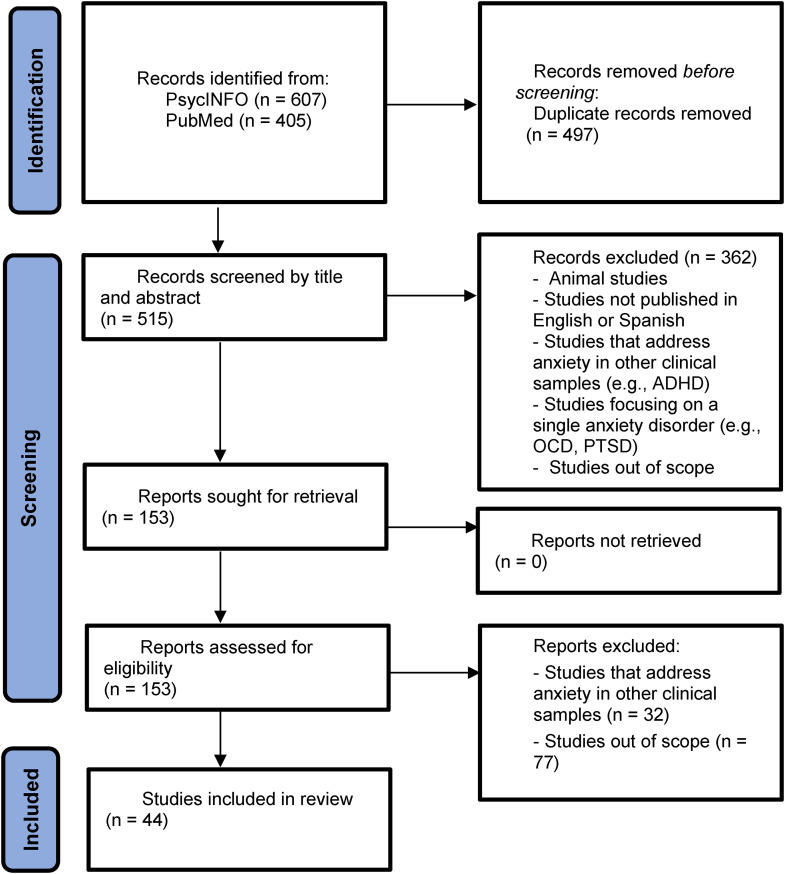
- The review included 44 studies out of 1012 initially identified; 31 were empirical/quantitative studies and 13 were reviews.
- Studies were grouped into psychosocial factors (n = 21), biological factors (n = 16), and comorbidity (n = 7).
- Among psychosocial factors, masculinity/instrumentality was described as a protective factor, while femininity could be a risk factor; variables such as rumination, neuroticism, behavioral inhibition, worry, anxiety sensitivity, trauma, and low self-esteem were positively correlated with anxiety.
- For comorbidity, the review reports that women more often had anxiety with depressive/internalizing disorders, whereas men more often had anxiety with externalizing disorders such as substance abuse, ADHD, and intermittent explosive disorder.
- The paper also notes that, in one cited study, the gender gap in any anxiety disorder prevalence was 18.8% in women vs 9.4% in men in southern European countries with high female unemployment.
## Methods
- Systematic review conducted according to PRISMA; searches ran December 2021 to February 2022 in PsycINFO and PubMed.
- Included empirical and review studies published 2008–2021 in Spanish or English that examined prevalence differences, explanatory psychosocial/biological factors, or comorbidity differences between men and women.
- Study selection and quality assessment were done by two independent researchers, with disagreement resolved by a third researcher; the synthesis was narrative/qualitative and quality was assessed with an adaptation of QualSyst.
## Limitations
- The paper states that the number of databases consulted was limited.
- It also states that the absence of qualitative studies may limit the variety of results, and that the English/Spanish-only restriction may have introduced language bias and skewed the sample toward Western countries.
- Evident from the text: the review is based on a narrative synthesis rather than a meta-analysis, so it does not report a pooled effect estimate or formal quantitative comparison across studies.
Model-written summary. Check it against the paper before relying on it.
Integrity signals
Registry
Cites
Statistics
Figures
Verification
Claims the paper makes
30 Valid · 6 Not valid · 49 Not checked · 39 Own results and interpretations
At least one cited source doesn’t support this claim or points to a different paper, and none confirmed it — see the verdicts below.
In the paper
“These studies found a relationship between gender roles and anxiety. 54”
§ Factors associated with gender and sex differences in anxiety prevalence and comorbidity: A systematic review > Results > Qualitative narrative synthesis
What the sources say
- Disputedcites [54] * Seedat S Scott KM Angermeyer MC, et al. Cross-national associations between gender and mental disorders in the World Health Organization World Mental Health Surveys. Arch Gen Psychiatry 2009; 66: 785– 795. 19581570 PMC2810067 sourceExperimental — accuracy not yet measured
The COMMENT section (page not provided) says gender differences in anxiety remained relatively stable despite substantial changes in female gender roles. The paper found an association with gender-role traditionality for major depression and substance disorders, not anxiety; its findings therefore run contrary to the attributed relationship in the context it studied. (LLM, conf=0.86)
Checked by a reasoning model — may be wrong.
plainstates an association- Asserted: passes — The authors put it forward as true.
- Checkable: passes — It can be checked against evidence.
- Load-bearing: passes — The paper’s conclusions depend on it.
- Based: passes — The paper gives a reason why it holds.
- Disputed
The cited sources support only part of this claim — read each source’s verdict below.
In the paper
“other studies revealed that femininity accompanied by low self-esteem favored the development of anxiety.49,70”
§ Factors associated with gender and sex differences in anxiety prevalence and comorbidity: A systematic review > Results > Qualitative narrative synthesis
What the sources say
- Partly supportedcites [49] * McLean CP Asnaani A Litz BT, et al. Gender differences in anxiety disorders: prevalence, course of illness, comorbidity and burden of illness. J Psychiatr Res 2011; 45: 1027– 1035. 21439576 PMC3135672 sourceExperimental — accuracy not yet measured
The Discussion links gender-related factors to anxiety and describes anxiety as more consistent with a feminine than a traditional masculine gender role. It does not identify low self-esteem as part of that association or establish that femininity combined with low self-esteem favors the development of anxiety; the Discussion also says the study’s cross-sectional design precludes causal analysis. (LLM, conf=0.78)
- Not checked — no full text of the sourcecites [70] * McLean CP Anderson ER. Brave men and timid women? A review of the gender differences in fear and anxiety. Clin Psychol Rev 2009; 29: 496– 505. 19541399 source
plainstates a cause- Asserted: passes — The authors put it forward as true.
- Checkable: passes — It can be checked against evidence.
- Load-bearing: unclear — It is unclear whether the paper’s conclusions depend on it.
- Based: passes — The paper gives a reason why it holds.
- Partly supported
The cited sources that could be checked couldn’t confirm or dispute this claim.
In the paper
“With respect to femininity, the results showed contradictory information. While there are studies that have not found a relationship between femininity and anxiety, 64 other studies revealed that femininity accompanied by low self-esteem favored the development of anxiety.49,70”
§ Factors associated with gender and sex differences in anxiety prevalence and comorbidity: A systematic review > Results > Qualitative narrative synthesis
What the sources say
- Could not verifycites [64] * Donner NC Lowry CA. Sex differences in anxiety and emotional behavior. Pflugers Arch 2013; 465: 601– 626. 23588380 PMC3805826 sourceExperimental — accuracy not yet measured
The section on human gender differences in anxiety reports differences between women and men, not findings about femininity as a trait. Searches for femininity, low self-esteem, and their relationship to anxiety found no passage addressing the claimed contradictory evidence. No page number was available in our copy. (LLM, conf=0.74)
- Could not verifycites [49] * McLean CP Asnaani A Litz BT, et al. Gender differences in anxiety disorders: prevalence, course of illness, comorbidity and burden of illness. J Psychiatr Res 2011; 45: 1027– 1035. 21439576 PMC3135672 sourceExperimental — accuracy not yet measured
The Discussion (page unavailable) suggests anxiety may be more consistent with a feminine than a masculine gender role, but it does not describe contradictory findings about the relationship between femininity and anxiety. Searches for femininity, low self-esteem, and feminine gender roles found no passage comparing studies that did and did not find that relationship. (LLM, conf=0.74)
- Not checked — no full text of the sourcecites [70] * McLean CP Anderson ER. Brave men and timid women? A review of the gender differences in fear and anxiety. Clin Psychol Rev 2009; 29: 496– 505. 19541399 source
plain- Asserted: passes — The authors put it forward as true.
- Checkable: passes — It can be checked against evidence.
- Load-bearing: unclear — It is unclear whether the paper’s conclusions depend on it.
- Based: passes — The paper gives a reason why it holds.
- Could not verify
The cited sources that could be checked couldn’t confirm or dispute this claim.
In the paper
“Therefore, instrumentality mediates between anxiety and gender, not biological sex.”
§ Factors associated with gender and sex differences in anxiety prevalence and comorbidity: A systematic review > Results > Qualitative narrative synthesis
What the sources say
- Could not verifycites [64] * Donner NC Lowry CA. Sex differences in anxiety and emotional behavior. Pflugers Arch 2013; 465: 601– 626. 23588380 PMC3805826 sourceExperimental — accuracy not yet measured
The Conclusions discuss biological sex and gender identity in relation to anxiety, but do not address instrumentality or mediation. Searches for instrumentality and masculine traits found no passage supporting the claimed distinction between gender and biological sex. (LLM, conf=0.76)
plainstates a cause- Asserted: passes — The authors put it forward as true.
- Checkable: passes — It can be checked against evidence.
- Load-bearing: passes — The paper’s conclusions depend on it.
- Based: passes — The paper gives a reason why it holds.
- Could not verify
Every source the paper cites for this claim was checked and supports it.
In the paper
“These findings offer further evidence that traditional socialization appears to be more advantageous for men in terms of health, whereas with regard to the expected gender roles in society, women are more likely to suffer from mental health problems, particularly stress and anxiety. 78”
§ Factors associated with gender and sex differences in anxiety prevalence and comorbidity: A systematic review > Discussion > Psychosocial factors
What the sources say
- Supportedcites [78] Mayor E. Gender roles and traits in stress and health. Front Psychol 2015; 6: 79. 26106354 PMC4460297 source
The Discussion and Conclusion explicitly says the literature reviewed supports the proposition that traditional socialization is advantageous for men in terms of health, including their exposure and reactions to stressors. (LLM, conf=0.95)
hedgedstates a possible cause- Asserted: passes — The authors put it forward as true.
- Checkable: passes — It can be checked against evidence.
- Load-bearing: unclear — It is unclear whether the paper’s conclusions depend on it.
- Based: passes — The paper gives a reason why it holds.
- Supported
49 more claims · 12 with their cited sources checked
Create a free account to see all 124 claims and to verify the 17 references still open.
- It may state two separate claims as one. 32
- Probably not a substantial claim. 46
Claims other papers make about this one
Each is checked against this paper’s own text: does it say what the citing paper says it does?
The source backs part of the claim, not all of it — or backs it for a different population, condition or comparison.
In the citing paper
“These observations in relation to anxiety, depression, and PTSD mirror the often replicated finding of similar sex differences in the general population (Christiansen & Berke, 2020; Farhane-Medina et al., 2022; Tolin & Foa, 2006).”
From An examination of psychological distress and moral injury in journalists exposed to online harassment (2025) · cites this paper as Farhane-Medina et al., 2022
Experimental — accuracy not yet measured
Citations
Cites
Preferred reporting items for systematic reviews and meta-analyses: The PRISMA statement
Moher, D., Liberati, A., Tetzlaff, J., Altman, D. G., & the PRISMA Group* (2009) · Annals of Internal Medicine · doi:10.7326/0003-4819-151-4-200908180-00135 · Cited by 37,554
The Need for a New Medical Model: A Challenge for Biomedicine
Engel, G. L. (1977) · Science · doi:10.1126/science.847460 · Cited by 12,887
Handbook of socialization theory and research
Grusec, J. E., & Hastings, P. D. (2007) · Cited by 5,003
Siddaway, A. P., Wood, A. M., & Hedges, L. V. (2019) · Annual Review of Psychology · doi:10.1146/annurev-psych-010418-102803 · Cited by 2,550 · cited 2×
“Suggestions from Siddaway et al.(28) were also considered for reporting this research.”
BackgroundMcLean, C. P., Asnaani, A., Litz, B. T., & Hofmann, S. G. (2011) · Journal of Psychiatric Research · doi:10.1016/j.jpsychires.2011.03.006 · Cited by 2,519 · cited 2×
“While there are studies that have not found a relationship between femininity and anxiety,(64) other studies revealed that femininity accompanied by low self-esteem favored the development of anxiety.(49,70) This latter finding relates to studies that examined the relationship between anxiety and gender based on psych…”
BackgroundResultSex and Gender Equity in Research: rationale for the SAGER guidelines and recommended use
Heidari, S., Babor, T. F., De Castro, P., Tort, S., & Curno, M. (2016) · Research Integrity and Peer Review · doi:10.1186/s41073-016-0007-6 · Cited by 2,184
Epidemiology of anxiety disorders in the 21st century
Bandelow, B., & Michaelis, S. (2015) · Dialogues in Clinical Neuroscience · doi:10.31887/dcns.2015.17.3/bbandelow · Cited by 2,079 · cited 1×
“Furthermore, another relevant aspect for mental health and, specifically, for anxiety disorders is that comorbidity is the rule rather than the exception.(25,26) However, little is known about how these gender and sex differences have been studied regarding anxiety and related mental health comorbidities.”
BackgroundStandard Quality Assessment Criteria for Evaluating Primary Research Papers from a Variety of Fields
Kmet, L. M., Cook, L. S., & Lee, R. C. (2004) · University of Alberta Library · doi:10.7939/r37m04f16 · Cited by 1,682
Seedat, S., Scott, K. M., Angermeyer, M. C., Berglund, P., Bromet, E. J., Brugha, T. S., Demyttenaere, K., de Girolamo, G., Haro, J. M., Jin, R., et al. (2009) · Archives of General Psychiatry · doi:10.1001/archgenpsychiatry.2009.36 · Cited by 1,518 · cited 3×
“Psychosocial factors The results seem to indicate that gender socialization is, at least in part, responsible for the development of the psychosocial characteristics that act as risk factors for women and protective factors for men in the onset and course of anxiety.(44,54,56,59,64,70) The psychosocial factors highlig…”
BackgroundSex differences in anxiety and depression clinical perspectives
Altemus, M., Sarvaiya, N., & Neill Epperson, C. (2014) · Frontiers in Neuroendocrinology · doi:10.1016/j.yfrne.2014.05.004 · Cited by 1,413 · cited 1×
“Our results complement and expand the findings of recent reviews that address this topic by focusing only on biological factors,(21,74) those that consider gender-sex differences but only in a specific anxiety disorder,(74,75) or those that do not clearly distinguish between gender and sex differences.(23) A novel con…”
Result
Research works printed but not linked: 5
- Sánchez T. Políticas sanitarias e igualdad entre mujeres y hombres. Rev Bioet Derecho 2018; 43: 179– 192.
- Rippon G. The gendered brain: the new neuroscience that shatters the myth of the female brain. London, UK: Random House, 2019.
- Contreras-Merino AM Farhane-Medina NZ Castillo-Mayén R, et al. Terapia feminista como propuesta de intervención psicológica para la depresión de género. In: García-Torres F Alós FJ Farhane-Medina NZ Maldonado MA Castillo-Mayén R (eds) Psicología General Sanitaria: intervención psicológica para el abordaje de la depresión en población general y específica. Cantabria, Spain: Mora-Mora, 2018, pp. 106– 140.
- Signani F. How gender affects the relationship between physician and patient. Ital J Gend-Specif Med 2017; 3: 160– 161.
- Brown LS. Feminist therapy. 1st ed. Washington, DC: American Psychological Association; 2009.
Cited by
Chen, S., Huang, W., Zhang, M., Song, Y. H., Zhao, C., Sun, H., Wang, Y., Wang, J., Sun, Y., Zhou, L., et al. (2024) · EClinicalMedicine · doi:10.1016/j.eclinm.2024.103014 · Cited by 80
Potential Differences in Psychedelic Actions Based on Biological Sex
Shadani, S., Conn, K., Andrews, Z. B., & Foldi, C. J. (2024) · Endocrinology · doi:10.1210/endocr/bqae083 · Cited by 66
“Among the psychiatric conditions currently being studied in psychedelic research, the heightened prevalence of anxiety and depression in women is linked to the fluctuation of hormones such as estrogen, progesterone, and oxytocin (26-28).”
BackgroundShawon, M. S. R., Hossain, F. B., Hasan, M., & Rahman, M. R. (2024) · Cambridge Prisms Global Mental Health · doi:10.1017/gmh.2024.37 · Cited by 68
Oh, J., Lee, W., Ki, S., Suh, J., Hwang, S., & Lee, J. H. (2024) · Medicina · doi:10.3390/medicina60030403 · Cited by 45
“Among the psychosocial factors analyzed, masculinity might be a protective factor against anxiety development, while femininity is the opposite [28].”
BackgroundAmiri, S., Mahmood, N., Javaid, S. F., & Khan, M. A. (2024) · Healthcare · doi:10.3390/healthcare12222263 · Cited by 59
Quiroga, A. R., Loray, J. S. P., Moreno‐Poyato, A. R., Roldán-Merino, J. F., Botero, C., Bongiardino, L., Aufenacker, S. I., Stanley, S. K., Costa, T. F. O., Luís, S., et al. (2024) · BMC Psychology · doi:10.1186/s40359-024-01737-2 · Cited by 47
“Farhane-Medina et al. [59] add that men undergo socialisation to restrain their emotions and adopt a proactive, problem-solving approach.”
BackgroundCoppens, E., Hogg, B., Greiner, B. A., Paterson, C., de Winter, L., Mathieu, S. L., Cresswell‐Smith, J., Aust, B., Leduc, C., Audenhove, C. V., et al. (2023) · Journal of Occupational Medicine and Toxicology · doi:10.1186/s12995-023-00378-2 · Cited by 47
“Women are at greater risk of suffering from depressive and anxiety disorders than men [18], which may partially be due to women being at increased risk of trauma and exposure to psychosocial risks such as sexual harassment in the workplace [7], which has been shown to nearly triple the risk of…”
BackgroundDongjun, Z., Mingyue, W., Xinqi, L., Lina, W., Wu, J., & Mengyao, J. (2025) · Journal of Affective Disorders · doi:10.1016/j.jad.2025.119491 · Cited by 38
Neyazi, A., Mohammadi, A. Q., Razaqi, N., Rahimi, B. A., Sifat, S., Rahimy, N., Tareen, Z., Mehmood, Q., Satapathy, P., & Griffiths, M. D. (2024) · Discover Mental Health · doi:10.1007/s44192-024-00090-5 · Cited by 33
Reangsing, C., Trakooltorwong, P., Maneekunwong, K., Thepsaw, J., & Oerther, S. E. (2023) · BMC Complementary Medicine and Therapies · doi:10.1186/s12906-023-04102-9 · Cited by 35
“Although gender difference might be a related factor of anxiety disorder [81, 82], most primary research teams were not report the number of participants in each gender result to a limiting for subgroup analysis to explore how gender affects to the ES.”
BackgroundSubramaniam, M., Vaingankar, J. A., Tan, B., Abdin, E., Chang, S. H. S., Tan, Y., Samari, E., Archana, S., Chua, Y., Lee, J., et al. (2025) · Asian Journal of Psychiatry · doi:10.1016/j.ajp.2025.104405 · Cited by 28
Global Prevalence of Anxiety in Adult Cardiology Outpatients: A Systematic Review and Meta-analysis
Storer, B., Kershaw, K. A., Braund, T. A., Chakouch, C., Coleshill, M. J., Haffar, S., Harvey, S. B., Newby, J. M., Sicouri, G., & Murphy, M. (2023) · Current Problems in Cardiology · doi:10.1016/j.cpcardiol.2023.101877 · Cited by 30
Depression, Anxiety, and Suicide Among Adolescents: Sex Differences and Future Perspectives
Toro, G. V. R., Arias, P., de la Torre‐Luque, A., Singer, J. B., & Lagunas, N. (2025) · Journal of Clinical Medicine · doi:10.3390/jcm14103446 · Cited by 51
Relationship Between Family and Friend Support and Psychological Distress in Adolescents
Fitzpatrick, M. M., Anderson, A. M., Browning, C. R., & Ford, J. L. (2024) · Journal of Pediatric Health Care · doi:10.1016/j.pedhc.2024.06.016 · Cited by 40
Gender Differences in Fears Related to Low-Risk Papillary Thyroid Cancer and Its Treatment
Sawka, A. M., Ghai, S., ROTSTEIN, L. E., Irish, J. C., Pasternak, J. D., Gullane, P. J., Monteiro, E., Zahedi, A., Gooden, E. A., Eskander, A. E., et al. (2023) · JAMA Otolaryngology–Head & Neck Surgery · doi:10.1001/jamaoto.2023.1642 · Cited by 20
Alqaderi, N., Elamin, A. B. A., Abdelmonem, K. Y. A., Teir, H. J., & Andrade, G. E. (2023) · BMC Psychology · doi:10.1186/s40359-023-01320-1 · Cited by 31
Mental health across two years of the COVID-19 pandemic: a 5-wave longitudinal study in Germany
Weber, M., Burchert, S., Sijbrandij, M., Patanè, M., Pinucci, I., Renneberg, B., Knaevelsrud, C., & Schumacher, S. (2023) · Frontiers in Psychiatry · doi:10.3389/fpsyt.2023.1229700 · Cited by 25
Anxiety, depression and acromegaly: a systematic review
Silvestro, O., Lund-Jacobsen, T., Ferraù, F., Blanca, E. S., Catalano, A., Sparacino, G., Schwarz, P. P., Cannavò, S., & Martino, G. (2024) · Journal of Endocrinological Investigation · doi:10.1007/s40618-024-02483-3 · Cited by 20
“In this regard, recent systematic reviews and meta-analyses reported a commonly high rate of depres - sion in older patients [138], with heterogenous data in rela - tion to gender, with variably higher rates of depression in females or males [139 , 140 ].”
Dost, G. (2025) · Frontiers in Psychology · doi:10.3389/fpsyg.2025.1481328 · Cited by 51
Warren, A., & Frame, L. A. (2025) · Nutrients · doi:10.3390/nu17152466 · Cited by 27
“Importantly, there are major sex and gender differences in stress-related disorders, disproportionately affecting women more than men [24].”
Hilal, S., Kolozsvári, L. R., Indrayathi, P. A., Saeed, S., & Rurik, I. (2024) · Nutrients · doi:10.3390/nu16020241 · Cited by 17
“This may be attributed to the biological, hormonal, and psychosocial differences between males and females [34].”
BackgroundSilexan in anxiety, depression, and related disorders: pharmacological background and clinical data
Kasper, S. F., & Eckert, A. (2024) · European Archives of Psychiatry and Clinical Neuroscience · doi:10.1007/s00406-024-01923-8 · Cited by 19
“Given the relatively high prevalence of anxiety and depression in younger women [74, 86 ], it is reassuring that no indications for interactions between silexan and oral contraceptives have been observed [73].”
Chaudhary, S., Wong, H. K., Chen, Y. S., Zhang, S., & Li, C. R. (2024) · Biology of Sex Differences · doi:10.1186/s13293-024-00591-6 · Cited by 17
“The US National Institute of Mental Health reports a 60% higher lifetime prevalence of anxiety disorders in women compared to men, and highlights sex differences in the onset, severity, clinical course, and treat-ment response in anxiety disorders [1–3].”
BackgroundAvramut, R., Talpoş, Ş., Szuhanek, C. A., Pricop, M. O., Talpos, R., Hajaj, T., Nikolajevic-Stoican, N., Maracineanu, R., Ghircau-Radu, R., & Popa, M. (2023) · Journal of Clinical Medicine · doi:10.3390/jcm12227161 · Cited by 17
Fear of Cancer Recurrence in Patients with Sarcoma in the United Kingdom
Petrella, A. R., Storey, L., Hulbert-Williams, N., Fern, L. A., Lawal, M., Gerrand, C., Windsor, R. E., Woodford, J., Bradley, J., O’Sullivan, H., et al. (2023) · Cancers · doi:10.3390/cancers15030956 · Cited by 16
“Furthermore, a higher prevalence of anxiety has been noted in females [39]; thus, FCR, a form of state anxiety, may also be associated with differences in gender.”
BackgroundTrait anxiety is associated with attentional brain networks
la Peña‐Arteaga, V. D., Chavarría-Elizondo, P., Juaneda‐Seguí, A., Martínez‐Zalacaín, I., Morgado, P. F., Menchón, J. M., Picó‐Pérez, M., Fullana, M. A., & Soriano‐Mas, C. (2024) · European Neuropsychopharmacology · doi:10.1016/j.euroneuro.2024.02.013 · Cited by 20
Zhao, M., Kadir, N. B. A., & Razak, M. A. A. (2024) · Behavioral Sciences · doi:10.3390/bs14090819 · Cited by 37
“Additionally, women tend to suffer more from internalizing disorders like depression due to factors like brain structure, genetic influences, and hormonal fluctuations, while men are more prone to externalizing disorders like substance abuse [80].”
BackgroundÇol, B. K., Başaran, A. G., & Köse, B. G. (2025) · Journal of Multidisciplinary Healthcare · doi:10.2147/jmdh.s513017 · Cited by 20
“102 In conclusion, it can be said that biological, psychosocial and cultural factors are effective in making women more vulnerable to experiencing health anxiety.”
Nassar, M. K., Nagy, E., Elshial, M. M., Samy, M. M., Eltamaly, M. A., Elfarahati, M. N., & Tharwat, S. (2025) · BMC Nephrology · doi:10.1186/s12882-025-04418-3 · Cited by 20
“This aligns with broader literature indicating that women are more susceptible to anxiety disorders due to biological, hormonal, and sociocultural factors [25].”
Benedetto, L. D., Pinto, M., Ieritano, V., Lisci, F. M., Monti, L., Marconi, E., Chieffo, D. P. R., Montanari, S., Kotzalidis, G. D., Sani, G., et al. (2025) · Journal of Clinical Medicine · doi:10.3390/jcm14062030 · Cited by 15
Dong, M., Lu, W., Zeng, X., Yang, Y., Liao, D., Hou, C., Zheng, H., & Wang, S. (2025) · Journal of Affective Disorders · doi:10.1016/j.jad.2025.03.026 · Cited by 19
New cut-off points of PHQ-9 and its variants, in Costa Rica: a nationwide observational study
González-Sánchez, A., Moreno, R. O., Barahona, G. V., Vargas, E. C., Arias‐LeClaire, H., & Vicente‐Galindo, P. (2023) · Scientific Reports · doi:10.1038/s41598-023-41560-0 · Cited by 13
“There are sexual differences in the comorbidity of mental disorders, since women tend to internalize disorders, while men tend to develop external disorders such as substance misuse 6 .”
Gu, X., Si, J.-J., Shan, X., Gao, W., & Liu, X. (2025) · Journal of Assisted Reproduction and Genetics · doi:10.1007/s10815-025-03526-1 · Cited by 15
“The prevalence of anxiety, depression and stress seems to be higher in women, which may reflect the established gender gap between anxiety, depression and stress symptoms [66, 67].”
Wu, D., Shi, Z., Wu, C., Sun, W., & Jin, G. (2024) · Frontiers in Public Health · doi:10.3389/fpubh.2024.1368752 · Cited by 14
Trends in the disease burden of anxiety disorders in middle-aged and older adults in China
Zhi, Z., Shi, Y., Yijuan, H., Jiahuan, Z., Xiaohan, J., & Chen, D. (2024) · BMC Psychology · doi:10.1186/s40359-024-01575-2 · Cited by 15
“In addition, some pathophysiological pathways (e.g., the sex-microbiota-gut-brain axis) may also explain these differences [31–33] (Shobeiri et al., 2022; Farhane-Medina et al., 2022; Pavlidi et al., 2022).”
BackgroundDepression and bedtime procrastination: Chain mediation of brooding and perceived stress
Hou, X., & Hu, J. (2023) · Heliyon · doi:10.1016/j.heliyon.2023.e22672 · Cited by 16
“As anxiety and depression are comorbid [58], how the BP caused by depression is affected by anxiety needs to be explored.”
BackgroundKalagy, T., Braun‐Lewensohn, O., & Abu‐Kaf, S. (2025) · Psychiatry Research · doi:10.1016/j.psychres.2025.116491 · Cited by 13
Ye, X., Yang, G., Zhang, W., Toussaint, L. L., & Zhao, F. (2025) · BMC Nursing · doi:10.1186/s12912-024-02661-x · Cited by 17
“In studies that consider biological factors, the influence of brain structure, genetic factors, and sex hormone fluctuation factors enhance female anxiety tendency [48].”
Li, S., Rong, X., Wang, C., Li, C., Liu, Q., Zhang, Y., Liu, Z., Zhang, L., & Zhang, M. (2024) · Frontiers in Psychology · doi:10.3389/fpsyg.2024.1467830 · Cited by 19
Cipolla, S., Catapano, P., Bonamico, A. F., Santis, V. D., Murolo, R., Romano, F., Volpicelli, A., Perris, F., Schiavo, A. L., Fabrazzo, M., et al. (2024) · Brain Sciences · doi:10.3390/brainsci14090865 · Cited by 19
“These findings are consistent with existing literature that indicates gender and physical activity levels as critical determinants of mental health in chronic illness [18,61–65].”
ResultDavid, L., Ismaiel, A., Foucambert, P., Leucuta, D., Popa, S., Stănculete, M. F., & Dumitrascu, D. L. (2024) · Journal of Clinical Medicine · doi:10.3390/jcm13154475 · Cited by 20
Chaudhary, S., Hu, S., Hu, K., Dominguez, J. C., Chao, H. H., & Li, C. R. (2023) · Journal of Affective Disorders Reports · doi:10.1016/j.jadr.2023.100646 · Cited by 16
Taha, P. H., Tahir, A. I., Ahmed, F., Radha, R. H., Taha, A., & Slewa‐Younan, S. (2023) · International Journal of Environmental Research and Public Health · doi:10.3390/ijerph20136319 · Cited by 10
Why are women more fatigued than men? The roles of stress, sleep, and repetitive negative thinking
Golmohamadi, S., & Graham, B. M. (2025) · Psychology Health & Medicine · doi:10.1080/13548506.2025.2490212 · Cited by 15
“Women’s higher rates of depression and anxiety are well documented in the literature (Farhane-Medina et al., 2022; McLean et al., 2011; Salk et al., 2017).”
Todorov, J. J., Kohls, G., Pauli, R., Rogers, J. C., Bernhard, A., Ackermann, K., Raschle, N. M., Dugre, J. R., Fernández‐Rivas, A., Torres, M. Á. G., et al. (2024) · JCPP Advances · doi:10.1002/jcv2.12266 · Cited by 16
“And finally, since anxiety has a high rate of co-morbidity and is more prevalent in girls with more severe symptoms that manifest differently than for boys (Farhane ‐ Medina et al., 2022), there is a need to consider sex differences in assessment and treat-ment planning/intervention efforts.”
Correa, L., Albaladejo, A., & Curto, A. (2024) · BMC Oral Health · doi:10.1186/s12903-024-04464-7 · Cited by 9
“Sex has been reported to be an influential factor on anxiety in the general population [32].”
BackgroundThe prevalence of anxiety in respiratory and sleep diseases: A systematic review and meta-analysis
Storer, B., Holden, M., Kershaw, K. A., Braund, T. A., Chakouch, C., Coleshill, M. J., Haffar, S., Harvey, S. B., Sicouri, G., Newby, J. M., et al. (2024) · Respiratory Medicine · doi:10.1016/j.rmed.2024.107677 · Cited by 12
Sex differences in global metrics of brain size across the lifespan
Vucic, S. N., Georges, B., Frangou, S., Sadeghi, N., & White, T. W. T. (2026) · Frontiers in Neuroscience · doi:10.3389/fnins.2026.1646144 · Cited by 9
“…variety of neurodevelopmental and psychiatric disorders, including autism spectrum disorder (Ferri et al., 2018; McDonnell et al., 2021), schizophrenia (Abel et al., 2010), major depressive disorder (Essau et al., 2010), and several anxiety disorders (Farhane-Medina et al., 2022), to name a few.”
Feinstein, A., Storm, H., Mead, J., & Sharkey, A. (2025) · European Journal of Psychotraumatology · doi:10.1080/20008066.2025.2522501 · Cited by 11
“These observations in relation to anxiety, depression, and PTSD mirror the often replicated finding of similar sex differences in the general population (Christiansen & Berke, 2020; Farhane-Medina et al., 2022; Tolin & Foa, 2006).”
The second victim phenomenon´s impact in male and female healthcare workers: a scoping review
Neves, V. R., Pérez‐Jover, V., Gonçalves, G. C. D. S., Draganov, P. B., de Campos, L. M., Strametz, R., Sousa, P. J. D. S., Tella, S., & Mira, J. J. (2025) · International Journal for Quality in Health Care · doi:10.1093/intqhc/mzaf034 · Cited by 12
“Furthermore, studies suggest that masculinity traits (e.g. assertiveness and control) may serve as protective factors against anxiety, whereas femininity traits (e.g. emotional expressivity and dependency) have been linked to higher anxiety vulnerability [12].”
Ala, S. M. F., Ramos, F., & Relva, I. C. (2024) · European Journal of Investigation in Health Psychology and Education · doi:10.3390/ejihpe14080151 · Cited by 15
Sex/Gender Differences in Depression and Anxiety Disorders
Park, H. Y. (2024) · Springer eBooks · doi:10.1007/978-981-97-0130-8_21 · Cited by 14
Joyees, J., Marrie, R. A., Bernstein, C. N., Bolton, J. M., Fisk, J. D., Graff, L. A., Hitchon, C. A., Patten, S. B., Kowalec, K., & for the CIHR team in defining the burden and managing the effects of psychiatric comorbidity in chronic immunoinflammatory disease (2023) · Frontiers in Psychiatry · doi:10.3389/fpsyt.2023.1260420 · Cited by 8
Li, F., Chen, L., Huang, L., & Ma, S. (2025) · Frontiers in Psychology · doi:10.3389/fpsyg.2025.1477306 · Cited by 11
Beeching, F., Lecchi, A., & Riccitelli, G. C. (2025) · Therapeutic Advances in Neurological Disorders · doi:10.1177/17562864251344742 · Cited by 9
“Depression, anxiety, and fatigue are common comorbidities in MG, 18,25 which have also been recognized to disproportionately affect women in the general population, 26–28 potentially contributing to poorer QoL.”
Baroni, M., Valdrighi, G., Guazzini, A., & Duradoni, M. (2025) · Sustainability · doi:10.3390/su17136154 · Cited by 12
Evaluation of anxiety in a group of adult patients attending a dental surgery unit
Schemel-Suárez, M., Egido‐Moreno, S., Lizán, I. M., & López‐López, J. (2025) · BMC Oral Health · doi:10.1186/s12903-025-05606-1 · Cited by 8
“…since the serotonin pathway helps in mood regulation [26]), hormonal factors ( hormonal fluctuation in progesterone, estrogen and oxytocin [25]) and/or neu-roanatomic factors (in women the central left amygdala is activated with stimuli and negative emotion in contrast on men is activated…”
InfluentialAntabe, R., Antabe, G., Sano, Y., & Batung, E. S. (2025) · PLOS mental health. · doi:10.1371/journal.pmen.0000169 · Cited by 9
“Again, Farhane-Medina et al. [20] suggested that while masculinity is a protective factor, femineity may be a risk exposure to anxiety disorders.”
Zhang, N., Chen, S., Jiang, K., Ge, W. H., Im, H., Guan, S., Li, Z., Wei, C., Wang, P., Zhu, Y., et al. (2024) · Cerebral Cortex · doi:10.1093/cercor/bhae121 · Cited by 8
HAFIZLIK EĞİTİMİNİN BİREYİN DUYGU DURUMUNA ETKİSİ
BAKAÇ, Z., & Ulu, M. (2023) · Erciyes Akademi · doi:10.48070/erciyesakademi.1351183 · Cited by 8
Delussi, M. D., Piraino, G., Guérzoni, S., Castro, F. L., Sances, G., Guaschino, E., Vaghi, G., Grazzi, L., Sacco, S., Onofri, A., et al. (2023) · Neurological Sciences · doi:10.1007/s10072-023-07152-6 · Cited by 11
“The prevalence of anxiety in women has been referred to multiple factors, as hormonal, genetic, and psychosocial [31].”
How Anxious and Stressed Are Emerging Adults? The Role of Mindfulness and Intolerance of Uncertainty
Nekić, M. (2023) · Psych · doi:10.3390/psych5040068 · Cited by 13
Alwhaibi, M., & Balkhi, B. S. (2025) · BMC Public Health · doi:10.1186/s12889-025-23707-y · Cited by 12
“In addition to sociodemographic and the presence of chronic illnesses, biological factors such as hormonal fluctuations (e.g., estrogen and testosterone levels) may also play a role in the observed sex differences in mental HRQoL, as highlighted in prior research [33].”
López-Montón, M., Diego, G. A., & Estévez, A. (2025) · Personality and Individual Differences · doi:10.1016/j.paid.2025.113282 · Cited by 11
Kovács, K. E., Boris, P., & Nagy, B. E. (2025) · Children · doi:10.3390/children12050657 · Cited by 7
“Social norms, parenting patterns and gender roles may also influence this difference [59].”
Depression and Anxiety Among Dentists: A Systematic Review and Meta‐Analysis
Petrović, Z. K., Peraica, T., Blažev, M., et al. (2025) · Health Science Reports · doi:10.1002/hsr2.70786 · Cited by 6
Sex-specific regulation of microglial MyD88 in HMGB1-Induced anxiety phenotype in mice
Rawls, A., Dziabis, J. E., Nguyen, D. M., Anbarci, D. N., Clark, M., Zhang, G., Dzirasa, K., & Bilbo, S. D. (2025) · Neurobiology of Stress · doi:10.1016/j.ynstr.2025.100721 · Cited by 8
Measuring Debilitating and Facilitating Anxiety Within Nursing Simulation
Reed, J. M., Dodson, T. M., Phillips, L., & Petrinec, A. B. (2024) · Nursing Reports · doi:10.3390/nursrep15010001 · Cited by 8
“Previous research has reported higher levels of facilitating anxiety among males when compared to females [36,37], and females have been reported to have more overall anxiety than males due to psychosocial and biological factors [36,38].”
Sweetman, J., Stirland, L., Kanaan, M. N., Corley, J., Redmond, P. H., Deary, I. J., Cox, S. R., Russ, T. C., & Feltz-Cornelis, C. M. V. D. (2024) · International Journal of Geriatric Psychiatry · doi:10.1002/gps.6151 · Cited by 12
Association between commuting and mental health among Japanese adolescents
Nakajima, S., Otsuka, Y., Itani, O., Kaneko, Y., Suzuki, M., & Kaneita, Y. (2024) · Psychiatry and Clinical Neurosciences · doi:10.1111/pcn.13714 · Cited by 14
“35,52 This difference may be attributed to the fact that females are more vulnerable to stress.”
Myrissa, K., Court, C., & Kelaiditi, E. (2024) · Nutrition Bulletin · doi:10.1111/nbu.12694 · Cited by 8
Majors unleashed: unravelling students’ personality profiles across academic disciplines
Kokkinos, C. M., Antoniadou, N., & Voulgaridou, I. (2024) · Current Psychology · doi:10.1007/s12144-024-05721-2 · Cited by 13
“The socialization process may result in women showcasing a spectrum of coping strategies, influ - encing their representation in different personality profiles (Farhane-Medina et al., 2022 ).”
Mohamed, N. F., Ting, T. J., Manan, N. A., Senari, I. F. M., Chan, M. F. M. F., Rahmatullah, B., Govindasamy, P., & Abdulla, K. (2024) · Clinical Child Psychology and Psychiatry · doi:10.1177/13591045231206967 · Cited by 13
“…highlights gender differences in self-development through interpersonal interactions (Cross & Madson, 1997), and biological factors (Asher et al., 2017; Cahill, 2006; Donner & Lowry, 2013; Farhane-Medina et al., 2022; McLean & Anderson, 2009; Stevens & Hamann, 2012), could underlie these fi ndings.”
Worst, H., Adams, K., & Thompson, A. (2023) · Journal of Physical Therapy Education · doi:10.1097/jte.0000000000000317 · Cited by 10
“33 Estrogen hormonal fl uctua-tions may also play a role in women ’ s vulnerability to anxiety.”
BackgroundBarnhart, W. R., Dial, L. A., Jordan, A. K., Studer-Perez, E. I., Kalantzis, M. A., & Musher‐Eizenman, D. R. (2023) · Journal of American College Health · doi:10.1080/07448481.2023.2245912 · Cited by 8
Alguwaihes, A. M. (2025) · Journal of Clinical Medicine · doi:10.3390/jcm14165777 · Cited by 8
“Comparison with non-T1D populations shows similar gender patterns, with females reporting higher anxiety due to psychosocial factors, but T1D, as a chronic disease, adds illness-specific burdens like but not limited to caregiver stress [9,11,12].”
InfluentialNurses' Knowledge and Anxiety About Human Monkeypox Virus Infection: A Cross‐Sectional Study
Karacan, Y., Bayram, R., & Budak, S. (2025) · Nursing and Health Sciences · doi:10.1111/nhs.70162 · Cited by 5
“Additionally, biopsychosocial factors contribute to increased anxiety and stress levels in women compared to men (Farhane-Medina et al. 2022).”
Pinquart, M., & Thorwarth, A. (2025) · Journal of Pediatric Psychology · doi:10.1093/jpepsy/jsaf048 · Cited by 10
The Development of an Employment Anxiety Scale for Chinese College Graduates
Wang, W., & Hu, Y. (2025) · Health & Social Care in the Community · doi:10.1155/hsc/9964482 · Cited by 8
“Te results showed that female graduates exhibited higher anxiety levels than males, consistent with other studies [9] and the higher incidence of psychological disorders in women [30, 31], possibly due to greater sensitivity and gender bias in the job market.”
Sex Differences in Pain Scores and Medication Consumption for Chronic Non-Cancer Pain
Branger, A. G., Morales, S. D., Adkisson, F., & Knežević, N. N. (2024) · Diseases · doi:10.3390/diseases12120314 · Cited by 10
Akıl, A. M., Watty, M., Cserjési, R., & Logemann, H. N. A. (2024) · Applied Neuropsychology Adult · doi:10.1080/23279095.2024.2425361 · Cited by 8
Salehi, M., Saeidi, M., Kasulis, N., Barias, T., Kainth, T., & Gunturu, S. (2024) · Healthcare · doi:10.3390/healthcare12212102 · Cited by 5
Library Anxiety Among Undergraduate Students with Visual Disabilities
Hasanah, A. K. U., Mutia, F., & Salleh, N. (2024) · The International Journal of Information Diversity & Inclusion (IJIDI) · doi:10.33137/ijidi.v8i2.42331 · Cited by 7
Abelaira, H. M., de Moura, A. B., Cardoso, M. M., Pieri, E. D., Abel, J. S., Luiz, G. P., Sombrio, E. M., Borghezan, L. A., Anastacio, R. S., Cruz, L. A. X., et al. (2023) · Pharmacology Biochemistry and Behavior · doi:10.1016/j.pbb.2023.173661 · Cited by 7
Mao, B., Kanjanarat, P., Wongpakaran, T., et al. (2023) · Preprints.org · doi:10.20944/preprints202306.0518.v1 · Cited by 5
Deng, Y., Cai, W., Chen, Q., Yang, X., Yang, H., Yw, H., Zhao, Y., Chen, H., Li, G., & Yuan, K. (2026) · Social Psychiatry and Psychiatric Epidemiology · doi:10.1007/s00127-025-03042-8 · Cited by 6
Lin, W., Liu, L., & Faridniya, H. (2025) · Acta Psychologica · doi:10.1016/j.actpsy.2025.106088 · Cited by 7
Lin, B., Tang, J. P., Liang, W., et al. (2025) · Frontiers in Psychiatry · doi:10.3389/fpsyt.2025.1679419 · Cited by 4
Domanico, M., Stevens, S., Wainston, I., Khoo, E., McCall, C., Swack, B. D., & Sachs, B. D. (2025) · Frontiers in Behavioral Neuroscience · doi:10.3389/fnbeh.2025.1649660 · Cited by 4
Kertmen, Ö., Çoksevim, M., Çakmak, A., Kertmen, T., & İliş, D. (2025) · BMC Cardiovascular Disorders · doi:10.1186/s12872-025-05073-0 · Cited by 7
“Post-ACS, women are at increased risk for anxiety and depression, influenced by gender-specific social roles, cultural norms, limited societal support, and reduced help-seeking behaviors [6, 7].”
Rees, S. J., Whitten, T., Tay, A. K., Suomi, A., Moussa, B., Hassoun, F., Nadar, N., & Silove, D. M. (2025) · The Lancet Regional Health - Western Pacific · doi:10.1016/j.lanwpc.2025.101639 · Cited by 8
Du, X., Jia, J., Duan, T., Tao, X., Li, J., Yalikun, S., Wu, H., Zhou, Z., & Ren, Z. (2025) · Journal of Research on Adolescence · doi:10.1111/jora.70046 · Cited by 4
González, A. G., Casado, A. M. M., & Gómez‐Polo, C. (2025) · Odontology · doi:10.1007/s10266-025-01117-1 · Cited by 6
“Studies have shown that people with anxiety are up to three times more likely to develop bruxism [62].”
Miqdadi, A. I., Chan, C. M., Alhadidi, M. M. B., Yoong, T. L., & Hui, K. O. (2025) · Journal of Psychosocial Nursing and Mental Health Services · doi:10.3928/02793695-20250217-05 · Cited by 6
Moudden, I. E., Bittner, M. L., Karpov, M. V., Osunmakinde, I. O., Acheamponmaa, A., Jackson-Nevels, B., Mbaye, M. T., Fields, T. L., Jordan, K., & Bahoura, M. J. (2025) · Scientific Reports · doi:10.1038/s41598-025-89579-9 · Cited by 5
Eide, L. S. P., Sandvik, R. K. N. M., Jorem, G. T., Boge, R. M., & Beisland, E. G. (2025) · Journal of Advanced Nursing · doi:10.1111/jan.16816 · Cited by 5
Unravelling Sex Differences in the Genetic Architecture of AnxietyPreprint
Hu, J., Lupton, M. K., Byrne, E. M., et al. (2025) · medRxiv · doi:10.1101/2025.02.09.25321968 · Cited by 3
Ramadan, B., & Waes, V. V. (2025) · Neurophysiologie Clinique · doi:10.1016/j.neucli.2025.103055 · Cited by 5
“The World Health Organization (WHO) estimates that around 3.8% and 4% of the general population currently suffer from depression and anxiety, respectively, with a higher prevalence among women than men [47,89, 133].”
InfluentialChen, H., Wang, Q., Zhu, J., Zhu, Y., Yang, F., Hui, J., Tang, X., & Zhang, T. (2025) · Journal of Affective Disorders · doi:10.1016/j.jad.2025.01.029 · Cited by 8
Zhu, X., & Lv, Q. (2025) · Health engineering. · doi:10.26599/he.2025.9460010 · Cited by 5
Metadata
- Authors
- Farhane-Medina, N. Z., Luque, B., Tabernero, C., & Castillo-Mayén, R.
- Affiliations
- Maimonides Biomedical Research Institute of Cordoba (IMIBIC), Cordoba, Spain
- Instituto Maimónides de Investigación Biomédica de Córdoba (ES)
- Universidad de Salamanca (ES)
- Corresponding author
- Luque, Bárbara
- Venue
- Science Progress
- Publisher
- SAGE Publications
- Published
- 2022-10
- Volume
- 105
- Issue
- 4
- Pages
- 368504221135469-368504221135469
- ISSN
- 0036-8504 (ISSN-L)
- 2047-7163
- PMC
- PMC10450496
- OpenAlex
- W4309072628
- Cited by
- 409
- References
- 98
- Citations by year
- 2026: 144 · 2025: 152 · 2024: 84 · 2023: 29
- FWCI
- 9.72
- Type
- journal article
- Language
- en
- Open access
- gold
- doi.org
- Licence
- Locations
- Science Progress (publishedVersion, cc-by-nc)
- PubMed Central (publishedVersion, cc-by-nc)
- PubMed (publishedVersion)
- Gredos (University of Salamanca) (publishedVersion, cc-by-nc-nd)
- DOAJ (DOAJ: Directory of Open Access Journals) (submittedVersion, cc-by-sa)
- Universidad de Córdoba Insitutional Repository (Universidad de Córdoba) (submittedVersion, cc-by-nc)
- Hispana (submittedVersion, cc-by-nc-nd)
- RISalud Institutional Health Repository of Andalucía (submittedVersion, cc-by-nc)
- Funders
- Ministerio de Economía y Competitividad (PSI2014–58609-R)
- Ministerio de Ciencia, Innovación y Universidades (PDI2019-107304RB-I00)
- Topics
- Social Sciences › Psychology › Experimental and Cognitive Psychology › Anxiety, Depression, Psychometrics, Treatment, Cognitive Processes
- Social Sciences › Psychology › Clinical Psychology › Child and Adolescent Psychosocial and Emotional Development
- Social Sciences › Gender Studies › Gender Roles and Identity Studies
- Keywords
- anxiety disorders, sex differences, gender differences, anxiety prevalence, anxiety comorbidity, psychosocial factors, biological factors, masculinity, femininity, brain structure, genetic factors, sex hormones, internalizing disorders, externalizing disorders, depression, substance abuse, biopsychosocial model
- MeSH terms
- Anxiety, Anxiety Disorders, Biological Factors, Female, Humans, Male, Sex Characteristics, Comorbidity, Prevalence
About these checks
Registry, retraction, Cites and statistics results are computed, not judged, with one exception: a printed reference that no index lists is read once by a model before it counts as a citation error. Claims are extracted by a model and kept only when their quote appears verbatim in the text; each cited source is then checked, with a model’s help, for whether it says what the claim relies on. Those verdicts can be wrong — read the claim’s quote and the cited source before relying on one.
The claim verdicts this report counts are experimental: their accuracy is not yet measured.
A language model drew the claims from the paper on 2026-10-10, under version 3 of the claim definition (model deepseek-v4.1-flash, prompt extract-v3).
A second model labelled each claim on 2026-10-10 (model jev-1.13-20260917, definition revision gold-guideline-v0.2).
Cited sources are checked with a language model’s help (gpt-6-sol).
Statistics and arithmetic are recomputed, not judged.
Confidence bands are shown only for fields calibrated on our annotated test set. None is calibrated yet, so no band is shown.
What counts as a claim ›How we measure confidence ›How we check this ›
Are you an author, or do you see a problem with this page? Request a review
Data sources
Bibliographic data: Semantic Scholar, OpenAlex, Crossref.
Contains information from the Semantic Scholar Academic Graph Datasets, made available under the ODC Attribution License (ODC-BY 1.0).
Semantic Scholar’s data is described in: Kinney, R., et al. (2023). The Semantic Scholar Open Data Platform. arXiv:2301.10140.
