

Factors associated with gender and sex differences in anxiety prevalence and comorbidity: A systematic review
Open accessThe DOI matches its Crossref record; 97 of the 98 references it cites were found in a registry or an index; 59 of the 138 sources its claims cite were checked for support.
Abstract
Systematic review of psychosocial and biological factors underlying sex and gender differences in anxiety.
Overview
CoChat Summary
## TL;DR
This systematic review synthesized 44 studies on why anxiety prevalence and comorbidity differ between women and men, using a biopsychosocial and gender perspective. It found that psychosocial factors, biological factors, and comorbidity patterns all help explain the gap, with women generally showing higher anxiety and internalizing comorbidity and men more externalizing comorbidity.
## Key findings
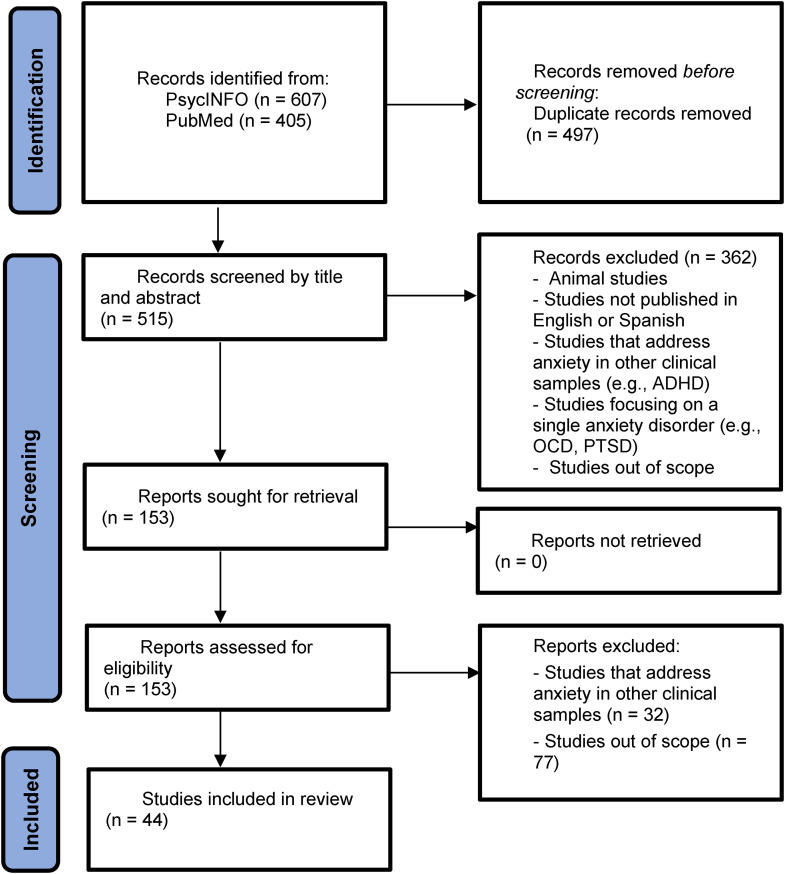
- The review included 44 studies out of 1012 initially identified; 31 were empirical/quantitative studies and 13 were reviews.
- Studies were grouped into psychosocial factors (n = 21), biological factors (n = 16), and comorbidity (n = 7).
- Among psychosocial factors, masculinity/instrumentality was described as a protective factor, while femininity could be a risk factor; variables such as rumination, neuroticism, behavioral inhibition, worry, anxiety sensitivity, trauma, and low self-esteem were positively correlated with anxiety.
- For comorbidity, the review reports that women more often had anxiety with depressive/internalizing disorders, whereas men more often had anxiety with externalizing disorders such as substance abuse, ADHD, and intermittent explosive disorder.
- The paper also notes that, in one cited study, the gender gap in any anxiety disorder prevalence was 18.8% in women vs 9.4% in men in southern European countries with high female unemployment.
## Methods
- Systematic review conducted according to PRISMA; searches ran December 2021 to February 2022 in PsycINFO and PubMed.
- Included empirical and review studies published 2008–2021 in Spanish or English that examined prevalence differences, explanatory psychosocial/biological factors, or comorbidity differences between men and women.
- Study selection and quality assessment were done by two independent researchers, with disagreement resolved by a third researcher; the synthesis was narrative/qualitative and quality was assessed with an adaptation of QualSyst.
## Limitations
- The paper states that the number of databases consulted was limited.
- It also states that the absence of qualitative studies may limit the variety of results, and that the English/Spanish-only restriction may have introduced language bias and skewed the sample toward Western countries.
- Evident from the text: the review is based on a narrative synthesis rather than a meta-analysis, so it does not report a pooled effect estimate or formal quantitative comparison across studies.
Model-written summary. Check it against the paper before relying on it.
Integrity signals
Registry
Cites
Statistics
Figures
Verification
Claims the paper makes
30 Valid · 6 Not valid · 49 Not checked · 39 Own results and interpretations
At least one cited source doesn’t support this claim or points to a different paper, and none confirmed it — see the verdicts below.
In the paper
“These studies found a relationship between gender roles and anxiety. 54”
§ Factors associated with gender and sex differences in anxiety prevalence and comorbidity: A systematic review > Results > Qualitative narrative synthesis
What the sources say
- Disputedcites [54] * Seedat S Scott KM Angermeyer MC, et al. Cross-national associations between gender and mental disorders in the World Health Organization World Mental Health Surveys. Arch Gen Psychiatry 2009; 66: 785– 795. 19581570 PMC2810067 sourceExperimental — accuracy not yet measured
The COMMENT section (page not provided) says gender differences in anxiety remained relatively stable despite substantial changes in female gender roles. The paper found an association with gender-role traditionality for major depression and substance disorders, not anxiety; its findings therefore run contrary to the attributed relationship in the context it studied. (LLM, conf=0.86)
Checked by a reasoning model — may be wrong.
plainstates an association- Asserted: passes — The authors put it forward as true.
- Checkable: passes — It can be checked against evidence.
- Load-bearing: passes — The paper’s conclusions depend on it.
- Based: passes — The paper gives a reason why it holds.
- Disputed
The cited sources support only part of this claim — read each source’s verdict below.
In the paper
“other studies revealed that femininity accompanied by low self-esteem favored the development of anxiety.49,70”
§ Factors associated with gender and sex differences in anxiety prevalence and comorbidity: A systematic review > Results > Qualitative narrative synthesis
What the sources say
- Partly supportedcites [49] * McLean CP Asnaani A Litz BT, et al. Gender differences in anxiety disorders: prevalence, course of illness, comorbidity and burden of illness. J Psychiatr Res 2011; 45: 1027– 1035. 21439576 PMC3135672 sourceExperimental — accuracy not yet measured
The Discussion links gender-related factors to anxiety and describes anxiety as more consistent with a feminine than a traditional masculine gender role. It does not identify low self-esteem as part of that association or establish that femininity combined with low self-esteem favors the development of anxiety; the Discussion also says the study’s cross-sectional design precludes causal analysis. (LLM, conf=0.78)
- Not checked — no full text of the sourcecites [70] * McLean CP Anderson ER. Brave men and timid women? A review of the gender differences in fear and anxiety. Clin Psychol Rev 2009; 29: 496– 505. 19541399 source
plainstates a cause- Asserted: passes — The authors put it forward as true.
- Checkable: passes — It can be checked against evidence.
- Load-bearing: unclear — It is unclear whether the paper’s conclusions depend on it.
- Based: passes — The paper gives a reason why it holds.
- Partly supported
The cited sources that could be checked couldn’t confirm or dispute this claim.
In the paper
“With respect to femininity, the results showed contradictory information. While there are studies that have not found a relationship between femininity and anxiety, 64 other studies revealed that femininity accompanied by low self-esteem favored the development of anxiety.49,70”
§ Factors associated with gender and sex differences in anxiety prevalence and comorbidity: A systematic review > Results > Qualitative narrative synthesis
What the sources say
- Could not verifycites [64] * Donner NC Lowry CA. Sex differences in anxiety and emotional behavior. Pflugers Arch 2013; 465: 601– 626. 23588380 PMC3805826 sourceExperimental — accuracy not yet measured
The section on human gender differences in anxiety reports differences between women and men, not findings about femininity as a trait. Searches for femininity, low self-esteem, and their relationship to anxiety found no passage addressing the claimed contradictory evidence. No page number was available in our copy. (LLM, conf=0.74)
- Could not verifycites [49] * McLean CP Asnaani A Litz BT, et al. Gender differences in anxiety disorders: prevalence, course of illness, comorbidity and burden of illness. J Psychiatr Res 2011; 45: 1027– 1035. 21439576 PMC3135672 sourceExperimental — accuracy not yet measured
The Discussion (page unavailable) suggests anxiety may be more consistent with a feminine than a masculine gender role, but it does not describe contradictory findings about the relationship between femininity and anxiety. Searches for femininity, low self-esteem, and feminine gender roles found no passage comparing studies that did and did not find that relationship. (LLM, conf=0.74)
- Not checked — no full text of the sourcecites [70] * McLean CP Anderson ER. Brave men and timid women? A review of the gender differences in fear and anxiety. Clin Psychol Rev 2009; 29: 496– 505. 19541399 source
plain- Asserted: passes — The authors put it forward as true.
- Checkable: passes — It can be checked against evidence.
- Load-bearing: unclear — It is unclear whether the paper’s conclusions depend on it.
- Based: passes — The paper gives a reason why it holds.
- Could not verify
The cited sources that could be checked couldn’t confirm or dispute this claim.
In the paper
“Therefore, instrumentality mediates between anxiety and gender, not biological sex.”
§ Factors associated with gender and sex differences in anxiety prevalence and comorbidity: A systematic review > Results > Qualitative narrative synthesis
What the sources say
- Could not verifycites [64] * Donner NC Lowry CA. Sex differences in anxiety and emotional behavior. Pflugers Arch 2013; 465: 601– 626. 23588380 PMC3805826 sourceExperimental — accuracy not yet measured
The Conclusions discuss biological sex and gender identity in relation to anxiety, but do not address instrumentality or mediation. Searches for instrumentality and masculine traits found no passage supporting the claimed distinction between gender and biological sex. (LLM, conf=0.76)
plainstates a cause- Asserted: passes — The authors put it forward as true.
- Checkable: passes — It can be checked against evidence.
- Load-bearing: passes — The paper’s conclusions depend on it.
- Based: passes — The paper gives a reason why it holds.
- Could not verify
Every source the paper cites for this claim was checked and supports it.
In the paper
“These findings offer further evidence that traditional socialization appears to be more advantageous for men in terms of health, whereas with regard to the expected gender roles in society, women are more likely to suffer from mental health problems, particularly stress and anxiety. 78”
§ Factors associated with gender and sex differences in anxiety prevalence and comorbidity: A systematic review > Discussion > Psychosocial factors
What the sources say
- Supportedcites [78] Mayor E. Gender roles and traits in stress and health. Front Psychol 2015; 6: 79. 26106354 PMC4460297 source
The Discussion and Conclusion explicitly says the literature reviewed supports the proposition that traditional socialization is advantageous for men in terms of health, including their exposure and reactions to stressors. (LLM, conf=0.95)
hedgedstates a possible cause- Asserted: passes — The authors put it forward as true.
- Checkable: passes — It can be checked against evidence.
- Load-bearing: unclear — It is unclear whether the paper’s conclusions depend on it.
- Based: passes — The paper gives a reason why it holds.
- Supported
49 more claims · 12 with their cited sources checked
Create a free account to see all 124 claims and to verify the 17 references still open.
- It may state two separate claims as one. 32
- Probably not a substantial claim. 46
Claims other papers make about this one
Each is checked against this paper’s own text: does it say what the citing paper says it does?
The source backs part of the claim, not all of it — or backs it for a different population, condition or comparison.
In the citing paper
“These observations in relation to anxiety, depression, and PTSD mirror the often replicated finding of similar sex differences in the general population (Christiansen & Berke, 2020; Farhane-Medina et al., 2022; Tolin & Foa, 2006).”
From An examination of psychological distress and moral injury in journalists exposed to online harassment (2025) · cites this paper as Farhane-Medina et al., 2022
Experimental — accuracy not yet measured
Citations
Cites
Preferred reporting items for systematic reviews and meta-analyses: The PRISMA statement
Moher, D., Liberati, A., Tetzlaff, J., Altman, D. G., & the PRISMA Group* (2009) · Annals of Internal Medicine · doi:10.7326/0003-4819-151-4-200908180-00135 · Cited by 37,554
The Need for a New Medical Model: A Challenge for Biomedicine
Engel, G. L. (1977) · Science · doi:10.1126/science.847460 · Cited by 12,887
Handbook of socialization theory and research
Grusec, J. E., & Hastings, P. D. (2007) · Cited by 5,003
Siddaway, A. P., Wood, A. M., & Hedges, L. V. (2019) · Annual Review of Psychology · doi:10.1146/annurev-psych-010418-102803 · Cited by 2,550 · cited 2×
“Suggestions from Siddaway et al.(28) were also considered for reporting this research.”
BackgroundMcLean, C. P., Asnaani, A., Litz, B. T., & Hofmann, S. G. (2011) · Journal of Psychiatric Research · doi:10.1016/j.jpsychires.2011.03.006 · Cited by 2,519 · cited 2×
“While there are studies that have not found a relationship between femininity and anxiety,(64) other studies revealed that femininity accompanied by low self-esteem favored the development of anxiety.(49,70) This latter finding relates to studies that examined the relationship between anxiety and gender based on psych…”
BackgroundResultSex and Gender Equity in Research: rationale for the SAGER guidelines and recommended use
Heidari, S., Babor, T. F., De Castro, P., Tort, S., & Curno, M. (2016) · Research Integrity and Peer Review · doi:10.1186/s41073-016-0007-6 · Cited by 2,184
Epidemiology of anxiety disorders in the 21st century
Bandelow, B., & Michaelis, S. (2015) · Dialogues in Clinical Neuroscience · doi:10.31887/dcns.2015.17.3/bbandelow · Cited by 2,079 · cited 1×
“Furthermore, another relevant aspect for mental health and, specifically, for anxiety disorders is that comorbidity is the rule rather than the exception.(25,26) However, little is known about how these gender and sex differences have been studied regarding anxiety and related mental health comorbidities.”
BackgroundStandard Quality Assessment Criteria for Evaluating Primary Research Papers from a Variety of Fields
Kmet, L. M., Cook, L. S., & Lee, R. C. (2004) · University of Alberta Library · doi:10.7939/r37m04f16 · Cited by 1,682
Seedat, S., Scott, K. M., Angermeyer, M. C., Berglund, P., Bromet, E. J., Brugha, T. S., Demyttenaere, K., de Girolamo, G., Haro, J. M., Jin, R., et al. (2009) · Archives of General Psychiatry · doi:10.1001/archgenpsychiatry.2009.36 · Cited by 1,518 · cited 3×
“Psychosocial factors The results seem to indicate that gender socialization is, at least in part, responsible for the development of the psychosocial characteristics that act as risk factors for women and protective factors for men in the onset and course of anxiety.(44,54,56,59,64,70) The psychosocial factors highlig…”
BackgroundSex differences in anxiety and depression clinical perspectives
Altemus, M., Sarvaiya, N., & Neill Epperson, C. (2014) · Frontiers in Neuroendocrinology · doi:10.1016/j.yfrne.2014.05.004 · Cited by 1,413 · cited 1×
“Our results complement and expand the findings of recent reviews that address this topic by focusing only on biological factors,(21,74) those that consider gender-sex differences but only in a specific anxiety disorder,(74,75) or those that do not clearly distinguish between gender and sex differences.(23) A novel con…”
ResultGender inequality and restrictive gender norms: Framing the challenges to health
Heise, L., Greene, M. E., Opper, N., Stavropoulou, M., Harper, C., Nascimento, M., Zewdie, D., Darmstadt, G. L., Greene, M. E., Hawkes, S., et al. (2019) · The Lancet · doi:10.1016/s0140-6736(19)30652-x · Cited by 1,163 · cited 1×
“In brief, awareness of such evidence provides further support for the need to integrate the gender-feminist perspective in health, not only in research but also in its translation into real practical implications.(84) Biological factors Conversely, other studies show that differences in anxiety disorders between sexes…”
BackgroundBrave men and timid women? A review of the gender differences in fear and anxiety
McLean, C. P., & Anderson, E. R. (2009) · Clinical Psychology Review · doi:10.1016/j.cpr.2009.05.003 · Cited by 1,149 · cited 3×
“Psychosocial factors The results seem to indicate that gender socialization is, at least in part, responsible for the development of the psychosocial characteristics that act as risk factors for women and protective factors for men in the onset and course of anxiety.(44,54,56,59,64,70) The psychosocial factors highlig…”
BackgroundResultAvenevoli, S. (2012) · Archives of General Psychiatry · doi:10.1001/archgenpsychiatry.2011.160 · Cited by 1,149
Comorbidity of anxiety and depression in children and adolescents: 20 years after
Cummings, C. M., Caporino, N. E., & Kendall, P. C. (2014) · Psychological Bulletin · doi:10.1037/a0034733 · Cited by 1,028 · cited 2×
“neuroticism, rumination).(47,62) Therefore, other internalizing disorders, such as bulimia nervosa or another anxiety disorder, may Farhane-Medina et al.”
BackgroundGao, W., Ping, S., & Liu, X. (2020) · Journal of Affective Disorders · doi:10.1016/j.jad.2019.11.121 · Cited by 851 · cited 1×
“According to these studies, this difference must be understood as an important factor to take into account for treatments in the clinical population, as well as in other areas of life, such as in academia.(38,41,42) The results from other studies also showed that women generally identified themselves with expressive o…”
ResultEaton, N. R., Keyes, K. M., Krueger, R. F., Balsis, S., Skodol, A. E., Markon, K. E., Grant, B. F., & Hasin, D. S. (2012) · Journal of Abnormal Psychology · doi:10.1037/a0024780 · Cited by 701 · cited 1×
“appear alongside anxiety.(37,43) In men, anxiety is often comorbid with disorders characterized by the presence of externalizing traits (i.”
BackgroundLi, S. H., & Graham, B. M. (2017) · The Lancet Psychiatry · doi:10.1016/s2215-0366(16)30358-3 · Cited by 579 · cited 1×
“Finally, some studies suggest that women’s hormonal fluctuations (progesterone, estrogens, and oxytocin) may be the cause of sexual differences in anxiety.(30,49,64,69) According to Murphy et al.”
BackgroundNewby, J. M., McKinnon, A., Kuyken, W., Gilbody, S., & Dalgleish, T. (2015) · Clinical Psychology Review · doi:10.1016/j.cpr.2015.06.002 · Cited by 545 · cited 2×
“Moreover, it is important to highlight that regarding affective and anxiety disorder diagnosis, several studies have reported the need to conceptualize, examine, and treat them as a continuum rather than discrete categories.(97,98) From this perspective, it would be difficult to delimitate, for example, the diagnosis…”
BackgroundSex differences in anxiety and depression: circuits and mechanisms
Bangasser, D. A., & Cuarenta, A. (2021) · Nature Reviews Neuroscience · doi:10.1038/s41583-021-00513-0 · Cited by 479
Rees, S., Silove, D., Chey, T., Ivancic, L., Steel, Z., Creamer, M., Teesson, M., Bryant, R., McFarlane, A. C., Mills, K. L., et al. (2011) · JAMA · doi:10.1001/jama.2011.1098 · Cited by 440 · cited 1×
“Thus, comorbid disorders may favor the chronicity of anxiety and mediate throughout its prognosis.(53) In summary, it can be concluded that psychosocial factors related to gender are not only responsible, at least partially, for the difference in the prevalence of anxiety in men and women but also influence its comorb…”
BackgroundSex Differences in Vulnerability and Resilience to Stress Across the Life Span
Hodes, G. E., & Epperson, C. N. (2019) · Biological Psychiatry · doi:10.1016/j.biopsych.2019.04.028 · Cited by 417
Leach, L. S., Christensen, H., Mackinnon, A. J., Windsor, T. D., & Butterworth, P. (2008) · Social Psychiatry and Psychiatric Epidemiology · doi:10.1007/s00127-008-0388-z · Cited by 413 · cited 5×
“Such studies showed that rumination, neuroticism, behavioral inhibition, worry, anxiety sensitivity, trauma, and low self-esteem correlated positively with anxiety, with all variables being typical of the female stereotype.(33,44,51,55,65,73) Derdikman-Eiron et al.”
BackgroundInfluentialSex differences in the developing brain: insights from multimodal neuroimaging
Kaczkurkin, A. N., Raznahan, A., & Satterthwaite, T. D. (2019) · Neuropsychopharmacology · doi:10.1038/s41386-018-0111-z · Cited by 403 · cited 3×
“Kaczkurkin et al.68 USA Biological factors To review sex differences in the development of brain structures, Related to anxiety, there are sex differences in cerebral blood flow (Continued) anxiety had more adaptive psychosocial functioning than boys with anxiety.”
BackgroundInfluentialSex differences in anxiety and emotional behavior
Donner, N. C., & Lowry, C. A. (2013) · Pflügers Archiv - European Journal of Physiology · doi:10.1007/s00424-013-1271-7 · Cited by 379 · cited 8×
“Finally, some studies suggest that women’s hormonal fluctuations (progesterone, estrogens, and oxytocin) may be the cause of sexual differences in anxiety.(30,49,64,69) According to Murphy et al.”
BackgroundResultInfluentialBekker, M. H. J., & van Mens-Verhulst, J. (2007) · Gender Medicine · doi:10.1016/s1550-8579(07)80057-x · Cited by 362 · cited 1×
“However, despite this clear connection between gender socialization and anxiety, this gender perspective is seldom taken into account to explain the differences observed between women and men in its diagnosis and prognosis and, even less, to establish its treatment.(19,20) Therefore, data on the prevalence of anxiety…”
BackgroundVan Droogenbroeck, F., Spruyt, B., & Keppens, G. (2018) · BMC Psychiatry · doi:10.1186/s12888-018-1591-4 · Cited by 353
Work, Care and Gender during the COVID‐19 Crisis*
Hupkau, C., & Petrongolo, B. (2020) · Fiscal Studies · doi:10.1111/1475-5890.12245 · Cited by 332
Mazure, C. M., & Jones, D. P. (2015) · BMC Women's Health · doi:10.1186/s12905-015-0251-9 · Cited by 305
Gender equality and gender norms: framing the opportunities for health
Gupta, G. R., Oomman, N., Grown, C., Conn, K., Hawkes, S., Shawar, Y. R., Shiffman, J., Buse, K., Mehra, R., Bah, C. A., et al. (2019) · The Lancet · doi:10.1016/s0140-6736(19)30651-8 · Cited by 299
Gender- and sex-based contributors to sex differences in PTSD
Christiansen, D. M., & Berke, E. T. (2020) · Current Psychiatry Reports · doi:10.1007/s11920-020-1140-y · Cited by 270
Quinn, P. O., & Madhoo, M. (2014) · The Primary Care Companion For CNS Disorders · doi:10.4088/pcc.13r01596 · Cited by 264 · cited 1×
“low self-esteem, inattention) compared to men and boys.(95) This presentation of internalizing symptoms tends to be mistaken for other mental health conditions, such as depression.”
BackgroundReviewing the Assumptions About Men’s Mental Health: An Exploration of the Gender Binary
Smith, D. T., Mouzon, D. M., & Elliott, M. (2018) · American Journal of Men's Health · doi:10.1177/1557988316630953 · Cited by 243 · cited 4×
“Such studies showed that rumination, neuroticism, behavioral inhibition, worry, anxiety sensitivity, trauma, and low self-esteem correlated positively with anxiety, with all variables being typical of the female stereotype.(33,44,51,55,65,73) Derdikman-Eiron et al.”
BackgroundInfluentialCognitive emotion regulation strategies: Gender differences and associations to worry
Zlomke, K. R., & Hahn, K. S. (2010) · Personality and Individual Differences · doi:10.1016/j.paid.2009.11.007 · Cited by 223
Oxford Textbook of Attention Deficit Hyperactivity Disorder
(2018) · Oxford Medicine Online · doi:10.1093/med/9780198739258.001.0001 · Cited by 212
Gender roles and traits in stress and health
Mayor, E. (2015) · Frontiers in Psychology · doi:10.3389/fpsyg.2015.00779 · Cited by 201 · cited 1×
“roles in society, women are more likely to suffer from mental health problems, particularly stress and anxiety.(78) Previous research even reinforces the idea that women’s internalization of gender norms, highly connected to anxiety and depression, might be understood as hidden social violence.”
BackgroundDERDIKMAN‐EIRON, R., INDREDAVIK, M. S., BRATBERG, G. H., TARALDSEN, G., BAKKEN, I. J., & COLTON, M. (2011) · Scandinavian Journal of Psychology · doi:10.1111/j.1467-9450.2010.00859.x · Cited by 199 · cited 2×
“Derdikman-Eiron et al.(36) compared the psychosocial functioning, subjective wellbeing, and self-esteem of adolescents with and without anxiety and found that girls 6 Science Progress 105(4)”
BackgroundAre We Medicalizing Women’s Misery? A Critical Review of Women’s Higher Rates of Reported Depression
Ussher, J. M. (2010) · Feminism & Psychology · doi:10.1177/0959353509350213 · Cited by 191 · cited 1×
“The medicalization of women with anxiety is a good example of an inadequate, or at least insufficient, treatment, as it continues to focus on a predominant biomedical model despite the strong evidence of the contribution of psychosocial factors.(100) Consequently, future studies should focus on how to effectively impl…”
BackgroundKramer, M. D., Krueger, R. F., & Hicks, B. M. (2008) · Psychological Medicine · doi:10.1017/s0033291707001572 · Cited by 190 · cited 2×
“Thus, according to the studies reviewed, the most common comorbid anxiety disorders and/ or symptoms in men are substance abuse, attention deficit hyperactivity disorder (ADHD), and intermittent explosive disorder.(35,43,47) Discussion The aim of this study was to provide a systematic updated review of the literature…”
BackgroundAnxiety Disorders Among Women: A Female Lifespan Approach
Hantsoo, L., & Epperson, C. N. (2017) · Focus · doi:10.1176/appi.focus.20160042 · Cited by 183 · cited 3×
“According to this statement, some of the most salient risk factors for women observed from our review were rumination(33,44,49,65,73) and anxiety sensitivity.(51,55,57,65) The results also suggest that gender socialization mediates the type of stimuli that are anxiogenic in women and men.”
BackgroundResultMasculinity, emotion regulation, and psychopathology: A critical review and integrated model
Berke, D. S., Reidy, D., & Zeichner, A. (2018) · Clinical Psychology Review · doi:10.1016/j.cpr.2018.01.004 · Cited by 169 · cited 1×
“In contrast, boys are more likely to be taught to contain feelings of fear and insecurity and are more frequently prepared for action, problem-solving, goal achievement, and success, that is, attitudes and behavior typically associated with a masculine role or instrumental dimension.(17,18) As a consequence of this ge…”
BackgroundDiagnosing difficult women and pathologising femininity: Gender bias in psychiatric nosology
Ussher, J. M. (2013) · Feminism & Psychology · doi:10.1177/0959353512467968 · Cited by 169
Shields (2013) · doi:10.1177/0361684313502312 · Cited by 150
Curran, E., Rosato, M., Ferry, F., & Leavey, G. (2020) · Journal of Affective Disorders · doi:10.1016/j.jad.2020.02.018 · Cited by 149 · cited 3×
“, played a dual role in women’s anxiety: on the one hand, they constituted the main source of anxiety, and on the other hand, they acted as a protective factor of it.(35,44) The political, economic, and social situation, individually and globally, may also have a differential effect on women’s and men’s mental health,…”
BackgroundSex Differences and Emotion Regulation: An Event-Related Potential Study
Gardener, E. K. T., Carr, A. R., MacGregor, A., & Felmingham, K. L. (2013) · PLoS ONE · doi:10.1371/journal.pone.0073475 · Cited by 142
Sex Differences in Anxiety Disorders: A Review
University of Texas Health Science Center at Houston, & Jalnapurkar, I. (2018) · Psychiatry, Depression & Anxiety · doi:10.24966/pda-0150/100011 · Cited by 139
McLaughlin, K. A., Aldao, A., Wisco, B. E., & Hilt, L. M. (2014) · Journal of Abnormal Psychology · doi:10.1037/a0035358 · Cited by 136 · cited 2×
“neuroticism, rumination).(47,62) Therefore, other internalizing disorders, such as bulimia nervosa or another anxiety disorder, may Farhane-Medina et al.”
BackgroundMagnitude and impact of comorbidity of mental disorders from epidemiologic surveys
Merikangas, K. R., & Kalaydjian, A. (2007) · Current Opinion in Psychiatry · doi:10.1097/yco.0b013e3281c61dc5 · Cited by 122 · cited 1×
“Furthermore, another relevant aspect for mental health and, specifically, for anxiety disorders is that comorbidity is the rule rather than the exception.(25,26) However, little is known about how these gender and sex differences have been studied regarding anxiety and related mental health comorbidities.”
BackgroundLiu, S., Yang, L., Zhang, C., Xu, Y., Cai, L., Ma, S., Wang, Y., Cai, Z., Du, H., Li, R., et al. (2021) · Journal of Psychiatric Research · doi:10.1016/j.jpsychires.2021.03.014 · Cited by 122 · cited 3×
“Men who identified themselves with the traditional male role were more likely to develop anxiety as a result of economic difficulties,40 while in the presence of an anxiety disorder, women were more likely to have economic difficulties than men.50 According to the social sphere, it is necessary to highlight the result…”
BackgroundThe neurobiological basis of sex differences in learned fear and its inhibition
Day, H. L. L., & Stevenson, C. W. (2020) · European Journal of Neuroscience · doi:10.1111/ejn.14602 · Cited by 114
Sex Is Not Enough: The Need for Gender-Based Analysis in Health Research
Nowatzki, N., & Grant, K. R. (2011) · Health Care for Women International · doi:10.1080/07399332.2010.519838 · Cited by 108 · cited 1×
“To overcome this issue, it should be clear for future studies addressing this topic that sex disaggregation alone is insufficient to make gender-based assumptions.(10) Another limitation is related to a potential language bias, given that the review was targeted at English and/or Spanish written studies only.”
BackgroundIntegrating and evaluating sex and gender in health research
Day, S., Mason, R., Lagosky, S., & Rochon, P. A. (2016) · Health Research Policy and Systems · doi:10.1186/s12961-016-0147-7 · Cited by 107 · cited 2×
“In addition, despite the existence of recommendations and guidelines in this field,(24) the frequent confusion between these two terms makes it difficult to identify and understand previous research findings on anxiety in both sexes.(5) Furthermore, another relevant aspect for mental health and, specifically, for anxi…”
BackgroundRoutledge International Handbook of Critical Mental Health
Cohen, B. (2017) · Routledge eBooks · doi:10.4324/9781315399584 · Cited by 105
Stake, J. E., & Eisele, H. (2010) · Handbook of Gender Research in Psychology · doi:10.1007/978-1-4419-1467-5_2 · Cited by 100
Sex differences in effective fronto-limbic connectivity during negative emotion processing
Lungu, O., Potvin, S., Tikàsz, A., & Mendrek, A. (2015) · Psychoneuroendocrinology · doi:10.1016/j.psyneuen.2015.08.012 · Cited by 96 · cited 2×
“Lungu et al.46 provided another explanation, indicating that differences between men and women in anxiety could be explained by the relationship between sex hormones and the processing of negative information, given that testosterone seems to be related to less frontolimbic activity before negative stimuli and progest…”
BackgroundSex differences: Transcriptional signatures of stress exposure in male and female brains
Brivio, E., Lopez, J. P., & Chen, A. (2020) · Genes, Brain and Behavior · doi:10.1111/gbb.12643 · Cited by 95 · cited 2×
“Biological factors Conversely, other studies show that differences in anxiety disorders between sexes may be due to (a) differences in the brain structures involved in emotional regulation, which explain the difference in the processing of negative information,(32,39,68) (b) the fluctuations of sexual hormones that af…”
BackgroundResultSex Differences in the Gut-Brain Axis: Implications for Mental Health
Holingue, C., Budavari, A. C., Rodriguez, K. M., Zisman, C. R., Windheim, G., & Fallin, M. D. (2020) · Current Psychiatry Reports · doi:10.1007/s11920-020-01202-y · Cited by 85 · cited 5×
“Not specifically related to cerebral regions but with neurological communication, Holingue et al.(67) pointed out that a possible explanation of sex differences in mental health is the gut-brain axis, which responds to the bidirectional canal communication between microbiota and the neurological system.”
BackgroundInfluentialHöglund, P., Hakelind, C., & Nordin, S. (2020) · BMC Psychiatry · doi:10.1186/s12888-020-02557-5 · Cited by 83 · cited 2×
“According to these studies, this difference must be understood as an important factor to take into account for treatments in the clinical population, as well as in other areas of life, such as in academia.(38,41,42) The results from other studies also showed that women generally identified themselves with expressive o…”
ResultUsing the tools of genetic epidemiology to understand sex differences in neuropsychiatric disorders
Merikangas, A. K., & Almasy, L. (2020) · Genes, Brain and Behavior · doi:10.1111/gbb.12660 · Cited by 82 · cited 2×
“This vulnerability is bi-directionally related to the environment; therefore, environmental factors such as gender socialization could counteract the anxious tendency in men and enhance it in women.(30,71) Finally, some studies suggest that women’s hormonal fluctuations (progesterone, estrogens, and oxytocin) may be t…”
BackgroundResultThe Clinical Application of the Biopsychosocial Model in Mental Health: A Research Critique
Álvarez, A. S., Pagani, M., & Meucci, P. (2012) · American Journal of Physical Medicine & Rehabilitation · doi:10.1097/phm.0b013e31823d54be · Cited by 75 · cited 2×
“subjectivity and individuality in the patient’s approach), its applicability in clinical practice is difficult and should, therefore, be understood only as a theoretical model.(99) Other authors doubt the scientific view of the gender/feminist perspective and its implementation in health.”
BackgroundPlasticity, plasticity, plasticity…and the rigid problem of sex
Fine, C., Jordan-Young, R., Kaiser, A., & Rippon, G. (2013) · Trends in Cognitive Sciences · doi:10.1016/j.tics.2013.08.010 · Cited by 73 · cited 1×
“In addition, some neuroscientists warn of the role of gender socialization in neuroplasticity, so that differences between women and men that have been understood as purely sexual may not be so.(90,91) Therefore, if and how the psychosocial factors, such as life experiences, gender stereotypes, and cultural expectatio…”
BackgroundNillni, Y. I., Rasmusson, A. M., Paul, E., & Pineles, S. L. (2021) · Current Psychiatry Reports · doi:10.1007/s11920-020-01221-9 · Cited by 73
McLean, C. P., & Hope, D. A. (2010) · Journal of Anxiety Disorders · doi:10.1016/j.janxdis.2010.03.006 · Cited by 72 · cited 1×
“Women are more likely to experience a depressive disorder along with anxiety.(34,48) Studies indicated that the relationship between the two disorders is based on the common presence of internalizing factors (i.”
BackgroundEliot, L., & Richardson, S. S. (2016) · The Journal of Neuroscience · doi:10.1523/jneurosci.1391-16.2016 · Cited by 70 · cited 1×
“Also, it has been argued that the results of preclinical or animal studies should be interpreted with caution when generalizing the findings to differences between female and male humans in health-related issues.(89) In addition, some neuroscientists warn of the role of gender socialization in neuroplasticity, so that…”
BackgroundStoyanova, M., & Hope, D. A. (2012) · Journal of Anxiety Disorders · doi:10.1016/j.janxdis.2011.11.006 · Cited by 68 · cited 2×
“Psychosocial factors The results seem to indicate that gender socialization is, at least in part, responsible for the development of the psychosocial characteristics that act as risk factors for women and protective factors for men in the onset and course of anxiety.(44,54,56,59,64,70) The psychosocial factors highlig…”
BackgroundAnálisis de los estereotipos de género actuales
Castillo-Mayén, R., & Montes-Berges, B. (2014) · Anales de Psicología · doi:10.6018/analesps.30.3.138981 · Cited by 67
Self-citationMen’s anxiety: A systematic review
Fisher, K., Seidler, Z. E., King, K., Oliffe, J. L., & Rice, S. M. (2021) · Journal of Affective Disorders · doi:10.1016/j.jad.2021.08.136 · Cited by 64 · cited 1×
“A recent systematic review focused on anxiety in men suggested that when following the masculine gender norms, men have a general preference for self-reliance over help-seeking when dealing with anxiety problems.(82) A lack of awareness of anxiety, limited resources available for help-seeking, as well as a distrust of…”
BackgroundClark, L. H., Hudson, J. L., Dunstan, D. A., & Clark, G. I. (2018) · Australian Journal of Psychology · doi:10.1111/ajpy.12191 · Cited by 60 · cited 1×
“A lack of awareness of anxiety, limited resources available for help-seeking, as well as a distrust of being helped, are other possible risk variables found to be relevant when considering anxiety in men.(83) Even so, the different presentation of anxiety in men would still be linked to gender norms.”
BackgroundKornfield, S. L., Hantsoo, L., & Epperson, C. N. (2018) · Current Psychiatry Reports · doi:10.1007/s11920-018-0907-x · Cited by 57
Sex Differences in BNST and Amygdala Activation by Contextual, Cued, and Unpredictable Threats
Urien, L., & Bauer, E. P. (2021) · eNeuro · doi:10.1523/eneuro.0233-21.2021 · Cited by 56
Murphy, J., Viding, E., & Bird, G. (2019) · Psychological Review · doi:10.1037/rev0000158 · Cited by 52 · cited 3×
“Murphy et al.(72) UK Biological factors To deepen the hypothesis of the interoception (focus on the internal state of the body) as the mechanism that underlies sex differences in some mental health disorders.”
BackgroundInfluentialGender differences in mental health during the economic crisis
Gili, M., López-Navarro, E., Castro, A., Homar, C., Navarro, C., García-Toro, M., García-Campayo, J., & Roca, M. (2016) · Psicothema · doi:10.7334/psicothema2015.288 · Cited by 49 · cited 2×
“The results also suggest that gender socialization mediates the type of stimuli that are anxiogenic in women and men.(40) Such stressors are congruent with the differential socialization received by each sex found in the literature, centered on the achievement, competitiveness, and attainment of economic resources for…”
BackgroundAnyan, F., & Hjemdal, O. (2018) · Women & Health · doi:10.1080/03630242.2017.1316343 · Cited by 48 · cited 1×
“Gender socialization has a great impact on the psychosocial factors involved in mental health.(14) In this way, this socialization might influence the acquisition and development of certain behaviors, as well as the patterns of thought and feelings related to anxiety.”
BackgroundAnxiety Disorders are Associated with Low Socioeconomic Status in Women but Not in Men
Mwinyi, J., Pisanu, C., Castelao, E., Stringhini, S., Preisig, M., & Schiöth, H. B. (2017) · Women's Health Issues · doi:10.1016/j.whi.2017.01.001 · Cited by 48 · cited 1×
“Men who identified themselves with the traditional male role were more likely to develop anxiety as a result of economic difficulties,(40) while in the presence of an anxiety disorder, women were more likely to have economic difficulties than men.(50) According to the social sphere, it is necessary to highlight the re…”
BackgroundUnderstanding Gender Differences in Anxiety: The Mediating Effects of Instrumentality and Mastery
Zalta, A. K., & Chambless, D. L. (2012) · Psychology of Women Quarterly · doi:10.1177/0361684312450004 · Cited by 46
How is patient-centred care addressed in women’s health? A theoretical rapid review
Gagliardi, A. R., Dunn, S., Foster, A. M., Grace, S. L., Green, C. R., Khanlou, N., Miller, F. A., Stewart, D. E., Vigod, S. N., & Wright, F. C. (2019) · BMJ Open · doi:10.1136/bmjopen-2018-026121 · Cited by 42 · cited 1×
“It is clear that exploring the extent to which it would be beneficial for women’s health to apply such health care strategies to intervene in anxiety and its comorbidities remains an interesting research question.(101) Furthermore, it is important to consider other essential factors that may have a great influence on…”
BackgroundAnxiety sensitivity as a mechanism for gender discrepancies in anxiety and mood symptoms
Norr, A. M., Albanese, B. J., Allan, N. P., & Schmidt, N. B. (2015) · Journal of Psychiatric Research · doi:10.1016/j.jpsychires.2015.01.014 · Cited by 41 · cited 2×
“According to this statement, some of the most salient risk factors for women observed from our review were rumination(33,44,49,65,73) and anxiety sensitivity.(51,55,57,65) The results also suggest that gender socialization mediates the type of stimuli that are anxiogenic in women and men.”
BackgroundReimagining the spectrum of affective disorders
Ng, Q. X., Lim, D. Y., & Chee, K. T. (2020) · Bipolar Disorders · doi:10.1111/bdi.12960 · Cited by 39 · cited 1×
“Moreover, it is important to highlight that regarding affective and anxiety disorder diagnosis, several studies have reported the need to conceptualize, examine, and treat them as a continuum rather than discrete categories.(97,98) From this perspective, it would be difficult to delimitate, for example, the diagnosis…”
Background“Males Don’t Wanna Bring Anything Up To Their Doctor”: Men’s Discourses of Depression
Scholz, B., Crabb, S., & Wittert, G. A. (2017) · Qualitative Health Research · doi:10.1177/1049732316640294 · Cited by 37
Chan, S. M., Chan, S. K., & Kwok, W. W. (2015) · Child Psychiatry & Human Development · doi:10.1007/s10578-014-0451-9 · Cited by 35 · cited 1×
“Such studies showed that rumination, neuroticism, behavioral inhibition, worry, anxiety sensitivity, trauma, and low self-esteem correlated positively with anxiety, with all variables being typical of the female stereotype.(33,44,51,55,65,73) Derdikman-Eiron et al.”
Background5-HTTLPR, anxiety and gender interaction moderates right amygdala volume in healthy subjects
Cerasa, A., Quattrone, A., Piras, F., Mangone, G., Magariello, A., Fagioli, S., Girardi, P., Muglia, M., Caltagirone, C., & Spalletta, G. (2014) · Social Cognitive and Affective Neuroscience · doi:10.1093/scan/nst144 · Cited by 35 · cited 1×
“The results of several studies have shown that they are dimorphic structures and that they react differently in men and women.(32) Specifically, the left central amygdala is activated by stimuli and negative emotions in women,(39) while in men, it is activated by positive emotions.”
BackgroundRichmond, K., Levant, R., Smalley, B., & Cook, S. (2015) · Women & Health · doi:10.1080/03630242.2014.996723 · Cited by 32 · cited 1×
“dependence, fearfulness, passivity, and obedience, which leads to an education according to the feminine role or the expressivity dimension.(15,16) In contrast, boys are more likely to be taught to contain feelings of fear and insecurity and are more frequently prepared for action, problem-solving, goal achievement, a…”
BackgroundPalma-Gudiel, H., Peralta, V., Deuschle, M., Navarro, V., & Fañanás, L. (2019) · Progress in Neuro-Psychopharmacology and Biological Psychiatry · doi:10.1016/j.pnpbp.2018.09.002 · Cited by 28 · cited 3×
“The research of Palma-Gudiel et al.(52) aimed to analyze if the serotonin transporter (SERT), encoded by the SLC6A4 gene, was responsible for sex differences in mental health.”
MethodResultMorris-Rosendahl, D. J. (2002) · Dialogues in Clinical Neuroscience · doi:10.31887/dcns.2002.4.3/dmrosendahl · Cited by 27 · cited 1×
“Several studies exploring this direction include the impact of the menstrual cycle on anxiety,(85) the sex differences in the activation of brain structures in fear conditioning,(86) and the gen-specific risk in women.(87) Nevertheless, when it comes to biological factors, the still predominant literature of animal st…”
BackgroundVan de Velde, S., Boyd, A., Villagut, G., Alonso, J., Bruffaerts, R., De Graaf, R., Florescu, S., Haro, J., & Kovess-Masfety, V. (2019) · European Journal of Public Health · doi:10.1093/eurpub/cky240 · Cited by 24
Van Dam, N. T., Earleywine, M., & Forsyth, J. P. (2009) · Journal of Anxiety Disorders · doi:10.1016/j.janxdis.2008.07.008 · Cited by 24
Morbilidad diferencial entre mujeres y hombres
Llobet, C. V. (2011) · Feminismo/s · doi:10.14198/fem.2011.18.15 · Cited by 24
Ask, H., Torgersen, S., Seglem, K. B., & Waaktaar, T. (2014) · Journal of Anxiety Disorders · doi:10.1016/j.janxdis.2014.04.003 · Cited by 23 · cited 3×
“This vulnerability is bi-directionally related to the environment; therefore, environmental factors such as gender socialization could counteract the anxious tendency in men and enhance it in women.(30,71) Finally, some studies suggest that women’s hormonal fluctuations (progesterone, estrogens, and oxytocin) may be t…”
BackgroundResultChen, H., Wang, X., Huang, Y., Li, G., Liu, Z., Li, Y., & Geng, H. (2018) · Journal of Affective Disorders · doi:10.1016/j.jad.2018.09.053 · Cited by 23 · cited 1×
“Women are more likely to experience a depressive disorder along with anxiety.(34,48) Studies indicated that the relationship between the two disorders is based on the common presence of internalizing factors (i.”
BackgroundGender Differences and Prevalence of Mental Health Problems in Students of Healthcare Units
Gitay, M. N., Fatima, S., Arshad, S., Arshad, B., Ehtesham, A., Baig, M. A., Ilyas, M. F., Rizvi, S. F., Farooqui, Q., Masroor, M., et al. (2019) · Community Mental Health Journal · doi:10.1007/s10597-018-0304-2 · Cited by 22 · cited 2×
“According to these studies, this difference must be understood as an important factor to take into account for treatments in the clinical population, as well as in other areas of life, such as in academia.(38,41,42) The results from other studies also showed that women generally identified themselves with expressive o…”
ResultInfluence of feminine gender norms in symptoms of anxiety in the Spanish context
García, M. E. A., Fernández‐Castilla, B., Páez, M. A. G., Piris-Cava, E., & Fernández-Quijano, I. (2018) · Ansiedad y Estrés · doi:10.1016/j.anyes.2018.03.001 · Cited by 21 · cited 2×
“For example, in the Spanish context, Aparicio-García et al.(76) found that greater adjustment to gender norms (i.”
BackgroundFeminist science: who needs it?
Fine, C. (2018) · The Lancet · doi:10.1016/s0140-6736(18)32400-0 · Cited by 19 · cited 3×
“neutrality, together with other prejudices such as sexism or androcentrism that persist in science, could act as barriers to an effective application of this perspective in clinical research and practice.(6) The medicalization of women with anxiety is a good example of an inadequate, or at least insufficient, treatmen…”
BackgroundInfluentialSex differences in the shared genetics of dimensions of self-reported depression and anxiety
Burton, K. L. O., Williams, L. M., Richard Clark, C., Harris, A., Schofield, P. R., & Gatt, J. M. (2015) · Journal of Affective Disorders · doi:10.1016/j.jad.2015.08.053 · Cited by 17 · cited 2×
“According to them, the reason for the sex differences in anxiety is due to the transcriptional signatures of genes related to stress.(31) In any case, a biological explanation of anxiety contemplates the possibility of a mutual influence between factors.”
BackgroundResult(2015) · doi:10.1007/978-3-319-13060-6 · Cited by 16
Sex Differences in Anxiety and Depression: What Can (and Cannot) Preclinical Studies Tell Us?
Mir, F. R., & Rivarola, M. A. (2022) · Sexes · doi:10.3390/sexes3010012 · Cited by 14 · cited 1×
“Despite their importance, animal models have obvious limitations for the study of this topic that should not be neglected.(88) Importantly, they hamper the inclusion of other important aspects such as the analysis of gender and other psychosocial factors mentioned above.”
BackgroundDepression, Chemical Imbalances, and Feminism
Schultz, W., & Hunter, N. (2016) · Journal of Feminist Family Therapy · doi:10.1080/08952833.2016.1235523 · Cited by 14
Stassart, C., Dardenne, B., & Etienne, A.-M. (2014) · Personality and Individual Differences · doi:10.1016/j.paid.2014.07.040 · Cited by 12 · cited 2×
“According to this statement, some of the most salient risk factors for women observed from our review were rumination(33,44,49,65,73) and anxiety sensitivity.(51,55,57,65) The results also suggest that gender socialization mediates the type of stimuli that are anxiogenic in women and men.”
BackgroundA critical feminist analysis of madness
Ussher, J. M. (2017) · Routledge eBooks · doi:10.4324/9781315399584-10 · Cited by 7
Vinagre-González, A. M., Aparicio-García, M. E., & Alvarado, J. M. (2020) · The Spanish Journal of Psychology · doi:10.1017/sjp.2020.50 · Cited by 6 · cited 1×
“Previous research even reinforces the idea that women’s internalization of gender norms, highly connected to anxiety and depression, might be understood as hidden social violence.(79) The studies reviewed also underline that women’s poorer living conditions may contribute to anxiety problems.”
Background
Research works printed but not linked: 5
- Sánchez T. Políticas sanitarias e igualdad entre mujeres y hombres. Rev Bioet Derecho 2018; 43: 179– 192.
- Rippon G. The gendered brain: the new neuroscience that shatters the myth of the female brain. London, UK: Random House, 2019.
- Contreras-Merino AM Farhane-Medina NZ Castillo-Mayén R, et al. Terapia feminista como propuesta de intervención psicológica para la depresión de género. In: García-Torres F Alós FJ Farhane-Medina NZ Maldonado MA Castillo-Mayén R (eds) Psicología General Sanitaria: intervención psicológica para el abordaje de la depresión en población general y específica. Cantabria, Spain: Mora-Mora, 2018, pp. 106– 140.
- Signani F. How gender affects the relationship between physician and patient. Ital J Gend-Specif Med 2017; 3: 160– 161.
- Brown LS. Feminist therapy. 1st ed. Washington, DC: American Psychological Association; 2009.
Cited by
Chen, S., Huang, W., Zhang, M., Song, Y. H., Zhao, C., Sun, H., Wang, Y., Wang, J., Sun, Y., Zhou, L., et al. (2024) · EClinicalMedicine · doi:10.1016/j.eclinm.2024.103014 · Cited by 80
Potential Differences in Psychedelic Actions Based on Biological Sex
Shadani, S., Conn, K., Andrews, Z. B., & Foldi, C. J. (2024) · Endocrinology · doi:10.1210/endocr/bqae083 · Cited by 66
“Among the psychiatric conditions currently being studied in psychedelic research, the heightened prevalence of anxiety and depression in women is linked to the fluctuation of hormones such as estrogen, progesterone, and oxytocin (26-28).”
BackgroundShawon, M. S. R., Hossain, F. B., Hasan, M., & Rahman, M. R. (2024) · Cambridge Prisms Global Mental Health · doi:10.1017/gmh.2024.37 · Cited by 68
Oh, J., Lee, W., Ki, S., Suh, J., Hwang, S., & Lee, J. H. (2024) · Medicina · doi:10.3390/medicina60030403 · Cited by 45
“Among the psychosocial factors analyzed, masculinity might be a protective factor against anxiety development, while femininity is the opposite [28].”
BackgroundAmiri, S., Mahmood, N., Javaid, S. F., & Khan, M. A. (2024) · Healthcare · doi:10.3390/healthcare12222263 · Cited by 59
Metadata
- Authors
- Farhane-Medina, N. Z., Luque, B., Tabernero, C., & Castillo-Mayén, R.
- Affiliations
- Maimonides Biomedical Research Institute of Cordoba (IMIBIC), Cordoba, Spain
- Instituto Maimónides de Investigación Biomédica de Córdoba (ES)
- Universidad de Salamanca (ES)
- Corresponding author
- Luque, Bárbara
- Venue
- Science Progress
- Publisher
- SAGE Publications
- Published
- 2022-10
- Volume
- 105
- Issue
- 4
- Pages
- 368504221135469-368504221135469
- ISSN
- 0036-8504 (ISSN-L)
- 2047-7163
- PMC
- PMC10450496
- OpenAlex
- W4309072628
- Cited by
- 409
- References
- 98
- Citations by year
- 2026: 144 · 2025: 152 · 2024: 84 · 2023: 29
- FWCI
- 9.72
- Type
- journal article
- Language
- en
- Open access
- gold
- doi.org
- Licence
- Locations
- Science Progress (publishedVersion, cc-by-nc)
- PubMed Central (publishedVersion, cc-by-nc)
- PubMed (publishedVersion)
- Gredos (University of Salamanca) (publishedVersion, cc-by-nc-nd)
- DOAJ (DOAJ: Directory of Open Access Journals) (submittedVersion, cc-by-sa)
- Universidad de Córdoba Insitutional Repository (Universidad de Córdoba) (submittedVersion, cc-by-nc)
- Hispana (submittedVersion, cc-by-nc-nd)
- RISalud Institutional Health Repository of Andalucía (submittedVersion, cc-by-nc)
- Funders
- Ministerio de Economía y Competitividad (PSI2014–58609-R)
- Ministerio de Ciencia, Innovación y Universidades (PDI2019-107304RB-I00)
- Topics
- Social Sciences › Psychology › Experimental and Cognitive Psychology › Anxiety, Depression, Psychometrics, Treatment, Cognitive Processes
- Social Sciences › Psychology › Clinical Psychology › Child and Adolescent Psychosocial and Emotional Development
- Social Sciences › Gender Studies › Gender Roles and Identity Studies
- Keywords
- anxiety disorders, sex differences, gender differences, anxiety prevalence, anxiety comorbidity, psychosocial factors, biological factors, masculinity, femininity, brain structure, genetic factors, sex hormones, internalizing disorders, externalizing disorders, depression, substance abuse, biopsychosocial model
- MeSH terms
- Anxiety, Anxiety Disorders, Biological Factors, Female, Humans, Male, Sex Characteristics, Comorbidity, Prevalence
About these checks
Registry, retraction, Cites and statistics results are computed, not judged, with one exception: a printed reference that no index lists is read once by a model before it counts as a citation error. Claims are extracted by a model and kept only when their quote appears verbatim in the text; each cited source is then checked, with a model’s help, for whether it says what the claim relies on. Those verdicts can be wrong — read the claim’s quote and the cited source before relying on one.
The claim verdicts this report counts are experimental: their accuracy is not yet measured.
A language model drew the claims from the paper on 2026-10-10, under version 3 of the claim definition (model deepseek-v4.1-flash, prompt extract-v3).
A second model labelled each claim on 2026-10-10 (model jev-1.13-20260917, definition revision gold-guideline-v0.2).
Cited sources are checked with a language model’s help (gpt-6-sol).
Statistics and arithmetic are recomputed, not judged.
Confidence bands are shown only for fields calibrated on our annotated test set. None is calibrated yet, so no band is shown.
What counts as a claim ›How we measure confidence ›How we check this ›
Are you an author, or do you see a problem with this page? Request a review
Data sources
Bibliographic data: Semantic Scholar, OpenAlex, Crossref.
Contains information from the Semantic Scholar Academic Graph Datasets, made available under the ODC Attribution License (ODC-BY 1.0).
Semantic Scholar’s data is described in: Kinney, R., et al. (2023). The Semantic Scholar Open Data Platform. arXiv:2301.10140.
