

Bayesian Benefits for the Pragmatic Researcher
Open accessThe DOI matches its Crossref record; 28 of the 28 references it cites were found in a registry or an index.
Abstract
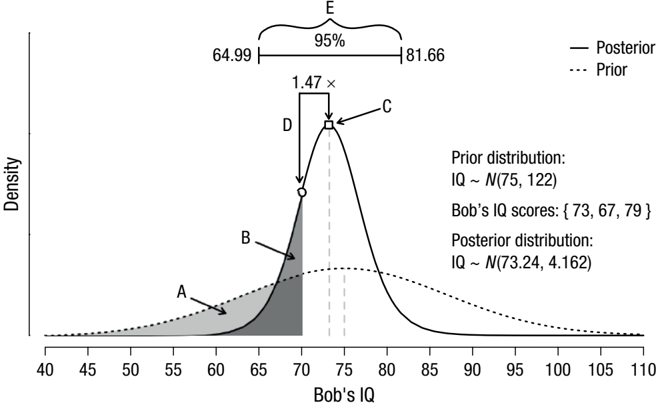
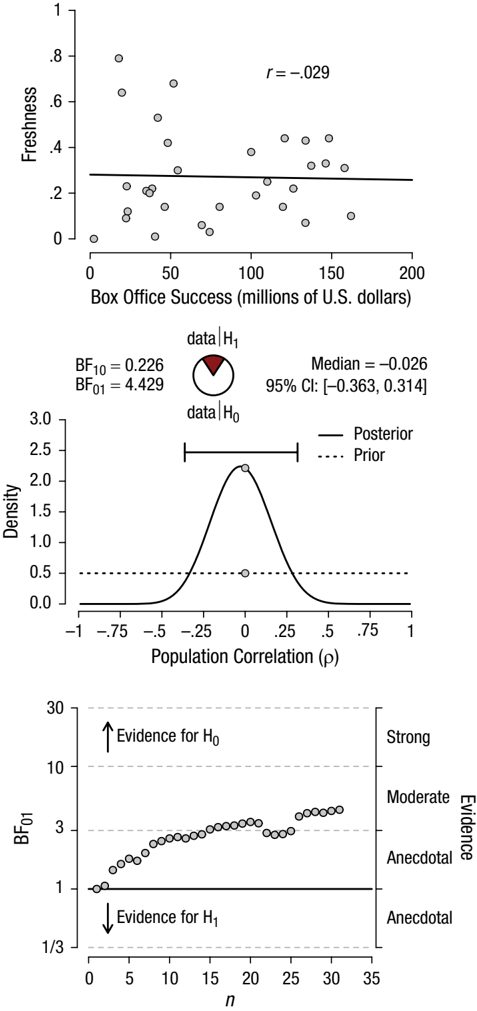
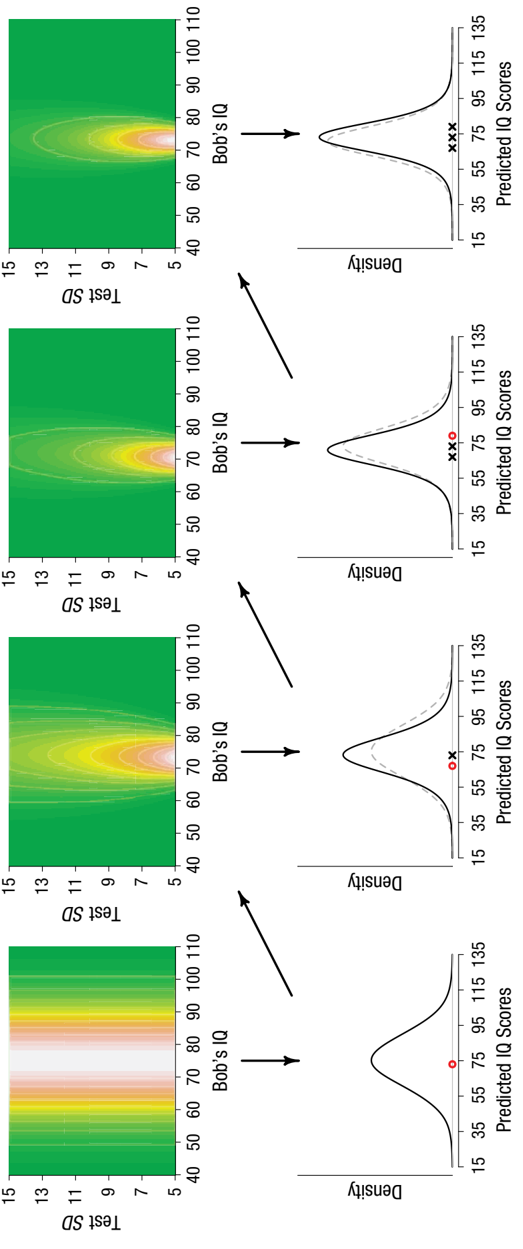
The practical advantages of Bayesian inference are demonstrated here through two concrete examples. In the first example, we wish to learn about a criminal’s IQ: a problem of parameter estimation. In the second example, we wish to quantify and track support in favor of the null hypothesis that Adam Sandler movies are profitable regardless of their quality: a problem of hypothesis testing. The Bayesian approach unifies both problems within a coherent predictive framework, in which parameters and models that predict the data successfully receive a boost in plausibility, whereas parameters and models that predict poorly suffer a decline. Our examples demonstrate how Bayesian analyses can be more informative, more elegant, and more flexible than the orthodox methodology that remains dominant within the field of psychology.
Overview
The claims and statistics of this paper haven’t been checked yet.
Free: it reads the open-access text and checks the first 5 claims that cite a source we can check. Create a free account to check every claim.
Integrity signals
Registry
Cites
Statistics
Figures
Verification
Claims the paper makes
The claims and statistics of this paper haven’t been checked yet.
Free: it reads the open-access text and checks the first 5 claims that cite a source we can check. Create a free account to check every claim.
Claims other papers make about this one
Each is checked against this paper’s own text: does it say what the citing paper says it does?
In the citing paper
“Bayesian analyses offer researchers a number of pragmatic benefits (Wagenmakers, Morey, & Lee, 2016), including intuitive probability statements of inferences, the ability to compare the relative credibility of different estimates, and a full posterior distribution describing the relative plausibility that different population level atheism prevalence rates could have produced our observed data.”
From How many atheists are there? (2017) · cites this paper as Wagenmakers et al., 2016
Self-check
Percentages, sums and reported differences re-computed from the paper’s own numbers.
The self-check needs the paper’s full text.
Citations
Cites
Kass, R. E., & Raftery, A. E. (1995) · Journal of the American Statistical Association · doi:10.1080/01621459.1995.10476572 · Cited by 12,558
Markov Chain Monte Carlo in Practice
(1995) · Chapman & Hall/CRC eBooks · doi:10.1201/b14835 · Cited by 7,757
Markov Chain Monte Carlo in Practice
Gasparini, M. (1997) · Technometrics · doi:10.1080/00401706.1997.10485132 · Cited by 1,879
Bayesian Cognitive Modeling: A Practical Course
Lee, M. D., & Wagenmakers, E.-J. (2014) · doi:10.1017/cbo9781139087759 · Cited by 1,795
Self-citation(2013) · Cited by 1,351
Self-citationStatistical Rethinking: A Bayesian Course with Examples in R and Stan
McElreath, R. L. (2015) · Helmholtz Centre for Ocean Research Kiel (GEOMAR) · Cited by 996
Statistical Rethinking: a Bayesian Course with Examples in R and Stan
Hewson, P. (2016) · Journal of the Royal Statistical Society Series A: Statistics in Society · doi:10.1111/rssa.12221 · Cited by 850
Small Telescopes: Detectability and the Evaluation of Replication Results
Simonsohn, U. (2015) · Psychological Science · doi:10.1177/0956797614567341 · Cited by 742
Bayesian hypothesis testing for psychologists: A tutorial on the Savage–Dickey method
Wagenmakers, E.-J., Lodewyckx, T., Kuriyal, H., & Grasman, R. (2010) · Cognitive Psychology · doi:10.1016/j.cogpsych.2009.12.001 · Cited by 740
Self-citationIntroduction to Statistical Decision Theory.
Schervish, M. J., Pratt, J. W., Raiffa, H., & Schlaifer, R. (1996) · Journal of the American Statistical Association · doi:10.2307/2291759 · Cited by 705 · cited 1×
“Crucially, none of the statements above—not a single one—can be arrived at within the framework of orthodox methods (e.g., Pratt et al., 1995), no matter how many tests Bob completes, and no matter what prior knowledge may or may not be available.3 Yet statements like these may be vitally important…”
Method
Research works printed but not linked: 2
- 12. Jeffreys, H. (1961). Theory of probability (3rd ed.). Oxford, England: Oxford University Press.
- 23. Parker, T. (Writer, Director). (2004). AWESOME-O [Television series episode]. In T. Parker, M. Stone, & A. Garefino (Producers), South Park. New York, NY: Comedy Central Productions.
Cited by
Items 101–200 of 330
Lee, M. D., Bock, J. R., Cushman, I., & Shankle, W. R. (2020) · Journal of Mathematical Psychology · doi:10.1016/j.jmp.2020.102328 · Cited by 21
Self-citationTesting Conditional Independence in Psychometric Networks: An Analysis of Three Bayesian Methods
Sekulovski, N., Keetelaar, S., Huth, K. B. S., Wagenmakers, E., van Bork, R., van den Bergh, D., & Marsman, M. (2024) · Multivariate Behavioral Research · doi:10.1080/00273171.2024.2345915 · Cited by 40
“…this prior distribution into a posterior distribution p ð h ij j S 0 , data Þ : In the posterior distribution, the plausibility of parameter values that predict the data well increases, while the plausibility of parameter values that predict the data poorly decreases (Wagenmakers et al., 2016).”
Self-citationA Primer on Bayesian Model-Averaged Meta-AnalysisPreprint
Gronau, Q. F., Heck, D. W., Berkhout, S. W., Haaf, J. M., & Wagenmakers, E. (2020) · PsyArXiv (OSF Preprints) · doi:10.31234/osf.io/97qup · Cited by 27
Self-citationSuárez‐García, A., Hernández, M. Á., Arce, E., & Ribas, J. R. (2024) · Applied Sciences · doi:10.3390/app14104189 · Cited by 30
Kelter, R. (2022) · British Journal of Mathematical and Statistical Psychology · doi:10.1111/bmsp.12267 · Cited by 22
Are emotion recognition abilities intact in pediatric ADHD?
Wells, E. L., Day, T. N., Harmon, S. L., Groves, N. B., & Kofler, M. J. (2019) · Emotion · doi:10.1037/emo0000520 · Cited by 21
“That is, Bayesian methods can confirm the null hypothesis rather than just fail to reject it (Wagenmakers et al., 2016).”
BackgroundMethodInfluentialSoyyılmaz, D., Griffin, L. M., Martín, M. H., Kucharský, Š., Peycheva, E. D., Vaupotič, N., & Edelsbrunner, P. A. (2017) · Frontiers in Psychology · doi:10.3389/fpsyg.2017.00133 · Cited by 27
“Sample size planning based on power analysis is not relevant because we will use Bayesian estimation and hypothesis testing for statistical analysis (Etz et al., 2016; Wagenmakers et al., 2016).”
MethodFaber, B. (2021) · Local Government Studies · doi:10.1080/03003930.2021.2007081 · Cited by 25
“With exception of the nonparametric tests and the standard logistic regression, Bayes factor hypothesis testing was applied (Van Doorn et al. 2021; see also Wagenmakers, Morey, and Lee 2016).”
MethodPlanning sentence production in aphasia: evidence from structural priming and eye-tracking
van Boxtel, W. S., Cox, B., Keen, A. D., & Lee, J. (2023) · Frontiers in Language Sciences · doi:10.3389/flang.2023.1175579 · Cited by 18
“Supplementary analyses based on Bayes’ Factors (BFs) can express the likelihood of null findings with greater confidence than frequentist analyses (Wagenmakers et al., 2016).”
Neural electrophysiological correlates of detection and identification awareness
Wiens, S., Andersson, A., Gravenfors, J., & Eklund, R. (2023) · Cognitive Affective & Behavioral Neuroscience · doi:10.3758/s13415-023-01120-5 · Cited by 25
“In the present study, we used Bayesian analyses to measure the evidence for or against an effect (Dienes, 2016; Makowski et al., 2019; Wagenmakers et al., 2016; Wiens & Nilsson, 2017).”
BackgroundMethodCan Imagination Reduce Prejudice Over Time? A Preregistered Test of the Imagined Contact Hypothesis
Schuhl, J., Lambert, E. G., & Chatard, A. (2019) · Basic and Applied Social Psychology · doi:10.1080/01973533.2019.1579719 · Cited by 24
Using baseline target moderation to guide decisions on adapting prevention programs
Howe, G. W. (2019) · Development and Psychopathology · doi:10.1017/s0954579419001044 · Cited by 19
Bayes Factor Design Analysis: Planning for Compelling EvidencePreprint
Schhnbrodt, F. D., & Wagenmakers, E. (2016) · SSRN Electronic Journal · doi:10.2139/ssrn.2722435 · Cited by 20
Self-citationIdeas in Ecology and Evolution
(editor, L. A. (2019) · Ideas in Ecology and Evolution · doi:10.4033/iee · Cited by 17
Martínez, Á. M., Jurado, M. D. M. M., Fuentes, M. D. C. P., Martín, A. B. B., Márquez, M. D. M. S., & Linares, J. J. G. (2021) · Frontiers in Psychology · doi:10.3389/fpsyg.2021.682153 · Cited by 19
The influence of age and experience of (un)fairness on third‐party punishment in children
Lee, Y.-E., & Warneken, F. (2022) · Social Development · doi:10.1111/sode.12604 · Cited by 19
Flores, R. D., Sanders, C. A., Duan, S. X., Bishop-Chrzanowski, B. M., Oyler, D. L., Shim, H.-J., Clocksin, H. E., Miller, A. P., & Merkle, E. C. (2022) · British Journal of Psychology · doi:10.1111/bjop.12585 · Cited by 21
Bayesian estimation of explained variance in ANOVA designs
Marsman, M., Waldorp, L., Dablander, F., & Wagenmakers, E. (2019) · Statistica Neerlandica · doi:10.1111/stan.12173 · Cited by 17
“Furthermore, Morey et al. (2016) demonstrated that current CI procedures for 𝜔 2 are particularly problematic, as they can produce empty intervals and involve post hoc manual truncation at the boundary of the parameter space.”
Self-citationKrypotos, A., Klugkist, I. G., & Engelhard, I. M. (2017) · European Journal of Psychotraumatology · doi:10.1080/20008198.2017.1314782 · Cited by 18
“For thorough discussions of the advantages and disadvantages of different alternatives to NHST, we refer to Anderson, Burnham, and Thompson (2000); Dienes (2008); Gardner and Altman (1986) and Wagenmakers et al. (2016).”
MethodDetecting Strategies in Developmental Psychology
Steingroever, H., Jepma, M., Lee, M. D., Jansen, B. R. J., & Huizenga, H. M. (2019) · Computational Brain & Behavior · doi:10.1007/s42113-019-0024-x · Cited by 21
“…and Baguley 2013; Bayarri et al. 2016; Lee andWagenmakers 2005; Wagenmakers 2007; Wetzels et al. 2011, for an introduction to the use and advantages of Bayesian methods in the psychological sciences, see Lee 2018b; Lee and Wagenmakers 2013; Vandekerckhove et al. 2018; Wagenmakers et al. 2016).”
MethodSelf-citationEducational fMRI: From the Lab to the Classroom
Seghier, M. L., Fahim, M. A., & Habak, C. (2019) · Frontiers in Psychology · doi:10.3389/fpsyg.2019.02769 · Cited by 24
How to Choose between Different Bayesian Posterior Indices for Hypothesis Testing in Practice
Kelter, R. (2021) · Multivariate Behavioral Research · doi:10.1080/00273171.2021.1967716 · Cited by 20
“Among the proposed solutions to the replication problems in psychology caused by the inappropriate use of significance tests and p-values is Bayesian data analysis (Wagenmakers et al., 2016; van Dongen et al., 2019).”
BackgroundDeng, Q., & Tong, S. X. (2021) · Annals of Dyslexia · doi:10.1007/s11881-021-00213-5 · Cited by 18
Learning about Learning at Scale: Methodological Challenges and Recommendations
van der Sluis, F., van der Zee, T., & Ginn, J. (2017) · ACM Conference on Learning @ Scale (L@S) · doi:10.1145/3051457.3051461 · Cited by 17
“Furthermore, Bayesian statistics can be applied to accurately estimate population parameters such as effect sizes and other variables of interest [45].”
MethodExploration of the Rate of Forgetting as a Domain-Specific Individual Differences Measure
Sense, F., Meijer, R. R., & van Rijn, H. (2018) · Frontiers in Education · doi:10.3389/feduc.2018.00112 · Cited by 23
“We opted to report Bayes factors for all analyses because their ability to express the likelihood of observing the data under the null hypothesis has several theoretical and practical advantages over a “null finding” in the traditional null hypothesis testing framework (Gallistel, 2009; Mulder and Wagenmakers, 2016; W…”
MethodElectrophysiological correlates of in vivo and virtual reality exposure therapy in spider phobia
Wiens, S., Eklund, R., Szychowska, M., Miloff, A., Cosme, D., Pierzchajlo, S., & Carlbring, P. (2022) · Psychophysiology · doi:10.1111/psyp.14117 · Cited by 16
“In contrast, Bayesian hypothesis testing is a valid procedure to compare different models and to provide evidence for or against a particular model (Dienes, 2016; Wagenmakers et al., 2016; Wiens & Nilsson, 2017).”
MethodKelter, R. (2021) · Behavior Research Methods · doi:10.3758/s13428-021-01613-6 · Cited by 17
“…is often advocated as a Bayesian alternative to the frequentist p -value when it comes to hypothesis testing, in particular in the cognitive sciences and psychology (Van De Schoot et al., 2017; Wagenmakers et al., 2016, 2010; Ly et al., 2016b; van Doorn et al., 2019; van Don-gen et al., 2019).”
BackgroundInfluentialHow to become a Bayesian in eight easy steps: An annotated reading listPreprint
Etz, A. J., Gronau, Q. F., Dablander, F., Edelsbrunner, P. A., & Baribault, B. (2016) · PsyArXiv (OSF Preprints) · doi:10.31234/osf.io/ph6sw · Cited by 18
Gervais, W. M., & Najle, M. B. (2017) · doi:10.31234/osf.io/edzda_v1 · Cited by 15
Auditory processing up to cortex is maintained during sleep spindles
Jourde, H. R., & Coffey, E. B. J. (2024) · PNAS Nexus · doi:10.1093/pnasnexus/pgae479 · Cited by 19
Bayesian methods for analyzing true-and-error models
Lee, M. D. (2018) · Judgment and Decision Making · doi:10.1017/s193029750000663x · Cited by 14
“Rather that counting parameters or degrees of freedom, the complexity of a model is best understood as the extent of the predictions it is able to make about data (Myung et al., 2000; Wagenmakers et al., 2016).”
BackgroundMethodInfluentialSelf-citationAKT1 and genetic vulnerability to bipolar disorder
Millischer, V., Matheson, G. J., Martinsson, L., Ek, I. R., Schalling, M., Lavebratt, C., & Backlund, L. (2019) · Psychiatry Research · doi:10.1016/j.psychres.2019.112677 · Cited by 18
Giolla, E. M., & Ly, A. (2019) · Legal and Criminological Psychology · doi:10.1111/lcrp.12162 · Cited by 16
“1 For a comprehensive introduction to Bayesian statistics, seeWagenmakers et al. (2016), and for a primer on how to conducted Bayesian analyses with the free software package JASP, see Wagenmakers et al.”
BackgroundMethodInfluentialThe early but not the late neural correlate of auditory awareness reflects lateralized experiences
Eklund, R., Gerdfeldter, B., & Wiens, S. (2021) · Neuropsychologia · doi:10.1016/j.neuropsychologia.2021.107910 · Cited by 19
Kelter, R. (2023) · Biometrical Journal · doi:10.1002/bimj.202200095 · Cited by 21
“…2021b; Kruschke, 2014; Ly et al., 2020; McElreath, 2020; Wagenmakers et al., 2010), better availability of easy-to-apply software (Gelman et al., 2015; Kelter, 2020a, 2020c; Ly et al., 2021; Plummer, 2003), and various advantages of Bayesian methods (S. M. Berry, 2011; Wagenmakers et al., 2016).”
MethodIrwin, L. N., Groves, N. B., Soto, E. F., & Kofler, M. J. (2020) · Journal of the International Neuropsychological Society · doi:10.1017/s1355617720000545 · Cited by 13
“That is, Bayesian methods can confirm the null hypothesis rather than just fail to reject it (Wagenmakers et al., 2016).”
BackgroundMethodInfluentialHirsch, A., Bieleke, M., Bertschinger, R., Schüler, J., & Wolff, W. (2021) · PLoS ONE · doi:10.1371/journal.pone.0259088 · Cited by 17
“a quantification of the relative predictive performance of the null hypothesis compared to an alternative hypothesis [65].”
BackgroundDrawing a New Picture: Children with Developmental Dyslexia Exhibit Superior Nonverbal Creativity
Lam, J. H. Y., & Tong, S. X. (2021) · Research in Developmental Disabilities · doi:10.1016/j.ridd.2021.104036 · Cited by 20
Bergmann, C., & Cristià, A. (2018) · Infancy · doi:10.1111/infa.12232 · Cited by 16
The relationship between crowd majority and accuracy for binary decisions
Lee, M. D., & Lee, M. N. (2017) · Judgment and Decision Making · doi:10.1017/s1930297500006227 · Cited by 15
Self-citationMalone, H., & Coyne, I. (2020) · Nurse Researcher · doi:10.7748/nr.2020.e1756 · Cited by 17
Income More Reliably Predicts Frequent Than Intense Happiness
Jachimowicz, J., Mo, R., Greenberg, A. E., Jeronimus, B. F., & Whillans, A. V. (2020) · Social Psychological and Personality Science · doi:10.1177/1948550620972548 · Cited by 12
Kizilirmak, J. M., Fischer, L., Krause, J., Soch, J., Richter, A., & Schott, B. H. (2021) · Frontiers in Aging Neuroscience · doi:10.3389/fnagi.2021.661346 · Cited by 14
Beyond reach: Do symmetric changes in motor costs affect decision making? A registered report
Zgonnikov, A., Atiya, N. A. A., O’Hora, D. P., Rañó, I., & Wong‐Lin, K. (2019) · Judgment and Decision Making · doi:10.1017/s1930297500006136 · Cited by 12
The consequences of processing goal-irrelevant information during the Stroop task.
Nicosia, J., & Balota, D. A. (2020) · Psychology and Aging · doi:10.1037/pag0000371 · Cited by 13
Schaaf, J. V., Jepma, M., Visser, I., & Huizenga, H. M. (2019) · Journal of Mathematical Psychology · doi:10.1016/j.jmp.2019.102276 · Cited by 15
Loffing, F., & Hagemann, N. (2020) · Cortex · doi:10.1016/j.cortex.2020.05.008 · Cited by 12
The Role of Sleep in the Relationship Between ADHD Symptoms and Stop Signal Task Performance
Wolff, B., Sciberras, E., He, J. L., Youssef, G. J., Anderson, V. A., & Silk, T. J. (2020) · Journal of Attention Disorders · doi:10.1177/1087054720943290 · Cited by 14
“Bayesian hypothesis testing was selected as it permits stronger conclusions regarding evidence of between-group equivalence (Wagenmakers et al., 2016).”
MethodIntegrated evaluation of team strategy, training practices and game performance of a basketball team
Rangel, W., Fellingham, G. W., Santana, F., & Lamas, L. (2022) · International Journal of Sports Science & Coaching · doi:10.1177/17479541221076621 · Cited by 14
“Currently, we presented an analytic approach, based on the Bayesian paradigm, with greater flexibility to deal with different shapes of distributions’ likelihooods.(40,41) Instead of alternatives that do not explore the nature of the data distribution,(42) we model the likelihood of the data and compute the posterior…”
MethodA Tutorial on Bayesian Multi-Model Linear Regression with BAS and JASPPreprint
van den Bergh, D., Clyde, M. A., Raj, A., de Jong, T., Gronau, Q. F., Marsman, M., Ly, A., & Wagenmakers, E. (2020) · PsyArXiv (OSF Preprints) · doi:10.31234/osf.io/pqju6 · Cited by 16
Self-citationTesting Conditional Independence in Psychometric Networks: An Analysis of Three Bayesian MethodsPreprint
Sekulovski, N., Keetelaar, S., Huth, K. B. S., Wagenmakers, E., van Bork, R., van den Bergh, D., & Marsman, M. (2023) · doi:10.31234/osf.io/ch7a2 · Cited by 12
Self-citationGoh, F. W., Jungck, A. C., & Stevens, J. R. (2021) · European journal of behavioral sciences · doi:10.33422/ejbs.v4i4.678 · Cited by 12
An In-Class Demonstration of Bayesian Inference
van Doorn, J. B., Matzke, D., & Wagenmakers, E. (2019) · Psychology Learning & Teaching · doi:10.1177/1475725719848574 · Cited by 12
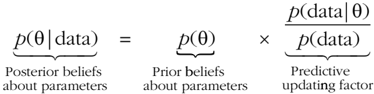
“…the data well receive a boost in credibility, whereas values of (cid:2) that predicted the data poorly suffer a decline (Rouder & Morey 2017; Wagenmakers et al., 2016): Average prediction across all (cid:2) 0 s zfflfflfflfflfflfflfflfflfflffl}|fflfflfflfflfflfflfflfflfflffl{ The right-most term is the predictive updating factor…”
Self-citationCarson, R. G., Capozio, A., McNickle, E., & Sack, A. T. (2020) · Experimental Brain Research · doi:10.1007/s00221-020-05943-3 · Cited by 12
Bayesian statistics in anesthesia practice: a tutorial for anesthesiologists
Introna, M., van den Berg, J. P., Eleveld, D. J., & Struys, M. M. R. F. (2022) · Journal of Anesthesia · doi:10.1007/s00540-022-03044-9 · Cited by 14
“The elegance of the Bayesian theorem is that it can be applied in an iterative manner since the posterior probability from any calculation can serve as a prior for a subsequent calculation [16].”
Waxmonsky, J. G., Fosco, W. D., Waschbusch, D. A., Babinski, D. E., Baweja, R. K., Pegg, S. L., Cao, V. T., Shroff, D. M., & Kujawa, A. (2022) · Research on Child and Adolescent Psychopathology · doi:10.1007/s10802-022-00901-9 · Cited by 13
“The primary advantage of Bayesian statistics is that it quantifies the magnitude of support for both the alternative and null hypotheses, thus permitting inferences regarding evidence of absence, rather than merely absence of evidence (Rouder & Morey, 2012; Wagenmakers et al., 2016).”
BackgroundSample size determination for Bayesian ANOVAs with informative hypotheses
Fu, Q., Moerbeek, M., & Hoijtink, H. (2022) · Frontiers in Psychology · doi:10.3389/fpsyg.2022.947768 · Cited by 15
“Alternatives such as Bayesian statistics have as a consequence become increasingly popular over the past decade (Van de Schoot et al., 2017; Vandekerckhove et al., 2018; Wagenmakers et al., 2016).”
BackgroundBayesian tests of two proportions: A tutorial with R and JASP
Hoffmann, T., Hofman, A. D., & Wagenmakers, E. (2022) · Methodology · doi:10.5964/meth.9263 · Cited by 16
“…of probability from prior to posterior is brought about by the data: the probability increases for parameter values that predict the data well and decreases for parameter values that predict the data poorly (Kruschke, 2013; van Doorn, Matzke, & Wagenmakers, 2020; Wagenmakers, Morey, & Lee, 2016).”
BackgroundSelf-citationTwo Bayesian tests of the GLOMOsys Model.
Field, S. M., Wagenmakers, E., Newell, B. R., Zeelenberg, R., & van Ravenzwaaij, D. (2016) · Journal of Experimental Psychology General · doi:10.1037/xge0000067 · Cited by 13
Self-citationPreserved performance monitoring and error detection in left hemisphere stroke
Nießen, E., Ant, J. M., Bode, S., Saliger, J., Karbe, H., Fink, G. R., Stähl, J., & Weiss, P. H. (2020) · NeuroImage Clinical · doi:10.1016/j.nicl.2020.102307 · Cited by 12
Replication Bayes Factors from Evidence UpdatingPreprint
Ly, A., Etz, A. J., Marsman, M., & Wagenmakers, E. (2017) · PsyArXiv (OSF Preprints) · doi:10.31234/osf.io/u8m2s · Cited by 20
Self-citationThe influence of articulation dynamics on recognition memory
Lindau, B., & Topolinski, S. (2018) · Cognition · doi:10.1016/j.cognition.2018.05.021 · Cited by 11
Porter, C. N., & Salvanelli, G. (2020) · Journal of Investigative Psychology and Offender Profiling · doi:10.1002/jip.1541 · Cited by 12
Porter, C. N., Morrison, E. R., Fitzgerald, R. J., Taylor, R., & Harvey, A. C. (2020) · Journal of Applied Research in Memory and Cognition · doi:10.1016/j.jarmac.2020.01.004 · Cited by 11
Sleep affects higher-level categorization of speech sounds, but not frequency encoding
de la Chapelle, A., Savard, M., Restani, R., Ghaemmaghami, P., Thillou, N., Zardoui, K., Chandrasekaran, B., & Coffey, E. B. J. (2022) · Cortex · doi:10.1016/j.cortex.2022.04.018 · Cited by 10
“…allow for assessing evidence in favour of both an alternative and null hypothesis, and are gaining acceptance as an alternative to traditional frequentist null hypothesis significance testing in Psychology [Aczel et al., 2018, Wagenmakers et al., 2016, Marsman and Wagenmakers, 2017, Kelter, 2020].”
Can the experimental study of religion be advanced using a Bayesian predictive framework?
van Elk, M., & Wagenmakers, E. (2017) · Religion Brain & Behavior · doi:10.1080/2153599x.2016.1249915 · Cited by 12
“Through these techniques, the evidential value of the studies conducted can be continuously evaluated and monitored (Wagenmakers, Morey, & Lee, 2016), thereby allowing support or refutation of extraordinary claims regarding the potential causes and consequences of religion.”
Self-citationBehavioral and EEG Measures Show no Amplifying Effects of Shared Attention on Attention or Memory
Mairon, N., Nahum, M., Stolk, A., Knight, R. T., & Perry, A. (2020) · Scientific Reports · doi:10.1038/s41598-020-65311-7 · Cited by 12
Meta-Analyses in Psychology Often Overestimate Evidence for and Size of EffectsPreprint
Bartos̆, F., Maier, M., Shanks, D. R., Stanley, T. D., Sladekova, M., & Wagenmakers, E. (2022) · doi:10.31234/osf.io/tkmpc · Cited by 10
Self-citationBroadbent, J., Bearman, M., Boud, D. J., & Dawson, P. (2024) · Higher Education · doi:10.1007/s10734-024-01326-7 · Cited by 19
“In standard null hypothesis significance testing, null results (i.e. p > 0.05) are difficult to reconcile, as it is unclear whether they reflect low statistical power or strong evidence in favour of the null hypothesis (Wagenmakers et al., 2016).”
InfluentialVize, C. E., & Lane, S. P. (2021) · Assessment · doi:10.1177/1073191120986613 · Cited by 9
“Although the various benefits of Bayesian methods have been emphasized elsewhere (e.g., Kruschke & Liddell, 2018; Wagenmakers et al., 2016), we chose to rely on Bayesian analyses in the present study in order to test different beliefs regarding whether the AUD criteria set would be the primary source of variability in…”
MethodBrouillet, D., Servajean, P., Josa, R. M. D. M., Gimenez, C., Turo, S., & Michalland, A.-H. (2022) · Cognitive Processing · doi:10.1007/s10339-022-01114-0 · Cited by 14
Bayesian sample size planning for developmental studies
Visser, I., Kucharský, Š., Levelt, C. C., Stefan, A. M., Wagenmakers, E., & Oakes, L. M. (2023) · Infant and Child Development · doi:10.1002/icd.2412 · Cited by 13
Self-citationEmbodied decision biases: individually stable across different tasks?
Grießbach, E., Raßbach, P., Herbort, O., & Cañal‐Bruland, R. (2023) · Experimental Brain Research · doi:10.1007/s00221-023-06591-z · Cited by 8
Geritz, J., Welzel, J., Hansen, C., Maetzler, C., Hobert, M. A., Elshehabi, M., Knacke, H., Aleknonytė‐Resch, M., Kudelka, J., Bunzeck, N., et al. (2022) · Frontiers in Aging Neuroscience · doi:10.3389/fnagi.2022.1070093 · Cited by 15
“H1) provided by the data (H1 here: cognitive and affective non-motor symptoms can predict change in walking performance (Kass and Raftery, 1995; Wagenmakers et al., 2016).”
BackgroundWolff, B., Franco, V. R., Magiati, I., Pestell, C., & Glasson, E. J. (2023) · Journal of Clinical and Experimental Neuropsychology · doi:10.1080/13803395.2023.2259042 · Cited by 13
“…(Shivers et al., 2019), and the inability of classical inference to quantify this uncertainty, Bayesian statistics represent a step forward for deriving meaningful predictions regarding the probability of an effect (Wagenmakers et al., 2016), and informed variable selection (Heck et al., 2022).”
BackgroundBayesian methods applied to the generalized matching law
Villarreal, M., Velázquez, C., Baroja, J. L., Segura, A., Bouzas, A., & Lee, M. D. (2019) · Journal of the Experimental Analysis of Behavior · doi:10.1002/jeab.506 · Cited by 9
Self-citationGervais, W. M., & Najle, M. B. (2017) · doi:10.31234/osf.io/edzda · Cited by 9
Doherty, R., Weber, N., Hillier, C., Ross, R. M., & Balzan, R. P. (2025) · Clinical Psychology Review · doi:10.1016/j.cpr.2025.102618 · Cited by 12
Approaching Significance: Statistical Guidance for Authors and Reviewers
Lohse, K. R., & Kliethermes, S. (2025) · Neurology Report · doi:10.1097/npt.0000000000000526 · Cited by 13
“45 [E.g., if you find yourself making statements about “the probability an effect is real” or “the true effect is unlikely to be X,” now you are asking about P (hypothesis|data) and not P (data|hypothesis).”
Four Requirements for an Acceptable Research Program
Marsman, M., Ly, A., & Wagenmakers, E. (2016) · Basic and Applied Social Psychology · doi:10.1080/01973533.2016.1221349 · Cited by 9
Self-citationHarvey, A. C., Vrij, A., Leal, S., Hope, L., & Mann, S. A. (2019) · Acta Psychologica · doi:10.1016/j.actpsy.2019.102935 · Cited by 10
Schindler, S., Querengässer, J., Bruchmann, M., Bögemann, N. J., Moeck, R., & Straube, T. (2021) · Scientific Reports · doi:10.1038/s41598-021-86429-2 · Cited by 13
To Confront or to Avoid: How Do People Respond to Violations of Moral Norms?
Kemper, N. S., & Newheiser, A. (2017) · Social Psychological and Personality Science · doi:10.1177/1948550617722831 · Cited by 12
Error processing and mindfulness meditation in female students
Eichel, K., & Stähl, J. (2019) · International Journal of Psychophysiology · doi:10.1016/j.ijpsycho.2019.11.001 · Cited by 8
Bruun, S. T., & Farr, R. H. (2020) · Journal of GLBT Family Studies · doi:10.1080/1550428x.2020.1802382 · Cited by 11
“Specifically, it can be inferred that the data support the null model when the Bayes factor indicates a stronger likelihood of the null (versus alternate) findings to have been produced from those data (Wagenmakers et al., 2016).”
Dempsey, J., & Christianson, K. (2022) · Journal of Memory and Language · doi:10.1016/j.jml.2022.104335 · Cited by 8
Karakaya, S., Ogiesoba, O. C., Olariu, C., & Bhattacharya, S. (2023) · Geophysics · doi:10.1190/geo2023-0157.1 · Cited by 8
Positionspapier zur Rolle der Psychologischen Methodenlehre in Forschung und Lehre
Meiser, T., Eid, M., Carstensen, C. H., Erdfelder, E., Gollwitzer, M., Pohl, S., Steyer, R., & Strobl, C. (2018) · Psychologische Rundschau · doi:10.1026/0033-3042/a000417 · Cited by 7
Extending the verifiability approach framework: The effect of initial questioning
Harvey, A. C., Vrij, A., Sarikas, G., Leal, S., Jupe, L. M., & Nahari, G. (2018) · Applied Cognitive Psychology · doi:10.1002/acp.3465 · Cited by 7
Differences in dark triad personality: Evidence from China and the USA
Ren, F., Wang, M., Li, X., & Luo, J. (2021) · Current Psychology · doi:10.1007/s12144-021-01402-6 · Cited by 7
Facing the Unknown Unknowns of Data Analysis
Wagenmakers, E., Sarafoglou, A., & Aczél, B. (2023) · Current Directions in Psychological Science · doi:10.1177/09637214231168565 · Cited by 8
“…be lowered from .05 to .005 ( Benjamin et al., 2018), some have argued that hypothesis testing should be replaced by parameter estimation (e.g., Cumming, 2014), and others have argued that p values ought to be supplanted or supplemented with Bayes factors (e.g., Wagenmakers et al., 2016, 2018).”
Self-citationMaier, M., Caviola, L., Schubert, S., & Harris, A. J. L. (2023) · Journal of Behavioral Decision Making · doi:10.1002/bdm.2335 · Cited by 13
Model-averaged Bayesian t tests
Maier, M., Bartos̆, F., Quintana, D. S., Dablander, F., van den Bergh, D., Marsman, M., Ly, A., & Wagenmakers, E. (2024) · Psychonomic Bulletin & Review · doi:10.3758/s13423-024-02590-5 · Cited by 11
“…authors Maximilian Maier and František Bartoš both contributed equally to this work Extended author information available on the last page of the article sion to reject or accept a hypothesis, since Bayes factors provide a continuous measure of the strength of evidence (Wagenmakers et al., 2016).”
Self-citationDoes the delivery matter? Examining randomization at the item level
Buchanan, E. M., Foreman, R. E., Johnson, B. N., Pavlacic, J. M., Swadley, R. N., & Schulenberg, S. E. (2018) · Behaviormetrika · doi:10.1007/s41237-018-0055-y · Cited by 10
“Because the Bayesian framework focuses on updating previous beliefs with the data collected to form new beliefs, any number of hypotheses may be tested (for a humorous example, see Wagenmakers et al. 2016).”
BackgroundRecycling in Babel: The Impact of Foreign Languages in Rule Learning
Antón, E., Soleto, N. B., & Duñabeitia, J. A. (2020) · International Journal of Environmental Research and Public Health · doi:10.3390/ijerph17113784 · Cited by 9
“The Bayes Factor is generally considered to be a quantification of the relative predictive performance of two rival hypotheses [46], and our results clearly indicated that there was no evidence in support of the alternative hypothesis whatsoever, and thus, the data were more likely under the assumption that the null h…”
Bayesian Bootstrapped Correlation Coefficients
Rodriguez, J. E., & Williams, D. R. (2022) · The Quantitative Methods for Psychology · doi:10.20982/tqmp.18.1.p039 · Cited by 5
Bayesian Multilevel Compositional Data Analysis with the R Package multilevelcoda
Le, F., Dumuid, D., Stanford, T., & Wiley, J. F. (2025) · Multivariate Behavioral Research · doi:10.1080/00273171.2025.2565598 · Cited by 10
“…2025; Stegmueller, 2013), benefits from incorporating existing empirical information (i.e., priors; van de Schoot et al., 2018), and the ease of quantifying uncertainty around arbitrary calculated quantities using posterior samples (Gelman et al., 2013; Wagenmakers et al., 2016; Wickham, 2016).”
Evidence against emotion inference deficits in children with ADHD.
Wells, E. L., Groves, N. B., Day, T. N., Harmon, S. L., Soto, E. F., Miller, C., & Kofler, M. J. (2021) · Emotion · doi:10.1037/emo0000732 · Cited by 7
“Bayesian Analyses Given the mixed findings regarding emotion inference in children with ADHD, we used Bayesian statistics because they can support the null hypothesis rather than just fail to reject it (e.g., Wagenmakers et al., 2016).”
BackgroundMethodInfluentialKelter, R. (2022) · BMC Medical Research Methodology · doi:10.1186/s12874-021-01473-w · Cited by 7
A comparative study of frequentist vs Bayesian A/B testing in the detection of E-commerce fraud
Westland, J. C. (2022) · Journal of Electronic Business & Digital Economics · doi:10.1108/jebde-07-2022-0020 · Cited by 10
Metadata
- Authors
- Wagenmakers, E.-J., Morey, R. D., & Lee, M. D.
- Affiliations
- University of Amsterdam (NL)
- Cardiff University (GB)
- University of California, Irvine (US)
- Corresponding author
- Wagenmakers, Eric-Jan
- Venue
- Current Directions in Psychological Science
- Publisher
- SAGE Publications
- Published
- 2016-06
- Volume
- 25
- Issue
- 3
- Pages
- 169-176
- ISSN
- 0963-7214 (ISSN-L)
- 1467-8721
- OpenAlex
- W2414830033
- Semantic Scholar
- 9669c421dda25250471ae7a69beaf226236a67f1
- Cited by
- 334
- References
- 27
- Citations by year
- 2026: 13 · 2025: 14 · 2024: 27 · 2023: 31 · 2022: 49 · 2021: 36 · 2020: 43 · 2019: 36 · 2018: 39 · 2017: 32 · 2016: 13
- FWCI
- 40.51
- Type
- journal article
- Language
- en
- Open access
- green
- handle.uba.uva.nl
- Licence
- cc-by
- journals.sagepub.com/page/policies/text-and-data-mining-license (tdm)
- Locations
- Current Directions in Psychological Science (publishedVersion)
- ORCA Online Research @Cardiff (Cardiff University) (acceptedVersion)
- UvA-DARE (University of Amsterdam) (submittedVersion, cc-by)
- ORCA Online Research @Cardiff (Cardiff University) (submittedVersion)
- Data Archiving and Networked Services (DANS) (submittedVersion, other-oa)
- Topics
- Physical Sciences › Mathematics › Statistics and Probability › Statistical Methods and Bayesian Inference
- Physical Sciences › Computer Science › Artificial Intelligence › Bayesian Modeling and Causal Inference
- Physical Sciences › Mathematics › Statistics and Probability › Statistical Distribution Estimation and Applications
- Keywords
- Bayesian inference, parameter estimation, hypothesis testing, null hypothesis
About these checks
Registry, retraction, Cites and statistics results are computed, not judged, with one exception: a printed reference that no index lists is read once by a model before it counts as a citation error. Claims are extracted by a model and kept only when their quote appears verbatim in the text; each cited source is then checked, with a model’s help, for whether it says what the claim relies on. Those verdicts can be wrong — read the claim’s quote and the cited source before relying on one.
Statistics and arithmetic are recomputed, not judged.
Confidence bands are shown only for fields calibrated on our annotated test set. None is calibrated yet, so no band is shown.
What counts as a claim ›How we measure confidence ›How we check this ›
Are you an author, or do you see a problem with this page? Request a review
Data sources
Bibliographic data: Semantic Scholar, OpenAlex, Crossref.
Contains information from the Semantic Scholar Academic Graph Datasets, made available under the ODC Attribution License (ODC-BY 1.0).
Semantic Scholar’s data is described in: Kinney, R., et al. (2023). The Semantic Scholar Open Data Platform. arXiv:2301.10140.
