

Mental Health During the First Year of the COVID-19 Pandemic: A Review and Recommendations for Moving Forward
Open accessThe DOI matches its Crossref record; 127 of the 127 references it cites were found in a registry or an index.
Abstract
COVID-19 has infected millions of people and upended the lives of most humans on the planet. Researchers from across the psychological sciences have sought to document and investigate the impact of COVID-19 in myriad ways, causing an explosion of research that is broad in scope, varied in methods, and challenging to consolidate. Because policy and practice aimed at helping people live healthier and happier lives requires insight from robust patterns of evidence, this article provides a rapid and thorough summary of high-quality studies available through early 2021 examining the mental-health consequences of living through the COVID-19 pandemic. Our review of the evidence indicates that anxiety, depression, and distress increased in the early months of the pandemic. Meanwhile, suicide rates, life satisfaction, and loneliness remained largely stable throughout the first year of the pandemic. In response to these insights, we present seven recommendations (one urgent, two short-term, and four ongoing) to support mental health during the pandemic and beyond.
Overview
The claims and statistics of this paper haven’t been checked yet.
Free: it reads the open-access text and checks the first 5 claims that cite a source we can check. Create a free account to check every claim.
Integrity signals
Registry
Cites
Statistics
Figures
Verification
Claims the paper makes
The claims and statistics of this paper haven’t been checked yet.
Free: it reads the open-access text and checks the first 5 claims that cite a source we can check. Create a free account to check every claim.
Claims other papers make about this one
Each is checked against this paper’s own text: does it say what the citing paper says it does?
The source backs part of the claim, not all of it — or backs it for a different population, condition or comparison.
In the citing paper
“It is clear that various aspects of mental health declined during the COVID-19 pandemic.”
From The Lancet Commission on lessons for the future from the COVID-19 pandemic (2022) · cites this paper as [271]
Experimental — accuracy not yet measuredThe source backs part of the claim, not all of it — or backs it for a different population, condition or comparison.
In the citing paper
“The extended period of economic disruption is creating long-term economic and social scarring, including long-lasting difficulties for children whose schooling has been repeatedly disrupted; new debt crises among low-income countries that are facing sustained output and revenue losses amid the tightening of global financial conditions, and in some cases facing years of reduced numbers of tourists;”
From The Lancet Commission on lessons for the future from the COVID-19 pandemic (2022) · cites this paper as [271]
Experimental — accuracy not yet measuredThe source backs part of the claim, not all of it — or backs it for a different population, condition or comparison.
In the citing paper
“Pervasive uncertainty has been a fundamental aspect of the public health crisis caused by the COVID-19 pandemic—a global and chronic psychological stressor with severe implications for mental health and well-being [60,61].”
From Impact of Media-Induced Uncertainty on Mental Health: Narrative-Based Perspective. (2025) · cites this paper as [61]
Experimental — accuracy not yet measuredIn the citing paper
“It may also ensure sustainability of service provision in the long term (Aknin et al., 2021).”
From Living through lockdown: A qualitative exploration of individuals' experiences in the UK. (2022) · cites this paper as Aknin et al., 2021
Self-check
Percentages, sums and reported differences re-computed from the paper’s own numbers.
The self-check needs the paper’s full text.
Citations
Cites
The PHQ-9: Validity of a brief depression severity measure
Kroenke, K., Spitzer, R. L., & Williams, J. B. W. (2001) · Journal of General Internal Medicine · doi:10.1046/j.1525-1497.2001.016009606.x · Cited by 44,910
null (2016) · Philosophy Study · doi:10.17265/2159-5313/2016.09.003 · Cited by 28,317
The need to belong: Desire for interpersonal attachments as a fundamental human motivation.
Baumeister, R. F., & Leary, M. R. (1995) · Psychological Bulletin · doi:10.1037//0033-2909.117.3.497 · Cited by 23,245
The Psychological Impact of Quarantine and How to Reduce It: Rapid Review of the Evidence
Brooks, S. K., Webster, R. K., Smith, L. E., Woodland, L., Wessely, S., Greenberg, N., & Rubin, G. J. (2020) · doi:10.2139/ssrn.3532534 · Cited by 16,394
The psychological impact of quarantine and how to reduce it: Rapid review of the evidence
Brooks, S. K., Webster, R. K., Smith, L. E., Woodland, L., Wessely, S., Greenberg, N., & Rubin, G. J. (2020) · The Lancet · doi:10.1016/s0140-6736(20)30460-8 · Cited by 16,378
The weirdest people in the world?
Henrich, J., Heine, S. J., & Norenzayan, A. (2010) · Behavioral and Brain Sciences · doi:10.1017/s0140525x0999152x · Cited by 12,641
Diener, E. (1984) · Psychological Bulletin · doi:10.1037/0033-2909.95.3.542 · Cited by 11,023
Diener, E. (2009) · Social Indicators Research Series · doi:10.1007/978-90-481-2350-6_2 · Cited by 10,950
Взаимосвязь статуса занятости и пола с уровнем психологического благополучия
М.Р., Н., & С.И., Б. (2026) · Cifra LLC Journals · doi:10.60797/irj.2026.170.43 · Cited by 7,950
The benefits of frequent positive affect: Does happiness lead to success?
Lyubomirsky, S., King, L., & Diener, E. (2005) · Psychological Bulletin · doi:10.1037/0033-2909.131.6.803 · Cited by 7,143
Self-citation
Research works printed but not linked: 5
- Banks J. Fancourt D. Xu X. (2021). Mental health and the COVID-19 pandemic. In World Happiness Report 2021 (pp. 107– 130). Sustainable Development Solutions Network.
- Helliwell J. F. Huang H. Wang S. Norton M. (2021). World happiness, trust and deaths under COVID-19. In World Happiness Report 2021 (pp. 13– 57). Sustainable Development Solutions Network.
- Liebig S. Buchinger L. Entringer T. M. Kühne S. (2020). East and West Germany in the Corona crisis: The post-turn generation in the East is proving to be resilient. DIW Weekly Report, 87(38), 721– 729.
- VanderWeele T. J. (2020). Activities for flourishing: An evidence-based guide. Journal of Positive Psychology and Wellbeing, 4(1), 79– 91. https://www.journalppw.com/index.php/jppw/article/view/68/63
- World Health Organization. (1948). Summary report on proceedings minutes and final acts of the International Health Conference held in New York from 19 June to 22 July 1946. http://apps.who.int/iris/bitstream/10665/85573/1/Official_record2_eng.pdf
Cited by
Items 101–200 of 418
DuPont, C. M., Pressman, S. D., Reed, R. G., Manuck, S. B., Marsland, A. L., & Gianaros, P. J. (2023) · Affective Science · doi:10.1007/s42761-022-00148-z · Cited by 13
“…positive affect increased during the first few months of the pandemic (Recchi et al., 2020), while other studies report that positive affect decreased during that same time (Fao et al., 2020; Fujiwara et al., 2020), or remained unchanged (Helliwell et al., 2021; reviewed in Aknin et al., 2022).”
BackgroundResultInfluentialWright, A., Livera, A. M. D., Lee, K. H., Higgs, C., Nicholson, M., Gibbs, L. F., & Jorm, A. F. (2022) · BMC Public Health · doi:10.1186/s12889-022-14836-9 · Cited by 17
“Systematic reviews and meta-analyses of these studies found that symptoms of distress, anxiety and depression increased during the early months (March–April) of the pandemic in 2020 but returned to pre-pandemic levels by the middle of that year [7, 8].”
BackgroundResultWaizman, Y. H., Sedykin, A., Moreira, J. F. G., Saragosa‐Harris, N. M., Silvers, J. A., & Peris, T. S. (2023) · Affective Science · doi:10.1007/s42761-023-00187-0 · Cited by 18
Investing in School Mental Health: Strategies to Wisely Spend Federal and State Funding
Hoover, S. (2024) · Psychiatric Services · doi:10.1176/appi.ps.20230553 · Cited by 17
Lamer, A., Saint‐Dizier, C., Levaillant, M., Hamel, J., Ayed, E., Chazard, E., Bubrovszky, M., D’Hondt, F., Génin, M., & Horn, M. (2024) · BMC Medicine · doi:10.1186/s12916-024-03496-8 · Cited by 21
“Recommendations have thus been made to monitor the mental health of populations over the next few years [12].”
BackgroundLoneliness during the COVID-19 pandemic: Evidence from five European countries
Rebechi, A., Lepinteur, A., Clark, A. E., Rohde, N., Vögele, C., & D’Ambrosio, C. (2024) · Economics & Human Biology · doi:10.1016/j.ehb.2024.101427 · Cited by 24
The ecology of youth psychological wellbeing in the COVID-19 pandemic.
Salmon, K. (2021) · Journal of Applied Research in Memory and Cognition · doi:10.1016/j.jarmac.2021.11.002 · Cited by 18
Badura-Brzoza, K., Dębski, P. G., Główczyński, P., Dębska, M., & Gorczyca, P. W. (2022) · International Journal of Environmental Research and Public Health · doi:10.3390/ijerph19116706 · Cited by 20
“This moment became the beginning of a period of enormous changes that took place in the surrounding reality and which had not yet taken place in the twenty-first century [10,11].”
BackgroundXiao, Y., Sharma, M., Thiruvalluru, R. K., Gimbrone, C., Weissman, M. M., Olfson, M., Keyes, K. M., & Pathak, J. (2022) · Translational Psychiatry · doi:10.1038/s41398-022-02255-8 · Cited by 15
“This may reflect the lagged impact of pandemic-related stress and trauma, losses of loved ones, disrupted healthcare utilizations, and social restrictions, which may emerge during the pandemic recovery phase [11, 50, 51].”
BackgroundOchnik, D., Rogowska, A. M., Arzenšek, A., & Benatov, J. (2022) · International Journal of Environmental Research and Public Health · doi:10.3390/ijerph19127207 · Cited by 15
Bambrah, V., Wyman, A., Friedman, E., & Eastwood, J. D. (2022) · Behavioral Sciences · doi:10.3390/bs12090311 · Cited by 13
Nanomaterials Aspects for Photocatalysis as Potential for the Inactivation of COVID-19 Virus
Bagheri, S., Julkapli, N. M., Hamid, M. R. Y., Ziaei, R., & Sagadevan, S. (2023) · Catalysts · doi:10.3390/catal13030620 · Cited by 15
Emotional experiences and psychological well-being in 51 countries during the COVID-19 pandemic.
Sun, R., Balabanova, A., Bajada, C. J., Liu, Y., Kriuchok, M., Voolma, S.-R., Đurić, M., Mayer, C., Constantinou, M., Chichua, M., et al. (2024) · Emotion · doi:10.1037/emo0001235 · Cited by 20
“In line with other work (Aknin et al., 2022), we also found that women, younger individuals, and people with lower education and lower subjective SES had poorer well-being during the present pandemic (Tables S7 – S10 in the online supplemental materials).”
von Suchodoletz, A., Bélanger, J. J., Bryan, C., Ali, R., & Nuaimi, S. R. A. (2023) · PLoS ONE · doi:10.1371/journal.pone.0292292 · Cited by 14
Larrazabal, M. A., Eberle, J. W., Evia, Á. F. V. D. L. G., Boukhechba, M., Funk, D. H., Barnes, L. E., Boker, S. M., & Teachman, B. A. (2023) · Behaviour Research and Therapy · doi:10.1016/j.brat.2023.104463 · Cited by 18
Schrempft, S., Pullen, N., Baysson, H., Zaballa, M.-E., Lamour, J., Lorthe, E., Nehme, M., Guessous, I., & Stringhini, S. (2024) · Journal of Affective Disorders · doi:10.1016/j.jad.2024.05.065 · Cited by 16
Boredom in the COVID-19 Pandemic
Danckert, J. A. (2022) · Behavioral Sciences · doi:10.3390/bs12110428 · Cited by 15
“Boredom was certainly not the only challenge to mental health on the horizon, and data have since confirmed that mental health indeed suffered under the constraints imposed by the extraordinary circumstances [2].”
BackgroundJiang, F., Bei, L., Yue, Y., Tao, Y., Xiao, Z., Li, M., Ji, Z., Tang, J., Qiu, G., Spillmann, M., et al. (2023) · Advanced Science · doi:10.1002/advs.202301222 · Cited by 13
Valladares-Garrido, M. J., León‐Figueroa, D. A., Dawson, F. M., Burga-Cachay, S. C., Fernandez-Canani, M. A., Failoc‐Rojas, V. E., Pereira-Victorio, C. J., Valladares-Garrido, D., & Inga-Berrospi, F. (2023) · Frontiers in Psychiatry · doi:10.3389/fpsyt.2023.1169247 · Cited by 21
Psychological responses to U.S. statewide restrictions and COVID-19 exposures: A longitudinal study.
Thompson, R. R., Jones, N. M., Freeman, A. M., Holman, E. A., Garfin, D. R., & Silver, R. C. (2022) · Health Psychology · doi:10.1037/hea0001233 · Cited by 13
Distress Signals: Age Differences in Psychological Distress before and during the COVID-19 Pandemic
Hale, S., Myerson, J., Strube, M., Green, L., & Lewandowski, A. B. (2023) · International Journal of Environmental Research and Public Health · doi:10.3390/ijerph20043549 · Cited by 17
“[1], only one tracked psychological distress across the years before the pandemic for purposes of comparison with distress in 2020.”
BackgroundZinbarg, R. E., Schmidt, M., Feinstein, B., Williams, A. L., Murillo, A., Echiverri-Cohen, A. M., Enders, C. K., Craske, M. G., & Nusslock, R. (2023) · Journal of Psychopathology and Clinical Science · doi:10.1037/abn0000803 · Cited by 14
Guan, Y., Jiang, D., Wu, C., Deng, H., Su, S., Buchtel, E. E., & Chen, S. X. (2024) · American Psychologist · doi:10.1037/amp0001188 · Cited by 11
Caycho‐Rodríguez, T., Tomás, J. M., Valencia, P. D., Ventura‐León, J., Vilca, L. W., Carbajal‐León, C., Reyes-Bossio, M. A., White, M., Rojas-Jara, C., Polanco-Carrasco, R., et al. (2022) · Current Psychology · doi:10.1007/s12144-022-03389-0 · Cited by 16
“During the current pandemic, different health professionals around the world have reported high levels of depression, anxiety and stress in the general population (Aknin et al., 2021; Nochaiwong et al., 2021; Wu et al., 2021; Xiong et al., 2020).”
Price, A. M. H., Measey, M., Hoq, M., Rhodes, A., & Goldfeld, S. R. (2022) · BMJ Paediatrics Open · doi:10.1136/bmjpo-2021-001390 · Cited by 17
Farahimanesh, S., Serino, S., Tuena, C., Lernia, D. D., Wiederhold, B. K., Bernardelli, L., Riva, G., & Moradi, A. (2023) · Journal of Clinical Medicine · doi:10.3390/jcm12052006 · Cited by 13
“longitudinal and cross-sectional studies revealed a considerable rise in psychological suffering during the first few months of the pandemic, which was most prominent among young individuals, females, and parents of children under the age of five [6].”
BackgroundPackheiser, J., Sommer, L., Wüllner, M., Malek, I. M., Reichart, J. S., Katona, L., Luhmann, M., & Ocklenburg, S. (2023) · Health Communication · doi:10.1080/10410236.2023.2198058 · Cited by 13
“Many studies have found that the mitigation efforts have been negatively associated with our subjective well-being and mental health (Aknin et al., 2022).”
BackgroundMental health in digital microsystems across three Asian Reddit communities
achuthan, K., Khobragade, S., Kowalski, R. M., & Raman, R. (2026) · Scientific Reports · doi:10.1038/s41598-025-30760-5 · Cited by 13
“This phenomenon is consistent with research by 92 documenting persistent changes in mental health following major societal disruptions and consistent with predictions from 35,36 regarding the influence of life transitions and historical changes.”
Fortuna, K. L., Hill, J. C., Chalker, S. A., & Ferron, J. C. (2022) · JMIR Formative Research · doi:10.2196/40065 · Cited by 10
“Digital peer support has been shown to help patients in between clinical encounters and impact quality of life, functioning, and medical and mental health self-management skill development, and promote engagement with in-person and digital services [4].”
BackgroundSleep quality and the evolution of the COVID-19 pandemic in five European countries
Jabakhanji, S. B., Lepinteur, A., Menta, G., Piper, A., & Vögele, C. (2022) · PLoS ONE · doi:10.1371/journal.pone.0278971 · Cited by 14
“Second, the rise of mental health issues, such as depression, during the pandemic [8] may contribute to explaining our main results.”
BackgroundResultKenntemich, L., von Hülsen, L., Schäfer, I., Böttche, M., & Lotzin, A. (2023) · Psychiatry Research · doi:10.1016/j.psychres.2023.115150 · Cited by 13
Jaschke, P., Kosyakova, Y., Kuche, C., Walther, L., Goßner, L., Jacobsen, J., Ta, T. M. T., Hahn, E. W., Hans, S., & Bajbouj, M. (2023) · BMJ Open · doi:10.1136/bmjopen-2022-071331 · Cited by 12
Physical activity and life satisfaction among adolescents before and during the COVID-19 pandemic
Chmelík, F., Frömel, K., Groffik, D., & Mitáš, J. (2023) · Acta Psychologica · doi:10.1016/j.actpsy.2023.104081 · Cited by 21
Rogowska, A. M., Kuśnierz, C., Павлова, Ю., & Chilicka, K. (2022) · Journal of Clinical Medicine · doi:10.3390/jcm11164726 · Cited by 18
The pandemic coping scale – validity and reliability of a brief measure of coping during a pandemic
Lotzin, A., Ketelsen, R., Buth, S., Krause, L., Ozga, A.-K., Böttche, M., & Schäfer, I. (2022) · Health Psychology and Behavioral Medicine · doi:10.1080/21642850.2022.2112198 · Cited by 16
“The coronavirus disease 2019 (COVID-19) pandemic is related to multiple stressors that impact thewellbeing ofwhole populations (Aknin et al., 2022).”
BackgroundTrends in depressive symptoms in Germany’s adult population 2008–2023
Walther, L., Junker, S., Rattay, P., Kuhnert, R., Hölling, H., & Mauz, E. (2025) · Social Psychiatry and Psychiatric Epidemiology · doi:10.1007/s00127-025-02965-6 · Cited by 19
Flattening the quality of life curve? A prospective person-centred study from Norway amid COVID-19
Nes, R. B., Yu, B., Hansen, T., Vedaa, Ø., Røysamb, E., & Nilsen, T. S. (2022) · Quality of Life Research · doi:10.1007/s11136-022-03113-2 · Cited by 11
“Against this bleak picture, a number of studies suggest a less alarming situation [20].”
BackgroundLuo, R., Feng, W., & Yuan, X. (2022) · Frontiers in Psychology · doi:10.3389/fpsyg.2022.998121 · Cited by 11
“Studies have shown that people’s psychological stress increased significantly in the first few months after the COVID19 outbreak, but after several months had passed, the level of anxiety, pain, and depression began to decrease (Aknin et al., 2021).”
BackgroundMueller‐Stierlin, A. S., Meixner, F., Lehle, J., Kohlmann, A., Schumacher, M., Wöhler, S., Hänsel, A., Reuter, S., Herder, K., Bias, N., et al. (2022) · PLoS ONE · doi:10.1371/journal.pone.0276123 · Cited by 9
Wathelet, M., Vincent, C., Fovet, T., Notredame, C.-É., Habran, E., Martignène, N., Baubet, T., Vaïva, G., & D’Hondt, F. (2022) · Frontiers in Psychiatry · doi:10.3389/fpsyt.2022.868369 · Cited by 19
Smith, L., Amlôt, R., Fear, N. T., Michie, S., Rubin, G. J., & POTTS, H. W. W. (2022) · Journal of Psychiatric Research · doi:10.1016/j.jpsychires.2022.06.040 · Cited by 10
“, 2021) and research suggests that time spent engaging in childcare or home-schooling was associated with reduced subjective wellbeing during the pandemic (Aknin et al., 2022).”
InfluentialEveryday emotional functioning in COVID-19 lockdowns.
Moeck, E. K., Freeman-Robinson, R., O'Brien, S. T., Woods, J. H., Grewal, K. K., Kostopoulos, J., Bagnara, L., Saling, Y., Greenaway, K. H., Koval, P., et al. (2023) · Emotion · doi:10.1037/emo0001226 · Cited by 17
Brülhart, M., Klotzbücher, V., & Lalive, R. (2023) · Scientific Reports · doi:10.1038/s41598-023-39064-y · Cited by 11
“For instance, suicide rates do not appear to have been significantly affected by the pandemic 9,74–76,78 and hospital admissions for mental health issues have been flat or decreasing 79 .”
Claes, S., Vandepitte, S., & Annemans, L. (2023) · Scientific Reports · doi:10.1038/s41598-023-46824-3 · Cited by 15
“Our results thus contradict those of Aknin et al. 10 who found that loneliness remained largely stable during the first year of the pandemic.”
BackgroundResultInfluentialTarrats-Pons, E., Mussons-Torras, M., & Jiménez-Pérez, Y. (2025) · Behavioral Sciences · doi:10.3390/bs15050571 · Cited by 21
“…that investing in mental health services and positive psychology interventions can significantly enhance youth well-being (Kalamatianos et al., 2023; Ma et al., 2024; Siriaraya et al., 2024), reducing symptoms of anxiety and depression (Aknin et al., 2022; Kern et al., 2015; Seligman et al., 2009).”
Anxiety in young university students: the mediating role of sense of coherence and self-esteem
da-Silva-Domingues, H., Moral, P. Á. P., & Casado, R. D. P. (2025) · BMC Public Health · doi:10.1186/s12889-025-24646-4 · Cited by 13
“The importance of young people’s mental health has been highlighted in the context of the COVID-19 pandemic, as the pandemic has generated an increase in the prevalence of anxiety, depression and stress, especially in the young population [71, 72].”
Georgiades, K. (2021) · Health Promotion and Chronic Disease Prevention in Canada · doi:10.24095/hpcdp.41.11.01 · Cited by 10
Gaddy, H. G. (2021) · SSM - Population Health · doi:10.1016/j.ssmph.2021.100944 · Cited by 9
“However, the bulk of the available evidence suggests that the pandemic and its total effects have not been associated with an increase in suicide rates (Aknin et al., 2021; Meyerowitz-Katz et al., 2021; Pirkis et al., 2021).”
BackgroundMitchell, B. J., Gawlik, E. A., Baugher, B. J., George, R. L., MUAKKASSA, F. F., Mallat, A. F., Gunstad, J., Delahanty, D. L., & Coifman, K. G. (2022) · Frontiers in Psychology · doi:10.3389/fpsyg.2022.1061621 · Cited by 11
“Research in the first year of the pandemic has suggested that personal experience with, or proximity to, COVID-19 was a predictor of psychological health (Aknin et al., 2022).”
BackgroundResultOnset of Mental Disorders Following Hospitalization for COVID-19: A 6-Month Follow-Up Study
Chamorro-Delmo, J., De-Antonio, P. P., Porras‐Segovia, A., de León-Martínez, S., OLTRA, M. F., Pozo‐Herce, P. D., Martínez, A. S.-E., Pérez, I. A., Vera-Varela, C., Postolache, T. T., et al. (2023) · COVID · doi:10.3390/covid3020016 · Cited by 10
How mentally healthy we are during the pandemic? Findings from changed travel behavior
Yang, X., Chen, P., & Zhang, Y. (2023) · Journal of Transport & Health · doi:10.1016/j.jth.2023.101587 · Cited by 11
“…actions were taken to discourage travel to halt the spread of the coronavirus and large-scale infection, such as promoting teleworking and temporally shutting down transit, but an easily ignored negative consequence in public health is the related mental health issues (Aknin et al., 2021).”
BackgroundSilva, L., Bezzo, F. B., & van Ham, M. (2023) · Social Science & Medicine · doi:10.1016/j.socscimed.2023.115917 · Cited by 11
Daneshmand, R., Acharya, S., Zelek, B., Cotterill, M., & Wood, B. (2023) · International Journal of Environmental Research and Public Health · doi:10.3390/ijerph20166588 · Cited by 11
“These findings contribute to the growing evidence of increased demands for mental health services in this age group [6,26,51,52], suggesting a potentially important impact on anxiety and depression population health outcomes.”
BackgroundSociodemographic factors as moderators of COVID-19 stress on depression
Rice, K. G., Aiello, M., Durán, B., Ashby, J. S., & Kira, I. A. (2022) · Anxiety Stress & Coping · doi:10.1080/10615806.2022.2076084 · Cited by 10
“…address the psychological implications of COVID-19 for various subgroups, and few studies have examined intersecting subgroups and factors such as gender, race/ethnicity, and socioeconomic status that might moderate the stress effects associated with COVID-19 in U.S. samples (Aknin et al., 2022).”
BackgroundGhasemy, M., & Frömbling, L. (2022) · Evidence-based HRM a Global Forum for Empirical Scholarship · doi:10.1108/ebhrm-09-2021-0207 · Cited by 9
Riva, E., Terraneo, M., Lucchini, M., & Gerosa, T. (2022) · BMC Public Health · doi:10.1186/s12889-022-14048-1 · Cited by 11
“A considerable part of available research in the field has used cross-sectional and/or convenience samples [4], which prevents comparison of the change in the prevalence of sleep disturbances among people of different ages before and after the pandemic.”
BackgroundPrice, A. M. H., Suárez, D. C., Zhu, A., Schreurs, N., Measey, M., Woolfenden, S. R., Burley, J., Bryson, H., Efron, D., Rhodes, A., et al. (2022) · Australian Journal of Social Issues · doi:10.1002/ajs4.252 · Cited by 9
“While comparable data on financial experiences are limited, the global mental health evidence also shows a recovery for many adults following an initial peak in psychological distress (Aknin et al., 2021).”
BackgroundResultInfluentialBreaux, R., Naragon‐Gainey, K., Katz, B. A., Starr, L. R., Stewart, J. G., Teachman, B. A., Burkhouse, K. L., Caulfield, M. K., Cha, C. B., Cooper, S. E., et al. (2024) · Journal of Anxiety Disorders · doi:10.1016/j.janxdis.2024.102910 · Cited by 13
Sadness is reduced by virtual hugging
Wang, X., Liu, Q., Li, X., Zheng, X., Hommel, B., & Ma, K. (2025) · Applied Psychology Health and Well-Being · doi:10.1111/aphw.70007 · Cited by 9
“World Mental Health Report: Transforming Mental Health for All), the incidence of common mental disorders such as depression and anxiety increased by over 25% in the first year of the COVID-19 pandemic, indicating a rise in negative emotional experiences in individuals (Aknin et al., 2022).”
Warwicker, S., Sant, D., Richard, A., Cutajar, J., Bellizzi, A., Micallef, G., Refalo, D., Camilleri, L., & Grech, A. (2023) · International Journal of Environmental Research and Public Health · doi:10.3390/ijerph20021194 · Cited by 10
“Further research into the long-term mental health consequences of the pandemic is a pressing area of need [46,47].”
BackgroundMental health trajectories in adolescents during Covid‐19: ‘Are we all in this together’?
Hartas, D. (2024) · British Educational Research Journal · doi:10.1002/berj.3982 · Cited by 10
“At the start of the pandemic, some studies (e.g., Aknin et al., 2021; Banks & Xu, 2020; Pierce et al., 2020) showed worsening mental health while others (e.g., Hu & Qian, 2021; Newlove-Delgado et al., 2022) showed a slight increase in mental health, especially for young people with pre-existing…”
Incidence of mental health diagnoses during the COVID-19 pandemic: a multinational network study
Chai, Y., Man, K. K. C., Luo, H., Torre, C. O., Wing, Y. K., Hayes, J., Osborn, D., Chang, W. C., Lin, X., Yin, C., et al. (2024) · Epidemiology and Psychiatric Sciences · doi:10.1017/s2045796024000088 · Cited by 8
Health Workers’ Mindfulness-Based Stress Reduction and Resilience During COVID-19 Pandemic
Ma, H., Chiang, N., Kao, R., & Lee, C.-Y. (2024) · Journal of Multidisciplinary Healthcare · doi:10.2147/jmdh.s464285 · Cited by 10
“44 Therefore, mental health has both negative and positive components.”
BackgroundHumer, E. C., Pieh, C., Kisler, I., Schimböck, W., & Schadenhofer, P. (2022) · International Journal of Environmental Research and Public Health · doi:10.3390/ijerph19063166 · Cited by 11
A Qualitative Study of the Impact of the COVID-19 Pandemic on a Sample of Patients With Chronic Pain
Ali, O. M., Debono, V. B., Anthonypillai, J., & Hapidou, E. G. (2022) · Journal of Patient Experience · doi:10.1177/23743735221089698 · Cited by 9
Marquardt, C. A., Chu, C., Hill, J. E., Venables, N. C., Kuzenski, L., Davenport, N. D., Disner, S. G., Finn, J. A., Gilmore, C. S., Erbes, C. R., et al. (2023) · Journal of Psychopathology and Clinical Science · doi:10.1037/abn0000789 · Cited by 6
Ladwig, K., Johar, H., Miller, I., Atasoy, S., & Goette, A. (2023) · Scientific Reports · doi:10.1038/s41598-023-32412-y · Cited by 10
The impact of COVID-19 on maritime pilots: Evidence and lessons
Zhao, Z., & Tang, L. (2023) · Marine Policy · doi:10.1016/j.marpol.2023.105664 · Cited by 10
“Mental health problems due to social isolation during the pandemic were common in the general population [2,40].”
Positive Mental Health of Migrants in the UK during COVID-19: A Review
Kotera, Y., Adam, H., Kirkman, A., Aledeh, M., Brooks, M., Todowede, O. O., Rennick‐Egglestone, S., & Jackson, J. E. (2023) · International Journal of Environmental Research and Public Health · doi:10.3390/ijerph20227046 · Cited by 7
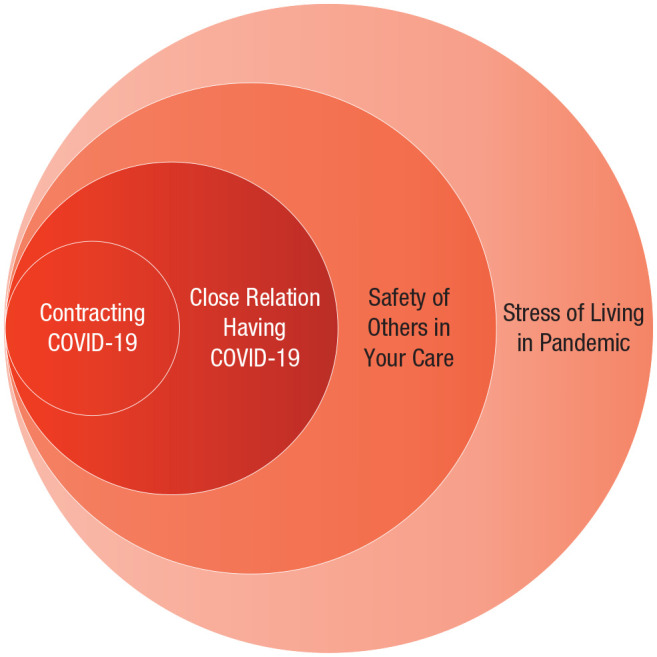
“The individual stressors experienced during this time include the fear of contracting the virus itself, wanting to maintain the safety of loved ones, and a lack of social connection that could be experienced in usual activities [3–5].”
BackgroundJackson-Morris, A. M., Meyer, C. L., Morgan, A. R., Stelmach, R. D., Jamison, L., & Currie, C. E. (2023) · European Journal of Public Health · doi:10.1093/eurpub/ckad193 · Cited by 7
“36 We believe this was the first comparative assessment of the cost-effectiveness of a range of interventions to prevent and treat various high-impact AMH issues in England.”
BackgroundBottary, R. M., Fields, E. C., Ugheoke, L., Denis, D., Mullington, J. M., & Cunningham, T. J. (2022) · Clocks & Sleep · doi:10.3390/clockssleep5010001 · Cited by 7
“For a full description of the larger study, see references [2,30] or protocols posted to our main study OSF page (https://osf.”
BackgroundMethodCharvat, E. J., Ogan, M. A., Kanter, J. B., Monk, J. K., & Proulx, C. M. (2023) · Social and Personality Psychology Compass · doi:10.1111/spc3.12823 · Cited by 7
Lest we forget. Illuminating lived experience of the Covid-19 pandemic and lockdown
Hanson, S., Belderson, P., Ward, E., Naughton, F., & Notley, C. J. (2023) · Social Science & Medicine · doi:10.1016/j.socscimed.2023.116080 · Cited by 9
Liu, T., Liu, Z., Zhang, L., & Mu, S. (2023) · Current Psychology · doi:10.1007/s12144-023-05249-x · Cited by 8
“Faced with these issues, psychologists have sought to identify the influencing factors of anxiety and depression and intervene to reduce adolescent mental health problems (Aknin et al., 2022).”
Jovanović, V., Rudnev, M., Abdelrahman, M., Kadir, N. B. A., Adebayo, D., Akaliyski, P., Alaseel, R., Alkamali, Y. A., Palacio, L. M. A., Amin, A., et al. (2024) · Psychological Assessment · doi:10.1037/pas0001270 · Cited by 7
Mabrouk, F., Mekni, M. M., & Aldawish, A. (2022) · Frontiers in Psychology · doi:10.3389/fpsyg.2022.875608 · Cited by 10
“Some studies on the mental health consequences of living through the COVID-19 pandemic are conducted (Aknin et al., 2021).”
BackgroundGray, E., Evans, A., & Reimondos, A. (2022) · Australian Population Studies · doi:10.37970/aps.v6i1.101 · Cited by 9
“Repeated crosssectional as well as longitudinal studies from overseas that tracked mental health during the different stages of the pandemic confirm that poor mental health and anxiety was highest in the first few months of March and April but then, on average recovered (Aknin et al. 2021; Daly & Robinson 2021, 2022).”
BackgroundBrostow, D. P., Smith, A. A., Bahraini, N. H., Besterman‐Dahan, K., Forster, J. E., & Brenner, L. A. (2022) · Journal of Hunger & Environmental Nutrition · doi:10.1080/19320248.2022.2118564 · Cited by 9
“…Organization (WHO) identified mental health as a crucial issue of concern at the start of the pandemic, 62 and a recent review by Aknin, et al. 63 concluded that the accumulation of individual, interpersonal, and societal stresses relating to COVID −19 contributed to a significant increase in…”
BackgroundThe Mental Health of Poles during the COVID-19 Pandemic
Hoffmann, K., Kopciuch, D., Bońka, A., Michalak, M., Bryl, W., Kus, K., Nowakowska, E., Zaprutko, T., Ratajczak, P., & Paczkowska, A. (2023) · International Journal of Environmental Research and Public Health · doi:10.3390/ijerph20032000 · Cited by 8
“There is a strong recommendation from the Lancet’s COVID-19 Commission Mental Health Task Force to monitor the mental health of populations over the next few years given the many warning signs that persist, beyond the first years of the SARS-CoV-2 pandemic [23,24].”
Himmler, S., van Exel, J. N. A., Brouwer, W. B. F., Neumann‐Böhme, S., Sabat, I., Schreyögg, J., Stargardt, T., Barros, P. P., & Torbica, A. (2023) · The European Journal of Health Economics · doi:10.1007/s10198-023-01604-8 · Cited by 10
“Another more recent international review also confirmed negative mental health changes, while suicide rates and life satisfaction appeared to be constant [7].”
BackgroundResultRogowska, A. M., Wójcik, N., Janik, A., & Klimala, P. (2022) · International Journal of Environmental Research and Public Health · doi:10.3390/ijerph19137769 · Cited by 6
“People perceived them as an additional source of stress, contributing to a higher risk of anxiety and depression [2–6], particularly among young adults and women [7–12].”
Donker, M. H., Mastrotheodoros, S., Yanagida, T., & Branje, S. (2024) · Journal of Youth and Adolescence · doi:10.1007/s10964-024-02048-w · Cited by 9
Future coping self‐efficacy as proxy for resilience
Kaniasty, K. Z., Benight, C. C., & van der Meulen, E. (2025) · Applied Psychology Health and Well-Being · doi:10.1111/aphw.70028 · Cited by 9
People’s Perception of Well-Being during the COVID-19 Pandemic: A Case Study in Japan
Sasaki, D., Suppasri, A., TSUKUDA, H., Nguyen, D. N., ONODA, Y., & Imamura, F. (2022) · International Journal of Environmental Research and Public Health · doi:10.3390/ijerph191912146 · Cited by 5
“In terms of the wellbeing of people during the COVID-19 pandemic, although we can find abundant literature focusing on how well-being has been affected by COVID-19 mainly in Europe, the US, and China, there is a lack of literature conducting a case study in Japan [6].”
BackgroundArya, V., Banerjee, R., Lowies, B., Viljoen, C., & Lushington, K. (2023) · PLoS ONE · doi:10.1371/journal.pone.0286733 · Cited by 10
Social‐distancing memories and well‐being in the cultural context
Wang, Q., & Suo, T. (2023) · Applied Cognitive Psychology · doi:10.1002/acp.4123 · Cited by 9
Agurto-Ramírez, A., Pino‐Rosón, C., Ayala, A., Romero, M. F., Rodríguez‐Blázquez, C., Forjaz, M. J., & Romay‐Barja, M. (2023) · International Journal of Public Health · doi:10.3389/ijph.2023.1606049 · Cited by 6
Handschuh, P., Kroh, J., & Nester, M. (2024) · Journal of Happiness Studies · doi:10.1007/s10902-024-00823-x · Cited by 7
“…COVID-19 pandemic on life satisfaction has been a topic of worldwide research, examining how individuals rated their lives during the COVID-19 pandemic or comparing changes to the pre-pandemic period (see, e.g., Aknin et al., 2022; Prati & Mancini, 2021, or Croda & Grossbard, 2021 for a review).”
Blalock, D. V., Mehler, P., Michel, D. M., Duffy, A., Grange, D. L., O'Melia, A., & Rienecke, R. (2024) · Journal of Medical Internet Research · doi:10.2196/66465 · Cited by 7
“The COVID-19 pandemic exacerbated almost every mental health disorder, including anxiety, depression [1], and eating disorders (EDs) [2].”
Marciano, L., Albanese, E., Viswanath, K., & Camerini, A.-L. (2023) · European Journal of Health Communication · doi:10.47368/ejhc.2023.101 · Cited by 7
Kolozsvári, L. R., Rekenyi, V., Garbóczy, S., Hőgye-Nagy, Á., Szemán-Nagy, A., Sayed-Ahmad, M., & Héjja-Nagy, K. (2023) · International Journal of Environmental Research and Public Health · doi:10.3390/ijerph20085491 · Cited by 10
“The lockdown and the COVID-19 epidemic itself significantly increased the level of student suicides compared to previous years, which draws our attention to serious problems [6,60].”
BackgroundEffects of cumulative COVID-19 cases on mental health: Evidence from multi-country survey
Rathod, S., Pallikadavath, S., Graves, E., Rahman, M. M., Brooks, A., Rathod, P., Bhargava, R., Irfan, M., Aly, R., Gahtani, H. M. S. A., et al. (2023) · World Journal of Psychiatry · doi:10.5498/wjp.v13.i7.461 · Cited by 8
Faccio, E., Bottecchia, M., & Rocelli, M. (2023) · International Journal of Environmental Research and Public Health · doi:10.3390/ijerph20196863 · Cited by 6
“Researchers have made efforts to study and understand the post-COVID-19 period from various perspectives [1,21].”
BackgroundResultInfluentialSchmid, L., Christmann, P., Oehrlein, A.-S., Stein, A., & Thönnissen, C. (2023) · Applied Research in Quality of Life · doi:10.1007/s11482-023-10249-x · Cited by 10
“A literature review that considered many studies on mental health in Western countries during the first year of the pandemic found no change in life satisfaction (Aknin et al., 2022), although anxiety, depression, and distress increased at the beginning of the crisis.”
Long-Term Quality of Life after COVID-19 Infection: Cross-Sectional Study of Health Care Workers
Antar, M., Ullerich, H., Zaruchas, A., Meier, T., Diller, R., Pannewick, U., & Dhayat, S. A. (2024) · International Journal of Environmental Research and Public Health · doi:10.3390/ijerph21020235 · Cited by 7
“The COVID-19 pandemic has had a negative impact on people’s physical, psychological, and social functioning, as well as an economic impact on society [5,16,21,22].”
BackgroundKerstis, B., Giannotta, F., Wågert, P. V. H., Hellström, C., Lindberg, D., Stier, J., & Elvén, M. (2021) · Healthcare · doi:10.3390/healthcare9111498 · Cited by 6
“While many studies have highlighted an increase in mental health problems, especially in women and young adults during the beginning of the pandemic [7], studies that follow up the effects of the pandemic in later stages are still scarce.”
BackgroundHertz‐Palmor, N., Ruppin, S., Matalon, N., Mosheva, M., Dorman-Ilan, S., Serur, Y., Avinir, A., Mekori‐Domachevsky, E., Hasson‐Ohayon, I., Gross, R., et al. (2023) · Psychiatry Research · doi:10.1016/j.psychres.2023.115119 · Cited by 7
“These include being a female, unemployed or inactive, a member of a minority or marginalized racial group, living in urban areas, belonging to the lowest income quintile, living without a partner, or having a pre-existing medical condition (Aknin et al., 2021).”
Malloy, L. C., Dykstra, V. W., Steen, L. A. R., Filoso, D., Salem, H., Comer, J. S., Peris, T. S., Pincus, D. B., Ehrenreich, J. T., & Evans, A. D. (2023) · Research on Child and Adolescent Psychopathology · doi:10.1007/s10802-023-01133-1 · Cited by 11
Finding a Secure Place in the Home during the First COVID-19 Lockdown: A Pattern-Oriented Analysis
Martos, T., Sallay, V., & Donato, S. (2022) · Behavioral Sciences · doi:10.3390/bs13010009 · Cited by 6
“The experience of psycho-pathological symptoms, such as insecurity, anxiety, and hopelessness, significantly increased during the first wave of the pandemic [2].”
BackgroundCOVID-19 and mental health in China: the effects of personality
Zhang, X., Battisti, M., & Proto, E. (2023) · Journal of Epidemiology & Community Health · doi:10.1136/jech-2023-221077 · Cited by 4
Metadata
- Authors
- Aknin, L. B., De Neve, J.-E., Dunn, E. W., Fancourt, D. E., Goldberg, E., Helliwell, J. F., Jones, S. P., Karam, E., Layard, R., Lyubomirsky, S., Rzepa, A., Saxena, S., Thornton, E. M., VanderWeele, T. J., Whillans, A. V., Zaki, J., Karadag, O., & Ben Amor, Y.
- Affiliations
- Simon Fraser University (CA)
- Saïd Business School, University of Oxford
- University of British Columbia (CA)
- University College London (GB)
- New York University (US)
- Imperial College London (GB)
- Saint George Hospital (LB)
- London School of Economics and Political Science (GB)
- University of California, Riverside (US)
- Global Food Security Program, Gallup Inc., London, England
- Harvard University (US)
- Stanford University (US)
- Center for Sustainable Development, Columbia University
- Corresponding author
- Aknin, Lara B.
- ORCID
- Venue
- Perspectives on Psychological Science
- Publisher
- SAGE Publications
- Published
- 2022-01-19
- Volume
- 17
- Issue
- 4
- Pages
- 915-936
- ISSN
- 1745-6916 (ISSN-L)
- 1745-6924
- PMC
- PMC9274782
- OpenAlex
- W3164037603
- Cited by
- 418
- References
- 121
- Citations by year
- 2026: 25 · 2025: 50 · 2024: 72 · 2023: 130 · 2022: 118
- FWCI
- 84.36
- Type
- journal article
- Language
- en
- Open access
- hybrid
- doi.org
- Locations
- Perspectives on Psychological Science (publishedVersion, cc-by)
- PubMed Central (publishedVersion, cc-by)
- PubMed (publishedVersion)
- cIRcle (University of British Columbia) (submittedVersion, cc-by)
- London School of Economics and Political Science Theses Online (London School of Economics and Political Science) (submittedVersion)
- Spiral (Imperial College London) (submittedVersion, cc-by)
- Funders
- Economic and Social Research Council (ES/T014431/1)
- Topics
- Social Sciences › Psychology › Clinical Psychology › COVID-19 and Mental Health
- Health Sciences › Medicine › Public Health, Environmental and Occupational Health › Maternal Mental Health During Pregnancy and Postpartum
- Social Sciences › Communication › Communication and COVID-19 Impact
- Keywords
- COVID-19 pandemic, mental health, anxiety, depression, psychological distress, suicide rates, life satisfaction, loneliness
- MeSH terms
- COVID-19, SARS-CoV-2, Humans, Loneliness, Mental Health, Pandemics
About these checks
Registry, retraction, Cites and statistics results are computed, not judged, with one exception: a printed reference that no index lists is read once by a model before it counts as a citation error. Claims are extracted by a model and kept only when their quote appears verbatim in the text; each cited source is then checked, with a model’s help, for whether it says what the claim relies on. Those verdicts can be wrong — read the claim’s quote and the cited source before relying on one.
Statistics and arithmetic are recomputed, not judged.
Confidence bands are shown only for fields calibrated on our annotated test set. None is calibrated yet, so no band is shown.
What counts as a claim ›How we measure confidence ›How we check this ›
Are you an author, or do you see a problem with this page? Request a review
Data sources
Bibliographic data: Semantic Scholar, OpenAlex, Crossref.
Contains information from the Semantic Scholar Academic Graph Datasets, made available under the ODC Attribution License (ODC-BY 1.0).
Semantic Scholar’s data is described in: Kinney, R., et al. (2023). The Semantic Scholar Open Data Platform. arXiv:2301.10140.
