

Mental Health During the First Year of the COVID-19 Pandemic: A Review and Recommendations for Moving Forward
Open accessThe DOI matches its Crossref record; 127 of the 127 references it cites were found in a registry or an index.
Abstract
COVID-19 has infected millions of people and upended the lives of most humans on the planet. Researchers from across the psychological sciences have sought to document and investigate the impact of COVID-19 in myriad ways, causing an explosion of research that is broad in scope, varied in methods, and challenging to consolidate. Because policy and practice aimed at helping people live healthier and happier lives requires insight from robust patterns of evidence, this article provides a rapid and thorough summary of high-quality studies available through early 2021 examining the mental-health consequences of living through the COVID-19 pandemic. Our review of the evidence indicates that anxiety, depression, and distress increased in the early months of the pandemic. Meanwhile, suicide rates, life satisfaction, and loneliness remained largely stable throughout the first year of the pandemic. In response to these insights, we present seven recommendations (one urgent, two short-term, and four ongoing) to support mental health during the pandemic and beyond.
Overview
The claims and statistics of this paper haven’t been checked yet.
Free: it reads the open-access text and checks the first 5 claims that cite a source we can check. Create a free account to check every claim.
Integrity signals
Registry
Cites
Statistics
Figures
Verification
Claims the paper makes
The claims and statistics of this paper haven’t been checked yet.
Free: it reads the open-access text and checks the first 5 claims that cite a source we can check. Create a free account to check every claim.
Claims other papers make about this one
Each is checked against this paper’s own text: does it say what the citing paper says it does?
The source backs part of the claim, not all of it — or backs it for a different population, condition or comparison.
In the citing paper
“It is clear that various aspects of mental health declined during the COVID-19 pandemic.”
From The Lancet Commission on lessons for the future from the COVID-19 pandemic (2022) · cites this paper as [271]
Experimental — accuracy not yet measuredThe source backs part of the claim, not all of it — or backs it for a different population, condition or comparison.
In the citing paper
“The extended period of economic disruption is creating long-term economic and social scarring, including long-lasting difficulties for children whose schooling has been repeatedly disrupted; new debt crises among low-income countries that are facing sustained output and revenue losses amid the tightening of global financial conditions, and in some cases facing years of reduced numbers of tourists;”
From The Lancet Commission on lessons for the future from the COVID-19 pandemic (2022) · cites this paper as [271]
Experimental — accuracy not yet measuredThe source backs part of the claim, not all of it — or backs it for a different population, condition or comparison.
In the citing paper
“Pervasive uncertainty has been a fundamental aspect of the public health crisis caused by the COVID-19 pandemic—a global and chronic psychological stressor with severe implications for mental health and well-being [60,61].”
From Impact of Media-Induced Uncertainty on Mental Health: Narrative-Based Perspective. (2025) · cites this paper as [61]
Experimental — accuracy not yet measuredIn the citing paper
“It may also ensure sustainability of service provision in the long term (Aknin et al., 2021).”
From Living through lockdown: A qualitative exploration of individuals' experiences in the UK. (2022) · cites this paper as Aknin et al., 2021
Self-check
Percentages, sums and reported differences re-computed from the paper’s own numbers.
The self-check needs the paper’s full text.
Citations
Cites
The PHQ-9: Validity of a brief depression severity measure
Kroenke, K., Spitzer, R. L., & Williams, J. B. W. (2001) · Journal of General Internal Medicine · doi:10.1046/j.1525-1497.2001.016009606.x · Cited by 44,910
null (2016) · Philosophy Study · doi:10.17265/2159-5313/2016.09.003 · Cited by 28,317
The need to belong: Desire for interpersonal attachments as a fundamental human motivation.
Baumeister, R. F., & Leary, M. R. (1995) · Psychological Bulletin · doi:10.1037//0033-2909.117.3.497 · Cited by 23,245
The Psychological Impact of Quarantine and How to Reduce It: Rapid Review of the Evidence
Brooks, S. K., Webster, R. K., Smith, L. E., Woodland, L., Wessely, S., Greenberg, N., & Rubin, G. J. (2020) · doi:10.2139/ssrn.3532534 · Cited by 16,394
The psychological impact of quarantine and how to reduce it: Rapid review of the evidence
Brooks, S. K., Webster, R. K., Smith, L. E., Woodland, L., Wessely, S., Greenberg, N., & Rubin, G. J. (2020) · The Lancet · doi:10.1016/s0140-6736(20)30460-8 · Cited by 16,378
The weirdest people in the world?
Henrich, J., Heine, S. J., & Norenzayan, A. (2010) · Behavioral and Brain Sciences · doi:10.1017/s0140525x0999152x · Cited by 12,641
Diener, E. (1984) · Psychological Bulletin · doi:10.1037/0033-2909.95.3.542 · Cited by 11,023
Diener, E. (2009) · Social Indicators Research Series · doi:10.1007/978-90-481-2350-6_2 · Cited by 10,950
Взаимосвязь статуса занятости и пола с уровнем психологического благополучия
М.Р., Н., & С.И., Б. (2026) · Cifra LLC Journals · doi:10.60797/irj.2026.170.43 · Cited by 7,950
The benefits of frequent positive affect: Does happiness lead to success?
Lyubomirsky, S., King, L., & Diener, E. (2005) · Psychological Bulletin · doi:10.1037/0033-2909.131.6.803 · Cited by 7,143
Self-citation
Research works printed but not linked: 5
- Banks J. Fancourt D. Xu X. (2021). Mental health and the COVID-19 pandemic. In World Happiness Report 2021 (pp. 107– 130). Sustainable Development Solutions Network.
- Helliwell J. F. Huang H. Wang S. Norton M. (2021). World happiness, trust and deaths under COVID-19. In World Happiness Report 2021 (pp. 13– 57). Sustainable Development Solutions Network.
- Liebig S. Buchinger L. Entringer T. M. Kühne S. (2020). East and West Germany in the Corona crisis: The post-turn generation in the East is proving to be resilient. DIW Weekly Report, 87(38), 721– 729.
- VanderWeele T. J. (2020). Activities for flourishing: An evidence-based guide. Journal of Positive Psychology and Wellbeing, 4(1), 79– 91. https://www.journalppw.com/index.php/jppw/article/view/68/63
- World Health Organization. (1948). Summary report on proceedings minutes and final acts of the International Health Conference held in New York from 19 June to 22 July 1946. http://apps.who.int/iris/bitstream/10665/85573/1/Official_record2_eng.pdf
Cited by
Items 201–300 of 418
Cascino, G., Marciello, F., Daga, G. A., Balestrieri, M., Bertelli, S., Carpiniello, B., Corrivetti, G., Favaro, A., Renna, C., Ricca, V., et al. (2021) · Frontiers in Psychiatry · doi:10.3389/fpsyt.2021.789344 · Cited by 5
Quantifying Depression-Related Language on Social Media During the COVID-19 Pandemic
Davis, B. D., McKnight, D. E., Teodorescu, D., Quan‐Haase, A., Chunara, R., Fyshe, A., & Lizotte, D. J. (2022) · International Journal for Population Data Science · doi:10.23889/ijpds.v5i4.1716 · Cited by 9
Can COVID-19 pandemic worsen previous neurological/psychiatric diseases?
Fleury, A., Río‐Quiñones, M. A. D., Aguirre‐Cruz, L., Toledo, A., Murrieta, I., Santiago, K., Uribe, E., Miranda, L. H. L., Toledo, V., Soto, W., et al. (2022) · Neurology Perspectives · doi:10.1016/j.neurop.2022.06.002 · Cited by 5
Slovak parents’ mental health and socioeconomic changes during the COVID-19 pandemic
Vargová, L., Mikulášková, G., Fedáková, D., Lačný, M., Babjáková, J., Šlosáriková, M., Babinčák, P., Ropovik, I., & Adamkovic, M. (2022) · Frontiers in Psychiatry · doi:10.3389/fpsyt.2022.934293 · Cited by 3
“Following other studies (57, 58, 67), it can be assumed that after the initial increase in the level of anxiety, a stabilizing trend is likely to have occurred.”
BackgroundResultTuratto, F., Sassano, M., Goletti, M., Severoni, S., Grossi, A., & Parente, P. (2022) · Healthcare · doi:10.3390/healthcare10112246 · Cited by 7
“Moreover, the pandemic has had important effects on mental health, especially among children and adolescents [9,10].”
BackgroundRen, D., Stavrova, O., & Evans, A. M. (2023) · Journal of Personality · doi:10.1111/jopy.12821 · Cited by 5
Lindberg, D., Elvén, M., Nilsson, K. W., Wågert, P. V. H., Stier, J., Dahlén, M., & Kerstis, B. (2023) · International Journal of Environmental Research and Public Health · doi:10.3390/ijerph20043642 · Cited by 5
“In the early phase of the pandemic, mental health problems increased, especially in women and young adults [30].”
BackgroundAsada, Y., Grignon, M., Hurley, J., Stewart, S. A., Smith, N. K., Kirkland, S., McMillan, J. M., Griffith, L. E., Wolfson, C. M., & Raina, P. S. (2023) · Health Policy · doi:10.1016/j.healthpol.2023.104758 · Cited by 8
“…increase in mental health problems during the COVID-19 pandemic compared to pre-pandemic and a higher prevalence of mental health problems among women and the socioeconomically disadvantaged, including those with lower income, lower education, and pre-existing mental health problems [15 – 34].”
From, A., Luerssen, A., & Gordon, A. M. (2023) · Social and Personality Psychology Compass · doi:10.1111/spc3.12789 · Cited by 5
Disease-preventive behaviors and subjective well-being in the COVID-19 pandemic
Tokson, M. J., Rahrig, H., & Green, J. D. (2023) · BMC Psychology · doi:10.1186/s40359-023-01316-x · Cited by 5
“On the other hand, people are generally psychologically resilient, and even substantial changes to their daily routine may not, on average, significantly decrease their life satisfaction [18].”
BackgroundVacaru, S. V., Parenteau, A. M., Yi, S. C., Silvers, J. A., Hostinar, C. E., & de Weerth, C. (2023) · Developmental Psychobiology · doi:10.1002/dev.22438 · Cited by 7
Zanini, B., Covolo, L., Marconi, S., Marullo, M., Viola, G. C. V., Gelatti, U., Maroldi, R., Latronico, N., & Castellano, M. (2024) · BMJ Nutrition Prevention & Health · doi:10.1136/bmjnph-2023-000817 · Cited by 6
Lemyre, A., Chrisinger, B. W., Palmer-Cooper, E. C., & Messina, J. P. (2024) · British Educational Research Journal · doi:10.1002/berj.3976 · Cited by 10
Ramezani, N., Taylor, B. G., Flanagan, E. A., MacLean, K., Pollack, H. A., Schneider, J. A., & Taxman, F. S. (2024) · BMC Public Health · doi:10.1186/s12889-024-17781-x · Cited by 6
“The more layers of stress that a person experiences, the more deleterious their mental health outcomes may become [2].”
BackgroundResultInfluentialXiao, Q., Huang, X., Yang, H. J., Wang, C., Mu, Y.-F., Cai, J. C., Deng, Z.-Y., Wang, Y., Deng, A.-P., Song, H.-J., et al. (2025) · BMC Public Health · doi:10.1186/s12889-025-21968-1 · Cited by 6
“A previous study noted that as personal safety improved, most people were ready to return to their prepandemic lives, but prepandemic life was unlikely to recover immediately and did not fully address the mental health problems caused by COVID-19 [19].”
Lowe, S. M., Haugen, P. T., Marrone, K., Rosen, R. L., & Reissman, D. B. (2021) · Psychiatry · doi:10.1080/00332747.2021.2005443 · Cited by 7
Real-world performance of Victorian hospitals during the COVID-19 lockdowns
Allison, S. C., Bastiampillai, T. J., Looi, J. C., Copolov, D., & Lakra, V. (2022) · Australasian Psychiatry · doi:10.1177/10398562221079281 · Cited by 5
Rogowska, A. M., Chilicka, K., Ochnik, D., Paradowska, M., Nowicka, D., Bojarski, D., Tomasiewicz, M., Filipowicz, Z., Grabarczyk, M., & Babińska, Z. (2022) · Vaccines · doi:10.3390/vaccines10081334 · Cited by 6
Woodard, G. S., Mraz, A., & Renn, B. N. (2023) · BMC Psychiatry · doi:10.1186/s12888-023-04528-y · Cited by 5
Setioningtyas, W. P., Fodor, Z. J., & Dunay, A. (2024) · Cogent Business & Management · doi:10.1080/23311975.2024.2396534 · Cited by 7
“However, the pandemic has heightened stress levels and psychological issues among employees across the globe (aknin et al., 2022; robinson et al., 2022), leading to a significant decline in employees’ creativity and innovative performance. similarly, Helton and Head (2012) have reported that…”
Zhao, C., Rastogi, R., Woolverton, G. A., Yip, T., Hahm, H. C., & Liu, C. H. (2025) · Journal of Affective Disorders · doi:10.1016/j.jad.2025.119694 · Cited by 5
Hu, L., & Stamoulis, C. (2024) · Cerebral Cortex · doi:10.1093/cercor/bhae164 · Cited by 10
Tadesse, T., Fischer, M. R., Ataro, G., Gedamu, S., Jebessa, M., Mamaru, A., & Siebeck, M. (2024) · Healthcare · doi:10.3390/healthcare12161649 · Cited by 6
“Loneliness is a psychological state associated with deficiencies in a person’s social relationships [8].”
BackgroundMeehan, E., Yeatman, T., Shawyer, F., Rajit, D., Lakra, V., Meadows, G. N., & Enticott, J. (2025) · International Journal of Social Psychiatry · doi:10.1177/00207640241311846 · Cited by 4
“Various prior sources had also identified a rise in psychological distress and service usage in the early stages of the pandemic (Aknin et al., 2022; Australian Institute of Health and Welfare, 2021), and we found similar trends when reviewing publicly available Medicare data on psychologist…”
General gratitude and gratitude to God: associations with personality and well-being
Newman, D. B., Nezlek, J. B., & Tay, L. (2023) · The Journal of Positive Psychology · doi:10.1080/17439760.2023.2178958 · Cited by 8
Kobayashi, H., Saenz-Escarcega, R., Fulk, A., & Agusto, F. B. (2023) · PLoS ONE · doi:10.1371/journal.pone.0286857 · Cited by 3
Salivary Cortisol and Anxiety in Canadian Dentists over 1 Year of COVID-19
Kolbe, R., Madathil, S. A., Marin, L. M., Seth, R. K., faraj, N., Allison, P. J., Quiñonez, C., Glogauer, M., Siqueira, W. L., & Siqueira, M. F. (2023) · Journal of Dental Research · doi:10.1177/00220345231178726 · Cited by 4
“Similar improvements in mental health factors have been observed within the general public of various countries (Aknin et al. 2022; Benatov et al. 2022).”
BackgroundMorris, S. G., Kudrna, L., & Martín, J. (2023) · Frontiers in Public Health · doi:10.3389/fpubh.2023.1235903 · Cited by 4
Follow-up of telemedicine mental health interventions amid COVID-19 pandemic
Roncero, C., Díaz-Trejo, S., Álvarez-Lamas, E., García-Ullán, L., Bersabé-Pérez, M., Benito-Sánchez, J. A., & González-Sánchez, A. (2024) · Scientific Reports · doi:10.1038/s41598-024-65382-w · Cited by 8
Wang, Y., Zhou, D., & Wang, C. (2024) · Frontiers in Public Health · doi:10.3389/fpubh.2024.1417610 · Cited by 4
Californian Public University Students’ Attitudes, Beliefs, and Barriers to Plant-Based Nutrition
Massih, Y. N., Nelson, A. P., Handysides, D. G., & Segovia‐Siapco, G. (2024) · American Journal of Lifestyle Medicine · doi:10.1177/15598276241303700 · Cited by 4
Mudiyanselage, S. P. K., Tsai, Y., Tsai, Y., Yang, Y.-H., Lu, Z.-T., & Ko, N. (2024) · BMC Psychology · doi:10.1186/s40359-024-02168-9 · Cited by 8
“Despite the wealth of studies examining mental health during the COVID-19 pandemic, there is a notable gap in the literature concerning a consolidated global overview of suicidal behavior and its associated risk factors [13].”
Trak, E., & İnözü, M. (2022) · International Journal of Psychology · doi:10.1002/ijop.12844 · Cited by 4
“Recent studies indicate that people experience increased depression, anxiety and stress in response to the COVID-19 pandemic (Aknin et al., 2022).”
BackgroundContini, P., Nuovo, S. D., Sinatra, M., Osmanaj, E., & Monacis, L. (2022) · International Journal of Environmental Research and Public Health · doi:10.3390/ijerph19148749 · Cited by 4
Peixoto, M. M., Sousa, M., Cruz, S., & Cunha, O. S. (2022) · Psych · doi:10.3390/psych4040053 · Cited by 4
“Studies conducted during the pandemic crisis have shown that periods of lockdown negatively impacted well-being [32], particularly cognitive subjective well-being [33–35], with pre-pandemic levels deteriorating by the time of the first lockdown and further”
BackgroundDynamics of Social Experiences in the Context of Extended Lockdown
Tran, A., Bianchi, V., Moeck, E. K., Clarke, B., Moore, I., Burney, S. J. H., Koval, P., Kalokerinos, E. K., & Greenaway, K. H. (2023) · Social Psychological and Personality Science · doi:10.1177/19485506231176603 · Cited by 9
“Furthermore, a recent review concluded loneliness did not increase during 2020, despite lockdown restrictions, because physical isolation compelled people to find ways to interact that did not require physical proximity (e.g., via technology; Aknin et al., 2022).”
BackgroundSchneider, V., Duden, G. S., Landmann, H., & Rohmann, A. (2023) · Current Psychology · doi:10.1007/s12144-023-05158-z · Cited by 5
“Psychological distress is used to describe a range of psychological states, including anxiety, depression and dis - tress (Aknin et al., 2022 ), while mental wellbeing can be defined as “the positive aspect of mental health” and encom - passes “more than the absence of disease” (Warwick Medi - cal…”
InfluentialMental health in Ireland during the Covid pandemic: Evidence from two longitudinal surveys
Madden, D. (2024) · PLoS ONE · doi:10.1371/journal.pone.0279526 · Cited by 6
“In general, negative effects on mental health were found in the early stages of the pandemic, but much of this impact had abated by the middle of the summer of 2020 [1, 2].”
BackgroundSpeyer, L. G., Murray, A. L., & Kievit, R. (2022) · doi:10.31234/osf.io/hacgk · Cited by 4
Kannan, P., Bhawra, J., Wright, K. D., & Katapally, T. R. (2025) · PLOS mental health. · doi:10.1371/journal.pmen.0000256 · Cited by 3
Gilmour, A. L., Feinstein, B. A., & Whisman, M. A. (2025) · Assessment · doi:10.1177/10731911251376235 · Cited by 4
“Adverse mental health outcomes among U.S. adults markedly increased during the early COVID-19 pandemic (e.g., Aknin et al., 2022).”
Robertson, C., Brainard, J. S., Smith, G. E., Harcourt, S., Hoang, U., Elliot, A. J., de Lusignan, S., Colón‐González, F. J., & LAKE, I. R. (2026) · BMC Health Services Research · doi:10.1186/s12913-026-14362-z · Cited by 4
Sawicka, K. M., Catanese, L., Williams, J., Crellin, L., Francis, T., Katsanos, A. H., Shoamanesh, A., Chen, J., Pikula, A., & Schaafsma, J. D. (2023) · Canadian Journal of Neurological Sciences / Journal Canadien des Sciences Neurologiques · doi:10.1017/cjn.2023.19 · Cited by 3
Samuels, A., Avital-Magen, A., & Schusheim, G. (2023) · Clinical Pediatrics · doi:10.1177/00099228221150157 · Cited by 3
Nelson, S. K., Layous, K., Coffey, J. K., & Mayes, L. C. (2023) · Social and Personality Psychology Compass · doi:10.1111/spc3.12798 · Cited by 4
Ormiston, C. K., Chiangong, J., Livinski, A. A., Tompkins, D., & Williams, F. (2023) · BMJ Open · doi:10.1136/bmjopen-2023-073687 · Cited by 3
Adopting new habits and routines in response to COVID-19 lockdown disruptions: A qualitative study
Kessler, D., Boudreau, E., Maitland, J., Lysaght, R. M., McColl, M. A., Alexander, L., Wilson, C., Batorowicz, B., DePaul, V. G., & Donnelly, C. A. (2024) · British Journal of Occupational Therapy · doi:10.1177/03080226241232815 · Cited by 4
“Changes made to routines and occupations because of the pandemic led to increased feelings of isolation, loneliness and psychological distress (Aknin et al., 2022; Best et al., 2021; Siew et al., 2021).”
BackgroundLiterature review: The influence of hustle culture on mental health
Assariy, M. Z., Hersari, N. I., Sitorus, N. A., Arifin, S., & Faisal, F. (2024) · AIP conference proceedings · doi:10.1063/5.0201952 · Cited by 3
Boosting positive mood during stress: a Daily Coping Toolkit replication in college undergraduates
Disabato, D. J., Gawlik, E. A., Seah, T. H. S., & Coifman, K. G. (2025) · Anxiety Stress & Coping · doi:10.1080/10615806.2025.2457625 · Cited by 3
“The COVID-19 pandemic resulted in increased psychological distress and reduced well-being in college students in the United States (Aknin et al., 2022).”
Böcker, L., Olsson, L. E., Friman, M., & Hoff, S. J. C. (2025) · Journal of Transport & Health · doi:10.1016/j.jth.2025.102115 · Cited by 5
Dawes, J., May, T., Fancourt, D. E., & Burton, A. (2022) · International Journal of Environmental Research and Public Health · doi:10.3390/ijerph192315526 · Cited by 4
“Whilst the purpose of these measures was to control the virus, the consequences for many were substantial societal disruption, with many people reporting psychological distress, social isolation, and economic hardship [2,3].”
BackgroundSelf-citationKalseth, J., Ådnanes, M., Ose, S. O., Lassemo, E. I., Kaspersen, S. L., & das Nair, R. (2023) · Quality of Life Research · doi:10.1007/s11136-023-03350-z · Cited by 5
“Furthermore, one review [32] found that life satisfaction and loneliness remained "largely stable" throughout the initial year of the pandemic.”
BackgroundKras, N., & Keenan, J. (2023) · Island Studies Journal · doi:10.24043/isj.420 · Cited by 4
Goodman, T. M., & Martínez, R. N. (2023) · Military Psychology · doi:10.1080/08995605.2023.2209491 · Cited by 4
Schmitz, R. M., Tabler, J., Charak, R., Cantu, J. I., Gonzales, C. M., & Schmitz, J. J. (2023) · Sexual and Gender Diversity in Social Services · doi:10.1080/10538720.2023.2241026 · Cited by 5
Eating disorder virtual intensive outpatient program: patient satisfaction according to age group
Rienecke, R. D., Blalock, D. V., Tallent, C. N., Duffy, A., & Mehler, P. S. (2024) · Eating Disorders · doi:10.1080/10640266.2024.2325296 · Cited by 5
“These are important benefits, as the pandemic has been associated with an increase in psychological distress (Aknin et al., 2022) and corresponding demand for mental health services (Titov et al., 2020).”
Implications of COVID-19 on mental health of pregnant women: Does timing of infection matter?
Barrio‐Martínez, S., Murillo‐García, N., Miguel‐Corredera, M., de la Foz, V. O., Sanz-Sanz, A., & Ayesa‐Arriola, R. (2024) · The European Journal of Psychiatry · doi:10.1016/j.ejpsy.2024.100269 · Cited by 4
Evaluating sleep disturbances in patients recovering from COVID-19
Kampouridou, K., Georgakopoulou, V., Chadia, K., Nena, E., & Steiropoulos, P. (2024) · Pneumon · doi:10.18332/pne/191219 · Cited by 3
Stability and change in life satisfaction in Japan before and during the COVID‐19 pandemic
Nakagawa, T., Noguchi, T., Komatsu, A., Jin, X., Okahashi, S., & Saito, T. (2025) · Applied Psychology Health and Well-Being · doi:10.1111/aphw.70021 · Cited by 3
Howard, C., Overall, N. C., & Sibley, C. G. (2022) · Frontiers in Psychology · doi:10.3389/fpsyg.2022.829643 · Cited by 4
Lada, G., Chinoy, H., Talbot, P. S., Warren, R. B., & Kleyn, C. E. (2022) · Skin Health and Disease · doi:10.1002/ski2.145 · Cited by 2
“This is in partial concordance with a recent review, showing that, during summer 2020, when most of our pandemic participants responded, distress in the general population was near pre‐pandemic levels after an initial increase; although, interestingly, depressive burden may have declined at a slower rate than general…”
ResultAgarwal, S., Tyagi, M., & Bhardwaj, A. (2022) · Lecture notes on data engineering and communications technologies · doi:10.1007/978-981-19-1724-0_11 · Cited by 4
Côté, S. M., Geoffroy, M., Haeck, C., Ouellet‐Morin, I., Larose, S., Chadi, N., Zinszer, K., Gauvin, L. I., & Mâsse, B. R. (2022) · Canadian Journal of Public Health · doi:10.17269/s41997-021-00584-7 · Cited by 6
Taking on the “new normal”: emerging psychologists' reflections on the COVID-19 pandemic
Gradidge, S., Yap, W. M., Liem, A., & Dass, G. (2023) · Journal of Humanities and Applied Social Sciences · doi:10.1108/jhass-08-2022-0101 · Cited by 3
Wang, W., Taylor, M., Gibson, S., Ingram, B., Dawson, A., & Wilson, A. E. (2023) · PsyArXiv (OSF Preprints) · doi:10.31234/osf.io/exu2n · Cited by 3
London, S. M., Howley, C. T., Sarche, M. C., & Kaufman, C. E. (2025) · International Journal of Environmental Research and Public Health · doi:10.3390/ijerph22030358 · Cited by 2
“Participants commonly used the terms anxiety, isolation, and depression to describe their mental health during the pandemic; findings echoed in other research [47].”
Rußmann, M., Netz, N., & Schwabe, U. (2025) · Social Indicators Research · doi:10.1007/s11205-025-03648-0 · Cited by 3
“…studies reported decreasing LS at the onset of the pandemic in the overall adult population (Bittmann, 2022; Bojanowska et al., 2021; Zacher & Rudolph, 2021), while others did not find any statistically significant LS changes (Aknin et al., 2022; Entringer et al., 2020; Wettstein et al., 2022).”
Aznar, M. P. M., Medina, L., Fernández, I. I., & del-Pino-Espejo, M.-J. (2025) · Medicina · doi:10.3390/medicina61101734 · Cited by 2
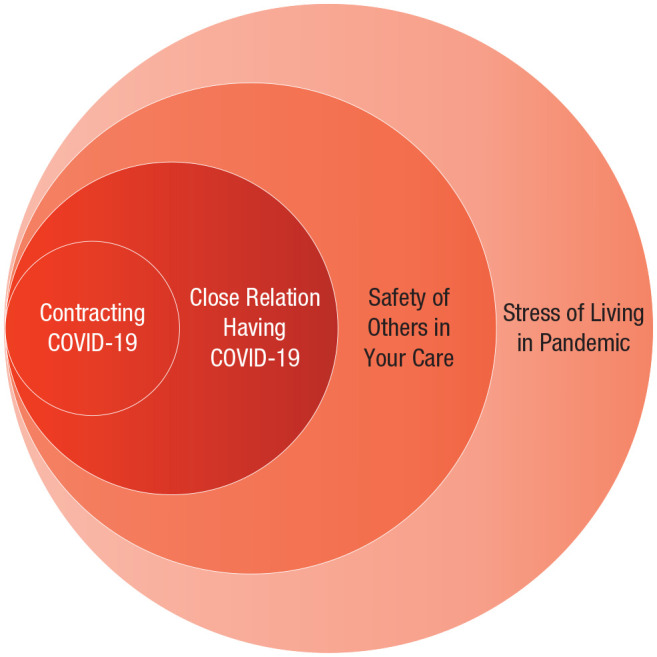
“This pandemic and the public health measures issued in response have imposed various stressors on individuals, including contracting COVID-19 or having close relatives down with COVID-19, concerns about the safety of others in their care, and the stress of living in the pandemic [6].”
InfluentialUngureanu, F. A., Parnes, M. F., Superka, J. E., Hasson‐Ohayon, I., Figueroa-Restrepo, C., Maya, M., Romero, S. A., Jiwani, Z., Horesh, D., & Brown, A. D. (2025) · Psychiatry Research Communications · doi:10.1016/j.psycom.2025.100233 · Cited by 2
Arensman, E., Sadath, A., Callanan, A., Khan, A., Leduc, M., Cully, G., McTernan, N., Schnitzspahn, K. M., Abdulla, K., Celik, S., et al. (2026) · Nature Mental Health · doi:10.1038/s44220-025-00562-9 · Cited by 2
“https://doi.org/10.1038/s44220-025-00562-9 utilization may have been a result of public health measures to protect health services, reduced access to public transport, anxieties about contracting the virus or limited access to services 61–63 .”
InfluentialLiu, Z., Liu, Y., Li, A., & Zhu, T. (2023) · Frontiers in Public Health · doi:10.3389/fpubh.2023.1136152 · Cited by 4
Lee, K. C., Duarte, K. L., Lasswell, E., Clark, A. L., Bhakta, S. G., & Harlé, K. M. (2023) · Telemedicine Journal and e-Health · doi:10.1089/tmj.2023.0020 · Cited by 3
“4 Overall, patients and mental health professionals have adapted favorably to an increased reliance on telepsychiatry services.”
Decision-Making during the Pandemic: Compassion, Trust, and the Altruistic Paradox
Myerson, J., Strube, M., Green, L., Hale, S., & Bernstein, B. (2023) · COVID · doi:10.3390/covid3050055 · Cited by 2
“During the COVID-19 pandemic, the degree of psychological distress has been reported to have reached historically high levels in the US and elsewhere [1,2] although the extent to which the pandemic is the cause of the current level of distress is unclear [2,3].”
BackgroundGfellner, B. M., & Iñesta, A. I. C. (2023) · Emerging Adulthood · doi:10.1177/21676968231185171 · Cited by 4
Karakitsiou, G., Plakias, S., Kedraka, K., Arvaniti, A., Kokkotis, C., Tsiakiri, A., & Samakouri, M. A. (2023) · Brain Sciences · doi:10.3390/brainsci13081203 · Cited by 5
Cuesta‐Briand, B., Rock, D. J., Tayba, L., Hoimes, J., Ngo, H., Taran, M., & Coleman, M. (2023) · Australian Journal of Primary Health · doi:10.1071/py23039 · Cited by 2
“Its burden has been ampli fi ed by COVID-19, with evidence (AIHW 2022; Aknin et al .”
BackgroundJacobs, E. J., Spiker, S., Newsome, K., Danielson, M. L., Bhupalam, S., & Leeb, R. T. (2023) · Journal of American College Health · doi:10.1080/07448481.2023.2277193 · Cited by 2
Zhou, D., & Zeng, C. (2023) · Social Indicators Research · doi:10.1007/s11205-023-03266-8 · Cited by 3
“…directly by the disease and the associated stabilization policies, as populations have been forced into sedentary existence that has increased mental health breakdown (Aknin et al., 2021; Brodeur et al., 2021; Clark & Lepinteur, 2022; Grimes, 2022; Schmidtke et al., 2021; Warren & Bordoloi, 2020).”
Kannan, T. M., & Tan, S. (2024) · Ethics Medicine and Public Health · doi:10.1016/j.jemep.2024.100990 · Cited by 2
“How” web searches change under stress
Kelly, C., Blain, B., & Sharot, T. (2024) · Scientific Reports · doi:10.1038/s41598-024-65895-4 · Cited by 8
Díaz, F., & Henríquez, P. A. (2024) · BMC Public Health · doi:10.1186/s12889-024-19341-9 · Cited by 5
“These results are consistent with the findings in previous studies that suggest that higher policy strin-gency is associated with higher psychological distress [46–49].”
ResultGalloway, K., & Martínez, R. N. (2024) · Military Medicine · doi:10.1093/milmed/usae379 · Cited by 2
Bai, Y., Burns, R. D., Ma, C., Curl, A., Hudziak, J. J., & Copeland, W. (2024) · Scandinavian Journal of Medicine and Science in Sports · doi:10.1111/sms.14738 · Cited by 5
Pankaew, K., Carpenter, D., Kerdprasong, N., Nawamawat, J., Krutchan, N., Brown, S., Shawe, J., & March‐McDonald, J. (2024) · INQUIRY The Journal of Health Care Organization Provision and Financing · doi:10.1177/00469580241301521 · Cited by 5
Kwon, Y., Zong, S. K., Kim, N. H., Choi, Y., & Choi, I. (2024) · Social Indicators Research · doi:10.1007/s11205-024-03496-4 · Cited by 2
“As a result of the mental health challenges associated with the pandemic (Aknin et al., 2022), we have also included stress as an indicator of mental well-being in our well-being construct.”
The Effect of COVID-19 Restrictions on Calls for Service on Drugs, Alcohol, and Mental Health
Demir, M., & Park, S. (2024) · American Journal of Criminal Justice · doi:10.1007/s12103-024-09783-7 · Cited by 2
“This finding is consistent with previous studies on COVID-19’s effect on mental health calls (Kozi-arski, 2021; Nielson & Zhang, 2024) and a recent systematic review (Aknin et al., 2022) that highlighted a rise in anxiety, depression, and distress during the initial months of the pandemic.”
Lehmann, A. I., Kerksieck, P., & Bauer, G. F. (2025) · Journal of Occupational and Organizational Psychology · doi:10.1111/joop.70002 · Cited by 4
Validation of the German Glasgow Sensory Questionnaire in autistic adults
Jakob, I. M., Roessner, V., & Ring, M. (2025) · BMC Psychiatry · doi:10.1186/s12888-025-06504-0 · Cited by 5
Wollast, R., Bahmani, D. S., Schmitz, M., Bigot, A., Gross, J. J., & Luminet, O. (2025) · European Journal of Health Psychology · doi:10.1027/2512-8442/a000179 · Cited by 2
The Buffer Function of Wealth in Socioemotional Responses to Covid‐19 in Italy
Gritti, D., Gioachin, F., & Zamberlan, A. (2023) · Social Inclusion · doi:10.17645/si.v11i1.5976 · Cited by 3
“Contrary to conventional wis‐ dom, meta‐analyses (Aknin et al., 2022; Prati & Mancini, 2021) reported that the overall impact has been small in magnitude but complex and that it has depended on the rigidity of containment measures, the stage of the pandemic, and the direct experience of the disease.”
Gao, Q., Xu, H., Shi, K., Zhang, Y., Zhang, C., Jiang, Q., Wei, X., & Liu, T. (2022) · Frontiers in Psychiatry · doi:10.3389/fpsyt.2022.962285 · Cited by 4
“As for individuals during the quarantine, maintaining a normal routine and physical activity (9, 11, 66), doing some gardening (1), and reducing excessive attention to pandemic news (47) can be particularly helpful in alleviating psychological stress and promoting personal mental well-being.”
Backgroundvon Werthern, N. M., Ahrens, K. F., Neumann, R. J., Kollmann, B., Kranz, T. M., Lieb, K., Tüscher, O., Reif, A., Fiebach, C. J., & Plichta, M. M. (2023) · The World Journal of Biological Psychiatry · doi:10.1080/15622975.2023.2226201 · Cited by 2
“Meta-analyses also describe the effect as heterogeneous and cite predictors of higher loneliness in certain individuals as described below (Aknin et al. 2022; Ernst et al. 2022).”
BackgroundSocial capital and possible bruxism during the COVID-19 pandemic among Brazilian undergraduates
Emmanuelli, B., de Araújo, G., Knorst, J. K., Tagliari, C. V. D. C., BALDISSERA, B. S., & Tuchtenhagen, S. (2023) · Brazilian Oral Research · doi:10.1590/1807-3107bor-2023.vol37.0108 · Cited by 2
Bühler, A., & Willmund, G. (2023) · Frontiers in Public Health · doi:10.3389/fpubh.2023.1267581 · Cited by 2
Wang, X., Tan, Y., Jia, L., Mao, Y., Feng, T., Lei, X., He, Q., Chen, H., Nie, Q., Teng, Z., et al. (2024) · Clinical Psychological Science · doi:10.1177/21677026241242455 · Cited by 2
“In the case of social support (another adaptive ER strategy), some evidence has indicated partial associations with favorable trajectories (Fernández et al., 2022; D. Wang et al., 2022), but other studies have failed to find any support for this connection (Aknin et al., 2022; S. Chen et al., 2022).”
Lam, C. N., Lee, R. C., Soto, D., Ho, A., Nicholas, W. R., Unger, J. B., & Sood, N. (2024) · PLoS ONE · doi:10.1371/journal.pone.0304779 · Cited by 2
Kennedy, A. M., Black, S., Watt, S., Vitkin, N., Young, J., Reeves, R., & Salway, T. (2022) · medRxiv · doi:10.1101/2022.02.18.22271151 · Cited by 3
“…general population pointed to a return to baseline mental health status (regarding anxiety, depression, distress, loneliness) by mid-2020 (Aknin et al., 2021; Luchetti et al., 2020); however, public health interventions that do not account for differential exposures to risks and…”
BackgroundRen, D., Stavrova, O., & Evans, A. M. (2022) · doi:10.31234/osf.io/znqck · Cited by 2
Wójcik, N., & Rogowska, A. M. (2023) · Przeglad Epidemiologiczny · doi:10.32394/pe.76.43 · Cited by 1
“This seems to contradict previous Polish studies conducted during the pandemic (21, 22), but in line with a review of international studies (23), which did not show a significant deterioration in well-being indicators, despite the increased risk of stress, depression or anxiety during the COVID-19…”
BackgroundResultThe impact of distance learning on the health in schoolchildren (literature review)
Bobrisheva-Pushkina, N. D., Kuznetsova, L. Y., & Онищенко, Г. Г. (2024) · Hygiene and Sanitation · doi:10.47470/0016-9900-2024-103-10-1207-1211 · Cited by 1
Metadata
- Authors
- Aknin, L. B., De Neve, J.-E., Dunn, E. W., Fancourt, D. E., Goldberg, E., Helliwell, J. F., Jones, S. P., Karam, E., Layard, R., Lyubomirsky, S., Rzepa, A., Saxena, S., Thornton, E. M., VanderWeele, T. J., Whillans, A. V., Zaki, J., Karadag, O., & Ben Amor, Y.
- Affiliations
- Simon Fraser University (CA)
- Saïd Business School, University of Oxford
- University of British Columbia (CA)
- University College London (GB)
- New York University (US)
- Imperial College London (GB)
- Saint George Hospital (LB)
- London School of Economics and Political Science (GB)
- University of California, Riverside (US)
- Global Food Security Program, Gallup Inc., London, England
- Harvard University (US)
- Stanford University (US)
- Center for Sustainable Development, Columbia University
- Corresponding author
- Aknin, Lara B.
- ORCID
- Venue
- Perspectives on Psychological Science
- Publisher
- SAGE Publications
- Published
- 2022-01-19
- Volume
- 17
- Issue
- 4
- Pages
- 915-936
- ISSN
- 1745-6916 (ISSN-L)
- 1745-6924
- PMC
- PMC9274782
- OpenAlex
- W3164037603
- Cited by
- 418
- References
- 121
- Citations by year
- 2026: 25 · 2025: 50 · 2024: 72 · 2023: 130 · 2022: 118
- FWCI
- 84.36
- Type
- journal article
- Language
- en
- Open access
- hybrid
- doi.org
- Locations
- Perspectives on Psychological Science (publishedVersion, cc-by)
- PubMed Central (publishedVersion, cc-by)
- PubMed (publishedVersion)
- cIRcle (University of British Columbia) (submittedVersion, cc-by)
- London School of Economics and Political Science Theses Online (London School of Economics and Political Science) (submittedVersion)
- Spiral (Imperial College London) (submittedVersion, cc-by)
- Funders
- Economic and Social Research Council (ES/T014431/1)
- Topics
- Social Sciences › Psychology › Clinical Psychology › COVID-19 and Mental Health
- Health Sciences › Medicine › Public Health, Environmental and Occupational Health › Maternal Mental Health During Pregnancy and Postpartum
- Social Sciences › Communication › Communication and COVID-19 Impact
- Keywords
- COVID-19 pandemic, mental health, anxiety, depression, psychological distress, suicide rates, life satisfaction, loneliness
- MeSH terms
- COVID-19, SARS-CoV-2, Humans, Loneliness, Mental Health, Pandemics
About these checks
Registry, retraction, Cites and statistics results are computed, not judged, with one exception: a printed reference that no index lists is read once by a model before it counts as a citation error. Claims are extracted by a model and kept only when their quote appears verbatim in the text; each cited source is then checked, with a model’s help, for whether it says what the claim relies on. Those verdicts can be wrong — read the claim’s quote and the cited source before relying on one.
Statistics and arithmetic are recomputed, not judged.
Confidence bands are shown only for fields calibrated on our annotated test set. None is calibrated yet, so no band is shown.
What counts as a claim ›How we measure confidence ›How we check this ›
Are you an author, or do you see a problem with this page? Request a review
Data sources
Bibliographic data: Semantic Scholar, OpenAlex, Crossref.
Contains information from the Semantic Scholar Academic Graph Datasets, made available under the ODC Attribution License (ODC-BY 1.0).
Semantic Scholar’s data is described in: Kinney, R., et al. (2023). The Semantic Scholar Open Data Platform. arXiv:2301.10140.
