

Determining the influence of intervention characteristics on implementation success requires reliable and valid measures: Results from a systematic review
Open accessThe DOI matches its Crossref record; 38 of the 38 references it cites were found in a registry or an index.
Abstract
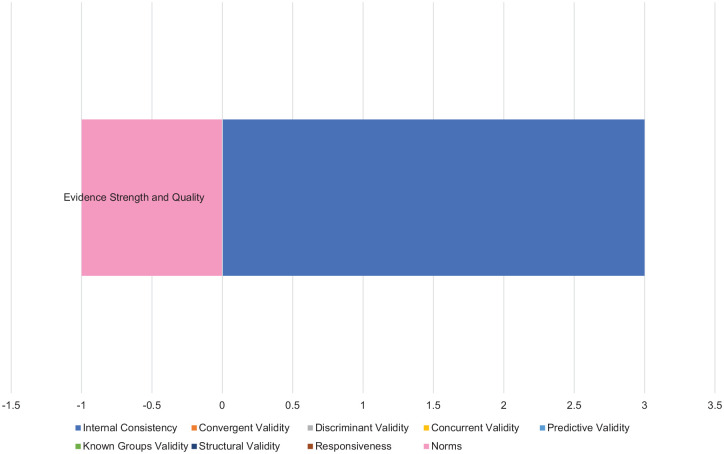
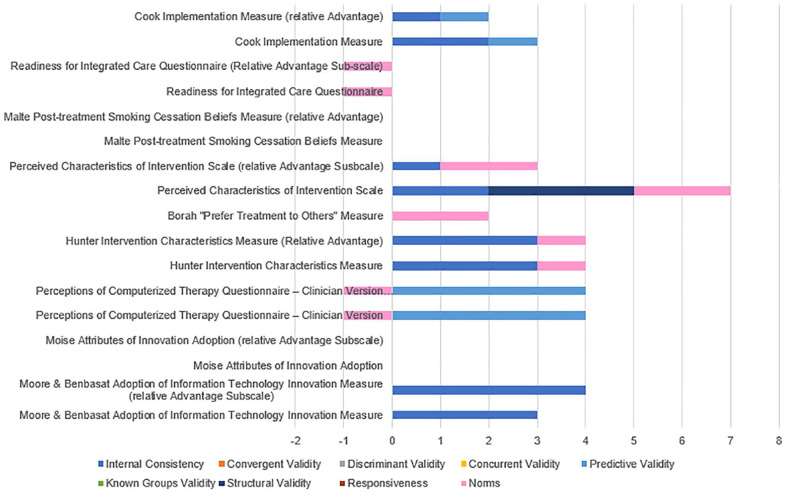
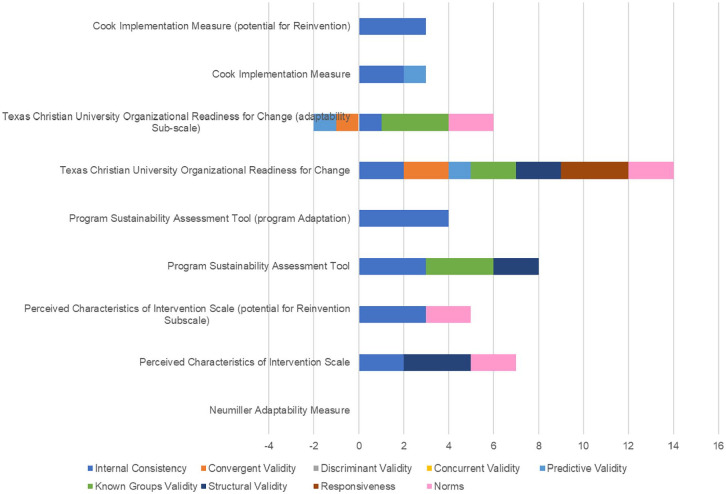
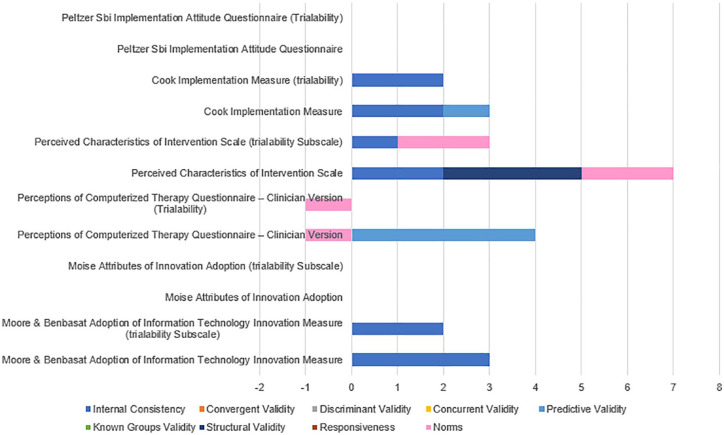
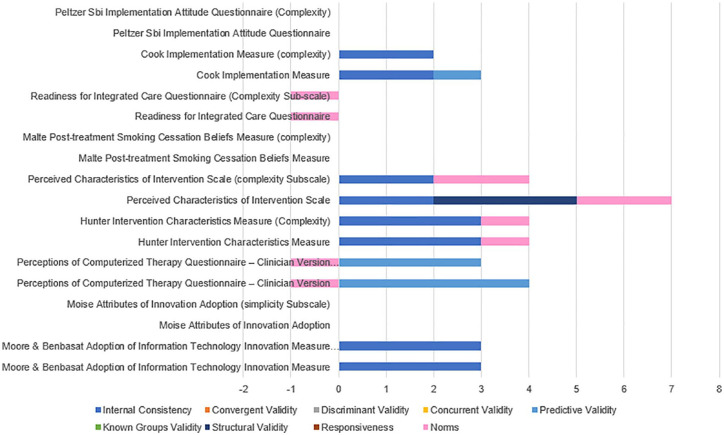
Background: Despite their inclusion in Rogers’ seminal diffusion of innovations theory, few implementation studies empirically evaluate the role of intervention characteristics. Now, with growing evidence on the role of adaptation in implementation, high-quality measures of characteristics such as adaptability, trialability, and complexity are needed. Only two systematic reviews of implementation measures captured those related to the intervention or innovation and their assessment of psychometric properties was limited. This manuscript reports on the results of eight systematic reviews of measures of intervention characteristics with nuanced data regarding a broad range of psychometric properties. Methods: The systematic review proceeded in three phases. Phase I, data collection, involved search string generation, title and abstract screening, full text review, construct assignment, and citation searches. Phase II, data extraction, involved coding psychometric information. Phase III, data analysis, involved two trained specialists independently rating each measure using PAPERS (Psychometric And Pragmatic Evidence Rating Scales). Results: Searches identified 16 measures or scales: zero for intervention source, one for evidence strength and quality, nine for relative advantage, five for adaptability, six for trialability, nine for complexity, and two for design quality and packaging. Information about internal consistency and norms was available for most measures, whereas information about other psychometric properties was most often not available. Ratings for psychometric properties fell in the range of “poor” to “good.” Conclusion: The results of this review confirm that few implementation scholars are examining the role of intervention characteristics in behavioral health studies. Significant work is needed to both develop new measures (e.g., for intervention source) and build psychometric evidence for existing measures in this forgotten domain. Plain Language Summary: Intervention characteristics have long been perceived as critical factors that directly influence the rate of adopting an innovation. It remains unclear the extent to which intervention characteristics including relative advantage, complexity, trialability, intervention source, design quality and packaging, evidence strength and quality, adaptability, and cost impact implementation of evidence-based practices in behavioral health settings. To unpack the differential influence of these factors, high quality measures are needed. Systematic reviews can identify measures and synthesize the data regarding their quality to identify gaps in the field and inform measure development and testing efforts. Two previous reviews identified measures of intervention characteristics, but they did not provide information about the extent of the existing evidence nor did they evaluate the host of evidence available for identified measures. This manuscript summarizes the results of nine systematic reviews (i.e., one for each of the factors listed above) for which 16 unique measures or scales were identified. The nuanced findings will help direct measure development work in this forgotten domain.
Overview
The claims and statistics of this paper haven’t been checked yet.
Free: it reads the open-access text and checks the first 5 claims that cite a source we can check. Create a free account to check every claim.
Integrity signals
Registry
Cites
Statistics
Figures
Verification
Claims the paper makes
The claims and statistics of this paper haven’t been checked yet.
Free: it reads the open-access text and checks the first 5 claims that cite a source we can check. Create a free account to check every claim.
Claims other papers make about this one
Each is checked against this paper’s own text: does it say what the citing paper says it does?
The cited source says what the claim attributes to it.
In the citing paper
“Systematic reviews of implementation context measures have been conducted, all of which have found significant gaps and signal the continued need for measure validation and development [89–95].”
From The updated consolidated framework for implementation research based on user feedback (2022) · cites this paper as [91]
Self-check
Percentages, sums and reported differences re-computed from the paper’s own numbers.
The self-check needs the paper’s full text.
Citations
Cites
Damschroder, L. J., Aron, D. C., Keith, R. E., Kirsh, S. R., Alexander, J. A., & Lowery, J. C. (2009) · Implementation Science · doi:10.1186/1748-5908-4-50 · Cited by 14,496 · cited 8×
“Email: cara.c.lewis@kp.org In 2009, the Consolidated Framework for Implementation Research (CFIR; Damschroder et al., 2009) synthesized the implementation theories, frameworks, and models to offer a meta-framework that could guide measurement of key implementation constructs housed within five…”
MethodInfluentialMoore, G. C., & Benbasat, I. (1991) · Information Systems Research · doi:10.1287/isre.2.3.192 · Cited by 9,150 · cited 3×
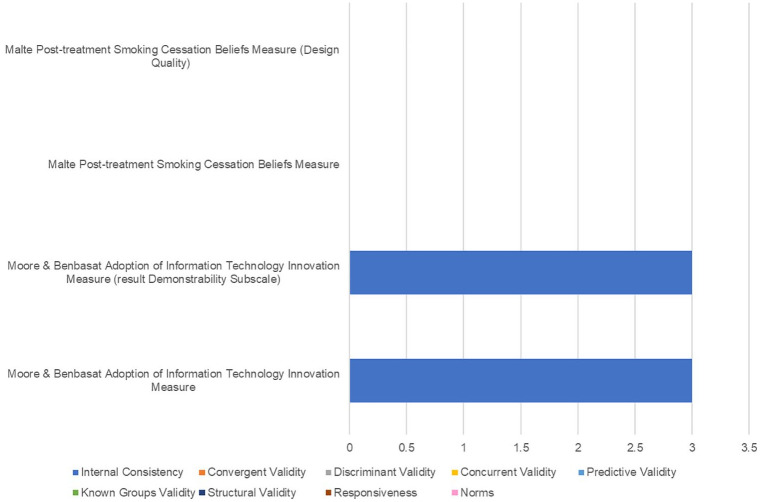
“The rating for internal consistency was “3—good” (Adoption of Information Technology Innovation Result Demonstrability scale; Moore & Benbasat, 1991).”
BackgroundProctor, E., Silmere, H., Raghavan, R., Hovmand, P., Aarons, G., Bunger, A., Griffey, R., & Hensley, M. (2011) · Administration and Policy in Mental Health and Mental Health Services Research · doi:10.1007/s10488-010-0319-7 · Cited by 8,721 · cited 1×
“Trained research specialists mapped measures and/or their scales to one or more of the eight aforementioned intervention characteristics (Proctor et al., 2011).”
BackgroundAdvancing a Conceptual Model of Evidence-Based Practice Implementation in Public Service Sectors
Aarons, G. A., Hurlburt, M., & Horwitz, S. M. (2011) · Administration and Policy in Mental Health and Mental Health Services Research · doi:10.1007/s10488-010-0327-7 · Cited by 3,240 · cited 2×
“Characteristics included: (1) country of origin, (2) concept defined by authors, (3) number of articles contained in each measure packet, (4) number of scales, (5) number of items, (6) setting in which measure had been used, (7) level of analysis, (8) target problem, and (9) stage of implementation as defined by the E…”
BackgroundMethodTerwee, C. B., Mokkink, L. B., Knol, D. L., Ostelo, R. W. J. G., Bouter, L. M., & de Vet, H. C. W. (2012) · Quality of Life Research · doi:10.1007/s11136-011-9960-1 · Cited by 1,978 · cited 1×
“Moreover, this approach offers potential users of a measure a single rating capturing the evidence across all previous uses that is less negative than would be produced with the “worst score counts” approach that accounts for only a single study (Terwee et al., 2012).”
BackgroundWiltsey Stirman, S., Baumann, A. A., & Miller, C. J. (2019) · Implementation Science · doi:10.1186/s13012-019-0898-y · Cited by 1,329
Systematic review of the Exploration, Preparation, Implementation, Sustainment (EPIS) framework
Moullin, J. C., Dickson, K. S., Stadnick, N. A., Rabin, B., & Aarons, G. A. (2019) · Implementation Science · doi:10.1186/s13012-018-0842-6 · Cited by 1,223 · cited 1×
“Intervention characteristics may have a differential influence across the stages or phases of implementation (Moullin et al., 2019).”
BackgroundAssessing organizational readiness for change
Lehman, W. E. K., Greener, J. M., & Simpson, D. D. (2002) · Journal of Substance Abuse Treatment · doi:10.1016/s0740-5472(02)00233-7 · Cited by 863 · cited 1×
“Five measures of adaptability were identified, four of which were scales within broader measures (e.g., Texas Christian University Organizational Readiness for Change— Adaptability Scale; Lehman et al., 2002; McLean, 2013).”
Chaudoir, S. R., Dugan, A. G., & Barr, C. H. (2013) · Implementation Science · doi:10.1186/1748-5908-8-22 · Cited by 800 · cited 3×
“Both studies concluded, across the domains they reviewed, that the state of measurement was only emerging, with only 38% of measures across both studies demonstrating any evidence of reliability and validity (45% of those in Chor et al., 2015; 25% of those in Chaudoir et al., 2013).”
MethodResultChambers, D. A., & Norton, W. E. (2016) · American Journal of Preventive Medicine · doi:10.1016/j.amepre.2016.05.011 · Cited by 581 · cited 1×
“Beyond instruments that measure adaptability, the growing focus on intervention adaptation in implementation more generally (e.g., Chambers & Norton, 2016; Stirman et al., 2019) indicates that instruments assessing all manner of intervention characteristics may be useful to evaluate the outcomes of…”
Background
Cited by
The updated consolidated framework for implementation research based on user feedback
Damschroder, L. J., Reardon, C. M., Widerquist, M. A. O., & Lowery, J. (2022) · Implementation Science · doi:10.1186/s13012-022-01245-0 · Cited by 4,452
Reimagining Rural: Shifting Paradigms About Health and Well-Being in the Rural United States
Afifi, R., Parker, E. A., Dino, G., Hall, D. M., & Ulin, B. F. (2021) · Annual Review of Public Health · doi:10.1146/annurev-publhealth-052020-123413 · Cited by 94
“Key features of successful diffusion in agriculture, which remain critical to IS, include the relative advantage of the innovative practice over the current one and the ability to try out the innovative practice prior to rollout, among others (73, 109).”
BackgroundLyon, A. R., Connors, E. H., Lawson, G. M., Nadeem, E., & Owens, J. S. (2024) · School Mental Health · doi:10.1007/s12310-024-09731-0 · Cited by 60
“Specification of mechanisms can allow for investigation of null effects, replication of positive findings, identification of which strategy components are inert or unnecessary, and adaptation of strategies to fit new contexts (Lewis et al., 2021b).”
Self-citationHelland, S. S., Mellblom, A. V., Kjøbli, J., Wentzel-Larsen, T., Espenes, K., Engell, T., & Kirkøen, B. (2022) · Administration and Policy in Mental Health and Mental Health Services Research · doi:10.1007/s10488-022-01213-2 · Cited by 41
“In recent years, what we implement has also gained attention as important implementation determinants (Lewis et al., 2021), including the EBIs design, content, and fit with diverse needs across mental Adolescents’ mental health problems are increasing worldwide, with significant consequences for…”
BackgroundOptimizing Implementation in Cancer Control (OPTICC): protocol for an implementation science center
Lewis, C. C., Hannon, P. A., Klasnja, P., Baldwin, L., Hawkes, R. J., Blackmer, J., & Johnson, A. N. (2021) · Implementation Science Communications · doi:10.1186/s43058-021-00117-w · Cited by 27
Self-citationO’Hara, K. L., Knowles, L. M., Guastaferro, K., & Lyon, A. R. (2022) · Implementation Research and Practice · doi:10.1177/26334895221131052 · Cited by 24
“Often, the intervention design itself is overlooked as an implementation determinant, with more attention being paid to strategies to improve intervention adoption and sustainment (Lewis et al., 2021).”
BackgroundSelf-citationGarner, B. R., Knudsen, H. K., Zulkiewicz, B. A., Tueller, S., Gotham, H. J., Martin, E. G., Donohoe, T., Toro, A. K., Loyd, K., & Gordon, T. J. (2022) · JAIDS Journal of Acquired Immune Deficiency Syndromes · doi:10.1097/qai.0000000000002981 · Cited by 14
Bhardwaj, A., Fitzgerald, C., Graham, M. M., MacFarlane, A. E., Kennedy, N., & Toomey, C. (2024) · Rheumatology International · doi:10.1007/s00296-024-05590-9 · Cited by 17
“While the perceived relative advantage of new healthcare services is an important factor in implementation success [36], it may be further compounded by dissatisfaction with current clinical practices.”
BackgroundPatel, Z. S., Becker, S. J., Olson, M. B., Rinella, H., & Scott, K. (2024) · Implementation Science Communications · doi:10.1186/s43058-024-00549-0 · Cited by 18
Brewer, S. K., Corbin, C. M., Baumann, A. A., Stirman, S. W., Jones, J. M., Pullmann, M. D., Lyon, A. R., Panel, M. E., Aalsma, M. C., Aldridge, W. A., et al. (2024) · Implementation Science Communications · doi:10.1186/s43058-024-00592-x · Cited by 18
“Scholars have spent the past 15-20 years identifying implementation determinants (i.e., barriers and facilitators) and strategies [4–6], particularly at the intraorganizational and interorganizational levels [7, 8].”
BackgroundSelf-citationCardona, M. I., Monsees, J., Schmachtenberg, T., Grünewald, A., & Thyrian, J. R. (2023) · PLoS ONE · doi:10.1371/journal.pone.0289737 · Cited by 12
Cloutier, R. M., Cole, E. S., McDonough, B. L., Lomauro, D., Miller, J. P., Talbert, A., Bear, T., Bridges, N. C., Foulds, A. L., Taber, R., et al. (2023) · Implementation Research and Practice · doi:10.1177/26334895231152808 · Cited by 12
“, organizational health, provider selfefficacy) (Lewis et al., 2021; Shapiro et al., 2021; Vax et al., 2021) as well as the extent to which organizational or implementation metrics have a demonstrated impact on the patient experience (e.”
BackgroundParents’ and professionals’ views on autistic motherhood using a participatory research design
Sutcliffe-Khan, F., Larkin, F., & Hamilton, L. (2024) · Current Psychology · doi:10.1007/s12144-024-05999-2 · Cited by 15
“Autistic mothers also reported difficulties in obtaining information that suited their needs and feelings of loss of control during labour, themes which have been supported by recent qualitative studies (Hampton et al., 2022b; Lewis et al., 2021).”
Measurement Issues in Dissemination and Implementation Research
Lewis, C. C., Mettert, K. D., Proctor, E. K., & Brownson, R. C. (2023) · Oxford University Press eBooks · doi:10.1093/oso/9780197660690.003.0015 · Cited by 6
Self-citationHaga, S. M., Jacobsen, H., & Engell, T. (2025) · BMC Health Services Research · doi:10.1186/s12913-025-12937-w · Cited by 3
Jones, S. M. W., Shrey, A., & Weiner, B. J. (2023) · Implementation Research and Practice · doi:10.1177/26334895231175527 · Cited by 2
“…started with items from one general review (Miake-Lye et al., 2020) and then included measures identified from two other reviews of determinant measures, specifically because these reviews identified which measures focused on intervention characteristics (Chaudoir et al., 2013; Lewis et al., 2021).”
BackgroundJones, S. M. W., & Weiner, B. J. (2024) · Translational Behavioral Medicine · doi:10.1093/tbm/ibae013 · Cited by 1
Purtle, J., Stadnick, N. A., Mauri, A. I., Walker, S. C., Bruns, E. J., & Aarons, G. A. (2024) · Implementation Science · doi:10.1186/s13012-024-01401-8 · Cited by 1
“As such, measures directly related to an EBP’s delivery (e.g., adoption, reach, fidelity) are clear-cut indicators of implementation success [37–39].”
BackgroundNguyen, O. T., Vo, S. D., Nguyen, D., Katoju, S. V., Kunta, A. R., Ford, J. H., Hong, Y.-R., Perkins, R., Tabriz, A. A., & Turner, K. (2025) · Implementation Science Communications · doi:10.1186/s43058-025-00826-6 · Cited by 1
Tabak, R. G., Schwarz, C. D., Haire-Joshu, D. L., Wang, J., Gilbert, A. S., & Steger-May, K. (2026) · Frontiers in Health Services · doi:10.3389/frhs.2026.1637060 · Cited by 2
Phung, J. Y. H., Cowley, L., Sikora, L., Humphrey-Murto, S. M., LaDonna, K. A., Touchie, C., & Khalifé, R. (2026) · Medical Education · doi:10.1111/medu.70275 · Cited by 1
Implementing Smoking Cessation Telehealth Technologies Within the VHA: Lessons Learned
Golden, S. E., Unger, S., & Slatore, C. G. (2023) · Federal Practitioner · doi:10.12788/fp.0393 · Cited by 1
Collado, R. J., & Bautista, S. C. (2025) · Diversitas Journal · doi:10.48017/dj.v10i2.3365
Qazi, F. K., Khan, Z., & Afaq, S. (2025) · F1000Research · doi:10.12688/f1000research.165171.1
“13 This study will be theoretically underpinned by the CFIR model, with a specific focus on the domain of innovation characteristics, accompanied by guidance from the process domain.”
Biemba, B., & Mwanaumo, E. T. (2025) · African Journal of Commercial Studies · doi:10.59413/ajocs/v6.i5.19
“A systematic review by Lewis, Mettert, and Lyon (2021) confirms that a clear relative advantage, such as improved efficiency or cost savings, is a primary driver of adoption across industries.”
A Measurement Roadmap to Guide Implementation Practitioners in Selecting Implementation Measures
Martinez, R. G., Antonaccio, C. M., Crane, M. E., Cramer, E. R., Fu, E. S., Arnold, T. L., Frank, H. E., Littlewood, A., Guzman, L. E., Hoyos, C. C.-D., et al. (2025) · Global Implementation Research and Applications · doi:10.1007/s43477-025-00189-z · Cited by 1
“Interested readers can refer to Table 1 and several resources (Glasgow & Riley, 2013; Lewis et al., 2021b; Stanick et al., 2021b) for more detailed descriptions of psychometric and pragmatic measure properties.”
Patel-Syed, Z., Becker, S., Olson, M. B., Rinella, H., & Scott, K. (2024) · Figshare · doi:10.6084/m9.figshare.26680738
Brewer, S. K., Corbin, C. M., Baumann, A. A., Stirman, S. W., Jones, J. M., Pullmann, M. D., & Lyon, A. R. (2024) · Figshare · doi:10.6084/m9.figshare.26734956
Self-citationBrewer, S. K., Corbin, C. M., Baumann, A. A., Stirman, S. W., Jones, J. M., Pullmann, M. D., & Lyon, A. R. (2024) · Figshare · doi:10.6084/m9.figshare.26734962
Self-citationBrewer, S. K., Corbin, C. M., Baumann, A. A., Stirman, S. W., Jones, J. M., Pullmann, M. D., & Lyon, A. R. (2024) · Figshare · doi:10.6084/m9.figshare.26734959
Self-citationBrewer, S. K., Corbin, C. M., Baumann, A. A., Stirman, S. W., Jones, J. M., Pullmann, M. D., & Lyon, A. R. (2024) · Figshare · doi:10.6084/m9.figshare.26734953
Self-citationBrewer, S. K., Corbin, C. M., Baumann, A. A., Stirman, S. W., Jones, J. M., Pullmann, M. D., & Lyon, A. R. (2024) · Figshare · doi:10.6084/m9.figshare.26734950
Self-citationClinical care team perspectives on universal low‐dose aspirin in pregnancy
Ruderman, R. S., Premkumar, A., lee, J., Walls, M., Keegan, G., Mbah, O., & Suresh, S. C. (2025) · Pregnancy · doi:10.1002/pmf2.70097
“Intervention characteristics are essential aspects that influence the adoption of a clinical change [20].”
Khalid, F., Khan, Z., & Afaq, S. (2026) · F1000Research · doi:10.12688/f1000research.165171.3
Caci, L., Blum, K., Johnson, C. M., Albers, B., Clack, L., The REVERSE study group, Andritsos, A. R., Anghel, A.-M.-J., Antonelli, A., Antoniou, A., et al. (2026) · Implementation Science Communications · doi:10.1186/s43058-026-00884-4 · Cited by 2
“While measures for intervention complexity are scarce [69], researchers may use or adapt the Intervention Delivery Complexity Tool, consisting of six domains (e.g., workflows, setting-dependency) to measure complexity [70].”
Santos, A. J., Roxo, L., Sousa, H., Espina, C., Islam, R., Vladu, L., Pîrvan, M., Feliu, A., D´Souza, E., Bouaoun, L., et al. (2026) · Archives of Public Health · doi:10.1186/s13690-026-01947-7
“…study developed and validated a scale that is particularly relevant for non-clinical, population-level contexts, addressing critical gaps identified by Lewis and colleagues [23], who highlighted the scarcity of instruments assessing how audiences perceive the characteristics of health innovations.”
Building better SEL: A systematic approach to usability evaluation in school-based programming
Gordon, A., Collins, V. K., Bruzios, K. E., Corbin, C. M., Bruns, E. J., & Lyon, A. R. (2026) · Social and Emotional Learning Research Practice and Policy · doi:10.1016/j.sel.2026.100219
Self-citation
Metadata
- Authors
- Lewis, C. C., Mettert, K., & Lyon, A. R.
- Affiliations
- Kaiser Permanente Washington Health Research Institute (US)
- University of Washington (US)
- Corresponding author
- Lewis, Cara C
- Venue
- Implementation Research and Practice
- Publisher
- SAGE Publications
- Published
- 2021-01
- Volume
- 2
- Pages
- 2633489521994197-2633489521994197
- ISSN
- 2633-4895 (ISSN-L)
- PMC
- PMC9978609
- OpenAlex
- W3136813232
- Cited by
- 38
- References
- 38
- Citations by year
- 2026: 6 · 2025: 8 · 2024: 13 · 2023: 5 · 2022: 4 · 2021: 2
- FWCI
- 1.24
- Type
- journal article
- Language
- en
- Open access
- gold
- doi.org
- Licence
- Locations
- Implementation Research and Practice (publishedVersion, cc-by-nc)
- PubMed Central (publishedVersion, cc-by-nc)
- PubMed (publishedVersion)
- DOAJ (DOAJ: Directory of Open Access Journals) (submittedVersion, cc-by-sa)
- Funders
- National Institute of Mental Health (1R01MH106510)
- Topics
- Health Sciences › Health Professions › General Health Professions › Health Policy Implementation Science
- Social Sciences › Sociology and Political Science › Delphi Technique in Research
- Health Sciences › Nursing › Research and Theory › Health Education and Validation
- Keywords
- intervention characteristics, implementation success, diffusion of innovations, psychometric properties, reliability and validity, adaptability, trialability, complexity, relative advantage, behavioral health interventions, evidence-based practice adoption, scale development, implementation measures, cost impact, innovation adoption
About these checks
Registry, retraction, Cites and statistics results are computed, not judged, with one exception: a printed reference that no index lists is read once by a model before it counts as a citation error. Claims are extracted by a model and kept only when their quote appears verbatim in the text; each cited source is then checked, with a model’s help, for whether it says what the claim relies on. Those verdicts can be wrong — read the claim’s quote and the cited source before relying on one.
Statistics and arithmetic are recomputed, not judged.
Confidence bands are shown only for fields calibrated on our annotated test set. None is calibrated yet, so no band is shown.
What counts as a claim ›How we measure confidence ›How we check this ›
Are you an author, or do you see a problem with this page? Request a review
Data sources
Bibliographic data: Semantic Scholar, OpenAlex, Crossref.
Contains information from the Semantic Scholar Academic Graph Datasets, made available under the ODC Attribution License (ODC-BY 1.0).
Semantic Scholar’s data is described in: Kinney, R., et al. (2023). The Semantic Scholar Open Data Platform. arXiv:2301.10140.
