

Phylogeographic history of grey wolves in Europe
Open accessThe DOI matches its Crossref record; 59 of the 59 references it cites were found in a registry or an index.
Abstract
BACKGROUND: While it is generally accepted that patterns of intra-specific genetic differentiation are substantially affected by glacial history, population genetic processes occurring during Pleistocene glaciations are still poorly understood. In this study, we address the question of the genetic consequences of Pleistocene glaciations for European grey wolves. Combining our data with data from published studies, we analysed phylogenetic relationships and geographic distribution of mitochondrial DNA haplotypes for 947 contemporary European wolves. We also compared the contemporary wolf sequences with published sequences of 24 ancient European wolves. RESULTS: We found that haplotypes representing two haplogroups, 1 and 2, overlap geographically, but substantially differ in frequency between populations from south-western and eastern Europe. A comparison between haplotypes from Europe and other continents showed that both haplogroups are spread throughout Eurasia, while only haplogroup 1 occurs in contemporary North American wolves. All ancient wolf samples from western Europe that dated from between 44,000 and 1,200 years B.P. belonged to haplogroup 2, suggesting the long-term predominance of this haplogroup in this region. Moreover, a comparison of current and past frequencies and distributions of the two haplogroups in Europe suggested that haplogroup 2 became outnumbered by haplogroup 1 during the last several thousand years. CONCLUSIONS: Parallel haplogroup replacement, with haplogroup 2 being totally replaced by haplogroup 1, has been reported for North American grey wolves. Taking into account the similarity of diets reported for the late Pleistocene wolves from Europe and North America, the correspondence between these haplogroup frequency changes may suggest that they were associated with ecological changes occurring after the Last Glacial Maximum.
Overview
The claims and statistics of this paper haven’t been checked yet.
Free: it reads the open-access text and checks the first 5 claims that cite a source we can check. Create a free account to check every claim.
Integrity signals
Registry
Cites
Statistics
Figures
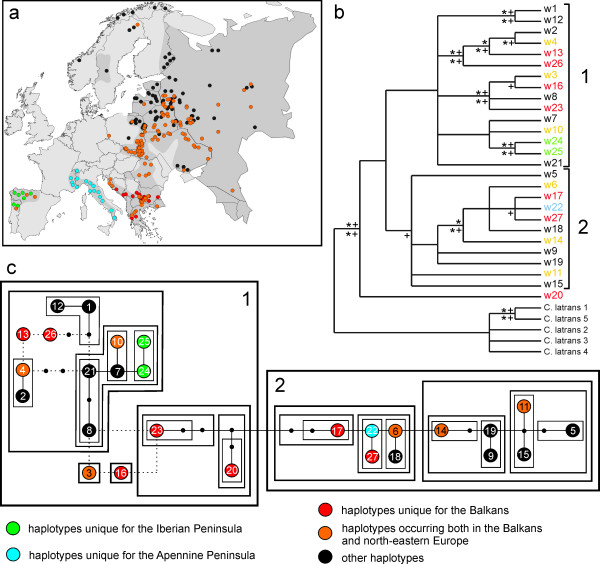
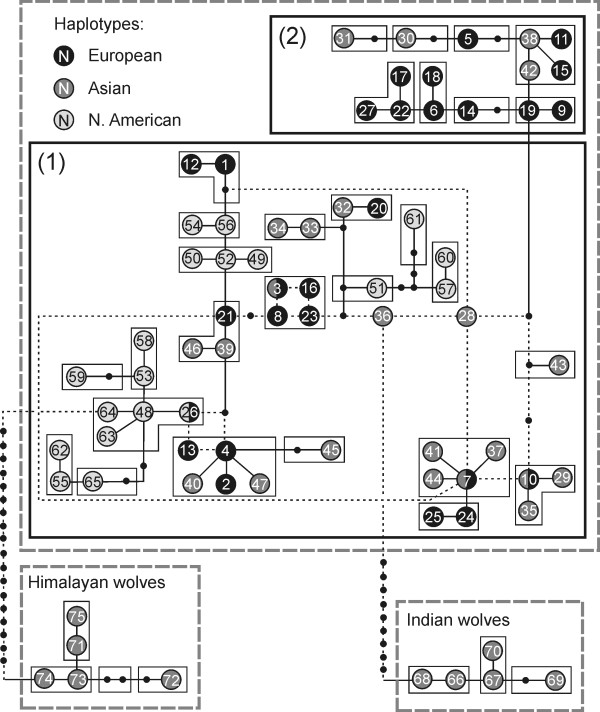
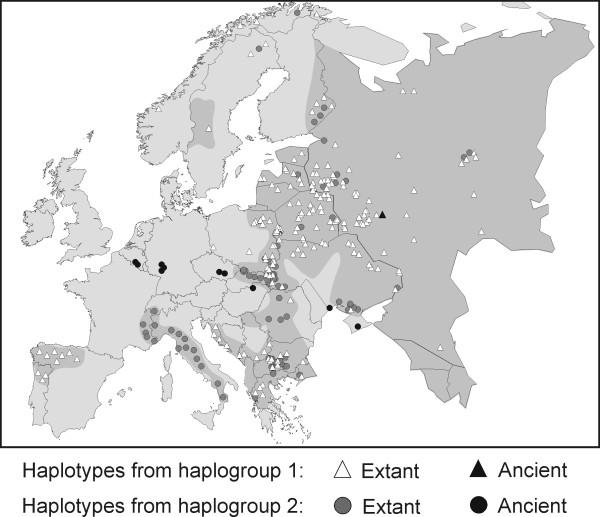
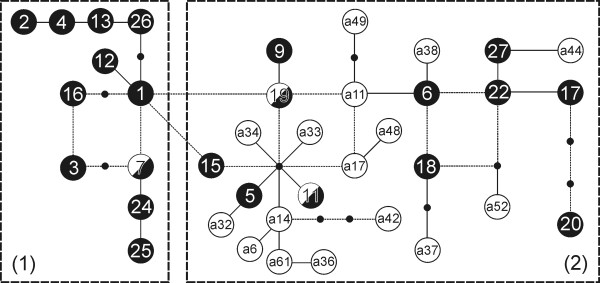
Verification
Claims the paper makes
The claims and statistics of this paper haven’t been checked yet.
Free: it reads the open-access text and checks the first 5 claims that cite a source we can check. Create a free account to check every claim.
Claims other papers make about this one
Each is checked against this paper’s own text: does it say what the citing paper says it does?
The check wasn’t confident either way, so it gives no verdict — never disputed.
In the citing paper
“Such bottlenecks were partly caused by human persecution, suggesting that some wolf populations are the result of an extreme selection for shy animals (i.e., those who were able to elude human hunters) [38–40].”
From Comparing wolves and dogs: current status and implications for human ‘self-domestication’ (2022) · cites this paper as [40]
Experimental — accuracy not yet measured
Self-check
Percentages, sums and reported differences re-computed from the paper’s own numbers.
The self-check needs the paper’s full text.
Citations
Cites
Thompson, J. D., Higgins, D. G., & Gibson, T. J. (1994) · Nucleic Acids Research · doi:10.1093/nar/22.22.4673 · Cited by 64,617 · cited 1×
“Sequences were compared using BLAST and aligned using Clustal W algorithm (Thompson et al. 1994) to identify different haplotypes.”
MRBAYES: Bayesian inference of phylogenetic trees.
Huelsenbeck, J. P., & Ronquist, F. (2001) · Bioinformatics · doi:10.1093/bioinformatics/17.8.754 · Cited by 21,937 · cited 1×
“Additionally, we constructed Bayesian trees in MrBayes 3.2 [ 27 ] using a model of nucleotide substitution estimated in MrModeltest 2.2 [28].”
InfluentialMODELTEST: testing the model of DNA substitution.
Posada, D., & Crandall, K. A. (1998) · Bioinformatics · doi:10.1093/bioinformatics/14.9.817 · Cited by 19,820 · cited 1×
“For distance and likelihood-based trees we used a model of nucleotide substitution estimated in Modeltest 3.6 [ 26 ].”
InfluentialArlequin (version 3.0): An integrated software package for population genetics data analysis
Excoffier, L., Laval, G., & Schneider, S. (2005) · Evolutionary Bioinformatics · doi:10.1177/117693430500100003 · Cited by 14,280 · cited 1×
“1 [42] for these analyses.”
BEAST: Bayesian evolutionary analysis by sampling trees
Drummond, A. J., & Rambaut, A. (2007) · BMC Evolutionary Biology · doi:10.1186/1471-2148-7-214 · Cited by 12,919
Median-joining networks for inferring intraspecific phylogenies
Bandelt, H. J., Forster, P., & Rohl, A. (1999) · Molecular Biology and Evolution · doi:10.1093/oxfordjournals.molbev.a026036 · Cited by 11,742 · cited 1×
“510 [30].”
TCS: a computer program to estimate gene genealogies
Clement, M., Posada, D., & Crandall, K. A. (2000) · Molecular Ecology · doi:10.1046/j.1365-294x.2000.01020.x · Cited by 9,861 · cited 4×
“We also constructed haplotype networks using the statistical parsimony method implemented in the software TCS [29] and the median-joining method implemented in the software Network 4.510 [30].”
MethodInfluentialFu, Y.-X. (1997) · Genetics · doi:10.1093/genetics/147.2.915 · Cited by 7,164
The genetic legacy of the Quaternary ice ages
Hewitt, G. (2000) · Nature · doi:10.1038/35016000 · Cited by 7,127 · cited 2×
“Background Historical processes during the Pleistocene glaciations had a profound effect on intra-specific genetic differentiation [1-3].”
PAUP * [Phylogenetic Analysis Using Parsimony (and Other Methods)]
Cummings, M. P. (2004) · Dictionary of Bioinformatics and Computational Biology · doi:10.1002/0471650129.dob0522 · Cited by 5,215
Cited by
Skoglund, P., Ersmark, E., Palkopoulou, E., & Dalén, L. (2015) · Current Biology · doi:10.1016/j.cub.2015.04.019 · Cited by 310
“The latter scenario would be consistent with an earlier finding of a morphologically distinct wolf population adapted to megafaunal prey in Late Pleistocene Beringia [20], as well as mitochondrial DNA evidence for a Holocene replacement of European gray wolves [21].”
Hindrikson, M., Remm, J., Pilot, M., Godinho, R., Stronen, A. V., Baltrūnaité, L., Czarnomska, S. D., Leonard, J. A., Randi, E., Nowak, C., et al. (2017) · Biological Reviews · doi:10.1111/brv.12298 · Cited by 190
“…widespread and continuous European wolf population, as suggested from studies involving Bulgarian (Randi et al., 2000; Moura et al., 2014; Pilot et al., 2014a), Croatian (Gomerčić et al., 2010; Fabbri et al., 2014), and other populations in the Balkans (Pilot et al., 2010; Djan et al., 2014).”
BackgroundInfluentialSelf-citationWorldwide patterns of genomic variation and admixture in gray wolves
Fan, Z., Silva, P., Gronau, I., Wang, S., Armero, A. S., Schweizer, R. M., Ramirez, O., Pollinger, J., Galaverni, M., Ortega Del-Vecchyo, D., et al. (2016) · Genome Research · doi:10.1101/gr.197517.115 · Cited by 209
“…and turnover also is supported by recent mtDNA sequence analysis of modern and ancient wolves from the Last Glacial Maximum (Leonard et al. 2007; Pilot et al. 2010; Thalmann et al. 2013) and the dynamic pattern of turnover in other large carnivores such as brown and polar bears, hyenas, and…”
BackgroundGuo, X., Zhang, Z., Qi, L., Liu, S., Tang, Y., & Zhao, Z. (2022) · IEEE Transactions on Automation Science and Engineering · doi:10.1109/tase.2021.3133601 · Cited by 169
Palaeolithic dog skulls at the Gravettian Předmostí site, the Czech Republic
Germonpré, M., Lázničková-Galetová, M., & Sablin, M. V. (2012) · Journal of Archaeological Science · doi:10.1016/j.jas.2011.09.022 · Cited by 161
Multilocus Detection of Wolf x Dog Hybridization in Italy, and Guidelines for Marker Selection
Randi, E., Hulva, P., Fabbri, E., Galaverni, M., Galov, A., Kusak, J., Bigi, D., Bolfíková, B. Č., Smetanová, M., & Caniglia, R. (2014) · PLoS ONE · doi:10.1371/journal.pone.0086409 · Cited by 134
“Wolf populations in eastern Europe, though experienced less dramatic bottlenecks or had persistent gene flow with neighbouring populations [16], exhibited partial signals of isolation in Mediterranean, Balkan and perhaps Carpathian glacial refuges during Pleistocene [90].”
BackgroundGenetics and conservation of wolves Canis lupus in Europe
Randi, E. (2011) · Mammal Review · doi:10.1111/j.1365-2907.2010.00176.x · Cited by 134
“European wolf haplotypes are split into two main clades (haplogroups I and II), which do not show any clear allopatric distribution pattern (Pilot et al. 2010).”
BackgroundInfluentialWerhahn, G., Senn, H., Ghazālī, M., Karmacharya, D. B., Sherchan, A. M., Joshi, J., Kusi, N., López‐Bao, J. V., Rosen, T., Kachel, S. M., et al. (2018) · Global Ecology and Conservation · doi:10.1016/j.gecco.2018.e00455 · Cited by 119
“We used the package capwire in R (Pennell and Miller, 2012) to estimate Maximum Likelihood population sizes from the genotyping datasets obtained from the samples from Humla and Dolpa.”
MethodGenome-wide signatures of population bottlenecks and diversifying selection in European wolves
Pilot, M., Greco, C., vonHoldt, B. M., Jędrzejewska, B., Randi, E., Jędrzejewski, W., Sidorovich, V. E., Ostrander, E. A., & Wayne, R. K. (2014) · Heredity · doi:10.1038/hdy.2013.122 · Cited by 111
Self-citationPrey choice and diet of wolves related to ungulate communities and wolf subpopulations in Poland
Jędrzejewski, W., Niedziałkowska, M., Hayward, M. W., Goszczyński, J., Jędrzejewska, B., Borowik, T., Bartoń, K. A., Nowak, S., Harmuszkiewicz, J., Juszczyk, A., et al. (2012) · Journal of Mammalogy · doi:10.1644/10-mamm-a-132.1 · Cited by 122
“Moreover, the grouping of Polish wolves into mtDNA subpopulations results from a steep gradient in frequencies of haplotypes belonging to 2 main haplogroups, which represent a major subdivision within the worldwide wolf population (Pilot et al. 2010).”
BackgroundSelf-citationOrigin of British and Irish mammals: disparate post-glacial colonisation and species introductions
Montgomery, I. W., Provan, J., McCabe, A., & Yalden, D. W. (2014) · Quaternary Science Reviews · doi:10.1016/j.quascirev.2014.05.026 · Cited by 120
Faunal histories from Holocene ancient DNA
de Bruyn, M., Hoelzel, A. R., Carvalho, G. R., & Hofreiter, M. (2011) · Trends in Ecology & Evolution · doi:10.1016/j.tree.2011.03.021 · Cited by 104
Moura, A. E., Tsingarska, E., Dąbrowski, M. J., Czarnomska, S. D., Jędrzejewska, B., & Pilot, M. (2013) · Conservation Genetics · doi:10.1007/s10592-013-0547-y · Cited by 101
“Among wolves, we found six different mtDNA haplotypes (w6, w10, w13, w16, w17, w27; frequencies in Figure S2), all previously described by Pilot et al. (2010) and representing both main haplogroups defined therein.”
BackgroundResultInfluentialSelf-citationComparing wolves and dogs: current status and implications for human ‘self-domestication’
Range, F., & Marshall-Pescini, S. (2022) · Trends in Cognitive Sciences · doi:10.1016/j.tics.2022.01.003 · Cited by 85
Koblmüller, S., Vilà, C., Lorente-Galdós, B., Dabad, M., Ramírez, Ó., Marquès‐Bonet, T., Wayne, R. K., & Leonard, J. A. (2016) · Journal of Biogeography · doi:10.1111/jbi.12765 · Cited by 93
“Indeed, based on short fragments of the mitochondrial control region, complete and nearly complete replacement of a mitochondrial haplogroup was previously reported for Eastern Beringian (Alaskan) and Eurasian grey wolves respectively (Leonard et al., 2007; Pilot et al., 2010).”
BackgroundInfluentialSzewczyk, M., Nowak, S., Niedźwiecka, N., Hulva, P., Špinkytė-Bačkaitienė, R., Demjanovičová, K., Bolfíková, B. Č., Antal, V., Fenchuk, V., Figura, M., et al. (2019) · Scientific Reports · doi:10.1038/s41598-019-55273-w · Cited by 92
North-South Differentiation and a Region of High Diversity in European Wolves (Canis lupus)
Strønen, A. V., Jędrzejewska, B., Pertoldi, C., Demontis, D., Randi, E., Niedziałkowska, M., Pilot, M., Sidorovich, V. E., Dykyy, I. V., Kusak, J., et al. (2013) · PLoS ONE · doi:10.1371/journal.pone.0076454 · Cited by 81
“Although wolves might have had an extensive distribution in northern Eurasia during the late Pleistocene [49,50], expansion from various refugia and replacement of different lineages appear to have played an important role in structuring wolf genetic variation in Europe [32].”
BackgroundResultSelf-citationJarausch, A., Harms, V., Kluth, G., Reinhardt, I., & Nowak, C. (2021) · Heredity · doi:10.1038/s41437-021-00429-6 · Cited by 83
“HW01, HW02 and HW03 occur widely in North-Eastern and Central Europe, while haplotype HW22 is largely predominant private for the Italian and Alpine wolf populations (Pilot et al. 2010).”
BackgroundGenetic structure of wildcat (Felis silvestris) populations in Italy
Mattucci, F., Oliveira, R., Bizzarri, L., Vercillo, F., Anile, S., Ragni, B., Lapini, L., Sforzi, A., Alves, P. C., Lyons, L. A., et al. (2013) · Ecology and Evolution · doi:10.1002/ece3.569 · Cited by 89
Skoglund, P., Gotherstrom, A., & Jakobsson, M. (2011) · Molecular Biology and Evolution · doi:10.1093/molbev/msq342 · Cited by 73
“…evidence for several divergent gray wolf populations in the North American-Eurasian tundra during the Late Pleistocene (Leonard et al. 2007; Pilot et al. 2010) as well as extant endemic wolf populations (Sharma et al. 2004), and the divergence time for the Altai wolf estimated here…”
BackgroundResultFabbri, E., Caniglia, R., Kusak, J., Galov, A., Gomerčić, T., Arbanasić, H., Huber, Đ., & Randi, E. (2013) · Mammalian Biology · doi:10.1016/j.mambio.2013.10.002 · Cited by 83
“These three wolves showed the Italian mtDNA CR1 haplotype W14 and male TN1M showed the Y-STR Italian wolf haplotype U that was also found in wolves in the Alps (Table 4).”
BackgroundInfluentialHimalayan wolf distribution and admixture based on multiple genetic markers
Werhahn, G., Liu, Y., Meng, Y., Cheng, C., Lü, Z., Atzeni, L., Deng, Z., Shi, K., Shao, X., Lu, Q., et al. (2020) · Journal of Biogeography · doi:10.1111/jbi.13824 · Cited by 73
“…under favourable circumstances and disperse over large distances, two characteristics that facilitate gene flow and are responsible for the relatively low levels of population diversification in Holarctic grey wolves (Dufresnes et al., 2019; Fan et al., 2016; Pilot et al., 2010; Vilà et al., 1999).”
BackgroundResultCzarnomska, S. D., Jędrzejewska, B., Borowik, T., Niedziałkowska, M., Strønen, A. V., Nowak, S., Mysłajek, R. W., Okarma, H., Konopiński, M. K., Pilot, M., et al. (2013) · Conservation Genetics · doi:10.1007/s10592-013-0446-2 · Cited by 71
“The present contact zone between the two lineages in central Europe appears to be a result of one haplogroup (1) partially replacing a more ancient haplogroup (2) that had been predominant over the last several millennia and remains widely distributed in southern Europe (Leonard et al. 2007; Pilot et al. 2010).”
BackgroundInfluentialSelf-citationFrom high masked to high realized genetic load in inbred Scandinavian wolves
Smeds, L., & Ellegren, H. (2023) · Molecular Ecology · doi:10.1111/mec.16802 · Cited by 62
“…2011; Hedrick et al., 2014, 2019; Hervey et al., 2021; Leonard et al., 2005; MuñozFuentes et al., 2010; Robinson et al., 2019; Sinding et al., 2018; vonHoldt et al., 2016), Asia (Fan et al., 2016; Zhang et al., 2014) and Europe (Aspi et al., 2006; Gómez- Sánchez et al., 2018; Pilot et al., 2010).”
Lucena-Pérez, M., Marmesat, E., Kleinman‐Ruiz, D., Martínez‐Cruz, B., Wȩcek, K., Saveljev, A. P., Seryodkin, I. V., Okhlopkov, I. M., Dvornikov, M. G., Ozoliņš, J., et al. (2020) · Molecular Ecology · doi:10.1111/mec.15366 · Cited by 70
“Similar scenarios of isolation in refugia during glacial periods followed by colonization during interglacials have been described for species with similar habitat requirements, such as brown bear (Anijalg et al., 2018) or grey wolf (Pilot et al., 2010; Vila et al., 1999).”
BackgroundSardella, R., Bertè, D., Iurino, D. A., Cherin, M., & Tagliacozzo, A. (2013) · Quaternary International · doi:10.1016/j.quaint.2013.11.016 · Cited by 73
de Groot, G. A., Nowak, C., Skrbinšek, T., Andersen, L. W., Aspi, J. O., Fumagalli, L., Godinho, R., Harms, V., Jansman, H. A. H., Liberg, O., et al. (2015) · Mammal Review · doi:10.1111/mam.12052 · Cited by 68
“Studies based on mtDNA sequences have revealed significant differentiation at the local scale (Pilot et al. 2006, 2010), but also the absence of a clear large-scale genetic structure both worldwide and within Europe (Vilà et al. 1999).”
BackgroundSelf-citationTeacher, A. G., Thomas, J. A., & Barnes, I. (2011) · BMC Evolutionary Biology · doi:10.1186/1471-2148-11-214 · Cited by 60
“Likewise, little evidence for partitioning of haplotypes at a regional or even continental scale has been found for another carnivore, the grey wolf [14,15].”
BackgroundAncient biomolecules in Quaternary palaeoecology
Hofreiter, M., Collins, M. J., & Stewart, J. R. (2012) · Quaternary Science Reviews · doi:10.1016/j.quascirev.2011.11.018 · Cited by 74
“However, the haplogroup to which their mitochondrial sequences belonged went extinct in America and decreased in frequency in Eurasia (Pilot et al., 2010).”
BackgroundPilot, M., Jędrzejewski, W., Sidorovich, V. E., Meier‐Augenstein, W., & Hoelzel, A. R. (2012) · PLoS ONE · doi:10.1371/journal.pone.0039341 · Cited by 60
“However, phylogeographic analyses based on mtDNA data do not support such a scenario [7,44].”
Self-citationErsmark, E., Klütsch, C. F. C., Chan, Y. L., Sinding, M. S., Fain, S. R., Illarionova, N. A., Oskarsson, M. C. R., Uhlén, M., Zhang, Y., Dalén, L., et al. (2016) · Frontiers in Ecology and Evolution · doi:10.3389/fevo.2016.00134 · Cited by 59
Diversity lost: are all Holarctic large mammal species just relict populations?
Hofreiter, M., & Barnes, I. (2010) · BMC Biology · doi:10.1186/1741-7007-8-46 · Cited by 53
“[1] this fact may also offer an explanation as to why replacement was only partial in Europe but complete in North America, as horses, one of the most important prey species of Pleistocene wolves, went extinct in North America but survived in Europe.”
BackgroundInfluentialHulva, P., Bolfíková, B. Č., Woznicová, V., Jindřichová, M., Benešová, M., Mysłajek, R. W., Nowak, S., Szewczyk, M., Niedźwiecka, N., Figura, M., et al. (2017) · Diversity and Distributions · doi:10.1111/ddi.12676 · Cited by 58
“…Carpathians by the F IGURE 1 Map of the study area depicting the current distribution of grey wolf in Central Europe, classification into recently recognized populations (sensu Chapron et al., 2014), altitudes and mitochondrial control region haplotypes (categorized sensu Pilot et al., 2010).”
BackgroundMethodResultInfluentialJanssens, L., Perri, A. R., Crombé, P., Dongen, S. V., & Lawler, D. F. (2018) · Journal of Archaeological Science Reports · doi:10.1016/j.jasrep.2018.10.012 · Cited by 53
Howling from the past: historical phylogeography and diversity losses in European grey wolves
Dufresnes, C., Miquel, C., Remollino, N., Biollaz, F., Salamin, N., Taberlet, P., & Fumagalli, L. (2018) · Proceedings of the Royal Society B Biological Sciences · doi:10.1098/rspb.2018.1148 · Cited by 52
Titcomb, E. M., O'Corry-Crowe, G. M., Hartel, E. F., & Mazzoil, M. S. (2015) · Marine Mammal Science · doi:10.1111/mms.12222 · Cited by 52
“Kin-based societies have been documented in many species including lions (Packer et al. 1991), wolves (Pilot et al. 2010, Stenglein et al. 2011) and pilot whales (Amos et al. 1993).”
BackgroundEdwards, C. J., Soulsbury, C. D., Statham, M. J., Ho, S. Y. W., Wall, D., Dolf, G., Iossa, G., Baker, P. J., Harris, S., Sacks, B. N., et al. (2012) · Quaternary Science Reviews · doi:10.1016/j.quascirev.2012.10.010 · Cited by 48
“Previously published carnivore studies, including those of brown bears (Valdiosera et al., 2007) and grey wolves (Canis lupus; Pilot et al., 2010), have not included material from the British Isles, and so it is still unclear whether some ecologically adaptable species could have survived as far…”
BackgroundGene Flow between Wolf and Shepherd Dog Populations in Georgia (Caucasus)
Kopaliani, N., Shakarashvili, M., Gurielidze, Z., Qurkhuli, T., & Tarkhnishvili, D. (2014) · Journal of Heredity · doi:10.1093/jhered/esu014 · Cited by 52
Dufresnes, C., Remollino, N., Stoffel, C., Manz, R., Weber, J., & Fumagalli, L. (2019) · Scientific Reports · doi:10.1038/s41598-018-37331-x · Cited by 48
Harmoinen, J., von Thaden, A., Aspi, J. O., Kvist, L., Cocchiararo, B., Jarausch, A., Gazzola, A., Sin, T., Lohi, H., Hytönen, M. K., et al. (2021) · BMC Genomics · doi:10.1186/s12864-021-07761-5 · Cited by 51
“We also included 9 samples collected in Germany previously assigned to the Italian wolf lineage (clustering analyses based on microsatellite genotypes, data not shown, and with the most frequent mitochondrial haplotype of the Italian lineage, haplotype HW22, see [52], corresponding to haplotype W14 described by [53]).”
Salis, A. T., Bray, S. C. E., Lee, M. S. Y., Heiniger, H., Barnett, R., Burns, J. A., Doronichev, V. B., Fedje, D. W., Golovanova, L. V., Harington, C. R., et al. (2021) · Molecular Ecology · doi:10.1111/mec.16267 · Cited by 50
Pilot, M., Dąbrowski, M. J., Hayrapetyan, V., Yavruyan, E. G., Kopaliani, N., Tsingarska, E., Bujalska, B., Kamiński, S., & Bogdanowicz, W. (2014) · PLoS ONE · doi:10.1371/journal.pone.0093828 · Cited by 53
“Contemporary patterns of mtDNA haplotype distribution are inconsistent with the phylogeographic division into the glacial refugia; instead, two main haplogroups overlap spatially throughout Eurasia, and their geographic origins are unclear [21].”
InfluentialSelf-citationBeing a Dog: A Review of the Domestication Process
Tancredi, D., & Cardinali, I. (2023) · Genes · doi:10.3390/genes14050992 · Cited by 53
“[124], one sequence was attributed to the wolf haplogroup (Hg2), while the remaining samples were assigned to canine haplogroups A–D (five sequences assigned to HgA, four to HgC, and one to HgD).”
BackgroundBogdanowicz, W., Hulva, P., Bolfíková, B. Č., Buś, M. M., Rychlicka-Buniowska, E., Sztencel-Jabłonka, A., Cistrone, L., & Russo, D. (2015) · Zoological Journal of the Linnean Society · doi:10.1111/zoj.12248 · Cited by 54
“Isolation of this region enabled the evolution of endemic mammalian lineages at different depths of divergence, for example Elephas antiquus italicus Osborn, 1931, Cervus elaphus rianensis Leonardi & Petronio, 1974, and a genetically separate lineage of Canis lupus (Pilot et al., 2010).”
Ratkiewicz, M., Matosiuk, M., Saveljev, A. P., Sidorovich, V. E., Ozoliņš, J., Männil, P., Balčiauskas, L., Kojola, I., Okarma, H., Kowalczyk, R., et al. (2014) · PLoS ONE · doi:10.1371/journal.pone.0115160 · Cited by 50
“Genetic differentiation among carnivore populations has also been found to be related with the phylogeographic histories of species such as brown bear [17, 18] or wolf [19, 20].”
BackgroundKrofel, M., Hatlauf, J., Bogdanowicz, W., Campbell, L., Godinho, R., Jhala, Y. V., Kitchener, A. C., Koepfli, K., Moehlman, P. D., Senn, H., et al. (2021) · Journal of Zoology · doi:10.1111/jzo.12946 · Cited by 45
Possible evidence of mammoth hunting at the Neanderthal site of Spy (Belgium)
Germonpré, M., Udrescu, M. A., & Fiers, E. (2012) · Quaternary International · doi:10.1016/j.quaint.2012.10.035 · Cited by 52
Paleolithic dogs: Why sustained domestication then?
Morey, D. F., & Jeger, R. (2015) · Journal of Archaeological Science Reports · doi:10.1016/j.jasrep.2015.06.031 · Cited by 47
Werhahn, G., Senn, H., Kaden, J. C., Joshi, J., Bhattarai, S., Kusi, N., Sillero‐Zubiri, C., & Macdonald, D. W. (2017) · Royal Society Open Science · doi:10.1098/rsos.170186 · Cited by 45
Barr, N. B., Ledezma, L. A., Leblanc, L., Jose, M. S., Rubinoff, D., Geib, S. M., Fujita, B., Bartels, D. W., Garza, D., Kerr, P. H., et al. (2014) · Journal of Economic Entomology · doi:10.1603/ec13482 · Cited by 40
Montana, L., Caniglia, R., Galaverni, M., Fabbri, E., Ahmed, A., Bolfíková, B. Č., Czarnomska, S. D., Galov, A., Godinho, R., Hindrikson, M., et al. (2017) · PLoS ONE · doi:10.1371/journal.pone.0176560 · Cited by 43
Self-citationHendricks, S. A., Clee, P. R. S., Harrigan, R. J., Pollinger, J. P., Freedman, A. H., Callas, R. L., Figura, P. J., & Wayne, R. K. (2015) · Biological Conservation · doi:10.1016/j.biocon.2015.11.027 · Cited by 42
“…structure of North American gray wolves is strongly influenced by habitat distribution and is divided into distinct ecotypes (Geffen et al., 2004; Pilot et al., 2006, 2010; Carmichael et al., 2007; Musiani et al., 2007; Koblmüller et al., 2009; Muñoz-Fuentes et al., 2009; vonHoldt et al., 2011;…”
BackgroundPalaeolithic dogs and the early domestication of the wolf: a reply to the comments of
Germonpré, M., Sablin, M., Després, V. R., Hofreiter, M., Lázničková‐Galetová, M., Stevens, R. E., & Stiller, M. (2012) · Journal of Archaeological Science · doi:10.1016/j.jas.2012.06.016 · Cited by 43
“(2009, 2012a), all belong to haplogroup 2 (Pilot et al., 2010; Stiller et al., 2006).”
BackgroundPilot, M., Moura, A. E., Okhlopkov, I. M., Викторович, М. Н., Alagaili, A. N., Mohammed, O. B., Yavruyan, E. G., Manaseryan, N. H., Hayrapetyan, V., Kopaliani, N., et al. (2019) · Scientific Reports · doi:10.1038/s41598-019-53492-9 · Cited by 38
Self-citationCommon patterns in the molecular phylogeography of western palearctic birds: a comprehensive review
Pârâu, L. G., & Wink, M. (2021) · Journal für Ornithologie · doi:10.1007/s10336-021-01893-x · Cited by 34
MATSUMURA, S., Inoshima, Y., & Ishiguro, N. (2014) · Molecular Phylogenetics and Evolution · doi:10.1016/j.ympev.2014.08.004 · Cited by 38
Strønen, A. V., Jędrzejewska, B., Pertoldi, C., Demontis, D., Randi, E., Niedziałkowska, M., Borowik, T., Sidorovich, V. E., Kusak, J., Kojola, I., et al. (2015) · Ecology and Evolution · doi:10.1002/ece3.1695 · Cited by 31
“…structuring seen between Carpathian and northcentral European wolves, which reflects the division into two major phylogenetic clades of wolves (Pilot et al. 2010; Czarnomska et al. 2013), could, at least in part, also be caused by habitat fragmentation and human landscape development (Huck et…”
BackgroundInfluentialSelf-citationPleistocene Canidae (Mammalia, Carnivora) from the Paleolithic Kudaro caves in the Caucasus
Baryshnikov, G. F. (2012) · Russian Journal of Theriology · doi:10.15298/rusjtheriol.11.2.01 · Cited by 29
Genomic evidence for the Old divergence of Southern European wolf populations
Silva, P., Galaverni, M., Vecchyo, D. O., Fan, Z., Caniglia, R., Fabbri, E., Randi, E., Wayne, R. K., & Godinho, R. (2020) · Proceedings of the Royal Society B Biological Sciences · doi:10.1098/rspb.2020.1206 · Cited by 31
“[6,8,9,12,20]), no decrease in wolf distribution, compatible with a retreat into glacial refugia in Europe is apparent in the fossil record [5].”
BackgroundStrønen, A. V., Mattucci, F., Fabbri, E., Galaverni, M., Cocchiararo, B., Nowak, C., Godinho, R., Ruiz‐González, A., Kusak, J., Skrbinšek, T., et al. (2022) · Scientific Reports · doi:10.1038/s41598-022-08132-0 · Cited by 29
Late Pleistocene and Holocene History of Mammals in Europe
Sommer, R. S. (2020) · Springer eBooks · doi:10.1007/978-3-030-00281-7_3 · Cited by 28
Conservation genomics illuminates the adaptive uniqueness of North American gray wolves
Hendricks, S. A., Schweizer, R. M., & Wayne, R. K. (2018) · Conservation Genetics · doi:10.1007/s10592-018-1118-z · Cited by 29
Genomic analyses reveal range‐wide devastation of sea otter populations
Beichman, A. C., Kalhori, P., Kyriazis, C. C., DeVries, A. A., Nigenda‐Morales, S. F., Heckel, G., Schramm, Y., Moreno‐Estrada, A., Kennett, D. J., Hylkema, M. G., et al. (2022) · Molecular Ecology · doi:10.1111/mec.16334 · Cited by 26
Djan, M., Maletić, V., Trbojević, I., Popović, D., Veličković, N., Burazerović, J., & Ćirović, D. (2014) · Mammalian Biology · doi:10.1016/j.mambio.2014.03.001 · Cited by 24
Smith, S., Sandoval‐Castellanos, E., Lagerholm, V. K., Napierala, H., Sablin, M., von Seth, J., Fladerer, F. A., Germonpré, M., Wojtal, P., Miller, R., et al. (2017) · Biological Journal of the Linnean Society · doi:10.1093/biolinnean/blw009 · Cited by 32
“Hunting of wolves has acted to reduce diversity somewhat in modern times, but 553 their high dispersal ability and generalist habitat requirements have acted to maintain a large 554 effective population size (Flagstad et al., 2003; Pilot et al., 2010).”
BackgroundThe evolutionary history of grey wolf Y chromosomes
Smeds, L., Kojola, I., & Ellegren, H. (2019) · Molecular Ecology · doi:10.1111/mec.15054 · Cited by 29
“…ulation structure on geographical and/or environmental scales (Aspi et al., 2006; Carmichael, Nagy, Larter, & Strobeck, 2002; Ersmark et al., 2016; Musiani et al., 2007; Pilot et al., 2010,2006; Schweizer, F I G U R E 5 Detection of the different Y chromosome haplotypes in Scandinavia (red).”
BackgroundKołodziej‐Sobocińska, M., Stojak, J., Kondzior, E., Ruczyńska, I., & Wójcik, J. M. (2019) · Journal of Zoological Systematics & Evolutionary Research · doi:10.1111/jzs.12319 · Cited by 24
Genetic support for the current discrete conservation unit of the Central European wolf population
Szewczyk, M., Nowak, C., Hulva, P., Mergeay, J., Strønen, A. V., Bolfíková, B. Č., Czarnomska, S. D., Diserens, T. A., Fenchuk, V., Figura, M., et al. (2021) · Wildlife Biology · doi:10.2981/wlb.00809 · Cited by 27
The curious case of the Mesolithic Iberian dogs: An archaeogenetic study
Pires, A. E., Detry, C., Chikhi, L., Rasteiro, R., Amorim, I. R., Simões, F., Matos, J., Petrucci‐Fonseca, F., Ollivier, M., Hänni, C., et al. (2019) · Journal of Archaeological Science · doi:10.1016/j.jas.2019.03.002 · Cited by 26
DNA barcoding of three species ( Canis aureus, Canis lupus and Vulpes vulpes ) of Canidae
Aksöyek, E., İbiş, O., Özcan, S., Moradi, M. H., & Tez, C. (2016) · Mitochondrial DNA Part A · doi:10.1080/24701394.2016.1180512 · Cited by 23
“In Turkey (Randi et al. 2000; Pilot et al. 2010, 2014; Statham et al. 2014; _Ibiş et al. 2014, 2015) and Iran (Vil a et al. 1999; Aghbolaghi et al. 2014; Pilot et al. 2014), there are few studies on the mitochondrial DNA of canids, such as the golden jackal, grey wolf and red fox.”
BackgroundSheng, G., Barlow, A., Cooper, A., Hou, X.-D., Ji, X.-P., Jablonski, N. G., Zhong, B.-J., Liu, H., Flynn, L. J., Yuan, J.-X., et al. (2018) · Genes · doi:10.3390/genes9040198 · Cited by 23
“This may reveal additional diversity or entire clades that were lost during the Pleistocene or Holocene [33], as well as contribute to an understanding of changes in population size and genetic diversity over time.”
BackgroundInfluentialCiucani, M. M., Palumbo, D., Galaverni, M., Serventi, P., Fabbri, E., Ravegnini, G., Angelini, S., Maini, E., Persico, D., Caniglia, R., et al. (2019) · PeerJ · doi:10.7717/peerj.6424 · Cited by 22
“At the mtDNA level, this population is the only remaining wolf population in Europe belonging exclusively to a haplogroup that was widespread both in central and western Europe for over 40,000 years (Pilot et al., 2010) and in North America until the LGM (Leonard et al.”
BackgroundResultInfluentialMontana, L., Caniglia, R., Galaverni, M., Fabbri, E., & Randi, E. (2017) · Mammalian Biology · doi:10.1016/j.mambio.2017.01.005 · Cited by 22
Polish suture zone as the goblet of truth in post-glacial history of mammals in Europe
Stojak, J., & Tarnowska, E. (2019) · Mammal Research · doi:10.1007/s13364-019-00433-6 · Cited by 19
Broughton, J. M., Beck, R. K., Coltrain, J. B., Rourke, D. H. O., & Rogers, A. R. (2012) · Journal of Archaeological Method and Theory · doi:10.1007/s10816-012-9167-y · Cited by 21
“…Barnes et al. 2002; Leonard et al. 2000), cave bears (Hofreiter et al. 2002; Bon et al. 2011), steppe bison (Shapiro et al. 2004), grey wolves (Pilot et al. 2010), musk ox (Campos et al. 2010), southern elephant seals (de Bruyn et al. 2011), and caribou (Kuhn et al. 2010); we use it here to…”
BackgroundMethodWolf scat detection dog improves wolf genetic monitoring in new French colonized areas
Roda, F., Sentilles, J., Molins, C., Duchamp, C., Hansen, É., & Nicolas, J. (2021) · Folia Zoologica · doi:10.25225/jvb.20102 · Cited by 17
“The selection of scats for training included genetically confirmed samples from target species (scats from male and female wolf haplotype group w22 (sensu Pilot et al. 2010), i.e. characteristic haplotype from grey wolves originating in the Apennine Peninsula and French Alps).”
BackgroundThe Sicilian Wolf: Genetic Identity of a Recently Extinct Insular Population
Angelici, F. M., Ciucani, M. M., Angelini, S., Annesi, F., Caniglia, R., Castiglia, R., Fabbri, E., Galaverni, M., Palumbo, D., Ravegnini, G., et al. (2019) · ZOOLOGICAL SCIENCE · doi:10.2108/zs180180 · Cited by 18
Salado, I., Preick, M., Lupiáñez-Corpas, N., Fernández‐Gil, A., Vilà, C., Hofreiter, M., & Leonard, J. A. (2022) · Genes · doi:10.3390/genes14010075 · Cited by 19
“Mitochondrial DNA studies did find unique diversity in southern populations of both Europe [9,10,13,14] and North America [15–17].”
InfluentialBoggiano, F., Ciofi, C., Boitani, L., Formia, Á., Grottoli, L., Natali, C., & Ciucci, P. (2013) · Mammalian Biology · doi:10.1016/j.mambio.2013.06.001 · Cited by 20
Population Dynamics in Italian Canids between the Late Pleistocene and Bronze Age
Koupadi, K., Fontani, F., Ciucani, M. M., Maini, E., Fanti, S. D., Cattani, M., Curci, A., Nenzioni, G., Reggiani, P., Andrews, A. J., et al. (2020) · Genes · doi:10.3390/genes11121409 · Cited by 16
“The 57 bp fragment, despite its limited size, includes 30 polymorphic sites that represent the majority of the informative nucleotide positions of the mtDNA control region, already tested for phylogenetic purposes in several studies concerning ancient canids [21,32,47,48].”
BackgroundVelli, E., Caniglia, R., & Mattucci, F. (2023) · Animals · doi:10.3390/ani13050953 · Cited by 15
“divergent times and phylogenetic patterns have been observed also in other species, such as the pine marten (Martes martes) [69] and the wolf (Canis lupus) [75] and might be the result of Pleistocene climatic oscillations on mammal population distribution and evolution [5,69,75,76].”
BackgroundAncient DNA from the Asiatic Wild Dog (Cuon alpinus) from Europe
Taron, U. H., Paijmans, J. L. A., Barlow, A., Preick, M., Iyengar, A., Drăgușin, V., Vasile, Ş., Marciszak, A., Roblíčková, M., & Hofreiter, M. (2021) · Genes · doi:10.3390/genes12020144 · Cited by 17
“However, a loss of genetic diversity over time has been documented for other species [90–92], including wolves in North America [93] and Europe [94], leopards [2], giant pandas [95] and South American mammals [96].”
BackgroundInfluentialKarssene, Y., Chammem, M., Nowak, C., de Smet, K., Castro, D., Eddine, A., Lopes, S., Muñoz‐Fuentes, V., Cocchiararo, B., Klees, D., et al. (2018) · Mammalian Biology · doi:10.1016/j.mambio.2018.05.002 · Cited by 16
Using Molecules to Identify the Source of Fruit Fly Invasions
Barr, N. B., Ruiz‐Arce, R., & Armstrong, K. (2014) · Springer eBooks · doi:10.1007/978-94-017-9193-9_10 · Cited by 14
Genetic admixture between Central European and Alpine wolf populations
Hulva, P., Collet, S., Baránková, L., Valentová, K. A., Šrutová, J., Bauer, H., Gahbauer, M., Mokrý, J., Romportl, D., Smith, A. F., et al. (2024) · Wildlife Biology · doi:10.1002/wlb3.01281 · Cited by 18
Pires, A. E., Amorim, I. R., Borges, C. C. R., Simões, F., Teixeira, T., Quaresma, A., Petrucci‐Fonseca, F., & Matos, J. (2017) · Ecology and Evolution · doi:10.1002/ece3.2949 · Cited by 14
“…U R E 3 Canis latrans 0.04 substitutions/site wH-1_sha Vilà1999-lu6_sha Vilà1997-W5 Koop1998-Wo1 Vilà1999-lu10_sha Vilà1999-lu11 Tsuda1997-lup2_sha Pilot2010-H2_sha H17_sha + Vilà1999-lu7_sha Vilà1999-lu13_sha Pilot2010-H6_sha Vilà1999-lu17_sha H4_sha + Pilot2010-H11_sha H15 + Pilot2010-H15…”
InfluentialThe genetic structure of the Lithuanian wolf population
Baltrūnaitė, L., Balčiauskas, L., & Åkesson, M. (2013) · Open Life Sciences · doi:10.2478/s11535-013-0154-9 · Cited by 16
“Simulation of hybrids (first and second hybrid generations and backcross with wolves and dogs) was performed by HYBRIDLAB [44] using dogs (n=27) data set from 17 different breeds and cross-breeds in Sweden.”
BackgroundResultBarja, I., Piñeiro, A., Ruiz‐González, A., Caro, A., López, P., & Martín, J. M. (2023) · Scientific Reports · doi:10.1038/s41598-023-33883-9 · Cited by 13
Jarausch, A., von Thaden, A., Sin, T., Corradini, A., Pop, M. I., Chiriac, S., Gazzola, A., & Nowak, C. (2023) · Scientific Reports · doi:10.1038/s41598-023-48741-x · Cited by 14
“We followed the mtDNA wolf haplotype nomenclature of 28 to avoid further complexity in haplotype comparison.”
InfluentialFirst wolves in Luxembourg since 1893, originating from the Alpine and Central European populations
Schley, L., Jacobs, M., Collet, S., Kristiansen, A., & Herr, J. (2021) · Mammalia · doi:10.1515/mammalia-2020-0119 · Cited by 11
Population genetic structure of wolves in the northwestern Dinaric‐Balkan region
Šnjegota, D., Strønen, A. V., Boljte, B., Ćirović, D., Djan, M., Huber, Đ., Jelenčič, M., Konec, M., Kusak, J., & Skrbinšek, T. (2021) · Ecology and Evolution · doi:10.1002/ece3.8444 · Cited by 12
Doan, K., Schnitzler, A., Preston, F., Griggo, C., Lang, G., Belhaoues, F., Blaise, É., Crégut-Bonnoure, É., Frère, S., Foucras, S., et al. (2023) · Molecular Ecology · doi:10.1111/mec.17054 · Cited by 12
“…haplogroup 1 (hereafter referred to as haplogroup W1) predominating among modern wolves, and haplogroup 2 (hereafter W2) being frequent in ancient samples (radiocarbon- dated to 10– 45 thousand years ago (kya); Germonpré et al., 2009) and decreasing in frequency over time (Pilot et al., 2010).”
BackgroundSelf-citationLate Pleistocene and Holocene History of Mammals in Europe
Sommer, R. S. (2020) · Springer eBooks · doi:10.1007/978-3-319-65038-8_3-1 · Cited by 17
Genetic analysis of the Turkish gray wolf (Canis lupus) based on partial mitochondrial DNA sequences
İbiş, O., Aksöyek, E., Özcan, S., Keten, A., Yorulmaz, T., & Tez, C. (2016) · Vertebrate Zoology · doi:10.3897/vz.66.e31575 · Cited by 12
Re-evaluation of the wolf population management units in central Europe
Gula, R., Bojarska, K., Theuerkauf, J., Król, W., & Okarma, H. (2020) · Wildlife Biology · doi:10.2981/wlb.00505 · Cited by 10
Rocha, R. G., Magalhães, V., López‐Bao, J. V., van der Loo, W., Llaneza, L., Álvares, F., Esteves, P. J., & Godinho, R. (2019) · BMC Evolutionary Biology · doi:10.1186/s12862-019-1420-5 · Cited by 9
Wolf population genetics at the south-eastern edge of their European range
Karamanlidis, A. A., Czarnomska, S. D., Kopatz, A., Georgiadis, L. E., & Jędrzejewska, B. (2016) · Mammalian Biology · doi:10.1016/j.mambio.2016.06.007 · Cited by 9
Self-citationLast but not beast: the fall of the Alpine wolves told by historical DNA
Dufresnes, C., Miquel, C., Taberlet, P., & Fumagalli, L. (2019) · Mammal Research · doi:10.1007/s13364-019-00426-5 · Cited by 9
Werhahn, G., Senn, H., Macdonald, D. W., & Sillero‐Zubiri, C. (2022) · Frontiers in Ecology and Evolution · doi:10.3389/fevo.2022.782528 · Cited by 8
How do seasonal changes in adult wolf defecation patterns affect scat detection probabilities?
Roda, F., Poulard, F., Ayache, G., Nasi, N., D'Antuoni, C., Mathieu, R., & Cheylan, G. (2022) · Folia Zoologica · doi:10.25225/jvb.22043 · Cited by 8
“The selection of scats for training included genetically confirmed samples from target species (scats from male and female wolf haplotype group w22 (sensu Pilot et al. 2010), i.e. characteristic haplotype from grey wolves originating from the Apennine Peninsula and French Alps).”
Background
Metadata
- Authors
- Pilot, M., Branicki, W., Jędrzejewski, W., Goszczyński, J., Jędrzejewska, B., Dykyy, I., Shkvyrya, M., & Tsingarska, E.
- Affiliations
- Museum and Institute of Zoology (PL)
- Jagiellonian University (PL)
- Mammal Research Institute (PL)
- Warsaw University of Life Sciences (PL)
- Lviv University (UA)
- Corresponding author
- Pilot, Małgorzata
- ORCID
- Venue
- BMC Evolutionary Biology
- Published
- 2010
- Volume
- 10
- Issue
- 1
- Pages
- 104
- ISSN
- 1471-2148 (ISSN-L)
- PMC
- PMC2873414
- OpenAlex
- W2058327638
- Cited by
- 158
- References
- 59
- Citations by year
- 2026: 11 · 2025: 4 · 2024: 7 · 2023: 10 · 2022: 12 · 2021: 17 · 2020: 9 · 2019: 16 · 2018: 6 · 2017: 9 · 2016: 6 · 2015: 8 · 2014: 11 · 2013: 13 · 2012: 11
- FWCI
- 5.76
- Type
- journal article
- Language
- en
- Open access
- gold
- doi.org
- Licence
- cc-by
- Locations
- BMC Evolutionary Biology (publishedVersion, cc-by)
- PubMed Central (publishedVersion, cc-by)
- PubMed (publishedVersion)
- Lincoln Repository (University of Lincoln) (acceptedVersion)
- DOAJ (DOAJ: Directory of Open Access Journals) (submittedVersion, cc-by-sa)
- Figshare (submittedVersion, cc-by)
- Funders
- Fundacja na rzecz Nauki Polskiej
- EuroNatur Stiftung
- Topics
- Life Sciences › Biochemistry, Genetics and Molecular Biology › Genetics › Genetic diversity and population structure
- Life Sciences › Biochemistry, Genetics and Molecular Biology › Genetics › Forensic and Genetic Research
- Life Sciences › Biochemistry, Genetics and Molecular Biology › Genetics › Genetic and phenotypic traits in livestock
- Keywords
- grey wolf, wolf, phylogeography, Quaternary glaciation, mitochondrial haplotypes, ancient DNA, Last Glacial Maximum, genetic differentiation
- MeSH terms
- Animals, DNA, Mitochondrial, Europe, Phylogeny, Wolves
About these checks
Registry, retraction, Cites and statistics results are computed, not judged, with one exception: a printed reference that no index lists is read once by a model before it counts as a citation error. Claims are extracted by a model and kept only when their quote appears verbatim in the text; each cited source is then checked, with a model’s help, for whether it says what the claim relies on. Those verdicts can be wrong — read the claim’s quote and the cited source before relying on one.
Statistics and arithmetic are recomputed, not judged.
Confidence bands are shown only for fields calibrated on our annotated test set. None is calibrated yet, so no band is shown.
What counts as a claim ›How we measure confidence ›How we check this ›
Are you an author, or do you see a problem with this page? Request a review
Data sources
Bibliographic data: Semantic Scholar, OpenAlex, Crossref.
Contains information from the Semantic Scholar Academic Graph Datasets, made available under the ODC Attribution License (ODC-BY 1.0).
Semantic Scholar’s data is described in: Kinney, R., et al. (2023). The Semantic Scholar Open Data Platform. arXiv:2301.10140.
