

Evolutionary constraints on yeast protein size
Open accessThe DOI matches its Crossref record; 43 of the 43 references it cites were found in a registry or an index.
Abstract
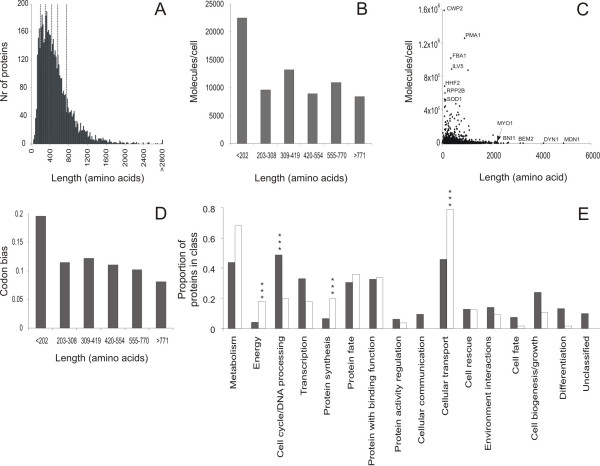
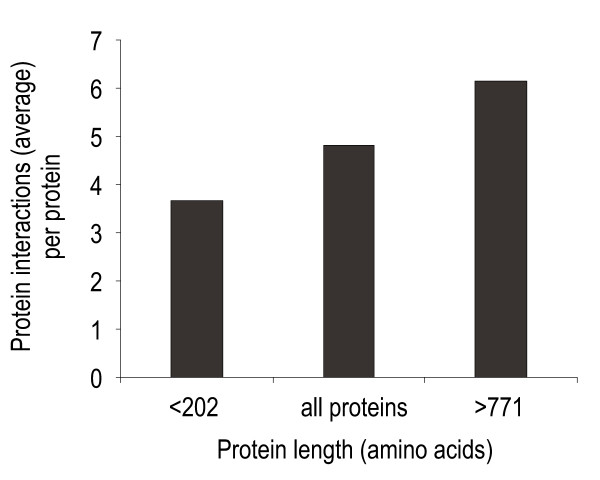
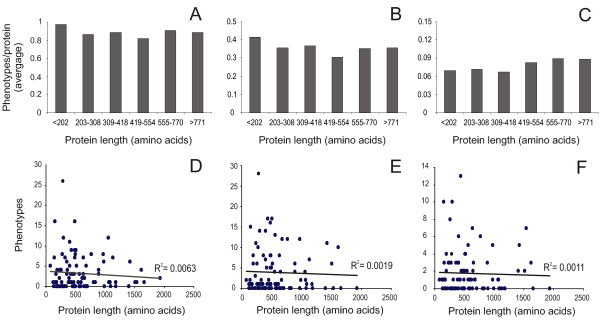
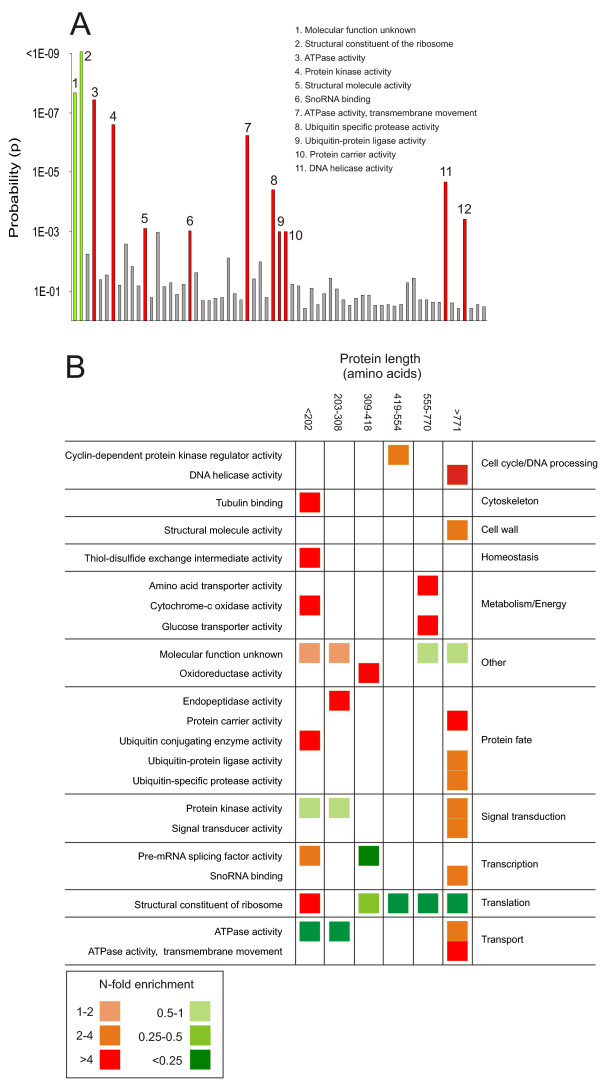
BACKGROUND: Despite a strong evolutionary pressure to reduce genome size, proteins vary in length over a surprisingly wide range also in very compact genomes. Here we investigated the evolutionary forces that act on protein size in the yeast Saccharomyces cerevisiae utilizing a system-wide bioinformatics approach. Data on yeast protein size was compared to global experimental data on protein expression, phenotypic pleiotropy, protein-protein interactions, protein evolutionary rate and biochemical classification. RESULTS: Comparing the experimentally determined abundance of individual proteins, highly expressed proteins were found to be consistently smaller than lowly expressed proteins, in accordance with the biosynthetic cost minimization hypothesis. Yeast proteins able to maintain a high expression level despite a large size tended to belong to a very distinct set of protein families, notably nuclear transport and translation initiation/elongation. Large proteins have significantly more protein-protein interactions than small proteins, suggesting that a requirement for multiple interaction domains may constitute a positive selective pressure for large protein size in yeast. The higher frequency of protein-protein interactions in large proteins was not accompanied by a higher phenotypic pleiotropy. Hence, the increase in interactions may not reflect an increase in function differentiation. Proteins of different sizes also evolved at similar rates. Finally, whereas the biological process involved was found to have little influence on protein size the biochemical activity exerted by the protein represented a dominant factor. More than one third of all biochemical activity classes were enriched in one or more size intervals. CONCLUSION: In yeast, there is an inverse relationship between protein size and protein expression such that highly expressed proteins tend to be of smaller size. Also, protein size is moderately affected by protein connectivity and strongly affected by biochemical activity. Phenotypic pleiotropy does not seem to affect protein size.
Overview
The claims and statistics of this paper haven’t been checked yet.
Free: it reads the open-access text and checks the first 5 claims that cite a source we can check. Create a free account to check every claim.
Integrity signals
Registry
Cites
Statistics
Figures
Verification
Claims the paper makes
The claims and statistics of this paper haven’t been checked yet.
Free: it reads the open-access text and checks the first 5 claims that cite a source we can check. Create a free account to check every claim.
Claims other papers make about this one
Each is checked against this paper’s own text: does it say what the citing paper says it does?
In the citing paper
“This dependence was observed in earlier studies and is thought to reflect the evolutionary advantage of decreasing the size of abundant proteins for reasons of biosynthetic cost (38).”
From A “Proteomic Ruler” for Protein Copy Number and Concentration Estimation without Spike-in Standards (2014) · cites this paper as [38]
Self-check
Percentages, sums and reported differences re-computed from the paper’s own numbers.
The self-check needs the paper’s full text.
Citations
Cites
Initial sequencing and comparative analysis of the mouse genome
Mouse Genome Sequencing Consortium (2002) · Nature · doi:10.1038/nature01262 · Cited by 7,187 · cited 1×
“In lower organisms such as yeast where intergenic DNA comprise less than 30% of the genome [13] – as opposed to 98% in human [14] – it may be argued that reducing the size of coding DNA significantly affects genome size.”
BackgroundLethality and centrality in protein networks
Jeong, H., Mason, S. P., Barabási, A.-L., & Oltvai, Z. N. (2001) · Nature · doi:10.1038/35075138 · Cited by 5,287 · cited 1×
“Protein connectivity is widely known to affect the functional importance of proteins [35] which in turn is known to correlate positively with protein size [30], supporting the plausibility of such a hypothesis.”
BackgroundFunctional Characterization of the S. cerevisiae Genome by Gene Deletion and Parallel Analysis
Winzeler, E. A., Shoemaker, D. D., Astromoff, A., Liang, H., Anderson, K., Andre, B., Bangham, R., Benito, R., Boeke, J. D., Bussey, H., et al. (1999) · Science · doi:10.1126/science.285.5429.901 · Cited by 3,953 · cited 1×
“cerevisiae open reading frame has been completed [26], enabling the evaluation of this hypothesis.”
MethodGlobal analysis of protein expression in yeast
Ghaemmaghami, S., Huh, W.-K., Bower, K., Howson, R. W., Belle, A., Dephoure, N., O'Shea, E. K., & Weissman, J. S. (2003) · Nature · doi:10.1038/nature02046 · Cited by 3,750 · cited 5×
“cerevisiae we compared recently re-annotated yeast protein lengths to data on protein abundance (molecules/cell) during exponential growth in optimal conditions [24].”
BackgroundMethodResultInfluentialMolecular Chaperones in the Cytosol: from Nascent Chain to Folded Protein
Hartl, F. U., & Hayer-Hartl, M. (2002) · Science · doi:10.1126/science.1068408 · Cited by 3,347 · cited 1×
“In addition it has been suggested [1] that a reduction in protein size vastly reduces protein biosynthetic costs, directly by decreasing the energetic costs of translation [15] and indirectly by reducing the cost of chaperones required to fold large multi-domain proteins [16].”
BackgroundSelfish DNA: the ultimate parasite
Orgel, L. E., & Crick, F. H. C. (1980) · Nature · doi:10.1038/284604a0 · Cited by 2,156 · cited 1×
“The latter hypothesis stems from the observation that much of the junk DNA is selfish in nature [4,5] making it more likely that its accumulation has little to do with the fitness of the organism itself [2].”
BackgroundThe economics of ribosome biosynthesis in yeast
Warner, J. R. (1999) · Trends in Biochemical Sciences · doi:10.1016/s0968-0004(99)01460-7 · Cited by 1,933 · cited 1×
“In a rapidly growing yeast cell as much as 50% of RNA polymerase II transcription is devoted to ribosomal proteins [32]; thus, the biosynthetic cost constraints that limit the size of highly expressed proteins are expected be extremely strong for these proteins.”
BackgroundSelfish genes, the phenotype paradigm and genome evolution
Doolittle, W. F., & Sapienza, C. (1980) · Nature · doi:10.1038/284601a0 · Cited by 1,829 · cited 1×
“The latter hypothesis stems from the observation that much of the junk DNA is selfish in nature [4,5] making it more likely that its accumulation has little to do with the fitness of the organism itself [2].”
BackgroundSequencing and comparison of yeast species to identify genes and regulatory elements
Kellis, M., Patterson, N., Endrizzi, M., Birren, B., & Lander, E. S. (2003) · Nature · doi:10.1038/nature01644 · Cited by 1,753 · cited 4×
“In lower organisms such as yeast where intergenic DNA comprise less than 30% of the genome [13] – as opposed to 98% in human [14] – it may be argued that reducing the size of coding DNA significantly affects genome size.”
BackgroundMethodInfluentialFinding Functional Features in Saccharomyces Genomes by Phylogenetic Footprinting
Cliften, P., Sudarsanam, P., Desikan, A., Fulton, L., Fulton, B., Majors, J., Waterston, R., Cohen, B. A., & Johnston, M. (2003) · Science · doi:10.1126/science.1084337 · Cited by 815 · cited 1×
“cerevisiae genome which has been re-annotated [13,23] and is essentially definite with regards to protein size annotation and for which there is ample genome-wide, experimental data on available.”
Background
Research works printed but not linked: 1
- [9]Grotkopp E Stoltenberg R Rejmanek M Rost TL The effect of genome size on invasiveness American Journal of Botany 1998 85 34
Cited by
Global signatures of protein and mRNA expression levels
de Sousa Abreu, R., Penalva, L. O., Marcotte, E. M., & Vogel, C. (2009) · Molecular BioSystems · doi:10.1039/b908315d · Cited by 1,248
A “Proteomic Ruler” for Protein Copy Number and Concentration Estimation without Spike-in Standards
Wiśniewski, J. R., Hein, M. Y., Cox, J., & Mann, M. (2014) · Molecular & Cellular Proteomics · doi:10.1074/mcp.m113.037309 · Cited by 690
Wiśniewski, J. R., & Rakus, D. (2014) · Journal of Proteomics · doi:10.1016/j.jprot.2014.07.012 · Cited by 222
“Blomberg [23], who found an inverse relationship between protein size and protein expression such as highly expressed proteins tend to be of smaller size.”
BackgroundA Network of Multiple Regulatory Layers Shapes Gene Expression in Fission Yeast
Lackner, D. H., Beilharz, T. H., Marguerat, S., Mata, J., Watt, S., Schubert, F., Preiss, T., & Bähler, J. (2007) · Molecular Cell · doi:10.1016/j.molcel.2007.03.002 · Cited by 204
“In budding yeast, mRNA length and protein size are inversely correlated with ribosome density and protein levels, respectively (Arava et al., 2003; Warringer and Blomberg, 2006), and proteins present at high copies per mRNA tend to be of low molecular weight (Lu et al., 2007).”
Guo, Y. (2013) · The Plant Journal · doi:10.1111/tpj.12089 · Cited by 162
“In yeast, there is an inverse relationship between protein size and protein expression level (Warringer and Blomberg, 2006).”
BackgroundCarpy, A., Krug, K., Graf, S., Koch, A., Popic, S., Hauf, S., & Macek, B. (2014) · Molecular & Cellular Proteomics · doi:10.1074/mcp.m113.035824 · Cited by 155
Hosp, F., Gutiérrez-Ángel, S., Schaefer, M. H., Cox, J., Meissner, F., Hipp, M. S., Hartl, F.-U., Klein, R., Dudanova, I., & Mann, M. (2017) · Cell Reports · doi:10.1016/j.celrep.2017.10.097 · Cited by 123
“See also Figure S1 and Table S1. et al., 2014), presumably reflecting evolutionary constraints on biosynthesis costs (Warringer and Blomberg, 2006).”
BackgroundCellular Proteomes Have Broad Distributions of Protein Stability
Ghosh, K., & Dill, K. A. (2010) · Biophysical Journal · doi:10.1016/j.bpj.2010.10.036 · Cited by 128
“However, to check this, we performed a modified calculation using the copy numbers measured in yeast (36,37) (Fig.”
MethodGruber, J. D., Vogel, K. R., Kalay, G., & Wittkopp, P. J. (2012) · PLoS Genetics · doi:10.1371/journal.pgen.1002497 · Cited by 102
“cerevisiae proteins [44], and its GC-content of 35.”
BackgroundDepletion of eIF4G from yeast cells narrows the range of translational efficiencies genome-wide
Park, E.-H., Zhang, F., Warringer, J., Sunnerhagen, P., & Hinnebusch, A. G. (2011) · BMC Genomics · doi:10.1186/1471-2164-12-68 · Cited by 74
“This relationship is not unexpected, as it was noted previously that ribosome densities on mRNAs [14] and protein expression levels [19] are inversely related to ORF length in yeast.”
BackgroundWilliams, B., Lee, R. C. H., Becnel, J. J., Weiss, L. M., Fast, N. M., & Keeling, P. J. (2008) · BMC Genomics · doi:10.1186/1471-2164-9-200 · Cited by 83
“In yeast, it has been shown that there is a correlation between protein size and connectivity, with larger proteins displaying a greater number of interactions [33].”
BackgroundDo Amino Acid Biosynthetic Costs Constrain Protein Evolution in Saccharomyces cerevisiae?
Raiford, D. W., Heizer, E. M., Miller, R. V., Akashi, H., Raymer, M. L., & Krane, D. E. (2008) · Journal of Molecular Evolution · doi:10.1007/s00239-008-9162-9 · Cited by 62
“There are more protein-to-protein interfaces and more overall specificity requirements in eukaryotic proteomes (Brocchieri and Karlin 2005; Warringer and Blomberg 2006 ).”
BackgroundSeligmann, H. (2012) · Journal of Theoretical Biology · doi:10.1016/j.jtbi.2011.12.026 · Cited by 62
Monitoring protein expression in whole-cell extracts by targeted label- and standard-free LC-MS/MS
Bluemlein, K., & Ralser, M. (2011) · Nature Protocols · doi:10.1038/nprot.2011.333 · Cited by 56
Functional Mapping of the Zebrafish Early Embryo Proteome and Transcriptome
Shaik, A. A., Wee, S., Li, R. H. X., Li, Z., Carney, T. J., Mathavan, S., & Gunaratne, J. (2014) · Journal of Proteome Research · doi:10.1021/pr5005136 · Cited by 52
Long-term trends in evolution of indels in protein sequences
Wolf, Y. I., Madej, T., Babenko, V. N., Shoemaker, B. A., & Panchenko, A. R. (2007) · BMC Evolutionary Biology · doi:10.1186/1471-2148-7-19 · Cited by 53
“Moreover, it was shown previously that there exists a correlation between sequence length and protein conservation [7,8], sequence length and protein expression [9].”
BackgroundSelection for the miniaturization of highly expressed genes
Li, S., Feng, L., & Niu, D. (2007) · Biochemical and Biophysical Research Communications · doi:10.1016/j.bbrc.2007.06.085 · Cited by 50
“[7] A.E. Vinogradov, 'Genome design' model and multicellular complexity: golden middle, Nucleic Acids Res.”
MethodInfluentialFuzzy association rules for biological data analysis: A case study on yeast
Lopez, F. J., Blanco, A. J., Garcia, F., Cano, C., & Marin, A. (2008) · BMC Bioinformatics · doi:10.1186/1471-2105-9-107 · Cited by 43
“Such result is expected since a number of papers have previously reported a negative correlation between gene length and mRNA levels [15-17 , 49 ].”
BackgroundComparative analysis of essential genes and nonessential genes in Escherichia coli K12
Gong, X., Fan, S., Bilderbeck, A. C., Li, M., Pang, H., & Tao, S. (2007) · Molecular Genetics and Genomics · doi:10.1007/s00438-007-0298-x · Cited by 43
“Furthermore, the degree of protein‐protein interaction is positively correlated with protein length (Tan et al. 2005), and large proteins undergo more frequent protein‐ protein interactions than small proteins ( Warringer and Blomberg 2006 ).”
BackgroundThree Independent Determinants of Protein Evolutionary Rate
Choi, S. S., & Hannenhalli, S. S. (2013) · Journal of Molecular Evolution · doi:10.1007/s00239-013-9543-6 · Cited by 37
“On the other hand, Wolf et al. (2008) have demonstrated that structural– functional constraints and EL have comparable contributions to the rate of protein sequence evolution, suggesting independent roles of EL and functional importance in determining the evolutionary rate.”
BackgroundLife as a moving fluid: fate of cytoplasmic macromolecules in dynamic fungal syncytia
Roper, M. L., Lee, C., Hickey, P. C., & Gladfelter, A. S. (2015) · Current Opinion in Microbiology · doi:10.1016/j.mib.2015.07.001 · Cited by 41
“cerevisiae proteins [30]) decreases D only by a factor 25 = 2.”
In Layman’s Terms: Semi-Open Relation Extraction from Scientific Texts
Kruiper, R., Vincent, J. F. V., Chen-Burger, Y.-H., Desmulliez, M. P. Y., & Konstas, I. (2020) · Proceedings of the conference - Association for Computational Linguistics. Meeting · doi:10.18653/v1/2020.acl-main.137 · Cited by 37
Yang, H. (2009) · Biology Direct · doi:10.1186/1745-6150-4-45 · Cited by 32
“In the unicellular organism Saccharomyces cerevisiae, intron length is positively linked with gene expression [8,9], although protein length shows a negagtive relationship with mRNA/protein abundance [10-12].”
BackgroundEvolution of Nucleotide Punctuation Marks: From Structural to Linear Signals
Houmami, N. E., & Seligmann, H. (2017) · Frontiers in Genetics · doi:10.3389/fgene.2017.00036 · Cited by 33
“Hence avoidance of metabolic costs (Akashi and Gojobori, 2002; Seligmann, 2003, 2012b; Brocchieri and Karlin, 2005; Warringer and Blomberg, 2006; Heizer et al., 2011; Chen and Bundschuh, 2012; Raiford et al., 2012; Krick et al., 2014; Chen W.-H. et al., 2016) should favor evolution of linear…”
BackgroundBalancing noise and plasticity in eukaryotic gene expression
Bajić, D., & Poyatos, J. F. (2012) · BMC Genomics · doi:10.1186/1471-2164-13-343 · Cited by 34
“These genes may exhibit short length due to minimization of biosynthetic costs given their high expression [29]).”
BackgroundExtensive Mass Spectrometry-based Analysis of the Fission Yeast Proteome
Gunaratne, J., Schmidt, A., Quandt, A., Neo, S. P., Saraç, Ö. S., Gracia, T., Loguercio, S., Ahrné, E., Xia, R. L. H., Tan, K. H., et al. (2013) · Molecular & Cellular Proteomics · doi:10.1074/mcp.m112.023754 · Cited by 32
“cerevisiae proteome using a genetics approach (53) and that is in accordance with the biosynthetic cost minimization hypothesis (54).”
MethodVilaprinyó, E., Alves, R., & Sorribas, A. (2010) · PLoS Computational Biology · doi:10.1371/journal.pcbi.1000674 · Cited by 35
“As discussed in the Introduction, previous authors report clear trends between different properties of proteins and their basal abundance in yeast growing exponentially on a rich medium (basal conditions) [6,7,8,9].”
BackgroundLength-dependent translation initiation benefits the functional proteome of human cells
Guo, J., Lian, X., Zhong, J., Wang, T., & Zhang, G. (2014) · Molecular BioSystems · doi:10.1039/c4mb00462k · Cited by 29
Alvarez‐Ponce, D., Sabater‐Muñoz, B., Toft, C., Ruiz‐González, M. X., & Fares, M. A. (2016) · Genome Biology and Evolution · doi:10.1093/gbe/evw205 · Cited by 27
Khandia, R., Alqahtani, T., & Alqahtani, A. (2021) · Biomedicines · doi:10.3390/biomedicines9081001 · Cited by 26
“Protein length and CUB have been found to be negatively correlated in Saccharomyces cerevisiae, and highly expressed proteins also tend to be of smaller size [38].”
BackgroundA quality metric for homology modeling: the H-factor
di Luccio, E., & Koehl, P. (2011) · BMC Bioinformatics · doi:10.1186/1471-2105-12-48 · Cited by 28
“Large proteins however represent a significant fraction of the proteins present in an organism; for instance, proteins found in yeast Saccharomyces cerevisiae have five hundred amino acid residues on average and their lengths can reach two thousand eight hundred residues [4].”
BackgroundSeligmann, H. (2019) · DNA and Cell Biology · doi:10.1089/dna.2019.4725 · Cited by 22
“…the ‘‘ambush’’ hypothesis draws from the principles of error prevention (Warnecke and Hurst, 2011) and metabolic cost minimization (Akashi and Gojobori, 2002; Seligmann, 2003, 2012c; Das et al. , 2005; Warringer and Blomberg, 2006; Grzymski and Dussaq, 2012), applied to ribosomal frameshifts.”
Vishnoi, A., Sethupathy, P., Simola, D. F., Plotkin, J. B., & Hannenhalli, S. S. (2011) · Molecular Biology and Evolution · doi:10.1093/molbev/msr085 · Cited by 23
“Thus, genes that encode for shorter proteins tend to be highly expressed (Warringer and Blomberg 2006), and highly expressed genes tend to be under greater constraint due to mistranslation-induced misfolding (Drummond and Wilke 2008).”
BackgroundPinho, N., Wiśniewski, J. R., Dias-Lopes, G., Vahia, L. S., Bombaça, A. C. S., Mesquita‐Rodrigues, C., Menna‐Barreto, R. F. S., Cupolillo, E., de Jesus, J. B., Padrón, G., et al. (2020) · PLoS neglected tropical diseases · doi:10.1371/journal.pntd.0008509 · Cited by 22
“Our data agree with previous reports on Saccharomyces cerevisiae and Escherichia coli protein abundance that found moderate or no correlation between protein size and protein abundance [46,47].”
ResultEvidence against the energetic cost hypothesis for the short introns in highly expressed genes
Huang, Y.-F., & Niu, D. (2008) · BMC Evolutionary Biology · doi:10.1186/1471-2148-8-154 · Cited by 21
“Surprisingly, a weak, but significant negative correlation of mRNA length (and protein length) with expression level was found in all studied organisms [1,2,5,6,71-74], which is also generally explained by minimizing the energetic cost of gene expression.”
BackgroundArchaea/eukaryote-specific ribosomal proteins - guardians of a complex structure
Kisly, I., & Tamm, T. (2023) · Computational and Structural Biotechnology Journal · doi:10.1016/j.csbj.2023.01.037 · Cited by 19
“of A/E-specific r-proteins varies from 25 aa residues in eL41 up to 261 aa residues in eS4 (Supplementary Table S1) [16,17].”
Coiled‐coil length: Size does matter
Surkont, J., Diekmann, Y., Ryder, P. V., & Pereira‐Leal, J. B. (2015) · Proteins Structure Function and Bioinformatics · doi:10.1002/prot.24932 · Cited by 20
Regular Patterns for Proteome-Wide Distribution of Protein Abundance across Species
Zhong, F., Yang, D. C., Hao, Y., Lin, C., Jiang, Y., Ying, W., Wu, S., Zhu, Y., Liu, S., Yang, P., et al. (2012) · PLoS ONE · doi:10.1371/journal.pone.0032423 · Cited by 25
“In general, genes with higher mRNA/protein expression level tend to evolve slowly [4–6], have less intronic DNA [7], code for smaller proteins [8,9], have higher biases of amino acid composition [10,11] and codon usage [11–13], and tend to carry out ‘‘core functions’’ [11,14].”
BackgroundSeligmann, H. (2012) · BIO · doi:10.5618/bio.2012.v2.n1.2 · Cited by 15
“Further observations that protein size is inversely proportional to its expression level are also in line with that principle [15-16].”
ResultChakraborty, S., Kahali, B., & Ghosh, T. C. (2010) · BMC Systems Biology · doi:10.1186/1752-0509-4-155 · Cited by 15
“Another important constraint in protein evolution is the protein expression; highly expressed proteins are more conserved than others proteins [5-8].”
BackgroundSeo, K.-W., Kim, D.-H., Kim, A. H., Yoo, H. S., Lee, K., & Jang, Y. (2011) · Immunological Investigations · doi:10.3109/08820139.2011.558151 · Cited by 14
“In addition, the expression of an inserted gene is limited in certain organisms by the size of the gene or gene product (Kurland, 1991; Moriyama and Powell, 1998; Duret and Mouchiroud, 1999; Coghlan and Wolfe, 2000; Marais and Duret, 2001; Warringer and Blomberg, 2006; Ingvarsson, 2007).”
BackgroundShin, S., & Choi, S. S. (2015) · Genes & Genomics · doi:10.1007/s13258-015-0265-6 · Cited by 14
“…we investigated whether the strength of functional constraints determined by the amounts of functional contents in each subcomponent region could be another explanation for the slower rates of evolution of genes with longer lengths, rather than the effect of variations in recombination rate.”
BackgroundExtracting Biological Knowledge by Fuzzy Association Rule Mining
Lopez, F. J., Blanco, A. J., Garcia, F., & Marin, A. (2007) · IEEE International Conference on Fuzzy Systems (FUZZ-IEEE) · doi:10.1109/fuzzy.2007.4295431 · Cited by 12
“Warringer & Blomberg [23] showed that the gene GO annotations are dependent on the length of the gene.”
BackgroundSun, A., Zhang, J., Wang, C., Yang, D. S., Wei, H., Zhu, Y., Jiang, Y., & He, F. (2009) · Journal of Proteome Research · doi:10.1021/pr900252n · Cited by 13
An integrated view of the correlations between genomic and phenomic variables
Yang, D. C., Jiang, Y., & He, F. (2009) · Journal of genetics and genomics/Journal of Genetics and Genomics · doi:10.1016/s1673-8527(08)60156-3 · Cited by 13
Annotating novel genes by integrating synthetic lethals and genomic information
Schöner, D., Kalisch, M., Leisner, C., Meier, L., Sohrmann, M., Faty, M., Barral, Y., Peter, M., Gruissem, W., & Bühlmann, P. (2008) · BMC Systems Biology · doi:10.1186/1752-0509-2-3 · Cited by 14
“investigated the influence of various biological features on protein size [24].”
Převorovský, M., Atkinson, S. R., Ptáčková, M., McLean, J. R., Gould, K. L., Folk, P., Půta, F., & Bähler, J. (2011) · PLoS ONE · doi:10.1371/journal.pone.0023650 · Cited by 13
Complex Principal Component and Correlation Structure of 16 Yeast Genomic Variables
Theis, F. J., Latif, N., Wong, P., & Frishman, D. (2011) · Molecular Biology and Evolution · doi:10.1093/molbev/msr077 · Cited by 13
Efficiency of complex production in changing environment
Carmi, S., Levanon, E. Y., & Eisenberg, E. (2009) · BMC Systems Biology · doi:10.1186/1752-0509-3-3 · Cited by 10
Structural Perspectives on Protein Evolution
Franzosa, E. A., & Xia, Y. (2008) · Annual reports in computational chemistry · doi:10.1016/s1574-1400(08)00001-7 · Cited by 11
“Although length appears to correlate with evolutionary rate, it is also known to be correlated inversely with expression [ 56 ] and directly with contact density [7,56] (both of which are determinants of evolution in their own right).”
BackgroundInfluentialBáez, M., Wilson, C. A. M., Ramírez‐Sarmiento, C. A., Guixé, V., & Babul, J. (2012) · Biophysical Journal · doi:10.1016/j.bpj.2012.09.043 · Cited by 9
“However, large and multidomain proteins with molecular masses >20 kDa are much more representative in typical biological systems (1).”
BackgroundFunctional consequences of reductive protein evolution in a minimal eukaryotic genome
Jiang, J., Qu, R., Grigorescu, M., Zhao, W., Yu, Q. Y., Shreenidhi, P. M., Tamim El Jarkass, H., & Reinke, A. W. (2025) · Cell Reports · doi:10.1016/j.celrep.2025.116333 · Cited by 7
Wijeratne, S., Bakshi, A., & Talbert, J. N. (2022) · Bioengineering · doi:10.3390/bioengineering9090479 · Cited by 7
“A smaller sequence may enhance transcription, translation, and subsequent mean abundance of protein per cell [42].”
BackgroundGinn, B. R. (2017) · Progress in Biophysics and Molecular Biology · doi:10.1016/j.pbiomolbio.2017.01.005 · Cited by 9
“Finally, Warringer and Blomberg (2006) found that S. cerevisiae proteins longer than 770 amino acids have more interaction partners, on average, than shorter proteins.”
BackgroundLe, T., Dinh, T., Mai‐Hoang, T., Razzazi‐Fazeli, E., & Tran‐Van, H. (2024) · Journal of Fish Diseases · doi:10.1111/jfd.13935 · Cited by 5
Caldwell, R., Lin, Y., & Zhang, R. (2015) · International Journal of Genomics · doi:10.1155/2015/269127 · Cited by 5
“In unicellular organisms such as the yeast Saccharomyces cerevisiae, research has found that highly expressed genes tend to have smaller compact protein sizes [12].”
BackgroundPeric, D., Labarre, J., Chevalier, F., & Rousselet, G. (2012) · PROTEOMICS · doi:10.1002/pmic.201100461 · Cited by 5
“cerevisiae proteins are grouped according to their biochemical activity [27].”
BackgroundSimple stochastic model for the evolution of protein lengths
Destri, C., & Miccio, C. (2007) · Physical Review E · doi:10.1103/physreve.76.011924 · Cited by 4
Chairunnisa, S., Mustopa, A. Z., Bela, B., Arifah, R. K., Umami, R. N., Firdaus, M. E. R., Ekawati, N., Irawan, H., Irawan, S., Nurfatwa, M., et al. (2025) · Biologicals · doi:10.1016/j.biologicals.2025.101831 · Cited by 3
Insights into Eukaryotic Interacting Protein Evolution
Chakraborty, S., Podder, S., Kahali, B., Begum, T., Sen, K., & Ghosh, T. C. (2011) · Springer eBooks · doi:10.1007/978-3-642-20763-1_4 · Cited by 4
“Over and above, protein expression level is the major determinant of protein evolution (Drummond et al. 2005, 2006; Warringer and Blomberg 2006; Chakraborty et al. 2010).”
BackgroundCastillo-Castañeda, A. C., Patiño, L. H., Antonio, M., López‐Abán, J., Manzano, R., & Ramírez, J. D. (2024) · Journal of Proteomics · doi:10.1016/j.jprot.2024.105323 · Cited by 2
The Cross-and-Capture system: A versatile tool in yeast proteomics
Suter, B. (2012) · Methods · doi:10.1016/j.ymeth.2012.07.017 · Cited by 2
Guo, Y., Peng, Z., Liu, J., Yuan, N., Wang, Z., & Du, J. (2019) · Current Bioinformatics · doi:10.2174/1574893614666190227151013 · Cited by 2
Evolutionary Perspectives of Genotype–Phenotype Factors in Leishmania Metabolism
Subramanian, A., & Sarkar, R. R. (2018) · Journal of Molecular Evolution · doi:10.1007/s00239-018-9857-5 · Cited by 1
Mitochondrial Molecular Adaptations and Life History Strategies Coevolve in PlantsPreprint
Krishnan, N. M., Krishnan, N., & Rao, B. J. (2008) · Nature Precedings · doi:10.1038/npre.2008.1922
Extent and Effects of Selection to Reduce Synthetic Cost of Highly Expressed Proteins
Heizer, E. M. (2010) · CORE Scholar (Wright State University)
(2007) · Yeast · doi:10.1002/yea.1325
Random genetic drift and “ deterministic” selection
(2009) · CRC Press eBooks · doi:10.1201/9781420078879.ch6
Análisis epidemiológico, genómico y proteómico de Leishmania infantum en Colombia
Castillo-Castañeda, A. C. (2024) · Gredos (University of Salamanca) · doi:10.14201/gredos.159177
Evolutionary Insights into the Length Variation of DNA Damage Response Proteins Across Eukaryotes
Boakye, D. W., Higgins, L., Gahura, O., Butenko, A., Leonard, G., Freeman, M. A., Kristmundsson, Á., Moore, K., Harrison, J., Donald, S. M., et al. (2025) · Genome Biology and Evolution · doi:10.1093/gbe/evaf089
“However, previous studies have suggested a positive correlation between protein size and expression profiles (Warringer and Blomberg 2006; Moutinho et al. 2019).”
Etude fonctionnelle de la voie micro-ARN dans la biologie des cellules tumorales
Peric, D. (2011) · theses.fr (ABES) · doi:10.70675/cf47cbffza8ccz4888z8744z2eeb81f50bc8 · Cited by 1
Metadata
- Authors
- Warringer
- Venue
- BMC Evolutionary Biology
- Published
- 2006
- Volume
- 6
- Issue
- 1
- Pages
- 61
- ISSN
- 1471-2148 (ISSN-L)
- PMC
- PMC1560397
- OpenAlex
- W1540866880
- Cited by
- 71
- References
- 41
- Citations by year
- 2025: 3 · 2024: 2 · 2023: 1 · 2022: 1 · 2021: 1 · 2020: 2 · 2019: 2 · 2018: 1 · 2017: 4 · 2016: 1 · 2015: 4 · 2014: 5 · 2013: 3 · 2012: 9
- FWCI
- 3.80
- Type
- journal article
- Language
- en
- Open access
- gold
- doi.org
- Licence
- cc-by
- Locations
- BMC Evolutionary Biology (publishedVersion, cc-by)
- PubMed (publishedVersion)
- DOAJ (DOAJ: Directory of Open Access Journals) (submittedVersion, cc-by-sa)
- Topics
- Life Sciences › Biochemistry, Genetics and Molecular Biology › Genetics › Evolution and Genetic Dynamics
- Life Sciences › Biochemistry, Genetics and Molecular Biology › Molecular Biology › Fungal and yeast genetics research
- Life Sciences › Biochemistry, Genetics and Molecular Biology › Molecular Biology › Bioinformatics and Genomic Networks
- Keywords
- protein size, Saccharomyces cerevisiae, protein expression, protein-protein interaction, protein evolutionary rate, biochemical activity, protein connectivity, genome size reduction
- MeSH terms
- Amino Acid Sequence, Molecular Sequence Data, Protein Binding, Saccharomyces cerevisiae, Gene Expression Regulation, Fungal, Genome, Fungal, Evolution, Molecular, Saccharomyces cerevisiae Proteins
About these checks
Registry, retraction, Cites and statistics results are computed, not judged, with one exception: a printed reference that no index lists is read once by a model before it counts as a citation error. Claims are extracted by a model and kept only when their quote appears verbatim in the text; each cited source is then checked, with a model’s help, for whether it says what the claim relies on. Those verdicts can be wrong — read the claim’s quote and the cited source before relying on one.
Statistics and arithmetic are recomputed, not judged.
Confidence bands are shown only for fields calibrated on our annotated test set. None is calibrated yet, so no band is shown.
What counts as a claim ›How we measure confidence ›How we check this ›
Are you an author, or do you see a problem with this page? Request a review
Data sources
Bibliographic data: Semantic Scholar, OpenAlex, Crossref.
Contains information from the Semantic Scholar Academic Graph Datasets, made available under the ODC Attribution License (ODC-BY 1.0).
Semantic Scholar’s data is described in: Kinney, R., et al. (2023). The Semantic Scholar Open Data Platform. arXiv:2301.10140.
