

Next-generation pyrosequencing of gonad transcriptomes in the polyploid lake sturgeon (Acipenser fulvescens): the relative merits of normalization and rarefaction in gene discovery
Open accessThe DOI matches its Crossref record; 43 of the 43 references it cites were found in a registry or an index.
Abstract
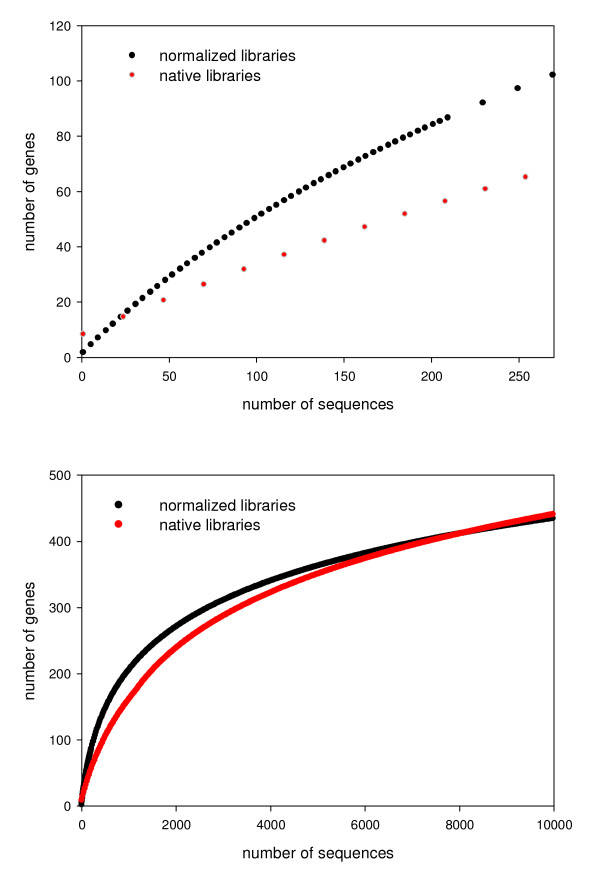
BACKGROUND: Next-generation sequencing technologies have been applied most often to model organisms or species closely related to a model. However, these methods have the potential to be valuable in many wild organisms, including those of conservation concern. We used Roche 454 pyrosequencing to characterize gene expression in polyploid lake sturgeon (Acipenser fulvescens) gonads. RESULTS: Titration runs on a Roche 454 GS-FLX produced more than 47,000 sequencing reads. These reads represented 20,741 unique sequences that passed quality control (mean length = 186 bp). These were assembled into 1,831 contigs (mean contig depth = 4.1 sequences). Over 4,000 sequencing reads (approximately 19%) were assigned gene ontologies, mostly to protein, RNA, and ion binding. A total of 877 candidate SNPs were identified from > 50 different genes. We employed an analytical approach from theoretical ecology (rarefaction) to evaluate depth of sequencing coverage relative to gene discovery. We also considered the relative merits of normalized versus native cDNA libraries when using next-generation sequencing platforms. Not surprisingly, fewer genes from the normalized libraries were rRNA subunits. Rarefaction suggests that normalization has little influence on the efficiency of gene discovery, at least when working with thousands of reads from a single tissue type. CONCLUSION: Our data indicate that titration runs on 454 sequencers can characterize thousands of expressed sequence tags which can be used to identify SNPs, gene ontologies, and levels of gene expression in species of conservation concern. We anticipate that rarefaction will be useful in evaluations of gene discovery and that next-generation sequencing technologies hold great potential for the study of other non-model organisms.
Overview
The claims and statistics of this paper haven’t been checked yet.
Free: it reads the open-access text and checks the first 5 claims that cite a source we can check. Create a free account to check every claim.
Integrity signals
Registry
Cites
Statistics
Figures
Verification
Claims the paper makes
The claims and statistics of this paper haven’t been checked yet.
Free: it reads the open-access text and checks the first 5 claims that cite a source we can check. Create a free account to check every claim.
Claims other papers make about this one
Each is checked against this paper’s own text: does it say what the citing paper says it does?
The source backs part of the claim, not all of it — or backs it for a different population, condition or comparison.
In the citing paper
“The newly developed high throughput sequencing technology, i.e. Next Generation Sequencing (NGS), including the Roche/454 Genome Sequencer FLX Instrument, the ABI SOLiD System, and the Illumina Genome Analyser, is a powerful and cost-efficient tool for advanced research in many areas, including re-sequencing, microRNA expression profiling, DNA methylation, especially de novo transcriptome”
From De novo assembly and characterization of root transcriptome using Illumina paired-end sequencing and development of cSSR markers in sweetpotato (Ipomoea batatas) (2010) · cites this paper as [18]
Experimental — accuracy not yet measuredThe cited source says what the claim attributes to it.
In the citing paper
“According to previous publication, there is no real advantage to normalization when thousands of sequences were generated [18].”
Self-check
Percentages, sums and reported differences re-computed from the paper’s own numbers.
The self-check needs the paper’s full text.
Citations
Cites
Gene Ontology: tool for the unification of biology
Ashburner, M., Ball, C. A., Blake, J. A., Botstein, D., Butler, H., Cherry, J. M., Davis, A. P., Dolinski, K., Dwight, S. S., Eppig, J. T., et al. (2000) · Nature Genetics · doi:10.1038/75556 · Cited by 43,206 · cited 2×
“(page number not for citation purposes) BLAST results were then imported into Blast2GO [40], a software package that retrieves GO terms, allowing the function of ESTs to be determined and compared [40,41].”
Genome sequencing in microfabricated high-density picolitre reactors
Margulies, M., Egholm, M., Altman, W. E., Attiya, S., Bader, J. S., Bemben, L. A., Berka, J., Braverman, M. S., Chen, Y.-J., Chen, Z., et al. (2005) · Nature · doi:10.1038/nature03959 · Cited by 7,693 · cited 4×
“For example, we documented only 16 indels despite the susceptibility of 454 sequencing technology to indel-type errors [1].”
InfluentialThe Nonconcept of Species Diversity: A Critique and Alternative Parameters
Hurlbert, S. H. (1971) · Ecology · doi:10.2307/1934145 · Cited by 4,183
Devlin, R. H., & Nagahama, Y. (2002) · Aquaculture · doi:10.1016/s0044-8486(02)00057-1 · Cited by 2,588 · cited 1×
“, evolutionary labile) than in mammals and birds [19,22,23].”
Hedrick, P. W. (1983) · Cited by 1,580
Gotelli, N. J., & Graves, G. R. (1996) · Cited by 1,382
Zhu, Y. Y., Machleder, E. M., Chenchik, A., Li, R., & Siebert, P. D. (2001) · BioTechniques · doi:10.2144/01304pf02 · Cited by 776 · cited 1×
“All other primers were unmodified from the ClonTech protocol [37].”
Rapid transcriptome characterization for a nonmodel organism using 454 pyrosequencing
VERA, J. C., WHEAT, C. W., FESCEMYER, H. W., FRILANDER, M. J., CRAWFORD, D. L., HANSKI, I., & MARDEN, J. H. (2008) · Molecular Ecology · doi:10.1111/j.1365-294x.2008.03666.x · Cited by 714 · cited 5×
“Mean length of lake sturgeon reads after removing primers, linkers, and substandard bases was 190 bp, in between the 111 bp and 209 bp reported in similar non-model 454 studies [9,10].”
InfluentialADZE: a rarefaction approach for counting alleles private to combinations of populations
Szpiech, Z. A., Jakobsson, M., & Rosenberg, N. A. (2008) · Bioinformatics · doi:10.1093/bioinformatics/btn478 · Cited by 707 · cited 1×
“It has more recently been adopted in population genetics [29-31] and it has potential utility in genomics, particularly with regard to gene discovery as a function of effort.”
The utility of single nucleotide polymorphisms in inferences of population history
Brumfield, R. T., Beerli, P., Nickerson, D. A., & Edwards, S. V. (2003) · Trends in Ecology & Evolution · doi:10.1016/s0169-5347(03)00018-1 · Cited by 695 · cited 1×
“The identification of SNPs is especially appealing in nonmodel species because as genetic markers, SNPs can illuminate population structure, sex ratios, and genetic variability [15].”
Cited by
Applications of next generation sequencing in molecular ecology of non-model organisms
Ekblom, R., & Galindo, J. (2011) · Heredity · doi:10.1038/hdy.2010.152 · Cited by 1,074
“…Solexa X Collins et al., 2008 Copperhead snake (Agkistrodon contortrix) 454 X Castoe et al., 2009 Lake sturgeon (Acipenser fulvescens) 454 X X X Hale et al., 2009 Eelpout (Zoarces viviparous) 454 X X X X Kristiansson et al., 2009 California poppy (Eschscholzia californica) 454 X Wall et al.,…”
BackgroundLi, A., Zhang, J., & Zhou, Z. (2014) · BMC Bioinformatics · doi:10.1186/1471-2105-15-311 · Cited by 792
“A large number of studies have been performed on these two kinds of sequencers [32-38].”
Amberg, J. J., Goforth, R. R., & Sepúlveda, M. S. (2013) · Sexual Development · doi:10.1159/000354280 · Cited by 477
Wang, Z., Fang, B., Chen, J., Zhang, X., Luo, Z., Huang, L., Chen, X., & Li, Y. (2010) · BMC Genomics · doi:10.1186/1471-2164-11-726 · Cited by 433
“According to previous publication, there is no real advantage to normalization when thousands of sequences were generated [18].”
BackgroundMethodConservation genetics in transition to conservation genomics
Ouborg, N. J., Pertoldi, C., Loeschcke, V., Bijlsma, R. (., & Hedrick, P. W. (2010) · Trends in Genetics · doi:10.1016/j.tig.2010.01.001 · Cited by 407
Dufresne, F., Stift, M., Vergilino, R., & Mable, B. K. (2014) · Molecular Ecology · doi:10.1111/mec.12581 · Cited by 352
“…for the number of alleles in the population: D ¼ dðHT HSÞð1 dÞð1 HSÞ This summary statistic measures the departure from total differentiation, which should not be confused with fixation indices (e.g. FST) that measure the departure from panmixia, at least in the finite island model (Whitlock 2011).”
BackgroundOptimization of de novo transcriptome assembly from next-generation sequencing data
Surget-Groba, Y., & Montoya-Burgos, J. I. (2010) · Genome Research · doi:10.1101/gr.103846.109 · Cited by 339
“…reads have been considered difficult (Schuster 2008), and researchers working on non-model organisms have often turned to the more expensive longer sequence reads (250–450 bp) obtained by the 454 Life Sciences (Roche) technology (Margulies et al. 2005; e.g., Vera et al. 2008; Hale et al. 2009).”
MethodSun, C., Li, Y., Wu, Q., Luo, H., Sun, Y., Song, J., Lui, E. M., & Chen, S. (2010) · BMC Genomics · doi:10.1186/1471-2164-11-262 · Cited by 286
“thaliana [43], and the medicinal herb Artemisia annua [44], as well as fish [45,46], insects [47,48], and worms [49,50].”
Garg, R., Patel, R. K., Jhanwar, S., Priya, P., Bhattacharjee, A., Yadav, G., Bhatia, S., Chattopadhyay, D., Tyagi, A. K., & Jain, M. (2011) · Plant Physiology · doi:10.1104/pp.111.178616 · Cited by 243
“The use of EST abundance as an indicator of transcript abundance is a well-accepted method for differential gene expression analysis and has been implemented in numerous studies (Weber et al., 2007; Hale et al., 2009; Kristiansson et al., 2009).”
MethodGao, Z., Luo, W., Liu, H., Zeng, C., Liu, X., Yi, S., & Wang, W. (2012) · PLoS ONE · doi:10.1371/journal.pone.0042637 · Cited by 240
“Recently, 454 pyrosequencing was applied for the identification of gene-derived SNPs in a number of species such as Eucalyptus grandis [26], butterfly [31], lake sturgeon [32], coral [33], and pine tree [34].”
BackgroundTao, W., Yuan, J., Zhou, L., Sun, L., Sun, Y., Yang, S., Li, M., Zeng, S., Huang, B., & Wang, D. (2013) · PLoS ONE · doi:10.1371/journal.pone.0063604 · Cited by 230
“For the most part, these used either the ovary or testis but not both with RNA sampled from a variety of tissues at a variety of developmental stages [25,72,73].”
BackgroundMizrachi, E., Hefer, C. A., Ranik, M., Joubert, F., & Myburg, A. A. (2010) · BMC Genomics · doi:10.1186/1471-2164-11-681 · Cited by 165
“This method has been implemented and validated in numerous studies using Sanger-derived ESTs [34,35], as well as 454pyrosequencing methods [13,36-39].”
MethodELMER, K. R., FAN, S., GUNTER, H. M., JONES, J. C., BOEKHOFF, S., KURAKU, S., & MEYER, A. (2010) · Molecular Ecology · doi:10.1111/j.1365-294x.2009.04488.x · Cited by 161
The Characterization of Twenty Sequenced Human Genomes
Pelak, K., Shianna, K. V., Ge, D., Maia, J. M., Zhu, M., Smith, J. P., Cirulli, E. T., Fellay, J., Dickson, S. P., Gumbs, C. E., et al. (2010) · PLoS Genetics · doi:10.1371/journal.pgen.1001111 · Cited by 156
“59 (Table S6), both consistent with what has been reported previously [3,15,16] (Table S7).”
ResultGenome-scale transcriptome analysis of the desert poplar, Populus euphratica
Qiu, Q., Ma, T., Hu, Q., Liu, B., Wu, Y., Zhou, H., Wang, L., Wang, J., & Liu, J. (2011) · Tree Physiology · doi:10.1093/treephys/tpr015 · Cited by 162
“2006), and findings that EST sequences generated from Sanger sequencing do not cover the entire transcriptional profile (Hale et al. 2009) indicate that a minority of the P.”
BackgroundPhilipp, E. E. R., Kraemer, L., Melzner, F., Poustka, A. J., Thieme, S., Findeisen, U., Schreiber, S., & Rosenstiel, P. C. (2012) · PLoS ONE · doi:10.1371/journal.pone.0033091 · Cited by 171
“…cDNA libraries used for sequencing were not normalized as recent papers show that although normalization reduces the amount of highly expressed genes, such as ribosomal or genes of structural proteins, the number of genes and GO terms is however not necessarily improved by normalization [16,17].”
MethodSingle-Molecule DNA Amplification and Analysis Using Microfluidics
Zhang, C., & Xing, D. (2010) · Chemical Reviews · doi:10.1021/cr900081z · Cited by 155
Liu, S., Zhou, Z., Lü, J., Sun, F., Wang, S., Liu, H., Jiang, Y., Kucuktas, H., Kaltenboeck, L., Peatman, E., et al. (2011) · BMC Genomics · doi:10.1186/1471-2164-12-53 · Cited by 157
“Recently, 454 sequencing was applied for the identification of gene-derived SNPs in a number of species such as eucalyptus grandis [18], pine tree [19], butterfly [20], lake sturgeon [21] and coral [22].”
BackgroundJung, H., Lyons, R. E., Dinh, H., Hurwood, D. A., McWilliam, S. M., & Mather, P. B. (2011) · PLoS ONE · doi:10.1371/journal.pone.0027938 · Cited by 156
“Although alignments also identified a total of 1198 indels across the transcriptome ( Figure 5, Table S5), this must be treated with caution because of technical problems associated wi th 454 pyrosequencing [30, 37].”
BackgroundLiu, S., Zhang, Y., Zhou, Z., Waldbieser, G., Sun, F., Lü, J., Zhang, J., Jiang, Y., Zhang, H., Wang, X., et al. (2012) · BMC Genomics · doi:10.1186/1471-2164-13-595 · Cited by 133
“In addition to its high capability of capturing transcripts from the target species, high throughput transcriptome sequencing using the next-generation technology had enabled capture of expressed sequences from xenobiotic species that are commensal with the species of study [18,19].”
Honaas, L. A., Wafula, E. K., Wickett, N. J., Der, J. P., Zhang, Y., Edger, P. P., Altman, N., Pires, J. C., Leebens‐Mack, J., & dePamphilis, C. W. (2016) · PLoS ONE · doi:10.1371/journal.pone.0146062 · Cited by 136
“The presence of UCOs in a transcriptome is an indicator of data completeness[41, 46].”
BackgroundMethodO’Neil, S. T., Dzurisin, J. D. K., Carmichael, R., Lobo, N. F., Emrich, S., & Hellmann, J. J. (2010) · BMC Genomics · doi:10.1186/1471-2164-11-310 · Cited by 130
De novo characterization of the gametophyte transcriptome in bracken fern, Pteridium aquilinum
Der, J. P., Barker, M. S., Wickett, N. J., dePamphilis, C. W., & Wolf, P. G. (2011) · BMC Genomics · doi:10.1186/1471-2164-12-99 · Cited by 116
Gompert, Z., Forister, M. L., Fordyce, J. A., Nice, C. C., WILLIAMSON, R. J., & Buerkle, C. A. (2010) · Molecular Ecology · doi:10.1111/j.1365-294x.2010.04666.x · Cited by 128
“ecology and genetics utilizing next-generation sequencing have focused on transcriptome assembly and characterization (e.g. Vera et al. 2008; Hale et al. 2009; Kristiansson et al. 2009; Meyer et al. 2009), although next-generation sequence data have also been used to”
MethodKÜNSTNER, A., WOLF, J. B. W., BACKSTRÖM, N., WHITNEY, O., BALAKRISHNAN, C. N., DAY, L., EDWARDS, S. V., JANES, D. E., SCHLINGER, B. A., WILSON, R. K., et al. (2010) · Molecular Ecology · doi:10.1111/j.1365-294x.2009.04487.x · Cited by 106
“Prior to sequencing on a Roche 454 GS-FLX platform, the cDNAs were normalized to in theory increase the number of different transcripts expected to be detected by random sequencing of templates (cf. Hale et al. 2009).”
MethodWang, S., Wang, X., He, Q., Liu, X., Xu, W., Li, L., Gao, J., & Wang, F. (2012) · Plant Cell Reports · doi:10.1007/s00299-012-1259-3 · Cited by 112
“…research in many areas, including resequencing, microRNA expression profiling, DNA methylation and de novo transcriptome sequencing for non-model organisms (Barakat et al. 2009; Hale et al. 2009; Meyer et al. 2009; Wang et al. 2009, 2010b, c; Sun et al. 2010; Huang et al. 2010; Wei et al. 2011).”
BackgroundDevelopment of the catfish 250K SNP array for genome-wide association studies
Liu, S., Sun, L., Li, Y., Sun, F., Jiang, Y., Zhang, Y., Zhang, J., Feng, J., Kaltenboeck, L., Kucuktas, H., et al. (2014) · BMC Research Notes · doi:10.1186/1756-0500-7-135 · Cited by 113
Piferrer, F., Ribas, L., & Díaz, N. (2012) · Marine Biotechnology · doi:10.1007/s10126-012-9445-4 · Cited by 102
“…et al. (2007, 2008) Senegalese sole No Adult female Microarray ISH and qPCR Tingaud-Sequeira et al. (2009) Sturgeon No Juvenile and adults 454 GS Hale et al. (2009) Sturgeon No Adults 454 GS and titanium qPCR Hale et al. (2010) Nile tilapia Yes Larvae and fry qPCR Ijiri et al. (2008) Nile…”
BackgroundFrancis, W. R., Christianson, L. M., Kiko, R., Powers, M. L., Shaner, N. C., & Haddock, S. H. D. (2013) · BMC Genomics · doi:10.1186/1471-2164-14-167 · Cited by 117
“[17] Such an approach might be quite co stly, and the computational sub-sampling approach has the advantage of drawing from the largest p ool of reads and avoid biases which could occur at low numbers of reads.”
BackgroundCoppe, A., Pujolar, J. M., Maes, G. E., Larsen, P. F., Hansen, M. M., Bernatchez, L., Zane, L., & Bortoluzzi, S. (2010) · BMC Genomics · doi:10.1186/1471-2164-11-635 · Cited by 99
“In fish, characterized transcriptomes include the whitefish Corenogus clupeaformis [23], the eelpout Zoarces viviparus [24], the lake sturgeon Acipenser fulvescens [25] and the cichlid Amphilophus sp.”
BackgroundJeukens, J., Renaut, S., St‐Cyr, J., Nolte, A. W., & Bernatchez, L. (2010) · Molecular Ecology · doi:10.1111/j.1365-294x.2010.04934.x · Cited by 110
“This approach, normally used in ecology to determine the expected number of species as a function of the number of individuals sampled, was recently applied to whole transcriptome sequencing (Hale et al. 2009).”
MethodResultShi, Y., Yu, C., Gu, Z., Zhan, X., Wang, Y., & Wang, A. (2012) · Marine Biotechnology · doi:10.1007/s10126-012-9476-x · Cited by 98
“High-throughput sequencing of RNA (RNA-Seq) has been widely applied to many organisms including non-model species (e.g., Vera et al. 2008; Hale et al. 2009; Meyer et al. 2009; Liu et al. 2011; Hou et al. 2011; Zhao et al. 2012), of which 454-based RNA-Seq was and is still being widely used (e.g.,…”
Stelkens, R., & Wedekind, C. (2010) · Molecular Ecology · doi:10.1111/j.1365-294x.2010.04526.x · Cited by 108
Bellin, D., Ferrarini, A., Chimento, A., Kaiser, O., Levenkova, N., Bouffard, P., & Delledonne, M. (2009) · BMC Genomics · doi:10.1186/1471-2164-10-555 · Cited by 96
Liu, H., Zheng, H., Zhang, H., Deng, L., Liu, W., Wang, S., Meng, F., Wang, Y., Guo, Z., Li, S., et al. (2015) · BMC Genomics · doi:10.1186/s12864-015-1241-x · Cited by 82
“However, much caution must be paid to those INDELs because of technical problems associated with 454 pyrosequencing [39].”
BackgroundEverett, M. V., Grau, E. S., & Seeb, J. E. (2011) · Molecular Ecology Resources · doi:10.1111/j.1755-0998.2010.02969.x · Cited by 96
Hale, M. C., Jackson, J. R., & DeWoody, J. A. (2010) · Genetica · doi:10.1007/s10709-010-9455-y · Cited by 79
“These data include thousands of lake sturgeon SNPs ( Hale et al. 2009 ).”
BackgroundMethodResultInfluentialSelf-citationAn Integrated Transcriptome-Wide Analysis of Cave and Surface Dwelling Astyanax mexicanus
Gross, J. B., Furterer, A., Carlson, B. M., & Stahl, B. A. (2013) · PLoS ONE · doi:10.1371/journal.pone.0055659 · Cited by 85
Long, Y., Li, Q., Zhou, B., Song, G., Li, T., & Cui, Z. (2013) · PLoS ONE · doi:10.1371/journal.pone.0056998 · Cited by 81
“The transcriptome of several fish species including zebrafish (Danio rerio) [30], common carp (Cyprinus carpio) [31], silver carp (Hypophthalmichthys molitrix) [32], Asian seabass (Lates calcarifer) [33], guppy (Poecilia reticulata) [34], lake sturgeon (Acipenser fulvescens) [35], European eel (Anguilla anguilla) [36]…”
BackgroundExploring the Switchgrass Transcriptome Using Second-Generation Sequencing Technology
Wang, Y., Zeng, X., Iyer, N. J., Bryant, D. W., Mockler, T. C., & Mahalingam, R. (2012) · PLoS ONE · doi:10.1371/journal.pone.0034225 · Cited by 76
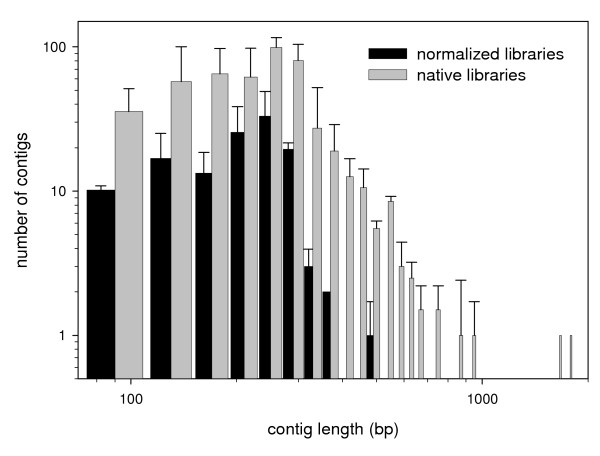
“This highly left-skewed distribution of assembled contigs is typical for normalized libraries and confirmed that cDNA normalization was effective [33].”
BackgroundA garter snake transcriptome: pyrosequencing, de novo assembly, and sex-specific differences
Schwartz, T. S., Tae, H., Yang, Y., Mockaitis, K., Hemert, J. L. V., Proulx, S. R., Choi, J.-H., & Bronikowski, A. M. (2010) · BMC Genomics · doi:10.1186/1471-2164-11-694 · Cited by 76
“The application of new sequencing technologies, such as pyrosequencing, to traditional ecological models expands the horizon for ecological genomic studies [24-29].”
BackgroundMilano, I., Babbucci, M., Panitz, F., Ogden, R., Nielsen, R. O., Taylor, M. I., Helyar, S., Carvalho, G. R., Espiñeira, M., Atanassova, M., et al. (2011) · PLoS ONE · doi:10.1371/journal.pone.0028008 · Cited by 78
“[39], cDNA libraries normalization has little impact on discovery of rare transcripts when NGS platform are used, due to the depth of sequencing coverage.”
BackgroundThe use of non-lethal sampling for transcriptomics to assess the physiological status of wild fishes
Jeffries, K. M., Teffer, A. K., Michaleski, S., Bernier, N. J., Heath, D. D., & Miller, K. M. (2021) · Comparative Biochemistry and Physiology Part B Biochemistry and Molecular Biology · doi:10.1016/j.cbpb.2021.110629 · Cited by 77
Indoliya, Y., Tiwari, P., Chauhan, A. S., Goel, R., Shri, M., Bag, S. K., & Chakrabarty, D. (2016) · Scientific Reports · doi:10.1038/srep23050 · Cited by 79
Seeb, J. E., Pascal, C. E., Grau, E. S., Seeb, L. W., Templin, W. D., Harkins, T. T., & Roberts, S. (2010) · Molecular Ecology Resources · doi:10.1111/j.1755-0998.2010.02936.x · Cited by 79
“The combination of new genetic technologies allowing the sequencing of the entire transcriptome along with novel algorithms for sequence analyses provides a catalyst for a wide variety of population genetics and genomics studies (Hudson 2008; Hale et al. 2009; Slate et al. 2009).”
BackgroundGenetic and Genomic Interactions of Animals with Different Ploidy Levels
Bogart, J. P., & Bi, K. (2013) · Cytogenetic and Genome Research · doi:10.1159/000351593 · Cited by 66
Hu, Y.-C., Kang, C.-K., Tang, C.-H., & Lee, T. (2015) · PLoS ONE · doi:10.1371/journal.pone.0134959 · Cited by 69
de Carvalho, J. F., Poulain, J., Silva, C. D., Wincker, P., Michon-Coudouel, S., Dheilly, A., Naquin, D., Boutte, J., Salmon, A., & Aïnouche, M. L. (2012) · Heredity · doi:10.1038/hdy.2012.76 · Cited by 64
“In contrast, Hale et al. (2009) demonstrated that normalization has a limited influence on increasing sequenced gene number.”
BackgroundGeneration of a reference transcriptome for evaluating rainbow trout responses to various stressors
Castaño-Sánchez, C., Weber, G. M., Gao, G., Cleveland, B. M., Yao, J., & Rexroad, C. E. (2011) · BMC Genomics · doi:10.1186/1471-2164-12-626 · Cited by 63
“Recently developed high-throughput sequencing technologies offer a new approach (RNASeq) for characterizing transcriptomes through high-throughput sequencing, mapping and quantification [20-31].”
MethodGene Discovery in the Threatened Elkhorn Coral: 454 Sequencing of the Acropora palmata Transcriptome
Polato, N. R., Vera, J. C., & Baums, I. B. (2011) · PLoS ONE · doi:10.1371/journal.pone.0028634 · Cited by 71
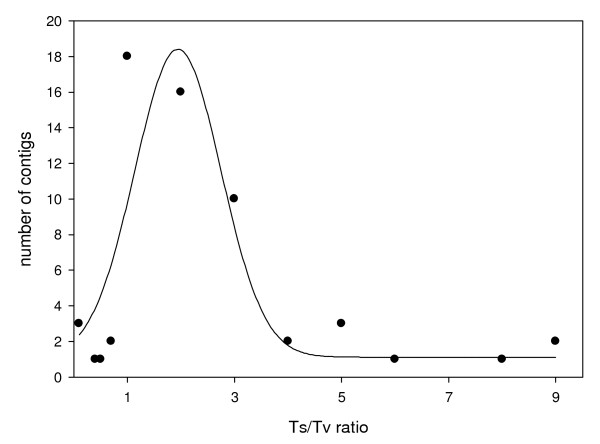
“Thus deviations from a ratio of two may act as a rough test for the presence of selection [72,73].”
BackgroundWaiho, K., Fazhan, H., Shahreza, M. S., Moh, J. H. Z., Noorbaiduri, S., Wong, L. L., Sinnasamy, S., & Ikhwanuddin, M. (2017) · PLoS ONE · doi:10.1371/journal.pone.0171095 · Cited by 57
Hook, S. E., Twine, N. A., Simpson, S. L., Spadaro, D. A., Moncuquet, P., & Wilkins, M. R. (2013) · Aquatic Toxicology · doi:10.1016/j.aquatox.2013.11.022 · Cited by 55
Sarropoulou, E., Galindo‐Villegas, J., García-Alcázar, A., Kasapidis, P., & Mulero, V. (2012) · Marine Biotechnology · doi:10.1007/s10126-012-9466-z · Cited by 60
“…not clustered as random primers were used for cDNA synthesis, the percentage of unique sequences was about 30 % in the rainbow trout (Salem et al. 2010), 42 % in the lake sturgeon (Hale et al. 2009), and 6 % in the gilthead sea bream after first assembling and then clustering (Yufera et al. 2011).”
MethodTranscriptome of Atlantic Cod (Gadus morhua L.) Early Embryos from Farmed and Wild Broodstocks
Lanes, C. F. C., Bizuayehu, T. T., Fernandes, J. M. O., Kiron, V., & Babiak, I. (2013) · Marine Biotechnology · doi:10.1007/s10126-013-9527-y · Cited by 59
An essay on the necessity and feasibility of conservation genomics
Ouborg, N. J., Angeloni, F., & Vergeer, P. (2009) · Conservation Genetics · doi:10.1007/s10592-009-0016-9 · Cited by 66
“…include the Glanville Fritillary butterfly (Vera et al. 2008), the largemouth bass Micropterus salmoides (Garcia-Reyero et al. 2008), the tree Eucalyptus grandis (Novaes et al. 2008), the coral Acropora millipora (Meyer et al. 2009) and the lake sturgeon Acipenser fulvescens (Hale et al. 2009).”
BackgroundRibas, L., Pardo, B. G., Fernández, C., Álvarez‐Dios, J. A., Gómez‐Tato, A., Quiroga, M. I., Planas, J. V., Sitjà‐Bobadilla, A., Martínez, P., & Piferrer, F. (2013) · BMC Genomics · doi:10.1186/1471-2164-14-180 · Cited by 47
“In particular, the reproductive system of the lake sturgeon (Acipenser fulvescens) has also been studied by resorting to modern pyrosequencing and it has been useful for the discovery and evaluation of candidate sex-determining genes and xenobiotic-responsive genes in the gonads [44,45].”
BackgroundHemmer‐Hansen, J., Nielsen, E. E., Meldrup, D., & Mittelholzer, C. (2011) · Molecular Ecology Resources · doi:10.1111/j.1755-0998.2010.02940.x · Cited by 54
“…SNP compared to e.g. 175–301 bp ⁄ SNP in three salmonids, Smith et al. 2005; 680 bp ⁄ SNP in Atlantic salmon (Salmo salar), Ryynänen & Primmer (2006), 460 bp ⁄ SNP in lake sturgeon (Acipenser fulvescens,), Hale et al. 2009; see also review by Brumfield et al. (2003) for a wider range of species).”
BackgroundThe genetics and genomics of Syngnathidae: pipefishes, seahorses and seadragons
Mobley, K. B., Small, C. M., & Jones, A. G. (2011) · Journal of Fish Biology · doi:10.1111/j.1095-8649.2011.02967.x · Cited by 52
“The 454 sequencing platform has already been put to work in these and other interesting contexts for several species of non-model fishes (Hale et al., 2009; Elmer et al., 2010; Renaut et al., 2010).”
BackgroundBugg, W. S., Yoon, G. R., Schoen, A. N., Laluk, A., Brandt, C., Anderson, W. G., & Jeffries, K. M. (2020) · Conservation Physiology · doi:10.1093/conphys/coaa087 · Cited by 56
“All primers were designed based on sequences from an annotated transcriptome produced by the pyrosequencing of a lake sturgeon ovary (Table 1; Hale et al., 2009).”
MethodMontes, I., Conklin, D., Albaina, A., Creer, S., Carvalho, G. R., Santos, M., & Estonba, A. (2013) · PLoS ONE · doi:10.1371/journal.pone.0070051 · Cited by 47
“Recently, several studies have successfully used this approach for marker discovery in fish species relevant to fishery and aquaculture: catfish [15], lake sturgeon [16], rainbow trout [17,18], lake whitefish [19], Atlantic cod [20], salmonids [21,22], hake [23], turbot [24], Atlantic herring [25] and Pacific herring…”
BackgroundAngeloni, F., Wagemaker, C. A. M., Jetten, M. S. M., den Camp, H. J. M. O., Janssen‐Megens, E. M., Françoijs, K., Stunnenberg, H. G., & Ouborg, N. J. (2011) · Molecular Ecology Resources · doi:10.1111/j.1755-0998.2011.02990.x · Cited by 50
“The application of NGS technologies has proven to be an effective way to study functional gene variation in nonmodel species (Novaes et al. 2008; Vera et al. 2008; Hale et al. 2009; Meyer et al. 2009).”
BackgroundGene discovery in the horned beetle Onthophagus taurus
Choi, J.-H., Kijimoto, T., Snell‐Rood, E. C., Tae, H., Yang, Y., Moczek, A. P., & Andrews, J. (2010) · BMC Genomics · doi:10.1186/1471-2164-11-703 · Cited by 46
“Our SNP analyses identified overall levels of genetic variation comparable to 454 studies of other animals sampled from wild populations [70,71], but considerably more relative to domestic or lab strains of animals [59,86] and considerably less relative to plants, even domestic varieties [69,87].”
BackgroundLiu, X., Dong, Y., Yao, N., Zhang, Y., Wang, N., Cui, X., Li, X., Wang, Y., Wang, Y., Wang, F., et al. (2015) · International Journal of Molecular Sciences · doi:10.3390/ijms161025657 · Cited by 43
Edwards, C. E., Parchman, T. L., & Weekley, C. W. (2011) · DNA Research · doi:10.1093/dnares/dsr037 · Cited by 41
“The generation of such large-scale sequence data is enabling gene discovery, molecular marker development, and comparative analyses in ecologically important, nonmodel plant taxa, including those of conservation concern.(23) One species for which conservation efforts would be greatly assisted by the establishment of a…”
BackgroundMethodKvist, S., Brugler, M. R., Goh, T. G., Giribet, G., & Siddall, M. E. (2013) · Invertebrate Biology · doi:10.1111/ivb.12039 · Cited by 43
“Total RNA then was isolated using a hybrid protocol based both on that of Hale et al. (2009) and that of the RNeasy Plus Mini Kit (Qiagen, Valencia, CA, USA).”
MethodMarra, N. J., Romero, A., & DeWoody, J. A. (2014) · Molecular Ecology · doi:10.1111/mec.12764 · Cited by 57
“2001) with a modified CDS III/30 primer (Hale et al. 2009; Eo et al. 2012; Marra et al. 2012).”
MethodSelf-citationYang, P., Li, X., Shipp, M. J., Shockey, J. M., & Cahoon, E. B. (2010) · BMC Plant Biology · doi:10.1186/1471-2229-10-250 · Cited by 41
“Cheung F, Haas BJ, Goldberg SM, May GD, Xiao Y, Town CD: Sequencing Medicago truncatula expressed sequenced tags using 454 Life Sciences technology.”
MethodNabholz, B., Jarvis, E. D., & Ellegren, H. (2010) · Molecular Phylogenetics and Evolution · doi:10.1016/j.ympev.2010.06.009 · Cited by 43
“…found that mtDNA gene expression was on average 4–8 times higher than the mean levels of nuclear gene expression (cf. Table 1 of Künstner et al., 2010), suggesting that normalization did not completely compensate for the much higher copy number of mtDNA compared to nuclear DNA (Hale et al., 2009).”
BackgroundHook, S. E. (2010) · Journal of Fish Biology · doi:10.1111/j.1095-8649.2010.02814.x · Cited by 38
“The development of deep or next generation sequencing techniques (such as 454 pyrosequencing) have made it quicker and cheaper to obtain sequence information from non-model species, such as most fishes (Hale et al., 2009; Johansen et al., 2009).”
BackgroundSiddall, M. E., Brugler, M. R., & Kvist, S. (2015) · Journal of Parasitology · doi:10.1645/15-802 · Cited by 36
“First- and second-strand cDNA synthesis followed the protocol described in Kvist et al. (2014), which is a modified protocol originally described by Hale et al. (2009).”
MethodTEMEL, H. Y., Göl, D., AKKALE, H. B. K., Kahriman, A., & Tanyolaç, B. (2015) · TURKISH JOURNAL OF AGRICULTURE AND FORESTRY · doi:10.3906/tar-1409-70 · Cited by 42
“It is possible to acquire a wealth of sequence information in nonmodel organisms using NGS technologies (Vera et al., 2008; Hale et al., 2009; Wheat, 2010; Der et al., 2011; Seeb et al., 2011).”
BackgroundDeBiasse, M. B., Nelson, B. J., & Hellberg, M. E. (2013) · Molecular Ecology · doi:10.1111/mec.12584 · Cited by 37
“Therefore, nuclear markers for this study were generated de novo from a C. vaginalis cDNA library following the protocol of Hale et al. (2009) using 454 sequencing technology.”
Genomic resources for flatfish research and their applications
Cerdà, J., Douglas, S. E., & Reith, M. (2010) · Journal of Fish Biology · doi:10.1111/j.1095-8649.2010.02695.x · Cited by 42
“This technology has recently been used to sequence the transcriptome of two commercially important fish species, the lake sturgeon Acipenser fulvescens Rafinesque (Hale et al., 2009) and G.”
MethodYusishen, M. E., Yoon, G. R., Bugg, W. S., Jeffries, K. M., Currie, S., & Anderson, W. G. (2020) · Comparative Biochemistry and Physiology Part A Molecular & Integrative Physiology · doi:10.1016/j.cbpa.2020.110686 · Cited by 37
Luo, H., Xiao, S., Ye, H., Zhang, Z., Lv, C., Zheng, S., Wang, Z., & Wang, X. (2016) · PLoS ONE · doi:10.1371/journal.pone.0152572 · Cited by 31
Evolutionary plasticity of acipenseriform genomes
Трифонов, В. А., Romanenko, S. A., Beklemisheva, V. R., Biltueva, L. S., Makunin, A., Lemskaya, N. A., Kulemzina, A. I., Stanyon, R., & Graphodatsky, A. S. (2016) · Chromosoma · doi:10.1007/s00412-016-0609-2 · Cited by 34
Fast genetic identification of the Beluga sturgeon and its sought-after caviar to stem illegal trade
Boscari, E., Vitulo, N., Ludwig, A., Caruso, C., Mugue, N. S., Suciu, R., Onără, D., Papetti, C., Marino, I. A. M., Zane, L., et al. (2016) · Food Control · doi:10.1016/j.foodcont.2016.11.039 · Cited by 30
Marra, N. J., Eo, S. H., Hale, M. C., Waser, P. M., & DeWoody, J. A. (2012) · Comparative Biochemistry and Physiology Part D Genomics and Proteomics · doi:10.1016/j.cbd.2012.07.001 · Cited by 34
Self-citationEo, S. H., Doyle, J. M., Hale, M. C., Marra, N. J., Ruhl, J. D., & DeWoody, J. A. (2011) · Gene · doi:10.1016/j.gene.2011.11.018 · Cited by 29
Self-citationCharacterization of the transcriptomes ofHaliotis rufescensreproductive tissues
Valenzuela‐Muñoz, V., Bueno-Ibarra, M. A., & Gallardo‐Escárate, C. (2012) · Aquaculture Research · doi:10.1111/are.12044 · Cited by 29
Development of Genomic Resources for Pacific Herring through Targeted Transcriptome Pyrosequencing
Roberts, S., Hauser, L., Seeb, L. W., & Seeb, J. E. (2012) · PLoS ONE · doi:10.1371/journal.pone.0030908 · Cited by 27
“[13] to compare 454 library construction approaches for sturgeon transcriptome libraries.”
BackgroundPeroxidase gene discovery from the horseradish transcriptome
Näätsaari, L., Krainer, F., Schubert, M., Glieder, A., & Thallinger, G. (2014) · BMC Genomics · doi:10.1186/1471-2164-15-227 · Cited by 26
“…might either suggest over-normalization of the cDNA library decreasing the total counts of the putatively most abundant transcripts to almost zero [45], or happen due to naturally occurring gen-etic variation with phenotypic correlation to adaptations to natural environments ranging from…”
Transcriptome profiling of tobacco (Nicotiana tabacum) pollen and pollen tubes
Conze, L. L., Berlin, S., Bail, A. L., & Kost, B. (2017) · BMC Genomics · doi:10.1186/s12864-017-3972-3 · Cited by 25
“1c and d), which is typical for a normalized library and suggests that cDNA normalization was effective [26].”
Rasal, K. D., Chakrapani, V., Pandey, A. K., Rasal, A. R., Sundaray, J. K., Ninawe, A. S., & Jayasankar, P. (2016) · Gene Reports · doi:10.1016/j.genrep.2016.12.004 · Cited by 27
Of contigs and quagmires: next‐generation sequencing pitfalls associated with transcriptomic studies
DeWoody, J. A., Abts, K. C., Fahey, A. L., Ji, Y., Kimble, S. J. A., Marra, N. J., Wijayawardena, B. K., & Willoughby, J. R. (2013) · Molecular Ecology Resources · doi:10.1111/1755-0998.12107 · Cited by 25
“If you also throw in poly- ploidy (see Hale et al. 2009, 2010; Buggs et al. 2010), those sequences become even more difficult to accurately parse (Nagy et al. 2013).”
BackgroundSelf-citationTan, E., Wongwarangkana, C., Kinoshita, S., Suzuki, Y., Oshima, K., Hattori, M., Ineno, T., Tamaki, K., Kera, A., Muto, K., et al. (2012) · Fisheries Science · doi:10.1007/s12562-012-0522-4 · Cited by 25
“Several projects have been undertaken to sequence the rainbow trout transcriptome [21, 34, 35], but the expression profiles generated in these studies were based on normalized cDNA libraries of mixed tissues and were of low sequence coverage.”
BackgroundMethodDe novo transcriptome analysis of mulberry (Morus L.) under drought stress using RNA-Seq technology
Wang, H., Tong, W., Feng, L., Jiao, Q., Li, L., Fang, R., & Zhao, W. (2014) · Russian Journal of Bioorganic Chemistry · doi:10.1134/s1068162014040037 · Cited by 23
Rhee, J., Won, E., Kim, R., Choi, B., Choi, I., Park, G. S., Shin, K., Lee, Y., & Lee, J. (2011) · Environmental Research · doi:10.1016/j.envres.2011.09.012 · Cited by 26
“454 pyrosequencing-based transcriptome analysis has been successfully performed in fish (Hale et al., 2009; Kristiansson et al., 2009), insects (Hahn et al.”
MethodRNA-Seq analysis of the toxicant-induced transcriptome of the marine diatom, Ceratoneis closterium
Hook, S. E., Osborn, H. L., Gissi, F., Moncuquet, P., Twine, N. A., Wilkins, M. R., & Adams, M. S. (2014) · Marine Genomics · doi:10.1016/j.margen.2013.12.004 · Cited by 25
Houston, D. D., Elzinga, D. B., Maughan, P. J., Smith, S. M., Kauwe, J. S., Evans, R. P., Stinger, R. B., & Shiozawa, D. K. (2012) · BMC Genomics · doi:10.1186/1471-2164-13-724 · Cited by 21
“Indeed, many researchers have recently used next generation sequencing to detect SNPs in a variety of organisms [5-9].”
BackgroundEkblom, R., Slate, J., Horsburgh, G. J., Birkhead, T. R., & Burke, T. A. (2012) · Comparative and Functional Genomics · doi:10.1155/2012/281693 · Cited by 24
“Some of these results are different from those of other studies, concluding that gene-finding efficiency is only marginally improved by normalisation [20, 22].”
BackgroundResultKuo, R. C., Zhang, H., Zhuang, Y., Hannick, L. I., & Lin, S. (2013) · PLoS ONE · doi:10.1371/journal.pone.0060826 · Cited by 21
“Rarefaction curve analysis was originally developed to estimate sampling effort and species diversity in ecology [32] but has been adopted to evaluate sequencing depth in metagenomics of microbial communities [33,34], next generation sequencing [35,36] or transcriptome studies [37].”
BackgroundEarhart, M. L., Bugg, W. S., Wiwchar, C. E., Kroeker, J. R. L., Jeffries, K. M., & Anderson, W. G. (2020) · Aquaculture · doi:10.1016/j.aquaculture.2020.735116 · Cited by 24
Yang, F., Lang, T., Wu, J., Zhang, C., Qu, H., Pu, Z., Yang, F., Yu, M., & Feng, J. (2024) · BMC Genomics · doi:10.1186/s12864-024-11139-8 · Cited by 22
“Dupli-cates were filtered with Samtools (v.1.10) and Picard (v.2.0.1) [28].”
InfluentialSong, W., Jiang, K., Zhang, F., Lin, Y. L., & Ma, L. (2015) · PLoS ONE · doi:10.1371/journal.pone.0137450 · Cited by 19
“In the case of sturgeons, next-generation sequencing technology has been applied to illustrate gene expression patterns in gonads of Acipenser fulvescens and to identify SNPs, sex– determining genes and genes related to xenobiotiques metabolism and their corresponding functions [6, 7].”
MethodResultComeault, A. A., Sommers, M., Schwander, T., Buerkle, C. A., Farkas, T. E., Nosil, P., & Parchman, T. L. (2012) · Molecular Ecology Resources · doi:10.1111/j.1755-0998.2012.03121.x · Cited by 21
Bhide, A. S., Schliesky, S., Reich, M., Weber, A. P. M., & Becker, A. (2014) · BMC Genomics · doi:10.1186/1471-2164-15-140 · Cited by 18
“[25] already calculated rarefaction curves for transcriptome analysis of a polyploid lake sturgeon.”
BackgroundEarhart, M. L., Ali, J. L., Bugg, W. S., Jeffries, K. M., & Anderson, W. G. (2020) · Comparative Biochemistry and Physiology Part A Molecular & Integrative Physiology · doi:10.1016/j.cbpa.2020.110777 · Cited by 20
Valenzuela‐Muñoz, V., Araya-Garay, J. M., & Gallardo‐Escárate, C. (2013) · Marine Genomics · doi:10.1016/j.margen.2012.12.003 · Cited by 16
Du, M., Li, N., Niu, B., Liu, Y., You, D., Jiang, D., Ruan, C., Qin, Z., Song, T., & Wang, W. (2018) · PLoS ONE · doi:10.1371/journal.pone.0190343 · Cited by 16
Metadata
- Authors
- Hale, M. C., McCormick, C. R., Jackson, J. R., & DeWoody, J. A.
- Affiliations
- Purdue University West Lafayette (US)
- Cornell University (US)
- Corresponding author
- Hale, Matthew C
- Venue
- BMC Genomics
- Published
- 2009
- Volume
- 10
- Issue
- 1
- Pages
- 203
- ISSN
- 1471-2164 (ISSN-L)
- PMC
- PMC2688523
- OpenAlex
- W1977759371
- Cited by
- 163
- References
- 43
- Citations by year
- 2024: 1 · 2023: 1 · 2022: 3 · 2021: 16 · 2020: 16 · 2019: 1 · 2018: 5 · 2017: 5 · 2016: 10 · 2015: 9 · 2014: 12 · 2013: 18 · 2012: 21
- FWCI
- 8.85
- Type
- journal article
- Language
- en
- Open access
- gold
- doi.org
- Licence
- cc-by
- Locations
- BMC Genomics (publishedVersion, cc-by)
- Europe PMC (PubMed Central) (publishedVersion, cc-by)
- PubMed Central (publishedVersion, cc-by)
- PubMed (publishedVersion)
- Purdue e-Pubs (Purdue University System) (submittedVersion)
- DOAJ (DOAJ: Directory of Open Access Journals) (submittedVersion)
- Funders
- Great Lakes Fishery Trust
- Indiana Department of Natural Resources
- Topics
- Life Sciences › Biochemistry, Genetics and Molecular Biology › Molecular Biology › Genomics and Phylogenetic Studies
- Life Sciences › Biochemistry, Genetics and Molecular Biology › Physiology › Reproductive biology and impacts on aquatic species
- Life Sciences › Biochemistry, Genetics and Molecular Biology › Genetics › Chromosomal and Genetic Variations
- Keywords
- lake sturgeon, Acipenser fulvescens, polyploidy, gonad transcriptome, gene discovery, rarefaction, expressed sequence tags, single nucleotide polymorphisms, Gene Ontology, conservation genetics, non-model organisms, sequencing depth
- MeSH terms
- Animals, Female, Fishes, Gonads, Male, Pilot Projects, Gene Library, Sequence Analysis, DNA, Expressed Sequence Tags, Polymorphism, Single Nucleotide, Gene Expression Profiling
About these checks
Registry, retraction, Cites and statistics results are computed, not judged, with one exception: a printed reference that no index lists is read once by a model before it counts as a citation error. Claims are extracted by a model and kept only when their quote appears verbatim in the text; each cited source is then checked, with a model’s help, for whether it says what the claim relies on. Those verdicts can be wrong — read the claim’s quote and the cited source before relying on one.
Statistics and arithmetic are recomputed, not judged.
Confidence bands are shown only for fields calibrated on our annotated test set. None is calibrated yet, so no band is shown.
What counts as a claim ›How we measure confidence ›How we check this ›
Are you an author, or do you see a problem with this page? Request a review
Data sources
Bibliographic data: Semantic Scholar, OpenAlex, Crossref.
Contains information from the Semantic Scholar Academic Graph Datasets, made available under the ODC Attribution License (ODC-BY 1.0).
Semantic Scholar’s data is described in: Kinney, R., et al. (2023). The Semantic Scholar Open Data Platform. arXiv:2301.10140.
