

Transcriptome sequencing in an ecologically important tree species: assembly, annotation, and marker discovery
Open accessThe DOI matches its Crossref record; 75 of the 75 references it cites were found in a registry or an index.
Abstract
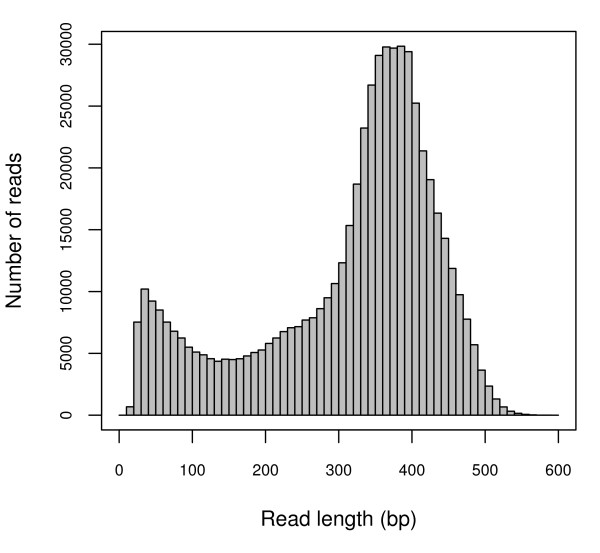
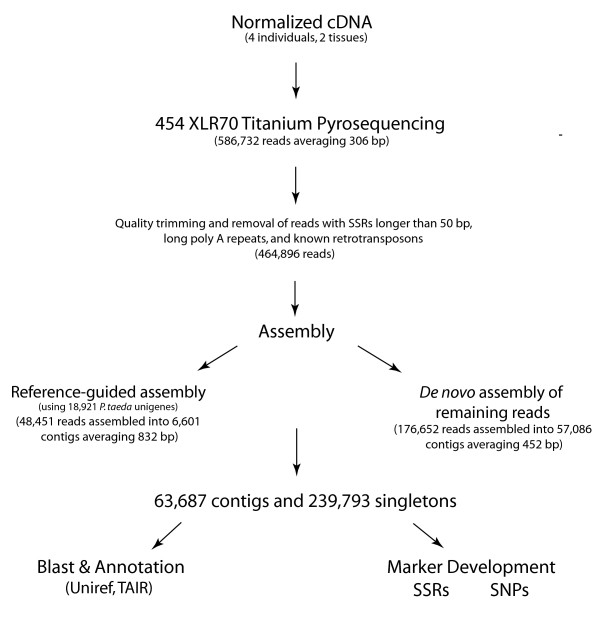
BACKGROUND: Massively parallel sequencing of cDNA is now an efficient route for generating enormous sequence collections that represent expressed genes. This approach provides a valuable starting point for characterizing functional genetic variation in non-model organisms, especially where whole genome sequencing efforts are currently cost and time prohibitive. The large and complex genomes of pines (Pinus spp.) have hindered the development of genomic resources, despite the ecological and economical importance of the group. While most genomic studies have focused on a single species (P. taeda), genomic level resources for other pines are insufficiently developed to facilitate ecological genomic research. Lodgepole pine (P. contorta) is an ecologically important foundation species of montane forest ecosystems and exhibits substantial adaptive variation across its range in western North America. Here we describe a sequencing study of expressed genes from P. contorta, including their assembly and annotation, and their potential for molecular marker development to support population and association genetic studies. RESULTS: We obtained 586,732 sequencing reads from a 454 GS XLR70 Titanium pyrosequencer (mean length: 306 base pairs). A combination of reference-based and de novo assemblies yielded 63,657 contigs, with 239,793 reads remaining as singletons. Based on sequence similarity with known proteins, these sequences represent approximately 17,000 unique genes, many of which are well covered by contig sequences. This sequence collection also included a surprisingly large number of retrotransposon sequences, suggesting that they are highly transcriptionally active in the tissues we sampled. We located and characterized thousands of simple sequence repeats and single nucleotide polymorphisms as potential molecular markers in our assembled and annotated sequences. High quality PCR primers were designed for a substantial number of the SSR loci, and a large number of these were amplified successfully in initial screening. CONCLUSIONS: This sequence collection represents a major genomic resource for P. contorta, and the large number of genetic markers characterized should contribute to future research in this and other pines. Our results illustrate the utility of next generation sequencing as a basis for marker development and population genomics in non-model species.
Overview
The claims and statistics of this paper haven’t been checked yet.
Free: it reads the open-access text and checks the first 5 claims that cite a source we can check. Create a free account to check every claim.
Integrity signals
Registry
Cites
Statistics
Figures
Verification
Claims the paper makes
The claims and statistics of this paper haven’t been checked yet.
Free: it reads the open-access text and checks the first 5 claims that cite a source we can check. Create a free account to check every claim.
Claims other papers make about this one
Each is checked against this paper’s own text: does it say what the citing paper says it does?
The cited source says what the claim attributes to it.
In the citing paper
“Furthermore, large collections of ESTs have proven invaluable for functional genomics and molecular marker development [9-13].”
The cited source says what the claim attributes to it.
In the citing paper
“Due to its long read length and appearance ahead of the other two platforms, Roche GS FLX has been the most widely used platform for de novo transcriptome sequencing in many organisms, such as chestnut [19], pine [10], olive [44], ginseng [20], A. thaliana [45,46], maize [47], Artemisia annua [48], fish [18], insects [49,50], and worms [17].”
The cited source says what the claim attributes to it.
In the citing paper
“The newly developed high throughput sequencing technology, i.e. Next Generation Sequencing (NGS), including the Roche/454 Genome Sequencer FLX Instrument, the ABI SOLiD System, and the Illumina Genome Analyser, is a powerful and cost-efficient tool for advanced research in many areas, including re-sequencing, microRNA expression profiling, DNA methylation, especially de novo transcriptome”
The cited source says what the claim attributes to it.
In the citing paper
“Like [10,19], if we assumed that the number of genes in sweetpotato was commensurate with that in Arabidopsis (25,000 genes, [62]), our annotated unigenes (20,755 genes with unique protein accession numbers) would likely represent more than 80% of genes in sweetpotato.”
The cited source says what the claim attributes to it.
In the citing paper
“Nonetheless, only 40% of reads were assembled into unigenes, which is less than that reported for 454 transciptome assemblies (e.g., 88% [11], 90% [17], 48% [10]).”
Self-check
Percentages, sums and reported differences re-computed from the paper’s own numbers.
The self-check needs the paper’s full text.
Citations
Cites
Gapped BLAST and PSI-BLAST: a new generation of protein database search programs
Altschul, S. (1997) · Nucleic Acids Research · doi:10.1093/nar/25.17.3389 · Cited by 73,302 · cited 7×
“These contigs were then aligned to UniRef50 using BLASTx with an E value threshold of 10-4.”
MethodInfluentialProceedings of the National Academy of Sciences of the United States of America
Dowling, J. E., & Wald, G. (2009) · Nutrition Reviews · doi:10.1111/j.1753-4887.1981.tb06752.x · Cited by 17,893
The Proceedings of the National Academy of Sciences
Richards, J. W. (1915) · Science · doi:10.1126/science.42.1074.161 · Cited by 13,983
Conesa, A., Götz, S., García-Gómez, J. M., Terol, J., Talón, M., & Robles, M. (2005) · Bioinformatics · doi:10.1093/bioinformatics/bti610 · Cited by 11,495
Genome sequencing in microfabricated high-density picolitre reactors
Margulies, M., Egholm, M., Altman, W. E., Attiya, S., Bader, J. S., Bemben, L. A., Berka, J., Braverman, M. S., Chen, Y.-J., Chen, Z., et al. (2005) · Nature · doi:10.1038/nature03959 · Cited by 7,693 · cited 2×
“For example 30-50% of the mammalian genome is composed of retroelements [9], and they comprise a substantial proportion of most plant genomes [49,50].”
BackgroundMethodMolecular Markers, Natural History and Evolution
Avise, J. C. (1994) · Springer eBooks · doi:10.1007/978-1-4615-2381-9 · Cited by 5,242
Environmental genome shotgun sequencing of the sargasso sea
Venter, J. C., Remington, K., Heidelberg, J. F., Halpern, A. L., Rusch, D., Eisen, J. A., Wu, D., Paulsen, I., Nelson, K. E., Nelson, W., et al. (2004) · Science · doi:10.1126/science.1093857 · Cited by 4,376 · cited 1×
“Such findings point to the utility of largescale transcriptome sequencing and annotation for detecting parasites or symbionts present in sampled in tissues, just as is done more generally in environmental genomics [47].”
BackgroundThe evolutionary dynamics of repetitive DNA in eukaryotes
Charlesworth, B., Sniegowski, P., & Stephan, W. (1994) · Nature · doi:10.1038/371215a0 · Cited by 1,623 · cited 1×
“Retrotransposons are known to play a prominent role in the evolution of genome size and complexity across eukaryotes [48].”
BackgroundUniRef: comprehensive and non-redundant UniProt reference clusters
Suzek, B. E., Huang, H., McGarvey, P., Mazumder, R., & Wu, C. H. (2007) · Bioinformatics · doi:10.1093/bioinformatics/btm098 · Cited by 1,613
The power and promise of population genomics: from genotyping to genome typing
Luikart, G., England, P. R., Tallmon, D., Jordan, S., & Taberlet, P. (2003) · Nature Reviews Genetics · doi:10.1038/nrg1226 · Cited by 1,365 · cited 2×
“The thousands of SNP and SSR markers in our 454 ESTs should enable population genomic and gene-based association studies [53,66].”
Background
Research works printed but not linked: 1
- [24]Lotan JE Baumgartner DM The role of cone serotiny in lodgepole pine forests Symposium Proceedings 1975 Washington State University, Pullman, Washington, USA 471 495
Cited by
Items 101–200 of 443
Frenkel, O., Portillo, I., Brewer, M. T., Péros, J., Cadle-Davidson, L. E., & Milgroom, M. G. (2011) · Plant Pathology · doi:10.1111/j.1365-3059.2011.02502.x · Cited by 69
Pinosio, S., González‐Martínez, S. C., Bagnoli, F., Cattonaro, F., Grivet, D., Marroni, F., Lorenzo, Z., Pausas, J. G., Verdú, M., & Vendramin, G. G. (2014) · Molecular Ecology Resources · doi:10.1111/1755-0998.12232 · Cited by 67
“Aleppo pine transcriptome has similar characteristics to other conifers (e.g. Pinus contorta, Parchman et al. 2010; Taxus mairei, Hao et al. 2011; Picea abies, Chen et al. 2012), suggesting a conserved pattern in transcription levels across species.”
BackgroundResultInfluentialCombining independent de novo assemblies to optimize leaf transcriptome of Persian walnut
Sadat‐Hosseini, M., Bakhtiarizadeh, M. R., Boroomand, N., Tohidfar, M., & Vahdati, K. (2020) · PLoS ONE · doi:10.1371/journal.pone.0232005 · Cited by 94
“(1198 bp) [32], Pinus contorta (715 bp) [33] and Lens colinaris (770 bp) [34].”
ngs_backbone: a pipeline for read cleaning, mapping and SNP calling using Next Generation Sequence
Blanca, J., Pascual, L., Ziarsolo, P., Nuez, F., & Cañizares, J. (2011) · BMC Genomics · doi:10.1186/1471-2164-12-285 · Cited by 57
“The applications of the NGS sequencing platforms are endless [15-18].”
BackgroundTorre, S., Tattini, M., Brunetti, C., Fineschi, S., Fini, A., Ferrini, F., & Sebastiani, F. (2014) · PLoS ONE · doi:10.1371/journal.pone.0112487 · Cited by 56
“The frequency of the variants resulted equal to 1 variant per 6,854 nucleotides on average, lower than that observed in other forest tree species [24,48] that could be explained with the limited number of genotypes analyzed and the strict parentage relatedness that reduced the possibility of SNPs mining.”
BackgroundResultEuroPineDB: a high-coverage web database for maritime pine transcriptome
Fernández‐Pozo, N., Canales, J., Guerrero-Fernández, D., Villalobos, D. P., Díaz-Moreno, S. M., Bautista, R., Flores-Monterrosso, A., Guevara, M. Á., Perdiguero, P., Collada, C., et al. (2011) · BMC Genomics · doi:10.1186/1471-2164-12-366 · Cited by 62
“These numbers are difficult to compare to other conifers because of the different algorithms used for detection [2,18,39].”
BackgroundSouframanien, J., & Reddy, K. S. (2015) · PLoS ONE · doi:10.1371/journal.pone.0128748 · Cited by 56
“The longer contigs were more likely to have BLAST matches in the protein databases [36].”
BackgroundWang, F., Li, L., Liu, L., Li, H., Zhang, Y., Yao, Y., Ni, Z., & Gao, J. (2012) · Molecular Genetics and Genomics · doi:10.1007/s00438-012-0699-3 · Cited by 58
Bajgain, P., Richardson, B. A., Price, J. C., Cronn, R., & Udall, J. A. (2011) · BMC Genomics · doi:10.1186/1471-2164-12-370 · Cited by 57
“Previous reports of ESTs from non-model, yet ecologically and economically important organisms have been successfully sequenced and annotated using next generation sequencing [19-21].”
MethodDual RNA-seq of the plant pathogen Phytophthora ramorum and its tanoak host
Hayden, K. J., Garbelotto, M. M., Knaus, B. J., Cronn, R., Rai, H., & Wright, J. W. (2014) · Tree Genetics & Genomes · doi:10.1007/s11295-014-0698-0 · Cited by 72
“2011), but due to the stature, long generation times, and large genomes of forest trees, the genomic study of non-commercial species—for which populations of clonal replicates or defined phenotypic lines are unavailable—has been especially limited (Parchman et al. 2010; Rampant et al. 2011).”
BackgroundHe, R., Kim, M., Nelson, W. M., Balbuena, T. S., Kim, R., Kramer, R., Crow, J., May, G. D., Thelen, J. J., Soderlund, C. A., et al. (2012) · American Journal of Botany · doi:10.3732/ajb.1100429 · Cited by 55
Chen, J., Uebbing, S., Gyllenstrand, N., Lagercrantz, U., Lascoux, M., & Källman, T. (2012) · BMC Genomics · doi:10.1186/1471-2164-13-589 · Cited by 57
“In addition, transcriptome sequencing has been employed in a large array of plant species to create basic genetic resources and to study gene expression dynamics (for example see: [14-20]).”
BackgroundChe, R., Sun, Y., Wang, R., & Xu, T. (2014) · PLoS ONE · doi:10.1371/journal.pone.0087940 · Cited by 56
The Physalis peruviana leaf transcriptome: assembly, annotation and gene model prediction
Garzón-Martínez, G. A., Zhu, Z. I., Landsman, D., Barrero, L. S., & Mariño‐Ramírez, L. (2012) · BMC Genomics · doi:10.1186/1471-2164-13-151 · Cited by 57
“An increasing number of successful studies have been published describing EST sequencing and de novo transcriptome assembly for large-scale gene discovery [9-18].”
BackgroundContrasting patterns of nucleotide diversity for four conifers of Alpine European forests
Mosca, E., Eckert, A. J., Liechty, J. D., Wegrzyn, J., Porta, N. L., Vendramin, G. G., & Neale, D. B. (2012) · Evolutionary Applications · doi:10.1111/j.1752-4571.2012.00256.x · Cited by 61
Zhang, Y., Zhang, S., Han, S., Li, X., & Qi, L. (2012) · Plant Cell Reports · doi:10.1007/s00299-012-1277-1 · Cited by 52
“This seemingly higher percentage of ESTs with BLASTX hits could be partially explained by the high frequency of longer sequences in our EST collection; 30–40 % annotation is common in large-scale EST collections (Beldade et al. 2006; Vera et al. 2008; Parchman et al. 2010).”
BackgroundResultInfluentialLesur, I., Provost, G. L., Bento, P., Silva, C. D., Leplé, J., Murat, F., Ueno, S., Bartholomé, J., Lalanne, C., Ehrenmann, F., et al. (2015) · BMC Genomics · doi:10.1186/s12864-015-1331-9 · Cited by 63
“of a similar size to those of Pseudotsuga menziesii (170,859 contigs [24]) and Pinus pinaster (210,513 contigs [25]), larger than that of Castanea molissima (40,039 contigs [26]), and smaller than of Pinus contorta (303,450 contigs, [27]).”
ResultBedre, R. H., Mangu, V., Srivastava, S., Sánchez, E., & Baisakh, N. (2016) · BMC Genomics · doi:10.1186/s12864-016-3017-3 · Cited by 60
“These results are in agreement with previous reports that longer sequences were more likely to annotate using BLAST searches with protein database than shorter sequences [46, 48, 49].”
BackgroundResultScaglione, D., Lanteri, S., Acquadro, A., Lai, Z., Knapp, S. J., Rieseberg, L. H., & Portis, E. (2012) · Plant Biotechnology Journal · doi:10.1111/j.1467-7652.2012.00725.x · Cited by 55
“In orphan crop species, the cost of a whole-genome shotgun approach can be prohibitive, depending on its genome size and level of complexity (Parchman et al., 2010).”
BackgroundDNA Fingerprinting, DNA Barcoding, and Next Generation Sequencing Technology in Plants
Sucher, N. J., Hennell, J. R., & Carles, M. (2012) · Methods in molecular biology · doi:10.1007/978-1-61779-609-8_2 · Cited by 61
Wang, R., Xu, S., Jiang, Y., Jiang, J., Li, X., Liang, L., He, J., Peng, F., & Xia, B. (2013) · PLoS ONE · doi:10.1371/journal.pone.0060449 · Cited by 57
“It should be treated with caution because of technical problems associated with Roche 454 GS FLX pyrosequencing [42].”
BackgroundLorenz, W. W., Ayyampalayam, S., Bordeaux, J. M., Howe, G. T., Jermstad, K. D., Neale, D. B., Rogers, D. L., & Dean, J. F. D. (2012) · Tree Genetics & Genomes · doi:10.1007/s11295-012-0547-y · Cited by 50
“For example, lodgepole pine (Pinus contorta) sequences derived from a normalized, pyrosequenced library were used to assemble a transcriptome of ca. 64,000 contigs that contained a large number of retrotransposon-derived sequences (Parchman et al. 2010).”
BackgroundMethodTorales, S., Rivarola, M., Pomponio, M. F., González, S., Acuña, C. V., Fernández, P. D. C., Lauenstein, D. L., Verga, A., Hopp, H. E., Paniego, N. B., et al. (2013) · BMC Genomics · doi:10.1186/1471-2164-14-705 · Cited by 52
“The average length found in the present research was also larger than those of other non-model organisms ranging from 197 to 707 bp, [21-25].”
BackgroundLuo, C. H., Zhang, Q., & Luo, Z. (2014) · BMC Genomics · doi:10.1186/1471-2164-15-112 · Cited by 50
“The average unigene length for persimmons in this study was comparable to that observed in other species such as Oncidium (493 bp) [39], Pinus contorta (500 bp) [40], Fraxinus (649 bp) [41], and Vicia faba (615 bp) [42].”
ResultComparative transcriptomics of a complex of four European pine species
Wachowiak, W. M., Trivedi, U. H., Perry, A., & Cavers, S. (2015) · BMC Genomics · doi:10.1186/s12864-015-1401-z · Cited by 49
“contorta, when about 17000 unique genes were found across 63657 contigs developed using a 454 GS XLR70 Titanium pyrosequencer [12].”
BackgroundMethodLepais, O., & Bacles, C. F. E. (2011) · Molecular Ecology Resources · doi:10.1111/j.1755-0998.2011.03002.x · Cited by 59
“…randomly sequencing among the genome and searching a posteriori for microsatellite sequences (Abdelkrim et al. 2009; Allentoft et al. 2009; Rasmussen & Noor 2009; Tangphatsornruang et al. 2009; Vanpé et al. 2009; Castoe et al. 2010; Csencsics et al. 2010; Parchman et al. 2010; Perry & Rowe 2010).”
BackgroundMethodChen, L.-Y., Cao, Y.-N., Yuan, N., Nakamura, K., Wang, G., & Qiu, Y. (2015) · Molecular Breeding · doi:10.1007/s11032-015-0379-1 · Cited by 51
Transcriptome Sequencing and De Novo Analysis of the Copepod Calanus sinicus Using 454 GS FLX
Ning, J., Wang, M., Li, C., & Sun, S. (2013) · PLoS ONE · doi:10.1371/journal.pone.0063741 · Cited by 52
Ong, W. D., Voo, L.-Y. C., & Subbiah, V. K. (2012) · PLoS ONE · doi:10.1371/journal.pone.0046937 · Cited by 49
“Deep sequencing with various pineapple tissues and stages or reference assembly by using pineapple ESTs or nearest genome sequence will eventually fill up the gaps and give a more thorough transcripts representation in pineapple [16].”
BackgroundIllumina-based de novo transcriptome sequencing and analysis of Amanita exitialis basidiocarps
Li, P., Deng, W.-Q., Li, T., Song, B., & Shen, Y.-H. (2013) · Gene · doi:10.1016/j.gene.2013.09.014 · Cited by 49
“De novo transcriptomeassemblies have been created usingnext generation sequencing technologies for some important organisms including plants: Eucalyptus grandis (Novaes et al., 2008), Pinus contorta (Parchman et al., 2010), and Panax quinquefolius (Sun et al., 2010); d phallacidin.”
BackgroundMethodMa, L., Hatlen, A., Kelly, L. J., Becher, H., Wang, W., Kovařík, A., Leitch, I. J., & Leitch, A. R. (2015) · Genome Biology and Evolution · doi:10.1093/gbe/evv171 · Cited by 54
“…with heterochromatin (Fuchs et al. 2008), higher levels of transcription of retrotransposons in conifers than angiosperms (Morse et al. 2009; Parchman et al. 2010), and lower levels of unequal recombination to remove the long-terminal repeats (LTRs) from LTR retrotransposons (Nystedt et al.…”
BackgroundArisha, M. H., Aboelnasr, H., Ahmad, M. Q., Liu, Y., Tang, W., Gao, R., Yan, H., Kou, M., Wang, X., Zhang, Y., et al. (2020) · BMC Genomics · doi:10.1186/s12864-020-6524-1 · Cited by 63
Molecular Characterisation of Colour Formation in the Prawn Fenneropenaeus merguiensis
Ertl, N. G., Elizur, A., Brooks, P. R., Kuballa, A., Anderson, T. A., & Knibb, W. (2013) · PLoS ONE · doi:10.1371/journal.pone.0056920 · Cited by 50
“These results are quite typical of 454 next generation sequencing that has been reported to generate a large amount of sequence reads of roughly 300 to 400 bp length on average [34,35].”
Transcriptome profiling and molecular marker discovery in red pepper, Capsicum annuum L. TF68
Lu, F.-H., Cho, M.-C., & Park, Y. (2011) · Molecular Biology Reports · doi:10.1007/s11033-011-1102-x · Cited by 47
“functional variation and the signature of selection in genomic scans or association genetic studies [34, 35].”
BackgroundLiu, J., Yin, T., Ye, N., Chen, Y., Yin, T., Liu, M., & Hassani, D. (2013) · PLoS ONE · doi:10.1371/journal.pone.0060181 · Cited by 51
“Transcriptome sequencing has been proven to be an efficient way for gene discovery [19–22], especially with the availability of the high-throughput next generation sequencing technology.”
BackgroundGao, M., Zhang, S., Luo, C., He, X., Wei, S., Jiang, W. J., He, F., Lin, Z., Yan, M., & Dong, W. (2018) · Gene · doi:10.1016/j.gene.2018.01.075 · Cited by 49
Zhai, L., Xu, L., Wang, Y., Cheng, H., Chen, Y., Gong, Y., & Liu, L. (2013) · Molecular Breeding · doi:10.1007/s11032-013-9978-x · Cited by 45
Lee, J., Noh, E. K., Choi, H.-S., Shin, S. C., Park, H., & Lee, H. (2012) · Planta · doi:10.1007/s00425-012-1797-5 · Cited by 47
“Among the currently used high-throughput techniques, pyrosequencing is a useful method for de novo transcriptome analysis of non-model species (Novaes et al. 2008; Vera et al. 2008; Parchman et al. 2010).”
MethodMa, H., Ma, C., Li, S., Jiang, W., Li, X.-C., Liu, Y., & Ma, L. (2014) · PLoS ONE · doi:10.1371/journal.pone.0102668 · Cited by 44
“) [23], orange-spotted grouper (Epinephelus coioides) [24], yesso scallops (Patinopecten yessoensis) [25], and Adriatic sturgeon (Acipenser naccarii) [26].”
BackgroundRegier, N., Bærlocher, L., Münsterkötter, M., Farinelli, L., & Cosio, C. (2013) · Environmental Science & Technology · doi:10.1021/es401082h · Cited by 51
Angeloni, F., Wagemaker, C. A. M., Jetten, M. S. M., den Camp, H. J. M. O., Janssen‐Megens, E. M., Françoijs, K., Stunnenberg, H. G., & Ouborg, N. J. (2011) · Molecular Ecology Resources · doi:10.1111/j.1755-0998.2011.02990.x · Cited by 50
“Along with other recent studies (e.g. Novaes et al. 2008; Vera et al. 2008; Kristiansson et al. 2009; Parchman et al. 2010), our results demonstrate the utility and the potential of NGS technologies when applied to nonmodel but ecologically relevant species such as S. columbaria.”
BackgroundResultMass spectrometry‐based forest tree metabolomics
Rodrigues, A. M., Miguel, C. M. G., Chaves, I., & António, C. (2019) · Mass Spectrometry Reviews · doi:10.1002/mas.21603 · Cited by 47
Nicolaï, M., Pisani, C., Bouchet, J., Vuylsteke, M., & Palloix, A. (2012) · Genetics and Molecular Research · doi:10.4238/2012.august.13.3 · Cited by 54
“, 2010) (mean = 672 bp) - than lengths obtained previously, probably owing to improvements in the Roche 454 instrumentation for longer reads (Parchman et al., 2010) and the enhanced performance of the assembler software.”
BackgroundInfluentialWang, H., Yang, J., Boykin, L. M., Zhao, Q., Wang, Y., Liu, S., & Wang, X. (2014) · Scientific Reports · doi:10.1038/srep06351 · Cited by 46
Zhang, M., Jiang, L., Zhang, D., & Jia, G. (2014) · Molecular Genetics and Genomics · doi:10.1007/s00438-014-0919-0 · Cited by 44
“Next-generation sequencing (NGS) has facilitated the genetic studies of both model and non-model organisms (Meyer et al. 2009; Parchman et al. 2010; Sun et al. 2010).”
BackgroundGenomic divergence between nine- and three-spined sticklebacks
Guo, B., Chain, F. J. J., Bornberg‐Bauer, E., Leder, E. H., & Merilä, J. (2013) · BMC Genomics · doi:10.1186/1471-2164-14-756 · Cited by 47
“This proportion of contigs with BLAST hits is similar to previous transcriptome studies [47-49], in which contigs without significant hits may consist of untranslated transcripts, chimeras or assembly artifacts.”
ResultComparative transcriptome analyses of flower development in four species of Achimenes (Gesneriaceae)
Roberts, W. R., & Roalson, E. H. (2017) · BMC Genomics · doi:10.1186/s12864-017-3623-8 · Cited by 63
Teixeira, R. T., Fortes, A. M., Pinheiro, C., & Pereira, H. (2014) · Journal of Experimental Botany · doi:10.1093/jxb/eru252 · Cited by 48
“Transcriptome obtained by high-throughput or EST sequencing offers an efficient means of generating functional genomic data for non-model organisms (Parchman et al., 2010) because it provides functional information that often corresponds to genes with known or predicted functions (Andersen and…”
BackgroundEdwards, C. E., Parchman, T. L., & Weekley, C. W. (2011) · DNA Research · doi:10.1093/dnares/dsr037 · Cited by 41
“008 per base, similar to that reported in other 454 transcriptome studies.(13,16,17)”
BackgroundMethodResultInfluentialSelf-citationBarling, A., Swaminathan, K., Mitros, T., James, B. T., Morris, J., Ngamboma, O., Hall, M. C., Kirkpatrick, J. R., Alabady, M., Spence, A. K., et al. (2013) · BMC Genomics · doi:10.1186/1471-2164-14-864 · Cited by 48
“Deep sequencing technologies applied to gene discovery through transcriptome sequencing has efficiently increased genetic information for many non-model plant organisms such as barley, grape, wheat, and lodgepole pine [11-15].”
Miller, H. C., Biggs, P. J., Voelckel, C., & Nelson, N. J. (2012) · BMC Genomics · doi:10.1186/1471-2164-13-439 · Cited by 45
“Although many repetitive elements are not expressed, transcriptionally active repetitive elements have been identified in other transcriptomes, including those of plants [41], Drosophila [54], humans [55] and snake venom glands [4] and liver [56].”
BackgroundMethodA comprehensive assessment of the transcriptome of cork oak (Quercus suber) through EST sequencing
Pereira‐Leal, J. B., Abreu, I. A., Alabaça, C. S., Almeida, M. H., Almeida, P., Almeida, T., Amorim, I., Araújo, S. D. S., Azevedo, H., Badia, A., et al. (2014) · BMC Genomics · doi:10.1186/1471-2164-15-371 · Cited by 49
“[22]), likely due to the extensive number of libraries sequenced in this project, prepared from multiple tissues, developmental stages and stress conditions.”
BackgroundKim, J.-A., Roy, N. S., Lee, I.-H., Choi, A.-Y., Choi, B., Yu, Y.-S., Park, N. I., Park, K.-C., Kim, S., Yang, H.-S., et al. (2018) · Genomics · doi:10.1016/j.ygeno.2018.06.004 · Cited by 42
Punia, H., Tokas, J., Malik, A., Sangwan, S., Rani, A., Yashveer, S., Alansi, S., Hashim, M. J., & El‐Sheikh, M. A. (2021) · Antioxidants · doi:10.3390/antiox10101605 · Cited by 42
“The transcriptome coverage efficiency was evaluated by comparing the unique gene sequences in close proximity with the available transcriptome in de novo sequencing [35,36].”
MethodChen, P., Ran, S., Li, R., Huang, Z., Qian, J., Yu, M., & Zhou, R. (2014) · Molecular Breeding · doi:10.1007/s11032-014-0146-8 · Cited by 44
Expression profiling in Pinus radiata infected with Fusarium circinatum
Carrasco, A., Wegrzyn, J., Durán, R., Férnandez, M., Donoso, A., Rodriguez, V. N., Neale, D. B., & Valenzuela, S. (2017) · Tree Genetics & Genomes · doi:10.1007/s11295-017-1125-0 · Cited by 39
“The results indicated that reads from the 454 sequencing run can be effectively assembled and used to readily characterize the genes space of non-model organisms (Barakat et al. 2012; Mann et al. 2013; Niu et al. 2013; Parchman et al. 2010; Sun et al. 2011).”
BackgroundLee, Y. P., Giorgi, F. M., Lohse, M., Kvederavičiūtė, K., Klages, S., Usadel, B., Meskiene, I., Reinhardt, R., & Hincha, D. K. (2013) · BMC Genomics · doi:10.1186/1471-2164-14-793 · Cited by 42
“[21-25]).”
Differential Transcriptome Analysis between Paulownia fortunei and Its Synthesized Autopolyploid
Zhang, X., Deng, M., & Fan, G. (2014) · International Journal of Molecular Sciences · doi:10.3390/ijms15035079 · Cited by 38
“Most plant transcriptome studies have assembled sequence data from different tissues [26–28] or used mixed cDNAs from different tissues as a sequencing sample [29–31].”
BackgroundDevi, K., Mishra, S. K., Sahu, J., Panda, D., Modi, M. K., & Sen, P. (2016) · Scientific Reports · doi:10.1038/srep21026 · Cited by 44
“As also reported by Parchman et al. (2010)41, the longer contigs were more likely to have BLAST matches in the protein databases.”
ResultCastro‐Ferreira, M. P., de Boer, T. E., Colbourne, J. K., Vooijs, R., van Gestel, C. A. M., van Straalen, N. M., Soares, A. M. V. M., Amorim, M. J. B., & Roelofs, D. (2014) · BMC Genomics · doi:10.1186/1471-2164-15-302 · Cited by 38
“Transcriptome sequencing is of special interest, since it is directly targeted to obtain sequence information from transcribed regions in the genome [11,12].”
BackgroundGuo, R., Mao, Y., Cai, J.-R., Wang, J., Wu, J., & Qiu, Y. (2014) · Molecular Breeding · doi:10.1007/s11032-014-0134-z · Cited by 39
“Considering the density of EST–SSRs and the abundance of their different motifs, it is well known that these characteristics are highly dependent on the size of the databases, the SSR search criteria, and the mining tools used (Parchman et al. 2010; Varshney et al. 2005b; Koilkonda et al. 2012).”
Sundaresan, S., Philosoph‐Hadas, S., Riov, J., Mugasimangalam, R. C., Kuravadi, N. A., Kochanek, B., Salim, S., Tucker, M. L., & Meir, S. (2016) · Frontiers in Plant Science · doi:10.3389/fpls.2015.01258 · Cited by 42
“…a more comprehensive understanding of the transcriptome at a specific developmental stage of a tissue (Marioni et al., 2008; Wang et al., 2009; Parchman et al., 2010; Mäder et al., 2011), and an ability to detect novel transcripts, sense and antisense transcripts, single nucleotide…”
BackgroundLi, Y., Xu, C., Lin, X., Cui, B., Wu, R., & Pang, X. (2014) · PLoS ONE · doi:10.1371/journal.pone.0106438 · Cited by 37
Gaspar, D., Trindade, C. S., Usié, A., Meireles, B., Barbosa, P., Fortes, A. M., Pesquita, C., Costa, R. M. L., & Ramos, A. M. (2017) · Forests · doi:10.3390/f8080279 · Cited by 42
“pinaster, for which there is no reference genome sequence available, RNA-Seq is an efficient means to generate functional genomic data [15].”
BackgroundMüller, T. D., Ensminger, I., & Schmid, K. J. (2012) · BMC Genomics · doi:10.1186/1471-2164-13-673 · Cited by 48
“This number is similar to other projects in Pinus contorta with 17,321 tagged genes [26] and is lower than the estimated total number of about 30,000 transcribed genes in white spruce Picea glauca [38].”
BackgroundResultInfluentialSchwochow, D., Serieys, L. E. K., Wayne, R. K., & Thalmann, O. (2012) · BMC Biotechnology · doi:10.1186/1472-6750-12-33 · Cited by 40
“[16-18].”
Wei, Z., Sun, Z., Cui, B., Zhang, Q., Xiong, M., Wang, X., & Zhou, D. (2016) · PeerJ · doi:10.7717/peerj.2378 · Cited by 37
“In general, the longer unigenes were more likely to have BLAST matches in the protein databases (Parchman et al., 2010).”
BackgroundAzam, S., Thakur, V., Ruperao, P., Shah, T. M., Balaji, J., Amindala, B., Farmer, A. D., Studholme, D. J., May, G. D., Edwards, D., et al. (2012) · American Journal of Botany · doi:10.3732/ajb.1100419 · Cited by 44
Parchman, T. L., Benkman, C. W., Jenkins, B. R., & Buerkle, C. A. (2011) · American Journal of Botany · doi:10.3732/ajb.1000378 · Cited by 38
Self-citationRussell, J., Bayer, M., Booth, C., Cardle, L., Hackett, C. A., Hedley, P. E., Jorgensen, L., Morris, J., & Brennan, R. M. (2011) · BMC Plant Biology · doi:10.1186/1471-2229-11-147 · Cited by 36
“In terms of read numbers and assembled contigs and singletons, our results were similar to those generated in other 454 transcriptome studies of non-model species [3,4,7,8,15,24].”
InfluentialDong, S., Liu, Y., Niu, J., Ning, Y., Lin, S., & Zhang, Z. (2014) · Gene · doi:10.1016/j.gene.2014.04.031 · Cited by 40
Xu, L., Wang, Y., Xu, Y., Wang, L., Zhai, L., Zhu, X., Gong, Y., Shan, Y., & Liu, L. (2012) · Plant Science · doi:10.1016/j.plantsci.2012.11.010 · Cited by 35
Utilization of Tissue Ploidy Level Variation in de Novo Transcriptome Assembly of Pinus sylvestris
Ojeda, D. I., Mattila, T. M., Ruttink, T., Kujala, S. T., Kärkkäinen, K., Verta, J., & Pyhäjärvi, T. (2019) · G3 Genes Genomes Genetics · doi:10.1534/g3.119.400357 · Cited by 35
Karyotype Variation and Evolution in Gymnosperms
Murray, B. G. (2012) · Springer eBooks · doi:10.1007/978-3-7091-1160-4_14 · Cited by 35
TEMEL, H. Y., Göl, D., AKKALE, H. B. K., Kahriman, A., & Tanyolaç, B. (2015) · TURKISH JOURNAL OF AGRICULTURE AND FORESTRY · doi:10.3906/tar-1409-70 · Cited by 42
“Without a reference genome, estimating the number of genes sequenced and assessing the precision of the contig assembly are challenging (Parchman et al., 2010; Helyar et al., 2012).”
BackgroundQiu, F., & Ungerer, M. C. (2018) · BMC Plant Biology · doi:10.1186/s12870-017-1223-z · Cited by 39
Transcriptional profiling of cork oak phellogenic cells isolated by laser microdissection
Teixeira, R. T., Fortes, A. M., Bai, H., Pinheiro, C., & Pereira, H. (2017) · Planta · doi:10.1007/s00425-017-2786-5 · Cited by 37
Comparative Transcriptomics Among Four White Pine Species
Baker, E. A. G., Wegrzyn, J., Sezen, U. U., Falk, T., Maloney, P. E., Vogler, D. R., Mix, A. D., Jensen, C., Mitton, J. B., Wright, J. W., et al. (2018) · G3 Genes Genomes Genetics · doi:10.1534/g3.118.200257 · Cited by 41
“One of the first transcriptomes from NGS technology examined the transcriptome from lodgepole pine using the Roche 454 platform and identified 17,000 unique genes (from needle and conelet tissue) with an average contig length of 500 bp (Parchman et al. 2010).”
MethodStrategies to unlock lipid production improvement in algae
Anand, V., Kashyap, M., Samadhiya, K., & Kiran, B. (2019) · International Journal of Environmental Science and Technology · doi:10.1007/s13762-018-2098-8 · Cited by 34
Wang, R., Li, C., Stoeckel, J. A., Moyer, G. R., Liu, Z., & Peatman, E. (2012) · Freshwater Science · doi:10.1899/11-149.1 · Cited by 38
Xiang, X., Zhang, Z., Wang, Z., Zhang, X., & Wu, G. (2015) · Molecular Breeding · doi:10.1007/s11032-015-0351-0 · Cited by 34
“Due to the extremely large (20–40 Gb) and highly repetitive genomes of conifers, the most promising strategy for providing functional genomic information in these species is the construction of large EST collections (Parchman et al. 2010; Canale et al. 2014).”
BackgroundResultInfluentialEvolutionary insights from de novo transcriptome assembly and SNP discovery in California white oaks
Cokus, S. J., Gugger, P. F., & Sork, V. L. (2015) · BMC Genomics · doi:10.1186/s12864-015-1761-4 · Cited by 36
“This overall percentage is comparable to a 454-based transcriptome assembly in Pinus contorta, but much higher than that observed in many other EST-based studies in plants [44].”
ResultMann, A., Kumar, N., Kumar, A., Lata, C., Kumar, A., Meena, B. L., Mishra, D. C., Grover, M., Gaba, S., Parameswaran, C., et al. (2021) · Scientific Reports · doi:10.1038/s41598-021-85220-7 · Cited by 35
Detailed Transcriptome Description of the Neglected Cestode Taenia multiceps
Wu, X., Fu, Y., Yang, D., Zhang, R., Zheng, W., Nie, H., Xie, Y., Yan, N., Hao, G., Gu, X., et al. (2012) · PLoS ONE · doi:10.1371/journal.pone.0045830 · Cited by 35
“a previous report that showed longer contigs are more likely to obtain BLAST matches in protein databases [47].”
Transcriptome Sequencing in a Tibetan Barley Landrace with High Resistance to Powdery Mildew
Zeng, X., Luo, X., Wang, Y., Xu, Q., Bai, L., Yuan, H., & Tashi, N. (2014) · The Scientific World JOURNAL · doi:10.1155/2014/594579 · Cited by 33
Tripathi, S., Jadaun, J. S., Chandra, M., & Sangwan, N. S. (2016) · Plant Genetic Resources · doi:10.1017/s1479262116000162 · Cited by 38
“An important contribution of next generation sequencing is the identification of molecular markers in non-model organisms (Marshall et al., 2003; Parchman et al., 2010).”
BackgroundTsai, C., Shih, H., Wang, H., Lin, Y.-S., Chang, C.-H., Chiang, Y.-C., & Chou, C.-H. (2015) · PLoS ONE · doi:10.1371/journal.pone.0141761 · Cited by 32
Characterization of grass carp spleen transcriptome during GCRV infection
Xu, B., Zhong, L., Liu, Q., Xiao, T., Su, J., Chen, K. J., Wang, H., Dai, Y. J., & Chen, J. (2016) · Genetics and Molecular Research · doi:10.4238/gmr.15026650 · Cited by 32
“De novo assembly of transcriptome can facilitate increased coverage depth, due to significantly fewer nucleotides in the transcriptome than in the whole genome (Parchman et al., 2010).”
BackgroundRNA sequencing read depth requirement for optimal transcriptome coverage in Hevea brasiliensis
Chow, K.-S., Ghazali, A.-K., Hoh, C.-C., & Mohd.-Zainuddin, Z. (2014) · BMC Research Notes · doi:10.1186/1756-0500-7-69 · Cited by 33
“From a survey of recent publications on de novo transcriptome analysis in non-model plants, the read generation per sample could fall below 100 Mb or it could be high as 7 Gb, with 2–5 Gb being the most common sequencing depths [13,18,19,21,23,26-49].”
BackgroundDe novo characterization of Lentinula edodes C91-3 transcriptome by deep Solexa sequencing
Zhong, M., Liu, B., Wang, X., Liu, L., Lun, Y., Li, X., Ning, A., Cao, J., & Huang, M. (2012) · Biochemical and Biophysical Research Communications · doi:10.1016/j.bbrc.2012.12.065 · Cited by 31
SNP markers retrieval for a non-model species: a practical approach
Shahin, A., van Gurp, T. P., Peters, S., Visser, R. G. F., van Tuyl, J. M., & Arens, P. (2012) · BMC Research Notes · doi:10.1186/1756-0500-5-79 · Cited by 37
“The same way of cDNA synthesis and normalization was also applied in other studies [20,21].”
ResultDang, M., Liu, Z.-X., Chen, X., Zhang, T., Zhou, H., Hu, Y., & Zhao, P. (2015) · Biochemical Systematics and Ecology · doi:10.1016/j.bse.2015.04.004 · Cited by 30
Characterization of the heart transcriptome of the white shark (Carcharodon carcharias)
Richards, V. P., Suzuki, H., Stanhope, M. J., & Shivji, M. S. (2013) · BMC Genomics · doi:10.1186/1471-2164-14-697 · Cited by 34
“[15-22].”
Perdiguero, P., Venturas, M. D., Cervera, M., Gil, L., & Collada, C. (2015) · Frontiers in Plant Science · doi:10.3389/fpls.2015.00541 · Cited by 31
De Novo Transcriptome Assembly for the Tropical Grass Panicum maximum Jacq
Toledo‐Silva, G., Cardoso-Silva, C. B., Jank, L., & de Souza, A. P. (2013) · PLoS ONE · doi:10.1371/journal.pone.0070781 · Cited by 35
“These markers can be tested for potential utility as molecular markers for population genetics, linkage mapping and comparative genomics studies [59].”
BackgroundDuan, C., Li, D.-D., Sun, S.-L., Wang, X., & Zhu, Z. (2014) · PLoS ONE · doi:10.1371/journal.pone.0095458 · Cited by 33
Karam, M.-J., Lefèvre, F., Kharrat, M. B. D., Pinosio, S., & Vendramin, G. G. (2014) · Molecular Ecology Resources · doi:10.1111/1755-0998.12329 · Cited by 30
“This is how the representativeness and specificity of Pinus contorta and Pseudotsuga menziesii transcriptomes were assessed (Parchman et al. 2010; M€ uller et al. 2012; Howe et al. 2013).”
MethodCross‐species transferability of SSR loci developed from transciptome sequencing in lodgepole pine
Lesser, M. R., Parchman, T. L., & Buerkle, C. A. (2011) · Molecular Ecology Resources · doi:10.1111/j.1755-0998.2011.03102.x · Cited by 31
“More than 15 000 SSRs were identified in the 303 480 sequences representing contigs and singletons in the Pinus contorta transcriptome sequenced ESTs characterized in Parchman et al. (2010), giving a rate of 0.05 SSRs per nonredundant EST sequence.”
BackgroundMethodInfluentialSelf-citationGao, J., Luo, M., Zhu, Y., He, Y., Wang, Q., & Zhang, C. (2015) · Biochemical and Biophysical Research Communications · doi:10.1016/j.bbrc.2015.02.066 · Cited by 30
Two Low Coverage Bird Genomes and a Comparison of Reference-Guided versus De Novo Genome Assemblies
Card, D. C., Schield, D. R., Reyes‐Velasco, J., Fujita, M. K., Andrew, A. L., Oyler‐McCance, S. J., Fike, J. A., Tomback, D. F., Ruggiero, R. P., & Castoe, T. A. (2014) · PLoS ONE · doi:10.1371/journal.pone.0106649 · Cited by 29
“, a different strain of a species or a sister species in [21] and [20]).”
Background
Metadata
- Authors
- Parchman, T. L., Geist, K. S., Grahnen, J. A., Benkman, C. W., & Buerkle, C. A.
- Affiliations
- University of Wyoming (US)
- Beloit College (US)
- Corresponding author
- Parchman, Thomas L
- Venue
- BMC Genomics
- Published
- 2010
- Volume
- 11
- Issue
- 1
- Pages
- 180
- ISSN
- 1471-2164 (ISSN-L)
- PMC
- PMC2851599
- OpenAlex
- W2123405262
- Cited by
- 446
- References
- 73
- Citations by year
- 2026: 3 · 2025: 5 · 2024: 4 · 2023: 7 · 2022: 5 · 2021: 17 · 2020: 28 · 2019: 15 · 2018: 24 · 2017: 20 · 2016: 32 · 2015: 37 · 2014: 52 · 2013: 59 · 2012: 74
- FWCI
- 25.64
- Type
- journal article
- Language
- en
- Open access
- gold
- doi.org
- Licence
- cc-by
- Locations
- BMC Genomics (publishedVersion, cc-by)
- Europe PMC (PubMed Central) (publishedVersion, cc-by)
- PubMed Central (publishedVersion, cc-by)
- PubMed (publishedVersion)
- DOAJ (DOAJ: Directory of Open Access Journals) (submittedVersion)
- Funders
- National Science Foundation (0344503, 0701757)
- University of Wyoming
- National Institutes of Health
- Division of Biological Infrastructure
- Division of Environmental Biology
- Topics
- Life Sciences › Biochemistry, Genetics and Molecular Biology › Molecular Biology › Genomics and Phylogenetic Studies
- Life Sciences › Biochemistry, Genetics and Molecular Biology › Genetics › Genetic Mapping and Diversity in Plants and Animals
- Life Sciences › Biochemistry, Genetics and Molecular Biology › Genetics › Genetic diversity and population structure
- Keywords
- lodgepole pine, expressed genes, transcriptome assembly, genome annotation, molecular markers, microsatellite markers, single nucleotide polymorphisms, retrotransposons, population genomics, non-model organisms, cDNA sequencing
- MeSH terms
- Genetic Markers, Trees, Genes, Plant, Sequence Analysis, DNA, DNA Primers, DNA, Complementary, Minisatellite Repeats, Retroelements, DNA, Plant, Genome, Plant, Expressed Sequence Tags, Contig Mapping, Polymorphism, Single Nucleotide, Gene Expression Profiling, Genomics, Pinus
About these checks
Registry, retraction, Cites and statistics results are computed, not judged, with one exception: a printed reference that no index lists is read once by a model before it counts as a citation error. Claims are extracted by a model and kept only when their quote appears verbatim in the text; each cited source is then checked, with a model’s help, for whether it says what the claim relies on. Those verdicts can be wrong — read the claim’s quote and the cited source before relying on one.
Statistics and arithmetic are recomputed, not judged.
Confidence bands are shown only for fields calibrated on our annotated test set. None is calibrated yet, so no band is shown.
What counts as a claim ›How we measure confidence ›How we check this ›
Are you an author, or do you see a problem with this page? Request a review
Data sources
Bibliographic data: Semantic Scholar, OpenAlex, Crossref.
Contains information from the Semantic Scholar Academic Graph Datasets, made available under the ODC Attribution License (ODC-BY 1.0).
Semantic Scholar’s data is described in: Kinney, R., et al. (2023). The Semantic Scholar Open Data Platform. arXiv:2301.10140.
