

Transcriptome sequencing in an ecologically important tree species: assembly, annotation, and marker discovery
Open accessThe DOI matches its Crossref record; 75 of the 75 references it cites were found in a registry or an index.
Abstract
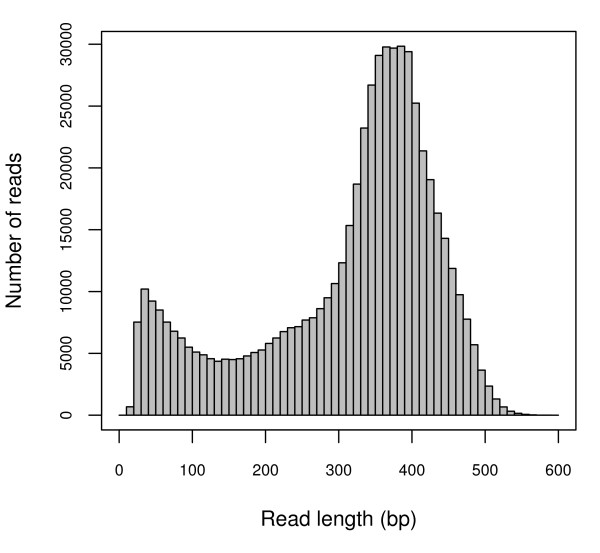
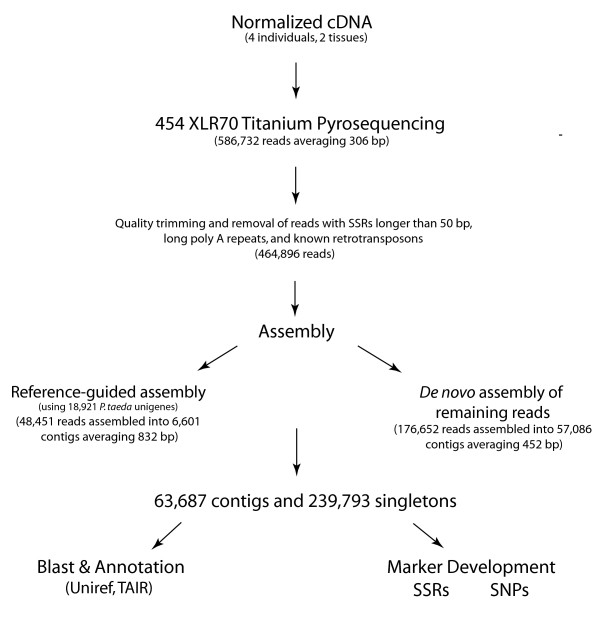
BACKGROUND: Massively parallel sequencing of cDNA is now an efficient route for generating enormous sequence collections that represent expressed genes. This approach provides a valuable starting point for characterizing functional genetic variation in non-model organisms, especially where whole genome sequencing efforts are currently cost and time prohibitive. The large and complex genomes of pines (Pinus spp.) have hindered the development of genomic resources, despite the ecological and economical importance of the group. While most genomic studies have focused on a single species (P. taeda), genomic level resources for other pines are insufficiently developed to facilitate ecological genomic research. Lodgepole pine (P. contorta) is an ecologically important foundation species of montane forest ecosystems and exhibits substantial adaptive variation across its range in western North America. Here we describe a sequencing study of expressed genes from P. contorta, including their assembly and annotation, and their potential for molecular marker development to support population and association genetic studies. RESULTS: We obtained 586,732 sequencing reads from a 454 GS XLR70 Titanium pyrosequencer (mean length: 306 base pairs). A combination of reference-based and de novo assemblies yielded 63,657 contigs, with 239,793 reads remaining as singletons. Based on sequence similarity with known proteins, these sequences represent approximately 17,000 unique genes, many of which are well covered by contig sequences. This sequence collection also included a surprisingly large number of retrotransposon sequences, suggesting that they are highly transcriptionally active in the tissues we sampled. We located and characterized thousands of simple sequence repeats and single nucleotide polymorphisms as potential molecular markers in our assembled and annotated sequences. High quality PCR primers were designed for a substantial number of the SSR loci, and a large number of these were amplified successfully in initial screening. CONCLUSIONS: This sequence collection represents a major genomic resource for P. contorta, and the large number of genetic markers characterized should contribute to future research in this and other pines. Our results illustrate the utility of next generation sequencing as a basis for marker development and population genomics in non-model species.
Overview
The claims and statistics of this paper haven’t been checked yet.
Free: it reads the open-access text and checks the first 5 claims that cite a source we can check. Create a free account to check every claim.
Integrity signals
Registry
Cites
Statistics
Figures
Verification
Claims the paper makes
The claims and statistics of this paper haven’t been checked yet.
Free: it reads the open-access text and checks the first 5 claims that cite a source we can check. Create a free account to check every claim.
Claims other papers make about this one
Each is checked against this paper’s own text: does it say what the citing paper says it does?
The cited source says what the claim attributes to it.
In the citing paper
“Furthermore, large collections of ESTs have proven invaluable for functional genomics and molecular marker development [9-13].”
The cited source says what the claim attributes to it.
In the citing paper
“Due to its long read length and appearance ahead of the other two platforms, Roche GS FLX has been the most widely used platform for de novo transcriptome sequencing in many organisms, such as chestnut [19], pine [10], olive [44], ginseng [20], A. thaliana [45,46], maize [47], Artemisia annua [48], fish [18], insects [49,50], and worms [17].”
The cited source says what the claim attributes to it.
In the citing paper
“The newly developed high throughput sequencing technology, i.e. Next Generation Sequencing (NGS), including the Roche/454 Genome Sequencer FLX Instrument, the ABI SOLiD System, and the Illumina Genome Analyser, is a powerful and cost-efficient tool for advanced research in many areas, including re-sequencing, microRNA expression profiling, DNA methylation, especially de novo transcriptome”
The cited source says what the claim attributes to it.
In the citing paper
“Like [10,19], if we assumed that the number of genes in sweetpotato was commensurate with that in Arabidopsis (25,000 genes, [62]), our annotated unigenes (20,755 genes with unique protein accession numbers) would likely represent more than 80% of genes in sweetpotato.”
The cited source says what the claim attributes to it.
In the citing paper
“Nonetheless, only 40% of reads were assembled into unigenes, which is less than that reported for 454 transciptome assemblies (e.g., 88% [11], 90% [17], 48% [10]).”
Self-check
Percentages, sums and reported differences re-computed from the paper’s own numbers.
The self-check needs the paper’s full text.
Citations
Cites
Gapped BLAST and PSI-BLAST: a new generation of protein database search programs
Altschul, S. (1997) · Nucleic Acids Research · doi:10.1093/nar/25.17.3389 · Cited by 73,302 · cited 7×
“These contigs were then aligned to UniRef50 using BLASTx with an E value threshold of 10-4.”
MethodInfluentialProceedings of the National Academy of Sciences of the United States of America
Dowling, J. E., & Wald, G. (2009) · Nutrition Reviews · doi:10.1111/j.1753-4887.1981.tb06752.x · Cited by 17,893
The Proceedings of the National Academy of Sciences
Richards, J. W. (1915) · Science · doi:10.1126/science.42.1074.161 · Cited by 13,983
Conesa, A., Götz, S., García-Gómez, J. M., Terol, J., Talón, M., & Robles, M. (2005) · Bioinformatics · doi:10.1093/bioinformatics/bti610 · Cited by 11,495
Genome sequencing in microfabricated high-density picolitre reactors
Margulies, M., Egholm, M., Altman, W. E., Attiya, S., Bader, J. S., Bemben, L. A., Berka, J., Braverman, M. S., Chen, Y.-J., Chen, Z., et al. (2005) · Nature · doi:10.1038/nature03959 · Cited by 7,693 · cited 2×
“For example 30-50% of the mammalian genome is composed of retroelements [9], and they comprise a substantial proportion of most plant genomes [49,50].”
BackgroundMethodMolecular Markers, Natural History and Evolution
Avise, J. C. (1994) · Springer eBooks · doi:10.1007/978-1-4615-2381-9 · Cited by 5,242
Environmental genome shotgun sequencing of the sargasso sea
Venter, J. C., Remington, K., Heidelberg, J. F., Halpern, A. L., Rusch, D., Eisen, J. A., Wu, D., Paulsen, I., Nelson, K. E., Nelson, W., et al. (2004) · Science · doi:10.1126/science.1093857 · Cited by 4,376 · cited 1×
“Such findings point to the utility of largescale transcriptome sequencing and annotation for detecting parasites or symbionts present in sampled in tissues, just as is done more generally in environmental genomics [47].”
BackgroundThe evolutionary dynamics of repetitive DNA in eukaryotes
Charlesworth, B., Sniegowski, P., & Stephan, W. (1994) · Nature · doi:10.1038/371215a0 · Cited by 1,623 · cited 1×
“Retrotransposons are known to play a prominent role in the evolution of genome size and complexity across eukaryotes [48].”
BackgroundUniRef: comprehensive and non-redundant UniProt reference clusters
Suzek, B. E., Huang, H., McGarvey, P., Mazumder, R., & Wu, C. H. (2007) · Bioinformatics · doi:10.1093/bioinformatics/btm098 · Cited by 1,613
The power and promise of population genomics: from genotyping to genome typing
Luikart, G., England, P. R., Tallmon, D., Jordan, S., & Taberlet, P. (2003) · Nature Reviews Genetics · doi:10.1038/nrg1226 · Cited by 1,365 · cited 2×
“The thousands of SNP and SSR markers in our 454 ESTs should enable population genomic and gene-based association studies [53,66].”
Background
Research works printed but not linked: 1
- [24]Lotan JE Baumgartner DM The role of cone serotiny in lodgepole pine forests Symposium Proceedings 1975 Washington State University, Pullman, Washington, USA 471 495
Cited by
Current trends in microsatellite genotyping
GUICHOUX, E., LAGACHE, L., WAGNER, S., CHAUMEIL, P., LÉGER, P., LEPAIS, O., LEPOITTEVIN, C., MALAUSA, T., REVARDEL, E., SALIN, F., et al. (2011) · Molecular Ecology Resources · doi:10.1111/j.1755-0998.2011.03014.x · Cited by 937
“In our survey, only one study reported the use of more than one genotype at the sequencing stage, but available polymorphism data were not used to select candidate SSRs (Parchman et al. 2010).”
BackgroundMethodInfluentialSNP Markers and Their Impact on Plant Breeding
Mammadov, J., Aggarwal, R., Buyyarapu, R., & Kumpatla, S. (2012) · International Journal of Plant Genomics · doi:10.1155/2012/728398 · Cited by 500
“This methodology was successfully applied in several plant genomes, including maize [23], canola [24], eucalyptus [25], sugarcane [26], tree species [27], wheat [28], avocado [29], and black currant [30].”
MethodZalapa, J. E., Cuevas, H., Zhu, H., Steffan, S., Senalik, D., Zeldin, E., McCown, B., Harbut, R., & Simon, P. (2012) · American Journal of Botany · doi:10.3732/ajb.1100394 · Cited by 471
Amberg, J. J., Goforth, R. R., & Sepúlveda, M. S. (2013) · Sexual Development · doi:10.1159/000354280 · Cited by 477
Genome‐wide association genetics of an adaptive trait in lodgepole pine
PARCHMAN, T. L., GOMPERT, Z., MUDGE, J., SCHILKEY, F. D., BENKMAN, C. W., & BUERKLE, C. A. (2012) · Molecular Ecology · doi:10.1111/j.1365-294x.2012.05513.x · Cited by 465
“We aligned the consensus sequences containing SNPs to 322 000 contig and singleton sequences from a Pinus contorta whole transcriptome sequencing project (Parchman et al. 2010) to assess the proportion of these sequences that might represent transcribed regions.”
MethodSelf-citationWang, Z., Fang, B., Chen, J., Zhang, X., Luo, Z., Huang, L., Chen, X., & Li, Y. (2010) · BMC Genomics · doi:10.1186/1471-2164-11-726 · Cited by 433
“These sequences also produced longer unigenes (mean = 581 bp) than those assembled in previous studies for example, butterfly (197 bp) [60], Eucalyptus grandis (247 bp) [11], coral larval (440 bp) [17], lodegpole pine (500 bp) [10]) and whitefly (clusters: 372 bp; singletons: 265 bp) [27]).”
BackgroundMethodResultInfluentialWei, W., Qi, X., Wang, L., Zhang, Y., Hua, W., Li, D., Lv, H., & Zhang, X. (2011) · BMC Genomics · doi:10.1186/1471-2164-12-451 · Cited by 423
“This large number of reads with paired-end information produced much longer unigenes (mean: 629 bp) than those in previous studies [35,37,49,51-53].”
MethodResultRismani-Yazdi, H., Haznedaroglu, B. Z., Bibby, K., & Peccia, J. (2011) · BMC Genomics · doi:10.1186/1471-2164-12-148 · Cited by 296
“Transcriptome sequencing targets only coding DNA and this reduced sequencing requirement coupled with the rapidly evolving next-generation sequencing methods can result in high transcriptome coverage depth and facilitates the de novo assembly of transcriptomes from species where full genomes do not exist [18-21].”
BackgroundComparing de novo assemblers for 454 transcriptome data
Kumar, S., & Blaxter, M. L. (2010) · BMC Genomics · doi:10.1186/1471-2164-11-571 · Cited by 255
Chen, S., Yang, P., Jiang, F., Wei, Y., Ma, Z., & Kang, L. (2010) · PLoS ONE · doi:10.1371/journal.pone.0015633 · Cited by 257
“De novo transcriptomes to date keep in a small amount of sequencing less than 6 Gb of total sequence data, resulting in contigs or scaffolds with mean length less than 600 bp [22,23,24].”
BackgroundLi, D., Deng, Z., Qin, B., Liu, X., & Men, Z. (2012) · BMC Genomics · doi:10.1186/1471-2164-13-192 · Cited by 247
“Two studies have reported that the longer sequences were more likely to obtain BLAST matches in the protein databases [33,43], which was also validated by our results.”
MethodResultInfluentialGao, Z., Luo, W., Liu, H., Zeng, C., Liu, X., Yi, S., & Wang, W. (2012) · PLoS ONE · doi:10.1371/journal.pone.0042637 · Cited by 240
“, 197 bp [31]; 440 bp [33]; 500 bp [34]; 422 bp [35]; 300 bp [36]; 521 bp [37]; 547 bp [38]).”
BackgroundMethodFeng, C., Chen, M., Xu, C.-J., Bai, L., Yin, X.-R., Li, X., Allan, A. C., Ferguson, I. B., & Chen, K.-S. (2012) · BMC Genomics · doi:10.1186/1471-2164-13-19 · Cited by 220
“It has become widely applied to model as well as non-model organisms to obtain mass sequence data for molecular marker development, gene discovery and transcriptional analysis [14-21].”
MethodIorizzo, M., Senalik, D. A., Grzebelus, D., Bowman, M., Cavagnaro, P. F., Matvienko, M., Ashrafi, H., Van Deynze, A., & Simon, P. W. (2011) · BMC Genomics · doi:10.1186/1471-2164-12-389 · Cited by 200
“Validation rate (expected size rate and polymorphic rate) showed that our results were similar or higher than what was previously obtained in Cajanus [40], iris [41], Epimedium [42], Pinus [30], chickpea [17], Cryptomeria [43], apple [44], bean [45] and Iorizzo et al.”
MethodResultKaur, S., Cogan, N. O., Pembleton, L. W., Shinozuka, M., Savin, K. W., Materne, M., & Forster, J. W. (2011) · BMC Genomics · doi:10.1186/1471-2164-12-265 · Cited by 200
“Nonetheless, successful studies have also been performed to generate de novo transcriptome data assemblies for organisms with no prior genomic resource development [16].”
BackgroundResultInfluentialLTR retrotransposons, handy hitchhikers of plant regulation and stress response
Grandbastien, M.-A. (2015) · Biochimica et Biophysica Acta (BBA) - Gene Regulatory Mechanisms · doi:10.1016/j.bbagrm.2014.07.017 · Cited by 186
Kaur, S., Pembleton, L. W., Cogan, N. O., Savin, K. W., Leonforte, T., Paull, J., Materne, M., & Forster, J. W. (2012) · BMC Genomics · doi:10.1186/1471-2164-13-104 · Cited by 184
“As a result of de novo assembly, a large number of singletons were obtained both for field pea (86,476) and faba bean (79,657), also as observed for other species [17,42,44,48].”
BackgroundResultMining and Development of Novel SSR Markers Using Next Generation Sequencing (NGS) Data in Plants
Taheri, S., Lee Abdullah, T., Yusop, M., Hanafi, M., Sahebi, M., Azizi, P., & Shamshiri, R. (2018) · Molecules · doi:10.3390/molecules23020399 · Cited by 178
Genome Size Diversity and Evolution in Land Plants
Leitch, I. J., & Leitch, A. R. (2013) · Plant Genome Diversity Volume 2 · doi:10.1007/978-3-7091-1160-4_19 · Cited by 169
Advances in the research of celery, an important Apiaceae vegetable crop
Li, M.-Y., Hou, X.-L., Wang, F., Tan, G.-F., Xu, Z.-S., & Xiong, A.-S. (2018) · Critical Reviews in Biotechnology · doi:10.1080/07388551.2017.1312275 · Cited by 167
“Next-sequencing technology in diverse genotypes was used for developing numerous molecular markers [34,35].”
MethodReference‐free transcriptome assembly in non‐model animals from next‐generation sequencing data
CAHAIS, V., GAYRAL, P., TSAGKOGEORGA, G., MELO‐FERREIRA, J., BALLENGHIEN, M., WEINERT, L., CHIARI, Y., BELKHIR, K., RANWEZ, V., & GALTIER, N. (2012) · Molecular Ecology Resources · doi:10.1111/j.1755-0998.2012.03148.x · Cited by 165
“Most of the de novo transcriptome analyses of non-model species published so far have been achieved with 454 only (e.g. Vera et al. 2008; Schwarz et al. 2009; Guo et al. 2010; Parchman et al. 2010; Schwartz et al. 2010), Chen et al.”
BackgroundConservation Genomics of Threatened Animal Species
Steiner, C. C., Putnam, A. S., Hoeck, P. E. A., & Ryder, O. A. (2013) · Annual Review of Animal Biosciences · doi:10.1146/annurev-animal-031412-103636 · Cited by 159
A White Spruce Gene Catalog for Conifer Genome Analyses
Rigault, P., Boyle, B., Lepage, P., Cooke, J. E. K., Bousquet, J., & MacKay, J. J. (2011) · Plant Physiology · doi:10.1104/pp.111.179663 · Cited by 160
“A recent report of GS-FLX P. contorta transcriptome sequencing identified approximately 6% of the sequences as putative retrotransposons (Parchman et al., 2010).”
BackgroundMethodInfluentialLogacheva, M. D., Kasianov, A. S., Vinogradov, D. V., Samigullin, T. H., Gelfand, M. S., Makeev, V. J., & Penin, A. A. (2011) · BMC Genomics · doi:10.1186/1471-2164-12-30 · Cited by 159
“The existence of such “non-blastable” sequences is reported in virtually all plant transcriptomes characterized to date, with their fraction varying from about 30 to 70% [23-25], depending on the species, the depth of sequencing and the parameters of BLAST search.”
BackgroundResultFeldmeyer, B., Wheat, C. W., Krezdorn, N., Rotter, B., & Pfenninger, M. (2011) · BMC Genomics · doi:10.1186/1471-2164-12-317 · Cited by 160
“Without a reference genome, estimating the number of genes sequenced, their % coverage, and whether they have been assembled correctly is challenging [3,23].”
BackgroundLiu, S., Zhou, Z., Lü, J., Sun, F., Wang, S., Liu, H., Jiang, Y., Kucuktas, H., Kaltenboeck, L., Peatman, E., et al. (2011) · BMC Genomics · doi:10.1186/1471-2164-12-53 · Cited by 157
“Such assemblies are aided by the presence of reference genome and/or reference transcriptome sequences [ 19 ,25].”
BackgroundResultInfluentialJung, H., Lyons, R. E., Dinh, H., Hurwood, D. A., McWilliam, S. M., & Mather, P. B. (2011) · PLoS ONE · doi:10.1371/journal.pone.0027938 · Cited by 156
“Alignments em ployed methods developed previously for plants and other species of agricultural import ance [33, 127, 142] and included assessments of raw data alignments used in the init ial assembly of contigs.”
MethodZhang, X., Zhao, L., Larson‐Rabin, Z., Li, D.-Z., & Guo, Z. (2012) · PLoS ONE · doi:10.1371/journal.pone.0042082 · Cited by 136
“In fact, ‘‘nonBLASTable’’ sequences have been reported in all studied plant transcriptomes, with the proportion varying from 13 to 80%, depending on the species, the sequencing depth and the parameters of the BLAST search [8,9,44,45].”
BackgroundRiesgo, A., Andrade, S. C. S., Sharma, P. P., Novo, M., Pérez-Porro, A. R., Vahtera, V., González, V. L., Kawauchi, G. Y., & Giribet, G. (2012) · Frontiers in Zoology · doi:10.1186/1742-9994-9-33 · Cited by 142
“These numbers are similar to those of previous studies with both animal [1,9,41,45,52,53] and plant [39,42,47,48] de novo assembled transcriptomes.”
BackgroundResultPark, S., Nguyen, T. H. T., & Jin, E. (2019) · Bioresource Technology · doi:10.1016/j.biortech.2019.121953 · Cited by 118
Poelchau, M. F., Reynolds, J. A., Denlinger, D. L., Elsik, C. G., & Armbruster, P. (2011) · BMC Genomics · doi:10.1186/1471-2164-12-619 · Cited by 139
“De novo assemblies can seldom merge all reads into contigs [35-37], especially when the abundance of some transcripts is too low for representative reads to be assembled.”
BackgroundWang, H., Jiang, J., Chen, S., Qi, X., Peng, H., Li, P., Song, A., Guan, Z., Fang, W., Liao, Y., et al. (2013) · PLoS ONE · doi:10.1371/journal.pone.0062293 · Cited by 140
“Next-generation sequencing (NGS) has facilitated the study of gene expression, gene regulation and gene networks in both model and non-model organisms [12–14].”
BackgroundAckerman, M. W., Habicht, C., & Seeb, L. W. (2011) · Transactions of the American Fisheries Society · doi:10.1080/00028487.2011.588137 · Cited by 132
“2010 ), and concurrent advances are being made in the methods available to detect genetic markers influenced by diversifying selection (Foll and Gaggiotti 2008 ; Excoffier et al.”
BackgroundWang, J.-T., Li, J.-T., Zhang, X.-F., & Sun, X.-W. (2012) · BMC Genomics · doi:10.1186/1471-2164-13-96 · Cited by 116
“More recently, second generation sequencing platforms have been applied to transcriptome sequencing [12-14], making the transcriptome more readily accessible.”
MethodThe maternal and early embryonic transcriptome of the milkweed bug Oncopeltus fasciatus
Ewen‐Campen, B., Shaner, N. C., Panfilio, K. A., Suzuki, Y., Roth, S., & Extavour, C. G. M. (2011) · BMC Genomics · doi:10.1186/1471-2164-12-61 · Cited by 129
“Several studies have demonstrated the feasibility of NGS for identifying SNPs for population studies and gene sequences for use as phylogenetic markers [18-35].”
BackgroundResultDe novo characterization of the gametophyte transcriptome in bracken fern, Pteridium aquilinum
Der, J. P., Barker, M. S., Wickett, N. J., dePamphilis, C. W., & Wolf, P. G. (2011) · BMC Genomics · doi:10.1186/1471-2164-12-99 · Cited by 116
Lessard, M.-H., Viel, C., Boyle, B., St-Gelais, D., & Labrie, S. (2014) · BMC Genomics · doi:10.1186/1471-2164-15-235 · Cited by 110
“Several studies used NGS technologies to compare the transcriptomic response of a single organism exposed to different conditions [29-35].”
BackgroundTriwitayakorn, K., Chatkulkawin, P., Kanjanawattanawong, S., Sraphet, S., Yoocha, T., Sangsrakru, D., Chanprasert, J., Ngamphiw, C., Jomchai, N., Theerawattanasuk, K., et al. (2011) · DNA Research · doi:10.1093/dnares/dsr034 · Cited by 117
Ma, K., Qiu, G., Feng, J., & Li, J. (2012) · PLoS ONE · doi:10.1371/journal.pone.0039727 · Cited by 121
“It should be treated with caution because of technical problems associated with Roche 454 GS FLX pyrosequencing [32].”
BackgroundGupta, P., Goel, R., Pathak, S., Srivastava, A., Singh, S. P., Sangwan, R. S., Asif, M. H., & Trivedi, P. K. (2013) · PLoS ONE · doi:10.1371/journal.pone.0062714 · Cited by 112
“Similar to our analysis, next-generation sequencing technologies have been used for development of molecular markers in non-model organisms [43], [44], [45].”
ResultDe novo assembly of maritime pine transcriptome: implications for forest breeding and biotechnology
Canales, J., Bautista, R., Label, P., Maldonado, J. G., Lesur, I., Fernández‐Pozo, N., Rueda‐López, M., Guerrero-Fernández, D., Castro‐Rodríguez, V., Benzekri, H., et al. (2013) · Plant Biotechnology Journal · doi:10.1111/pbi.12136 · Cited by 114
Lessons learned from microsatellite development for nonmodel organisms using 454 pyrosequencing
Schoebel, C. N., Brodbeck, S., Buehler, D., Cornejo, C., Gajurel, J. P., Hartikainen, H., Keller, D., Leys, M., Říčanová, Š., Segelbacher, G., et al. (2013) · Journal of Evolutionary Biology · doi:10.1111/jeb.12077 · Cited by 107
Liu, Z., Chen, T., Ma, L., Zhao, Z., Zhao, P. X., Nan, Z., & Wang, Y. (2013) · PLoS ONE · doi:10.1371/journal.pone.0083549 · Cited by 108
“Because of its high efficiency, speed, accuracy, and low cost, NGS has been widely used to analyze transcriptome sequencing and assembly in many non-model plants such as pine [38], ginseng [39], Artemisia annua [40], common vetch [41], bamboo[42], sweet potato [43], sesame [35], rubber [44], safflower [45], and alfalf…”
BackgroundWang, S., Wang, X., He, Q., Liu, X., Xu, W., Li, L., Gao, J., & Wang, F. (2012) · Plant Cell Reports · doi:10.1007/s00299-012-1259-3 · Cited by 112
“Usually, the 454 system was used for transcriptome sequencing of nonmodel organisms, since it has a longer read length compared with the other two platforms, Illumina Genome Analyzer and Applied Biosystems’ SOLiD (Collins et al. 2008; Parchman et al. 2010; Sun et al. 2010).”
MethodGenomic toolboxes for conservation biologists
Angeloni, F., Wagemaker, C. A. M., Vergeer, P., & Ouborg, J. (2011) · Evolutionary Applications · doi:10.1111/j.1752-4571.2011.00217.x · Cited by 131
“study, several other studies that characterized the transcriptome of several nonmodel species followed (e.g., Novaes et al. 2008; Kristiansson et al. 2009; Meyer et al. 2009; Parchman et al. 2010; Angeloni et al. 2011).”
ResultDevelopment of the catfish 250K SNP array for genome-wide association studies
Liu, S., Sun, L., Li, Y., Sun, F., Jiang, Y., Zhang, Y., Zhang, J., Feng, J., Kaltenboeck, L., Kucuktas, H., et al. (2014) · BMC Research Notes · doi:10.1186/1756-0500-7-135 · Cited by 113
Keeling, C. I., Henderson, H., Li, M., Yuen, M. M. S., Clark, E. L., Fraser, J. D., Huber, D. P. W., Liao, N., Docking, R., Birol, İ., et al. (2012) · Insect Biochemistry and Molecular Biology · doi:10.1016/j.ibmb.2012.03.010 · Cited by 102
Peñalba, J. V., Smith, L. L., Tonione, M. A., Sass, C., Hykin, S. M., Skipwith, P. L., McGuire, J. A., Bowie, R. C. K., & Moritz, C. C. (2014) · Molecular Ecology Resources · doi:10.1111/1755-0998.12249 · Cited by 116
“2013), and the ability to use high-throughput sequencing of genomes or transcriptomes to mine for markers (Parchman et al. 2010; Bi et al. 2012; Lemmon & Lemmon 2012), obtaining PCR primers for informative loci has become significantly easier.”
BackgroundInfluentialCoppe, A., Pujolar, J. M., Maes, G. E., Larsen, P. F., Hansen, M. M., Bernatchez, L., Zane, L., & Bortoluzzi, S. (2010) · BMC Genomics · doi:10.1186/1471-2164-11-635 · Cited by 99
“Recently, 454 pyrosequencing has been successfully applied to largescale EST sequencing in non-model organisms [16], including insects [17,18], plants [19-21] and corals [22].”
MethodSequencing and characterization of the guppy (Poecilia reticulata) transcriptome
Fraser, B. A., Weadick, C. J., Janowitz, I., Rodd, F. H., & Hughes, K. A. (2011) · BMC Genomics · doi:10.1186/1471-2164-12-202 · Cited by 98
Conifer genomics and adaptation: at the crossroads of genetic diversity and genome function
Prunier, J., Verta, J., & MacKay, J. J. (2015) · New Phytologist · doi:10.1111/nph.13565 · Cited by 112
“More recently, gene sequence analysis from higher throughput pyrosequencing (Parchman et al., 2010) and RNA sequencing (RNA-seq) has enabled the identification of sequence variations, most prominently single nucleotide polymorphisms (SNPs) and gene expression levels, although de novo transcriptome…”
BackgroundZhou, Y., Gao, F., Liu, R., Feng, J., & Li, H. (2012) · BMC Genomics · doi:10.1186/1471-2164-13-266 · Cited by 100
“This seemingly low percentage of BLAST hits is partially due to the shortage of protein sequences from Leguminosae woody plants in the public database, although annotation of only 30%40% of sequences is common in analyses of large EST collections [32,33].”
BackgroundFu, N., Wang, Q., & Shen, H. (2013) · PLoS ONE · doi:10.1371/journal.pone.0057686 · Cited by 104
“We also observed the same correlation in other studies [18], [64], [65].”
ResultTowards decoding the conifer giga-genome
MacKay, J. J., Dean, J. F. D., Plomion, C., Peterson, D. G., Cánovas, F. M., Pavy, N., Ingvarsson, P. K., Savolainen, O., Guevara, M. Á., Fluch, S., et al. (2012) · Plant Molecular Biology · doi:10.1007/s11103-012-9961-7 · Cited by 95
Global transcriptome analysis of two wild relatives of peanut under drought and fungi infection
Guimarães, P. M., Brasileiro, A. C. M., Morgante, C. V., Martins, A. C. Q., Pappas, G. J., Jr., Silva‐Junior, O. B., Togawa, R. C., Leal‐Bertioli, S. C. M., Araújo, A. C., Moretzsohn, M. D. C., et al. (2012) · BMC Genomics · doi:10.1186/1471-2164-13-387 · Cited by 105
“Some recent studies have indicated that short reads from 454 GS 20 and GS FLX can effectively be used to characterize gene regions in a number of less studied species, including some tropical legumes [26,2830,45,46].”
BackgroundHuang, H., Xu, L., Tong, Z., Lin, E.-P., Liu, Q., Cheng, L., & Zhu, M. (2012) · BMC Genomics · doi:10.1186/1471-2164-13-648 · Cited by 103
“Furthermore it allows the direct transcriptome analysis of non-model organisms, and has been successfully applied to non-model organisms recently [22-31].”
BackgroundHao, D., Ma, P., Mu, J., Chen, S., Xiao, P., Peng, Y. L., Huo, L., Xu, L., & Sun, C. (2012) · Science China Life Sciences · doi:10.1007/s11427-012-4319-6 · Cited by 98
Zeng, V., Villanueva, K. E., Ewen‐Campen, B., Alwes, F., Browne, W. E., & Extavour, C. G. M. (2011) · BMC Genomics · doi:10.1186/1471-2164-12-581 · Cited by 99
“This is higher than those reported in other de novo transcriptome analyses [40-45], including that of an arctic crustacean [23], but much lower than the 43.”
ResultHaegeman, A., Joseph, S., & Gheysen, G. (2011) · Molecular and Biochemical Parasitology · doi:10.1016/j.molbiopara.2011.04.001 · Cited by 85
De novo assembly and characterization of Camelina sativatranscriptome by paired-end sequencing
Liang, C., Liu, X., Yiu, S., & Lim, B. L. (2013) · BMC Genomics · doi:10.1186/1471-2164-14-146 · Cited by 95
“These analyses provide valuable databases for nonmodel plant species [11,12].”
BackgroundA Hierarchical Bayesian Model for Next-Generation Population Genomics
Gompert, Z., & Buerkle, C. A. (2011) · Genetics · doi:10.1534/genetics.110.124693 · Cited by 83
Self-citationBiotechnologies for the Management of Genetic Resources for Food and Agriculture
Lidder, P., & Sonnino, A. (2012) · Advances in genetics · doi:10.1016/b978-0-12-394394-1.00001-8 · Cited by 94
Everett, M. V., Grau, E. S., & Seeb, J. E. (2011) · Molecular Ecology Resources · doi:10.1111/j.1755-0998.2010.02969.x · Cited by 96
Che, R., Sun, Y., SUN, D.-Q., & Xu, T. (2014) · PLoS ONE · doi:10.1371/journal.pone.0094046 · Cited by 80
“5D), indicating that longer unigenes were more likely to obtain BLAST matches in the protein databases, which was also reported by [35,43,44].”
BackgroundHarrison, N., & Kidner, C. A. (2011) · Taxon · doi:10.1002/tax.606002 · Cited by 92
Salgado, L. R., Koop, D. M., Pinheiro, D. G., Rivallan, R., Guen, V. L., Nicolás, M., de Almeida, L. G. P., Rocha, V. R., Magalhães, M., Gerber, A. L., et al. (2014) · BMC Genomics · doi:10.1186/1471-2164-15-236 · Cited by 79
“Also, our results of 18,867 scaffolds, N50 = 837 bp, a mean length of contigs equal to 676 bp and other metrics agreed with de novo sequencing from other plants [10,11].”
BackgroundGeneration and analysis of expressed sequence tags in the extreme large genomes Lilium and Tulipa
Shahin, A., van Kaauwen, M., Esselink, D. G., Bargsten, J. W., van Tuyl, J. M., Visser, R. G. F., & Arens, P. (2012) · BMC Genomics · doi:10.1186/1471-2164-13-640 · Cited by 78
“7%) [22], and close to the 79% for Pinus contorta [23].”
BackgroundVerma, P., Shah, N., & Bhatia, S. (2013) · Plant Biotechnology Journal · doi:10.1111/pbi.12082 · Cited by 83
“62% of the raw reads, which was higher than those reported for other transcriptome assemblies such as 48% in pine (Parchman et al., 2010) and 50% in sika dear (Yao et al.”
BackgroundChen, C., Mitchell, S. E., Elshire, R. J., Buckler, E. S., & El-Kassaby, Y. A. (2013) · Tree Genetics & Genomes · doi:10.1007/s11295-013-0657-1 · Cited by 74
“…numbers of resultant SNPs for both conifers have already greatly exceeded those produced by other platforms (12,264 SNPs from white spruce ESTs (Pavy et al. 2006), 768 SNPs available on arrays (Pavy et al. 2008), and 3,707 SNPs derived from the lodgepole pine transcriptome (Parchman et al. 2010)).”
Lüchmann, K. H., Clark, M. S., Bainy, A. C. D., Gilbert, J. A., Craft, J. A., Chipman, J. K., Thorne, M. A. S., Mattos, J. J., Siebert, M. N., & Schroeder, D. C. (2015) · Aquatic Toxicology · doi:10.1016/j.aquatox.2015.06.012 · Cited by 80
“…was significantly correlated with the number of sequences assembled into them (Pearson ρ = 0.53; n= 20,938; p < 0.0001), as expected for 454 reads (Parchman et al., 2010) and the size distribution of contigs resembled that of previous 454 studies (Bettencourt et al., 2010; Fraser et al., 2011;…”
ResultInfluentialFranchini, P., van der Merwe, M., & Roodt‐Wilding, R. (2011) · BMC Research Notes · doi:10.1186/1756-0500-4-59 · Cited by 88
“For the de novo assembly, where no annotated reference is available, the matching of contigs to known proteins gives an indication of the quality of assembly [30].”
BackgroundHuang, J., Lu, X., Yan, H., Chen, S., Zhang, W., Huang, R., & Zheng, Y. (2012) · DNA Research · doi:10.1093/dnares/dss004 · Cited by 78
“The mean length of the all-unigenes in our transcriptome was also longer than those reported for other plant transcriptomics using either the Illumina sequencing technology(49,50) or the 454 pyrosequencing technology.(51,52) The enhancement in the gene length of our transcriptome may be attributed to various factors,…”
MethodWu, C.-H., Tsai, M., Ho, C.-C., Chen, C., & Lee, M. (2013) · BMC Genomics · doi:10.1186/1471-2164-14-434 · Cited by 81
“discovery in many studies [9,10], and has significantly accelerated and improved the sensitivity of gene expression profiling.”
Chancerel, É., Lamy, J., Lesur, I., Noirot, C., Klopp, C., Ehrenmann, F., Boury, C., Provost, G. L., Label, P., Lalanne, C., et al. (2013) · BMC Biology · doi:10.1186/1741-7007-11-50 · Cited by 76
“This approach is considered the most cost-effective method for both: i) gene expression profiling [28] to determine the molecular mechanisms involved in tree growth and adaptation (for example, [29]); and ii) polymorphism detection [30,31] for applications in evolutionary ecology (for example, [12]), conservation and…”
MethodTranscriptomic Signatures of Ash (Fraxinus spp.) Phloem
Bai, X., Rivera-Vega, L. J., Mamidala, P., Bonello, P., Herms, D. A., & Mittapalli, O. (2011) · PLoS ONE · doi:10.1371/journal.pone.0016368 · Cited by 80
“mollisima [17] and Pinus contorta [18].”
BackgroundMultiplexed microsatellite recovery using massively parallel sequencing
Jennings, T. N., Knaus, B. J., Mullins, T. D., Haig, S. M., & Cronn, R. (2011) · Molecular Ecology Resources · doi:10.1111/j.1755-0998.2011.03033.x · Cited by 73
“2009) or transcriptomic (e.g., Mikheyev et ill. 2010; Parchman et al. 2010) pools, although sequencing of microsa:ellite”
BackgroundTaheri, S., Abdullah, T. L., Rafii, M. Y., Harikrishna, J. A., Werbrouck, S., Teo, C. H., Sahebi, M., & Azizi, P. (2019) · Scientific Reports · doi:10.1038/s41598-019-39944-2 · Cited by 78
Transcriptome Analysis of Differentially Expressed Genes Relevant to Variegation in Peach Flowers
Chen, Y., Mao, Y., Liu, H., Yu, F., Li, S., & Yin, T. (2014) · PLoS ONE · doi:10.1371/journal.pone.0090842 · Cited by 74
“Transcriptome sequencing is an efficient way to measure transcriptome composition and uncover differentially expressed genes [32–34].”
Exploring the Switchgrass Transcriptome Using Second-Generation Sequencing Technology
Wang, Y., Zeng, X., Iyer, N. J., Bryant, D. W., Mockler, T. C., & Mahalingam, R. (2012) · PLoS ONE · doi:10.1371/journal.pone.0034225 · Cited by 76
“ESTs have been useful for development of molecular markers [4,5,6,7,8], comparative genomics [9,10] and for genetic analysis of adaptive traits [11,12].”
MethodPostolache, D., Leonarduzzi, C., Piotti, A., Spanu, I., Roig, A., Fady, B., Roschanski, A. M., Liepelt, S., & Vendramin, G. G. (2013) · Plant Molecular Biology Reporter · doi:10.1007/s11105-013-0688-7 · Cited by 74
Liu, C., Ma, N., Wang, P.-Y., Fu, N., & Shen, H. (2013) · PLoS ONE · doi:10.1371/journal.pone.0065209 · Cited by 74
Kaya, H. B., Çetin, Ö., Kaya, H. S., Sahin, M., Sefer, F., Kahraman, A., & Tanyolaç, B. (2013) · PLoS ONE · doi:10.1371/journal.pone.0073674 · Cited by 86
“[71] described the 454 pyrosequencing of cDNA from Lodgepole pine (P.”
BackgroundSearching for resistance genes to Bursaphelenchus xylophilus using high throughput screening
Santos, C. S., Pinheiro, M. M., Silva, A. I., Egas, C., & Vasconcelos, M. W. (2012) · BMC Genomics · doi:10.1186/1471-2164-13-599 · Cited by 73
“contorta transcriptome characterization and marker development [17].”
A SNP resource for Douglas-fir: de novo transcriptome assembly and SNP detection and validation
Howe, G. T., Yu, J., Knaus, B. J., Cronn, R., Kolpak, S. E., Dolan, P. C., Lorenz, W. W., & Dean, J. F. D. (2013) · BMC Genomics · doi:10.1186/1471-2164-14-137 · Cited by 66
“[22] to identify the retrotransposon sequences at the read-level.”
BackgroundRampant, P. F., Zaina, G., Jorge, V., Giacomello, S., Segura, V., Scalabrin, S., Guérin, V., Paoli, E. D., Aluome, C., Viger, M., et al. (2016) · Molecular Ecology Resources · doi:10.1111/1755-0998.12513 · Cited by 84
“HT-sequencing at the transcriptome level (Parchman et al. 2010; Geraldes et al. 2011; Howe et al. 2013; Mantello et al. 2014)) and targeted sequencing (i.”
MethodTranscriptome characterisation of Pinus tabuliformis and evolution of genes in the Pinusphylogeny
Niu, S., Li, Z., Yuan, H., Chen, X., Li, Y., & Li, W. (2013) · BMC Genomics · doi:10.1186/1471-2164-14-263 · Cited by 65
“Transcriptome analysis and construction of large-scale expressed sequence tag (EST) collections in pines are a promising means of providing genomic resources [2,9,11], as this technique produces expressed sequence portions of chromosomes at a fraction of the cost of sequencing the complete genome [12].”
BackgroundRaherison, E., Rigault, P., Caron, S., Poulin, P.-L., Boyle, B., Verta, J., Giguère, I., Bomal, C., Bohlmann, J., & MacKay, J. J. (2012) · BMC Genomics · doi:10.1186/1471-2164-13-434 · Cited by 74
“Both of these conifers have extensive ESTs and FL-cDNA sequence databases developed from dideoxy sequencing (Sanger method); 454 ESTs (GSFLX) were also available for P. glauca.”
BackgroundInfluentialGupta, P., Goel, R., Agarwal, A. V., Asif, M. H., Sangwan, R. S., Sangwan, R. S., & Trivedi, P. K. (2015) · Scientific Reports · doi:10.1038/srep18611 · Cited by 72
Tanwar, U. K., Pruthi, V., & Randhawa, G. S. (2017) · Frontiers in Plant Science · doi:10.3389/fpls.2017.00091 · Cited by 69
Chen, S., Zhou, R., Huang, Y., Zhang, M., Yang, G., Zhong, C., & Shi, S. (2011) · Marine Genomics · doi:10.1016/j.margen.2011.03.005 · Cited by 65
Discovery of genes for production of biofuels through transcriptome sequencing of Dunaliella parva
Shang, C., Bi, G., Yuan, Z., Wang, Z., Alam, M. A., & Xie, J. (2015) · Algal Research · doi:10.1016/j.algal.2015.12.012 · Cited by 68
Blythe, M. J., Kao, D., Malla, S., Rowsell, J., Wilson, R., Evans, D., Jowett, J., Hall, A., Lemay, V., Lam, S., et al. (2010) · PLoS ONE · doi:10.1371/journal.pone.0015617 · Cited by 62
“particular a number of recent studies have employed massively parallel sequencing to generate more complete descriptions of transcribed portions of genomes [19,20,21,22,23,24].”
BackgroundWu, H., Chen, D., Li, J., Yu, B., Qiao, X., Huang, H., & He, Y. (2012) · Plant Molecular Biology Reporter · doi:10.1007/s11105-012-0519-2 · Cited by 68
“Currently, next-generation sequencing (NGS) technologies, including the Roche/454 Genome Sequencer FLX Instrument, the ABI SOLiD System and the Illumina Genome Analyzer, are considered as cheaper and more powerful tools than traditional sequencing methods for de novo sequencing or resequencing of transcriptomes, expre…”
BackgroundMethodMoe, K. T., Chung, J., Cho, Y., Moon, J., Ku, J., Jung, J. K., Lee, J., & Park, Y. (2010) · Journal of Integrative Plant Biology · doi:10.1111/j.1744-7909.2010.01012.x · Cited by 63
“It is a self-pollinating diploid plant with 2n = 2x = 22 chromosomes (Menancio et al. 1993) and a genome size of 515 Mb/1C (Parida et al. 1990).”
Backgroundde Carvalho, J. F., Poulain, J., Silva, C. D., Wincker, P., Michon-Coudouel, S., Dheilly, A., Naquin, D., Boutte, J., Salmon, A., & Aïnouche, M. L. (2012) · Heredity · doi:10.1038/hdy.2012.76 · Cited by 64
“In de novo sequencing projects transcriptome coverage efficiency has been evaluated by comparing the number of unique genes to the nearest transcriptome available (Parchman et al., 2010).”
Tzika, A. C., Helaers, R., Schramm, G., & Milinkovitch, M. C. (2011) · EvoDevo · doi:10.1186/2041-9139-2-19 · Cited by 62
“Indeed, next-generation sequencing of transcriptomes has recently proven to be highly valuable for producing functional genome sequences, as well as gene polymorphism and expression data [13-17].”
BackgroundVaidya, K., Ghosh, A., Kumar, V. S., Chaudhary, S., Srivastava, N., Katudia, K., Tiwari, T., & Chikara, S. K. (2013) · The Plant Genome · doi:10.3835/plantgenome2012.08.0021 · Cited by 60
“For the de novo assembly, where no annotated reference is available, the matching of contigs to known proteins gives an indication of the quality of assembly (Parchman et al., 2010).”
BackgroundZhang, X., Ye, N., Liang, C., Mou, S., Fan, X., Xu, J., Xu, D., & Zhuang, Z. (2012) · BMC Genomics · doi:10.1186/1471-2164-13-565 · Cited by 60
“Transcriptomes present a valuable resource for accelerating gene discovery by expanding gene families [21,22], improving genome annotation [23], elucidating phylogenetic relationships [24], facilitating breeding programs for both plants and animals by providing SSR and SNP markers [25,26], and allowing large-scale exp…”
BackgroundJoy, N., Srinivasan, A., Vijayanathan, M., & Soniya, E. V. (2013) · PLoS ONE · doi:10.1371/journal.pone.0056694 · Cited by 59
“Next generation sequencing have been successfully applied in many species other than model organisms like sagebrush [43], sweet potato [44], cucumber [45], lentil [46] and ecologically important tree species like pines [47].”
MethodGenome-assisted Breeding For Drought Resistance
Khan, A., Sovero, V., & Gemenet, D. C. (2016) · Current Genomics · doi:10.2174/1389202917999160211101417 · Cited by 68
“It is becoming the technology of choice to study differential expression of genes in both model and non-model plants such as lodgepole pine [124], chestnut [125], sweetpotato [126], chickpea [127], and cassava [128], among others.”
Background
Metadata
- Authors
- Parchman, T. L., Geist, K. S., Grahnen, J. A., Benkman, C. W., & Buerkle, C. A.
- Affiliations
- University of Wyoming (US)
- Beloit College (US)
- Corresponding author
- Parchman, Thomas L
- Venue
- BMC Genomics
- Published
- 2010
- Volume
- 11
- Issue
- 1
- Pages
- 180
- ISSN
- 1471-2164 (ISSN-L)
- PMC
- PMC2851599
- OpenAlex
- W2123405262
- Cited by
- 446
- References
- 73
- Citations by year
- 2026: 3 · 2025: 5 · 2024: 4 · 2023: 7 · 2022: 5 · 2021: 17 · 2020: 28 · 2019: 15 · 2018: 24 · 2017: 20 · 2016: 32 · 2015: 37 · 2014: 52 · 2013: 59 · 2012: 74
- FWCI
- 25.64
- Type
- journal article
- Language
- en
- Open access
- gold
- doi.org
- Licence
- cc-by
- Locations
- BMC Genomics (publishedVersion, cc-by)
- Europe PMC (PubMed Central) (publishedVersion, cc-by)
- PubMed Central (publishedVersion, cc-by)
- PubMed (publishedVersion)
- DOAJ (DOAJ: Directory of Open Access Journals) (submittedVersion)
- Funders
- National Science Foundation (0344503, 0701757)
- University of Wyoming
- National Institutes of Health
- Division of Biological Infrastructure
- Division of Environmental Biology
- Topics
- Life Sciences › Biochemistry, Genetics and Molecular Biology › Molecular Biology › Genomics and Phylogenetic Studies
- Life Sciences › Biochemistry, Genetics and Molecular Biology › Genetics › Genetic Mapping and Diversity in Plants and Animals
- Life Sciences › Biochemistry, Genetics and Molecular Biology › Genetics › Genetic diversity and population structure
- Keywords
- lodgepole pine, expressed genes, transcriptome assembly, genome annotation, molecular markers, microsatellite markers, single nucleotide polymorphisms, retrotransposons, population genomics, non-model organisms, cDNA sequencing
- MeSH terms
- Genetic Markers, Trees, Genes, Plant, Sequence Analysis, DNA, DNA Primers, DNA, Complementary, Minisatellite Repeats, Retroelements, DNA, Plant, Genome, Plant, Expressed Sequence Tags, Contig Mapping, Polymorphism, Single Nucleotide, Gene Expression Profiling, Genomics, Pinus
About these checks
Registry, retraction, Cites and statistics results are computed, not judged, with one exception: a printed reference that no index lists is read once by a model before it counts as a citation error. Claims are extracted by a model and kept only when their quote appears verbatim in the text; each cited source is then checked, with a model’s help, for whether it says what the claim relies on. Those verdicts can be wrong — read the claim’s quote and the cited source before relying on one.
Statistics and arithmetic are recomputed, not judged.
Confidence bands are shown only for fields calibrated on our annotated test set. None is calibrated yet, so no band is shown.
What counts as a claim ›How we measure confidence ›How we check this ›
Are you an author, or do you see a problem with this page? Request a review
Data sources
Bibliographic data: Semantic Scholar, OpenAlex, Crossref.
Contains information from the Semantic Scholar Academic Graph Datasets, made available under the ODC Attribution License (ODC-BY 1.0).
Semantic Scholar’s data is described in: Kinney, R., et al. (2023). The Semantic Scholar Open Data Platform. arXiv:2301.10140.
