

Transcriptome sequencing in an ecologically important tree species: assembly, annotation, and marker discovery
Open accessThe DOI matches its Crossref record; 75 of the 75 references it cites were found in a registry or an index.
Abstract
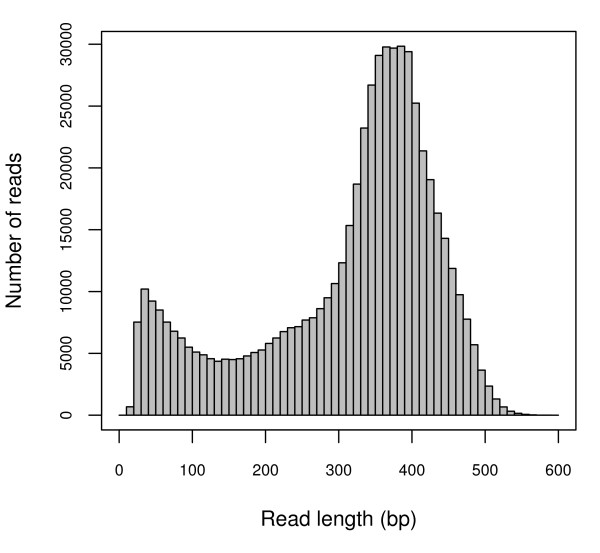
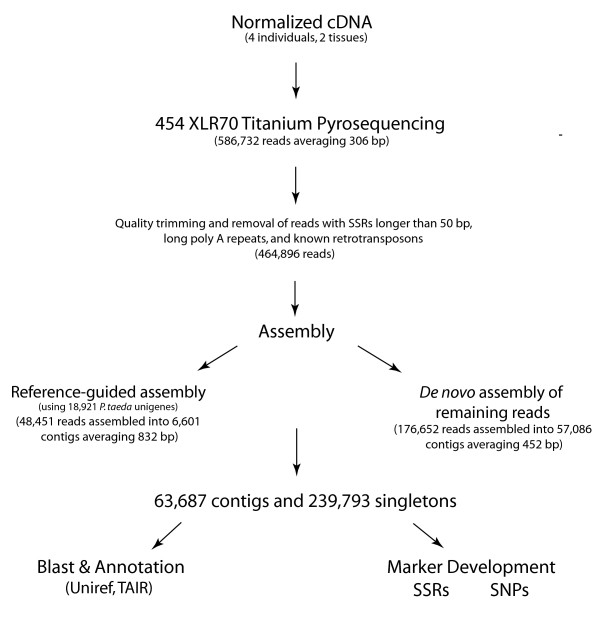
BACKGROUND: Massively parallel sequencing of cDNA is now an efficient route for generating enormous sequence collections that represent expressed genes. This approach provides a valuable starting point for characterizing functional genetic variation in non-model organisms, especially where whole genome sequencing efforts are currently cost and time prohibitive. The large and complex genomes of pines (Pinus spp.) have hindered the development of genomic resources, despite the ecological and economical importance of the group. While most genomic studies have focused on a single species (P. taeda), genomic level resources for other pines are insufficiently developed to facilitate ecological genomic research. Lodgepole pine (P. contorta) is an ecologically important foundation species of montane forest ecosystems and exhibits substantial adaptive variation across its range in western North America. Here we describe a sequencing study of expressed genes from P. contorta, including their assembly and annotation, and their potential for molecular marker development to support population and association genetic studies. RESULTS: We obtained 586,732 sequencing reads from a 454 GS XLR70 Titanium pyrosequencer (mean length: 306 base pairs). A combination of reference-based and de novo assemblies yielded 63,657 contigs, with 239,793 reads remaining as singletons. Based on sequence similarity with known proteins, these sequences represent approximately 17,000 unique genes, many of which are well covered by contig sequences. This sequence collection also included a surprisingly large number of retrotransposon sequences, suggesting that they are highly transcriptionally active in the tissues we sampled. We located and characterized thousands of simple sequence repeats and single nucleotide polymorphisms as potential molecular markers in our assembled and annotated sequences. High quality PCR primers were designed for a substantial number of the SSR loci, and a large number of these were amplified successfully in initial screening. CONCLUSIONS: This sequence collection represents a major genomic resource for P. contorta, and the large number of genetic markers characterized should contribute to future research in this and other pines. Our results illustrate the utility of next generation sequencing as a basis for marker development and population genomics in non-model species.
Overview
The claims and statistics of this paper haven’t been checked yet.
Free: it reads the open-access text and checks the first 5 claims that cite a source we can check. Create a free account to check every claim.
Integrity signals
Registry
Cites
Statistics
Figures
Verification
Claims the paper makes
The claims and statistics of this paper haven’t been checked yet.
Free: it reads the open-access text and checks the first 5 claims that cite a source we can check. Create a free account to check every claim.
Claims other papers make about this one
Each is checked against this paper’s own text: does it say what the citing paper says it does?
The cited source says what the claim attributes to it.
In the citing paper
“Furthermore, large collections of ESTs have proven invaluable for functional genomics and molecular marker development [9-13].”
The cited source says what the claim attributes to it.
In the citing paper
“Due to its long read length and appearance ahead of the other two platforms, Roche GS FLX has been the most widely used platform for de novo transcriptome sequencing in many organisms, such as chestnut [19], pine [10], olive [44], ginseng [20], A. thaliana [45,46], maize [47], Artemisia annua [48], fish [18], insects [49,50], and worms [17].”
The cited source says what the claim attributes to it.
In the citing paper
“The newly developed high throughput sequencing technology, i.e. Next Generation Sequencing (NGS), including the Roche/454 Genome Sequencer FLX Instrument, the ABI SOLiD System, and the Illumina Genome Analyser, is a powerful and cost-efficient tool for advanced research in many areas, including re-sequencing, microRNA expression profiling, DNA methylation, especially de novo transcriptome”
The cited source says what the claim attributes to it.
In the citing paper
“Like [10,19], if we assumed that the number of genes in sweetpotato was commensurate with that in Arabidopsis (25,000 genes, [62]), our annotated unigenes (20,755 genes with unique protein accession numbers) would likely represent more than 80% of genes in sweetpotato.”
The cited source says what the claim attributes to it.
In the citing paper
“Nonetheless, only 40% of reads were assembled into unigenes, which is less than that reported for 454 transciptome assemblies (e.g., 88% [11], 90% [17], 48% [10]).”
Self-check
Percentages, sums and reported differences re-computed from the paper’s own numbers.
The self-check needs the paper’s full text.
Citations
Cites
Gapped BLAST and PSI-BLAST: a new generation of protein database search programs
Altschul, S. (1997) · Nucleic Acids Research · doi:10.1093/nar/25.17.3389 · Cited by 73,302 · cited 7×
“These contigs were then aligned to UniRef50 using BLASTx with an E value threshold of 10-4.”
MethodInfluentialProceedings of the National Academy of Sciences of the United States of America
Dowling, J. E., & Wald, G. (2009) · Nutrition Reviews · doi:10.1111/j.1753-4887.1981.tb06752.x · Cited by 17,893
The Proceedings of the National Academy of Sciences
Richards, J. W. (1915) · Science · doi:10.1126/science.42.1074.161 · Cited by 13,983
Conesa, A., Götz, S., García-Gómez, J. M., Terol, J., Talón, M., & Robles, M. (2005) · Bioinformatics · doi:10.1093/bioinformatics/bti610 · Cited by 11,495
Genome sequencing in microfabricated high-density picolitre reactors
Margulies, M., Egholm, M., Altman, W. E., Attiya, S., Bader, J. S., Bemben, L. A., Berka, J., Braverman, M. S., Chen, Y.-J., Chen, Z., et al. (2005) · Nature · doi:10.1038/nature03959 · Cited by 7,693 · cited 2×
“For example 30-50% of the mammalian genome is composed of retroelements [9], and they comprise a substantial proportion of most plant genomes [49,50].”
BackgroundMethodMolecular Markers, Natural History and Evolution
Avise, J. C. (1994) · Springer eBooks · doi:10.1007/978-1-4615-2381-9 · Cited by 5,242
Environmental genome shotgun sequencing of the sargasso sea
Venter, J. C., Remington, K., Heidelberg, J. F., Halpern, A. L., Rusch, D., Eisen, J. A., Wu, D., Paulsen, I., Nelson, K. E., Nelson, W., et al. (2004) · Science · doi:10.1126/science.1093857 · Cited by 4,376 · cited 1×
“Such findings point to the utility of largescale transcriptome sequencing and annotation for detecting parasites or symbionts present in sampled in tissues, just as is done more generally in environmental genomics [47].”
BackgroundThe evolutionary dynamics of repetitive DNA in eukaryotes
Charlesworth, B., Sniegowski, P., & Stephan, W. (1994) · Nature · doi:10.1038/371215a0 · Cited by 1,623 · cited 1×
“Retrotransposons are known to play a prominent role in the evolution of genome size and complexity across eukaryotes [48].”
BackgroundUniRef: comprehensive and non-redundant UniProt reference clusters
Suzek, B. E., Huang, H., McGarvey, P., Mazumder, R., & Wu, C. H. (2007) · Bioinformatics · doi:10.1093/bioinformatics/btm098 · Cited by 1,613
The power and promise of population genomics: from genotyping to genome typing
Luikart, G., England, P. R., Tallmon, D., Jordan, S., & Taberlet, P. (2003) · Nature Reviews Genetics · doi:10.1038/nrg1226 · Cited by 1,365 · cited 2×
“The thousands of SNP and SSR markers in our 454 ESTs should enable population genomic and gene-based association studies [53,66].”
BackgroundAccuracy and quality of massively parallel DNA pyrosequencing
Huse, S. M., Huber, J. A., Morrison, H. G., Sogin, M. L., & Welch, D. M. (2007) · Genome Biology · doi:10.1186/gb-2007-8-7-r143 · Cited by 1,282 · cited 1×
“Additional filtering steps could improve the fraction of reads assembling into contigs [44], although this could also involve an overall loss of information.”
BackgroundThe Arabidopsis Information Resource (TAIR): gene structure and function annotation
Swarbreck, D., Wilks, C., Lamesch, P., Berardini, T. Z., Garcia-Hernandez, M., Foerster, H., Li, D., Meyer, T., Muller, R., Ploetz, L., et al. (2007) · Nucleic Acids Research · doi:10.1093/nar/gkm965 · Cited by 1,074
Molecular Markers, Natural History, and Evolution
Sites, J. W., & Avise, J. C. (1994) · Copeia · doi:10.2307/1446738 · Cited by 927
The regulated retrotransposon transcriptome of mammalian cells
Faulkner, G. J., Kimura, Y., Daub, C. O., Wani, S., Plessy, C., Irvine, K. M., Schroder, K., Cloonan, N., Steptoe, A. L., Lassmann, T., et al. (2009) · Nature Genetics · doi:10.1038/ng.368 · Cited by 828 · cited 1×
“Although they are typically not actively transcribed into RNA, their presence in EST collections indicates that they can be transcriptionally active, and in some cases at very high levels (Table 4; [51,52]).”
BackgroundAndersen, J. R., & Lübberstedt, T. (2003) · Trends in Plant Science · doi:10.1016/j.tplants.2003.09.010 · Cited by 796 · cited 1×
“ah igh functional information content, and often correspond to genes with known or predicted functions [2, 3 ].”
BackgroundBatchPrimer3: A high throughput web application for PCR and sequencing primer design
You, F. M., Huo, N., Gu, Y. Q., Luo, M.-C., Ma, Y., Hane, D., Lazo, G. R., Dvorak, J., & Anderson, O. D. (2008) · BMC Bioinformatics · doi:10.1186/1471-2105-9-253 · Cited by 789 · cited 3×
“We were able to design high quality PCR primers with optimal expected product sizes and other properties that should facilitate successful amplification for a large portion these SSRs using BatchPrimer3 [ 42 ].”
MethodInfluentialRapid transcriptome characterization for a nonmodel organism using 454 pyrosequencing
VERA, J. C., WHEAT, C. W., FESCEMYER, H. W., FRILANDER, M. J., CRAWFORD, D. L., HANSKI, I., & MARDEN, J. H. (2008) · Molecular Ecology · doi:10.1111/j.1365-294x.2008.03666.x · Cited by 714 · cited 10×
“, 197 bp, [5]; 247 bp, [7]; 440 bp, [16]).”
BackgroundMethodResultInfluentialINVITED REVIEW: Using genome scans of DNA polymorphism to infer adaptive population divergence
STORZ, J. F. (2005) · Molecular Ecology · doi:10.1111/j.1365-294x.2005.02437.x · Cited by 653
Transposable elements and the evolution of genome size in eukaryotes
Kidwell, M. G. (2002) · Genetica · doi:10.1023/a:1016072014259 · Cited by 634 · cited 1×
“For example 30-50% of the mammalian genome is composed of retroelements [9], and they comprise a substantial proportion of most plant genomes [49,50].”
BackgroundStinchcombe, J. R., & Hoekstra, H. E. (2008) · Heredity · doi:10.1038/sj.hdy.6800937 · Cited by 622 · cited 1×
“Background Large numbers of molecular markers and sequence data from across the genome are playing an increasingly important role in population genomic studies of finescale genetic variation and the genetic basis of traits [1].”
BackgroundBioinformatics challenges of new sequencing technology
Pop, M., & Salzberg, S. L. (2008) · Trends in Genetics · doi:10.1016/j.tig.2007.12.006 · Cited by 516 · cited 3×
“Long repeat regions, which are particularly common in pines, are known to cause difficulties with de novo assembly [12,43].”
BackgroundMethodThe molecular ecologist's guide to expressed sequence tags
BOUCK, A., & VISION, T. (2007) · Molecular Ecology · doi:10.1111/j.1365-294x.2006.03195.x · Cited by 509 · cited 5×
“a high functional information content, and often correspond to genes with known or predicted functions [2,3].”
BackgroundInfluentialAssociation genetics of complex traits in conifers
Neale, D. B., & Savolainen, O. (2004) · Trends in Plant Science · doi:10.1016/j.tplants.2004.05.006 · Cited by 504 · cited 3×
“115 Mbp in Arabidopsis thaliana) with large amounts of repetitive DNA [27,28], making whole genome sequencing projects difficult or impractical.”
BackgroundMethodHigh-throughput gene and SNP discovery in Eucalyptus grandis, an uncharacterized genome
Novaes, E., Drost, D. R., Farmerie, W. G., Pappas, G. J., Grattapaglia, D., Sederoff, R. R., & Kirst, M. (2008) · BMC Genomics · doi:10.1186/1471-2164-9-312 · Cited by 493 · cited 5×
“, 197 bp, [5]; 247 bp, [7]; 440 bp, [16]).”
BackgroundResultInfluentialSequencing and de novo analysis of a coral larval transcriptome using 454 GSFlx
Meyer, E., Aglyamova, G. V., Wang, S., Buchanan-Carter, J., Abrego, D., Colbourne, J. K., Willis, B. L., & Matz, M. V. (2009) · BMC Genomics · doi:10.1186/1471-2164-10-219 · Cited by 479 · cited 6×
“, 197 bp, [5]; 247 bp, [7]; 440 bp, [16]).”
BackgroundResultInfluentialCross‐species transfer of nuclear microsatellite markers: potential and limitations
BARBARÁ, T., PALMA‐SILVA, C., PAGGI, G. M., BERED, F., FAY, M. F., & LEXER, C. (2007) · Molecular Ecology · doi:10.1111/j.1365-294x.2007.03439.x · Cited by 476 · cited 1×
“EST-based SSRs are advantageous compared to SSRs located in non-transcribed regions owing to their higher amplification rates and cross-species transferability [58].”
BackgroundEpigenetic regulation of transposable elements in plants
Lisch, D. (2009) · Annual Review of Plant Biology · doi:10.1146/annurev.arplant.59.032607.092744 · Cited by 469 · cited 1×
“For example 30-50% of the mammalian genome is composed of retroelements [9], and they comprise a substantial proportion of most plant genomes [49,50].”
BackgroundAdaptation and speciation: what can Fst tell us?
Beaumont, M. A. (2005) · Trends in Ecology & Evolution · doi:10.1016/j.tree.2005.05.017 · Cited by 430
Construction and characterization of a normalized cDNA library.
Soares, M. B., Bonaldo, M. F., Jelene, P., Su, L., Lawton, L., & Efstratiadis, A. (1994) · Proceedings of the National Academy of Sciences · doi:10.1073/pnas.91.20.9228 · Cited by 410 · cited 1×
“Single stranded cDNA was used for hybridization rather than double stranded cDNA, and normalization of the cDNA template was achieved by separating reassociated double stranded cDNA from the single stranded cDNA by passing the mixture over a hydroxylapatite column [15,67].”
MethodSNP discovery via 454 transcriptome sequencing
Barbazuk, W. B., Emrich, S. J., Chen, H. D., Li, L., & Schnable, P. S. (2007) · The Plant Journal · doi:10.1111/j.1365-313x.2007.03193.x · Cited by 405 · cited 2×
“Because of the deep and redundant coverage produced over many genes, pyrosequencing of cDNA is ideal for SNP discovery and characterization [5,6,16].”
BackgroundGene discovery and annotation using LCM-454 transcriptome sequencing
Emrich, S. J., Barbazuk, W. B., Li, L., & Schnable, P. S. (2007) · Genome Research · doi:10.1101/gr.5145806 · Cited by 381 · cited 3×
“In contrast, for transcriptome sequencing, de novo assembly is facilitated by the possibility of increased coverage depth (number of reads per nucleotide in the template) for the much smaller number of nucleotides in the transcriptome than in the whole genome [4].”
BackgroundSequencing breakthroughs for genomic ecology and evolutionary biology
HUDSON, M. E. (2008) · Molecular Ecology Resources · doi:10.1111/j.1471-8286.2007.02019.x · Cited by 376
Durfee, T., Nelson, R., Baldwin, S., Plunkett, G., Burland, V., Mau, B., Petrosino, J. F., Qin, X., Muzny, D. M., Ayele, M., et al. (2008) · Journal of Bacteriology · doi:10.1128/jb.01695-07 · Cited by 371 · cited 1×
“Sequences are placed into a hash table of overlapping subsequences, before sequential assembly of overlapping reads occurs with near constant memory usage (for a detailed explanation of the algorithm see [71]).”
BackgroundSampling the Arabidopsis Transcriptome with Massively Parallel Pyrosequencing
Weber, A. P. M., Weber, K. L., Carr, K., Wilkerson, C., & Ohlrogge, J. B. (2007) · Plant Physiology · doi:10.1104/pp.107.096677 · Cited by 366 · cited 2×
“Whereas most applications of parallel sequencing of ESTs have involved model organisms with draft genomes available to aid in assembly [4,13,14], recent studies have demonstrated highly successful de novo assemblies of 454 EST data for organisms with no prior genomic resources [5,7,15,16].”
BackgroundMethodForest Fire History in the Northern Rockies
Arno, S. F. (1980) · Journal of Forestry · doi:10.1093/jof/78.8.460 · Cited by 336 · cited 1×
“It is one of the most variable pines, and grows in a variety of conditions ranging from low elevations to timberline [19] where it has experienced and evolved in response to diverse selection pressures including that from variation in seed predator communities [20-23] and fire regime [24,25].”
BackgroundThe Coevolution of Pine Squirrels (Tamiasciurus) and Conifers
Smith, C. C. (1970) · Ecological Monographs · doi:10.2307/1942287 · Cited by 316
Association Genetics in Pinus taeda L. I. Wood Property Traits
González-Martínez, S. C., Wheeler, N. C., Ersoz, E., Nelson, C. D., & Neale, D. B. (2007) · Genetics · doi:10.1534/genetics.106.061127 · Cited by 301
Vasemägi, A., Nilsson, J., & Primmer, C. R. (2005) · Molecular Biology and Evolution · doi:10.1093/molbev/msi093 · Cited by 271 · cited 1×
“detection of functional variation and the signature of selection in genomic scans or association genetic studies [2,56].”
Background454 sequencing put to the test using the complex genome of barley
Wicker, T., Schlagenhauf, E., Graner, A., Close, T. J., Keller, B., & Stein, N. (2006) · BMC Genomics · doi:10.1186/1471-2164-7-275 · Cited by 255 · cited 1×
“Whereas most applications of parallel sequencing of ESTs have involved model organisms with draft genomes available to aid in assembly [4,13,14], recent studies have demonstrated highly successful de novo assemblies of 454 EST data for organisms with no prior genomic resources [5,7,15,16].”
BackgroundA community of unknown, endophytic fungi in western white pine
Ganley, R. J., Brunsfeld, S. J., & Newcombe, G. (2004) · Proceedings of the National Academy of Sciences · doi:10.1073/pnas.0401513101 · Cited by 247 · cited 1×
“This is not surprising given the prevalence of endophytic and symbiotic fungi in conifer tissues [45,46].”
BackgroundNAMROUD, M., BEAULIEU, J., JUGE, N., LAROCHE, J., & BOUSQUET, J. (2008) · Molecular Ecology · doi:10.1111/j.1365-294x.2008.03840.x · Cited by 237 · cited 2×
“Large collections of EST sequences have proven invaluable for gene annotation and discovery [2,4], comparative genomics [5], development of molecular markers [6,7], and for population genomic studies of genetic variation associated with adaptive traits [8].”
BackgroundMattanovich, D., Graf, A., Stadlmann, J., Dragosits, M., Redl, A., Maurer, M., Kleinheinz, M., Sauer, M., Altmann, F., & Gasser, B. (2009) · Microbial Cell Factories · doi:10.1186/1475-2859-8-29 · Cited by 230 · cited 1×
“) to assemble reads into contigs, as this program has been successful in assembling 454 sequences from transcriptomes [5,68,69] and other programs created to assemble next generation sequencing data often assemble few EST reads into contigs [14,17].”
MethodCASTOE, T. A., POOLE, A. W., GU, W., JASON de KONING, A. P., DAZA, J. M., SMITH, E. N., & POLLOCK, D. D. (2010) · Molecular Ecology Resources · doi:10.1111/j.1755-0998.2009.02750.x · Cited by 220
The new paradigm of flow cell sequencing: Table 1.
Holt, R. A., & Jones, S. J. M. (2008) · Genome Research · doi:10.1101/gr.073262.107 · Cited by 217 · cited 1×
“Long repeat regions, which are particularly common in pines, are known to cause difficulties with de novo assembly [12,43].”
BackgroundForest‐tree population genomics and adaptive evolution
González‐Martínez, S. C., Krutovsky, K. V., & Neale, D. B. (2006) · New Phytologist · doi:10.1111/j.1469-8137.2006.01686.x · Cited by 217 · cited 2×
“Consequently, utilizing SNPs occurring in candidate genes or in ESTs is a promising avenue for association genetics in pines [27,64].”
BackgroundMethodActive Retrotransposons Are a Common Feature of Grass Genomes
Vicient, C. M., Jääskeläinen, M. J., Kalendar, R., & Schulman, A. H. (2001) · Plant Physiology · doi:10.1104/pp.125.3.1283 · Cited by 215 · cited 1×
“Although they are typically not actively transcribed into RNA, their presence in EST collections indicates that they can be transcriptionally active, and in some cases at very high levels (Table 4; [51,52]).”
BackgroundReciprocal Selection Causes a Coevolutionary Arms Race between Crossbills and Lodgepole Pine
Benkman, C. W., Parchman, T. L., Favis, A., & Siepielski, A. M. (2003) · The American Naturalist · doi:10.1086/376580 · Cited by 206 · cited 1×
“It is one of the most variable pines, and grows in a variety of conditions ranging from low elevations to timberline [19] where it has experienced and evolved in response to diverse selection pressures including that from variation in seed predator communities [20-23] and fire regime [24,25].”
BackgroundSelf-citationBenkman, C. W., Holimon, W. C., & Smith, J. W. (2001) · Evolution · doi:10.1111/j.0014-3820.2001.tb01293.x · Cited by 198 · cited 1×
“It is one of the most variable pines, and grows in a variety of conditions ranging from low elevations to timberline [19] where it has experienced and evolved in response to diverse selection pressures including that from variation in seed predator communities [20-23] and fire regime [24,25].”
BackgroundSelf-citationKrutovsky, K. V., & Neale, D. B. (2005) · Genetics · doi:10.1534/genetics.105.044420 · Cited by 175 · cited 1×
“The development of genomic resources for P. contorta should facilitate basic and applied research on the genetics and evolutionary ecology of this species and its role in maintaining forest health and ecosystem function [29, 30 ].”
Single-copy, species-transferable microsatellite markers developed from loblolly pine ESTs
Liewlaksaneeyanawin, C., Ritland, C. E., El-Kassaby, Y. A., & Ritland, K. (2004) · Theoretical and Applied Genetics · doi:10.1007/s00122-004-1635-7 · Cited by 174
Evolution of Genome Size and Complexity in Pinus
Morse, A. M., Peterson, D. G., Islam-Faridi, M. N., Smith, K. E., Magbanua, Z., Garcia, S. A., Kubisiak, T. L., Amerson, H. V., Carlson, J. E., Nelson, C. D., et al. (2009) · PLoS ONE · doi:10.1371/journal.pone.0004332 · Cited by 171 · cited 4×
“In addition, the proliferation of retrotransposons may be a major factor contributing to the large genome sizes of pines, where retrotransposons may account for almost 2% of the genome [34].”
BackgroundMethodInfluentialTangphatsornruang, S., Somta, P., Uthaipaisanwong, P., Chanprasert, J., Sangsrakru, D., Seehalak, W., Sommanas, W., Tragoonrung, S., & Srinives, P. (2009) · BMC Plant Biology · doi:10.1186/1471-2229-9-137 · Cited by 158
The Arabidopsis genome: A foundation for plant research
Bevan, M., & Walsh, S. (2005) · Genome Research · doi:10.1101/gr.3723405 · Cited by 153 · cited 2×
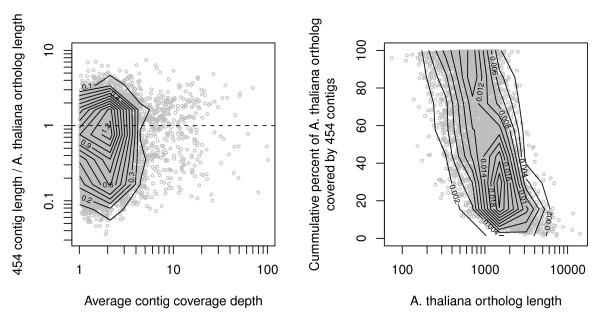
“thaliana (25,000) and a similar average gene length of 2,000 bp [31], average transcriptome coverage was estimated at 3.”
BackgroundRapidly developing functional genomics in ecological model systems via 454 transcriptome sequencing
Wheat, C. W. (2008) · Genetica · doi:10.1007/s10709-008-9326-y · Cited by 151 · cited 4×
“quality of data should result in the improvement of de novo assembly algorithms over time [17].”
BackgroundMethodInfluentialHahn, D. A., Ragland, G. J., Shoemaker, D. D., & Denlinger, D. L. (2009) · BMC Genomics · doi:10.1186/1471-2164-10-234 · Cited by 148 · cited 1×
“The SNP frequency in our contigs (0.6/100 bp) is in the general range of that reported in other studies using 454 pyrosequencing of cDNA pooled from multiple individuals (e.g., [6] 0.33/100 bp [5] 0.67/ 100 bp, [16] 0.49/100 bp, [ 61 ] 0.72/100 bp).”
ResultInfluentialEckert, A. J., Pande, B., Ersoz, E. S., Wright, M. H., Rashbrook, V. K., Nicolet, C. M., & Neale, D. B. (2008) · Tree Genetics & Genomes · doi:10.1007/s11295-008-0183-8 · Cited by 141 · cited 1×
“Similar to studies on P. taeda [62, 63 ] and Picea glauca [8], the availability of large numbers of SNPs should facilitate population genomic and gene-based association studies in P. contorta.”
ResultSequencing goes 454 and takes large‐scale genomics into the wild
Ellegren, H. (2008) · Molecular Ecology · doi:10.1111/j.1365-294x.2008.03699.x · Cited by 133 · cited 1×
“Massively parallel sequencing technologies, such as 454 pyrosequencing, remove many time consuming steps involved in Sanger sequencing of ESTs and have facilitated transcriptome sequencing at a fraction of the time and cost previously required [5,9-11].”
MethodA wing expressed sequence tag resource for Bicyclus anynana butterflies, an evo-devo model
Beldade, P., Rudd, S. A., Gruber, J. D., & Long, A. D. (2006) · BMC Genomics · doi:10.1186/1471-2164-7-130 · Cited by 105 · cited 1×
“This seemingly low percentage of ESTs with BLAST hits is partially due to a high frequency of short sequences in our ESTs, although annotation of only 30-40% of sequences is common in analyses of large EST collections [5,16, 38 ].”
BackgroundEckert, A. J., Wegrzyn, J., Pande, B., Jermstad, K. D., Lee, J. M., Liechty, J. D., Tearse, B. R., Krutovsky, K. V., & Neale, D. B. (2009) · Genetics · doi:10.1534/genetics.109.103895 · Cited by 103 · cited 1×
“Until recently, association genetic studies for adaptive variation have been limited in conifers (but see [62,65]) due to the high cost and time required by traditional routes for the development of marker resources.”
BackgroundGet ready to GO! A biologist's guide to the Gene Ontology
Lomax, J. (2005) · Briefings in Bioinformatics · doi:10.1093/bib/6.3.298 · Cited by 100 · cited 2×
“org/jobs/; [40]) and manually inspected to assess whether the associated protein products belonged to retroelements or not.”
BackgroundGenomics to tree breeding and forest health
Neale, D. B. (2007) · Current Opinion in Genetics & Development · doi:10.1016/j.gde.2007.10.002 · Cited by 98 · cited 2×
“The construction of large EST collections is thus the most promising approach for providing functional genomic level information in pines [29].”
BackgroundKristiansson, E., Asker, N., Förlin, L., & Larsson, D. J. (2009) · BMC Genomics · doi:10.1186/1471-2164-10-345 · Cited by 90
Hata, K., Futai, K., & Tsuda, M. (1998) · Canadian Journal of Botany · doi:10.1139/b97-177 · Cited by 77 · cited 1×
“This is not surprising given the prevalence of endophytic and symbiotic fungi in conifer tissues [45,46].”
BackgroundDemarco, R. C., Kowaltowski, A. T., Machado, A. A., Soares, M. B., Gargioni, C., Kawano, T., Rodrigues, V., Madeira, A. M. B. N., Wilson, R. A., Menck, C. F. M., et al. (2004) · Journal of Virology · doi:10.1128/jvi.78.6.2967-2978.2004 · Cited by 68 · cited 3×
“To assess whether our sequences that aligned to Pinus retrotransposons IFG7, PpRT1, and GYMNY were located in coding regions, following [41] we assembled the corresponding sequences into 553 contigs using SeqMan Ngen.”
BackgroundMethodInfluentialHicke, J. A., & Jenkins, J. C. (2008) · Forest Ecology and Management · doi:10.1016/j.foreco.2007.11.027 · Cited by 66
A KEYSTONE SELECTIVE AGENT? PINE SQUIRRELS AND THE FREQUENCY OF SEROTINY IN LODGEPOLE PINE
Benkman, C. W., & Siepielski, A. M. (2004) · Ecology · doi:10.1890/04-0177 · Cited by 63 · cited 1×
“It is one of the most variable pines, and grows in a variety of conditions ranging from low elevations to timberline [19] where it has experienced and evolved in response to diverse selection pressures including that from variation in seed predator communities [20-23] and fire regime [24,25].”
BackgroundSelf-citationIFG, a gypsy-like retrotransposon in Pinus (Pinaceae), has an extensive history in pines
Kossack, D. S., & Kinlaw, C. S. (1999) · Plant Molecular Biology · doi:10.1023/a:1006115732620 · Cited by 55 · cited 2×
“After removing all reads that matched to three wellcharacterized conifer retrotransposons (11,394) [ 32-34 ], sequences containing long simple sequence repeats (3,681), and sequences not passing stringent quality screening (average quality score 32-34 ]) had matches to 11,394 sequences in our complete set of 454 reads.”
BackgroundMethodPpRT1: the first complete gypsy-like retrotransposon isolated in Pinus pinaster
Rocheta, M., Cordeiro, J. C., Oliveira, M. M., & Miguel, C. M. G. (2006) · Planta · doi:10.1007/s00425-006-0370-5 · Cited by 31 · cited 3×
“Additionally, complete retrotransposon sequences from conifer genomes were selected, including IFG7, PpRT1, and Gymny [32-34].”
BackgroundMethodThe Genetics of Lodgepole Pine
Critchfield, W. B. (2017) · Cited by 27
Benkman, C. W., Holimon, W. C., & Smith, J. W. (2001) · Evolution · doi:10.1554/0014-3820(2001)055[0282:tioaco]2.0.co;2 · Cited by 24
Self-citationA Database of Expressed Genes FromCochliomyia hominivorax(Diptera: Calliphoridae)
Guerrero, F. D., Dowd, S. E., Djikeng, A., Wiley, G. B., Macmil, S. L., Saldivar, L., Najar, F. Z., & Roe, B. A. (2009) · Journal of Medical Entomology · doi:10.1603/033.046.0518 · Cited by 22 · cited 1×
“) to assemble reads into contigs, as this program has been successful in assembling 454 sequences from transcriptomes [5,68,69] and other programs created to assemble next generation sequencing data often assemble few EST reads into contigs [14,17].”
MethodGenomics applied to the study of adaptation in pine species
Guevara, M. Á., Soto, Á., Collada, C., Plomion, C., Savolainen, O., Neale, D. B., González‐Martínez, S. C., & Cervera, M. (2005) · Forest Systems · doi:10.5424/srf/2005143-00918 · Cited by 14
4 The Arabidopsis Genome: A Foundation for Plant ResearchPreprint
Bevan, M. W., & Walsh, S. (2006) · Cold Spring Harbor Monograph Archive · doi:10.1101/087969807.46.71 · Cited by 14
Hata, K., Futai, K., & Tsuda, M. (1998) · Canadian Journal of Botany · doi:10.1139/cjb-76-2-245 · Cited by 11
Allex, C. F., Baldwin, S. F., SHAVLIK, J. W., & Blattner, F. R. (1997) · PubMed · Cited by 5
Research works printed but not linked: 1
- Lotan JE Baumgartner DM The role of cone serotiny in lodgepole pine forests Symposium Proceedings 1975 Washington State University, Pullman, Washington, USA 471 495
Cited by
Current trends in microsatellite genotyping
GUICHOUX, E., LAGACHE, L., WAGNER, S., CHAUMEIL, P., LÉGER, P., LEPAIS, O., LEPOITTEVIN, C., MALAUSA, T., REVARDEL, E., SALIN, F., et al. (2011) · Molecular Ecology Resources · doi:10.1111/j.1755-0998.2011.03014.x · Cited by 937
“In our survey, only one study reported the use of more than one genotype at the sequencing stage, but available polymorphism data were not used to select candidate SSRs (Parchman et al. 2010).”
BackgroundMethodInfluentialSNP Markers and Their Impact on Plant Breeding
Mammadov, J., Aggarwal, R., Buyyarapu, R., & Kumpatla, S. (2012) · International Journal of Plant Genomics · doi:10.1155/2012/728398 · Cited by 500
“This methodology was successfully applied in several plant genomes, including maize [23], canola [24], eucalyptus [25], sugarcane [26], tree species [27], wheat [28], avocado [29], and black currant [30].”
MethodZalapa, J. E., Cuevas, H., Zhu, H., Steffan, S., Senalik, D., Zeldin, E., McCown, B., Harbut, R., & Simon, P. (2012) · American Journal of Botany · doi:10.3732/ajb.1100394 · Cited by 471
Amberg, J. J., Goforth, R. R., & Sepúlveda, M. S. (2013) · Sexual Development · doi:10.1159/000354280 · Cited by 477
Genome‐wide association genetics of an adaptive trait in lodgepole pine
PARCHMAN, T. L., GOMPERT, Z., MUDGE, J., SCHILKEY, F. D., BENKMAN, C. W., & BUERKLE, C. A. (2012) · Molecular Ecology · doi:10.1111/j.1365-294x.2012.05513.x · Cited by 465
“We aligned the consensus sequences containing SNPs to 322 000 contig and singleton sequences from a Pinus contorta whole transcriptome sequencing project (Parchman et al. 2010) to assess the proportion of these sequences that might represent transcribed regions.”
MethodSelf-citation
Metadata
- Authors
- Parchman, T. L., Geist, K. S., Grahnen, J. A., Benkman, C. W., & Buerkle, C. A.
- Affiliations
- University of Wyoming (US)
- Beloit College (US)
- Corresponding author
- Parchman, Thomas L
- Venue
- BMC Genomics
- Published
- 2010
- Volume
- 11
- Issue
- 1
- Pages
- 180
- ISSN
- 1471-2164 (ISSN-L)
- PMC
- PMC2851599
- OpenAlex
- W2123405262
- Cited by
- 446
- References
- 73
- Citations by year
- 2026: 3 · 2025: 5 · 2024: 4 · 2023: 7 · 2022: 5 · 2021: 17 · 2020: 28 · 2019: 15 · 2018: 24 · 2017: 20 · 2016: 32 · 2015: 37 · 2014: 52 · 2013: 59 · 2012: 74
- FWCI
- 25.64
- Type
- journal article
- Language
- en
- Open access
- gold
- doi.org
- Licence
- cc-by
- Locations
- BMC Genomics (publishedVersion, cc-by)
- Europe PMC (PubMed Central) (publishedVersion, cc-by)
- PubMed Central (publishedVersion, cc-by)
- PubMed (publishedVersion)
- DOAJ (DOAJ: Directory of Open Access Journals) (submittedVersion)
- Funders
- National Science Foundation (0344503, 0701757)
- University of Wyoming
- National Institutes of Health
- Division of Biological Infrastructure
- Division of Environmental Biology
- Topics
- Life Sciences › Biochemistry, Genetics and Molecular Biology › Molecular Biology › Genomics and Phylogenetic Studies
- Life Sciences › Biochemistry, Genetics and Molecular Biology › Genetics › Genetic Mapping and Diversity in Plants and Animals
- Life Sciences › Biochemistry, Genetics and Molecular Biology › Genetics › Genetic diversity and population structure
- Keywords
- lodgepole pine, expressed genes, transcriptome assembly, genome annotation, molecular markers, microsatellite markers, single nucleotide polymorphisms, retrotransposons, population genomics, non-model organisms, cDNA sequencing
- MeSH terms
- Genetic Markers, Trees, Genes, Plant, Sequence Analysis, DNA, DNA Primers, DNA, Complementary, Minisatellite Repeats, Retroelements, DNA, Plant, Genome, Plant, Expressed Sequence Tags, Contig Mapping, Polymorphism, Single Nucleotide, Gene Expression Profiling, Genomics, Pinus
About these checks
Registry, retraction, Cites and statistics results are computed, not judged, with one exception: a printed reference that no index lists is read once by a model before it counts as a citation error. Claims are extracted by a model and kept only when their quote appears verbatim in the text; each cited source is then checked, with a model’s help, for whether it says what the claim relies on. Those verdicts can be wrong — read the claim’s quote and the cited source before relying on one.
Statistics and arithmetic are recomputed, not judged.
Confidence bands are shown only for fields calibrated on our annotated test set. None is calibrated yet, so no band is shown.
What counts as a claim ›How we measure confidence ›How we check this ›
Are you an author, or do you see a problem with this page? Request a review
Data sources
Bibliographic data: Semantic Scholar, OpenAlex, Crossref.
Contains information from the Semantic Scholar Academic Graph Datasets, made available under the ODC Attribution License (ODC-BY 1.0).
Semantic Scholar’s data is described in: Kinney, R., et al. (2023). The Semantic Scholar Open Data Platform. arXiv:2301.10140.
