

A sweetpotato gene index established by de novo assembly of pyrosequencing and Sanger sequences and mining for gene-based microsatellite markers
Open accessThe DOI matches its Crossref record; 28 of the 28 references it cites were found in a registry or an index.
Abstract
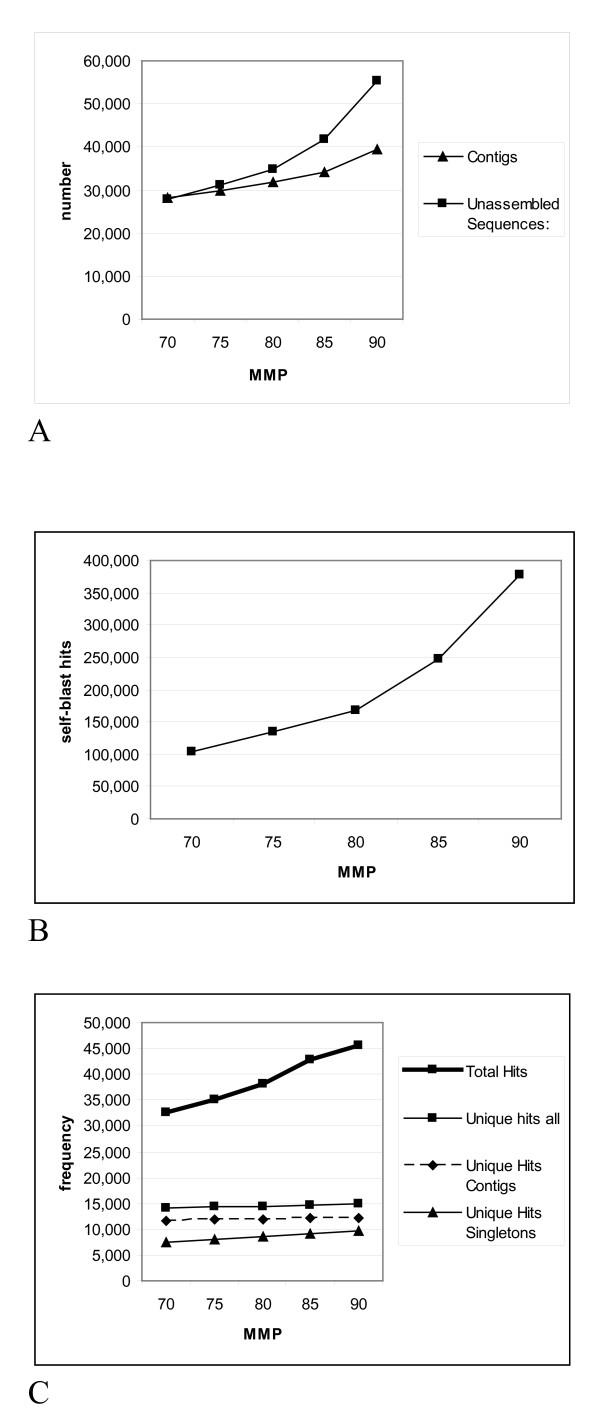
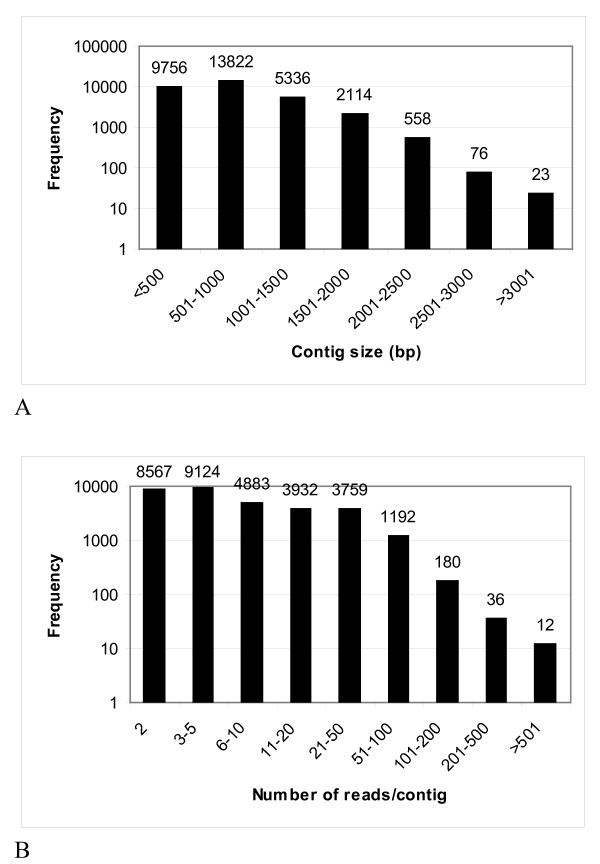
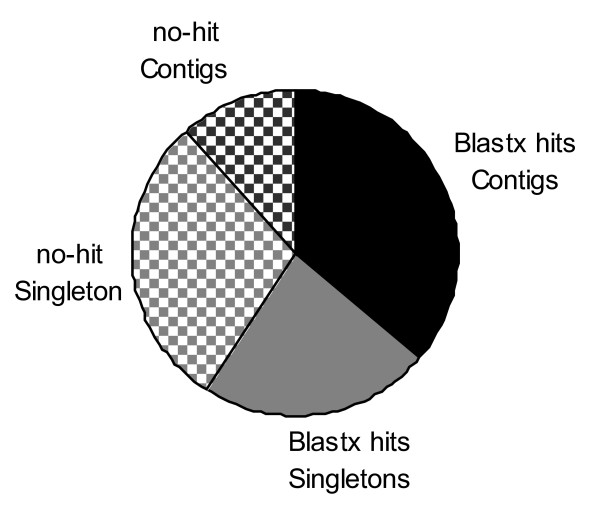
BACKGROUND: Sweetpotato (Ipomoea batatas (L.) Lam.), a hexaploid outcrossing crop, is an important staple and food security crop in developing countries in Africa and Asia. The availability of genomic resources for sweetpotato is in striking contrast to its importance for human nutrition. Previously existing sequence data were restricted to around 22,000 expressed sequence tag (EST) sequences and ~ 1,500 GenBank sequences. We have used 454 pyrosequencing to augment the available gene sequence information to enhance functional genomics and marker design for this plant species. RESULTS: Two quarter 454 pyrosequencing runs used two normalized cDNA collections from stems and leaves from drought-stressed sweetpotato clone Tanzania and yielded 524,209 reads, which were assembled together with 22,094 publically available expressed sequence tags into 31,685 sets of overlapping DNA segments and 34,733 unassembled sequences. Blastx comparisons with the UniRef100 database allowed annotation of 23,957 contigs and 15,342 singletons resulting in 24,657 putatively unique genes. Further, 27,119 sequences had no match to protein sequences of UniRef100database. On the basis of this gene index, we have identified 1,661 gene-based microsatellite sequences, of which 223 were selected for testing and 195 were successfully amplified in a test panel of 6 hexaploid (I. batatas) and 2 diploid (I. trifida) accessions. CONCLUSIONS: The sweetpotato gene index is a useful source for functionally annotated sweetpotato gene sequences that contains three times more gene sequence information for sweetpotato than previous EST assemblies. A searchable version of the gene index, including a blastn function, is available at http://www.cipotato.org/sweetpotato_gene_index.
Overview
The claims and statistics of this paper haven’t been checked yet.
Free: it reads the open-access text and checks the first 5 claims that cite a source we can check. Create a free account to check every claim.
Integrity signals
Registry
Cites
Statistics
Figures
Verification
Claims the paper makes
The claims and statistics of this paper haven’t been checked yet.
Free: it reads the open-access text and checks the first 5 claims that cite a source we can check. Create a free account to check every claim.
Claims other papers make about this one
Each is checked against this paper’s own text: does it say what the citing paper says it does?
The source backs part of the claim, not all of it — or backs it for a different population, condition or comparison.
In the citing paper
“The former used leaf and stem of an African landrace, and the latter used only the roots of a new edible variety as materials.”
From Digital Gene Expression Analysis Based on Integrated De Novo Transcriptome Assembly of Sweet Potato [Ipomoea batatas (L.) Lam.] (2012) · cites this paper as [11]
Experimental — accuracy not yet measuredThe source backs part of the claim, not all of it — or backs it for a different population, condition or comparison.
In the citing paper
“Researchers usually chose only one assembler to assembly a transcriptome [11], [12], [17]–[19].”
From Digital Gene Expression Analysis Based on Integrated De Novo Transcriptome Assembly of Sweet Potato [Ipomoea batatas (L.) Lam.] (2012) · cites this paper as [11]
Experimental — accuracy not yet measuredThe source backs part of the claim, not all of it — or backs it for a different population, condition or comparison.
In the citing paper
“Although the former released a sweet potato gene index, it was assembled with the existing ESTs, and the sequences mainly contained short open reading frames (ORFs) [11].”
From Digital Gene Expression Analysis Based on Integrated De Novo Transcriptome Assembly of Sweet Potato [Ipomoea batatas (L.) Lam.] (2012) · cites this paper as [11]
Experimental — accuracy not yet measuredThe cited source says what the claim attributes to it.
In the citing paper
“The sweet potato genes identified in this study are 18% and 40% more than previously reported by Schafleitner et al. [11] and Wang et al. [12], respectively.”
From Digital Gene Expression Analysis Based on Integrated De Novo Transcriptome Assembly of Sweet Potato [Ipomoea batatas (L.) Lam.] (2012) · cites this paper as [11]
The cited source says what the claim attributes to it.
In the citing paper
“The final assembly had more transcripts with longer ORFs than any single assembly and the recently released SPGI [11] (Table 2).”
From Digital Gene Expression Analysis Based on Integrated De Novo Transcriptome Assembly of Sweet Potato [Ipomoea batatas (L.) Lam.] (2012) · cites this paper as [11]
9 more claims about this paper
Create a free account to see every claim other papers make about this one.
Self-check
Percentages, sums and reported differences re-computed from the paper’s own numbers.
The self-check needs the paper’s full text.
Citations
Cites
Conesa, A., Götz, S., García-Gómez, J. M., Terol, J., Talón, M., & Robles, M. (2005) · Bioinformatics · doi:10.1093/bioinformatics/bti610 · Cited by 11,495
Pahlich, E., & Gerlitz, C. (1980) · Phytochemistry · doi:10.1016/0031-9422(80)85004-7 · Cited by 10,599 · cited 1×
“2). DNA extraction was done according to [ 28 ] for SSR analysis, and PCR”
MethodChevreux, B., Pfisterer, T., Drescher, B., Driesel, A. J., Müller, W. E. G., Wetter, T., & Suhai, S. (2004) · Genome Research · doi:10.1101/gr.1917404 · Cited by 1,050 · cited 1×
“However, only a few software packages claim to be suitable for hybrid assembly of the relatively short 454 reads with Sanger sequences [17-20].”
BackgroundBentley, D. R. (2006) · Current Opinion in Genetics & Development · doi:10.1016/j.gde.2006.10.009 · Cited by 803 · cited 1×
“It is widely used for genome resequencing [12], de novo sequencing of small genomes [e.”
MethodZhu, Y. Y., Machleder, E. M., Chenchik, A., Li, R., & Siebert, P. D. (2001) · BioTechniques · doi:10.2144/01304pf02 · Cited by 776 · cited 1×
“using the SMART approach [23], normalized according to [24], and amplified.”
MethodRapid transcriptome characterization for a nonmodel organism using 454 pyrosequencing
VERA, J. C., WHEAT, C. W., FESCEMYER, H. W., FRILANDER, M. J., CRAWFORD, D. L., HANSKI, I., & MARDEN, J. H. (2008) · Molecular Ecology · doi:10.1111/j.1365-294x.2008.03666.x · Cited by 714 · cited 1×
“, [13]], SNP detection [14,15], or transcriptome sequencing [16].”
BackgroundEvaluation of next generation sequencing platforms for population targeted sequencing studies
Harismendy, O., Ng, P. C., Strausberg, R. L., Wang, X., Stockwell, T. B., Beeson, K. Y., Schork, N. J., Murray, S. S., Topol, E. J., Levy, S., et al. (2009) · Genome Biology · doi:10.1186/gb-2009-10-3-r32 · Cited by 614 · cited 1×
“At low cost, it provides a huge amount of sequence information at relative low error frequency [11].”
BackgroundAggressive assembly of pyrosequencing reads with mates
Miller, J. R., Delcher, A. L., Koren, S., Venter, E., Walenz, B. P., Brownley, A., Johnson, J., Li, K., Mobarry, C., & Sutton, G. (2008) · Bioinformatics · doi:10.1093/bioinformatics/btn548 · Cited by 602 · cited 1×
“However, only a few software packages claim to be suitable for hybrid assembly of the relatively short 454 reads with Sanger sequences [17-20].”
BackgroundLow, J. W., Arimond, M., Osman, N., Cunguara, B., Zano, F., & Tschirley, D. (2007) · The Journal of Nutrition · doi:10.1093/jn/137.5.1320 · Cited by 561
The TIGR Gene Indices: analysis of gene transcript sequences in highly sampled eukaryotic species
Quackenbush, J. (2001) · Nucleic Acids Research · doi:10.1093/nar/29.1.159 · Cited by 460 · cited 1×
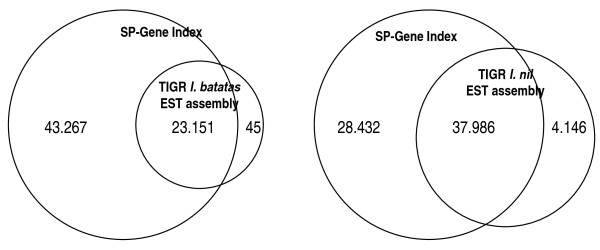
“nil, a near relative of sweetpotato, a gene index has been established based on 61,199 EST and 133 mature transcripts (ETs), resulting in 11,754 tentative consensus sequences (contigs), 9,721 EST-singletons, and 39 ET singletons [22], http://compbio.”
Background
Research works printed but not linked: 2
- Jarret RL Bowen N Simple sequence repeats (SSRs) for sweet potato germplasm characterization Plant Gen Res Newsletter 1994 100 9 11
- Doyle JJ Doyle JL A rapid DNA isolation procedure for small quantities of fresh leaf tissue Phytochem Bulletin 1987 19 11 15
Cited by
Zalapa, J. E., Cuevas, H., Zhu, H., Steffan, S., Senalik, D., Zeldin, E., McCown, B., Harbut, R., & Simon, P. (2012) · American Journal of Botany · doi:10.3732/ajb.1100394 · Cited by 471
Wang, Z., Fang, B., Chen, J., Zhang, X., Luo, Z., Huang, L., Chen, X., & Li, Y. (2010) · BMC Genomics · doi:10.1186/1471-2164-11-726 · Cited by 433
“In addition, to date, only about 300 SSR markers were developed for sweetpotato [4-6].”
BackgroundHaplotype-resolved sweet potato genome traces back its hexaploidization history
Yang, J., Moeinzadeh, M.-H., Kuhl, H., Helmuth, J., Xiao, P., Haas, S., Liu, G., Zheng, J., Sun, Z., Fan, W., et al. (2017) · Nature Plants · doi:10.1038/s41477-017-0002-z · Cited by 370
Application of Genomic Tools in Plant Breeding
M. Perez-de-Castro, A., Vilanova, S., Canizares, J., Pascual, L., M. Blanca, J., J. Diez, M., Prohens, J., & Pico, B. (2012) · Current Genomics · doi:10.2174/138920212800543084 · Cited by 280
Firon, N., LaBonte, D., Villordon, A., Kfir, Y., Solis, J., Lapis, E., Perlman, T., Doron-Faigenboim, A., Hetzroni, A., Althan, L., et al. (2013) · BMC Genomics · doi:10.1186/1471-2164-14-460 · Cited by 182
“The sweetpotato root transcript sequences generated in this study thus add to the recently accumulated sweetpotato sequences [18-21] which can be used for the discovery of new genes involved in root development and functioning and in the initiation of SR formation.”
BackgroundSelf-citationKaur, S., Pembleton, L. W., Cogan, N. O., Savin, K. W., Leonforte, T., Paull, J., Materne, M., & Forster, J. W. (2012) · BMC Genomics · doi:10.1186/1471-2164-13-104 · Cited by 184
“Similar results have been observed in other studies [45].”
ResultRoot architecture and root and tuber crop productivity
Villordon, A. Q., Ginzberg, I., & Firon, N. (2014) · Trends in Plant Science · doi:10.1016/j.tplants.2014.02.002 · Cited by 170
Tao, X., Gu, Y.-H., Wang, H.-Y., Zheng, W., Li, X., Zhao, C.-W., & Zhang, Y.-Z. (2012) · PLoS ONE · doi:10.1371/journal.pone.0036234 · Cited by 168
“83% to the previous reported SPGI [11].”
BackgroundMethodInfluentialWang, Z., Li, J., Luo, Z., Huang, L., Chen, X., Fang, B., Li, Y., Chen, J., & Zhang, X. (2011) · BMC Plant Biology · doi:10.1186/1471-2229-11-139 · Cited by 125
“2% SSRs revealed to be polymorphism in different test set [26,28].”
BackgroundMethodResultInfluentialXie, F., Burklew, C. E., Yang, Y., Liu, M., Xiao, P., Zhang, B., & Qiu, D. (2012) · Planta · doi:10.1007/s00425-012-1591-4 · Cited by 122
“To date, at least 450 SSRs have been found in sweet potato by diVerent approaches, such as screening of a small-insert genomic library, construction of a microsatellite-enriched library, and mining of EST databases (Buteler et al. 1999; Hu et al. 2004; SchaXeitner et al. 2010; Wang et al. 2010).”
BackgroundMethodImprovement for agronomically important traits by gene engineering in sweetpotato
Liu, Q. (2017) · Ikushugaku zasshi · doi:10.1270/jsbbs.16126 · Cited by 145
“…flower development, abiotic and biotic resistance, and starch, carotenoids, and anthocyanins biosynthesis and characterizing the important responsible genes of this crop (Firon et al. 2013, Li et al. 2015, Schafleitner et al. 2010, Tao et al. 2012, 2013, Wang et al. 2010, Xie et al. 2012).”
BackgroundMeasles and rubella elimination in the WHO Region for Europe: progress and challenges
O'Connor, P., Jankovic, D., Muscat, M., Ben-Mamou, M., Reef, S., Papania, M., Singh, S., Kaloumenos, T., Butler, R., & Datta, S. (2017) · Clinical Microbiology and Infection · doi:10.1016/j.cmi.2017.01.003 · Cited by 107
From RNA-seq to large-scale genotyping - genomics resources for rye (Secale cereale L.)
Haseneyer, G., Schmutzer, T., Seidel, M. A., Zhou, R., Mascher, M., Schön, C., Taudien, S., Scholz, U., Stein, N., Mayer, K., et al. (2011) · BMC Plant Biology · doi:10.1186/1471-2229-11-131 · Cited by 115
“[53] who compared EST sequences of sweet potato (Ipomea batatas) with sequences contained in the UniRef100 protein database.”
BackgroundExploring and exploiting genetics and genomics for sweetpotato improvement: Status and perspectives
Yan, M., Nie, H., Wang, Y., Wang, X., Jarret, R. L., Zhao, J., Wang, H., & Yang, J. M. (2022) · Plant Communications · doi:10.1016/j.xplc.2022.100332 · Cited by 111
“The references (Eserman et al., 2014; Schafleitner et al., 2010; Wang et al., 2010) are given in Supplemental Table 1.”
BackgroundWadl, P. A., Olukolu, B. A., Branham, S. E., Jarret, R. L., Yencho, G. C., & Jackson, D. M. (2018) · Frontiers in Plant Science · doi:10.3389/fpls.2018.01166 · Cited by 111
Khoury, C. K., Heider, B., Álvarez, N. P. C., Achicanoy, H., Sosa, C. C., Miller, R. E., Scotland, R. W., Wood, J. R., Rossel, G., Eserman, L. A., et al. (2015) · Frontiers in Plant Science · doi:10.3389/fpls.2015.00251 · Cited by 94
“…is a rising concern particularly in regions undergoing significant climatic change, both due to its direct effect on productivity (Low et al., 2009; Schafleitner et al., 2010) as well as to its association with increased severity of damage from SPW and SPVD (Munyiza et al., 2007; Mwololo et al.,…”
BackgroundSelf-citationSu, W., Wang, L., Lei, J., Chai, S., Liu, Y., Yang, Y., Yang, X., & Jiao, C. (2017) · PLoS ONE · doi:10.1371/journal.pone.0172066 · Cited by 60
Genome-assisted Breeding For Drought Resistance
Khan, A., Sovero, V., & Gemenet, D. C. (2016) · Current Genomics · doi:10.2174/1389202917999160211101417 · Cited by 68
“[123] developed a gene index for hexaploid sweetpotato under drought stress.”
BackgroundZhu, H., Zhou, Y., Zhai, H., Shao-zhen, H. E., Zhao, N., & Liu, Q. (2019) · Journal of Integrative Agriculture · doi:10.1016/s2095-3119(18)61934-3 · Cited by 49
Arisha, M. H., Ahmad, M. Q., Tang, W., Liu, Y., Yan, H., Kou, M., Wang, X., Zhang, Y., & Li, Q. (2020) · Scientific Reports · doi:10.1038/s41598-020-69232-3 · Cited by 60
Zhang, K., Lu, H., Wan, C., Tang, D., Zhao, Y., Luo, K., Li, S., & Wang, J. (2020) · Plants · doi:10.3390/plants9040492 · Cited by 49
“Sweet potato’s high yield potential and adaptability to a wide range of environmental conditions make it an important staple and food security crop in many regions of the world, especially in developing countries [3].”
BackgroundAhmed, S., Khan, S., Xue, S., Islam, F., Ikram, A. U., Abdullah, M. I., Liu, S., Tappiban, P., & Chen, J. (2024) · Horticulture Research · doi:10.1093/hr/uhae014 · Cited by 53
“The first de novo transcript assembly was generated using the diploid and hexaploid sweet potatoes and identified 1661 gene-based microsatellite sequences for drought-stressed conditions [104].”
BackgroundPonniah, S. K., Thimmapuram, J., Bhide, K. P., Kalavacharla, V. K., & Manoharan, M. (2017) · BMC Plant Biology · doi:10.1186/s12870-016-0950-x · Cited by 51
“Previous transcriptome analyses investigating SR formation examined only the hexaploid cultivated species [2, 23, 24].”
BackgroundFeng, J., Zhao, S., Li, M., Zhang, C., Qu, H., Li, Q., Li, J., Yang, L., & Pu, Z. (2019) · Genomics · doi:10.1016/j.ygeno.2019.11.010 · Cited by 48
An Insight into Sweet Potato Weevils Management: A Review
Hue, S.-M., & Low, M.-Y. (2015) · Psyche A Journal of Entomology · doi:10.1155/2015/849560 · Cited by 43
Wang, Z., Fang, B., Chen, X., Liao, M., Chen, J., Zhang, X., Huang, L., Luo, Z., Yao, Z., & Li, Y. (2015) · BMC Plant Biology · doi:10.1186/s12870-015-0567-5 · Cited by 42
“With the recently developed next generation sequencing (NGS) technology, large amount of transcribed sequences of sweetpotato have been generated and are available for systematic survey of the genes crucial for these important processes [2, 25–28].”
BackgroundNgailo, S., Shimelis, H., Sibiya, J., & Mtunda, K. (2013) · African Journal of Agricultural Research · doi:10.5897/ajar12.1991 · Cited by 60
“The production of sweet potato is affected by several biotic constraints such as viral diseases, insect pests and weeds (Ndunguru et al., 2009; Lou et al., 2010; Schafleitner et al., 2010; Harrison and Jackson, 2011).”
BackgroundInfluentialLin, Y., Zou, W., Lin, S., Onofua, D., Yang, Z., Chen, H., Wang, S., & Chen, X. (2017) · PLoS ONE · doi:10.1371/journal.pone.0187838 · Cited by 43
Sun, P., Xiao, X.-G., Duan, L., Guo, Y., Qi, J., Liao, D., Zhao, C., Liu, Y., Zhou, L., & Li, X. (2015) · Frontiers in Plant Science · doi:10.3389/fpls.2015.00396 · Cited by 37
Gene Pool Subdivision of East African Sweetpotato Parental Material
David, M. C., Diaz, F. C., Mwanga, R. O. M., Tumwegamire, S., Mansilla, R., & Grüneberg, W. J. (2018) · Crop Science · doi:10.2135/cropsci2017.11.0695 · Cited by 36
“…(GCA)8 55.0 Schafleitner et al. (2010) IBS149 CCACCTCCTTAGGTATCAGACT ACTACTAGCGCTGCAACCTTAT (AGA)8 60.0 Schafleitner et al. (2010) IBS169 CGTACTATGTTTCCCCCATTAC AATGCATCTACCCTCCTTACAC (TTG)8 53.0 Schafleitner et al. (2010) IBS199 TAACTAGGTTGCAGTGGTTTGT ATAGGTCCATATACAATGCCAG (ACA)7 60.0…”
InfluentialYada, B., Brown‐Guedira, G., Alajo, A., Ssemakula, G. N., Mensah, E. O., Carey, E. E., Mwanga, R. O. M., & Yencho, G. C. (2017) · Ikushugaku zasshi · doi:10.1270/jsbbs.16089 · Cited by 34
Zhang, K., Wu, Z., Tang, D., Lv, C., Luo, K., Zhao, Y., Liu, X., Huang, Y., & Wang, J. (2016) · Frontiers in Plant Science · doi:10.3389/fpls.2016.00223 · Cited by 32
“…including screening of genomic libraries (Buteler et al., 1999; Hu et al., 2004), mining of publicly available EST sequences (Hu et al., 2004; Schafleitner et al., 2010; Wang Z. et al., 2011), and mining of EST sequences derived from high-throughput RNA sequencing analyses using Illumina…”
BackgroundMethodInfluentialTao, X., Gu, Y., JIANG, Y.-S., Zhang, Y., & Wang, H. (2013) · Bioscience Biotechnology and Biochemistry · doi:10.1271/bbb.130218 · Cited by 33
Li, R., Zhai, H., Chen, K., Liu, D., He, S., & Liu, Q. (2015) · International Journal of Genomics · doi:10.1155/2015/843802 · Cited by 38
As-Sadi, F., Carrère, S., Gascuel, Q., Hourlier, T., Rengel, D., Paslier, M. L., Bordat, A., Boniface, M., Brunel, D., Gouzy, J., et al. (2011) · BMC Genomics · doi:10.1186/1471-2164-12-498 · Cited by 31
“The advent of next-generation sequencing methods with reduced costs and higher throughput has encouraged the generation of more comprehensive and indepth studies for a wider range of organisms and transcriptomes [24-26].”
BackgroundSolis, J., Villordon, A. Q., Baisakh, N., LaBonte, D., & Firon, N. (2014) · Journal of the American Society for Horticultural Science · doi:10.21273/jashs.139.3.317 · Cited by 43
Self-citationTakayama, K., Lopez, P., König, C., Köhl, G., Novak, J., & Stuessy, T. F. (2011) · Taxon · doi:10.1002/tax.605019 · Cited by 30
Sequencing Crop Genomes: A Gateway to Improve Tropical Agriculture.
Thottathil, G. P., Jayasekaran, K., & Othman, A. S. (2016) · PubMed · Cited by 49
Challenges to genome sequence dissection in sweetpotato
Isobe, S., Shirasawa, K., & Hirakawa, H. (2017) · Ikushugaku zasshi · doi:10.1270/jsbbs.16186 · Cited by 31
“By the year 2010, approximately 22,000 expressed sequence tag (EST) sequences had been registered (Schafleitner et al. 2010).”
BackgroundGao, M., Soriano, S. F., Cao, Q., Yang, X., & Lu, G. (2020) · PLoS ONE · doi:10.1371/journal.pone.0229624 · Cited by 28
Comparative Transcriptomic Analysis of the Response to Cold Acclimation in Eucalyptus dunnii
Liu, Y., Jiang, Y., Lan, J., Zou, Y., & Gao, J. (2014) · PLoS ONE · doi:10.1371/journal.pone.0113091 · Cited by 27
Hu, Y., Zhao, P., Zhang, Q., Wang, Y., Gao, X., Zhang, T., Zhou, H., Dang, M., & Woeste, K. (2015) · Biochemical Systematics and Ecology · doi:10.1016/j.bse.2015.10.011 · Cited by 24
Cao, Q., Li, A., Chen, J., Sun, Y., Tang, J., Zhang, A., Zhou, Z., Zhao, D., Ma, D., & Gao, S. (2016) · Tropical Plant Biology · doi:10.1007/s12042-016-9162-7 · Cited by 25
“Transgene”
Yada, B., Brown‐Guedira, G., Alajo, A., Ssemakula, G. N., Mwanga, R. O. M., & Yencho, G. C. (2015) · HortScience · doi:10.21273/hortsci.50.8.1143 · Cited by 24
“Sweetpotato genomics is in the early stages with slightly over 600 published EST-based SSR markers (Buteler et al., 1999; Hu et al., 2004b; Schafleitner et al., 2010; Wang et al., 2011).”
BackgroundMethodInfluentialMonden, Y., Yamamoto, A., Shindo, A., & Tahara, M. (2014) · DNA Research · doi:10.1093/dnares/dsu015 · Cited by 27
Genetic analysis of yield and flesh colour in sweetpotato
Naidoo, S., LAURIE, S. M., Odeny, D. A., Vorster, J., Mphela, W. M., Greyling, M. M., & Crampton, B. (2016) · African Crop Science Journal · doi:10.4314/acsj.v24i1.5 · Cited by 23
“Although over 1600 EST-based SSR markers have been identified for sweetpotato (Schafleitner et al., 2010), only a limited number of SSR markers have been tested and used in diversity analysis of sweetpotato by various authors (Zhang et al., 1999; Hwang et al., 2002; Gichuru et al., 2005; Genetic…”
MethodZawedde, B. M., Ghislain, M., Magembe, E., Amaro, G. B., Grumet, R., & Hancock, J. F. (2014) · Genetic Resources and Crop Evolution · doi:10.1007/s10722-014-0175-5 · Cited by 23
“There are three hypotheses for generation of hexaploid sweet potato: autopolyploidy (Kobayashi 1983; Shiotani and Kawase 1987, 1989); allo-autopolyploidy (Schafleitner et al. 2010) and allopolyploidy (Austin 1977; Nishiyama 1971; Srisuwan et al.”
BackgroundXerophyta viscosa Aldose Reductase, XvAld1, Enhances Drought Tolerance in Transgenic Sweetpotato
Mbinda, W. M., Ombori, O., Dixelius, C., & Oduor, R. (2018) · Molecular Biotechnology · doi:10.1007/s12033-018-0063-x · Cited by 22
Kagimbo, F. M., Shimelis, H., & Sibiya, J. (2017) · Acta Agriculturae Scandinavica Section B - Soil & Plant Science · doi:10.1080/09064710.2017.1372516 · Cited by 17
“Also the root is an industrial raw material to extract starch, alcohol, biofuel or for animal feed (Schafleitner et al. 2010; Clark et al. 2012).”
BackgroundKagimbo, F. M., Shimelis, H., & Sibiya, J. (2017) · Journal of Crop Improvement · doi:10.1080/15427528.2017.1400485 · Cited by 18
“Sweet potato grows on marginal soils under drought conditions; it has higher production per unit area compared with wheat, rice, and cassava (Schafleitner et al. 2010).”
BackgroundTadda, S. A., Kui, X., HongJuan, Y., Li, M., Huang, Z., Chen, X., & Qiu, D. (2021) · Agronomy · doi:10.3390/agronomy12010019 · Cited by 17
Development and Characterization of Simple Sequence Repeat Markers for St. Augustinegrass
Mulkey, S. E., Zuleta, M. C., Keebler, J., Schaff, J. E., & Milla‐Lewis, S. R. (2013) · Crop Science · doi:10.2135/cropsci2013.04.0246 · Cited by 16
Development of SNP markers using RNA-seq technology and tetra-primer ARMS-PCR in sweetpotato
Kou, M., Jia-lei, X. U., Li, Q., Liu, Y., Wang, X., Wei, T. A. N. G., Yan, H., Zhang, Y., & Ma, D. (2017) · Journal of Integrative Agriculture · doi:10.1016/s2095-3119(16)61405-3 · Cited by 20
Solis, J., Baisakh, N., Brandt, S. R., Villordon, A. Q., & Bonte, D. R. L. (2016) · PLoS ONE · doi:10.1371/journal.pone.0147398 · Cited by 16
Self-citationYada, B., Alajo, A., Ssemakula, G. N., Mwanga, R. O. M., Brown‐Guedira, G., & Yencho, G. C. (2017) · Crop Science · doi:10.2135/cropsci2016.08.0695 · Cited by 16
“This study, however, shows that SSRs are linked to SPVD resistance loci in sweetpotato and could be used for future mapping of SPVD resistance to enhance breeding.”
BackgroundMethodInfluentialIdentification of simple sequence repeat markers for sweetpotato weevil resistance
Yada, B., Alajo, A., Ssemakula, G. N., Brown‐Guedira, G., Otema, M. A., Stevenson, P. C., Mwanga, R. O. M., & Yencho, G. C. (2017) · Euphytica · doi:10.1007/s10681-017-1917-1 · Cited by 15
“The sequences of 405 published expressed sequence tags (EST) SSR primers (Buteler et al. 1999; Hu et al. 2004; Schafleitner et al. 2010; Wang et al. 2011) were obtained for this study.”
BackgroundMethodKagimbo, F. M., Shimelis, H., & Sibiya, J. (2019) · Euphytica · doi:10.1007/s10681-019-2338-0 · Cited by 12
Luo, Y., Ding, N., Shi, X., Wu, Y., Wang, R., Pei, L., Xu, R., Cheng, S., Lian, Y., Gao, J., et al. (2017) · bioRxiv (Cold Spring Harbor Laboratory) · doi:10.1101/112425 · Cited by 11
“Under these situations, RNA-seq (whole transcriptome shotgun sequencing) has been utilized as a promising alternative approach for identifying and analyzing large-scale genes and their expression patterns in sweetpotato (e.g., Wang et al., 2010; Schafleitner et al., 2010; Firon et al., 2013).”
MethodApplication of next generation sequencing techniques in plant tran-scriptome
Liang, Y., Chen, S.-Y., & Liu, G. (2011) · Hereditas (Beijing) · doi:10.3724/sp.j.1005.2011.01317 · Cited by 11
“DOI [35] Schafleitner R, Tincopa LR, Palomino O, Rossel G, Robles RF, Alagon R, Rivera C, Quispe C, Rojas L, Pacheco JA, Solis J, Cerna D, Kim JY, Hou J, Simon R.”
BackgroundDevelopment of Molecular Markers in Hevea brasiliensis for Marker-Assisted Breeding
Pootakham, W., Shearman, J. R., & Tangphatsornruang, S. (2020) · Compendium of plant genomes · doi:10.1007/978-3-030-42258-5_5 · Cited by 10
Genetic Diversity Assessment of Sweetpotato Germplasm in China Using InDel Markers
Zhao, L., Qi, Z., Xiao, S., Tang, F., Liu, Y., Deng, Y., Dai, X., Zhou, Z., Ou, W., & Cao, Q. (2022) · Agronomy · doi:10.3390/agronomy12123074 · Cited by 10
Qin, Z., Li, A., Hou, F., Wang, Q., Dong, S., & Zhang, L. (2017) · South African Journal of Botany · doi:10.1016/j.sajb.2017.01.003 · Cited by 8
Merga, M. A., Mourtala, I. Z. M., Abtew, W. G., & Oselebe, H. O. (2025) · BMC Plant Biology · doi:10.1186/s12870-025-06558-y · Cited by 13
Kou, M., Su, Z.-X., Zhang, Y., & Li, Q. (2020) · Plant Biotechnology Reports · doi:10.1007/s11816-020-00647-0 · Cited by 8
Current status of sweetpotato genomics research
Yoon, U.-H., Jeong, J. C., Kwak, S., Yang, J., Kim, T. H., Lee, H., Nam, S., & Hahn, J.-H. (2015) · Journal of Plant Biotechnology · doi:10.5010/jpb.2015.42.3.161 · Cited by 6
“1 Venn diagram of gene clusters in Ipomoea trifida and other plant species (Hirokawa et al. 2015) 고구마 전사체 분석 연구 고구마 전사체 분석 연구는 최근 NGS를 이용한 전사체 분석연구가 이루어지고 있으며 중국의 Tao et al. (2012)은 고구마 Xushu 18 품종의 Illumina PE RNA-seq 염기서열분 석 결과를 이용 de novo transcriptome assembly를 수행하여 128,052개의 전사체를 얻었으며 Blast2GO…”
Gedil, M. A., Tripathi, L., Ghislain, M., Ferguson, M. E., Ndjiondjop, M.-N., Kumar, P. L., Raatz, B., López‐Lavalle, L. A. B., Bhattacharjee, R., Semagn, K., et al. (2014) · Science policy reports · doi:10.1007/978-3-319-04001-1_6 · Cited by 6
Genomic approaches to understand sweetpotato root development in relation to abiotic factors
Sarmiento, J. S. (2012) · Louisiana State University · doi:10.31390/gradschool_dissertations.1217 · Cited by 7
Ding, N., Cui, H., Miao, Y., Tang, J., Cao, Q., & Luo, Y. (2019) · PeerJ · doi:10.7717/peerj.7933 · Cited by 8
Kagimbo, F. M., Shimelis, H., & Sibiya, J. (2020) · Australian Journal of Crop Science · doi:10.21475/ajcs.20.14.11.p1603 · Cited by 5
“Sweetpotato roots are also used as industrial raw material for biofuel, starch and alcohol extraction (Schafleitner et al., 2010; Clark et al., 2012).”
BackgroundChen, Y., Cao, Q., Tao, X., Shao, H., Zhang, K., Zhang, Y., & Tan, X. (2016) · Bioscience Biotechnology and Biochemistry · doi:10.1080/09168451.2016.1182418 · Cited by 6
Ravi, V., Chakrabarti, S. K., Saravanan, R., MAKESHKUMAR, T., & Sreekumar, J. (2017) · The Indian Journal of Agricultural Sciences · doi:10.56093/ijas.v87i4.69421 · Cited by 4
A Rapid Seedling Assay for Determining Sweetpotato Resistance to Fusarium Wilt
Yang, Z., Lin, Y., Chen, H., Zou, W., Wang, S., Guo, Q., & Chen, X. (2018) · Crop Science · doi:10.2135/cropsci2017.10.0600 · Cited by 4
Sweet Potato (Ipomoea batatas (L.) Lam.) Breeding
Swanckaert, J., Gemenet, D. C., Anglin, N. L., & Grüneberg, W. J. (2021) · Springer eBooks · doi:10.1007/978-3-030-66965-2_12 · Cited by 10
Oloka, B. M., da Silva, C. C., Azevedo, C. F., Unzimai, I. V., Yada, B., Grüneberg, W. J., Andrade, M., Pecota, K. V., Pereira, G. D. S., & Yencho, G. C. (2024) · Compendium of plant genomes · doi:10.1007/978-3-031-65003-1_12 · Cited by 2
A Prenyltransferase Gene Confirmed to Be a Carotenogenic CRTE Gene from Sweetpotato
Fu, Y., Ma, L., Qiu, F., Yang, C., Chun-xia, H., Zhao, Y., Lin, Z. S., Chen, M., Liao, Z., & Lan, X. (2014) · Journal of genetics and genomics/Journal of Genetics and Genomics · doi:10.1016/j.jgg.2014.04.007 · Cited by 2
Mounika, V., Deo, C., Shadap, A., Nimbolkar, P. K., Singh, S., Raja, P., Gowd, T. Y. M., & Abhijith, K. P. (2024) · Genetic Resources and Crop Evolution · doi:10.1007/s10722-024-01881-z · Cited by 1
Burri, B. J. (2013) · CRC Press eBooks · doi:10.1201/b16136-18 · Cited by 1
Ssamula, A., Okiror, A., Avrahami‐Moyal, L., Tam, Y., Gal‐On, A., Gaba, V. P., Settumba, B. M., & Wasswa, P. (2019) · AFRICAN JOURNAL OF BIOTECHNOLOGY · doi:10.5897/ajb2018.16724 · Cited by 1
Genomics-Enabled Breeding for Heat and Drought Stress Tolerance in Crop Plants
Prakash, V., & Vishwakarma, M. K. (2022) · Springer eBooks · doi:10.1007/978-981-19-3800-9_14 · Cited by 1
Amoanimaa‐Dede, H., ZHANG, J., Su, C., & Zhu, H. (2021) · Biocell · doi:10.32604/biocell.2021.015053 · Cited by 1
Kagimbo, F. M. (2017) · ResearchSpace (University of KwaZulu-Natal) · Cited by 1
Sundan, S., Kim, T. S., Raveendar, S., Cho, G., Sung, J.-S., Cho, Y., Lee, S., Ma, K., & Chung, J. (2014) · Plant Breeding and Biotechnology · doi:10.9787/pbb.2014.2.3.213
“…this study are comparable to those observed in other studies on Pisum sativum, 454 bp (Franssen et al. 2011); Pinus contorta, 500 bp (Parchman et al. 2010); Lens culinaris, 770 bp (Kaur et al. 2011); Ipomoea batatas, 790 bp (Schafleitner et al. 2010); and Vigna radiata, 843 bp (Moe et al. 2011).”
ResultWhere in the world is GCP? The GCP network in 2010
Africa, S.-S., Faso, B., & Asia, W. (2010)
Gonçalves, T. D. O. (2016) · Digital Library of Theses and Dissertations (Universidade de São Paulo) · doi:10.11606/d.11.2016.tde-17062016-104725
Wang, Z., Fang, B., Chen, J., Zhang, X., Luo, Z., Huang, L., Chen, X., & Li, Y. (2020) · Figshare · doi:10.6084/m9.figshare.12880604
Wang, Z., Fang, B., Chen, J., Zhang, X., Luo, Z., Huang, L., Chen, X., & Li, Y. (2020) · Figshare · doi:10.6084/m9.figshare.12880616
Wang, Z., Fang, B., Chen, J., Zhang, X., Luo, Z., Huang, L., Chen, X., & Li, Y. (2020) · Figshare · doi:10.6084/m9.figshare.12880619
Wang, Z., Fang, B., Chen, J., Zhang, X., Luo, Z., Huang, L., Chen, X., & Li, Y. (2020) · Figshare · doi:10.6084/m9.figshare.12880610
Wang, Z., Fang, B., Chen, J., Zhang, X., Luo, Z., Huang, L., Chen, X., & Li, Y. (2020) · Figshare · doi:10.6084/m9.figshare.12880625
Wang, Z., Fang, B., Chen, J., Zhang, X., Luo, Z., Huang, L., Chen, X., & Li, Y. (2020) · Figshare · doi:10.6084/m9.figshare.12880601
Wang, Z., Fang, B., Chen, J., Zhang, X., Luo, Z., Huang, L., Chen, X., & Li, Y. (2020) · Figshare · doi:10.6084/m9.figshare.12880631
Wang, Z., Fang, B., Chen, J., Zhang, X., Luo, Z., Huang, L., Chen, X., & Li, Y. (2020) · Figshare · doi:10.6084/m9.figshare.12880628
Wang, Z., Fang, B., Chen, J., Zhang, X., Luo, Z., Huang, L., Chen, X., & Li, Y. (2020) · Figshare · doi:10.6084/m9.figshare.12880613
Wang, Z., Fang, B., Chen, J., Zhang, X., Luo, Z., Huang, L., Chen, X., & Li, Y. (2020) · Figshare · doi:10.6084/m9.figshare.12880598
Metadata
- Authors
- Schafleitner, R., Tincopa, L. R., Palomino, O., Rossel, G., Robles, R. F., Alagon, R., Rivera, C., Quispe, C., Rojas, L., Pacheco, J. A., Solis, J., Cerna, D., Young Kim, J., Hou, J., & Simon, R.
- Affiliations
- International Potato Center (PE)
- Louisiana State University (US)
- Corresponding author
- Schafleitner, Roland
- Venue
- BMC Genomics
- Published
- 2010-10-26
- Volume
- 11
- Issue
- 1
- Pages
- 604-604
- ISSN
- 1471-2164 (ISSN-L)
- PMC
- PMC3017860
- OpenAlex
- W2130605589
- Cited by
- 95
- References
- 28
- Citations by year
- 2025: 1 · 2024: 3 · 2023: 1 · 2022: 3 · 2021: 3 · 2020: 16 · 2019: 5 · 2018: 4 · 2017: 17 · 2016: 8 · 2015: 8 · 2014: 8 · 2013: 5 · 2012: 5
- FWCI
- 2.35
- Type
- journal article
- Language
- en
- Open access
- gold
- doi.org
- Licence
- cc-by
- creativecommons.org/licenses/by/2.0 (tdm)
- Locations
- BMC Genomics (publishedVersion, cc-by)
- PubMed Central (publishedVersion, cc-by)
- PubMed (publishedVersion)
- CGSPace A Repository of Agricultural Research Outputs (Consultative Group for International Agricultural Research) (submittedVersion, other-oa)
- DOAJ (DOAJ: Directory of Open Access Journals) (submittedVersion)
- Greater South Information System
- Topics
- Life Sciences › Biochemistry, Genetics and Molecular Biology › Molecular Biology › Genomics and Phylogenetic Studies
- Life Sciences › Biochemistry, Genetics and Molecular Biology › Genetics › Genetic Mapping and Diversity in Plants and Animals
- Life Sciences › Agricultural and Biological Sciences › Horticulture › Cocoa and Sweet Potato Agronomy
- Keywords
- Ipomoea batatas, gene index, de novo genome assembly, 454 pyrosequencing, expressed sequence tags, genome annotation, drought stress, functional genomics, marker-assisted selection, Ipomoea trifida
- MeSH terms
- Base Sequence, Temperature, Genes, Plant, Sequence Analysis, DNA, Microsatellite Repeats, Expressed Sequence Tags, Contig Mapping, Ipomoea batatas, Data Mining, Molecular Sequence Annotation
About these checks
Registry, retraction, Cites and statistics results are computed, not judged, with one exception: a printed reference that no index lists is read once by a model before it counts as a citation error. Claims are extracted by a model and kept only when their quote appears verbatim in the text; each cited source is then checked, with a model’s help, for whether it says what the claim relies on. Those verdicts can be wrong — read the claim’s quote and the cited source before relying on one.
Statistics and arithmetic are recomputed, not judged.
Confidence bands are shown only for fields calibrated on our annotated test set. None is calibrated yet, so no band is shown.
What counts as a claim ›How we measure confidence ›How we check this ›
Are you an author, or do you see a problem with this page? Request a review
Data sources
Bibliographic data: Semantic Scholar, OpenAlex, Crossref.
Contains information from the Semantic Scholar Academic Graph Datasets, made available under the ODC Attribution License (ODC-BY 1.0).
Semantic Scholar’s data is described in: Kinney, R., et al. (2023). The Semantic Scholar Open Data Platform. arXiv:2301.10140.
