

Transcriptomic analysis of the exit from dormancy of Aspergillus fumigatus conidia
Open accessThe DOI matches its Crossref record; 54 of the 54 references it cites were found in a registry or an index.
Abstract
Background: Establishment of aspergillosis is depending upon the exit from dormancy and germination of the conidia of Aspergillus fumigatus in the lung. To gain an understanding of the molecular mechanisms underlying the early steps of conidial germination, we undertook a transcriptomic analysis using macroarrays constructed with PCR fragments from > 3,000 genes (around one third of the annotated A . fumigatus genome). Results: Major results of this analysis are the following: (i) conidia stored pre-packaged mRNAs transcripts (27% of genes have transcripts in the resting conidia; (ii) incubation at 37°C in a nutritive medium induced up- and down-regulation of genes: 19% of the total number of genes deposited on the array were up-regulated whereas 22% of the genes with pre-packaged mRNA in the resting conidia were down-regulated; (iii) most modifications were seen during the first 30 min of germination whereas very little modification of gene expression occurred during the following hour; (iv) one-year old conidia and one-week old conidia behaved similarly at transcriptional level. Conclusion: Transcriptomic data indicate that the exit from dormancy is associated with a shift from a fermentative metabolism to a respiratory metabolism as well as a trend toward immediate protein synthesis.
Overview
The claims and statistics of this paper haven’t been checked yet.
Free: it reads the open-access text and checks the first 5 claims that cite a source we can check. Create a free account to check every claim.
Integrity signals
Registry
Cites
Statistics
Figures
Verification
Claims the paper makes
The claims and statistics of this paper haven’t been checked yet.
Free: it reads the open-access text and checks the first 5 claims that cite a source we can check. Create a free account to check every claim.
Claims other papers make about this one
Each is checked against this paper’s own text: does it say what the citing paper says it does?
The source backs part of the claim, not all of it — or backs it for a different population, condition or comparison.
In the citing paper
“Early transcriptome analyses have shown that the conidia contain one-third of the genome with active transcripts and display a silent fermentative metabolism (410, 503).”
From Aspergillus fumigatus and Aspergillosis in 2019 (2019) · cites this paper as [410]
Experimental — accuracy not yet measuredIn the citing paper
“However, no specific pathway controlling the thermophilicity of this species has been identified (410–412).”
From Aspergillus fumigatus and Aspergillosis in 2019 (2019) · cites this paper as [410]
Self-check
Percentages, sums and reported differences re-computed from the paper’s own numbers.
The self-check needs the paper’s full text.
Citations
Cites
Genomic sequence of the pathogenic and allergenic filamentous fungus Aspergillus fumigatus
Nierman, W. C., Pain, A., Anderson, M. J., Wortman, J. R., Kim, H. S., Arroyo, J., Berriman, M., Abe, K., Archer, D. B., Bermejo, C., et al. (2005) · Nature · doi:10.1038/nature04332 · Cited by 1,391 · cited 2×
“fumigatus only started recently due to the completion of the genome of this fungal species in 2005 [29].”
BackgroundSelf-citationAsexual Sporulation in Aspergillus nidulans
Adams, T. H., Wieser, J. K., & Yu, J.-H. (1998) · Microbiology and Molecular Biology Reviews · doi:10.1128/mmbr.62.1.35-54.1998 · Cited by 708 · cited 1×
“This may be the case for the two transcription factors WETA (Afu4g13230) and ABAA (Afu1g04830) that have been shown to be involved in conidiation [18].”
BackgroundPlant dormancy in the perennial context
Rohde, A., & Bhalerao, R. P. (2007) · Trends in Plant Science · doi:10.1016/j.tplants.2007.03.012 · Cited by 703 · cited 1×
“In most systems, the changes (if any) occurring after growth cessation to enter dormancy and maintain dormancy are unknown [38].”
BackgroundHypoxia Tolerance in Reptiles, Amphibians, and Fishes: Life with Variable Oxygen Availability
Bickler, P. E., & Buck, L. T. (2007) · Annual Review of Physiology · doi:10.1146/annurev.physiol.69.031905.162529 · Cited by 687 · cited 1×
“Ethanol diffuses easily from the gills avoiding the build up of lactic acid [39].”
Background“Sleeping Beauty”: Quiescence in Saccharomyces cerevisiae
Gray, J. V., Petsko, G. A., Johnston, G. C., Ringe, D., Singer, R. A., & Werner-Washburne, M. (2004) · Microbiology and Molecular Biology Reviews · doi:10.1128/mmbr.68.2.187-206.2004 · Cited by 577 · cited 1×
“Similarly, in yeast, mitochondria contribute to ageing through their propensity to generate reactive oxygen species [40,41].”
BackgroundInsights on the evolution of trehalose biosynthesis
Avonce, N., Mendoza-Vargas, A., Morett, E., & Iturriaga, G. (2006) · BMC Evolutionary Biology · doi:10.1186/1471-2148-6-109 · Cited by 515 · cited 1×
“In the second one, trehalose is produced directly from glucose-1-phosphate [20-23].”
BackgroundTranscriptional Regulation of Chemical Diversity in Aspergillus fumigatus by LaeA
Perrin, R. M., Fedorova, N. D., Bok, J. W., Cramer, R. A., Wortman, J. R., Kim, H. S., Nierman, W. C., & Keller, N. P. (2007) · PLoS Pathogens · doi:10.1371/journal.ppat.0030050 · Cited by 352 · cited 1×
“Global gene expression analysis of this fungus under stress conditions (thermic shock or drug) or in mutants have been already reported [29-32].”
BackgroundThe molecular mechanisms of conidial germination
Osherov, N. (2001) · FEMS Microbiology Letters · doi:10.1016/s0378-1097(01)00178-1 · Cited by 325 · cited 3×
“Background Conidia represent the main reproductive route of the opportunistic fungal pathogen Aspergillus fumigatus [1].”
BackgroundMilohanic, E., Glaser, P., Coppée, J., Frangeul, L., Vega, Y., Vázquez‐Boland, J. A., Kunst, F., Cossart, P., & Buchrieser, C. (2003) · Molecular Microbiology · doi:10.1046/j.1365-2958.2003.03413.x · Cited by 325
Self-citationGrowth control of the eukaryote cell: a systems biology study in yeast
Castrillo, J. I., Zeef, L. A., Hoyle, D. C., Zhang, N., Hayes, A., Gardner, D. C., Cornell, M. J., Petty, J., Hakes, L., Wardleworth, L., et al. (2007) · Journal of Biology · doi:10.1186/jbiol54 · Cited by 263 · cited 1×
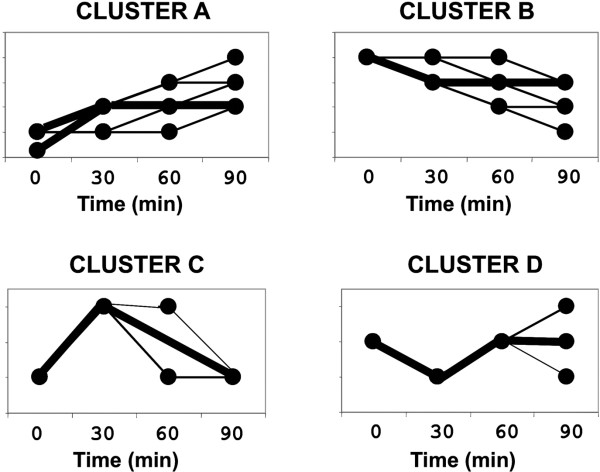
“Cluster C contained many genes somehow associated with the TOR signal transduction pathway, an eukaryotic sensor of the environment that links nutrient assimilation with translation initiation and ribosomal protein biosynthesis [28].”
BackgroundDevelopmental gene regulation in Aspergillus nidulans
Timberlake, W. E. (1980) · Developmental Biology · doi:10.1016/0012-1606(80)90349-8 · Cited by 246 · cited 2×
“Such stored mRNAs were shown to be present in A. nidulans conidia by Timberlake [11] and Zimmermann and coworkers [12], but none were identified by these authors.”
BackgroundComparative genomic analysis of prion genes
Premzl, M., & Gamulin, V. (2007) · BMC Genomics · doi:10.1186/1471-2164-8-1 · Cited by 223
d'Enfert, C. (1997) · Fungal Genetics and Biology · doi:10.1006/fgbi.1997.0975 · Cited by 222 · cited 2×
“In Aspergillus nidulans, activation of these pathways leads to the breakdown of the trehalose and the synthesis of glycerol or/and mannitol, concomitant with an increase of the turgor pressure responsible for the swelling of the conidia [ 10 ].”
BackgroundBushman, F. D. (2003) · Cell · doi:10.1016/s0092-8674(03)00760-8 · Cited by 221 · cited 1×
“Retrotransposonderived sequences in humans are developmentally regulated and effective retrotransposition occurs in highly replicating cells (embryos, tumors) [49].”
BackgroundConidial Germination in Aspergillus nidulans Requires RAS Signaling and Protein Synthesis
Osherov, N., & May, G. (2000) · Genetics · doi:10.1093/genetics/155.2.647 · Cited by 221
Polarity in filamentous fungi: moving beyond the yeast paradigm
Harris, S. D., & Momany, M. (2004) · Fungal Genetics and Biology · doi:10.1016/j.fgb.2003.11.007 · Cited by 209 · cited 1×
“Conidial germination can be divided into four stages: (i) breaking of spore dormancy; (ii) isotropic swelling; (iii) establishment of cell polarity and (iv) formation of a germ tube and maintenance of polar growth [2,3].”
BackgroundMolecular cloning and selection of genes regulated in aspergillus development
Zimmermann, C. (1980) · Cell · doi:10.1016/0092-8674(80)90434-1 · Cited by 190 · cited 1×
“nidulans conidia by Timberlake [11] and Zimmermann and coworkers [12], but none were identified by these authors.”
BackgroundLiebmann, B., Müller, M., Braun, A., & Brakhage, A. A. (2004) · Infection and Immunity · doi:10.1128/iai.72.9.5193-5203.2004 · Cited by 168
Martinez, M. J., Roy, S., Archuletta, A. B., Wentzell, P. D., Anna-Arriola, S. S., Rodriguez, A. L., Aragon, A. D., Quiñones, G. A., Allen, C., & Werner-Washburne, M. (2004) · Molecular Biology of the Cell · doi:10.1091/mbc.e03-11-0856 · Cited by 164 · cited 1×
“Similarly, in yeast, mitochondria contribute to ageing through their propensity to generate reactive oxygen species [40,41].”
BackgroundTranscriptome analysis of Aspergillus fumigatus exposed to voriconazole
Ferreira, M. E. D. S., Malavazi, I., Savoldi, M., Brakhage, A. A., Goldman, M. H. S., Kim, H. S., Nierman, W. C., & Goldman, G. H. (2006) · Current Genetics · doi:10.1007/s00294-006-0073-2 · Cited by 160 · cited 1×
“Global gene expression analysis of this fungus under stress conditions (thermic shock or drug) or in mutants have been already reported [29-32].”
BackgroundSakamoto, A., & Murata, N. (2001) · Plant Physiology · doi:10.1104/pp.125.1.180 · Cited by 147 · cited 1×
“However like trehalose, glycine betaine which is the reaction product of the choline oxidase, may be involved in stabilizing membrane and protecting the transcriptional and translational machineries [26].”
BackgroundSheppard, D. C., Doedt, T., Chiang, L. Y., Kim, H. S., Chen, D., Nierman, W. C., & Filler, S. G. (2005) · Molecular Biology of the Cell · doi:10.1091/mbc.e05-07-0617 · Cited by 135 · cited 1×
“However ABAA transcript remained present during conidial storage at a high level and was also expressed during germination, suggesting it played a role in biological pathways other than conidiation [ 19 ].”
Backgroundd’Enfert, C., Bonini, B. M., Zapella, P. D. A., Fontaine, T., da Silva, A. M., & Terenzi, H. F. (1999) · Molecular Microbiology · doi:10.1046/j.1365-2958.1999.01327.x · Cited by 134 · cited 1×
“In the second one, trehalose is produced directly from glucose-1-phosphate [20-23].”
BackgroundAfut1, a retrotransposon-like element from Aspergillus fumigatus
Neuveglise, C. (1996) · Nucleic Acids Research · doi:10.1093/nar/24.8.1428 · Cited by 122 · cited 1×
“In A. fumigatus, inactive LTR-retrotransposons also exist and have been used efficiently for strain typing [ 46 ,47].”
MethodKasuga, T., Townsend, J. P., Tian, C., Gilbert, L. B., Mannhaupt, G., Taylor, J. W., & Glass, N. L. (2005) · Nucleic Acids Research · doi:10.1093/nar/gki953 · Cited by 118
Xue, T., Nguyen, C. K., Romans, A., & May, G. S. (2004) · Eukaryotic Cell · doi:10.1128/ec.3.2.557-560.2004 · Cited by 117 · cited 5×
“Among the 5,664 PCR products spotted onto membranes, 4,242 corresponded to 3,182 genes annotated in the Central Aspergillus Data Repository website [53], representing approximately one third of the whole A. fumigatus genome (see Additional file 13), whereas 1,422 corresponded to unknown or unmatched sequences. cDNA la…”
BackgroundInfluentialThe essential yeast Tcp1 protein affects actin and microtubules.
Ursic, D., Sedbrook, J. C., Himmel, K. L., & Culbertson, M. R. (1994) · Molecular Biology of the Cell · doi:10.1091/mbc.5.10.1065 · Cited by 106 · cited 1×
“cerevisiae involved in the maintenance of the actin cytoskeleton [44].”
BackgroundOgino, H., Nozaki, T., Gunji, A., Miho, M., Suzuki, H., Ohta, T., Murakami, Y., Nakagama, H., Sügimura, T., & Masutani, M. (2007) · BMC Genomics · doi:10.1186/1471-2164-8-227 · Cited by 105
Recombinant antigens as diagnostic markers for aspergillosis
Sarfati, J., Monod, M., Recco, P., Sulahian, A., Pinel, C., Candolfi, E., Fontaine, T., Debeaupuis, J.-P., Tabouret, M., & Latgé, J.-P. (2006) · Diagnostic Microbiology and Infectious Disease · doi:10.1016/j.diagmicrobio.2006.02.002 · Cited by 95 · cited 1×
“Some of these proteins as well as the protein encoded by Afu2g03830 coding for allergen Asp F4 display antigenic properties [27].”
BackgroundSelf-citationReyes, G., Romans, A., Nguyen, C. K., & May, G. S. (2006) · Eukaryotic Cell · doi:10.1128/ec.00178-06 · Cited by 95 · cited 5×
“Among the 5,664 PCR products spotted onto membranes, 4,242 corresponded to 3,182 genes annotated in the Central Aspergillus Data Repository website [53], representing approximately one third of the whole A. fumigatus genome (see Additional file 13), whereas 1,422 corresponded to unknown or unmatched sequences. cDNA la…”
BackgroundInfluentialZhao, W., Panepinto, J. C., Fortwendel, J. R., Fox, L., Oliver, B. G., Askew, D. S., & Rhodes, J. C. (2006) · Infection and Immunity · doi:10.1128/iai.00565-06 · Cited by 95 · cited 5×
“Among the 5,664 PCR products spotted onto membranes, 4,242 corresponded to 3,182 genes annotated in the Central Aspergillus Data Repository website [53], representing approximately one third of the whole A. fumigatus genome (see Additional file 13), whereas 1,422 corresponded to unknown or unmatched sequences. cDNA la…”
BackgroundInfluentialOn the Catalytic Role of the Conserved Active Site Residue His466 of Choline Oxidase
Ghanem, M., & Gadda, G. (2004) · Biochemistry · doi:10.1021/bi048056j · Cited by 88 · cited 1×
“Osmoregulation could also be associated with glycine betaine in the conidium since a high expression of choline oxidase (CODA; Afu8g04090) was found in young and old conidia and was up-regulated during germination [24,25].”
BackgroundcAMP regulation of “pathogenic” and “saprophytic” fungal spore germination
Barhoom, S., & Sharon, A. (2003) · Fungal Genetics and Biology · doi:10.1016/j.fgb.2003.11.011 · Cited by 88
The Cytoplasmic Zinc Finger Protein ZPR1 Accumulates in the Nucleolus of Proliferating Cells
Galcheva-Gargova, Z., Gangwani, L., Konstantinov, K. N., Mikrut, M., Theroux, S. J., Enoch, T., & Davis, R. J. (1998) · Molecular Biology of the Cell · doi:10.1091/mbc.9.10.2963 · Cited by 85 · cited 1×
“ZPR1 is a zinc finger protein that localizes to the nucleolus of yeast cells growing in log phase, redistributes to the cytoplasm when cells are deprived of glucose and translocates to the nucleus when glucose is restored [14,15].”
BackgroundLiu, T., Zhang, Q., Wang, L., Yu, L., Leng, W., Yang, J., Chen, L., Peng, J., Ma, L., Dong, J., et al. (2007) · BMC Genomics · doi:10.1186/1471-2164-8-100 · Cited by 70 · cited 1×
“Analysis of gene expression during germination with microarrays has been performed in several filamentous fungi (Fusarium; Trichophyton; Neurospora; Dictyostelium, Ustilago) [4,33-36].”
BackgroundCloning and assembly strategies in microbial genome projects
Frangeul, L., Nelson, K. E., Kunst, F., Glaser, P., Danchin, A., & Buchrieser, C. (1999) · Microbiology · doi:10.1099/00221287-145-10-2625 · Cited by 69 · cited 1×
“1 (Invitrogen, Carlsbad, CA, USA) using the Bst XI adapters method [50].”
MethodSelf-citationCyclophilin A Peptidyl-Prolyl Isomerase Activity Promotes Zpr1 Nuclear Export
Ansari, H., Greco, G., & Luban, J. (2002) · Molecular and Cellular Biology · doi:10.1128/mcb.22.20.6993-7003.2002 · Cited by 66 · cited 1×
“ZPR1 is a zinc finger protein that localizes to the nucleolus of yeast cells growing in log phase, redistributes to the cytoplasm when cells are deprived of glucose and translocates to the nucleus when glucose is restored [14,15].”
BackgroundShinohara, M. L., Correa, A., Bell-Pedersen, D., Dunlap, J. C., & Loros, J. J. (2002) · Eukaryotic Cell · doi:10.1128/ec.1.1.33-43.2002 · Cited by 62 · cited 1×
“In the second one, trehalose is produced directly from glucose-1-phosphate [20-23].”
BackgroundFan, Germann, M. W., & Gadda, G. (2006) · Biochemistry · doi:10.1021/bi0517537 · Cited by 58 · cited 1×
“Osmoregulation could also be associated with glycine betaine in the conidium since a high expression of choline oxidase (CODA; Afu8g04090) was found in young and old conidia and was up-regulated during germination [ 24 ,25].”
BackgroundSinibaldi‐Vallebona, P., Lavia, P., Garaci, E., & Spadafora, C. (2006) · Genes, Chromosomes and Cancer · doi:10.1002/gcc.20266 · Cited by 55 · cited 1×
“In human, 45% of the genome is composed of retrotransposable elements [45].”
BackgroundSims, A. H., Robson, G. D., Hoyle, D. C., Oliver, S. G., Turner, G., Prade, R. A., Russell, H. H., Dunn-Coleman, N. S., & Gent, M. E. (2003) · Fungal Genetics and Biology · doi:10.1016/j.fgb.2003.11.005 · Cited by 51 · cited 1×
“Global gene expression analysis of this fungus under stress conditions (thermic shock or drug) or in mutants have been already reported [29-32].”
BackgroundLi, Y., Hu, Y., Zhang, X., Xu, H., Lescop, E., Xia, B., & Jin, C. (2007) · Journal of Biological Chemistry · doi:10.1074/jbc.m700970200 · Cited by 50 · cited 1×
“Although the shift towards a respiratory metabolism during germination was not associated to a global up-regulation of reductase genes, the thioredoxin reductase (Afu4g12990) and the arsenate reductase (Afu5g15000, ortholog of ArsC), that are members of a thio-disulfide exchange complex responsible for the production…”
BackgroundOsherov, N., Mathew, J., Romans, A., & May, G. S. (2002) · Fungal Genetics and Biology · doi:10.1016/s1087-1845(02)00502-9 · Cited by 45 · cited 2×
“It was found among the latter the thaumatin-like protein (Afu8g01710) described by the Osherov's group which expression increased over the 90 min experimented [13].”
BackgroundDifferential gene expression during teliospore germination in Ustilago maydis
Zahiri, A. R., Babu, M. R., & Saville, B. J. (2005) · Molecular Genetics and Genomics · doi:10.1007/s00438-005-1142-9 · Cited by 44 · cited 1×
“Analysis of gene expression during germination with microarrays has been performed in several filamentous fungi (Fusarium; Trichophyton; Neurospora; Dictyostelium, Ustilago) [4,33-36].”
BackgroundProduction of trehalose synthase from a basidiomycete, Grifola frondosa , in Escherichia coli
Saito, K., Yamazaki, H., Ohnishi, Y., Fujimoto, S., Takahashi, E., & Horinouchi, S. (1998) · Applied Microbiology and Biotechnology · doi:10.1007/s002530051276 · Cited by 43 · cited 1×
“In the second one, trehalose is produced directly from glucose-1-phosphate [20-23].”
BackgroundRtg2 protein: At the nexus of yeast longevity and aging
JAZWINSKI, S. (2005) · FEMS Yeast Research · doi:10.1016/j.femsyr.2005.07.001 · Cited by 38 · cited 1×
“Mitochondria dysfunction induces the retrograde response that activates genes compensating this dysfunction [42].”
BackgroundmRNA Decay Is Rapidly Induced after Spore Germination ofSaccharomyces cerevisiae
Brengues, M., Pintard, L., & Lapeyre, B. (2002) · Journal of Biological Chemistry · doi:10.1074/jbc.m206700200 · Cited by 35 · cited 1×
“cerevisiae spores [37]; or (ii) some of the mRNAs pre-packaged in the conidium may be conidiation transcripts that can decay overtime during conidial ageing without any consequence on conidial survival or germination [35].”
BackgroundMolecular Evaluation of the Plasma Membrane Proton Pump fromAspergillus fumigatus
Burghoorn, H. P., Soteropoulos, P., Paderu, P., Kashiwazaki, R., & Perlin, D. S. (2002) · Antimicrobial Agents and Chemotherapy · doi:10.1128/aac.46.3.615-624.2002 · Cited by 34 · cited 1×
“Plasma membranes were prepared from resting and germinating conidia basically as described by Burghoorn and co-workers [16].”
MethodTranscriptional Transitions during Dictyostelium Spore Germination
Xu, Q., Ibarra, M., Mahadeo, D. C., Shaw, C. A., Huang, E., Kuspa, A., Cotter, D. A., & Shaulsky, G. (2004) · Eukaryotic Cell · doi:10.1128/ec.3.5.1101-1110.2004 · Cited by 27 · cited 3×
“Analysis of gene expression during germination with microarrays has been performed in several filamentous fungi (Fusarium; Trichophyton; Neurospora; Dictyostelium, Ustilago) [4,33-36].”
BackgroundBelaish, R., Sharon, H., Levdansky, E., Greenstein, S., Shadkchan, Y., & Osherov, N. (2007) · Fungal Genetics and Biology · doi:10.1016/j.fgb.2007.07.005 · Cited by 26 · cited 1×
“Recently Belaish and co-workers [43] analysed the two members of the thaumatin-like protein family in A.”
BackgroundTaf1: A class II transposon of Aspergillus fumigatus
Monroy, F., & Sheppard, D. C. (2005) · Fungal Genetics and Biology · doi:10.1016/j.fgb.2005.04.003 · Cited by 26 · cited 1×
“fumigatus is TAF1 which is transcribed but did not transpose under different stresses (heat shock of mouse infection) [48].”
BackgroundAfut2, a new family of degenerate gypsy-like retrotransposon from Aspergillus fumigatus
Paris, S., & Latgé, J. (2001) · Medical Mycology · doi:10.1080/mmy.39.2.195.198 · Cited by 26 · cited 1×
“fumigatus, inactive LTR-retrotransposons also exist and have been used efficiently for strain typing [46,47].”
MethodSelf-citationDeng, Y., Dong, H., Jin, Q., Dai, C., Fang, Y., Shen, L., Wang, K., Shao, J., Lou, Y., Shi, W., et al. (2006) · Applied and Environmental Microbiology · doi:10.1128/aem.72.2.1667-1671.2006 · Cited by 10 · cited 1×
“Analysis of gene expression during germination with microarrays has been performed in several filamentous fungi (Fusarium; Trichophyton; Neurospora; Dictyostelium, Ustilago) [4,33-36].”
BackgroundAfut2, a new family of degenerate gypsy-like retrotransposon from Aspergillus fumigatus
Paris, S., & Latgé, J. P. (2001) · Medical Mycology · doi:10.1080/714031021 · Cited by 2
Self-citation
Cited by
Microbial seed banks: the ecological and evolutionary implications of dormancy
Lennon, J. T., & Jones, S. E. (2011) · Nature Reviews Microbiology · doi:10.1038/nrmicro2504 · Cited by 1,883
“Despite these general trade-offs, microbial species from all domains of life have evolved the ability to use dormancy during periods of environmental stres”
BackgroundAspergillus fumigatus and Aspergillosis in 2019
Latgé, J.-P., & Chamilos, G. (2019) · Clinical Microbiology Reviews · doi:10.1128/cmr.00140-18 · Cited by 1,400
Self-citationSurface hydrophobin prevents immune recognition of airborne fungal spores
Aimanianda, V., Bayry, J., Bozza, S., Kniemeyer, O., Perruccio, K., Elluru, S. R., Clavaud, C., Paris, S., Brakhage, A. A., Kaveri, S. V., et al. (2009) · Nature · doi:10.1038/nature08264 · Cited by 792
Self-citationKrijgsheld, P., Bleichrodt, R., van Veluw, G. J., Wang, F., Müller, W. H., Dijksterhuis, J., & Wösten, H. A. B. (2013) · Studies in Mycology · doi:10.3114/sim0006 · Cited by 410
“In a dried state, the mRNA pool of the conidia of A. fumigatus hardly changes even after a year of storage (Lamarre et al. 2008).”
BackgroundAbad, A., Victoria Fernández-Molina, J., Bikandi, J., Ramírez, A., Margareto, J., Sendino, J., Luis Hernando, F., Pontón, J., Garaizar, J., & Rementeria, A. (2010) · Revista Iberoamericana de Micología · doi:10.1016/j.riam.2010.10.003 · Cited by 394
“Using transcriptomic analysis, other authors have investigated the exit from dormancy of A. fumigatus conidia 146 and the genes differentially expressed in conidia and hyphae of this fungus upon exposure to human neutrophils.”
Metadata
- Authors
- Lamarre, C., Sokol, S., Debeaupuis, J.-P., Henry, C., Lacroix, C., Glaser, P., Coppée, J.-Y., François, J.-M., & Latgé, J.-P.
- Affiliations
- Institut Pasteur (FR)
- Centre National de la Recherche Scientifique (FR)
- Corresponding author
- Debeaupuis, Jean-Paul
- Latgé, Jean-Paul
- ORCID
- Venue
- BMC Genomics
- Published
- 2008-09-16
- Volume
- 9
- Issue
- 1
- Pages
- 417-417
- ISSN
- 1471-2164 (ISSN-L)
- PMC
- PMC2556354
- OpenAlex
- W2134384685
- Cited by
- 148
- References
- 53
- Citations by year
- 2026: 8 · 2025: 2 · 2024: 8 · 2023: 10 · 2022: 5 · 2021: 12 · 2020: 3 · 2019: 8 · 2018: 12 · 2017: 10 · 2016: 12 · 2015: 9 · 2014: 7 · 2013: 15 · 2012: 4
- FWCI
- 3.15
- Type
- journal article
- Language
- en
- Open access
- gold
- doi.org
- Licence
- cc-by
- Locations
- BMC Genomics (publishedVersion, cc-by)
- PubMed Central (publishedVersion, cc-by)
- PubMed (publishedVersion)
- DOAJ (DOAJ: Directory of Open Access Journals) (submittedVersion)
- Topics
- Life Sciences › Biochemistry, Genetics and Molecular Biology › Molecular Biology › Fungal and yeast genetics research
- Health Sciences › Medicine › Infectious Diseases › Antifungal resistance and susceptibility
- Health Sciences › Medicine › Infectious Diseases › Fungal Infections and Studies
- Keywords
- Aspergillus fumigatus, conidial dormancy, conidial germination, aspergillosis, gene expression, protein synthesis, transcriptome
- MeSH terms
- Aspergillus fumigatus, RNA, Messenger, Spores, Fungal, Oligonucleotide Array Sequence Analysis, Gene Expression Profiling
About these checks
Registry, retraction, Cites and statistics results are computed, not judged, with one exception: a printed reference that no index lists is read once by a model before it counts as a citation error. Claims are extracted by a model and kept only when their quote appears verbatim in the text; each cited source is then checked, with a model’s help, for whether it says what the claim relies on. Those verdicts can be wrong — read the claim’s quote and the cited source before relying on one.
Statistics and arithmetic are recomputed, not judged.
Confidence bands are shown only for fields calibrated on our annotated test set. None is calibrated yet, so no band is shown.
What counts as a claim ›How we measure confidence ›How we check this ›
Are you an author, or do you see a problem with this page? Request a review
Data sources
Bibliographic data: Semantic Scholar, OpenAlex, Crossref.
Contains information from the Semantic Scholar Academic Graph Datasets, made available under the ODC Attribution License (ODC-BY 1.0).
Semantic Scholar’s data is described in: Kinney, R., et al. (2023). The Semantic Scholar Open Data Platform. arXiv:2301.10140.
