

Transcriptomic analysis of the exit from dormancy of Aspergillus fumigatus conidia
Open accessThe DOI matches its Crossref record; 54 of the 54 references it cites were found in a registry or an index.
Abstract
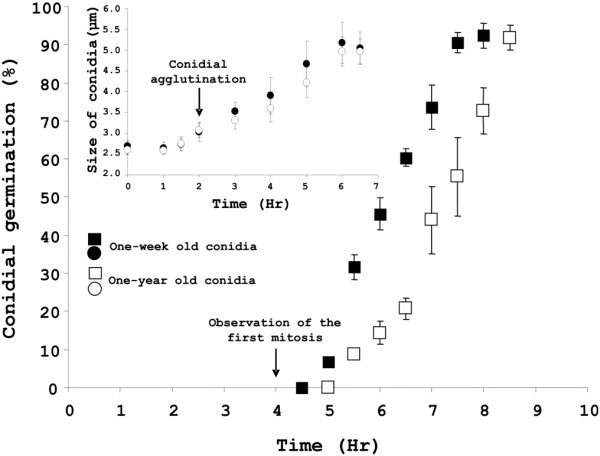
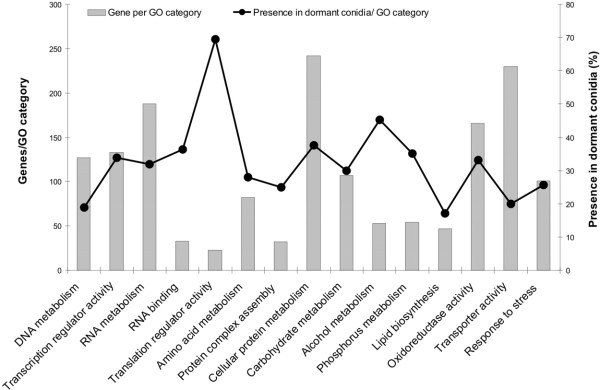
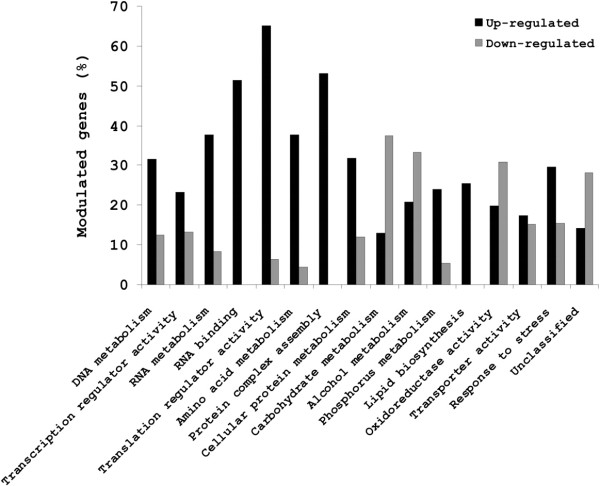
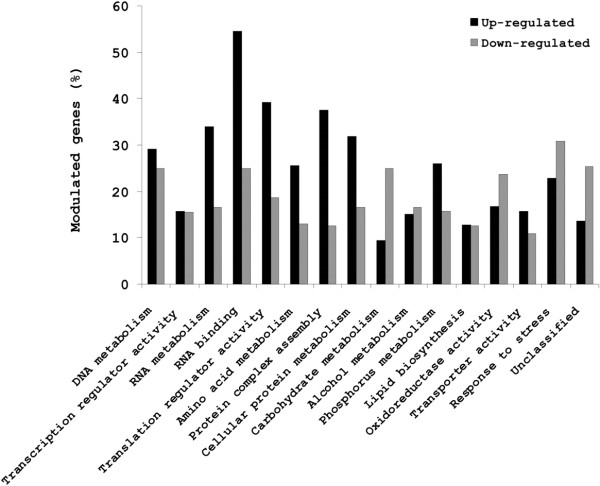
Background: Establishment of aspergillosis is depending upon the exit from dormancy and germination of the conidia of Aspergillus fumigatus in the lung. To gain an understanding of the molecular mechanisms underlying the early steps of conidial germination, we undertook a transcriptomic analysis using macroarrays constructed with PCR fragments from > 3,000 genes (around one third of the annotated A . fumigatus genome). Results: Major results of this analysis are the following: (i) conidia stored pre-packaged mRNAs transcripts (27% of genes have transcripts in the resting conidia; (ii) incubation at 37°C in a nutritive medium induced up- and down-regulation of genes: 19% of the total number of genes deposited on the array were up-regulated whereas 22% of the genes with pre-packaged mRNA in the resting conidia were down-regulated; (iii) most modifications were seen during the first 30 min of germination whereas very little modification of gene expression occurred during the following hour; (iv) one-year old conidia and one-week old conidia behaved similarly at transcriptional level. Conclusion: Transcriptomic data indicate that the exit from dormancy is associated with a shift from a fermentative metabolism to a respiratory metabolism as well as a trend toward immediate protein synthesis.
Overview
The claims and statistics of this paper haven’t been checked yet.
Free: it reads the open-access text and checks the first 5 claims that cite a source we can check. Create a free account to check every claim.
Integrity signals
Registry
Cites
Statistics
Figures
Verification
Claims the paper makes
The claims and statistics of this paper haven’t been checked yet.
Free: it reads the open-access text and checks the first 5 claims that cite a source we can check. Create a free account to check every claim.
Claims other papers make about this one
Each is checked against this paper’s own text: does it say what the citing paper says it does?
The source backs part of the claim, not all of it — or backs it for a different population, condition or comparison.
In the citing paper
“Early transcriptome analyses have shown that the conidia contain one-third of the genome with active transcripts and display a silent fermentative metabolism (410, 503).”
From Aspergillus fumigatus and Aspergillosis in 2019 (2019) · cites this paper as [410]
Experimental — accuracy not yet measuredIn the citing paper
“However, no specific pathway controlling the thermophilicity of this species has been identified (410–412).”
From Aspergillus fumigatus and Aspergillosis in 2019 (2019) · cites this paper as [410]
Self-check
Percentages, sums and reported differences re-computed from the paper’s own numbers.
The self-check needs the paper’s full text.
Citations
Cites
Genomic sequence of the pathogenic and allergenic filamentous fungus Aspergillus fumigatus
Nierman, W. C., Pain, A., Anderson, M. J., Wortman, J. R., Kim, H. S., Arroyo, J., Berriman, M., Abe, K., Archer, D. B., Bermejo, C., et al. (2005) · Nature · doi:10.1038/nature04332 · Cited by 1,391 · cited 2×
“fumigatus only started recently due to the completion of the genome of this fungal species in 2005 [29].”
BackgroundSelf-citationAsexual Sporulation in Aspergillus nidulans
Adams, T. H., Wieser, J. K., & Yu, J.-H. (1998) · Microbiology and Molecular Biology Reviews · doi:10.1128/mmbr.62.1.35-54.1998 · Cited by 708 · cited 1×
“This may be the case for the two transcription factors WETA (Afu4g13230) and ABAA (Afu1g04830) that have been shown to be involved in conidiation [18].”
BackgroundPlant dormancy in the perennial context
Rohde, A., & Bhalerao, R. P. (2007) · Trends in Plant Science · doi:10.1016/j.tplants.2007.03.012 · Cited by 703 · cited 1×
“In most systems, the changes (if any) occurring after growth cessation to enter dormancy and maintain dormancy are unknown [38].”
BackgroundHypoxia Tolerance in Reptiles, Amphibians, and Fishes: Life with Variable Oxygen Availability
Bickler, P. E., & Buck, L. T. (2007) · Annual Review of Physiology · doi:10.1146/annurev.physiol.69.031905.162529 · Cited by 687 · cited 1×
“Ethanol diffuses easily from the gills avoiding the build up of lactic acid [39].”
Background“Sleeping Beauty”: Quiescence in Saccharomyces cerevisiae
Gray, J. V., Petsko, G. A., Johnston, G. C., Ringe, D., Singer, R. A., & Werner-Washburne, M. (2004) · Microbiology and Molecular Biology Reviews · doi:10.1128/mmbr.68.2.187-206.2004 · Cited by 577 · cited 1×
“Similarly, in yeast, mitochondria contribute to ageing through their propensity to generate reactive oxygen species [40,41].”
BackgroundInsights on the evolution of trehalose biosynthesis
Avonce, N., Mendoza-Vargas, A., Morett, E., & Iturriaga, G. (2006) · BMC Evolutionary Biology · doi:10.1186/1471-2148-6-109 · Cited by 515 · cited 1×
“In the second one, trehalose is produced directly from glucose-1-phosphate [20-23].”
BackgroundTranscriptional Regulation of Chemical Diversity in Aspergillus fumigatus by LaeA
Perrin, R. M., Fedorova, N. D., Bok, J. W., Cramer, R. A., Wortman, J. R., Kim, H. S., Nierman, W. C., & Keller, N. P. (2007) · PLoS Pathogens · doi:10.1371/journal.ppat.0030050 · Cited by 352 · cited 1×
“Global gene expression analysis of this fungus under stress conditions (thermic shock or drug) or in mutants have been already reported [29-32].”
BackgroundThe molecular mechanisms of conidial germination
Osherov, N. (2001) · FEMS Microbiology Letters · doi:10.1016/s0378-1097(01)00178-1 · Cited by 325 · cited 3×
“Background Conidia represent the main reproductive route of the opportunistic fungal pathogen Aspergillus fumigatus [1].”
BackgroundMilohanic, E., Glaser, P., Coppée, J., Frangeul, L., Vega, Y., Vázquez‐Boland, J. A., Kunst, F., Cossart, P., & Buchrieser, C. (2003) · Molecular Microbiology · doi:10.1046/j.1365-2958.2003.03413.x · Cited by 325
Self-citationGrowth control of the eukaryote cell: a systems biology study in yeast
Castrillo, J. I., Zeef, L. A., Hoyle, D. C., Zhang, N., Hayes, A., Gardner, D. C., Cornell, M. J., Petty, J., Hakes, L., Wardleworth, L., et al. (2007) · Journal of Biology · doi:10.1186/jbiol54 · Cited by 263 · cited 1×
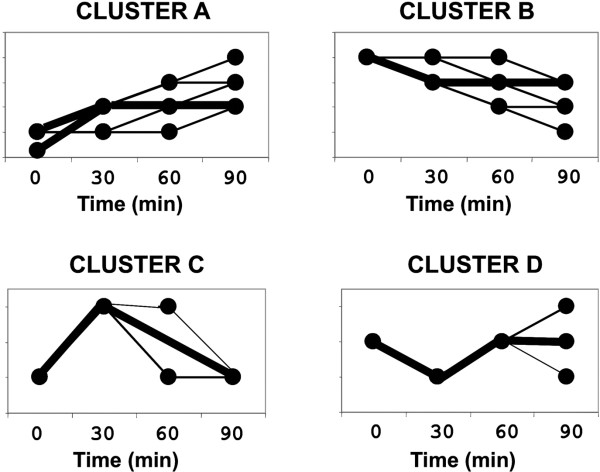
“Cluster C contained many genes somehow associated with the TOR signal transduction pathway, an eukaryotic sensor of the environment that links nutrient assimilation with translation initiation and ribosomal protein biosynthesis [28].”
Background
Cited by
Microbial seed banks: the ecological and evolutionary implications of dormancy
Lennon, J. T., & Jones, S. E. (2011) · Nature Reviews Microbiology · doi:10.1038/nrmicro2504 · Cited by 1,883
“Despite these general trade-offs, microbial species from all domains of life have evolved the ability to use dormancy during periods of environmental stres”
BackgroundAspergillus fumigatus and Aspergillosis in 2019
Latgé, J.-P., & Chamilos, G. (2019) · Clinical Microbiology Reviews · doi:10.1128/cmr.00140-18 · Cited by 1,400
Self-citationSurface hydrophobin prevents immune recognition of airborne fungal spores
Aimanianda, V., Bayry, J., Bozza, S., Kniemeyer, O., Perruccio, K., Elluru, S. R., Clavaud, C., Paris, S., Brakhage, A. A., Kaveri, S. V., et al. (2009) · Nature · doi:10.1038/nature08264 · Cited by 792
Self-citationKrijgsheld, P., Bleichrodt, R., van Veluw, G. J., Wang, F., Müller, W. H., Dijksterhuis, J., & Wösten, H. A. B. (2013) · Studies in Mycology · doi:10.3114/sim0006 · Cited by 410
“In a dried state, the mRNA pool of the conidia of A. fumigatus hardly changes even after a year of storage (Lamarre et al. 2008).”
BackgroundAbad, A., Victoria Fernández-Molina, J., Bikandi, J., Ramírez, A., Margareto, J., Sendino, J., Luis Hernando, F., Pontón, J., Garaizar, J., & Rementeria, A. (2010) · Revista Iberoamericana de Micología · doi:10.1016/j.riam.2010.10.003 · Cited by 394
“Using transcriptomic analysis, other authors have investigated the exit from dormancy of A. fumigatus conidia 146 and the genes differentially expressed in conidia and hyphae of this fungus upon exposure to human neutrophils.”
Paulussen, C., Hallsworth, J. E., Álvarez‐Pérez, S., Nierman, W. C., Hamill, P. G., Blain, D., Rediers, H., & Lievens, B. (2017) · Microbial Biotechnology · doi:10.1111/1751-7915.12367 · Cited by 334
“…rehydration and cell enlargement, thereby facilitating the osmotic changes which precede germination and ability to invade host tissue (Persons et al. , 1987; Sharova, 2007; Lamarre et al. , 2008) Rehydration and imbibition are extremely rapid ( < 30 min); see (Beyenbach and Wieczorek, 2006).”
BackgroundInfluentialSoil aggregate isolation method affects measures of intra-aggregate extracellular enzyme activity
Bach, E. M., & Hofmockel, K. S. (2014) · Soil Biology and Biochemistry · doi:10.1016/j.soilbio.2013.10.033 · Cited by 228
Molecular and physiological effects of environmental UV radiation on fungal conidia
Braga, G. U. L., Rangel, D. E. N., Fernandes, É. K. K., Flint, S. D., & Roberts, D. W. (2015) · Current Genetics · doi:10.1007/s00294-015-0483-0 · Cited by 226
Fungal Spores for Dispersion in Space and Time
Wyatt, T. T., Wösten, H. A. B., & Dijksterhuis, J. (2013) · Advances in Applied Microbiology · doi:10.1016/b978-0-12-407672-3.00002-2 · Cited by 191
Exit from dormancy in microbial organisms
Dworkin, J., & Shah, I. M. (2010) · Nature Reviews Microbiology · doi:10.1038/nrmicro2453 · Cited by 192
Germination of conidia of Aspergillus niger is accompanied by major changes in RNA profiles
van Leeuwen, M. R., Krijgsheld, P., Bleichrodt, R., Menke, H., Stam, H., Stark, J., Wösten, H. A. B., & Dijksterhuis, J. (2013) · Studies in Mycology · doi:10.3114/sim0009 · Cited by 161
“It is thought that the mRNAs in dormant conidia function as a pool of pre-packed mRNAs primed for translation (Osherov et al. 2002, Lamarre et al. 2008).”
BackgroundResultInfluentialInteractions of Aspergillus fumigatus Conidia with Airway Epithelial Cells: A Critical Review
Croft, C. A., Culibrk, L., Moore, M. M., & Tebbutt, S. J. (2016) · Frontiers in Microbiology · doi:10.3389/fmicb.2016.00472 · Cited by 142
“Interestingly, transcripts for proteins involved in the catabolism of multiple different carbon sources were found in conidia independent of the growth medium on which the formation of conidia, or conidiation, occurred (Lamarre et al., 2008).”
BackgroundMolecular Mechanisms of Conidial Germination in Aspergillus spp
Baltussen, T. J. H., Zoll, J., Verweij, P. E., & Melchers, W. J. G. (2019) · Microbiology and Molecular Biology Reviews · doi:10.1128/mmbr.00049-19 · Cited by 155
“Genes involved in RNA and phosphorus metabolism, the tricarboxylic acid (TCA) cycle, amino acid and protein synthesis, and protein complex assembly were upregulated (33).”
BackgroundInfluentialCell wall α1-3glucans induce the aggregation of germinating conidia of Aspergillus fumigatus
Fontaine, T., Beauvais, A., Loussert, C., Thevenard, B., Fulgsang, C. C., Ohno, N., Clavaud, C., Prevost, M.-C., & Latgé, J.-P. (2010) · Fungal Genetics and Biology · doi:10.1016/j.fgb.2010.04.006 · Cited by 126
“In liquid medium, conidial germination of Aspergillus fumigatus conidia was associated with conidial agglutination (Lamarre et al., 2008), that has been described in a number of filamentous fungi many years ago (Metz and Kossen, 1977).”
BackgroundSelf-citationCryptococcus neoformans Host Adaptation: Toward Biological Evidence of Dormancy
Alanio, A., Vernel-Pauillac, F., Sturny-Leclère, A., & Dromer, F. (2015) · mBio · doi:10.1128/mbio.02580-14 · Cited by 119
“[50]), and fungi (Saccharomyces cerevisiae [51], Schizosaccharomyces pombe [52], Aspergillus fumigatus [53], or Neurospora crassa [54] spores).”
BackgroundGibbons, J. G., Beauvais, A., Beau, R., McGary, K. L., Latgé, J.-P., & Rokas, A. (2012) · Eukaryotic Cell · doi:10.1128/ec.05102-11 · Cited by 118
Self-citationWang, F., Sethiya, P., Hu, X., Guo, S., Chen, Y., Li, A., Tan, K., & Wong, K. H. (2021) · Nature Microbiology · doi:10.1038/s41564-021-00922-y · Cited by 123
Pathogenicity and virulence of Aspergillus fumigatus
Earle, K., Valero, C., Conn, D. P., Vere, G., Cook, P. C., Bromley, M., Bowyer, P., & Gago, S. (2023) · Virulence · doi:10.1080/21505594.2023.2172264 · Cited by 132
“Lamarre et al. [24] reported that more than 25% of the total A. fumigatus genome is present as transcripts in dormant conidia, with expression of these being regulated to alter fitness, including tolerance of stress and antifungals, as well as virulence and secondary metabolite production [25].”
Backgrounddu Pré, S., Beckmann, N., Almeida, M. C., Sibley, G. E. M., Law, D., Brand, A. C., Birch, M., Read, N. D., & Oliver, J. D. (2018) · Antimicrobial Agents and Chemotherapy · doi:10.1128/aac.00231-18 · Cited by 111
Houser, J., Komarek, J., Kostlanova, N., Cioci, G., Varrot, A., Kerr, S. C., Lahmann, M., Balloy, V., Fahy, J. V., Chignard, M., et al. (2013) · PLoS ONE · doi:10.1371/journal.pone.0083077 · Cited by 108
“the last few years [9-13].”
Gauthier, G. M., & Keller, N. P. (2013) · Fungal Genetics and Biology · doi:10.1016/j.fgb.2013.08.016 · Cited by 128
Sporulation: how to survive on planet Earth (and beyond)
Huang, M., & Hull, C. M. (2017) · Current Genetics · doi:10.1007/s00294-017-0694-7 · Cited by 126
“niger, increases in the transcript levels of genes involved in biosynthesis of proteins, RNA turnover, and respiratory metabolism occur during germination of conidia (Lamarre et al. 2008; van Leeuwen et al. 2013; Novodvorska et al. 2013, 2016; Hagiwara et al. 2016).”
BackgroundSpore Germination of Pathogenic Filamentous Fungi
Sephton-Clark, P., & Voelz, K. (2017) · Advances in applied microbiology · doi:10.1016/bs.aambs.2017.10.002 · Cited by 122
Morelli, K. A., Kerkaert, J. D., & Cramer, R. A. (2021) · PLoS Pathogens · doi:10.1371/journal.ppat.1009794 · Cited by 106
“Finally, in swollen conidia, onethird of all genes in the stress response and oxidoreductase GO categories were down-regulated [35].”
BackgroundFungal spores: Dormancy, germination, chemical composition, and role in biotechnology (review)
Феофилова, Е. П., Ивашечкин, А. А., Alekhin, A. I., & Sergeeva, Y. E. (2011) · Applied Biochemistry and Microbiology · doi:10.1134/s0003683812010048 · Cited by 112
Teutschbein, J., Albrecht, D., Pötsch, M., Guthke, R., Aimanianda, V., Clavaud, C., Latgé, J.-P., Brakhage, A. A., & Kniemeyer, O. (2010) · Journal of Proteome Research · doi:10.1021/pr9010684 · Cited by 90
Self-citationSuh, M.-J., Fedorova, N. D., Cagas, S. E., Hastings, S., Fleischmann, R. D., Peterson, S. N., Perlin, D. S., Nierman, W. C., Pieper, R., & Momany, M. (2012) · Proteome Science · doi:10.1186/1477-5956-10-30 · Cited by 85
“In most fungi, conidial dormancy is controlled by exogenous factors such as the availability of moisture, oxygen and nutrients [12].”
Hagiwara, D., Takahashi, H., Kusuya, Y., Kawamoto, S., Kamei, K., & Gonoi, T. (2016) · BMC Genomics · doi:10.1186/s12864-016-2689-z · Cited by 80
“Dormant conidia are metabolically inactive and are viable for a long time (more than a year) [2].”
BackgroundResultBlaud, A., Menon, M., van der Zaan, B., Lair, G. J., & Banwart, S. A. (2016) · Advances in agronomy · doi:10.1016/bs.agron.2016.10.006 · Cited by 80
Novodvorska, M., Stratford, M., Blythe, M. J., Wilson, R., Beniston, R. G., & Archer, D. B. (2016) · Fungal Genetics and Biology · doi:10.1016/j.fgb.2016.07.002 · Cited by 79
“The suggestion of fermentation in dormant mould conidia (Lamarre et al. 2008; Novodvorska et al. 2013; van Leeuwen et al. 2013a) is supported by the observations that no oxygen consumption was detected in A. fumigatus resting conidia, and oxygen uptake was detected after 3 hours of germination…”
BackgroundInfluentialMetz, B., Seidl‐Seiboth, V., Haarmann, T., Kopchinskiy, A. G., Lorenz, P., Seiboth, B., & Kubicek, C. P. (2011) · Eukaryotic Cell · doi:10.1128/ec.05014-11 · Cited by 86
“fumigatus (18, 29), spores of the latter have been”
BackgroundResistance mechanism and proteins in Aspergillus species against antifungal agents
Shishodia, S. K., Tiwari, S., & Shankar, J. (2019) · Mycology · doi:10.1080/21501203.2019.1574927 · Cited by 77
“Conidia showed metabolically less active and possess prolonged viability in adverse conditions (Lamarre et al. 2008).”
BackgroundReactivation of dormant/latent fungal infection
Brunet, K., Alanio, A., Lortholary, O., & Rammaert, B. (2018) · Journal of Infection · doi:10.1016/j.jinf.2018.06.016 · Cited by 82
Tracking the best reference genes for RT-qPCR data normalization in filamentous fungi
Llanos, A., François, J., & Parrou, J. (2015) · BMC Genomics · doi:10.1186/s12864-015-1224-y · Cited by 90
“In addition, transcript levels of these genes were monitored during conidial germination, as this developmental process is a particularly interesting aspect of fungal biology [68-70].”
BackgroundSelf-citationSchultzhaus, Z. S., Yan, H., & Shaw, B. D. (2015) · Molecular Microbiology · doi:10.1111/mmi.13019 · Cited by 84
“Interestingly, similar expression patterns were reported for DnfA and DnfB orthologs in germlings of Aspergillus fumigatus (Lamarre et al., 2008), and the DnfA ortholog is expressed in germlings of M. oryzae (Balhadère and Talbot, 2001).”
BackgroundSegers, F. J. J., van Laarhoven, K., Huinink, H., Adan, O. C. G., Wösten, H. A. B., & Dijksterhuis, J. (2016) · Applied and Environmental Microbiology · doi:10.1128/aem.00510-16 · Cited by 79
“This is interesting because conidia of Aspergillus fumigatus that had been dried slowly at room temperature survived for a year, with full germination (50).”
Morton, C. O., Varga, J. J., Hornbach, A., Mezger, M., Sennefelder, H., Kneitz, S., Kurzai, O., Krappmann, S., Einsele, H., Nierman, W. C., et al. (2011) · PLoS ONE · doi:10.1371/journal.pone.0016016 · Cited by 68
“The class 2 genes (Table 4), showed an increase in genes necessary for detoxification and resistance through efflux, which was also observed in the early transcriptional response of conidia emerging from dormancy [49].”
BackgroundResultHayer, K., Stratford, M., & Archer, D. B. (2013) · Applied and Environmental Microbiology · doi:10.1128/aem.02061-13 · Cited by 67
“Confirming previous studies (10, 11, 32), we show that no swelling or germination of conidia occurred in the absence of a carbon source.”
BackgroundResultNovodvorska, M., Hayer, K., Pullan, S. T., Wilson, R., Blythe, M. J., Stam, H., Stratford, M., & Archer, D. B. (2013) · BMC Genomics · doi:10.1186/1471-2164-14-246 · Cited by 63
“Conidia, which are asexual spores, can remain viable for over a year and they begin to germinate as soon as they detect suitable environmental conditions [1].”
BackgroundInfluentialHoi, J. W. S., Lamarre, C., Beau, R., Meneau, I., Berepiki, A., Barre, A., Mellado, E., Read, N. D., & Latgé, J. (2011) · Molecular Biology of the Cell · doi:10.1091/mbc.e10-11-0914 · Cited by 71
“DprA (Afu4g00860) and DprB (Afu6g12180) encode fungal dehydrin-like proteins The gene Afu4g00860 was retrieved from an expression profiling study conducted in A. fumigatus aiming at the identification of germination-regulated genes (Lamarre et al., 2008).”
BackgroundMethodSelf-citationTao, N., Chen, Y., Wu, Y., Wang, X., Lü, L., & Zhu, A. (2018) · Food Chemistry · doi:10.1016/j.foodchem.2018.10.142 · Cited by 68
Nascimento, É., da Silva, S. H., Marques, E. D. R., Roberts, D. W., & Braga, G. Ú. L. (2010) · Photochemistry and Photobiology · doi:10.1111/j.1751-1097.2010.00793.x · Cited by 77
Eisosome Organization in the Filamentous AscomyceteAspergillus nidulans
Vangelatos, I., Roumelioti, K., Gournas, C., Suárez, T., Scazzocchio, C., & Sophianopoulou, V. (2010) · Eukaryotic Cell · doi:10.1128/ec.00087-10 · Cited by 64
“fumigatus, Afu6g08320, is also clearly detected in dormant conidia, and barely detectable at the onset of germination (Lamarre et al., 2008).”
BackgroundLamon, G., Lends, A., Valsecchi, I., Wong, S. S. W., Duprès, V., Lafont, F., Tolchard, J., Schmitt, C., Mallet, A., Grélard, A., et al. (2023) · Proceedings of the National Academy of Sciences · doi:10.1073/pnas.2212003120 · Cited by 58
“Indeed, transcriptomic analysis during the exit of conidial dormancy indicated downregulation of glycosylhydrolase involved in the degradation of cell wall polysaccharide, suggesting that these transcripts are translated into enzymatic proteins to execute their functions during the conidial swelling process (88).”
Wang, Z.-X., Zhou, X., Meng, H., Liu, Y.-J., Zhou, Q., & Huang, B. (2014) · Applied Microbiology and Biotechnology · doi:10.1007/s00253-014-5763-y · Cited by 63
“In addition, a large number of studies have shown that these genes involved in metabolic and regulatory processes are expressed in conidia of filamentous fungi (Gokce et al. 2012; Lamarre et al. 2008).”
BackgroundThe fungal spore and food spoilage
Dijksterhuis, J. (2017) · Current Opinion in Food Science · doi:10.1016/j.cofs.2017.10.006 · Cited by 62
Delgado, J., Owens, R. A., Doyle, S., Asensio, M. A., & Núñez, F. (2015) · Applied Microbiology and Biotechnology · doi:10.1007/s00253-015-6731-x · Cited by 52
“Ribogenesis and translation are energy-hungry processes, which are normally associated with germination or cell growth (Lamarre et al. 2008).”
BackgroundThe puzzling construction of the conidial outer layer of Aspergillus fumigatus
Valsecchi, I., Dupres, V., Michel, J., Duchateau, M., Matondo, M., Chamilos, G., Saveanu, C., Guijarro, J. I., Aimanianda, V., Lafont, F., et al. (2019) · Cellular Microbiology · doi:10.1111/cmi.12994 · Cited by 46
Self-citationBaltussen, T. J. H., Coolen, J. P. M., Zoll, J., Verweij, P. E., & Melchers, W. J. G. (2018) · Fungal Genetics and Biology · doi:10.1016/j.fgb.2018.04.013 · Cited by 43
Natural folding of airborne fungal spores: a mechanism for dispersal and long-term survival?
Segers, F. J. J., Dijksterhuis, J., Giesbers, M., & Debets, A. J. M. (2022) · Fungal Biology Reviews · doi:10.1016/j.fbr.2022.10.005 · Cited by 52
U stilago maydis natural antisense transcript expression alters mRNA stability and pathogenesis
Donaldson, M. E., & Saville, B. J. (2013) · Molecular Microbiology · doi:10.1111/mmi.12254 · Cited by 45
“The mRNAs, ‘stored’ or ‘prepackaged’ in the spores, may be utilized during dormancy, or they may be translated following the initiation of germination (Osherov and May, 2000; Brengues et al., 2002; Sacadura and Saville, 2003; Zahiri et al., 2005; Liu et al., 2007; Lamarre et al., 2008).”
BackgroundDo, J. H., Yamaguchi, R., & Miyano, S. (2009) · BMC Genomics · doi:10.1186/1471-2164-10-306 · Cited by 42
“reported another genome-wide expression study of this fungus at 37°C with different age of conidia [5].”
BackgroundThe allergenicity of Aspergillus fumigatus conidia is influenced by growth temperature
Low, S. Y., Dannemiller, K., Yao, M., Yamamoto, N., & Peccia, J. (2011) · Fungal Biology · doi:10.1016/j.funbio.2011.03.006 · Cited by 41
“observed for various genes encoding proteins required for the conidiation process (Lamarre et al., 2008), including trehalose synthesis (e.”
BackgroundThe Proteomic Signature of Aspergillus fumigatus During Early Development
Cagas, S. E., Jain, M. R., Li, H., & Perlin, D. S. (2011) · Molecular & Cellular Proteomics · doi:10.1074/mcp.m111.010108 · Cited by 48
“Conidial germination is a process which can be divided into four stages: (i) breaking of spore dormancy; (ii) isotropic swelling; (iii) establishment of cell polarity; and (iv) formation of a germ tube and maintenance of polar growth [6,7,8].”
BackgroundResultTiwari, S., Thakur, R., Goel, G., & Shankar, J. (2016) · Mycopathologia · doi:10.1007/s11046-016-0056-x · Cited by 42
“drate metabolism, protein complex assembly and RNA binding protein [19].”
BackgroundPathway of Glycine Betaine Biosynthesis in Aspergillus fumigatus
Lambou, K., Pennati, A., Valsecchi, I., Tada, R., Sherman, S., Sato, H., Beau, R., Gadda, G., & Latgé, J. (2013) · Eukaryotic Cell · doi:10.1128/ec.00348-12 · Cited by 52
“fumigatus during early conidial germination indeed revealed an upregulation of genes involved in lipid catabolism (10).”
BackgroundMethodSelf-citationMicrobial Air Quality in Healthcare Facilities
Bonadonna, L., Briancesco, R., Coccia, A. M., Meloni, P., Rosa, G. L., & Moscato, U. (2021) · International Journal of Environmental Research and Public Health · doi:10.3390/ijerph18126226 · Cited by 51
Valsecchi, I., Sarikaya‐Bayram, Ö., Wong Sak Hoi, J., Muszkieta, L., Gibbons, J., Prevost, M., Mallet, A., Krijnse‐Locker, J., Ibrahim‐Granet, O., Mouyna, I., et al. (2017) · Molecular Microbiology · doi:10.1111/mmi.13744 · Cited by 35
“The putative transcription factor encoded by the gene AFUA_3G07070, which was identified earlier during a transcriptome analysis of early conidial germination (Lamarre et al., 2008), was present in the list of putative transcription factors identified in silico in A.”
BackgroundInfluentialSelf-citationZhou, T., Wang, X., Luo, J., Ye, B., Zhou, Y., Zhou, L., & Lai, T. (2017) · MicrobiologyOpen · doi:10.1002/mbo3.562 · Cited by 41
“Before germinating, the dormant spores need to shed their cell walls, degrade compatible sugars accompanied by a decrease in microviscosity of the cytoplasm, and reorganize the transcriptome including mRNA breakdown and the selected up- regulation of different gene categories (Lamarre et al., 2008).”
BackgroundShankar, J., Tiwari, S., Shishodia, S. K., Gangwar, M., Hoda, S., Thakur, R., & Vijayaraghavan, P. (2018) · Frontiers in Cellular and Infection Microbiology · doi:10.3389/fcimb.2018.00180 · Cited by 37
“Due to the metabolically inactive stage, they can remain viable for a long period of time, sometimes up to 1 year (Lamarre et al., 2008; van Leeuwen et al., 2013).”
BackgroundPais, P., Costa, C., Cavalheiro, M., Romão, D., & Teixeira, M. C. (2016) · Frontiers in Cellular and Infection Microbiology · doi:10.3389/fcimb.2016.00131 · Cited by 37
“Interestingly, A. fumigatus transcription factor AreA, which does not display sequence homology to C. albicans Gat1, is similarly involved in nitrogen catabolite repression and nitrate utilization, also showed to contribute to virulence (Hensel et al., 1998; Lamarre et al., 2008).”
BackgroundXu, X., Liu, T., Yang, J., Chen, L., Liu, B., Wei, C., Wang, L., & Jin, Q. (2017) · BMC Genomics · doi:10.1186/s12864-017-3977-y · Cited by 37
“In the mycelia stage, both metabolism and protein synthesis are in an active state; thus, respiratory metabolism-related enzymes, mitochondrial proteins and translation-relating proteins are all up-regulated [11, 43].”
BackgroundNitrogen, Iron, and Zinc Acquisition: Key Nutrients to Aspergillus fumigatus Virulence
Perez‐Cuesta, U., Guruceaga, X., Cendon‐Sanchez, S., Pelegri‐Martinez, E., Hernando, F. L., Ramirez‐Garcia, A., Abad, A., & Rementería, A. (2021) · Journal of Fungi · doi:10.3390/jof7070518 · Cited by 36
“Furthermore, studies have described the close relationship between L-amino acids metabolism and the Aspergillus genus germination process [52,53].”
BackgroundExpression and specificity profile of the major acetate transporter AcpA in Aspergillus nidulans
Sá‐Pessoa, J., Amillis, S., Casal, M., & Diallinas, G. (2015) · Fungal Genetics and Biology · doi:10.1016/j.fgb.2015.02.010 · Cited by 29
“It should also be noted that AcpA activity drops at the transition from isotropic to polarized growth, in agreement with transcriptome analysis showing that germination leads to a shift from fermentative metabolism to respiration in A. fumigatus (Lamarre et al., 2008).”
ResultSephton-Clark, P., Muñoz, J. F., Ballou, E. R., Cuomo, C. A., & Voelz, K. (2018) · mSphere · doi:10.1128/msphere.00403-18 · Cited by 35
How to invade a susceptible host: cellular aspects of aspergillosis
Krappmann, S. (2016) · Current Opinion in Microbiology · doi:10.1016/j.mib.2016.10.002 · Cited by 27
Siozios, S., Tosi, L., Ferrarini, A., Ferrari, A., Tononi, P., Bellin, D., Maurhofer, M., GESSLER, C., Delledonne, M., & Pertot, I. (2014) · Phytopathology · doi:10.1094/phyto-01-14-0013-r · Cited by 28
“There is convincing evidence that rapid protein synthesis is important for conidial germination in fungi (22,38,44, 47,61,72).”
BackgroundResultAspergillus fumigatus, One Uninucleate Species with Disparate Offspring
Danion, F., van Rhijn, N., Dufour, A., Legendre, R., Sismeiro, O., Varet, H., Olivo‐Marín, J., Mouyna, I., Chamilos, G., Bromley, M., et al. (2021) · Journal of Fungi · doi:10.3390/jof7010030 · Cited by 25
“First, a lag phase occurs without any morphological modification but with an active intracellular expression of genes [1,2], preparing the synthesis of protein necessary for germination but not requiring de novo RNA synthesis.”
BackgroundResultInfluentialSelf-citationThakur, R., & Shankar, J. (2017) · Mycopathologia · doi:10.1007/s11046-017-0161-5 · Cited by 21
“[40] suggested that exit of conidia from dormancy is associated with a shift from a fermentative metabolism to a respiratory metabolism as well as a trend toward immediate protein synthesis.”
BackgroundSueiro-Olivares, M., Gorospe, E., Ramirez-Garcia, A., Rementeria, A., Hernando, F. L., Guruceaga, X., Garaizar, J., Abad-Diaz-de-Cerio, A., Margareto, J., Pascual, E., et al. (2015) · Microbiology · doi:10.1099/mic.0.000021 · Cited by 19
Li, C. V., Jia, S., Rajput, S. A., Qi, D., & Wang, S. (2022) · Toxins · doi:10.3390/toxins14080560 · Cited by 22
“flavus and are reproductive structures; they are characterized by a dormant state that is essential for survival in hostile conditions [9,10].”
BackgroundColabardini, A. C., Wang, F., Miao, Z., Pardeshi, L. A., Valero, C., de Castro, P. A., Akiyama, D. Y., Tan, K., Nora, L. C., Silva‐Rocha, R., et al. (2022) · PLoS Genetics · doi:10.1371/journal.pgen.1010001 · Cited by 18
Korripally, P., Tiwari, A., Adhikarla, H., Patnala, K., & Bhanoori, M. (2009) · Fungal Genetics and Biology · doi:10.1016/j.fgb.2009.12.006 · Cited by 23
Yang, M., Lu, L., Li, S., Zhang, J., Li, Z., Wu, S., Guo, Q. M., Liu, H., & Wang, C. (2019) · Toxins · doi:10.3390/toxins11020070 · Cited by 19
“Conidia are abundantly suspended in the air and environment, and they can remain viable for a long period of time [84,85].”
BackgroundFungal mechanisms of intracellular survival: what can we learn from bacterial pathogens?
Stuckey, P. V., & Santiago-Tirado, F. H. (2023) · Infection and Immunity · doi:10.1128/iai.00434-22 · Cited by 22
“Similarly, Aspergillus conidia also display a form of dormancy where the spores can later germinate when in optimal conditions (192).”
BackgroundZhong, M., Li, Y., Deng, L., Fang, J., & Yu, X. (2023) · mSystems · doi:10.1128/msystems.01085-23 · Cited by 17
“Due to the characteristics of intra-and extracellular structure, conidia tend to remain dormant for extended periods until they encounter favorable conditions (27, 28).”
BackgroundFuller, K. K., Zhao, W., Askew, D. S., & Rhodes, J. C. (2009) · Eukaryotic Cell · doi:10.1128/ec.00391-08 · Cited by 21
“Because wt conidia maintain metabolic quiescence, they can remain fully viable in water for a year or longer (16).”
BackgroundSAGA Complex Components and Acetate Repression inAspergillus nidulans
Georgakopoulos, P., Lockington, R. A., & Kelly, J. M. (2012) · G3 Genes Genomes Genetics · doi:10.1534/g3.112.003913 · Cited by 18
Cao, R., Tan, L., Li, K., Wan, Q., Wu, G., Wang, J., Tian, W., Huang, T., & Wen, G. (2022) · Chemical Engineering Journal · doi:10.1016/j.cej.2022.140184 · Cited by 17
Escobar, N., Valdes, I. D., Keizer, E., Ordoñez, S. R., Ohm, R. A., Wösten, H. A. B., & de Cock, H. (2018) · BMC Genomics · doi:10.1186/s12864-018-4895-3 · Cited by 17
Biogenesis, germination, and pathogenesis of Cryptococcus spores
Ortiz, S. C., & Hull, C. M. (2024) · Microbiology and Molecular Biology Reviews · doi:10.1128/mmbr.00196-23 · Cited by 15
“These overrepresented transcripts become rapidly underrepresented within the first 2 hours of germination, consistent with what has been observed during early germination of other fungal spores (57, 75–77).”
BackgroundGermination of spores of mycelial fungi in relation to exogenous dormancy
Mysyakina, I. S., Kochkina, G. A., Ivanushkina, N. E., Bokareva, D. A., & Феофилова, Е. П. (2016) · Microbiology · doi:10.1134/s0026261716030085 · Cited by 14
Kalampokis, I. F., Erban, A., Amillis, S., Diallinas, G., Kopka, J., & Aliferis, K. A. (2020) · Metabolomics · doi:10.1007/s11306-020-01699-7 · Cited by 15
Murray, S., & Hynes, M. J. (2010) · Eukaryotic Cell · doi:10.1128/ec.00373-09 · Cited by 18
“It has also been suggested that germination results in a shift from a maintenance fermentative metabolism to respiration (27).”
BackgroundChaudhary, R., Balhara, M., Jangir, D. K., Dangi, M., Narwal, M. D., & Chhillar, A. K. (2018) · Current Topics in Medicinal Chemistry · doi:10.2174/1568026619666181120150633 · Cited by 13
Thakur, R., Shishodia, S. K., Sharma, A., Chauhan, A., Kaur, S., & Shankar, J. (2024) · Current Research in Microbial Sciences · doi:10.1016/j.crmicr.2024.100220 · Cited by 16
“In compared to germinating conidia that are biologically quite active owing to the start of germination and morphogenesis, dormant conidia are less metabolically active and contain a lesser number of proteins that perform biological functions (Lamarre et al., 2008).”
BackgroundSchmoll, M., Seiboth, B., Druzhinina, I. S., & Kubicek, C. P. (2014) · Springer eBooks · doi:10.1007/978-3-642-45218-5_10 · Cited by 17
“fumigatus), no upregulation of cellulases or hemicellulase genes was detected (Greenwald et al. 2010; Lamarre et al. 2008).”
BackgroundUtilization of a Conidia-Deficient Mutant to Study Sexual Development in Fusarium graminearum
Son, H., Lim, J. Y., Lee, Y., & Lee, Y.-W. (2016) · PLoS ONE · doi:10.1371/journal.pone.0155671 · Cited by 12
Dijksterhuis, J., Kleinhoven, P., van Kuijk, S. J. A., Wolters, A. H. G., & Bruinenberg, P. M. (2024) · International Journal of Food Microbiology · doi:10.1016/j.ijfoodmicro.2024.110802 · Cited by 12
Study on the metabolic changes and regulatory mechanism of Aspergillus flavus conidia germination
Jia, S., Li, C. V., An, Y., & Qi, D. (2024) · Microbiology Spectrum · doi:10.1128/spectrum.00108-24 · Cited by 12
“Another study (39) revealed that compared with the subsequent germination stage of A. fumigatus , the initial stage of conidia germination had the most significant changes.”
ResultLiu, Y., Li, Z., Wang, S., Zhang, C., Han, L., Sun, Q., & Han, X. (2021) · Current Microbiology · doi:10.1007/s00284-021-02534-5 · Cited by 10
Gupta, S. K., Srivastava, M., Osmanoğlu, Ö., Xu, Z., Brakhage, A. A., & Dandekar, T. (2021) · Microorganisms · doi:10.3390/microorganisms9102014 · Cited by 15
“fumigatus ingested or inhaled by immunocompromised patients can germinate in the lung and produce hyphae within 6–8 h to trigger infection [88] and adaptation to aerobic metabolism and growth [89].”
BackgroundAnjo, S. I., Figueiredo, F., Fernandes, R., Manadas, B. J., & Oliveira, M. T. D. S. (2017) · Journal of Proteomics · doi:10.1016/j.jprot.2017.03.021 · Cited by 13
Fungal spores are future-proofed
Blatzer, M., & Latgé, J. (2021) · Nature Microbiology · doi:10.1038/s41564-021-00946-4 · Cited by 9
Self-citationMinjarez, J. M. Á. C., Garza-López, P. M., Barrios-González, J., & Loera, O. (2019) · Biological Control · doi:10.1016/j.biocontrol.2019.104011 · Cited by 9
The Aspergillus fumigatus maiA gene contributes to cell wall homeostasis and fungal virulence
Guruceaga, X., Perez‐Cuesta, U., Martín‐Vicente, A., Pelegri‐Martinez, E., Thorn, H. I., Cendon‐Sanchez, S., Xie, J., Nywening, A. V., Ramirez‐Garcia, A., Fortwendel, J. R., et al. (2024) · Frontiers in Cellular and Infection Microbiology · doi:10.3389/fcimb.2024.1327299 · Cited by 9
“The former protein has been previously described as expressed after human neutrophil exposure (Sugui et al., 2008), during the exit of the dormancy (Lamarre et al., 2008) as well as under hypoxia (Vödisch et al., 2011).”
BackgroundMysyakina, I. S., Sergeeva, Y. E., & Bokareva, D. A. (2018) · Microbiology · doi:10.1134/s0026261718010125 · Cited by 8
“This dormancy type is characteristic of the spores formed by asexual reproduction, in particular, conidia and sporangiospores (Osherov and May, 2001; Gray et al., 2004; Kasuga et al., 2005; Lamarre et al., 2008).”
2 Aspergillus fumigatus: Saprotroph to Pathogen
Bignell, E. (2013) · Springer eBooks · doi:10.1007/978-3-642-39432-4_2 · Cited by 9
Donzelli, B. G. G., Turgeon, B. G., Gibson, D. M., & Krasnoff, S. B. (2016) · Fungal Genetics and Biology · doi:10.1016/j.fgb.2016.11.005 · Cited by 8
Low recovery of bacterial community after an extreme salinization-desalinization cycle
Hu, Y., Bai, C., Cai, J. R., Shao, K., Tang, X., & Gao, G. (2018) · BMC Microbiology · doi:10.1186/s12866-018-1333-2 · Cited by 6
Metadata
- Authors
- Lamarre, C., Sokol, S., Debeaupuis, J.-P., Henry, C., Lacroix, C., Glaser, P., Coppée, J.-Y., François, J.-M., & Latgé, J.-P.
- Affiliations
- Institut Pasteur (FR)
- Centre National de la Recherche Scientifique (FR)
- Corresponding author
- Debeaupuis, Jean-Paul
- Latgé, Jean-Paul
- ORCID
- Venue
- BMC Genomics
- Published
- 2008-09-16
- Volume
- 9
- Issue
- 1
- Pages
- 417-417
- ISSN
- 1471-2164 (ISSN-L)
- PMC
- PMC2556354
- OpenAlex
- W2134384685
- Cited by
- 148
- References
- 53
- Citations by year
- 2026: 8 · 2025: 2 · 2024: 8 · 2023: 10 · 2022: 5 · 2021: 12 · 2020: 3 · 2019: 8 · 2018: 12 · 2017: 10 · 2016: 12 · 2015: 9 · 2014: 7 · 2013: 15 · 2012: 4
- FWCI
- 3.15
- Type
- journal article
- Language
- en
- Open access
- gold
- doi.org
- Licence
- cc-by
- Locations
- BMC Genomics (publishedVersion, cc-by)
- PubMed Central (publishedVersion, cc-by)
- PubMed (publishedVersion)
- DOAJ (DOAJ: Directory of Open Access Journals) (submittedVersion)
- Topics
- Life Sciences › Biochemistry, Genetics and Molecular Biology › Molecular Biology › Fungal and yeast genetics research
- Health Sciences › Medicine › Infectious Diseases › Antifungal resistance and susceptibility
- Health Sciences › Medicine › Infectious Diseases › Fungal Infections and Studies
- Keywords
- Aspergillus fumigatus, conidial dormancy, conidial germination, aspergillosis, gene expression, protein synthesis, transcriptome
- MeSH terms
- Aspergillus fumigatus, RNA, Messenger, Spores, Fungal, Oligonucleotide Array Sequence Analysis, Gene Expression Profiling
About these checks
Registry, retraction, Cites and statistics results are computed, not judged, with one exception: a printed reference that no index lists is read once by a model before it counts as a citation error. Claims are extracted by a model and kept only when their quote appears verbatim in the text; each cited source is then checked, with a model’s help, for whether it says what the claim relies on. Those verdicts can be wrong — read the claim’s quote and the cited source before relying on one.
Statistics and arithmetic are recomputed, not judged.
Confidence bands are shown only for fields calibrated on our annotated test set. None is calibrated yet, so no band is shown.
What counts as a claim ›How we measure confidence ›How we check this ›
Are you an author, or do you see a problem with this page? Request a review
Data sources
Bibliographic data: Semantic Scholar, OpenAlex, Crossref.
Contains information from the Semantic Scholar Academic Graph Datasets, made available under the ODC Attribution License (ODC-BY 1.0).
Semantic Scholar’s data is described in: Kinney, R., et al. (2023). The Semantic Scholar Open Data Platform. arXiv:2301.10140.
