

Persistence drives gene clustering in bacterial genomes
Open accessThe DOI matches its Crossref record; 56 of the 56 references it cites were found in a registry or an index.
Abstract
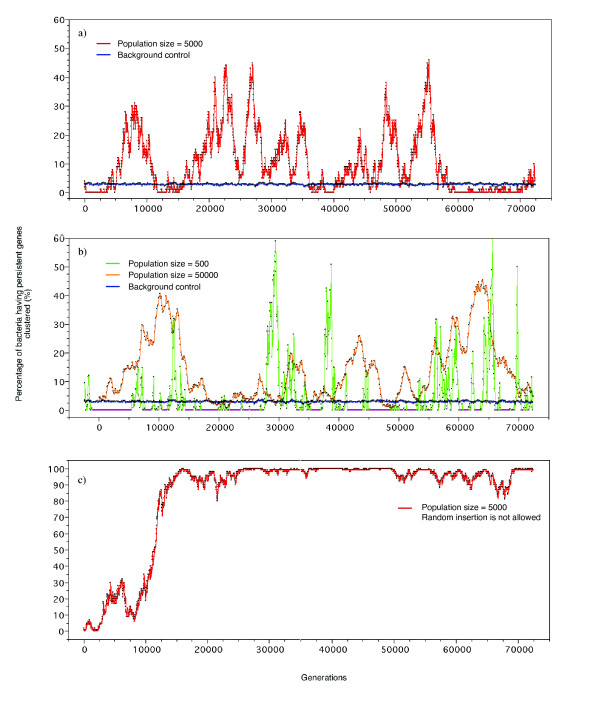
Background: Gene clustering plays an important role in the organization of the bacterial chromosome and several mechanisms have been proposed to explain its extent. However, the controversies raised about the validity of each of these mechanisms remind us that the cause of this gene organization remains an open question. Models proposed to explain clustering did not take into account the function of the gene products nor the likely presence or absence of a given gene in a genome. However, genomes harbor two very different categories of genes: those genes present in a majority of organisms – persistent genes – and those present in very few organisms – rare genes. Results: We show that two classes of genes are significantly clustered in bacterial genomes: the highly persistent and the rare genes. The clustering of rare genes is readily explained by the selfish operon theory. Yet, genes persistently present in bacterial genomes are also clustered and we try to understand why. We propose a model accounting specifically for such clustering, and show that indispensability in a genome with frequent gene deletion and insertion leads to the transient clustering of these genes. The model describes how clusters are created via the gene flux that continuously introduces new genes while deleting others. We then test if known selective processes, such as co-transcription, physical interaction or functional neighborhood, account for the stabilization of these clusters. Conclusion: We show that the strong selective pressure acting on the function of persistent genes, in a permanent state of flux of genes in bacterial genomes, maintaining their size fairly constant, that drives persistent genes clustering. A further selective stabilization process might contribute to maintaining the clustering.
Overview
The claims and statistics of this paper haven’t been checked yet.
Free: it reads the open-access text and checks the first 5 claims that cite a source we can check. Create a free account to check every claim.
Integrity signals
Registry
Cites
Statistics
Figures
Verification
Claims the paper makes
The claims and statistics of this paper haven’t been checked yet.
Free: it reads the open-access text and checks the first 5 claims that cite a source we can check. Create a free account to check every claim.
Claims other papers make about this one
Each is checked against this paper’s own text: does it say what the citing paper says it does?
The cited source says what the claim attributes to it.
In the citing paper
“In conjunction with this, biological insight into genome locality (i.e., operonal or transcription unit structure) of related bacterial organisms can assist in clarifying the function of unknown JCVI-syn3A genes since genome architecture/gene locality is often significantly conserved in related organisms.47,48”
From Toward the Complete Functional Characterization of a Minimal Bacterial Proteome (2022) · cites this paper as [48]
Self-check
Percentages, sums and reported differences re-computed from the paper’s own numbers.
The self-check needs the paper’s full text.
Citations
Cites
Baltosser, W. H., & Zar, J. H. (1996) · Ecology · doi:10.2307/2265725 · Cited by 35,166
Genetic regulatory mechanisms in the synthesis of proteins.
Jacob, F., & Monod, J. (1961) · Journal of Molecular Biology · doi:10.1016/s0022-2836(61)80072-7 · Cited by 5,300 · cited 1×
“The role of co-transcription, which is at the core of the concept of operon [21,22], is supported by several lines of evidence [23-25].”
A Genomic Perspective on Protein Families
Tatusov, R. L., Koonin, E. V., & Lipman, D. J. (1997) · Science · doi:10.1126/science.278.5338.631 · Cited by 3,590 · cited 1×
“From each bacterium, we selected the genes with PI >=65% and grouped all the putative orthologs together using the COG method [46].”
Jammalamadaka, S. R., & SenGupta, A. (2001) · Series on Multivariate Analysis · doi:10.1142/4031 · Cited by 1,779
Assigning protein functions by comparative genome analysis: Protein phylogenetic profiles
Pellegrini, M., Marcotte, E. M., Thompson, M. J., Eisenberg, D., & Yeates, T. O. (1999) · Proceedings of the National Academy of Sciences · doi:10.1073/pnas.96.8.4285 · Cited by 1,585
Changeux, J.-P., & Danchin, A. (1976) · Nature · doi:10.1038/264705a0 · Cited by 1,448 · cited 1×
“Selective stabilization is operating at most levels of integration of biological processes [42].”
Self-citationEssential Bacillus subtilis genes
Kobayashi, K., Ehrlich, S. D., Albertini, A., Amati, G., Andersen, K. K., Arnaud, M., Asai, K., Ashikaga, S., Aymerich, S., Bessieres, P., et al. (2003) · Proceedings of the National Academy of Sciences · doi:10.1073/pnas.0730515100 · Cited by 1,328 · cited 1×
“The systematic gene inactivation programs defined gene essentiality as whether a gene's inactivation leads to a dead end or not under laboratory growth conditions [34,35].”
Self-citationThe use of gene clusters to infer functional coupling
Overbeek, R., Fonstein, M., D’Souza, M., Pusch, G. D., & Maltsev, N. (1999) · Proceedings of the National Academy of Sciences · doi:10.1073/pnas.96.6.2896 · Cited by 1,241 · cited 3×
“This clustering property has long been used to predict gene function through the annotations of its neighborhoods, with the assumption that conservation of gene proximity is coupled with their functional relevance [9-11].”
Interaction network containing conserved and essential protein complexes in Escherichia coli
Butland, G., Peregrín-Alvarez, J. M., Li, J., Yang, W., Yang, X., Canadien, V., Starostine, A., Richards, D., Beattie, B., Krogan, N., et al. (2005) · Nature · doi:10.1038/nature03239 · Cited by 1,201 · cited 1×
“A modest proportion of interacting proteins genes in E. coli are co-localized in the chromosome [40].”
Conservation of gene order: a fingerprint of proteins that physically interact
Dandekar, T. (1998) · Trends in Biochemical Sciences · doi:10.1016/s0968-0004(98)01274-2 · Cited by 1,041 · cited 3×
“…many genes correspond to complex functions requiring the simultaneous presence of several components, the need for protein complexes cooperating in a given cellular function was therefore suggested as a selective driving force for gene clustering and formation and/or maintenance of operons [23,27].”
Cited by
Genomics of bacteria and archaea: the emerging dynamic view of the prokaryotic world
Koonin, E. V., & Wolf, Y. I. (2008) · Nucleic Acids Research · doi:10.1093/nar/gkn668 · Cited by 797
“Even among highly conserved informational genes including those that belong to the prokaryotic core (Figure 6), HGT seems to be common although the evolutionary scenarios are constrained by the (near) essentiality of many of these genes (207).”
BackgroundCo-occurrence of antibiotic and metal resistance genes revealed in complete genome collection
Li, L.-G., Xia, Y., & Zhang, T. (2017) · The ISME Journal · doi:10.1038/ismej.2016.155 · Cited by 528
“…tend to be organized into clusters, which are maintained as adjacent genetic elements under strong evolutionary forces (Overbeek et al., 1999; Fang et al., 2008), the nearest ARGs for all MRG were summarized by type (Supplementary Figure S7) to reveal ARG–MRG pairs that tends to be…”
BackgroundEcology, Diversity, and Evolution of Magnetotactic Bacteria
Lefèvre, C. T., & Bazylinski, D. A. (2013) · Microbiology and Molecular Biology Reviews · doi:10.1128/mmbr.00021-13 · Cited by 443
Darmon, E., & Leach, D. R. F. (2014) · Microbiology and Molecular Biology Reviews · doi:10.1128/mmbr.00035-13 · Cited by 410
Spatial organization of the flow of genetic information in bacteria
Montero Llopis, P., Jackson, A. F., Sliusarenko, O., Surovtsev, I., Heinritz, J., Emonet, T., & Jacobs-Wagner, C. (2010) · Nature · doi:10.1038/nature09152 · Cited by 367
The Organization of the Bacterial Genome
Rocha, E. P. C. (2008) · Annual Review of Genetics · doi:10.1146/annurev.genet.42.110807.091653 · Cited by 330
“Essential genes stay for such long periods in the chromosome that they are bound to cluster at a given moment (30).”
BackgroundSelf-citationPhylogenetic Framework and Molecular Signatures for the Main Clades of the Phylum Actinobacteria
Gao, B., & Gupta, R. S. (2012) · Microbiology and Molecular Biology Reviews · doi:10.1128/mmbr.05011-11 · Cited by 281
“The presence of these proteins in a conserved state in all or most species and strains from these clades, but nowhere else, suggests that the genes for these proteins first evolved in a common ancestor of these clades, followed by their retention by various descendants (74, 80, 98, 100, 210).”
BackgroundPPanGGOLiN: Depicting microbial diversity via a partitioned pangenome graph
Gautreau, G., Bazin, A., Gachet, M., Planel, R., Burlot, L., Dubois, M., Perrin, A., Médigue, C., Calteau, A., Cruveiller, S., et al. (2020) · PLOS Computational Biology · doi:10.1371/journal.pcbi.1007732 · Cited by 274
“…a statistical model taking into consideration that persistent genes share conserved genomic organizations along genomes (i.e. synteny conservation) [28] and that horizontally transferred genes (i.e. shell and cloud genes) tend to insert preferentially in a few chromosomal regions (hot-spots) [29].”
Self-citationFrangeul, L., Quillardet, P., Castets, A.-M., Humbert, J.-F., Matthijs, H. C., Cortez, D., Tolonen, A., Zhang, C.-C., Gribaldo, S., Kehr, J.-C., et al. (2008) · BMC Genomics · doi:10.1186/1471-2164-9-274 · Cited by 221
“[23], who showed that both persistent and rare genes are significantly clustered in most of the 169 bacterial genomes analyzed.”
Prospects and challenges of implementing DNA metabarcoding for high-throughput insect surveillance
Piper, A. M., Batovska, J., Cogan, N. O. I., Weiss, J., Cunningham, J. P., Rodoni, B. C., & Blacket, M. J. (2019) · GigaScience · doi:10.1093/gigascience/giz092 · Cited by 242
The landscape of microbial phenotypic traits and associated genes
Brbić, M., Piškorec, M., Vidulin, V., Kriško, A., Šmuc, T., & Supek, F. (2016) · Nucleic Acids Research · doi:10.1093/nar/gkw964 · Cited by 152
“These examples illustrate how gene neighborhoods can be conserved preferentially in organisms exhibiting a particu-D lar phenotype, conceivably due to co-regulation (45) or differential gene essentiality (67).”
BackgroundLiu, S., Wang, H., Chen, L., Wang, J., Zheng, M., Liu, S., Chen, Q., & Ni, J. (2020) · The ISME Journal · doi:10.1038/s41396-020-0701-8 · Cited by 160
“increasing horizontal transfer and stable coexpression of these functions [52].”
BackgroundA systematic comparative evaluation of biclustering techniques
Padilha, V. A., & Campello, R. J. G. B. (2017) · BMC Bioinformatics · doi:10.1186/s12859-017-1487-1 · Cited by 155
Bacteria as computers making computers
Danchin, A. (2009) · FEMS Microbiology Reviews · doi:10.1111/j.1574-6976.2008.00137.x · Cited by 160
“500 genes, which both tend to persist in genomes and to persist in the way they cluster in genomes (Fang et al ., 2008).”
InfluentialSelf-citationGetting Started in Gene Orthology and Functional Analysis
Fang, G., Bhardwaj, N., Robilotto, R., & Gerstein, M. (2010) · PLoS Computational Biology · doi:10.1371/journal.pcbi.1000703 · Cited by 163
“This threshold can be any combination of the similarity score, alignment E-value, and/or difference in gene lengths [10,11].”
BackgroundSelf-citationLefèvre, C., Trubitsyn, D., Abreu, F., Kolinko, S., Jogler, C., de Almeida, L. D., de Vasconcelos, A. D., Kube, M., Reinhardt, R., Lins, U., et al. (2013) · Environmental Microbiology · doi:10.1111/1462-2920.12128 · Cited by 113
Genome-resolved metagenomics: a game changer for microbiome medicine
Kim, N., Ma, J., Kim, W., Kim, J., Belenky, P. A., & Lee, I. (2024) · Experimental & Molecular Medicine · doi:10.1038/s12276-024-01262-7 · Cited by 144
“A more advanced technique groups homologous genes while preserving synteny using graph-based methods that incorporate information about gene neighborhoods 113 .”
MethodMonophyletic origin of magnetotaxis and the first magnetosomes
Lefèvre, C. T., Trubitsyn, D., Abreu, F. D. Á., Kolinko, S., de Almeida, L. G. P., de Vasconcelos, A. T. R., Lins, U., Schüler, D., Ginet, N., Pignol, D., et al. (2013) · Environmental Microbiology · doi:10.1111/1462-2920.12097 · Cited by 130
From essential to persistent genes: a functional approach to constructing synthetic life
Acevedo-Rocha, C. G., Fang, G., Schmidt, M., Ussery, D. W., & Danchin, A. (2013) · Trends in Genetics · doi:10.1016/j.tig.2012.11.001 · Cited by 116
“Further refinements must also be included to compute the threshold by taking into account, in particular, the tendency of genes important for life to be located on the DNA-replication leading strand [32] and to cluster together [33].”
Self-citationTian, T., & Salis, H. M. (2015) · Nucleic Acids Research · doi:10.1093/nar/gkv635 · Cited by 101
“Translational coupling evolved in prokaryotic operons to satisfy several objectives that remain relevant when engineering genetic systems (12).”
BackgroundYan, K., Fang, G., Bhardwaj, N., Alexander, R. P., & Gerstein, M. (2010) · Proceedings of the National Academy of Sciences · doi:10.1073/pnas.0914771107 · Cited by 91
“Persistent functions in software systems are analogous to persistent genes in biological systems, which are genes that are consistently present in a large number of genomes (22).”
BackgroundSelf-citationSignature proteins for the major clades of Cyanobacteria
Gupta, R. S., & Mathews, D. W. (2010) · BMC Evolutionary Biology · doi:10.1186/1471-2148-10-24 · Cited by 96
Scaling up synthetic biology: Do not forget the chassis
Danchin, A. (2012) · FEBS Letters · doi:10.1016/j.febslet.2011.12.024 · Cited by 92
“The corresponding genes tend to be grouped into a small number of clusters in the genome [18].”
BackgroundSelf-citationBeware of metaphors: Chasses and orthogonality in synthetic biology
de Lorenzo, V. (2011) · Bioengineered Bugs · doi:10.4161/bbug.2.1.13388 · Cited by 73
“The class of persistent elements that allow and perpetuate life has been called the paleome.(4,6,10) This set includes assets for cell replication, but also for maintenance and repair in the absence on any growth (proteins do age and need repair systems).”
BackgroundGupta, R. S. (2016) · FEMS Microbiology Reviews · doi:10.1093/femsre/fuw011 · Cited by 113
Coevolution of the Organization and Structure of Prokaryotic Genomes
Touchon, M., & Rocha, E. P. C. (2016) · Cold Spring Harbor Perspectives in Biology · doi:10.1101/cshperspect.a018168 · Cited by 86
“physical clustering of coevolving genes to avoid breaking coadaptive changes by recombination (recombination model) (Stahl and Murray 1966) or to lower the cost of large genetic deletions (persistence model) (Fang et al. 2008).”
BackgroundSelf-citationJunier, I., & Rivoire, O. (2016) · PLoS ONE · doi:10.1371/journal.pone.0155740 · Cited by 82
“These synteny segments are consistent with previously proposed concepts of uber-operons [38], superoperons [40], persistent genes [41], clusters of pathway-related operons [60] and cluster of statistically correlated genes [61].”
BackgroundDanchin, A., Ouzounis, C., Tokuyasu, T., & Zucker, J. (2018) · Microbial Biotechnology · doi:10.1111/1751-7915.13284 · Cited by 56
“Furthermore, while genes come together during horizontal gene transfer, there is a systematic disruption that goes on as organisms evolve via insertion/deletion of genes, possibly favouring coexpression of functionally related genes (Fang et al., 2008).”
BackgroundSelf-citationDynamics of the compartmentalized Streptomyces chromosome during metabolic differentiation
Lioy, V. S., Lorenzi, J.-N., Najah, S., Poinsignon, T., Leh, H., Saulnier, C., Aigle, B., Lautru, S., Thibessard, A., Lespinet, O., et al. (2021) · Nature Communications · doi:10.1038/s41467-021-25462-1 · Cited by 70
Conditions for the Evolution of Gene Clusters in Bacterial Genomes
Ballouz, S., Francis, A. R., Lan, R., & Tanaka, M. M. (2010) · PLoS Computational Biology · doi:10.1371/journal.pcbi.1000672 · Cited by 59
“Another model that does not require direct selection to explain clustering is the persistence model [12].”
BackgroundInfluentialEnvironmental biosafety in the age of Synthetic Biology: Do we really need a radical new approach?
de Lorenzo, V. (2010) · BioEssays · doi:10.1002/bies.201000099 · Cited by 60
Chakraborty, J., Ghosal, D., Dutta, A., & Dutta, T. (2012) · Journal of Biomolecular Structure and Dynamics · doi:10.1080/07391102.2012.682208 · Cited by 52
“This may arise either as a result of lateral transfer or may be due to some strong selection pressure (Fang, Rocha, & Danchin, 2008 ; Lawrence & Roth, 1996 ; Tamames, 2001 ).”
BackgroundFang, G., Passalacqua, K. D., Hocking, J., Llopis, P. D. L. M. M., Gerstein, M., Bergman, N. H., & Jacobs, C. (2013) · BMC Genomics · doi:10.1186/1471-2164-14-450 · Cited by 55
“Understanding the mechanism that drives co-expressed genes to co-evolve, or co-evolved genes to be coexpressed, will be of great interest, as it is beyond the influence of operon organization [26,44].”
BackgroundInfluentialSelf-citationGenomic arrangement of bacterial operons is constrained by biological pathways encoded in the genome
Yin, Y.-B., Zhang, H., Olman, V., & Xu, Y. (2010) · Proceedings of the National Academy of Sciences of the United States of America · doi:10.1073/pnas.0911237107 · Cited by 47
“Some other efforts were made to study gene clustering in a large scale or on particular types of genes (8, 9).”
BackgroundBundalovic-Torma, C., Whitfield, G. B., Marmont, L. S., Howell, P. L., & Parkinson, J. (2020) · PLoS Computational Biology · doi:10.1371/journal.pcbi.1007721 · Cited by 59
Universal distribution of component frequencies in biological and technological systems
Pang, T. Y., & Maslov, S. (2013) · Proceedings of the National Academy of Sciences · doi:10.1073/pnas.1217795110 · Cited by 54
Uncovering major genomic features of essential genes in Bacteria and a methanogenic Archaea
Grazziotin, A. L., Vidal, N. M., & Venâncio, T. M. (2015) · FEBS Journal · doi:10.1111/febs.13350 · Cited by 65
Molecular signatures for the main phyla of photosynthetic bacteria and their subgroups
Gupta, R. S. (2010) · Photosynthesis Research · doi:10.1007/s11120-010-9553-9 · Cited by 42
“2008; Kuo and Ochman 2009), their presence in a conserved state in all or most species/strains from particular clades, but nowhere else, indicates that the genes for these proteins first evolved in a common ancestor of these clades followed by their retention by various descendents (Dutilh et al. 2008; Fang et al. 200…”
BackgroundChapter 1 A Phylogenetic View of Bacterial Ribonucleases
Danchin, A. (2009) · Progress in molecular biology and translational science · doi:10.1016/s0079-6603(08)00801-5 · Cited by 41
“The conservation of syntenies in genomes can be used to substantiate functional inferences, as the genes belonging to the paleome and the genes belonging to the cenome are often clustered together, albeit via completely different molecular processes (14, 15).”
BackgroundSelf-citationGenomic Organization of Evolutionarily Correlated Genes in Bacteria: Limits and Strategies
Junier, I., Hérisson, J., & Képès, F. (2012) · Journal of Molecular Biology · doi:10.1016/j.jmb.2012.03.009 · Cited by 40
One‐carbon metabolism, folate, zinc and translation
Danchin, A., Sekowska, A., & You, C. (2020) · Microbial Biotechnology · doi:10.1111/1751-7915.13550 · Cited by 36
“To be sure, the chromosome set‐up of the Bacteria domain has been constrained by the importance of genes that are critical for survival [‘persistent’ genes (Fang et al., 2008)] providing a selective pressure for the omnipresent formation of operons.”
BackgroundSelf-citationMartínez-Carranza, E., Barajas, H. R., Alcaraz, L. D., Servín‐González, L., Ponce‐Soto, G. Y., & Soberón‐Chávez, G. (2018) · Frontiers in Microbiology · doi:10.3389/fmicb.2018.01059 · Cited by 59
Quan, D. N., & Bentley, W. E. (2012) · PLoS Computational Biology · doi:10.1371/journal.pcbi.1002637 · Cited by 28
“Orthologous operon identification can imply a secondary degree of relation between components, reaffirming Clusters of Orthologous Groups (COG) and other assignments of function as well as suggesting essentiality [5].”
BackgroundNatural Selection for Operons Depends on Genome Size
Nuñez, P. A., Romero, H., Farber, M. D., & Rocha, E. P. C. (2013) · Genome Biology and Evolution · doi:10.1093/gbe/evt174 · Cited by 30
“The persistence model predicts clustering of genes whose deletion is very deleterious as is the case for essential genes (Fang et al. 2008).”
BackgroundInfluentialSelf-citationMolecular signatures for the Crenarchaeota and the Thaumarchaeota
Gupta, R. S., & Shami, A. (2010) · Antonie van Leeuwenhoek · doi:10.1007/s10482-010-9488-3 · Cited by 40
“2005), these SPs proteins are distinctive characteristics of all or most species/strains from a given clade, indicating that they are important for these groups (Graham et al. 2000; Fang et al. 2005; Fang et al. 2008; Narra et al. 2008; Dutilh et al. 2008b; Gao et al. 2009).”
BackgroundReplication-biased genome organisation in the crenarchaeon Sulfolobus
Andersson, A. F., Pelve, E. A., Lindeberg, S., Lundgren, M., Nilsson, P., & Bernander, R. (2010) · BMC Genomics · doi:10.1186/1471-2164-11-454 · Cited by 32
Bratlie, M. S., Johansen, J. A., & Drabløs, F. (2010) · BMC Genomics · doi:10.1186/1471-2164-11-71 · Cited by 43
Construction of a minimal genome as a chassis for synthetic biology
Sung, B. H., Choe, D., Kim, S. C., & Cho, B. (2016) · Essays in Biochemistry · doi:10.1042/ebc20160024 · Cited by 35
Regulation of Chaperone/Effector Complex Synthesis in a Bacterial Type III Secretion System
Button, J. E., & Galán, J. E. (2011) · Molecular Microbiology · doi:10.1111/j.1365-2958.2011.07784.x · Cited by 30
“The evolutionary pressure that drives bacterial gene clustering remains somewhat unclear (Lawrence and Roth, 1996; Fang et al., 2008), but recent evidence shows that prokaryotic mRNAs do not disperse after transcription (Montero Llopis et al.”
BackgroundThe Transcriptome of Streptococcus pneumoniae Induced by Local and Global Changes in Supercoiling
de la Campa, A. G., Ferrándiz, M.-J., Martín-Galiano, A. J., García, M. T., & Tirado-Vélez, J. M. (2017) · Frontiers in Microbiology · doi:10.3389/fmicb.2017.01447 · Cited by 37
“, 2005), perhaps because clustering makes genomes more resistant to deletions (Fang et al., 2008).”
BackgroundClustering of gene ontology terms in genomes
Tiirikka, T., Siermala, M., & Vihinen, M. (2014) · Gene · doi:10.1016/j.gene.2014.06.060 · Cited by 27
“As explanation has been suggested e.g. the selfish operon model by horizontal gene transfer (Lawrence and Roth, 1996) and persistence model (Fang et al., 2008).”
BackgroundMrázek, J. (2010) · Journal of Bacteriology · doi:10.1128/jb.00149-10 · Cited by 27
“It has been known that chromosomal location of genes in prokaryotes is not random, but the nonrandomness has been generally ascribed to locations relative to the origin and terminus of replication, colocalization of coexpressed genes, or evolutionary constraints related to lateral gene transfer or gene amplification (…”
BackgroundGupta, R. S. (2013) · Advances in botanical research · doi:10.1016/b978-0-12-397923-0.00002-3 · Cited by 40
Lagomarsino, M. C., Espéli, O., & Junier, I. (2015) · FEBS Letters · doi:10.1016/j.febslet.2015.07.002 · Cited by 34
Application of DNA Barcoding for Quality Control of Herbal Drugs and Their Phytopharmaceuticals
Gesto-Borroto, R., Medina‐Jiménez, K., Lorence, A., & Villarreal, M. L. (2021) · Revista Brasileira de Farmacognosia · doi:10.1007/s43450-021-00128-7 · Cited by 24
Toward the Complete Functional Characterization of a Minimal Bacterial Proteome
Bianchi, D. M., Pelletier, J. F., Hutchison, C. A., Glass, J. I., & Luthey-Schulten, Z. (2022) · The Journal of Physical Chemistry B · doi:10.1021/acs.jpcb.2c04188 · Cited by 22
From chemical metabolism to life: the origin of the genetic coding process
Danchin, A. (2017) · Beilstein Journal of Organic Chemistry · doi:10.3762/bjoc.13.111 · Cited by 21
Self-citationConserved patterns in bacterial genomes: A conundrum physically tailored by evolutionary tinkering
Junier, I. (2014) · Computational Biology and Chemistry · doi:10.1016/j.compbiolchem.2014.08.017 · Cited by 23
Experimental demonstration of operon formation catalyzed by insertion sequence
Kanai, Y., Tsuru, S., & Furusawa, C. (2022) · Nucleic Acids Research · doi:10.1093/nar/gkac004 · Cited by 23
“Consistently, various tendencies of operon formation, including the tendencies above, can be explained by assuming that operons form by selection for the preservation of genes rather than the selection for their coregulation (9,12).”
InfluentialPang, T. Y., & Lercher, M. J. (2017) · Scientific Reports · doi:10.1038/srep40294 · Cited by 22
Genome-Based Characterization of Biological Processes That Differentiate Closely Related Bacteria
Palmer, M., Steenkamp, E. T., Coetzee, M. P. A., Blom, J., & Venter, S. N. (2018) · Frontiers in Microbiology · doi:10.3389/fmicb.2018.00113 · Cited by 31
“Numerous hypotheses attempt to explain why genes cluster and how clusters are maintained (Carbone et al., 2007; Geddy and Brown, 2007; Fang et al., 2008; Sorrels et al., 2009).”
BackgroundInfluentialLabella, J. I., Llop, A., & Contreras, A. (2020) · FEBS Letters · doi:10.1002/1873-3468.13775 · Cited by 17
“Overlap between the dCLG and cyanobacterial core genomes Highly conserved genes in a phylogenetic group, the so called core genes, are generally believed to be involved in essential functions for maintaining and replicating the cell, and there is a interrelationship between conservation and essentiality [5, 10, 11].”
BackgroundBi-clustering Gene Expression Data Using Co-similarity
Hussain, S. F. (2011) · Lecture notes in computer science · doi:10.1007/978-3-642-25853-4_15 · Cited by 19
Ma, Q., & Xu, Y. (2013) · Genomics, Proteomics & Bioinformatics · doi:10.1016/j.gpb.2013.01.004 · Cited by 16
“While substantial efforts have been invested in studying the genome organization since early 90’s [15-18], our understanding about the factors and rules that may determine the global organization of a genome is still fragmented.”
BackgroundGene Gangs of the Chloroviruses: Conserved Clusters of Collinear Monocistronic Genes
Seitzer, P., Jeanniard, A., Ma, F., Etten, J. L. V., Facciotti, M. T., & Dunigan, D. D. (2018) · Viruses · doi:10.3390/v10100576 · Cited by 18
Ranges of control in the transcriptional regulation of Escherichia coli
Sonnenschein, N., Hütt, M. ‐., Stoyan, H., & Stoyan, D. (2009) · BMC Systems Biology · doi:10.1186/1752-0509-3-119 · Cited by 20
“Darling et al. (2008) [8] discuss biases in genomic inversions with respect to the replichores and other patterns of genome rearrangement in bacterial chromosomes.”
BackgroundBerlemont, R. (2023) · Frontiers in Microbiology · doi:10.3389/fmicb.2023.1179206 · Cited by 14
“, functional coupling) fosters their coexpression, potentially improving the fitness of their host, and thus might be selected under specific environmental conditions (Fang et al., 2008).”
BackgroundDoorenweerd, C., Jose, M., Leblanc, L., Barr, N., Geib, S., Chung, A. Y. C., Dupuis, J., Ekayanti, A., Fiegalan, E. R., Hemachandra, K., et al. (2020) · bioRxiv · doi:10.1101/2020.11.23.394510 · Cited by 14
Phenotypic innovation through recombination in genome-scale metabolic networks
Hosseini, S., Martin, O., & Wagner, A. (2016) · Proceedings of the Royal Society B Biological Sciences · doi:10.1098/rspb.2016.1536 · Cited by 23
An event-driven approach for studying gene block evolution in bacteria
Ream, D. C., Bankapur, A., & Friedberg, I. (2015) · Bioinformatics · doi:10.1093/bioinformatics/btv128 · Cited by 15
“This study was based on a comparative analysis of two genomes, but included extensive expression data (Price et al., 2006).”
MethodEvolution of far-red light photoacclimation in cyanobacteria
Antonaru, L. A., Rad‐Menéndez, C., Mbedi, S., Sparmann, S., Pope, M. A., Oliver, T. J., Wu, S., Green, D. H., Gugger, M. F., & Nürnberg, D. J. (2025) · Current Biology · doi:10.1016/j.cub.2025.04.038 · Cited by 17
“76,77 Co-regulation, as revealed by synteny and metatranscriptomic analysis, appears to be a vital characteristic of the FaRLiP cluster.”
Wannell, G. J., Griffiths, A. M., Spinou, A., Batista, R., Mendonça, M. B., Wosiacki, W. B., Fraser, B. A., Wintner, S. P., Papadopoulos, A., Krey, G. D., et al. (2020) · Conservation Genetics Resources · doi:10.1007/s12686-020-01158-4 · Cited by 13
Proximity Measures and Results Validation in Biclustering – A Survey
Orzechowski, P. (2013) · Lecture notes in computer science · doi:10.1007/978-3-642-38610-7_20 · Cited by 14
Universal and idiosyncratic characteristic lengths in bacterial genomes
Junier, I., Frémont, P., & Rivoire, O. (2018) · Physical Biology · doi:10.1088/1478-3975/aab4ac · Cited by 12
Predicting the pathogenicity of bacterial genomes using widely spread protein families
Naor-Hoffmann, S., Svetlitsky, D., Sal‐Man, N., Orenstein, Y., & Ziv-Ukelson, M. (2022) · BMC Bioinformatics · doi:10.1186/s12859-022-04777-w · Cited by 12
Muskhelishvili, G., Sobetzko, P., Mehandziska, S., & TRAVERS, A. A. (2021) · Biomolecules · doi:10.3390/biom11070924 · Cited by 11
Liu, S., Zhang, Y., Cui, Y., Du, W., Li, Y., Xiong, Z., Wang, J., Wu, Z., Yuan, J., & Liu, W. (2025) · Water Research · doi:10.1016/j.watres.2025.124178 · Cited by 11
De novo discovery of conserved gene clusters in microbial genomes with Spacedust
Zhang, R., Mirdita, M., & Söding, J. (2025) · Nature Methods · doi:10.1038/s41592-025-02816-x · Cited by 13
“Clustering also maximizes the chances of horizontal transfer of useful gene modules, and it minimizes disruptions of functionally associated genes by genomic recombination (19–21).”
Genomic organization underlying deletional robustness in bacterial metabolic systems
Hosseini, S., & Wagner, A. (2018) · Proceedings of the National Academy of Sciences · doi:10.1073/pnas.1717243115 · Cited by 11
“…on the basis of a tree reconciliation method, which reconstructs approximate maximum likelihood phylogenetic trees for each orthologous gene and corresponding 16S rRNA reference species sets, and then reconciles the two trees using a maximum bacterial species we considered were included in this”
MethodFuzziness in the Core of the Human Pathogenic Viruses HCV and HIV
Iványi-Nagy, R., & Darlix, J. (2012) · Advances in experimental medicine and biology · doi:10.1007/978-1-4614-0659-4_9 · Cited by 11
Saurons-nous construire une bactérie synthétique ?
Danchin, A. (2008) · médecine/sciences · doi:10.1051/medsci/2008245533 · Cited by 9
“Le groupement des gènes « persistants » en clusters assure la survie de la cellule [10].”
BackgroundSelf-citationValdehuesa, K. N. G., Ramos, K. R. M., Moron, L. S., Lee, I., Nisola, G. M., Lee, W., & Chung, W. (2018) · Current Microbiology · doi:10.1007/s00284-018-1467-3 · Cited by 8
Conserved units of co-expression in bacterial genomes: an evolutionary insight into gene regulation
Junier, I., & Rivoire, O. (2014) · bioRxiv · doi:10.1101/012526 · Cited by 8
“…we apply here this approach to a systematic analysis of the conservation of relative distances between orthologous genes in different species, known as synteny properties (Lathe et al, 2000; Tamames, 2001; Rogozin et al, 2002; Snel et al, 2002; Rocha, 2005; Wright et al, 2007; Fang et al, 2008).”
BackgroundMethodResultInfluentialThe Emergence of the First Cells
Danchin, A. (2014) · Wiley-VCH eBooks · doi:10.1002/3527600906.mcb.20130025 · Cited by 6
Self-citationLong range segmentation of prokaryotic genomes by gene age and functionality
Wolf, Y., Schurov, I., Makarova, K., Katsnelson, M., & Koonin, E. (2024) · bioRxiv · doi:10.1101/2024.04.26.591304 · Cited by 5
“To explore potential evolutionary factors behind the clustering of ancient as well as essential gene in prokaryotic chromosomes, we then investigated a simple mathematical model of gene order evolution that is driven by fitness effect of multi-gene disruption (12).”
BackgroundIasakov, T. (2023) · bioRxiv · doi:10.3390/ijms241814370 · Cited by 5
“This would be very consistent with the ‘Selfish operon 750 model’ (Lawrence, Roth, 1996) and apparently contradicts persistence as a driving force of 751 their clustering (Fang et al., 2008).”
ResultMinimal Cells: Design, Construction, Biotechnological Applications
Lara, A. R., & Gosset, G. (2020) · Springer eBooks · doi:10.1007/978-3-030-31897-0 · Cited by 5
Long range segmentation of prokaryotic genomes by gene age and functionality.
Wolf, Y., Schurov, I., Makarova, K., Katsnelson, M., & Koonin, E. (2024) · Nucleic Acids Research · doi:10.1093/nar/gkae745 · Cited by 4
Prevalence and Evolutionary Implications of Genome Rearrangements in Bacteria
Martínez-Gutiérrez, C. A., Huang, Y., & Bobay, L. (2026) · Genome Biology and Evolution · doi:10.1093/gbe/evag002 · Cited by 9
“Moreover, our study supports previous findings that point to the main - tenance of gene clustering of genes at different time-scales (Rocha 2006; Fang et al. 2008; Junier and Rivoire 2013), which we observed here in the core genome of species (Fig.”
On the evolution of chromosomal regions with high gene strand bias in bacteria
Tomasch, J., Kopejtka, K., Shivaramu, S., Mujakić, I., & Koblížek, M. (2024) · mBio · doi:10.1128/mbio.00602-24 · Cited by 3
“The clustering of core genes in the HSB region might be explained by both newly acquired genes near ori and the loss of ter -proximal lagging-strand genes due to purifying selection (46).”
BackgroundBharti, R., Siebert, D. K., Blombach, B., & Grimm, D. G. (2022) · NAR Genomics and Bioinformatics · doi:10.1093/nargab/lqac074 · Cited by 2
“Previously, several gene clusters have been experimentally identified in bacteria and other prokaryotes that have a simultaneous expression mechanism (49,50).”
Backgroundde Almeida, O. G. G., Gimenez, M. P., & Martinis, E. C. P. D. (2021) · Antonie van Leeuwenhoek · doi:10.1007/s10482-021-01684-7 · Cited by 5
“based on homology and vicinity of gene families in the context of shared genomic regions (Fang et al. 2008).”
BackgroundSeitzer, P., Yao, A. I., Cisneros, A., & Facciotti, M. T. (2020) · Microorganisms · doi:10.3390/microorganisms8121900 · Cited by 3
A new selective force driving metabolic gene clustering
Fondi, M., Pini, F., Riccardi, C., Gemo, P., & Brilli, M. (2024) · mSystems · doi:10.1128/msystems.00960-24 · Cited by 3
“The Fisher model suggests that the compactness of operons may reduce the chances of destructive recombination events (9), an idea recently revived in (10) where the authors used simulations to propose that random gene deletion could drive the formation of functionally related gene clusters.”
Modular gene interactions drive modular pan-genome evolution in bacteriaPreprint
Castro, J., & Brown, S. P. (2022) · bioRxiv (Cold Spring Harbor Laboratory) · doi:10.1101/2022.11.15.516554 · Cited by 2
“For example, by reducing the target size for loss-of-function mutations (14), or by offering 82 more complex temporal co-ordination of co-regulated processes (15, 16).”
BackgroundThe Role of Information in Evolutionary Genomics of Bacteria
Danchin, A., & Sekowska, A. (2010) · Wiley eBooks · doi:10.1002/9780470570418.ch5 · Cited by 3
Self-citationThe ancient evolution of far-red light photoacclimation in cyanobacteriaPreprint
Antonaru, L., Rad-Menéndez, C., Mbedi, S., Sparmann, S., Pope, M., Oliver, T., Wu, S., Green, D., Gugger, M., & Nürnberg, D. J. (2024) · bioRxiv · doi:10.1101/2024.05.15.594131 · Cited by 1
“Robustness has mostly been discussed for essential genes (‘the persistence model’), but recent work has extended it to genes under weak selection by considering transposable elements 70,71 .”
BackgroundOperon formation by insertion sequence IS3 in Escherichia coli
Kanai, Y., Tsuru, S., & Furusawa, C. (2021) · doi:10.1101/2021.11.02.466885 · Cited by 1
“Even if we do not assume that higher expression of the two genes leads to higher fitness, selection for the loss of redundant sequences (12, 43, 47) coupled with ISs that delete”
BackgroundInfluentialFunctional Requirements in the Program and the Cell Chassis for Next‐Generation Synthetic Biology
Danchin, A., Sekowska, A., & Noria, S. (2018) · Wiley eBooks · doi:10.1002/9783527688104.ch5 · Cited by 1
Self-citationOn two‐way Bayesian agglomerative clustering of gene expression data
Fowler, A., & Heard, N. A. (2012) · Statistical analysis and data mining · doi:10.1002/sam.11162 · Cited by 1
Metadata
- Authors
- Fang, G., Rocha, E. P., & Danchin, A.
- Affiliations
- Institut Pasteur (FR)
- Corresponding author
- Danchin, Antoine
- Venue
- BMC Genomics
- Published
- 2008-01-07
- Volume
- 9
- Issue
- 1
- Pages
- 4-4
- ISSN
- 1471-2164 (ISSN-L)
- PMC
- PMC2234087
- OpenAlex
- W2065442831
- Cited by
- 112
- References
- 52
- Citations by year
- 2026: 1 · 2025: 4 · 2024: 4 · 2023: 3 · 2022: 7 · 2021: 6 · 2020: 9 · 2019: 2 · 2018: 10 · 2017: 5 · 2016: 7 · 2015: 4 · 2014: 5 · 2013: 9 · 2012: 10
- FWCI
- 3.57
- Type
- journal article
- Language
- en
- Open access
- gold
- doi.org
- Licence
- cc-by
- Locations
- BMC Genomics (publishedVersion, cc-by)
- PubMed Central (publishedVersion, cc-by)
- PubMed (publishedVersion)
- DOAJ (DOAJ: Directory of Open Access Journals) (submittedVersion)
- Funders
- European Commission
- Topics
- Life Sciences › Biochemistry, Genetics and Molecular Biology › Molecular Biology › Genomics and Phylogenetic Studies
- Life Sciences › Biochemistry, Genetics and Molecular Biology › Genetics › Bacterial Genetics and Biotechnology
- Life Sciences › Biochemistry, Genetics and Molecular Biology › Genetics › Genome Rearrangement Algorithms
- Keywords
- gene clustering, bacterial genomes, cotranscription, genome organization, selection pressure
- MeSH terms
- Algorithms, Bacteria, Chromosomes, Bacterial, DNA Replication, DNA, Bacterial, Genes, Bacterial, Multigene Family, Models, Genetic, Operon, Phylogeny, Genetic Variation, Gene Expression Regulation, Bacterial, Genome, Bacterial, Evolution, Molecular, Computational Biology, Gene Order, Databases, Genetic
About these checks
Registry, retraction, Cites and statistics results are computed, not judged, with one exception: a printed reference that no index lists is read once by a model before it counts as a citation error. Claims are extracted by a model and kept only when their quote appears verbatim in the text; each cited source is then checked, with a model’s help, for whether it says what the claim relies on. Those verdicts can be wrong — read the claim’s quote and the cited source before relying on one.
Statistics and arithmetic are recomputed, not judged.
Confidence bands are shown only for fields calibrated on our annotated test set. None is calibrated yet, so no band is shown.
What counts as a claim ›How we measure confidence ›How we check this ›
Are you an author, or do you see a problem with this page? Request a review
Data sources
Bibliographic data: Semantic Scholar, OpenAlex, Crossref.
Contains information from the Semantic Scholar Academic Graph Datasets, made available under the ODC Attribution License (ODC-BY 1.0).
Semantic Scholar’s data is described in: Kinney, R., et al. (2023). The Semantic Scholar Open Data Platform. arXiv:2301.10140.
