

Enhancing transparency in reporting the synthesis of qualitative research: ENTREQ
Open accessThe DOI matches its Crossref record; 46 of the 46 references it cites were found in a registry or an index.
Abstract
BACKGROUND: The syntheses of multiple qualitative studies can pull together data across different contexts, generate new theoretical or conceptual models, identify research gaps, and provide evidence for the development, implementation and evaluation of health interventions. This study aims to develop a framework for reporting the synthesis of qualitative health research. METHODS: We conducted a comprehensive search for guidance and reviews relevant to the synthesis of qualitative research, methodology papers, and published syntheses of qualitative health research in MEDLINE, Embase, CINAHL and relevant organisational websites to May 2011. Initial items were generated inductively from guides to synthesizing qualitative health research. The preliminary checklist was piloted against forty published syntheses of qualitative research, purposively selected to capture a range of year of publication, methods and methodologies, and health topics. We removed items that were duplicated, impractical to assess, and rephrased items for clarity. RESULTS: The Enhancing transparency in reporting the synthesis of qualitative research (ENTREQ) statement consists of 21 items grouped into five main domains: introduction, methods and methodology, literature search and selection, appraisal, and synthesis of findings. CONCLUSIONS: The ENTREQ statement can help researchers to report the stages most commonly associated with the synthesis of qualitative health research: searching and selecting qualitative research, quality appraisal, and methods for synthesising qualitative findings. The synthesis of qualitative research is an expanding and evolving methodological area and we would value feedback from all stakeholders for the continued development and extension of the ENTREQ statement.
Overview
The claims and statistics of this paper haven’t been checked yet.
Free: it reads the open-access text and checks the first 5 claims that cite a source we can check. Create a free account to check every claim.
Integrity signals
Registry
Cites
Statistics
Figures
Verification
Claims the paper makes
The claims and statistics of this paper haven’t been checked yet.
Free: it reads the open-access text and checks the first 5 claims that cite a source we can check. Create a free account to check every claim.
Claims other papers make about this one
Each is checked against this paper’s own text: does it say what the citing paper says it does?
The source backs part of the claim, not all of it — or backs it for a different population, condition or comparison.
In the citing paper
“The PRISMA 2020 items are relevant for mixed-methods systematic reviews (which include quantitative and qualitative studies), but reporting guidelines addressing the presentation and synthesis of qualitative data should also be consulted.[39, 40]”
From The PRISMA 2020 statement: An updated guideline for reporting systematic reviews (2021) · cites this paper as [39]
Experimental — accuracy not yet measuredThe cited source says what the claim attributes to it.
In the citing paper
“The methods are also aligned with the Enhancing Transparency in Reporting the Synthesis of Qualitative research (ENTREQ) guidelines, a set of evidence- based items designed to enhance confidence in the syntheses of qualitative research (Tong et al., 2012 ).”
From A qualitative synthesis of patients' experiences of re-traumatization in acute mental health inpatient settings (2023) · cites this paper as Tong et al., 2012
The cited source says what the claim attributes to it.
In the citing paper
“The 'Enhancing transparency in reporting the synthesis of qualitative research (ENTREQ)' statement (Tong et al., 2012) and the Preferred Reporting Items for Systematic Reviews and Meta- Analyses (PRISMA) statement (Moher et al., 2009) were embedded in our methodological approach.”
From A meta‐synthesis of how parents of children with autism describe their experience of accessing and using routine healthcare services for their children (2021) · cites this paper as Tong et al., 2012
The cited source says what the claim attributes to it.
In the citing paper
“A systematic review and thematic synthesis were conducted following the ENTREQ (Enhancing Transparency in Reporting the Synthesis of Qualitative Research) guidelines.”
From Older Adults’ Experiences and Perceptions of Immersive Virtual Reality: Systematic Review and Thematic Synthesis (2022) · cites this paper as [23]
The cited source says what the claim attributes to it.
In the citing paper
“The ENTREQ guidelines were followed when writing the report [23].”
From Older Adults’ Experiences and Perceptions of Immersive Virtual Reality: Systematic Review and Thematic Synthesis (2022) · cites this paper as [23]
15 more claims about this paper
Create a free account to see every claim other papers make about this one.
Self-check
Percentages, sums and reported differences re-computed from the paper’s own numbers.
The self-check needs the paper’s full text.
Citations
Cites
Preferred Reporting Items for Systematic Reviews and Meta-Analyses: the PRISMA statement
Moher, D., Liberati, A., Tetzlaff, J., Altman, D. G., & for the PRISMA Group (2009) · BMJ · doi:10.1136/bmj.b2535 · Cited by 83,823
Preferred Reporting Items for Systematic Reviews and Meta-Analyses: The PRISMA Statement
Moher, D., Liberati, A., Tetzlaff, J., Altman, D. G., & The PRISMA Group (2009) · PLoS Medicine · doi:10.1371/journal.pmed.1000097 · Cited by 64,042
Preferred reporting items for systematic reviews and meta-analyses: the PRISMA Statement.
(2009) · PubMed Central · Cited by 44,859
Tong, A., Sainsbury, P., & Craig, J. (2007) · International Journal for Quality in Health Care · doi:10.1093/intqhc/mzm042 · Cited by 42,509 · cited 4×
“Several appraisal tools have been used including the Critical Appraisal Skills Program (CASP) [37] which addresses the principles and assumptions underpinning qualitative research but does not claim to be a definitive guide; the Qualitative Assessment Review Instrument Tool (QARI) [38], which suggests general question…”
InfluentialSelf-citationWang, G., Ma, R., Qiao, G., Wada, K., Aizawa, Y., & Satoh, T. (2015) · Integrative Medicine International · doi:10.1159/000368408 · Cited by 18,657
Methods for the thematic synthesis of qualitative research in systematic reviews
Thomas, J., & Harden, A. (2008) · BMC Medical Research Methodology · doi:10.1186/1471-2288-8-45 · Cited by 9,312
Qualitative research: standards, challenges, and guidelines
Malterud, K. (2001) · The Lancet · doi:10.1016/s0140-6736(01)05627-6 · Cited by 5,014 · cited 1×
“Some reviewers have developed their own appraisal framework selecting items from existing criteria [25,39-41], augmented with additional criteria they deemed were specifically relevant to the research topic.”
BackgroundQualitative research in health care: Assessing quality in qualitative research
Mays, N. (2000) · BMJ · doi:10.1136/bmj.320.7226.50 · Cited by 3,742
Noblit, G., & Hare, R. (1988) · doi:10.4135/9781412985000 · Cited by 2,723 · cited 1×
“…Meta-study Thematic synthesis Key seminal methodology references Dixon-woods et al. 2006 [4] Kearney 2001 [23], Eaves 2001 [22] Noblit and Hare 1988 [11], Britten et al. 2002 [2] Paterson et al. 2001 [24] Thomas and Harden 2008 [12] Philosophical positioning** Subjective…”
Checklists for improving rigour in qualitative research: a case of the tail wagging the dog?
Barbour, R. S. (2001) · BMJ · doi:10.1136/bmj.322.7294.1115 · Cited by 2,613 · cited 1×
“Just as there are no standardised criteria for assessing the quality of all quantitative research, standardising criteria for assessing the standard of conduct in all qualitative research which embraces a range of designs, is not possible or appropriate [31,34].”
Background
Research works printed but not linked: 2
- Flemming K: The use of morphine to treat cancer-related pain: a synthesis of quantitative and qualitative research. J Pain Symptom Manage. 2010, 39 (1): 139-154. · DOI
- The Joanna Briggs Institute: Joanna Briggs Institute Reviewers. 2008, The Joanna Briggs Institute, 2008
Cited by
Items 201–300 of 1,026
Boehm, L. M., Jones, A. C., Selim, A., Virdun, C., Garrard, C. F., Walden, R. L., Ely, E. W., & Hosie, A. (2021) · International Journal of Nursing Studies · doi:10.1016/j.ijnurstu.2021.104030 · Cited by 141
“, 2009) and the Enhancing transparency in reporting the synthesis of qualitative research (ENTREQ) statement (Tong et al., 2012).”
BackgroundMethodInfluentialMesser, L. H., Johnson, R., Driscoll, K. A., & Jones, J. (2017) · Diabetic Medicine · doi:10.1111/dme.13568 · Cited by 138
Kokorelias, K. M., Lu, F. K. T., Santos, J. R., Xu, Y., Leung, R., & Cameron, J. I. (2019) · Health & Social Care in the Community · doi:10.1111/hsc.12895 · Cited by 149
Children's Experiences of Cystic Fibrosis: A Systematic Review of Qualitative Studies
Jamieson, N., Fitzgerald, D. A., Singh‐Grewal, D., Hanson, C. S., Craig, J. C., & Tong, A. (2014) · PEDIATRICS · doi:10.1542/peds.2014-0009 · Cited by 151
Self-citationFlemming, K., McCaughan, D., Angus, K., & Graham, H. M. (2014) · Journal of Advanced Nursing · doi:10.1111/jan.12580 · Cited by 135
“Quit rates are much lower among women in disadvantaged circumstances; social disadvantage also increases the chances of living with a partner who smokes and returning to smoking after birth (Graham et al. 2010, Prady et al. 2012).”
BackgroundMethodInfluentialSelf-citationTaking account of context in systematic reviews and guidelines considering a complexity perspective
Booth, A., Moore, G., Flemming, K., Garside, R., Rollins, N., Tunçalp, Ö., & Noyes, J. (2019) · BMJ Global Health · doi:10.1136/bmjgh-2018-000840 · Cited by 116
“In contrast, the Enhancing Transpar-ency in Reporting the synthesis of Qualitative research (ENTREQ) reporting standard 63 does not include any item specifically targeted at context and, indeed only refers to population and country.”
Self-citationRecovery-Oriented Practice in Mental Health Inpatient Settings: A Literature Review
Waldemar, A. K., Arnfred, S., Petersen, L., & Korsbek, L. (2016) · Psychiatric Services · doi:10.1176/appi.ps.201400469 · Cited by 146
Shulman, C., Hudson, B. F., Low, J., Hewett, N., Daley, J., Kennedy, P., Davis, S., Brophy, N., Howard, D., Vivat, B., et al. (2017) · Palliative Medicine · doi:10.1177/0269216317717101 · Cited by 130
Children’s experiences of congenital heart disease: a systematic review of qualitative studies
Chong, L. S. H., Fitzgerald, D. A., Craig, J. C., Manera, K., Hanson, C. S., Celermajer, D. S., Ayer, J. G., Kasparian, N. A., & Tong, A. (2018) · European Journal of Pediatrics · doi:10.1007/s00431-017-3081-y · Cited by 127
“to ignore the disease until it worsened [53].”
BackgroundSelf-citationDeSa, S., Gebremeskel, A. T., Omonaiye, O., & Yaya, S. (2022) · Systematic Reviews · doi:10.1186/s13643-022-01936-1 · Cited by 170
“This review was conducted as per the Cochrane Collaboration Handbook of Systematic Reviews [30] and the findings were reported in accordance with the reporting guidance provided in the PRISMAs statement [29] (see Additional file 3 for details) and the Enhancing Transparency in Reporting the Synthesis of Qualitative Re…”
MethodA systematic review and framework for digital leadership research maturity in higher education
Jameson, J., Rumyantseva, N. L., Cai, M., Markowski, M., Essex, R., & McNay, I. (2022) · Computers and Education Open · doi:10.1016/j.caeo.2022.100115 · Cited by 248
Hussain, J. A., Flemming, K., Murtagh, F. E., & Johnson, M. J. (2015) · Clinical Journal of the American Society of Nephrology · doi:10.2215/cjn.11091114 · Cited by 139
“ti (version 7) and reported in accordance with the Enhancing Transparency in REporting the synthesis of Qualitative research (ENTREQ) guidance (32).”
BackgroundSelf-citationCommunication during childhood cancer: Systematic review of patient perspectives
Lin, B., Gutman, T., Hanson, C. S., Ju, A., Manera, K., Butow, P. N., Cohn, R. J., Dalla‐Pozza, L., Greenzang, K. A., Mack, J. W., et al. (2019) · Cancer · doi:10.1002/cncr.32637 · Cited by 146
“MATERIALS AND METHODS We followed the Enhancing Transparency in Reporting the Synthesis of Qualitative Research (ENTREQ) framework.(16)”
MethodSelf-citationKohno, A., Techasrivichien, T., Suguimoto, S. P., Dahlui, M., Nik Farid, N. D., & Nakayama, T. (2020) · PLOS ONE · doi:10.1371/journal.pone.0235959 · Cited by 113
“For the reports, we followed the guideline of Enhancing Transparency in Reporting the Synthesis of Qualitative Research (ENTREQ) [28].”
MethodYoung, I., & Waddell, L. (2016) · PLOS ONE · doi:10.1371/journal.pone.0167695 · Cited by 112
Coxon, K., Chisholm, A., Malouf, R. S., Rowe, R. E., & Hollowell, J. (2017) · BMC Pregnancy and Childbirth · doi:10.1186/s12884-017-1279-7 · Cited by 124
“This qualitative evidence synthesis (QES) is reported in line with the ENTREQ statement [13], and aimed to address the following research question:”
MethodMechta Nielsen, T., Frøjk Juhl, M., Feldt-Rasmussen, B., & Thomsen, T. (2018) · Clinical Kidney Journal · doi:10.1093/ckj/sfx140 · Cited by 111
“The review was prospectively registered in PROSPERO (CRD42016033070) and conducted according to the Enhancing Transparency in Reporting the Synthesis of Qualitative Research (ENTREQ) framework [6].”
MethodLiving with Inflammatory Bowel Disease: A review of qualitative research studies
Fourie, S., Jackson, D., & Aveyard, H. (2018) · International Journal of Nursing Studies · doi:10.1016/j.ijnurstu.2018.07.017 · Cited by 111
Facilitators and barriers to non-medical prescribing – A systematic review and thematic synthesis
Graham-Clarke, E., Rushton, A., Noblet, T., & Marriott, J. F. (2018) · PLoS ONE · doi:10.1371/journal.pone.0196471 · Cited by 137
“The results are reported in accordance with the PRISMA and ENTREQ statements (S1 and S2 Appendices) [18, 19].”
ResultViolence against older women: A systematic review of qualitative literature
Meyer, S. R., Lasater, M. E., & Garcia‐Moreno, C. (2020) · PLoS ONE · doi:10.1371/journal.pone.0239560 · Cited by 153
Peddie, N., Agnew, S., Crawford, M., Dixon, D. L., Macpherson, I. R., & Fleming, L. (2021) · The Breast · doi:10.1016/j.breast.2021.05.005 · Cited by 138
“This review has followed the ENTREQ statement [21] and has adopted Thomas and Harden's (2008) [22] approach to thematic synthesis.”
MethodKearns, S., Kroll, T., O'Shea, D. B., & Neff, K. (2021) · PLoS ONE · doi:10.1371/journal.pone.0257194 · Cited by 144
“in Reporting the Synthesis of Qualitative Research (ENTREQ) framework [83] (S1 File).”
MethodPalmer, S. C., Gray, H., Huria, T., Lacey, C., Beckert, L., & Pitama, S. G. (2019) · International Journal for Equity in Health · doi:10.1186/s12939-019-1057-4 · Cited by 109
Teasdale, E., Santer, M., Geraghty, A. W. A., Little, P., & Yardley, L. (2014) · BMC Public Health · doi:10.1186/1471-2458-14-589 · Cited by 109
Safety netting for primary care: evidence from a literature review
Jones, D. J., Dunn, L., Watt, I. S., & Macleod, U. (2018) · British Journal of General Practice · doi:10.3399/bjgp18x700193 · Cited by 109
Aitchison, B., Rushton, A., Martin, P., Barr, M., Soundy, A., & Heneghan, N. R. (2021) · Disability and health journal · doi:10.1016/j.dhjo.2021.101164 · Cited by 146
Ritunnano, R., Kleinman, J. J., Oshodi, D. W., Michail, M., Nelson, B., Humpston, C. S., & Broome, M. R. (2022) · The Lancet Psychiatry · doi:10.1016/s2215-0366(22)00104-3 · Cited by 147
Tong, A., Cheung, K. L., Nair, S. S., Tamura, M. K., Craig, J. C., & Winkelmayer, W. C. (2014) · American Journal of Kidney Diseases · doi:10.1053/j.ajkd.2013.11.017 · Cited by 117
Self-citationKimbell, B., Lawton, J., Boughton, C. K., Hovorka, R., & Rankin, D. (2021) · BMC Pediatrics · doi:10.1186/s12887-021-02569-4 · Cited by 150
“This review and synthesis was conducted in accordance with established methods for the systematic reviewing, appraising and synthesising of qualitative studies [15, 21] and reported according to published guidelines [16, 17].”
MethodGroup antenatal care models in low- and middle-income countries: a systematic evidence synthesis
Sharma, J., O’Connor, M., & Jolivet, R. R. (2018) · Reproductive Health · doi:10.1186/s12978-018-0476-9 · Cited by 135
“ENTREQ is a proposed standard framework for reporting the synthesis of qualitative health research.”
MethodInfluentialLim, R. H., & Sharmeen, T. (2018) · International Journal of Geriatric Psychiatry · doi:10.1002/gps.4985 · Cited by 105
“This systematic review is reported according to the Enhancing Transparency in Reporting the Synthesis of Qualitative Research: the ENTREQ Statement.14”
MethodCaskurlu, S., Richardson, J. C., Maeda, Y., & Kozan, K. (2020) · Computers & Education · doi:10.1016/j.compedu.2020.104111 · Cited by 144
IMPRoving Outcomes for children exposed to domestic ViolencE (IMPROVE): an evidence synthesis
Howarth, E., Moore, T. H., Welton, N. J., Lewis, N., Stanley, N., MacMillan, H., Shaw, A., Hester, M., Bryden, P., & Feder, G. (2016) · Public Health Research · doi:10.3310/phr04100 · Cited by 105
“We aim for explicit, transparent and comprehensive reporting of each stage of the review process, in line with the Enhancing Transparency in REporting the synthesis of Qualitative research guidance.(151) In our review, we used a systematic search and prespecified a set of parameters for the studies that we would inclu…”
MethodMignani, V., Ingravallo, F., Mariani, E., & Chattat, R. (2017) · Clinical Interventions in Aging · doi:10.2147/cia.s128937 · Cited by 125
“A qualitative approach enables researchers to investigate individuals’ perspectives, and undertaking a thematic synthesis of qualitative data is a way to fully explore these perspectives,(10) providing “a range and depth of meanings, experiences, and perspectives across healthcare contexts”.(11) This study aimed to sy…”
Bowie, J., Brunckhorst, O., Stewart, R. J., Dasgupta, P., & Ahmed, K. (2021) · Journal of Cancer Survivorship · doi:10.1007/s11764-021-01007-9 · Cited by 135
“This systematic review was conducted according to PRISMA and ENTREQ reporting guidelines [17, 18], and was prospectively registered with PROSPERO (CRD42019157994) [19].”
MethodAu, M., Anandakumar, A. D., Preston, R., Ray, R., & Davis, M. (2019) · BMC International Health and Human Rights · doi:10.1186/s12914-019-0206-6 · Cited by 128
Artioli, G., Deiana, L., Vincenzo, F. D., Raucci, M., Amaducci, G., Bassi, M. C., Leo, S. D., Hayter, M., & Ghirotto, L. (2021) · BMC Medical Education · doi:10.1186/s12909-021-02831-4 · Cited by 152
“Qualitative Research (ENTREQ) guidelines [31].”
Policy guidelines and recommendations on AI use in teaching and learning: A meta-synthesis study
Funa, A. A., & Gabay, R. A. E. (2024) · Social Sciences & Humanities Open · doi:10.1016/j.ssaho.2024.101221 · Cited by 194
Flemming, K., Graham, H. M., McCaughan, D., Angus, K., Sinclair, L., & Bauld, L. (2016) · BMC Public Health · doi:10.1186/s12889-016-2961-9 · Cited by 267
“ti) provided ‘an audit trail’ of the interpretative process and the review was reported in line with the ‘Enhancing Transparency in Reporting the Synthesis of Qualitative Research’ (ENTREQ) guidance [36].”
BackgroundResultSelf-citationBarriers and facilitators to reduce low-value care: a qualitative evidence synthesis
van Dulmen, S., Naaktgeboren, C. A., Heus, P., Verkerk, E. W., Weenink, J.-W., Kool, R. B., & Hooft, L. (2020) · BMJ Open · doi:10.1136/bmjopen-2020-040025 · Cited by 120
Skoglund, G., Nilsson, B. B., Olsen, C. F., Bergland, A., & Hilde, G. (2022) · BMC Public Health · doi:10.1186/s12889-022-12885-8 · Cited by 137
“We followed the Enhancing Transparency of Reporting the Synthesis of Qualitative Research (ENTREQ) framework [30].”
MethodExploring nurse perceptions and experiences of resilience: a meta-synthesis study
Kim, E. Y., & Chang, S. O. (2022) · BMC Nursing · doi:10.1186/s12912-021-00803-z · Cited by 135
“This review was prepared in accordance with ENTREQ (Enhancing transparency in reporting the synthesis of qualitative research Statement) guidelines [28].”
MethodImproving reporting of meta‐ethnography: The eMERG e reporting guidance
France, E. F., Cunningham, M., Ring, N., Uny, I., Duncan, E., Jepson, R. G., Maxwell, M., Roberts, R. J., Turley, R. L., Booth, A., et al. (2019) · Journal of Advanced Nursing · doi:10.1111/jan.13809 · Cited by 121
“For reviews of qualitative studies, the most commonly used one is the generic 2012 ENTREQ (Enhancing transparency in reporting the synthesis of qualitative research) statement.(29) Qualitative evidence synthesis methodologies differ greatly; therefore, unique reporting guidance for metanarrative reviews was recently d…”
Self-citationLuker, J. A., Murray, C. M., Lynch, E. A., Bernhardsson, S., Shannon, M., & Bernhardt, J. A. (2017) · Archives of Physical Medicine and Rehabilitation · doi:10.1016/j.apmr.2017.02.024 · Cited by 122
“Assessing comprehensiveness of reporting : To provide details of comprehensive and explicit 137 reporting, included studies were assessed using the Consolidated Criteria for Reporting 138 Qualitative Health Research (COREQ) 32-item checkli st [16].”
MethodSalleh, N. S., Abdullah, K. L., Yoong, T. L., Jayanath, S., & Husain, M. (2020) · Journal of Pediatric Nursing · doi:10.1016/j.pedn.2020.09.002 · Cited by 97
Self-collection for HPV-based cervical screening: a qualitative evidence meta-synthesis
Camara, H., Zhang, Y., Lafferty, L., Vallely, A. J., Guy, R., & Kelly‐Hanku, A. (2021) · BMC Public Health · doi:10.1186/s12889-021-11554-6 · Cited by 118
“mentation and evaluation of health interventions’ [25].”
Efficacy and experiences of telephone counselling for informal carers of people with dementia
Lins, S., Hayder-Beichel, D., Rücker, G., Motschall, E., Antes, G., Meyer, G., & Langer, G. (2014) · Cochrane Database of Systematic Reviews · doi:10.1002/14651858.cd009126.pub2 · Cited by 95
Koshoedo, S. A., Paul-Ebhohimhen, V., Jepson, R. G., & Watson, M. C. (2015) · BMC Public Health · doi:10.1186/s12889-015-1893-0 · Cited by 118
“The review was conducted and reported to comply with the ‘Enhancing transparency in reporting the synthesis of qualitative research (ENTREQ) statement [29].”
MethodMeta-synthesis of qualitative research: the challenges and opportunities
Mohammed, M. A., Moles, R. J., & Chen, T. F. (2016) · International Journal of Clinical Pharmacy · doi:10.1007/s11096-016-0289-2 · Cited by 148
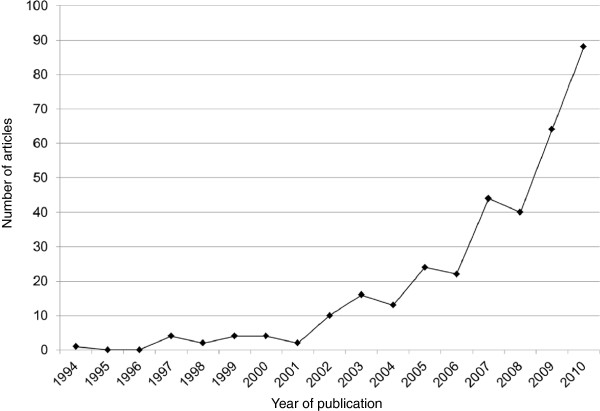
“There has been an increasing trend in the number of published meta-syntheses in health care between 1994 and 2010 [71].”
Nurses’ Perceived Causes of Medication Administration Errors: A Qualitative Systematic Review
Schroers, G., Ross, J. G., & Moriarty, H. (2020) · The Joint Commission Journal on Quality and Patient Safety · doi:10.1016/j.jcjq.2020.09.010 · Cited by 123
Tanay, M. A., Armes, J., & Ream, E. (2016) · European Journal of Cancer Care · doi:10.1111/ecc.12443 · Cited by 109
“Quality of the articles was appraised using an adapted version of the Critical Appraisal Skill Programme Checklist for Qualitative Research (CASP 2014).”
MethodInfluentialMay, C. R., Cummings, A., Myall, M., Harvey, J., Pope, C., Griffiths, P., Roderick, P., Arber, M., Boehmer, K., Mair, F. S., et al. (2016) · BMJ Open · doi:10.1136/bmjopen-2016-011694 · Cited by 95
Soundy, A., Stubbs, B., Roskell, C., Williams, S. E., Fox, A. P., & Vancampfort, D. (2015) · Journal of Mental Health · doi:10.3109/09638237.2014.998811 · Cited by 112
Rocha, J. S., Arima, L. Y., Chibinski, A. C. R., Werneck, R. I., Moysés, S. J., & Baldani, M. H. (2018) · Cadernos de Saúde Pública · doi:10.1590/0102-311x00130817 · Cited by 113
Moore, D. C., Payne, S. A., den Block, L. V., Ling, J., Froggatt, K. A., Gatsolaeva, Y., Honinx, E., Pivodic, L., Miranda, R., Onwuteaka-Philipsen, B. D., et al. (2020) · Palliative Medicine · doi:10.1177/0269216319893635 · Cited by 117
Agyei‐Manu, E., Atkins, N., Lee, B., Rostron, J., Dozier, M., Smith, M., & McQuillan, R. (2023) · Health Expectations · doi:10.1111/hex.13787 · Cited by 124
“2 | METHODS The reporting of this qualitative SR followed the Enhancing Transparency in Reporting the Synthesis of Qualitative Research (ENTREQ) framework.(18) 2.”
MethodQualitative research synthesis: An appreciative and critical introduction
Drisko, J. W. (2020) · Qualitative Social Work · doi:10.1177/1473325019848808 · Cited by 94
“Qualitative research synthesis (QRS) has become much more common across disciplines in recent years, with over 500 reports in 2015 (Booth, 2016), up from roughly 65 in 2009 (Tong et al., 2012).”
BackgroundMethodPerioperative feedback in surgical training: A systematic review
McKendy, K. M., Watanabe, Y., Lee, L., Bilgiç, E., Enani, G. N., Feldman, L. S., Fried, G. M., & Vassiliou, M. C. (2016) · The American Journal of Surgery · doi:10.1016/j.amjsurg.2016.12.014 · Cited by 102
Perceptions of insulin use in type 2 diabetes in primary care: a thematic synthesis
Ellis, K., Mulnier, H., & Forbes, A. (2018) · BMC Family Practice · doi:10.1186/s12875-018-0753-2 · Cited by 93
“In the absence of a standard guideline for reporting thematic syntheses with combined qualitative and quantitative studies [27], the principles of ENTREQ and PRISMA were applied and their study reporting checklists used [31, 32].”
MethodLordon, R. J., Mikles, S. P., Kneale, L., Evans, H. L., Munson, S. A., Backonja, U., & Lober, W. B. (2020) · Health Informatics Journal · doi:10.1177/1460458220928184 · Cited by 110
Lund, H., Juhl, C. B., Nørgaard, B., Draborg, E., Henriksen, M., Andreasen, J., Christensen, R., Nasser, M., Ciliska, D. K., Clarke, M. J., et al. (2020) · Journal of Clinical Epidemiology · doi:10.1016/j.jclinepi.2020.07.019 · Cited by 111
“We therefore suggest to look for systematic reviews of qualitative studies or surveys obtaining the perspectives of the relevant end users, even though currently the number of such systematic reviews is sparse [64] compared with that of systematic reviews of randomized clinical trials [41].”
Sim, W., Lim, W. H., Ng, C. H., Chin, Y. H., Yaow, C. Y. L., Cheong, C. W. Z., Khoo, C. M., Samarasekera, D. D., Devi, M. K., & Chong, C. S. (2021) · PLoS ONE · doi:10.1371/journal.pone.0255936 · Cited by 133
Kishino, M., Ellis-Smith, C. I., Afolabi, O. A., & Koffman, J. (2022) · Palliative Medicine · doi:10.1177/02692163211068282 · Cited by 109
Flaherty, S. J., Delaney, H., Matvienko‐Sikar, K., & Smith, V. A. (2022) · BMC Pregnancy and Childbirth · doi:10.1186/s12884-022-04724-w · Cited by 100
“The protocol adheres to the Enhancing transparency in reporting the synthesis of qualitative research (ENTREQ) guideline [19] (completed checklist available at: https:// osf.”
MethodLi, J., Zhou, P., Wang, J., Li, H., Xu, H., Meng, Y., Ye, F., Tan, Y., Gong, Y., & Yin, X. (2023) · The Lancet Infectious Diseases · doi:10.1016/s1473-3099(23)00130-5 · Cited by 120
Gardiner, S., Głogowska, M., Stoddart, C., Pendlebury, S. T., Lasserson, D. S., & Jackson, D. W. (2017) · International Journal of Older People Nursing · doi:10.1111/opn.12151 · Cited by 111
Hudson, B. F., Flemming, K., Shulman, C., & Candy, B. (2016) · BMC Palliative Care · doi:10.1186/s12904-016-0168-6 · Cited by 119
“The review was reported according to ENTREQ guidelines (Enhancing transparency in reporting the synthesis of qualitative research) [21].”
MethodSelf-citationHarrison, M. S., Brodribb, W. E., & Hepworth, J. (2016) · Maternal and Child Nutrition · doi:10.1111/mcn.12360 · Cited by 117
Gonella, S., Basso, I., Marinis, M. G. D., Campagna, S., & Giulio, P. D. (2019) · Palliative Medicine · doi:10.1177/0269216319840275 · Cited by 142
Vasudevan, A., & Ford, E. M. (2021) · Prevention Science · doi:10.1007/s11121-021-01328-2 · Cited by 132
“2009) and Enhancing Transparency in Reporting the Synthesis of Qualitative Research (ENTREQ) guidelines (Tong et al. 2012).”
BackgroundChildren’s Experiences of Epilepsy: A Systematic Review of Qualitative Studies
Chong, L. S. H., Jamieson, N. J., Gill, D. S., Singh‐Grewal, D., Craig, J. C., Ju, A., Hanson, C. S., & Tong, A. (2016) · PEDIATRICS · doi:10.1542/peds.2016-0658 · Cited by 108
“Method of approach or recruitment 10 – 12, 14 – 18, 20, 22, 24, 28, 30, 31, 33, 34, 36 – 43, 47, 53, 61 – 63 29 (67) Sample size 10 – 25, 27 – 44, 46 – 48, 53, 61 – 64 42 (98) Number and/or reasons for nonparticipation 10, 16 – 18, 22, 28 – 30, 32, 33, 35, 36, 38 –40, 42, 44, 48, 53, 61, 62 21 (49) Setting Venue of da…”
Self-citationSabot, K., Wickremasinghe, D., Blanchet, K., Avan, B. I., & Schellenberg, J. (2017) · Systematic Reviews · doi:10.1186/s13643-017-0597-1 · Cited by 102
Tanganhito, D. D. S., Bick, D., & Chang, Y. (2019) · Women and Birth · doi:10.1016/j.wombi.2019.05.012 · Cited by 100
“The review was developed in line with ‘Enhancing transparency in reporting the synthesis of qualitative research (ENTREQ)’ guidelines.(18) It was registered on the PROSPERO international prospective register of systematic reviews (PROSPERO 2018 CRD42018090841).”
MethodToyé, F., Seers, K., & Barker, K. L. (2014) · Journal of Advanced Nursing · doi:10.1111/jan.12485 · Cited by 107
Tong, A., Jesudason, S., Craig, J. C., & Winkelmayer, W. C. (2014) · Nephrology Dialysis Transplantation · doi:10.1093/ndt/gfu378 · Cited by 92
Self-citationQualitative evidence synthesis to improve implementation of clinical guidelines
Carroll, C. (2017) · BMJ · doi:10.1136/bmj.j80 · Cited by 90
Do women prefer caesarean sections? A qualitative evidence synthesis of their views and experiences
Colomar, M., Opiyo, N., Kingdon, C., Long, Q., Nion, S., Bohren, M. A., & Betran, A. P. (2021) · PLOS ONE · doi:10.1371/journal.pone.0251072 · Cited by 86
“This qualitative evidence synthesis is reported according to the ENTREQ Statement for Enhancing transparency in reporting the synthesis of qualitative research [22].”
MethodA Thematic Synthesis of the Experiences of Adults Living with Hemodialysis
Reid, C., Seymour, J., & Jones, C. A. (2016) · Clinical Journal of the American Society of Nephrology · doi:10.2215/cjn.10561015 · Cited by 115
“Materials and Methods This study is reported following the Enhancing Transparency in Reporting the Synthesis of Qualitative Research guidance (14).”
MethodAlami, S., Hervouet, L., Poiraudeau, S., Briot, K., & Roux, C. (2016) · PLoS ONE · doi:10.1371/journal.pone.0158365 · Cited by 99
“Qualitative research has been recommended in order to explore individuals’ beliefs and motivations in medication taking [39], "to provide an in-depth understanding into human behavior" [40], and to reflect the diversity within a given population [41].”
BackgroundNelwati, N., Abdullah, K. L., & Chan, C. M. (2018) · Nurse Education Today · doi:10.1016/j.nedt.2018.09.018 · Cited by 88
“This qualitative systematic review was conducted in accordance with the ENTREQ (Enhancing Transparency in Reporting the Synthesis of Qualitative Research) statement (Tong et al., 2012).”
BackgroundMethodInfluentialvan de Sande, M. C., Fekkes, M., Kocken, P., Diekstra, R. F. W., Reis, R., & Gravesteijn, C. (2019) · Psychology in the Schools · doi:10.1002/pits.22307 · Cited by 119
The Role of Trust When Adolescents Search for and Appraise Online Health Information
Freeman, J. L., Caldwell, P. H. Y., & Scott, K. M. (2020) · The Journal of Pediatrics · doi:10.1016/j.jpeds.2020.02.074 · Cited by 105
Jain, S. R., Sui, Y., Ng, C. H., Chen, Z. X., Goh, L. H., & Shorey, S. (2020) · PLOS ONE · doi:10.1371/journal.pone.0237647 · Cited by 70
“The Preferred Reporting Items for Systematic Review and Meta-analysis (PRISMA) [25], and the Enhancing Transparency in Reporting the Synthesis of Qualitative Research (ENTREQ) statements were abided in the synthesis of this review [26].”
MethodTaylor, M. L., Thomas, E. E., Vitangcol, K. J., Marx, W., Campbell, K. L., Caffery, L. J., Haydon, H. M., Smith, A. C., & Kelly, J. T. (2022) · Journal of Telemedicine and Telecare · doi:10.1177/1357633x221119620 · Cited by 115
“9 An umbrella review was chosen for this study to speci fi cally aggregate the fi ndings from primary systematic reviews rather than original qualitative studies.”
BackgroundCooper, E., Hutchinson, A., Sheikh, Z., Taylor, P., Townend, W., & Johnson, M. J. (2018) · Palliative Medicine · doi:10.1177/0269216318783920 · Cited by 88
Barriers to Incident Reporting among Nurses: A Qualitative Systematic Review
Hamed, M. M. M., & Konstantinidis, S. T. (2021) · Western Journal of Nursing Research · doi:10.1177/0193945921999449 · Cited by 131
“A scoping pilot search on PubMed and CINAHL databases was conducted, so as to get a broad picture of the available literature and identify the most appropriate keywords (Tong et al., 2012).”
MethodNurses' attitudes towards complementary therapies: a systematic review and meta-synthesis
Hall, H., Leach, M., Brosnan, C., & Collins, M. (2017) · International Journal of Nursing Studies · doi:10.1016/j.ijnurstu.2017.01.008 · Cited by 86
Social media in nursing and midwifery education: A mixed study systematic review
O’Connor, S., Jolliffe, S., Stanmore, E., Renwick, L., & Booth, R. G. (2018) · Journal of Advanced Nursing · doi:10.1111/jan.13799 · Cited by 94
Boshoff, K., Gibbs, D., Phillips, R. L., Wiles, L., & Porter, L. L. (2018) · Health & Social Care in the Community · doi:10.1111/hsc.12691 · Cited by 134
Cénat, J. M., Noorishad, P., Farahi, S. M. M. M., Darius, W. P., Aouame, A. M. E., Onesi, O., Broussard, C., Furyk, S. E., Yaya, S., Caulley, L., et al. (2022) · Journal of Medical Virology · doi:10.1002/jmv.28156 · Cited by 96
“meta‐analysis, while qualitative studies and qualitative results of mixed studies were included in the narrative review.(18,27) As this study analyses a”
Bauld, L., Graham, H. M., Sinclair, L., Flemming, K., Naughton, F., Ford, A., McKell, J., McCaughan, D., Hopewell, S., Angus, K., et al. (2017) · Health Technology Assessment · doi:10.3310/hta21360 · Cited by 105
Self-citationHolland, E., Matthews, K., Macdonald, S., Ashworth, M. J., Laidlaw, L., Cheung, K. S. Y., Stannard, S., Francis, N. A., Mair, F. S., Rajababoo, R., et al. (2024) · BMC Public Health · doi:10.1186/s12889-024-20763-8 · Cited by 96
“We report our search according to the ENTREQ check-list (Supplementary Table 2) [34].”
Sampson, R., Cooper, J. G., Barbour, R. S., Polson, R., & Wilson, P. (2015) · BMJ Open · doi:10.1136/bmjopen-2015-008708 · Cited by 100
“The final step involved expressing the results of the synthesis using tables, figures and text in accordance with the ‘Enhancing transparency in reporting the synthesis of qualitative research’ (ENTREQ) statement (see online supplementary appendix 5 ‘ENTREQ statement’).(32)”
MethodShepherd, A., Doyle, M., Sanders, C., & Shaw, J. J. (2015) · Criminal Behaviour and Mental Health · doi:10.1002/cbm.1966 · Cited by 112
Men’s perspectives of prostate cancer screening: A systematic review of qualitative studies
James, L. J., Wong, G., Craig, J. C., Hanson, C. S., Ju, A., Howard, K., Usherwood, T. P., Lau, H. M. H., & Tong, A. (2017) · PLoS ONE · doi:10.1371/journal.pone.0188258 · Cited by 103
Self-citationPhysicians’ Perspectives About Burnout: a Systematic Review and Metasynthesis
Sibéoni, J., Bellon-Champel, L., Mousty, A., Manolios, É., Verneuil, L., & Révah‐Levy, A. (2019) · Journal of General Internal Medicine · doi:10.1007/s11606-019-05062-y · Cited by 97
Co-producing digital mental health interventions: A systematic review
Brotherdale, R., Berry, K., Branitsky, A., & Bucci, S. (2024) · DIGITAL HEALTH · doi:10.1177/20552076241239172 · Cited by 80
“Overall, only three studies 49,50,59 endorsed all key principles identi fi ed in our quality appraisal tool.”
BackgroundFudge, N., Sadler, E., Fisher, H. R., Maher, J. F., Wolfe, C. D. A., & McKevitt, C. (2016) · PLoS ONE · doi:10.1371/journal.pone.0160475 · Cited by 96
Meta-Synthesis of Qualitative Research on Facilitators and Barriers of Return to Work After Stroke
Schwarz, B., Claros-Salinas, D., & Streibelt, M. (2017) · Journal of Occupational Rehabilitation · doi:10.1007/s10926-017-9713-2 · Cited by 98
“To ensure the comprehensibility and transparency of our paper, we prepared it according to the ENTREQ statement [48].”
MethodMudge, S., Kayes, N. M., & McPherson, K. M. (2015) · BMJ Open · doi:10.1136/bmjopen-2014-007413 · Cited by 109
“METHODS Methodology We used metasynthesis as the methodology to synthesise data across multiple studies(13) and to offer a level of interpretation that goes beyond the findings of the individual studies included.(14) 15 Thematic synthesis was the approach used for analysis.”
Method
Metadata
- Authors
- Tong, A., Flemming, K., McInnes, E., Oliver, S., & Craig, J.
- Affiliations
- The University of Sydney (AU)
- University of York (GB)
- St Vincent's Hospital Sydney (AU)
- University of London (GB)
- Corresponding author
- Tong, Allison
- Venue
- BMC Medical Research Methodology
- Published
- 2012-11-27
- Volume
- 12
- Issue
- 1
- Pages
- 181-181
- ISSN
- 1471-2288 (ISSN-L)
- PMC
- PMC3552766
- OpenAlex
- W2135572748
- Cited by
- 3,569
- References
- 46
- Citations by year
- 2026: 405 · 2025: 456 · 2024: 493 · 2023: 387 · 2022: 389 · 2021: 427 · 2020: 273 · 2019: 199 · 2018: 172 · 2017: 108 · 2016: 119 · 2015: 72 · 2014: 48 · 2013: 13
- FWCI
- 48.39
- Type
- journal article
- Language
- en
- Open access
- gold
- doi.org
- Licence
- cc-by
- creativecommons.org/licenses/by/2.0 (tdm)
- Locations
- BMC Medical Research Methodology (publishedVersion, cc-by)
- Europe PMC (PubMed Central) (publishedVersion, cc-by)
- PubMed Central (publishedVersion, cc-by)
- PubMed (publishedVersion)
- Research Bank (Australian Catholic University) (submittedVersion)
- DOAJ (DOAJ: Directory of Open Access Journals) (submittedVersion)
- Funders
- Medical Research Council
- National Health and Medical Research Council (1037162)
- Topics
- Social Sciences › Decision Sciences › Statistics, Probability and Uncertainty › Meta-analysis and systematic reviews
- Social Sciences › Education › Qualitative Research Methods and Applications
- Social Sciences › Sociology and Political Science › Delphi Technique in Research
- Keywords
- reporting guidelines, qualitative evidence synthesis, qualitative health research, research transparency, quality assessment, reporting checklist
- MeSH terms
- Humans, Research Design, Biomedical Research, Qualitative Research
About these checks
Registry, retraction, Cites and statistics results are computed, not judged, with one exception: a printed reference that no index lists is read once by a model before it counts as a citation error. Claims are extracted by a model and kept only when their quote appears verbatim in the text; each cited source is then checked, with a model’s help, for whether it says what the claim relies on. Those verdicts can be wrong — read the claim’s quote and the cited source before relying on one.
Statistics and arithmetic are recomputed, not judged.
Confidence bands are shown only for fields calibrated on our annotated test set. None is calibrated yet, so no band is shown.
What counts as a claim ›How we measure confidence ›How we check this ›
Are you an author, or do you see a problem with this page? Request a review
Data sources
Bibliographic data: Semantic Scholar, OpenAlex, Crossref.
Contains information from the Semantic Scholar Academic Graph Datasets, made available under the ODC Attribution License (ODC-BY 1.0).
Semantic Scholar’s data is described in: Kinney, R., et al. (2023). The Semantic Scholar Open Data Platform. arXiv:2301.10140.
