

Autoimmune hepatitis type 2 associated with an unexpected and transient presence of primary biliary cirrhosis-specific antimitochondrial antibodies: a case study and review of the literature
Open accessThe DOI matches its Crossref record; 155 of the 155 references it cites were found in a registry or an index.
Abstract
BACKGROUND: Unlike other autoimmune liver diseases, primary biliary cirrhosis (PBC) has never been reported in early childhood, while type 2 autoimmune hepatitis (AIH) is eminently a paediatric disease. CASE PRESENTATION: We describe a case of type 2 AIH with serological positivity for PBC-specific anti-mitochondrial antibodies (AMA) in a 3-year old girl. We found this observation intriguing as AMA and indeed an overlap with PBC are virtually absent in Type 2 AIH, a pediatric form of AIH which is distinct precisely because it is characterized by pathognomonic anti-liver kidney microsomal type 1 (LKM-1) showing a remarkable antigen-specificity directed against cytochrome P4502D6. We also review the literature in relation to AMA positivity in paediatric age and adolescence. In our case, the presence of AIH-2-specific anti-LKM-1 and PBC-specific AMA was confirmed by indirect immunofluorescence (IIF), and immunoblotting and ELISA based on recombinant mitochondrial antigens. The clinical, laboratory and histological features of the child are given in detail. Interestingly the mother was AMA positive without other features of PBC. The child was successfully treated with immunosuppression and five years after the original diagnosis is on a low dose of prednisolone and azathioprine, with no signs of relapse. Anti-LKM-1 antibodies are still present in low titres. AMA were detectable for the first 4 years after the diagnosis and disappeared later. CONCLUSION: This is the first case report in the literature of AIH type 2 with an unexpected PBC-specific AMA positivity in a young child. Response to immunosuppressive treatment was satisfactory and similar to that described in AIH. A review of published reports on AMA positivity in paediatric age shows that the antibody may arise in the context of immunodeficiency and is variably associated with liver damage.
Overview
The claims and statistics of this paper haven’t been checked yet.
Free: it reads the open-access text and checks the first 5 claims that cite a source we can check. Create a free account to check every claim.
Integrity signals
Registry
Cites
Statistics
Figures
Verification
Claims the paper makes
The claims and statistics of this paper haven’t been checked yet.
Free: it reads the open-access text and checks the first 5 claims that cite a source we can check. Create a free account to check every claim.
Claims other papers make about this one
Each is checked against this paper’s own text: does it say what the citing paper says it does?
The cited source doesn’t support the claim as written.
In the citing paper
“The youngest reported age of confirmed disease onset is 15 in a post-menarche young adult; true paediatric disease is not classically encountered [9,10].”
From EASL Clinical Practice Guidelines: The diagnosis and management of patients with primary biliary cholangitis. (2017) · cites this paper as [10]
Checked by a reasoning model — may be wrong.
Experimental — accuracy not yet measured
Self-check
Percentages, sums and reported differences re-computed from the paper’s own numbers.
The self-check needs the paper’s full text.
Citations
Cites
Kaplan, M. M. (1987) · New England Journal of Medicine · doi:10.1056/nejm198702263160907 · Cited by 1,959
EASL Clinical Practice Guidelines: management of cholestatic liver diseases
European Association for the Study of the Liver (2009) · Journal of Hepatology · doi:10.1016/j.jhep.2009.04.009 · Cited by 1,729
(2011) · Encyclopedia of Cancer · doi:10.1007/978-3-642-16483-5_4730 · Cited by 1,240
Kaplan, M. M., & Gershwin, M. E. (2005) · New England Journal of Medicine · doi:10.1056/nejmra043898 · Cited by 1,144
Lindor, K. D., Gershwin, E. M., Poupon, R., Kaplan, M., Bergasa, N. V., & Heathcote, J. E. (2009) · Hepatology · doi:10.1002/hep.22906 · Cited by 1,099
(2015) · Diagnostic Imaging: Gastrointestinal · doi:10.1016/b978-0-323-37755-3.50202-6 · Cited by 811
Gershwin, E. M., Selmi, C., Worman, H. J., Gold, E. B., Watnik, M., Utts, J., Lindor, K. D., Kaplan, M. M., & Vierling, J. M. (2005) · Hepatology · doi:10.1002/hep.20907 · Cited by 621 · cited 1×
“Descriptive epidemiological studies strongly suggest that the incidence and prevalence of PBC are increasing [136-140].”
BackgroundCelaya, F. B. (1989) · Anales de Medicina Interna · Cited by 508
Primary biliary cirrhosis in monozygotic and dizygotic twins: Genetics, epigenetics, and environment
Selmi, C., Mayo, M. J., Bach, N., Ishibashi, H., Invernizzi, P., Gish, R. G., Gordon, S. C., Wright, H. I., Zweiban, B., Podda, M., et al. (2004) · Gastroenterology · doi:10.1053/j.gastro.2004.05.005 · Cited by 480 · cited 1×
“The etiology of the disease remains elusive, but is believed to derive from a combination of factors including a multi-lineage loss of immunological tolerance to PDC-E2 [10,13,15,16,29-31,33,36,43-45,51-84], genetic susceptibility [6,9,11,22,51,77,85-111] and exposure to environmental triggers [51,52,58,112-135].”
BackgroundSelf-citationVergani, D., Alvarez, F., Bianchi, F. B., Cançado, E. L. R., Mackay, I. R., Manns, M. P., Nishioka, M., & Penner, E. (2004) · Journal of Hepatology · doi:10.1016/j.jhep.2004.08.002 · Cited by 446 · cited 2×
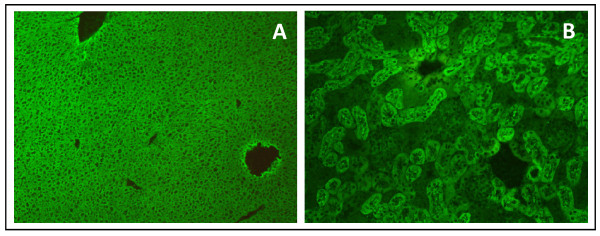
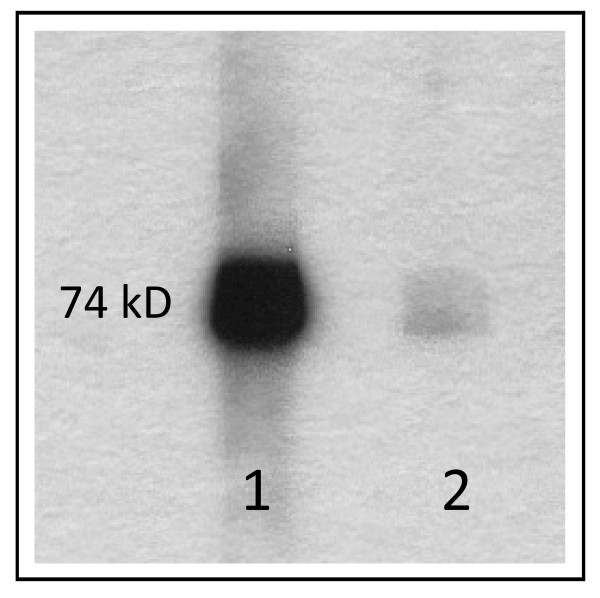
“Repeated laboratory tests confirmed the presence of both anti-LKM-1 antibodies by IIF (Figure 1) [48,141,142] and AMA by western blot with recombinant antigen [13] (Figure 2) over a two year period.”
BackgroundGenome-wide meta-analyses identify three loci associated with primary biliary cirrhosis
Liu, X., Invernizzi, P., Lu, Y., Kosoy, R., Lu, Y., Bianchi, I., Podda, M., Xu, C., Xie, G., Macciardi, F., et al. (2010) · Nature Genetics · doi:10.1038/ng.627 · Cited by 398 · cited 1×
“The etiology of the disease remains elusive, but is believed to derive from a combination of factors including a multi-lineage loss of immunological tolerance to PDC-E2 [10,13,15,16,29-31,33,36,43-45,51-84], genetic susceptibility [6,9,11,22,51,77,85-111] and exposure to environmental triggers [51,52,58,112-135].”
BackgroundSelf-citationSelmi, C., Bowlus, C. L., Gershwin, M. E., & Coppel, R. L. (2011) · The Lancet · doi:10.1016/s0140-6736(10)61965-4 · Cited by 334
Patients With Primary Biliary Cirrhosis React Against A Ubiquitous Xenobiotic–Metabolizing Bacterium
Selmi, C., Balkwill, D. L., Invernizzi, P., Ansari, A. A., Coppel, R. L., Podda, M., Leung, P. S., Kenny, T. P., Van De Water, J., Nantz, M. H., et al. (2003) · Hepatology · doi:10.1053/jhep.2003.50446 · Cited by 312 · cited 1×
“Background Primary biliary cirrhosis (PBC) typically affects middle aged women and has never been reported in previously healthy young children, although affected adolescents have been described [1-22].”
BackgroundSelf-citationLiver‐targeted and peripheral blood alterations of regulatory T cells in primary biliary cirrhosis†
Lan, R. Y., Cheng, C., Lian, Z., Tsuneyama, K., Yang, G., Moritoki, Y., Chuang, Y., Nakamura, T., Saito, S., Shimoda, S., et al. (2006) · Hepatology · doi:10.1002/hep.21123 · Cited by 305 · cited 1×
“IPEX syndrome is a congenital disorder of immune regulation caused by mutations in the FOXP3 gene, which is required for the suppressive function of naturally arising CD4+CD25+ regulatory T cells [143-145].”
BackgroundPathogenesis of cholestatic liver disease and therapeutic approaches
Hirschfield, G. M., Heathcote, E. J., & Gershwin, M. E. (2010) · Gastroenterology · doi:10.1053/j.gastro.2010.09.004 · Cited by 287 · cited 2×
“Mutations in the FOXP3 gene (located on the centromeric region of the X chromosome) lead to decreased CD4+CD25+ Tregs [63,64,146], and therefore failure to suppress the production of autoreactive T cells and multi-organ autoimmunity [37].”
BackgroundFrequency of monosomy X in women with primary biliary cirrhosis
Invernizzi, P., Miozzo, M., Battezzati, P. M., Bianchi, I., Grati, F. R., Simoni, G., Selmi, C., Watnik, M., Gershwin, M. E., & Podda, M. (2004) · The Lancet · doi:10.1016/s0140-6736(04)15541-4 · Cited by 268 · cited 1×
“The etiology of the disease remains elusive, but is believed to derive from a combination of factors including a multi-lineage loss of immunological tolerance to PDC-E2 [10,13,15,16,29-31,33,36,43-45,51-84], genetic susceptibility [6,9,11,22,51,77,85-111] and exposure to environmental triggers [51,52,58,112-135].”
BackgroundSelf-citationHirschfield, G. M., & Heathcote, E. J. (2010) · Evidence‐Based Gastroenterology and Hepatology · doi:10.1002/9781444314403.ch32 · Cited by 261
Definition of human autoimmunity — autoantibodies versus autoimmune disease
Lleo, A., Invernizzi, P., Gao, B., Podda, M., & Gershwin, M. E. (2010) · Autoimmunity Reviews · doi:10.1016/j.autrev.2009.12.002 · Cited by 250 · cited 12×
“The disease is characterized by an immune-mediated destruction of intrahepatic bile ducts and the presence of high-titer anti-mitochondrial antibodies (AMA) against the E2 subunit of the pyruvate dehydrogenase complex (PDC-E2) [3,9,11-13,23-39].”
BackgroundInfluentialSelf-citationEffect of CD4+CD25+ regulatory T-cells on CD8 T-cell function in patients with autoimmune hepatitis
Longhi, M. S., Ma, Y., Mitry, R. R., Bogdanos, D. P., Heneghan, M., Cheeseman, P., Mieli-Vergani, G., & Vergani, D. (2005) · Journal of Autoimmunity · doi:10.1016/j.jaut.2005.05.001 · Cited by 237 · cited 2×
“Mutations in the FOXP3 gene (located on the centromeric region of the X chromosome) lead to decreased CD4+CD25+ Tregs [63,64,146], and therefore failure to suppress the production of autoreactive T cells and multi-organ autoimmunity [37].”
BackgroundSelf-citationRisk factors for primary biliary cirrhosis in a cohort of patients from the United States
Parikh-Patel, A., Gold, E. B., Worman, H., Krivy, K. E., & Gershwin, E. M. (2001) · Hepatology · doi:10.1053/jhep.2001.21165 · Cited by 236 · cited 1×
“Descriptive epidemiological studies strongly suggest that the incidence and prevalence of PBC are increasing [136-140].”
BackgroundDemographic, lifestyle, medical and familial factors associated with primary biliary cirrhosis
Corpechot, C., Chrétien, Y., Chazouillères, O., & Poupon, R. (2010) · Journal of Hepatology · doi:10.1016/j.jhep.2010.02.019 · Cited by 235 · cited 1×
“Descriptive epidemiological studies strongly suggest that the incidence and prevalence of PBC are increasing [136-140].”
BackgroundIL-2 receptor α−/− mice and the development of primary biliary cirrhosis
Wakabayashi, K., Lian, Z.-X., Moritoki, Y., Lan, R. Y., Tsuneyama, K., Chuang, Y.-H., Yang, G.-X., Ridgway, W., Ueno, Y., Ansari, A. A., et al. (2006) · Hepatology · doi:10.1002/hep.21385 · Cited by 233
Mitchison, H. C., Bassendine, M. F., Hendrick, A., Bennett, M. K., Bird, G., Watson, A. J., & James, O. F. W. (1986) · Hepatology · doi:10.1002/hep.1840060609 · Cited by 230 · cited 13×
“The disease is characterized by an immune-mediated destruction of intrahepatic bile ducts and the presence of high-titer anti-mitochondrial antibodies (AMA) against the E2 subunit of the pyruvate dehydrogenase complex (PDC-E2) [3,9,11-13,23-39].”
BackgroundInfluentialApotopes and the biliary specificity of primary biliary cirrhosis†
Lleo, A., Selmi, C., Invernizzi, P., Podda, M., Coppel, R. L., Mackay, I. R., Gores, G. J., Ansari, A. A., Van de Water, J., & Gershwin, M. E. (2009) · Hepatology · doi:10.1002/hep.22736 · Cited by 222 · cited 11×
“The disease is characterized by an immune-mediated destruction of intrahepatic bile ducts and the presence of high-titer anti-mitochondrial antibodies (AMA) against the E2 subunit of the pyruvate dehydrogenase complex (PDC-E2) [3,9,11-13,23-39].”
BackgroundInfluentialSelf-citationKita, H., Matsumura, S., He, X.-S., Ansari, A. A., Lian, Z.-X., Van de Water, J., Coppel, R. L., Kaplan, M. M., & Gershwin, M. E. (2002) · Journal of Clinical Investigation · doi:10.1172/jci0214698 · Cited by 222
Lleo, A., Bowlus, C. L., Yang, G.-X., Invernizzi, P., Podda, M., Van de Water, J., Ansari, A. A., Coppel, R. L., Worman, H. J., Gores, G. J., et al. (2010) · Hepatology · doi:10.1002/hep.23783 · Cited by 216
Self-citationPrimary biliary cirrhosis once rare, now common in the United Kingdom?
James, O. F., Bhopal, R., Howel, D., Gray, J., Burt, A. D., & Metcalf, J. V. (1999) · Hepatology · doi:10.1002/hep.510300213 · Cited by 213 · cited 13×
“The disease is characterized by an immune-mediated destruction of intrahepatic bile ducts and the presence of high-titer anti-mitochondrial antibodies (AMA) against the E2 subunit of the pyruvate dehydrogenase complex (PDC-E2) [3,9,11-13,23-39].”
BackgroundInfluentialAutoimmune liver serology: Current diagnostic and clinical challenges
Bogdanos, D. P., Invernizzi, P., Mackay, I. R., & Vergani, D. (2008) · World Journal of Gastroenterology · doi:10.3748/wjg.14.3374 · Cited by 213 · cited 2×
“Repeated laboratory tests confirmed the presence of both anti-LKM-1 antibodies by IIF (Figure 1) [48,141,142] and AMA by western blot with recombinant antigen [13] (Figure 2) over a two year period.”
BackgroundSelf-citationPrimary biliary cirrhosis is associated with altered hepatic microRNA expression
Padgett, K. A., Lan, R. Y., Leung, P. C., Lleo, A., Dawson, K., Pfeiff, J., Mao, T. K., Coppel, R. L., Ansari, A. A., & Gershwin, M. E. (2009) · Journal of Autoimmunity · doi:10.1016/j.jaut.2009.02.022 · Cited by 209 · cited 1×
“Background Primary biliary cirrhosis (PBC) typically affects middle aged women and has never been reported in previously healthy young children, although affected adolescents have been described [1-22].”
BackgroundPrimary biliary cirrhosis: Paradigm or paradox for autoimmunity
Gershwin, M. E., & Mackay, I. R. (1991) · Gastroenterology · doi:10.1016/0016-5085(91)80033-6 · Cited by 206 · cited 1×
“Background Primary biliary cirrhosis (PBC) typically affects middle aged women and has never been reported in previously healthy young children, although affected adolescents have been described [1-22].”
BackgroundHepatic IL-17 responses in human and murine primary biliary cirrhosis
Lan, R. Y. Z., Salunga, T. L., Tsuneyama, K., Lian, Z.-X., Yang, G.-X., Hsu, W., Moritoki, Y., Ansari, A. A., Kemper, C., Price, J., et al. (2009) · Journal of Autoimmunity · doi:10.1016/j.jaut.2008.11.001 · Cited by 202 · cited 11×
“The disease is characterized by an immune-mediated destruction of intrahepatic bile ducts and the presence of high-titer anti-mitochondrial antibodies (AMA) against the E2 subunit of the pyruvate dehydrogenase complex (PDC-E2) [3,9,11-13,23-39].”
BackgroundInfluentialMiyakawa, H., Tanaka, A., Kikuchi, K., Matsushita, M., Kitazawa, E., Kawaguchi, N., Fujikawa, H., & Gershwin, E. M. (2001) · Hepatology · doi:10.1053/jhep.2001.26514 · Cited by 200 · cited 1×
“AMA are highly specific for PBC, and can be detected in approximately 95% of patients when sensitive diagnostic immunoassays are used [3,6,9,11-13,18,21,23-38,40-50].”
BackgroundX Chromosome Monosomy: A Common Mechanism for Autoimmune Diseases
Invernizzi, P., Miozzo, M., Selmi, C., Persani, L., Battezzati, P. M., Zuin, M., Lucchi, S., Meroni, P. L., Marasini, B., Zeni, S., et al. (2005) · The Journal of Immunology · doi:10.4049/jimmunol.175.1.575 · Cited by 191 · cited 1×
“The etiology of the disease remains elusive, but is believed to derive from a combination of factors including a multi-lineage loss of immunological tolerance to PDC-E2 [10,13,15,16,29-31,33,36,43-45,51-84], genetic susceptibility [6,9,11,22,51,77,85-111] and exposure to environmental triggers [51,52,58,112-135].”
BackgroundSelf-citationFemale predominance and X chromosome defects in autoimmune diseases
Invernizzi, P., Pasini, S., Selmi, C., Gershwin, M. E., & Podda, M. (2009) · Journal of Autoimmunity · doi:10.1016/j.jaut.2009.03.005 · Cited by 189 · cited 1×
“The etiology of the disease remains elusive, but is believed to derive from a combination of factors including a multi-lineage loss of immunological tolerance to PDC-E2 [10,13,15,16,29-31,33,36,43-45,51-84], genetic susceptibility [6,9,11,22,51,77,85-111] and exposure to environmental triggers [51,52,58,112-135].”
BackgroundSelf-citationVan de Water, J., Turchany, J., Leung, P. S., Lake, J., Munoz, S., Surh, C. D., Coppel, R., Ansari, A., Nakanuma, Y., & Gershwin, M. E. (1993) · Journal of Clinical Investigation · doi:10.1172/jci116504 · Cited by 179
Correlation of initial autoantibody profile and clinical outcome in primary biliary cirrhosis
Wesierska-Gadek, J., Penner, E., Battezzati, P. M., Selmi, C., Zuin, M., Hitchman, E., Worman, H. J., Gershwin, E. M., Podda, M., & Invernizzi, P. (2006) · Hepatology · doi:10.1002/hep.21172 · Cited by 177 · cited 12×
“The disease is characterized by an immune-mediated destruction of intrahepatic bile ducts and the presence of high-titer anti-mitochondrial antibodies (AMA) against the E2 subunit of the pyruvate dehydrogenase complex (PDC-E2) [3,9,11-13,23-39].”
BackgroundInfluentialSelf-citationIL-2 receptor alpha deficiency and features of primary biliary cirrhosis
Aoki, C. A., Roifman, C. M., Lian, Z.-X., Bowlus, C. L., Norman, G. L., Shoenfeld, Y., Mackay, I. R., & Eric Gershwin, M. (2006) · Journal of Autoimmunity · doi:10.1016/j.jaut.2006.04.005 · Cited by 174 · cited 19×
“IPEX syndrome is a congenital disorder of immune regulation caused by mutations in the FOXP3 gene, which is required for the suppressive function of naturally arising CD4+CD25+ regulatory T cells [143-145].”
BackgroundInfluentialCase‐control studies of risk factors for primary biliary cirrhosis in two United Kingdom populations
Prince, M. I., Ducker, S. J., & James, O. F. W. (2010) · Gut · doi:10.1136/gut.2009.184218 · Cited by 171 · cited 1×
“Descriptive epidemiological studies strongly suggest that the incidence and prevalence of PBC are increasing [136-140].”
BackgroundThe regulatory, inflammatory, and T cell programming roles of interleukin-2 (IL-2)
Lan, R. Y., Selmi, C. F., & Gershwin, M. E. (2008) · Journal of Autoimmunity · doi:10.1016/j.jaut.2008.03.002 · Cited by 168 · cited 11×
“The disease is characterized by an immune-mediated destruction of intrahepatic bile ducts and the presence of high-titer anti-mitochondrial antibodies (AMA) against the E2 subunit of the pyruvate dehydrogenase complex (PDC-E2) [3,9,11-13,23-39].”
BackgroundInfluentialOertelt, S., Rieger, R., Selmi, C., Invernizzi, P., Ansari, A. A., Coppel, R. L., Podda, M., Leung, P. S. C., & Gershwin, E. M. (2007) · Hepatology · doi:10.1002/hep.21583 · Cited by 168
Self-citationBogdanos, D. P., Baum, H., Grasso, A., Okamoto, M., Butler, P., Ma, Y., Rigopoulou, E. I., Montalto, P., Davies, E. T., Burroughs, A. K., et al. (2003) · Journal of Hepatology · doi:10.1016/s0168-8278(03)00501-4 · Cited by 156 · cited 1×
“The etiology of the disease remains elusive, but is believed to derive from a combination of factors including a multi-lineage loss of immunological tolerance to PDC-E2 [10,13,15,16,29-31,33,36,43-45,51-84], genetic susceptibility [6,9,11,22,51,77,85-111] and exposure to environmental triggers [51,52,58,112-135].”
BackgroundSelf-citationThe consequences of apoptosis in autoimmunity
Lleò, A., Selmi, C. F., Invernizzi, P., Podda, M., & Gershwin, M. E. (2008) · Journal of Autoimmunity · doi:10.1016/j.jaut.2008.04.009 · Cited by 150 · cited 11×
“The disease is characterized by an immune-mediated destruction of intrahepatic bile ducts and the presence of high-titer anti-mitochondrial antibodies (AMA) against the E2 subunit of the pyruvate dehydrogenase complex (PDC-E2) [3,9,11-13,23-39].”
BackgroundInfluentialSelf-citationThe autoimmunologist: geoepidemiology, a new center of gravity, and prime time for autoimmunity
Shoenfeld, Y., Selmi, C. F., Zimlichman, E., & Gershwin, M. E. (2008) · Journal of Autoimmunity · doi:10.1016/j.jaut.2008.08.004 · Cited by 144 · cited 11×
“The disease is characterized by an immune-mediated destruction of intrahepatic bile ducts and the presence of high-titer anti-mitochondrial antibodies (AMA) against the E2 subunit of the pyruvate dehydrogenase complex (PDC-E2) [3,9,11-13,23-39].”
BackgroundInfluentialLonghi, M. S., Hussain, M. J., Bogdanos, D. P., Quaglia, A., Mieli‐Vergani, G., Ma, Y., & Vergani, D. (2007) · Hepatology · doi:10.1002/hep.21658 · Cited by 143
Self-citationPreferential X chromosome loss but random inactivation characterize primary biliary cirrhosis†
Miozzo, M., Selmi, C., Gentilin, B., Grati, F. R., Sirchia, S., Oertelt, S., Zuin, M., Gershwin, M. E., Podda, M., & Invernizzi, P. (2007) · Hepatology · doi:10.1002/hep.21696 · Cited by 134 · cited 1×
“The etiology of the disease remains elusive, but is believed to derive from a combination of factors including a multi-lineage loss of immunological tolerance to PDC-E2 [10,13,15,16,29-31,33,36,43-45,51-84], genetic susceptibility [6,9,11,22,51,77,85-111] and exposure to environmental triggers [51,52,58,112-135].”
BackgroundSelf-citationInvernizzi, P., Selmi, C., Poli, F., Frison, S., Floreani, A., Alvaro, D., Almasio, P., Rosina, F., Marzioni, M., Fabris, L., et al. (2008) · Hepatology · doi:10.1002/hep.22567 · Cited by 132
Self-citationLiu, H., Norman, G. L., Shums, Z., Worman, H. J., Krawitt, E. L., Bizzaro, N., Vergani, D., Bogdanos, D. P., Dalekos, G. N., Milkiewicz, P., et al. (2010) · Journal of Autoimmunity · doi:10.1016/j.jaut.2010.09.005 · Cited by 130 · cited 12×
“The disease is characterized by an immune-mediated destruction of intrahepatic bile ducts and the presence of high-titer anti-mitochondrial antibodies (AMA) against the E2 subunit of the pyruvate dehydrogenase complex (PDC-E2) [3,9,11-13,23-39].”
BackgroundInfluentialSelf-citationShimoda, S., Harada, K., Niiro, H., Shirabe, K., Taketomi, A., Maehara, Y., Tsuneyama, K., Nakanuma, Y., Leung, P., Ansari, A. A., et al. (2011) · Hepatology · doi:10.1002/hep.24194 · Cited by 126 · cited 11×
“The disease is characterized by an immune-mediated destruction of intrahepatic bile ducts and the presence of high-titer anti-mitochondrial antibodies (AMA) against the E2 subunit of the pyruvate dehydrogenase complex (PDC-E2) [3,9,11-13,23-39].”
BackgroundInfluentialLeung, P. S. C., Quan, C., Park, O., Van de Water, J., Kurth, M. J., Nantz, M. H., Ansari, A. A., Coppel, R. L., Lam, K. S., & Gershwin, M. E. (2003) · The Journal of Immunology · doi:10.4049/jimmunol.170.10.5326 · Cited by 124
Antimitochondrial antibodies in acute liver failure: implications for primary biliary cirrhosis
Leung, P. S. C., Rossaro, L., Davis, P. A., Park, O., Tanaka, A., Kikuchi, K., Miyakawa, H., Norman, G. L., Lee, W., & Gershwin, E. M. (2007) · Hepatology · doi:10.1002/hep.21828 · Cited by 121 · cited 16×
“By 24 months, only one subject remained positive for AMA directed against OGDC-E2 [32].”
BackgroundInfluentialAutoimmune paediatric liver disease
Mieli‐Vergani, G., & Mieli‐Vergani, G. (2008) · World Journal of Gastroenterology · doi:10.3748/wjg.14.3360 · Cited by 121 · cited 4×
“The diagnosis of ASC relies on cholangiographic imaging changes.”
BackgroundInfluentialTsuda, M., Torgerson, T. R., Selmi, C. F., Gambineri, E., Carneiro-Sampaio, M. M. S., Mannurita, S. C., Leung, P. S. C., Norman, G. L., & Gershwin, M. E. (2010) · Journal of Autoimmunity · doi:10.1016/j.jaut.2010.06.017 · Cited by 118
Leung, P. S. C., Chuang, D. T., Wynn, M. R., Cha, S., Danner, D. J., Ansari, A., Coppel, R. L., & Gershwin, E. M. (1995) · Hepatology · doi:10.1002/hep.1840220220 · Cited by 118 · cited 12×
“The disease is characterized by an immune-mediated destruction of intrahepatic bile ducts and the presence of high-titer anti-mitochondrial antibodies (AMA) against the E2 subunit of the pyruvate dehydrogenase complex (PDC-E2) [3,9,11-13,23-39].”
BackgroundInfluentialSelmi, C. F., Ross, S. R., Ansari, A. A., Invernizzi, P., Podda, M., Coppel, R. L., & Gershwin, M. E. (2004) · Gastroenterology · doi:10.1053/j.gastro.2004.05.033 · Cited by 113 · cited 11×
“The disease is characterized by an immune-mediated destruction of intrahepatic bile ducts and the presence of high-titer anti-mitochondrial antibodies (AMA) against the E2 subunit of the pyruvate dehydrogenase complex (PDC-E2) [3,9,11-13,23-39].”
BackgroundInfluentialSelf-citationThe X and why of xenobiotics in primary biliary cirrhosis
Rieger, R., & Gershwin, M. E. (2007) · Journal of Autoimmunity · doi:10.1016/j.jaut.2007.02.003 · Cited by 110 · cited 11×
“The disease is characterized by an immune-mediated destruction of intrahepatic bile ducts and the presence of high-titer anti-mitochondrial antibodies (AMA) against the E2 subunit of the pyruvate dehydrogenase complex (PDC-E2) [3,9,11-13,23-39].”
BackgroundInfluentialBogdanos, D., Baum, H., Okamoto, M., Montalto, P., Sharma, U. C., Rigopoulou, E. I., Vlachogiannakos, J., Ma, Y., Burroughs, A. K., & Vergani, D. (2005) · Hepatology · doi:10.1002/hep.20788 · Cited by 108 · cited 1×
“The etiology of the disease remains elusive, but is believed to derive from a combination of factors including a multi-lineage loss of immunological tolerance to PDC-E2 [10,13,15,16,29-31,33,36,43-45,51-84], genetic susceptibility [6,9,11,22,51,77,85-111] and exposure to environmental triggers [51,52,58,112-135].”
BackgroundSelf-citationEpidemiology of autoimmune liver disease
FELD, J., & HEATHCOTE, E. (2003) · Journal of Gastroenterology and Hepatology · doi:10.1046/j.1440-1746.2003.03165.x · Cited by 107
Interpreting serological tests in diagnosing autoimmune liver diseases
Invernizzi, P., Lleo, A., & Podda, M. (2007) · Seminars in Liver Disease · doi:10.1055/s-2007-979469 · Cited by 107
Self-citationDisease-specific autoantibodies in primary biliary cirrhosis
Bogdanos, D. P., & Komorowski, L. (2010) · Clinica Chimica Acta · doi:10.1016/j.cca.2010.12.019 · Cited by 107 · cited 11×
“The disease is characterized by an immune-mediated destruction of intrahepatic bile ducts and the presence of high-titer anti-mitochondrial antibodies (AMA) against the E2 subunit of the pyruvate dehydrogenase complex (PDC-E2) [3,9,11-13,23-39].”
BackgroundInfluentialSelf-citationAntimitochondrial and other autoantibodies
Bogdanos, D. P., Baum, H., & Vergani, D. (2003) · Clinics in Liver Disease · doi:10.1016/s1089-3261(03)00104-1 · Cited by 105 · cited 21×
“By 24 months, only one subject remained positive for AMA directed against OGDC-E2 [32].”
BackgroundInfluentialSelf-citationThe genetics of human autoimmune disease
Invernizzi, P., & Gershwin, M. E. (2009) · Journal of Autoimmunity · doi:10.1016/j.jaut.2009.07.008 · Cited by 104 · cited 1×
“The etiology of the disease remains elusive, but is believed to derive from a combination of factors including a multi-lineage loss of immunological tolerance to PDC-E2 [10,13,15,16,29-31,33,36,43-45,51-84], genetic susceptibility [6,9,11,22,51,77,85-111] and exposure to environmental triggers [51,52,58,112-135].”
BackgroundSelf-citationSelmi, C., Invernizzi, P., Zuin, M., Podda, M., & Gershwin, M. E. (2005) · Seminars in Liver Disease · doi:10.1055/s-2005-916319 · Cited by 102 · cited 1×
“The etiology of the disease remains elusive, but is believed to derive from a combination of factors including a multi-lineage loss of immunological tolerance to PDC-E2 [10,13,15,16,29-31,33,36,43-45,51-84], genetic susceptibility [6,9,11,22,51,77,85-111] and exposure to environmental triggers [51,52,58,112-135].”
BackgroundSelf-citationAutophagy: Highlighting a novel player in the autoimmunity scenario
Lleò, A., Invernizzi, P., Selmi, C. F., Coppel, R. L., Alpini, G. D., Podda, M., Mackay, I. R., & Gershwin, M. E. (2007) · Journal of Autoimmunity · doi:10.1016/j.jaut.2007.06.003 · Cited by 102 · cited 11×
“The disease is characterized by an immune-mediated destruction of intrahepatic bile ducts and the presence of high-titer anti-mitochondrial antibodies (AMA) against the E2 subunit of the pyruvate dehydrogenase complex (PDC-E2) [3,9,11-13,23-39].”
BackgroundInfluentialSelf-citationA comprehensive evaluation of serum autoantibodies in primary biliary cirrhosis
Agmon-Levin, N., Shapira, Y., Selmi, C., Barzilai, O., Ram, M., Szyper-Kravitz, M., Sella, S., Katz, B.-S. P., Youinou, P., Renaudineau, Y., et al. (2010) · Journal of Autoimmunity · doi:10.1016/j.jaut.2009.08.009 · Cited by 97 · cited 12×
“The disease is characterized by an immune-mediated destruction of intrahepatic bile ducts and the presence of high-titer anti-mitochondrial antibodies (AMA) against the E2 subunit of the pyruvate dehydrogenase complex (PDC-E2) [3,9,11-13,23-39].”
BackgroundInfluentialSelf-citationWu, S.-J., Yang, Y.-H., Tsuneyama, K., Leung, P. S. C., Illarionov, P., Gershwin, E. M., & Chuang, Y.-H. (2011) · Hepatology · doi:10.1002/hep.24113 · Cited by 96 · cited 11×
“The disease is characterized by an immune-mediated destruction of intrahepatic bile ducts and the presence of high-titer anti-mitochondrial antibodies (AMA) against the E2 subunit of the pyruvate dehydrogenase complex (PDC-E2) [3,9,11-13,23-39].”
BackgroundInfluentialTanaka, A., Nezu, S., Uegaki, S., Kikuchi, K., Shibuya, A., Miyakawa, H., Takahashi, S.-I., Bianchi, I., Zermiani, P., Podda, M., et al. (2009) · Journal of Hepatology · doi:10.1016/j.jhep.2009.01.015 · Cited by 94 · cited 1×
“The etiology of the disease remains elusive, but is believed to derive from a combination of factors including a multi-lineage loss of immunological tolerance to PDC-E2 [10,13,15,16,29-31,33,36,43-45,51-84], genetic susceptibility [6,9,11,22,51,77,85-111] and exposure to environmental triggers [51,52,58,112-135].”
BackgroundSelf-citationEtiopathogenesis of primary biliary cirrhosis
Lleo, A., Invernizzi, P., Mackay, I. R., Prince, H., Zhong, R.-Q., & Gershwin, M. E. (2008) · World Journal of Gastroenterology · doi:10.3748/wjg.14.3328 · Cited by 94
Self-citationGeoepidemiology of autoimmune liver diseases
Invernizzi, P. (2009) · Journal of Autoimmunity · doi:10.1016/j.jaut.2009.12.002 · Cited by 93 · cited 1×
“Descriptive epidemiological studies strongly suggest that the incidence and prevalence of PBC are increasing [136-140].”
BackgroundSelf-citationPediatric-onset primary biliary cirrhosis
Dahlan, Y., Smith, L., Simmonds, D., Jewell, L. D., Wanless, I., Heathcote, E. J., & Bain, V. G. (2003) · Gastroenterology · doi:10.1016/j.gastro.2003.08.022 · Cited by 92 · cited 10×
“Dahlan and colleagues reported two females aged 11 and 16 years, with confirmed PBC [2].”
BackgroundInfluentialShimoda, S., Miyakawa, H., Nakamura, M., Ishibashi, H., Kikuchi, K., Kita, H., Niiro, H., Arinobu, Y., Ono, N., Mackay, I. R., et al. (2008) · Journal of Autoimmunity · doi:10.1016/j.jaut.2008.05.003 · Cited by 92 · cited 11×
“The disease is characterized by an immune-mediated destruction of intrahepatic bile ducts and the presence of high-titer anti-mitochondrial antibodies (AMA) against the E2 subunit of the pyruvate dehydrogenase complex (PDC-E2) [3,9,11-13,23-39].”
BackgroundInfluentialFrom Bases to Basis: Linking Genetics to Causation in Primary Biliary Cirrhosis
Invernizzi, P., Selmi, C. F., MacKay, I. R., Podda, M., & Gershwin, M. E. (2005) · Clinical Gastroenterology and Hepatology · doi:10.1016/s1542-3565(04)00678-0 · Cited by 88 · cited 1×
“The etiology of the disease remains elusive, but is believed to derive from a combination of factors including a multi-lineage loss of immunological tolerance to PDC-E2 [10,13,15,16,29-31,33,36,43-45,51-84], genetic susceptibility [6,9,11,22,51,77,85-111] and exposure to environmental triggers [51,52,58,112-135].”
BackgroundSelf-citationAre infectious agents involved in primary biliary cirrhosis? A PCR approach
Tanaka, A., Prindiville, T. P., Gish, R. G., Solnick, J. V., Coppel, R. L., Keeffe, E. B., Ansari, A. A., & Gershwin, M. E. (1999) · Journal of Hepatology · doi:10.1016/s0168-8278(99)80346-8 · Cited by 87 · cited 1×
“The etiology of the disease remains elusive, but is believed to derive from a combination of factors including a multi-lineage loss of immunological tolerance to PDC-E2 [10,13,15,16,29-31,33,36,43-45,51-84], genetic susceptibility [6,9,11,22,51,77,85-111] and exposure to environmental triggers [51,52,58,112-135].”
BackgroundFamilial Primary Biliary Cirrhosis in Hiroshima
Tsuji, K., Watanabe, Y., de Water, J. V., Nakanishi, T., Kajiyama, G., Parikh‐Patel, A., Coppel, R. L., & Gershwin, M. E. (1999) · Journal of Autoimmunity · doi:10.1006/jaut.1999.0299 · Cited by 87 · cited 2×
“The etiology of the disease remains elusive, but is believed to derive from a combination of factors including a multi-lineage loss of immunological tolerance to PDC-E2 [10,13,15,16,29-31,33,36,43-45,51-84], genetic susceptibility [6,9,11,22,51,77,85-111] and exposure to environmental triggers [51,52,58,112-135].”
BackgroundBacteria and Primary Biliary Cirrhosis
Bogdanos, D. P., & Vergani, D. (2008) · Clinical Reviews in Allergy & Immunology · doi:10.1007/s12016-008-8087-9 · Cited by 85 · cited 1×
“The etiology of the disease remains elusive, but is believed to derive from a combination of factors including a multi-lineage loss of immunological tolerance to PDC-E2 [10,13,15,16,29-31,33,36,43-45,51-84], genetic susceptibility [6,9,11,22,51,77,85-111] and exposure to environmental triggers [51,52,58,112-135].”
BackgroundSelf-citationHuman leukocyte antigen in primary biliary cirrhosis: An old story now reviving
Invernizzi, P. (2011) · Hepatology · doi:10.1002/hep.24414 · Cited by 84
Self-citationPeculiar HLA polymorphisms in Italian patients with primary biliary cirrhosis
Invernizzi, P., Battezzati, P. M., Crosignani, A. L., Perego, F., Poli, F., Morabito, A., de Arias, A. E., Scalamogna, M., Zuin, M. G., & Podda, M. (2003) · Journal of Hepatology · doi:10.1016/s0168-8278(02)00440-3 · Cited by 81 · cited 1×
“The etiology of the disease remains elusive, but is believed to derive from a combination of factors including a multi-lineage loss of immunological tolerance to PDC-E2 [10,13,15,16,29-31,33,36,43-45,51-84], genetic susceptibility [6,9,11,22,51,77,85-111] and exposure to environmental triggers [51,52,58,112-135].”
BackgroundSelf-citationBizzaro, N., Covini, G., Rosina, F., Muratori, P., Tonutti, E., Villalta, D., Pesente, F., Alessio, M. G., Tampoia, M., Antico, A., et al. (2012) · Clinical Reviews in Allergy & Immunology · doi:10.1007/s12016-010-8234-y · Cited by 79 · cited 12×
“The disease is characterized by an immune-mediated destruction of intrahepatic bile ducts and the presence of high-titer anti-mitochondrial antibodies (AMA) against the E2 subunit of the pyruvate dehydrogenase complex (PDC-E2) [3,9,11-13,23-39].”
BackgroundInfluentialSelf-citationMitchell, M. M., Lleo, A., Zammataro, L., Mayo, M. J., Invernizzi, P., Bach, N., Shimoda, S., Gordon, S., Podda, M., Gershwin, M. E., et al. (2011) · Epigenetics · doi:10.4161/epi.6.1.13405 · Cited by 79 · cited 1×
“The etiology of the disease remains elusive, but is believed to derive from a combination of factors including a multi-lineage loss of immunological tolerance to PDC-E2 [10,13,15,16,29-31,33,36,43-45,51-84], genetic susceptibility [6,9,11,22,51,77,85-111] and exposure to environmental triggers [51,52,58,112-135].”
BackgroundSelf-citationNishio, A., Van de Water, J., Leung, P. S., Joplin, R., Neuberger, J. M., Lake, J., Bjorkland, A., Totterman, T. H., Peters, M., Worman, H. J., et al. (1997) · Hepatology · doi:10.1002/hep.510250506 · Cited by 78 · cited 1×
“AMA are highly specific for PBC, and can be detected in approximately 95% of patients when sensitive diagnostic immunoassays are used [3,6,9,11-13,18,21,23-38,40-50].”
BackgroundOxidative stress-induced apoptosis of bile duct cells in primary biliary cirrhosis
Salunga, T. L., Cui, Z., Shimoda, S., Zheng, H.-C., Nomoto, K., Kondo, T., Takano, Y., Selmi, C. F., Alpini, G. D., Gershwin, M. E., et al. (2007) · Journal of Autoimmunity · doi:10.1016/j.jaut.2007.04.002 · Cited by 77 · cited 11×
“The disease is characterized by an immune-mediated destruction of intrahepatic bile ducts and the presence of high-titer anti-mitochondrial antibodies (AMA) against the E2 subunit of the pyruvate dehydrogenase complex (PDC-E2) [3,9,11-13,23-39].”
BackgroundInfluentialThe role of environmental factors in primary biliary cirrhosis
Selmi, C. F., & Gershwin, M. E. (2009) · Trends in Immunology · doi:10.1016/j.it.2009.05.006 · Cited by 76 · cited 1×
“The etiology of the disease remains elusive, but is believed to derive from a combination of factors including a multi-lineage loss of immunological tolerance to PDC-E2 [10,13,15,16,29-31,33,36,43-45,51-84], genetic susceptibility [6,9,11,22,51,77,85-111] and exposure to environmental triggers [51,52,58,112-135].”
BackgroundNew ELISA for Detecting Primary Biliary Cirrhosis–Specific Antimitochondrial Antibodies
Dähnrich, C., Pares, A., Caballeria, L., Rosemann, A., Schlumberger, W., Probst, C., Mytilinaiou, M., Bogdanos, D., Vergani, D., Stöcker, W., et al. (2009) · Clinical Chemistry · doi:10.1373/clinchem.2008.118299 · Cited by 76 · cited 1×
“AMA are highly specific for PBC, and can be detected in approximately 95% of patients when sensitive diagnostic immunoassays are used [3,6,9,11-13,18,21,23-38,40-50].”
BackgroundSelf-citationPhenotypical and functional alterations of CD8 regulatory T cells in primary biliary cirrhosis
Bernuzzi, F., Fenoglio, D., Battaglia, F., Fravega, M., Gershwin, M. E., Indiveri, F., Ansari, A. A., Podda, M., Invernizzi, P., & Filaci, G. (2010) · Journal of Autoimmunity · doi:10.1016/j.jaut.2010.06.004 · Cited by 75 · cited 1×
“The etiology of the disease remains elusive, but is believed to derive from a combination of factors including a multi-lineage loss of immunological tolerance to PDC-E2 [10,13,15,16,29-31,33,36,43-45,51-84], genetic susceptibility [6,9,11,22,51,77,85-111] and exposure to environmental triggers [51,52,58,112-135].”
BackgroundSelf-citationKikuchi, K., Lian, Z.-X., Kimura, Y., Selmi, C., Yang, G.-X., Gordon, S. C., Invernizzi, P., Podda, M., Coppel, R. L., Ansari, A. A., et al. (2005) · Journal of Autoimmunity · doi:10.1016/j.jaut.2005.03.002 · Cited by 74 · cited 1×
“The etiology of the disease remains elusive, but is believed to derive from a combination of factors including a multi-lineage loss of immunological tolerance to PDC-E2 [10,13,15,16,29-31,33,36,43-45,51-84], genetic susceptibility [6,9,11,22,51,77,85-111] and exposure to environmental triggers [51,52,58,112-135].”
BackgroundSelf-citationAutoimmunity and Environment: Am I at risk?
Smyk, D. S., Rigopoulou, E. I., Baum, H., Burroughs, A. K., Vergani, D., & Bogdanos, D. P. (2011) · Clinical Reviews in Allergy & Immunology · doi:10.1007/s12016-011-8259-x · Cited by 73 · cited 1×
“The etiology of the disease remains elusive, but is believed to derive from a combination of factors including a multi-lineage loss of immunological tolerance to PDC-E2 [10,13,15,16,29-31,33,36,43-45,51-84], genetic susceptibility [6,9,11,22,51,77,85-111] and exposure to environmental triggers [51,52,58,112-135].”
BackgroundSelf-citationProgress in the Genetics of Primary Biliary Cirrhosis
Hirschfield, G., & Invernizzi, P. (2011) · Seminars in Liver Disease · doi:10.1055/s-0031-1276644 · Cited by 73
Self-citationBogdanos, D. P., Baum, H., Butler, P., Rigopoulou, E. I., Davies, E. T., Ma, Y.-F., Burroughs, A. K., & Vergani, D. (2003) · Digestive and Liver Disease · doi:10.1016/s1590-8658(03)00466-3 · Cited by 71 · cited 1×
“The etiology of the disease remains elusive, but is believed to derive from a combination of factors including a multi-lineage loss of immunological tolerance to PDC-E2 [10,13,15,16,29-31,33,36,43-45,51-84], genetic susceptibility [6,9,11,22,51,77,85-111] and exposure to environmental triggers [51,52,58,112-135].”
BackgroundSelf-citationBogdanos, D. P., Baum, H., Sharma, U. C., Grasso, A., Ma, Y., Burroughs, A. K., & Vergani, D. (2002) · Journal of Hepatology · doi:10.1016/s0168-8278(01)00252-5 · Cited by 70 · cited 1×
“The etiology of the disease remains elusive, but is believed to derive from a combination of factors including a multi-lineage loss of immunological tolerance to PDC-E2 [10,13,15,16,29-31,33,36,43-45,51-84], genetic susceptibility [6,9,11,22,51,77,85-111] and exposure to environmental triggers [51,52,58,112-135].”
BackgroundSelf-citationUpdate on primary biliary cirrhosis
Invernizzi, P., Selmi, C., & Gershwin, M. E. (2010) · Digestive and Liver Disease · doi:10.1016/j.dld.2010.02.014 · Cited by 69 · cited 13×
“The disease is characterized by an immune-mediated destruction of intrahepatic bile ducts and the presence of high-titer anti-mitochondrial antibodies (AMA) against the E2 subunit of the pyruvate dehydrogenase complex (PDC-E2) [3,9,11-13,23-39].”
BackgroundInfluentialSelf-citationAmano, K., Leung, P. S. C., Xu, Q., Marik, J., Quan, C., Kurth, M. J., Nantz, M. H., Ansari, A. A., Lam, K. S., Zeniya, M., et al. (2004) · The Journal of Immunology · doi:10.4049/jimmunol.172.10.6444 · Cited by 65
Experimental evidence on the immunopathogenesis of primary biliary cirrhosis
Selmi, C. F., Meda, F., Kasangian, A. A., Invernizzi, P., Tian, Z., Lian, Z., Podda, M., & Gershwin, M. E. (2009) · Cellular and Molecular Immunology · doi:10.1038/cmi.2009.104 · Cited by 64 · cited 1×
“The etiology of the disease remains elusive, but is believed to derive from a combination of factors including a multi-lineage loss of immunological tolerance to PDC-E2 [10,13,15,16,29-31,33,36,43-45,51-84], genetic susceptibility [6,9,11,22,51,77,85-111] and exposure to environmental triggers [51,52,58,112-135].”
BackgroundSelf-citationBacteria and human autoimmunity: the case of primary biliary cirrhosis
Selmi, C., & Gershwin, M. E. (2004) · Current Opinion in Rheumatology · doi:10.1097/01.bor.0000130538.76808.c2 · Cited by 63 · cited 1×
“The etiology of the disease remains elusive, but is believed to derive from a combination of factors including a multi-lineage loss of immunological tolerance to PDC-E2 [10,13,15,16,29-31,33,36,43-45,51-84], genetic susceptibility [6,9,11,22,51,77,85-111] and exposure to environmental triggers [51,52,58,112-135].”
BackgroundRong, G., Zhong, R., Lleo, A., Leung, P. S. C., Bowlus, C. L., Yang, G.-X., Yang, C.-Y., Coppel, R. L., Ansari, A. A., Cuebas, D. A., et al. (2011) · Hepatology · doi:10.1002/hep.24355 · Cited by 63 · cited 11×
“The disease is characterized by an immune-mediated destruction of intrahepatic bile ducts and the presence of high-titer anti-mitochondrial antibodies (AMA) against the E2 subunit of the pyruvate dehydrogenase complex (PDC-E2) [3,9,11-13,23-39].”
BackgroundInfluentialSelf-citationShimoda, S., Ishikawa, F., Kamihira, T., Komori, A., Niiro, H., Baba, E., Harada, K., Isse, K., Nakanuma, Y., Ishibashi, H., et al. (2006) · Gastroenterology · doi:10.1053/j.gastro.2006.05.056 · Cited by 63 · cited 11×
“The disease is characterized by an immune-mediated destruction of intrahepatic bile ducts and the presence of high-titer anti-mitochondrial antibodies (AMA) against the E2 subunit of the pyruvate dehydrogenase complex (PDC-E2) [3,9,11-13,23-39].”
BackgroundInfluentialBogdanos, D.-P., Pares, A., Baum, H., Caballeria, L., Rigopoulou, E. I., Ma, Y., Burroughs, A. K., Rodes, J., & Vergani, D. (2004) · Journal of Autoimmunity · doi:10.1016/j.jaut.2004.03.002 · Cited by 61 · cited 1×
“The etiology of the disease remains elusive, but is believed to derive from a combination of factors including a multi-lineage loss of immunological tolerance to PDC-E2 [10,13,15,16,29-31,33,36,43-45,51-84], genetic susceptibility [6,9,11,22,51,77,85-111] and exposure to environmental triggers [51,52,58,112-135].”
BackgroundSelf-citationWu, C.-T., Eiserich, J. P., Ansari, A. A., Coppel, R. L., Balasubramanian, S., Bowlus, C. L., Gershwin, E. M., & Van De Water, J. (2003) · Hepatology · doi:10.1002/hep.1840380428 · Cited by 58
Primary Biliary Cirrhosis: The Molecule and the Mimic
COPPEL, R. L., & GERSHWIN, M. E. (1995) · Immunological Reviews · doi:10.1111/j.1600-065x.1995.tb00064.x · Cited by 57 · cited 1×
“Background Primary biliary cirrhosis (PBC) typically affects middle aged women and has never been reported in previously healthy young children, although affected adolescents have been described [1-22].”
BackgroundBogdanos, D. P., Baum, H., Günşar, F., Arioli, D., Polymeros, D., Ma, Y.-F., Burroughs, A. K., & Vergani, D. (2004) · Scandinavian Journal of Gastroenterology · doi:10.1080/00365520410003236 · Cited by 55 · cited 1×
“The etiology of the disease remains elusive, but is believed to derive from a combination of factors including a multi-lineage loss of immunological tolerance to PDC-E2 [10,13,15,16,29-31,33,36,43-45,51-84], genetic susceptibility [6,9,11,22,51,77,85-111] and exposure to environmental triggers [51,52,58,112-135].”
BackgroundSelf-citationX Monosomy in Female Systemic Lupus Erythematosus
INVERNIZZI, P., MIOZZO, M., OERTELT‐PRIGIONE, S., MERONI, P. L., PERSANI, L., SELMI, C., BATTEZZATI, P. M., ZUIN, M., LUCCHI, S., MARASINI, B., et al. (2007) · Annals of the New York Academy of Sciences · doi:10.1196/annals.1423.010 · Cited by 53 · cited 1×
“The etiology of the disease remains elusive, but is believed to derive from a combination of factors including a multi-lineage loss of immunological tolerance to PDC-E2 [10,13,15,16,29-31,33,36,43-45,51-84], genetic susceptibility [6,9,11,22,51,77,85-111] and exposure to environmental triggers [51,52,58,112-135].”
BackgroundSelf-citationPrimary biliary cirrhosis following lactobacillus vaccination for recurrent vaginitis
Bogdanos, D., Pusl, T., Rust, C., Vergani, D., & Beuers, U. (2008) · Journal of Hepatology · doi:10.1016/j.jhep.2008.05.022 · Cited by 51 · cited 1×
“The etiology of the disease remains elusive, but is believed to derive from a combination of factors including a multi-lineage loss of immunological tolerance to PDC-E2 [10,13,15,16,29-31,33,36,43-45,51-84], genetic susceptibility [6,9,11,22,51,77,85-111] and exposure to environmental triggers [51,52,58,112-135].”
BackgroundSelf-citationFuture directions in genetic for autoimmune diseases
Invernizzi, P. (2009) · Journal of Autoimmunity · doi:10.1016/j.jaut.2009.03.001 · Cited by 50 · cited 1×
“The etiology of the disease remains elusive, but is believed to derive from a combination of factors including a multi-lineage loss of immunological tolerance to PDC-E2 [10,13,15,16,29-31,33,36,43-45,51-84], genetic susceptibility [6,9,11,22,51,77,85-111] and exposure to environmental triggers [51,52,58,112-135].”
BackgroundSelf-citationOlafsson, S., Gudjonsson, H., Selmi, C., Amano, K., Invernizzi, P., Podda, M., & Gershwin, M. E. (2004) · The American Journal of Gastroenterology · doi:10.1111/j.1572-0241.2004.40397.x · Cited by 49 · cited 1×
“AMA are highly specific for PBC, and can be detected in approximately 95% of patients when sensitive diagnostic immunoassays are used [3,6,9,11-13,18,21,23-38,40-50].”
BackgroundSelf-citationGeographic Clusters of Primary Biliary Cirrhosis
Abu-Mouch, S., Selmi, C., Benson, G. D., Kenny, T. P., Invernizzi, P., Zuin, M., Podda, M., Rossaro, L., & Gershwin, M. E. (2003) · Journal of Immunology Research · doi:10.1080/10446670310001626526 · Cited by 48 · cited 1×
“Background Primary biliary cirrhosis (PBC) typically affects middle aged women and has never been reported in previously healthy young children, although affected adolescents have been described [1-22].”
BackgroundSelf-citationThe role of E. coli infection in the pathogenesis of primary biliary cirrhosis.
Bogdanos, D. P., Baum, H., Vergani, D., & Burroughs, A. K. (2010) · PubMed · doi:10.3233/dma-2010-0745 · Cited by 46
Self-citationThe Role of E. coli Infection in the Pathogenesis of Primary Biliary Cirrhosis
Bogdanos, D. P., Baum, H., Vergani, D., & Burroughs, A. K. (2010) · Disease Markers · doi:10.1155/2010/595078 · Cited by 45
Self-citationKimura, Y., Selmi, C., Leung, P. S. C., Mao, T. K., Schauer, J., Watnik, M., Kuriyama, S., Nishioka, M., Ansari, A. A., Coppel, R. L., et al. (2005) · Hepatology · doi:10.1002/hep.20516 · Cited by 44 · cited 1×
“The etiology of the disease remains elusive, but is believed to derive from a combination of factors including a multi-lineage loss of immunological tolerance to PDC-E2 [10,13,15,16,29-31,33,36,43-45,51-84], genetic susceptibility [6,9,11,22,51,77,85-111] and exposure to environmental triggers [51,52,58,112-135].”
BackgroundSelf-citationPrimary biliary cirrhosis: does X mark the spot?
Selmi, C. F., Invernizzi, P., Miozzo, M. R., Podda, M., & Gershwin, M. E. (2004) · Autoimmunity Reviews · doi:10.1016/j.autrev.2004.05.003 · Cited by 43 · cited 1×
“The etiology of the disease remains elusive, but is believed to derive from a combination of factors including a multi-lineage loss of immunological tolerance to PDC-E2 [10,13,15,16,29-31,33,36,43-45,51-84], genetic susceptibility [6,9,11,22,51,77,85-111] and exposure to environmental triggers [51,52,58,112-135].”
BackgroundSelf-citationA 12-year-old girl with antimitochondrial antibody-positive autoimmune hepatitis
Gregorio, G. V., Portmann, B., Mowat, A. P., Vergani, D., & Mieli‐Vergani, G. (1997) · Journal of Hepatology · doi:10.1016/s0168-8278(97)80093-1 · Cited by 42
Unusual suspects in primary biliary cirrhosis†
Vergani, D., Bogdanos, D. P., & Baum, H. (2004) · Hepatology · doi:10.1002/hep.20028 · Cited by 42 · cited 1×
“The etiology of the disease remains elusive, but is believed to derive from a combination of factors including a multi-lineage loss of immunological tolerance to PDC-E2 [10,13,15,16,29-31,33,36,43-45,51-84], genetic susceptibility [6,9,11,22,51,77,85-111] and exposure to environmental triggers [51,52,58,112-135].”
BackgroundSelf-citationT cell immunity and primary biliary cirrhosis
Ishibashi, H., Nakamura, M., Shimoda, S., & Gershwin, M. E. (2003) · Autoimmunity Reviews · doi:10.1016/s1568-9972(02)00122-2 · Cited by 42
Primary Biliary Cirrhosis: Family Stories
Smyk, D. S., Cholongitas, Ε., Kriese, S., Rigopoulou, E. I., & Bogdanos, D. P. (2011) · Autoimmune Diseases · doi:10.4061/2011/189585 · Cited by 42 · cited 1×
“The etiology of the disease remains elusive, but is believed to derive from a combination of factors including a multi-lineage loss of immunological tolerance to PDC-E2 [10,13,15,16,29-31,33,36,43-45,51-84], genetic susceptibility [6,9,11,22,51,77,85-111] and exposure to environmental triggers [51,52,58,112-135].”
BackgroundSelf-citationInfectious Agents and Xenobiotics in the Etiology of Primary Biliary Cirrhosis
Selmi, C., De Santis, M., Cavaciocchi, F., & Gershwin, M. E. (2010) · Disease Markers · doi:10.1155/2010/752314 · Cited by 41
Ductular Expression of Autoantigens in Primary Biliary Cirrhosis
Joplin, R., & Gershwin, M. E. (1997) · Seminars in Liver Disease · doi:10.1055/s-2007-1007187 · Cited by 40 · cited 12×
“The disease is characterized by an immune-mediated destruction of intrahepatic bile ducts and the presence of high-titer anti-mitochondrial antibodies (AMA) against the E2 subunit of the pyruvate dehydrogenase complex (PDC-E2) [3,9,11-13,23-39].”
BackgroundInfluentialSmyk, D., Mytilinaiou, M. G., Rigopoulou, E. I., & Bogdanos, D. P. (2010) · Disease Markers · doi:10.1155/2010/546926 · Cited by 38
Self-citationOrigin of cross‐reactive autoimmunity in primary biliary cirrhosis
Bogdanos, D. P., & Vergani, D. (2006) · Liver International · doi:10.1111/j.1478-3231.2006.01291.x · Cited by 36 · cited 1×
“The etiology of the disease remains elusive, but is believed to derive from a combination of factors including a multi-lineage loss of immunological tolerance to PDC-E2 [10,13,15,16,29-31,33,36,43-45,51-84], genetic susceptibility [6,9,11,22,51,77,85-111] and exposure to environmental triggers [51,52,58,112-135].”
BackgroundSelf-citationGenes and (auto)immunity in primary biliary cirrhosis
Selmi, C. F., Invernizzi, P., Zuin, M. G., Podda, M., Seldin, M. F., & Gershwin, M. E. (2005) · Genes and Immunity · doi:10.1038/sj.gene.6364248 · Cited by 35 · cited 1×
“The etiology of the disease remains elusive, but is believed to derive from a combination of factors including a multi-lineage loss of immunological tolerance to PDC-E2 [10,13,15,16,29-31,33,36,43-45,51-84], genetic susceptibility [6,9,11,22,51,77,85-111] and exposure to environmental triggers [51,52,58,112-135].”
BackgroundSelf-citationT cell clonal expansions detected in patients with primary biliary cirrhosis express CX3CR1
Zhang, W., Ono, Y., Miyamura, Y., Bowlus, C. L., Gershwin, M. E., & Maverakis, E. (2011) · Journal of Autoimmunity · doi:10.1016/j.jaut.2011.05.009 · Cited by 34
Primary biliary cirrhosis: one disease with many faces.
Hirschfield, G. M., & Gershwin, M. E. (2011) · PubMed · Cited by 33
The autoimmunity of primary biliary cirrhosis and the clonal selection theory
Selmi, C. F., Mackay, I. R., & Gershwin, M. E. (2010) · Immunology and Cell Biology · doi:10.1038/icb.2010.126 · Cited by 33 · cited 11×
“The disease is characterized by an immune-mediated destruction of intrahepatic bile ducts and the presence of high-titer anti-mitochondrial antibodies (AMA) against the E2 subunit of the pyruvate dehydrogenase complex (PDC-E2) [3,9,11-13,23-39].”
BackgroundInfluentialSmyk, D. S., Mytilinaiou, M. G., Rigopoulou, E. I., et al. (2010) · PubMed · doi:10.3233/dma-2010-0744 · Cited by 33 · cited 1×
“The etiology of the disease remains elusive, but is believed to derive from a combination of factors including a multi-lineage loss of immunological tolerance to PDC-E2 [10,13,15,16,29-31,33,36,43-45,51-84], genetic susceptibility [6,9,11,22,51,77,85-111] and exposure to environmental triggers [51,52,58,112-135].”
BackgroundSelf-citationInfectious agents and xenobiotics in the etiology of primary biliary cirrhosis.
Selmi, C. F., Santis, M. D., Cavaciocchi, F., et al. (2010) · PubMed · doi:10.3233/dma-2010-0746 · Cited by 33 · cited 1×
“The etiology of the disease remains elusive, but is believed to derive from a combination of factors including a multi-lineage loss of immunological tolerance to PDC-E2 [10,13,15,16,29-31,33,36,43-45,51-84], genetic susceptibility [6,9,11,22,51,77,85-111] and exposure to environmental triggers [51,52,58,112-135].”
BackgroundPrimary biliary cirrhosis and autoimmune hepatitis: apotopes and epitopes
Lleò, A., Shimoda, S., Ishibashi, H., & Gershwin, M. E. (2010) · Journal of Gastroenterology · doi:10.1007/s00535-010-0303-8 · Cited by 32 · cited 11×
“The disease is characterized by an immune-mediated destruction of intrahepatic bile ducts and the presence of high-titer anti-mitochondrial antibodies (AMA) against the E2 subunit of the pyruvate dehydrogenase complex (PDC-E2) [3,9,11-13,23-39].”
BackgroundInfluentialTanaka, A., Leung, P. S. C., Kenny, T. P., Au-Young, J., Prindiville, T., Coppel, R. L., Ansari, A. A., & Gershwin, M. E. (2001) · Journal of Autoimmunity · doi:10.1006/jaut.2001.0522 · Cited by 32 · cited 11×
“The disease is characterized by an immune-mediated destruction of intrahepatic bile ducts and the presence of high-titer anti-mitochondrial antibodies (AMA) against the E2 subunit of the pyruvate dehydrogenase complex (PDC-E2) [3,9,11-13,23-39].”
BackgroundInfluentialMattalia, A., Lüttig, B., Rosina, F., Leung, P. S. C., Van de Water, J., Bauducci, M., Ciancio, A., Böker, K. H. W., Worman, H., Cooper, R. L., et al. (1997) · Journal of Autoimmunity · doi:10.1006/jaut.1997.0156 · Cited by 32 · cited 12×
“The disease is characterized by an immune-mediated destruction of intrahepatic bile ducts and the presence of high-titer anti-mitochondrial antibodies (AMA) against the E2 subunit of the pyruvate dehydrogenase complex (PDC-E2) [3,9,11-13,23-39].”
BackgroundInfluentialTanaka, A., Invernizzi, P., Ohira, H., Kikuchi, K., Nezu, S., Kosoy, R., Seldin, M. F., Gershwin, M. E., & Takikawa, H. (2011) · Tissue Antigens · doi:10.1111/j.1399-0039.2011.01684.x · Cited by 31 · cited 1×
“The etiology of the disease remains elusive, but is believed to derive from a combination of factors including a multi-lineage loss of immunological tolerance to PDC-E2 [10,13,15,16,29-31,33,36,43-45,51-84], genetic susceptibility [6,9,11,22,51,77,85-111] and exposure to environmental triggers [51,52,58,112-135].”
BackgroundSelf-citationSerum autoantibodies: A road map for the clinical hepatologist
Meda, F., Zuin, M. G., Invernizzi, P., Vergani, D., & Selmi, C. F. (2008) · Autoimmunity · doi:10.1080/08916930701619227 · Cited by 30 · cited 12×
“The disease is characterized by an immune-mediated destruction of intrahepatic bile ducts and the presence of high-titer anti-mitochondrial antibodies (AMA) against the E2 subunit of the pyruvate dehydrogenase complex (PDC-E2) [3,9,11-13,23-39].”
BackgroundInfluentialSelf-citationThe Role of T Cells in Primary Biliary Cirrhosis
van de Water, J., Shimoda, S., Niho, Y., Coppel, R., Ansari, A., & Gershwin, M. (1997) · Seminars in Liver Disease · doi:10.1055/s-2007-1007188 · Cited by 29 · cited 11×
“The disease is characterized by an immune-mediated destruction of intrahepatic bile ducts and the presence of high-titer anti-mitochondrial antibodies (AMA) against the E2 subunit of the pyruvate dehydrogenase complex (PDC-E2) [3,9,11-13,23-39].”
BackgroundInfluentialGenes and goals: An approach to microarray analysis in autoimmunity
Oertelt‐Prigione, S., Selmi, C. F., Invernizzi, P., Podda, M., & Gershwin, M. E. (2005) · Autoimmunity Reviews · doi:10.1016/j.autrev.2005.05.004 · Cited by 29 · cited 1×
“The etiology of the disease remains elusive, but is believed to derive from a combination of factors including a multi-lineage loss of immunological tolerance to PDC-E2 [10,13,15,16,29-31,33,36,43-45,51-84], genetic susceptibility [6,9,11,22,51,77,85-111] and exposure to environmental triggers [51,52,58,112-135].”
BackgroundSelf-citationIs primary biliary cirrhosis a model autoimmune disease?
Ichiki, Y., Shimoda, S., Ishibashi, H., & Gershwin, M. E. (2004) · Autoimmunity Reviews · doi:10.1016/j.autrev.2004.04.001 · Cited by 29 · cited 12×
“The disease is characterized by an immune-mediated destruction of intrahepatic bile ducts and the presence of high-titer anti-mitochondrial antibodies (AMA) against the E2 subunit of the pyruvate dehydrogenase complex (PDC-E2) [3,9,11-13,23-39].”
BackgroundInfluentialPathogenesis of primary biliary cirrhosis
Kita, H., Nalbandian, G., Keeffe, E. B., Coppel, R. L., & Gershwin, M. E. (2003) · Clinics in Liver Disease · doi:10.1016/s1089-3261(03)00096-5 · Cited by 28
Diagnosis and treatment of primary biliary cirrhosis.
Nishio, A., Keeffe, E. B., Ishibashi, H., & Gershwin, M. E. (2000) · PubMed · Cited by 28
Specific reactivity of recombinant human PDC-E1α in primary biliary cirrhosis
Iwayama, T., Leung, P., Coppel, R. L., Roche, T. E., Patel, M. S., Mizushima, Y., Nakagawa, T., Dickson, R. E., & Gershwin, M. E. (1991) · Journal of Autoimmunity · doi:10.1016/0896-8411(91)90172-9 · Cited by 27 · cited 3×
“AMA are highly specific for PBC, and can be detected in approximately 95% of patients when sensitive diagnostic immunoassays are used [3,6,9,11-13,18,21,23-38,40-50].”
BackgroundAutoimmunity and environmental factors in the pathogenesis of primary biliary cirrhosis
Kita, H., He, X., & Gershwin, M. E. (2004) · Annals of Medicine · doi:10.1080/07853890310018467 · Cited by 25 · cited 1×
“The etiology of the disease remains elusive, but is believed to derive from a combination of factors including a multi-lineage loss of immunological tolerance to PDC-E2 [10,13,15,16,29-31,33,36,43-45,51-84], genetic susceptibility [6,9,11,22,51,77,85-111] and exposure to environmental triggers [51,52,58,112-135].”
BackgroundPromiscuous T cells selected by Escherichia coli: OGDC-E2 in primary biliary cirrhosis
Tanimoto, H., Shimoda, S., Nakamura, M., Ishibashi, H., Kawano, A., Kamihira, T., Matsushita, S., Gershwin, M. E., & Harada, M. (2003) · Journal of Autoimmunity · doi:10.1016/s0896-8411(03)00024-6 · Cited by 25 · cited 11×
“The disease is characterized by an immune-mediated destruction of intrahepatic bile ducts and the presence of high-titer anti-mitochondrial antibodies (AMA) against the E2 subunit of the pyruvate dehydrogenase complex (PDC-E2) [3,9,11-13,23-39].”
BackgroundInfluentialKoutsoumpas, A. L., Mytilinaiou, M. G., Polymeros, D., Dalekos, G. Ν., & Bogdanos, D. P. (2009) · European Journal of Gastroenterology & Hepatology · doi:10.1097/meg.0b013e32831a4807 · Cited by 24 · cited 1×
“The etiology of the disease remains elusive, but is believed to derive from a combination of factors including a multi-lineage loss of immunological tolerance to PDC-E2 [10,13,15,16,29-31,33,36,43-45,51-84], genetic susceptibility [6,9,11,22,51,77,85-111] and exposure to environmental triggers [51,52,58,112-135].”
BackgroundSelf-citationHarada, K., Sudo, Y., Kono, N., Ozaki, S., Tsuneyama, K., Gershwin, E. M., & Nakanuma, Y. (1999) · Hepatology · doi:10.1002/hep.510300145 · Cited by 23
The Genetic Basis of Primary Biliary Cirrhosis: Premises, Not Promises
Invernizzi, P., & Gershwin, M. E. (2008) · Gastroenterology · doi:10.1053/j.gastro.2008.08.020 · Cited by 23 · cited 1×
“The etiology of the disease remains elusive, but is believed to derive from a combination of factors including a multi-lineage loss of immunological tolerance to PDC-E2 [10,13,15,16,29-31,33,36,43-45,51-84], genetic susceptibility [6,9,11,22,51,77,85-111] and exposure to environmental triggers [51,52,58,112-135].”
BackgroundSelf-citationAnti-pyruvate dehydrogenase autoantibodies in extrahepatic disorders
Zamfir, O., Briaud, I., Dubel, L., Ballot, E., & Johanet, C. (1999) · Journal of Hepatology · doi:10.1016/s0168-8278(99)80302-x · Cited by 23 · cited 9×
“Of those patients, nine were presenting with haematological disease and one with a dermatological condition [83].”
BackgroundInfluentialMolecular Aspects and the Pathological Basis of Primary Biliary Cirrhosis
Leung, P. S. C., de Water, J. V., Coppel, R. L., Nakanuma, Y., Munoz, S., & Gershwin, E. M. (1996) · Journal of Autoimmunity · doi:10.1006/jaut.1996.0015 · Cited by 22 · cited 11×
“The disease is characterized by an immune-mediated destruction of intrahepatic bile ducts and the presence of high-titer anti-mitochondrial antibodies (AMA) against the E2 subunit of the pyruvate dehydrogenase complex (PDC-E2) [3,9,11-13,23-39].”
BackgroundInfluentialBernal, W. E., Meda, F., Ma, Y., Bogdanos, D. P., & Vergani, D. (2008) · Hepatology · doi:10.1002/hep.22179 · Cited by 21 · cited 19×
“The disease is characterized by an immune-mediated destruction of intrahepatic bile ducts and the presence of high-titer anti-mitochondrial antibodies (AMA) against the E2 subunit of the pyruvate dehydrogenase complex (PDC-E2) [3,9,11-13,23-39].”
BackgroundMethodResultInfluentialSelf-citationSasaki, M., Ansari, A. A., Pumford, N. R., de Water, J. V., Leung, P. S. C., Humphries, K. M., Szweda, L. I., Nakanuma, Y., Roche, T. E., Coppel, R. L., et al. (2000) · Journal of Autoimmunity · doi:10.1006/jaut.2000.0390 · Cited by 21 · cited 11×
“The disease is characterized by an immune-mediated destruction of intrahepatic bile ducts and the presence of high-titer anti-mitochondrial antibodies (AMA) against the E2 subunit of the pyruvate dehydrogenase complex (PDC-E2) [3,9,11-13,23-39].”
BackgroundInfluentialBorrelia Burgdorferi: a new self-mimicking trigger in primary biliary cirrhosis
Bogdanos, D. P., Koutsoumpas, A. L., Baum, H., & Vergani, D. (2006) · Digestive and Liver Disease · doi:10.1016/j.dld.2006.05.010 · Cited by 20
Self-citationThe Chemical Pathway to Primary Biliary Cirrhosis
Selmi, C. F., Cocchi, C. A., Zuin, M. G., & Gershwin, M. E. (2008) · Clinical Reviews in Allergy & Immunology · doi:10.1007/s12016-008-8089-7 · Cited by 19 · cited 1×
“The etiology of the disease remains elusive, but is believed to derive from a combination of factors including a multi-lineage loss of immunological tolerance to PDC-E2 [10,13,15,16,29-31,33,36,43-45,51-84], genetic susceptibility [6,9,11,22,51,77,85-111] and exposure to environmental triggers [51,52,58,112-135].”
BackgroundNeonatal Liver Disease Associated with Placental Transfer of Anti-mitochondrial Antibodies
Hannam, S., Bogdanos, D. P., Davies, E. T., Hussain, M. J., Portmann, B. C., Mieli‐Vergani, G., & Vergani, D. (2002) · Autoimmunity · doi:10.1080/0891693021000054057 · Cited by 19 · cited 19×
“[28] report two cases of neonatal liver disease, in which the transplacental passage of AMA occurred.”
BackgroundInfluentialSelf-citationMelegh, B., Skuta, G., Pajor, L., Hegedűs, G., & Sümegi, B. (1998) · Gut · doi:10.1136/gut.42.5.753 · Cited by 18 · cited 13×
“The disease is characterized by an immune-mediated destruction of intrahepatic bile ducts and the presence of high-titer anti-mitochondrial antibodies (AMA) against the E2 subunit of the pyruvate dehydrogenase complex (PDC-E2) [3,9,11-13,23-39].”
BackgroundInfluentialCutting-Edge Issues in Primary Biliary Cirrhosis
Folci, M., Meda, F., Gershwin, M. E., & Selmi, C. F. (2011) · Clinical Reviews in Allergy & Immunology · doi:10.1007/s12016-011-8253-3 · Cited by 16
Primary Biliary Cirrhosis: Solving the Enigma
Giorgini, A., Selmi, C. F., Invernizzi, P., PODDA, M. U., Zuin, M. G., & Gershwin, M. E. (2005) · Annals of the New York Academy of Sciences · doi:10.1196/annals.1361.060 · Cited by 14 · cited 1×
“Background Primary biliary cirrhosis (PBC) typically affects middle aged women and has never been reported in previously healthy young children, although affected adolescents have been described [1-22].”
BackgroundSelf-citationPrimary biliary cirrhosis-specific autoantibodies in patients with systemic sclerosis
Mytilinaiou, M. G., & Bogdanos, D. P. (2009) · Digestive and Liver Disease · doi:10.1016/j.dld.2009.05.005 · Cited by 13 · cited 1×
“AMA are highly specific for PBC, and can be detected in approximately 95% of patients when sensitive diagnostic immunoassays are used [3,6,9,11-13,18,21,23-38,40-50].”
BackgroundSelf-citationTNF‐α Polymorphisms in Primary Biliary Cirrhosis: A Northern and Southern Italian Experience
Niro, G. A., Poli, F., Andriulli, A., Bianchi, I., Bernuzzi, F., Caliari, L., Fontana, R., Gioffreda, D., Valvano, M. R., Podda, M., et al. (2009) · Annals of the New York Academy of Sciences · doi:10.1111/j.1749-6632.2009.04741.x · Cited by 12 · cited 1×
“The etiology of the disease remains elusive, but is believed to derive from a combination of factors including a multi-lineage loss of immunological tolerance to PDC-E2 [10,13,15,16,29-31,33,36,43-45,51-84], genetic susceptibility [6,9,11,22,51,77,85-111] and exposure to environmental triggers [51,52,58,112-135].”
BackgroundSelf-citationPrimary biliary cirrhosis: When and why does the disease develop?
Floreani, A., Ostuni, P. A., Ferrara, F., & Guido, M. (2006) · Digestive and Liver Disease · doi:10.1016/j.dld.2006.03.001 · Cited by 9 · cited 2×
“The remaining cases of ‘paediatric’ PBC have been described in adolescents [1,2].”
BackgroundThe identification and cloning of the murine genes encoding the liver specific F alloantigens
Teuber, S. S., Coppel, R. L., Ansari, A. A., Leung, P. S. C., Neve, R. L., Mackay, I. R., & Gershwin, M. E. (1991) · Journal of Autoimmunity · doi:10.1016/0896-8411(91)90049-i · Cited by 9 · cited 11×
“The disease is characterized by an immune-mediated destruction of intrahepatic bile ducts and the presence of high-titer anti-mitochondrial antibodies (AMA) against the E2 subunit of the pyruvate dehydrogenase complex (PDC-E2) [3,9,11-13,23-39].”
BackgroundInfluentialT-cell receptor polymorphism in primary biliary cirrhosis.
Selmi, C. F., Invernizzi, P., Tripputi, P., Battezzati, P. M., Bignotto, M., Zuin, M. G., Crosignani, A. L., & Podda, M. (2003) · PubMed · Cited by 9
Self-citationInhibition of PDC-E2 Human Combinatorial Autoantibodies by Peptide Mimotopes
Leung, P., Cha, S., Joplin, R. E., Galperin, C., de Water, J. V., Ansari, A. A., Coppel, R. L., Schatz, P. J., Cwirla, S., Fabris, L. E., et al. (1996) · Journal of Autoimmunity · doi:10.1006/jaut.1996.0101 · Cited by 8 · cited 12×
“The disease is characterized by an immune-mediated destruction of intrahepatic bile ducts and the presence of high-titer anti-mitochondrial antibodies (AMA) against the E2 subunit of the pyruvate dehydrogenase complex (PDC-E2) [3,9,11-13,23-39].”
BackgroundInfluentialSelf-citationImmune-mediated bile duct injury: The case of primary biliary cirrhosis
Selmi, C. F., Affronti, A., Ferrari, L., & Invernizzi, P. (2010) · World Journal of Gastrointestinal Pathophysiology · doi:10.4291/wjgp.v1.i4.118 · Cited by 7 · cited 11×
“The disease is characterized by an immune-mediated destruction of intrahepatic bile ducts and the presence of high-titer anti-mitochondrial antibodies (AMA) against the E2 subunit of the pyruvate dehydrogenase complex (PDC-E2) [3,9,11-13,23-39].”
BackgroundInfluentialActivation of Autoreactive T-cell clones from NZB.H-2bm12 mice
Naiki, M., Yoshida, S. H., Ansari, A. A., Bill, J., & Gershwin, M. E. (1994) · Journal of Autoimmunity · doi:10.1006/jaut.1994.1021 · Cited by 3 · cited 11×
“The disease is characterized by an immune-mediated destruction of intrahepatic bile ducts and the presence of high-titer anti-mitochondrial antibodies (AMA) against the E2 subunit of the pyruvate dehydrogenase complex (PDC-E2) [3,9,11-13,23-39].”
BackgroundInfluential
Cited by
Hirschfield, G. M., Beuers, U., Corpechot, C., Invernizzi, P., Jones, D., Marzioni, M., & Schramm, C. (2017) · Journal of Hepatology · doi:10.1016/j.jhep.2017.03.022 · Cited by 1,480
“The youngest reported age of confirmed disease onset is 15 in a post-menarche young adult; true paediatric disease is not classically encountered [9,10].”
Self-citationMieli‐Vergani, G., Vergani, D., Baumann, U., Czubkowski, P., Debray, D., Dezsofi, A., Fischler, B., Gupte, G., Hierro, L., Indolfi, G., et al. (2018) · Journal of Pediatric Gastroenterology and Nutrition · doi:10.1097/mpg.0000000000001801 · Cited by 356
“These include ANA, SMA, anti-LKM1 and anti-LC1, as well as anti-mitochondrial antibody (AMA), the serological hallmark of primary biliary cholangitis (PBC), the presence of which weighs against the diagnosis of AIH (23-25, 29), though rare cases of AMA-positive AIH have been reported, including in children (42-45).”
BackgroundPediatric Celiac Disease, Cryptogenic Hypertransaminasemia, and Autoimmune Hepatitis
Vajro, P., Paolella, G., Maggiore, G., & Giordano, G. (2013) · Journal of Pediatric Gastroenterology and Nutrition · doi:10.1097/mpg.0b013e31828dc5c5 · Cited by 74
“org in children because of PBC rarity at this age (38,39), and no metaanalysis is therefore feasible.”
BackgroundBossen, L., Gerussi, A., Lygoura, V., Mells, G. F., Carbone, M., & Invernizzi, P. (2018) · Autoimmunity Reviews · doi:10.1016/j.autrev.2018.02.013 · Cited by 36
Self-citationRheumatoid Arthritis and Primary Biliary Cirrhosis: Cause, Consequence, or Coincidence?
Smyk, D. S., Bogdanos, D. P., Mytilinaiou, M. G., Burroughs, A. K., & Rigopoulou, E. I. (2012) · Arthritis · doi:10.1155/2012/391567 · Cited by 37
“Hindawi Publishing Corporation Arthritis Volume 2012, Article ID 391567, 7 pages doi:10.1155/2012/391567”
BackgroundInfluentialSelf-citation
Metadata
- Authors
- Invernizzi, P., Alessio, M. G., Smyk, D. S., Lleo, A., Sonzogni, A., Fabris, L., Candusso, M., Bogdanos, D. P., Iorio, R., & Torre, G.
- Affiliations
- Humanitas University (IT)
- King's College London (GB)
- University of Padua (IT)
- Federico II University Hospital (IT)
- Corresponding author
- Invernizzi, Pietro
- ORCID
- Venue
- BMC Gastroenterology
- Published
- 2012-07-20
- Volume
- 12
- Issue
- 1
- Pages
- 92-92
- ISSN
- 1471-230X (ISSN-L)
- PMC
- PMC3464927
- OpenAlex
- W2041733771
- Cited by
- 28
- References
- 154
- Citations by year
- 2025: 1 · 2024: 2 · 2023: 2 · 2022: 1 · 2021: 2 · 2020: 1 · 2019: 3 · 2018: 5 · 2017: 2 · 2016: 1 · 2015: 2 · 2013: 1 · 2012: 5
- FWCI
- 1.62
- Type
- journal article
- Language
- en
- Open access
- gold
- doi.org
- Licence
- cc-by
- creativecommons.org/licenses/by/2.0 (tdm)
- Locations
- BMC Gastroenterology (publishedVersion, cc-by)
- Europe PMC (PubMed Central) (publishedVersion, cc-by)
- PubMed Central (publishedVersion, cc-by)
- PubMed (publishedVersion)
- DOAJ (DOAJ: Directory of Open Access Journals) (submittedVersion, cc-by-sa)
- Research Portal (King's College London) (submittedVersion)
- Padua Research Archive (University of Padova) (submittedVersion, cc-by)
- Funders
- Atsumi International Scholarship Foundation
- Topics
- Health Sciences › Medicine › Hepatology › Liver Diseases and Immunity
- Health Sciences › Medicine › Surgery › Pediatric Hepatobiliary Diseases and Treatments
- Health Sciences › Medicine › Rheumatology › IgG4-Related and Inflammatory Diseases
- Keywords
- type 2 autoimmune hepatitis, primary biliary cirrhosis, antimitochondrial antibodies, anti-LKM-1 antibodies, immunosuppressive therapy, prednisolone, azathioprine, immunodeficiency
- MeSH terms
- Antibodies, Anti-Idiotypic, Azathioprine, Child, Preschool, Female, Glucocorticoids, Humans, Immunosuppressive Agents, Liver Cirrhosis, Biliary, Mitochondria, Liver, Prednisolone, Treatment Outcome, Hepatitis, Autoimmune
About these checks
Registry, retraction, Cites and statistics results are computed, not judged, with one exception: a printed reference that no index lists is read once by a model before it counts as a citation error. Claims are extracted by a model and kept only when their quote appears verbatim in the text; each cited source is then checked, with a model’s help, for whether it says what the claim relies on. Those verdicts can be wrong — read the claim’s quote and the cited source before relying on one.
Statistics and arithmetic are recomputed, not judged.
Confidence bands are shown only for fields calibrated on our annotated test set. None is calibrated yet, so no band is shown.
What counts as a claim ›How we measure confidence ›How we check this ›
Are you an author, or do you see a problem with this page? Request a review
Data sources
Bibliographic data: Semantic Scholar, OpenAlex, Crossref.
Contains information from the Semantic Scholar Academic Graph Datasets, made available under the ODC Attribution License (ODC-BY 1.0).
Semantic Scholar’s data is described in: Kinney, R., et al. (2023). The Semantic Scholar Open Data Platform. arXiv:2301.10140.
