

Mobile phone text messaging for promoting adherence to anti-tuberculosis treatment: a systematic review
Open accessThe DOI matches its Crossref record; 43 of the 44 references it cites were found in a registry or an index.
Abstract
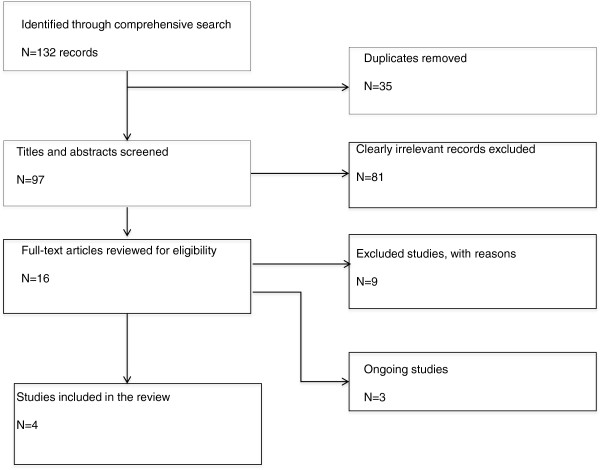
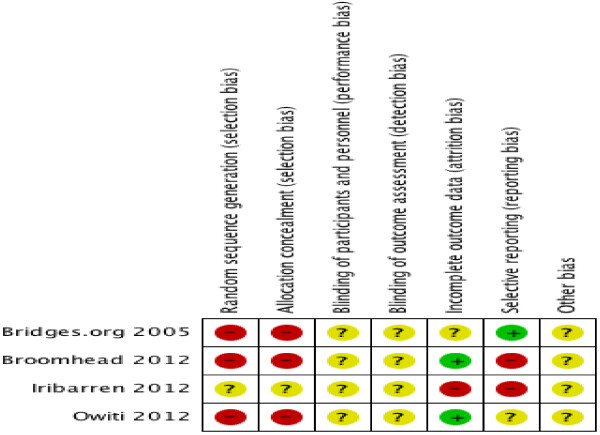
BACKGROUND: Mobile phone text messaging (SMS) has the potential to promote adherence to tuberculosis treatment. This systematic review aims to synthesize current evidence on the effectiveness of SMS interventions in improving patients' adherence to tuberculosis treatment. METHODS: We searched electronic databases (PubMed, EMBASE, Science Citation Index), reference lists of relevant articles, conference proceedings, and selected websites for eligible studies available by 15 February 2013; regardless of language or publication status. Two authors independently screened selected eligible studies, and assessed risk of bias in included studies; resolving discrepancies by discussion and consensus. RESULTS: We identified four studies that compared the outcomes of the SMS intervention group with controls. Only one of the four studies was a randomized controlled trial. This was conducted in Argentina and the SMS intervention did not significantly improve adherence to tuberculosis treatment compared to self-administration of tuberculosis treatment (risk ratio [RR] 1.49, 95% confidence intervals [CI] 0.90 to 2.42). One of the non-randomized studies, conducted in South Africa, which compared SMS reminders to directly observed therapy short course (DOTS) reported similar rates of tuberculosis cure (62.35% vs. 66.4%) and treatment success (72.94% vs. 69.4%). A second study from South Africa, utilized SMS reminders when patients delayed in opening their pill bottles and reported increased tuberculosis cure (RR 2.32, 95% CI 1.60 to 3.36) and smear conversion (RR 1.62, 95% CI 1.09 to 2.42) rates compared to DOTS. In the third non-randomized study, conducted in Kenya, use of SMS reminders increased rates of clinic attendance on scheduled days compared to standard care (RR 1.56, 95% CI 1.06 to 2.29). Using the GRADE approach, we rate the quality of the evidence as low, mainly because of the high risk of bias and heterogeneity of effects across studies. CONCLUSIONS: This systematic review indicates that there is a paucity of high-quality data on the effectiveness of SMS interventions for improving patients' adherence to tuberculosis treatment. The low quality of the current evidence implies that further studies (in particular randomized trials) on the subject are needed. In the interim, if the intervention is implemented outside research settings an impact evaluation is warranted.
Overview
The claims and statistics of this paper haven’t been checked yet.
Free: it reads the open-access text and checks the first 5 claims that cite a source we can check. Create a free account to check every claim.
Integrity signals
Registry
Cites
Statistics
Figures
Verification
Claims the paper makes
The claims and statistics of this paper haven’t been checked yet.
Free: it reads the open-access text and checks the first 5 claims that cite a source we can check. Create a free account to check every claim.
Claims other papers make about this one
Each is checked against this paper’s own text: does it say what the citing paper says it does?
The source backs part of the claim, not all of it — or backs it for a different population, condition or comparison.
In the citing paper
“A systematic review of one randomised controlled trial (RCT) in Argentina and three non-randomised controlled trials in South Africa and Kenya suggested there was low-quality evidence (due to high risk of bias and study heterogeneity) and hence inconclusive evidence on improved TB treatment adherence via mHealth interventions (78).”
From Assessing the impact of mHealth interventions in low- and middle-income countries – what has been shown to work? (2014) · cites this paper as [78]
Experimental — accuracy not yet measured
Self-check
Percentages, sums and reported differences re-computed from the paper’s own numbers.
The self-check needs the paper’s full text.
Citations
Cites
The Measurement of Observer Agreement for Categorical Data
Landis, J. R., & Koch, G. G. (1977) · Biometrics · doi:10.2307/2529310 · Cited by 81,148 · cited 1×
“The kappa statistic [24] will be used to assess agreements between the full-text screening, data extraction and risk of bias assessment by the two authors (MN and CW).”
MethodGRADE: an emerging consensus on rating quality of evidence and strength of recommendations
Guyatt, G. H., Oxman, A. D., Vist, G. E., Kunz, R., Falck-Ytter, Y., Alonso-Coello, P., & Schünemann, H. J. (2008) · BMJ · doi:10.1136/bmj.39489.470347.ad · Cited by 23,305
Global tuberculosis report (2014)
Gabbasova, L. A., & Who, E. R. E. (2014) · Cited by 12,702
GRADE guidelines: 3. Rating the quality of evidence
Balshem, H., Helfand, M., Schünemann, H. J., Oxman, A. D., Kunz, R., Brozek, J., Vist, G. E., Falck-Ytter, Y., Meerpohl, J., & Norris, S. (2011) · Journal of Clinical Epidemiology · doi:10.1016/j.jclinepi.2010.07.015 · Cited by 8,285 · cited 2×
“Finally, we used the Grading of Recommendations Assessment, Development, and Evaluation (GRADE) approach [25,26] to assess to the quality of evidence for the effectiveness of the SMS intervention.”
MethodWorld Population Prospects The 2006 Revision
Zlotnik, H. (2007) · United Nations eBooks · Cited by 7,971
Cochrane Handbook for Systematic Reviews of Interventions Version 5.0.1. The Cochrane Collaboration
Higgins, J. P. T., Green, S. R., & Higgins, J. P. T. (2008) · Cited by 7,261
What is a pilot or feasibility study? A review of current practice and editorial policy
Arain, M., Campbell, M. J., Cooper, C. L., & Lancaster, G. A. (2010) · BMC Medical Research Methodology · doi:10.1186/1471-2288-10-67 · Cited by 1,483 · cited 1×
“These studies often have numerous design issues, including small sample sizes, poor reporting, and lack of an appropriate control group [53]; Nglazi et al.”
BackgroundLester, R. T., Ritvo, P., Mills, E. J., Kariri, A., Karanja, S., Chung, M. H., Jack, W., Habyarimana, J., Sadatsafavi, M., Najafzadeh, M., et al. (2010) · The Lancet · doi:10.1016/s0140-6736(10)61997-6 · Cited by 1,278 · cited 1×
“patients can receive and reply to messages) [15-17].”
BackgroundMobile phone-based interventions for smoking cessation
Whittaker, R., McRobbie, H., Bullen, C., Rodgers, A., & Gu, Y. (2016) · Cochrane Database of Systematic Reviews · doi:10.1002/14651858.cd006611.pub4 · Cited by 1,079
Delgado-Rodríguez, M., & Llorca, J. (2004) · Journal of Epidemiology and Community Health · doi:10.1136/jech.2003.008466 · Cited by 1,064
Research works printed but not linked: 12
- GSMA Intelligence Global mobile penetration — subscribers versus connections 2013 https://gsmaintelligence.com/analysis/2012/10/global-mobile-penetration-subscribers-versus-connections/354
- Ahmed J Skarbek S Codlin A Khan A Mohaupt DK mHealth to improve TB care 2012 Interactive Research Development: Karachi
- Metzger P Clerizier S McCue D Murphy K Texts for Tuberculosis: Enabling Patient Advocacy 2011 http://triplehelixblog.com/2011/02/texts-for-tuberculosis-enabling-patient-advocacy/print/
- The Cochrane Collaboration Review Manager (RevMan) [Computer program]. Version 5.2 2012 Copenhagen: The Nordic Cochrane Centre
- Kao K Thimurala A Albert H Asiimwe C Kao K Thimurala A Albert H Asiimwe C Reaching the unreachable with high-tech and low-tech innovations in Uganda and Lesotho. 43rd World Conference on Ling Health of The Union, Kuala Lumpur, Malaysia 2012. Symposium abstracts, Friday 16 November 2012 Int J Tuberc Lung Dis 2012 16 12 Suppl 1 S34
- Batra S Batra S Operation ASHA: using biometrics to prevent MDR- TB. 42rd World Conference on Lung Health of The Union, Lille, France 2011 Int J Tuberc Lung Dis 2011 15 11 Suppl 3 S240 Abstract no: PC-178-29
- Mahmud N Rodriguez J Nesbit J Mobiles in Malawi: A text message-based intervention to bridge the patient-physician gap in the rural developing world Global Pulse 2010 6 1 6 20495253
- Liu X Chen R Chi J Zhang L-X Jiang S Cheng SM Use of mobile text messaging to improve tuberculosis treatment adherence in China. 43rd World Conference on Lung Health of The Union, Kuala Lumpur, Malaysia 2012 Int J Tuberc Lung Dis 2012 16 2 Suppl 1 S201 Abstract no: PC-911-15
- Hoffman J Dekker D Suleh AJ Sundsmo A Cunningham J Vago F Munly K Igonya EK Hunt-Glassman J Mobile Direct Observation Treatment (MDOT) of Tuberculosis Patients Pilot Feasibility Study in Nairobi, Kenya. Final Evaluation Report 2009 Danya International Inc http://www.danya.com/files/mdot%20final%20report.pdf
- Bridges.org Evaluation of the On Cue Compliance Service pilot: Testing the Use of SMS Reminders in the Treatment of Tuberculosis in Cape Town, South Africa 2005 Cape Town. Cape Town: Bridges.org http://healthmarketinnovations.org/sites/default/files/Evaluation%20of%20the%20On%20Cue%20Compliance%20Service%20Pilot.pdf
- Owiti P Gardner A Szkwarko D Diero L Carter EJ Mobile phone text messaging reminders to aid adherence to tuberculosis care in Eldoret, Kenya. 43rd World Conference on Lung Health of The Union, Kuala Lumpur, Malaysia 2012 Int J Tuberc Lung Dis 2012 16 12 Suppl 1 S200 Abstract no: PC-908-15
- mobiThinking: Global mobile statistics 2012 Part C Mobile marketing, advertising and messaging 2012 http://mobithinking.com/mobile-marketing-tools/latest-mobile-stats/c
Cited by
The impact of mHealth interventions: systematic review of systematic reviews
Marcolino, M. S., Oliveira, J. A. Q., D'Agostino, M., Ribeiro, A. L., Alkmim, M. B. M., & Novillo-Ortiz, D. (2018) · JMIR mHealth and uHealth · doi:10.2196/mhealth.8873 · Cited by 1,163
“mHealth is increasingly being used (1) for patient communication, monitoring, and education, (2) to reduce the burden of diseases linked with poverty, (3) to improve access to health services, clinical diagnosis, and treatment adherence, and (4) for chronic disease management [4-6].”
Mobile Text Messaging for Health: A Systematic Review of Reviews
Hall, A. K., Cole-Lewis, H., & Bernhardt, J. M. (2015) · Annual Review of Public Health · doi:10.1146/annurev-publhealth-031914-122855 · Cited by 815
“…common recommendation from review authors was the need for more rigorous study designs, including greater use of RCTs, larger and more representative sample sizes, and inclusion of different age groups, settings, contexts, and geographic locations (4, 6, 10, 11, 18, 32, 36, 38, 40, 42, 43, 47).”
BackgroundMethodResultInfluentialHall, C. S., Fottrell, E., Wilkinson, S., & Byass, P. (2014) · Global Health Action · doi:10.3402/gha.v7.25606 · Cited by 384
“A systematic review of one randomised controlled trial (RCT) in Argentina and three non-randomised controlled trials in South Africa and Kenya suggested there was low-quality evidence (due to high risk of bias and study heterogeneity) and hence inconclusive evidence on improved TB treatment adherence via mHealth inter…”
BackgroundPantoja, T., Opiyo, N., Lewin, S., Paulsen, E., Ciapponi, A., Wiysonge, C. S., Herrera, C. A., Rada, G., Peñaloza, B., Dudley, L., et al. (2017) · Cochrane Database of Systematic Reviews · doi:10.1002/14651858.cd011086.pub2 · Cited by 252
Self-citationSubbaraman, R., de Mondesert, L., Musiimenta, A., Pai, M., Mayer, K. H., Thomas, B. E., & Haberer, J. (2018) · BMJ Global Health · doi:10.1136/bmjgh-2018-001018 · Cited by 255
“Interventions in numerous African countries,(78) 79 91–94 China,(39) 95 Indonesia,(96) Thailand,(97) India(90) and Pakistan(68) have used one-way SMS reminders, or twoway SMS alone or in combination with other adherence monitoring strategies.(98) Prescheduled, automated SMS text reminders can be sent to a patient’s mo…”
Liu, X., Lewis, J. J., Zhang, H., Lu, W., Zhang, S., Zheng, G., Bai, L., Li, J., Li, X., Chen, H., et al. (2015) · PLOS Medicine · doi:10.1371/journal.pmed.1001876 · Cited by 234
“There has been recent interest in using mobile phone technology to improve adherence to TB medication [5,14] and TB treatment outcomes [15], though, as yet, few studies have reported their findings [16].”
BackgroundMbuagbaw, L., Mursleen, S., Lytvyn, L., Smieja, M., Dolovich, L., & Thabane, L. (2015) · BMC Health Services Research · doi:10.1186/s12913-014-0654-6 · Cited by 187
“CRITERIA Cole-Lewis 2010 [19] De Jongh 2012 [18] Finitsis 2014 [20] GurolUrganci 2012 [22] GurolUrganci 2013 [21] Horvath 2012 [6] Militello 2012 [23] Nglazi 2013 [24] VodopivecJamsek 2012 [25]”
BackgroundInfluentialMobile Health in the Developing World: Review of Literature and Lessons From a Case Study
Latif, S., Rana, R., Qadir, J., Ali, A., Imran, M. A., & Younis, M. S. (2017) · IEEE Access · doi:10.1109/access.2017.2710800 · Cited by 177
“For example, the SIMpill system in South Africa is designed to ensure drug compliance [99].”
MethodThe impact of digital health technologies on tuberculosis treatment: a systematic review
Ngwatu, B. K., Nsengiyumva, N. P., Oxlade, O., Mappin-Kasirer, B., Nguyen, N. L., Jaramillo, E., Falzon, D., & Schwartzman, K. (2018) · European Respiratory Journal · doi:10.1183/13993003.01596-2017 · Cited by 174
Belknap, R., Holland, D., Feng, P.-J., Millet, J.-P., Caylà, J. A., Martinson, N. A., Wright, A., Chen, M. P., Moro, R. N., Scott, N. A., et al. (2017) · Annals of Internal Medicine · doi:10.7326/m17-1150 · Cited by 163
Stopping tuberculosis: a biosocial model for sustainable development
Ortblad, K. F., Salomon, J. A., Bärnighausen, T., & Atun, R. A. (2015) · The Lancet · doi:10.1016/s0140-6736(15)00324-4 · Cited by 151
Mohammed, S., Glennerster, R., & Khan, A. J. (2016) · PLOS ONE · doi:10.1371/journal.pone.0162944 · Cited by 118
The Promise and Limitations of Information Technology for Tax Mobilization
Okunogbe, O., & Santoro, F. (2022) · The World Bank Research Observer · doi:10.1093/wbro/lkac008 · Cited by 168
Devi, B. R., Syed-Abdul, S., Kumar, A., Iqbal, U., Nguyen, P.-A., Li, Y.-C. (., & Jian, W.-S. (2015) · Computer Methods and Programs in Biomedicine · doi:10.1016/j.cmpb.2015.08.003 · Cited by 110
“2%) [4,10–55] addressed medication adherence to ART and treatment.”
BackgroundColeman, J., Bohlin, K. C., Thorson, A., Black, V., Mechael, P., Mangxaba, J., & Eriksen, J. (2017) · AIDS Care · doi:10.1080/09540121.2017.1280126 · Cited by 102
Ershad Sarabi, R., Sadoughi, F., Jamshidi Orak, R., & Bahaadinbeigy, K. (2016) · Iranian Red Crescent Medical Journal · doi:10.5812/ircmj.25183 · Cited by 89
“This review showed that mobile phone text-messaging is effective in promoting adherence to medications among different patient populations; these results are in accordance with previous systematic reviews, highlighting that interventions were efficacious in improving medication adherence in particular subjects (43, 61…”
ResultDigital health for the End TB Strategy: developing priority products and making them work
Falzon, D., Timimi, H., Kurosinski, P., Migliori, G. B., Gemert, W. V., Denkinger, C. M., Isaacs, C., Story, A., Garfein, R. S., Bastos, L. G. D. V., et al. (2016) · European Respiratory Journal · doi:10.1183/13993003.00424-2016 · Cited by 109
Liu, Q., Abba, K., Alejandria, M. M., Sinclair, D., Balanag, V. M., & Lansang, M. A. D. (2014) · Cochrane Database of Systematic Reviews · doi:10.1002/14651858.cd006594.pub3 · Cited by 87
Bediang, G., Stoll, B., Elia, N., Abena, J.-L., & Geissbuhler, A. (2018) · BMC Public Health · doi:10.1186/s12889-018-5502-x · Cited by 78
“For improving TB treatment adherence and cure proportion, a systematic review conducted in 2013 noted the lack of sufficient evidence on the effectiveness of SMS [29].”
BackgroundThe Art and Science of Diagnosing and Managing Drug-induced Liver Injury in 2015 and Beyond
Lewis, J. H. (2015) · Clinical Gastroenterology and Hepatology · doi:10.1016/j.cgh.2015.06.017 · Cited by 69
mHealth outcomes for pregnant mothers in Malawi: a capability perspective
Nyemba-Mudenda, M., & Chigona, W. (2017) · Information Technology for Development · doi:10.1080/02681102.2017.1397594 · Cited by 64
Kumar, A. A., Costa, A. D., Das, A., Srinivasa, G., D′Souza, G., & Rodrigues, R. (2019) · JMIR mhealth and uhealth · doi:10.2196/11687 · Cited by 63
“However, mobile reminders are known to improve clinic attendance [25].”
Text messaging to decrease tuberculosis treatment attrition in TB-HIV coinfection in Uganda
Hermans, S., Elbireer, S., Tibakabikoba, H., Hoefman, B., & Manabe, Y. (2017) · Patient Preference and Adherence · doi:10.2147/ppa.s135540 · Cited by 57
“Results of other published studies are encouraging, despite the potential for substantial bias due to suboptimal study designs.(8,9) A small randomized controlled trial (n=37) found higher self-reported adherence among Argentinean TB patients receiving biweekly educational text messages and interactive SMS-based remin…”
Tuberculosis control in China: use of modelling to develop targets and policies
Lin, H.-H., Wang, L., Zhang, H., Ruan, Y., Chin, D. P., & Dye, C. (2015) · Bulletin of the World Health Organization · doi:10.2471/blt.15.154492 · Cited by 51
Wei, X., Hicks, J. P., Zhang, Z., Haldane, V. E., Pasang, P., Li, L., Yin, T., Zhang, B., Li, Y., Pan, Q., et al. (2024) · The Lancet · doi:10.1016/s0140-6736(23)02270-5 · Cited by 53
Lester, R. T., Park, J., Bolten, L. M., Enjetti, A., Johnston, J. C., Schwartzman, K., Tilahun, B. C., & von Delft, A. (2019) · Journal of Clinical Tuberculosis and Other Mycobacterial Diseases · doi:10.1016/j.jctube.2019.100108 · Cited by 55
“[37] Nglazi MD, Bekker LG, Wood R, Hussey GD, Wiysonge CS.”
BackgroundDoes phone messaging improves tuberculosis treatment success? A systematic review and meta-analysis
Gashu, K. D., Gelaye, K. A., Mekonnen, Z. A., Lester, R. T., & Tilahun, B. C. (2020) · BMC Infectious Diseases · doi:10.1186/s12879-020-4765-x · Cited by 46
“Evidences showed that mobile messaging systems could improve patient adherence to clinic appointment for diagnosis and treatment [23]; TB prevention and promotion of Anti-TB treatment adherence [24, 25].”
BackgroundHayashi, P. H., Fontana, R. J., Chalasani, N. P., Stolz, A. A., Talwalkar, J. A., Navarro, V. J., Lee, W. M., Davern, T. J., Kleiner, D. E., Gu, J., et al. (2015) · Clinical Gastroenterology and Hepatology · doi:10.1016/j.cgh.2015.02.024 · Cited by 45
Albino, S., Tabb, K. M., Requena, D., Egoavil, M., Pineros-Leano, M. F., Zunt, J. R., & García, P. J. (2014) · PLoS ONE · doi:10.1371/journal.pone.0095770 · Cited by 44
“Nevertheless, a recent systematic review finds that while mobile phones can deliver health messaging to patients directly, there remains a paucity of research on the effectiveness of SMS to improve TB treatment [23].”
BackgroundJohnston, J. C., van der Kop, M. L., Smillie, K., Ogilvie, G. S., Marra, F., Sadatsafavi, M., Romanowski, K., Budd, M. A., Hájek, J., Cook, V. J., et al. (2018) · European Respiratory Journal · doi:10.1183/13993003.01488-2017 · Cited by 46
Whitehouse, E., Lai, J., Golub, J. E., & Farley, J. E. (2018) · Public Health Action · doi:10.5588/pha.18.0006 · Cited by 47
Manyazewal, T., Woldeamanuel, Y., Holland, D. P., Fekadu, A., Blumberg, H. M., & Marconi, V. C. (2020) · Trials · doi:10.1186/s13063-020-04324-z · Cited by 44
Khachadourian, V., Truzyan, N., Harutyunyan, A., Petrosyan, V., Davtyan, H., Davtyan, K., van den Boom, M., & Thompson, M. E. (2020) · BMC Pulmonary Medicine · doi:10.1186/s12890-020-1141-y · Cited by 36
Allsop, M. J., Powell, R. A., & Namisango, E. (2016) · BMJ Supportive & Palliative Care · doi:10.1136/bmjspcare-2015-001034 · Cited by 44
Are free anti-tuberculosis drugs enough? An empirical study from three cities in China
Chen, S., Zhang, H., Pan, Y., Long, Q., Li, X., Yao, L., & Lucas, H. (2015) · Infectious Diseases of Poverty · doi:10.1186/s40249-015-0080-y · Cited by 47
“Lodging and food costs (including companion members) 526 120[0–640] 881 265[54–753] 0.”
BackgroundHuda, T. M., Alam, A., Tahsina, T., Hasan, M. M., Khan, J., Rahman, M. M., Siddique, A. B., Arifeen, S. E., & Dibley, M. J. (2018) · JMIR mHealth and uHealth · doi:10.2196/mhealth.8832 · Cited by 35
Nudging by Shaming, Shaming by Nudging
Eyal, N. (2014) · International Journal of Health Policy and Management · doi:10.15171/ijhpm.2014.68 · Cited by 42
“Even in comparison to a far more intense regimen of text message reminders to ingest one’s pills (coupled with some awkward human contact: a phone call in the event of recurring noncompliance), the evidence does not show that short course DOT is any the less effective (11).”
BackgroundZary, M., Mohamed, M. S., Kafie, C., Chilala, C. I., Bahukudumbi, S., Foster, N., Gore, G. C., Fielding, K., Subbaraman, R., & Schwartzman, K. (2024) · BMJ Global Health · doi:10.1136/bmjgh-2024-015633 · Cited by 37
Choun, K., Achanta, S., Naik, B., Tripathy, J. P., Thai, S., Lorent, N., Khun, K. E., van Griensven, J., Kumar, A. M. V., & Zachariah, R. (2017) · BMC Health Services Research · doi:10.1186/s12913-017-2511-x · Cited by 35
Collin, S. M., Wurie, F. B., Muzyamba, M. C., de Vries, G., Lönnroth, K., Migliori, G. B., Abubakar, I. I., Anderson, S. R., & Zenner, D. (2019) · European Respiratory Review · doi:10.1183/16000617.0107-2018 · Cited by 36
Wagstaff, A. R., van Doorslaer, E. K. A., & Burger, R. (2019) · PLoS ONE · doi:10.1371/journal.pone.0218527 · Cited by 36
“The effects of text messages and other digital technologies have been studied in a variety of contexts relating to TB treatment adherence and completion, although the quality of the studies is not, in general, considered high [15–17].”
Ghadieh, A. S., Hamadeh, G. N., Mahmassani, D. M., & Lakkis, N. A. (2015) · Vaccine · doi:10.1016/j.vaccine.2015.07.050 · Cited by 33
Tecnologías móviles para la salud pública en el Perú: lecciones aprendidas
Ruíz, E., Proaño, Á., Ponce, O. J., & Curioso, W. H. (2015) · Revista Peruana de Medicina Experimental y Salud Pública · doi:10.17843/rpmesp.2015.322.1634 · Cited by 64
“Esto no resulta sorpresivo puesto que se sabe que el envío de SMS promueve mejoras en la conducta de los pacientes, sea para mejorar la adherencia al tratamiento antituberculoso (31), antirretroviral (33) o estilos de vida saludables en pacientes con diabetes (34) a un costo mínimo.”
BackgroundRatchakit-Nedsuwan, R., Nedsuwan, S., Sawadna, V., Chaiyasirinroje, B., Bupachat, S., Ngamvithayapong-Yanai, J., Kantima, T., Luangjina, S., Boonyamanonukul, P., Wongyai, J., et al. (2019) · Scandinavian Journal of Infectious Diseases · doi:10.1080/23744235.2019.1688862 · Cited by 35
“This device is different from several international studies reporting the use of mobile phone technology for TB treatment [13].”
BackgroundNhavoto, J. A., Grönlund, Å., & Chaquilla, W. P. (2015) · JMIR mhealth and uhealth · doi:10.2196/mhealth.3854 · Cited by 38
“A systematic review by Nglazi and colleagues [22] found only four studies that compared the outcomes of the SMS text message intervention group with controls for promoting adherence to TB treatment.”
Rabinovich, L., Molton, J. S., Ooi, W. T., Paton, N. I., Batra, S., & Yoong, J. (2020) · Journal of Medical Internet Research · doi:10.2196/16856 · Cited by 33
“Studies of financial incentives, however, have shown that patients receiving material rewards are significantly more likely to complete TB treatment [6,7], although these findings were mostly obtained in developed country settings.”
ResultLewis, J. J., Liu, X., Zhang, Z., Thomas, B. V., Vassall, A., Sweeney, S., Xu, C., Hu, D., Xue, L., Gao, Y., et al. (2018) · Trials · doi:10.1186/s13063-018-2650-3 · Cited by 27
The Health Impact of mHealth Interventions in India: Systematic Review and Meta-Analysis
Joshi, V., Joshi, N. K., Bhardwaj, P., Singh, K., Ojha, D., & Jain, Y. K. (2023) · Online Journal of Public Health Informatics · doi:10.2196/50927 · Cited by 33
“There is considerable interest in mHealth interventions with an enormous potential for beneficial effects on health and health service delivery processes, especially in resource-limited settings such as India [10].”
BackgroundThe Promise and Limitations of Information Technology for Tax Mobilization
Okunogbe, O., & Santoro, F. (2021) · World Bank, Washington, DC eBooks · doi:10.1596/1813-9450-9848 · Cited by 32
Antelo, V. S., Kohler, R. E., Curotto, M., Viswanath, K., Paolino, M., & Arrossi, S. (2020) · JMIR Formative Research · doi:10.2196/14652 · Cited by 28
Unal, E., Giakoumidakis, K., Khan, E., & Patelarou, E. (2018) · Heart & Lung · doi:10.1016/j.hrtlng.2018.05.009 · Cited by 29
Putting Evidence Into Practice: Evidence-Based Interventions for Oral Agents for Cancer
Spoelstra, S., & Sansoucie, H. (2015) · Clinical journal of oncology nursing · doi:10.1188/15.s1.cjon.60-72 · Cited by 28
van der Kop, M. L., Memetovic, J., Patel, A. R., Marra, F., Sadatsafavi, M., Hájek, J., Smillie, K., Thabane, L., Taylor, D., Johnston, J. C., et al. (2014) · BMJ Open · doi:10.1136/bmjopen-2013-004362 · Cited by 24
“Other studies have been conducted to determine whether mobile phone text messaging improves TB treatment adherence13–15; however, a recent systematic review highlighted the paucity of high-quality research in this area and the need for further RCTs.16 This trial will examine the efficacy and cost-effectiveness of the…”
BackgroundSaunders, M. J., Wingfield, T., Tovar, M. A., Herlihy, N., Rocha, C., Zevallos, K., Montoya, R., Ramos, E., Datta, S., & Evans, C. A. (2018) · Tropical Medicine & International Health · doi:10.1111/tmi.13087 · Cited by 26
mHealth intervention development to support patients with active tuberculosis
Iribarren, S., Beck, S. L., Pearce, P. F. F., Chirico, C., Etchevarria, M., & Rubinstein, F. (2014) · Journal of Mobile Technology in Medicine · doi:10.7309/jmtm.3.2.4 · Cited by 23
Khachadourian, V., Truzyan, N., Harutyunyan, A., Thompson, M. E., Harutyunyan, T. L., & Petrosyan, V. (2015) · Trials · doi:10.1186/s13063-015-0802-2 · Cited by 25
“Although, SMS reminders have shown significant improvement in medication adherence among patients with HIV [27], asthma [30], and other conditions, a recent review paper evaluating the effectiveness of SMS reminders for treatment adherence among TB patient was inconclusive, identifying methodological limitations of pr…”
ResultBermon, A., Uribe, A. F., Rivero, P. F. P., Prieto‐Merino, D., Saaibi, J. F., Silva, F. A., Cañón‐Gómez, D. I., Castillo-Gonzalez, K. M., Rivera, D. I. C., Guío, E., et al. (2021) · JMIR mhealth and uhealth · doi:10.2196/25548 · Cited by 28
“It has shown some promising results among patients with diabetes [9], HIV [10], and tuberculosis [11] and may therefore help improve adherence for patients with ASCVD [12,13].”
Mobile phone text messaging for improving the uptake of vaccinations: a systematic review protocol
Kalan, R., Wiysonge, C. S., Ramafuthole, T., Allie, K., Ebrahim, F., & Engel, M. E. (2014) · BMJ Open · doi:10.1136/bmjopen-2014-005130 · Cited by 24
Self-citationOren, E., Bell, M. L., Garcia, F., Perez-Velez, C., & Gerald, L. B. (2017) · Pilot and Feasibility Studies · doi:10.1186/s40814-017-0128-9 · Cited by 20
“A stronger evidence base needs to be developed around the mobile health field for TB, before effective approaches can be implemented and high-quality data are lacking [36, 37].”
BackgroundUse of Mobile Applications to Increase Therapeutic Adherence in Adults: A Systematic Review
Chala, E. A. J., Durantez‐Fernández, C., Martín‐Conty, J. L., Mohedano‐Moriano, A., Rodríguez, F. M., & López, B. P. (2022) · Journal of Medical Systems · doi:10.1007/s10916-022-01876-2 · Cited by 24
“Additionally, other mHealth interventions such as the short message service (SMS) and electronic pill boxes can also have a positive effect on pharmacological adherence [13, 14].”
BackgroundLee, H. Y., Lee, M. H., Sharratt, M., Lee, S., & Blaes, A. H. (2019) · JMIR mhealth and uhealth · doi:10.2196/13256 · Cited by 21
Khaliaukin, A., Kumar, A. M. V., Skrahina, A. M., Hurevich, H., Rusovich, V., Gadoev, J., Falzon, D., Khogali, M. A., & de Colombani, P. (2014) · Public Health Action · doi:10.5588/pha.14.0042 · Cited by 19
Nama, G. F., & Muludi, K. (2018) · Cited by 18
Riquelme-Miralles, D., Palazón‐Bru, A., Sepehri, A., & Gil-Guillén, V. F. (2019) · Heart & Lung · doi:10.1016/j.hrtlng.2019.05.001 · Cited by 18
Mobile Health in Adherence to Oral Anticancer Drugs: A Scoping Review
Gambalunga, F., Iacorossi, L., Notarnicola, I., Serra, V., Piredda, M., & Marinis, M. G. D. (2020) · CIN Computers Informatics Nursing · doi:10.1097/cin.0000000000000643 · Cited by 20
Louwagie, G. M., Morojele, N., Siddiqi, K., Mdege, N. D., Tumbo, J., Omole, O., Pitso, L., Bachmann, M. O., & Ayo-Yusuf, O. A. (2020) · Translational Behavioral Medicine · doi:10.1093/tbm/ibz100 · Cited by 17
“Mobile phone technology using SMS messages can also enhance ART adherence and smoking cessation interventions [28, 29] and potentially promote adherence to TB treatment [30].”
BackgroundSantosa, A., Juniarti, N., Pahria, T., & Susanti, R. D. (2025) · npj Primary Care Respiratory Medicine · doi:10.1038/s41533-025-00457-3 · Cited by 24
“Systematic reviews by Sholikhah et al. 22 , Ridho et al. 23 , and Nglazi et al. 21 reported that tools such as SMS reminder, electronic pillboxes, and video-based technologies can enhance adherence across both TB and other chronic disease populations 21 – 23 .”
Moriarty, A. S., Louwagie, G. M. C., Mdege, N. D., Morojele, N. K., Tumbo, J. M., Omole, O. B., Bachmann, M. O., Kanaan, M. N., Turner, A. C., Parrott, S., et al. (2019) · Trials · doi:10.1186/s13063-019-3551-9 · Cited by 18
“sibly TB medication [33], as well as tobacco cessation, can be enhanced with the use of short message service (SMS) text messages on mobile phone technology [34].”
BackgroundAntunes, E., Alcaire, R., & Amaral, I. (2022) · Social Sciences · doi:10.3390/socsci12010003 · Cited by 18
Falzon, D., Migliori, G. B., Jaramillo, E., Weyer, K., Joos, G., & Raviglione, M. C. (2017) · European Respiratory Journal · doi:10.1183/13993003.01632-2017 · Cited by 19
Bahtiar, B., & Nursasi, A. Y. (2019) · Enfermería Clínica · doi:10.1016/j.enfcli.2019.05.006 · Cited by 15
“The results of this systematic review indicate that SMS-based interventions used to treat TB are ineffective because the poor quality of content has failed to improve patient compliance in tuberculosis treatment.(17) Another form of interactive patient intervention is the use of integrated smartphones with web-based,…”
BackgroundAkamike, I. C., Okedo‐Alex, I. N., Alo, C. N., Agu, A. P., Uneke, C. J., & Ogbonnaya, L. U. (2021) · BMC Infectious Diseases · doi:10.1186/s12879-021-06759-4 · Cited by 14
Jose, N. K., Vaz, C., Chai, P. R., & Rodrigues, R. (2022) · JMIR Formative Research · doi:10.2196/37124 · Cited by 13
“Given the importance of adherence in TB treatment, multiple strategies including mobile phone notifications, digital pillboxes, and ingestible sensors have been employed to ensure access to ATT, adherence to therapy, and persistence of adherence [8-11].”
MethodThe Promise and Limitations of Information Technology for Tax Mobilisation
Okunogbe, O., & Santoro, F. (2022) · OpenDocs (Institute of Development Studies) · doi:10.19088/ictd.2022.001 · Cited by 21
Talisuna, A. O. (2014) · Journal of Clinical Trials · doi:10.4172/2167-0870.1000217 · Cited by 10
Digital Health in Schools: A Systematic Review
França, C., Santos, F., Martins, F., Lopes, H., de Gouveia, B. R. F. O., Gonçalves, F., Campos, P., Marques, A., Ihle, A., Gonçalves, T., et al. (2022) · Sustainability · doi:10.3390/su142113848 · Cited by 14
“This includes simple apps and complex technologies designed for patient monitoring and education, improving access to health care services and treatment adherence, and chronic disease management [3,4].”
BackgroundMusiimenta, A., Tumuhimbise, W., Atukunda, E. C., Mugaba, A. T., Musinguzi, N., Muzoora, C. K., Bangsberg, D. R., Davis, J. L., & Haberer, J. E. (2023) · PLOS Global Public Health · doi:10.1371/journal.pgph.0001813 · Cited by 10
Involving private practitioners in the Indian tuberculosis programme: a randomised trial
Yellappa, V., Battaglioli, T., Gurum, S. K., Devadasan, N., & der Stuyft, P. V. (2018) · Tropical Medicine & International Health · doi:10.1111/tmi.13053 · Cited by 8
“improving treatment adherence and notification [25].”
Information and Communication Technologies and Rural YouthPreprint
Aker, J. C. (2019) · SSRN Electronic Journal · doi:10.2139/ssrn.3523207 · Cited by 7
Gupta, D. D., Patel, A., Saxena, D. B., Koizumi, N., Trivedi, P., Patel, K., Raval, D. A., King, A., & Chandler, K. (2020) · World Medical & Health Policy · doi:10.1002/wmh3.337 · Cited by 7
“This finding agrees with prior studies that report inconclusive to no effects of mHealth TB care interventions including cues to action reminders (Hunchangsith et al. 2012; Nglazi et al. 2013).”
BackgroundResultInfluentialShetty, K. D., Chen, A. Y., Rose, A. J., & Liu, H. H. (2021) · Journal of Managed Care & Specialty Pharmacy · doi:10.18553/jmcp.2021.20431 · Cited by 8
Mureyi, D., Gwatidzo, S. D., & Matyanga, C. M. J. (2022) · The Journal of Medicine Access · doi:10.1177/27550834221098598 · Cited by 6
(2018) · NSUWorks (Nova Southeastern University) · Cited by 5
Tirdad, R., Nami, P., Samieyan, S., & Rahim, F. (2021) · Jundishapur Journal of Chronic Disease Care · doi:10.5812/jjcdc.116938 · Cited by 4
Lukusa, L. A., Mbeye, N. M., Adeniyi, F. B., & Wiysonge, C. S. (2015) · BMJ Open · doi:10.1136/bmjopen-2015-008113 · Cited by 4
“We will perform a sensitivity analysis to determine the robustness of the findings to risk of bias (ie, including and excluding studies with a high risk of bias); with emphasis on allocation concealment, blinded outcome assessment and losses to follow-up (with a cut-off value of 25%).(18) We plan to use funnel plots t…”
MethodSelf-citationMaro, R., Mtenga, A. E., Mtesha, B. A., Wilhelm, K., Lekashingo, N., Boer, M. S., & Ngowi, K. M. (2023) · Journal of Clinical Tuberculosis and Other Mycobacterial Diseases · doi:10.1016/j.jctube.2023.100409 · Cited by 4
Benedicta, S. M., Soewondo, P., & Sanyoto, D. V. (2019) · Jurnal Penelitian dan Pengembangan Pelayanan Kesehatan · doi:10.22435/jpppk.v3i2.2331 · Cited by 7
Ayorinde, A., Williams, I., Mannion, R., Song, F., Skrybant, M., Lilford, R. J., & Chen, Y. (2020) · Health Services and Delivery Research · doi:10.3310/hsdr08330 · Cited by 7
Sahile, Z., Perimal-Lewis, L., Arbon, P., & Maeder, A. J. (2021) · PLoS ONE · doi:10.1371/journal.pone.0261758 · Cited by 5
“There is some evidence that interventions that rely on communications, like educating and counselling the patient, or medication monitoring and reminders, can improve treatment adherence and success [28, 33–35].”
Greene, B., Bernardo, L., Thompson, M., Loughead, J., & Ashare, R. L. (2023) · JMIR Formative Research · doi:10.2196/47121 · Cited by 5
“have been incorporated in numerous studies to promote participant engagement, some implementation barriers to SMS text messaging interventions remain [53,54].”
BackgroundOnah, C. O., Chukwuemeka, O. A., Yusuff, T. A., Abraham, E. E., Mounange-Badimi, M. S., Oladosu, T. A., & Okpalanwaka, I. F. (2025) · Cureus · doi:10.7759/cureus.95928 · Cited by 3
“Operational constraints frequently blunted effects as shared phones, phone-number churn, literacy and language mismatches, habituation to repetitive messages, and delivery outside decision windows all reduced impact [19].”
Vivekanand, K., Mohan, A., & Sarma, K. (2016) · Indian Journal of Tuberculosis · doi:10.1016/j.ijtb.2016.11.036 · Cited by 3
Digital adherence technologies for the treatment of tuberculosis: landscape and research prioritiesPreprint
Subbaraman, R., de Mondesert, L., Musiimenta, A., Pai, M., Mayer, K. H., Thomas, B. E., & Haberer, J. E. (2018) · OSF Preprints (OSF Preprints) · doi:10.31219/osf.io/dxu3s · Cited by 3
Mahdian, S. Z., Ahmadi, H., & Sheikhtaheri, A. (2025) · International Journal of Medical Informatics · doi:10.1016/j.ijmedinf.2025.106117 · Cited by 2
Husna, A. R., Nursalam, N., Hidayat, A. A. A., & Makhfudli, M. (2024) · Pacific Rim International Journal of Nursing Research · doi:10.60099/prijnr.2025.270467 · Cited by 5
Pengaruh Rejimen terhadap Ketidakpatuhan Berobat Tuberkulosis
Fadila, R. N., & Riono, P. (2014) · Kesmas National Public Health Journal · doi:10.21109/kesmas.v9i2.498 · Cited by 2
Health service factors that affect adherence to tuberculosis treatment in Ghana
Salifu, Y., Eliason, C., & Mensah, G. B. (2018) · Primary Health Care · doi:10.7748/phc.2018.e1312 · Cited by 2
Wal, A., Khandai, M., Vig, H., Srivastava, P., Agarwal, A., Wadhwani, S., & Wal, P. (2022) · Archives of Pharmacy Practice · doi:10.51847/d5zeajvk6x · Cited by 2
Modern technologies for improving elderly patients’ compliance
Susło, A., Belovičová, M., & Mizia, S. (2023) · Family Medicine & Primary Care Review · doi:10.5114/fmpcr.2023.132623 · Cited by 2
Turyasiima, M., Muliika, D., Turinawe, G., Acheng, M., Ikiriza, A., Alinde, A., Natureeba, P., Nkwansiibwe, A., Akot, B. G., Kayizzi, S. W. W., et al. (2026) · PLoS ONE · doi:10.1371/journal.pone.0347022 · Cited by 1
“Similarly, individuals who received follow-up reminders via SMS or phone calls were 2.7 times more likely to complete therapy, aligning with evidence that digital and community health worker (CHW)-supported reminder systems enhance TB treatment completion [43,44].”
Influential
Metadata
- Authors
- Nglazi, M. D., Bekker, L.-G., Wood, R., Hussey, G. D., & Wiysonge, C. S.
- Affiliations
- University of Cape Town (ZA)
- Corresponding author
- Nglazi, Mweete D
- Venue
- BMC Infectious Diseases
- Published
- 2013-12
- Volume
- 13
- Issue
- 1
- Pages
- 566-566
- ISSN
- 1471-2334 (ISSN-L)
- PMC
- PMC4219402
- OpenAlex
- W1992690625
- Cited by
- 119
- References
- 44
- Citations by year
- 2026: 3 · 2025: 3 · 2024: 3 · 2023: 6 · 2022: 8 · 2021: 8 · 2020: 12 · 2019: 14 · 2018: 16 · 2017: 10 · 2016: 7 · 2015: 18 · 2014: 10 · 2013: 1
- FWCI
- 1.44
- Type
- journal article
- Language
- en
- Open access
- gold
- doi.org
- Licence
- Locations
- BMC Infectious Diseases (publishedVersion, cc-by)
- PubMed Central (publishedVersion, cc-by)
- PubMed (publishedVersion)
- SUNScholar (Stellenbosch University) (submittedVersion)
- Funders
- International Union Against Tuberculosis and Lung Disease
- Topics
- Health Sciences › Health Professions › General Health Professions › Mobile Health and mHealth Applications
- Health Sciences › Medicine › Infectious Diseases › Tuberculosis Research and Epidemiology
- Health Sciences › Medicine › Family Practice › Medication Adherence and Compliance
- Keywords
- text messaging, SMS reminders, tuberculosis treatment adherence, tuberculosis treatment, directly observed therapy short course, tuberculosis cure, smear conversion, clinic attendance
- MeSH terms
- Argentina, Humans, Kenya, South Africa, Tuberculosis, Randomized Controlled Trials as Topic, Cell Phone, Medication Adherence, Text Messaging
About these checks
Registry, retraction, Cites and statistics results are computed, not judged, with one exception: a printed reference that no index lists is read once by a model before it counts as a citation error. Claims are extracted by a model and kept only when their quote appears verbatim in the text; each cited source is then checked, with a model’s help, for whether it says what the claim relies on. Those verdicts can be wrong — read the claim’s quote and the cited source before relying on one.
Statistics and arithmetic are recomputed, not judged.
Confidence bands are shown only for fields calibrated on our annotated test set. None is calibrated yet, so no band is shown.
What counts as a claim ›How we measure confidence ›How we check this ›
Are you an author, or do you see a problem with this page? Request a review
Data sources
Bibliographic data: Semantic Scholar, OpenAlex, Crossref.
Contains information from the Semantic Scholar Academic Graph Datasets, made available under the ODC Attribution License (ODC-BY 1.0).
Semantic Scholar’s data is described in: Kinney, R., et al. (2023). The Semantic Scholar Open Data Platform. arXiv:2301.10140.
