

Preconception care for diabetic women for improving maternal and fetal outcomes: a systematic review and meta-analysis
Open accessThe DOI matches its Crossref record; 42 of the 42 references it cites were found in a registry or an index.
Abstract
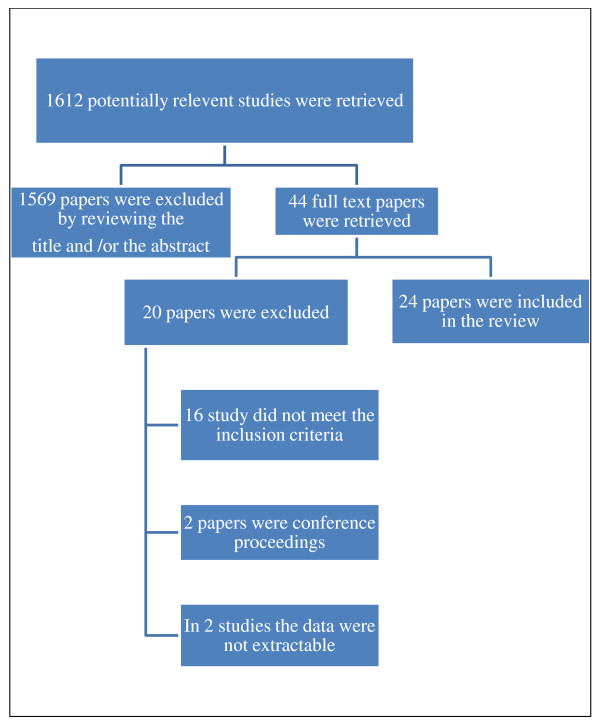
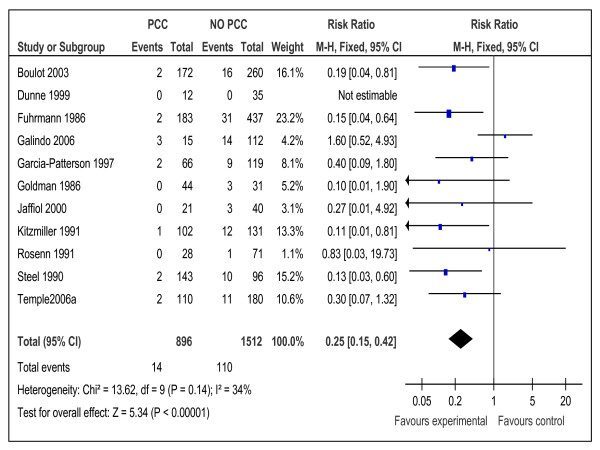
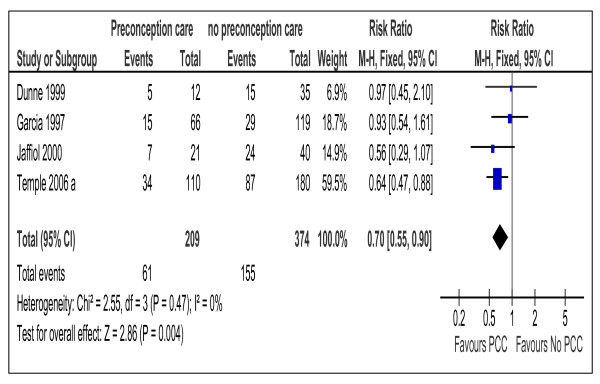
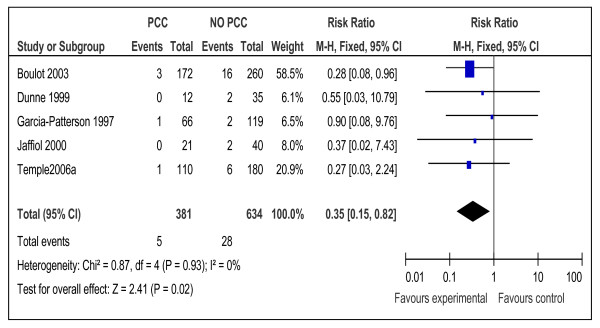
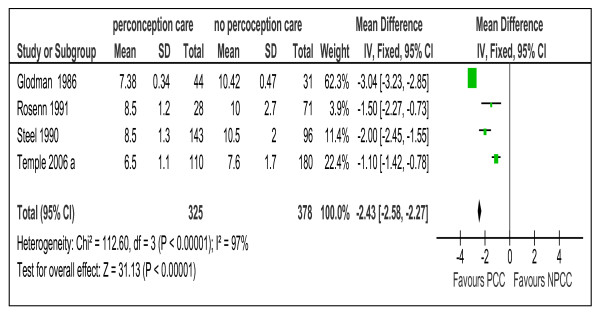
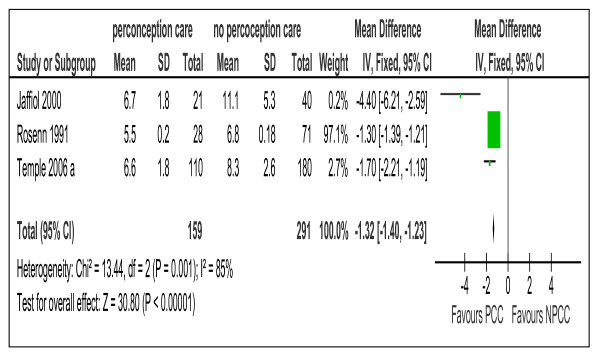
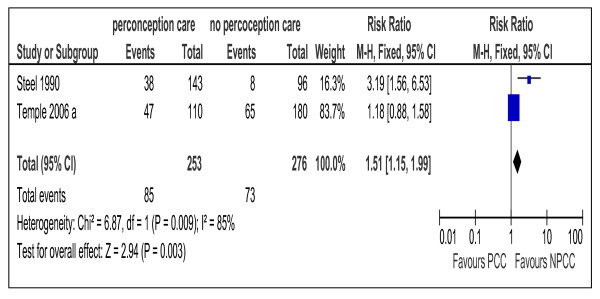
BACKGROUND: Preexisting diabetes mellitus is associated with increased risk for maternal and fetal adverse outcomes. Despite improvement in the access and quality of antenatal care recent population based studies demonstrating increased congenital abnormalities and perinatal mortality in diabetic mothers as compared to the background population. This systematic review was carried out to evaluate the effectiveness and safety of preconception care in improving maternal and fetal outcomes for women with preexisting diabetes mellitus. METHODS: We searched the following databases, MEDLINE, EMBASE, WEB OF SCIENCE, Cochrane Library, including the CENTRAL register of controlled trials and CINHAL up to December 2009, without language restriction, for any preconception care aiming at health promotion, glycemic control and screening and treatment of diabetes complications in women of reproductive age group with type I or type II diabetes. Study design were trials (randomized and non-randomized), cohort and case-control studies. Of the 1612 title scanned 44 full papers were retrieved of those 24 were included in this review. Twelve cohort studies at low and medium risk of bias, with 2502 women, were included in the meta-analysis. RESULTS: Meta-analysis suggested that preconception care is effective in reducing congenital malformation, RR 0.25 (95% CI 0.15-0.42), NNT17 (95% CI 14-24), preterm delivery, RR 0.70 (95% CI 0.55-0.90), NNT = 8 (95% CI 5-23) and perinatal mortality RR 0.35 (95% CI 0.15-0.82), NNT = 32 (95% CI 19-109). Preconception care lowers HbA1c in the first trimester of pregnancy by an average of 2.43% (95% CI 2.27-2.58). Women who received preconception care booked earlier for antenatal care by an average of 1.32 weeks (95% CI 1.23-1.40). CONCLUSION: Preconception care is effective in reducing diabetes related congenital malformations, preterm delivery and maternal hyperglycemia in the first trimester of pregnancy.
Overview
The claims and statistics of this paper haven’t been checked yet.
Free: it reads the open-access text and checks the first 5 claims that cite a source we can check. Create a free account to check every claim.
Integrity signals
Registry
Cites
Statistics
Figures
Verification
Claims the paper makes
The claims and statistics of this paper haven’t been checked yet.
Free: it reads the open-access text and checks the first 5 claims that cite a source we can check. Create a free account to check every claim.
Claims other papers make about this one
Each is checked against this paper’s own text: does it say what the citing paper says it does?
The source backs part of the claim, not all of it — or backs it for a different population, condition or comparison.
In the citing paper
“Elevated BG levels at conception and during the early first trimester are associated with increased rates of congenital malformations, spontaneous abortion, intrauterine fetal demise, pre-eclampsia, preterm delivery, and perinatal mortality.110–114”
From American Association of Clinical Endocrinology Clinical Practice Guideline: Developing a Diabetes Mellitus Comprehensive Care Plan-2022 Update. (2022) · cites this paper as [110]
Experimental — accuracy not yet measuredThe source backs part of the claim, not all of it — or backs it for a different population, condition or comparison.
In the citing paper
“In a systematic review and meta-analysis of observational studies, preconception care for pregnant individuals with preexisting diabetes was associated with lower A1C and reduced risks of birth defects, preterm delivery, perinatal mortality, small-for-gestational-age births, and neonatal intensive care unit admissions (8).”
From 15. Management of Diabetes in Pregnancy: Standards of Care in Diabetes—2024 (2024) · cites this paper as [8]
Experimental — accuracy not yet measured
Self-check
Percentages, sums and reported differences re-computed from the paper’s own numbers.
The self-check needs the paper’s full text.
Citations
Cites
Wild, S., Roglic, G., Green, A., Sicree, R., & King, H. (2004) · Diabetes Care · doi:10.2337/diacare.27.5.1047 · Cited by 15,297 · cited 1×
“Diabetes mellitus (DM) is a global public health problem with expected 300 million diabetics by the year 2030 worldwide [1].”
BackgroundDiabetes Care and Research in Europe: The Saint Vincent Declaration
(1990) · Diabetic Medicine · doi:10.1111/j.1464-5491.1990.tb01405.x · Cited by 601
Casson, I. F., Clarke, C. A., Howard, C. V., McKendrick, O., Pennycook, S., Pharoah, P. O. D., Platt, M. J., Stanisstreet, M., van Velszen, D., & Walkinshaw, S. (1997) · BMJ · doi:10.1136/bmj.315.7103.275 · Cited by 523
The confidential enquiry into maternal and child health (CEMACH)
Weindling, A. M. (2003) · Archives of Disease in Childhood · doi:10.1136/adc.88.12.1034 · Cited by 479
Prevention of Congenital Malformations in Infants of Insulin-dependent Diabetic Mothers
Fuhrmann, K., Reiher, H., Semmler, K., Fischer, F., Fischer, M., & Glöckner, E. (1983) · Diabetes Care · doi:10.2337/diacare.6.3.219 · Cited by 440 · cited 2×
“described the same cohort study with two interim [17,18] and one final report [19], one study reported the outcomes for the same cohort in two articles [10,29] and two articles report the outcomes of one cohort with one interim [31] and one final report [28]).”
MethodResultRay, J. G. (2001) · QJM · doi:10.1093/qjmed/94.8.435 · Cited by 430 · cited 2×
“Glycemic control is one of the most important aspects of preconception care (PCC) [9]; however other aspects such as folic acid supplementation, smoking cessation, screening and treatment of diabetes complications and discontinuing teratogenic medication, are as important for improving maternal and fetal outcomes [10].”
BackgroundResultPreconception Care of Diabetes: Glycemic Control Prevents Congenital Anomalies
Kitzmiller, J. L. (1991) · JAMA · doi:10.1001/jama.1991.03460060063025 · Cited by 397 · cited 2×
“Similarity of participants, intervention, and outcomes in addition to the score of low or medium risk of bias, made meta-analysis possible for12 cohort studies [10,15,16,19-21,23,25,26,28,32,33] with 2502 participants (Tables 1, 2 & 5 and Figures 2,3,4,5,6, and 7).”
BackgroundGenetic disorders in the Arab world
Al-Gazali, L., Hamamy, H., & Al-Arrayad, S. (2006) · BMJ · doi:10.1136/bmj.38982.704931.ae · Cited by 366 · cited 3×
“In many areas around the globe including the West as well as many developing and Middle Eastern countries, diabetes has become a major health burden affecting young adults and women in their reproductive age [2,3].”
BackgroundFetal and neonatal outcomes of diabetic pregnancies
Yang, J., Cummings, E. A., OʼConnell, C., & Jangaard, K. (2006) · Obstetrics & Gynecology · doi:10.1097/01.aog.0000231688.08263.47 · Cited by 352 · cited 1×
“Similar reports from North America showed no significant improvement in fetal and neonatal outcomes of women with pre-gestational diabetes between 1988 and 2002 [6] despite the Saint Vincent Declaration in 1989 which sets a healthcare goal to improve the outcome of pregnancies in diabetic women [7].”
ResultPregnancy outcomes in the Diabetes Control and Complications Trial
(1996) · American Journal of Obstetrics and Gynecology · doi:10.1016/s0002-9378(96)70683-x · Cited by 278
Research works printed but not linked: 1
- 11. Well GA, Shea B, C'Connell D, Peterson J, Welch V, Losos M, et al: The Newcaslte-Ottawa Scal (NOS) for assessing the quality of nonrandomised studies in met-analyses. 2005 [http://www.ohri.ca/ programs/clinical_epidemiology/oxford.asp].
Cited by
Items 101–200 of 228
Mobile Phone Based Strategies for Preconception Education in Rural Africa
Kassa, Z. Y., Tenaw, Z., Astatkie, A., Siyoum, M., Bekele, G., Taye, K., Mekonnen, S., & Kassaye, Z. (2019) · Annals of Global Health · doi:10.5334/aogh.2566 · Cited by 17
Morris, J. R., & Tepper, N. K. (2019) · Contraception · doi:10.1016/j.contraception.2019.08.008 · Cited by 16
Epidemiology of Diabetes in Pregnancy
Simmons, D. S. (2017) · Wiley eBooks · doi:10.1002/9781119043805.ch1 · Cited by 21
Obstetric Outcomes in Women with Nonalcoholic Fatty Liver Disease
Lee, Y. W., & Yarrington, C. (2017) · Metabolic Syndrome and Related Disorders · doi:10.1089/met.2017.0058 · Cited by 15
Magdaleno, A. L., Venkataraman, S., Dion, M. M., Rochon, M. L., Perilli, G., & Vengrove, M. A. (2019) · Endocrine Practice · doi:10.4158/ep-2019-0256 · Cited by 18
McCarthy, E. A., Williamson, R., & Shub, A. (2018) · Australian and New Zealand Journal of Obstetrics and Gynaecology · doi:10.1111/ajo.12913 · Cited by 15
Musgrave, L., Homer, C., Kizirian, N. V., & Gordon, A. (2019) · Systematic Reviews · doi:10.1186/s13643-019-0996-6 · Cited by 15
“Findings showed a reduction of preterm birth, congenital malformations and perinatal mortality [8, 9].”
BackgroundSperling, J. D., Maggio, L., Has, P., Daley, J., Khander, A., & Coustan, D. R. (2017) · American Journal of Perinatology · doi:10.1055/s-0037-1603343 · Cited by 15
Tadesse, T., Woldeyohannes, S. M., & Yigzaw, T. (2015) · International Journal of Women s Health · doi:10.2147/ijwh.s90741 · Cited by 12
Nukpezah, R. N., Abanga, E. A., Adokiya, M. N., Aninanya, G. A., Odiakpa, L. O., Shehu, N. I., Chukwu, N. M., Mahama, A. B., & Boah, M. (2024) · Maternal Health Neonatology and Perinatology · doi:10.1186/s40748-024-00188-2 · Cited by 18
Preconception care has the potential for a high return on investment
Boggess, K., & Berggren, E. K. (2014) · American Journal of Obstetrics and Gynecology · doi:10.1016/j.ajog.2014.10.030 · Cited by 13
“Although impressive, the authors acknowledge that some of these advantages are already being realized, as some women with PGDM are receiving PCC.1 Although there is also no consideration for what PCC costs and how it will be provided, we believe that the findings suggest PCC has a high ROI for women with PGDM. Thirty…”
BackgroundInfluentialBritton, L. E., Berry, D. C., Crandell, J., Brooks, J. L., & Bryant, A. G. (2020) · Journal of Obstetric, Gynecologic & Neonatal Nursing · doi:10.1016/j.jogn.2019.12.002 · Cited by 11
Verbiest, S., Cené, C. W., Chambers, E., Pearsall, M. S., Tully, K. P., & Urrutia, R. P. (2022) · Health Services Research · doi:10.1111/1475-6773.14082 · Cited by 11
Medical care of pregnant women with type 1 diabetes: current guidelines and clinical practice
Cyganek, K., Klupa, T., Szopa, M., Katra, B., & Malecki, M. T. (2013) · Polskie Archiwum Medycyny Wewnętrznej · doi:10.20452/pamw.1595 · Cited by 14
Marshall, C. J., Parham, L., Hubbard, E. M., & Irani, R. A. (2023) · International Journal of Environmental Research and Public Health · doi:10.3390/ijerph20042908 · Cited by 10
“A recent systematic review and meta-analysis found that comprehensive pre-pregnancy care (both counseling and subsequent prenatal care) for patients with preexisting diabetes lowered hemoglobin A1c levels and reduced the risk of perinatal mortality, congenital malformations, preterm delivery, and neonatal intensive ca…”
BackgroundAttitudes towards preconception care in Maltese women with type 1 diabetes mellitus
Sapiano, K., Savona‐Ventura, C., Calleja‐Agius, J., Serracino‐Inglott, A., & Azzopardi, L. M. (2012) · Gynecological Endocrinology · doi:10.3109/09513590.2012.705370 · Cited by 10
“Pre-existing diabetes mellitus (DM) is known to increase the risk of maternal and fetal adverse outcomes [2,3].”
BackgroundJayawardane, A., Patabendige, M., Samaranayake, D., Boteju, M., Dahanayake, S., Perera, R., Jayasinghe, S., Galappatti, D. I., & Wijeyaratne, C. (2018) · Diabetes Research and Clinical Practice · doi:10.1016/j.diabres.2018.02.029 · Cited by 11
Effect of maternal pregestational diabetes mellitus on congenital heart diseases
Chen, Z., Mao, S., Guo, L., Qin, J., Yang, L., & Liu, Y. (2022) · World Journal of Pediatrics · doi:10.1007/s12519-022-00582-w · Cited by 16
Semertzidou, A., Grout-Smith, H., Kalliala, I. E. J., Garg, A., Terzidou, V., Marchesi, J. R., MacIntyre, D. A., Bennett, P. R., Tsilidis, K. K., & Kyrgiou, M. (2023) · BMC Medicine · doi:10.1186/s12916-023-02758-1 · Cited by 16
Quality of Medical Care in Diabetic Women Undergoing Fertility Treatment
Riskin‐Mashiah, S., & Auslander, R. (2011) · Diabetes Care · doi:10.2337/dc11-0966 · Cited by 8
“Many studies (2,3) andmeta-analyses (4,5) show thatwomenwho get appropriate preconception care have significantly lower risk for adverse pregnancy outcomes, including spontaneous abortions, congenital malformations, and prolonged hospitalizations for mothers and neonates.”
BackgroundHendrieckx, C., Morrison, M., Audehm, R. G., Barry, A., Farrell, K., Houvardas, E., Nankervis, A. J., Porter, C., Scibilia, R., & Ross, G. P. (2021) · Diabetic Medicine · doi:10.1111/dme.14521 · Cited by 9
Nwolise, C. H., Carey, N., & Shawe, J. (2021) · Journal of Healthcare Informatics Research · doi:10.1007/s41666-021-00104-9 · Cited by 11
“Women with DM who receive PCC experience improved glycaemic control, alongside improved maternal and fetal outcomes [8, 9].”
Chimenea, Á., Calderón, A. M., Antiñolo, G., Moreno-Reina, E., & García‐Díaz, L. (2024) · Diabetes Research and Clinical Practice · doi:10.1016/j.diabres.2024.111599 · Cited by 8
Forde, R., Collin, J., Brackenridge, A., Chamley, M., Hunt, K. F., & Forbes, A. (2021) · Midwifery · doi:10.1016/j.midw.2021.103130 · Cited by 8
Goldberg, A., Ursing, C., Ekéus, C., & Wiberg‐Itzel, E. (2021) · Primary care diabetes · doi:10.1016/j.pcd.2021.08.003 · Cited by 11
Mortality among infants of diabetic mothers with hypertrophic cardiomyopathy
Bolin, E. H., Spray, B. J., Mourani, P. M., Porter, C. C., & Collins, R. T. (2022) · The Journal of Maternal-Fetal & Neonatal Medicine · doi:10.1080/14767058.2022.2066993 · Cited by 10
Diabetes in pregnancy among Sri Lankan women: gestational or pre-gestational?
Jayathilaka, K. M. P. N., Dahanayake, S., Abewardhana, R., Ranaweera, A., Rishard, M., & Wijeyaratne, C. (2012) · Sri Lanka Journal of Diabetes Endocrinology and Metabolism · doi:10.4038/sjdem.v1i1.4181 · Cited by 12
“As suggested by others (11), this study highlights the need for a simple low-cost pre-conception package to be made available for all diabetic women of reproductive age attending primary care and tertiary care services and the need to adopt a comprehensive family planning counselling service in the diabetes care for w…”
BackgroundLammers, C., Hulme, P. A., Wey, H. E., Kerkvliet, J. L., & Arunachalam, S. P. (2016) · Journal of Community Health · doi:10.1007/s10900-016-0281-8 · Cited by 12
A systematic review of maternal diabetes and congenital skeletal malformation
Shah, K. H., & Shah, H. H. (2022) · Congenital Anomalies · doi:10.1111/cga.12463 · Cited by 7
Britton, L. E., Arcia, A., Kaur, G., Sontan, O., Marshall, C. J., & George, M. (2023) · Patient Education and Counseling · doi:10.1016/j.pec.2023.107739 · Cited by 8
Fisher, S. A., Huang, J. K., DuBord, A. Y., Xu, N. Y., Beestrum, M., Niznik, C. M., Yeung, A. M., Nguyen, K. T., Klonoff, D. C., & Yee, L. M. (2023) · Journal of Diabetes Science and Technology · doi:10.1177/19322968231186626 · Cited by 7
Ghouse, J., Hansson, M., Vøgg, R. O. B., Sillesen, A., Pærregaard, S., Raja, A. A., Vejlstrup, N. G., Frikke‐Schmidt, R., Øyen, N., Kulkarni, A., et al. (2024) · Diabetes Care · doi:10.2337/dc24-0936 · Cited by 13
Quinn, D. A., Edmonds, S. W., Zhao, X., Borrero, S. B., Ryan, G. L., Zephyrin, L., & Callegari, L. S. (2021) · Maternal and Child Health Journal · doi:10.1007/s10995-021-03131-5 · Cited by 7
Gică, N., & Huluță, I. (2023) · IntechOpen eBooks · doi:10.5772/intechopen.1002793 · Cited by 11
Defying birth defects through diet?
Crider, K. S., & Bailey, L. B. (2011) · Genome Medicine · doi:10.1186/gm223 · Cited by 7
“A recent meta analysis revealed that certain aspects of preconception care reduced the risk for some birth defects among women with diabetes: the risk reductions were associated with changes in behavior, such as increased folic acid use or improved glycemic control, or both (depending on the study) [2].”
BackgroundCyganek, K., Katra, B., Hebda-Szydło, A., Janas, I., Trznadel-Morawska, I., Witek, P., Kozek, E., Hohendorff, J., SKUPIEN, J. K., Matejko, B., et al. (2016) · Polskie Archiwum Medycyny Wewnętrznej · doi:10.20452/pamw.3543 · Cited by 7
Biratu, A. K. (2017) · Unisa Institutional Repository (University of South Africa) · Cited by 19
Liu, S., Augustin, G., Ning, N., & Ota, E. (2025) · International Journal of Nursing Studies · doi:10.1016/j.ijnurstu.2025.105134 · Cited by 10
The Quality of Periconception Medical Care in Women With Diabetes Needs Improvement
Riskin‐Mashiah, S., Auslander, R., & Almog, R. (2014) · Diabetes Care · doi:10.2337/dc13-2143 · Cited by 6
“Many studies[2, 3] and metaanalysis [4, 5] have showed that women who get appropriate periconception care have significantly lower risk for adverse pregnancy outcomes including spontaneous abortions, congenital malformation and prolonged hospitalizations for mothers and neonates.”
BackgroundWithanage, N. N., Botfield, J. R., Black, K. I., & Mazza, D. (2022) · Australian Journal of Primary Health · doi:10.1071/py22161 · Cited by 6
The Impact of Pregnancy and Parity on Type 1 Diabetes Complications
Żurawska-Kliś, M., & Cypryk, K. (2019) · Current Diabetes Reviews · doi:10.2174/1573399815666190115143538 · Cited by 6
Wang, C., Luo, S., Yang, D., Yan, J., Ding, Y., Wang, S., Ling, P., Yao, B., Zheng, X., & Weng, J. (2021) · Diabetes/Metabolism Research and Reviews · doi:10.1002/dmrr.3454 · Cited by 5
Effect of zinc supplement on glycemic control and lipid abnormalities in Type 2 diabetic patients.
Farooq, M., Ali, A., Islam, N. U., Niaz, F., Islam, Y. U., & Tabassum, U. (2020) · The Professional Medical Journal · doi:10.29309/tpmj/2020.27.10.4048 · Cited by 7
Forde, R., Abiola, O., Anderson, J. E., Bick, D., Brackenridge, A., Banerjee, A., Chamley, M., Chua, K., Hopkins, L., Hunt, K. F., et al. (2022) · BMC Family Practice · doi:10.1186/s12875-022-01683-1 · Cited by 7
“However, the uptake of PPC is very low in the UK, with only 10% of women with T2DM meeting the current NICE criteria [3] increasing the risk of adverse pregnancy outcomes [18, 19].”
BackgroundKalra, S., Kalra, B., Unnikrishnan, A., Baruah, M., Khandelwal, D., & Gupta, Y. (2017) · Indian Journal of Endocrinology and Metabolism · doi:10.4103/ijem.ijem_7_17 · Cited by 8
Ahmed, M. A., Bailey, H. D., Pereira, G. F., White, S. W., Wong, K., McNamara, B. J., Rheeder, P., Marriott, R., & Shepherd, C. (2023) · International Journal of Epidemiology · doi:10.1093/ije/dyad072 · Cited by 7
Type 1 Diabetes and Pregnancy: Challenges in Glycemic Control and Maternal–Fetal Outcomes
Apata, T., Samuel, D., Valle, L., & Crimmins, S. D. (2024) · Seminars in Reproductive Medicine · doi:10.1055/s-0044-1791704 · Cited by 6
Botto, L. D. (2020) · American Journal of Medical Genetics Part C Seminars in Medical Genetics · doi:10.1002/ajmg.c.31775 · Cited by 7
“…et al., 2008; Lisowski et al., 2010), and have also shown that preconception care aimed at reestablishing metabolic con-trol before conception reduces significantly the risk for congenital anomalies as well as for other adverse fetal and infant outcomes (Wahabi et al., 2010; Wahabi et al., 2012).”
BackgroundLeow, S. N., & Tang, W. S. (2020) · PubMed Central · doi:10.13140/rg.2.2.24899.02084 · Cited by 5
Optimizing Care Preconception for Women With Diabetes and Obesity
Wilkie, G., & Leftwich, H. K. (2020) · Clinical Obstetrics & Gynecology · doi:10.1097/grf.0000000000000590 · Cited by 5
Specialised fetal and maternal service: Outcome of pre-gestational diabetes
Mirghani, H. M., Begam, M., Bekdache, G. N., & Khan, F. (2012) · Journal of Obstetrics and Gynaecology · doi:10.3109/01443615.2011.654291 · Cited by 5
“Pre-gestational care should be integrated in the management of PGDM (Wahabi et al. 2010).”
BackgroundMissed opportunities for appropriate postpartum care in women with pregestational diabetes
Riskin‐Mashiah, S., & Almog, R. (2015) · The Journal of Maternal-Fetal & Neonatal Medicine · doi:10.3109/14767058.2015.1062871 · Cited by 6
“Nearly half of pregnancies are unplanned, and hyperglycemia in the first trimester is known to have a teratogenic effect [4,5,17].”
BackgroundKnowledge, Attitudes, and Beliefs About Preconception Care Among American Adolescent Females
Collins, L. C. (2016) · ScholarWorks (Walden University) · Cited by 10
Bizuayehu, H. M., Harris, M. L., Chojenta, C., Forder, P., & Loxton, D. J. (2022) · Midwifery · doi:10.1016/j.midw.2022.103334 · Cited by 5
Type 1 diabetes women's views about preconception care: A qualitative study
Paiva, A. C., Raposo, J. F., & Forbes, A. (2016) · International Diabetes Nursing · doi:10.1080/20573316.2016.1272891 · Cited by 6
“The women’s accounts suggest that achieving this seems daunting, complicated and time- consuming; therefore, HCPs need to address this with a more motivational approach to the planning, as reflected in the recommendations of previous studies.(14,17) The study also reveals the potential importance of peer educators and…”
Raffel, L. J., & Goodarzi, M. O. (2013) · Elsevier eBooks · doi:10.1016/b978-0-12-383834-6.00090-2 · Cited by 9
Preconception care to improve pregnancy outcomes in COVID-19 survival Women: A systematic review
Yerkenova, S., Lokshin, V. N., Садуакасова, Ш. М., Жабченко, И. А., Дамулина, Д. И., & Imashkyzy, I. B. (2023) · Research Journal of Pharmacy and Technology · doi:10.52711/0974-360x.2023.00887 · Cited by 6
Health care and risk of adverse pregnancy outcomes among diabetic women: an updated meta-analysis
Xie, G.-H., Zheng, Z., Liu, T.-C., Qing, L.-L., Hong, X., Zha, W.-T., & Lv, Y. (2019) · Archives of Gynecology and Obstetrics · doi:10.1007/s00404-019-05042-x · Cited by 5
Devido, J., Sereika, S. M., Cohen, S. M., & Charron-Prochownik, D. (2016) · The Science of Diabetes Self-Management and Care · doi:10.1177/0145721716671008 · Cited by 4
“The incidence of congenital abnormalities can be reduced with glycemic control, which can be achieved through preconception counseling.(8)”
BackgroundCantarutti, A., Rea, F., Locatelli, A., Merlino, L. G., Lundin, R., Perseghin, G., & Corrao, G. (2019) · Diabetes Research and Clinical Practice · doi:10.1016/j.diabres.2019.06.006 · Cited by 4
New Technologies for the Management of Pregestational Diabetes Mellitus
Lee-Parritz, A. (2012) · Obstetrical & Gynecological Survey · doi:10.1097/ogx.0b013e31824bb538 · Cited by 3
“Although a multimodal approach is clearly necessary, the choice of specific methods to achieve this goal is the subject of ongoing debate.(17) Management of Pregestational Diabetes Mellitus Y CME Review Article 169”
MethodDiab, Y. H., Saade, G. A., & Kawakita, T. (2024) · American Journal of Obstetrics & Gynecology MFM · doi:10.1016/j.ajogmf.2024.101413 · Cited by 3
Khaskheli, L. B., Memon, S., Goswami, P., & Bano, S. (2013) · Journal of Liaquat University of Medical & Health Sciences · Cited by 13
Diabetes Mellitus and Infertility
Christou, M., Kalpatsanidis, A., & Kolibianakis, E. M. (2022) · Springer eBooks · doi:10.1007/978-3-030-89243-2_20 · Cited by 4
Contraception for Women with Medical Conditions
Russo, J. A., & Nelson, A. L. (2015) · Springer eBooks · doi:10.1007/978-3-319-20185-6_3 · Cited by 1
Contraception for Women with Medical Conditions
Nelson, A. L. (2020) · Current clinical practice · doi:10.1007/978-3-030-46391-5_15 · Cited by 3
Exploring maternal and neonatal outcomes in women with Type-1 Diabetes: A study from Pakistan
Riaz, M., Askari, S., & Naseem, R. (2024) · Pakistan Journal of Medical Sciences · doi:10.12669/pjms.40.7.9199 · Cited by 3
“11 A majority of participants 3/4th had an unplanned pregnancy in the present study, in agreement to our findings published data showed an almost same frequency of unplanned pregnancy.”
ResultGestational diabetes mellitus and linear growth in early childhood
Chen, Z.-L., Liu, X., Tao, M., Yang, M., He, H., Fang, F., Wu, T., Ouyang, F., Zhang, J., Li, F. R., et al. (2024) · Frontiers in Endocrinology · doi:10.3389/fendo.2024.1470678 · Cited by 2
Callec, R., Perdriolle-Galet, E., Séry, G. A., Lamy, C., Floriot, M., Fresson, J., & Morel, O. (2013) · Journal de gynécologie, obstétrique et biologie de la reproduction. Supplément/Journal de gynécologie obstétrique et biologie de la reproduction · doi:10.1016/j.jgyn.2013.10.012 · Cited by 7
Waites, B. T., Walker, A. R., Skeith, A. E., & Caughey, A. B. (2020) · The Journal of Maternal-Fetal & Neonatal Medicine · doi:10.1080/14767058.2020.1847073 · Cited by 3
“The baseline probabilities for preeclampsia, preterm delivery, macrosomia, shoulder dystocia, BPI, IUFD, cerebral palsy, and neonatal death among AMA women without glucose intolerance were derived from the literature [4,15–27].”
BackgroundInfluentialThompson, D. M., Berger, H. M., Feig, D. S., Gagnon, R. J., Kader, T., Keely, E., Kozak, S. E., Ryan, E. A., Sermer, M., & Vinokuroff, C. (2013) · Canadian Journal of Diabetes · doi:10.1016/j.jcjd.2013.07.040 · Cited by 8
INTERPROFESSIONAL COLLABORATION DALAM PELAYANAN PRANIKAH DI PUSKESMAS TEGALREJO, KOTA YOGYAKARTA
Yulivantina, E. V., Gunarmi, & Mufdlilah (2021) · Journal of Health (JoH) · doi:10.30590/joh.v8i1.238 · Cited by 9
Yulivantina, E. V., Gunarmi, & Maimunah, S. (2022) · Jurnal Stethoscope · doi:10.54877/stethoscope.v2i2.847 · Cited by 2
Pre‐Pregnancy Care in Type 1 and Type 2 Diabetes
Temple, R., & Stanley, K. P. (2017) · Wiley eBooks · doi:10.1002/9781119043805.ch10 · Cited by 2
Wainaina, G. M., Kaura, D., & Jordan, P. J. (2024) · International Journal of Africa Nursing Sciences · doi:10.1016/j.ijans.2024.100776 · Cited by 4
Pyeritz, R. E. (2024) · Elsevier eBooks · doi:10.1016/b978-0-12-812531-1.00001-4 · Cited by 1
Preconception Care: An Essential Component of Primary and Reproductive Healthcare
Heerboth, S. A., Verbiest, S., McClain, E. K., & Urrutia, R. P. (2024) · Current Obstetrics and Gynecology Reports · doi:10.1007/s13669-024-00411-z · Cited by 2
Intrauterines Wachstum, Wachstumsstörungen und Postmaturität
Gortner, L. (2014) · Springer eBooks · doi:10.1007/978-3-642-41866-2_33 · Cited by 1
Devido, J. (2014) · D-Scholarship@Pitt (University of Pittsburgh) · Cited by 3
Bond, S. M. (2015) · Journal of Midwifery & Women s Health · doi:10.1111/jmwh.12326_3 · Cited by 1
Page, C. M., Ginsburg, E. S., Goldman, R. H., & Zera, C. (2017) · Fertility Research and Practice · doi:10.1186/s40738-016-0030-9 · Cited by 3
“Obesity is associated with increased risk of these comorbidities, and preconception care for diabetic women significantly improves pregnancy outcomes, making preconception diagnosis superior to diagnosis during pregnancy [20].”
BackgroundElberry, A. A., Rabea, H., Mohsen, S. M., Mourad, A. M., & Kinawy, G. (2022) · International Journal of Pharmacy and Pharmaceutical Sciences · doi:10.22159/ijpps.2022v14i5.43598 · Cited by 1
(2013) · Canadian Journal of Diabetes · doi:10.1016/j.jcjd.2013.02.036 · Cited by 6
Prepregnancy Management in the Clinical Approach to Diabetes Mellitus
Milionis, C., & Koukkou, E. G. (2022) · Springer eBooks · doi:10.1007/978-3-030-89243-2_10 · Cited by 1
Comparative study of fetal outcomes in pregestational and gestational diabetes mellitus
Guleria, S., Sharma, A. K., & Pathania, K. (2023) · International Journal of Reproduction Contraception Obstetrics and Gynecology · doi:10.18203/2320-1770.ijrcog20232947 · Cited by 1
Diabetes in Pregnancy: Worldwide Perspective
Lee, I., & Maple-Brown, L. J. (2018) · Springer eBooks · doi:10.1007/978-3-319-90988-2_20 · Cited by 1
Preconception assessment: An opportunity often lost
Dickinson, J. E. (2014) · Australian and New Zealand Journal of Obstetrics and Gynaecology · doi:10.1111/ajo.12295 · Cited by 1
Diabetes mellitus in pregnancy : a clinical and public health problem
Wahabi, H. A. A. (2026) · Warwick Research Archive Portal (University of Warwick) · doi:10.82444/warw.33646561 · Cited by 1
Self-citationType 1 diabetes in pregnancy-Perinatal outcome with special reference to fetal macrosomia
Persson, M. (2012) · Figshare
Running title: Quality of periconception care in women with diabetes
Riskin‐Mashiah, S., Auslander, R., & Almog, R. (2013)
Debbink, M. P. (2013) · Deep Blue (University of Michigan)
Maternal Comorbidities and First-Trimester Ultrasound Examination
Bronshtein, E., & Puder, K. S. (2015) · Springer eBooks · doi:10.1007/978-3-319-20203-7_3
A History of Diabetes in Pregnancy
Kalter, H. (2011) · Springer eBooks · doi:10.1007/978-94-007-1557-8 · Cited by 3
“This was the culmination, to the present, of a large number of studies of this subject; 11 of which considered appropriate were subjected to meta-analysis (Wahabi et al. 2010).”
BackgroundPre-conception Risk Assessment: Medical Problems
Bhide, P., & Bhide, A. (2016) · Springer eBooks · doi:10.1007/978-3-319-42858-1_1
Delivery and Postdelivery Care
Hawdon, J. M. (2017) · Wiley eBooks · doi:10.1002/9781119043805.ch24
Postpartum Glucose Intolerance in Gestational Diabetes
Brunetti, A., Pastore, I., Liguori, R., & CHIEFARI, E. D. (2017) · Springer eBooks · doi:10.1007/978-3-319-56440-1_24
Diabète de type 1 et grossesse : planifier, optimiser, adapter
Brazeau, A., & Godbout, A. (2018) · Nutrition, science en évolution · doi:10.7202/1044055ar
“En somme, le suivi par une équipe interdisciplinaire de la période préconceptionnelle [13] jusqu’à l’accouchement est fortement encouragé pour : > optimiser le contrôle glycémique et le poids corporel ; > réévaluer les possibles comorbidités associées au diabète ; > réviser les médicaments pour remplacer ceux non cons…”
BackgroundPreconception health and care : perspectives from the reproductive-aged population in Flanders
Goossens, J. (2018) · Ghent University Academic Bibliography (Ghent University) · Cited by 3
Kinderwunsch durch Erkennung und Behandlung hormoneller Störungen erfüllen
Schmidmayr, M., & Seifert‐Klauss, V. (2019) · Geburtshilfe und Frauenheilkunde · doi:10.1055/a-0775-0712
Pre-pregnancy care in diabetes: A guide for primary care nurses
Morris, D. (2020) · Independent Nurse · doi:10.12968/indn.2020.12.20
Metadata
- Authors
- Wahabi, H. A., Alzeidan, R. A., Bawazeer, G. A., Alansari, L. A., & Esmaeil, S. A.
- Affiliations
- King Saud University (SA)
- Corresponding author
- Wahabi, Hayfaa A
- Venue
- BMC Pregnancy and Childbirth
- Published
- 2010-10-14
- Volume
- 10
- Issue
- 1
- Pages
- 63-63
- ISSN
- 1471-2393 (ISSN-L)
- PMC
- PMC2972233
- OpenAlex
- W2155760435
- Cited by
- 228
- References
- 42
- Citations by year
- 2026: 8 · 2025: 6 · 2024: 13 · 2023: 23 · 2022: 14 · 2021: 14 · 2020: 16 · 2019: 13 · 2018: 18 · 2017: 18 · 2016: 17 · 2015: 16 · 2014: 15 · 2013: 20 · 2012: 10
- FWCI
- 1.78
- Type
- journal article
- Language
- en
- Open access
- gold
- doi.org
- Licence
- cc-by
- creativecommons.org/licenses/by/2.0 (tdm)
- Locations
- BMC Pregnancy and Childbirth (publishedVersion, cc-by)
- PubMed Central (publishedVersion, cc-by)
- PubMed (publishedVersion)
- Warwick Research Archive Portal (University of Warwick) (acceptedVersion)
- DOAJ (DOAJ: Directory of Open Access Journals) (submittedVersion)
- Topics
- Health Sciences › Medicine › Obstetrics and Gynecology › Gestational Diabetes Research and Management
- Health Sciences › Medicine › Public Health, Environmental and Occupational Health › Pregnancy and Medication Impact
- Health Sciences › Medicine › Pediatrics, Perinatology and Child Health › Maternal and Neonatal Healthcare
- Keywords
- preconception care, maternal outcomes, fetal outcomes, congenital malformations, preterm birth, perinatal mortality, glycemic control, HbA1c, antenatal care booking, type 1 diabetes, type 2 diabetes
- MeSH terms
- Congenital Abnormalities, Diabetes Mellitus, Type 1, Diabetes Mellitus, Type 2, Female, Humans, Infant, Newborn, Pregnancy, Pregnancy Complications, Pregnancy Outcome, Preconception Care
About these checks
Registry, retraction, Cites and statistics results are computed, not judged, with one exception: a printed reference that no index lists is read once by a model before it counts as a citation error. Claims are extracted by a model and kept only when their quote appears verbatim in the text; each cited source is then checked, with a model’s help, for whether it says what the claim relies on. Those verdicts can be wrong — read the claim’s quote and the cited source before relying on one.
Statistics and arithmetic are recomputed, not judged.
Confidence bands are shown only for fields calibrated on our annotated test set. None is calibrated yet, so no band is shown.
What counts as a claim ›How we measure confidence ›How we check this ›
Are you an author, or do you see a problem with this page? Request a review
Data sources
Bibliographic data: Semantic Scholar, OpenAlex, Crossref.
Contains information from the Semantic Scholar Academic Graph Datasets, made available under the ODC Attribution License (ODC-BY 1.0).
Semantic Scholar’s data is described in: Kinney, R., et al. (2023). The Semantic Scholar Open Data Platform. arXiv:2301.10140.
