

Preconception care for diabetic women for improving maternal and fetal outcomes: a systematic review and meta-analysis
Open accessThe DOI matches its Crossref record; 42 of the 42 references it cites were found in a registry or an index.
Abstract
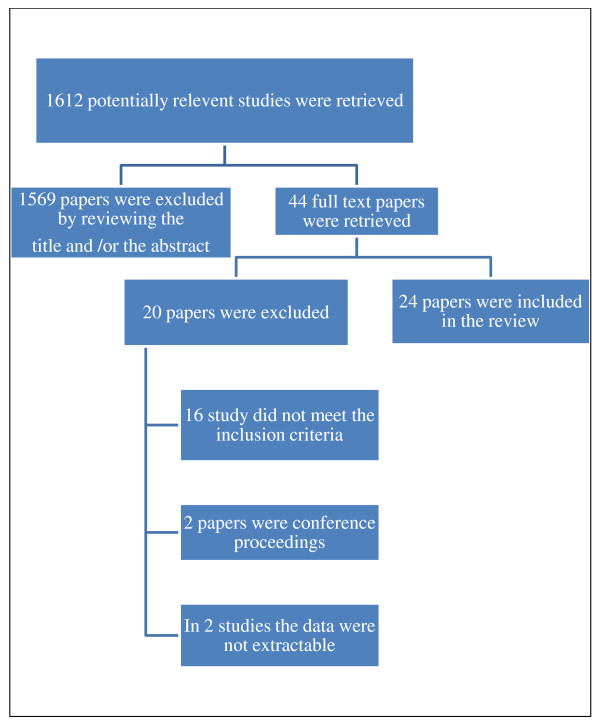
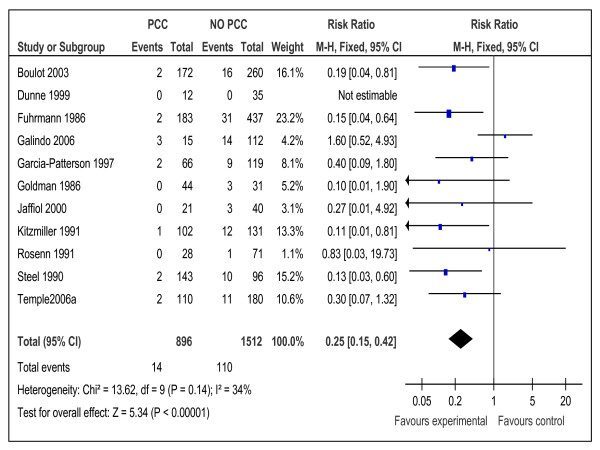
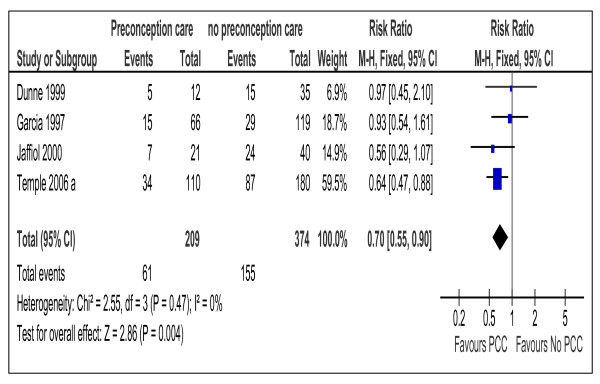
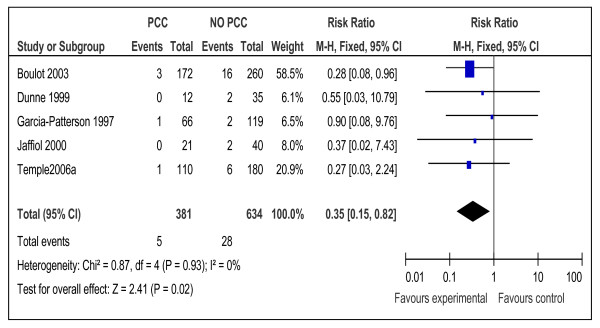
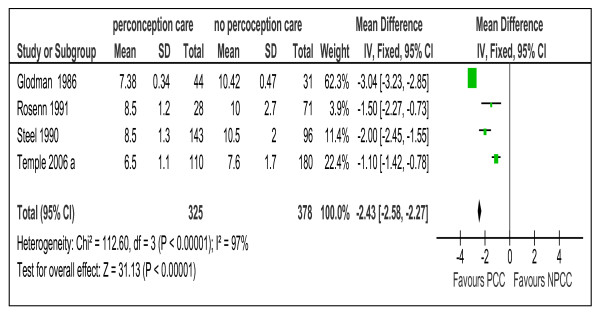
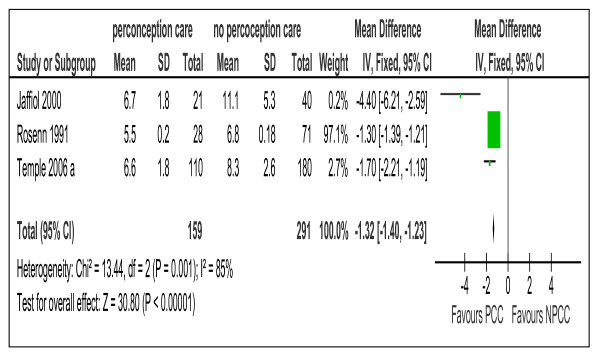
BACKGROUND: Preexisting diabetes mellitus is associated with increased risk for maternal and fetal adverse outcomes. Despite improvement in the access and quality of antenatal care recent population based studies demonstrating increased congenital abnormalities and perinatal mortality in diabetic mothers as compared to the background population. This systematic review was carried out to evaluate the effectiveness and safety of preconception care in improving maternal and fetal outcomes for women with preexisting diabetes mellitus. METHODS: We searched the following databases, MEDLINE, EMBASE, WEB OF SCIENCE, Cochrane Library, including the CENTRAL register of controlled trials and CINHAL up to December 2009, without language restriction, for any preconception care aiming at health promotion, glycemic control and screening and treatment of diabetes complications in women of reproductive age group with type I or type II diabetes. Study design were trials (randomized and non-randomized), cohort and case-control studies. Of the 1612 title scanned 44 full papers were retrieved of those 24 were included in this review. Twelve cohort studies at low and medium risk of bias, with 2502 women, were included in the meta-analysis. RESULTS: Meta-analysis suggested that preconception care is effective in reducing congenital malformation, RR 0.25 (95% CI 0.15-0.42), NNT17 (95% CI 14-24), preterm delivery, RR 0.70 (95% CI 0.55-0.90), NNT = 8 (95% CI 5-23) and perinatal mortality RR 0.35 (95% CI 0.15-0.82), NNT = 32 (95% CI 19-109). Preconception care lowers HbA1c in the first trimester of pregnancy by an average of 2.43% (95% CI 2.27-2.58). Women who received preconception care booked earlier for antenatal care by an average of 1.32 weeks (95% CI 1.23-1.40). CONCLUSION: Preconception care is effective in reducing diabetes related congenital malformations, preterm delivery and maternal hyperglycemia in the first trimester of pregnancy.
Overview
The claims and statistics of this paper haven’t been checked yet.
Free: it reads the open-access text and checks the first 5 claims that cite a source we can check. Create a free account to check every claim.
Integrity signals
Registry
Cites
Statistics
Figures
Verification
Claims the paper makes
The claims and statistics of this paper haven’t been checked yet.
Free: it reads the open-access text and checks the first 5 claims that cite a source we can check. Create a free account to check every claim.
Claims other papers make about this one
Each is checked against this paper’s own text: does it say what the citing paper says it does?
The source backs part of the claim, not all of it — or backs it for a different population, condition or comparison.
In the citing paper
“Elevated BG levels at conception and during the early first trimester are associated with increased rates of congenital malformations, spontaneous abortion, intrauterine fetal demise, pre-eclampsia, preterm delivery, and perinatal mortality.110–114”
From American Association of Clinical Endocrinology Clinical Practice Guideline: Developing a Diabetes Mellitus Comprehensive Care Plan-2022 Update. (2022) · cites this paper as [110]
Experimental — accuracy not yet measuredThe source backs part of the claim, not all of it — or backs it for a different population, condition or comparison.
In the citing paper
“In a systematic review and meta-analysis of observational studies, preconception care for pregnant individuals with preexisting diabetes was associated with lower A1C and reduced risks of birth defects, preterm delivery, perinatal mortality, small-for-gestational-age births, and neonatal intensive care unit admissions (8).”
From 15. Management of Diabetes in Pregnancy: Standards of Care in Diabetes—2024 (2024) · cites this paper as [8]
Experimental — accuracy not yet measured
Self-check
Percentages, sums and reported differences re-computed from the paper’s own numbers.
The self-check needs the paper’s full text.
Citations
Cites
Wild, S., Roglic, G., Green, A., Sicree, R., & King, H. (2004) · Diabetes Care · doi:10.2337/diacare.27.5.1047 · Cited by 15,297 · cited 1×
“Diabetes mellitus (DM) is a global public health problem with expected 300 million diabetics by the year 2030 worldwide [1].”
BackgroundDiabetes Care and Research in Europe: The Saint Vincent Declaration
(1990) · Diabetic Medicine · doi:10.1111/j.1464-5491.1990.tb01405.x · Cited by 601
Casson, I. F., Clarke, C. A., Howard, C. V., McKendrick, O., Pennycook, S., Pharoah, P. O. D., Platt, M. J., Stanisstreet, M., van Velszen, D., & Walkinshaw, S. (1997) · BMJ · doi:10.1136/bmj.315.7103.275 · Cited by 523
The confidential enquiry into maternal and child health (CEMACH)
Weindling, A. M. (2003) · Archives of Disease in Childhood · doi:10.1136/adc.88.12.1034 · Cited by 479
Prevention of Congenital Malformations in Infants of Insulin-dependent Diabetic Mothers
Fuhrmann, K., Reiher, H., Semmler, K., Fischer, F., Fischer, M., & Glöckner, E. (1983) · Diabetes Care · doi:10.2337/diacare.6.3.219 · Cited by 440 · cited 2×
“described the same cohort study with two interim [17,18] and one final report [19], one study reported the outcomes for the same cohort in two articles [10,29] and two articles report the outcomes of one cohort with one interim [31] and one final report [28]).”
MethodResultRay, J. G. (2001) · QJM · doi:10.1093/qjmed/94.8.435 · Cited by 430 · cited 2×
“Glycemic control is one of the most important aspects of preconception care (PCC) [9]; however other aspects such as folic acid supplementation, smoking cessation, screening and treatment of diabetes complications and discontinuing teratogenic medication, are as important for improving maternal and fetal outcomes [10].”
BackgroundResultPreconception Care of Diabetes: Glycemic Control Prevents Congenital Anomalies
Kitzmiller, J. L. (1991) · JAMA · doi:10.1001/jama.1991.03460060063025 · Cited by 397 · cited 2×
“Similarity of participants, intervention, and outcomes in addition to the score of low or medium risk of bias, made meta-analysis possible for12 cohort studies [10,15,16,19-21,23,25,26,28,32,33] with 2502 participants (Tables 1, 2 & 5 and Figures 2,3,4,5,6, and 7).”
BackgroundGenetic disorders in the Arab world
Al-Gazali, L., Hamamy, H., & Al-Arrayad, S. (2006) · BMJ · doi:10.1136/bmj.38982.704931.ae · Cited by 366 · cited 3×
“In many areas around the globe including the West as well as many developing and Middle Eastern countries, diabetes has become a major health burden affecting young adults and women in their reproductive age [2,3].”
BackgroundFetal and neonatal outcomes of diabetic pregnancies
Yang, J., Cummings, E. A., OʼConnell, C., & Jangaard, K. (2006) · Obstetrics & Gynecology · doi:10.1097/01.aog.0000231688.08263.47 · Cited by 352 · cited 1×
“Similar reports from North America showed no significant improvement in fetal and neonatal outcomes of women with pre-gestational diabetes between 1988 and 2002 [6] despite the Saint Vincent Declaration in 1989 which sets a healthcare goal to improve the outcome of pregnancies in diabetic women [7].”
ResultPregnancy outcomes in the Diabetes Control and Complications Trial
(1996) · American Journal of Obstetrics and Gynecology · doi:10.1016/s0002-9378(96)70683-x · Cited by 278
First-Trimester Fasting Hyperglycemia and Adverse Pregnancy Outcomes
Riskin-Mashiah, S., Younes, G., Damti, A., & Auslender, R. (2009) · Diabetes Care · doi:10.2337/dc09-0688 · Cited by 277 · cited 1×
“Maternal hyperglycemia during the period of organogenesis is known to be associated with congenital malformations [39,40].”
BackgroundFrench Multicentric Survey of Outcome of Pregnancy in Women With Pregestational Diabetes
Diabetes and Pregnancy Group, F. (2003) · Diabetes Care · doi:10.2337/diacare.26.11.2990 · Cited by 257 · cited 2×
“Similarity of participants, intervention, and outcomes in addition to the score of low or medium risk of bias, made meta-analysis possible for12 cohort studies [10,15,16,19-21,23,25,26,28,32,33] with 2502 participants (Tables 1, 2 & 5 and Figures 2,3,4,5,6, and 7).”
BackgroundMethodCan prepregnancy care of diabetic women reduce the risk of abnormal babies?
Steel, J. M., Johnstone, F. D., Hepburn, D. A., & Smith, A. F. (1990) · BMJ · doi:10.1136/bmj.301.6760.1070 · Cited by 205 · cited 7×
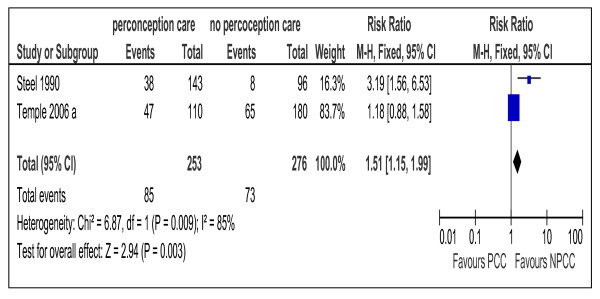
“Only two studies evaluated maternal hypoglycemia as adverse effect of PCC [10,28] and the pooled data showed no difference between the two groups (Figure 7).”
BackgroundMethodResultInfluentialPrepregnancy Care and Pregnancy Outcomes in Women With Type 1 Diabetes
Temple, R. C., Aldridge, V. J., & Murphy, H. R. (2006) · Diabetes Care · doi:10.2337/dc05-2265 · Cited by 184
Willhoite, M. B., Bennert, H. W., Palomaki, G. E., Zaremba, M. M., Herman, W. H., Williams, J. R., & Spear, N. H. (1993) · Diabetes Care · doi:10.2337/diacare.16.2.450 · Cited by 176 · cited 5×
“Another isolated preconception intervention proved to be effective in improving fetal and neonatal outcomes, is women counseling, an intervention evaluated by only one study [30] Other outcomes which did not improve by PCC, such as pre-eclampsia, cesarean delivery and macrosomia (Table 5 and Additional file 1: Appendi…”
BackgroundInfluentialGoldman, J. A., Dicker, D., Feldberg, D., Yeshaya, A., Samuel, N., & Karp, M. (1986) · American Journal of Obstetrics and Gynecology · doi:10.1016/0002-9378(86)90812-4 · Cited by 145
Fetal cardiac effects of maternal hyperglycemia during pregnancy
Corrigan, N., Brazil, D. P., & McAuliffe, F. (2009) · Birth Defects Research Part A: Clinical and Molecular Teratology · doi:10.1002/bdra.20567 · Cited by 135 · cited 1×
“Maternal hyperglycemia during the period of organogenesis is known to be associated with congenital malformations [39,40].”
BackgroundFuhrmann, K., Reiher, H., Semmler, K., & Glöckner, E. (2009) · Experimental and Clinical Endocrinology & Diabetes · doi:10.1055/s-0029-1210327 · Cited by 133 · cited 2×
“described the same cohort study with two interim [17,18] and one final report [19], one study reported the outcomes for the same cohort in two articles [10,29] and two articles report the outcomes of one cohort with one interim [31] and one final report [28]).”
MethodResultPrevalence of Glucose Intolerance in Urban and Rural Communities in Saudi Arabia
Al-Nuaim, A. R. (1997) · Diabetic Medicine · doi:10.1002/(sici)1096-9136(199707)14:7<595::aid-dia377>3.0.co;2-c · Cited by 131
Jaouad, I. C., Elalaoui, S. C., Sbiti, A., Elkerh, F., Belmahi, L., & Sefiani, A. (2009) · Journal of Biosocial Science · doi:10.1017/s0021932009003393 · Cited by 128 · cited 1×
“North Africa [36] and some communities in Asia [37]”
BackgroundIncreasing prevalence of type 2 diabetes in adolescents
Hotu, S., Carter, B., Watson, P., Cutfield, W., & Cundy, T. (2004) · Journal of Paediatrics and Child Health · doi:10.1111/j.1440-1754.2004.00337.x · Cited by 127 · cited 1×
“In many areas around the globe including the West as well as many developing and Middle Eastern countries, diabetes has become a major health burden affecting young adults and women in their reproductive age [2,3].”
BackgroundDamm, P., & Mølsted‐Pedersen, L. (1989) · American Journal of Obstetrics and Gynecology · doi:10.1016/0002-9378(89)90656-x · Cited by 116
Czeizel, A. E. (2000) · Pediatric Drugs · doi:10.2165/00128072-200002060-00003 · Cited by 96
Pre‐conception management of insulin‐dependent diabetes: Improvement of pregnancy outcome
Rosenn, B., Miodovnik, M., Combs, C., Khoury, J., & Siddiqi, T. (1992) · International Journal of Gynecology & Obstetrics · doi:10.1016/0020-7292(92)90749-9 · Cited by 94 · cited 5×
“short duration of the pregnancy, attrition bias was noted in only one study, [26] all other studies had complete”
BackgroundResultInfluentialFive years' experience of a "prepregnancy" clinic for insulin-dependent diabetics.
Steel, J. M., Johnstone, F. D., Smith, A. F., & Duncan, L. J. (1982) · BMJ · doi:10.1136/bmj.285.6338.353 · Cited by 81 · cited 3×
“[28] & 1982 [ 31 ] (UK-Scotland) 143 IDDM women attended the preconception care clinic and 96 IDDM women did not attend PCC included: education, glycemic controlled and contraception PCC group had lower initial HbA1C as compared to NPCC group (p < 0.0001) and lower rate of congenital mal formations (p < 0. 005) , mate…”
BackgroundInfluentialDo Multivitamin Supplements Attenuate the Risk for Diabetes-Associated Birth Defects?
Correa, A., Botto, L., Liu, Y., Mulinare, J., & Erickson, J. D. (2003) · Pediatrics · doi:10.1542/peds.111.s1.1146 · Cited by 80
Consanguinity and early mortality in the muslim populations of India and Pakistan
Hussain, R., Bittles, A. H., & Sullivan, S. (2001) · American Journal of Human Biology · doi:10.1002/ajhb.1124 · Cited by 77 · cited 1×
“North Africa [36] and some communities in Asia [37]”
BackgroundDiabetes and pregnancy. Preconception care, pregnancy outcomes, resource utilization and costs.
Herman, W. H., Janz, N. K., Becker, M. P., & Charron‐Prochownik, D. (1999) · PubMed · Cited by 74
Outcome of fetuses in women with pregestational diabetes mellitus
Galindo, A., Burguillo, A. G., Azriel, S., & Fuente, P. D. L. (2006) · Journal of Perinatal Medicine · doi:10.1515/jpm.2006.062 · Cited by 73 · cited 2×
“Similarity of participants, intervention, and outcomes in addition to the score of low or medium risk of bias, made meta-analysis possible for12 cohort studies [10,15,16,19-21,23,25,26,28,32,33] with 2502 participants (Tables 1, 2 & 5 and Figures 2,3,4,5,6, and 7).”
BackgroundGlycaemic control throughout pregnancy and risk of pre-eclampsia in women with type I diabetes
Temple, R., Aldridge, V, Stanley, K., & Murphy, H. (2006) · BJOG: An International Journal of Obstetrics & Gynaecology · doi:10.1111/j.1471-0528.2006.01071.x · Cited by 63 · cited 4×
“Temple 2006a [10] 2006b [29] (UK) 110 women with type I diabetes attended the preconception care clinic and 180 women with type I diabetes did not attend the preconception care clinic PCC included: Glycemic control, folic acid supplementation, smoking cessation, education.”
BackgroundMethodResultInfluentialOutcome of fetuses in women with pregestational diabetes mellitus
Artal, R. (2006) · Journal of Perinatal Medicine · doi:10.1515/jpm.2006.063 · Cited by 55 · cited 3×
“2006 [ 32 ] (Spain) 15 women with pre-existing diabetes received PCC and 112 women with pre-existing diabetes did not receive PCC.”
BackgroundPre-conception diabetes care in insulin-dependent diabetes mellitus
Dunne, F. P. (1999) · QJM · doi:10.1093/qjmed/92.3.175 · Cited by 52 · cited 5×
“In addition to glycemic control, 4 studies included screening and treatment of complications of diabetes in the PCC program [ 16 ,19,21,22].”
BackgroundMethodInfluentialDicker, D., Feldberg, D., Samuel, N., Yeshaya, A., Karp, M., & Goldman, J. A. (1988) · American Journal of Obstetrics and Gynecology · doi:10.1016/0002-9378(88)90245-1 · Cited by 50 · cited 2×
“Dicker 1988 [15] (Israel) 59 IDDM women attended a pre-conception clinic compared to 35 pregnant women who did not attend PCC included: insulin and dietary glycemic control, advice on contraception and screening for diabetes complications PCC group had significantly lower HA1C at the first trimester (p < 0.”
BackgroundMethodDoes preconceptional counselling in diabetic women influence perinatal outcome?
García‐Patterson, A., Corcoy, R., Rigla, M., Caballero, A., Adelantado, J. M., Altirriba, O., & de Leiva, A. (1997) · PubMed · Cited by 31
Jensen, B. M., Kühl, C., Mølsted-Pedersen, L., Saurbrey, N., & Fog-Pedersen, J. (1986) · Acta Endocrinologica · doi:10.1530/acta.0.111s0081 · Cited by 30 · cited 4×
“All participants received the same antenatal and post natal care except for one study [ 24 ] where participants were followed up in different health settings.”
BackgroundMethodResultInfluentialWalkinshaw, S. (2001) · Evidence-based obstetrics and gynecology/Evidence-based obstetrics & gynecology · doi:10.1054/ebog.2001.0292 · Cited by 20
Pregnancy in women with diabetes—after the CEMACH report, what now?
Casson, I. F. (2006) · Diabetic Medicine · doi:10.1111/j.1464-5491.2006.01896.x · Cited by 18
Br, R., Rowbotham, C. J. F., & Ah, B. (1987) · PubMed · Cited by 15
Treatment of pregnant insulin-dependent diabetic women
Fuhrmann, K. (1986) · European Journal of Endocrinology · doi:10.1530/acta.0.111s0074 · Cited by 10 · cited 3×
“Similarity of participants, intervention, and outcomes in addition to the score of low or medium risk of bias, made meta-analysis possible for12 cohort studies [10,15,16,19-21,23,25,26,28,32,33] with 2502 participants (Tables 1, 2 & 5 and Figures 2,3,4,5,6, and 7).”
BackgroundMethodResultDiabetes and perinatal loss. A continuing problem.
Sobande, A. A., Albar, H. A. M., & Archibong, E. I. (2000) · Saudi Medical Journal · doi:10.15537/1658-3175.1103 · Cited by 9
[Evaluation of the benefits brought by pregnancy planning in type 1 diabetes mellitus].
Jaffiol, C., Baccara, M. T., Renard, É., Apostol, D., Lefebvre, P., Boulot, P., Daurès, J., & Bringer, J. (2000) · PubMed · Cited by 7
[Preconceptional control in diabetic women].
Ingelmo, G., de la Morena, L. H., Vaquero, P. M., Jáñez Furio, M., Grande Aragón, C., & Lf, P. S. (1998) · PubMed · Cited by 6
Research works printed but not linked: 1
- 11. Well GA, Shea B, C'Connell D, Peterson J, Welch V, Losos M, et al: The Newcaslte-Ottawa Scal (NOS) for assessing the quality of nonrandomised studies in met-analyses. 2005 [http://www.ohri.ca/ programs/clinical_epidemiology/oxford.asp].
Cited by
Type 1 Diabetes Through the Life Span: A Position Statement of the American Diabetes Association
Chiang, J. L., Kirkman, M. S., Laffel, L. M. B., Peters, A. L., & Authors, O. B. O. T. T. 1. D. S. (2014) · Diabetes Care · doi:10.2337/dc14-1140 · Cited by 965
Blonde, L., Umpierrez, G. E., Reddy, S. S., McGill, J. B., Berga, S. L., Bush, M., Chandrasekaran, S., DeFronzo, R. A., Einhorn, D., Galindo, R. J., et al. (2022) · Endocrine Practice · doi:10.1016/j.eprac.2022.08.002 · Cited by 507
Thompson, D., Berger, H., Feig, D., Gagnon, R., Kader, T., Keely, E., Kozak, S., Ryan, E., Sermer, M., & Vinokuroff, C. (2013) · Canadian Journal of Diabetes · doi:10.1016/j.jcjd.2013.01.044 · Cited by 377
Deputy, N. P., Kim, S. Y., Conrey, E. J., & Bullard, K. M. (2018) · MMWR. Morbidity and Mortality Weekly Report · doi:10.15585/mmwr.mm6743a2 · Cited by 347
“*** Preconception care provides an opportunity to reinforce the importance of diabetes management among reproductive-aged women with type 1 or type 2 diabetes and might reduce adverse pregnancy outcomes by improving glycemic control before critical developmental stages of the fetus early in pregnancy (6).”
Feig, D. S., Berger, H., Donovan, L., Godbout, A., Kader, T., Keely, E., & Sanghera, R. (2018) · Canadian Journal of Diabetes · doi:10.1016/j.jcjd.2017.10.038 · Cited by 344
Metadata
- Authors
- Wahabi, H. A., Alzeidan, R. A., Bawazeer, G. A., Alansari, L. A., & Esmaeil, S. A.
- Affiliations
- King Saud University (SA)
- Corresponding author
- Wahabi, Hayfaa A
- Venue
- BMC Pregnancy and Childbirth
- Published
- 2010-10-14
- Volume
- 10
- Issue
- 1
- Pages
- 63-63
- ISSN
- 1471-2393 (ISSN-L)
- PMC
- PMC2972233
- OpenAlex
- W2155760435
- Cited by
- 228
- References
- 42
- Citations by year
- 2026: 8 · 2025: 6 · 2024: 13 · 2023: 23 · 2022: 14 · 2021: 14 · 2020: 16 · 2019: 13 · 2018: 18 · 2017: 18 · 2016: 17 · 2015: 16 · 2014: 15 · 2013: 20 · 2012: 10
- FWCI
- 1.78
- Type
- journal article
- Language
- en
- Open access
- gold
- doi.org
- Licence
- cc-by
- creativecommons.org/licenses/by/2.0 (tdm)
- Locations
- BMC Pregnancy and Childbirth (publishedVersion, cc-by)
- PubMed Central (publishedVersion, cc-by)
- PubMed (publishedVersion)
- Warwick Research Archive Portal (University of Warwick) (acceptedVersion)
- DOAJ (DOAJ: Directory of Open Access Journals) (submittedVersion)
- Topics
- Health Sciences › Medicine › Obstetrics and Gynecology › Gestational Diabetes Research and Management
- Health Sciences › Medicine › Public Health, Environmental and Occupational Health › Pregnancy and Medication Impact
- Health Sciences › Medicine › Pediatrics, Perinatology and Child Health › Maternal and Neonatal Healthcare
- Keywords
- preconception care, maternal outcomes, fetal outcomes, congenital malformations, preterm birth, perinatal mortality, glycemic control, HbA1c, antenatal care booking, type 1 diabetes, type 2 diabetes
- MeSH terms
- Congenital Abnormalities, Diabetes Mellitus, Type 1, Diabetes Mellitus, Type 2, Female, Humans, Infant, Newborn, Pregnancy, Pregnancy Complications, Pregnancy Outcome, Preconception Care
About these checks
Registry, retraction, Cites and statistics results are computed, not judged, with one exception: a printed reference that no index lists is read once by a model before it counts as a citation error. Claims are extracted by a model and kept only when their quote appears verbatim in the text; each cited source is then checked, with a model’s help, for whether it says what the claim relies on. Those verdicts can be wrong — read the claim’s quote and the cited source before relying on one.
Statistics and arithmetic are recomputed, not judged.
Confidence bands are shown only for fields calibrated on our annotated test set. None is calibrated yet, so no band is shown.
What counts as a claim ›How we measure confidence ›How we check this ›
Are you an author, or do you see a problem with this page? Request a review
Data sources
Bibliographic data: Semantic Scholar, OpenAlex, Crossref.
Contains information from the Semantic Scholar Academic Graph Datasets, made available under the ODC Attribution License (ODC-BY 1.0).
Semantic Scholar’s data is described in: Kinney, R., et al. (2023). The Semantic Scholar Open Data Platform. arXiv:2301.10140.
