

Preconception care for diabetic women for improving maternal and fetal outcomes: a systematic review and meta-analysis
Open accessThe DOI matches its Crossref record; 42 of the 42 references it cites were found in a registry or an index.
Abstract
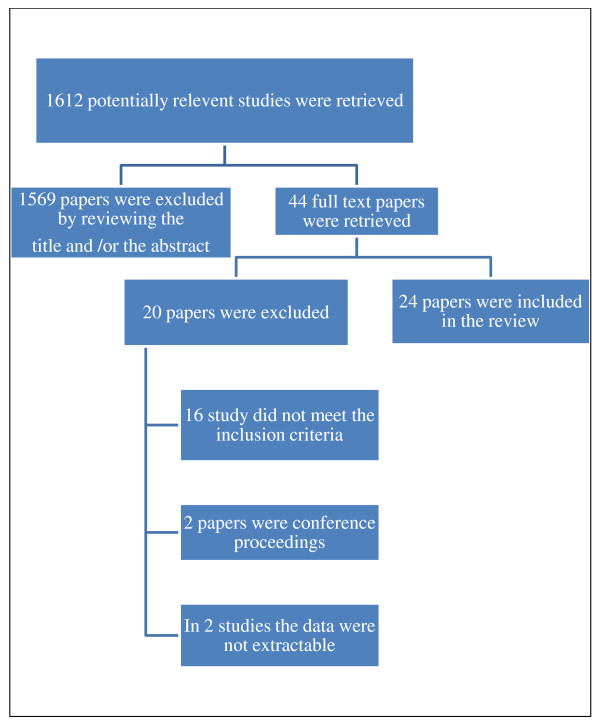
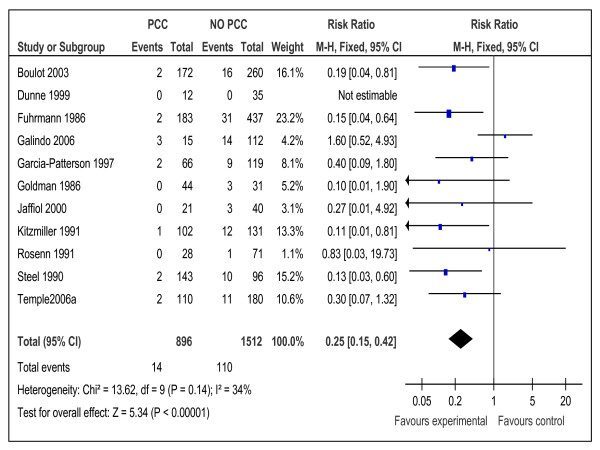
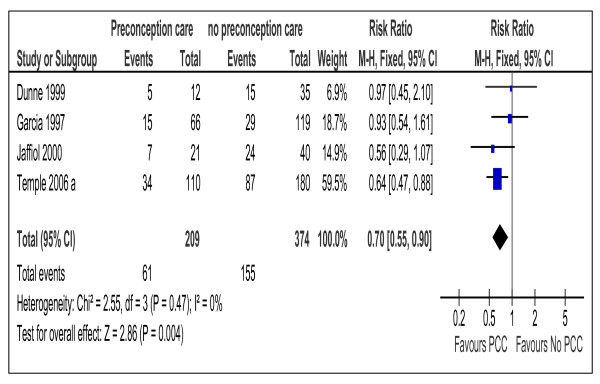
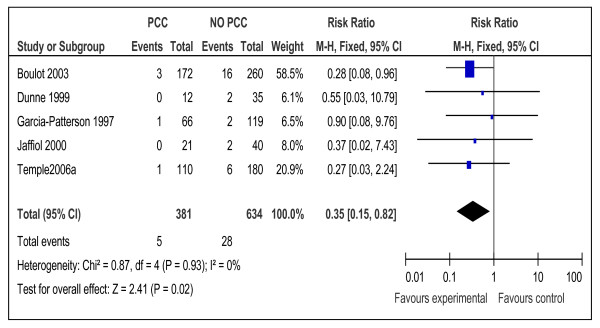
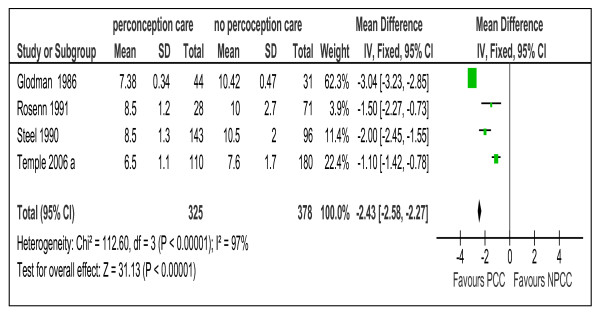
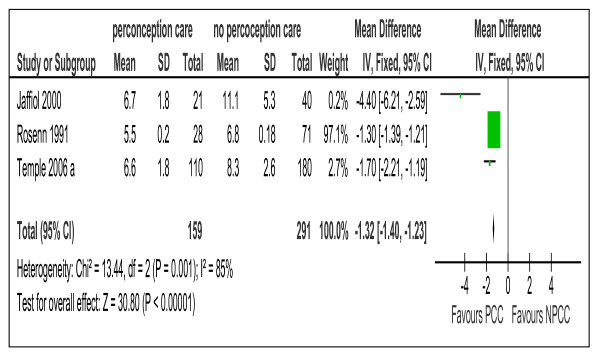
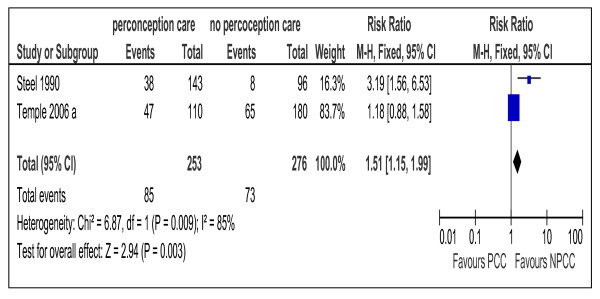
BACKGROUND: Preexisting diabetes mellitus is associated with increased risk for maternal and fetal adverse outcomes. Despite improvement in the access and quality of antenatal care recent population based studies demonstrating increased congenital abnormalities and perinatal mortality in diabetic mothers as compared to the background population. This systematic review was carried out to evaluate the effectiveness and safety of preconception care in improving maternal and fetal outcomes for women with preexisting diabetes mellitus. METHODS: We searched the following databases, MEDLINE, EMBASE, WEB OF SCIENCE, Cochrane Library, including the CENTRAL register of controlled trials and CINHAL up to December 2009, without language restriction, for any preconception care aiming at health promotion, glycemic control and screening and treatment of diabetes complications in women of reproductive age group with type I or type II diabetes. Study design were trials (randomized and non-randomized), cohort and case-control studies. Of the 1612 title scanned 44 full papers were retrieved of those 24 were included in this review. Twelve cohort studies at low and medium risk of bias, with 2502 women, were included in the meta-analysis. RESULTS: Meta-analysis suggested that preconception care is effective in reducing congenital malformation, RR 0.25 (95% CI 0.15-0.42), NNT17 (95% CI 14-24), preterm delivery, RR 0.70 (95% CI 0.55-0.90), NNT = 8 (95% CI 5-23) and perinatal mortality RR 0.35 (95% CI 0.15-0.82), NNT = 32 (95% CI 19-109). Preconception care lowers HbA1c in the first trimester of pregnancy by an average of 2.43% (95% CI 2.27-2.58). Women who received preconception care booked earlier for antenatal care by an average of 1.32 weeks (95% CI 1.23-1.40). CONCLUSION: Preconception care is effective in reducing diabetes related congenital malformations, preterm delivery and maternal hyperglycemia in the first trimester of pregnancy.
Overview
The claims and statistics of this paper haven’t been checked yet.
Free: it reads the open-access text and checks the first 5 claims that cite a source we can check. Create a free account to check every claim.
Integrity signals
Registry
Cites
Statistics
Figures
Verification
Claims the paper makes
The claims and statistics of this paper haven’t been checked yet.
Free: it reads the open-access text and checks the first 5 claims that cite a source we can check. Create a free account to check every claim.
Claims other papers make about this one
Each is checked against this paper’s own text: does it say what the citing paper says it does?
The source backs part of the claim, not all of it — or backs it for a different population, condition or comparison.
In the citing paper
“Elevated BG levels at conception and during the early first trimester are associated with increased rates of congenital malformations, spontaneous abortion, intrauterine fetal demise, pre-eclampsia, preterm delivery, and perinatal mortality.110–114”
From American Association of Clinical Endocrinology Clinical Practice Guideline: Developing a Diabetes Mellitus Comprehensive Care Plan-2022 Update. (2022) · cites this paper as [110]
Experimental — accuracy not yet measuredThe source backs part of the claim, not all of it — or backs it for a different population, condition or comparison.
In the citing paper
“In a systematic review and meta-analysis of observational studies, preconception care for pregnant individuals with preexisting diabetes was associated with lower A1C and reduced risks of birth defects, preterm delivery, perinatal mortality, small-for-gestational-age births, and neonatal intensive care unit admissions (8).”
From 15. Management of Diabetes in Pregnancy: Standards of Care in Diabetes—2024 (2024) · cites this paper as [8]
Experimental — accuracy not yet measured
Self-check
Percentages, sums and reported differences re-computed from the paper’s own numbers.
The self-check needs the paper’s full text.
Citations
Cites
Wild, S., Roglic, G., Green, A., Sicree, R., & King, H. (2004) · Diabetes Care · doi:10.2337/diacare.27.5.1047 · Cited by 15,297 · cited 1×
“Diabetes mellitus (DM) is a global public health problem with expected 300 million diabetics by the year 2030 worldwide [1].”
BackgroundDiabetes Care and Research in Europe: The Saint Vincent Declaration
(1990) · Diabetic Medicine · doi:10.1111/j.1464-5491.1990.tb01405.x · Cited by 601
Casson, I. F., Clarke, C. A., Howard, C. V., McKendrick, O., Pennycook, S., Pharoah, P. O. D., Platt, M. J., Stanisstreet, M., van Velszen, D., & Walkinshaw, S. (1997) · BMJ · doi:10.1136/bmj.315.7103.275 · Cited by 523
The confidential enquiry into maternal and child health (CEMACH)
Weindling, A. M. (2003) · Archives of Disease in Childhood · doi:10.1136/adc.88.12.1034 · Cited by 479
Prevention of Congenital Malformations in Infants of Insulin-dependent Diabetic Mothers
Fuhrmann, K., Reiher, H., Semmler, K., Fischer, F., Fischer, M., & Glöckner, E. (1983) · Diabetes Care · doi:10.2337/diacare.6.3.219 · Cited by 440 · cited 2×
“described the same cohort study with two interim [17,18] and one final report [19], one study reported the outcomes for the same cohort in two articles [10,29] and two articles report the outcomes of one cohort with one interim [31] and one final report [28]).”
MethodResultRay, J. G. (2001) · QJM · doi:10.1093/qjmed/94.8.435 · Cited by 430 · cited 2×
“Glycemic control is one of the most important aspects of preconception care (PCC) [9]; however other aspects such as folic acid supplementation, smoking cessation, screening and treatment of diabetes complications and discontinuing teratogenic medication, are as important for improving maternal and fetal outcomes [10].”
BackgroundResultPreconception Care of Diabetes: Glycemic Control Prevents Congenital Anomalies
Kitzmiller, J. L. (1991) · JAMA · doi:10.1001/jama.1991.03460060063025 · Cited by 397 · cited 2×
“Similarity of participants, intervention, and outcomes in addition to the score of low or medium risk of bias, made meta-analysis possible for12 cohort studies [10,15,16,19-21,23,25,26,28,32,33] with 2502 participants (Tables 1, 2 & 5 and Figures 2,3,4,5,6, and 7).”
BackgroundGenetic disorders in the Arab world
Al-Gazali, L., Hamamy, H., & Al-Arrayad, S. (2006) · BMJ · doi:10.1136/bmj.38982.704931.ae · Cited by 366 · cited 3×
“In many areas around the globe including the West as well as many developing and Middle Eastern countries, diabetes has become a major health burden affecting young adults and women in their reproductive age [2,3].”
BackgroundFetal and neonatal outcomes of diabetic pregnancies
Yang, J., Cummings, E. A., OʼConnell, C., & Jangaard, K. (2006) · Obstetrics & Gynecology · doi:10.1097/01.aog.0000231688.08263.47 · Cited by 352 · cited 1×
“Similar reports from North America showed no significant improvement in fetal and neonatal outcomes of women with pre-gestational diabetes between 1988 and 2002 [6] despite the Saint Vincent Declaration in 1989 which sets a healthcare goal to improve the outcome of pregnancies in diabetic women [7].”
ResultPregnancy outcomes in the Diabetes Control and Complications Trial
(1996) · American Journal of Obstetrics and Gynecology · doi:10.1016/s0002-9378(96)70683-x · Cited by 278
Research works printed but not linked: 1
- 11. Well GA, Shea B, C'Connell D, Peterson J, Welch V, Losos M, et al: The Newcaslte-Ottawa Scal (NOS) for assessing the quality of nonrandomised studies in met-analyses. 2005 [http://www.ohri.ca/ programs/clinical_epidemiology/oxford.asp].
Cited by
Type 1 Diabetes Through the Life Span: A Position Statement of the American Diabetes Association
Chiang, J. L., Kirkman, M. S., Laffel, L. M. B., Peters, A. L., & Authors, O. B. O. T. T. 1. D. S. (2014) · Diabetes Care · doi:10.2337/dc14-1140 · Cited by 965
Blonde, L., Umpierrez, G. E., Reddy, S. S., McGill, J. B., Berga, S. L., Bush, M., Chandrasekaran, S., DeFronzo, R. A., Einhorn, D., Galindo, R. J., et al. (2022) · Endocrine Practice · doi:10.1016/j.eprac.2022.08.002 · Cited by 507
Thompson, D., Berger, H., Feig, D., Gagnon, R., Kader, T., Keely, E., Kozak, S., Ryan, E., Sermer, M., & Vinokuroff, C. (2013) · Canadian Journal of Diabetes · doi:10.1016/j.jcjd.2013.01.044 · Cited by 377
Deputy, N. P., Kim, S. Y., Conrey, E. J., & Bullard, K. M. (2018) · MMWR. Morbidity and Mortality Weekly Report · doi:10.15585/mmwr.mm6743a2 · Cited by 347
“*** Preconception care provides an opportunity to reinforce the importance of diabetes management among reproductive-aged women with type 1 or type 2 diabetes and might reduce adverse pregnancy outcomes by improving glycemic control before critical developmental stages of the fetus early in pregnancy (6).”
Feig, D. S., Berger, H., Donovan, L., Godbout, A., Kader, T., Keely, E., & Sanghera, R. (2018) · Canadian Journal of Diabetes · doi:10.1016/j.jcjd.2017.10.038 · Cited by 344
15. Management of Diabetes in Pregnancy: Standards of Care in Diabetes—2025
American Diabetes Association Professional Practice Committee, ElSayed, N. A., McCoy, R. G., Aleppo, G., Balapattabi, K., Beverly, E. A., Briggs Early, K., Bruemmer, D., Echouffo-Tcheugui, J. B., Ekhlaspour, L., et al. (2025) · Diabetes Care · doi:10.2337/dc25-s015 · Cited by 252
Tennant, P. W. G., Glinianaia, S. V., Bilous, R. W., Rankin, J., & Bell, R. (2014) · Diabetologia · doi:10.1007/s00125-013-3108-5 · Cited by 249
“Prepregnancy care, particularly focusing on optimising glycaemic control, improves birth outcomes in women with pre-existing diabetes [6].”
BackgroundDiabetes: A metabolic and reproductive disorder in women
Thong, E. P., Codner, E., Laven, J. S. E., & Teede, H. (2020) · The Lancet Diabetes & Endocrinology · doi:10.1016/s2213-8587(19)30345-6 · Cited by 242
15. Management of Diabetes in Pregnancy: Standards of Care in Diabetes—2024
American Diabetes Association Professional Practice Committee, ElSayed, N. A., Aleppo, G., Bannuru, R. R., Bruemmer, D., Collins, B. S., Ekhlaspour, L., Hilliard, M. E., Johnson, E. L., Khunti, K., et al. (2024) · Diabetes Care · doi:10.2337/dc24-s015 · Cited by 232
Somkrua, R., Eickman, E. E., Saokaew, S., Lohitnavy, M., & Chaiyakunapruk, N. (2011) · BMC Medical Genetics · doi:10.1186/1471-2350-12-118 · Cited by 219
“The Newcastle-Ottawa approach has been reported in several articles to have a good validity for assessing the observational study [25-28].”
MethodScott, K. A., Britton, L., & McLemore, M. R. (2019) · Journal of Perinatal & Neonatal Nursing · doi:10.1097/jpn.0000000000000394 · Cited by 203
“women with chronic illnesses perpetuates tremendous cost, suffering, and inequity.(34,36) Although the ideal preconception care program has not been identified and remains an important area of research,(35) it is clear that women need services to optimize health before conception occurs, particularly to prevent organ…”
BackgroundBraveman, P., Dominguez, T. P., Burke, W., Dolan, S. M., Stevenson, D. K., Jackson, F. M., Collins, J. W., Driscoll, D. A., Haley, T., Acker, J., et al. (2021) · Frontiers in Reproductive Health · doi:10.3389/frph.2021.684207 · Cited by 189
Preconception care: delivery strategies and packages for care
Lassi, Z. S., Dean, S. V., Mallick, D., & Bhutta, Z. A. (2014) · Reproductive Health · doi:10.1186/1742-4755-11-s3-s7 · Cited by 160
Wahabi, H. A., Fayed, A., Esmaeil, S., Elmorshedy, H., Titi, M. A., Amer, Y. S., Alzeidan, R. A., Alodhayani, A. A., Saeed, E., Bahkali, K. H., et al. (2020) · PLOS ONE · doi:10.1371/journal.pone.0237571 · Cited by 130
“The results of this review concur with previously published reviews on the effectiveness of PCC [9, 16].”
BackgroundResultSelf-citationPeterson, C., Grosse, S. D., Li, R., Sharma, A. J., Razzaghi, H., Herman, W. H., & Gilboa, S. M. (2015) · American Journal of Obstetrics and Gynecology · doi:10.1016/j.ajog.2014.09.009 · Cited by 130
Wahabi, H. A., Alzeidan, R. A., & Esmaeil, S. A. (2012) · BMC Public Health · doi:10.1186/1471-2458-12-792 · Cited by 126
“complications and discontinuing teratogenic medications, are as important for improving maternal and fetal outcomes and might be effective in reducing the rate of CM to the background level [7-9].”
BackgroundResultSelf-citationDiabetes and Congenital Heart Defects
Simeone, R. M., Devine, O. J., Marcinkevage, J. A., Gilboa, S. M., Razzaghi, H., Bardenheier, B. H., Sharma, A. J., & Honein, M. A. (2015) · American Journal of Preventive Medicine · doi:10.1016/j.amepre.2014.09.002 · Cited by 119
Coton, S. J., Nazareth, I., & Petersen, I. (2016) · BMJ Open · doi:10.1136/bmjopen-2015-009494 · Cited by 119
Greenhalgh, T., Clinch, M., Afsar, N., Choudhury, Y., Sudra, R., Campbell-Richards, D., Claydon, A., Hitman, G. A., Hanson, P., & Finer, S. (2015) · BMC Medicine · doi:10.1186/s12916-015-0360-1 · Cited by 115
“Achieving glycaemic targets requires strict adherence to lifestyle modifications (diet and exercise), medication, and attendance to antenatal services [29–34].”
BackgroundThe interconnections between maternal and newborn health – evidence and implications for policy
Lassi, Z. S., Majeed, A., Rashid, S., Yakoob, M. Y., & Bhutta, Z. A. (2013) · The Journal of Maternal-Fetal & Neonatal Medicine · doi:10.3109/14767058.2013.784737 · Cited by 108
Wahabi, H., Fayed, A., Esmaeil, S., Mamdouh, H., & Kotb, R. (2017) · BioMed Research International · doi:10.1155/2017/6878263 · Cited by 108
“(1) Preconception care should be integrated in the healthcare of Saudi diabetic women considering the proven effects associated with such services in reducing all the complications of pre-GDM [9].”
BackgroundSelf-citationPreconception health care interventions: A scoping review
Hemsing, N., Greaves, L., & Poole, N. (2017) · Sexual & Reproductive Healthcare · doi:10.1016/j.srhc.2017.08.004 · Cited by 128
“Multiple systematic reviews have examined preconception care interventions and reported improvements in maternal and child outcomes [20,21], although some reported that effects were minimal or non-significant [22,23].”
BackgroundPre-existing diabetes mellitus and adverse pregnancy outcomes
Wahabi, H. A., Esmaeil, S. A., Fayed, A., Al-Shaikh, G., & Alzeidan, R. A. (2012) · BMC Research Notes · doi:10.1186/1756-0500-5-496 · Cited by 108
“Placental angiopathy secondary to uncontrolled maternal hyperglycemia was suggested as an etiology for antenatal asphyxia [21] and peri-conception uncontrolled hyperglycemia as the cause of congenital abnormalities [9].”
BackgroundSelf-citationLai, F. Y., Johnson, J. A., Dover, D., & Kaul, P. (2016) · Journal of Diabetes · doi:10.1111/1753-0407.12255 · Cited by 100
15. Management of Diabetes in Pregnancy: Standards of Care in Diabetes—2026
Bajaj, M. S., McCoy, R. G., Balapattabi, K., Bannuru, R. R., Bellini, N. J., Bennett, A. K., Beverly, E. A., Early, K. B., Brown, F. M., ChallaSivaKanaka, S., et al. (2025) · Diabetes Care · doi:10.2337/dc26-s015 · Cited by 180
Parker, S. E., Yazdy, M. M., Tinker, S. C., Mitchell, A. A., & Werler, M. M. (2013) · American Journal of Obstetrics and Gynecology · doi:10.1016/j.ajog.2013.05.047 · Cited by 105
Ndumele, C. E., Rodriguez, F., Dixon, D. L., Khan, S. S., Mukherjee, D., Bajaj, M., Bangalore, S., Bozkurt, B., Breathett, K., Clarke, S. L., et al. (2026) · JACC · doi:10.1016/j.jacc.2026.03.056 · Cited by 90
Rys, P., Ludwig‐Słomczyńska, A. H., Cyganek, K., & Malecki, M. T. (2018) · European Journal of Endocrinology · doi:10.1530/eje-17-0804 · Cited by 92
Preconception care: screening and management of chronic disease and promoting psychological health
Lassi, Z. S., Imam, A. M., Dean, S. V., & Bhutta, Z. A. (2014) · Reproductive Health · doi:10.1186/1742-4755-11-s3-s5 · Cited by 99
“reviews [25,256] with the differences being attributed to”
BackgroundMaternal Mortality in the United States: Trends and Opportunities for Prevention
Wang, S., Rexrode, K. M., Florio, A. A., Rich-Edwards, J. W., & Chavarro, J. E. (2023) · Annual Review of Medicine · doi:10.1146/annurev-med-042921-123851 · Cited by 106
Steel, A., Lucke, J. C., & Adams, J. (2015) · BMC Women s Health · doi:10.1186/s12905-015-0165-6 · Cited by 87
“Preconception programmes and interventions have been developed and implemented for women of childbearing age with chronic health conditions with varying degrees of success [31,42-45].”
BackgroundNdumele, C. E., Rodríguez, F., Dixon, D. L., Khan, S. S., Mukherjee, D., Bajaj, M. S., Bangalore, S., Bozkurt, B., Breathett, K. K., Clarke, S. L., et al. (2026) · Circulation · doi:10.1161/cir.0000000000001453 · Cited by 161
Weisman, C. S., Hillemeier, M. M., Downs, D. S., Feinberg, M. E., Chuang, C. H., Botti, J. J., & Dyer, A.-M. (2011) · Women's Health Issues · doi:10.1016/j.whi.2011.03.007 · Cited by 67
Management of type 1 diabetes in pregnancy
Feldman, A. Z., & Brown, F. M. (2016) · Current Diabetes Reports · doi:10.1007/s11892-016-0765-z · Cited by 65
Owens, L. A., Egan, A. M., Carmody, L., & Dunne, F. (2016) · The Journal of Clinical Endocrinology & Metabolism · doi:10.1210/jc.2015-3817 · Cited by 63
Preconception care for diabetic women for improving maternal and infant health
Tieu, J., Middleton, P., Crowther, C. A., & Shepherd, E. (2017) · Cochrane Database of Systematic Reviews · doi:10.1002/14651858.cd007776.pub3 · Cited by 63
Increased miscarriage of euploid pregnancies in obese women undergoing cryopreserved embryo transfer
Tremellen, K. P., Pearce, K. L., & Zander‐Fox, D. (2016) · Reproductive BioMedicine Online · doi:10.1016/j.rbmo.2016.09.011 · Cited by 66
Clement, M., Filteau, P., Harvey, B., Jin, S., Laubscher, T., Mukerji, G., & Sherifali, D. (2018) · Canadian Journal of Diabetes · doi:10.1016/j.jcjd.2017.10.005 · Cited by 57
Yamamoto, J. M., Hughes, D. J., Evans, M. L., Vithian, K., Clark, J. D. A., Morrish, N. J., Rayman, G. A., Winocour, P. H., Hambling, C. E., Harries, A. W., et al. (2018) · Diabetologia · doi:10.1007/s00125-018-4613-3 · Cited by 60
Diabetes mellitus type 2 in adults
Dedov, I. I., Shestakova, M. V., Mayorov, A. Y., Шамхалова, М. Ш., Sukhareva, O. Y., Galstyan, G. R., Tokmakova, A. Y., Nikonova, T. V., Surkova, E. V., Кононенко, И. В., et al. (2020) · Diabetes Mellitus · doi:10.14341/dm12507 · Cited by 69
Almalki, M., Buhary, B. M., Almohareb, O., Aljohani, N., ALZAHRANI, S. H., El-Kaissi, S., Sherbeeni, S. M., & Almaghamsi, A. M. (2016) · Indian Journal of Endocrinology and Metabolism · doi:10.4103/2230-8210.183478 · Cited by 71
“Another systematic review[33] and meta‐analysis concluded that preconception care of T1DM and T2DM is effective in reducing diabetes‐related congenital malformations, preterm delivery, and maternal hyperglycemia in the first trimester of pregnancy.”
BackgroundWyckoff, J., Lapolla, A., Asias-Dinh, B. D., Barbour, L. A., Brown, F. M., Catalano, P. M., Corcoy, R., Renzo, G. C. D., Drobycki, N., Kautzky‐Willer, A., et al. (2025) · The Journal of Clinical Endocrinology & Metabolism · doi:10.1210/clinem/dgaf288 · Cited by 62
“…favoring contraception comes from its use being a component of the PCC intervention as defined in the systematic reviews of Wahabi et al that showed significant improvement in 2 outcomes of interest: HbA1c in the first trimester and congenital malformations, as previously described (5, 64, 65).”
Case series of a hybrid closed‐loop system used in pregnancies in clinical practice
Polsky, S., & Aktürk, H. K. (2019) · Diabetes/Metabolism Research and Reviews · doi:10.1002/dmrr.3248 · Cited by 48
Parimi, M., & Nitsch, D. (2020) · Kidney International Reports · doi:10.1016/j.ekir.2020.02.1027 · Cited by 46
“A meta-analysis suggests that preconception care is an effective intervention in reducing congenital malformations.(56) In Sweden, a prospective nationwide study concluded that poor metabolic control in early pregnancy contributes to an increased risk of fetal abnormalities.”
BackgroundDavidson, A. J. F., Park, A. L., Berger, H. M., Aoyama, K., Harel, Z., Cohen, E., Cook, J. L., & Ray, J. G. (2020) · JAMA Network Open · doi:10.1001/jamanetworkopen.2020.30207 · Cited by 53
Pregnancy outcomes in type 2 diabetes: a systematic review and meta-analysis
Clement, N. S., Abul, A., Farrelly, R., Murphy, H. R., Forbes, K. A., Simpson, N., & SCOTT, E. M. (2024) · American Journal of Obstetrics and Gynecology · doi:10.1016/j.ajog.2024.11.026 · Cited by 58
Immunological Adaptations to Pregnancy in Women with Type 1 Diabetes
Groen, B., van der Wijk, A., van den Berg, P. P., Lefrandt, J. D., van den Berg, G., Sollie, K. M., de Vos, P., Links, T. P., & Faas, M. M. (2015) · Scientific Reports · doi:10.1038/srep13618 · Cited by 46
Pregnancy planning in type 1 diabetic women improves glycemic control and pregnancy outcomes
Kekäläinen, P., Juuti, M., Walle, T., & Laatikainen, T. K. (2015) · The Journal of Maternal-Fetal & Neonatal Medicine · doi:10.3109/14767058.2015.1081888 · Cited by 45
“preconception care reduced the level of HbA1c during the first trimester of pregnancy and the risk of congenital malformations and preterm delivery, but not the rate of miscarriages [17].”
BackgroundAgricola, E., Gesualdo, F., Pandolfi, E., Gonfiantini, M. V., Carloni, E., Mastroiacovo, P., & Tozzi, A. E. (2013) · BMC Medical Informatics and Decision Making · doi:10.1186/1472-6947-13-14 · Cited by 45
“Background Maternal health, appropriate lifestyle such as smoking and drinking cessation, folic acid supplementation and adoption of an appropriate diet before and at the time of conception are positively associated with fetal health and pregnancy outcomes [1-8].”
BackgroundInnovative teaching methods for capacity building in knowledge translation
Wahabi, H., & Al‐Ansary, L. A. (2011) · BMC Medical Education · doi:10.1186/1472-6920-11-85 · Cited by 41
“Two weeks before the workshop, the participants were given an information sheet describing the objective, format and the performance assessment for the KTP (Additional file 2), as well as the following clinical statement based on high level of evidence: “Preconception glycemic control for women with diabetes reduces t…”
BackgroundMethodSelf-citationPreconception care in Saudi women with diabetes mellitus
Madanat, A., & Sheshah, E. (2016) · Journal of Family and Community Medicine · doi:10.4103/2230-8229.181012 · Cited by 39
Nwolise, C. H., Carey, N., & Shawe, J. (2016) · Journal of Medical Internet Research · doi:10.2196/jmir.5615 · Cited by 46
“Poorly-controlled DM at conception coupled with unplanned pregnancy is a major contributor to morbidity and mortality including miscarriages, maternal and perinatal death, and congenital malformations [29,30-36].”
Pregestational Diabetes in Pregnancy
Sugrue, R. P., & Zera, C. (2018) · Obstetrics and Gynecology Clinics of North America · doi:10.1016/j.ogc.2018.01.002 · Cited by 45
Klein, J., Boyle, J. A., Kirkham, R., Connors, C., Whitbread, C., Oats, J. J. N., Barzi, F., McIntyre, D. H., Lee, I., Luey, M., et al. (2017) · Diabetes Research and Clinical Practice · doi:10.1016/j.diabres.2017.03.035 · Cited by 44
“[6] Wahabi HA, Alzeidan RA, Bawazeer GA, Alansari LA, Esmaeil SA.”
BackgroundEffect of pregnancy planning on maternal and neonatal outcomes in women with Type 1 diabetes
Wotherspoon, A. C., Young, I. S., Patterson, C. C., McCance, D. R., Holmes, V. A., & the Diabetes and Pre‐eclampsia Intervention Trial (DAPIT) Study Group (2017) · Diabetic Medicine · doi:10.1111/dme.13398 · Cited by 38
Association Between Preconception Care and Birth Outcomes
Jourabchi, Z., Sharif, S., Lye, M. S., Saeed, A., Khor, G. L., & Tajuddin, S. H. S. (2019) · American Journal of Health Promotion · doi:10.1177/0890117118779808 · Cited by 35
You, X., Tan, H., Hu, S., Wu, J., Jiang, H., Peng, A., Dai, Y., Wang, L., Guo, S., & Qian, X. (2015) · BMC Pregnancy and Childbirth · doi:10.1186/s12884-015-0485-4 · Cited by 36
“Previous studies found that PCC had positive effects on maternal lifestyle, diet, management of chronic medical conditions, and up-to-date vaccinations [17-20].”
BackgroundWender-Ożegowska, E., Zawiejska, A., Ożegowska, K., Wróblewska‐Seniuk, K., Iciek, R., Mantaj, U., Olejniczak, D., & Brązert, J. (2013) · Australian and New Zealand Journal of Obstetrics and Gynaecology · doi:10.1111/ajo.12027 · Cited by 39
Comorbid hypertension and diabetes among U.S. women of reproductive age: Prevalence and disparities
Britton, L. E., Berry, D. C., & Hussey, J. M. (2018) · Journal of Diabetes and its Complications · doi:10.1016/j.jdiacomp.2018.09.014 · Cited by 38
Forde, R., Collin, J. P., Brackenridge, A., Chamley, M., Hunt, K., & Forbes, A. (2019) · Diabetic Medicine · doi:10.1111/dme.14040 · Cited by 31
Jacob, C. M., Newell, M., & Hanson, M. A. (2019) · Obesity Reviews · doi:10.1111/obr.12769 · Cited by 35
Benhalima, K., Durnwald, C. P., Sweeting, A., Adams, D., Addala, A., Battelino, T., Bergenstal, R. M., Carlson, A. L., Donovan, L., Franco, D. R., et al. (2025) · The Lancet Diabetes & Endocrinology · doi:10.1016/s2213-8587(25)00335-3 · Cited by 38
Elashmony, S. M., Morsi, H., & Abdelhafez, A. M. (2012) · Journal of Biology Agriculture and Healthcare · Cited by 29
Singh, H., Murphy, H. R., Hendrieckx, C., Ritterband, L. M., & Speight, J. (2013) · Current Diabetes Reports · doi:10.1007/s11892-013-0417-5 · Cited by 36
“For optimal maternal and fetal outcomes, pregnancy-related diabetes care and education needs to begin before conception in women with pre-existing diabetes [9, 37].”
Optimizing preconception care and interventions for improved population health
Harper, T., Kuohung, W., Sayres, L. C., Willis, M. D., & Wise, L. A. (2022) · Fertility and Sterility · doi:10.1016/j.fertnstert.2022.12.014 · Cited by 37
Utilisation of preconception care in women with pregestational diabetes in W estern A ustralia
HongDong, Z., Graham, D., Teh, R.-W., & Hornbuckle, J. (2012) · Australian and New Zealand Journal of Obstetrics and Gynaecology · doi:10.1111/ajo.12010 · Cited by 29
Preconception Care and Reproductive Planning in Primary Care
Callegari, L. S., Ma, E. W., & Schwarz, E. B. (2015) · Medical Clinics of North America · doi:10.1016/j.mcna.2015.01.014 · Cited by 35
Preconception care in diabetic women
Nekuei, N., Kohan, S., & Kazemi, A. (2015) · Journal of Education and Health Promotion · doi:10.4103/2277-9531.151891 · Cited by 26
Lee, D., Booth, G. L., Ray, J. G., Ling, V., & Feig, D. S. (2020) · Diabetic Medicine · doi:10.1111/dme.14250 · Cited by 32
Pre-Gestational Diabetes and Pregnancy Outcomes
Ali, D. S., Davern, R., Rutter, E., Coveney, C., Devine, H., Walsh, J., Higgins, M., & Hatunic, M. (2020) · Diabetes Therapy · doi:10.1007/s13300-020-00932-9 · Cited by 28
Kiefer, M. K., Finneran, M. M., Ware, C. A., Fareed, N., Joseph, J. J., Thung, S., Costantine, M. M., Landon, M. B., Gabbe, S. G., & Venkatesh, K. K. (2022) · Diabetic Medicine · doi:10.1111/dme.14822 · Cited by 29
Campbell, S., Lynch, J. W., Esterman, A., & McDermott, R. A. (2011) · Maternal and Child Health Journal · doi:10.1007/s10995-011-0889-3 · Cited by 25
Zhou, Q., Zhang, S., Wang, Q., Shen, H., Tian, W., Chen, J., Acharya, G., & Li, X. (2016) · BMC Health Services Research · doi:10.1186/s12913-016-1930-4 · Cited by 30
“Moreover, the effect of PCC on women with a history of previous adverse infant outcome, such as preterm birth, low birth weight, stillbirth or major birth defect, appears to be meaningful [12].”
BackgroundHadar, E., Ashwal, E., & Hod, M. (2014) · Best Practice & Research Clinical Obstetrics & Gynaecology · doi:10.1016/j.bpobgyn.2014.05.011 · Cited by 32
Periconception glycemic control and congenital anomalies in women with pregestational diabetes
Dude, A., Badreldin, N., Schieler, A., & Yee, L. M. (2021) · BMJ Open Diabetes Research & Care · doi:10.1136/bmjdrc-2020-001966 · Cited by 31
Tavera, G., Dongarwar, D., Salemi, J. L., Akindela, O., Osazuwa, I. R., Akpan, E. B., Okolie, U., Johnson, M., Spooner, K. K., Akpan, U. I., et al. (2021) · Journal of Public Health · doi:10.1093/pubmed/fdab117 · Cited by 28
Implementation of Preconception Care for Women With Diabetes
Yehuda, I. (2016) · Diabetes Spectrum · doi:10.2337/diaspect.29.2.105 · Cited by 27
“(21) analyzed data from a systematic review (22) that reported the frequency of various adverse birth outcomes for women with pregestational diabetes who did not receive PCC.”
BackgroundWang, H., Wender-Ożegowska, E., Garne, E., Morgan, M., Loane, M. A., Morris, J. K., Bakker, M. K., Gatt, M., de Walle, H. E. K., Jordan, S., et al. (2018) · BMJ Open · doi:10.1136/bmjopen-2016-014972 · Cited by 30
Pelaksanaan Skrining Prakonsepsi pada Calon Pengantin Perempuan
Yulivantina, E. V., Mufdlilah, M., & Kurniawati, H. F. (2021) · Jurnal Kesehatan Reproduksi · doi:10.22146/jkr.55481 · Cited by 49
Razzaghi, H., Marcinkevage, J., & Peterson, C. (2015) · Primary Care Diabetes · doi:10.1016/j.pcd.2013.10.004 · Cited by 21
“Timely preconception care for women with PGDM can reduce the incidence of adverse birth outcomes, including preterm delivery, congenital malformations, and perinatal death [8,9].”
BackgroundDisparities in Care for Publicly Insured Women With Pregestational Diabetes
Easter, S. R., Rosenthal, E. W., Morton-Eggleston, E., Nour, N. M., TUOMALA, R. E., & Zera, C. (2017) · Obstetrics and Gynecology · doi:10.1097/aog.0000000000002252 · Cited by 23
Wyckoff, J., Lapolla, A., Asias-Dinh, B. D., Barbour, L. A., Brown, F. M., Catalano, P. M., Corcoy, R., Renzo, G. C. D., Drobycki, N., Kautzky‐Willer, A., et al. (2025) · European Journal of Endocrinology · doi:10.1093/ejendo/lvaf116 · Cited by 31
“…favoring contraception comes from its use being a component of the PCC intervention as defined in the systematic reviews of Wahabi et al that showed significant improvement in 2 outcomes of interest: HbA1c in the first trimester and congenital malformations, as previously described 5,64,65 .”
Epidemiology and Prevention of Congenital Heart Defects
Botto, L. D. (2015) · KARGER eBooks · doi:10.1159/000375203 · Cited by 23
Glinianaia, S. V., Tennant, P. W. G., Crowder, D., Nayar, R., & Bell, R. (2014) · Diabetic Medicine · doi:10.1111/dme.12460 · Cited by 25
Diabetes mellitus type 1 in adults
Dedov, I. I., Shestakova, M. V., Mayorov, A. Y., Шамхалова, М. Ш., Nikonova, T. V., Sukhareva, O. Y., Пекарева, Е. В., Ibragimova, L. I., Mikhina, M. S., Galstyan, G. R., et al. (2020) · Diabetes Mellitus · doi:10.14341/dm12505 · Cited by 26
Brown, H. K., Dennis, C., Kurdyak, P. A., & Vigod, S. N. (2018) · The British Journal of Psychiatry · doi:10.1192/bjp.2018.262 · Cited by 18
Wahabi, H. (2014) · Journal of Diabetes & Metabolism · doi:10.4172/2155-6156.1000399 · Cited by 24
Self-citationHolmes, V. A., Hamill, L. L., Alderdice, F. A., Spence, M., Harper, R., Patterson, C. C., Loughridge, S., McKenna, S., Gough, A., & McCance, D. R. (2016) · Primary care diabetes · doi:10.1016/j.pcd.2016.07.005 · Cited by 22
“Planning pregnancy with the emphasis on optimizing glycemic control before conception reduces the risk of adverse outcomes [6-10].”
BackgroundPolsky, S., Garcetti, R., Pyle, L. L., Joshee, P., Demmitt, J. K., & Snell‐Bergeon, J. K. (2020) · PLoS ONE · doi:10.1371/journal.pone.0230476 · Cited by 18
Insulin Glulisine in Pregnancy – Experience from Clinical Trials and Post-marketing Surveillance
Doder, Z., Vanechanos, D., Oster, M., Landgraf, W., Lin, S., Global Pharmacovigilance & Epidemiology, S., Global Pharmacovigilance & Epidemiology, S., Global Pharmacovigilance & Epidemiology, S., & Global Pharmacovigilance & Epidemiology, S. (2015) · touchREVIEWS in Endocrinology · doi:10.17925/ee.2015.11.01.17 · Cited by 19
“a greater risk of congenital defects is linked to poorer periconceptional blood glucose.(12) Maternal complications include hypertension, retinopathy and nephropathy and an increased risk of acute metabolic decompensation, such as hypoglycaemia and ketoacidosis.”
BackgroundType 1 Diabetes in Pregnancy: A Review of Complications and Management
Huda, M. S. B., Jaffar, F., & Laycock, K. (2021) · Current Diabetes Reviews · doi:10.2174/1573399818666211105124829 · Cited by 25
Tschirhart, H., Landeen, J., Yost, J., Nerenberg, K. A., & Sherifali, D. (2024) · BMC Pregnancy and Childbirth · doi:10.1186/s12884-024-06370-w · Cited by 18
Frank, L. A., Sutton‐McDowall, M. L., Russell, D. L., Wang, X., Feil, D., Gilchrist, R. B., & Thompson, J. G. (2012) · Reproduction Fertility and Development · doi:10.1071/rd12275 · Cited by 17
Swain, D., Begüm, J., & Parida, S. P. (2021) · JMIR Research Protocols · doi:10.2196/28148 · Cited by 23
“Preconception care for all women, as well as women with particular risk factors such as maternal obesity, diabetes, hypertension, depression, substance misuse, and occupational variables, has been shown to improve maternal and newborn health in the long run [2-4].”
BackgroundVisser, G. H. A., & de Valk, H. W. (2014) · Best Practice & Research Clinical Obstetrics & Gynaecology · doi:10.1016/j.bpobgyn.2014.08.005 · Cited by 23
Nwolise, C. H., Carey, N., & Shawe, J. (2017) · Digital Health · doi:10.1177/2055207617726418 · Cited by 17
“blood glucose monitoring and folic acid use before pregnancy.(3,5,7) 12 Clinical guidelines recommend that PCC is provided to all women with DM once they reach adolescence.”
BackgroundLassi, Z. S., & Bhutta, Z. A. (2013) · Expert Review of Obstetrics & Gynecology · doi:10.1586/17474108.2013.841453 · Cited by 16
Maternal factors predictive of first‑trimester pregnancy loss in women with pregestational diabetes
Gutaj, P., Zawiejska, A., Wender-Ożegowska, E., & Brązert, J. (2013) · Polskie Archiwum Medycyny Wewnętrznej · doi:10.20452/pamw.1585 · Cited by 21
Pregestational Diabetes Mellitus and Congenital Heart Defects
Correa, A. (2016) · Circulation · doi:10.1161/circulationaha.116.022960 · Cited by 20
Morrison, M., Hendrieckx, C., Nankervis, A. J., Audehm, R. G., Farrell, K., Houvardas, E., Scibilia, R., & Ross, G. P. (2018) · Diabetes Research and Clinical Practice · doi:10.1016/j.diabres.2018.05.030 · Cited by 17
Metadata
- Authors
- Wahabi, H. A., Alzeidan, R. A., Bawazeer, G. A., Alansari, L. A., & Esmaeil, S. A.
- Affiliations
- King Saud University (SA)
- Corresponding author
- Wahabi, Hayfaa A
- Venue
- BMC Pregnancy and Childbirth
- Published
- 2010-10-14
- Volume
- 10
- Issue
- 1
- Pages
- 63-63
- ISSN
- 1471-2393 (ISSN-L)
- PMC
- PMC2972233
- OpenAlex
- W2155760435
- Cited by
- 228
- References
- 42
- Citations by year
- 2026: 8 · 2025: 6 · 2024: 13 · 2023: 23 · 2022: 14 · 2021: 14 · 2020: 16 · 2019: 13 · 2018: 18 · 2017: 18 · 2016: 17 · 2015: 16 · 2014: 15 · 2013: 20 · 2012: 10
- FWCI
- 1.78
- Type
- journal article
- Language
- en
- Open access
- gold
- doi.org
- Licence
- cc-by
- creativecommons.org/licenses/by/2.0 (tdm)
- Locations
- BMC Pregnancy and Childbirth (publishedVersion, cc-by)
- PubMed Central (publishedVersion, cc-by)
- PubMed (publishedVersion)
- Warwick Research Archive Portal (University of Warwick) (acceptedVersion)
- DOAJ (DOAJ: Directory of Open Access Journals) (submittedVersion)
- Topics
- Health Sciences › Medicine › Obstetrics and Gynecology › Gestational Diabetes Research and Management
- Health Sciences › Medicine › Public Health, Environmental and Occupational Health › Pregnancy and Medication Impact
- Health Sciences › Medicine › Pediatrics, Perinatology and Child Health › Maternal and Neonatal Healthcare
- Keywords
- preconception care, maternal outcomes, fetal outcomes, congenital malformations, preterm birth, perinatal mortality, glycemic control, HbA1c, antenatal care booking, type 1 diabetes, type 2 diabetes
- MeSH terms
- Congenital Abnormalities, Diabetes Mellitus, Type 1, Diabetes Mellitus, Type 2, Female, Humans, Infant, Newborn, Pregnancy, Pregnancy Complications, Pregnancy Outcome, Preconception Care
About these checks
Registry, retraction, Cites and statistics results are computed, not judged, with one exception: a printed reference that no index lists is read once by a model before it counts as a citation error. Claims are extracted by a model and kept only when their quote appears verbatim in the text; each cited source is then checked, with a model’s help, for whether it says what the claim relies on. Those verdicts can be wrong — read the claim’s quote and the cited source before relying on one.
Statistics and arithmetic are recomputed, not judged.
Confidence bands are shown only for fields calibrated on our annotated test set. None is calibrated yet, so no band is shown.
What counts as a claim ›How we measure confidence ›How we check this ›
Are you an author, or do you see a problem with this page? Request a review
Data sources
Bibliographic data: Semantic Scholar, OpenAlex, Crossref.
Contains information from the Semantic Scholar Academic Graph Datasets, made available under the ODC Attribution License (ODC-BY 1.0).
Semantic Scholar’s data is described in: Kinney, R., et al. (2023). The Semantic Scholar Open Data Platform. arXiv:2301.10140.
