

Internet-versus group-administered cognitive behaviour therapy for panic disorder in a psychiatric setting: a randomised trial
Open accessThe DOI matches its Crossref record; 42 of the 43 references it cites were found in a registry or an index.
Abstract
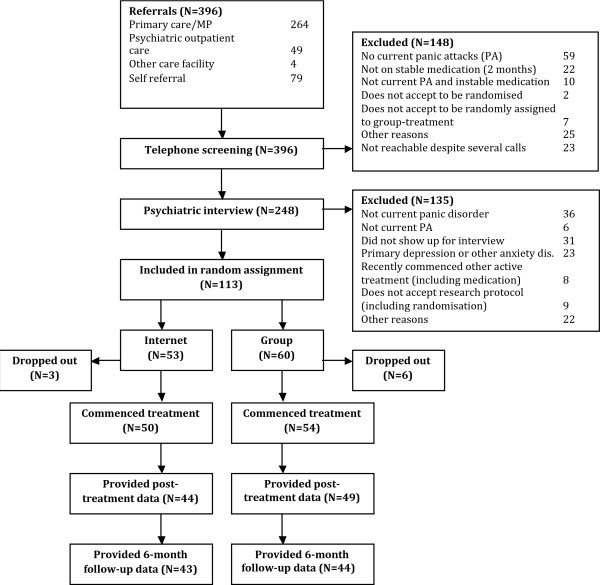
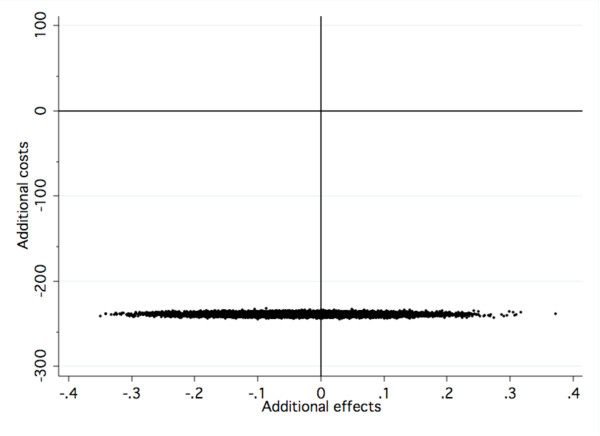
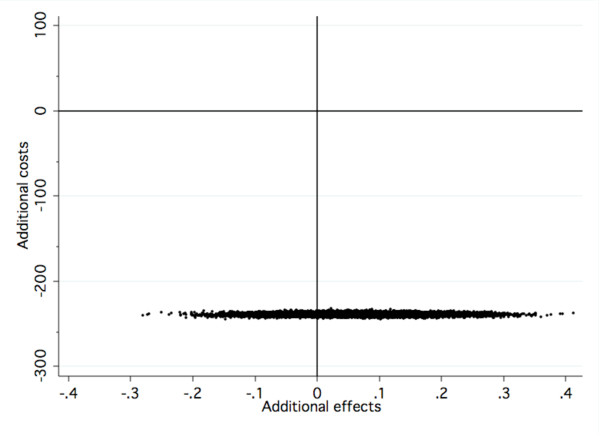
BACKGROUND: Internet administered cognitive behaviour therapy (CBT) is a promising new way to deliver psychological treatment, but its effectiveness in regular care settings and in relation to more traditional CBT group treatment has not yet been determined. The primary aim of this study was to compare the effectiveness of Internet-and group administered CBT for panic disorder (with or without agoraphobia) in a randomised trial within a regular psychiatric care setting. The second aim of the study was to establish the cost-effectiveness of these interventions. METHODS: Patients referred for treatment by their physician, or self-referred, were telephone-screened by a psychiatric nurse. Patients fulfilling screening criteria underwent an in-person structured clinical interview carried out by a psychiatrist. A total of 113 consecutive patients were then randomly assigned to 10 weeks of either guided Internet delivered CBT (n = 53) or group CBT (n = 60). After treatment, and at a 6-month follow-up, patients were again assessed by the psychiatrist, blind to treatment condition. RESULTS: Immediately after randomization 9 patients dropped out, leaving 104 patients who started treatment. Patients in both treatment conditions showed significant improvement on the main outcome measure, the Panic Disorder Severity Scale (PDSS) after treatment. For the Internet treatment the within-group effect size (pre-post) on the PDSS was Cohen's d = 1.73, and for the group treatment it was d = 1.63. Between group effect sizes were low and treatment effects were maintained at 6-months follow-up. We found no statistically significant differences between the two treatment conditions using a mixed models approach to account for missing data. Group CBT utilised considerably more therapist time than did Internet CBT. Defining effect as proportion of PDSS responders, the cost-effectiveness analysis concerning therapist time showed that Internet treatment had superior cost-effectiveness ratios in relation to group treatment both at post-treatment and follow-up. CONCLUSIONS: This study provides support for the effectiveness of Internet CBT in a psychiatric setting for patients with panic disorder, and suggests that it is equally effective as the more widely used group administered CBT in reducing panic-and agoraphobic symptoms, as well as being more cost effective with respect to therapist time. TRIAL REGISTRATION: ClinicalTrials.gov NCT00845260.
Overview
The claims and statistics of this paper haven’t been checked yet.
Free: it reads the open-access text and checks the first 5 claims that cite a source we can check. Create a free account to check every claim.
Integrity signals
Registry
Cites
Statistics
Figures
Verification
Claims the paper makes
The claims and statistics of this paper haven’t been checked yet.
Free: it reads the open-access text and checks the first 5 claims that cite a source we can check. Create a free account to check every claim.
Claims other papers make about this one
Each is checked against this paper’s own text: does it say what the citing paper says it does?
The source backs part of the claim, not all of it — or backs it for a different population, condition or comparison.
In the citing paper
“an increasing number of controlled studies indicate that for common psychiatric disorders ICBT is as effective as face-to-face delivered treatment [11-13]”
From Acceptability, effectiveness, and cost-effectiveness of internet-based exposure treatment for irritable bowel syndrome in a clinical sample: A randomized controlled trial (2011) · cites this paper as [12]
Experimental — accuracy not yet measuredThe cited source says what the claim attributes to it.
In the citing paper
“there are an increasing number of studies showing that internet-delivered CBT can be equally effective as face-to-face CBT in conditions such as panic disorder [16], depressive symptoms [17], tinnitus [18]”
From The promise and pitfalls of the internet for cognitive behavioral therapy (2010) · cites this paper as [16]
In the citing paper
“We used the effect sizes based on intent-to-treat analysis when available (in 51 comparisons); otherwise, we used complete-sample analysis results (in 2 comparisons [51,52]).”
From Internet-Delivered Cognitive Behavioral Therapy for Anxiety Disorders in Open Community Versus Clinical Service Recruitment: Meta-Analysis (2019) · cites this paper as [51]
In the citing paper
“This dropout seems to reflect the reality of trials conducted in routine mental health care, as comparable rates were found in earlier clinical trials comparing iCBT with ftfCBT [65, 74–77]; it could not be prevented by our e-mail and telephone reminders.”
Self-check
Percentages, sums and reported differences re-computed from the paper’s own numbers.
The self-check needs the paper’s full text.
Citations
Cites
(1998) · The Journal of Clinical Psychiatry · Cited by 19,139
A new depression scale designed to be sensitive to change
Montgomery, S. A., & Åsberg, M. (1979) · British Journal of Psychiatry · doi:10.1192/bjp.134.4.382 · Cited by 13,962 · cited 2×
“Other outcomes measures used were the Clinical Global Impression Scale (CGI) [25], the Montgomery Åsberg Depression Rating Scale (MADRS) [26], the Anxiety Sensitivity Index (ASI) [27], and the Sheehan Disability Scale (SDS) [28].”
MethodMethods for the Economic Evaluation of Health Care Programmes
Drummond, M. E., Sculpher, M. J., Torrance, G. W., O’Brien, B. J., & Stoddart, G. L. (2005) · doi:10.1093/oso/9780198529446.001.0001 · Cited by 13,648
(1998) · PubMed · Cited by 10,216
The mini international neuropsychiatric interview
Lecrubier, Y., Sheehan, D., Hergueta, T., & Weiller, E. (1998) · European Psychiatry · doi:10.1016/s0924-9338(99)80239-9 · Cited by 5,872
Anxiety, sensitivity, anxiety frequency, and the prediction of fearfulness
Reiss, S., Peterson, R. A., Gursky, D. M., & McNally, R. J. (1986) · Behaviour Research and Therapy · doi:10.1016/0005-7967(86)90143-9 · Cited by 3,169 · cited 2×
“Other outcomes measures used were the Clinical Global Impression Scale (CGI) [25], the Montgomery Åsberg Depression Rating Scale (MADRS) [26], the Anxiety Sensitivity Index (ASI) [27], and the Sheehan Disability Scale (SDS) [28].”
MethodBoutron, I., Moher, D., Altman, D. G., Schulz, K. F., Ravaud, P., & for the CONSORT Group* (2008) · Annals of Internal Medicine · doi:10.7326/0003-4819-148-4-200802190-00008 · Cited by 2,292 · cited 1×
“Statistical analysis and rationale for comparisons We were informed by the adapted CONSORT checklist [32], but also analysed our data according to a mixed models approach.”
MethodThe Great Psychotherapy Debate: Models Methods and Findings
Horvath, A. O. (2002) · Psychotherapy Research · doi:10.1093/ptr/12.1.108 · Cited by 1,705
Internet-based cognitive behaviour therapy for symptoms of depression and anxiety: A meta-analysis
SPEK, V., CUIJPERS, P., NYKLÍČEK, I., RIPER, H., KEYZER, J., & POP, V. (2007) · Psychological Medicine · doi:10.1017/s0033291706008944 · Cited by 1,586 · cited 1×
“The literature [37] strongly suggests that guidance/therapist contact during treatment is needed, as non-guided Internet treatments generally show smaller or nonexistent treatment effects and much larger attrition.”
BackgroundGueorguieva, R., & Krystal, J. H. (2004) · Archives of General Psychiatry · doi:10.1001/archpsyc.61.3.310 · Cited by 1,529 · cited 2×
“As a second way to analyze the data, and to account for missing data we used a mixed effects models approach [30] because in the analysis of longitudinal data repeated observations for the same individual are correlated.”
Method(2025) · Springer Reference Medizin · doi:10.1007/978-3-662-65186-5_300379 · Cited by 1,445
Applied Mixed Models in Medicine
Brown, H., & Presco, R. (2000) · Technometrics · doi:10.1080/00401706.2000.10485742 · Cited by 1,262 · cited 2×
“Typically, ignoring the correlation of observations leads to smaller standard errors (SEs) and increases type I errors, which might lead to the wrong conclusion [34].”
BackgroundMethodMulticenter Collaborative Panic Disorder Severity Scale
Shear, M. K., Brown, T. A., Barlow, D. H., Money, R., Sholomskas, D. E., Woods, S. W., Gorman, J. M., & Papp, L. A. (1997) · American Journal of Psychiatry · doi:10.1176/ajp.154.11.1571 · Cited by 1,001 · cited 13×
“The between group effect size at 6-month followup was d = 0.23 (CI95% = -0.15 to 0.62) for the PDSS. Categorical measures and response rate As shown in Table 2, a majority of patients responded to treatment, when response was defined as a 40% decrease in PDSS scores from pre- to post-treatment and from pre-treatment t…”
MethodInfluentialAssessing Psychiatric Impairment in Primary Care with the Sheehan Disability Scale
Leon, A. C., Olfson, M., Portera, L., Farber, L., & Sheehan, D. V. (1997) · The International Journal of Psychiatry in Medicine · doi:10.2190/t8em-c8yh-373n-1uwd · Cited by 987 · cited 2×
“Other outcomes measures used were the Clinical Global Impression Scale (CGI) [25], the Montgomery Åsberg Depression Rating Scale (MADRS) [26], the Anxiety Sensitivity Index (ASI) [27], and the Sheehan Disability Scale (SDS) [28].”
MethodBarlow, D. H., Gorman, J. M., Shear, M. K., & Woods, S. W. (2000) · JAMA · doi:10.1001/jama.283.19.2529 · Cited by 953 · cited 15×
“Fulfil DSM-IV criteria for panic disorder with or without agoraphobia (PD/A), 2.”
MethodResultInfluentialAnxiety and Its Disorders: The Nature and Treatment of Anxiety and Panic
NOYES, R. (1990) · American Journal of Psychiatry · doi:10.1176/ajp.147.8.1083 · Cited by 684
Westen, D., & Morrison, K. (2001) · Journal of Consulting and Clinical Psychology · doi:10.1037/0022-006x.69.6.875 · Cited by 635 · cited 2×
“Within-group effect sizes were in line with previous studies on CBT for panic disorder [4].”
BackgroundResultWeslen, D., & Morrison, K. (2002) · PsycEXTRA Dataset · doi:10.1037/e323162004-001 · Cited by 509
Applied Mixed Models in Medicine
Ziegel, E. R., Brown, H., & Prescott, R. (2000) · Technometrics · doi:10.2307/1270978 · Cited by 447
Mitte, K. (2005) · Journal of Affective Disorders · doi:10.1016/j.jad.2005.05.003 · Cited by 396 · cited 3×
“Although the propor- tion of patients taking any psychotropic medication did not differ between groups, patients randomised to the group treatment were to a larger extent on benzodiazepine derivate or neuroleptic medication, and fewer were on SSRI/SNRI medication, than was the Internet group (see Table 1).”
BackgroundTreatment of panic disorder: live therapy vs. self-help via the Internet
Carlbring, P., Nilsson-Ihrfelt, E., Waara, J., Kollenstam, C., Buhrman, M., Kaldo, V., Söderberg, M., Ekselius, L., & Andersson, G. (2005) · Behaviour Research and Therapy · doi:10.1016/j.brat.2004.10.002 · Cited by 372 · cited 1×
“We hypothesized that the two treatment formats would both be effective, based on the established efficacy of both group [8] and Internet delivered CBT [20], and two previous efficacy studies comparing live individual and Internet treatment [21,22] which showed no major differences between the two treatment formats.”
BackgroundSelf-citationA randomized controlled clinical trial of psychoanalytic psychotherapy for panic disorder
Milrod, B., Leon, A. C., Busch, F., Rudden, M., Schwalberg, M., Clarkin, J., Aronson, A., Singer, M., Turchin, W., Klass, E. T., et al. (2007) · American Journal of Psychiatry · doi:10.1176/ajp.2007.164.2.265 · Cited by 323 · cited 15×
“Fulfil DSM-IV criteria for panic disorder with or without agoraphobia (PD/A), 2.”
BackgroundMethodInfluentialWade, W. A., Treat, T. A., & Stuart, G. L. (1998) · Journal of Consulting and Clinical Psychology · doi:10.1037//0022-006x.66.2.231 · Cited by 291 · cited 1×
“Group CBT for PD/A has been tested in a number of clinical trials [8], and has also been evaluated in a regular care setting [9].”
BackgroundIs internet-based CBT for panic disorder and agoraphobia as effective as face-to-face CBT?
Kiropoulos, L. A., Klein, B., Austin, D. W., Gilson, K., Pier, C., Mitchell, J., & Ciechomski, L. (2008) · Journal of Anxiety Disorders · doi:10.1016/j.janxdis.2008.01.008 · Cited by 290 · cited 1×
“We hypothesized that the two treatment formats would both be effective, based on the established efficacy of both group [8] and Internet delivered CBT [20], and two previous efficacy studies comparing live individual and Internet treatment [21,22] which showed no major differences between the two treatment formats.”
BackgroundGroup cognitive-behavioral treatment of panic disorder
Telch, M. J., Lucas, J. A., Schmidt, N. B., Hanna, H. H., Jaimez, T. L., & Lucas, R. A. (1993) · Behaviour Research and Therapy · doi:10.1016/0005-7967(93)90026-q · Cited by 265 · cited 2×
“Group CBT for PD/A has been tested in a number of clinical trials [ 8 ], and has also been evaluated in a regular care setting [9].”
MethodTreatment of panic disorder via the internet: A randomized trial of a self-help program
Carlbring, P., Westling, B. E., Ljungstrand, P., Ekselius, L., & Andersson, G. (2001) · Behavior Therapy · doi:10.1016/s0005-7894(01)80019-8 · Cited by 262 · cited 14×
“Fulfil DSM-IV criteria for panic disorder with or without agoraphobia (PD/A), 2.”
BackgroundInfluentialSelf-citationCarlbring, P., Bohman, S., Brunt, S., Buhrman, M., Westling, B. E., Ekselius, L., & Andersson, G. (2006) · American Journal of Psychiatry · doi:10.1176/ajp.2006.163.12.2119 · Cited by 262 · cited 14×
“Fulfil DSM-IV criteria for panic disorder with or without agoraphobia (PD/A), 2.”
BackgroundInfluentialSelf-citationEfficacy of internet therapy for panic disorder
Klein, B., Richards, J. C., & Austin, D. W. (2006) · Journal of Behavior Therapy and Experimental Psychiatry · doi:10.1016/j.jbtep.2005.07.001 · Cited by 236 · cited 13×
“Fulfil DSM-IV criteria for panic disorder with or without agoraphobia (PD/A), 2.”
BackgroundInfluentialMastery of Your Anxiety and Panic: Workbook
Barlow, D. H., & Craske, M. G. (2006) · doi:10.1093/med:psych/9780195311358.001.0001 · Cited by 230
Farvolden, P., Denisoff, E., Selby, P., Bagby, R. M., & Rudy, L. (2005) · Journal of Medical Internet Research · doi:10.2196/jmir.7.1.e7 · Cited by 223 · cited 1×
“In one evaluation of an open access web-based CBT programme (with neither stringent diagnostic procedure nor therapist guidance), only 1% of registered users completed treatment [38].”
BackgroundCombined psychotherapy plus antidepressants for panic disorder with or without agoraphobia
Furukawa, T. A., Watanabe, N., & Churchill, R. (2007) · Cochrane Database of Systematic Reviews · doi:10.1002/14651858.cd004364.pub2 · Cited by 195 · cited 1×
“Combining CBT with SSRI does not seem to lead to better treatment response than CBT alone [6].”
A comparison of bibliotherapy and group therapy in the treatment of panic disorder.
Lidren, D. M., Watkins, P. L., Gould, R. A., & Clum, G. A. (1994) · Journal of Consulting and Clinical Psychology · doi:10.1037//0022-006x.62.4.865 · Cited by 184 · cited 1×
“Another way to increase the accessibility of CBT is Internet administered treatment, which stems from research on bibliotherapy [10].”
BackgroundE-Therapy for Mental Health Problems: A Systematic Review
Postel, M. G., de Haan, H. A., & De Jong, C. A. J. (2008) · Telemedicine and e-Health · doi:10.1089/tmj.2007.0111 · Cited by 125 · cited 1×
“However, while access to pharmacological treatments can be considered satisfactory in most cases, access to CBT is, in contrast, often limited [7].”
BackgroundInternet-Guided Self-Help with or without Exposure Therapy for Phobic and Panic Disorders
Schneider, A. J., Mataix-Cols, D., Marks, I. M., & Bachofen, M. (2005) · Psychotherapy and Psychosomatics · doi:10.1159/000084000 · Cited by 118 · cited 1×
“A number of controlled trials have been published showing the efficacy of Internet-based CBT for PD/A [ 11-15 ].”
BackgroundThe use of the Internet in the treatment of anxiety disorders.
Andersson, G., Bergström, J., Carlbring, P., & Lindefors, N. (2005) · PubMed · Cited by 103
Self-citationA Randomized Controlled Clinical Trial of Psychoanalytic Psychotherapy for Panic Disorder
Milrod, B. L. (2007) · American Journal of Psychiatry · doi:10.1176/appi.ajp.164.2.265 · Cited by 94
Roberge, P., Marchand, A., Reinharz, D., & Savard, P. (2008) · Behavior Modification · doi:10.1177/0145445507309025 · Cited by 84
Shandley, K., Austin, D. W., Klein, B., Pier, C., Schattner, P., Pierce, D., & Wade, V. (2008) · Journal of Medical Internet Research · doi:10.2196/jmir.1033 · Cited by 84 · cited 13×
“Fulfil DSM-IV criteria for panic disorder with or without agoraphobia (PD/A), 2.”
BackgroundInfluentialBergström, J., Andersson, G., Karlsson, A., Andréewitch, S., Rück, C., Carlbring, P., & Lindefors, N. (2009) · Nordic Journal of Psychiatry · doi:10.1080/08039480802191132 · Cited by 63 · cited 13×
“Fulfil DSM-IV criteria for panic disorder with or without agoraphobia (PD/A), 2.”
BackgroundInfluentialSelf-citation境, 洋. (2001) · Medical Entomology and Zoology · Cited by 53
Efficacy, effectiveness, and expected treatment response in psychotherapy
Lutz, W. (2003) · Journal of Clinical Psychology · doi:10.1002/jclp.10169 · Cited by 53
Taylor, C. B. (2006) · BMJ · doi:10.1136/bmj.332.7547.951 · Cited by 43
Research works printed but not linked: 1
- American Psychiatric Association Diagnostic and Statistical Manual of Mental Disorders-4th edition (DSM-IV). text revision edition edition 2000 4 Washington DC: American Psychiatric Press
Cited by
Carlbring, P., Andersson, G., Cuijpers, P., Riper, H., & Hedman-Lagerlöf, E. (2018) · Cognitive Behaviour Therapy · doi:10.1080/16506073.2017.1401115 · Cited by 1,232
“The pooled between-group effect size in the three studies targeting panic disorder (Bergström et al., 2010; Carlbring et al., 2005; Kiropoulos et al., 2008) was g = .05 (95% CI, −.20 to .30), in line with the notion of equivalent effects.”
BackgroundResultInfluentialSelf-citationKatzman, M. A., Bleau, P., Blier, P., Chokka, P., Kjernisted, K., Van Ameringen, M., & the Canadian Anxiety Guidelines Initiative Group on behalf of the Anxiety Disorders Association of Canada/Association Canadienne des troubles anxieux and McGill University (2014) · BMC Psychiatry · doi:10.1186/1471-244x-14-s1-s1 · Cited by 1,090
“videoconferencing [75,159-161], and internet-based CBT (ICBT) [75,79,162-169] have been shown to be more”
MethodAndersson, G., Cuijpers, P., Carlbring, P., Riper, H., & Hedman, E. (2014) · World Psychiatry · doi:10.1002/wps.20151 · Cited by 1,077
“In the three studies targeting panic disorder (26-28), the effect size was 0.”
BackgroundSelf-citationAndrews, G., Basu, A., Cuijpers, P., Craske, M. G., McEvoy, P., English, C. L., & Newby, J. M. (2018) · Journal of Anxiety Disorders · doi:10.1016/j.janxdis.2018.01.001 · Cited by 922
Hedman, E., Ljótsson, B., & Lindefors, N. (2012) · Expert Review of Pharmacoeconomics & Outcomes Research · doi:10.1586/erp.12.67 · Cited by 672
Self-citation
Metadata
- Authors
- Bergström, J., Andersson, G., Ljótsson, B., Rück, C., Andréewitch, S., Karlsson, A., Carlbring, P., Andersson, E., & Lindefors, N.
- Affiliations
- Karolinska Institutet (SE)
- Linköping University (SE)
- Umeå University (SE)
- Corresponding author
- Bergström, Jan
- Venue
- BMC Psychiatry
- Published
- 2010-07-02
- Volume
- 10
- Issue
- 1
- Pages
- 54-54
- ISSN
- 1471-244X (ISSN-L)
- PMC
- PMC2910662
- OpenAlex
- W2046682955
- Semantic Scholar
- 744755a1dc5e773ea6e3309280d1dc42e1ad89e1
- Cited by
- 202
- References
- 43
- Citations by year
- 2026: 2 · 2025: 6 · 2024: 4 · 2023: 16 · 2022: 10 · 2021: 19 · 2020: 9 · 2019: 11 · 2018: 13 · 2017: 6 · 2016: 15 · 2015: 14 · 2014: 19 · 2013: 23 · 2012: 17
- FWCI
- 27.67
- Type
- journal article
- Language
- en
- Open access
- gold
- doi.org
- Licence
- cc-by
- creativecommons.org/licenses/by/2.0 (tdm)
- Locations
- BMC Psychiatry (publishedVersion, cc-by)
- PubMed Central (publishedVersion, cc-by)
- PubMed (publishedVersion)
- KTH Publication Database DiVA (KTH Royal Institute of Technology) (submittedVersion, other-oa)
- Publications (Mid Sweden University) (submittedVersion, other-oa)
- DOAJ (DOAJ: Directory of Open Access Journals) (submittedVersion)
- Funders
- Stockholms Läns Landsting
- Topics
- Social Sciences › Psychology › Applied Psychology › Digital Mental Health Interventions
- Social Sciences › Psychology › Experimental and Cognitive Psychology › Anxiety, Depression, Psychometrics, Treatment, Cognitive Processes
- Social Sciences › Psychology › Clinical Psychology › Psychological Treatments and Assessments
- Keywords
- internet-based cognitive behavioral therapy, group cognitive behavioral therapy, panic disorder, agoraphobia, cost-effectiveness, treatment effectiveness, psychiatric nursing, Panic Disorder Severity Scale
- MeSH terms
- Adult, Agoraphobia, Cost-Benefit Analysis, Double-Blind Method, Female, Follow-Up Studies, Humans, Male, Psychiatric Department, Hospital, Psychiatric Status Rating Scales, Psychotherapy, Group, Self Care, Cognitive Behavioral Therapy, Panic Disorder, Treatment Outcome, Health Care Costs, Outcome Assessment, Health Care, Internet, Diagnostic and Statistical Manual of Mental Disorders
About these checks
Registry, retraction, Cites and statistics results are computed, not judged, with one exception: a printed reference that no index lists is read once by a model before it counts as a citation error. Claims are extracted by a model and kept only when their quote appears verbatim in the text; each cited source is then checked, with a model’s help, for whether it says what the claim relies on. Those verdicts can be wrong — read the claim’s quote and the cited source before relying on one.
Statistics and arithmetic are recomputed, not judged.
Confidence bands are shown only for fields calibrated on our annotated test set. None is calibrated yet, so no band is shown.
What counts as a claim ›How we measure confidence ›How we check this ›
Are you an author, or do you see a problem with this page? Request a review
Data sources
Bibliographic data: Semantic Scholar, OpenAlex, Crossref.
Contains information from the Semantic Scholar Academic Graph Datasets, made available under the ODC Attribution License (ODC-BY 1.0).
Semantic Scholar’s data is described in: Kinney, R., et al. (2023). The Semantic Scholar Open Data Platform. arXiv:2301.10140.
