

The DOI matches its Crossref record; 64 of the 66 references it cites were found in a registry or an index.
Guidelines for the use and management of long-acting injectable antipsychotics in serious mental illness
Open accessAbstract
Background: Long-acting injectable (LAI) formulations are not widely used in routine practice even though they offer advantages in terms of relapse prevention. As part of a process to improve the quality of care, the French Association for Biological Psychiatry and Neuropsychopharmacology (AFPBN) elaborated guidelines for the use and management of antipsychotic depots in clinical practice. Methods: Based on a literature review, a written survey was prepared that asked about 539 options in 32 specific clinical situations concerning 3 fields: target-population, prescription and use, and specific populations. We contacted 53 national experts, 42 of whom (79%) completed the survey. The options were scored using a 9-point scale derived from the Rand Corporation and the University of California in the USA. According to the answers, a categorical rank (first-line/preferred choice, second-line/alternate choice, third-line/usually inappropriate) was assigned to each option. The first-line option was defined as a strategy rated as 7–9 (extremely appropriate) by at least 50% of the experts. The following results summarize the key recommendations from the guidelines after data analysis and interpretation of the results of the survey by the scientific committee. Results: LAI antipsychotics are indicated in patients with schizophrenia, schizoaffective disorder, delusional disorder and bipolar disorder. LAI second-generation antipsychotics are recommended as maintenance treatment after the first episode of schizophrenia. LAI first-generation antipsychotics are not recommended in the early course of schizophrenia and are not usually appropriate in bipolar disorder. LAI antipsychotics have long been viewed as a treatment that should only be used for a small subgroup of patients with non-compliance, frequent relapses or who pose a risk to others. The panel considers that LAI antipsychotics should be considered and systematically proposed to any patients for whom maintenance antipsychotic treatment is indicated. Recommendations for medication management when switching oral antipsychotics to LAI antipsychotics are proposed. Recommendations are also given for the use of LAI in specific populations. Conclusion: In an evidence-based clinical approach, psychiatrists, through shared decision-making, should be systematically offering to most patients that require long-term antipsychotic treatment an LAI antipsychotic as a first-line treatment.
Overview
The claims and statistics of this paper haven’t been checked yet.
Run the check — free, no account needed. It reads the open-access text and checks the sources it cites.
Integrity signals
Registry
Cites
Statistics
Figures
Verification
Claims the paper makes
The claims and statistics of this paper haven’t been checked yet.
Run the check — free, no account needed. It reads the open-access text and checks the sources it cites.
Claims other papers make about this one
Each is checked against this paper’s own text: does it say what the citing paper says it does?
In the citing paper
“The current and future increasing availability of LAIs will enrich the choice for the clinicians who intend to use a long-acting formulation [67].”
From The role of shared decision-making in improving adherence to pharmacological treatments in patients with schizophrenia: A clinical review (2020) · cites this paper as [67]
Self-check
Percentages, sums and reported differences re-computed from the paper’s own numbers.
The self-check needs the paper’s full text.
Citations
Cites
Second-generation versus first-generation antipsychotic drugs for schizophrenia: a meta-analysis
Leucht, S., Corves, C., Arbter, D., Engel, R. R., Li, C., & Davis, J. M. (2009) · The Lancet · doi:10.1016/s0140-6736(08)61764-x · Cited by 1,930 · cited 2×
“Some individual oral SGA (amisulpride, clozapine, olanzapine, risperidone) were better in overall efficacy in patients with schizophrenia than oral FGA [17].”
BackgroundLacro, J. P., Dunn, L. B., Dolder, C. R., Leckband, S. G., & Jeste, D. V. (2002) · The Journal of Clinical Psychiatry · doi:10.4088/jcp.v63n1007 · Cited by 1,383 · cited 1×
“For example, the majority of patients with schizophrenia (84%) discontinue their index antipsychotic during the follow-up period [2] and in the long-term perspective, 40 to 50% seem to be noncompliant [3], with no real difference in terms of adherence between first-generation antipsychotics (FGA) and second-generation…”
BackgroundGoodwin, G., Haddad, P. M., Ferrier, I. N., Aronson, J., Barnes, T., Cipriani, A., Coghill, D., Fazel, S., Geddes, J. R., Grunze, H., et al. (2016) · Journal of Psychopharmacology · doi:10.1177/0269881116636545 · Cited by 1,350
Yatham, L. N., Kennedy, S. H., Parikh, S. V., Schaffer, A., Beaulieu, S., Alda, M., O’Donovan, C., MacQUEEN, G. M., McIntyre, R. S., Sharma, V., et al. (2012) · Bipolar Disorders · doi:10.1111/bdi.12025 · Cited by 1,230
The 2009 Schizophrenia PORT Psychopharmacological Treatment Recommendations and Summary Statements
Buchanan, R. W., Kreyenbuhl, J. A., Kelly, D. L., Noel, J. M., Boggs, D. L., Fischer, B. A., Himelhoch, S. S., Fang, B., Peterson, E. L., Aquino, P. R., et al. (2009) · Schizophrenia Bulletin · doi:10.1093/schbul/sbp116 · Cited by 919 · cited 2×
“With regards to non-adherence, most of the guidelines and algorithms (except PORT 2009) state that depot antipsychotics are an effective approach [8-10], with some guidelines actually recommending that switching the antipsychotic formulation from oral to depot should be considered in maintenance treatment [11].”
BackgroundRummel‐Kluge, C., Komossa, K., Schwarz, S., Hunger, H., Schmid, F., Lobos, C. A., Kissling, W., Davis, J. M., & Leucht, S. (2010) · Schizophrenia Research · doi:10.1016/j.schres.2010.07.012 · Cited by 698 · cited 1×
“Oral SGA induced fewer extrapyramidal side effects than oral FGA but some SGA induced more weight gain or metabolic side effects than oral FGA [41,42].”
BackgroundVelligan, D. I., Weiden, P. J., Sajatovic, M., Scott, J. L., Carpenter, D., Ross, R., & Docherty, J. P. (2009) · PubMed · Cited by 625
Weiden, P. J., Kozma, C., Grogg, A., & Locklear, J. (2004) · Psychiatric Services · doi:10.1176/appi.ps.55.8.886 · Cited by 621 · cited 1×
“81 in patients with schizophrenia [37].”
Barnes, T. R. E., Drake, R., Paton, C., Cooper, S. J., Deakin, J. F. W., Ferrier, I. N., Gregory, C. J., Haddad, P. M., Howes, O. D., Jones, I. R., et al. (2019) · Journal of Psychopharmacology · doi:10.1177/0269881119889296 · Cited by 615
Leucht, S., Komossa, K., Rummel‐Kluge, C., Corves, C., Hunger, H., Schmid, F., Lobos, C. A., Schwarz, S., & Davis, J. M. (2008) · American Journal of Psychiatry · doi:10.1176/appi.ajp.2008.08030368 · Cited by 499 · cited 1×
“and tolerability (especially for SGA) [17,18].”
Research works printed but not linked: 3
- Schizophrenia: Core interventions in the treatment and management of schizophrenia in primary and secondary care (update). [http://www.ncbi.nlm.nih.gov/pubmed/20704054]
- Llorca PM, Courtet P, Martin P, Abbar M, Gay C, Meynard JA, Bayle F, Hamon M, Lancon C, Thibaut F, Thomas P, Lancrenon S, Guillaume S, Samalin L: Screening and management of bipolar disorders: methodology. Encephale. 2010, 36 (Suppl 4): S76-S85.
- NICE: National Institute for Health and Clinical Excellence: The management of bipolar disorder in adults, children and adolescents, in primary and secondary care. 2006, Alden Press UK. edn. London: The British Psychological Society and the Royal College of Psychiatrists
Cited by
Sorted by citations
Goodwin, G., Haddad, P. M., Ferrier, I. N., Aronson, J., Barnes, T., Cipriani, A., Coghill, D., Fazel, S., Geddes, J. R., Grunze, H., et al. (2016) · Journal of Psychopharmacology · doi:10.1177/0269881116636545 · Cited by 1,350
“When switching from an oral drug to an LAI form, it is good practice to start with the oral antipsychotic for the length of time required to establish the effective, best tolerated dose before switching to the LAI form (Llorca et al., 2013).”
The role of long-acting injectable antipsychotics in schizophrenia: a critical appraisal
Brissos, S., Veguilla, M. R., Taylor, D., & Balanzá-Martinez, V. (2014) · Therapeutic Advances in Psychopharmacology · doi:10.1177/2045125314540297 · Cited by 297
Greene, M., Yan, T., Chang, E. Y., Hartry, A., Touya, M., & Broder, M. S. (2017) · Journal of Medical Economics · doi:10.1080/13696998.2017.1379412 · Cited by 200
Recent advances in long-acting drug delivery systems for anticancer drug
Pacheco, C., Baião, A., Ding, T., Cui, W., & Sarmento, B. F. C. C. (2023) · Advanced Drug Delivery Reviews · doi:10.1016/j.addr.2023.114724 · Cited by 203
Correll, C. U., Martin, A. L., Patel, C. A., Benson, C. J., Goulding, R., Sliwa, J. K., Joshi, K., Schiller, E., & Kim, E. (2022) · Schizophrenia · doi:10.1038/s41537-021-00192-x · Cited by 168
Pacchiarotti, I., Tiihonen, J., Kotzalidis, G. D., Verdolini, N., Murru, A., Goikolea, J. M., Valentí, M., Aedo, A., & Vieta, E. (2019) · European Neuropsychopharmacology · doi:10.1016/j.euroneuro.2019.02.003 · Cited by 116
Fiorillo, A., Barlati, S., Bellomo, A., Corrivetti, G., Nicolò, G., Sampogna, G., Stanga, V., Veltro, F., Maina, G., & Vita, A. (2020) · Annals of General Psychiatry · doi:10.1186/s12991-020-00293-4 · Cited by 110
“The current and future increasing availability of LAIs will enrich the choice for the clinicians who intend to use a long-acting formulation [67].”
BackgroundPilon, D., Tandon, N., Lafeuille, M., Kamstra, R. L., Émond, B., Lefèbvre, P., & Joshi, K. (2017) · Clinical Therapeutics · doi:10.1016/j.clinthera.2017.08.008 · Cited by 98
“Second-generation long-acting injectable therapies (SGA-LAIs) are administered less frequently than oral APs (eg, biweekly, monthly, or once every 2 or 3 months compared with daily) and are recommended for patients with frequent relapses or adherence issues.(6,15) In addition to having a reduced dosing frequency, SGA-…”
BackgroundTreatment of early episode in patients with schizophrenia: the role of long acting antipsychotics
Heres, S., Lambert, M., & Vauth, R. (2014) · European Psychiatry · doi:10.1016/s0924-9338(14)70001-x · Cited by 88
Binder, M. D., Sermon, J., Geerts, P., Vansteelandt, K., Peuskens, J., & Detraux, J. (2015) · CNS Drugs · doi:10.1007/s40263-015-0269-4 · Cited by 81
Diverse definitions of the early course of schizophrenia—a targeted literature review
Newton, R., Rouleau, A., Nylander, A., Loze, J.-Y., Resemann, H. K., Steeves, S., & Crespo‐Facorro, B. (2018) · Schizophrenia · doi:10.1038/s41537-018-0063-7 · Cited by 82
“(2013) considered 'early course' to apply to patients who had been newly diagnosed with schizophrenia and who had had no previous antipsychotic treatment.(27) The Schizophrenia Patient Outcomes Research Team (2010) used the term “recent onset schizophrenia”, but no associated definition was specified.”
BackgroundOstuzzi, G., Bighelli, I., So, R., Furukawa, T. A., & Barbui, C. (2016) · Schizophrenia Research · doi:10.1016/j.schres.2016.11.010 · Cited by 80
“First, as LAIs allow a complete tracking of the drug consumption, theymay prevent thedevastating impact of the loss of even few doses of antipsychotic in early stages of the disease (Llorca et al., 2013; Patel, 2005; Stahl, 2014; Tiihonen et al., 2011).”
Kane, J. M., McEvoy, J. P., Correll, C. U., & Llorca, P. (2021) · CNS Drugs · doi:10.1007/s40263-021-00861-6 · Cited by 85
Self-citationKilloran, A., & Biglan, K. (2014) · Movement Disorders · doi:10.1002/mds.26014 · Cited by 65
Pietrini, F., Albert, U., Ballerini, A., Calò, P., Maina, G., Pinna, F., Vaggi, M., Boggian, I., Fontana, M., Moro, C. G., et al. (2019) · Neuropsychiatric Disease and Treatment · doi:10.2147/ndt.s199048 · Cited by 61
“In the present study, the panel of experts recommended SGA LAIs as a first line treatment of schizophrenia in patients with cognitive impairment and poor functioning, since the lesser negative impact of SGA-LAIs on cognitive symptoms compared to FGA-LAIs allow for more productive involvement of the patient in rehabili…”
BackgroundInfluentialMoledina, A., Magwood, O., Agbata, E. N., Hung, J., Saad, A., Thavorn, K., Salvalaggio, G., Bloch, G. C., Ponka, D., Aubry, T., et al. (2021) · Campbell Systematic Reviews · doi:10.1002/cl2.1154 · Cited by 63
Biagi, E., Capuzzi, E., Colmegna, F., Mascarini, A., Brambilla, G., Ornaghi, A., Santambrogio, J., & Clerici, M. (2017) · Advances in Therapy · doi:10.1007/s12325-017-0507-x · Cited by 54
“Furthermore, the French Association for Biological Psychiatry and Neuropsychopharmacology guidelines for the use and management of antipsychotic depots in clinical practice recommend LAI antipsychotics be considered as first-line treatment in the majority of patients who require long-term therapy [32].”
BackgroundDruais, S., Doutriaux, A., Cognet, M., Godet, A., Lançon, C., Lévy, P., Samalin, L., & Guillon, P. (2016) · PharmacoEconomics · doi:10.1007/s40273-015-0348-x · Cited by 55
“Some consensusbased guidelines recommend the use of LAIs as a first-line treatment for most patients who require long-term antipsychotics [20, 21].”
BackgroundSelf-citationTherapeutic Drug Monitoring of Long-Acting Injectable Antipsychotic Drugs.
Schoretsanitis, G., Baumann, P., Conca, A., Dietmaier, O., Giupponi, G., Gründer, G., Hahn, M., Hart, X., Havemann-Reinecke, U., Hefner, G., et al. (2020) · Therapeutic Drug Monitoring · doi:10.1097/ftd.0000000000000830 · Cited by 28
Yan, T., Greene, M., Chang, E. Y., Hartry, A., Touya, M., & Broder, M. S. (2018) · Advances in Therapy · doi:10.1007/s12325-018-0785-y · Cited by 50
Rozenblat, V., Ong, D., Fuller‐Tyszkiewicz, M., Akkermann, K., Collier, D. A., Engels, R. C. M. E., Fernández‐Aranda, F., Harro, J., Homberg, J. R., Karwautz, A. F. K., et al. (2016) · Journal of Psychiatric Research · doi:10.1016/j.jpsychires.2016.09.023 · Cited by 46
Sajatovic, M., Ross, R., Legacy, S. N., Correll, C. U., Kane, J. M., DiBiasi, F., Fitzgerald, H., & Byerly, M. (2018) · Neuropsychiatric Disease and Treatment · doi:10.2147/ndt.s167394 · Cited by 44
“16,18,36 Although disadvantages of LAIs include longer time to achieve steady state and less flexibility with dose adjustments, 1 LAIs may also simplify the treatment regimen and reduce patient medication-taking burden.”
BackgroundMethodBoyer, L., Falissard, B., Nuss, P., Collin, C., Duret, S., Rabbani, M., Chefdebien, I. D., Tonelli, I., Llorca, P., & Fond, G. B. (2023) · Molecular Psychiatry · doi:10.1038/s41380-023-02175-z · Cited by 43
“As a consequence, many guidelines advocate LAIs for improving adherence to AP medication [15, 16].”
BackgroundSelf-citationPilon, D., Muser, E., Lefèbvre, P., Kamstra, R. L., Émond, B., & Joshi, K. (2017) · BMC Psychiatry · doi:10.1186/s12888-017-1358-3 · Cited by 43
“Consistent with this information, LAI should be considered earlier in the treatment of schizophrenia [34, 35], with some clinical guidelines recommending them in early schizophrenia [29] or as first-line treatment in schizophrenia patients (in the case of SG-LAI) [36].”
MethodChou, Y. H., Chu, P.-C., Wu, S.-W., Lee, J.-C., Lee, Y., Sun, I.-W., Chang, C., Huang, C.-L., Liu, I., Tsai, C.-F., et al. (2015) · Clinical Psychopharmacology and Neuroscience · doi:10.9758/cpn.2015.13.2.121 · Cited by 41
Long-acting injectable antipsychotics for the treatment of schizophrenia in Spain.
Arango, C., Baeza, I., Bernardo, M., Cañas, F., de Dios, C., Díaz-Marsá, M., García-Portilla, M., Gutiérrez-Rojas, L., Olivares, J. M., Rico-Villademoros, F., et al. (2019) · Revista de Psiquiatría y Salud Mental · doi:10.1016/j.rpsm.2018.03.006 · Cited by 25
Sajatovic, M., ROSS, R. W., Legacy, S. N., Byerly, M., Kane, J. M., DiBiasi, F., Fitzgerald, H. M., & Correll, C. U. (2018) · Neuropsychiatric Disease and Treatment · doi:10.2147/ndt.s167485 · Cited by 38
“AFPBN guidelines recommend offering LAIs as first-line treatment to patients, but if the patient is going to be switched from an oral antipsychotic to an LAI, they recommend prescribing the oral antipsychotic to establish an effective dose before initiating the LAI.(18) The NICE schizophrenia guidelines recommend star…”
InfluentialAbdel‐Baki, A., Thibault, D., Medrano, S., Stip, É., Ladouceur, M., Tahir, M. R., & Potvin, S. (2019) · Early Intervention in Psychiatry · doi:10.1111/eip.12826 · Cited by 44
“Although 48.9% of the sample eventually received LAI-AP, our data showed low levels of LAI-AP use as first treatment, despite expert recommendations (Llorca et al., 2013; NICE, 2014; Stip, AbdelBaki, Bloom, Grignon, & Roy, 2011).”
MethodResultInfluentialSuzuki, T. (2016) · Expert Opinion on Drug Delivery · doi:10.1517/17425247.2016.1115479 · Cited by 40
Current and emerging long-acting antipsychotics for the treatment of schizophrenia
de Filippis, R., Fazio, P. D., Gaetano, R., Steardo, L., Cedro, C., Bruno, A., Zoccali, R., & Muscatello, M. (2021) · Expert Opinion on Drug Safety · doi:10.1080/14740338.2021.1910674 · Cited by 43
The treatment of schizophrenia: Can we raise the standard of care?
Catts, S. V., & O’Toole, B. I. (2016) · Australian & New Zealand Journal of Psychiatry · doi:10.1177/0004867416672725 · Cited by 35
“…LAIAs as best practice: there are highly respected CPG that recommend LAIAs as maintenance treatment from the first episode of schizophrenia (Llorca et al., 2013), contrary to the recommendations in the 2016 RANZCP CPG. Proposal for change: re-engineering the first hospital admission for…”
Cheung, S., Hamuro, Y., Mahlich, J., Nakahara, T., Sruamsiri, R., & Tsukazawa, S. (2017) · Clinical Drug Investigation · doi:10.1007/s40261-017-0517-0 · Cited by 33
“However, their use in the dementia population is disturbing because it is not evidence based and also not recommended by clinical experts [41].”
BackgroundA review on schizophrenia and relapse—a quest for user‐friendly psychopharmacotherapy
Suzuki, T., Uchida, H., Takeuchi, H., Tsuboi, T., Hirano, J., & Mimura, M. (2014) · Human Psychopharmacology Clinical and Experimental · doi:10.1002/hup.2421 · Cited by 32
Chronic Hepatitis B Infection: New Approaches towards Cure
Ogunnaike, M., Das, S., Raut, S. S., Sultana, A., Nayan, M. U., Ganesan, M., Edagwa, B., Osna, N. A., & Poluektova, L. Y. (2023) · Biomolecules · doi:10.3390/biom13081208 · Cited by 33
“Recent advances in biomaterial and medicinal chemistry have led to innovations that have allowed for extended dosing schedules for various therapeutics, such as contraceptives [84], anti-psychotics [85,86], and HIV-1 therapies.”
BackgroundRocca, P., Montemagni, C., & Frieri, T. (2016) · Neuropsychiatric Disease and Treatment · doi:10.2147/ndt.s88632 · Cited by 31
“Lastly, the French Association for Biological Psychiatry and Neuropsychopharmacology recommends LAI as first-line treatment to patients with schizophrenia during maintenance treatment.(44)”
Wu, C., Hsieh, M. H., Tang, C., & Chang, C.-J. (2016) · Journal of Affective Disorders · doi:10.1016/j.jad.2016.03.043 · Cited by 30
“Currently, LAI FGAs are not recommended for the maintenance treatment of bipolar disorder due to little evidence (Llorca et al., 2013).”
BackgroundHargarter, L., Bergmans, P., Chérubin, P., Keim, S., Conca, A., Serrano‐Blanco, A., Bitter, I., Bilanakis, N., & Schreiner, A. (2016) · Expert Opinion on Pharmacotherapy · doi:10.1080/14656566.2016.1174692 · Cited by 31
Lo, T. L., Warden, M., He, Y., Si, T., Kalyanasundaram, S., Thirunavukarasu, M., Amir, N., Hatim, A., Bautista, T. C., Lee, C., et al. (2016) · Asia-Pacific Psychiatry · doi:10.1111/appy.12234 · Cited by 30
“, 2013) and as maintenance treatment following the initial episode (Llorca et al., 2013).”
BackgroundCitrome, L., Belcher, E. D., Stacy, S., Suett, M., Mychaskiw, M. A., & Salinas, G. D. (2022) · Neuropsychiatric Disease and Treatment · doi:10.2147/ndt.s326299 · Cited by 29
Role of 3-monthly long-acting injectable paliperidone in the maintenance of schizophrenia
Brasso, C., Bellino, S., Bozzatello, P., Montemagni, C., & Rocca, P. (2017) · Neuropsychiatric Disease and Treatment · doi:10.2147/ndt.s150568 · Cited by 27
“However, they have potential advantages such as complete tracking of the drug consumption and full adherence in early stages of the disease.(45,46) In addition, LAIs do not need daily administration, which may be perceived by patients as a practical advantage, and minimize the risk of harmful drug use.”
Correll, C. U., Sliwa, J. K., Najarian, D. M., & Saklad, S. R. (2019) · CNS Spectrums · doi:10.1017/s1092852918001098 · Cited by 27
Song, X., Khoury, A. C. E., Brouillette, M. A., Smith, D. M., & Joshi, K. (2019) · Journal of Medical Economics · doi:10.1080/13696998.2019.1615927 · Cited by 27
Barbui, C., Bertolini, F., Bartoli, F., Calandra, C., Callegari, C., Carrà, G., D’Agostino, A., Lucii, C., Martinotti, G., Mastromo, D., et al. (2020) · Therapeutic Advances in Psychopharmacology · doi:10.1177/2045125320978102 · Cited by 27
Calabrese, J. R., Sanchez, R., Jin, N., Amatniek, J. C., Cox, K., Johnson, B. R., Perry, P. P., Hertel, P., Such, P., McQuade, R. D., et al. (2017) · Journal of Affective Disorders · doi:10.1016/j.jad.2017.10.035 · Cited by 27
Correll, C. U., Benson, C. J., Émond, B., Patel, C. A., Lafeuille, M., Lin, D., Morrison, L., Ghelerter, I., Lefèbvre, P., & Mavros, P. (2023) · Schizophrenia · doi:10.1038/s41537-023-00334-3 · Cited by 25
Samalin, L., Garnier, M., Auclair, C., & Llorca, P.-M. (2016) · International Journal of Molecular Sciences · doi:10.3390/ijms17111935 · Cited by 23
“One hypothesis could be that the recent development of specific French guidelines for the use and management of LAI antipsychotics in serious mental disorders [11,25], using a consensus-based methodology involving practitioners, facilitated their adherence and their use in clinical practice.”
Self-citationHistoire des traitements antipsychotiques à action prolongée dans la schizophrénie
Crocq, M. A. (2015) · L Encéphale · doi:10.1016/j.encep.2014.12.002 · Cited by 23
Risperidone ISM as a New Option in the Clinical Management of Schizophrenia: A Narrative Review
Álamo, C. (2022) · Advances in Therapy · doi:10.1007/s12325-022-02299-8 · Cited by 23
“The French Association of Biological Psychiatry and Neuropsychopharmacology clinical guideline recommends the use of second-generation LAIs as first-line treatment in the maintenance of patients after a first psychotic episode and in recent-onset schizophrenia [27].”
BackgroundRiboldi, I., Cavaleri, D., Capogrosso, C. A., Crocamo, C., Bartoli, F., & Carrà, G. (2022) · Psychology Research and Behavior Management · doi:10.2147/prbm.s371991 · Cited by 22
“Indeed, available research offers little information which can support evidence-based choices.(19,29) In this review, we thus aimed at providing a practical guidance on the use of LAIs for the treatment of schizophrenia, summarizing the main characteristics of approved agents as well as the most recent evidence on rel…”
MethodCurrent and Emergent Treatments for Symptoms and Neurocognitive Impairment in Schizophrenia
Javitt, D. C. (2014) · Current Treatment Options in Psychiatry · doi:10.1007/s40501-014-0010-9 · Cited by 23
Primary care physician's approach for mental health impact of COVID-19
Rohilla, J. K., Tak, P., Jhanwar, S., & Hasan, S. (2020) · Journal of Family Medicine and Primary Care · doi:10.4103/jfmpc.jfmpc_513_20 · Cited by 22
“However, they should avoid starting depot antipsychotic at primary care level, as it involves the risk of serious side effects like Neuroleptic malignant syndrome.[55]”
BackgroundLegrand, G., Guiguet‐Auclair, C., Viennet, H., Auméran, C., Reynaud, D., Badrikian, L., & Debost‐Legrand, A. (2019) · Journal of Clinical Nursing · doi:10.1111/jocn.14909 · Cited by 21
Çalışkan, A. M., Çalışır, S., Çalışkan, S., Arslan, M. T., İnanlı, İ., & Eren, İ. (2020) · Asian Journal of Psychiatry · doi:10.1016/j.ajp.2020.102457 · Cited by 21
Aripiprazole Long-Acting Injection During First Episode Schizophrenia—An Exploratory Analysis
Giordano, G., Tomassini, L., Cuomo, I., Amici, E., Perrini, F., Callovini, G., Carannante, A., Kotzalidis, G. D., & Filippis, S. D. (2020) · Frontiers in Psychiatry · doi:10.3389/fpsyt.2019.00935 · Cited by 21
“In addition, the guidelines for the use and management of LAI antipsychotics in clinical practice by the French Assoc ia t ion for Bio log ica l Psychia t ry and Neuropsychopharmacology (AFPBN) suggest systematic offering of LAI antipsychotics as first line treatment to patients with schizophrenic who need maintenance…”
BackgroundEvaluating Monitoring Guidelines of Clozapine-Induced Adverse Effects: a Systematic Review
Smessaert, S., Detraux, J., Desplenter, S., & Binder, M. D. (2024) · CNS Drugs · doi:10.1007/s40263-023-01054-z · Cited by 20
Attitude and perceptions of patients towards long acting depot injections (LAIs)
Grover, S., Sahoo, S., Subodh, B. N., Malhotra, N., Dua, D., & Avasthi, A. (2019) · Asian Journal of Psychiatry · doi:10.1016/j.ajp.2019.07.052 · Cited by 18
Zhu, J., Chen, Y., Lu, W., Huang, Q., Li, B., Xu, Y., Xi, R., & Jin, L. (2021) · Frontiers in Public Health · doi:10.3389/fpubh.2021.770276 · Cited by 19
“Recent epidemiological studies have found that the prescription rates of LAI in clinical settings vary between 20 and 40% in European countries (23, 24, 36), but only 10.”
BackgroundPortela, R., Wainberg, M. L., Castel, S., de Oliveira, H. N., & Ruas, C. M. (2022) · BMC Psychiatry · doi:10.1186/s12888-022-03794-6 · Cited by 19
Perlstein, I., Wagner, A. M., Goméni, R., Lamson, M. J., Harary, E., Spiegelstein, O., Kalmanczhelyi, A., Tiver, R., Loupe, P. S., Levi, M., et al. (2022) · Clinical Pharmacology in Drug Development · doi:10.1002/cpdd.1078 · Cited by 18
Fond, G. B., Falissard, B., Nuss, P., Collin, C., Duret, S., Rabbani, M., Chefdebien, I. D., Tonelli, I., Llorca, P., & Boyer, L. (2023) · Molecular Psychiatry · doi:10.1038/s41380-023-02154-4 · Cited by 19
Self-citationMisdrahi, D., Bayle, F., Tessier, A., & Bouju, S. (2015) · Patient Preference and Adherence · doi:10.2147/ppa.s89748 · Cited by 18
Changes in attitude towards LAI antipsychotic maintenance treatment: A two-year follow-up study
Pietrini, F., D’Anna, G., Tatini, L., Talamba, G. A., Andrisano, C., Calderani, E., Manetti, M., Prodi, P. R., Ricca, V., & Ballerini, A. (2018) · European Psychiatry · doi:10.1016/j.eurpsy.2018.06.002 · Cited by 18
“a) age between 18 and 65 years, b) hadbeenclinicallystableon astabilizedsingleoral AMTwitheither olanzapine, paliperidone or aripiprazole for more than 4 weeks, c) were about to be switched to the equivalent maintenance regimen with the LAI formulation of the same antipsychotic (olanzapine pamoate [39], paliperidone p…”
BackgroundMethodResultInfluentialYang, K., Liao, Y., Yang, Y. K., Lin, S., Liang, C., & Bai, Y. (2021) · CNS Drugs · doi:10.1007/s40263-021-00838-5 · Cited by 18
Iwata, N., Inagaki, A., Sano, H., Niidome, K., Kojima, Y., & Yamada, S. (2020) · Advances in Therapy · doi:10.1007/s12325-020-01396-w · Cited by 18
Schizophrenia, the forgotten disorder: the scenario in Brazil
Matos, G., Guarniero, F. B., Hallak, J. E. C., & Bressan, R. A. (2015) · Brazilian Journal of Psychiatry · doi:10.1590/1516-4446-2015-1827 · Cited by 18
Pilon, D., Alcusky, M. J., Xiao, Y., Thompson‐Leduc, P., Lafeuille, M., Lefèbvre, P., & Benson, C. J. (2017) · Journal of Medical Economics · doi:10.1080/13696998.2017.1379413 · Cited by 16
Chue, P. S., & Chue, J. (2016) · Therapeutics and Clinical Risk Management · doi:10.2147/tcrm.s81581 · Cited by 16
“LAIs in the management of SCA, with specific consideration of an SGA-LAI as the first-line strategy.(56,57) The development of an SGA-LAI for the treatment of SCA represents a logical step for an illness characterized by both psychotic and affective symptoms and is associated with poor adherence to oral therapies and…”
MethodGarcía-Carmona, J. A., Simal-Aguado, J., Campos-Navarro, M. P., Valdivia-Muñoz, F., & Galindo‐Tovar, A. (2020) · Clinical Drug Investigation · doi:10.1007/s40261-020-00913-7 · Cited by 16
Vita, G., Pollini, D., Canozzi, A., Papola, D., Gastaldon, C., Correll, C. U., Barbui, C., & Ostuzzi, G. (2024) · Psychiatry Research · doi:10.1016/j.psychres.2024.116124 · Cited by 15
“As LAIs might have advantages over oral formulations in terms of medication adherence, timely use of LAIs has been recommended by evidence-based guidelines (Kane and Garcia-Ribera, 2009; Llorca et al., 2013).”
BackgroundPharmacological Treatments of Negative Symptoms in Schizophrenia—An Update
Tsapakis, E.-M., Treiber, M., Mitkani, C. A., Drakaki, Z., Cholevas, A., Spanaki, C., & Fountoulakis, K. Ν. (2024) · Journal of Clinical Medicine · doi:10.3390/jcm13185637 · Cited by 16
“Moreover, the French guidelines on the use of long-acting antipsychotics state that SGA LAIs should be used as a second line of treatment for negative symptoms in schizophrenia [146].”
BackgroundBogomolova, A., Kaberov, L. I., Sedláček, O., Filippov, S. K., Štěpánek, P., Král, V., Wang, X. Y., Liu, S., Ye, X., & Hrubý, M. (2016) · European Polymer Journal · doi:10.1016/j.eurpolymj.2016.09.010 · Cited by 15
Perceptions of Psychiatrists Toward the Use of Long-Acting Injectable Antipsychotics
Grover, S., Sahoo, S., & Mehra, A. (2019) · Journal of Clinical Psychopharmacology · doi:10.1097/jcp.0000000000001109 · Cited by 15
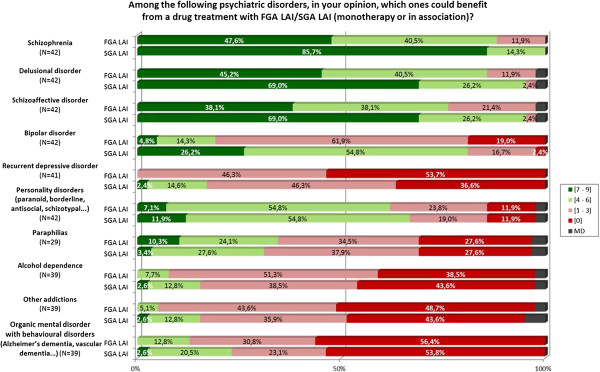
“The indications of LAIs are currently not limited to only schizophrenia, but these have also been recommended for management of patients with schizoaffective disorder, delusional disorder, and bipolar disorder.(32) It has also been recommended in patients with firstepisode schizophrenia with proven benefits with regar…”
BackgroundAlphs, L. D., Brown, B., Turkoz, I., Baker, P. C., Fu, D., & Nuechterlein, K. H. (2022) · Schizophrenia Research · doi:10.1016/j.schres.2022.02.019 · Cited by 16
“Clinical guidelines recommend treatment with LAIs in patients who prefer the injectable formulation and/or are at high risk of nonadherence and suggest consideration of LAIs in first-episode schizophrenia (American Psychiatric Association, 2020b; Kane and Correll, 2019; Llorca et al., 2013; National Council for Behavi…”
Pietrini, F., Spadafora, M., Talamba, G. A., Godini, L., Lelli, L., Arcabasso, S., Manetti, M., & Ballerini, A. (2014) · International Journal of Psychiatry in Clinical Practice · doi:10.3109/13651501.2014.988268 · Cited by 15
“…are), the decision to change treatment strategy was made according to current clinical guidelines for the use and management of LAI antipsychotics (Llorca et al. 2013), suggesting that they should be considered and systematically proposed as a treatment option to any patient for whom maintenance…”
MethodFagiolini, A. M., de Bartolomeis, A., Vaggi, M., & Vampini, C. (2016) · Neuropsychiatric Disease and Treatment · doi:10.2147/ndt.s96214 · Cited by 15
“Some guidelines, eg, the French Association for Biological Psychiatry and Neuropsychopharmacology guidelines, recommend that LAI antipsychotics should be considered as first-line therapy in any patient requiring long-term antipsychotic therapy.(47) While Italian experience with LAI antipsychotics in patients with firs…”
Pietrini, F., Spadafora, M., Tatini, L., Talamba, G. A., Andrisano, C., Boncompagni, G., Manetti, M., Ricca, V., & Ballerini, A. (2016) · European Psychiatry · doi:10.1016/j.eurpsy.2016.05.008 · Cited by 15
“The decision to change treatment strategy was made according to current clinical guidelines for the use and management of LAI antipsychotics [40], suggesting that they should be considered and systematically proposed as a treatment option to any patient for whom maintenance antipsychotic treatment is indicated.”
MethodLong-acting injectable antipsychotics for the treatment of schizophrenia in Spain
Arango, C., Baeza, I., Bernardo, M., Cañas, F., de Dios, C., Díaz-Marsá, M., García-Portilla, M., Gutiérrez-Rojas, L., Olivares, J., Rico-Villademoros, F., et al. (2019) · Revista de Psiquiatría y Salud Mental (English Edition) · doi:10.1016/j.rpsmen.2018.03.004 · Cited by 28
“In agreement with these recommendations from expert professionals in the Spanish setting, the French Association of Biological Psychiatry and Neuropsychopharmacology has published (2013) a guideline on the use and management of long-lasting injectable antipsychotics in severe mental disorder; the first-line recommenda…”
ResultKane, J. M., Eshet, R., Harary, E., Tohami, O., Elgart, A., Knebel, H., Sharon, N. A., Suett, M., Franzenburg, K. R., Davis, G. L., et al. (2024) · CNS Drugs · doi:10.1007/s40263-024-01102-2 · Cited by 14
“Clinicians may also have misconceptions about patients’ perceptions of injection site pain and may focus on procedure rather than potential gains [33–36].”
Orsolini, L., Sceusa, F., Pompili, S., Mauro, A., Salvi, V., & Volpe, U. (2021) · Expert Opinion on Drug Safety · doi:10.1080/14740338.2021.1928634 · Cited by 14
“the long-term treatment of such severe patients [17,18].”
BackgroundGuidelines for the use of second-generation long-acting antipsychotics
Jarema, M., Wichniak, A., Dudek, D., Samochowiec, J., Bieńkowski, P., & RYBAKOWSKI, J. K. (2015) · Psychiatria Polska · doi:10.12740/pp/39370 · Cited by 14
Bossie, C. A., Turkoz, I., Alphs, L. D., Mahalchick, L., & Fu, D. (2016) · The Journal of Nervous and Mental Disease · doi:10.1097/nmd.0000000000000646 · Cited by 14
“However, evidence suggests that their early initiation is associated with greater responsiveness, reduced risk for relapse, and improved long-term functioning (Heres et al., 2014; Kane et al., 2015; Llorca et al., 2013; Subotnik et al., 2015).”
Si, T., Zhuo, J., Turkoz, I., Mathews, M., Tan, W., & Feng, Y. (2017) · Expert Opinion on Pharmacotherapy · doi:10.1080/14656566.2017.1401608 · Cited by 14
“within 5 years of diagnosis), in addition to their therapeutic use in chronic schizophrenia [30,48].”
BackgroundResultCordiner, M., Shajahan, P., McAvoy, S., Bashir, M., & Taylor, M. (2016) · Therapeutic Advances in Psychopharmacology · doi:10.1177/2045125315623168 · Cited by 16
Jakovljević, M. (2014) · PubMed · Cited by 13
Sajatovic, M., DiBiasi, F., & Legacy, S. N. (2017) · Neuropsychiatric Disease and Treatment · doi:10.2147/ndt.s139557 · Cited by 12
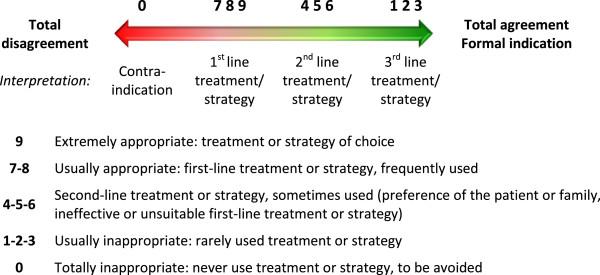
“40 A consensus rating scale was used in which respondents expressed levels of agreement or disagreement with survey questions, and these responses were then interpreted as recommended indications for first, second, or third-line treatment strategies for each diagnosis.”
InfluentialBotha, U. A., Coetzee, M., Koen, L., & Niehaus, D. J. H. (2017) · Archives of Psychiatric Nursing · doi:10.1016/j.apnu.2017.12.002 · Cited by 12
Fagiolini, A. M., Alfonsi, E., Amodeo, G., Cenci, M., Lella, M. D., Farinella, F., Ferraiuolo, F., Fraguas, D., Loparco, N., Gutiérrez-Rojas, L., et al. (2016) · Expert Opinion on Drug Safety · doi:10.1517/14740338.2016.1155553 · Cited by 12
Masuda, S., Yasuhara, Y., Tanioka, T., Atsuta, A., Motoki, K., Takase, K., & Locsin, R. C. (2016) · Open Journal of Psychiatry · doi:10.4236/ojpsych.2016.62025 · Cited by 12
“Also, in an evidence-based clinical approach, psychiatrists should be systematically offering to all patients that require long-term antipsychotic treatment, through shared decision-making, a LAI antipsychotic as a first-line treatment [2].”
BackgroundLi, N., Feng, Y., Lu, H., Cai, S. L., Zhuo, J., Si, T., & Zhang, L. (2018) · Neuropsychiatric Disease and Treatment · doi:10.2147/ndt.s158353 · Cited by 12
Use of Long-Acting Injectable Antipsychotic in an Inpatient Unit of a Community Teaching Hospital
Olayinka, O. O., Oyelakin, A., Cherukupally, K., Virk, I., Ojimba, C., Khadka, S., Maksymenko, A., Fouron, P., Khandaker, T., Olupona, T., et al. (2019) · Psychiatry Journal · doi:10.1155/2019/8629030 · Cited by 12
“Similarly, while reviewing the extant literature to inform guidelines for LAI use in France, the authors found that LAI prescription rates are generally low across Europe; the United Kingdom reportedly had the highest LAI prescription rate of 29 percent [8].”
BackgroundMisdrahi, D., Dupuy, M., Dansou, Y., Boyer, L., Berna, F. S., Capdevielle, D., Chéreau, I., Coulon, N., d’Amato, T., Dubertret, C., et al. (2023) · Translational Psychiatry · doi:10.1038/s41398-023-02640-x · Cited by 11
“While the sample was composed of outpatients referred to the various expert centers for diagnosis or treatment issues, the 10 expert centers cover a large area of the French territory and as a result integrated a wide range of socioeconomic and cultural differences.”
BackgroundSelf-citationJoshi, K., Mao, L., Biondi, D. M., & Millet, R. A. (2018) · BMC Psychiatry · doi:10.1186/s12888-018-1594-1 · Cited by 11
Prescription patterns in psychiatric compulsory care: polypharmacy and high-dose antipsychotics
Kaikoushi, K., Karanikola, M. N. K., Middleton, N., Bella, E., & Chatzittofis, A. (2021) · BJPsych Open · doi:10.1192/bjo.2021.982 · Cited by 12
Si, T., Zhuo, J., Feng, Y., Lu, H., Di, H., & Zhang, L. (2019) · Neuropsychiatric Disease and Treatment · doi:10.2147/ndt.s191803 · Cited by 11
Pottie, K. C., Mathew, C. M., Mendonca, O., Magwood, O., Saad, A., Abdalla, T., Stergiopoulos, V., Bloch, G. C., Brcic, V., Andermann, A. A. J., et al. (2019) · Campbell Systematic Reviews · doi:10.1002/cl2.1048 · Cited by 9
“Lastly, long‐acting Injectable antipsychotics are effective for managing numerous serious mental disorders, such as schizophrenia, delusional disorder, and bipolar disorder (Llorca et al., 2013).”
Long-acting antipsychotic treatments: focus on women with schizophrenia
Brissos, S., & Balanzá‐Martínez, V. (2024) · Therapeutic Advances in Psychopharmacology · doi:10.1177/20451253241263715 · Cited by 10
“3,5 Treatment guidelines have been very conservative on the use of LAI-APs, 6,7 especially regarding their early implementation, 6 even though some already state that ‘patients should be offered the option of depot/long-acting injectable AP medication for maintenance treatment, given the evidence…”
BackgroundNammas, M. (2025) · Cureus · doi:10.7759/cureus.85563 · Cited by 15
“Meta-analyses of LAI use in schizophrenia have shown significant improvements in medication adherence, symptom remission, and relapse prevention compared to oral anti-psychotics [53].”
Treatment Duration With Long-Acting Injectable Antipsychotics After In-hospital Initiation
Rittmannsberger, H., Rosenleitner, J., Malsiner‐Walli, G., Werl, R., Rittmannsberger, B., & Yazdi, K. (2017) · Journal of Clinical Psychopharmacology · doi:10.1097/jcp.0000000000000672 · Cited by 10
“Some authors even argue that there is no evidence at all that use of LAI alone can improve patient adherence and that LAI should be given only to patients with a clear willingness to adhere.(18,19) Nevertheless, the statement that “poor insight and severe psychopathology in the absence of sufficient supervision favor…”
Benson, C. J., Joshi, K., Lapane, K. L., & Fastenau, J. M. (2015) · Current Medical Research and Opinion · doi:10.1185/03007995.2015.1050365 · Cited by 10
Pietrini, F., Tatini, L., Santarelli, G., Brugnolo, D., Squillace, M., Bozza, B., Ballerini, A., Ricca, V., & D’Anna, G. (2021) · International Journal of Psychiatry in Clinical Practice · doi:10.1080/13651501.2021.1912358 · Cited by 10
“…service between January 2016 and July 2017 who required a long-term antipsychotic treatment was offered to switch to LAI AMT, according to current clinical guidelines suggesting that LAIs should be systematically considered and proposed to any patient for whom AMT is indicated (Llorca et al. 2013).”
BackgroundMethod
Metadata
- Authors
- Llorca, P. M., Abbar, M., Courtet, P., Guillaume, S., Lancrenon, S., & Samalin, L.
- Affiliations
- Centre Hospitalier Universitaire de Nîmes (FR)
- Inserm (FR)
- Centre Hospitalier Universitaire de Clermont-Ferrand (FR)
- Corresponding author
- Samalin, Ludovic
- Venue
- BMC Psychiatry
- Published
- 2013-12
- Volume
- 13
- Issue
- 1
- Pages
- 340-340
- ISSN
- 1471-244X (ISSN-L)
- PMC
- PMC3898013
- OpenAlex
- W1982746840
- Cited by
- 188
- References
- 66
- Citations by year
- 2026: 12 · 2025: 12 · 2024: 14 · 2023: 14 · 2022: 24 · 2021: 16 · 2020: 10 · 2019: 18 · 2018: 11 · 2017: 17 · 2016: 20 · 2015: 12 · 2014: 8
- FWCI
- 9.48
- Type
- journal article
- Language
- en
- Open access
- gold
- doi.org
- Licence
- Locations
- BMC Psychiatry (publishedVersion, cc-by)
- Europe PMC (PubMed Central) (publishedVersion, cc-by)
- PubMed Central (publishedVersion, cc-by)
- PubMed (publishedVersion)
- HAL (submittedVersion, other-oa)
- Topics
- Health Sciences › Medicine › Psychiatry and Mental health › Schizophrenia research and treatment
- Social Sciences › Psychology › Clinical Psychology › Psychiatric care and mental health services
- Health Sciences › Medicine › Pharmacology (medical) › Treatment of Major Depression
- Keywords
- long-acting injectable antipsychotics, severe mental illness, schizophrenia, bipolar disorder, schizoaffective disorder, delusional disorder, long-term antipsychotic treatment, relapse prevention, medication adherence, medication management, atypical antipsychotics, typical antipsychotics, shared decision-making
- MeSH terms
- Adult, Aged, Attitude of Health Personnel, Mental Disorders, Delayed-Action Preparations, Female, Humans, Injections, Intramuscular, Male, Middle Aged, Practice Patterns, Physicians', Schizophrenia, Severity of Illness Index, Antipsychotic Agents, United States, Practice Guidelines as Topic
About these checks
Registry, retraction, Cites and statistics results are computed, not judged, with one exception: a printed reference that no index lists is read once by a model before it counts as a citation error. Claims are extracted by a model and kept only when their quote appears verbatim in the text; each cited source is then checked, with a model’s help, for whether it says what the claim relies on. Those verdicts can be wrong — read the claim’s quote and the cited source before relying on one.
Statistics and arithmetic are recomputed, not judged.
Confidence bands are shown only for fields calibrated on our annotated test set. None is calibrated yet, so no band is shown.
What counts as a claim ›How we measure confidence ›How we check this ›
Are you an author, or do you see a problem with this page? Request a review
