

Impact of early psychosocial factors (childhood socioeconomic factors and adversities) on future risk of type 2 diabetes, metabolic disturbances and obesity: a systematic review
Open accessThe DOI matches its Crossref record; 97 of the 98 references it cites were found in a registry or an index.
Abstract
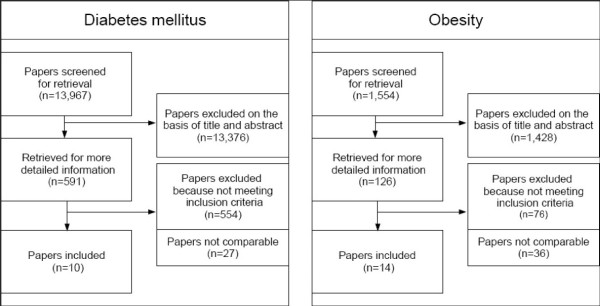
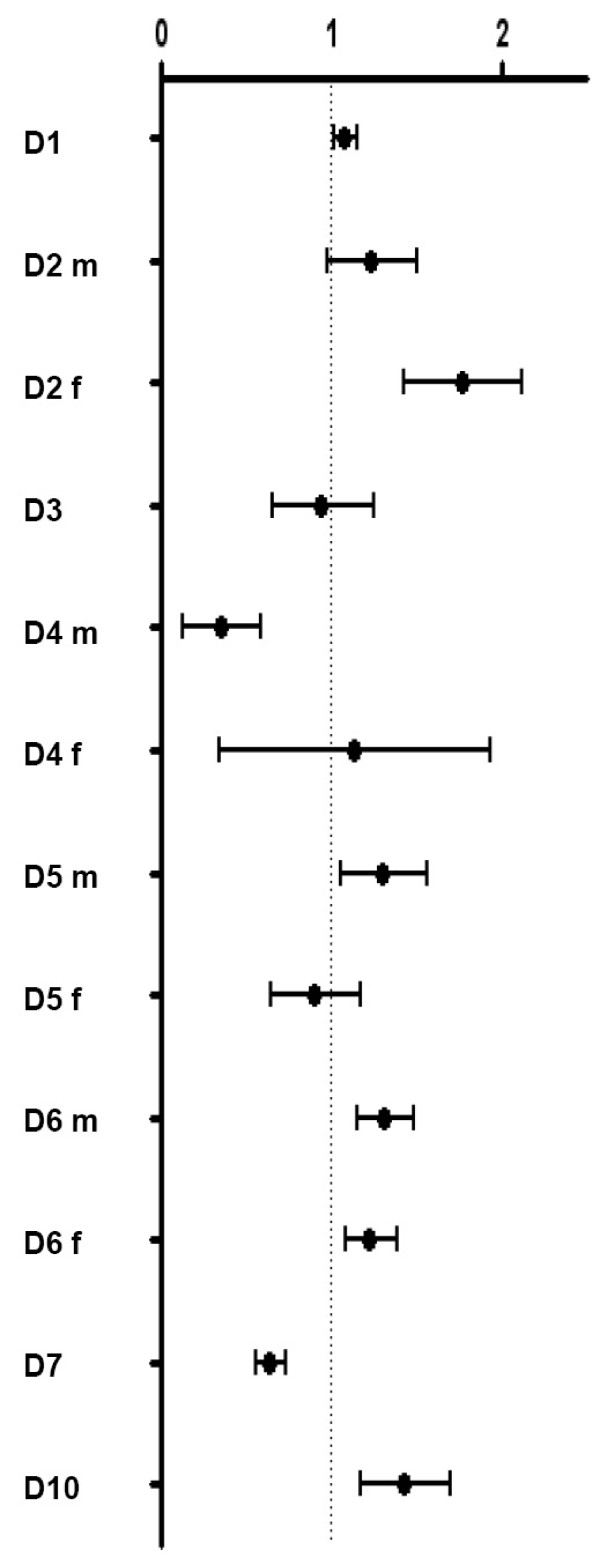
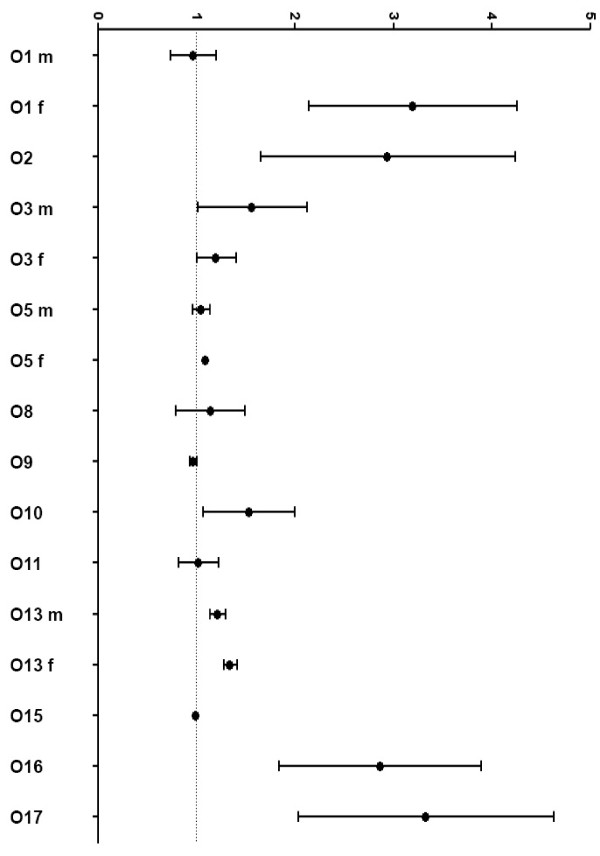
BACKGROUND: Psychological factors and socioeconomic status (SES) have a notable impact on health disparities, including type 2 diabetes risk. However, the link between childhood psychosocial factors, such as childhood adversities or parental SES, and metabolic disturbances is less well established. In addition, the lifetime perspective including adult socioeconomic factors remains of further interest.We carried out a systematic review with the main question if there is evidence in population- or community-based studies that childhood adversities (like neglect, traumata and deprivation) have considerable impact on type 2 diabetes incidence and other metabolic disturbances. Also, parental SES was included in the search as risk factor for both, diabetes and adverse childhood experiences. Finally, we assumed that obesity might be a mediator for the association of childhood adversities with diabetes incidence. Therefore, we carried out a second review on obesity, applying a similar search strategy. METHODS: Two systematic reviews were carried out. Longitudinal, population- or community-based studies were included if they contained data on psychosocial factors in childhood and either diabetes incidence or obesity risk. RESULTS: We included ten studies comprising a total of 200,381 individuals. Eight out of ten studies indicated that low parental status was associated with type 2 diabetes incidence or the development of metabolic abnormalities. Adjustment for adult SES and obesity tended to attenuate the childhood SES-attributable risk but the association remained. For obesity, eleven studies were included with a total sample size of 70,420 participants. Four out of eleven studies observed an independent association of low childhood SES on the risk for overweight and obesity later in life. CONCLUSIONS: Taken together, there is evidence that childhood SES is associated with type 2 diabetes and obesity in later life. The database on the role of psychological factors such as traumata and childhood adversities for the future risk of type 2 diabetes or obesity is too small to draw conclusions. Thus, more population-based longitudinal studies and international standards to assess psychosocial factors are needed to clarify the mechanisms leading to the observed health disparities.
Overview
The claims and statistics of this paper haven’t been checked yet.
Free: it reads the open-access text and checks the first 5 claims that cite a source we can check. Create a free account to check every claim.
Integrity signals
Registry
Cites
Statistics
Figures
Verification
Claims the paper makes
The claims and statistics of this paper haven’t been checked yet.
Free: it reads the open-access text and checks the first 5 claims that cite a source we can check. Create a free account to check every claim.
Claims other papers make about this one
Each is checked against this paper’s own text: does it say what the citing paper says it does?
The source backs part of the claim, not all of it — or backs it for a different population, condition or comparison.
In the citing paper
“Furthermore, several larger-scale studies and meta-analyses also suggest a close association of ELS/CT with adverse physical health and in particular with cardiovascular, gastrointestinal, neuromusculoskeletal, pulmonary, inflammatory, and metabolic diseases, chronic pain syndromes, frequency of medical consultations, as well as number of medical diagnoses (24, 36–42).”
From Developmental Trajectories of Early Life Stress and Trauma: A Narrative Review on Neurobiological Aspects Beyond Stress System Dysregulation (2019) · cites this paper as [42]
Experimental — accuracy not yet measured
Self-check
Percentages, sums and reported differences re-computed from the paper’s own numbers.
The self-check needs the paper’s full text.
Citations
Cites
Dermyshi, E., Wang, Y., Yan, C., Hong, W., Qiu, G., Gong, X., & Zhang, T. (2017) · Neonatology · doi:10.1159/000454668 · Cited by 24,451
Meta-analysis of Observational Studies in Epidemiology<SUBTITLE>A Proposal for Reporting</SUBTITLE>
Stroup, D. F. (2000) · JAMA · doi:10.1001/jama.283.15.2008 · Cited by 20,623
Felitti, V. J., Anda, R. F., Nordenberg, D., Williamson, D. F., Spitz, A. M., Edwards, V., Koss, M. P., & Marks, J. S. (1998) · American Journal of Preventive Medicine · doi:10.1016/s0749-3797(98)00017-8 · Cited by 18,943
Report of the Expert Committee on the Diagnosis and Classification of Diabetes Mellitus
The Expert Committee on the Diagnosis and Classification of Diabetes Mellitus* (2002) · Diabetes Care · doi:10.2337/diacare.25.2007.s5 · Cited by 10,338
Child abuse: Adolescent records vs. adult recall
Femina, D. D., Yeager, C. A., & Lewis, D. O. (1990) · Child Abuse & Neglect · doi:10.1016/0145-2134(90)90033-p · Cited by 8,820
Report of the Expert Committee on the Diagnosis and Classification of Diabetes Mellitus
The Expert Committee on the Diagnosis and Classification of Diabetes Mellitus (1997) · Diabetes Care · doi:10.2337/diacare.20.7.1183 · Cited by 6,220
Unraveling the Mystery of Health: How People Manage Stress and Stay Well
Antonovsky, A. (2002) · The Health Psychology Reader · doi:10.4135/9781446221129.n9 · Cited by 5,543
Socioeconomic Inequalities in Health in 22 European Countries
Mackenbach, J. P., Stirbu, I., Roskam, A.-J. R., Schaap, M. M., Menvielle, G., Leinsalu, M., & Kunst, A. E. (2008) · New England Journal of Medicine · doi:10.1056/nejmsa0707519 · Cited by 3,302 · cited 1×
“Background In adults, adverse psychosocial factors such as low socioeconomic status (SES), deprivation and traumata have been shown to be associated with type 2 diabetes [1], obesity [2-5], cardiovascular disease [6,7], and unhealthy lifestyle habits [8-11].”
BackgroundLa distinction, critique sociale du jugement
Gehin, E., Herpin, N., & Bourdieu, P. (1980) · Revue Française de Sociologie · doi:10.2307/3320934 · Cited by 3,193
Wang, Y., & Beydoun, M. A. (2007) · Epidemiologic Reviews · doi:10.1093/epirev/mxm007 · Cited by 2,792 · cited 1×
“Background In adults, adverse psychosocial factors such as low socioeconomic status (SES), deprivation and traumata have been shown to be associated with type 2 diabetes [1], obesity [2-5], cardiovascular disease [6,7], and unhealthy lifestyle habits [8-11].”
Background
Research works printed but not linked: 1
- 52. Statistics Finland Classification of socioeconomic groups 1989 Statistics Finland 1989 Handbooks 17, Helsinki http://www.stat.fi/meta/luokitukset/ammatti/001-2001/koko_luokitus_en.html assessed 20 may 2009
Cited by
Items 101–200 of 217
Natale, B. N., Manuck, S. B., Shaw, D. S., Matthews, K. A., Muldoon, M. F., Wright, A. G. C., & Marsland, A. L. (2022) · Annals of Behavioral Medicine · doi:10.1093/abm/kaac004 · Cited by 16
Artificial intelligence, recessionary pressures and population health
Occhipinti, J., Prodan, A., Hynes, W. M., Buchanan, J., Green, R., Burrow, S., Eyre, H. A., Skinner, A., Hickie, I. B., Heffernan, M., et al. (2025) · Bulletin of the World Health Organization · doi:10.2471/blt.24.291950 · Cited by 19
Choi, B.-Y., Lee, D., Chun, E.-H., & Lee, J. (2014) · Korean Journal of Family Medicine · doi:10.4082/kjfm.2014.35.4.207 · Cited by 13
Lin, C. D., Poretto, A., Scodro, M., Marra, M. P., Iliceto, S., & Tona, F. (2015) · Journal of Integrative Cardiology · doi:10.15761/jic.1000136 · Cited by 15
Pulkki-Råbäck, L., Elovainio, M. J., Hakulinen, C. A., Lipsanen, J. O., Kubzansky, L. D., Hintsanen, M., Savelieva, K., Serlachius, A. S., Magnussen, C. G., Sabin, M. A., et al. (2017) · American Journal of Preventive Medicine · doi:10.1016/j.amepre.2017.01.042 · Cited by 17
An Introduction to Primary Care in Underserved Populations
Morelli, V. (2017) · Primary Care Clinics in Office Practice · doi:10.1016/j.pop.2016.09.002 · Cited by 16
Bedu‐Addo, G., Alicke, M., Boakye-Appiah, J. K., Inusah, A.-J., van der Giet, M., Schulze, M. B., Mockenhaupt, F. P., & Danquah, I. (2017) · Journal of Infection · doi:10.1016/j.jinf.2017.08.010 · Cited by 12
Tao, C., Zhao, Q., Glauben, T., & Ren, Y. (2020) · International Journal of Environmental Research and Public Health · doi:10.3390/ijerph17218122 · Cited by 16
“Many factors contribute to overweight and obesity among children, such as the family history of obesity [14], regular sugar-sweetened beverages [15], the involvement of grandparents in childcare [16], low levels of physical activity, high rate of sedentary leisure habits [17,18], dietary patterns [19], and various soc…”
BackgroundZilioli, S., Gómez, J. M., Jiang, Y., & Rodriguez-Stanley, J. (2021) · The Journals of Gerontology Series A · doi:10.1093/gerona/glab280 · Cited by 15
Vermeiren, A. P. A., Bosma, H., Gielen, M., Lindsey, P. J., Derom, C. A., VLIETINCK, R. F., Loos, R. J. F., & Zeegers, M. P. (2012) · European Journal of Public Health · doi:10.1093/eurpub/cks167 · Cited by 13
Bailey-Davis, L. D., Moore, A. M., Poulsen, M. N., Dzewaltowski, D. A., Cummings, S., DeCriscio, L. R., Hosterman, J. F., Huston, D. R., Kirchner, H. L., Lutcher, S., et al. (2022) · BMC Public Health · doi:10.1186/s12889-022-14827-w · Cited by 13
“Longitudinal studies show that for 60 to 90% of preschool-aged children with obesity, the condition persisted into adolescence [12, 13] and adulthood [2, 14].”
BackgroundPrevalence of Childhood Obesity Among Children and Adolescents in Saudi Arabia: A Systematic Review
Adam, T. R., Hamed, A. M., Mohammed, H. S. M., Elshareef, T. E. E., Mushaeb, H. H., Harbi, A. N. A., Bawarith, B. M., Almalki, A. S., Alzaheb, N., Alqarni, A. H., et al. (2024) · Cureus · doi:10.7759/cureus.70135 · Cited by 10
Wingenfeld, K., Kuehl, L. K., Boeker, A., Schultebraucks, K., Schulz, A., Stenzel, J., Spitzer, C., & Otte, C. (2017) · Journal of Psychiatric Research · doi:10.1016/j.jpsychires.2017.07.028 · Cited by 11
Weekday time in bed and obesity risk in adolescence
Danielsen, Y. S., Pallesen, S., Sivertsen, B., Stormark, K. M., & Hysing, M. (2020) · Obesity Science & Practice · doi:10.1002/osp4.455 · Cited by 12
“Socioeconomic status (SES) has likewise demonstrated associations to both sleep habits and obesity.(28,31,32) Only a few studies have examined prospective associations between sleep duration and weight status in adolescence, and the findings remain inconclusive.”
BackgroundKekäläinen, T., Karvonen, J., Törmäkangas, T., Pulkkinen, L., & Kokko, K. (2022) · Psychology and Health · doi:10.1080/08870446.2022.2041639 · Cited by 13
“…participation in leisure-time physical activity (Elhakeem et al., 2015; Juneau et al., 2015), and with a decreased risk of smoking (Puolakka et al., 2018; Tian et al., 2019), obesity (Tamayo et al., 2010), and alcohol-related problems (Barr et al., 2018; Pitkänen et al., 2008) in later adult-hood.”
BackgroundLife-course social position, obesity and diabetes risk in the EPIC-Spain Cohort
Cirera, L., Huerta, J. M., Chirlaque, M. D., Molina‐Montes, E., Altzibar, J. M., Ardanáz, E., Gavrila, D., Colorado-Yohar, S. M., Barricarte, A., Arriola, L., et al. (2015) · European Journal of Public Health · doi:10.1093/eurpub/ckv218 · Cited by 12
Meisters, R., Koster, A., Albers, J. D., Sezer, B., van Greevenbroek, M. M. J., de Galan, B. E., & Bosma, H. (2024) · Diabetes Research and Clinical Practice · doi:10.1016/j.diabres.2024.111855 · Cited by 10
Temperament, socioeconomic adversity, and perinatal risk as related to preschoolers’ BMI.
Martoccio, T. L., Senehi, N., Brophy‐Herb, H. E., Miller, A. L., Contreras, D. A., Horodynski, M. A. O., Peterson, K. E., & Lumeng, J. C. (2021) · Health Psychology · doi:10.1037/hea0001052 · Cited by 11
Prevalence of Self-Reported Diabetes and Its Associated Factors: A Population-Based Study in Brazil
Da-Mata, F. A. F., Galvão, T. F., Pereira, M. G., & Silva, M. T. (2015) · International Journal of Endocrinology · doi:10.1155/2015/610790 · Cited by 9
“In contrast, a systematic review of 10 studies suggests that growing up in a socioeconomically disadvantaged environment may contribute to diabetes in later life [26].”
BackgroundBeach, S. R. H., Ong, M. L., Lei, M., Klopack, E. T., Carter, S. E., Simons, R. L., Gibbons, F. X., Lavner, J. A., Philibert, R. A., & Ye, K. (2020) · Development and Psychopathology · doi:10.1017/s0954579420000061 · Cited by 9
The Perceptions of Obese School Children in Hong Kong Toward Their Weight-Loss Experience
Wong, E. M. Y., Sit, J. W. H., Tarrant, M., & Cheng, M. H. M. (2012) · The Journal of School Nursing · doi:10.1177/1059840512440176 · Cited by 10
Skaffari, E., Vepsäläinen, H., Nissinen, K., Lehto, E., Lehto, R., Roos, E., Erkkola, M., & Korkalo, L. (2023) · British Journal Of Nutrition · doi:10.1017/s0007114523001460 · Cited by 13
“In high-income countries, lower SES is associated with a higher prevalence of childhood overweight and obesity (7,8) and higher risk of metabolic syndrome, impaired fasting glucose and type 2 diabetes in later life (9,10) .”
BackgroundBMI trajectory and inflammatory effects on metabolic syndrome in adolescents
Kim, U. J., Choi, E. J., Park, H., Lee, H. A., Park, B., Min, J., Park, E. A., Cho, S. J., Kim, H. S., Lee, H., et al. (2023) · Pediatric Research · doi:10.1038/s41390-022-02461-6 · Cited by 8
Lam, P. H., Chen, E., Jiang, T., Moon, H., Passarelli, V., Kim, J.-W., & Miller, G. E. (2023) · Brain Behavior and Immunity · doi:10.1016/j.bbi.2023.11.027 · Cited by 10
“For example, children and adolescents exposed to socioeconomic disadvantage, peer victimization, or adverse family environment are more likely to develop type 2 diabetes, coronary heart disease, and stroke as adults (Galobardes et al., 2006; Suglia et al., 2008, 2021; Tamayo et al., 2010).”
Currie, C. L., Higa, E. K., & Swanepoel, L.-M. (2021) · Adversity and Resilience Science · doi:10.1007/s42844-021-00035-9 · Cited by 11
Ye, X., Zhu, D., Ding, R., & He, P. (2022) · Geriatrics and gerontology international/Geriatrics & gerontology international · doi:10.1111/ggi.14373 · Cited by 8
Shafiee, G., Qorbani, M., Heshmat, R., Mohammadi‐Nasrabadi, F., Sheidaei, A., Motlagh, M. E., Mahdavi‐Gorabi, A., Ardalan, G., Ahadi, Z., & Kelishadi, R. (2019) · Journal of Diabetes & Metabolic Disorders · doi:10.1007/s40200-019-00401-6 · Cited by 8
Régnier, F., Bihan, E. L., Tichit, C., & Baumann, M. (2019) · International Journal of Environmental Research and Public Health · doi:10.3390/ijerph17010061 · Cited by 13
“During adolescence, psychological factors and socioeconomic status can have an especially large impact on health issues such as overweight and obesity [1,2].”
BackgroundMethods for a longitudinal cohort of refugee children in a regional community in Australia
Zwi, K. J., Rungan, S., Woolfenden, S. R., Williams, K. J., & Woodland, L. (2016) · BMJ Open · doi:10.1136/bmjopen-2016-011387 · Cited by 7
“Obesity is associated with several health problems.(25) Development* (children”
BackgroundYamakita, M., Kanamori, S., Kondo, N., Ashida, T., Fujiwara, T., Tsuji, T., & Kondo, K. (2020) · Preventive Medicine Reports · doi:10.1016/j.pmedr.2020.101065 · Cited by 10
Caleyachetty, R., Stafford, M., Cooper, R., Anderson, E. L., Howe, L. D., Cosco, T. D., Kuh, D. J., & Hardy, R. (2021) · European Journal of Public Health · doi:10.1093/eurpub/ckaa237 · Cited by 7
Weight gain in infancy and markers of cardiometabolic health in young adulthood
Nummela, S. R., Salo, P., Pahkala, K., Raitakari, O. T., Viikari, J. S. A., Rönnemaa, T., Jula, A., Rovio, S., & Niinikoski, H. (2022) · Acta Paediatrica · doi:10.1111/apa.16349 · Cited by 7
Schlauch, K. A., Read, R. W., Koning, S. M., Neveux, I., & Grzymski, J. J. (2022) · Frontiers in Psychiatry · doi:10.3389/fpsyt.2022.984366 · Cited by 11
Adult bone strength of children from single-parent families: the Midlife in the United States Study
Crandall, C. J., Karlamangla, A. S., Merkin, S. S., Binkley, N., Carr, D., Greendale, G. A., & Seeman, T. E. (2014) · Osteoporosis International · doi:10.1007/s00198-014-2990-0 · Cited by 8
“These associations were not explained by childhood or adult socioeconomic status or by health behaviors over the life course, and add to the growing list of adverse subclinical and clinical health outcomes that have been linked to childhood psychosocial disadvantage [17, 67–73].”
BackgroundSalsberry, P. J., Tanda, R., Anderson, S. E., & Kamboj, M. K. (2017) · Springer eBooks · doi:10.1007/978-3-319-47143-3_10 · Cited by 10
“Another systematic review examining childhood socioeconomic status (SES) as a risk for T2DM found a strong relationship; although this relationship was attenuated by adult SES, a significant relationship remained (Tamayo et al. 2010).”
BackgroundHuang, J., Gariépy, G., Gavin, A. R., Rowhani-Rahbar, A., Siscovick, D., & Enquobahrie, D. (2019) · Epidemiology · doi:10.1097/ede.0000000000001068 · Cited by 6
Amiri, S., Mahmood, N., Yusuf, R., Ghenimi, N., Javaid, S. F., & Khan, M. A. (2024) · Children · doi:10.3390/children11081015 · Cited by 12
A Review of Intersectoral Partnership Strategies for Enhancement of School Health Programs
Hwang, J., & Park, S.-W. (2013) · 보건교육·건강증진학회지 · doi:10.14367/kjhep.2013.30.4.041 · Cited by 3
Comparison of some risk factors for diabetes across different social groups: A cross-sectional study
Ak, B., Rathod, H., Konda, M., & Bhawalkar, J. (2014) · Annals of Medical and Health Sciences Research · doi:10.4103/2141-9248.144913 · Cited by 6
“Evidence from recent studies suggests that childhood deprivation is associated with type 2 diabetes and obesity in later life.[12] Since childhood malnutrition is known to be more prevalent in rural populations[13] this may explain the higher prevalence of central obesity in rural subjects in the present study.”
Threat vigilance and socioeconomic disparities in metabolic health
Hostinar, C. E., Ross, K. M., Chan, M., Chen, E., & Miller, G. E. (2017) · Development and Psychopathology · doi:10.1017/s0954579417001353 · Cited by 7
Choi, E. J., Lee, H. A., Park, B., Park, B., Kim, H. S., Hong, Y. S., & Park, H. (2021) · Scientific Reports · doi:10.1038/s41598-021-01566-y · Cited by 6
Kim, J. H., & Bost, K. K. (2022) · Pediatric Obesity · doi:10.1111/ijpo.12993 · Cited by 9
Vinueza, A. M. Z., & Jaramillo, A. P. (2023) · Cureus · doi:10.7759/cureus.48525 · Cited by 6
“Several factors contribute to these disparities in childhood obesity rates, including lower household income, rural residence, and low socioeconomic status at the community level [2-5].”
BackgroundYang, Y. A. N. G., Ling, S. U. N., ZHANG, H., HUANG, S., & Xiao, Z. H. U. (2018) · Advances in Psychological Science · doi:10.3724/sp.j.1042.2018.01475 · Cited by 6
Saxe-Custack, A., LaChance, J., Hanna‐Attisha, M., Goldsworthy, M., & Ceja, T. (2021) · Journal of Nutrition Education and Behavior · doi:10.1016/j.jneb.2021.06.017 · Cited by 5
Early life adversity jointly regulates body-mass index and working memory development
Farkas, B. C., & Jacquet, P. O. (2023) · Proceedings of the Royal Society B Biological Sciences · doi:10.1098/rspb.2023.1945 · Cited by 6
“Early life adverse experiences, such as exposure to maltreatment, abuse, poverty, or a lack of peer and parental support, have been consistently linked both to reduced EF abilities [15 – 17] and to increased BMI and obesity risk [18 – 20].”
BackgroundLevine, C. S., Miller, G. E., Shalowitz, M. U., Story, R. E., Manczak, E. M., Hayen, R., Hoffer, L. C., Lê, V. T., Vause, K. J., & Chen, E. (2019) · Social Science & Medicine · doi:10.1016/j.socscimed.2019.02.036 · Cited by 7
Uribe, A. L. M., Rudt, H. G., & Leak, T. M. (2021) · Nutrients · doi:10.3390/nu13082569 · Cited by 8
Santos, R., Moreira, C. M. M., Abreu, S., Lopes, L., Ruiz, J. R., Moreira, P. A. M., Silva, P., & Mota, J. A. P. S. (2014) · Pediatric Cardiology · doi:10.1007/s00246-014-0882-x · Cited by 5
“and later adulthood [11–15].”
Ortiz, G. G. R., Granero, R., Icaza, D., & Maraver-Capdevila, L. (2025) · Frontiers in Nutrition · doi:10.3389/fnut.2025.1666688 · Cited by 7
Yun, K., Han, K., Kim, M. K., Park, Y., Baek, K., Song, K., Kil, K., & Kwon, H. (2015) · Clinical Endocrinology · doi:10.1111/cen.12712 · Cited by 5
Physical Activity and Metabolic Syndrome Related Factors on Low Income School Aged Children
라진숙, & 강문희 (2015) · JOURNAL OF THE KOREAN SOCIETY OF MATERNAL AND CHILD HEALTH · doi:10.21896/jksmch.2015.19.1.121 · Cited by 6
“선행연구에 따르면 아동기 대사증후군의 영향 요인 으로는 유전, 연령, 비만, 경제상태, 불량한 식습관, 신 체활동 부족 등 다양하게 보고되었다(Brage et al., 2004; Lee, 2006; Pan & Pratt, 2008; Steinberger et al., 2009; Chu & Choe, 2010; Kang & Hong, 2010; Tamayo et al., 2010; Chen et al., 2012; Nam & Cho, 2014).”
InfluentialHorner, E. M., Strombotne, K. L., Huang, A., & Lapham, S. (2018) · SSM - Population Health · doi:10.1016/j.ssmph.2018.01.004 · Cited by 5
“They summarize the evidence for stress from low SES in adulthood (Agardh, Allebeck, Hallqvist, Moradi & Sidorchuk, 2011), low SES in childhood (Tamayo et al., 2010), racial / https://doi.org/10.1016/j.ssmph.2018.01.004 Received 18 July 2017; Received in revised form 25 December 2017; Accepted 23…”
BackgroundInfluentialNavarro‐Mateu, F., Quesada, M. P., Escámez, T., Alcaráz, M. J., de la Peña, C. S., Salmerón, D., Huerta, J. M., Vilagut, G., Chirlaque, M. D., Navarro, C., et al. (2019) · BMJ Open · doi:10.1136/bmjopen-2019-030328 · Cited by 4
Predisposing Risk Factors Associated with Acute Myocardial Infarction (AMI): A Review
Mishra, M. K., & Ramavataram, D. (2021) · Indian Journal of Forensic Medicine & Toxicology · doi:10.37506/ijfmt.v15i2.14343 · Cited by 10
“There are many structural mechanism which are responsible for creating differential social positions of any individual such as governance, education system, labor market structures and the reach to various welfare policies by the way of causing an impact on behavioural, economical, emotional, day to day lifestyle and…”
BackgroundSíndrome metabólica e associação com nível socioeconômico em escolares
Cruz, I. R. D., Freitas, D. A., Soares, W. D., Mourão, D. M., Aidar, F. J., & Carneiro, A. L. G. (2014) · Revista CEFAC · doi:10.1590/1982-021620146713 · Cited by 33
Ko, M. J., & Kim, M. K. (2012) · International Journal of Epidemiology · doi:10.1093/ije/dys045 · Cited by 5
Poverty and Possibility in the Lives of American Indian and Alaska Native Children
Spicer, P., & Sarche, M. C. (2012) · Oxford University Press eBooks · doi:10.1093/oxfordhb/9780199769100.013.0027 · Cited by 4
Polcrova, A. B., Jiskrova, G. K., Bobák, M., Pikhart, H., Klánová, J., & Ksinan, A. J. (2024) · Pediatric Obesity · doi:10.1111/ijpo.13179 · Cited by 4
“Although higher levels of perceived overeating were also associated with maternal BMI, a stronger effect was found for ACEs.”
Sasaki, N., Watanabe, K., & Kawakami, N. (2020) · BioPsychoSocial Medicine · doi:10.1186/s13030-020-00197-5 · Cited by 3
Diabetes, life course and childhood socioeconomic conditions: an empirical assessment for Mexico
Gonzalez-Samano, M., & Villarreal, H. J. (2024) · BMC Public Health · doi:10.1186/s12889-024-18767-5 · Cited by 4
“One clear example is the association of socioeconomic aspects during childhood with type 2 diabetes and obesity in adulthood [32, 33].”
BackgroundKonzept für eine umweltepidemiologische Geburtskohorte des Bundes
Schmidt, B., Schulz, C., Moebus, S., Seiwert, M., Kolossa‐Gehring, M., & Jöckel, K. (2012) · Bundesgesundheitsblatt - Gesundheitsforschung - Gesundheitsschutz · doi:10.1007/s00103-012-1484-5 · Cited by 3
Telomeres and Early Life Stress
Ridout, K. K., Ridout, S. J., Goonan, K., Tyrka, A. R., & Price, L. H. (2017) · Elsevier eBooks · doi:10.1016/b978-0-12-802175-0.00018-8 · Cited by 6
Epigénesis: secuelas de una infancia adversa
Salinas, S., Sánchez-Moguel, S. M., & Jiménez, N. R. (2019) · Revista Digital Universitaria · doi:10.22201/codeic.16076079e.2019.v20n2.a1 · Cited by 6
Type 2 diabetes: unravelling the interaction between genetic predisposition and lifestyle
Rathmann, W., Kowall, B., & Giani, G. (2011) · Diabetologia · doi:10.1007/s00125-011-2222-5 · Cited by 3
“On the other hand, modern societies are characterised by intense urbanisation, which is linked to tremendous environmental and behavioural changes: physical inactivity, an energy-dense diet, psychosocial stress and exposure to environmental pollutants [1–3].”
Self-citationLangholz, P. L., Sommerseth, H. L., Kristoffersen, D. T., & Hopstock, L. A. (2025) · Scandinavian Journal of Public Health · doi:10.1177/14034948251365024 · Cited by 2
“Contrary to our findings, systematic reviews have previously presented evidence for associations of CSEP with adult mortality [17], CVD [18], and diabetes [19].”
Follow-up Study Obesity in Men With Childhood ADHD: A 33-Year Controlled, Prospective,
Proal, E., Mannuzza, S., Cortese, S., Ramos-Olazagasti, M. A., Klein, R. G., & XAVIER, F. B. (2013) · Cited by 2
Mehravar, F., Majdzadeh, R., Honarvar, M. R., Kabir, M.-J., & Maleki, S. (2019) · Journal of Clinical and Basic Research · doi:10.29252/jcbr.3.4.23 · Cited by 2
“The rest (15, 16) were on both developed and developing countries.”
BackgroundChildhood Determinants of Occupational Health at Older Ages
Wahrendorf, M., & Demakakos, P. (2020) · Handbook series in occupational health sciences · doi:10.1007/978-3-030-31438-5_12 · Cited by 2
ACE and its implication over the lifespan
Rokach, A., & Clayton, S. (2023) · Elsevier eBooks · doi:10.1016/b978-0-323-85853-3.00008-2 · Cited by 3
Life Course Approach to Research in Women’s Health
Hardy, R., Potischman, N. A., & Kuh, D. J. (2012) · Elsevier eBooks · doi:10.1016/b978-0-12-384978-6.00009-1 · Cited by 2
Childhood Determinants of Occupational Health at Older Ages
Wahrendorf, M., & Demakakos, P. (2020) · Springer eBooks · doi:10.1007/978-3-030-05031-3_12-1 · Cited by 2
Sobhani, S. R., Keshtkar, A., Dorosty, A. R., Farhadnejad, H., & Pouraram, H. (2017) · Journal of Comprehensive Pediatrics · doi:10.5812/compreped.56063 · Cited by 4
“These factors are all risk factors for overweightness and obesity in children (34-36).”
BackgroundLife-course socio-economic factors associated with frailty in later life
Christensen, M. G., Jacobsen, K. K., Nilsson, C. J., Jepsen, R., Thygesen, L. C., Suetta, C., & Holm, E. (2025) · The Journal of Frailty & Aging · doi:10.1016/j.tjfa.2025.100107 · Cited by 2
“…in adulthood including mental health, multimorbidity, chronic pain, obesity, diabetes, impaired cognition and dementia, hypertension, and cancer [20 – 23] Several possible mechanisms through which adverse childhood events may influence development and ageing have been suggested: chronic…”
Association between child marriage and high blood glucose level in women: A birth cohort analysis
Datta, B. K., Tiwari, A., & Glenn, L. (2024) · Public Health in Practice · doi:10.1016/j.puhip.2024.100556 · Cited by 2
Alastalo, H. (2013) · Helda - University of Helsinki Institutional Repository · Cited by 2
Schmidt, B., Dragano, N., Scherag, A., Pechlivanis, S., Hoffmann, P., Nöthen, M. M., Erbel, R., Jöckel, K., & Moebus, S. (2014) · BMC Public Health · doi:10.1186/1471-2458-14-609 · Cited by 2
“Figure 3 Income and diabetes: age-adjusted prevalence ratios and 95 diabetes for women (white) and men (black) (by sex-specific quartiles are affected by diverse social conditions during different stages in life [18,32].”
BackgroundParental emotional support trajectories and the risk of adolescent overweight or obesity
Tabet, M., & Xaverius, P. K. (2022) · Infant and Child Development · doi:10.1002/icd.2358 · Cited by 2
Lee, S. H., Choi, E. J., Kim, U. J., Park, H., Park, B., Lee, H. A., & Park, H. (2023) · PLoS ONE · doi:10.1371/journal.pone.0282830 · Cited by 1
“We included appropriate covariates such as sex, age, monthly household income, maternal educational level in this study based on review of literatures [21, 22].”
MethodEpidemiological Epigenetics in Medicine
Vaiserman, A. M. (2016) · Elsevier eBooks · doi:10.1016/b978-0-12-803239-8.00005-3 · Cited by 1
Primary Care in Underserved Populations Definitions, Scope, Challenges and Future Considerations
Morelli, V. (2018) · Physician Assistant Clinics · doi:10.1016/j.cpha.2018.08.016 · Cited by 1
Abdelgayed, S., Fawzi, M., Negm, M., & Abdalla, A. (2019) · Zagazig University Medical Journal · doi:10.21608/zumj.2019.9958.10660 · Cited by 3
Prevalence of overweight and underweight in children and adolescents in districts of Gdańsk
Resiak, M., Walentukiewicz, A., Łysak, A., Drabik, J., Niedzielska, A., Jankowski, M., & Skonieczny, P. (2014) · Journal of Pre-Clinical and Clinical Research · doi:10.26444/jpccr/71459 · Cited by 1
“Describing the epidemiological situation, authors usually indicate socio-economic factors, arguing that a low status is a risk factor for obesity in childhood and adulthood [8].”
BackgroundChanging the Conversation: a Critical Ethnography of Diabetes Care in People with Mental Illnesses
Knyahnytska, Y. (2017) · TSpace (University of Toronto) · Cited by 1
Rivillas, J. C., Adebayo-Clement, O., Devia‐Rodríguez, R., Moreno‐Mattar, O., Vineis, P., & Courtin, É. (2023) · SSRN Electronic Journal · doi:10.2139/ssrn.4667645 · Cited by 1
Social and lifestyle factors for longer lives across the spectrum of CKM syndrome
Dziewior, J., & Khan, S. S. (2025) · Progress in Cardiovascular Diseases · doi:10.1016/j.pcad.2025.12.006 · Cited by 1
Oshio, T., Umeda, M., & Fujii, M. (2012) · Institutional Repositories DataBase (IRDB)
Socioeconomic stress by dopamine receptor 2 gene interactions in the development of obesity
Stanton, M. V., Jonassaint, C. R., Bennett, G. G., Hauser, E. R., Strauman, T. J., Surwit, R. S., & Williams, R. B. (2013) · PsycEXTRA Dataset · doi:10.1037/e546872013-113
Nursing and Psychological Issues in Obese Patients
Shams, M., Favara, I., Meneghello, E., Barzon, F., & Albanese, A. (2014) · Springer eBooks · doi:10.1007/978-88-470-5382-3_3
Adaptation: a contemporary view, revisiting Crichton-Miller's 1925 paper
Music, G. (2016) · Postgraduate Medical Journal · doi:10.1136/postgradmedj-2015-133708
COMPETITIVE FOOD POLICY IMPLEMENTATION IN KENTUCKY SCHOOLS
Gisler, P. (2016) · UKnowledge (University of Kentucky) · doi:10.13023/etd.2016.121
Psychosocial factors in relation to risk of diabetes and weight gain in African-American women
Bacon, K. L. (2016) · OpenBU (Boston University)
Elshowaya, S. H. (2015) · Michigan State University Libraries · doi:10.25335/4jpx-ha58 · Cited by 1
Impact of Family Focused Diabetes Intervention on Metabolic Risk Factors in 9 to 12 Year Old Youth
Ussery, C. (2016) · UA Campus Repository (The University of Arizona)
Cultural elements relative to dietary behaviors for diabetes self-management among Mexican-Americans
Plasencia, J. (2017) · Michigan State University Libraries · doi:10.25335/7f3e-ks36 · Cited by 1
Mejía-Lancheros, C., Mehegan, J., Segurado, R., Murrin, C. M., & Kelleher, C. C. (2017) · SSM - Population Health · doi:10.1016/j.ssmph.2017.11.011
Lee, C. C., & Liu, S. (2012) · Elsevier eBooks · doi:10.1016/b978-0-12-384978-6.00057-1
Social Determinants of Health and Diabetes Outcomes
Hashimoto, H. (2019) · Springer eBooks · doi:10.1007/978-3-030-11815-0_5 · Cited by 1
Korani, M. F. (2019) · Cronfa (Swansea University) · doi:10.23889/suthesis.50752
Metadata
- Authors
- Tamayo, T., Herder, C., & Rathmann, W.
- Affiliations
- Deutsches Diabetes-Zentrum e.V. (DE)
- Corresponding author
- Tamayo, Teresa
- Venue
- BMC Public Health
- Published
- 2010-09-01
- Volume
- 10
- Issue
- 1
- Pages
- 525-525
- ISSN
- 1471-2458 (ISSN-L)
- PMC
- PMC2940917
- OpenAlex
- W1990947396
- Semantic Scholar
- 99458d3e63a9e0305333366cb3077421218bc750
- Cited by
- 217
- References
- 98
- Citations by year
- 2026: 5 · 2025: 6 · 2024: 9 · 2023: 14 · 2022: 14 · 2021: 14 · 2020: 17 · 2019: 19 · 2018: 13 · 2017: 18 · 2016: 13 · 2015: 22 · 2014: 19 · 2013: 10 · 2012: 17
- FWCI
- 1.57
- Type
- journal article
- Language
- en
- Open access
- gold
- doi.org
- Licence
- cc-by
- creativecommons.org/licenses/by/2.0 (tdm)
- Locations
- BMC Public Health (publishedVersion, cc-by)
- PubMed Central (publishedVersion, cc-by)
- PubMed (publishedVersion)
- DOAJ (DOAJ: Directory of Open Access Journals) (submittedVersion, cc-by-sa)
- Funders
- Bundesministerium für Gesundheit
- Topics
- Health Sciences › Medicine › Public Health, Environmental and Occupational Health › Obesity, Physical Activity, Diet
- Social Sciences › Health › Health disparities and outcomes
- Social Sciences › Psychology › Clinical Psychology › Child Abuse and Trauma
- Keywords
- type 2 diabetes, childhood socioeconomic status, childhood adversity, child neglect, childhood trauma, parental socioeconomic status, childhood obesity, metabolic disorders, health disparities, adult socioeconomic status
- MeSH terms
- Adolescent, Adult, Aged, Aged, 80 and over, Child, Child, Preschool, Diabetes Mellitus, Type 2, Family Relations, Female, Humans, Male, Middle Aged, Obesity, Risk Factors, Social Class, Risk Assessment, Metabolic Syndrome, Health Status Disparities, Young Adult
About these checks
Registry, retraction, Cites and statistics results are computed, not judged, with one exception: a printed reference that no index lists is read once by a model before it counts as a citation error. Claims are extracted by a model and kept only when their quote appears verbatim in the text; each cited source is then checked, with a model’s help, for whether it says what the claim relies on. Those verdicts can be wrong — read the claim’s quote and the cited source before relying on one.
Statistics and arithmetic are recomputed, not judged.
Confidence bands are shown only for fields calibrated on our annotated test set. None is calibrated yet, so no band is shown.
What counts as a claim ›How we measure confidence ›How we check this ›
Are you an author, or do you see a problem with this page? Request a review
Data sources
Bibliographic data: Semantic Scholar, OpenAlex, Crossref.
Contains information from the Semantic Scholar Academic Graph Datasets, made available under the ODC Attribution License (ODC-BY 1.0).
Semantic Scholar’s data is described in: Kinney, R., et al. (2023). The Semantic Scholar Open Data Platform. arXiv:2301.10140.
