

Impact of early psychosocial factors (childhood socioeconomic factors and adversities) on future risk of type 2 diabetes, metabolic disturbances and obesity: a systematic review
Open accessThe DOI matches its Crossref record; 97 of the 98 references it cites were found in a registry or an index.
Abstract
BACKGROUND: Psychological factors and socioeconomic status (SES) have a notable impact on health disparities, including type 2 diabetes risk. However, the link between childhood psychosocial factors, such as childhood adversities or parental SES, and metabolic disturbances is less well established. In addition, the lifetime perspective including adult socioeconomic factors remains of further interest.We carried out a systematic review with the main question if there is evidence in population- or community-based studies that childhood adversities (like neglect, traumata and deprivation) have considerable impact on type 2 diabetes incidence and other metabolic disturbances. Also, parental SES was included in the search as risk factor for both, diabetes and adverse childhood experiences. Finally, we assumed that obesity might be a mediator for the association of childhood adversities with diabetes incidence. Therefore, we carried out a second review on obesity, applying a similar search strategy. METHODS: Two systematic reviews were carried out. Longitudinal, population- or community-based studies were included if they contained data on psychosocial factors in childhood and either diabetes incidence or obesity risk. RESULTS: We included ten studies comprising a total of 200,381 individuals. Eight out of ten studies indicated that low parental status was associated with type 2 diabetes incidence or the development of metabolic abnormalities. Adjustment for adult SES and obesity tended to attenuate the childhood SES-attributable risk but the association remained. For obesity, eleven studies were included with a total sample size of 70,420 participants. Four out of eleven studies observed an independent association of low childhood SES on the risk for overweight and obesity later in life. CONCLUSIONS: Taken together, there is evidence that childhood SES is associated with type 2 diabetes and obesity in later life. The database on the role of psychological factors such as traumata and childhood adversities for the future risk of type 2 diabetes or obesity is too small to draw conclusions. Thus, more population-based longitudinal studies and international standards to assess psychosocial factors are needed to clarify the mechanisms leading to the observed health disparities.
Overview
The claims and statistics of this paper haven’t been checked yet.
Free: it reads the open-access text and checks the first 5 claims that cite a source we can check. Create a free account to check every claim.
Integrity signals
Registry
Cites
Statistics
Figures
Verification
Claims the paper makes
The claims and statistics of this paper haven’t been checked yet.
Free: it reads the open-access text and checks the first 5 claims that cite a source we can check. Create a free account to check every claim.
Claims other papers make about this one
Each is checked against this paper’s own text: does it say what the citing paper says it does?
The source backs part of the claim, not all of it — or backs it for a different population, condition or comparison.
In the citing paper
“Furthermore, several larger-scale studies and meta-analyses also suggest a close association of ELS/CT with adverse physical health and in particular with cardiovascular, gastrointestinal, neuromusculoskeletal, pulmonary, inflammatory, and metabolic diseases, chronic pain syndromes, frequency of medical consultations, as well as number of medical diagnoses (24, 36–42).”
From Developmental Trajectories of Early Life Stress and Trauma: A Narrative Review on Neurobiological Aspects Beyond Stress System Dysregulation (2019) · cites this paper as [42]
Experimental — accuracy not yet measured
Self-check
Percentages, sums and reported differences re-computed from the paper’s own numbers.
The self-check needs the paper’s full text.
Citations
Cites
Dermyshi, E., Wang, Y., Yan, C., Hong, W., Qiu, G., Gong, X., & Zhang, T. (2017) · Neonatology · doi:10.1159/000454668 · Cited by 24,451
Meta-analysis of Observational Studies in Epidemiology<SUBTITLE>A Proposal for Reporting</SUBTITLE>
Stroup, D. F. (2000) · JAMA · doi:10.1001/jama.283.15.2008 · Cited by 20,623
Felitti, V. J., Anda, R. F., Nordenberg, D., Williamson, D. F., Spitz, A. M., Edwards, V., Koss, M. P., & Marks, J. S. (1998) · American Journal of Preventive Medicine · doi:10.1016/s0749-3797(98)00017-8 · Cited by 18,943
Report of the Expert Committee on the Diagnosis and Classification of Diabetes Mellitus
The Expert Committee on the Diagnosis and Classification of Diabetes Mellitus* (2002) · Diabetes Care · doi:10.2337/diacare.25.2007.s5 · Cited by 10,338
Child abuse: Adolescent records vs. adult recall
Femina, D. D., Yeager, C. A., & Lewis, D. O. (1990) · Child Abuse & Neglect · doi:10.1016/0145-2134(90)90033-p · Cited by 8,820
Report of the Expert Committee on the Diagnosis and Classification of Diabetes Mellitus
The Expert Committee on the Diagnosis and Classification of Diabetes Mellitus (1997) · Diabetes Care · doi:10.2337/diacare.20.7.1183 · Cited by 6,220
Unraveling the Mystery of Health: How People Manage Stress and Stay Well
Antonovsky, A. (2002) · The Health Psychology Reader · doi:10.4135/9781446221129.n9 · Cited by 5,543
Socioeconomic Inequalities in Health in 22 European Countries
Mackenbach, J. P., Stirbu, I., Roskam, A.-J. R., Schaap, M. M., Menvielle, G., Leinsalu, M., & Kunst, A. E. (2008) · New England Journal of Medicine · doi:10.1056/nejmsa0707519 · Cited by 3,302 · cited 1×
“Background In adults, adverse psychosocial factors such as low socioeconomic status (SES), deprivation and traumata have been shown to be associated with type 2 diabetes [1], obesity [2-5], cardiovascular disease [6,7], and unhealthy lifestyle habits [8-11].”
BackgroundLa distinction, critique sociale du jugement
Gehin, E., Herpin, N., & Bourdieu, P. (1980) · Revue Française de Sociologie · doi:10.2307/3320934 · Cited by 3,193
Wang, Y., & Beydoun, M. A. (2007) · Epidemiologic Reviews · doi:10.1093/epirev/mxm007 · Cited by 2,792 · cited 1×
“Background In adults, adverse psychosocial factors such as low socioeconomic status (SES), deprivation and traumata have been shown to be associated with type 2 diabetes [1], obesity [2-5], cardiovascular disease [6,7], and unhealthy lifestyle habits [8-11].”
BackgroundSocioeconomic Status and Obesity: A Review of the Literature
Sobal, J., & Stunkard, A. J. (1989) · Psychological Bulletin · doi:10.1037/0033-2909.105.2.260 · Cited by 2,346 · cited 1×
“Since a first comprehensive review [23] on the inverse relationship between SES and obesity in developed countries, these early results have been substantiated in further systematic reviews [2,4].”
ResultSocioeconomic Status and Obesity
McLaren, L. (2007) · Epidemiologic Reviews · doi:10.1093/epirev/mxm001 · Cited by 1,968 · cited 2×
“Since a first comprehensive review [23] on the inverse relationship between SES and obesity in developed countries, these early results have been substantiated in further systematic reviews [2,4].”
BackgroundResultImpact of Overweight on the Risk of Developing Common Chronic Diseases During a 10-Year Period
Field, A. E., Coakley, E. H., Must, A., Spadano, J. L., Laird, N., Dietz, W. H., Rimm, E., & Colditz, G. A. (2001) · Archives of Internal Medicine · doi:10.1001/archinte.161.13.1581 · Cited by 1,694 · cited 1×
“Self-reported diabetes leads to an underestimation of type 2 diabetes cases due to a high number of undiagnosed cases [33,34].”
BackgroundCoping Resources, Coping Processes, and Mental Health
Taylor, S. E., & Stanton, A. L. (2007) · Annual Review of Clinical Psychology · doi:10.1146/annurev.clinpsy.3.022806.091520 · Cited by 1,442 · cited 1×
“Diabetes and obesity prevention may not only profit from educational programmes but also from health politics, from interventions for high-risk families, from coping skills training [90], from empowerment of social networks and from healthy neighbourhoods [91,92].”
BackgroundThe Epidemiology of Social Stress
Turner, R. J., Wheaton, B., & Lloyd, D. A. (1995) · American Sociological Review · doi:10.2307/2096348 · Cited by 1,362 · cited 1×
“This requires a large-scale systematic analysis applying various psychosocial measures in youth and adulthood that have been found to be of relevance for diabetes and obesity such as depression [82-84], stress [85,86], unemployment [87], lifestyle habits [76,80] deprived neighbourhoods [27,28,74,75,79] and other facto…”
BackgroundHemingway, H., & Marmot, M. (1999) · BMJ · doi:10.1136/bmj.318.7196.1460 · Cited by 1,340 · cited 1×
“Background In adults, adverse psychosocial factors such as low socioeconomic status (SES), deprivation and traumata have been shown to be associated with type 2 diabetes [1], obesity [2-5], cardiovascular disease [6,7], and unhealthy lifestyle habits [8-11].”
BackgroundTHE MEASUREMENT OF SOCIAL CLASS IN EPIDEMIOLOGY
LIBERATOS, P., LINK, B. G., & KELSEY, J. L. (1988) · Epidemiologic Reviews · doi:10.1093/oxfordjournals.epirev.a036030 · Cited by 1,335 · cited 1×
“Although there are some national consensus statements especially regarding the assessment of the occupational position [51-53], it is difficult to compare these positions because they are attributed with varying amounts of prestige and are influenced by general shifts in composition [81].”
BackgroundChildhood predictors of adult obesity: a systematic review.
Parsons, T. J., Power, C., Logan, S., & Summerbell, C. (1999) · PubMed · Cited by 1,305
Critical periods in childhood for the development of obesity
Dietz, W. (1994) · The American Journal of Clinical Nutrition · doi:10.1093/ajcn/59.5.955 · Cited by 1,069 · cited 1×
“Health disparities can be observed fairly early with lower birth weights, an earlier adiposity rebound and higher rates of infant mortality in the low SES groups [14-16].”
BackgroundDepression as a risk factor for the onset of type 2 diabetes mellitus. A meta-analysis
Knol, M. J., Twisk, J. W. R., Beekman, A. T. F., Heine, R. J., Snoek, F. J., & Pouwer, F. (2006) · Diabetologia · doi:10.1007/s00125-006-0159-x · Cited by 974
Shrewsbury, V., & Wardle, J. (2008) · Obesity · doi:10.1038/oby.2007.35 · Cited by 919 · cited 1×
“Background In adults, adverse psychosocial factors such as low socioeconomic status (SES), deprivation and traumata have been shown to be associated with type 2 diabetes [1], obesity [2-5], cardiovascular disease [6,7], and unhealthy lifestyle habits [8-11].”
Background(1948) · Public Health · doi:10.1016/s0033-3506(48)80196-4 · Cited by 798 · cited 2×
“Parents’ occupation, for instance, was measured in five different classification scales ranging from two to six levels and following three different classification standards [51-53].”
BackgroundObesity and Risk of Type 2 Diabetes and Cardiovascular Disease in Children and Adolescents
Goran, M. I., Ball, G. D. C., & Cruz, M. L. (2003) · The Journal of Clinical Endocrinology & Metabolism · doi:10.1210/jc.2002-021442 · Cited by 735 · cited 2×
“Furthermore, obesity was included as it is considered a key factor for diabetes incidence in youth and as it is also influenced by SES [22].”
BackgroundMeyer, I. H., Schwartz, S., & Frost, D. M. (2008) · Social Science & Medicine · doi:10.1016/j.socscimed.2008.03.012 · Cited by 693 · cited 1×
“A lower social status is related to higher stress levels [12] and poor living conditions [13], which may partly explain these associations.”
BackgroundManson, J. E. (1991) · Archives of Internal Medicine · doi:10.1001/archinte.151.6.1141 · Cited by 675 · cited 1×
“Self-reported diabetes leads to an underestimation of type 2 diabetes cases due to a high number of undiagnosed cases [33,34].”
BackgroundNeighborhood built environment and income: Examining multiple health outcomes
Sallis, J. F., Saelens, B. E., Frank, L. D., Conway, T. L., Slymen, D. J., Cain, K. L., Chapman, J. E., & Kerr, J. (2009) · Social Science & Medicine · doi:10.1016/j.socscimed.2009.01.017 · Cited by 655 · cited 1×
“Diabetes and obesity prevention may not only profit from educational programmes but also from health politics, from interventions for high-risk families, from coping skills training [90], from empowerment of social networks and from healthy neighbourhoods [91,92].”
BackgroundInfluence of the Home Environment on the Development of Obesity in Children
Strauss, R. S., & Knight, J. (1999) · Pediatrics · doi:10.1542/peds.103.6.e85 · Cited by 632 · cited 11×
“Kvaavik E, Lien N, Tell GS, Klepp KI: Psychosocial predictors of eating habits among adults in their mid-30s: the Oslo Youth Study follow-up 1991-1999.”
BackgroundMethodResultInfluentialDepression and Risk for Onset of Type II Diabetes: A prospective population-based study
Eaton, W. W., Armenian, H., Gallo, J., Pratt, L., & Ford, D. E. (1996) · Diabetes Care · doi:10.2337/diacare.19.10.1097 · Cited by 613 · cited 1×
“A further possible psychological risk factors for diabetes among our findings were depression and anxiety [70,71], hostility [72], and sense of coherence [73].”
BackgroundBrown, A. F. (2004) · Epidemiologic Reviews · doi:10.1093/epirev/mxh002 · Cited by 606 · cited 1×
“Background In adults, adverse psychosocial factors such as low socioeconomic status (SES), deprivation and traumata have been shown to be associated with type 2 diabetes [1], obesity [2-5], cardiovascular disease [6,7], and unhealthy lifestyle habits [8-11].”
BackgroundConnolly, V, Unwin, N., Sherriff, P., Bilous, R., & Kelly, W. (2000) · Journal of Epidemiology and Community Health · doi:10.1136/jech.54.3.173 · Cited by 516 · cited 1×
“A lower social status is related to higher stress levels [12] and poor living conditions [13], which may partly explain these associations.”
BackgroundLaitinen, J., Power, C., & Järvelin, M.-R. (2001) · The American Journal of Clinical Nutrition · doi:10.1093/ajcn/74.3.287 · Cited by 453 · cited 3×
“Outcomes In most studies the outcome regarding obesity and overweight was defined according to standard cut-off values based on BMI values calculated from measured height and weight [54,56,58,60,61,65,66,68,69].”
BackgroundMethodPosttraumatic Stress Disorder and Obesity
Perkonigg, A., Owashi, T., Stein, M. B., Kirschbaum, C., & Wittchen, H.-U. (2009) · American Journal of Preventive Medicine · doi:10.1016/j.amepre.2008.09.026 · Cited by 418 · cited 2×
“Overweight and Obesity: Effect of other psychosocial factors We found one study which showed that traumata are associated with obesity [77].”
BackgroundEarly determinants of overweight at 4.5 years in a population-based longitudinal study
Dubois, L., & Girard, M. (2006) · International Journal of Obesity · doi:10.1038/sj.ijo.0803141 · Cited by 372 · cited 6×
“Parental education had no direct or a small influence on overweight or obesity outcomes in six studies [57,58,60,61,68,69].”
BackgroundMethodResultInfluentialBlane, D., Hart, C. L., Smith, G. D., Gillis, C. R., Hole, D. J., & Hawthorne, V. M. (1996) · BMJ · doi:10.1136/bmj.313.7070.1434 · Cited by 350 · cited 1×
“Background In adults, adverse psychosocial factors such as low socioeconomic status (SES), deprivation and traumata have been shown to be associated with type 2 diabetes [1], obesity [2-5], cardiovascular disease [6,7], and unhealthy lifestyle habits [8-11].”
BackgroundThe role of depression and anxiety in onset of diabetes in a large population-based study
Engum, A. (2007) · Journal of Psychosomatic Research · doi:10.1016/j.jpsychores.2006.07.009 · Cited by 330 · cited 1×
“A further possible psychological risk factors for diabetes among our findings were depression and anxiety [70,71], hostility [72], and sense of coherence [73].”
BackgroundObesity and Type 2 Diabetes Risk in Midadult Life: The Role of Childhood Adversity
Thomas, C., Hyppönen, E., & Power, C. (2008) · Pediatrics · doi:10.1542/peds.2007-2403 · Cited by 330 · cited 17×
“After full adjustment, these associations were no longer significant for elevated HbA1c.”
BackgroundMethodInfluentialDeprivation indices: their interpretation and use in relation to health.
Carstairs, V (1995) · Journal of Epidemiology and Community Health · doi:10.1136/jech.49.suppl_2.s3 · Cited by 316 · cited 1×
“These indexes are based on the social composition of neighbourhoods regarding for example the social status of its habitants, housing and street conditions, mean household sizes per person and other indicators of wealth such as mean household number of cars [26,27].”
BackgroundChildhood and adult socioeconomic status as predictors of mortality in Finland
Lynch, J. W., Kaplan, G. A., Cohen, R. D., Wilson, T. W., Smith, N. L., Kauhanen, J., & Salonen, J. T. (1994) · The Lancet · doi:10.1016/s0140-6736(94)91468-0 · Cited by 303 · cited 1×
“Health disparities can be observed fairly early with lower birth weights, an earlier adiposity rebound and higher rates of infant mortality in the low SES groups [14-16].”
BackgroundA Biologically‐Oriented Mathematical Model (ICP) for Human Growth
KARLBERG, J. (1989) · Acta Paediatrica · doi:10.1111/j.1651-2227.1989.tb11199.x · Cited by 282 · cited 1×
“Furthermore, especially in childhood body composition and metabolic functioning vary in different age groups, so that homogeneous age groups as accomplished by birth cohort studies offer another quality advantage [30,31].”
BackgroundPouwer, F., Kupper, N. H. M., & Adriaanse, M. C. (2010) · Research portal (Tilburg University) · Cited by 236
Bradley, R. H. (1993) · PubMed · Cited by 213
The Home Inventory: Review and Reflections
Bradley, R. H. (1994) · Advances in Child Development and Behavior · doi:10.1016/s0065-2407(08)60054-3 · Cited by 212 · cited 1×
“In one study results on the Home Observation for Measurement of the Environment Short Form Inventory (HOME-SF), a questionnaire measuring emotional and cognitive family environment and parenting abilities, was presented [61,63,64].”
BackgroundSocioeconomic inequalities in diabetes mellitus across Europe at the beginning of the 21st century
Espelt, A., Borrell, C., Roskam, A. J., Rodríguez-Sanz, M., Stirbu, I., Dalmau-Bueno, A., Regidor, E., Bopp, M., Martikainen, P., Leinsalu, M., et al. (2008) · Diabetologia · doi:10.1007/s00125-008-1146-1 · Cited by 207 · cited 1×
“Health disparities can be observed fairly early with lower birth weights, an earlier adiposity rebound and higher rates of infant mortality in the low SES groups [14-16].”
BackgroundHbA1c Levels Are Genetically Determined Even in Type 1 Diabetes
Snieder, H., Sawtell, P. A., Ross, L., Walker, J., Spector, T. D., & Leslie, R. D. G. (2001) · Diabetes · doi:10.2337/diabetes.50.12.2858 · Cited by 189 · cited 1×
“Although HbA1c has been suggested as diagnostic tool for type 2 diabetes (ADA 2010), especially in early diabetes and in prediabetes, HbA1c values lead to misinterpretation which may be also due to a genetic component in the metabolisation of glycated haemoglobin [35-39].”
MethodLawlor, D. A., Ebrahim, S., & Smith, G. D. (2002) · BMJ · doi:10.1136/bmj.325.7368.805 · Cited by 188 · cited 1×
“In two cross-sectional analyses there was evidence that adverse social conditions in childhood are independently associated with an increased risk of metabolic impairments and insulin resistance [18,19].”
BackgroundPsychological Stress and Obesity
Koch, F., Sepa, A., & Ludvigsson, J. (2008) · The Journal of Pediatrics · doi:10.1016/j.jpeds.2008.06.016 · Cited by 186 · cited 2×
“Also, indirect measures of socioeconomic status such as deprived neighbourhoods, housing conditions [79] and supply for healthy lifestyle habits [80], are likely to be relevant for obesity.”
BackgroundSedentary behaviour, physical activity and weight problems in adolescents in Wales
Elgar, F. J., Roberts, C., Moore, L., & Tudor‐Smith, C. (2005) · Public Health · doi:10.1016/j.puhe.2004.10.011 · Cited by 183 · cited 1×
“Outcomes In most studies the outcome regarding obesity and overweight was defined according to standard cut-off values based on BMI values calculated from measured height and weight [54,56,58,60,61,65,66,68,69].”
MethodLehman, B. J., Taylor, S. E., Kiefe, C. I., & Seeman, T. E. (2005) · Psychosomatic Medicine · doi:10.1097/01.psy.0000188443.48405.eb · Cited by 169 · cited 1×
“Interestingly, adult SES in this study had no direct influence on metabolic functioning [88].”
BackgroundLifestyle factors and incident metabolic syndrome
Wilsgaard, T., & Jacobsen, B. K. (2007) · Diabetes Research and Clinical Practice · doi:10.1016/j.diabres.2007.03.006 · Cited by 168 · cited 2×
“on the availability of healthy foods and on the number of facilities for physical activity [76].”
BackgroundUnexplained variability of glycated haemoglobin in non-diabetic subjects not related to glycaemia
Yudkin, J. S., Forrest, R. D., Jackson, C. A., Ryle, A., Davie, S. J., & GOULD, B. J. (1990) · Diabetologia · doi:10.1007/bf00404798 · Cited by 163 · cited 1×
“Although HbA1c has been suggested as diagnostic tool for type 2 diabetes (ADA 2010), especially in early diabetes and in prediabetes, HbA1c values lead to misinterpretation which may be also due to a genetic component in the metabolisation of glycated haemoglobin [35-39].”
MethodChild to adult socioeconomic conditions and obesity in a national cohort
Power, C., Manor, O., & Matthews, S. (2003) · International Journal of Obesity · doi:10.1038/sj.ijo.0802323 · Cited by 162 · cited 5×
“Three studies deduced BMI from self-reported anthropometric measures [55,62,67].”
BackgroundInfluentialVeugelers, P., Sithole, F., Zhang, S., & Muhajarine, N. (2008) · International Journal of Pediatric Obesity · doi:10.1080/17477160801970278 · Cited by 149 · cited 1×
“Diabetes and obesity prevention may not only profit from educational programmes but also from health politics, from interventions for high-risk families, from coping skills training [90], from empowerment of social networks and from healthy neighbourhoods [91,92].”
Backgroundde Jonge, P., & Rosmalen, J. G. M. (2006) · Diabetologia · doi:10.1007/s00125-006-0389-y · Cited by 148
History of Depression Increases Risk of Type 2 Diabetes in Younger Adults
Brown, L. C., Majumdar, S. R., Newman, S. C., & Johnson, J. A. (2005) · Diabetes Care · doi:10.2337/diacare.28.5.1063 · Cited by 142 · cited 1×
“This requires a large-scale systematic analysis applying various psychosocial measures in youth and adulthood that have been found to be of relevance for diabetes and obesity such as depression [82-84], stress [85,86], unemployment [87], lifestyle habits [76,80] deprived neighbourhoods [27,28,74,75,79] and other facto…”
BackgroundChida, Y., & Hamer, M. (2008) · Diabetologia · doi:10.1007/s00125-008-1154-1 · Cited by 136 · cited 1×
“We developed a 5 item quality scale adapted to our purpose with reference to methodological recommendations of the Meta-analysis Of Observational Studies in Epidemiology (MOOSE) group [28,29].”
MethodNeighborhood Characteristics and Components of the Insulin Resistance Syndrome in Young Adults
Diez Roux, A. V., Jacobs, D. R., & Kiefe, C. I. (2002) · Diabetes Care · doi:10.2337/diacare.25.11.1976 · Cited by 135 · cited 3×
“These indexes are based on the social composition of neighbourhoods regarding for example the social status of its habitants, housing and street conditions, mean household sizes per person and other indicators of wealth such as mean household number of cars [26,27].”
BackgroundSocial and early-life determinants of overweight and obesity in 18-year-old Swedish men
Koupil, I., & Toĭvanen, P. (2007) · International Journal of Obesity · doi:10.1038/sj.ijo.0803681 · Cited by 130 · cited 3×
“Outcomes In most studies the outcome regarding obesity and overweight was defined according to standard cut-off values based on BMI values calculated from measured height and weight [54,56,58,60,61,65,66,68,69].”
BackgroundMethodLangenberg, C., Kuh, D., Wadsworth, M. E. J., Brunner, E., & Hardy, R. (2006) · American Journal of Public Health · doi:10.2105/ajph.2004.049429 · Cited by 118 · cited 21×
“After full adjustment, these associations were no longer significant for elevated HbA1c.”
BackgroundMethodInfluentialLee, H., Harris, K. M., & Gordon-Larsen, P. (2009) · Population Research and Policy Review · doi:10.1007/s11113-008-9115-4 · Cited by 116 · cited 3×
“Outcomes In most studies the outcome regarding obesity and overweight was defined according to standard cut-off values based on BMI values calculated from measured height and weight [54,56,58,60,61,65,66,68,69].”
BackgroundMethodUnemployment and obesity among young adults in a northern Finland 1966 birth cohort
Laitinen, J. H., Power, C., Ek, E., Sovio, U., & Järvelin, M. (2002) · International Journal of Obesity · doi:10.1038/sj.ijo.0802134 · Cited by 112 · cited 1×
“This requires a large-scale systematic analysis applying various psychosocial measures in youth and adulthood that have been found to be of relevance for diabetes and obesity such as depression [82-84], stress [85,86], unemployment [87], lifestyle habits [76,80] deprived neighbourhoods [27,28,74,75,79] and other facto…”
BackgroundSchootman, M., Andresen, E. M., Wolinsky, F. D., Malmstrom, T. K., Miller, J. P., Yan, Y., & Miller, D. K. (2007) · American Journal of Epidemiology · doi:10.1093/aje/kwm190 · Cited by 106 · cited 2×
“[27,28,74,75] are likely to be relevant for future diabetes incidence.”
BackgroundEbrahim, S. B. J., Montaner, D. A., & Lawlor, D. A. (2004) · BMJ · doi:10.1136/bmj.38034.702836.55 · Cited by 105 · cited 1×
“As several factors of childhood environment are closely related and interact with each other [21], we aimed not only to address the relationship of childhood socioeconomic status (CSES) with diabetes incidence, but to investigate a broad range of psychosocial factors.”
BackgroundLidfeldt, J., Li, T. Y., Hu, F. B., Manson, J. E., & Kawachi, I. (2007) · American Journal of Epidemiology · doi:10.1093/aje/kwk078 · Cited by 104 · cited 5×
“Only one study offered indications that improving SES over time seems protective against diabetes and that a decrease in SES is especially harmful [41].”
BackgroundResultInfluentialMaty, S. C., Lynch, J. W., Raghunathan, T. E., & Kaplan, G. A. (2008) · American Journal of Public Health · doi:10.2105/ajph.2007.123653 · Cited by 103 · cited 3×
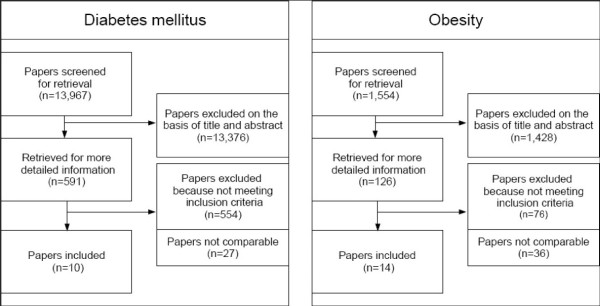
“Description of included studies: diabetes incidence Study design Five publications involving 9,200 cases of incident diabetes were included [41-45].”
BackgroundKristensen, P. L., Wedderkopp, N., Møller, N. C., Andersen, L. B., Bai, C. N., & Froberg, K. (2006) · BMC Public Health · doi:10.1186/1471-2458-6-20 · Cited by 100 · cited 4×
“Outcomes In most studies the outcome regarding obesity and overweight was defined according to standard cut-off values based on BMI values calculated from measured height and weight [54,56,58,60,61,65,66,68,69].”
BackgroundMethodResultInfluentialLiem, E. T., Sauer, P. J. J., Oldehinkel, A. J., & Stolk, R. P. (2008) · Archives of Pediatrics and Adolescent Medicine · doi:10.1001/archpedi.162.10.981 · Cited by 98 · cited 1×
“This requires a large-scale systematic analysis applying various psychosocial measures in youth and adulthood that have been found to be of relevance for diabetes and obesity such as depression [82-84], stress [85,86], unemployment [87], lifestyle habits [76,80] deprived neighbourhoods [27,28,74,75,79] and other facto…”
BackgroundGiskes, K., van Lenthe, F. J., Turrell, G., Kamphuis, C. B. M., Brug, J., & Mackenbach, J. P. (2008) · Obesity · doi:10.1038/oby.2008.54 · Cited by 93 · cited 4×
“Three studies deduced BMI from self-reported anthropometric measures [55,62,67].”
BackgroundResultInfluentialRelative index of inequality: definition, estimation, and inference
Sergeant, J. C. (2005) · Biostatistics · doi:10.1093/biostatistics/kxj002 · Cited by 93
Maty, S. C., James, S. A., & Kaplan, G. A. (2009) · American Journal of Public Health · doi:10.2105/ajph.2008.133892 · Cited by 92 · cited 1×
“One study retrieved during the update of the search was not added, because it presented race stratified results and there was already nonstratified data available from this study from the first search [40].”
A life-course approach in explaining social inequity in obesity among young adult men and women
Novak, M., Ahlgren, C., & Hammarström, A. (2006) · International Journal of Obesity · doi:10.1038/sj.ijo.0803104 · Cited by 88 · cited 3×
“Outcomes In most studies the outcome regarding obesity and overweight was defined according to standard cut-off values based on BMI values calculated from measured height and weight [54,56,58,60,61,65,66,68,69].”
BackgroundMethodLife Course Influences on Insulin Resistance
Lawlor, D. A., Smith, G. D., & Ebrahim, S. B. J. (2003) · Diabetes Care · doi:10.2337/diacare.26.1.97 · Cited by 86 · cited 1×
“Background In adults, adverse psychosocial factors such as low socioeconomic status (SES), deprivation and traumata have been shown to be associated with type 2 diabetes [1], obesity [2-5], cardiovascular disease [6,7], and unhealthy lifestyle habits [8-11].”
BackgroundKivimäki, M., Davey Smith, G., Juonala, M., Ferrie, J. E., Keltikangas-Järvinen, L., Elovainio, M., Pulkki-Råback, L., Vahtera, J., Leino, M., Viikari, J. S. A., et al. (2006) · Heart · doi:10.1136/hrt.2005.067108 · Cited by 86 · cited 4×
“0 was the outcome parameter in two more studies [46,50].”
BackgroundResultInfluentialSocial class differences in health until the age of seven years among the Finnish 1987 birth cohort
Gissler, M., Rahkonen, O., Järvelin, M., & Hemminki, E. (1998) · Social Science & Medicine · doi:10.1016/s0277-9536(98)00013-6 · Cited by 85 · cited 3×
“45) of being diagnosed with type 2 diabetes in comparison with their white-collar counterparts [43].”
BackgroundHostility predicts metabolic syndrome risk factors in children and adolescents.
Räikkönen, K., Matthews, K. A., & Salomon, K. (2003) · Health Psychology · doi:10.1037/0278-6133.22.3.279 · Cited by 85 · cited 2×
“A further possible psychological risk factors for diabetes among our findings were depression and anxiety [70,71], hostility [72], and sense of coherence [73].”
BackgroundCoogan, P. F., Cozier, Y. C., Krishnan, S., Wise, L. A., Adams-Campbell, L. L., Rosenberg, L. A., & Palmer, J. R. (2010) · Obesity · doi:10.1038/oby.2010.69 · Cited by 84 · cited 1×
“Furthermore, depression and stress [78] are not only relevant for type 2 diabetes, but also for obesity.”
BackgroundTaking the long view: The prenatal environment and early adolescent overweight
Salsberry, P. J., & Reagan, P. B. (2007) · Research in Nursing & Health · doi:10.1002/nur.20215 · Cited by 77 · cited 2×
“Parental education had no direct or a small influence on overweight or obesity outcomes in six studies [57,58,60,61,68,69].”
BackgroundLawlor, D. A., Harro, M., Wedderkopp, N., Andersen, L. B., Sardinha, L. B., Riddoch, C., Page, A. S., Anderssen, S. A., Froberg, K., Stansbie, D., et al. (2005) · BMJ · doi:10.1136/bmj.331.7510.183 · Cited by 75 · cited 1×
“In two cross-sectional analyses there was evidence that adverse social conditions in childhood are independently associated with an increased risk of metabolic impairments and insulin resistance [18,19].”
BackgroundBalistreri, K. S., & Hook, J. V. (2009) · American Journal of Public Health · doi:10.2105/ajph.2007.116103 · Cited by 73 · cited 2×
“Outcomes In most studies the outcome regarding obesity and overweight was defined according to standard cut-off values based on BMI values calculated from measured height and weight [54,56,58,60,61,65,66,68,69].”
BackgroundMethodSense of coherence and diabetes: A prospective occupational cohort study
Kouvonen, A. M., Väänänen, A., Woods, S. A., Heponiemi, T., Koskinen, A., & Toppinen-Tanner, S. (2008) · BMC Public Health · doi:10.1186/1471-2458-8-46 · Cited by 72 · cited 1×
“A further possible psychological risk factors for diabetes among our findings were depression and anxiety [70,71], hostility [72], and sense of coherence [73].”
BackgroundAgardh, E., Ahlbom, A., Andersson, T., Efendic, S., Grill, V, Hallqvist, J., & Ostenson, C. (2007) · International Journal of Epidemiology · doi:10.1093/ije/dyl269 · Cited by 72 · cited 1×
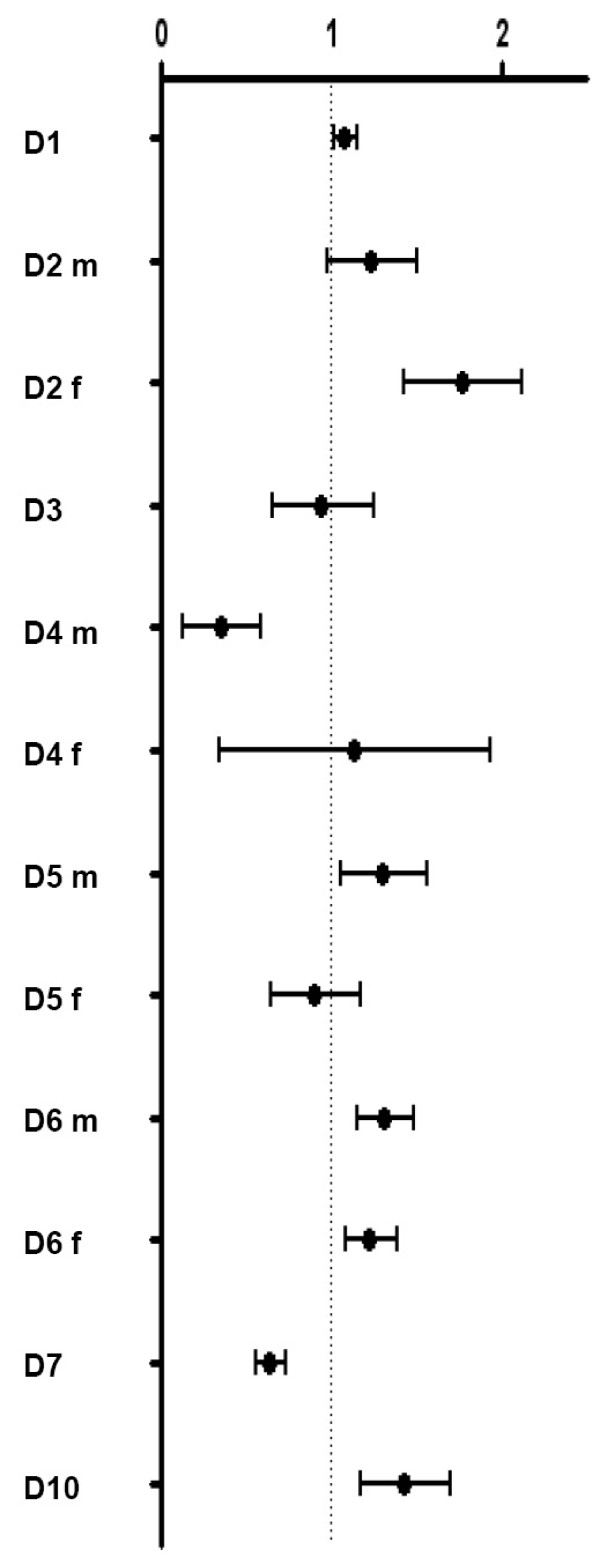
“found low parental education, low family household income and low parental occupational position to be associated with a more than twofold increased diabetes risk in adulthood, which was attenuated after accounting for adult socioeconomic factors [20].”
BackgroundHowe, L. D., Galobardes, B., Sattar, N., Hingorani, A. D., Deanfield, J., Ness, A. R., Davey-Smith, G., & Lawlor, D. A. (2010) · International Journal of Obesity · doi:10.1038/ijo.2010.52 · Cited by 68 · cited 3×
“One study analysed dual-energy X-ray absorptiometry (DXA)-assessed fat mass [59].”
BackgroundResultKvaavik, E., Lien, N., Tell, G. S., & Klepp, K. (2005) · International Journal of Behavioral Nutrition and Physical Activity · doi:10.1186/1479-5868-2-9 · Cited by 67
Socioeconomic Disparities in Insulin Resistance: Results From the Princeton School District Study
Goodman, E., Daniels, S. R., & Dolan, L. M. (2007) · Psychosomatic Medicine · doi:10.1097/01.psy.0000249732.96753.8f · Cited by 58 · cited 3×
“One study analysed HOMA-IR as continuous variable in 1,167 individuals, but did not present the number of cases with insulin resistance [50].”
BackgroundResultImpaired glucose regulation and type 2 diabetes in children and adolescents
Kempf, K., Rathmann, W., & Herder, C. (2008) · Diabetes/Metabolism Research and Reviews · doi:10.1002/dmrr.869 · Cited by 57 · cited 1×
“Data on the association of type 2 diabetes and adverse childhood circumstances is more limited [17].”
BackgroundSelf-citationThe Vital Statistics of Wealth and Poverty
Stevenson, T. (1928) · Journal of the Royal Statistical Society Series A (Statistics in Society) · doi:10.1111/j.2397-2335.1928.tb02068.x · Cited by 47
Cox, M., Boyle, P. J., Davey, P. G., & Morris, A. D. (2007) · Social Science & Medicine · doi:10.1016/j.socscimed.2007.02.045 · Cited by 45 · cited 2×
“[27,28,74,75] are likely to be relevant for future diabetes incidence.”
BackgroundThe Vital Statistics of Wealth and Poverty
Stevenson, T. (1928) · Journal Of The Royal Statistical Society · doi:10.2307/2341530 · Cited by 45
Life course pathways to adult‐onset diabetes
Best, L. E., Hayward, M. D., & Hidajat, M. M. (2005) · Social Biology · doi:10.1080/19485565.2005.9989104 · Cited by 40 · cited 1×
“Description of included studies: diabetes incidence Study design Five publications involving 9,200 cases of incident diabetes were included [41-45].”
BackgroundOsler, M., Madsen, M., Nybo Andersen, A.-M., Avlund, K., Mcgue, M., Jeune, B., & Christensen, K. (2009) · Social Science & Medicine · doi:10.1016/j.socscimed.2009.01.014 · Cited by 39 · cited 1×
“Background In adults, adverse psychosocial factors such as low socioeconomic status (SES), deprivation and traumata have been shown to be associated with type 2 diabetes [1], obesity [2-5], cardiovascular disease [6,7], and unhealthy lifestyle habits [8-11].”
BackgroundChildhood predictors of late‐life diabetes: The case of Mexico
Kohler, I. V., & Soldo, B. J. (2005) · Social Biology · doi:10.1080/19485565.2005.9989105 · Cited by 34
Childhood BMI trajectories and the risk of developing young adult-onset diabetes
Lammi, N., Moltchanova, E. V., Blomstedt, P., Tuomilehto, J. O., Eriksson, J. G., & Karvonen, M. (2009) · Diabetologia · doi:10.1007/s00125-008-1244-0 · Cited by 33 · cited 1×
“Furthermore, especially in childhood body composition and metabolic functioning vary in different age groups, so that homogeneous age groups as accomplished by birth cohort studies offer another quality advantage [30,31].”
BackgroundGordon‐Larsen, P., Adair, L. S., & Suchindran, C. (2007) · Obesity · doi:10.1038/oby.2007.331 · Cited by 29 · cited 5×
“Three studies deduced BMI from self-reported anthropometric measures [55,62,67].”
BackgroundInfluentialLifecourse predictors of normal metabolic parameters in overweight and obese adults
Hayes, L. D., Pearce, M. S., & Unwin, N. C. (2006) · International Journal of Obesity · doi:10.1038/sj.ijo.0803213 · Cited by 22 · cited 4×
“One study defined “metabolically normal” cases following the definition of metabolic syndrome from the International Diabetes Federation, but without weight indicators because only participants with BMI ≥ 25 kg/m(2) were included [49].”
BackgroundInfluentialRobinson, W. R., Stevens, J., Kaufman, J. S., & Gordon‐Larsen, P. (2010) · Obesity · doi:10.1038/oby.2009.362 · Cited by 21 · cited 2×
“Also, indirect measures of socioeconomic status such as deprived neighbourhoods, housing conditions [79] and supply for healthy lifestyle habits [80], are likely to be relevant for obesity.”
BackgroundFalsely low HbA1c value due to a rare variant of hemoglobin J-Baltimore
Barakat, O., Krishnan, S. T. M., & Dhatariya, K. (2008) · Primary care diabetes · doi:10.1016/j.pcd.2008.05.003 · Cited by 12 · cited 1×
“Although HbA1c has been suggested as diagnostic tool for type 2 diabetes (ADA 2010), especially in early diabetes and in prediabetes, HbA1c values lead to misinterpretation which may be also due to a genetic component in the metabolisation of glycated haemoglobin [35-39].”
MethodLikhari, T., Aulakh, T. S., Singh, B. M., & Gama, R. M. (2008) · Annals of Clinical Biochemistry International Journal of Laboratory Medicine · doi:10.1258/acb.2008.008017 · Cited by 10 · cited 1×
“Although HbA1c has been suggested as diagnostic tool for type 2 diabetes (ADA 2010), especially in early diabetes and in prediabetes, HbA1c values lead to misinterpretation which may be also due to a genetic component in the metabolisation of glycated haemoglobin [35-39].”
MethodHbA 1c or glucose for diabetes diagnosis?
Kilpatrick, E. S. (2005) · Annals of Clinical Biochemistry International Journal of Laboratory Medicine · doi:10.1258/0004563053857860 · Cited by 10
Research works printed but not linked: 1
- 52. Statistics Finland Classification of socioeconomic groups 1989 Statistics Finland 1989 Handbooks 17, Helsinki http://www.stat.fi/meta/luokitukset/ammatti/001-2001/koko_luokitus_en.html assessed 20 may 2009
Cited by
Herzog, J. I., & Schmahl, C. (2018) · Frontiers in Psychiatry · doi:10.3389/fpsyt.2018.00420 · Cited by 583
Birth weight and subsequent risk of obesity: a systematic review and meta‐analysis
Yu, Z. B., Han, S. P., Zhu, G. Z., Zhu, C., Wang, X. J., Cao, X. G., & Guo, X. R. (2011) · Obesity Reviews · doi:10.1111/j.1467-789x.2011.00867.x · Cited by 529
“intake and lower in fibre among socioeconomically disadvantaged groups (89).”
BackgroundPreterm Birth and the Metabolic Syndrome in Adult Life: A Systematic Review and Meta-analysis
Parkinson, J. R. C., Hyde, M. J., Gale, C., Santhakumaran, S., & Modi, N. (2013) · Pediatrics · doi:10.1542/peds.2012-2177 · Cited by 412
Sommer, I., Griebler, U., Mahlknecht, P., Thaler, K., Bouskill, K., Gartlehner, G., & Mendis, S. (2015) · BMC Public Health · doi:10.1186/s12889-015-2227-y · Cited by 398
“…1.28–1.97; Occupation: 1.27, 95 % CI: 0.96–1.68; Income: 1.39, 95 % CI: 1.06–1.82 LIC (low vs high; n = 1); Education: –; Occupation: –; Income: RR 1.27, 95 % CI: 0.99–1.62 Tamayo et al., 2010 [18] General population in HIC and MIC Incidence of type 2 diabetes in later life 4 out of 6 studies…”
BackgroundInfluentialAgorastos, A., Pervanidou, P., Chrousos, G. P., & Baker, D. G. (2019) · Frontiers in Psychiatry · doi:10.3389/fpsyt.2019.00118 · Cited by 385
Metadata
- Authors
- Tamayo, T., Herder, C., & Rathmann, W.
- Affiliations
- Deutsches Diabetes-Zentrum e.V. (DE)
- Corresponding author
- Tamayo, Teresa
- Venue
- BMC Public Health
- Published
- 2010-09-01
- Volume
- 10
- Issue
- 1
- Pages
- 525-525
- ISSN
- 1471-2458 (ISSN-L)
- PMC
- PMC2940917
- OpenAlex
- W1990947396
- Cited by
- 217
- References
- 98
- Citations by year
- 2026: 5 · 2025: 6 · 2024: 9 · 2023: 14 · 2022: 14 · 2021: 14 · 2020: 17 · 2019: 19 · 2018: 13 · 2017: 18 · 2016: 13 · 2015: 22 · 2014: 19 · 2013: 10 · 2012: 17
- FWCI
- 1.57
- Type
- journal article
- Language
- en
- Open access
- gold
- doi.org
- Licence
- cc-by
- creativecommons.org/licenses/by/2.0 (tdm)
- Locations
- BMC Public Health (publishedVersion, cc-by)
- PubMed Central (publishedVersion, cc-by)
- PubMed (publishedVersion)
- DOAJ (DOAJ: Directory of Open Access Journals) (submittedVersion, cc-by-sa)
- Funders
- Bundesministerium für Gesundheit
- Topics
- Health Sciences › Medicine › Public Health, Environmental and Occupational Health › Obesity, Physical Activity, Diet
- Social Sciences › Health › Health disparities and outcomes
- Social Sciences › Psychology › Clinical Psychology › Child Abuse and Trauma
- Keywords
- type 2 diabetes, childhood socioeconomic status, childhood adversity, child neglect, childhood trauma, parental socioeconomic status, childhood obesity, metabolic disorders, health disparities, adult socioeconomic status
- MeSH terms
- Adolescent, Adult, Aged, Aged, 80 and over, Child, Child, Preschool, Diabetes Mellitus, Type 2, Family Relations, Female, Humans, Male, Middle Aged, Obesity, Risk Factors, Social Class, Risk Assessment, Metabolic Syndrome, Health Status Disparities, Young Adult
About these checks
Registry, retraction, Cites and statistics results are computed, not judged, with one exception: a printed reference that no index lists is read once by a model before it counts as a citation error. Claims are extracted by a model and kept only when their quote appears verbatim in the text; each cited source is then checked, with a model’s help, for whether it says what the claim relies on. Those verdicts can be wrong — read the claim’s quote and the cited source before relying on one.
Statistics and arithmetic are recomputed, not judged.
Confidence bands are shown only for fields calibrated on our annotated test set. None is calibrated yet, so no band is shown.
What counts as a claim ›How we measure confidence ›How we check this ›
Are you an author, or do you see a problem with this page? Request a review
Data sources
Bibliographic data: Semantic Scholar, OpenAlex, Crossref.
Contains information from the Semantic Scholar Academic Graph Datasets, made available under the ODC Attribution License (ODC-BY 1.0).
Semantic Scholar’s data is described in: Kinney, R., et al. (2023). The Semantic Scholar Open Data Platform. arXiv:2301.10140.
