

Impact of early psychosocial factors (childhood socioeconomic factors and adversities) on future risk of type 2 diabetes, metabolic disturbances and obesity: a systematic review
Open accessThe DOI matches its Crossref record; 97 of the 98 references it cites were found in a registry or an index.
Abstract
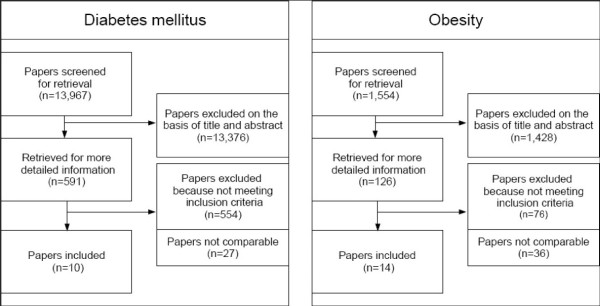
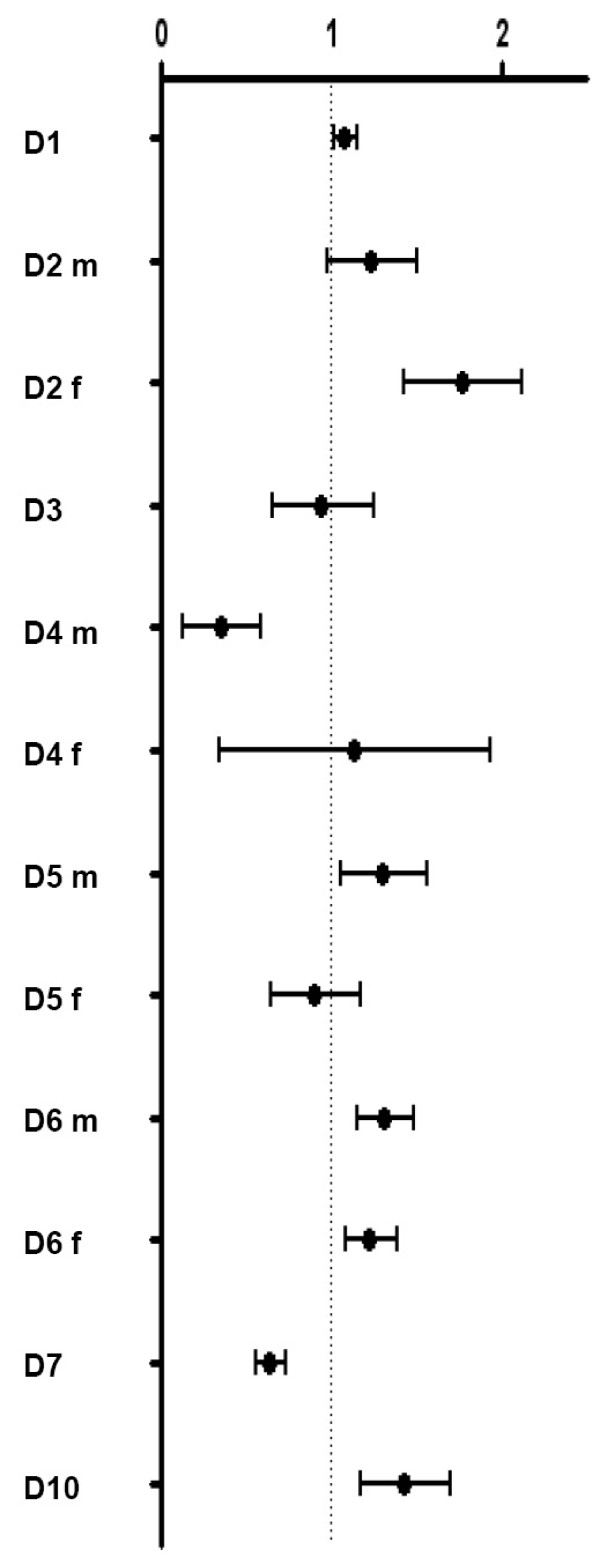
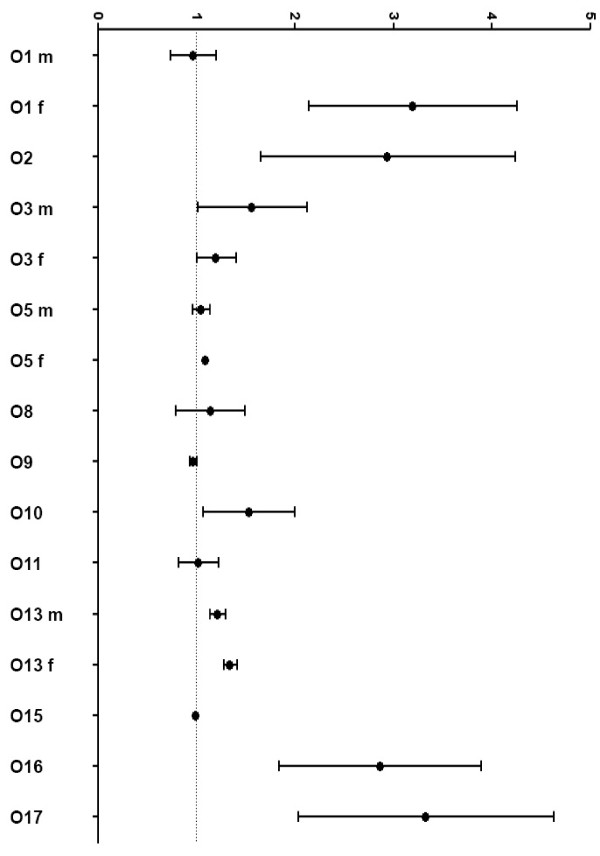
BACKGROUND: Psychological factors and socioeconomic status (SES) have a notable impact on health disparities, including type 2 diabetes risk. However, the link between childhood psychosocial factors, such as childhood adversities or parental SES, and metabolic disturbances is less well established. In addition, the lifetime perspective including adult socioeconomic factors remains of further interest.We carried out a systematic review with the main question if there is evidence in population- or community-based studies that childhood adversities (like neglect, traumata and deprivation) have considerable impact on type 2 diabetes incidence and other metabolic disturbances. Also, parental SES was included in the search as risk factor for both, diabetes and adverse childhood experiences. Finally, we assumed that obesity might be a mediator for the association of childhood adversities with diabetes incidence. Therefore, we carried out a second review on obesity, applying a similar search strategy. METHODS: Two systematic reviews were carried out. Longitudinal, population- or community-based studies were included if they contained data on psychosocial factors in childhood and either diabetes incidence or obesity risk. RESULTS: We included ten studies comprising a total of 200,381 individuals. Eight out of ten studies indicated that low parental status was associated with type 2 diabetes incidence or the development of metabolic abnormalities. Adjustment for adult SES and obesity tended to attenuate the childhood SES-attributable risk but the association remained. For obesity, eleven studies were included with a total sample size of 70,420 participants. Four out of eleven studies observed an independent association of low childhood SES on the risk for overweight and obesity later in life. CONCLUSIONS: Taken together, there is evidence that childhood SES is associated with type 2 diabetes and obesity in later life. The database on the role of psychological factors such as traumata and childhood adversities for the future risk of type 2 diabetes or obesity is too small to draw conclusions. Thus, more population-based longitudinal studies and international standards to assess psychosocial factors are needed to clarify the mechanisms leading to the observed health disparities.
Overview
The claims and statistics of this paper haven’t been checked yet.
Free: it reads the open-access text and checks the first 5 claims that cite a source we can check. Create a free account to check every claim.
Integrity signals
Registry
Cites
Statistics
Figures
Verification
Claims the paper makes
The claims and statistics of this paper haven’t been checked yet.
Free: it reads the open-access text and checks the first 5 claims that cite a source we can check. Create a free account to check every claim.
Claims other papers make about this one
Each is checked against this paper’s own text: does it say what the citing paper says it does?
The source backs part of the claim, not all of it — or backs it for a different population, condition or comparison.
In the citing paper
“Furthermore, several larger-scale studies and meta-analyses also suggest a close association of ELS/CT with adverse physical health and in particular with cardiovascular, gastrointestinal, neuromusculoskeletal, pulmonary, inflammatory, and metabolic diseases, chronic pain syndromes, frequency of medical consultations, as well as number of medical diagnoses (24, 36–42).”
From Developmental Trajectories of Early Life Stress and Trauma: A Narrative Review on Neurobiological Aspects Beyond Stress System Dysregulation (2019) · cites this paper as [42]
Experimental — accuracy not yet measured
Self-check
Percentages, sums and reported differences re-computed from the paper’s own numbers.
The self-check needs the paper’s full text.
Citations
Cites
Dermyshi, E., Wang, Y., Yan, C., Hong, W., Qiu, G., Gong, X., & Zhang, T. (2017) · Neonatology · doi:10.1159/000454668 · Cited by 24,451
Meta-analysis of Observational Studies in Epidemiology<SUBTITLE>A Proposal for Reporting</SUBTITLE>
Stroup, D. F. (2000) · JAMA · doi:10.1001/jama.283.15.2008 · Cited by 20,623
Felitti, V. J., Anda, R. F., Nordenberg, D., Williamson, D. F., Spitz, A. M., Edwards, V., Koss, M. P., & Marks, J. S. (1998) · American Journal of Preventive Medicine · doi:10.1016/s0749-3797(98)00017-8 · Cited by 18,943
Report of the Expert Committee on the Diagnosis and Classification of Diabetes Mellitus
The Expert Committee on the Diagnosis and Classification of Diabetes Mellitus* (2002) · Diabetes Care · doi:10.2337/diacare.25.2007.s5 · Cited by 10,338
Child abuse: Adolescent records vs. adult recall
Femina, D. D., Yeager, C. A., & Lewis, D. O. (1990) · Child Abuse & Neglect · doi:10.1016/0145-2134(90)90033-p · Cited by 8,820
Report of the Expert Committee on the Diagnosis and Classification of Diabetes Mellitus
The Expert Committee on the Diagnosis and Classification of Diabetes Mellitus (1997) · Diabetes Care · doi:10.2337/diacare.20.7.1183 · Cited by 6,220
Unraveling the Mystery of Health: How People Manage Stress and Stay Well
Antonovsky, A. (2002) · The Health Psychology Reader · doi:10.4135/9781446221129.n9 · Cited by 5,543
Socioeconomic Inequalities in Health in 22 European Countries
Mackenbach, J. P., Stirbu, I., Roskam, A.-J. R., Schaap, M. M., Menvielle, G., Leinsalu, M., & Kunst, A. E. (2008) · New England Journal of Medicine · doi:10.1056/nejmsa0707519 · Cited by 3,302 · cited 1×
“Background In adults, adverse psychosocial factors such as low socioeconomic status (SES), deprivation and traumata have been shown to be associated with type 2 diabetes [1], obesity [2-5], cardiovascular disease [6,7], and unhealthy lifestyle habits [8-11].”
BackgroundLa distinction, critique sociale du jugement
Gehin, E., Herpin, N., & Bourdieu, P. (1980) · Revue Française de Sociologie · doi:10.2307/3320934 · Cited by 3,193
Wang, Y., & Beydoun, M. A. (2007) · Epidemiologic Reviews · doi:10.1093/epirev/mxm007 · Cited by 2,792 · cited 1×
“Background In adults, adverse psychosocial factors such as low socioeconomic status (SES), deprivation and traumata have been shown to be associated with type 2 diabetes [1], obesity [2-5], cardiovascular disease [6,7], and unhealthy lifestyle habits [8-11].”
Background
Research works printed but not linked: 1
- 52. Statistics Finland Classification of socioeconomic groups 1989 Statistics Finland 1989 Handbooks 17, Helsinki http://www.stat.fi/meta/luokitukset/ammatti/001-2001/koko_luokitus_en.html assessed 20 may 2009
Cited by
Herzog, J. I., & Schmahl, C. (2018) · Frontiers in Psychiatry · doi:10.3389/fpsyt.2018.00420 · Cited by 583
Birth weight and subsequent risk of obesity: a systematic review and meta‐analysis
Yu, Z. B., Han, S. P., Zhu, G. Z., Zhu, C., Wang, X. J., Cao, X. G., & Guo, X. R. (2011) · Obesity Reviews · doi:10.1111/j.1467-789x.2011.00867.x · Cited by 529
“intake and lower in fibre among socioeconomically disadvantaged groups (89).”
BackgroundPreterm Birth and the Metabolic Syndrome in Adult Life: A Systematic Review and Meta-analysis
Parkinson, J. R. C., Hyde, M. J., Gale, C., Santhakumaran, S., & Modi, N. (2013) · Pediatrics · doi:10.1542/peds.2012-2177 · Cited by 412
Sommer, I., Griebler, U., Mahlknecht, P., Thaler, K., Bouskill, K., Gartlehner, G., & Mendis, S. (2015) · BMC Public Health · doi:10.1186/s12889-015-2227-y · Cited by 398
“…1.28–1.97; Occupation: 1.27, 95 % CI: 0.96–1.68; Income: 1.39, 95 % CI: 1.06–1.82 LIC (low vs high; n = 1); Education: –; Occupation: –; Income: RR 1.27, 95 % CI: 0.99–1.62 Tamayo et al., 2010 [18] General population in HIC and MIC Incidence of type 2 diabetes in later life 4 out of 6 studies…”
BackgroundInfluentialAgorastos, A., Pervanidou, P., Chrousos, G. P., & Baker, D. G. (2019) · Frontiers in Psychiatry · doi:10.3389/fpsyt.2019.00118 · Cited by 385
History of socioeconomic disadvantage and allostatic load in later life
Gruenewald, T. L., Karlamangla, A. S., Hu, P., Stein-Merkin, S., Crandall, C., Koretz, B., & Seeman, T. E. (2012) · Social Science & Medicine · doi:10.1016/j.socscimed.2011.09.037 · Cited by 388
“, 2005), and adult SESmeasures often have greater explanatory power than childhoodmeasures, although some investigations find significant associations for childhood SES independent of adult SES (e.g., Pollitt et al., 2005, 2007; Tamayo et al., 2010).”
Influentialon behalf of the Feel4Diabetes-study Group, Kyrou, I., Tsigos, C., Mavrogianni, C., Cardon, G., Van Stappen, V., Latomme, J., Kivelä, J., Wikström, K., Tsochev, K., et al. (2020) · BMC Endocrine Disorders · doi:10.1186/s12902-019-0463-3 · Cited by 286
Stress and Type 2 Diabetes: A Review of How Stress Contributes to the Development of Type 2 Diabetes
Kelly, S. J., & Ismail, M. (2015) · Annual Review of Public Health · doi:10.1146/annurev-publhealth-031914-122921 · Cited by 256
“Alameda County (86) Education, income, occupational prestige, childhood SES age, ethnicity, marital status, type of health insurance BMI, height, waist girth, hypertension, regular access to MD alcohol, smoking, physical activity depression”
InfluentialCarroll, J. E., Gruenewald, T. L., Taylor, S. E., Janicki-Deverts, D., Matthews, K. A., & Seeman, T. E. (2013) · Proceedings of the National Academy of Sciences · doi:10.1073/pnas.1315458110 · Cited by 239
Racial Disparities in Obesity Treatment
Byrd, A. S., Toth, A. T., & Stanford, F. C. (2018) · Current Obesity Reports · doi:10.1007/s13679-018-0301-3 · Cited by 204
Socioeconomic status and risk factors for cardiovascular disease: Impact of dietary mediators
Psaltopoulou, T., Hatzis, G., Papageorgiou, N., Androulakis, E., Briasoulis, A., & Tousoulis, D. (2017) · Hellenic Journal of Cardiology · doi:10.1016/j.hjc.2017.01.022 · Cited by 200
“Similarly, in the post hoc analysis of data from 10 studies, low parental status in children was related with a significant incidence of diabetes and metabolic abnormalities.(49) These associations were confirmed by another similar prospective study, where the lowest occupational group presented a greater risk of deve…”
ResultSacerdote, C., Ricceri, F., Rolandsson, O., Baldi, I., Chirlaque, M.-D., Feskens, E., Bendinelli, B., Ardanaz, E., Arriola, L., Balkau, B., et al. (2012) · International Journal of Epidemiology · doi:10.1093/ije/dys091 · Cited by 204
Choi, N. G., DiNitto, D. M., Marti, C. N., & Choi, B. Y. (2017) · International Psychogeriatrics · doi:10.1017/s1041610216001800 · Cited by 195
Life adversities and suicidal behavior in young individuals: a systematic review
Serafini, G., Muzio, C., Piccinini, G., Flouri, E., Ferrigno, G., Pompili, M., Girardi, P., & Amore, M. (2015) · European Child & Adolescent Psychiatry · doi:10.1007/s00787-015-0760-y · Cited by 184
Epigenetic programming by early‐life stress: Evidence from human populations
Vaiserman, A. M. (2015) · Developmental Dynamics · doi:10.1002/dvdy.24211 · Cited by 181
“…physical work load, was shown to strongly predict a variety of psycho-emotional disorders, such as depression and schizophrenia (Hackman et al., 2010), as well as respiratory, metabolic, and cardiovascular disorders (Tamayo et al., 2010; Azad et al., 2012; Spencer et al., 2013) in adult life.”
BackgroundAdverse childhood experiences and allostatic load: A systematic review
Finlay, S., Roth, C., Zimsen, T., Bridson, T. L., Sarnyai, Z., & McDermott, B. (2022) · Neuroscience & Biobehavioral Reviews · doi:10.1016/j.neubiorev.2022.104605 · Cited by 157
Maier, W., Holle, R., Hunger, M., Peters, A., Meisinger, C., Greiser, K. H., Kluttig, A., Völzke, H., Schipf, S., Moebus, S., et al. (2013) · Diabetic Medicine · doi:10.1111/dme.12062 · Cited by 144
Self-citationAgorastos, A., Pittman, J. O. E., Angkaw, A. C., Nievergelt, C. M., Hansen, C. J., Aversa, L. H., Parisi, S. A., Barkauskas, D. A., & Baker, D. G. (2014) · Journal of Psychiatric Research · doi:10.1016/j.jpsychires.2014.07.014 · Cited by 163
Agorastos, A., Pervanidou, P., Chrousos, G. P., & Kolaitis, G. A. (2018) · HORMONES · doi:10.1007/s42000-018-0065-x · Cited by 157
Obesity in Men With Childhood ADHD: A 33-Year Controlled, Prospective, Follow-up Study
Cortese, S., Ramos Olazagasti, M. A., Klein, R. G., Castellanos, F. X., Proal, E., & Mannuzza, S. (2013) · PEDIATRICS · doi:10.1542/peds.2012-0540 · Cited by 114
Isohookana, R., Marttunen, M., Hakko, H., Riipinen, P., & Riala, K. (2016) · Comprehensive Psychiatry · doi:10.1016/j.comppsych.2016.08.002 · Cited by 99
Socioeconomic position and the incidence of type 2 diabetes: the ELSA study
Demakakos, P., Marmot, M. G., & Steptoe, A. (2012) · European Journal of Epidemiology · doi:10.1007/s10654-012-9688-4 · Cited by 111
“The associations between childhood SEP and education and incident diabetes [5, 8] indicate the long-term effect of SEP on the etiology of diabetes.”
BackgroundMethodEarly life factors and type 2 diabetes mellitus
Jiang, X., Ma, H., Wang, Y., & Liu, Y. (2013) · Journal of Diabetes Research · doi:10.1155/2013/485082 · Cited by 92
“Low childhood socioeconomic statuswas found linked to type 2 diabetes in some studies [123, 124] and the association remained even after being adjusted for adult socioeconomic status and obesity.”
BackgroundVaiserman, A. (2015) · Clinical Epigenetics · doi:10.1186/s13148-015-0130-0 · Cited by 91
“The low SES conditions have been found to be strongly associated with psycho-emotional disorders in adult life, such as schizophrenia and depression [57], as well as CVD and metabolic disorders [58].”
BackgroundStöckl, D., Döring, A., Peters, A., Thorand, B., Heier, M., Huth, C., Stöckl, H., Rathmann, W., Kowall, B., & Meisinger, C. (2011) · Diabetologia · doi:10.1007/s00125-011-2410-3 · Cited by 100
“There is evidence that childhood socioeconomic status (SES) is associated with type 2 diabetes and obesity in later adulthood [28], and other results suggest that lower SES at 7 years and reductions in SES in early childhood are both associated with an earlier age at menarche [29].”
BackgroundSelf-citationSchwartz, B. S., Stewart, W. F., Godby, S., Pollak, J., DeWalle, J., Larson, S. L., Mercer, D. G., & Glass, T. A. (2011) · American Journal of Preventive Medicine · doi:10.1016/j.amepre.2011.06.038 · Cited by 97
The epidemiological transition and the global childhood obesity epidemic
Broyles, S. T., Denstel, K. D., Church, T. S., Chaput, J.-P., Fogelholm, M., Hu, G., Kuriyan, R., Kurpad, A. V., Lambert, E. V., Maher, C. A., et al. (2015) · International Journal of Obesity Supplements · doi:10.1038/ijosup.2015.12 · Cited by 108
Halonen, J. I., Stenholm, S., Pentti, J., Kawachi, I., Subramanian, S. V., Kivimäki, M., & Vahtera, J. (2015) · Circulation · doi:10.1161/circulationaha.115.015392 · Cited by 82
Yannakoulia, M., Lykou, A., Kastorini, C. M., Papasaranti, E. S., Petralias, A., Veloudaki, A., & Linos, A. (2015) · Public Health Nutrition · doi:10.1017/s136898001500110x · Cited by 89
“Unfavourable socio-economic circumstances may adversely affect the lifetime incidence of metabolic abnormalities, type 2 diabetes mellitus and obesity (5) .”
BackgroundYu, D., Feng, Y. Y., Yang, L., Da, M., Fan, C., Wang, S., & Mo, X. (2014) · PLoS ONE · doi:10.1371/journal.pone.0111056 · Cited by 83
Early-Life Stress: From Neuroendocrine Mechanisms to Stress-Related Disorders
Pervanidou, P., & Chrousos, G. P. (2018) · Hormone Research in Paediatrics · doi:10.1159/000488468 · Cited by 69
Socioeconomic Status and Biological Risks for Health and Illness Across the Life Course
Yang, Y. C., Schorpp, K., Boen, C., Johnson, M. P., & Harris, K. M. (2018) · The Journals of Gerontology Series B · doi:10.1093/geronb/gby108 · Cited by 81
“Yang, Johnson, Schorpp, Boen, & Harris, 2017) and declines with lower levels of SES and childhood adversities (Tamayo et al., 2010; Y. Yang & Land, 2013).”
BackgroundThe impact of socioeconomic position on non-communicable diseases: what do we know about it?
Lago-Peñas, S., Rivera, B., Cantarero, D., Casal, B., Pascual, M., Blázquez-Fernández, C., & Reyes, F. (2020) · Perspectives in Public Health · doi:10.1177/1757913920914952 · Cited by 60
Metabolic pathways link childhood adversity to elevated blood pressure in midlife adults
Crowell, J. A., Davis, C. R., Joung, K. E., Usher, N., McCormick, S.-P., Dearing, E., & Mantzoros, C. S. (2015) · Obesity Research & Clinical Practice · doi:10.1016/j.orcp.2015.10.009 · Cited by 68
Association of obesity, diabetes and hypertension with cognitive impairment in older age
Feinkohl, I., Lachmann, G., Brockhaus, W., Borchers, F., Piper, S. K., Ottens, T. H., Nathoe, H. M., Sauër, A.-M. C., Dieleman, J. M., Radtke, F. M., et al. (2018) · Clinical Epidemiology · doi:10.2147/clep.s164793 · Cited by 74
Lin, J. E., Neylan, T. C., Epel, E., & O’Donovan, A. (2016) · Brain, Behavior, and Immunity · doi:10.1016/j.bbi.2015.11.015 · Cited by 63
“Childhood adversities also increase risk for physical illnesses including cardiovascular disease, diabetes, and metabolic disorders (Galobardes et al., 2006; Tamayo et al., 2010).”
Varshavsky, J., Rayasam, S. D. G., Sass, J. B., Axelrad, D. A., Cranor, C. F., Hattis, D. B., Hauser, R. B., Koman, P. D., Marquez, E., Morello-Frosch, R. A., et al. (2023) · Environmental Health · doi:10.1186/s12940-022-00940-1 · Cited by 70
Leifheit, K. M., Schwartz, G. L., Pollack, C. E., Black, M. M., Edin, K. J., Althoff, K. N., & Jennings, J. M. (2020) · SSM - Population Health · doi:10.1016/j.ssmph.2020.100575 · Cited by 65
Parental Feeding Practices in Relation to Low Diet Quality and Obesity among LSES Children
Entin, A., Shriqui, V. K., Naggan, L., Vardi, H., & Shahar, D. R. (2014) · Journal of the American College of Nutrition · doi:10.1080/07315724.2013.874936 · Cited by 64
“In the United States and other industrialized countries, low-socioeconomic status (LSES) children are more likely to be obese and are at higher risk for developing type 2 diabetes and obesity in later life [1] than are those of high socioeconomic status.”
BackgroundChild Poverty and the Promise of Human Capacity: Childhood as a Foundation for Healthy Aging
Wise, P. H. (2016) · Academic Pediatrics · doi:10.1016/j.acap.2016.01.014 · Cited by 69
Early-Life Socioeconomic Disadvantage and Metabolic Health Disparities
Hostinar, C. E., Ross, K. M., Chen, E., & Miller, G. E. (2017) · Psychosomatic Medicine · doi:10.1097/psy.0000000000000455 · Cited by 67
“There is certainly some suggestive evidence from nonhuman animals that early-life conditions may have developmental programming effects that affect lifelong metabolism (13,15,20).”
InfluentialTang, M., Liu, M., Zhang, Y., & Xie, R. (2023) · Frontiers in Endocrinology · doi:10.3389/fendo.2023.1160625 · Cited by 51
Prevalence of Adverse Childhood Experiences in Low-Income Latino Immigrant and Nonimmigrant Children
Loria, H. M., & Caughy, M. O. (2017) · The Journal of Pediatrics · doi:10.1016/j.jpeds.2017.09.056 · Cited by 61
“In children, adverse childhood experiences have been associated with physical and mental health conditions, including asthma, obesity, attention-deficit hyperactivity disorder, depression, and early substance use.(4-10) The impact of adverse childhood experiences on health is mediated by a complex interaction of biolo…”
BackgroundIs there a relationship between PTSD and complicated obesity? A review of the literature
Aaseth, J., Roer, G. E., Lien, L., & Bjørklund, G. (2019) · Biomedicine & Pharmacotherapy · doi:10.1016/j.biopha.2019.108834 · Cited by 60
Tanoey, J., & Becher, H. (2021) · Global Health Action · doi:10.1080/16549716.2021.2001144 · Cited by 69
“Low childhood socioeconomic status also might increase diabetes risk as adults [56], although other evidence has shown that adult socio-economic status could be more relevant [57,58].”
BackgroundLi, C., & Lumey, L. H. (2022) · Nutrients · doi:10.3390/nu14142855 · Cited by 50
Kastorini, C. M., Lykou, A., Yannakoulia, M., Petralias, A., Riza, E., & Linos, A. (2016) · Journal of Epidemiology and Community Health · doi:10.1136/jech-2015-205680 · Cited by 42
Alemany, M. (2012) · Frontiers in Endocrinology · doi:10.3389/fendo.2012.00027 · Cited by 48
Adverse family experiences and obesity in children and adolescents in the United States
Lynch, B. A., Agunwamba, A. A., Wilson, P. M., Kumar, S., Jacobson, R. M., Phelan, S. M., Cristiani, V., Fan, C. L., & Rutten, L. J. F. (2016) · Preventive Medicine · doi:10.1016/j.ypmed.2016.06.035 · Cited by 48
A Policy Guide on Integrated Care (PGIC): Lessons Learned from EU Project INTEGRATE and Beyond
Borgermans, L. A. D., & Devroey, D. (2017) · International Journal of Integrated Care · doi:10.5334/ijic.3295 · Cited by 45
The Effect of Neighborhood Disadvantage on Diabetes Prevalence.
Sheets, L., Petroski, G. F., Jaddoo, J., Barnett, Y., Barnett, C., Kelley, L. E. H., Raman, V., Kind, A. J. H., & Parker, J. C. (2017) · PubMed · Cited by 54
Perry, B. I., Khandaker, G. M., Marwaha, S., Thompson, A., Zammit, S., Singh, S. P., & Upthegrove, R. (2020) · Psychological Medicine · doi:10.1017/s0033291719000308 · Cited by 42
“, 2018) and lower social class or adversity (Everson et al., 2002; Tamayo et al., 2010; Pisto et al., 2014).”
BackgroundLown, E. A., Lui, C. K., Karriker-Jaffe, K., Mulia, N., Williams, E., Ye, Y., Li, L., Greenfield, T. K., & Kerr, W. C. (2019) · BMC Public Health · doi:10.1186/s12889-019-7337-5 · Cited by 49
Sommer, C., Sletner, L., Jenum, A. K., Mørkrid, K., Andersen, L. F., Birkeland, K. I., & Mosdøl, A. (2013) · Food & Nutrition Research · doi:10.3402/fnr.v57i0.21164 · Cited by 48
“The FFQ was designed to capture the frequency of intake for food items considered to modify the risk of T2DM and obesity: sugary drinks (26); rapidly absorbable carbohydrates (27) (sweet cakes, white bread, etc.); whole-grain (28); fruit and vegetables (29); beans and lentils (30); dietary fats (31) (lean vs. fatty fi…”
BackgroundInfluentialVenetsanou, F., Kambas, A., Gourgoulis, V., & Yannakoulia, M. (2019) · Annals of Human Biology · doi:10.1080/03014460.2019.1659414 · Cited by 46
“This may be due to the adverse socio-economic circumstances (Tamayo et al. 2010) that many families have been experiencing in the last decade, during which Greece has been facing a deep financial crisis.”
BackgroundStressful Life Experiences in Adolescence and Cardiometabolic Risk Factors in Young Adulthood
Wickrama, K. A. S., Lee, T. K., & O’Neal, C. W. (2015) · Journal of Adolescent Health · doi:10.1016/j.jadohealth.2014.12.009 · Cited by 41
Sun, Y., Zhang, L., Duan, W., Xin, M., & Jia, C. (2018) · Journal of Diabetes · doi:10.1111/1753-0407.12653 · Cited by 46
“In addition, some studies have reported that low childhood socioeconomic position (including paternal occupation or paternal education), trauma, and low psychosocial position (including childhood neglect or deprivation) are associated with increased diabetes risk, especially among women.(38,39) Because hyperglycemia i…”
BackgroundDuncan, A. E., Auslander, W. F., Bucholz, K. K., Hudson, D. L., Stein, R. I., & White, N. H. (2015) · Preventing Chronic Disease · doi:10.5888/pcd12.140434 · Cited by 39
Picture of the health status of Aboriginal children living in an urban setting of Sydney
Gardner, S., Woolfenden, S. R., Callaghan, L., Allende, T., Winters, J., Wong, G., Caplice, S., & Zwi, K. J. (2015) · Australian Health Review · doi:10.1071/ah14259 · Cited by 37
Tsenkova, V. K., Pudrovska, T., & Karlamangla, A. S. (2014) · Psychosomatic Medicine · doi:10.1097/psy.0000000000000106 · Cited by 46
“Adiposity is an important pathway linking socioeconomic family background to later-life health: low childhood SES predicts higher obesity risk in adulthood (11), and obesity is etiologically implicated in diabetes (14,15).”
BackgroundRisk Factors and Lifestyle Interventions
Salzberg, L. (2022) · Primary Care Clinics in Office Practice · doi:10.1016/j.pop.2021.11.001 · Cited by 48
Machado‐Rodrigues, A. M., Leite, N., Coelho-e-Silva, M. J., Martins, R. A., Valente‐dos‐Santos, J., Mascarenhas, L. P. G., Boguszewski, M. C. D. S., Padez, C. M. P., & Malina, R. M. (2014) · Annals of Human Biology · doi:10.3109/03014460.2013.856471 · Cited by 44
“SES or social class, for example, is considered a strong independent risk factor for MetS (Tamayo et al., 2010).”
BackgroundFrankenfeld, C. L., Leslie, T. F., & Makara, M. A. (2015) · BMC Public Health · doi:10.1186/s12889-015-1819-x · Cited by 48
Fradin, D., & Bougneres, P. F. (2011) · Journal of Nutrition and Metabolism · doi:10.1155/2011/647514 · Cited by 40
“Several studies suggest that the risk of obesity increases by 20% to 50% for several adversities [173] (physical, or verbal abuse, humiliation, neglect, physical punishment, conflict or tension, low parental aspirations or interest in education), but no correlation of these events with epigenetic changes has yet been…”
BackgroundDerks, I. P. M., Koster, A., Schram, M. T., Stehouwer, C. D. A., Dagnelie, P. C., Groffen, D. A. I., & Bosma, H. (2017) · International Journal for Equity in Health · doi:10.1186/s12939-017-0553-7 · Cited by 44
“nomic conditions for T2DM [13], whether it was only via adulthood socioeconomic conditions [3, 6, 8, 10, 14]”
BackgroundSafieddine, B., Sperlich, S., Beller, J., Lange, K., Epping, J., Tetzlaff, J., Tetzlaff, F., & Geyer, S. (2020) · SSM - Population Health · doi:10.1016/j.ssmph.2020.100596 · Cited by 35
Mathisen, J., Jensen, A. K. G., Andersen, I., Andersen, G. S., Hvidtfeldt, U. A., & Rod, N. H. (2020) · Diabetologia · doi:10.1007/s00125-020-05150-3 · Cited by 42
“First, the effect estimates of educational level on type 2 diabetes may be inflated due to unmeasured confounding from earlylife factors, such as family socioeconomic position [44], family history of type 2 diabetes [45] and fetal/neonatal factors [46].”
BackgroundBaldeon, M. E., Félix, C., Fornasini, M., Zertuche, F., Largo, C., Paucar, M.-J., Ponce, L., Rangarajan, S., Yusuf, S., & López-Jaramillo, P. A. (2021) · PLoS ONE · doi:10.1371/journal.pone.0254812 · Cited by 40
“Several risk factors have been associated with the development of obesity, MetS, and T2D including a sedentary lifestyle, unhealthy diets, and poor socioeconomic status [8].”
BackgroundConklin, A., Forouhi, N. G., Surtees, P. G., Wareham, N. J., & Monsivais, P. (2015) · BMC Public Health · doi:10.1186/s12889-015-1895-y · Cited by 37
“More importantly, we examined inter-relations of multiple dimensions of economic disadvantage and poor social relationships as deemed necessary to account for highly differentiated lived experiences that influence risk factors of cardio-metabolic conditions [39].”
BackgroundCrandall, C. J., Han, W., Greendale, G. A., Seeman, T. E., Tepper, P. G., Thurston, R. C., Karvonen-Gutierrez, C. A., & Karlamangla, A. S. (2014) · Osteoporosis International · doi:10.1007/s00198-013-2616-y · Cited by 29
“Low socioeconomic status (SES) is associated with increased risk of developing chronic health conditions such as cardiovascular disease and diabetes mellitus [1–4] and with the dysregulation of biological systems that are important to health [5, 6].”
Lin, C., Chiang, S., Yates, P. M., Lee, M.-S., Hung, Y.-J., Tzeng, W., & Chiang, L. (2014) · Journal of Clinical Nursing · doi:10.1111/jocn.12683 · Cited by 32
“Women of lower socioeconomic status might be affected by specific observable health inequities (Kim et al. 2005), including those of obesity (El-Sayed et al. 2012), metabolic disturbances and incidence of type 2 diabetes (Tamayo et al. 2010).”
BackgroundMethodInfluentialGonzález, A., Boyle, M. H., Georgiades, K., Duncan, L., Atkinson, L. R., & MacMillan, H. L. (2012) · BMC Public Health · doi:10.1186/1471-2458-12-755 · Cited by 36
“Our finding that family status factors (parental education and receipt of social assistance) are associated with BMI is consistent with previous research [5-8,10].”
BackgroundResultOcchipinti, J., Skinner, A., Freebairn, L., Song, Y. J. C., Ho, N., Lawson, K. D., Lee, G. Y., & Hickie, I. B. (2021) · Frontiers in Psychiatry · doi:10.3389/fpsyt.2021.759343 · Cited by 27
Lifecourse educational status in relation to weight gain in African American women.
Coogan, P. F., Wise, L. A., Cozier, Y. C., Palmer, J. R., & Rosenberg, L. A. (2012) · PubMed · Cited by 30
Ness, M., Barradas, D. T., Irving, J., & Manning, S. E. (2012) · Maternal and Child Health Journal · doi:10.1007/s10995-012-1191-8 · Cited by 29
“A range of independent variables and potential confounders were considered for inclusion in this analysis based upon previous studies of overweight and obesity among children and adolescents [3–12].”
Hatzfeld, J. J., LaVeist, T. A., & Gaston‐Johansson, F. (2012) · Preventing Chronic Disease · doi:10.5888/pcd9.110136 · Cited by 27
Winning, A., Glymour, M. M., McCormick, M. C., Gilsanz, P., & Kubzansky, L. D. (2016) · Psychosomatic Medicine · doi:10.1097/psy.0000000000000409 · Cited by 25
“growing body of work that demonstrates a link between adverse experiences in childhood and CMR risk in adulthood (1,3,4,7,18,45,46).”
BackgroundCampbell, J. A., Mendez, C. E., Garacci, E., Walker, R. J., Wagner, N., & Egede, L. E. (2018) · Journal of Diabetes and its Complications · doi:10.1016/j.jdiacomp.2018.09.006 · Cited by 28
Karimi, E., Haghighatdoost, F., Mohammadifard, N., Najafi, F., Farshidi, H., Kazemi, T., Solati, K., Shahdadian, F., Arab, A., Sarrafzadegan, N., et al. (2023) · BMC Pediatrics · doi:10.1186/s12887-023-04000-6 · Cited by 26
“The unfavorable SES may adversely contribute to metabolic disorders such as type 2 diabetes and obesity [13].”
Backgroundvan Zwieten, A., Dai, J., Blyth, F., Wong, G., & Khalatbari‐Soltani, S. (2023) · International Journal of Epidemiology · doi:10.1093/ije/dyad177 · Cited by 29
Jung, L., Neve, J. D., Chen, S., Manne‐Goehler, J., Jaacks, L. M., Corsi, D. J., Awasthi, A., Subramanian, S. V., Vollmer, S., Bärnighausen, T., et al. (2019) · Social Science & Medicine · doi:10.1016/j.socscimed.2019.112514 · Cited by 24
Childhood Adversity as a Predictor of Non-Adherence to Statin Therapy in Adulthood
Korhonen, M., Halonen, J., Brookhart, M., Kawachi, I., Pentti, J., Karlsson, H., Kivimäki, M., & Vahtera, J. (2015) · PLoS ONE · doi:10.1371/journal.pone.0127638 · Cited by 21
“Furthermore, childhood adversity has been associated with the emergence of cardiovascular risk factors, such as high systolic blood pressure [6], obesity [7], type 2 diabetes [7], binge drinking [8], and smoking [9, 10], and higher overall cardiometabolic risk in adulthood [11].”
BackgroundZeiher, J., Varnaccia, G., Jordan, S., & Lange, C. (2016) · Bundesgesundheitsblatt - Gesundheitsforschung - Gesundheitsschutz · doi:10.1007/s00103-016-2441-5 · Cited by 29
“In Industrienationen wie Deutschland sind Übergewicht und Adipositas bei Kindern mit einem niedrigem sozioökonomischen Status deutlich weiter verbreitet als in den höheren Statusgruppen [100, 101].”
BackgroundCumulative Stress Across the Life Course and Biological Aging in Adulthood
Suglia, S. F., Clausing, E. S., Shelton, R. C., Conneely, K. N., Prada, D., Vivo, I. D., Factor-Litvak, P. R., Cirillo, P. M., Baccarelli, A., Cohn, B. A., et al. (2024) · Psychosomatic Medicine · doi:10.1097/psy.0000000000001284 · Cited by 27
Lynch, B. A., Finney Rutten, L. J., Wilson, P. M., Kumar, S., Phelan, S., Jacobson, R. M., Fan, C., & Agunwamba, A. (2018) · Preventive Medicine · doi:10.1016/j.ypmed.2018.09.002 · Cited by 20
The influence of economic policies on social environments and mental health
Occhipinti, J., Skinner, A., Doraiswamy, P. M., Saxena, S., Eyre, H. A., Hynes, W. M., Geli, P., Jeste, D. V., Graham, C. L., Song, C., et al. (2024) · Bulletin of the World Health Organization · doi:10.2471/blt.23.290286 · Cited by 25
Health outcomes of the Abecedarian, Child–Parent Center, and HighScope Perry Preschool programs
Englund, M. M., White, B. A. B., Reynolds, A. J., Schweinhart, L. J., & Campbell, F. A. (2014) · Cambridge University Press eBooks · doi:10.1017/cbo9781139814805.014 · Cited by 25
Remmers, M. C. C., Reijs, R. P., & Hoebe, C. J. P. A. (2024) · Scandinavian Journal of Public Health · doi:10.1177/14034948241260105 · Cited by 31
Early-life risk factors for chronic nonrespiratory diseases
Chacko, A., Carpenter, D. O., Callaway, L. K., & Sly, P. D. (2014) · European Respiratory Journal · doi:10.1183/09031936.00070214 · Cited by 18
Lindsay, K. L., Entringer, S., Buß, C., & Wadhwa, P. D. (2020) · Psychoneuroendocrinology · doi:10.1016/j.psyneuen.2020.104659 · Cited by 17
“Indirect evidence comes from the convergence of a large body of epidemiological, clinical and experimental findings in humans and animals that suggest all the above-described maternal states that, on one hand, constitute the adverse sequelae of CM exposure, also are, on the other hand, associated with increased risk o…”
BackgroundWang, Y.-Z., Zhao, W., Ammous, F., Song, Y., Du, J., Shang, L., Ratliff, S. M., Moore, K., Kelly, K. M., Needham, B. L., et al. (2022) · Frontiers in Cardiovascular Medicine · doi:10.3389/fcvm.2022.848768 · Cited by 24
“The effects of socioeconomic adversity are thought to accumulate throughout a person’s lifespan, as both childhood and adulthood socioeconomic status (SES) can influence CVD and its risk factors, including obesity (1–3), hypertension (4– 6), diabetes (7, 8), and dyslipidemia (9–12) at a later stage (13).”
BackgroundCioffi, C. E., Alvarez, J. A., Welsh, J. A., & Vos, M. B. (2019) · Pediatric Obesity · doi:10.1111/ijpo.12509 · Cited by 20
“This may be attributed to several potential factors, including living conditions, lifestyle habits, stress levels, and access to health care, which may converge to predispose individuals to a greater propensity for abdominal fat deposition.(31) Finally, among girls, those who were postmenarchal had a higher meanTLR co…”
BackgroundMorgen, C. S., Andersen, A. N., Due, P., Benjamin‐Neelon, S. E., Gamborg, M., & Sørensen, T. I. A. (2013) · Pediatric Obesity · doi:10.1111/j.2047-6310.2013.00177.x · Cited by 19
Household Wealth and Child Body Mass Index: Patterns and Mechanisms
Boen, C., Keister, L. A., & Graetz (2021) · RSF The Russell Sage Foundation Journal of the Social Sciences · doi:10.7758/rsf.2021.7.3.04 · Cited by 22
Drenowatz, C. J., Carlson, J. J., Pfeiffer, K. A., & Eisenmann, J. C. (2012) · Frontiers of Medicine · doi:10.1007/s11684-012-0232-4 · Cited by 16
“The sample was drawn from schools in which more than 50% of students qualify for free lunch in order to recruit children with a low socioeconomic status (SES), as these children are at particular risk for overweight and accompanying co-morbidities, including CVD [31].”
BackgroundJames, S., Wong, A., Tillin, T., Hardy, R., Chaturvedi, N., & Richards, M. (2019) · Diabetologia · doi:10.1007/s00125-019-4949-3 · Cited by 15
A network approach to the analysis of psychosocial risk factors and their association with health
Elovainio, M. J., Hakulinen, C. A., Pulkki-Råbäck, L., Juonala, M., & Raitakari, O. T. (2018) · Journal of Health Psychology · doi:10.1177/1359105318765624 · Cited by 19
“population and impose a significant burden on healthcare and well-being, and they all have also been associated with early psychosocial risks (Baltrus et al., 2007; DALYs and Collaborators, 2017; Elovainio et al., 2012, 2015b, 2016; Hakulinen et al., 2016; Juonala et al., 2016; Kivimaki et al., 2006; Okasha et al., 20…”
BackgroundMeasuring, Modeling, and Forecasting the Mental Wealth of Nations
Occhipinti, J., Buchanan, J., Skinner, A., Song, Y. J. C., Tran, K., Rosenberg, S. P., Fels, A., Doraiswamy, P. M., Meier, P. S., Prodan, A., et al. (2022) · Frontiers in Public Health · doi:10.3389/fpubh.2022.879183 · Cited by 17
Tsenkova, V. K., Lee, C., & Boylan, J. M. (2017) · Journal of Physical Activity and Health · doi:10.1123/jpah.2016-0438 · Cited by 17
Bergh, I. H., Skare, Ø., Aase, A., Klepp, K., & Lien, N. (2015) · International Journal of Public Health · doi:10.1007/s00038-015-0748-x · Cited by 17
“Longitudinal studies with cohorts encompassing childhood/adolescence through adulthood with long follow-up periods have also been called for (Giskes et al. 2008; Pate et al. 2013; Tamayo et al. 2010).”
Metadata
- Authors
- Tamayo, T., Herder, C., & Rathmann, W.
- Affiliations
- Deutsches Diabetes-Zentrum e.V. (DE)
- Corresponding author
- Tamayo, Teresa
- Venue
- BMC Public Health
- Published
- 2010-09-01
- Volume
- 10
- Issue
- 1
- Pages
- 525-525
- ISSN
- 1471-2458 (ISSN-L)
- PMC
- PMC2940917
- OpenAlex
- W1990947396
- Cited by
- 217
- References
- 98
- Citations by year
- 2026: 5 · 2025: 6 · 2024: 9 · 2023: 14 · 2022: 14 · 2021: 14 · 2020: 17 · 2019: 19 · 2018: 13 · 2017: 18 · 2016: 13 · 2015: 22 · 2014: 19 · 2013: 10 · 2012: 17
- FWCI
- 1.57
- Type
- journal article
- Language
- en
- Open access
- gold
- doi.org
- Licence
- cc-by
- creativecommons.org/licenses/by/2.0 (tdm)
- Locations
- BMC Public Health (publishedVersion, cc-by)
- PubMed Central (publishedVersion, cc-by)
- PubMed (publishedVersion)
- DOAJ (DOAJ: Directory of Open Access Journals) (submittedVersion, cc-by-sa)
- Funders
- Bundesministerium für Gesundheit
- Topics
- Health Sciences › Medicine › Public Health, Environmental and Occupational Health › Obesity, Physical Activity, Diet
- Social Sciences › Health › Health disparities and outcomes
- Social Sciences › Psychology › Clinical Psychology › Child Abuse and Trauma
- Keywords
- type 2 diabetes, childhood socioeconomic status, childhood adversity, child neglect, childhood trauma, parental socioeconomic status, childhood obesity, metabolic disorders, health disparities, adult socioeconomic status
- MeSH terms
- Adolescent, Adult, Aged, Aged, 80 and over, Child, Child, Preschool, Diabetes Mellitus, Type 2, Family Relations, Female, Humans, Male, Middle Aged, Obesity, Risk Factors, Social Class, Risk Assessment, Metabolic Syndrome, Health Status Disparities, Young Adult
About these checks
Registry, retraction, Cites and statistics results are computed, not judged, with one exception: a printed reference that no index lists is read once by a model before it counts as a citation error. Claims are extracted by a model and kept only when their quote appears verbatim in the text; each cited source is then checked, with a model’s help, for whether it says what the claim relies on. Those verdicts can be wrong — read the claim’s quote and the cited source before relying on one.
Statistics and arithmetic are recomputed, not judged.
Confidence bands are shown only for fields calibrated on our annotated test set. None is calibrated yet, so no band is shown.
What counts as a claim ›How we measure confidence ›How we check this ›
Are you an author, or do you see a problem with this page? Request a review
Data sources
Bibliographic data: Semantic Scholar, OpenAlex, Crossref.
Contains information from the Semantic Scholar Academic Graph Datasets, made available under the ODC Attribution License (ODC-BY 1.0).
Semantic Scholar’s data is described in: Kinney, R., et al. (2023). The Semantic Scholar Open Data Platform. arXiv:2301.10140.
