

The Edinburgh Postnatal Depression Scale: translation and validation for a Greek sample
Open accessThe DOI matches its Crossref record; 45 of the 47 references it cites were found in a registry or an index.
Abstract
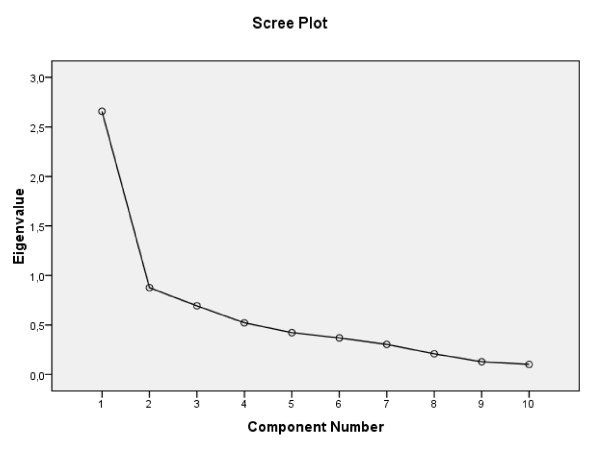
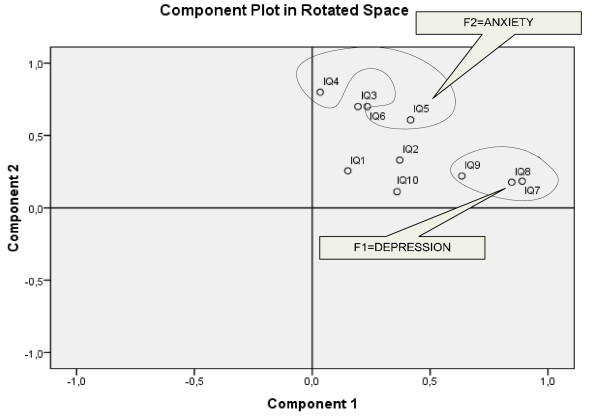
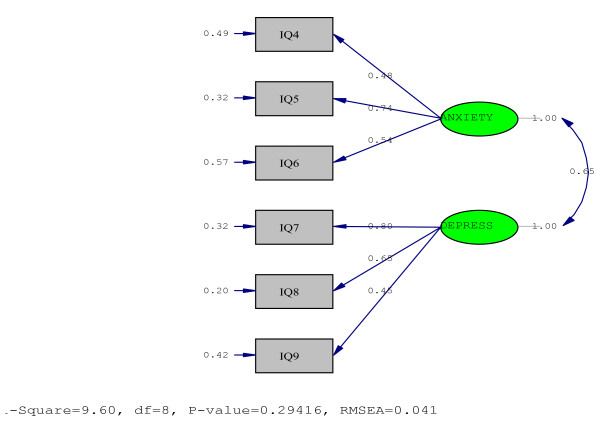
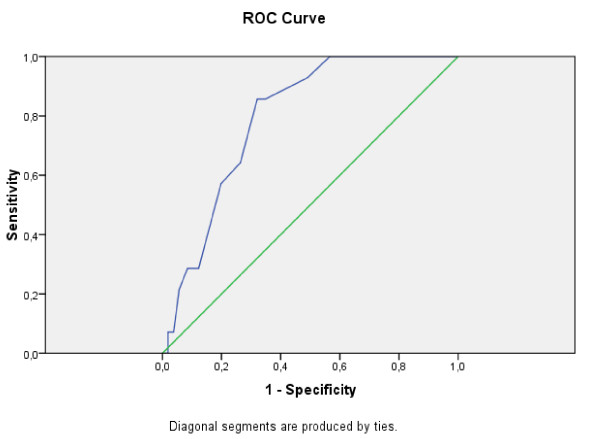
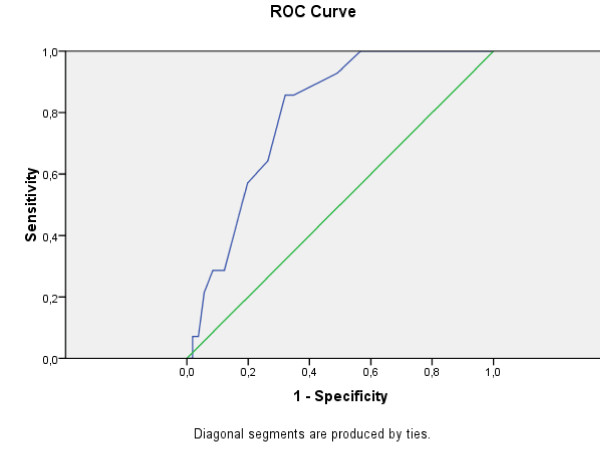
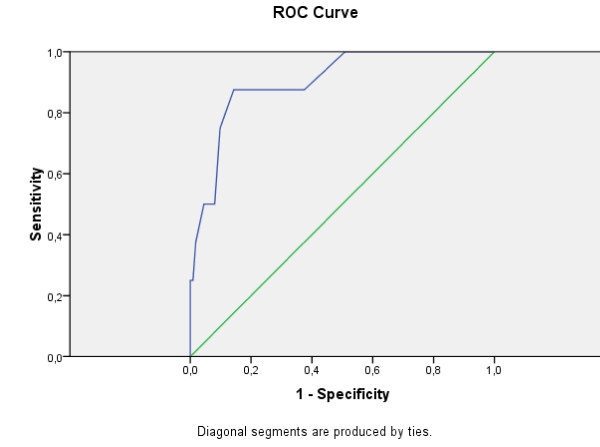
BACKGROUND: Edinburgh Postnatal Depression Scale (EPDS) is an important screening instrument that is used routinely with mothers during the postpartum period for early identification of postnatal depression. The purpose of this study was to validate the Greek version of EPDS along with sensitivity, specificity and predictive values. METHODS: 120 mothers within 12 weeks postpartum were recruited from the perinatal care registers of the Maternity Departments of 4 Hospitals of Heraklion municipality, Greece. EPDS and Beck Depression Inventory-II (BDI-II) surveys were administered in random order to the mothers. Each mother was diagnosed with depression according to the validated Greek version of BDI-II. The psychometric measurements that were performed included: two independent samples t-tests, One-way analysis of variance (ANOVA), reliability coefficients, Explanatory factor analysis using a Varimax rotation and Principal Components Method. Confirmatory analysis -known as structural equation modelling- of principal components was conducted by LISREL (Linear Structural Relations). A receiver operating characteristic (ROC) analysis was carried out to evaluate the global functioning of the scale. RESULTS: 8 (6.7%) of the mothers were diagnosed with major postnatal depression, 14 (11.7%) with moderate and 38 (31.7%) with mild depression on the basis of BDI-II scores. The internal consistency of the EPDS Greek version -using Chronbach's alpha coefficient- was found 0.804 and that of Guttman split-half coefficient 0.742. Our findings confirm the multidimensionality of EPDS, demonstrating a two-factor structure which contained subscales reflecting depressive symptoms and anxiety. The Confirmatory Factor analysis demonstrated that the two factor model offered a very good fit to our data. The area under ROC curve AUC was found 0.7470 and the logistic estimate for the threshold score of 8/9 fitted the model sensitivity at 76.7% and model specificity at 68.3%. CONCLUSION: Our data confirm the validity of the Greek version of the EPDS in identifying postnatal depression. The Greek EPDS scale could be used as a useful instrument in both clinical practice and research.
Overview
The claims and statistics of this paper haven’t been checked yet.
Free: it reads the open-access text and checks the first 5 claims that cite a source we can check. Create a free account to check every claim.
Integrity signals
Registry
Cites
Statistics
Figures
Verification
Claims the paper makes
The claims and statistics of this paper haven’t been checked yet.
Free: it reads the open-access text and checks the first 5 claims that cite a source we can check. Create a free account to check every claim.
Self-check
Percentages, sums and reported differences re-computed from the paper’s own numbers.
The self-check needs the paper’s full text.
Citations
Cites
Hu, L., & Bentler, P. M. (1999) · Structural Equation Modeling A Multidisciplinary Journal · doi:10.1080/10705519909540118 · Cited by 108,788
Tabachnick, B. G., & Fidell, L. S. (1983) · Cited by 80,058
An inventory for measuring depression
BECK, A. T. (1961) · Archives of General Psychiatry · doi:10.1001/archpsyc.1961.01710120031004 · Cited by 38,032 · cited 1×
“The recent revision of the BDI was used [19].”
MethodDetection of Postnatal Depression: Development of the 10-item Edinburgh Postnatal Depression Scale
Cox, J. L., Holden, J. M., & Sagovsky, R. (1987) · British Journal of Psychiatry · doi:10.1192/bjp.150.6.782 · Cited by 14,183
The application of electronic computers to factor analysis
Kaiser, H. F. (1960) · Educational and Psychological Measurement · doi:10.1177/001316446002000116 · Cited by 12,459 · cited 1×
“7 criteria: (a) eigenvalue >1 [21]; (b) variables should load > 0.”
Multivariate Statistical Methods
(2008) · Encyclopedia of Public Health · doi:10.1007/978-1-4020-5614-7_2263 · Cited by 5,580
Rates and risk of postpartum depression – a meta-analysis
O'hara, M. W., & Swain, A. M. (1996) · International Review of Psychiatry · doi:10.3109/09540269609037816 · Cited by 3,116 · cited 3×
“Since the profound effect of untreated postnatal depression is well documented [1-3,5,6], in clinical settings, identification of postnatal depression can be improved by increasing awareness and skills of health professionals in screening through the use of specific questionnaires, like EPDS.”
BackgroundResultMultivariate Statistical Methods.
Clarke, G. M., & Morrison, D. F. (1977) · Journal of the Royal Statistical Society. Series A (General) · doi:10.2307/2344930 · Cited by 2,165
The Validation of the Edinburgh Post-natal Depression Scale on a Community Sample
Murray, L., & Carothers, A. D. (1990) · British Journal of Psychiatry · doi:10.1192/bjp.157.2.288 · Cited by 885
A Controlled Study of the Onset, Duration and Prevalence of Postnatal Depression
Cox, J. L., Murray, D., & Chapman, G. (1993) · British Journal of Psychiatry · doi:10.1192/bjp.163.1.27 · Cited by 765
Research works printed but not linked: 4
- Bowling A Research Methods in Health: Investigating health and health services 2002 2 Maidenhead England: Open University Press
- Beck AT Steer RA Brown GK BDI-II manual 1996 San Antonio: The Psychological Corporation
- Jiireskog KG Sorbom D LISREL VI: analysis of linear structural relationships by maximum likelihood, instrumental variables, and least squares methods 1986 Department of Statistics, University of Uppsala, Sweden
- Okano T Murata M Masuji F Tamaki R Nomura J Miyaoka H Kitamura K Validation and reliability of a Japanese version of the EPDS Arch Psychiatr Diagn Clin Eval 1996 7 525 533
Cited by
Koutra, K., Chatzi, L., Bagkeris, M., Vassilaki, M., Bitsios, P., & Kogevinas, M. (2013) · Social Psychiatry and Psychiatric Epidemiology · doi:10.1007/s00127-012-0636-0 · Cited by 224
“One Greek study has shown that an EPDS cutoff score of 11/12 may be an effective screening for minor depression postnatally in a small (n = 81) and non-representative Greek sample [24], while another one has shown that a cutoff score of 8/9 may be an effective screening for self-reported depressive symptoms postnatall…”
BackgroundSelf-citationThe Impact of Antenatal Depression on Perinatal Outcomes in Australian Women
Eastwood, J., Ogbo, F. A., Hendry, A., Noble, J., Page, A., & for the Early Years Research Group (EYRG) (2017) · PLOS ONE · doi:10.1371/journal.pone.0169907 · Cited by 199
Chatzi, L., Melaki, V., Sarri, K., Apostolaki, I., Roumeliotaki, T., Georgiou, V., Vassilaki, M., Koutis, A., Bitsios, P., & Kogevinas, M. (2011) · Public Health Nutrition · doi:10.1017/s1368980010003629 · Cited by 148
“The Greek version of the scale was validated in 2008((7)).”
MethodResultSelf-citationLau, Y., Wang, Y., Yin, L., Chan, K. S., & Guo, X. (2010) · International Journal of Nursing Studies · doi:10.1016/j.ijnurstu.2010.02.005 · Cited by 151
“has identified a two-factor model (Jomeen and Martin, 2005; Vivilaki et al., 2009), a three-factor model (Chabrol and Teissedre, 2004; Ross et al.”
MethodCohort Profile: The Mother-Child Cohort in Crete, Greece (Rhea Study)
Chatzi, L., Leventakou, V., Vafeiadi, M., Koutra, K., Roumeliotaki, T., Chalkiadaki, G., Karachaliou, M., Daraki, V., Kyriklaki, A., Kampouri, M., et al. (2017) · International Journal of Epidemiology · doi:10.1093/ije/dyx084 · Cited by 134
“We assessed maternal mental health (anxiety, depressive symptoms and personality characteristics) during pregnancy and postpartum (8–10 weeks after delivery) with the use of self-administered questionnaires, and maternal cognition with the use of Raven’s Standard Progressive Matrices.(18,19) Finally, we measured micro…”
MethodSelf-citationMatijasevich, A., Munhoz, T. N., Tavares, B. F., Barbosa, A. P. P. N., da Silva, D. M., Abitante, M. S., Dall’Agnol, T. A., & Santos, I. S. (2014) · BMC Psychiatry · doi:10.1186/s12888-014-0284-x · Cited by 128
Senturk, V., Abas, M., Berksun, O., & Stewart, R. (2011) · BMC Psychiatry · doi:10.1186/1471-244x-11-48 · Cited by 96
“It is a 10-item self-report measure with 0-3 scores for each item, giving a potential scale score range of 0-30, and has been validated in many settings including in Europe [25], Africa [26], and America [27].”
BackgroundScreening tools for postpartum depression: validity and cultural dimensions
Zubaran, C., Schumacher, M., Roxo, M., & Foresti, K. (2011) · African Journal of Psychiatry · doi:10.4314/ajpsy.v13i5.63101 · Cited by 93
Koutra, K., Vassilaki, M. E., Georgiou, V., Koutis, A., Bitsios, P., Kogevinas, M., & Chatzi, L. (2016) · Epidemiology and Psychiatric Sciences · doi:10.1017/s2045796016001062 · Cited by 97
“The EPDS has been translated and validated for the Greek population by two research groups (Leonardou et al. 2009; Vivilaki et al. 2009), and showed a very high overall internal consistency.”
MethodSelf-citationFactor structure of the Edinburgh Postnatal Depression Scale in a population-based sample.
Coates, R., Ayers, S., & de Visser, R. O. (2017) · Psychological Assessment · doi:10.1037/pas0000397 · Cited by 93
“Vivilaki et al. (2009) 120/4 days to 16 weeks pn Greek PCA (.”
Papademetriou, C., Anastasiadou, S., & Papalexandris, S. (2023) · Sustainability · doi:10.3390/su15108251 · Cited by 120
Prevalence and factors associated with depressive symptoms among post-partum mothers in Nepal
Giri, R. K., Khatri, R. B., Mishra, S. R., Khanal, V., Sharma, V. D., & Gartoula, R. P. (2015) · BMC Research Notes · doi:10.1186/s13104-015-1074-3 · Cited by 68
“The EPDS tool has been validated and used in different cultural settings, including Nepal [3,21,28-30].”
BackgroundMethodKoutra, K., Roumeliotaki, T., Kyriklaki, A., Kampouri, M., Sarri, K. O., Vassilaki, M. E., Bitsios, P., Kogevinas, M., & Chatzi, L. (2017) · Journal of Affective Disorders · doi:10.1016/j.jad.2017.04.002 · Cited by 79
“The EPDS has been translated and validated for the Greek population by two research groups (Leonardou et al., 2009; Vivilaki et al., 2009), and showed a very high overall internal consistency.”
MethodSelf-citationKoutra, K., Vassilaki, M. E., Georgiou, V., Koutis, A., Bitsios, P., Chatzi, L., & Kogevinas, M. (2013) · Social Psychiatry and Psychiatric Epidemiology · doi:10.1007/s00127-013-0758-z · Cited by 76
Self-citationAntenatal depression in coastal South India: Prevalence and risk factors in the community
George, C., Lalitha, A. R. N., Antony, A., Kumar, A., & Jacob, K. (2015) · International Journal of Social Psychiatry · doi:10.1177/0020764015607919 · Cited by 65
“It has been used widely in various cultures (Vivilaki et al., 2009; Zubaran, Schumacher, Roxo, & Foresti, 2010), including India (Benjamin, Chandramohan, Annie, Prasad, & Jacob, 2005) to screen for antenatal depression.”
MethodDagklis, T., Papazisis, G., Tsakiridis, I., Chouliara, F., Mamopoulos, A., & Rousso, D. (2016) · Social Psychiatry and Psychiatric Epidemiology · doi:10.1007/s00127-016-1230-7 · Cited by 60
“In a Greek validation study, it was found that the optimal cutoff for postpartum minor depression is 8/9 (77 % sensitivity and 68 % specificity) and 12/13 for major depression (88 % sensitivity and 86 % specificity) [24].”
BackgroundMethodPaiz, J. C., Castro, S. M. D. J., Giugliani, E. R. J., Ahne, S. M. D. S., Dall’Aqua, C. B., & Giugliani, C. (2022) · BMC Pregnancy and Childbirth · doi:10.1186/s12884-022-04978-4 · Cited by 77
“Previous research has already suggested that a score ≥ 8 points performs better on diagnostic tests for depressive symptoms [37].”
Agampodi, S. B., & Agampodi, T. C. (2013) · PLoS ONE · doi:10.1371/journal.pone.0069708 · Cited by 66
“Factor structure analysis of EPDS among antenatal women in recent past clearly showed the anxiety component within the tool, either as three factor [14,15,30] or two factor [12,13,31] model.”
MethodKheirabadi, G. R., Maracy, M. R., Akbaripour, S., & Masaeli, N. (2012) · PubMed Central · Cited by 73
Kritsotakis, G., Vassilaki, M. E., Melaki, V., Georgiou, V., Philalithis, A. E., Bitsios, P., Kogevinas, M., Chatzi, L., & Koutis, A. D. (2012) · International Journal of Nursing Studies · doi:10.1016/j.ijnurstu.2012.08.012 · Cited by 50
“It has been validated in Greek samples (Leonardou et al., 2009; Vivilaki et al., 2009).”
BackgroundSelf-citationDagklis, T., Tsakiridis, I., Chouliara, F., Mamopoulos, A., Rousso, D., Athanasiadis, A., & Papazisis, G. (2018) · The Journal of Maternal-Fetal & Neonatal Medicine · doi:10.1080/14767058.2017.1301926 · Cited by 46
“A Greek validation study found that the optimal cutoff was 8/9 (77% sensitivity and 68% specificity) for postpartum minor depression and 12/13 for major depression (88% sensitivity and 86% specificity) [32].”
BackgroundMethodThe Edinburgh Postnatal Depression Scale (EPDS): A Review of the Reported Validity Evidence
McBride, H. L., Wiens, R. M., McDonald, M. J., Cox, D. W., & Chan, E. K. H. (2014) · Social Indicators Research Series · doi:10.1007/978-3-319-07794-9_9 · Cited by 43
Chiu, Y.-H. M., Sheffield, P. E., Hsu, H. L., Goldstein, J. M., Curtin, P. C. P., & Wright, R. J. (2017) · Archives of Women s Mental Health · doi:10.1007/s00737-017-0765-2 · Cited by 50
“The 10-item Edinburgh Postpartum Depression Scale (EPDS) (Cox et al. 1987) is the most widely used self-report measure for the assessment of PPD across diverse racial/ethnic and cultural groups including African Americans and Hispanics (Gibson et al. 2009; Hartley et al. 2014; Howell et al. 2012; Lau et al. 2010; Lee…”
InfluentialExposure to active and passive smoking among Greek pregnant women
Vivilaki, V. G., Diamanti, A., Tzeli, M., Patelarou, E., Bick, D., Papadakis, S., Lykeridou, A., & Katsaounou, P. A. (2016) · Tobacco Induced Diseases · doi:10.1186/s12971-016-0077-8 · Cited by 40
Self-citationDoes the Edinburgh Postnatal Depression Scale measure the same constructs across time?
Cunningham, N. K., Brown, P. M., & Page, A. C. (2014) · Archives of Women s Mental Health · doi:10.1007/s00737-014-0485-9 · Cited by 45
Brani, P., Mrvoljak-Theodoropoulou, I., Pechlivani, F., Gourounti, K., Iliadou, M., Palaska, E., Antsaklis, P. G., Drakakis, P., & Dagla, M. (2024) · European Journal of Investigation in Health Psychology and Education · doi:10.3390/ejihpe14060119 · Cited by 47
“The Edinburgh Postnatal Depression Scale (EPDS) is validated across various populations, with Greek studies setting cut-off points for postpartum depression at 8/9 (77% sensitivity and 68% specificity) and major depression at 12/13 (88% sensitivity and 86% specificity) [39].”
MethodKozinszky, Z., Töreki, A., Hompoth, E. A., Dudas, R. B., & Németh, G. (2017) · Psychiatry Research · doi:10.1016/j.psychres.2017.01.059 · Cited by 44
Mao, F., Sun, Y., Wang, J., Huang, Y., Lu, Y., & Cao, F. (2021) · Asian Journal of Psychiatry · doi:10.1016/j.ajp.2021.102873 · Cited by 42
Töreki, A., Andó, B., Dudas, R. B., Dweik, D., Janka, Z., Kozinszky, Z., & Keresztúri, A. (2014) · Midwifery · doi:10.1016/j.midw.2014.02.008 · Cited by 46
Escalas de rastreamento para depressão pós-parto: uma revisão sistemática
Schardosim, J. M., & Heldt, E. (2011) · Revista gaúcha de enfermagem · doi:10.1590/s1983-14472011000100021 · Cited by 34
Unraveling the Serum Metabolomic Profile of Post-partum Depression
Papadopoulou, Z. L., Vlaikou, A., Theodoridou, D., Komini, C., Chalkiadaki, G., Vafeiadi, M., Margetaki, K., Trangas, T. T., Turck, C. W., Syrrou, M., et al. (2019) · Frontiers in Neuroscience · doi:10.3389/fnins.2019.00833 · Cited by 38
Psychometric assessment of the Edinburgh Postnatal Depression Scale in an obstetric population
Long, M. M., Cramer, R. J., Bennington, L. K., Morgan, F. G., Wilkes, C. A., Fontanares, A. J., Sadr, N., Bertolino, S. M., & Paulson, J. F. (2020) · Psychiatry Research · doi:10.1016/j.psychres.2020.113161 · Cited by 37
Lautarescu, A., Victor, S., Lau‐Zhu, A., Counsell, S. J., Edwards, A. D., & Craig, M. (2021) · Archives of Women s Mental Health · doi:10.1007/s00737-021-01153-0 · Cited by 33
Lau, Y., Htun, T. P., & Kwong, H. K. D. (2018) · PLoS ONE · doi:10.1371/journal.pone.0188365 · Cited by 35
Asif, S., Mulic‐Lutvica, A., Axfors, C., Eckerdal, P., Iliadis, S. I., Fransson, E., & Skalkidou, A. (2020) · BJOG An International Journal of Obstetrics & Gynaecology · doi:10.1111/1471-0528.16271 · Cited by 38
Dagla, M., Mrvoljak-Theodoropoulou, I., Karagianni, D., Dagla, C., Sotiropoulou, D., Kontiza, E., Kavakou, A.-T., & Antoniou, E. (2021) · Children · doi:10.3390/children8020150 · Cited by 41
“This screening tool has been translated and validated for the Greek population by two separate research groups [57,58] and has shown a very high overall internal consistency (Cronbach’s alpha for the total scale was equal to 0.”
MethodGourounti, K., Kouklaki, E., & Lykeridou, A. (2015) · Women and Birth · doi:10.1016/j.wombi.2015.02.004 · Cited by 29
Dosani, A., Yim, I. S., Shaikh, K., Lalani, S. B., Alcantara, J., Letourneau, N. L., & Premji, S. (2022) · Asian Journal of Psychiatry · doi:10.1016/j.ajp.2022.103066 · Cited by 34
Screening instruments for assessment of depression
Behera, P., Gupta, S., Nongkynrih, B., Kant, S., Mishra, A. K., & Sharan, P. (2016) · Indian Journal of Medical Specialities · doi:10.1016/j.injms.2016.11.003 · Cited by 31
Chinese Version of the Postpartum Depression Screening Scale: Translation and Validation
Li, L., Liu, F., Zhang, H., Wang, L., & Chen, X. (2011) · Nursing Research · doi:10.1097/nnr.0b013e3182227a72 · Cited by 28
“…has been validated in many countries to reveal satisfactory coverage of the content area in representing the hypothetical content universe of PPD (Lau et al., 2010; Mazhari & Nakhaee, 2007; Vivilaki et al., 2009), five important features of this mood disorder were not measured, as noted previously.”
BackgroundMethodValidation Study of the Croatian Version of the Edinburgh Postnatal Depression Scale (EPDS)
Radoš, S. N., Tadinac, M., & Herman, R. (2013) · Hrčak Portal of scientific journals of Croatia (University Computing Centre) · Cited by 39
Tsakiridis, I. G., Dagklis, T., Mamopoulos, A. M., Athanasiadis, A. P., Pearson, R. M., & Papazisis, G. (2021) · Journal of Perinatal Medicine · doi:10.1515/jpm-2020-0473 · Cited by 18
Ogbo, F. A., Ezeh, O. K., Dhami, M. V., Naz, S., Khanlari, S., McKenzie, A., Agho, K., Page, A., Ussher, J. M., Perz, J., et al. (2019) · International Journal of Environmental Research and Public Health · doi:10.3390/ijerph16162945 · Cited by 22
“The EPDS has been translated and validated in a number of non-English speaking contexts [43], including studies of Iranian [44], Bangladeshi [45], Chinese [46], Serbian [47], and Greek women [48].”
BackgroundFactor Structure of the Edinburgh Postnatal Depression Scale in a Sample of Postpartum Slovak Women
Škodová, Z., Bánovčinová, Ľ., Urbanová, E., Grendár, M., & Bašková, M. (2021) · International Journal of Environmental Research and Public Health · doi:10.3390/ijerph18126298 · Cited by 20
“However, validation studies in Serbia, and Greece have also included women immediately after the birth [18,21].”
BackgroundMicha, G., Hyphantis, T. N., Staikou, ., Valsamidis, D., Arnaoutoglou, E. M., Tzimas, P. G., Vlahos, N., Daponte, A. I., Grypiotis, I., Pappa, P., et al. (2022) · European Journal of Midwifery · doi:10.18332/ejm/146233 · Cited by 16
The Edinburgh Postnatal Depression Scale as a measure for antenatal dysphoria
Kwan, R., Bautista, D., Choo, R. W. M., Shirong, C., Chee, C. Y. I., Saw, S., Chong, Y. S., Kwek, K. Y. C., Meaney, M. J., Rush, A. J., et al. (2014) · Journal of Reproductive and Infant Psychology · doi:10.1080/02646838.2014.949642 · Cited by 20
“We tested the original unidimensional model by Cox, 2-factor models of Brouwers and Ross and 3-factor models of Chabrol and Vivilaki (Brouwers et al., 2001; Cox et al., 1987; Chabrol & Teissedre, 2004; Ross et al., 2003; Vivilaki et al., 2009).”
MethodInfluentialVedova, A. M. D., Loscalzo, Y., Giannini, M., & Matthey, S. (2020) · Journal of Reproductive and Infant Psychology · doi:10.1080/02646838.2020.1822993 · Cited by 17
“, 2005), Greece (Vivilaki et al., 2009), Iran (Mazhari & Nakhaee, 2007; Montazeri et al.”
BackgroundPostnatal depressive symptoms display marked similarities across continents
Wesselhoeft, R. T., Madsen, F. K., Lichtenstein, M. B., Sibbersen, C., Manongi, R. N., Mushi, D., Nguyễn, H. T. T., Van, T. N., Kyhl, H. B., Bilenberg, N., et al. (2019) · Journal of Affective Disorders · doi:10.1016/j.jad.2019.09.075 · Cited by 19
Dagla, M., Mrvoljak-Theodoropoulou, I., Vogiatzoglou, M., Giamalidou, A., Tsolaridou, E., Mavrou, M., Dagla, C., & Antoniou, E. (2021) · International Journal of Environmental Research and Public Health · doi:10.3390/ijerph18041988 · Cited by 15
“This tool has been translated and validated for the Greek population by two separate research groups [30,31] and has showed a very high overall internal consistency.”
MethodAssessment of quality of life and psycho-emotional burden in pregnant women in Greece
Saridi, M. I., Toska, A. G., Latsou, D., Chondropoulou, M.-A., Matsioula, A., & Sarafis, P. (2022) · European Journal of Midwifery · doi:10.18332/ejm/145963 · Cited by 15
Tsakiridis, I., Dagklis, T., Zerva, C., Mamopoulos, A., Athanasiadis, A., & Papazisis, G. (2019) · Midwifery · doi:10.1016/j.midw.2018.12.008 · Cited by 14
Sapouna, V., Dafermos, V., Chatziarsenis, M., Vivilaki, V., Bitsios, P., Schene, A., & Lionis, C. (2013) · Annals of General Psychiatry · doi:10.1186/1744-859x-12-3 · Cited by 16
“This research has been funded by a grant from the State Mental Health Hospital of Chania, Crete, Greece through the University of Crete.”
BackgroundInfluentialSelf-citationComparison of two instruments for hypertension self‐care assessments among older adults from China
Zhao, Q., Guo, Y., Gu, L., & Yang, L. (2022) · Nursing Open · doi:10.1002/nop2.1422 · Cited by 12
“The AUC is a quantitative indicator of the information content of a test (Vivilaki et al., 2009), and it can give a reference of the measurement instrument's discrimination power, with values ranging from 0.5 (corresponding to a useless diagnostic test) to 1 (corresponding to a perfect diagnostic…”
BackgroundInfluentialKokkinaki, T., Anagnostatou, N., Markodimitraki, M., Roumeliotaki, T., Tzatzarakis, M. N., Vakonaki, E., Giannakakis, G. A., Tsatsakis, A. M., & Hatzidaki, E. (2025) · PLoS ONE · doi:10.1371/journal.pone.0316520 · Cited by 12
Dagla, M., Dagla, C., Mrvoljak-Theodoropoulou, I., Kontiza, E., Tsolaridou, E. P., & Antoniou, E. (2021) · Materia Socio Medica · doi:10.5455/msm.2021.33.109-113 · Cited by 10
Arifin, S. R. M., Ahmad, A. B., Rahman, R. A., Loh, H. S., & Ng, C. G. (2014) · International Journal of Academic Research · doi:10.7813/2075-4124.2014/6-3/b.21 · Cited by 11
“It can be used for screening but not for the diagnosis of depression (16).”
BackgroundCiolac, L., Craina, M. L., ENĂTESCU, V. R., Tudor, A., Bernad, E. S., Nitu, R., Hogea, L., Boscu, L., Bernad, B.-C., Timircan, M. O., et al. (2023) · Healthcare · doi:10.3390/healthcare11212857 · Cited by 12
Screening for perinatal depression and stress: a prospective cohort study
Papapetrou, C., Zouridis, A., Eleftheriades, A., Panoskaltsis, T., Panoulis, K. P. C., Vlahos, N., & Eleftheriades, M. I. (2023) · Archives of Gynecology and Obstetrics · doi:10.1007/s00404-023-07306-z · Cited by 10
“Depression was assessed via the Edinburgh Postnatal Depression Scale (EPDS), using the translated and validated in the Greek language version of the scale [24].”
Vogiatzoglou, M., Iliadou, M., Antoniou, E., Andersson, E. P., Mrvoljak-Theodoropoulou, I., Dagla, C., Sotiropoulou, D., Tsolaridou, E. P., Orovou, E., Tomara, E., et al. (2024) · Healthcare · doi:10.3390/healthcare12131278 · Cited by 11
“This screening tool has been translated and validated for the Greek population by two separate research groups [35,36] and has shown a very high overall internal consistency (Cronbach’s alpha for the total scale was equal to 0.80 in the validation study of Vivilaki et al. and 0.90 in the validation…”
MethodInfluentialScreening and Prevention of Postnatal Depression
Glavin, K. (2012) · InTech eBooks · doi:10.5772/31664 · Cited by 10
“However, several researchers argue that the EPDS captures elements of both anxiety and depression (Montazeri et al., 2007; Navarro et al., 2007; Vivilaki et al., 2009).”
BackgroundMethodHada, A., Kubota, C., Imura, M., Takauma, F., Tada, K., & Kitamura, T. (2019) · The Open Family Studies Journal · doi:10.2174/1874922401911010001 · Cited by 9
“(2009) [78] Greece 120 0–16 weeks PN F1: 7, 8, 9 F2: 4, 5, 6 χ(2) = 9.”
Propiedades Psicométricas de la Escala de Depresión de Edimburgo en una Muestra Argentina
López-Janer, C., Quirós, P., & Cabestrero, R. (2021) · Revista Iberoamericana de Diagnóstico y Evaluación - e Avaliação Psicológica · doi:10.21865/ridep61.4.03 · Cited by 10
“…(2009) Posparto: Media: 5,4 meses Australia: inglés 309 AFE (Máxima verosimilitud) /AFC Oblimin Depresión: 1, 2, 6, 7, 8, 9, 10 Ansiedad: 3, 4, 5 Vivilaki et al. (2009) Posparto: 4 días-16 semanas Grecia: griego 120 ACP/AFC Varimax Depresión: 7, 8, 9 Ansiedad: 4, 5, 6 Swalm et al.…”
Asikin, N., Siti Norhani, S., Nur Arzuar, A. R., & Eshaifol Azam, O. (2020) · IIUM Medical Journal Malaysia · doi:10.31436/imjm.v18i1.226 · Cited by 10
Bhusal, C. K., Bhattarai, S., Shrestha, A., & Sharma, H. R. (2023) · International Journal of Pediatrics · doi:10.1155/2023/1331641 · Cited by 15
“The EDPS tool has been validated in different settings and languages and is also used in Nepal [9, 20, 26].”
MethodCreating the Capacity to Screen Deaf Women for Perinatal Depression: A Pilot Study
Anderson, M. L., Craig, K. S. W., Hostovsky, S., Bligh, M., Bramande, E. A., Walker, K. L., Biebel, K., & Byatt, N. (2020) · Midwifery · doi:10.1016/j.midw.2020.102867 · Cited by 7
Kokkinaki, T., Koutra, K., Michopoulou, O., Anagnostatou, N., Chaziraki, L., Kokarida, P., & Hatzidaki, E. (2022) · Healthcare · doi:10.3390/healthcare10122550 · Cited by 7
“Participants completed scales in the following order: sociodemographic and socioeconomic data, the COVID-19 Questionnaire, the Multidimensional Scale of Perceived Social Support, the Family Adaptability and Cohesion Evaluation Scale, the Dyadic Coping Inventory and the Edinburgh Postnatal Depression Scale.”
MethodInfluentialSiafaka, V., Tsonis, O., Christogiannis, C., Kontouli, K., Margariti, K., Barbalia, Z., Flindris, S., Manifava, E., Paschopoulou, K. I., Tzioras, S., et al. (2023) · BJPsych Open · doi:10.1192/bjo.2022.635 · Cited by 7
Women’s views and experiences of a perinatal exercise counselling intervention: a qualitative study
Tzouma, N.-A., Morres, I. D., Γούδας, Μ., Κrommidas, C., Kotronis, K. V., Papaioannou, A. G., Theodorakis, Y., & Comoutos, N. (2021) · International Journal of Sport and Exercise Psychology · doi:10.1080/1612197x.2021.2019297 · Cited by 7
“The EPDS has been translated into the Greek language and validated in a Greek population (Vivilaki et al., 2009).”
MethodGourounti, K., Karpathiotaki, N., Karapanou, V., Antzaklis, P., & Daskalakis, G. (2015) · Women & Health · doi:10.1080/03630242.2015.1118729 · Cited by 5
Screening for postpartum depression in recently delivered mothers
Khanam, M., Sultana, A., Siddiqui, S. H., & Rehman, K. (2011) · Pakistan Journal of Medical Sciences · doi:10.12669/pjms.272.1256 · Cited by 5
Suicides and Suicidal Ideation During the Perinatal Period: Clinical and Demographic Data
Bazoukis, X., Eskitzis, P., Orovou, E., Arampatzi, C., & Spyropoulou, A. C. (2022) · International Journal of Innovative Research in Medical Science · doi:10.23958/ijirms/vol07-i12/1564 · Cited by 4
Koutra, K., Mouatsou, C., Margetaki, K., Roumeliotaki, T., Mavroeides, G., Psoma, S., Kampouri, M., Karachaliou, M., Kogevinas, M., & Chatzi, L. (2025) · European Child & Adolescent Psychiatry · doi:10.1007/s00787-025-02746-1 · Cited by 5
“The EPDS has strong psychometric properties for both antenatal and postnatal periods [47, 48] and has been validated in Greece [49, 50].”
Self-citationCiolac, L., Bernad, E. S., Tudor, A., Nițu, D.-R., Buleu, F. N., Popa, D. I., Toc, T., Haivas, C. C., & Craina, M. L. (2025) · Journal of Clinical Medicine · doi:10.3390/jcm14124286 · Cited by 4
“The EPDS has been confirmed as a reliable tool for clinical diagnosis in more than 37 languages, extending across global populations and regions, including Romania [27–29].”
Postpartum depression during COVID-19
Almasidou, M. (2020) · European Journal of Midwifery · doi:10.18332/ejm/122386 · Cited by 4
Depression Measurement Instruments: An Overview of the Top Depression Rating ScalesPreprint
Morgan, J. H. (2016) · Preprints.org · doi:10.20944/preprints201612.0083.v1 · Cited by 8
Folkvord, S. E., & Risa, C. F. (2023) · European Journal of Midwifery · doi:10.18332/ejm/172128 · Cited by 5
Risk factors of the antenatal depression in a sample of Italian pregnant women: a preliminary study
Sergi, M. R., Saggino, A., Balsamo, M., Picconi, L., Anchora, L., & Tommasi, M. (2024) · BMC Pregnancy and Childbirth · doi:10.1186/s12884-024-06704-8 · Cited by 4
Ciolac, L., Nițu, D.-R., Bernad, E. S., Gluhovschi, A., Popa, D. I., Toc, T., Tudor, A., Maghiari, A. L., & Craina, M. L. (2025) · Healthcare · doi:10.3390/healthcare13080911 · Cited by 4
How effective digital technologies in midwifery education
Tekeş, H., & Uluşen, M. (2023) · European Journal of Midwifery · doi:10.18332/ejm/172484 · Cited by 4
Kułak-Bejda, A., Shpakou, A., Khvoryk, N., Hutsikava, L., Avci, İ. A., Eren, D. Ç., Kourkouta, L. I., Tsaloglidou, A., Κουκουρίκος, Κ., & Waszkiewicz, N. (2024) · Frontiers in Psychiatry · doi:10.3389/fpsyt.2023.1271033 · Cited by 3
Koumarela, C., Kokkinaki, T., Giannakakis, G. A., Koutra, K., & Hatzidaki, E. (2021) · JMIR Research Protocols · doi:10.2196/28089 · Cited by 3
“Considering this, parents will be asked to complete (1) the Edinburgh Postnatal Depression Scale (EPDS [49]) adapted for the Greek population [50,51] (at 2 months), which is an instrument that screens women/men for postnatal depression, and (2) the Beck Depression Inventory-II (BDI-II [52]) adapted…”
Rogathi, J. J., & Kidayi, P. (2023) · European Journal of Midwifery · doi:10.18332/ejm/172341 · Cited by 2
Dagla, M., Mrvoljak-Theodoropoulou, I., Daglas, V., Antoniou, E., Rigoutsou, E., Papatrechas, A., Dagla, C., Tsolaridou, E. P., & Karagianni, D. (2025) · Clinics and Practice · doi:10.3390/clinpract15020037 · Cited by 2
“In the validation study by Leonardou et al. [38], the Cronbach’s alpha for the total scale was 0.90, while in the study by Vivilaki et al. [39], it was 0.80.”
InfluentialSleep during the early postpartum period as a factor of maternal mental and physical health
Γαλανοπούλου, Κ., Diamanti, A., Bothou, Α., Taskou, C., & Vivilaki, V. G. (2025) · Eleutho · doi:10.18332/eleutho/201475 · Cited by 2
Self-citationArtificial intelligence and digital twins in simulating pregnancy
Barbounaki, S. G., Nanou, C., Lykeridou, A., & Vivilaki, V. G. (2023) · European Journal of Midwifery · doi:10.18332/ejm/172490 · Cited by 2
Self-citationVivilaki, V. G., Dafermos, V., Gevorgian, L., Δημοπούλου, Α., Patelarou, E., Bick, D., Tsopelas, N. D., & Lionis, C. D. (2012) · Women & Health · doi:10.1080/03630242.2012.674089 · Cited by 3
“…their relationship (p-values 0.025) with maternal adjustment/attitudes and those associated with depressive symptoms based on previous literature (Vivilaki et al., 2009) A number of potential confounders were compared for the two groups by a chi-square analysis with parallel use of Monte Carlo…”
BackgroundMethodResultInfluentialSelf-citationAkça, E. İ., Cengizhan, S. Ö., & Gökbulut, N. (2023) · European Journal of Midwifery · doi:10.18332/ejm/172466 · Cited by 2
Education for leadership in midwifery; The start of the Dutch National Master of Science Midwifery
Groenen, C. J. M., Nieuwenhuijze, M. J., Kors, J., & Welling, L. D. (2023) · European Journal of Midwifery · doi:10.18332/ejm/171969 · Cited by 2
Louverdi, S., & Dagla, M. (2023) · European Journal of Midwifery · doi:10.18332/ejm/172460 · Cited by 2
Research in primary care mental health in Greece.
Argyriadou, S., & Lionis, C. D. (2009) · PubMed Central · Cited by 2
Self-citationKokkinaki, T., Petrakis, A., Kyprakis, I., Anagnostatou, N., Markodimitraki, M., Roumeliotaki, T., Tzatzarakis, Μ., Vakonaki, E., Tsatsakis, Α., Kondylakis, H., et al. (2026) · Journal of Affective Disorders · doi:10.1016/j.jad.2026.121885 · Cited by 1
Opinions and perceptions of midwifery students on the accreditation of midwifery education
Ekşioğlu, A., Hadımlı, A. P., Demir, E., Akan, A., & Turfan, E. Ç. (2023) · European Journal of Midwifery · doi:10.18332/ejm/172249 · Cited by 1
A training program on trauma-informed care during childbirth for midwives: Creating and testing
İşbir, G. G., & Yılmaz, M. (2023) · European Journal of Midwifery · doi:10.18332/ejm/172331 · Cited by 1
Post-traumatic stress disorder after childbirth and birth satisfaction as an associated risk factor
Urbanová, E., Bašková, M., Škodová, Z., Bánovčinová, Ľ., & Ďuríčeková, B. (2023) · European Journal of Midwifery · doi:10.18332/ejm/172223 · Cited by 1
Kostakioti, D. (2023) · European Journal of Midwifery · doi:10.18332/ejm/172541 · Cited by 1
Olander, P., Berglin, L., Naurin, E., Markstedt, E., Zheng, L. R., Lindén, K., Sengpiel, V., & Elden, H. (2023) · European Journal of Midwifery · doi:10.18332/ejm/171995 · Cited by 1
İşbir, G. G., & ALIŞ, B. (2023) · European Journal of Midwifery · doi:10.18332/ejm/172333 · Cited by 1
Can Chat-GPT be an effective tool for midwifery education?
Barbounaki, S. G., Sarantaki, A., Lykeridou, A., & Gourounti, K. (2023) · European Journal of Midwifery · doi:10.18332/ejm/172493 · Cited by 1
The association between prenatal posttraumatic stress disorder (PTSD) and preterm birth
Varela, P., Lykeridou, A., Zervas, I. M., & Δελτσίδου, Ά. (2023) · European Journal of Midwifery · doi:10.18332/ejm/171928 · Cited by 1
Midwifery education in the Netherlands, meeting the requirements of a changing world
Nieuwenhuijze, M. J., & Groenen, C. (2023) · European Journal of Midwifery · doi:10.18332/ejm/174117 · Cited by 1
Metadata
- Authors
- Vivilaki, V. G., Dafermos, V., Kogevinas, M., Bitsios, P., & Lionis, C.
- Affiliations
- University of Crete (GR)
- Corresponding author
- Vivilaki, Victoria G
- Venue
- BMC Public Health
- Published
- 2009-09-09
- Volume
- 9
- Issue
- 1
- Pages
- 329-329
- ISSN
- 1471-2458 (ISSN-L)
- PMC
- PMC2748079
- OpenAlex
- W2138936061
- Cited by
- 100
- References
- 47
- Citations by year
- 2026: 7 · 2025: 7 · 2024: 4 · 2023: 8 · 2022: 7 · 2021: 11 · 2020: 7 · 2019: 4 · 2018: 2 · 2017: 6 · 2016: 7 · 2015: 5 · 2014: 6 · 2013: 4 · 2012: 5
- FWCI
- 4.68
- Type
- journal article
- Language
- en
- Open access
- gold
- doi.org
- Licence
- cc-by
- creativecommons.org/licenses/by/2.0 (tdm)
- Locations
- BMC Public Health (publishedVersion, cc-by)
- PubMed Central (publishedVersion, cc-by)
- PubMed (publishedVersion)
- DOAJ (DOAJ: Directory of Open Access Journals) (submittedVersion)
- Funders
- University of Crete
- Topics
- Health Sciences › Medicine › Public Health, Environmental and Occupational Health › Maternal Mental Health During Pregnancy and Postpartum
- Social Sciences › Psychology › Experimental and Cognitive Psychology › Anxiety, Depression, Psychometrics, Treatment, Cognitive Processes
- Social Sciences › Decision Sciences › Management Science and Operations Research › Psychometric Methodologies and Testing
- Keywords
- Edinburgh Postnatal Depression Scale, postpartum depression, Greek translation, psychometric validation, screening tool, Beck Depression Inventory-II, internal consistency, factor structure, diagnostic accuracy, postpartum women, anxiety symptoms
- MeSH terms
- Analysis of Variance, Female, Greece, Humans, Pilot Projects, Psychometrics, Sensitivity and Specificity, Depression, Postpartum
About these checks
Registry, retraction, Cites and statistics results are computed, not judged, with one exception: a printed reference that no index lists is read once by a model before it counts as a citation error. Claims are extracted by a model and kept only when their quote appears verbatim in the text; each cited source is then checked, with a model’s help, for whether it says what the claim relies on. Those verdicts can be wrong — read the claim’s quote and the cited source before relying on one.
Statistics and arithmetic are recomputed, not judged.
Confidence bands are shown only for fields calibrated on our annotated test set. None is calibrated yet, so no band is shown.
What counts as a claim ›How we measure confidence ›How we check this ›
Are you an author, or do you see a problem with this page? Request a review
Data sources
Bibliographic data: Semantic Scholar, OpenAlex, Crossref.
Contains information from the Semantic Scholar Academic Graph Datasets, made available under the ODC Attribution License (ODC-BY 1.0).
Semantic Scholar’s data is described in: Kinney, R., et al. (2023). The Semantic Scholar Open Data Platform. arXiv:2301.10140.
