

Selective peroxisome proliferator-activated receptorα modulators (SPPARMα): The next generation of peroxisome proliferator-activated receptor α-agonists
Open accessThe DOI matches its Crossref record; 54 of the 54 references it cites were found in a registry or an index.
Abstract
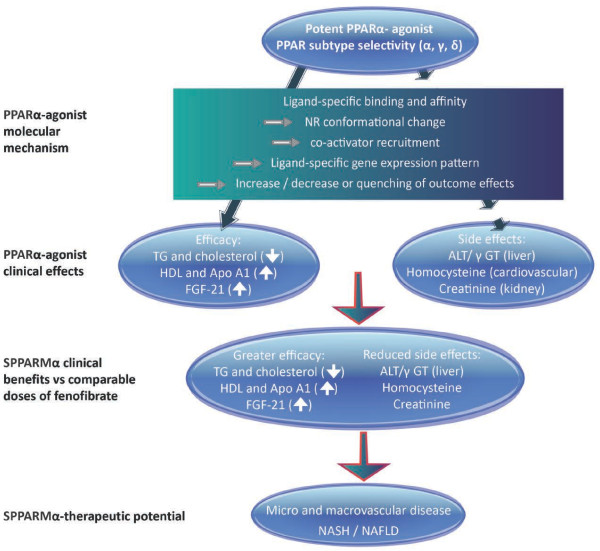
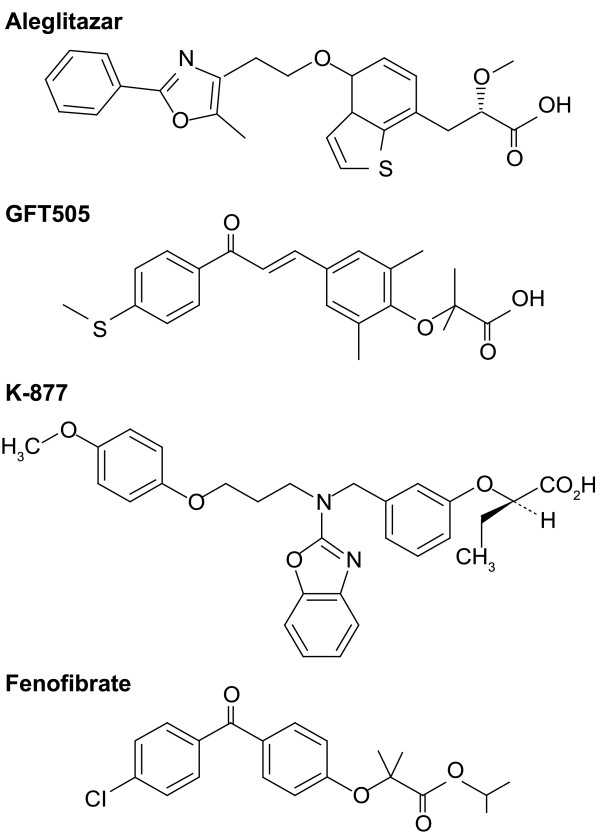
Dyslipidemia is a major risk factor for cardiovascular (CV) disease - the primary cause of death, worldwide. Although reducing levels of low-density lipoprotein-cholesterol can significantly reduce CV risk, a high level of residual risk persists, especially in people with obesity-related conditions, such as metabolic syndrome and type 2 diabetes mellitus. Peroxisome proliferator-activated receptor alpha- (PPARα-) agonists (e.g. fibrates), play a central role in the reduction of macro- and microvascular risk in these patients. However, the currently available fibrates are weak (PPARα-agonists) with limited efficacy due to dose-related adverse effects. To address this problem, a new generation of highly potent and selective PPARα-modulators (SPPARMα) is being developed that separate the benefits of the PPARα-agonists from their unwanted side effects. Among these, aleglitazar (a dual PPARα/γ agonist) and GFT505 (a dual PPAR α/δ agonist) have recently entered late-phase development. Although both compounds are more potent PPARα-activators than fenofibrate in vitro, only aleglitezar is more effective in lowering triglycerides and raising high-density lipoprotein-cholesterol (HDL-C) in humans. However, it is also associated with a potential risk of adverse effects. More recently, a highly potent, specific PPARα-agonist (K-877) has emerged with SPPARMα characteristics. Compared to fenofibrate, K-877 has more potent PPARα-activating efficacy in vitro, greater effects on triglycerides- and HDL-C levels in humans, and a reduced risk of adverse effects. If successful, K-877 has the potential to supersede the fibrates as the treatment of choice for patients with residual CV risk associated with metabolic syndrome and type 2 diabetes.
Overview
The claims and statistics of this paper haven’t been checked yet.
Free: it reads the open-access text and checks the first 5 claims that cite a source we can check. Create a free account to check every claim.
Integrity signals
Registry
Cites
Statistics
Figures
Verification
Claims the paper makes
The claims and statistics of this paper haven’t been checked yet.
Free: it reads the open-access text and checks the first 5 claims that cite a source we can check. Create a free account to check every claim.
Claims other papers make about this one
Each is checked against this paper’s own text: does it say what the citing paper says it does?
The cited source says what the claim attributes to it.
In the citing paper
“Therefore, SPPARMα may have a better benefit-risk balance compared to the PPARα agonists such as available fibrates.”
From Pemafibrate, a new selective PPARα modulator: drug concept and its clinical applications for dyslipidemia and metabolic diseases (2020) · cites this paper as [43]
Self-check
Percentages, sums and reported differences re-computed from the paper’s own numbers.
The self-check needs the paper’s full text.
Citations
Cites
European Guidelines on cardiovascular disease prevention in clinical practice (version 2012)
Authors/Task Force Members:, Perk, J., De Backer, G., Gohlke, H., Graham, I., Reiner, Ž., Verschuren, M., Albus, C., Benlian, P., Boysen, G., et al. (2012) · European Heart Journal · doi:10.1093/eurheartj/ehs092 · Cited by 8,490
Cholesterol Treatment Trialists' (CTT) Collaboration (2010) · The Lancet · doi:10.1016/s0140-6736(10)61350-5 · Cited by 6,550
Multifactorial intervention and cardiovascular disease in patients with type 2 diabetes
Gæde, P., Vedel, P., Larsen, N., Jensen, G. V. H., Parving, H.-H., & Pedersen, O. (2003) · New England Journal of Medicine · doi:10.1056/nejmoa021778 · Cited by 4,378 · cited 1×
“Moreover, the risk of microvascular events in people with MetS or T2D can only be reduced by approximately 50% using the current standard of care (intensive treatment to reduce LDL-C, blood pressure and blood glucose) [5].”
BackgroundHelsinki Heart Study: Primary-Prevention Trial with Gemfibrozil in Middle-Aged Men with Dyslipidemia
Frick, M. H., Elo, O., Haapa, K., Heinonen, O. P., Heinsalmi, P., Helo, P., Huttunen, J. K., Kaitaniemi, P., Koskinen, P., Manninen, V., et al. (1987) · New England Journal of Medicine · doi:10.1056/nejm198711123172001 · Cited by 3,881 · cited 1×
“The net effect of these actions is a significant reduction in macrovascular events in people with, but not without, atherogenic dyslipidemia [12,13,15-18], and significant reductions in T2D-related microvascular events [19-22].”
BackgroundAuthors/Task Force Members, Graham, I., Atar, D., Borch-Johnsen, K., Boysen, G., Burell, G., Cifkova, R., Dallongeville, J., De Backer, G., Ebrahim, S., et al. (2007) · European Heart Journal · doi:10.1093/eurheartj/ehm316 · Cited by 3,753
Activation of a member of the steroid hormone receptor superfamily by peroxisome proliferators
Issemann, I., & Green, S. (1990) · Nature · doi:10.1038/347645a0 · Cited by 3,519 · cited 1×
“Three PPAR isoforms have been identified (PPARα, γ and δ), each encoded by a separate gene [25].”
BackgroundRubins, H. B., Robins, S. J., Collins, D., Fye, C. L., Anderson, J. W., Elam, M. B., Faas, F. H., Linares, E., Schaefer, E. J., Schectman, G., et al. (1999) · New England Journal of Medicine · doi:10.1056/nejm199908053410604 · Cited by 3,439 · cited 1×
“The net effect of these actions is a significant reduction in macrovascular events in people with, but not without, atherogenic dyslipidemia [12,13,15-18], and significant reductions in T2D-related microvascular events [19-22].”
BackgroundEffects of Combination Lipid Therapy in Type 2 Diabetes Mellitus
(2010) · New England Journal of Medicine · doi:10.1056/nejmoa1001282 · Cited by 2,837 · cited 6×
“fibrates) play a central role in reducing plasma concentrations of TG-rich lipoproteins, increasing HDL-C levels and reducing vascular inflammation in people with atherogenic dyslipidemia [10,12,13].”
BackgroundInfluential
Cited by
Pawlak, M., Lefebvre, P., & Staels, B. (2015) · Journal of Hepatology · doi:10.1016/j.jhep.2014.10.039 · Cited by 1,578
Molecular Actions of PPARα in Lipid Metabolism and Inflammation
Bougarne, N., Weyers, B., Desmet, S. J., Deckers, J., Ray, D. W., Staels, B., & De Bosscher, K. (2018) · Endocrine Reviews · doi:10.1210/er.2018-00064 · Cited by 898
Zinc status is associated with inflammation, oxidative stress, lipid, and glucose metabolism
Olechnowicz, J., Tinkov, A., Skalny, A., & Suliburska, J. (2018) · The Journal of Physiological Sciences · doi:10.1007/s12576-017-0571-7 · Cited by 557
“The targets for Zn-mediated impact on energy metabolism may include PPARs (proliferator-activated receptors), which are responsible for the expression of mRNA genes that play a critical role in energy metabolism [98, 99].”
BackgroundMetabolic syndrome and nonalcoholic fatty liver disease: Is insulin resistance the link?
Asrih, M., & Jornayvaz, F. R. (2015) · Molecular and Cellular Endocrinology · doi:10.1016/j.mce.2015.02.018 · Cited by 330
“In addition to PPARg agonists, several studies have investigated the role of PPARa activation in NAFLD since it is involved in lipid and glucose metabolism (Auboeuf et al., 1997; Cariou et al., 2013; Fruchart, 2013; Shiri-Sverdlov et al., 2006).”
BackgroundPPARs as Nuclear Receptors for Nutrient and Energy Metabolism
Hong, F., Pan, S., Guo, Y., Xu, P., & Zhai, Y. (2019) · Molecules · doi:10.3390/molecules24142545 · Cited by 233
Targeting Foam Cell Formation in Atherosclerosis: Therapeutic Potential of Natural Products
Wang, D., Yang, Y., Lei, Y., Tzvetkov, N. T., Liu, X., Yeung, A. W. K., Xu, S., & Atanasov, A. G. (2019) · Pharmacological Reviews · doi:10.1124/pr.118.017178 · Cited by 226
“, fibrate) increased HDL-C levels by promoting ApoA-1 transcription in preclinical studies (Singh et al., 2005; Fruchart, 2013).”
BackgroundXiao, C., Dash, S., Morgantini, C., Hegele, R. A., & Lewis, G. F. (2016) · Diabetes · doi:10.2337/db16-0046 · Cited by 212
“More potent and selective PPARa agonists and PPARa/g dual-receptor agonists are being developed (77).”
BackgroundIshibashi, S., Yamashita, S., Arai, H., Araki, E., Yokote, K., Suganami, H., Fruchart, J.-C., & Kodama, T. (2016) · Atherosclerosis · doi:10.1016/j.atherosclerosis.2016.02.029 · Cited by 208
“K-877 (Pemafibrate) is a novel member of the selective PPARa modulator (SPPARMa) family [10] that was designed to have a higher PPARa agonistic activity and selectivity than existing PPARa agonists (such as fibrates) [11].”
BackgroundSelf-citationYamashita, S., Masuda, D., & Matsuzawa, Y. (2020) · Current Atherosclerosis Reports · doi:10.1007/s11883-020-0823-5 · Cited by 191
Ishibashi, S., Arai, H., Yokote, K., Araki, E., Suganami, H., & Yamashita, S. (2018) · Journal of Clinical Lipidology · doi:10.1016/j.jacl.2017.10.006 · Cited by 184
Sahebkar, A., Chew, G. T., & Watts, G. F. (2014) · Expert Opinion on Pharmacotherapy · doi:10.1517/14656566.2014.876992 · Cited by 180
Residual macrovascular risk in 2013: what have we learned?
(R3i), F. T. R. R. R. I., Fruchart, J.-C., Davignon, J., Hermans, M. P., Al-Rubeaan, K., Amarenco, P., Assmann, G., Barter, P., Betteridge, J., Bruckert, E., et al. (2014) · Cardiovascular Diabetology · doi:10.1186/1475-2840-13-26 · Cited by 172
“Ishibashi S, Arai H, Yamashita S, Araki E, Yamada N: Benefical effects of K-877, a potent and highly selective PPARαagonist, on plasma lipoprotein profile in patients with atherogenic dyslipidemia [abstract]. http://www.kenes.com/ eas2012/abstracts/pdf/525.pdf.”
BackgroundInfluentialSelf-citationRecent advances in pharmacotherapy for hypertriglyceridemia
Sahebkar, A., Chew, G. T., & Watts, G. F. (2014) · Progress in Lipid Research · doi:10.1016/j.plipres.2014.07.002 · Cited by 164
PPARα: An emerging target of metabolic syndrome, neurodegenerative and cardiovascular diseases
Lin, Y., Wang, Y., & Li, P. (2022) · Frontiers in Endocrinology · doi:10.3389/fendo.2022.1074911 · Cited by 184
Pawlak, M., Baugé, E., Bourguet, W., De Bosscher, K., Lalloyer, F., Tailleux, A., Lebherz, C., Lefebvre, P., & Staels, B. (2014) · Hepatology · doi:10.1002/hep.27297 · Cited by 141
Fruchart, J.-C. (2017) · Cardiovascular Diabetology · doi:10.1186/s12933-017-0602-y · Cited by 141
“This concept underlies the rationale for the development of SPPARMs which differentially induce a unique receptorcofactor binding profile conferring improved efficacy and avoidance of unwanted side effects [37].”
BackgroundSelf-citationNazir, S., Jankowski, V., Bender, G., Zewinger, S., Rye, K.-A., & van der Vorst, E. P. C. (2020) · Advanced Drug Delivery Reviews · doi:10.1016/j.addr.2020.10.006 · Cited by 140
Fruchart, J.-C., Santos, R. D., Aguilar-Salinas, C., Aikawa, M., Al Rasadi, K., Amarenco, P., Barter, P. J., Ceska, R., Corsini, A., Després, J.-P., et al. (2019) · Cardiovascular Diabetology · doi:10.1186/s12933-019-0864-7 · Cited by 140
Self-citationHong, F., Xu, P., & Zhai, Y. (2018) · International Journal of Molecular Sciences · doi:10.3390/ijms19082189 · Cited by 139
Arai, H., Yamashita, S., Yokote, K., Araki, E., Suganami, H., Ishibashi, S., & on behalf of the K-877 Study Group (2018) · Journal of Atherosclerosis and Thrombosis · doi:10.5551/jat.44412 · Cited by 136
Li, Y., Pan, Y., Zhao, X., Wu, S., Li, F., Wang, Y.-X., Liu, B., Zhang, Y., Gao, X., Wang, Y., et al. (2023) · Clinical Nutrition · doi:10.1016/j.clnu.2023.12.005 · Cited by 156
Hennuyer, N., Duplan, I., Paquet, C., Vanhoutte, J., Woitrain, E., Touche, V., Colin, S., Vallez, E., Lestavel, S., Lefebvre, P., et al. (2016) · Atherosclerosis · doi:10.1016/j.atherosclerosis.2016.03.003 · Cited by 132
Honda, Y., Kessoku, T., Ogawa, Y., Tomeno, W., Imajo, K., Fujita, K., Yoneda, M., Takizawa, T., Saito, S., Nagashima, Y., et al. (2017) · Scientific Reports · doi:10.1038/srep42477 · Cited by 131
PPARs in the central nervous system: roles in neurodegeneration and neuroinflammation
Zolezzi, J. M., Santos, M. J., Bastías‐Candia, S., Pinto, C., Godoy, J. A., & Inestrosa, N. C. (2017) · Biological Reviews · doi:10.1111/brv.12320 · Cited by 122
“In phase II trials, this compound decreased fasting levels of triglycerides (TG) and increased high-density lipoprotein (HDL-C) levels (Fruchart, 2013).”
BackgroundPostprandial hyperlipidemia as a potential residual risk factor
Nakamura, K., Miyoshi, T., Yunoki, K., & Ito, H. (2015) · Journal of Cardiology · doi:10.1016/j.jjcc.2015.12.001 · Cited by 133
Bilirubin, a Cardiometabolic Signaling Molecule
Hinds, T. D., & Stec, D. E. (2018) · Hypertension · doi:10.1161/hypertensionaha.118.11130 · Cited by 129
Kumar, D. P., Caffrey, R., Marioneaux, J., Santhekadur, P. K., Bhat, M., Alonso, C., Koduru, S. V., Philip, B., Jain, M. R., Giri, S. R., et al. (2020) · Scientific Reports · doi:10.1038/s41598-020-66458-z · Cited by 110
Pharmacological management of nonalcoholic fatty liver disease
Barb, D., Portillo-Sanchez, P., & Cusi, K. (2016) · Metabolism · doi:10.1016/j.metabol.2016.04.004 · Cited by 114
Cariello, M., Piccinin, E., & Moschetta, A. (2021) · Cellular and Molecular Gastroenterology and Hepatology · doi:10.1016/j.jcmgh.2021.01.012 · Cited by 121
Raza-Iqbal, S., Tanaka, T., Anai, M., Inagaki, T., Matsumura, Y., Ikeda, K., Taguchi, A., Gonzalez, F. J., Sakai, J., & Kodama, T. (2015) · Journal of Atherosclerosis and Thrombosis · doi:10.5551/jat.28720 · Cited by 100
Gordon, D. M., Neifer, K. L., Hamoud, A.-R. A., Hawk, C. F., Nestor‐Kalinoski, A. L., Miruzzi, S. A., Morran, M. P., Adeosun, S. O., Sarver, J. G., Erhardt, P., et al. (2020) · Journal of Biological Chemistry · doi:10.1074/jbc.ra120.013700 · Cited by 105
Yokote, K., Yamashita, S., Arai, H., Araki, E., Suganami, H., & Ishibashi, S. (2019) · International Journal of Molecular Sciences · doi:10.3390/ijms20030706 · Cited by 79
Araki, M., Nakagawa, Y., Oishi, A., Han, S.-I., Wang, Y., Kumagai, K., Ohno, H., Mizunoe, Y., Iwasaki, H., Sekiya, M., et al. (2018) · International Journal of Molecular Sciences · doi:10.3390/ijms19072148 · Cited by 77
“Pemafibrate (K-877), a novel selective PPARα modulator SPPARMα, increases PPARα transcriptional activity [10,11] and elicits greater PPARα activation than fibrates, with lower EC50 values and higher PPAR subtype selectivity [12].”
BackgroundCurrent and future trends in the lipid lowering therapy
Okopień, B., Bułdak, Ł., & Bołdys, A. (2016) · Pharmacological Reports · doi:10.1016/j.pharep.2016.03.016 · Cited by 72
“On the other hand bezafibrate is a pan PPAR agonist (acting on all isoforms of PPAR), which improves glucose tolerance [60].”
BackgroundYamashita, S., Masuda, D., & Matsuzawa, Y. (2019) · Journal of Atherosclerosis and Thrombosis · doi:10.5551/jat.48918 · Cited by 66
Bilirubin Safeguards Cardiorenal and Metabolic Diseases: a Protective Role in Health
Hinds, T. D., & Stec, D. E. (2019) · Current Hypertension Reports · doi:10.1007/s11906-019-0994-z · Cited by 65
New Perspectives on Atherogenic Dyslipidaemia and Cardiovascular Disease
Lorenzatti, A. J., & Toth, P. P. (2020) · European Cardiology Review · doi:10.15420/ecr.2019.06 · Cited by 72
New Era of Lipid-Lowering Drugs
Barter, P. J., & Rye, K. (2016) · Pharmacological Reviews · doi:10.1124/pr.115.012203 · Cited by 65
Effect of oleoylethanolamide on diet-induced nonalcoholic fatty liver in rats
Li, L., Li, L., Chen, L., Lin, X., Xu, Y., Ren, J., Fu, J., & Qiu, Y. (2014) · Journal of Pharmacological Sciences · doi:10.1016/j.jphs.2014.12.001 · Cited by 65
PPAR-α agonists are still on the rise: an update on clinical and experimental findings
Ferri, N., Corsini, A., Sirtori, C., & Ruscica, M. (2017) · Expert Opinion on Investigational Drugs · doi:10.1080/13543784.2017.1312339 · Cited by 55
Yamamoto, Y., Takei, K., Arulmozhiraja, S., Sládek, V., Matsuo, N., Han, S., Matsuzaka, T., Sekiya, M., Tokiwa, T., Shoji, M., et al. (2018) · Biochemical and Biophysical Research Communications · doi:10.1016/j.bbrc.2018.03.135 · Cited by 58
Burris, T. P., de Vera, I. M. S., Côté, I., Flaveny, C. A., Wanninayake, U. S., Chatterjee, A., Walker, J. K., Steinauer, N., Zhang, J., Coons, L. A., et al. (2023) · Pharmacological Reviews · doi:10.1124/pharmrev.121.000436 · Cited by 56
Sairyo, M., Kobayashi, T., Masuda, D., Kanno, K., Zhu, Y., Okada, T., Koseki, M., Ohama, T., Nishida, M., Sakata, Y., et al. (2018) · Journal of Atherosclerosis and Thrombosis · doi:10.5551/jat.39693 · Cited by 47
Tutunchi, H., Ostadrahimi, A., Saghafi‐Asl, M., & Maleki, V. (2019) · Obesity Reviews · doi:10.1111/obr.12853 · Cited by 57
Use of fibrates in the metabolic syndrome: A review
Shipman, K. E., Strange, R. C., & Ramachandran, S. (2016) · World Journal of Diabetes · doi:10.4239/wjd.v7.i5.74 · Cited by 51
Fibrates in the management of atherogenic dyslipidemia
Okopień, B., Bułdak, Ł., & Bołdys, A. (2017) · Expert Review of Cardiovascular Therapy · doi:10.1080/14779072.2017.1408410 · Cited by 54
“Additionally, there is great anticipation on the results of the trials of compounds that are super specific agonists of PPAR-alpha receptors [77] and still some hope in glitazars (dual-PPAR-alpha/gamma agonists) [78,79].”
BackgroundHermans, M. P., & Valensi, P. E. (2018) · Current Opinion in Endocrinology Diabetes and Obesity · doi:10.1097/med.0000000000000398 · Cited by 59
A New Role for Browning as a Redox and Stress Adaptive Mechanism?
Jeanson, Y., Carrière, A., & Casteilla, L. (2015) · Frontiers in Endocrinology · doi:10.3389/fendo.2015.00158 · Cited by 59
Laghezza, A., Piemontese, L., Cerchia, C., Montanari, R., Capelli, D., Giudici, M., Crestani, M., Tortorella, P., Peiretti, F., Pochetti, G., et al. (2018) · Journal of Medicinal Chemistry · doi:10.1021/acs.jmedchem.8b00835 · Cited by 48
Araki, E., Yamashita, S., Arai, H., Yokote, K., Satoh, J., Inoguchi, T., Nakamura, J., Maegawa, H., Yoshioka, N., Tanizawa, Y., et al. (2019) · Diabetes, Obesity and Metabolism · doi:10.1111/dom.13686 · Cited by 47
Pemafibrate Protects Against Retinal Dysfunction in a Murine Model of Diabetic Retinopathy
Tomita, Y., Lee, D., Miwa, Y., Jiang, X., Ohta, M., Tsubota, K., & Kurihara, T. (2020) · International Journal of Molecular Sciences · doi:10.3390/ijms21176243 · Cited by 52
“for PPARα activation than fenofibrate [6,61,62].”
Early investigational drugs targeting PPAR-α for the treatment of metabolic disease
Liu, Z.-M., Hu, M., Chan, P., & Tomlinson, B. (2015) · Expert Opinion on Investigational Drugs · doi:10.1517/13543784.2015.1006359 · Cited by 45
Alzheimer’s Disease, a Lipid Story: Involvement of Peroxisome Proliferator-Activated Receptor α
Sáez-Orellana, F., Octave, J., & Pierrot, N. (2020) · Cells · doi:10.3390/cells9051215 · Cited by 53
Maki, T., Maeda, Y., Sonoda, N., Makimura, H., Kimura, S., Maeno, S., Takayanagi, R., & Inoguchi, T. (2017) · Metabolism · doi:10.1016/j.metabol.2017.02.013 · Cited by 44
Takei, K., Nakagawa, Y., Wang, Y., Han, S.-I., Satoh, A., Sekiya, M., Matsuzaka, T., & Shimano, H. (2017) · Journal of Pharmacological Sciences · doi:10.1016/j.jphs.2017.02.003 · Cited by 43
Takei, K., Han, S., Murayama, Y., Satoh, A., Oikawa, F., Ohno, H., Osaki, Y., Matsuzaka, T., Sekiya, M., Iwasaki, H., et al. (2017) · Journal of Diabetes Investigation · doi:10.1111/jdi.12621 · Cited by 44
Matsuba, I., Matsuba, R., Ishibashi, S., Yamashita, S., Arai, H., Yokote, K., Suganami, H., & Araki, E. (2018) · Journal of Diabetes Investigation · doi:10.1111/jdi.12845 · Cited by 43
PPARα Agonist Oral Therapy in Diabetic Retinopathy
Tomita, Y., Lee, D., Tsubota, K., & Kurihara, T. (2020) · Biomedicines · doi:10.3390/biomedicines8100433 · Cited by 47
Yamashita, S., Rizzo, M., Su, T., & Masuda, D. (2023) · Metabolites · doi:10.3390/metabo13050626 · Cited by 44
“JAS has classified pemafibrate into a novel category of drug therapy for dyslipidemia “SPPARMα”, which is completely different from fibrates [48].”
BackgroundInfluentialDecano, J. L., Singh, S. A., Bueno, C. G., Lee, L. H., Halu, A., Chelvanambi, S., Matamalas, J. T., Zhang, H., Mlynarchik, A. K., Qiao, J., et al. (2021) · Circulation · doi:10.1161/circulationaha.119.043724 · Cited by 41
Sasaki, Y., Raza-Iqbal, S., Tanaka, T., Murakami, K., Anai, M., Osawa, T., Matsumura, Y., Sakai, J., & Kodama, T. (2019) · International Journal of Molecular Sciences · doi:10.3390/ijms20225682 · Cited by 43
“Furthermore, pemafibrate has been shown to reduce atherosclerotic lesion areas in Ldlr-null mice [17] and western diet-fed APOE2 KI mice [22].”
BackgroundHatanaka, T., Kosone, T., Saito, N., Takakusagi, S., Tojima, H., Naganuma, A., Takagi, H., Uraoka, T., & Kakizaki, S. (2021) · JGH Open · doi:10.1002/jgh3.12650 · Cited by 41
Murakami, K., Sasaki, Y., Asahiyama, M., Yano, W., Takizawa, T., Kamiya, W., Matsumura, Y., Anai, M., Osawa, T., Fruchart, J., et al. (2022) · Cells · doi:10.3390/cells11040720 · Cited by 36
Self-citationJackson, A. B., Bağdaş, D., Muldoon, P. P., Lichtman, A. H., Carroll, F. I., Greenwald, M. K., Miles, M. F., & Damaj, M. I. (2017) · Neuropharmacology · doi:10.1016/j.neuropharm.2017.03.005 · Cited by 34
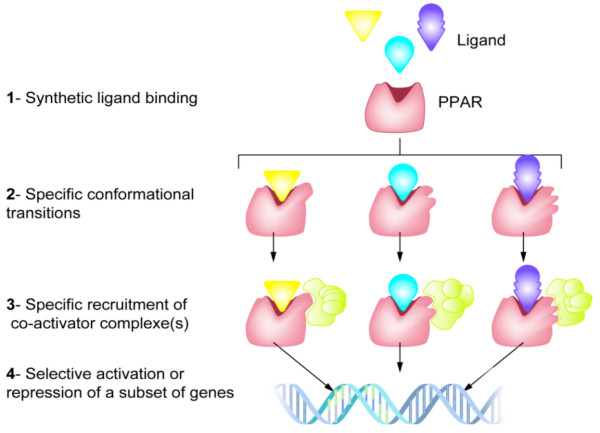
“SPPARMS are thought to interact with the large binding pocket of PPARa to induce a different co-factor recruitment, resulting in higher potency and fewer adverse side effects than the original fibrate compounds (Fruchart, 2013).”
Rajamoorthi, A., Arias, N., Basta, J. M., Lee, R. G., & Baldán, Á. (2017) · Journal of Lipid Research · doi:10.1194/jlr.m077941 · Cited by 32
Horinouchi, Y., Murashima, Y., Yamada, Y., Yoshioka, S., Fukushima, K., Kure, T., Sasaki, N., Imanishi, M., Fujino, H., Tsuchiya, K., et al. (2023) · Life Sciences · doi:10.1016/j.lfs.2023.121590 · Cited by 32
Giampietro, L., Laghezza, A., Cerchia, C., Florio, R., Recinella, L., Capone, F., Ammazzalorso, A., Bruno, I., Filippis, B. D., Fantacuzzi, M., et al. (2019) · ACS Medicinal Chemistry Letters · doi:10.1021/acsmedchemlett.8b00574 · Cited by 34
Akivis, Y., Alkaissi, H. R., McFarlane, S. I., & Bukharovich, I. F. (2024) · Current Cardiology Reviews · doi:10.2174/011573403x272750240109052319 · Cited by 34
“In comparison to traditional fibrates like feno-fibrate and gemfibrozil, Pemafibrate has a much higher selectivity and potency for PPAR-α, which results in more pronounced effects on triglyceride metabolism with potentially fewer side effects [59, 62, 63].”
Fruchart, J., Hermans, M. P., Fruchart‐Najib, J., & Kodama, T. (2021) · Current Atherosclerosis Reports · doi:10.1007/s11883-020-00897-x · Cited by 30
Self-citationHatanaka, T., Kakizaki, S., Saito, N., Nakano, Y., Nakano, S., Hazama, Y., Yoshida, S., Hachisu, Y., Tanaka, Y., Kashiwabara, K., et al. (2021) · Internal Medicine · doi:10.2169/internalmedicine.6574-20 · Cited by 34
Drexel, H., Tamargo, J. L., Kaski, J. C., Lewis, B. S., Saely, C. H., Fraunberger, P., Dobrev, D., Komiyama, M., PLATTNER, T., Agewall, S., et al. (2023) · European Heart Journal - Cardiovascular Pharmacotherapy · doi:10.1093/ehjcvp/pvad044 · Cited by 35
Zhang, Y., Lickteig, A. J., Csanaky, I. L., & Klaassen, C. D. (2017) · Toxicological Sciences · doi:10.1093/toxsci/kfx191 · Cited by 29
“Currently available fibrates, including fenofibrate and gemfibrozil, are weak PPARa agonists with limited efficacy due to their dose-related adverse effects (Fruchart, 2013).”
BackgroundFeng, X., Jia, W., Liu, X., Jing, Z., Liu, Y.-Y., Xu, W., & Cheng, X. (2018) · Computational Biology and Chemistry · doi:10.1016/j.compbiolchem.2018.11.023 · Cited by 27
“However, it is reported that the drugs (such as fibrates) have several side effects like headache and dizziness (Fruchart, 2013; Markt et al., 2008).”
BackgroundKawasaki, M., Kambe, A., Yamamoto, Y., Arulmozhiraja, S., Ito, S., Nakagawa, Y., Tokiwa, H., Nakano, S., & Shimano, H. (2020) · International Journal of Molecular Sciences · doi:10.3390/ijms21010361 · Cited by 31
Yanai, H., Adachi, H., Hakoshima, M., & Katsuyama, H. (2022) · International Journal of Molecular Sciences · doi:10.3390/ijms23073418 · Cited by 27
“PPARα is abundant in energy-demanding tissues, such as the liver, kidney, and muscles; PPARγ is predominantly found in adipose tissue, macrophages, and the large intestine; PPARβ/δ is ubiquitously distributed [67,68].”
BackgroundLinghu, L., Zong, W., Liao, Y., Chen, Q., Meng, F., Wang, G., Liao, Z., Lan, X., & Chen, M. (2023) · Research · doi:10.34133/research.0276 · Cited by 32
Effects on Liver Lipid Metabolism of the Naturally Occurring Dietary Flavone Luteolin-7-glucoside
Sá, C. M., Oliveira, A. R., Machado, C. D., Azevedo, M., & Pereira‐Wilson, C. (2015) · Evidence-based Complementary and Alternative Medicine · doi:10.1155/2015/647832 · Cited by 26
Fibrates and the risk of cardiovascular outcomes in chronic kidney disease patients
Goto, H., Iseri, K., & Hida, N. (2024) · Nephrology Dialysis Transplantation · doi:10.1093/ndt/gfad248 · Cited by 24
“Pemafibrate, a more potent and selective activator peroxisome proliferator-activated receptor-alpha, may lead to more effective lipid-lowering effects, fewer drug–drug interactions, and fewer side effects compared with older fibrates [3 , 19 –21 ].”
BackgroundDrugs targeting peroxisome proliferator-activated receptors
Xie, Z., Xin, J., Huang, C.-J., & Liao, C. (2025) · Drug Discovery Today · doi:10.1016/j.drudis.2025.104318 · Cited by 25
Effects of pemafibrate on primary biliary cholangitis with dyslipidemia
Yamaguchi, M., Asano, T., Arisaka, T., Mashima, H., Irisawa, A., & Tamano, M. (2022) · Hepatology Research · doi:10.1111/hepr.13747 · Cited by 23
“Pemafibrate is a novel fibrate that was recently developed, and it is a highly potent ligand of PPARα that effectively reduces TGs.(6,7) The purpose of this study was to examine the effect of PEM in PBC patients with dyslipidemia.”
BackgroundSugimoto, R., Iwasa, M., Eguchi, A., Tamai, Y., Shigefuku, R., Fujiwara, N., Tanaka, H., Kobayashi, Y., Ikoma, J., Kaito, M., et al. (2023) · Frontiers in Medicine · doi:10.3389/fmed.2023.1073025 · Cited by 27
Identification of novel multitargeted PPARα/γ/δ pan agonists by core hopping of rosiglitazone
Cheng, X., Wang, X., Zhang, J., Wang, S.-Q., Xu, W., & Wang, R. (2014) · Drug Design Development and Therapy · doi:10.2147/dddt.s70383 · Cited by 22
Yan, M., Wang, J., Xuan, Q., Dong, T., He, J., & Zhang, Q. (2016) · Clinical Breast Cancer · doi:10.1016/j.clbc.2016.12.004 · Cited by 26
Sahebkar, A., & Watts, G. F. (2014) · Diabetes Obesity and Metabolism · doi:10.1111/dom.12277 · Cited by 22
“Selective modulation of PPARα activity [32].”
MethodLeuci, R., Brunetti, L., Laghezza, A., Piemontese, L., Carrieri, A., Pisani, L., Tortorella, P., Catto, M., & Loiodice, F. (2022) · Molecules · doi:10.3390/molecules27030958 · Cited by 21
“With regard to stereochemistry, as previously reported for similar aryloxyacetic acids [18,42], R stereoisomers were inactive, whereas the S absolute configuration resulted in greater activity, as demonstrated from (S)-5 and (S)-11 which were the most potent derivatives of the series.”
BackgroundSystematic review and meta-analysis deciphering the impact of fibrates on paraoxonase-1 status
Sahebkar, A., Hernández‐Aguilera, A., Abelló, D., Sancho, E., Camps, J., & Joven, J. (2016) · Metabolism · doi:10.1016/j.metabol.2016.01.002 · Cited by 24
“Notably, ongoing research in selective PPARα modulators could provide valuable insights for redesigning combined treatments to decrease residual CV risk [84,85] and to manage other metabolic and non-communicable diseases [29,32].”
BackgroundApoA-I-Directed Therapies for the Management of Atherosclerosis
Millar, J. S., & Cuchel, M. (2015) · Current Atherosclerosis Reports · doi:10.1007/s11883-015-0539-0 · Cited by 21
Triglyceride-Rich Lipoproteins and Novel Targets for Anti-atherosclerotic Therapy
Reiner, Ž. (2018) · Korean Circulation Journal · doi:10.4070/kcj.2018.0343 · Cited by 21
Fruchart, J., Hermans, M. P., & Fruchart‐Najib, J. (2020) · Current Atherosclerosis Reports · doi:10.1007/s11883-020-00860-w · Cited by 19
Self-citationKonishi, H., Miyauchi, K., Ōnishi, A., Suzuki, S., Fuchimoto, D., Shitara, J., Endo, H., Wada, H., Doi, S., Naito, R., et al. (2020) · PLoS ONE · doi:10.1371/journal.pone.0241195 · Cited by 21
Lake, A. D., Chaput, A., Novák, P., Cherrington, N. J., & Smith, C. L. (2016) · Biochemical Pharmacology · doi:10.1016/j.bcp.2016.11.006 · Cited by 19
Present and emerging pharmacotherapies for non-alcoholic steatohepatitis in adults
Ogawa, Y., Yoneda, M., Kobayashi, T., Honda, Y., Kessoku, T., Imajo, K., Saito, S., & Nakajima, A. (2018) · Expert Opinion on Pharmacotherapy · doi:10.1080/14656566.2018.1543403 · Cited by 20
Vargas-Sánchez, K., Vargas, L., Urrutia, Y., Beltrán, I., Rossi, A. B., Lozano, H. Y., Guarín, J., & Losada-Barragán, M. (2020) · Journal of Inflammation · doi:10.1186/s12950-020-00264-2 · Cited by 18
PPARα Modulation-Based Therapy in Central Nervous System Diseases
Lee, D., Tomita, Y., Allen, W., Tsubota, K., Negishi, K., & Kurihara, T. (2021) · Life · doi:10.3390/life11111168 · Cited by 19
Pharmacological interventions in human HDL metabolism
Balder, J.-W., Staels, B., & Kuivenhoven, J. A. (2013) · Current Opinion in Lipidology · doi:10.1097/mol.0000000000000018 · Cited by 17
Peroxisome Proliferator-Activated Receptors Features, Functions, and Future
Youssef, J., & Badr, M. Z. (2015) · Nuclear Receptor Research · doi:10.11131/2015/101188 · Cited by 18
“Furthermore, GFT505, a dual PPARα/δ agonist, has also recently entered late-phase development [277].”
BackgroundInfluentialSPPARM alpha: the Lazarus effect
Fruchart, J., & Santos, R. D. (2019) · Current Opinion in Lipidology · doi:10.1097/mol.0000000000000640 · Cited by 19
Self-citationDou, X., Nath, D., Shin, H. Y., Nurmemmedov, E., Bourne, P. C., Ma, J., & Duerfeldt, A. S. (2020) · Journal of Medicinal Chemistry · doi:10.1021/acs.jmedchem.9b01189 · Cited by 17
Arconzo, M., Piccinin, E., & Moschetta, A. (2020) · Digestive and Liver Disease · doi:10.1016/j.dld.2020.05.034 · Cited by 21
Yanai, H., Katsuyama, H., & Hakoshima, M. (2022) · Biomedicines · doi:10.3390/biomedicines10020401 · Cited by 17
“PPARα is abundant in energy-demanding tissues, such as liver, kidney, cardiac and skeletal muscles; PPARγ is predominantly found in adipose tissue, macrophages and large intestine, whereas PPARβ/δ is more ubiquitous in distribution [5,6].”
Background
Metadata
- Authors
- Fruchart, J.-C.
- Affiliations
- Fondation Coeur et Artères (FR)
- Corresponding author
- Fruchart, Jean-Charles
- Venue
- Cardiovascular Diabetology
- Published
- 2013
- Volume
- 12
- Issue
- 1
- Pages
- 82
- ISSN
- 1475-2840 (ISSN-L)
- PMC
- PMC3682868
- OpenAlex
- W2144259092
- Cited by
- 189
- References
- 54
- Citations by year
- 2026: 7 · 2025: 12 · 2024: 14 · 2023: 18 · 2022: 10 · 2021: 15 · 2020: 18 · 2019: 15 · 2018: 22 · 2017: 16 · 2016: 13 · 2015: 11 · 2014: 17 · 2013: 1
- FWCI
- 1.32
- Type
- journal article
- Language
- en
- Open access
- gold
- doi.org
- Licence
- cc-by
- Locations
- Cardiovascular Diabetology (publishedVersion, cc-by)
- Europe PMC (PubMed Central) (publishedVersion, cc-by)
- PubMed Central (publishedVersion, cc-by)
- PubMed (publishedVersion)
- Topics
- Life Sciences › Biochemistry, Genetics and Molecular Biology › Molecular Biology › Peroxisome Proliferator-Activated Receptors
- Health Sciences › Medicine › Cardiology and Cardiovascular Medicine › Lipoproteins and Cardiovascular Health
- Life Sciences › Biochemistry, Genetics and Molecular Biology › Clinical Biochemistry › Paraoxonase enzyme and polymorphisms
- Keywords
- PPARα agonist, fibrates, aleglitazar, dyslipidemia, residual cardiovascular risk, metabolic syndrome, type 2 diabetes, triglycerides, HDL cholesterol, PPARα/γ dual agonist, fenofibrate, adverse effects
- MeSH terms
- Hypolipidemic Agents, Benzoxazoles, Butyrates, Cardiovascular Diseases, Diabetes Mellitus, Type 2, Humans, Risk Factors, PPAR alpha, PPAR gamma, Dyslipidemias, Fibric Acids
About these checks
Registry, retraction, Cites and statistics results are computed, not judged, with one exception: a printed reference that no index lists is read once by a model before it counts as a citation error. Claims are extracted by a model and kept only when their quote appears verbatim in the text; each cited source is then checked, with a model’s help, for whether it says what the claim relies on. Those verdicts can be wrong — read the claim’s quote and the cited source before relying on one.
Statistics and arithmetic are recomputed, not judged.
Confidence bands are shown only for fields calibrated on our annotated test set. None is calibrated yet, so no band is shown.
What counts as a claim ›How we measure confidence ›How we check this ›
Are you an author, or do you see a problem with this page? Request a review
Data sources
Bibliographic data: Semantic Scholar, OpenAlex, Crossref.
Contains information from the Semantic Scholar Academic Graph Datasets, made available under the ODC Attribution License (ODC-BY 1.0).
Semantic Scholar’s data is described in: Kinney, R., et al. (2023). The Semantic Scholar Open Data Platform. arXiv:2301.10140.
