

The DOI matches its Crossref record; 76 of the 76 references it cites were found in a registry or an index.
Canonical Wnt signaling is antagonized by noncanonical Wnt5a in hepatocellular carcinoma cells
Open accessAbstract
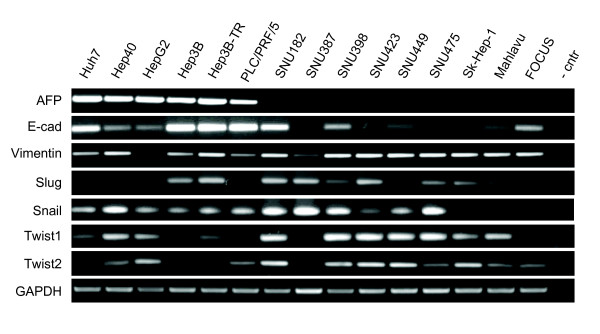
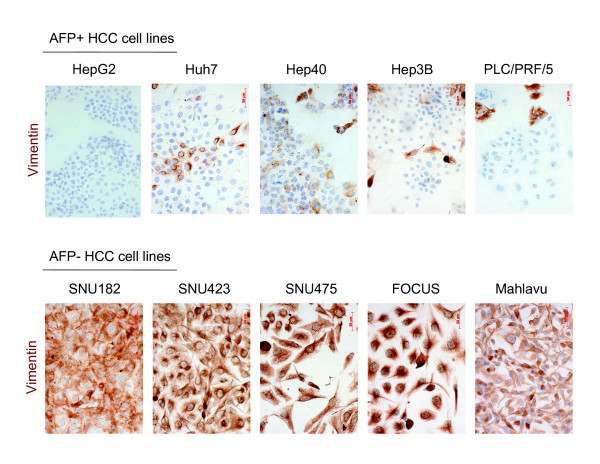
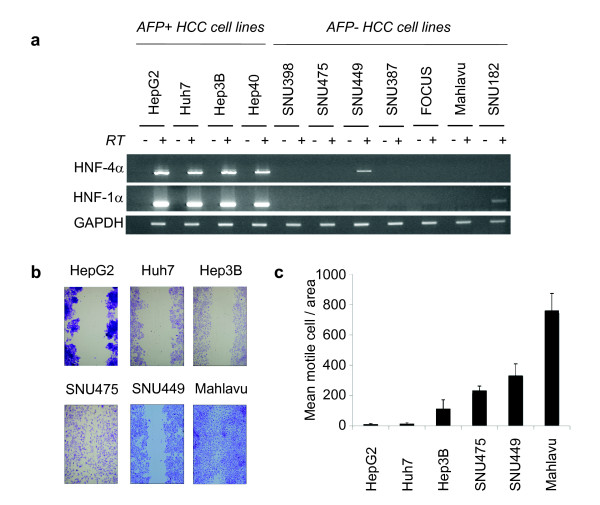
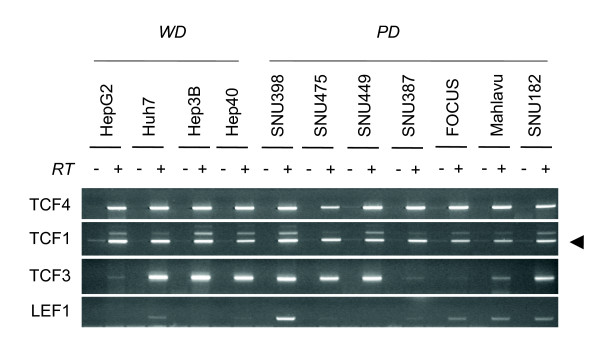
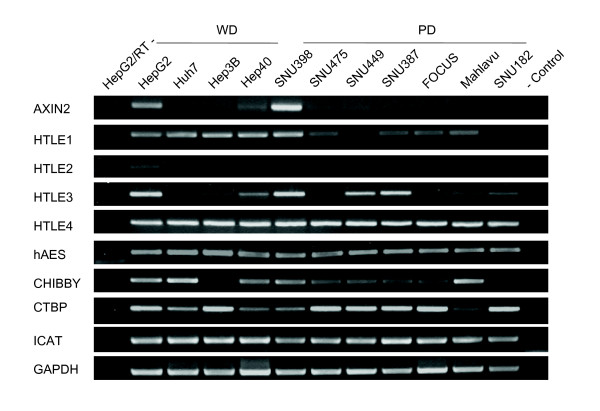
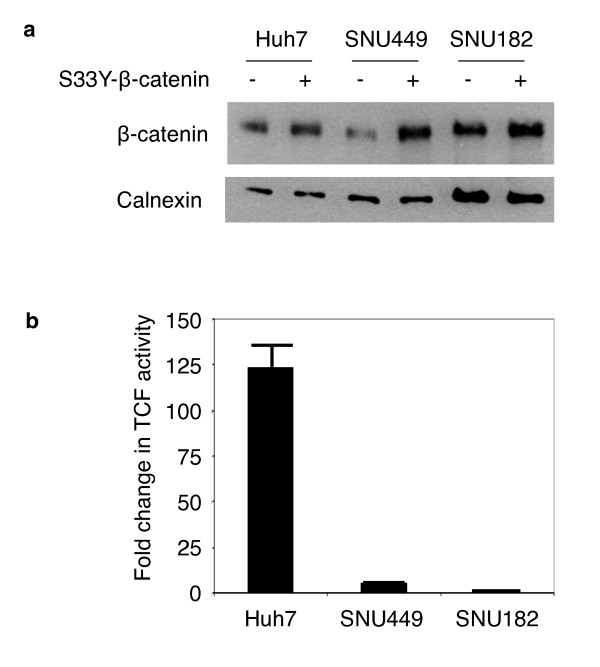
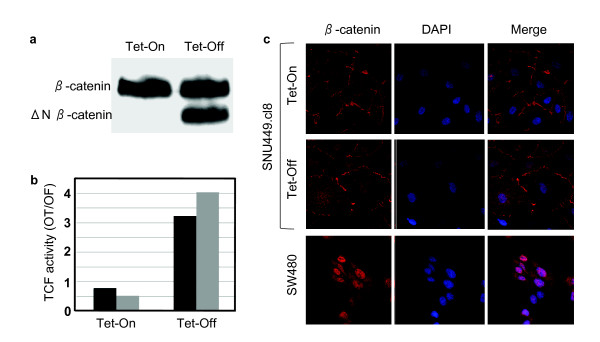
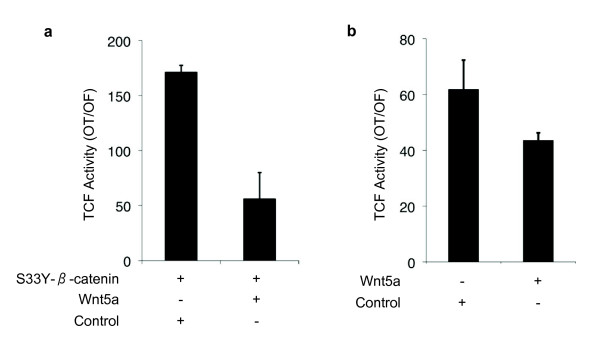
Background: β-catenin mutations that constitutively activate the canonical Wnt signaling have been observed in a subset of hepatocellular carcinomas (HCCs). These mutations are associated with chromosomal stability, low histological grade, low tumor invasion and better patient survival. We hypothesized that canonical Wnt signaling is selectively activated in well-differentiated, but repressed in poorly differentiated HCCs. To this aim, we characterized differentiation status of HCC cell lines and compared their expression status of Wnt pathway genes, and explored their activity of canonical Wnt signaling. Results: We classified human HCC cell lines into "well-differentiated" and "poorly differentiated" subtypes, based on the expression of hepatocyte lineage, epithelial and mesenchymal markers. Poorly differentiated cell lines lost epithelial and hepatocyte lineage markers, and overexpressed mesenchymal markers. Also, they were highly motile and invasive. We compared the expression of 45 Wnt pathway genes between two subtypes. TCF1 and TCF4 factors, and LRP5 and LRP6 co-receptors were ubiquitously expressed. Likewise, six Frizzled receptors, and canonical Wnt3 ligand were expressed in both subtypes. In contrast, canonical ligand Wnt8b and noncanonical ligands Wnt4, Wnt5a, Wnt5b and Wnt7b were expressed selectively in well- and poorly differentiated cell lines, respectively. Canonical Wnt signaling activity, as tested by a TCF reporter assay was detected in 80% of well-differentiated, contrary to 14% of poorly differentiated cell lines. TCF activity generated by ectopic mutant β-catenin was weak in poorly differentiated SNU449 cell line, suggesting a repressive mechanism. We tested Wnt5a as a candidate antagonist. It strongly inhibited canonical Wnt signaling that is activated by mutant β-catenin in HCC cell lines. Conclusion: Differential expression of Wnt ligands in HCC cells is associated with selective activation of canonical Wnt signaling in well-differentiated, and its repression in poorly differentiated cell lines. One potential mechanism of repression involved Wnt5a, acting as an antagonist of canonical Wnt signaling. Our observations support the hypothesis that Wnt pathway is selectively activated or repressed depending on differentiation status of HCC cells. We propose that canonical and noncanonical Wnt pathways have complementary roles in HCC, where the canonical signaling contributes to tumor initiation, and noncanonical signaling to tumor progression.
Overview
The claims and statistics of this paper haven’t been checked yet.
Run the check — free, no account needed. It reads the open-access text and checks the sources it cites.
Integrity signals
Registry
Cites
Statistics
Figures
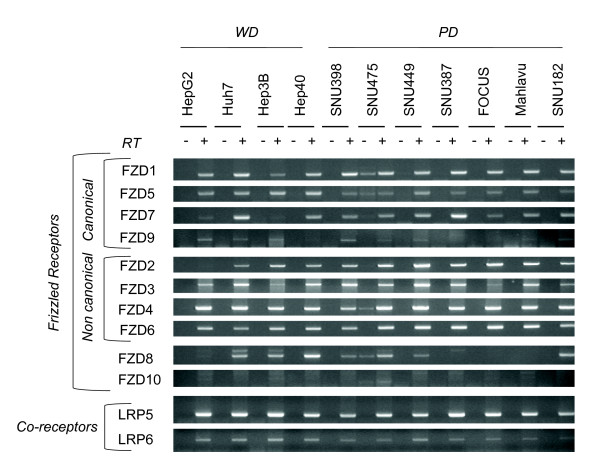
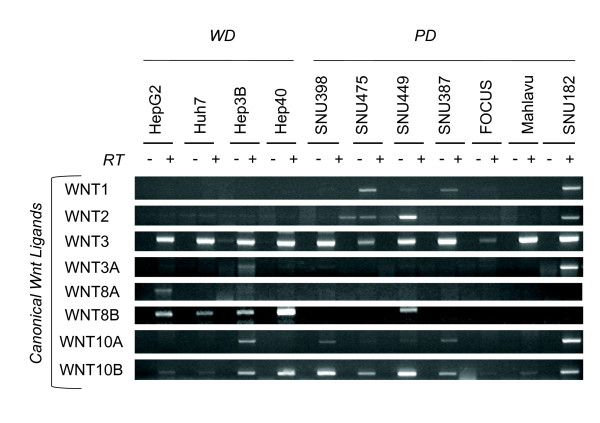
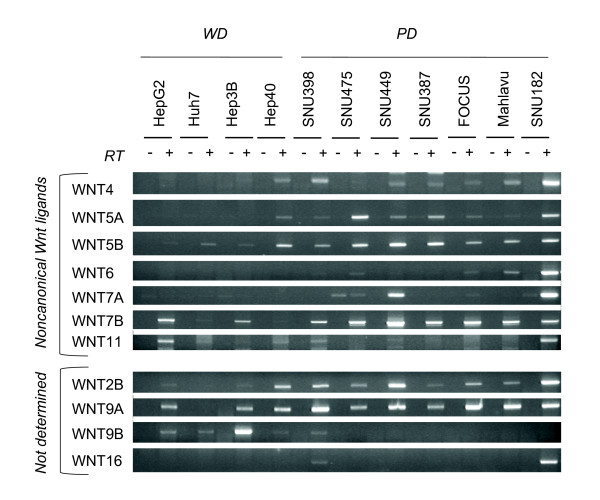
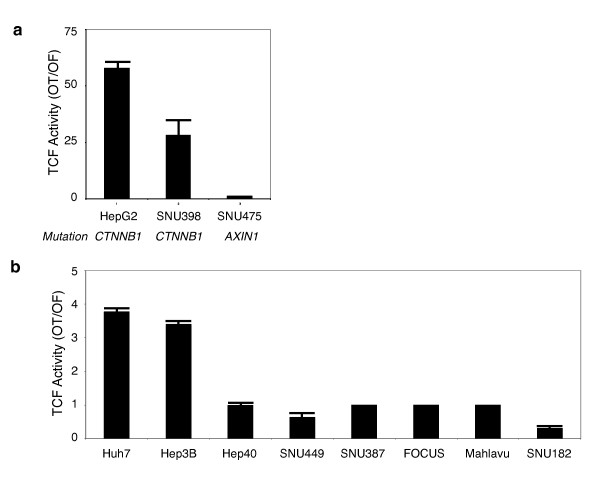
Verification
Claims the paper makes
The claims and statistics of this paper haven’t been checked yet.
Run the check — free, no account needed. It reads the open-access text and checks the sources it cites.
Claims other papers make about this one
Each is checked against this paper’s own text: does it say what the citing paper says it does?
The source backs part of the claim, not all of it — or backs it for a different population, condition or comparison.
In the citing paper
“Huh7 and SNU387 have no known mutations in β-catenin or other Wnt-related gens (27, 28).”
From Wnt-Pathway Activation in Two Molecular Classes of Hepatocellular Carcinoma and Experimental Modulation by Sorafenib (2012) · cites this paper as [27]
Experimental — accuracy not yet measured
Self-check
Percentages, sums and reported differences re-computed from the paper’s own numbers.
The self-check needs the paper’s full text.
Citations
Cites
The basics of epithelial-mesenchymal transition
Kalluri, R., & Weinberg, R. A. (2009) · Journal of Clinical Investigation · doi:10.1172/jci39104 · Cited by 10,196
Activation of β-Catenin-Tcf Signaling in Colon Cancer by Mutations in β-Catenin or APC
Morin, P. J., Sparks, A. B., Kořínek, V., Barker, N., Clevers, H. C., Vogelstein, B., & Kinzler, K. W. (1997) · Science · doi:10.1126/science.275.5307.1787 · Cited by 4,000
Wnt signalling in stem cells and cancer
Reya, T., & Clevers, H. (2005) · Nature · doi:10.1038/nature03319 · Cited by 3,666
Molecular pathogenesis of human hepatocellular carcinoma
Thorgeirsson, S. S., & Grisham, J. W. (2002) · Nature Genetics · doi:10.1038/ng0802-339 · Cited by 1,456
Purified Wnt5a Protein Activates or Inhibits β-Catenin–TCF Signaling Depending on Receptor Context
Mikels, A. J., & Nusse, R. (2006) · PLoS Biology · doi:10.1371/journal.pbio.0040115 · Cited by 1,244
Intestinal polyposis in mice with a dominant stable mutation of the β‐catenin gene
Harada, N., Tamai, Y., Ishikawa, T., Sauer, B., Takaku, K., Oshima, M., & Taketo, M. M. (1999) · The EMBO Journal · doi:10.1093/emboj/18.21.5931 · Cited by 1,212
Yamashita, T., Ji, J., Budhu, A., Forgues, M., Yang, W., Wang, H., Jia, H., Ye, Q., Qin, L., Wauthier, E., et al. (2008) · Gastroenterology · doi:10.1053/j.gastro.2008.12.004 · Cited by 1,142
Munemitsu, S. M., Albert, I., Souza, B., Rubinfeld, B., & Polakis, P. G. (1995) · Proceedings of the National Academy of Sciences · doi:10.1073/pnas.92.7.3046 · Cited by 1,021
Satoh, S., Daigo, Y., Furukawa, Y., Kato, T., Miwa, N., Nishiwaki, T., Kawasoe, T., Ishiguro, H., Fujita, M., Tokino, T., et al. (2000) · Nature Genetics · doi:10.1038/73448 · Cited by 960
Mining the Wnt pathway for cancer therapeutics
Barker, N., & Clevers, H. C. (2006) · Nature Reviews Drug Discovery · doi:10.1038/nrd2154 · Cited by 752
Wnt-5a inhibits the canonical Wnt pathway by promoting GSK-3–independent β-catenin degradation
Topol, L. Z., Jiang, X., Choi, H., Garrett-Beal, L. J., Carolan, P. J., & Yang, Y. (2003) · The Journal of Cell Biology · doi:10.1083/jcb.200303158 · Cited by 724
Chiba, T., Kita, K., Zheng, Y., Yokosuka, O., Saisho, H., Iwama, A., Nakauchi, H., & Taniguchi, H. (2006) · Hepatology · doi:10.1002/hep.21227 · Cited by 674
Parviz, F., Matullo, C., Garrison, W. D., Savatski, L., Adamson, J. W., Ning, G., Kaestner, K. H., Rossi, J. M., Zaret, K. S., & Duncan, S. A. (2003) · Nature Genetics · doi:10.1038/ng1175 · Cited by 588
WNT signalling in the immune system: WNT is spreading its wings
Staal, F. J. T., Luis, T. C., & Tiemessen, M. M. (2008) · Nature Reviews Immunology · doi:10.1038/nri2360 · Cited by 582
Focus on hepatocellular carcinoma
Bruix, J., Boix, L., Sala, M., & Llovet, J. M. (2004) · Cancer Cell · doi:10.1016/s1535-6108(04)00058-3 · Cited by 569
Apc Tumor Suppressor Gene Is the “Zonation-Keeper” of Mouse Liver
Benhamouche, S., Decaens, T., Godard, C., Chambrey, R., Rickman, D. S., Moinard, C., Vasseur-Cognet, M., Kuo, C. J., Kahn, A., Perret, C., et al. (2006) · Developmental Cell · doi:10.1016/j.devcel.2006.03.015 · Cited by 543
Ishitani, T., Kishida, S., Hyodo‐Miura, J., Ueno, N., Yasuda, J., Waterman, M. L., Shibuyà, H., Moon, R. T., Ninomiya‐Tsuji, J., & Matsumoto, K. (2002) · Molecular and Cellular Biology · doi:10.1128/mcb.23.1.131-139.2003 · Cited by 540
Mutational spectrum of β-catenin, AXIN1, and AXIN2 in hepatocellular carcinomas and hepatoblastomas
Taniguchi, K., Roberts, L. R., Aderca, I., Dong, X., Qian, C., Murphy, L. M., Nagorney, D. M., Burgart, L. J., Roche, P. C., Smith, D. I., et al. (2002) · Oncogene · doi:10.1038/sj.onc.1205591 · Cited by 485
The basics of epithelial-mesenchymal transition
Kalluri, R. K., & Weinberg, R. A. (2010) · Journal of Clinical Investigation · doi:10.1172/jci39104c1 · Cited by 483
New targets of β-catenin signaling in the liver are involved in the glutamine metabolism
Cadoret, A., Ovejero, C., Terris, B., Souil, E., Lévy, L., Lamers, W. H., Kitajewski, J., Kahn, A., & Perret, C. (2002) · Oncogene · doi:10.1038/sj.onc.1206118 · Cited by 412
Transformation by Wnt family proteins correlates with regulation of beta-catenin.
Shimizu, H., Julius, M. A., Giarrè, M., Zheng, Z., Brown, A. M. C., & Kitajewski, J. (1997) · PubMed · Cited by 409
Lee, T. K., Poon, R. T. P., Yuen, A. P. W., Ling, M. T., Kwok, W. K., Wang, X. H., Wong, Y. C., Guan, X., Man, K., Chau, K. L., et al. (2006) · Clinical Cancer Research · doi:10.1158/1078-0432.ccr-05-2722 · Cited by 402
Dissanayake, S. K., Wade, M. S., Johnson, C. E., O’Connell, M. P., Leotlela, P. D., French, A. D., Shah, K. V., Hewitt, K. J., Rosenthal, D. T., Indig, F. E., et al. (2007) · Journal of Biological Chemistry · doi:10.1074/jbc.m700075200 · Cited by 382
Wnt/β-Catenin Signaling Contributes to Activation of Normal and Tumorigenic Liver Progenitor Cells
Yang, W. K., Yan, H., Chen, L., Liu, Q., He, Y., Yu, L., Zhang, S., Huang, D., Tang, L., Kong, X., et al. (2008) · Cancer Research · doi:10.1158/0008-5472.can-07-6691 · Cited by 378
All Tcf HMG box transcription factors interact with Groucho-related co-repressors
Brantjes, H. (2001) · Nucleic Acids Research · doi:10.1093/nar/29.7.1410 · Cited by 361
β-catenin mutation and overexpression in hepatocellular carcinoma
Wong, C., Fan, S. T., & Ng, I. O. (2001) · Cancer · doi:10.1002/1097-0142(20010701)92:1 · Cited by 353
Chien, A. J., Moore, E. C., Lonsdorf, A. S., Kulikauskas, R. M., Rothberg, B. G., Berger, A. J., Major, M. B., Hwang, S. T., Rimm, D. L., & Moon, R. T. (2009) · Proceedings of the National Academy of Sciences · doi:10.1073/pnas.0811902106 · Cited by 344
An autocrine mechanism for constitutive Wnt pathway activation in human cancer cells
Bafico, A., Liu, G., Goldin, L., Harris, V., & Aaronson, S. A. (2004) · Cancer Cell · doi:10.1016/j.ccr.2004.09.032 · Cited by 329
Genetics of hepatocellular tumors
Laurent‐Puig, P., & Zucman‐Rossi, J. (2006) · Oncogene · doi:10.1038/sj.onc.1209547 · Cited by 317
Wnt5a inhibits canonical Wnt signaling in hematopoietic stem cells and enhances repopulation
Nemeth, M. J., Topol, L. Z., Anderson, S. M., Yang, Y., & Bodine, D. M. (2007) · Proceedings of the National Academy of Sciences · doi:10.1073/pnas.0704747104 · Cited by 316
Fuchs, B. C., Fujii, T., Dorfman, J. D., Goodwin, J. M., Zhu, A. X., Lanuti, M. D., & Tanabe, K. K. (2008) · Cancer Research · doi:10.1158/0008-5472.can-07-2460 · Cited by 308
Hsu, H., Jeng, Y., Mao, T., Chu, J., Lai, P., & Peng, S. (2000) · American Journal Of Pathology · doi:10.1016/s0002-9440(10)64590-7 · Cited by 294
Snail and SIP1 increase cancer invasion by upregulating MMP family in hepatocellular carcinoma cells
Miyoshi, A., Kitajima, Y., Sumi, K., Sato, K., Hagiwara, A., Koga, Y., & Miyazaki, K. (2004) · British Journal of Cancer · doi:10.1038/sj.bjc.6601685 · Cited by 283
The opposing roles of Wnt-5a in cancer
McDonald, S. L., & Silver, A. R. (2009) · British Journal of Cancer · doi:10.1038/sj.bjc.6605174 · Cited by 260
Giannelli, G., Bergamini, C., Fransvea, E., Sgarra, C., & Antonaci, S. (2005) · Gastroenterology · doi:10.1053/j.gastro.2005.09.055 · Cited by 258
Battle, M. A., Konopka, G., Parviz, F., Gaggl, A. L., Yang, C., Sladek, F. M., & Duncan, S. A. (2006) · Proceedings of the National Academy of Sciences · doi:10.1073/pnas.0600246103 · Cited by 246
Association of Vimentin overexpression and hepatocellular carcinoma metastasis
Hu, L., Lau, S. H., Tzang, C., Wen, J., Wang, W., Xie, D., Huang, M., Wang, Y., Wu, M., Huang, J.-F., et al. (2003) · Oncogene · doi:10.1038/sj.onc.1206483 · Cited by 230
Lazarevich, N. L., Cheremnova, O. A., Varga, E. V., Ovchinnikov, D. A., Kudryavtseva, E. I., Morozova, O. V., Fleishman, D. I., Engelhardt, N. V., & Duncan, S. A. (2004) · Hepatology · doi:10.1002/hep.20155 · Cited by 218
Common dysregulation of Wnt/Frizzled receptor elements in human hepatocellular carcinoma
Bengochea, A., de Souza, M. M., Lefrançois, L., Le Roux, E., Galy, O., Chemin, I., Kim, M., Wands, J. R., Trepo, C., Hainaut, P., et al. (2008) · British Journal of Cancer · doi:10.1038/sj.bjc.6604422 · Cited by 215
Lee, H. C., Tian, B., Sedivy, J. M., Wands, J. R., & Kim, M. (2006) · Gastroenterology · doi:10.1053/j.gastro.2006.07.012 · Cited by 198
Kim, M., Lee, H. C., Tsedensodnom, O., Hartley, R., Lim, Y., Yu, E., Merle, P., & Wands, J. R. (2008) · Journal of Hepatology · doi:10.1016/j.jhep.2007.12.020 · Cited by 185
Meng, Q., Springall, D. R., Bishop, A. E., Morgan, K., Evans, T. J., Habib, S. B., Gruenert, D. C., Gyi, K. M., Hodson, M. E., Yacoub, M. H., et al. (1998) · The Journal of Pathology · doi:10.1002/(sici)1096-9896(199803)184:3 · Cited by 176
Wnt/β-catenin signaling mediates oval cell response in rodents
Apte, U. M., Thompson, M. D., Cui, S., Liu, B., Cieply, B. W., & Monga, S. P. (2007) · Hepatology · doi:10.1002/hep.21973 · Cited by 174
Ripka, S., König, A. O., Buchholz, M., Wagner, M., Sipos, B., Klöppel, G., Downward, J., Gress, T. M., & Michl, P. (2007) · Carcinogenesis · doi:10.1093/carcin/bgl255 · Cited by 172
Transcriptional repressor snail and progression of human hepatocellular carcinoma.
Sugimachi, K., Tanaka, S., 亀山, 敏., Taguchi, K., Aishima, S., Shimada, M., Sugimachi, K., & Tsuneyoshi, M. (2003) · PubMed · Cited by 170
Harada, N., Miyoshi, H., Murai, N., Oshima, H., Tamai, Y., Oshima, M., & Taketo, M. M. (2002) · PubMed · Cited by 164
Wnt/β-Catenin Signaling in Murine Hepatic Transit Amplifying Progenitor Cells
Hu, M., Kurobe, M., Jeong, Y. J., Fuerer, C., Ghole, S. A., Nusse, R., & Sylvester, K. G. (2007) · Gastroenterology · doi:10.1053/j.gastro.2007.08.036 · Cited by 164
Liver Zonation Occurs Through a β-Catenin–Dependent, c-Myc–Independent Mechanism
Burke, Z. D., Reed, K. R., Phesse, T. J., Sansom, O. J., Clarke, A. R., & Tosh, D. (2009) · Gastroenterology · doi:10.1053/j.gastro.2009.02.063 · Cited by 163
Cholestasis is a marker for hepatocellular carcinomas displaying β‐catenin mutations
Audard, V, Grimber, G., Elie, C., Radenen, B., Audebourg, A., Letourneur, F., Soubrane, O., Vacher‐Lavenu, M., Perret, C., Cavard, C., et al. (2007) · The Journal of Pathology · doi:10.1002/path.2169 · Cited by 162
Oncogenic role of the frizzled-7/β-catenin pathway in hepatocellular carcinoma
Merle, P., Kim, M., Herrmann, M., Gupte, A. R., Lefrançois, L., Califano, S., TREPO, C. G., Tanaka, S., Vitvitski, L., de la Monte, S. M., et al. (2005) · Journal of Hepatology · doi:10.1016/j.jhep.2005.05.018 · Cited by 158
Wnt'er in liver: Expression of Wnt and frizzled genes in mouse
Zeng, G., Awan, F. T., Otruba, W., Stock, P., Apte, U. M., Tan, X., Gandhi, C. R., Demetris, A. J., & Monga, S. P. (2006) · Hepatology · doi:10.1002/hep.21473 · Cited by 146
Wei, W., Chua, M., Grepper, S., & So, S. K. (2009) · International Journal of Cancer · doi:10.1002/ijc.24810 · Cited by 145
Wnt signaling and hepatocarcinogenesis: The hepatoblastoma model
Armengol, C., Cairo, S., Fabrè, M., & Buendia, M. (2009) · The International Journal of Biochemistry & Cell Biology · doi:10.1016/j.biocel.2009.07.012 · Cited by 137
Histopathology of liver cancers
Kojiro, M. (2005) · Best Practice & Research Clinical Gastroenterology · doi:10.1016/j.bpg.2004.10.007 · Cited by 126
Taki, M., Kamata, N., Yokoyama, K., Fujimoto, R., Tsutsumi, S., & Nagayama, M. (2003) · Cancer Science · doi:10.1111/j.1349-7006.2003.tb01488.x · Cited by 122
Twist expression promotes migration and invasion in hepatocellular carcinoma
Matsuo, N., Shiraha, H., Fujikawa, T., Takaoka, N., Ueda, N., Tanaka, S., Nishina, S., Nakanishi, Y., Uemura, M., Takaki, A., et al. (2009) · BMC Cancer · doi:10.1186/1471-2407-9-240 · Cited by 116
E-cadherin is involved in the intrahepatic metastasis of hepatocellular carcinoma
Osada, T., Sakamoto, M., Ino, Y., Iwamatsu, A., Matsuno, Y., Muto, T., & Hirohashi, S. (1996) · Hepatology · doi:10.1002/hep.510240627 · Cited by 116
Niu, R., Zhang, L., Xi, G. M., Wei, X., Yang, Y., Shi, Y., & Hao, X. (2007) · PubMed · Cited by 112
Lee, J., & Thorgeirsson, S. S. (2002) · Hepatology · doi:10.1053/jhep.2002.33165 · Cited by 111
p53 mutation as a source of aberrant β-catenin accumulation in cancer cells
Cagatay, T., & Ozturk, M. (2002) · Oncogene · doi:10.1038/sj.onc.1205919 · Cited by 110
Wnt/β-catenin signaling in hepatic organogenesis
Nejak‐Bowen, K. N., & Monga, S. P. (2008) · Organogenesis · doi:10.4161/org.4.2.5855 · Cited by 103
Lahsnig, C., Mikula, M., Petz, M., Zulehner, G., Schneller, D., van Zijl, F., Huber, H., Csiszar, A., Beug, H., & Mikulits, W. (2008) · Oncogene · doi:10.1038/onc.2008.418 · Cited by 95
Calvisi, D. F., Factor, V. M., Loi, R., & Thorgeirsson, S. S. (2001) · PubMed · Cited by 93
Snail controls differentiation of hepatocytes by repressing HNF4α expression
Cicchini, C., Filippini, D., Coen, S., Marchetti, A., Cavallari, C., Laudadio, I., Spagnoli, F. M., Alonzi, T., & Tripodi, M. (2006) · Journal of Cellular Physiology · doi:10.1002/jcp.20730 · Cited by 75
Evaluation of BRCA2 in the genetic susceptibility of familial esophageal cancer
Hu, N., Wang, C., Han, X., He, L.-J., Tang, Z., Giffen, C. A., Emmert‐Buck, M. R., Goldstein, A. M., & Taylor, P. R. (2003) · Oncogene · doi:10.1038/sj.onc.1207150 · Cited by 73
Erdal, E., Öztürk, N., Çağatay, T., Ekşioğlu, E., & Öztürk, M. (2005) · International Journal of Cancer · doi:10.1002/ijc.20972 · Cited by 71
Self-citationRoarty, K. P., Baxley, S. E., Crowley, M. R., Frost, A. R., & Serra, R. A. (2009) · Breast Cancer Research · doi:10.1186/bcr2244 · Cited by 70
Riou, P., Saffroy, R., Chenailler, C., Franc, B., Gentile, C., Rubinstein, E., Resink, T. J., Debuire, B., Piatier‐Tonneau, D., & Lemoine, A. (2006) · The FASEB Journal · doi:10.1096/fj.06-6085com · Cited by 60
Liu, X., Wang, L., Zhang, S., Lin, J., Zhang, S., Feitelson, M. A., Gao, H., & Zhu, M.-H. (2008) · Carcinogenesis · doi:10.1093/carcin/bgn111 · Cited by 57
Du, G.-S., Wang, J., Lu, J., Li, Q., Ma, C., Du, J.-T., & Zou, S.-Q. (2009) · Annals of Surgical Oncology · doi:10.1245/s10434-009-0423-7 · Cited by 56
Fatal hepatic vascular toxicity of DTIC.Is it really a rare event?
Ceci, G., Bella, M., Melissari, M., Gabrielli, M., Bocchi, P., & Cocconi, G. (1988) · Cancer · doi:10.1002/1097-0142(19880515)61:10 · Cited by 43
Expression of Wnt-5a and its clinicopathological significance in hepatocellular carcinoma
Liu, X. H., Pan, M., Zhou, L., Wu, B., Rao, Q., Zhou, Z., & Zhou, X. (2008) · Digestive and Liver Disease · doi:10.1016/j.dld.2007.12.011 · Cited by 41
Ishiyama, T., Kano, J., Minami, Y., Iijima, T., Morishita, Y., & Noguchi, M. (2003) · Cancer Science · doi:10.1111/j.1349-7006.2003.tb01515.x · Cited by 38
Yoshikawa, H., Matsubara, K., Zhou, X., Okamura, S., Kubo, T., Murase, Y., Shikauchi, Y., Esteller, M., Herman, J. G., Wang, X. W., et al. (2007) · Molecular Biology of the Cell · doi:10.1091/mbc.e06-10-0889 · Cited by 37
Control of Differentiation in Progression of Epithelial Tumors
Abelev, G. I., & Lazarevich, N. L. (2006) · Advances in cancer research · doi:10.1016/s0065-230x(06)95003-9 · Cited by 29
Cited by
Sorted by citations
WNT/β-catenin signaling in the development of liver cancers
He, S., & Tang, S. (2020) · Biomedicine & Pharmacotherapy · doi:10.1016/j.biopha.2020.110851 · Cited by 367
Lachenmayer, A., Alsinet, C., Savic, R., Cabellos, L., Toffanin, S., Hoshida, Y., Villanueva, A., Minguez, B., Newell, P., Tsai, H.-W., et al. (2012) · Clinical Cancer Research · doi:10.1158/1078-0432.ccr-11-2322 · Cited by 306
Pez, F., Lopez, A., Kim, M., Wands, J. R., de Fromentel, C. C., & Merle, P. (2013) · Journal of Hepatology · doi:10.1016/j.jhep.2013.07.001 · Cited by 302
Convergence between Wnt-β-catenin and EGFR signaling in cancer
Hu, T., & Li, C. (2010) · Molecular Cancer · doi:10.1186/1476-4598-9-236 · Cited by 291
Şentürk, Ş., Mumcuoğlu, M., Gürsoy-Yüzügüllü, Ö., Cingoz, B., Akçalı, K. C., & Öztürk, M. (2010) · Hepatology · doi:10.1002/hep.23769 · Cited by 243
Metadata
- Authors
- Yuzugullu, H., Benhaj, K., Ozturk, N., Senturk, S., Celik, E., Toylu, A., Tasdemir, N., Yilmaz, M., Erdal, E., Akcali, K. C., Atabey, N., & Ozturk, M.
- Affiliations
- Bilkent University (TR)
- Dokuz Eylül University (TR)
- Venue
- Molecular Cancer
- Published
- 2009-10-22
- Volume
- 8
- Issue
- 1
- Pages
- 90-90
- ISSN
- 1476-4598 (ISSN-L)
- PMC
- PMC2770486
- OpenAlex
- W2152347253
- Cited by
- 215
- References
- 76
- Citations by year
- 2026: 5 · 2025: 12 · 2024: 9 · 2023: 16 · 2022: 14 · 2021: 21 · 2020: 19 · 2019: 9 · 2018: 13 · 2017: 9 · 2016: 17 · 2015: 21 · 2014: 13 · 2013: 9 · 2012: 13
- FWCI
- 3.76
- Type
- journal article
- Language
- en
- Open access
- gold
- doi.org
- Licence
- cc-by
- Locations
- Molecular Cancer (publishedVersion, cc-by)
- PubMed Central (publishedVersion, cc-by)
- PubMed (publishedVersion)
- Bilkent University Institutional Repository (Bilkent University) (submittedVersion)
- Carolina Digital Repository (University of North Carolina at Chapel Hill) (submittedVersion)
- HAL (submittedVersion, other-oa)
- Carolina Digital Repository (University of North Carolina at Chapel Hill) (submittedVersion, cc-by)
- DOAJ (DOAJ: Directory of Open Access Journals) (submittedVersion)
- UNC Libraries
- Funders
- Kræftens Bekæmpelse
- Türkiye Bilimsel ve Teknolojik Araştırma Kurumu
- Türkiye Bilimler Akademisi
- Topics
- Life Sciences › Biochemistry, Genetics and Molecular Biology › Molecular Biology › Wnt/β-catenin signaling in development and cancer
- Health Sciences › Medicine › Oncology › Cancer Cells and Metastasis
- Life Sciences › Biochemistry, Genetics and Molecular Biology › Molecular Biology › Signaling Pathways in Disease
- Keywords
- hepatocellular carcinoma, Wnt/β-catenin signaling, non-canonical Wnt signaling, Wnt5a, CTNNB1 mutation, tumor differentiation, TCF transcription factors, Frizzled receptors, tumor invasion, tumor progression
- MeSH terms
- Wnt-5a Protein, Cell Differentiation, Cell Nucleus, Carcinoma, Hepatocellular, Humans, Immunohistochemistry, Ligands, Liver Neoplasms, Mutation, Neoplasm Proteins, Proto-Oncogene Proteins, Receptors, LDL, Biomarkers, Tumor, Signal Transduction, Gene Expression Regulation, Neoplastic, Genes, Reporter, Autocrine Communication, Cell Line, Tumor, Wnt Proteins, Frizzled Receptors, TCF Transcription Factors
About these checks
Registry, retraction, Cites and statistics results are computed, not judged, with one exception: a printed reference that no index lists is read once by a model before it counts as a citation error. Claims are extracted by a model and kept only when their quote appears verbatim in the text; each cited source is then checked, with a model’s help, for whether it says what the claim relies on. Those verdicts can be wrong — read the claim’s quote and the cited source before relying on one.
Statistics and arithmetic are recomputed, not judged.
Confidence bands are shown only for fields calibrated on our annotated test set. None is calibrated yet, so no band is shown.
What counts as a claim ›How we measure confidence ›How we check this ›
Are you an author, or do you see a problem with this page? Request a review
