

Correlates of physician burnout across regions and specialties: a meta-analysis
Open accessThe DOI matches its Crossref record; 87 of the 87 references it cites were found in a registry or an index.
Abstract
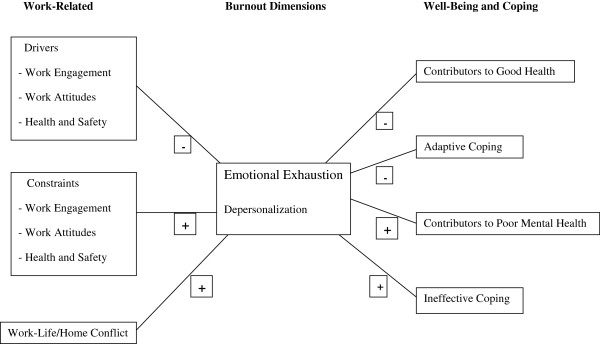
BACKGROUND: Health care organizations globally realize the need to address physician burnout due to its close linkages with quality of care, retention and migration. The many functions of health human resources include identifying and managing burnout risk factors for health professionals, while also promoting effective coping. Our study of physician burnout aims to show: (1) which correlates are most strongly associated with emotional exhaustion (EE) and depersonalization (DP), and (2) whether the associations vary across regions and specialties. METHODS: Meta-analysis allowed us to examine a diverse range of correlates. Our search yielded 65 samples of physicians from various regions and specialties. RESULTS: EE was negatively associated with autonomy, positive work attitudes, and quality and safety culture. It was positively associated with workload, constraining organizational structure, incivility/conflicts/violence, low quality and safety standards, negative work attitudes, work-life conflict, and contributors to poor mental health. We found a similar but weaker pattern of associations for DP.Physicians in the Americas experienced lower EE levels than physicians in Europe when quality and safety culture and career development opportunities were both strong, and when they used problem-focused coping. The former experienced higher EE levels when work-life conflict was strong and they used ineffective coping. Physicians in Europe experienced lower EE levels than physicians in the Americas with positive work attitudes. We found a similar but weaker pattern of associations for DP.Outpatient specialties experienced higher EE levels than inpatient specialties when organization structures were constraining and contributors to poor mental health were present. The former experienced lower EE levels when autonomy was present. Inpatient specialties experienced lower EE levels than outpatient specialties with positive work attitudes. As above, we found a similar but weaker pattern of associations for DP. CONCLUSIONS: Although we could not infer causality, our findings suggest: (1) that EE represents the core burnout dimension; (2) that certain individual and organizational-level correlates are associated with reduced physician burnout; (3) the benefits of directing resources where they are most needed to physicians of different regions and specialties; and (4) a call for research to link physician burnout with performance.
Overview
The claims and statistics of this paper haven’t been checked yet.
Free: it reads the open-access text and checks the first 5 claims that cite a source we can check. Create a free account to check every claim.
Integrity signals
Registry
Cites
Statistics
Figures
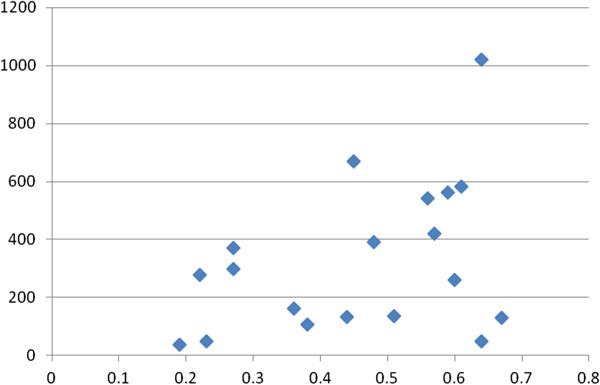
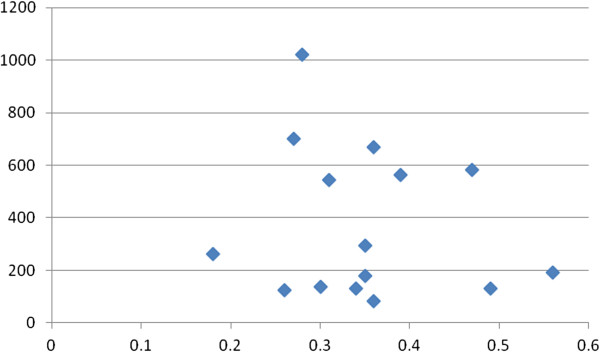
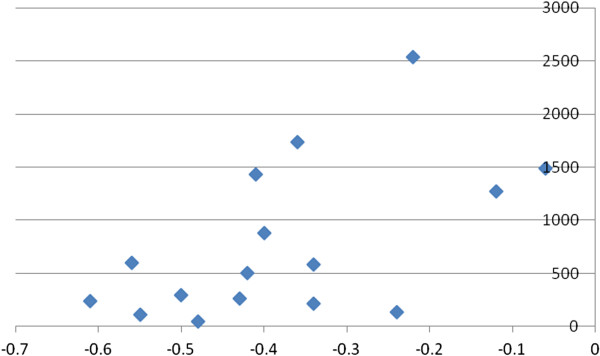
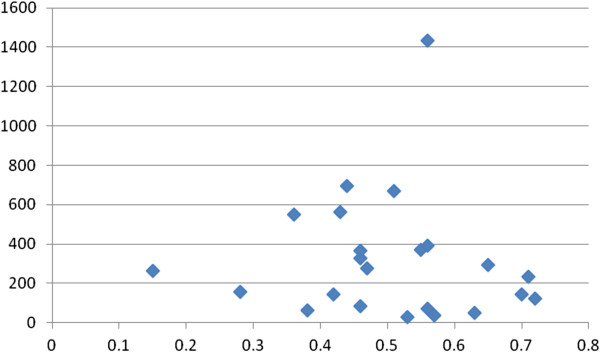
Verification
Claims the paper makes
The claims and statistics of this paper haven’t been checked yet.
Free: it reads the open-access text and checks the first 5 claims that cite a source we can check. Create a free account to check every claim.
Claims other papers make about this one
Each is checked against this paper’s own text: does it say what the citing paper says it does?
The source backs part of the claim, not all of it — or backs it for a different population, condition or comparison.
In the citing paper
“This disparity was expected given that the burnout experience is understood to be significantly varied across different economies, geographical regions [19], culture, and ethnicity [20].”
From Burnout among neurology residents during the COVID-19 pandemic: a national cross-sectional study (2022) · cites this paper as [19]
Experimental — accuracy not yet measuredThe source backs part of the claim, not all of it — or backs it for a different population, condition or comparison.
In the citing paper
“Contrary to the findings of the previous studies [19, 25] which showed significant direct correlation between the number of working hours and burnout scores in the DP subscale, our study revealed that participants who had 0–2 on-duty days in a week had significantly higher DP scores than those who had 3–4 on-duty days per week.”
From Burnout among neurology residents during the COVID-19 pandemic: a national cross-sectional study (2022) · cites this paper as [19]
Experimental — accuracy not yet measured
Self-check
Percentages, sums and reported differences re-computed from the paper’s own numbers.
The self-check needs the paper’s full text.
Citations
Cites
Preferred Reporting Items for Systematic Reviews and Meta-Analyses: the PRISMA statement
Moher, D., Liberati, A., Tetzlaff, J., Altman, D. G., & for the PRISMA Group (2009) · BMJ · doi:10.1136/bmj.b2535 · Cited by 83,823
Preferred reporting items for systematic reviews and meta-analyses: the PRISMA Statement.
(2009) · PubMed Central · Cited by 44,859
Preferred Reporting Items for Systematic Reviews and Meta-Analyses: The PRISMA Statement
Moher, D., Liberati, A., Tetzlaff, J., & Altman, D. G. (2009) · Journal of Clinical Epidemiology · doi:10.1016/j.jclinepi.2009.06.005 · Cited by 19,575
The file drawer problem and tolerance for null results.
Rosenthal, R. (1979) · Psychological Bulletin · doi:10.1037/0033-2909.86.3.638 · Cited by 9,068 · cited 1×
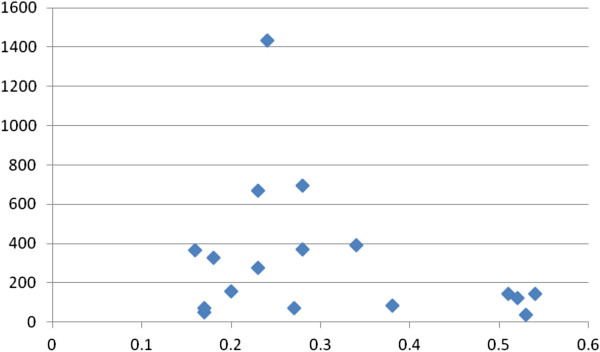
“05 (that is, fail-safe k or kfs) for each correlate [20], and (2) examining the funnel plots of correlates with k ≥15.”
BackgroundEssentials of Behavioral Research: Methods and Data Analysis
Rosenthal, R., & Rosnow, R. L. (1984) · Cited by 3,925
Field Theory in Social Science: Selected Theoretical Papers.
Price, D. O., Lewin, K., & Cartwright, D. (1951) · American Sociological Review · doi:10.2307/2087618 · Cited by 3,501
The World Health report 2006 1 : Working together for health 2
Guilbert, J.-J. (2006) · Education for Health: Change in Learning & Practice · doi:10.1080/13576280600937911 · Cited by 2,654
Burnout and self-reported patient care in an internal medicine residency program
Shanafelt, T. D., Bradley, K. A., Wipf, J. E., & Back, A. L. (2002) · Annals of Internal Medicine · doi:10.7326/0003-4819-136-5-200203050-00008 · Cited by 2,165
Burnout and Medical Errors Among American Surgeons
Shanafelt, T. D., Balch, C. M., Bechamps, G., Russell, T., Dyrbye, L., Satele, D., Collicott, P., Novotny, P. J., Sloan, J., & Freischlag, J. (2010) · Annals of Surgery · doi:10.1097/sla.0b013e3181bfdab3 · Cited by 2,099
Prentice, T. (2013) · Res Medica · doi:10.2218/resmedica.v21i1.510 · Cited by 1,707
Research works printed but not linked: 16
- 1. Embriaco N, Azoulay E, Barrau K, Kentish N, Pochard F, Loundou A, Papazian L: High level of burn- out in intensivists. Am J Respir Crit Care Med 2007; 175:686-692.
- 6. Visser MRM, Smets EMA, Oort FJ, de Haes HCJM: Stress, satisfaction, and burnout among Dutch medical specialists. CMAJ 2003; 168:271-275.
- 8. Deckard GJ, Hicks LL, Hamory BH: The occurrence and distribution of burnout among infectious diseases physicians. J Infect Dis 1992; 165:224-228.
- 18. Lee FJ, Stewart M, Brown JB: Stress, burnout, and strategies for reducing them. Can Fam Physician 2008; 54:234-235.
- 70. Lee RT, Lovell BL, Brotheridge CM: Tenderness and steadiness: Relating job and interpersonal demands and resources with burnout and physical symptoms of stress in Canadian physicians. J Appl Soc Psychol 2010, 40:2319-2342.
- 44. Ramirez AJ, Graham J, Richards MA, Cull A, Gregory WM: Satisfaction at work. Lancet 1996; 347:724-728.
- 46. Barros D, Tironi M, Sobrinho C, Neves F, Bitencourt A, Almeida A, de Souza Y, Teles M, Feitosa A, Mota I, França J, Borges L, Lordão M, Trindade M, Almeida M, Filho E, José E, dos Reis: Intensive care unit physicians: socio-demographic profile, working conditions, and factors associated to the burnout syndrome. Rev Bras Ter Intensiva 2008; 20:235-240.
- 56. Bakker AB, Schaufeli WB, Sixma HJ, Bosveld W, Van Dierendonck D: Patient demands, lack of reciprocity, and burnout: longitudinal study among general practi- tioners. J Organ Beh 2000; 21:425-441.
- 60. Esquivel-Molina C, Buendia-Cano F, Martinez-Garcia O. Martinez-Mendoza J, Martinez-Ordaz V, Velasco-Rodr íguez V: Burnout syndrome in medical staff affiliated to a tertiary care hospital (article in Spanish). Rev Med Inst Mex Seguro Soc 2007; 45:427-436.
- 61. López-León E, Rodriguez-Moctezuma J, López- Carmona J, Peralta-Pedrero M, Munguía-Miranda C: Professional burnout in family physicians and its asso- ciation with social demographic and labor factors (article in Spanish). Rev Med Inst Mex Seguro Soc 2007; 45:13-19.
- 62. Escribà-Agüir V, Artazcoz L, Pérez-Hoyos S: Effect of psychosocial work environment and job satisfaction on burnout syndrome among specialist physicians (art- icle in Spanish). Gac Sanit 2008; 22:300-308.
- 63. Santos M, Abalo J: Burnout syndrome in medical staff working in neonatal intensive care units (article in Spanish). Psicologia y Salud 2005; 15:25-32.
- 30. Halbesleben JRB, Rathert C: Linking physician burn- out and patient outcomes: exploring the dyadic relationship between physicians and patients. Health Care Manage Rev 2008; 33:29-39.
- 73. Kuhn K: Challenge of modern working life to mental well-being and social inclusion, workplace-related mental health problems, risks and prevention. In Mental Health and Well-being at the Workplace: Protection and Inclusion in Challenging Times. Edited by Baumann A, Muijen M, Gaebel W. Copenhagen: WHO; 2010:13-17.
- 79. Hunter JE, Schmidt FL: Methods of Meta-analysis: Correcting Error and Bias. Newbury Park, CA: Sage; 1990.
- 84. Schwarzer R: Meta: Meta-analysis Programs Version 5.3. National Collegiate Software Clearinghouse: Raleigh, NC; 1989.
Cited by
Factors related to physician burnout and its consequences: a review
Patel, R. S., Bachu, R., Adikey, A., Malik, M., & Shah, M. (2018) · Behavioral Sciences · doi:10.3390/bs8110098 · Cited by 896
“US physicians experience lower emotional exhaustion compared to European physicians due to safe culture, excellent career opportunities, and the problem facing coping methods [18].”
BackgroundThe relationship between professional burnout and quality and safety in healthcare: a meta-analysis
Salyers, M. P., Bonfils, K. A., Luther, L., Firmin, R. L., White, D. A., Adams, E. L., & Rollins, A. L. (2017) · Journal of General Internal Medicine · doi:10.1007/s11606-016-3886-9 · Cited by 843
“Within healthcare, Lee and colleagues 26 studied correlates of burnout, but the sample was restricted to physicians, and few studies assessed quality.”
BackgroundBurnout and Doctors: Prevalence, Prevention and Intervention
Kumar, S. (2016) · Healthcare · doi:10.3390/healthcare4030037 · Cited by 560
“A recent meta-analysis [21] found doctors in the USA experienced lower levels of Emotional Exhaustion (EE) than their counterparts in Europe where quality, safety culture and career development opportunities were strong.”
BackgroundInfluentialDewa, C. S., Loong, D., Bonato, S., & Trojanowski, L. (2017) · BMJ Open · doi:10.1136/bmjopen-2016-015141 · Cited by 526
“16 21 22 Thus, this systematic review of the literature extends our knowledge about the dimensions of quality of care that reflect physician interactions with patients and a dimension of well-being that is affected by the work environment.”
BackgroundAssociations between job burnout and self-efficacy: a meta-analysis
Shoji, K., Cieslak, R., Smoktunowicz, E., Rogala, A., Benight, C. C., & Luszczynska, A. (2016) · Anxiety, Stress, & Coping · doi:10.1080/10615806.2015.1058369 · Cited by 417
“risk factors (Lee et al., 2013) and the associations between burnout and other mental health out-”
BackgroundEmotional Labor and Burnout: A Review of the Literature
Jeung, D.-Y., Kim, C., & Chang, S.-J. (2018) · Yonsei Medical Journal · doi:10.3349/ymj.2018.59.2.187 · Cited by 304
Lizano, E. L., & Mor Barak, M. (2015) · Children and Youth Services Review · doi:10.1016/j.childyouth.2015.05.005 · Cited by 211
Addressing Burnout in Radiologists
Chetlen, A. L., Chan, T. L., Ballard, D. H., Frigini, L. A., Hildebrand, A., Kim, S., Brian, J. M., Krupinski, E. A., & Ganeshan, D. (2019) · Academic Radiology · doi:10.1016/j.acra.2018.07.001 · Cited by 184
Burnout in French physicians: A systematic review and meta-analysis
Kansoun, Z., Boyer, L., Hodgkinson, M., Villes, V., Lançon, C., & Fond, G. (2019) · Journal of Affective Disorders · doi:10.1016/j.jad.2018.12.056 · Cited by 167
Abdo, S. A. M., El-Sallamy, R. M., El-Sherbiny, A. A. M., & Kabbash, I. A. (2015) · Eastern Mediterranean Health Journal · doi:10.26719/2015.21.12.906 · Cited by 166
“It was positively associated with workload, constraining organizational structure, incivility, conflicts, violence, low quality and safety standards, negative work attitudes, work-life conflict and contributors to poor mental health (41).”
BackgroundWork–Life Balance, Burnout, and Satisfaction of Early Career Pediatricians
Starmer, A. J., Frintner, M. P., & Freed, G. L. (2016) · PEDIATRICS · doi:10.1542/peds.2015-3183 · Cited by 182
Molodynski, A., Lewis, T., Kadhum, M., Farrell, S. M., Lemtiri Chelieh, M., Falcão De Almeida, T., Masri, R., Kar, A., Volpe, U., Moir, F., et al. (2021) · International Review of Psychiatry · doi:10.1080/09540261.2020.1738064 · Cited by 139
“They are positively associated with factors such as workload, conflict, low focus on quality of care, and reduced professional autonomy (Lee et al., 2013).”
BackgroundThe role of spiritual leadership in reducing healthcare worker burnout
Yang, M., & Fry, L. W. (2018) · Journal of Management Spirituality & Religion · doi:10.1080/14766086.2018.1482562 · Cited by 171
The Rise of the Empowered Physician in the Digital Health Era: Viewpoint
Mesko, B., & Győrffy, Z. (2019) · Journal of Medical Internet Research · doi:10.2196/12490 · Cited by 126
Soler, R. S., Grau, A., Flichtentrei, D., Prats, M., Braga, F., Font‐Mayolas, S., & Pérez, M. E. G. (2014) · Burnout Research · doi:10.1016/j.burn.2014.07.004 · Cited by 166
Weigl, M., Schneider, A., Hoffmann, F., & Angerer, P. (2015) · European Journal of Pediatrics · doi:10.1007/s00431-015-2529-1 · Cited by 124
“Although a variety of upstream and personal factors contribute to burnout, psychosocial work stress has been identified as a predominant predictor of mental strain in physicians [20, 10].”
BackgroundInfluentialJohns, G., Samuel, V., Freemantle, L., Lewis, J., & Waddington, L. (2022) · Journal of Affective Disorders · doi:10.1016/j.jad.2021.11.026 · Cited by 115
Workload, mental health and burnout indicators among female physicians
Győrffy, Z., Dweik, D., & Girasek, E. (2016) · Human Resources for Health · doi:10.1186/s12960-016-0108-9 · Cited by 125
“These aspects were autonomy, the power to make decisions, the workload, and working hours [16].”
BackgroundJackson, T. N., Pearcy, C., Khorgami, Z., Agrawal, V., Taubman, K. E., & Truitt, M. S. (2017) · World Journal of Surgery · doi:10.1007/s00268-017-4286-y · Cited by 118
The Science of Health Care Worker Burnout: Assessing and Improving Health Care Worker Well-Being
Rehder, K. J., Adair, K. C., & Sexton, J. B. (2021) · Archives of Pathology & Laboratory Medicine · doi:10.5858/arpa.2020-0557-ra · Cited by 122
Khan, A., Teoh, K., Islam, S., & Hassard, J. (2018) · BMJ Open · doi:10.1136/bmjopen-2017-018720 · Cited by 106
“Evidence derived from reviews and meta-analyses demonstrate a significant association between poor psychosocial working conditions and doctors’ self-reported burnout symptoms.(17) 18 Within the extant literature, burnout has predominantly been conceptualised and investigated as the outcome of a poor psychosocial work…”
MethodPersonality and burnout among primary care physicians: an international study
Brown, P. A., Slater, M. B., & Lofters, A. (2019) · Psychology Research and Behavior Management · doi:10.2147/prbm.s195633 · Cited by 118
“This syndrome transcends specialty, being well documented across physician groups, including family and other primary care physicians,(2,6) emergency medical personnel,(7) and various other specialists.(4,8,9) In addition, burnout appears early in medical careers, even among residents(10) and interns.”
BackgroundWhat could make a difference to the mental health of UK doctors? A review of the research evidence
Kinman, G., & Teoh, K. (2018) · OP Matters · doi:10.53841/bpsopm.2018.1.40.15 · Cited by 87
Beyond the body: A systematic review of the nonphysical effects of a surgical career
Oskrochi, Y., Maruthappu, M., Henriksson, M., Davies, A. H., & Shalhoub, J. (2015) · Surgery · doi:10.1016/j.surg.2015.08.017 · Cited by 96
Physicians’ Perspectives About Burnout: a Systematic Review and Metasynthesis
Sibéoni, J., Bellon-Champel, L., Mousty, A., Manolios, É., Verneuil, L., & Révah‐Levy, A. (2019) · Journal of General Internal Medicine · doi:10.1007/s11606-019-05062-y · Cited by 97
Kesarwani, V., Husaain, Z. G., & George, J. (2020) · Indian Journal of Psychological Medicine · doi:10.4103/ijpsym.ijpsym_387_19 · Cited by 100
“IJPSYM_387_19 Academic Section, All India Institute of Medical Sciences, Jodhpur, Rajasthan, 1Academic Section, All India Institute of Medical Sciences, New Delhi, India Address for correspondence: Dr. Jaiben George Academic Section All India Institute of Medical Sciences, Ansari Nagar, New Delhi - 110 029, India.”
BackgroundInfluentialFactors Associated with Burnout in Healthcare Professionals
Taranu, S., Ilie, A., Turcu, A.-M., Stefaniu, R., Sandu, I., Pislaru, A., Alexa, I., Sandu, C., Rotaru, T.-S., & Alexa-Stratulat, T. (2022) · International Journal of Environmental Research and Public Health · doi:10.3390/ijerph192214701 · Cited by 77
“Studies speculate differently on the role of medical specialization in precipitating the burnout syndrome [58].”
Backgroundde Wit, K., Mercuri, M., Wallner, C., Clayton, N., Archambault, P. M., Ritchie, K., Gérin‐Lajoie, C., Gray, S. H., Schwartz, L. J., & Chan, T. M. (2020) · Journal of the American College of Emergency Physicians Open · doi:10.1002/emp2.12225 · Cited by 91
Batsis, J. A., Pletcher, S. N., & Stahl, J. E. (2017) · BMC Geriatrics · doi:10.1186/s12877-016-0396-x · Cited by 78
Saijo, Y., Chiba, S., Yoshioka, E., Kawanishi, Y., Nakagi, Y., Itoh, T., Sugioka, Y., Kitaoka‐Higashiguchi, K., & Yoshida, T. (2014) · International Journal of Occupational Medicine and Environmental Health · doi:10.2478/s13382-014-0324-2 · Cited by 89
Lee, Y. Y., Medford, A. R. L., & Halim, A. S. (2015) · The Journal of the Royal College of Physicians of Edinburgh · doi:10.4997/jrcpe.2015.203 · Cited by 89
Medisauskaite, A., & Kamau, C. (2019) · BMJ Open · doi:10.1136/bmjopen-2018-027362 · Cited by 68
Burnout Levels and Patterns in Postgraduate Medical Trainees: A Systematic Review and Meta-Analysis
Prentice, S., Dorstyn, D., Benson, J., & Elliott, T. E. (2020) · Academic Medicine · doi:10.1097/acm.0000000000003379 · Cited by 79
Simsekler, M. C. E., & Qazi, A. J. (2020) · Risk Analysis · doi:10.1111/risa.13610 · Cited by 81
Fridner, A., Norell, A., Åkesson, G., Sendén, M. G., Løvseth, L. T., & Schenck-Gustafsson, K. G. (2015) · BMC Medical Education · doi:10.1186/s12909-015-0347-9 · Cited by 72
Győrffy, Z., Dweik, D., & Girasek, E. (2014) · BMC Women s Health · doi:10.1186/1472-6874-14-121 · Cited by 73
Working in direct contact with the public as a predictor of burnout in the banking sector
Vázquez, I. A., Asensio, E., Menéndez, I., Redondo, S. R., & Ledesma, J. L. G. (2014) · Psicothema · doi:10.7334/psicothema2013.282 · Cited by 91
“The results appear to be coherent with those obtained by other studies in which emotional exhaustion is identifi ed as the core dimension of the syndrome (Gil-Monte, 2007; González-Romá, Schaufeli, Bakker, & Lloret, 2006; Halbesleben & Demerouti, 2005; Lee et al., 2013).”
Stress and burnout in anaesthesia: a real world problem?
Rama-Maceiras, P., Jokinen, J., & Kranke, P. (2015) · Current Opinion in Anaesthesiology · doi:10.1097/aco.0000000000000169 · Cited by 75
“That is why prevention and treatment of burnout requires an integrated response from the institution (implementation of proper organizational changes) and the workers (developing coping skills) [51,52], covering the four”
BackgroundPeter, K. A., Hahn, S., Schols, J. M. G. A., & Halfens, R. J. G. (2020) · Journal of Clinical Nursing · doi:10.1111/jocn.15340 · Cited by 58
The link between burnout and job performance: a meta-analysis
Corbeanu, A., Iliescu, D., Ion, A., & Spînu, R. (2023) · European Journal of Work and Organizational Psychology · doi:10.1080/1359432x.2023.2209320 · Cited by 101
“…the other hand, there is also evidence of the contrary: a meta-analytic study examining the relationship between burnout and secondary traumatic stress for employees indirectly exposed to traumatic material (Lee et al., 2013) yielded weaker associations for those directly exposed to trauma at work.”
ResultPattani, R., Ginsburg, S., Johnson, A. M., Moore, J. E., Jassemi, S., & Straus, S. E. (2018) · Academic Medicine · doi:10.1097/acm.0000000000002310 · Cited by 71
Examining Burnout, Depression, and Self-Compassion in Veterans Affairs Mental Health Staff
Atkinson, D. M., Rodman, J. L., Thuras, P. D., Shiroma, P. R., & Lim, K. O. (2017) · The Journal of Alternative and Complementary Medicine · doi:10.1089/acm.2017.0087 · Cited by 60
“Across the various research and clinical definitions of burnout, emotional exhaustion is the most consistent, core feature.(21) Meanwhile, the other components of burnout as defined in the commonly used Maslach Burnout Inventory (MBI)—depersonalization and low personal accomplishment—are less consistently found in the…”
Teoh, K., Hassard, J., & Cox, T. (2018) · Health Care Management Review · doi:10.1097/hmr.0000000000000207 · Cited by 71
Are alexithymia and empathy predicting factors of the resilience of medical residents in France?
Morice-Ramat, A., Goronflot, L., & Guihard, G. (2018) · International Journal of Medical Education · doi:10.5116/ijme.5ac6.44ba · Cited by 67
Physicians' Psychosocial Work Conditions and Quality of Care: A Literature Review
Angerer, P., & Weigl, M. (2015) · Professions and Professionalism · doi:10.7577/pp.960 · Cited by 68
Assessment of Burnout and its Factors Among Doctors Using the Abbreviated Maslach Burnout Inventory
Shaikh, A. A., Shaikh, A., Rajesh, D., & Tahir, A. (2019) · Cureus · doi:10.7759/cureus.4101 · Cited by 74
Lheureux, F., Truchot, D., & Borteyrou, X. (2016) · Work & Stress · doi:10.1080/02678373.2016.1171806 · Cited by 53
“As EE can be considered the core dimension of burnout (Lee et al., 2013), its correlation with suicidal tendency somewhat supports our first hypothesis.”
BackgroundResultRemote Telepsychiatry Workforce: a Solution to Psychiatry’s Workforce Issues
Gardner, J. S., Plaven, B. E., Yellowlees, P., & Shore, J. H. (2020) · Current Psychiatry Reports · doi:10.1007/s11920-020-1128-7 · Cited by 51
Carmassi, C., Dell’Oste, V., Bertelloni, C. A., Pedrinelli, V., Barberi, F. M., Malacarne, P., & Dell’Osso, L. (2021) · Intensive and Critical Care Nursing · doi:10.1016/j.iccn.2021.103154 · Cited by 62
Physician burnout in Nigeria: a multicentre, cross-sectional study
Nwosu, A. D. G., Ossai, E. N., Mba, U. C., Anikwe, I., Ewah, R. L., Obande, B. O., & Achor, J. U. (2020) · BMC Health Services Research · doi:10.1186/s12913-020-05710-8 · Cited by 62
“It is supported by the findings of earlier research on correlates of physician burnout across global regions [26] and the twin problem of physician exodus and the prevailing environment of healthcare in Nigeria.”
BackgroundResultTsuno, K., Kawakami, N., Shimazu, A., Shimada, K., Inoue, A., & Leiter, M. P. (2017) · Journal of Occupational Health · doi:10.1539/joh.16-0196-oa · Cited by 60
Longitudinal Analyses of Pediatrician Burnout
Cull, W. L., Frintner, M. P., Starmer, A. J., & Leslie, L. K. (2018) · Academic Pediatrics · doi:10.1016/j.acap.2018.11.006 · Cited by 48
Youssef, D., Youssef, J., Abbas, L. A., Kawtharani, M., & Hassan, H. (2022) · Scientific Reports · doi:10.1038/s41598-022-16095-5 · Cited by 65
Work locus of control and burnout in Polish physiotherapists: The mediating effect of coping styles
Wilski, M., Chmielewski, B., & Tomczak, M. (2015) · International Journal of Occupational Medicine and Environmental Health · doi:10.13075/ijomeh.1896.00287 · Cited by 66
The Five Attributes of a Supportive Midwifery Practice Climate: A Review of the Literature
Thumm, E. B., & Flynn, L. T. (2018) · Journal of Midwifery & Women s Health · doi:10.1111/jmwh.12707 · Cited by 55
Burnout among neurology residents during the COVID-19 pandemic: a national cross-sectional study
Turalde, C. W. R., Espiritu, A. I., Macinas, I. D. N., & Jamora, R. D. G. (2022) · Neurological Sciences · doi:10.1007/s10072-021-05675-4 · Cited by 41
“Contrary to the findings of the previous studies [19, 25] which showed significant direct correlation between the number of working hours and burnout scores in the DP subscale, our study revealed that participants who had 0–2 onduty days in a week had significantly higher DP scores than those who had 3–4 on-duty days…”
BackgroundResultAsghar, M. S., Yasmin, F., Alvi, H., Shah, S. M. I., Malhotra, K., Farhan, S. A., Naqvi, S. A. A., Yaseen, R., Anwar, S., & Rasheed, U. (2021) · American Journal of Tropical Medicine and Hygiene · doi:10.4269/ajtmh.21-0141 · Cited by 44
“These findings are worrisome, as a meta-analysis has proved emotional exhaustion to correlate negatively with work attitudes among physicians, including professional satisfaction and organizational commitment, quality, and safety, which comprises the time given to patients andmanagement of patient load.(21) One cross-…”
BackgroundEmpathy for others’ suffering and its mediators in mental health professionals
Santamaría‐García, H. A., Báez, S., García, A. M., Flichtentrei, D., Prats, M., Mastandueno, R., Sigman, M., Matallana, D., Cetkovich, M., & Ibáñez, A. M. (2017) · Scientific Reports · doi:10.1038/s41598-017-06775-y · Cited by 50
Correlates of Burnout in Small Independent Primary Care Practices in an Urban Setting
Blechter, B., Jiang, N., Cleland, C. M., Berry, C. A., Ogedegbe, O., & Shelley, D. (2018) · The Journal of the American Board of Family Medicine · doi:10.3122/jabfm.2018.04.170360 · Cited by 42
“reporting greater logistic autonomy than larger practices.(5,6,14,24,25) Compared with larger practices, SIPs may have deeper relationships with their patients, which may lead to greater job satisfaction and less burnout among providers.”
Backgroundde Camargos, M. G., Paiva, C. E., Barroso, E. M., Carneseca, E. C., & Paiva, B. S. R. (2015) · Medicine · doi:10.1097/md.0000000000002145 · Cited by 53
“Health professions may promote progressive and cumulative biopsychosocial consequences and can be viewed as potentially unhealthy.(5,6) Health professionals dedicated to oncology, face human suffering with higher frequency and intensity, making them potentially vulnerable to emotional disorders.”
BackgroundBurnout among female emergency medicine physicians: A nationwide study
Soltanifar, A., Pishbin, E., Attaran Mashhadi, N., Najaf Najafi, M., & Siahtir, M. (2018) · Emergency Medicine Australasia · doi:10.1111/1742-6723.12941 · Cited by 37
“We performed χ2-test to evaluate the association between job satisfaction (low and moderate to high) and EE.”
BackgroundInfluentialThimmapuram, J., Grim, R. D., Bell, T. D., Benenson, R. S., Lavallee, M. E., Modi, M., Noll, D., & Salter, R. (2019) · Global Advances in Health and Medicine · doi:10.1177/2164956118821056 · Cited by 46
“Although it is important to reduce stress at the individual level, work processes and improving the fit between the organization and the individual physician are also crucial for tackling burnout.(12) The interventions involved in this article were chosen by the compensation committee of the organization involving phy…”
BackgroundDoctors’ working conditions, wellbeing and hospital quality of care: A multilevel analysis
Teoh, K., Hassard, J., & Cox, T. (2020) · Safety Science · doi:10.1016/j.ssci.2020.105115 · Cited by 46
Bawakid, K. O., Abdulrashid, O., Mandoura, N. A., Shah, S. H. B. U., Ibrahim, A., Akkad, N. M., & Mufti, F. (2017) · Cureus · doi:10.7759/cureus.1877 · Cited by 43
Current Status of Burnout in Canadian Radiology
Cao, D. J., Hurrell, C., & Patlas, M. N. (2022) · Canadian Association of Radiologists Journal · doi:10.1177/08465371221117282 · Cited by 41
Strecker, C., Huber, A., Höge, T., Häusler, M., & Höfer, S. (2019) · Applied Research in Quality of Life · doi:10.1007/s11482-018-9693-1 · Cited by 40
“Studies have primarily pointed to critical job strains as possible causes: lack of autonomy, inadequate resources and social conflicts as well as organizational stressors, workload, and adverse working hours (e.g., Angerer and Weigl 2015; Lee et al. 2013; Linzer et al. 2009; Geiger-Brown and Lipscomb 2010).”
BackgroundTeoh, K., Singh, J., Medišauskaitė, A., & Hassard, J. (2023) · Occupational and Environmental Medicine · doi:10.1136/oemed-2022-108486 · Cited by 42
Chaves-Montero, A., Miguel, P. B., & Ríos-Vizcaíno, B. (2025) · Healthcare · doi:10.3390/healthcare13050552 · Cited by 71
“A meta-analysis by [52] concluded that emotional exhaustion, the initial stage of burnout, is closely linked to variables such as job autonomy, participation in decision making, workload, and working hours.”
Willingness to migrate—a potential effect of burnout? A survey of Hungarian physicians
Győrffy, Z., Dweik, D., & Girasek, E. (2018) · Human Resources for Health · doi:10.1186/s12960-018-0303-y · Cited by 38
COVID-19 Pandemic and Physician Burnout: Ramifications for Healthcare Workforce in the United States
Bhardwaj, A. (2022) · Journal of Healthcare Leadership · doi:10.2147/jhl.s360163 · Cited by 36
“Medical subspecialties play a substantial role, with some being more susceptible than others, eg, physicians in Emergency Medicine, General Internal Medicine, Neurology, and Family Medicine, are affected with the highest frequency, Anesthesiology with intermediate, and Preventive and Occupational Medicine with the low…”
BackgroundA saúde física e mental do profissional médico: uma revisão sistemática
Gracino, M. E., Zitta, A. L. L., Mangili, O. C., & Massuda, E. M. (2016) · Saúde em Debate · doi:10.1590/0103-1104201611019 · Cited by 72
Jeung, D.-Y., Lee, H.-O., Chung, W., Yoon, J., Koh, S. B., Back, C.-Y., Hyun, D.-S., & Chang, S. J. (2017) · Journal of Korean Medical Science · doi:10.3346/jkms.2017.32.9.1423 · Cited by 42
“, self-efficacy, age, and optimism), which have established associations with burnout (29,30).”
BackgroundBurnout y factores de riesgo psicosocial en el personal de un hospital de larga estancia
Merino-Plaza, M. J., Carrera-Hueso, F.-J., Arribas-Boscá, N., Martínez-Asensi, A., Vazquez‐Ferreiro, P., Vargas-Morales, A., & Fikri‐Benbrahim, N. (2018) · Cadernos de Saúde Pública · doi:10.1590/0102-311x00189217 · Cited by 68
MAPPING THE SCIENTIFIC LITERATURE ON COVID-19 AND MENTAL HEALTH
Gul, S., Rehman, S. U., Ashiq, M., & Khattak, A. N. (2020) · Psychiatria Danubina · doi:10.24869/psyd.2020.463 · Cited by 36
Simsekler, M. C. E., Rodrigues, C., Qazi, A., Ellahham, S., & Ozonoff, A. (2021) · Reliability Engineering & System Safety · doi:10.1016/j.ress.2020.107416 · Cited by 30
Nwosu, A. D. G., Ossai, E. N., Onwuasoigwe, O., Ezeigweneme, M., & Okpamen, J. (2021) · Journal of Public Health Research · doi:10.4081/jphr.2021.1900 · Cited by 58
Burnout among Hungarian physicians. Who are the most jeopardized?
Győrffy, Z., & Girasek, E. (2015) · Orvosi Hetilap · doi:10.1556/oh.2015.30121 · Cited by 46
Sublette, V. A., Smith, S. K., George, J., McCaffery, K. J., & Douglas, M. W. (2016) · Journal of Health Psychology · doi:10.1177/1359105315626786 · Cited by 34
“A consequence of clinician burnout is depersonalisation, resulting in detached feelings towards patients – and decreased quality of patient care (Lee et al., 2013).”
BackgroundResultExecutive function deficits mediate the relationship between employees’ ADHD and job burnout
Turjeman-Levi, Y., Itzchakov, G., & Engel-Yeger, B. (2024) · AIMS Public Health · doi:10.3934/publichealth.2024015 · Cited by 28
“Moreover, ADHD adversely impacts adaptive coping and work process improvement, which are associated with reduced burnout [33].”
BackgroundOptimizing Surgeon Well-Being: A Review and Synthesis of Best Practices
Vitous, C. A., Dinh, D. Q., Jafri, S. M., Bennett, O. M., MacEachern, M., & Suwanabol, P. A. (2021) · Annals of Surgery Open · doi:10.1097/as9.0000000000000029 · Cited by 34
“56 59 With stigma surrounding mental health being particularly prevalent within surgical subspecialties, there is a need to provide surgeons with stress-management training and to develop systems to identify and intervene in cases of emotional exhaustion.”
Doraiswamy, S., Chaabna, K., Jithesh, A., Mamtani, R., & Cheema, S. (2021) · Journal of Global Health · doi:10.7189/jogh.11.04043 · Cited by 30
Predictors of Burnout Among Physicians: Evidence From a National Study in Portugal
Pinto, A. M., Moreira, S., Costa‐Lopes, R., Zózimo, N., & Vala, J. (2021) · Frontiers in Psychology · doi:10.3389/fpsyg.2021.699974 · Cited by 34
Petrites, A., Mullan, P. B., Spangenberg, K., & Gold, K. J. (2016) · Maternal and Child Health Journal · doi:10.1007/s10995-016-1943-y · Cited by 40
“elements of depersonalization, as is documented throughout the world [16], but was dominated by providers’ commitment to pushing on and providing the best care possible.”
BackgroundMichel, J. B., Sangha, D. M., & Erwin, J. P. (2016) · The American Journal of Cardiology · doi:10.1016/j.amjcard.2016.11.052 · Cited by 31
Taylor, M. J., Andreatta, R. D., Woltenberg, L. N., Cormier, M. L., & Hoch, J. M. (2024) · Nurse Education Today · doi:10.1016/j.nedt.2024.106387 · Cited by 42
Khan, F. A., Shamim, M. H., Ali, L., & Taqi, A. (2019) · Anesthesia & Analgesia · doi:10.1213/ane.0000000000004046 · Cited by 32
Patel, U. K., Zhang, M. H., Patel, K., Malik, P., Shah, M., Rasul, B. M., Habib, A., Lavado, L., Kavi, T., Tadi, P. K. R., et al. (2020) · Journal of Clinical Neurology · doi:10.3988/jcn.2020.16.2.191 · Cited by 33
“Health-care burden and financial losses Lee et al.(39)”
BackgroundNguyen, V. A. T., Könings, K. D., Scherpbier, A. J. J. A., & van Merriënboer, J. J. G. (2021) · Human Resources for Health · doi:10.1186/s12960-021-00613-z · Cited by 29
Physician burnout undermines safe healthcare
Weigl, M. (2022) · BMJ · doi:10.1136/bmj.o2157 · Cited by 30
Workplace environment around physicians’ burnout: A qualitative study in French hospitals
Sibéoni, J., Bellon-Champel, L., Verneuil, L., Siaugues, C., Révah‐Levy, A., & Farges, O. (2021) · Scandinavian Journal of Work Environment & Health · doi:10.5271/sjweh.3977 · Cited by 31
“The aspects most studied are the outcomes of burnout across regions and specialties (20), the individual and organizational factors that contribute to or protect against it (21), and the efficacy of targeted interventions (22).”
BackgroundAddressing Physician Burnout: Nephrologists, How Safe Are We?
Williams, A. W. (2018) · Clinical Journal of the American Society of Nephrology · doi:10.2215/cjn.06800617 · Cited by 26
Burnout in Obstetricians and Gynecologists
Smith, R. P. (2017) · Obstetrics and Gynecology Clinics of North America · doi:10.1016/j.ogc.2017.02.006 · Cited by 26
A Preliminary Validation Study for the Korean version of the Burnout Assessment Tool (K-BAT)
Cho, S. (2020) · Korean Journal of Industrial and Organizational Psychology · doi:10.24230/kjiop.v33i4.461-499 · Cited by 30
Burnout in Obstetricians-Gynecologists
Smith, R. P., & Rayburn, W. F. (2021) · Obstetrics and Gynecology Clinics of North America · doi:10.1016/j.ogc.2020.11.008 · Cited by 27
MacKinnon, M., & Murray, S. (2017) · Academic Psychiatry · doi:10.1007/s40596-017-0689-1 · Cited by 20
“The primacy of the emotional exhaustion component of burnout has been confirmed in studies of physician burnout [13, 14].”
Sublette, V. A., Smith, S. K., George, J., McCaffery, K. J., & Douglas, M. W. (2016) · Journal of Health Psychology · doi:10.1177/1359105316669858 · Cited by 20
“A consequence of clinician burnout is depersonalisation, resulting in detached feelings towards patients and decreased quality of patient care (Lee et al., 2013).”
BackgroundResultAlmeida‐Meza, P., Ledden, S., Dempsey, B., Smith, A. C., Croak, B., Bhundia, R., Lamb, D., Malik, A., Raine, R., Redlich, C., et al. (2025) · The Lancet Regional Health - Europe · doi:10.1016/j.lanepe.2025.101463 · Cited by 38
“19,23,49,50,56,59,60,62,71,78,79 Organisational culture and work environment includes setting clear goals within the team and commitment of organisation members to achieving these; supportive work atmosphere, and cohesion within teams; mutual trust between colleagues; and positive connections…”
Association Between Burnout and Intention to Emigrate in Peruvian health-care Workers
Anduaga-Beramendi, A., Beas, R., Maticorena-Quevedo, J., & Mayta‐Tristán, P. (2018) · Safety and Health at Work · doi:10.1016/j.shaw.2018.08.004 · Cited by 26
“Results are in line with those of the study by Pantenburg et al who found that emotional exhaustion was associated with intention to migrate to work in clinical setting and intention to leave clinical practice [36].”
ResultNyweide, D. J., Lee, W., & Colla, C. H. (2020) · Health Affairs · doi:10.1377/hlthaff.2019.01144 · Cited by 20
Burnout among primary health care workers in Brazil: results of a multilevel analysis
da Silva, A. T. C., Lopes, C. D. S., Susser, E., Coutinho, L. M. S., Germani, A. C. C. G., & Menezes, P. R. (2021) · International Archives of Occupational and Environmental Health · doi:10.1007/s00420-021-01709-8 · Cited by 24
Metadata
- Authors
- Lee, R. T., Seo, B., Hladkyj, S., Lovell, B. L., & Schwartzmann, L.
- Affiliations
- University of Manitoba (CA)
- University of the Fraser Valley (CA)
- Universidad de la República de Uruguay (UY)
- Corresponding author
- Lee, Raymond T
- Venue
- Human Resources for Health
- Published
- 2013-09-28
- Volume
- 11
- Issue
- 1
- Pages
- 48-48
- ISSN
- 1478-4491 (ISSN-L)
- PMC
- PMC3849515
- OpenAlex
- W2171184561
- Cited by
- 274
- References
- 87
- Citations by year
- 2026: 6 · 2025: 36 · 2024: 16 · 2023: 18 · 2022: 22 · 2021: 40 · 2020: 26 · 2019: 24 · 2018: 27 · 2017: 24 · 2016: 13 · 2015: 15 · 2014: 7
- FWCI
- 1.40
- Type
- journal article
- Language
- en
- Open access
- gold
- doi.org
- Licence
- cc-by
- creativecommons.org/licenses/by/2.0 (tdm)
- Locations
- Human Resources for Health (publishedVersion, cc-by)
- Europe PMC (PubMed Central) (publishedVersion, cc-by)
- PubMed Central (publishedVersion, cc-by)
- PubMed (publishedVersion)
- Mspace (University of Manitoba) (submittedVersion)
- Topics
- Health Sciences › Health Professions › General Health Professions › Healthcare professionals’ stress and burnout
- Health Sciences › Medicine › Public Health, Environmental and Occupational Health › Occupational Health and Burnout
- Social Sciences › Psychology › Social Psychology › Stress and Burnout Research
- Keywords
- physician burnout, emotional exhaustion, depersonalization, employee autonomy, work attitudes, workload, work-life conflict, workplace violence, coping strategies, regional variation, specialty differences, physician mental health
- MeSH terms
- Adult, Americas, Asia, Australia, Burnout, Professional, Depersonalization, Europe, Female, Humans, Male, Middle Aged, Physicians, Risk Factors, Specialization, Stress, Psychological, Workload, Workplace
About these checks
Registry, retraction, Cites and statistics results are computed, not judged, with one exception: a printed reference that no index lists is read once by a model before it counts as a citation error. Claims are extracted by a model and kept only when their quote appears verbatim in the text; each cited source is then checked, with a model’s help, for whether it says what the claim relies on. Those verdicts can be wrong — read the claim’s quote and the cited source before relying on one.
Statistics and arithmetic are recomputed, not judged.
Confidence bands are shown only for fields calibrated on our annotated test set. None is calibrated yet, so no band is shown.
What counts as a claim ›How we measure confidence ›How we check this ›
Are you an author, or do you see a problem with this page? Request a review
Data sources
Bibliographic data: Semantic Scholar, OpenAlex, Crossref.
Contains information from the Semantic Scholar Academic Graph Datasets, made available under the ODC Attribution License (ODC-BY 1.0).
Semantic Scholar’s data is described in: Kinney, R., et al. (2023). The Semantic Scholar Open Data Platform. arXiv:2301.10140.
