

Self-determination theory: its application to health behavior and complementarity with motivational interviewing
Open accessThe DOI matches its Crossref record; 74 of the 75 references it cites were found in a registry or an index.
Abstract
Mounting evidence implicates health behaviors (e.g., nutrition, physical activity, tobacco abstinence) in various health outcomes. As the science of behavior change has emerged, increasing emphasis has been placed on the use of theory in developing and testing interventions. Self-determination theory (SDT)-a theoretical perspective-and motivational interviewing (MI)-a set of clinical techniques-have both been used in health behavior intervention contexts. Although developed for somewhat different purposes and in relatively different domains, there is a good deal of conceptual overlap between SDT and MI. Accordingly, SDT may offer the theoretical backing that historically has been missing from MI, and MI may offer SDT some specific direction with respect to particular clinical techniques that have not been fully borne out within the confines of health related applications of SDT. Research is needed to empirically test the overlap and distinctions between SDT and MI and to determine the extent to which these two perspectives can be combined or co-exist as somewhat distinct approaches.
Overview
The claims and statistics of this paper haven’t been checked yet.
Free: it reads the open-access text and checks the first 5 claims that cite a source we can check. Create a free account to check every claim.
Integrity signals
Registry
Cites
Statistics
Figures
Verification
Claims the paper makes
The claims and statistics of this paper haven’t been checked yet.
Free: it reads the open-access text and checks the first 5 claims that cite a source we can check. Create a free account to check every claim.
Claims other papers make about this one
Each is checked against this paper’s own text: does it say what the citing paper says it does?
The source backs part of the claim, not all of it — or backs it for a different population, condition or comparison.
In the citing paper
“A large number of studies have demonstrated advantages of intrinsic over extrinsic motivation with regard to health behaviours (Fortier et al., 2012, Ng et al., 2012, Patrick and Williams, 2012, Teixeira et al., 2012b).”
From Gamification for health and wellbeing: A systematic review of the literature (2016) · cites this paper as Patrick and Williams, 2012
Experimental — accuracy not yet measured
Self-check
Percentages, sums and reported differences re-computed from the paper’s own numbers.
The self-check needs the paper’s full text.
Citations
Cites
Ryan, R. M., & Deci, E. L. (2000) · American Psychologist · doi:10.1037//0003-066x.55.1.68 · Cited by 54,599
The "what" and "why" of goal pursuits: Human needs and the self-determination of behavior
Deci, E. L., & Ryan, R. M. (2000) · Psychological Inquiry · doi:10.1207/s15327965pli1104_01 · Cited by 34,210 · cited 1×
“Self-determination theory (SDT [14,15]) is a general theory of human motivation that emphasizes the extent to which behaviors are relatively autonomous (i.”
BackgroundIntrinsic Motivation and Self-Determination in Human Behavior
Miller, K. A., Deci, E. L., & Ryan, R. M. (1988) · Contemporary Sociology · doi:10.2307/2070638 · Cited by 15,312
Principles of Biomedical Ethics
(2012) · Thieves of Virtue · doi:10.7551/mitpress/9079.003.0009 · Cited by 13,453
Deci, E. L., Koestner, R., & Ryan, R. M. (1999) · Psychological Bulletin · doi:10.1037/0033-2909.125.6.627 · Cited by 7,176
(1991) · Medical Entomology and Zoology · Cited by 4,438
Effects of externally mediated rewards on intrinsic motivation.
Deci, E. L. (1971) · Journal of Personality and Social Psychology · doi:10.1037/h0030644 · Cited by 4,170 · cited 1×
“, [38-40]], and the first applications of SDT were geared toward understanding these processes in education [e.”
BackgroundOn Becoming a Person: A Therapist's View of Psychotherapy
Rogers, C. R. (1961) · DigitalGeorgetown (Georgetown University Library) · Cited by 3,997
Moral Identity and Developmental Theory
Lapsley, D. (2015) · Human Development · doi:10.1159/000435926 · Cited by 3,819
Finding flow: the psychology of engagement with everyday life
(1997) · Choice Reviews Online · doi:10.5860/choice.35-1828 · Cited by 3,522
Research works printed but not linked: 4
- Vansteenkiste M & Williams GC Self-determination theory and motivational interviewing as examples of development from a meta-theory (top-down) vs. from clinical experience up (bottom-up): Implications for theory development, research and clinical practice and interventions International Journal of Behavioral Nutrition and Physical Activity 2011 this issue PMC3315422 22385828
- Deci EL Koestner R Ryan RM The undermining effect is a reality after all: Extrinsic rewards, task interest, and self-determination Psychological Bulletin 1999 125 692 700 10589297
- Miller WR Rollnick S Motivational Interviewing 2002 2 New York: The Guilford Press
- Ginsburg JI Mann RE Rotgers F Weekes JR Miller WR, Rollnick S Motivational interviewing with criminal justice populations Motivational Interviewing 2002 New York: The Guilford Press 333 346
Cited by
Items 201–300 of 480
What Motivates Patients with COPD to Be Physically Active? A Cross-Sectional Study
Pimenta, S., Silva, C. G., Flora, S., Hipólito, N., Burtin, C., Oliveira, A., Morais, N., Brites-Pereira, M., Carreira, B. P., Januário, F., et al. (2021) · Journal of Clinical Medicine · doi:10.3390/jcm10235631 · Cited by 18
“The motivational factors of the EMI-2 are related to the conceptual basis of the SDT [8,9].”
BackgroundInfluentialPelletier, L. G., Guertin, C., Pope, J. P., & Rocchi, M. (2016) · Health Psychology Open · doi:10.1177/2055102915624512 · Cited by 15
“…is determining the psychological factors that explain why some individuals may be less susceptible to the processes described in Marks’ theory and how this relates to their motivation to regulate their eating behaviours (Patrick and Williams, 2012; Pelletier et al., 2004; Teixeira et al., 2012).”
BackgroundDenford, S., Mackintosh, K. A., McNarry, M. A., BARKER, A. R., & Williams, C. A. (2019) · BMJ Open · doi:10.1136/bmjopen-2019-028996 · Cited by 14
Staiano, A. E., Shanley, J. R., Kihm, H. S., Hawkins, K. R., Self‐Brown, S., Höchsmann, C., Osborne, M. C., LeBlanc, M. M., Apolzan, J. W., & Martin, C. K. (2021) · JMIR Pediatrics and Parenting · doi:10.2196/24714 · Cited by 12
“Although the sessions were remotely delivered, counselors were able to deploy motivational interviewing techniques to address decreases in motivation, which are inevitable in longer-term interventions [14].”
BackgroundHaynes, A. S., Sherrington, C., Wallbank, G., Wickham, J. B., Tong, A., Kirkham, C., Manning, S., Ramsay, E., & Tiedemann, A. (2021) · PLoS ONE · doi:10.1371/journal.pone.0259873 · Cited by 13
“emphasising choices for optimising goal attainment) [57, 63, 64, 73].”
BackgroundReid, N., Brown, R. J., Pedersen, C., Kozloff, N., Sosnowski, A., & Stergiopoulos, V. (2022) · Health Expectations · doi:10.1111/hex.13442 · Cited by 12
“And while our findings indicate quality in and of itself motivates engagement, literature also suggests high‐quality services can support engagement by facilitating intrinsic motivation.(31,57,59) REID ET AL.”
BackgroundTheater for Vaccine Hesitancy—Setting the Stage for Difficult Conversations
Cullen, J. P., Russ, S., & Russell, H. A. (2022) · JAMA · doi:10.1001/jama.2022.14864 · Cited by 11
Hatzir, L., Tuval‐Mashiach, R., Pinhas‐Hamiel, O., & Silberg, T. (2023) · International Journal of Environmental Research and Public Health · doi:10.3390/ijerph20031688 · Cited by 11
Xie, H., Wu, D., Zhou, Y., Wang, M., Xu, C., Li, M., Zhang, M., Wei, X., & Li, G. (2024) · BMC Public Health · doi:10.1186/s12889-024-19597-1 · Cited by 9
“This is consistent with the research results of Patrick H et al. [19].”
ResultTriharini, M., Sulistyono, A., Adriani, M., & Devy, S. R. (2019) · Jurnal NERS · doi:10.20473/jn.v14i1.15213 · Cited by 9
Enatsu, N., SEINO, J., Tsuji, T., & Ogata, M. (2024) · Nutrients · doi:10.3390/nu16060799 · Cited by 10
Collen, M. R. (2015) · Journal of Pain & Palliative Care Pharmacotherapy · doi:10.3109/15360288.2015.1063563 · Cited by 13
Physical Therapy Effectiveness
Bernardo-Filho, M., de Sá-Caputo, D. D. C., & Taïar, R. (2019) · IntechOpen eBooks · doi:10.5772/intechopen.76735 · Cited by 9
Hancock, K. E., Downward, P. M., & Sherar, L. B. (2021) · Journal of Aging and Physical Activity · doi:10.1123/japa.2020-0253 · Cited by 14
Adnan, N. B. B., Baldwin, C. E., Dafny, H. A., & Chamberlain, D. J. (2022) · Frontiers in Psychology · doi:10.3389/fpsyg.2022.991946 · Cited by 11
“org self-determination theory (Patrick and Williams, 2012), (3) social capital theory (Machalek and Martin, 2015), and (4) collaboration theory (Hurwitz and Adair, 2014).”
BackgroundKimiecik, J. C., & Horn, T. S. (2016) · Applied Developmental Science · doi:10.1080/10888691.2016.1158651 · Cited by 10
“This idea of autonomous self-regulation is very relevant to health behavior such as physical activity or healthy eating because the more an individual is guided by autonomous self-regulation, the more likely she or he will engage, persist, and enjoy these behaviors (Patrick & Williams, 2012).”
BackgroundMethodInfluentialUnited Future Leaders Ambassadors: How do we engage young leaders in community service?
Sherman, K., Gonzales, G., Dodd, S. L., & Kostina‐Ritchey, E. (2017) · Journal of Leadership Education · doi:10.12806/v16/i3/a2 · Cited by 9
Yufe, S. J., Fergus, K. D., & Male, D. A. (2019) · European Journal of Oncology Nursing · doi:10.1016/j.ejon.2019.06.001 · Cited by 11
Coumans, J. M. J., Bolman, C. A. W., Friederichs, S. A. H., Oenema, A., & Lechner, L. (2020) · JMIR Research Protocols · doi:10.2196/14491 · Cited by 11
A Brief Motivational Intervention to Address Intimate Partner Violence Victimization: A Pilot Study
Trabold, N., Swogger, M. T., McMahon, J. M., Cerulli, C., & Poleshuck, E. L. (2020) · Research on Social Work Practice · doi:10.1177/1049731519900652 · Cited by 13
“SDT is often helpful for understanding human motivation and is frequently applied to motivational interventions such as BNI due to their overlapping conceptual frameworks on behavioral change (Britton et al., 2008; Patrick & Williams, 2012); Vansteenkiste & Sheldon, 2006).”
BackgroundGamifying health literacy: how can digital technology optimize patient outcomes in surgery?
Davaris, M. T., Bunzli, S., Dowsey, M. M., & Choong, P. (2021) · ANZ Journal of Surgery · doi:10.1111/ans.16753 · Cited by 13
“48 Several studies have shown the ben-e fi ts of intrinsic motivation in a health behaviour context, 49 – 51 highlighting its increased sustainability compared to extrinsically motivated change.”
BackgroundScheermesser, M., Reicherzer, L., Beyer, S., Gisi, D., Rezek, S. A., Hess, T., Wirz, M., & Osthoff, A.-K. R. (2021) · International Journal of COPD · doi:10.2147/copd.s315130 · Cited by 15
“acceptance, proving something to oneself, or maintaining consistency between one’s values and one’s behaviors.(45)”
BackgroundCastrillón, I. C., & Roldán, O. I. G. (2015) · Revista de Psicología Universidad de Antioquia · doi:10.17533/udea.rp.21617 · Cited by 43
Jawad, D., Taki, S., Baur, L. A., Rissel, C. E., Mihrshahi, S., & Wen, L. M. (2023) · International Journal of Medical Informatics · doi:10.1016/j.ijmedinf.2023.105165 · Cited by 14
Kahiigi, E. K. (2012) · Cited by 11
Hammersley, M. L., Hedges, J., Poirier, B., Jamieson, L., & Smithers, L. G. (2022) · International Journal of Environmental Research and Public Health · doi:10.3390/ijerph19138112 · Cited by 8
“The intent of Motivational Interviewing is to garner participant interest in changing behaviour and sue participant identified motivations to encourage behaviour change.”
BackgroundInfluentialTang, T. S., Seddigh, S., Halbe, E., & Vesco, A. T. (2023) · Canadian Journal of Diabetes · doi:10.1016/j.jcjd.2023.08.006 · Cited by 7
Sun, X., Wang, Y., Lu, X., Zhang, S., & Zhang, Y. (2024) · Asia-Pacific Journal of Oncology Nursing · doi:10.1016/j.apjon.2024.100389 · Cited by 8
“24 As a result, while crises triggered chaos for patients and their families, they also indirectly stimulated patients ’ resilience and strength, prompting them to apply coping mechanisms such as mindset adjustment and positive reframing to accept their disease facts and adjust to the state of…”
BackgroundCultivating physician empathy: a person-centered study based in self-determination theory
Neufeld, A., & Malin, G. (2024) · Medical Education Online · doi:10.1080/10872981.2024.2335739 · Cited by 13
“Individuals who receive autonomy support, such as patients from their doctors, clients from their therapists, or students from their instructors, are thus more likely to engage and persist in making behavioural change [17,18].”
Rieger, E., Treasure, J. L., Swinbourne, J. M., Adam, B. N., Manns, C., & Caterson, I. D. (2013) · Clinical Obesity · doi:10.1111/cob.12042 · Cited by 11
“The theory therefore predicts that successful weight loss and maintenance stem from weight control behaviours that are more autonomous (rather than controlled) in their motivation, with research supporting this prediction (29,30).”
BackgroundResultTurner‐McGrievy, G. M., Wright, J. A., Migneault, J. P., Quintiliani, L. M., & Friedman, R. H. (2014) · Health Psychology and Behavioral Medicine · doi:10.1080/21642850.2014.927737 · Cited by 11
Perceived stress linking psychosocial factors and depressive symptoms in low-income mothers
Chang, M., Brown, R., & Wegener, D. T. (2021) · BMC Public Health · doi:10.1186/s12889-020-10118-4 · Cited by 16
Motivating Patients in Cardiac Rehabilitation Programs: A Multicenter Randomized Controlled Trial
Spindler, H., Hollingdal, M., Refsgaard, J. C., & Dinesen, B. (2021) · International Journal of Telerehabilitation · doi:10.5195/ijt.2021.6365 · Cited by 9
Tungaraza, M., & Joho, A. A. (2022) · African Journal of Midwifery and Women s Health · doi:10.12968/ajmw.2021.0012 · Cited by 10
Development and Validation of the College Mental Health Perceived Competency Scale
Kalkbrenner, M. T., & Sink, C. A. (2018) · The Professional Counselor · doi:10.15241/mtk.8.2.175 · Cited by 11
“For instance, Patrick and Williams (2012) demonstrated that perceived competence, a key dimension of SDT, was a significant predictor of clients’ medication adherence.”
BackgroundInfluentialSundar, T. K. B., Riiser, K., Småstuen, M. C., Opheim, R., Løndal, K., Glavin, K., & Helseth, S. (2020) · Health and Quality of Life Outcomes · doi:10.1186/s12955-020-01413-0 · Cited by 13
Poureslami, I. M., Pakhale, S. S., Lavoie, K., Gupta, S., Bacon, S., Aaron, S. D., To, T. M., Boulet, L., & FitzGerald, J. M. (2018) · Canadian Journal of Respiratory Critical Care and Sleep Medicine · doi:10.1080/24745332.2018.1443294 · Cited by 11
Environmental Impact on Relapse and Motivation Recovery Among Drug Addicts
Razali, A. B., Pauzi, N. B., Maraya, R., Shamshudeen, R. I., Razali, N. A., & LUQMAN, M. S. (2023) · Journal of Intercultural Communication · doi:10.36923/jicc.v23i3.122 · Cited by 16
Neumann, M., Wirtz, M. A., Lutz, G. K., Ernesti, A., & Edelhäuser, F. (2022) · Frontiers in Nutrition · doi:10.3389/fnut.2022.937065 · Cited by 9
The use of physical restraints and PRN medications in adolescent psychiatric inpatient units
Chung, J., Shao, M., Ryan, R., Eisenstein, M., Yan, D., Domaleski, V., Choi, J., & Lee, C. H. (2023) · Journal of Child and Adolescent Psychiatric Nursing · doi:10.1111/jcap.12413 · Cited by 9
Hancox, J. E., Chaplin, W. J., Hilton, C. E., Vadaszy, N., Gray, K., Game, F. L., & Vedhara, K. (2024) · PLoS ONE · doi:10.1371/journal.pone.0295180 · Cited by 9
Umaefulam, V. O., & Premkumar, K. (2018) · Lecture notes in computer science · doi:10.1007/978-3-030-03649-2_11 · Cited by 7
Enablers and barriers to diabetic retinopathy eye care among first nations and Métis women
Umaefulam, V. O., & Premkumar, K. (2022) · Diabetic Medicine · doi:10.1111/dme.14995 · Cited by 7
Nuss, K. J., Moore, K., Marchant, T. P., Courtney, J. B., Edwards, K., Sharp, J. L., Nelson, T. L., & Li, K. (2023) · Journal of Sports Sciences · doi:10.1080/02640414.2023.2195228 · Cited by 11
“These findings were expected given that the principles of MI support the client’s need for autonomy by exploring and understanding their motivations for and ambivalence towards change (Patrick & Williams, 2012).”
BackgroundLeget, D. L., LaCaille, L. J., Hooker, S. A., LaCaille, R. A., & Lauritsen, M. W. (2024) · Journal of Health Psychology · doi:10.1177/13591053241248283 · Cited by 8
“Motivational inter-viewing (MI; Miller and Rollnick, 2013) emphasizes autonomy and choice—aligning with SDT values—and may reduce need frustration and potential health consequences by exploring patient concerns empathetically and nonjudgmentally (Patrick and Williams, 2012).”
Ritchie, A. S., Gwadz, M. V., Perlman, D. C., de Guzman, R., Leonard, N. R., & Cleland, C. M. (2017) · Journal of AIDS & Clinical Research · doi:10.4172/2155-6113.1000648 · Cited by 9
“In fact, there is a growing awareness of the importance of self-determination, an accepted theoretical underpinning of MI, and intrinsic motivation in social/behavioral interventions [37].”
BackgroundTaheri, M., & Irandoust, K. (2019) · International Journal of School Health · doi:10.5812/intjsh.83341 · Cited by 7
“In this regard, a great deal of studies has demonstrated the benefits of intrinsic motivation in relation to behavior (10, 11).”
BackgroundDiabetic retinopathy awareness and eye care behaviour of indigenous women in Saskatoon, Canada
Umaefulam, V. O., & Premkumar, K. (2021) · International Journal of Circumpolar Health · doi:10.1080/22423982.2021.1878749 · Cited by 8
“duals such as family members and health care practitioners that further motivate behaviour change [18].”
BackgroundAndersen, P., Holmberg, S., Årestedt, K., Lendahls, L., & Nilsén, P. (2022) · BMC Public Health · doi:10.1186/s12889-022-12940-4 · Cited by 12
“, Theory of Planned Behavior [47], Social Cognitive Theory [48] and SelfDetermination Theory [49].”
BackgroundConcept Analysis of Relatedness in Physical Activity Among Adolescents
Alali, M. A., Robbins, L. B., Ling, J., Kao, T. A., & Smith, A. L. (2020) · Journal of Pediatric Nursing · doi:10.1016/j.pedn.2020.06.005 · Cited by 9
Reflexive thematic analysis of a coaching‐based, holistic approach to child development
Sehajpal, K., McCrostie, C., Charles, L., Hamill, A., Terei, P., & Hamill, J. (2023) · Child Care Health and Development · doi:10.1111/cch.13205 · Cited by 9
Motivation Science Can Improve Diversity, Equity, and Inclusion (DEI) Trainings
Legate, N., & Weinstein, N. (2024) · Perspectives on Psychological Science · doi:10.1177/17456916231186410 · Cited by 15
“…clinical perspective to a social phenomenon and public-health issue (Devakumar, Selvarajah, et al., 2020), building on prior health-behavior-change work that uses both SDT and MI (Patrick & Williams, 2012; Teixeira et al., 2012) to address the problem of prejudice in a meaningful and sustained way.”
Okumura, S., & Katsuki, F. (2024) · Journal of Psychiatric and Mental Health Nursing · doi:10.1111/jpm.13078 · Cited by 6
Saggu, R. K., Shaw, C., Hughes, C., Lagergren, P., Butler, J., McGregor, A. H., Ghaem‐Maghami, S., & Wells, M. (2025) · BMC Women s Health · doi:10.1186/s12905-025-03630-5 · Cited by 8
“Our findings support using the theory of self-determination [22, 23] to improve the chances of success when designing prehabilitation.”
Yüce, G. E., & Yıldırım, H. (2025) · Journal of Behavioral Medicine · doi:10.1007/s10865-025-00567-w · Cited by 14
“As Self-Determination Theory states, lasting behavior change occurs through internalizing the behavior (Patrick & Williams, 2012 ; Ryan & Deci, 2000).”
Saxby, S. M., Shemirani, F., Crippes, L., Ehlinger, M. A., Brooks, L., Bisht, B., Titcomb, T. J., Rubenstein, L. M., Eyck, P. T., Hoth, K. F., et al. (2024) · Degenerative Neurological and Neuromuscular Disease · doi:10.2147/dnnd.s441738 · Cited by 10
Xie, Y., Zeng, F., & Dai, Z. (2024) · Psychology Research and Behavior Management · doi:10.2147/prbm.s445166 · Cited by 7
“17 When risk factors increase, the gratification of psychological needs may decrease, thus increasing the propensity for smartphone addiction.”
Harvey, J., Pearson, E. S., Mantler, T., & Gotwals, J. K. (2018) · Coaching An International Journal of Theory Research and Practice · doi:10.1080/17521882.2018.1545137 · Cited by 8
“In recent years, the tendency toward focusing on health-related behaviour change has stimulated an increased emphasis on the use of theory in developing and evaluating interventions, as it provides valuable insights into the psychological processes guiding behaviour (Patrick & Williams, 2012).”
BackgroundKimiecik, J. C., & Teas, E. (2020) · Journal of Humanistic Psychology · doi:10.1177/0022167820966154 · Cited by 10
“Internalization is used to “describe the process by which behaviors become more autonomously regulated or valued over time” (Patrick & Williams, 2012, p. 2).”
Erickson, C. M., Clark, L. R., Umucu, E., Vo, N. H., Volgman, A. S., Chin, N. A., Ketchum, F. B., Jones, C. H., Gleason, C. E., & Aggarwal, N. T. (2022) · Journal of Genetic Counseling · doi:10.1002/jgc4.1573 · Cited by 6
“These results are concordant with self- determination theory (SDT), a theoretical framework that has been used to understand and test hypotheses about mechanisms underlying behavioral change (Ntoumanis et al., 2021; Patrick & Williams, 2012; Teixeira et al., 2012).”
ResultDimenäs, S. L., Östberg, A., Lundin, M., Lundgren, J., & Abrahamsson, K. H. (2022) · International Journal of Dental Hygiene · doi:10.1111/idh.12606 · Cited by 7
Nelson, L. E., Boyd, D. T., Beauchamp, G. G., Emel, L., Wilton, L., Whitfield, D. L., Ramos, S. R., Ajiboye, W., Hill, M. J., Conserve, D. F., et al. (2022) · Journal of Urban Health · doi:10.1007/s11524-022-00666-y · Cited by 6
“Thus, SDT provides a theoretical framework that clinicians and counselors can use to inform their MI techniques and practices [60].”
BackgroundRenko, E., Koski‐Jännes, A., Absetz, P., Lintunen, T., & Hankonen, N. E. (2022) · Humanities and Social Sciences Communications · doi:10.1057/s41599-022-01484-y · Cited by 13
Skjevik, E. P., Schei, E., Boudreau, J. D., Tjølsen, A., Ringberg, U., Fuks, A., Kvernenes, M., & Ofstad, E. H. (2024) · BMC Medical Education · doi:10.1186/s12909-024-05344-y · Cited by 9
“It suggests that intrinsic moti-vators such as autonomy, competence, and relatedness are crucial for enhancing intrinsic motivation, leading to higher satisfaction [34].”
BackgroundAmico, K. R. (2013) · Sexual Health · doi:10.1071/sh13104 · Cited by 7
Sundar, T. K. B., Løndal, K., Riiser, K., Lagerløv, P., Glavin, K., & Helseth, S. (2019) · SAGE Open Nursing · doi:10.1177/2377960819884786 · Cited by 10
“SDT offers a theoretical rationale for understanding how a supportive counseling style such as MI can promote health behavior change (Markland, Ryan, Tobin, & Rollnick, 2005; Patrick & Williams, 2012; Riiser et al., 2014).”
BackgroundJafar, N., Hasan, N., Hadju, V., Thaha, R. M., & Arundhana, A. I. (2020) · Open Access Macedonian Journal of Medical Sciences · doi:10.3889/oamjms.2020.4605 · Cited by 11
“The concept of SDT emphasizes the enhancement of the participant’s understanding and motivation and thus, they will have the psychological energy to reach a particular goal in the end [20].”
BackgroundUnderstanding Vocational Students’ Motivation for Dietary and Physical Activity Behaviors
Kuipers, A., Kloek, G. C., & de Vries, S. I. (2021) · International Journal of Environmental Research and Public Health · doi:10.3390/ijerph18041381 · Cited by 12
Neufeld, A., & Malin, G. (2020) · MedEdPublish · doi:10.15694/mep.2020.000070.1 · Cited by 7
“Basically, people do not tend to internalize values prescribed by others they do not feel connected to, feel pressured by, or that are too underly or overly challenging (Patrick and Williams, 2012;Miller and Rollnick, 2012).”
BackgroundAagaard‐Hansen, J. (2014) · Journal of Diabetes & Metabolism · doi:10.4172/2155-6156.1000375 · Cited by 5
“This has led to explorations of the usefulness of self-efficacy [7], intervention mapping [5,8], health behavior theory [9] and self-determination theory [10,11] in intervention designs.”
MethodHolter monitoring in the prognosis of sudden cardiac death.
Erdoğan, O. (2007) · PubMed · Cited by 8
Nezami, B. T., Valle, C. G., Wasser, H., Hurley, L., Hatley, K. E., & Tate, D. F. (2025) · Contemporary Clinical Trials · doi:10.1016/j.cct.2025.107808 · Cited by 5
Muijsenberg, A. J. L., Houben‐Wilke, S., Tatousek, J., Lacroix, J. P. W., Spruit, M. A., & Janssen, D. J. A. (2025) · Chronic Respiratory Disease · doi:10.1177/14799731251316891 · Cited by 10
Self-Determination Theory in Return to Work Interventions: A Scoping Review
Chen, K., Yang, L., & Tu, J. (2025) · Journal of Multidisciplinary Healthcare · doi:10.2147/jmdh.s536760 · Cited by 7
“16 Self-Determination Theory (SDT) provides a concise lens: the fulfillment of the three basic needs—autonomy, competence, and relatedness 17 —fuels self-determined motivation and internalization, 18 supporting adaptive work behaviors and well-being in RTW settings.”
Leveraging lecturers’ intelligence for student engagement enrichment in blended learning courses
Huy, P. Q., & Phuc, V. K. (2024) · Cogent Education · doi:10.1080/2331186x.2024.2334930 · Cited by 10
“Accordingly, motivation has been supposed to be the psychological energy oriented at certain goal (Patrick & Williams, 2012).”
Robertson, N., & Davies, L. (2024) · European Eating Disorders Review · doi:10.1002/erv.3117 · Cited by 7
Zhu, X., Lee, E. S., Chan, F. H. F., Yin, R., Koh, R. W. S., Lim, P. X. H., Judith, C., Lim, V. H., Low, R. S. Y., Chen, Y. C., et al. (2025) · Health Expectations · doi:10.1111/hex.70386 · Cited by 10
Mechanisms in Self-Determined Exercise Motivation: Effects of a Theory Informed Pilot Intervention
Josefsson, K. W., Fröberg, K., Karlsson, S., & Lindwall, M. (2015) · Current Psychology · doi:10.1007/s12144-015-9388-9 · Cited by 16
“2003; Su and Reeve 2010) as well as selfdetermination theory in combination with MI (Markland et al. 2005; Patrick and Williams 2012), the intervention was”
BackgroundMethodInfluentialMoeini, B., Hazavehei, S. M. M., Shahrabadi, R., Faradmal, J., Ahmadpanah, M., Dashti, S., Barati, M., & Mehri, A. (2018) · Journal of Substance Use · doi:10.1080/14659891.2018.1436597 · Cited by 6
Kim, S., Lee, Y. M., & Son, Y. (2022) · Journal of Advanced Nursing · doi:10.1111/jan.15440 · Cited by 5
Boyd, D. T., Nelson, L. E., Hill, M. J., Whitfield, D. L., Ramos, S. R., Akyirem, S., Emel, L., Wilton, L., Hightow‐Weidman, L., SHOPTAW, S. J., et al. (2023) · AIDS Patient Care and STDs · doi:10.1089/apc.2022.0139 · Cited by 6
“21,52 53–55 For example, our results in this study are also corroborated by a meta-analysis that found an overall medium effect size ( d + = 0.47; 95% CI = 0.44–0.83) of autonomous motivation on health behavior change across 67 intervention studies.”
InfluentialSelf-Determination Theory: The Mediating Role of Generational Differences in Employee Engagement
Nwoko, C., & Yazdani, K. (2023) · Journal of Business and Management Studies · doi:10.32996/jbms.2023.5.4.14 · Cited by 12
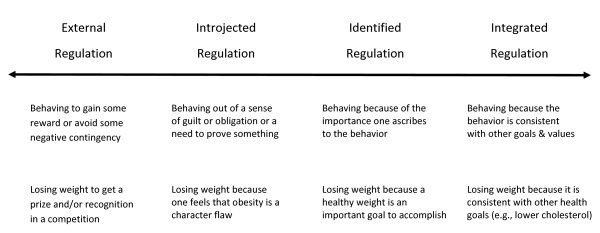
“It can take the form of tangible rewards, societal acceptance, proving something to oneself or ensuring that one’s values and behaviours are consistent (Patrick & Williams, 2012).”
BackgroundFrom bars to breakthroughs: the application of self-determination theory to offender programs
Youssef, C. (2024) · Journal of Forensic Psychiatry and Psychology · doi:10.1080/14789949.2024.2390122 · Cited by 8
“It is important to recognise that, although described here as distinct and exclusive forms of motivation and self-regulation, it is common for different forms of regulation to coexist for the same behaviour and to fluctuate over time and across different contexts (Patrick & Williams, 2012).”
Lubogo, D., Wamani, H., Mayega, R. W., & Orach, C. G. (2025) · BMC Public Health · doi:10.1186/s12889-025-21936-9 · Cited by 16
“Therefore, SDT was the theory underlying our study, while MI was the set of techniques we employed in the study to strengthen intrinsic motivation for behaviour change [26].”
Metabolic syndrome in rural Australia: An opportunity for primary health care
Jancey, J. M., James, A. P., Lee, A. H., Howat, P. A., Hills, A. P., Anderson, A. S., Bordin, C., & Blackford, K. (2019) · Australian Journal of Rural Health · doi:10.1111/ajr.12500 · Cited by 5
“The intervention group received a 6‐month program based on the Australian Dietary(21) and Physical Activity and Sedentary Behaviour Guidelines,(22) which incorporated goal setting, self‐monitoring and feedback guided by Self‐Determination Theory constructs.(23) Motivational interviewing(24) was conducted by the traine…”
MethodBrown, C. L., Head, K. J., Hartsock, J. A., Burns, K. D., Wilson, T. E., & Prucka, S. K. (2021) · Journal of Genetic Counseling · doi:10.1002/jgc4.1400 · Cited by 6
Exercise Motivation Levels on Student Activity Unit (UKM Basketball) at Universitas Djuanda
Yudho, F. H. P., & Nugroho, A. (2021) · INSPIREE Indonesian Sport Innovation Review · doi:10.53905/inspiree.v2i2.41 · Cited by 10
“Motivasi biasanya fokus pada peningkatan kegigihan, intensitas, usaha, untuk mencapai tujuan dan tekad tertentu (Patrick & Williams, 2012).”
BackgroundHashemiparast, M., Shojaeizadeh, D., Aezam, K., & Tol, A. (2015) · Open Journal of Preventive Medicine · doi:10.4236/ojpm.2015.52008 · Cited by 5
“Theories can be implemented successfully in health behavior change and maintenance [14].”
BackgroundA Self-Determination Theory perspective on the motivation of pre-registration nursing students
Cregan, A., Perlman, D., & Moxham, L. J. (2016) · Quaesti · doi:10.18638/quaesti.2016.4.1.271 · Cited by 6
“Research on SDT has been successfully used to examine what motivates people to work [59, 60], the effects of motivation on academic performance [61], and the application of SDT to facilitate health behaviour change [55, 62].”
BackgroundMethodPsychological empowerment after presbyopia correction: A narrative from Zanzibari women and men
Graham, C., Othman, O. J., Ali, A. E., Mashayo, E., Graham, R., Omar, F., & Chan, V. F. (2025) · AJO International · doi:10.1016/j.ajoint.2025.100098 · Cited by 5
“42,43 In this study, women identified themselves as the source of their intrinsically motivated behaviors, 17,42,43 which contributed to their feeling of empowerment.”
Adherence and satisfaction in Argus II prosthesis users: a self determination theory model
Khan, M., Branham, K. E. H., Jayasundera, T., & Khan, N. W. (2022) · Ophthalmic Genetics · doi:10.1080/13816810.2022.2050765 · Cited by 4
“The influence of motivation factors in health outcomes and behavior has been studied in interventions including hearing aid adoption (6,20), medication adherence in asthma (21), health behaviors (22), exercise and sports for health promotion (23,24), and in psychiatry (25,26).”
BackgroundAleksejūnienė, J., Džiaugytė, L., Rastenienė, R., & Brukienė, V. (2022) · Health & Social Care in the Community · doi:10.1111/hsc.13974 · Cited by 9
Defining the good surgical resident: a resident and registrar perspective
Neerhut, T., Ninan, J., Grills, R., & McLeod, K. (2023) · ANZ Journal of Surgery · doi:10.1111/ans.18689 · Cited by 4
Hilton, C. E. (2023) · Health Psychology Open · doi:10.1177/20551029231198938 · Cited by 6
Poot, C. C., de Boer, J., Goto, L., van de Hei, S. J., Chavannes, N. H., Visch, V., & Meijer, E. (2023) · Patient Preference and Adherence · doi:10.2147/ppa.s423161 · Cited by 8
Anorexia nervosa: Enhancing motivation to change with self-determination theory
Flaudias, V., Pires, S., Martinot, D., Boudoukha, A. H., Damase, E., Mondillon, L., Llorca, P., & Silvert, L. (2024) · L Encéphale · doi:10.1016/j.encep.2023.11.011 · Cited by 6
Hancox, J. E., Chaplin, W. J., Hilton, C. E., Gray, K., Game, F. L., & Vedhara, K. (2023) · Health Education & Behavior · doi:10.1177/10901981231216744 · Cited by 6
“MI and SDT are viewed as complementary approaches, with SDT serving as a theoretical framework for understanding how and why MI techniques facilitate behavior change (Deci & Ryan, 2012; Markland et al., 2005; Patrick & Williams, 2012; Vansteenkiste & Sheldon, 2006).”
MethodCommunication and Birth Experiences Among Black Birthing People Who Experienced Preterm Birth
Gregory, E. F., Johnson, G. T., Barreto, A., Zakama, A. K., Maddox, A. I., Levine, L. D., Lorch, S. A., Fiks, A. G., & Cronholm, P. F. (2024) · The Annals of Family Medicine · doi:10.1370/afm.3048 · Cited by 4
“24 The interview guide did not specifically ask about birth experiences, birth trauma, or obstetric racism.”
BackgroundGomes, A. C. D. S. F., Reichert, R. A., & de MICHELI, D. (2024) · Revista Internacional de Educação Superior · doi:10.20396/riesup.v11i00.8674498 · Cited by 4
A Participatory Integrated Health Promotion and Protection Worksite Intervention
Snetselaar, L. G., Ahrens, L., Johnston, K. J., Smith, K. L., Hollinger, D., & Hockenberry, J. M. (2016) · Topics in Clinical Nutrition · doi:10.1097/tin.0000000000000056 · Cited by 4
Metadata
- Authors
- Patrick, H., & Williams, G. C.
- Affiliations
- National Institutes of Health (US)
- University of Rochester Medicine (US)
- Corresponding author
- Patrick, Heather
- Venue
- International Journal of Behavioral Nutrition and Physical Activity
- Published
- 2012
- Volume
- 9
- Issue
- 1
- Pages
- 18
- ISSN
- 1479-5868 (ISSN-L)
- PMC
- PMC3323356
- OpenAlex
- W2112247480
- Semantic Scholar
- 8fbd530f863076a430deb848985c480bab6cf2b5
- Cited by
- 481
- References
- 75
- Citations by year
- 2026: 35 · 2025: 38 · 2024: 46 · 2023: 34 · 2022: 36 · 2021: 46 · 2020: 40 · 2019: 39 · 2018: 31 · 2017: 32 · 2016: 32 · 2015: 28 · 2014: 22 · 2013: 12 · 2012: 8
- FWCI
- 3.20
- Type
- journal article
- Language
- en
- Open access
- gold
- doi.org
- Licence
- cc-by
- Locations
- International Journal of Behavioral Nutrition and Physical Activity (publishedVersion, cc-by)
- PubMed Central (publishedVersion, cc-by)
- PubMed (publishedVersion)
- DOAJ (DOAJ: Directory of Open Access Journals) (submittedVersion, cc-by-sa)
- Topics
- Social Sciences › Psychology › Social Psychology › Motivation and Self-Concept in Sports
- Social Sciences › Psychology › Applied Psychology › Behavioral Health and Interventions
- Health Sciences › Medicine › Epidemiology › Substance Abuse Treatment and Outcomes
- Keywords
- self-determination theory, motivational interviewing, health behavior change, health behavior interventions, theoretical integration, motivation, nutrition, physical activity, smoking abstinence
- MeSH terms
- Behavior Therapy, Diet, Health Promotion, Humans, Interviews as Topic, Models, Psychological, Motivation, Health Behavior, Exercise, Smoking Cessation, Personal Autonomy
About these checks
Registry, retraction, Cites and statistics results are computed, not judged, with one exception: a printed reference that no index lists is read once by a model before it counts as a citation error. Claims are extracted by a model and kept only when their quote appears verbatim in the text; each cited source is then checked, with a model’s help, for whether it says what the claim relies on. Those verdicts can be wrong — read the claim’s quote and the cited source before relying on one.
Statistics and arithmetic are recomputed, not judged.
Confidence bands are shown only for fields calibrated on our annotated test set. None is calibrated yet, so no band is shown.
What counts as a claim ›How we measure confidence ›How we check this ›
Are you an author, or do you see a problem with this page? Request a review
Data sources
Bibliographic data: Semantic Scholar, OpenAlex, Crossref.
Contains information from the Semantic Scholar Academic Graph Datasets, made available under the ODC Attribution License (ODC-BY 1.0).
Semantic Scholar’s data is described in: Kinney, R., et al. (2023). The Semantic Scholar Open Data Platform. arXiv:2301.10140.
