

Self-determination theory: its application to health behavior and complementarity with motivational interviewing
Open accessThe DOI matches its Crossref record; 74 of the 75 references it cites were found in a registry or an index.
Abstract
Mounting evidence implicates health behaviors (e.g., nutrition, physical activity, tobacco abstinence) in various health outcomes. As the science of behavior change has emerged, increasing emphasis has been placed on the use of theory in developing and testing interventions. Self-determination theory (SDT)-a theoretical perspective-and motivational interviewing (MI)-a set of clinical techniques-have both been used in health behavior intervention contexts. Although developed for somewhat different purposes and in relatively different domains, there is a good deal of conceptual overlap between SDT and MI. Accordingly, SDT may offer the theoretical backing that historically has been missing from MI, and MI may offer SDT some specific direction with respect to particular clinical techniques that have not been fully borne out within the confines of health related applications of SDT. Research is needed to empirically test the overlap and distinctions between SDT and MI and to determine the extent to which these two perspectives can be combined or co-exist as somewhat distinct approaches.
Overview
The claims and statistics of this paper haven’t been checked yet.
Free: it reads the open-access text and checks the first 5 claims that cite a source we can check. Create a free account to check every claim.
Integrity signals
Registry
Cites
Statistics
Figures
Verification
Claims the paper makes
The claims and statistics of this paper haven’t been checked yet.
Free: it reads the open-access text and checks the first 5 claims that cite a source we can check. Create a free account to check every claim.
Claims other papers make about this one
Each is checked against this paper’s own text: does it say what the citing paper says it does?
The source backs part of the claim, not all of it — or backs it for a different population, condition or comparison.
In the citing paper
“A large number of studies have demonstrated advantages of intrinsic over extrinsic motivation with regard to health behaviours (Fortier et al., 2012, Ng et al., 2012, Patrick and Williams, 2012, Teixeira et al., 2012b).”
From Gamification for health and wellbeing: A systematic review of the literature (2016) · cites this paper as Patrick and Williams, 2012
Experimental — accuracy not yet measured
Self-check
Percentages, sums and reported differences re-computed from the paper’s own numbers.
The self-check needs the paper’s full text.
Citations
Cites
Ryan, R. M., & Deci, E. L. (2000) · American Psychologist · doi:10.1037//0003-066x.55.1.68 · Cited by 54,599
The "what" and "why" of goal pursuits: Human needs and the self-determination of behavior
Deci, E. L., & Ryan, R. M. (2000) · Psychological Inquiry · doi:10.1207/s15327965pli1104_01 · Cited by 34,210 · cited 1×
“Self-determination theory (SDT [14,15]) is a general theory of human motivation that emphasizes the extent to which behaviors are relatively autonomous (i.”
BackgroundIntrinsic Motivation and Self-Determination in Human Behavior
Miller, K. A., Deci, E. L., & Ryan, R. M. (1988) · Contemporary Sociology · doi:10.2307/2070638 · Cited by 15,312
Principles of Biomedical Ethics
(2012) · Thieves of Virtue · doi:10.7551/mitpress/9079.003.0009 · Cited by 13,453
Deci, E. L., Koestner, R., & Ryan, R. M. (1999) · Psychological Bulletin · doi:10.1037/0033-2909.125.6.627 · Cited by 7,176
(1991) · Medical Entomology and Zoology · Cited by 4,438
Effects of externally mediated rewards on intrinsic motivation.
Deci, E. L. (1971) · Journal of Personality and Social Psychology · doi:10.1037/h0030644 · Cited by 4,170 · cited 1×
“, [38-40]], and the first applications of SDT were geared toward understanding these processes in education [e.”
BackgroundOn Becoming a Person: A Therapist's View of Psychotherapy
Rogers, C. R. (1961) · DigitalGeorgetown (Georgetown University Library) · Cited by 3,997
Moral Identity and Developmental Theory
Lapsley, D. (2015) · Human Development · doi:10.1159/000435926 · Cited by 3,819
Finding flow: the psychology of engagement with everyday life
(1997) · Choice Reviews Online · doi:10.5860/choice.35-1828 · Cited by 3,522
Research works printed but not linked: 4
- Vansteenkiste M & Williams GC Self-determination theory and motivational interviewing as examples of development from a meta-theory (top-down) vs. from clinical experience up (bottom-up): Implications for theory development, research and clinical practice and interventions International Journal of Behavioral Nutrition and Physical Activity 2011 this issue PMC3315422 22385828
- Deci EL Koestner R Ryan RM The undermining effect is a reality after all: Extrinsic rewards, task interest, and self-determination Psychological Bulletin 1999 125 692 700 10589297
- Miller WR Rollnick S Motivational Interviewing 2002 2 New York: The Guilford Press
- Ginsburg JI Mann RE Rotgers F Weekes JR Miller WR, Rollnick S Motivational interviewing with criminal justice populations Motivational Interviewing 2002 New York: The Guilford Press 333 346
Cited by
Items 101–200 of 480
Ehrari, H., Ulrich, F., & Andersen, H. B. (2020) · Communications of the Association for Information Systems · doi:10.17705/1cais.04711 · Cited by 41
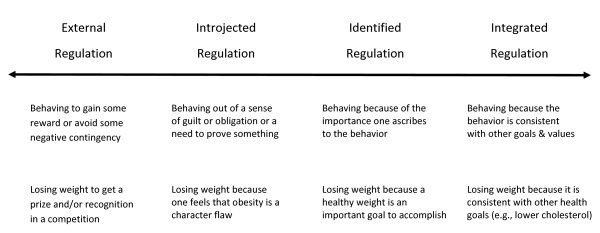
“This interjected regulation involves engaging in behavior out of some sense of guilt, obligation, or fear of losing benefits (Patrick & Williams, 2012).”
Leblanc, V., Bégin, C., Hudon, A.-M., Royer, M., Corneau, L., Dodin, S., & Lemieux, S. (2016) · Health Psychology Open · doi:10.1177/2055102915622094 · Cited by 32
“MI has been used to test SDT constructs (Patrick and Williams, 2012; Vansteenkiste and Sheldon, 2006).”
MethodHalvari, H., Healey, J. S., Olafsen, A. H., Byrkjeland, R., Deci, E. L., & Williams, G. C. (2016) · Scandinavian Journal of Medicine and Science in Sports · doi:10.1111/sms.12757 · Cited by 42
Self-citationGamification and Oral Health in Children and Adolescents: Scoping Review
Moreira, R., Silveira, A., Sequeira, T., Durão, N., Lourenço, J., Cascais, I., Cabral, R., & Taveira‐Gomes, T. (2024) · Interactive Journal of Medical Research · doi:10.2196/35132 · Cited by 72
Ndejjo, R., Musinguzi, G., Nuwaha, F., Bastiaens, H., & Wanyenze, R. K. (2022) · PLoS ONE · doi:10.1371/journal.pone.0263867 · Cited by 32
The systematic identification of content and delivery style of an exercise intervention
Beck, F., Gillison, F., Koseva, M. D., Standage, M., Brodrick, J. L., Graham, C. S., & Young, H. (2015) · Psychology and Health · doi:10.1080/08870446.2015.1132718 · Cited by 29
“However, training and support for advisors to do so more consistently may bring about greater benefits in terms of enhanced motivation and lower reactance (Patrick & Williams, 2012).”
BackgroundBlackford, K., Jancey, J. M., Lee, A. H., James, A. P., Howat, P. A., Hills, A. P., & Anderson, A. S. (2015) · BMC Public Health · doi:10.1186/s12889-015-1613-9 · Cited by 31
“designed to educate, motivate, and support improvement in nutrition and levels of physical activity through goal setting, based on the principles of Self-Determination Theory and Motivational Interviewing [14, 15].”
MethodInfluentialOram, R., & Rogers, M. (2022) · Canadian Journal of Education / Revue canadienne de l éducation · doi:10.53967/cje-rce.v45i3.5293 · Cited by 41
Cuadera, M. K. Q., Mader, E. M., Safi, A. G., & Harrington, L. C. (2023) · Ticks and Tick-borne Diseases · doi:10.1016/j.ttbdis.2023.102124 · Cited by 32
Gram, L., Skordis, J., Manandhar, D. S., Strachan, D. L., Morrison, J., Saville, N. M., Osrin, D., Tumbahangphe, K. M., Costello, A. M. D. L., & Heys, M. (2018) · PLoS ONE · doi:10.1371/journal.pone.0197426 · Cited by 24
Stea, T. H., Haugen, T., Berntsen, S., Guttormsen, V., Øverby, N. C., Haraldstad, K., Meland, E., & Abildsnes, E. (2016) · BMC Public Health · doi:10.1186/s12889-016-3766-6 · Cited by 30
‘Net Mums’: a narrative account of participants’ experiences within a netball intervention
Walsh, B., Whittaker, E. M., Cronin, C., & Whitehead, A. E. (2018) · Qualitative Research in Sport Exercise and Health · doi:10.1080/2159676x.2018.1449765 · Cited by 28
“Increased feelings of relatedness, defined as ‘the need to feel close 410 to and understood by important others’ (Patrick & Williams, 2012), have been demonstrated 411 to proximally influence well-being for individuals engaged in PA (Gunnell, Crocker, Mack, 412 Wilson, & Zumbo, 2014; Mack et al.,…”
Richards, D. K., Pearson, M. R., & Field, C. A. (2020) · Experimental and Clinical Psychopharmacology · doi:10.1037/pha0000405 · Cited by 22
“SDT is also often invoked to explain the psychological mechanisms of change underlying the effectiveness of motivational interviewing (e.g., Markland et al., 2005; Miller & Rollnick, 2012; Patrick & Williams, 2012), which was initially developed for motivating changes in drinking.”
BackgroundAndersen, P., Holmberg, S., Årestedt, K., Lendahls, L., & Nilsén, P. (2020) · International Journal of Environmental Research and Public Health · doi:10.3390/ijerph17165679 · Cited by 23
“They also showed a genuine interest and expressed empathy, thus supporting social relatedness [29].”
BackgroundCarbonneau, É., Pelletier, L. G., Bégin, C., Lamarche, B., Bélanger, M. F., Provencher, V., Desroches, S., Robitaille, J., Vohl, M., Couillard, C., et al. (2021) · Appetite · doi:10.1016/j.appet.2021.105426 · Cited by 37
Individual experiences following a 6-month exercise intervention: A qualitative study
Kerkelä, E. S., Jönsson, L., Lindwall, M., & Strand, J. (2015) · International Journal of Qualitative Studies on Health and Well-Being · doi:10.3402/qhw.v10.26376 · Cited by 32
“This creates a solid foundation for maintaining a certain behavior (Patrick & Williams, 2012).”
BackgroundMethodInfluentialLewis, P., Kimiecik, J. C., Horn, T. S., Zullig, K. J., & Ward, R. M. (2013) · Applied Research in Quality of Life · doi:10.1007/s11482-013-9263-5 · Cited by 28
“Within SDT, internalization is used to “describe the process by which behaviors become more autonomously regulated or valued over time” (Patrick and Williams 2012, p. 2).”
BackgroundMethodFood-related behaviours among individuals with overweight/obesity and normal body weight
Brytek‐Matera, A., Czepczor‐Bernat, K., & Olejniczak, D. (2018) · Nutrition Journal · doi:10.1186/s12937-018-0401-7 · Cited by 28
Allen, M., Irizarry, T., Einhorn, J., Kamarck, T. W., Suffoletto, B. P., Burke, L. E., Rollman, B. L., & Muldoon, M. F. (2019) · Patient Education and Counseling · doi:10.1016/j.pec.2019.06.015 · Cited by 26
“[36, 37] Interventions which engage patients through non-directive mechanisms of behavior change such as this may enhance their sense of self-efficacy in managing their own health, ultimately improving outcomes.[38]”
BackgroundUmaefulam, V. O., & Premkumar, K. (2020) · mHealth · doi:10.21037/mhealth.2019.12.01 · Cited by 21
Yun, Q., Ji, Y., Liu, S., Shen, Y., Jiang, X., Fan, X., Liu, J., & Chang, C. (2020) · BMJ Open Diabetes Research & Care · doi:10.1136/bmjdrc-2019-001018 · Cited by 26
“12 19 Therefore, the intervention activities were conducted as follows: (1) to satisfy the patient’s sense of autonomy, the DSM education stressed why the DSM behaviors should be undertaken, and an optional list of DSM behaviors was offered to the patients; (2) the community doctor guided the…”
Curtis, J. R., Kentish‐Barnes, N., Brumback, L. C., Nielsen, E. L., Pollak, K. I., Treece, P. D., Hudson, L., Garzio, G., Im, J., Weiner, B. J., et al. (2021) · Contemporary Clinical Trials · doi:10.1016/j.cct.2021.106465 · Cited by 28
Liefgreen, A., Weinstein, N., Wachter, S., & Mittelstadt, B. (2023) · AI & Society · doi:10.1007/s00146-023-01684-3 · Cited by 35
“…behavior change, one needs to engage with the target subjects in ways that elicit their own goals, interests, and plans so that they can develop their value for, and interest in, the positive behavior (Connell et al. 2019; Kullgren et al. 2016; Patrick and Williams 2012; Teixeira et al. 2011).”
BackgroundKoponen, A. M., Simonsen, N., & Suominen, S. (2018) · Health Psychology and Behavioral Medicine · doi:10.1080/21642850.2018.1462707 · Cited by 30
“It seems, as suggested by Patrick and Williams (2012), that the more autonomously motivated the person is toward a certain behavior, the more effort he/she is ready to invest on that behavior.”
BackgroundInfluentialKim, K.-Y., Hur, M., & Kim, W. (2024) · Healthcare · doi:10.3390/healthcare12161581 · Cited by 21
“It promoted voluntary health practices by providing autonomous motivation for health care related to sleep hygiene to nursing students in early adulthood [43].”
BackgroundGardening and age-related weight gain: Results from a cross-sectional survey of Denver residents
Litt, J., Lambert, J. R., & Glueck, D. H. (2017) · Preventive Medicine Reports · doi:10.1016/j.pmedr.2017.10.018 · Cited by 23
“Self-determination theory informs these observations in that it suggests that the energy and motivation behind behavior change largely originate from within an individual (Segar et al., 2011; Patrick and Williams, 2012; Ryan and Deci, 2000).”
BackgroundTelehealth coaching for rural-living young adult cancer survivors: A protocol
Price, J., & Brunet, J. (2019) · Health Education Journal · doi:10.1177/0017896919871328 · Cited by 21
“…capacity to be self-initiating and autonomous) (Ryan et al., 2015 [2006]) and uses motivational interviewing techniques (Markland et al., 2005; Patrick and Williams, 2012) to aid participants in understanding how they can self-manage their health through fostering their perceptions of the…”
BackgroundInfluentialWillis, M., Hein, L. B., Hu, Z., Saran, R., Argentina, M., Bragg‐Gresham, J. L., Krein, S. L., Gillespie, B. W., Zheng, K., & Veinot, T. C. (2021) · Journal of the American Medical Informatics Association · doi:10.1093/jamia/ocab033 · Cited by 25
Gai, X., Gu, T., Wang, Y., & Jia, F. (2022) · Journal of Vocational Behavior · doi:10.1016/j.jvb.2022.103762 · Cited by 31
Koponen, A. M., Simonsen, N., & Suominen, S. (2017) · Health Psychology Open · doi:10.1177/2055102917707181 · Cited by 31
Fischer, M. J., Asselman, F., Reenen, E. T. K., Verhoef, M., Wadman, R. I., Visser‐Meily, J. M. A., van der Pol, W. L., & Schröder, C. D. (2019) · Disability and Rehabilitation · doi:10.1080/09638288.2018.1555864 · Cited by 26
“in developing a solid working alliance with their patients, characterized by unconditional positive regard and empathy with patient and family values, needs and concerns [57].”
BackgroundGamification to Motivate the Unmotivated Smoker: The “Take a Break” Digital Health Intervention
Blok, A. C., Sadasivam, R. S., Amante, D. J., Kamberi, A., Flahive, J., Morley, J., Conigliaro, J. C., & Houston, T. K. (2019) · Games for Health Journal · doi:10.1089/g4h.2018.0076 · Cited by 26
“The Self-Determination Theory (SDT), a theory of motivation, purports three psychological needs that are necessary for optimal motivation to be developed: relatedness to others, autonomy, and perceived competence.(19) These three needs were used to guide the content of the intervention elements to affect smoker motiva…”
Zezai, D., van Rensburg, A. J., Babatunde, G. B., Kathree, T., Cornick, R. V., Levitt, N. S., Fairall, L. R., & Petersen, I. (2024) · BMJ Open · doi:10.1136/bmjopen-2024-087451 · Cited by 28
Keadle, S. K., Meuter, L., Phelan, S., & Phillips, S. M. (2021) · Journal of Behavioral Medicine · doi:10.1007/s10865-021-00218-w · Cited by 24
“In contrast to extrinsically regulated cash-incentives, Self-Determination Theory (SDT) posits that charity-based incentives may promote more autonomous self-regulation by fulfilling basic needs such as social relatedness and autonomy (Finkelstein et al., 2016; Patrick & Williams, 2012).”
BackgroundMethodInfluentialLiu, Y., Ge, X., Li, H., Zhang, E., Hu, F., Cai, Y., & Xiang, M. (2023) · Frontiers in Public Health · doi:10.3389/fpubh.2023.1175439 · Cited by 34
“Beyond personal motivational factors, environmental support of basic psychological needs for autonomy, competence, and relatedness is another key component of SDT, influencing one’s behavior via fostering or thwarting motivation (11).”
BackgroundKoponen, A. M., Simonsen, N., & Suominen, S. (2017) · Behavioral Medicine · doi:10.1080/08964289.2017.1292997 · Cited by 23
“Sense of relatedness is growing in an empathic and warm interpersonal environment.(6,9,12) Satisfaction of the three basic needs fosters patients’ autonomous motivation (self-determined motivation) and”
BackgroundKo, S., & Park, W. (2018) · Asian Nursing Research · doi:10.1016/j.anr.2018.05.003 · Cited by 25
Mpondo, F., Ruiter, R. A. C., van den Borne, B. H. P., & Reddy, P. S. (2015) · Health Psychology Open · doi:10.1177/2055102915598676 · Cited by 23
“The former measures the presence of motivation for behavior change, whereas the latter measures the drivers and inhibitors of that motivation (quality), done through investigating whether the three psychological needs are met (Patrick and Williams, 2012).”
BackgroundExercise and Epstein's target for treatment of depressive symptoms: a randomized study
Cecchini-Estrada, J.-A., Méndez-Giménez, A., Cecchini, C., Moulton, M., & Rodríguez, C. (2015) · International Journal of Clinical and Health Psychology · doi:10.1016/j.ijchp.2015.05.001 · Cited by 19
Relationship of autonomy social support to quitting motivation in diverse smokers
Patten, C. A., Goggin, K., Harris, K. J., Richter, K. P., Williams, K. B., Decker, P. A., Bradley‐Ewing, A., & Catley, D. (2016) · Addiction Research & Theory · doi:10.3109/16066359.2016.1170815 · Cited by 23
“SDT offers a conceptual framework of interpersonal support and the motivation for health-related behavior change in which autonomy is the central focus (Ryan & Deci 2000; Williams et al. 2011; Patrick & Williams 2012).”
BackgroundAutonomy can support affect regulation during illness and in health
Cosme, D., & Berkman, E. T. (2018) · Journal of Health Psychology · doi:10.1177/1359105318787013 · Cited by 27
“In healthcare settings, care providers can further support autonomy by soliciting patients’ perspectives and acknowledging their emotional experience before making medical recommendations, and by providing concrete rationales after making them (Patrick and Williams, 2012).”
Aleksejūnienė, J., Brukienė, V., Džiaugytė, L., Pečiulienė, V., & Bendinskaitė, R. (2015) · International Journal of Paediatric Dentistry · doi:10.1111/ipd.12164 · Cited by 23
Blackford, K., Lee, A. H., James, A. P., Waddell, T., Hills, A. P., Anderson, A. S., Howat, P. A., & Jancey, J. M. (2016) · Health Promotion Journal of Australia · doi:10.1071/he16027 · Cited by 19
“Self-Determination Theory (SDT) (21) provided the theoretical basis for the intervention, complemented by Motivational Interviewing (22).”
BackgroundMethodInfluentialTaking a Stand: An Untapped Strategy to Reduce Waterpipe Smoking in Adolescents
Ramji, R., Nilsson, M., Arnetz, B. B., Wiklund, Y., & Arnetz, J. (2019) · Substance Use & Misuse · doi:10.1080/10826084.2018.1521429 · Cited by 23
“This is in line with the self-determination theory, which suggests that informing facts in an attempt to stimulate self-initiation has a positive influence on choice of behavior rather than to compel or force views on adolescents (Patrick & Williams, 2012).”
ResultFlink, M., Lindblad, M., Frykholm, O., Kneck, Å., Nilsén, P., Årestedt, K., & Ekstedt, M. (2017) · BMJ Open · doi:10.1136/bmjopen-2016-014178 · Cited by 20
“Behaviours can be more or less internalised, that is, autonomously regulated, ranging from external regulation (behaviour to get reward or avoid punishment) to integrated regulation (behaviour consistent with own personal goals).(29) SDT has been applied to many different health-related behaviours (eg, glycaemic contr…”
BackgroundJiang, J., Han, P., Huang, X., Liu, Y., Shao, H., Zeng, L., & Duan, X. (2022) · Frontiers in Public Health · doi:10.3389/fpubh.2022.1015316 · Cited by 22
Friederichs, S. A. H., Bolman, C. A. W., Oenema, A., Verboon, P., & Lechner, L. (2015) · Internet Interventions · doi:10.1016/j.invent.2015.11.003 · Cited by 29
“Several researchers have argued that the speci fi c client-centered communication skills used in MI can be used to support client's basic psychological needs (Patrick et al., 2013; Patrick and Williams, 2012; Markland et al., 2005; Vansteenkiste et al., 2012).”
Estrada, J. A. C., Fernández‐Río, J., Mendez‐Giménez, A., Carriedo, A., & Arruza, J. A. (2017) · Stress and Health · doi:10.1002/smi.2744 · Cited by 21
“These results are consistent with previous studies that have associated SDT with depression (Patrick & Williams, 2012; Zuroff et al., 2007).”
BackgroundResultIdentifying county characteristics associated with resident well-being: A population based study
Roy, B., Riley, C. L., Herrin, J. S., Spatz, E. S., Arora, A., Kell, K. P., Welsh, J. W., Rula, E. Y., & Krumholz, H. M. (2018) · PLoS ONE · doi:10.1371/journal.pone.0196720 · Cited by 20
Imoisili, O. E., Park, S., Lundeen, E. A., Yaroch, A. L., & Blanck, H. M. (2019) · American Journal of Health Promotion · doi:10.1177/0890117119868382 · Cited by 27
“external factors) to autonomous (motivated primarily by internal factors of personal choice, interest, or values).(4,5) Among adolescents, autonomous motivation has been associated with determinants of obesity, including predicting fruits and vegetables intake.”
BackgroundPark, H. (2021) · Young Consumers Insight and Ideas for Responsible Marketers · doi:10.1108/yc-12-2020-1263 · Cited by 33
Berg, S., Forest, J., & Stenseng, F. (2020) · Frontiers in Psychology · doi:10.3389/fpsyg.2020.00071 · Cited by 20
Гордеева, Т. О., Sychev, O. A., & Semenov, Y. (2020) · Psychology in Russia State of Art · doi:10.11621/pir.2020.0403 · Cited by 23
Turner, M. J., Miller, A. J., & Youngs, H. (2022) · PLoS ONE · doi:10.1371/journal.pone.0272987 · Cited by 24
“It should also be noted that the findings of the current paper are consistent with the theoretical postulations of both REBT and SDT, in that greater irrational beliefs are associated with indicators of poorer wellbeing [14], and work engagement [70], as is lower self-determined motivation [35].”
Resultden Akker, R. O., Klaassen, R., Bul, K., Kato, P. M., van der Burg, G.-J., & Bitonto, P. D. (2017) · International Conference on Pervasive Computing Technologies for Healthcare · doi:10.1145/3154862.3154931 · Cited by 24
“BCTs are based on socio-psychological behaviour theories, e.g., Goal-Setting [25], Self-Determination Theory [31].”
BackgroundEiselt, A.-K., Kirkendall, S., Xiong, E., Langner, D., & Goldfarb, M. B. (2026) · Frontiers in Digital Health · doi:10.3389/fdgth.2025.1713334 · Cited by 21
Yoon, S., Goh, H., Low, X. C., Weng, J. H., & Heaukulani, C. (2024) · BMJ Health & Care Informatics · doi:10.1136/bmjhci-2024-101045 · Cited by 22
“Our findings indicate that digital bibliotherapy holds great potential as a stress mitigation strategy, particularly among the working adult population.”
Ascending Mount Maslow With Oxygen to Spare: A Self-Determination Theory Perspective
Patrick, H. (2014) · Psychological Inquiry · doi:10.1080/1047840x.2014.878682 · Cited by 22
“…attachments (Knee, Hadden, Porter, & Rodriguez, 2013; La Guardia & Patrick, 2008), peers (Deci, La Guardia, Moller, Schneider, & Ryan, 2006), patients and practitioners (Patrick & Williams, 2012), students and teachers (Niemiec & Ryan, 2009), and children and parents (Grolnick & Pomerantz, 2009).”
Self-citationStakeholders’ expectations of Healthy Life Centers: A focus group study
Abildsnes, E., Meland, E., Samdal, G. B., Stea, T. H., & Mildestvedt, T. (2016) · Scandinavian Journal of Public Health · doi:10.1177/1403494816655946 · Cited by 17
“SDT may provide a theoretical backing that is missing in MI, and MI may offer SDT some specific direction with respect to particular clinical techniques [7].”
BackgroundMethodHa, Y. S., & Choi, Y. H. (2015) · Journal of Korean Academy of Nursing · doi:10.4040/jkan.2015.45.3.347 · Cited by 15
“유턴(YOU-TURN)프 로그램은 건강행위변화의 자기결정성 모델[9] 및 동기면담과 자기결 정성 이론[14,15]에 근거하여 자율성 · 유능성 · 관계성 등의 중재를 통해 금연에 효과적으로 영향을 미치도록 1회기 당 50분 총 8회기 의 동기 면담 금연 프로그램을 통하여 금연 동기 증진을 위한 전략 을 구성한 중재 프로그램이다.”
Boudreau, F., Moreau, M., & Côté, J. (2016) · JMIR Research Protocols · doi:10.2196/resprot.5019 · Cited by 16
Predicting use of ineffective vegetable parenting practices with the Model of Goal Directed Behavior
Baranowski, T., Beltran, A., Chen, T. A., Thompson, D. I., O’Connor, T. M., Hughes, S. O., Diep, C. S., & Baranowski, J. C. (2014) · Public Health Nutrition · doi:10.1017/s1368980014001220 · Cited by 16
“Autonomy-enhancing activities have been shown to increase intrinsic motivation for change, and motivational interviewing has led to increased autonomy (33) .”
Jiang, J., Han, P., Liu, Y., Wu, Q., Shao, H., Duan, X., & Shi, Y. (2023) · BMC Nursing · doi:10.1186/s12912-023-01452-0 · Cited by 14
“According to self-determination theory, when certain needs are disrupted after a traumatic event, individuals will still act to restore themselves to a state of well-being [26].”
BackgroundExperiences of Women Receiving Trauma-Informed Care: A Qualitative Systematic Review
Liu, V. C., Nelson, L. E., & Shorey, S. (2024) · Trauma Violence & Abuse · doi:10.1177/15248380241234346 · Cited by 23
“Studies showed that increased promotion of autonomy leads to increased intrinsic motivation to practice healthy behaviors such as treatment compliance (Patrick & Williams, 2012; Tarzia et al., 2020).”
Straker, L. M., Smith, K. L., Fenner, A. A., Kerr, D. A., McManus, A., Davis, M. C., Fielding, A., Olds, T., Hagger, M. S., Smith, A. J., et al. (2012) · BMC Public Health · doi:10.1186/1471-2458-12-471 · Cited by 18
“Research has provided support for the efficacy of SDT in predicting physical activity and healthy eating behaviour [54-57].”
BackgroundShaw, K. (2016) · Elsevier eBooks · doi:10.1016/b978-0-323-31072-7.00001-4 · Cited by 24
Patel, M. R., Heisler, M., Piette, J. D., Resnicow, K., Song, P. X. ‐., Choe, H. M., Shi, X., Tobi, J., & Smith, A. L. (2020) · Contemporary Clinical Trials · doi:10.1016/j.cct.2020.105933 · Cited by 14
“These are an individual’s experience of autonomy, competence, and relatedness [19].”
BackgroundMotivation Theory and Practice in Aphasia Rehabilitation: A Scoping Review
Biel, M., Enclade, H., Richardson, A., Guerrero, A. B., & Patterson, J. P. (2022) · American Journal of Speech-Language Pathology · doi:10.1044/2022_ajslp-22-00064 · Cited by 23
Guertin, C., Pelletier, L. G., Émond, C., & Lalande, G. (2017) · Motivation and Emotion · doi:10.1007/s11031-017-9608-8 · Cited by 19
“In the health domain, SDM is considered critical because the more autonomous an individual is in the regulation of an activity, the more likely the individual will demonstrate effort, engagement, and persistence toward the behavior (Patrick and Williams 2012; Ryan and Deci 2000).”
BackgroundGroup Motivation-Focused Interventions for Patients With Obesity and Binge Eating Disorder
Pietrabissa, G. (2018) · Frontiers in Psychology · doi:10.3389/fpsyg.2018.01104 · Cited by 19
“It is consistent with self-determination theory (Deci and Ryan, 2012; Patrick and Williams, 2012; Teixeira et al., 2012a; Vansteenkiste et al., 2012; Phillips and Guarnaccia, 2017), which suggests that successful long-term weight maintenance is expected when levels of autonomous motivation and confidence for behavior…”
Development of a smoke-free homes intervention for parents: an intervention mapping approach.
O’Donnell, R., Dobson, R., De Bruin, M., Turner, S., Booth, L., & Semple, S. (2019) · Health Psychology Bulletin · doi:10.5334/hpb.20 · Cited by 13
“Previous research has also suggested that combining MI approaches with the theoretical approach of SDT may elicit greater behaviour change (i.e. Deci & Ryan 2012; Patrick & Williams 2012).”
BackgroundResultInfluentialChan, R. C. H., & Huang, Y. (2021) · LGBT Health · doi:10.1089/lgbt.2020.0194 · Cited by 13
“7,47,48 The Rejection-Identification Model contends that a member of a stigmatized group may react to discrimination by elevating group identification, which in turn protects the member’s health.”
Gagné, M. E., Lauzier, S., Lemay, M., Loiselle, C. G., Provencher, L., Simard, C., & Guillaumie, L. (2022) · Supportive Care in Cancer · doi:10.1007/s00520-021-06692-x · Cited by 17
“In line with these results, previous studies demonstrated (with the lens of Self-Determination Theory [34]) the contributions of MI for shifting from extrinsic to intrinsic motivation [35, 36].”
ResultSilva, I., Moreira, C. S., Pedras, S., Oliveira, R., Veiga, C., Moreira, L. F., Santarém, D., Guedes, D., & Paredes, H. (2023) · Frontiers in Cardiovascular Medicine · doi:10.3389/fcvm.2023.1272897 · Cited by 15
“Also, motivational interviewing principles are considered effective in promoting and encouraging change (11, 25, 26).”
Motivational implications leading to the continued commitment of volunteer firefighters
Gazzale, L. (2019) · International Journal of Emergency Services · doi:10.1108/ijes-12-2017-0063 · Cited by 13
Black, M., & Brunet, J. (2021) · JMIR mhealth and uhealth · doi:10.2196/28128 · Cited by 16
“…in a noncontrolling language [23,35] to enhance perceptions of autonomy (ie, perceived control over one’s actions), competence (ie, perceived mastery of tasks and skills), and relatedness (ie, perceived belonging and connection to others) and in turn enhance autonomous motivation for PA [36,37].”
Iwasa-Madge, K., & Sesbreno, E. (2022) · Sports Medicine - Open · doi:10.1186/s40798-022-00532-w · Cited by 20
“In addition to direct delivery of information, the use of techniques such as motivational interviewing [35] and intuitive eating [36]; and theoretical approaches to enhancing intrinsic motivation such as self-determination theory [37], and the behaviour change wheel [14], can help athletes develop, although research i…”
BackgroundValidation of a Scale to Measure Parental Psychological Empowerment in the Vaccination Decision
Fadda, M., Elisa, G., Luisa, R., Marino, F., Sabrina, S., Alessandro, Z., & Schulz, P. J. (2017) · Journal of Public Health Research · doi:10.4081/jphr.2017.955 · Cited by 18
Valle, C. G., Queen, T. L., Martin, B. A., Ribisl, K. M., Mayer, D. K., & Tate, D. F. (2018) · Journal of Medical Internet Research · doi:10.2196/jmir.7613 · Cited by 13
“Often these interventions have encouraged autonomous motivation by incorporating autonomy supportive behavioral strategies based on SDT, including providing several options for change, supporting a sense of choice, eliciting an individual’s emotions, providing rationale for the importance of a behavior, and exploring…”
BackgroundConnections among physical activity, motivation, and depressive symptoms in adolescent girls
Estrada, J. A. C., Fernández‐Río, J., Mendez‐Giménez, A., & Sánchez-Martínez, B. (2020) · European Physical Education Review · doi:10.1177/1356336x20902176 · Cited by 19
“…studies have shown the positive impact of autonomy support and self-regulation (self-determined motivation) on a variety of mental and physical health problems, including depression (Patrick and Williams, 2012) and depressive symptoms (Cecchini et al., 2017, 2019; Cecchini-Estrada et al., 2015).”
BackgroundResultKang, H. J., Wang, J. C. K., Burns, S. F., & Leow, M. K.-S. (2021) · Frontiers in Psychology · doi:10.3389/fpsyg.2021.627815 · Cited by 12
“Possessing self-determined motivation results in the greater likelihood of exhibiting greater effort and perseverance in a behavior (Ryan et al., 2008; Patrick and Williams, 2012; Teixeira et al., 2012; Slovinec et al., 2014; Vancampfort et al., 2015, 2018).”
BackgroundHuang, M. H., Lv, H., Lv, A., Yang, F., Tang, Y., Li, Y., Hua, Y., Liu, H., & Ni, C. (2023) · Health Expectations · doi:10.1111/hex.13757 · Cited by 17
“All of these studies, without exception, explained the direction of behaviour, but did not explain how such behaviour was motivated.(19) Self‐determination theory (SDT) is an organismic theory about human motivation.”
BackgroundKang, B., & Hong, M. (2024) · JMIR Formative Research · doi:10.2196/58791 · Cited by 20
Buchanan, A., Roddy, M. K., & Badr, H. (2020) · Journal of Cancer Survivorship · doi:10.1007/s11764-020-00946-z · Cited by 14
Gamification for Family Engagement in Lifestyle Interventions: A Systematic Review
Blok, A. C., Valley, T. S., & Abbott, P. A. (2021) · Prevention Science · doi:10.1007/s11121-021-01214-x · Cited by 23
Guy, A. A., Zelaya, D. G., Surace, A., Mastroleo, N. R., Pantalone, D. W., Monti, P. M., Mayer, K. H., & Kahler, C. W. (2022) · Drug and Alcohol Dependence · doi:10.1016/j.drugalcdep.2022.109384 · Cited by 12
Abildsnes, E., Meland, E., Mildestvedt, T., Stea, T. H., Berntsen, S., & Samdal, G. B. (2017) · BMC Public Health · doi:10.1186/s12889-016-3981-1 · Cited by 12
“MI supports the participants’ need for autonomy and relatedness by allowing them freedom to explore reasons for and against change (autonomy) in a non-judgemental context (relatedness) [25].”
BackgroundMethodDager, T. N., Kjeken, I., Berdal, G., Sand‐Svartrud, A., Bø, I., Dingsør, A., Eppeland, S. G., Hagfors, J., Hamnes, B., Nielsen, M., et al. (2017) · SAGE Open Medicine · doi:10.1177/2050312117739786 · Cited by 16
Lau, S. C. L., Connor, L. T., & Baum, C. M. (2022) · Archives of Physical Medicine and Rehabilitation · doi:10.1016/j.apmr.2022.07.011 · Cited by 15
Crane, B. M., Drazich, B. F., Taylor, J. L. W., Moored, K., Ahmad, O. M., Krakauer, J. W., & Carlson, M. C. (2023) · Games for Health Journal · doi:10.1089/g4h.2022.0131 · Cited by 12
Silva, A. J., Burgette, A. R., & da Costa, J. F. (2024) · Sustainability · doi:10.3390/su16052198 · Cited by 36
“The self-determination theory (SDT; [24,25]) is a theory of human motivation that has demonstrated effectiveness in predicting motivated behavior across various contexts and populations and for a variety of behaviors [24], including performance [7,26,27].”
BackgroundChung, R. W., Willemen, A. M., Voorman, J. M., Ketelaar, M., Becher, J. G., Verheijden, J. M. A., & Schuengel, C. (2019) · Disability and Rehabilitation · doi:10.1080/09638288.2019.1594396 · Cited by 13
Jones, T., Guzman, A., Silverman, T. B., Freeman, K. D., Kukafka, R., & Crew, K. D. (2021) · Journal of Medical Internet Research · doi:10.2196/23839 · Cited by 11
“SDT, a theory of human motivation, emphasizes the extent to which behaviors are relatively autonomous, originating from oneself without pressure or coercion by interpersonal forces [35].”
Bariatric Outcomes: Self-Management for Sustained Surgical Success
Anderson, L. M., & Chacko, T. P. (2018) · Journal of Addictions Nursing · doi:10.1097/jan.0000000000000210 · Cited by 13
“Accompanied by autonomy, competence and confidence operate reciprocally toward achieving a desired outcome (Patrick & Williams, 2012; Ryan et al., 2008).”
BackgroundAunger, J. A., Greaves, C. J., Davis, E. T., & Greig, C. A. (2019) · Pilot and Feasibility Studies · doi:10.1186/s40814-019-0437-2 · Cited by 11
Jose, S. A., Raja, R., Zhu, Q., Alzabut, J., Niezabitowski, M., & Bălaş, V. E. (2021) · Mathematical Methods in the Applied Sciences · doi:10.1002/mma.7859 · Cited by 12
Reid, M. P., & Dautovich, N. D. (2021) · Journal of American College Health · doi:10.1080/07448481.2021.1978460 · Cited by 10
“16 The current study did not support the concept of regulatory style as an important factor in college student sleep health despite its relevance to other health behaviors.”
BackgroundInfluentialMuijsenberg, A. J. L., Haesevoets, S., Houben‐Wilke, S., Tatousek, J., Lacroix, J. P. W., Spruit, M. A., & Janssen, D. J. A. (2024) · ERJ Open Research · doi:10.1183/23120541.01021-2023 · Cited by 13
“According to the self-determination theory, intrinsic motivation for learning could be enhanced by feelings of autonomy, competence and relatedness [39].”
BackgroundYoung, D. R., Nguyen, M. K., Yamamoto, A., Pomichowski, M. E., Cornejo, M., Paz, S. R., Coleman, K. J., Sallis, R. E., & Fortmann, S. P. (2019) · Pilot and Feasibility Studies · doi:10.1186/s40814-019-0390-0 · Cited by 13
Managing patients with obesity in the post COVID-19 world: Time to sharpen the saw
Chua, M. W. J. (2020) · Obesity Research & Clinical Practice · doi:10.1016/j.orcp.2020.11.008 · Cited by 11
Metadata
- Authors
- Patrick, H., & Williams, G. C.
- Affiliations
- National Institutes of Health (US)
- University of Rochester Medicine (US)
- Corresponding author
- Patrick, Heather
- Venue
- International Journal of Behavioral Nutrition and Physical Activity
- Published
- 2012
- Volume
- 9
- Issue
- 1
- Pages
- 18
- ISSN
- 1479-5868 (ISSN-L)
- PMC
- PMC3323356
- OpenAlex
- W2112247480
- Semantic Scholar
- 8fbd530f863076a430deb848985c480bab6cf2b5
- Cited by
- 481
- References
- 75
- Citations by year
- 2026: 35 · 2025: 38 · 2024: 46 · 2023: 34 · 2022: 36 · 2021: 46 · 2020: 40 · 2019: 39 · 2018: 31 · 2017: 32 · 2016: 32 · 2015: 28 · 2014: 22 · 2013: 12 · 2012: 8
- FWCI
- 3.20
- Type
- journal article
- Language
- en
- Open access
- gold
- doi.org
- Licence
- cc-by
- Locations
- International Journal of Behavioral Nutrition and Physical Activity (publishedVersion, cc-by)
- PubMed Central (publishedVersion, cc-by)
- PubMed (publishedVersion)
- DOAJ (DOAJ: Directory of Open Access Journals) (submittedVersion, cc-by-sa)
- Topics
- Social Sciences › Psychology › Social Psychology › Motivation and Self-Concept in Sports
- Social Sciences › Psychology › Applied Psychology › Behavioral Health and Interventions
- Health Sciences › Medicine › Epidemiology › Substance Abuse Treatment and Outcomes
- Keywords
- self-determination theory, motivational interviewing, health behavior change, health behavior interventions, theoretical integration, motivation, nutrition, physical activity, smoking abstinence
- MeSH terms
- Behavior Therapy, Diet, Health Promotion, Humans, Interviews as Topic, Models, Psychological, Motivation, Health Behavior, Exercise, Smoking Cessation, Personal Autonomy
About these checks
Registry, retraction, Cites and statistics results are computed, not judged, with one exception: a printed reference that no index lists is read once by a model before it counts as a citation error. Claims are extracted by a model and kept only when their quote appears verbatim in the text; each cited source is then checked, with a model’s help, for whether it says what the claim relies on. Those verdicts can be wrong — read the claim’s quote and the cited source before relying on one.
Statistics and arithmetic are recomputed, not judged.
Confidence bands are shown only for fields calibrated on our annotated test set. None is calibrated yet, so no band is shown.
What counts as a claim ›How we measure confidence ›How we check this ›
Are you an author, or do you see a problem with this page? Request a review
Data sources
Bibliographic data: Semantic Scholar, OpenAlex, Crossref.
Contains information from the Semantic Scholar Academic Graph Datasets, made available under the ODC Attribution License (ODC-BY 1.0).
Semantic Scholar’s data is described in: Kinney, R., et al. (2023). The Semantic Scholar Open Data Platform. arXiv:2301.10140.
