

IGF-I increases markers of osteoblastic activity and reduces bone resorption via osteoprotegerin and RANK-ligand
Open accessThe DOI matches its Crossref record; 71 of the 72 references it cites were found in a registry or an index.
Abstract
BACKGROUND: Bone is one of the major target tissues for Insulin-like Growth Factor I (IGF-I). Low doses of IGF-I were able to improve liver-associated osteopenia. In the present work, a model of partial IGF-I deficiency was used in order to provide insight into the mechanisms of the beneficial actions of IGF-I replacement therapy in bone. METHODS: Several proteins involved in osteoblastic/osteocyte and osteoclastic differentiation and activity were studied in the three experimental groups: control (CO) group (wild type mice, Igf+/+, n=10), heterozygous Igf+/- group with partial IGF-I deficiency (Hz, n=10), and heterozygous Igf+/- mice treated with IGF-I for 10 days (Hz+IGF-I, n=10). RESULTS: Data in this paper confirm that the simple partial IGF-I deficiency is responsible for osteopenia, determined by densitometry and histopathology. These findings are associated with a reduced gene expression of osteoprotegerin, sclerostin, calcitonin receptor (CTR), insulin-like growth factor binding protein 5 and RUNX2. IGF-I replacement therapy normalized CTR gene expression and reduced markers of osteoclastic activity. CONCLUSIONS: Low doses of IGF-I constituted a real replacement therapy that normalized IGF-I serum levels improving the expression of most of these proteins closely involved in bone-forming, and reducing bone resorption by mechanisms related to osteoprotegerin, RANKL and PTH receptor.
Overview
The claims and statistics of this paper haven’t been checked yet.
Free: it reads the open-access text and checks the first 5 claims that cite a source we can check. Create a free account to check every claim.
Integrity signals
Registry
Cites
Statistics
Figures
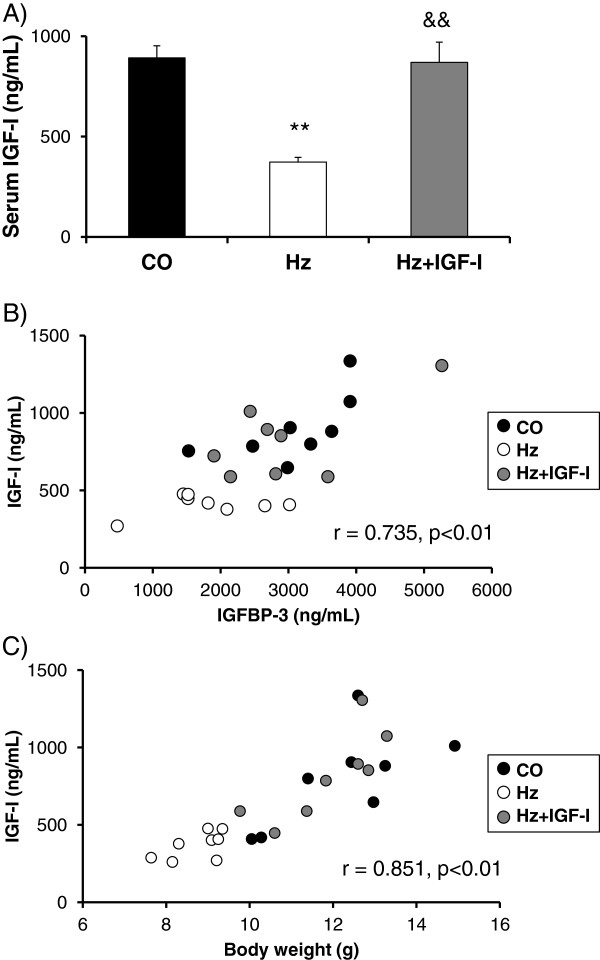
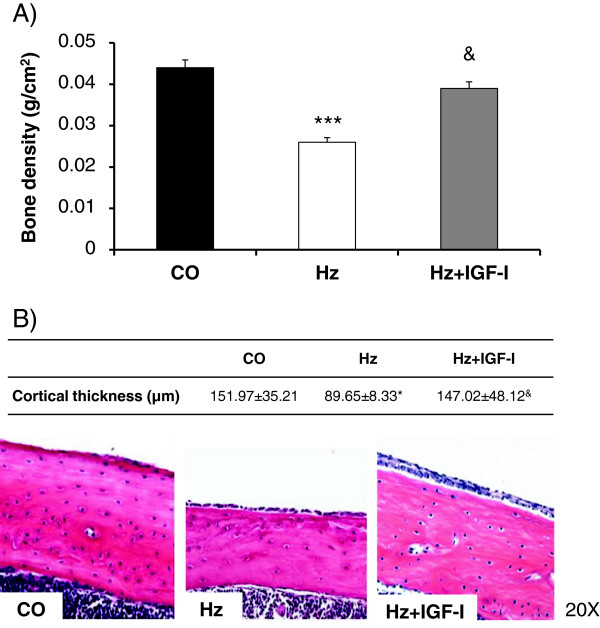
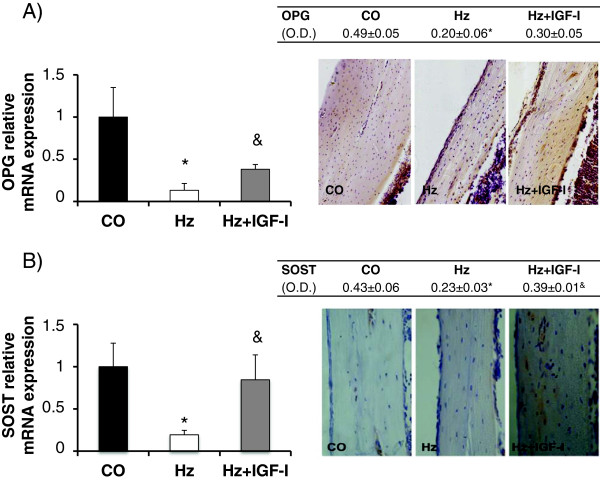
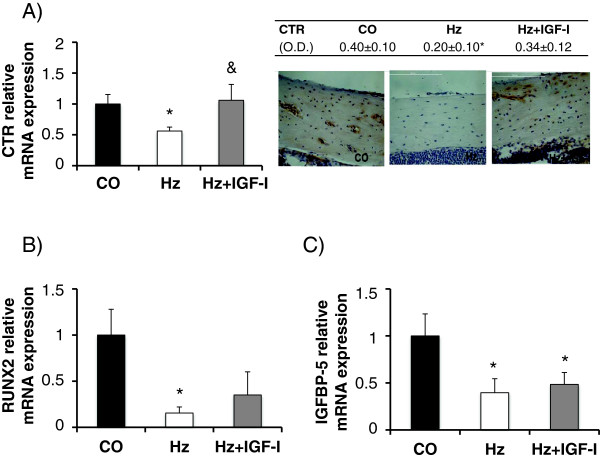
Verification
Claims the paper makes
The claims and statistics of this paper haven’t been checked yet.
Free: it reads the open-access text and checks the first 5 claims that cite a source we can check. Create a free account to check every claim.
Claims other papers make about this one
Each is checked against this paper’s own text: does it say what the citing paper says it does?
The source backs part of the claim, not all of it — or backs it for a different population, condition or comparison.
In the citing paper
“Experimental data show that low doses of IGF-1 increase bone mass in cirrhotic rats [65,69,70].”
From Bone diseases in patients with chronic liver disease (2019) · cites this paper as [65]
Experimental — accuracy not yet measuredIn the citing paper
“In advanced liver cirrhosis, IGF-1 serum levels decrease as a result of diminished hepatocellular biosynthetic function and progressive loss of GH receptors on hepatocytes [65,72].”
From Bone diseases in patients with chronic liver disease (2019) · cites this paper as [65]
In the citing paper
“The administration of IGF-1 appears to be beneficial in rats, but no studies of IGF-1 use in humans exist [65,67,69,73,196].”
From Bone diseases in patients with chronic liver disease (2019) · cites this paper as [65]
Self-check
Percentages, sums and reported differences re-computed from the paper’s own numbers.
The self-check needs the paper’s full text.
Citations
Cites
Yasuda, H., Shima, N., Nakagawa, N., Yamaguchi, K., Kinosaki, M., Mochizuki, S.-I., Tomoyasu, A., Yano, K., Goto, M., Murakami, A., et al. (1998) · Proceedings of the National Academy of Sciences · doi:10.1073/pnas.95.7.3597 · Cited by 4,228 · cited 2×
“Consequently, these patients are exposed to an increased risk of bone fractures, which are a source of morbidity in advanced stages of the disease and after liver transplantation [15,58].”
BackgroundLiu, J.-P., Baker, J., Perkins, A. S., Robertson, E. J., & Efstratiadis, A. (1993) · Cell · doi:10.1016/s0092-8674(05)80084-4 · Cited by 2,855
Role of insulin-like growth factors in embryonic and postnatal growth
Baker, J., Liu, J.-P., Robertson, E. J., & Efstratiadis, A. (1993) · Cell · doi:10.1016/s0092-8674(05)80085-6 · Cited by 2,463 · cited 1×
“[36-48].”
Biology of RANK, RANKL, and osteoprotegerin
Boyce, B. F., & Xing, L. (2007) · Arthritis Research & Therapy · doi:10.1186/ar2165 · Cited by 957 · cited 4×
“IGFBP-5 has been described as an IGF-I carrier protein that promotes its actions in bone [27,32,33,35] and, although IGF-I replacement therapy did not module its hypoexpression, it could also be involved in the reduction of bone mass observed in these heterozygous mice.”
BackgroundInfluentialInsulin-like growth factors and their binding proteins
Sara, V. R., & Hall, K. (1990) · Physiological Reviews · doi:10.1152/physrev.1990.70.3.591 · Cited by 925
Insulin-like Growth Factor Binding Proteins
Rechler, M. M. (1993) · Vitamins & Hormones · doi:10.1016/s0083-6729(08)60444-6 · Cited by 755
SOST is a target gene for PTH in bone
Keller, H., & Kneissel, M. (2005) · Bone · doi:10.1016/j.bone.2005.03.018 · Cited by 616 · cited 1×
“This outcome is consistent with previous data [64,65], where osteocyte PTH receptor 1 activation was shown sufficient to decrease SOST expression.”
ResultInsulin-like growth factor 1 (IGF-1): a growth hormone
Laron, Z. (2001) · Molecular Pathology · doi:10.1136/mp.54.5.311 · Cited by 608 · cited 1×
“Liver cirrhosis is associated with osteopenia and low levels of IGF-I [8-10], constituting a well established condition of IGF-I deficiency [11,12].”
BackgroundGrowth factors and the regulation of bone remodeling.
Canalis, E., McCarthy, T., & Centrella, M. (1988) · Journal of Clinical Investigation · doi:10.1172/jci113318 · Cited by 602 · cited 1×
“Background Bone is one of the major target organs for insulin-like growth factor I (IGF-I) [1-4], an anabolic hormone produced mainly by the liver upon growth hormone (GH) stimulation [5-7].”
BackgroundMOHAN, S., & BAYLINK, D. J. (1991) · Clinical Orthopaedics and Related Research · doi:10.1097/00003086-199102000-00004 · Cited by 519
Wei, W., Dutchak, P. A., Wang, X., Ding, X., Wang, X., Bookout, A. L., Goetz, R., Mohammadi, M., Gerard, R. D., Dechow, P. C., et al. (2012) · Proceedings of the National Academy of Sciences · doi:10.1073/pnas.1200797109 · Cited by 426
Control of Bone Mass and Remodeling by PTH Receptor Signaling in Osteocytes
O'Brien, C. A., Plotkin, L. I., Galli, C., Goellner, J. J., Gortazar, A. R., Allen, M. R., Robling, A. G., Bouxsein, M., Schipani, E., Turner, C. H., et al. (2008) · PLoS ONE · doi:10.1371/journal.pone.0002942 · Cited by 390
Lai, E. C., Felice, K. J., Festoff, B. W., Gawel, M. J., Gelinas, D. F., Kratz, R., Murphy, M. F., Natter, H. M., Norris, F. H., Rudnicki, S. A., et al. (1997) · Neurology · doi:10.1212/wnl.49.6.1621 · Cited by 361
Building bone to reverse osteoporosis and repair fractures
Khosla, S., Westendorf, J. J., & Oursler, M. J. (2008) · Journal of Clinical Investigation · doi:10.1172/jci33612 · Cited by 353 · cited 2×
“OPG is a protein produced by osteoblasts that inhibits osteoclastic differentiation [60-62], thus preventing their differentiation by standing at the binding site of RANKL with its receptor [60,62].”
BackgroundAndress, D. L., & Birnbaum, R. S. (1992) · Journal of Biological Chemistry · doi:10.1016/s0021-9258(18)41695-x · Cited by 343 · cited 8×
“Consecutive sections were incubated overnight at 4°C with different rabbit antibodies: rabbit Anti-IGF-I (1:50, Abcam, UK), rabbit Anti-IGF-IR (1:50, Abcam, UK), mouse Anti-GHR (1:50, Santa Cruz Biotechnology, USA), rabbit Anti-RANKL (1:500, Santa Cruz Biotechnology, USA), rabbit Anti-RANKL (1:500, Santa Cruz Biotechn…”
BackgroundInfluentialHuman conditions of insulin-like growth factor-I (IGF-I) deficiency
Puche, J. E., & Castilla-Cortázar, I. (2012) · Journal of Translational Medicine · doi:10.1186/1479-5876-10-224 · Cited by 268 · cited 1×
“However, in our opinion, only those states correlating with low levels of IGF-I may benefit from a real replacement therapy, thus avoiding potential adverse effects [49].”
BackgroundRegulation of bone development and maintenance by Runx2
Komori, T. (2008) · Frontiers in Bioscience · doi:10.2741/2730 · Cited by 253 · cited 9×
“Consecutive sections were incubated overnight at 4°C with different rabbit antibodies: rabbit Anti-IGF-I (1:50, Abcam, UK), rabbit Anti-IGF-IR (1:50, Abcam, UK), mouse Anti-GHR (1:50, Santa Cruz Biotechnology, USA), rabbit Anti-RANKL (1:500, Santa Cruz Biotechnology, USA), rabbit Anti-RANKL (1:500, Santa Cruz Biotechn…”
BackgroundInfluentialOsteoblasts in osteoporosis: Past, emerging, and future anabolic targets
Marie, P. J., & Kassem, M. (2011) · European Journal of Endocrinology · doi:10.1530/eje-11-0132 · Cited by 234 · cited 2×
“OPG is a protein produced by osteoblasts that inhibits osteoclastic differentiation [60-62], thus preventing their differentiation by standing at the binding site of RANKL with its receptor [60,62].”
BackgroundInsulin-like Growth Factors and Bone: The Osteoporosis Connection
Rosen, C. J., Donahue, L. R., & Hunter, S. J. (1994) · Experimental Biology and Medicine · doi:10.3181/00379727-206-43726 · Cited by 226 · cited 1×
“These findings are consistent with the known effects of IGF-I on bone both in vivo [3,66-68] and in vitro, where IGF-I enhances bone collagen and matrix synthesis and stimulates the replication of cells from the osteoblast lineage [66,68].”
ResultEvidence that IGF-binding protein-5 functions as a growth factor
Miyakoshi, N., Richman, C., Kasukawa, Y., Linkhart, T. A., Baylink, D. J., & Mohan, S. (2001) · Journal of Clinical Investigation · doi:10.1172/jci10459 · Cited by 214 · cited 1×
“OPG is a protein produced by osteoblasts that inhibits osteoclastic differentiation [60-62], thus preventing their differentiation by standing at the binding site of RANKL with its receptor [60,62].”
BackgroundOsteoporosis and skeletal fractures in chronic liver disease.
Diamond, T., Stiel, D., Lunzer, M., Wilkinson, M., Roche, J., & Posen, S. (1990) · Gut · doi:10.1136/gut.31.1.82 · Cited by 207 · cited 1×
“Liver cirrhosis is associated with osteopenia and low levels of IGF-I [8-10], constituting a well established condition of IGF-I deficiency [11,12].”
BackgroundJanes, C. H., Dickson, E. R., Okazaki, R., Bonde, S., McDonagh, A. F., & Riggs, B. L. (1995) · Journal of Clinical Investigation · doi:10.1172/jci117959 · Cited by 195 · cited 2×
“The pathogenesis of osteopenia in chronic liver disease is not fully understood, since many factors have been involved (malabsorption, malnutrition, vitamin D deficiency, reduced level of sexual hormones or alcoholic toxicity) [15-20].”
BackgroundInsulin-Like Growth Factor (IGF) I, -II, and IGF Binding Protein-3 and Risk of Ischemic Stroke
Johnsen, S. P., Hundborg, H. H., Sørensen, H. T., Ørskov, H., Tjønneland, A., Overvad, K., & Jørgensen, J. O. L. (2005) · The Journal of Clinical Endocrinology & Metabolism · doi:10.1210/jc.2004-2088 · Cited by 168 · cited 1×
“[36-48].”
The Emerging Role of IGF-1 Deficiency in Cardiovascular Aging: Recent Advances
Ungvari, Z., & Csiszar, A. (2012) · The Journals of Gerontology Series A: Biological Sciences and Medical Sciences · doi:10.1093/gerona/gls072 · Cited by 158 · cited 1×
“[36-48].”
Evidence That Anabolic Effects of PTH on Bone Require IGF-I in Growing Mice
Miyakoshi, N. (2001) · Endocrinology · doi:10.1210/en.142.10.4349 · Cited by 155 · cited 13×
“Consecutive sections were incubated overnight at 4°C with different rabbit antibodies: rabbit Anti-IGF-I (1:50, Abcam, UK), rabbit Anti-IGF-IR (1:50, Abcam, UK), mouse Anti-GHR (1:50, Santa Cruz Biotechnology, USA), rabbit Anti-RANKL (1:500, Santa Cruz Biotechnology, USA), rabbit Anti-RANKL (1:500, Santa Cruz Biotechn…”
BackgroundInfluentialCastilla‐Cortázar, I., Garcia‐Fernandez, M. I., Muguerza, B., Quiroga, J. A., Pérez, R. B., Santidrián, S., & Prìeto, J. (1997) · Gastroenterology · doi:10.1053/gast.1997.v113.pm9352873 · Cited by 140 · cited 2×
“This study fits in a series of works to elucidate the mechanisms of the beneficial actions of IGF-I therapy in liver cirrhosis [13,14,39,50-57], a condition of IGF-I deficiency [11,12].”
BackgroundPrevalence and prediction of osteopenia in chronic liver disease
Bonkovsky, H. L., Hawkins, M., Steinberg, K., Hersh, T., Galambos, J. T., Henderson, M. J., Millikan, W. J., & Galloway, J. R. (1990) · Hepatology · doi:10.1002/hep.1840120214 · Cited by 133 · cited 1×
“Liver cirrhosis is associated with osteopenia and low levels of IGF-I [8-10], constituting a well established condition of IGF-I deficiency [11,12].”
BackgroundKamangar, B. B., Gabillard, J., & Bobe, J. (2006) · Endocrinology · doi:10.1210/en.2005-1570 · Cited by 125
Conchillo, M., de Knegt, R. J., Payeras, M., Quiroga, J. A., Sangro, B., Herrero, J.-I., Castilla‐Cortázar, I., Frystyk, J., Flyvbjerg, A., YOSHIZAWA, C. N., et al. (2005) · Journal of Hepatology · doi:10.1016/j.jhep.2005.03.025 · Cited by 120 · cited 1×
“[36-48].”
LeRoith, D., McGuinness, M., Shemer, J., Stannard, B., Lanau, F., Faria, T. N., Kato, H., Werner, H., Adamo, M., & Roberts, Jr. (1992) · Neurosignals · doi:10.1159/000109323 · Cited by 115
Insulin-Like Growth Factor (IGF) and Bone
McCarthy, T. L., Centrella, M., & CANALIS, E. M. (1989) · Connective Tissue Research · doi:10.3109/03008208909023897 · Cited by 113 · cited 1×
“Background Bone is one of the major target organs for insulin-like growth factor I (IGF-I) [1-4], an anabolic hormone produced mainly by the liver upon growth hormone (GH) stimulation [5-7].”
BackgroundEffects of rhIGF-I administration on bone turnover during short-term fasting.
Grinspoon, S. K., Baum, H. B., Peterson, S., & Klibanski, A. (1995) · Journal of Clinical Investigation · doi:10.1172/jci118137 · Cited by 112 · cited 2×
“Background Bone is one of the major target organs for insulin-like growth factor I (IGF-I) [1-4], an anabolic hormone produced mainly by the liver upon growth hormone (GH) stimulation [5-7].”
BackgroundResultEffects of hyaluronan treatment on lipopolysaccharide-challenged fibroblast-like synovial cells
Santangelo, K. S., Johnson, A. L., Ruppert, A. S., & Bertone, A. L. (2007) · Arthritis Research & Therapy · doi:10.1186/ar2104 · Cited by 111
Regulation of osteoclastogenesis and RANK expression by TGF‐β1
Yan, T., Riggs, B. L., Boyle, W. J., & Khosla, S. (2001) · Journal of Cellular Biochemistry · doi:10.1002/jcb.1200 · Cited by 109 · cited 3×
“IGFBP-5 has been described as an IGF-I carrier protein that promotes its actions in bone [27,32,33,35] and, although IGF-I replacement therapy did not module its hypoexpression, it could also be involved in the reduction of bone mass observed in these heterozygous mice.”
BackgroundLeROITH, D., & ROBERTS, C. T. (1993) · Annals of the New York Academy of Sciences · doi:10.1111/j.1749-6632.1993.tb26200.x · Cited by 108
Zhang, M., Faugere, M.-C., Malluche, H., Rosen, C. J., Chernausek, S. D., & Clemens, T. L. (2003) · Journal of Bone and Mineral Research · doi:10.1359/jbmr.2003.18.5.836 · Cited by 101 · cited 15×
“Consecutive sections were incubated overnight at 4°C with different rabbit antibodies: rabbit Anti-IGF-I (1:50, Abcam, UK), rabbit Anti-IGF-IR (1:50, Abcam, UK), mouse Anti-GHR (1:50, Santa Cruz Biotechnology, USA), rabbit Anti-RANKL (1:500, Santa Cruz Biotechnology, USA), rabbit Anti-RANKL (1:500, Santa Cruz Biotechn…”
BackgroundInfluentialJeschke, M. G., Barrow, R. E., & Herndon, D. N. (2000) · Annals of Surgery · doi:10.1097/00000658-200002000-00014 · Cited by 95 · cited 1×
“[36-48].”
Osteopenia in rats with liver cirrhosis: Beneficial effects of IGF-I treatment
Cemborain, A., Castilla-Cortázar, I., García, M., Quirog, J., Muguerza, B., Picardi, A., Santidrián, S., & Prieto, J. (1998) · Journal of Hepatology · doi:10.1016/s0168-8278(98)80211-0 · Cited by 88 · cited 6×
“In untreated cirrhotic rats a significant increase in urinary excretion of deoxypyridinoline cross-links indicated a enhanced bone resorption and osteoclastic activity, that IGF-I replacement therapy was able to normalize [20].”
BackgroundResultInfluentialSelf-citationHattori, N., Kurahachi, H., Ikekubo, K., Ishihara, T., Moridera, K., Hino, M., Saiki, Y., & Imura, H. (1992) · Metabolism · doi:10.1016/0026-0495(92)90071-h · Cited by 87 · cited 2×
“Liver cirrhosis is associated with osteopenia and low levels of IGF-I [8-10], constituting a well established condition of IGF-I deficiency [11,12].”
BackgroundLopez-Lopez, C., Dietrich, M. O., Metzger, F., Loetscher, H., & Torres-Aleman, I. (2007) · The Journal of Neuroscience · doi:10.1523/jneurosci.4345-06.2007 · Cited by 82 · cited 1×
“[36-48].”
Salih, D. A. M., Mohan, S., Kasukawa, Y., Tripathi, G., Lovett, F. A., Anderson, N. F., Carter, E. J., Wergedal, J. E., Baylink, D. J., & Pell, J. M. (2004) · Endocrinology · doi:10.1210/en.2004-0816 · Cited by 80 · cited 8×
“Consecutive sections were incubated overnight at 4°C with different rabbit antibodies: rabbit Anti-IGF-I (1:50, Abcam, UK), rabbit Anti-IGF-IR (1:50, Abcam, UK), mouse Anti-GHR (1:50, Santa Cruz Biotechnology, USA), rabbit Anti-RANKL (1:500, Santa Cruz Biotechnology, USA), rabbit Anti-RANKL (1:500, Santa Cruz Biotechn…”
BackgroundInfluentialExtrinsic Mechanisms Involved in Age-Related Defective Bone Formation
Marie, P. J., & Kassem, M. (2011) · The Journal of Clinical Endocrinology & Metabolism · doi:10.1210/jc.2010-2113 · Cited by 75 · cited 4×
“IGFBP-5 has been described as an IGF-I carrier protein that promotes its actions in bone [27,32,33,35] and, although IGF-I replacement therapy did not module its hypoexpression, it could also be involved in the reduction of bone mass observed in these heterozygous mice.”
BackgroundInfluentialMecasermin (recombinant human insulin-like growth factor I)
Rosenbloom, A. L. (2009) · Advances in Therapy · doi:10.1007/s12325-008-0136-5 · Cited by 71 · cited 1×
“[36-48].”
Insulin-like growth factor-I reverts testicular atrophy in rats with advanced cirrhosis
Castilla-Cortazar, I., Garcia, M., Quiroga, J., Diez, N., Diez-Caballero, F., Calvo, A., Diaz, M., & Prieto, J. (2000) · Hepatology · doi:10.1002/hep.510310308 · Cited by 71 · cited 2×
“In advanced liver cirrhosis, IGF-I serum levels decrease as a result of diminished hepatocellular biosynthetic function and progressive loss of GH receptors on hepatocytes [13,14].”
BackgroundCastilla‐Cortázar, I., Prìeto, J., Urdaneta, E., Pascual, M., Nunez, M., Zudaire, E., Garcia‐Fernandez, M. I., Quiroga, J. A., & Santidrián, S. (1997) · Gastroenterology · doi:10.1053/gast.1997.v113.pm9322513 · Cited by 69 · cited 2×
“The pathogenesis of osteopenia in chronic liver disease is not fully understood, since many factors have been involved (malabsorption, malnutrition, vitamin D deficiency, reduced level of sexual hormones or alcoholic toxicity) [15-20].”
BackgroundAntifibrogenic effect in vivo of low doses of insulin-like growth factor-I in cirrhotic rats
Muguerza, B., Castilla‐Cortázar, I., Garcia‐Fernandez, M. I., Quiroga, J. A., Santidrián, S., & Prìeto, J. (2001) · Biochimica et Biophysica Acta (BBA) - Molecular Basis of Disease · doi:10.1016/s0925-4439(01)00045-x · Cited by 65 · cited 1×
“This study fits in a series of works to elucidate the mechanisms of the beneficial actions of IGF-I therapy in liver cirrhosis [13,14,39,50-57], a condition of IGF-I deficiency [11,12].”
BackgroundMitochondrial protection by low doses of insulin-like growth factor-Iin experimental cirrhosis
Pérez, R., García-Fernández, M., Díaz-Sánchez, M., Puche, J. E., Delgado, G., Conchillo, M., Muntané, J., & Castilla-Cortázar, I. (2008) · World Journal of Gastroenterology · doi:10.3748/wjg.14.2731 · Cited by 63 · cited 1×
“This study fits in a series of works to elucidate the mechanisms of the beneficial actions of IGF-I therapy in liver cirrhosis [13,14,39,50-57], a condition of IGF-I deficiency [11,12].”
BackgroundPicardi, A., de Oliveira, A. C., Muguerza, B., Tosar, A., Quiroga, J. A., Castilla‐Cortázar, I., Santidrián, S., & Prìeto, J. (1997) · Journal of Hepatology · doi:10.1016/s0168-8278(97)80026-8 · Cited by 61 · cited 1×
“This study fits in a series of works to elucidate the mechanisms of the beneficial actions of IGF-I therapy in liver cirrhosis [13,14,39,50-57], a condition of IGF-I deficiency [11,12].”
BackgroundLaron, Z. (2008) · PubMed · Cited by 56
Samura, A., Wada, S., Suda, S., Iitaka, M., & Katayama, S. (2000) · Endocrinology · doi:10.1210/endo.141.10.7715 · Cited by 54
Slootweg, M. C., Hoogerbrugge, C. M., de Poorter, T. L., Duursma, S. A., & van Buul-Offers, S. C. (1990) · Journal of Endocrinology · doi:10.1677/joe.0.1250271 · Cited by 52
Metabolism of vitamin D in patients with primary biliary cirrhosis and alcoholic liver disease
Mawer, E. B., Klass, H., Warnes, T. W., & Berry, J. (1985) · Clinical Science · doi:10.1042/cs0690561 · Cited by 51 · cited 2×
“The pathogenesis of osteopenia in chronic liver disease is not fully understood, since many factors have been involved (malabsorption, malnutrition, vitamin D deficiency, reduced level of sexual hormones or alcoholic toxicity) [15-20].”
BackgroundMirpuri, E., García–Trevijano, E. R., Castilla‐Cortázar, I., Berasain, C., Quiroga, J. A., Rodríguez‐Ortigosa, C. M., Mato, J. M., Prìeto, J., & Avila, M. A. (2002) · The International Journal of Biochemistry & Cell Biology · doi:10.1016/s1357-2725(01)00123-6 · Cited by 51 · cited 2×
“In advanced liver cirrhosis, IGF-I serum levels decrease as a result of diminished hepatocellular biosynthetic function and progressive loss of GH receptors on hepatocytes [13,14].”
BackgroundMeyer, N. A., Barrow, R. E., & Herndon, D. N. (1996) · doi:10.1097/00005373-199612000-00011 · Cited by 48 · cited 1×
“[36-48].”
Saukkonen, T. T., Shojaee‐Moradie, F., Williams, R. M., Amin, R., Yuen, K. C. J., Watts, A., Acerini, C. L., Umpleby, A. M., & Dunger, D. B. (2006) · Diabetes · doi:10.2337/db05-1646 · Cited by 41
Castilla-Cortázar, I., Picardi, A., Tosar, A., Ainzúa, J., Urdaneta, E., García, M., Pascual, M., Quiroga, J., & Prieto, J. (1999) · American Journal of Physiology-Gastrointestinal and Liver Physiology · doi:10.1152/ajpgi.1999.276.1.g37 · Cited by 40 · cited 1×
“This study fits in a series of works to elucidate the mechanisms of the beneficial actions of IGF-I therapy in liver cirrhosis [13,14,39,50-57], a condition of IGF-I deficiency [11,12].”
BackgroundElis, S., Courtland, H., Wu, Y., Fritton, J. C., Sun, H., Rosen, C. J., & Yakar, S. (2010) · Journal of Bone and Mineral Research · doi:10.1002/jbmr.100 · Cited by 39 · cited 5×
“IGFBP-5 has been described as an IGF-I carrier protein that promotes its actions in bone [27,32,33,35] and, although IGF-I replacement therapy did not module its hypoexpression, it could also be involved in the reduction of bone mass observed in these heterozygous mice.”
BackgroundInfluentialPascual, M., Castilla‐Cortázar, I., Urdaneta, E., Quiroga, J. A., Garcı́a, M., Picardi, A., & Prìeto, J. (2000) · American Journal of Physiology-Gastrointestinal and Liver Physiology · doi:10.1152/ajpgi.2000.279.2.g319 · Cited by 39 · cited 1×
“This study fits in a series of works to elucidate the mechanisms of the beneficial actions of IGF-I therapy in liver cirrhosis [13,14,39,50-57], a condition of IGF-I deficiency [11,12].”
BackgroundGrowth hormone, insulin‐like growth factors and bone remodelling
Eriksen, E. F., Kassem, M. S., & Langdahl, B. L. (1996) · European Journal of Clinical Investigation · doi:10.1046/j.1365-2362.1996.00292.x · Cited by 37 · cited 1×
“These findings are consistent with the known effects of IGF-I on bone both in vivo [3,66-68] and in vitro, where IGF-I enhances bone collagen and matrix synthesis and stimulates the replication of cells from the osteoblast lineage [66,68].”
ResultSwitzer, M., Rice, J., Rice, M., & Hardin, D. S. (2009) · Journal of Pediatric Endocrinology and Metabolism · doi:10.1515/jpem.2009.22.5.417 · Cited by 31 · cited 1×
“[36-48].”
Nichols, T. C., Busby, W. H., Merricks, E. P., Sipos, J. A., Rowland, M., Sitko, K., & Clemmons, D. R. (2007) · Endocrinology · doi:10.1210/en.2007-0571 · Cited by 30 · cited 13×
“Consecutive sections were incubated overnight at 4°C with different rabbit antibodies: rabbit Anti-IGF-I (1:50, Abcam, UK), rabbit Anti-IGF-IR (1:50, Abcam, UK), mouse Anti-GHR (1:50, Santa Cruz Biotechnology, USA), rabbit Anti-RANKL (1:500, Santa Cruz Biotechnology, USA), rabbit Anti-RANKL (1:500, Santa Cruz Biotechn…”
BackgroundInfluentialAn experimental model of partial insulin-like growth factor-1 deficiency in mice
Castilla‐Cortázar, I., Guerra-Menéndez, L., Puche, J. E., Muñoz, Ú., Barhoum, R., Escudero, E., & Lavandera, J. L. (2013) · Journal of Physiology and Biochemistry · doi:10.1007/s13105-013-0287-y · Cited by 26 · cited 7×
“suitable animal model to mimic recognizable syndromes associated to human conditions of IGF-I deficiency [21].”
BackgroundMethodResultInfluentialCastilla‐Cortázar, I., Pascual, M., Urdaneta, E., Pardo, J., Puche, J. E., Vivas, B., Díaz-Casares, A., Garcia‐Fernandez, M. I., Díaz-Sánchez, M., Varela‐Nieto, I., et al. (2004) · BMC Gastroenterology · doi:10.1186/1471-230x-4-12 · Cited by 25 · cited 1×
“This study fits in a series of works to elucidate the mechanisms of the beneficial actions of IGF-I therapy in liver cirrhosis [13,14,39,50-57], a condition of IGF-I deficiency [11,12].”
BackgroundJonsson, K. B., Wiberg, K., Ljunghall, S., & Ljunggren, Ö. (1996) · Calcified Tissue International · doi:10.1007/s002239900141 · Cited by 23 · cited 1×
“These findings were in agreement with in vitro studies using bone tissue cultures in which IGF-I was reported to both inhibit osteoclasts and interfere with osteoblast-derived factors that stimulate existing osteoclasts [59].”
ResultCohen, S. B. (2006) · Arthritis Care & Research · doi:10.1002/art.21706 · Cited by 22 · cited 13×
“Consecutive sections were incubated overnight at 4°C with different rabbit antibodies: rabbit Anti-IGF-I (1:50, Abcam, UK), rabbit Anti-IGF-IR (1:50, Abcam, UK), mouse Anti-GHR (1:50, Santa Cruz Biotechnology, USA), rabbit Anti-RANKL (1:500, Santa Cruz Biotechnology, USA), rabbit Anti-RANKL (1:500, Santa Cruz Biotechn…”
BackgroundInfluentialCastilla‐Cortázar, I., Aliaga‐Montilla, M. A., Salvador, J., Garcia‐Fernandez, M. I., Delgado, G., González-Barón, S., Quiroga, J. A., & Prìeto, J. (2001) · Liver International · doi:10.1034/j.1600-0676.2001.210607.x · Cited by 20 · cited 1×
“This study fits in a series of works to elucidate the mechanisms of the beneficial actions of IGF-I therapy in liver cirrhosis [13,14,39,50-57], a condition of IGF-I deficiency [11,12].”
BackgroundInsulin-like growth factors as endocrine and paracrine hormones
Bang, P., & Hall, K. E. (1992) · doi:10.1093/oso/9780198542704.003.0007 · Cited by 20
Schimpff, R. M., Lebrec, D., Donnadieu, M., & Repellin, A. M. (1978) · European Journal of Endocrinology · doi:10.1530/acta.0.0880729 · Cited by 19 · cited 2×
“Liver cirrhosis is associated with osteopenia and low levels of IGF-I [8-10], constituting a well established condition of IGF-I deficiency [11,12].”
BackgroundCastilla‐Cortázar, I., Quiroga, J. A., & Prìeto, J. (2000) · Hepatology · doi:10.1053/jhep.2000.7886 · Cited by 13 · cited 2×
“The pathogenesis of osteopenia in chronic liver disease is not fully understood, since many factors have been involved (malabsorption, malnutrition, vitamin D deficiency, reduced level of sexual hormones or alcoholic toxicity) [15-20].”
BackgroundAckery, D. M. (1991) · Clinical Nuclear Medicine · doi:10.1007/978-1-4899-3358-4_14 · Cited by 7
IGF-I does not improve fat malabsorption in cirrhotic rats
Pérez, R. B., Castilla‐Cortázar, I., Núñez, M., Prado, A., Mirpuri, E., Garcı́a, M., Barón, S. G., & Picardi, A. (2001) · Journal of Physiology and Biochemistry · doi:10.1007/bf03179813 · Cited by 5 · cited 1×
“This study fits in a series of works to elucidate the mechanisms of the beneficial actions of IGF-I therapy in liver cirrhosis [13,14,39,50-57], a condition of IGF-I deficiency [11,12].”
Background
Cited by
Yan, J., & Charles, J. F. (2018) · Calcified Tissue International · doi:10.1007/s00223-018-0395-3 · Cited by 123
“Moreover, mice heterozygous for Igf1 demonstrated lower serum IGF-1 levels and decreased cortical thickness and tissue bone mineral density, which were rescued by exogenous IGF-1 injection [32].”
40 YEARS OF IGF1: Role of IGF-binding proteins in regulating IGF responses to changes in metabolism
Clemmons, D. R. (2018) · Journal of Molecular Endocrinology · doi:10.1530/jme-18-0016 · Cited by 118
Bone diseases in patients with chronic liver disease
Jeong, H., & Kim, D. (2019) · International Journal of Molecular Sciences · doi:10.3390/ijms20174270 · Cited by 113
Yang, Y. J., & Kim, D. J. (2021) · International Journal of Molecular Sciences · doi:10.3390/ijms22052604 · Cited by 112
Algate, K., Haynes, D. R., Bartold, P. M., Crotti, T. N., & Cantley, M. D. (2015) · Journal of Periodontal Research · doi:10.1111/jre.12339 · Cited by 123
Metadata
- Authors
- Guerra-Menéndez, L., Sádaba, M. C., Puche, J. E., Lavandera, J. L., de Castro, L. F., de Gortázar, A. R., & Castilla-Cortázar, I.
- Affiliations
- Universidad San Pablo CEU (ES)
- ORCID
- Puche, Juan E
- Venue
- Journal of Translational Medicine
- Published
- 2013-10-25
- Volume
- 11
- Issue
- 1
- Pages
- 271-271
- ISSN
- 1479-5876 (ISSN-L)
- PMC
- PMC4231608
- OpenAlex
- W2158531247
- Cited by
- 64
- References
- 71
- Citations by year
- 2026: 1 · 2025: 6 · 2024: 11 · 2023: 6 · 2022: 3 · 2021: 8 · 2020: 4 · 2019: 4 · 2018: 7 · 2017: 4 · 2016: 4 · 2015: 5 · 2014: 1
- FWCI
- 1.49
- Type
- journal article
- Language
- en
- Open access
- gold
- doi.org
- Licence
- cc-by
- Locations
- Journal of Translational Medicine (publishedVersion, cc-by)
- PubMed Central (publishedVersion, cc-by)
- PubMed (publishedVersion)
- Topics
- Life Sciences › Biochemistry, Genetics and Molecular Biology › Molecular Biology › Bone Metabolism and Diseases
- Health Sciences › Medicine › Endocrinology, Diabetes and Metabolism › Growth Hormone and Insulin-like Growth Factors
- Health Sciences › Medicine › Orthopedics and Sports Medicine › Bone health and osteoporosis research
- Keywords
- insulin-like growth factor I, IGF-1 deficiency, bone resorption, osteoblast activity, osteoprotegerin, RANKL, sclerostin, calcitonin receptor, IGFBP-5, Runx2, osteopenia, parathyroid hormone receptor, osteoclasts
- MeSH terms
- Animals, Bone Resorption, Insulin-Like Growth Factor I, Mice, Transgenic, Osteoblasts, Biomarkers, Reverse Transcriptase Polymerase Chain Reaction, Mice, Osteoprotegerin, RANK Ligand
About these checks
Registry, retraction, Cites and statistics results are computed, not judged, with one exception: a printed reference that no index lists is read once by a model before it counts as a citation error. Claims are extracted by a model and kept only when their quote appears verbatim in the text; each cited source is then checked, with a model’s help, for whether it says what the claim relies on. Those verdicts can be wrong — read the claim’s quote and the cited source before relying on one.
Statistics and arithmetic are recomputed, not judged.
Confidence bands are shown only for fields calibrated on our annotated test set. None is calibrated yet, so no band is shown.
What counts as a claim ›How we measure confidence ›How we check this ›
Are you an author, or do you see a problem with this page? Request a review
Data sources
Bibliographic data: Semantic Scholar, OpenAlex, Crossref.
Contains information from the Semantic Scholar Academic Graph Datasets, made available under the ODC Attribution License (ODC-BY 1.0).
Semantic Scholar’s data is described in: Kinney, R., et al. (2023). The Semantic Scholar Open Data Platform. arXiv:2301.10140.
