

Sequential super-stereotypy of an instinctive fixed action pattern in hyper-dopaminergic mutant mice: a model of obsessive compulsive disorder and Tourette’s
Open accessThe DOI matches its Crossref record; 96 of the 96 references it cites were found in a registry or an index.
Abstract
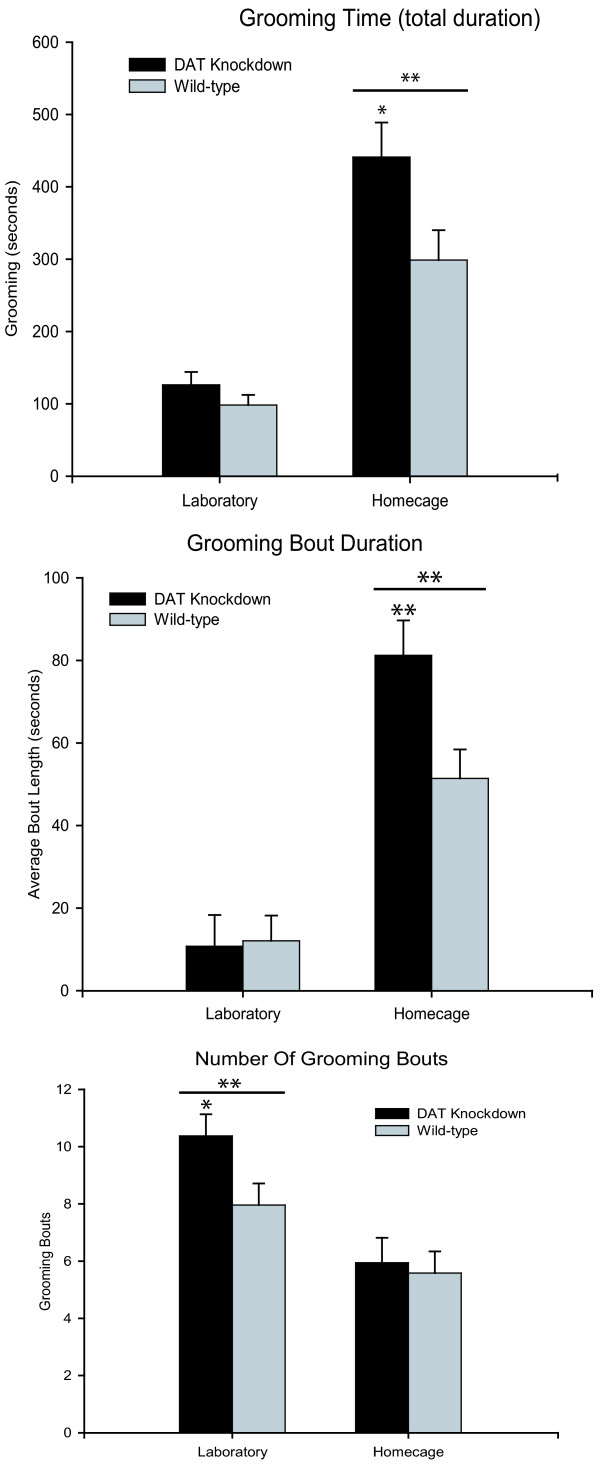
Background: Excessive sequential stereotypy of behavioral patterns (sequential super-stereotypy) in Tourette's syndrome and obsessive compulsive disorder (OCD) is thought to involve dysfunction in nigrostriatal dopamine systems. In sequential super-stereotypy, patients become trapped in overly rigid sequential patterns of action, language, or thought. Some instinctive behavioral patterns of animals, such as the syntactic grooming chain pattern of rodents, have sufficiently complex and stereotyped serial structure to detect potential production of overly-rigid sequential patterns. A syntactic grooming chain is a fixed action pattern that serially links up to 25 grooming movements into 4 predictable phases that follow 1 syntactic rule. New mutant mouse models allow gene-based manipulation of brain function relevant to sequential patterns, but no current animal model of spontaneous OCD-like behaviors has so far been reported to exhibit sequential super-stereotypy in the sense of a whole complex serial pattern that becomes stronger and excessively rigid. Here we used a hyper-dopaminergic mutant mouse to examine whether an OCD-like behavioral sequence in animals shows sequential super-stereotypy. Knockdown mutation of the dopamine transporter gene (DAT) causes extracellular dopamine levels in the neostriatum of these adult mutant mice to rise to 170% of wild-type control levels. Results: We found that the serial pattern of this instinctive behavioral sequence becomes strengthened as an entire entity in hyper-dopaminergic mutants, and more resistant to interruption. Hyper-dopaminergic mutant mice have stronger and more rigid syntactic grooming chain patterns than wild-type control mice. Mutants showed sequential super-stereotypy in the sense of having more stereotyped and predictable syntactic grooming sequences, and were also more likely to resist disruption of the pattern en route, by returning after a disruption to complete the pattern from the appropriate point in the sequence. By contrast, wild-type mice exhibited weaker forms of the fixed action pattern, and often failed to complete the full sequence. Conclusions: Sequential super-stereotypy occurs in the complex fixed action patterns of hyper-dopaminergic mutant mice. Elucidation of the basis for sequential super-stereotypy of instinctive behavior in DAT knockdown mutant mice may offer insights into neural mechanisms of overly-rigid sequences of action or thought in human patients with disorders such as Tourette's or OCD.
Overview
The claims and statistics of this paper haven’t been checked yet.
Free: it reads the open-access text and checks the first 5 claims that cite a source we can check. Create a free account to check every claim.
Integrity signals
Registry
Cites
Statistics
Figures
Verification
Claims the paper makes
The claims and statistics of this paper haven’t been checked yet.
Free: it reads the open-access text and checks the first 5 claims that cite a source we can check. Create a free account to check every claim.
Claims other papers make about this one
Each is checked against this paper’s own text: does it say what the citing paper says it does?
The source backs part of the claim, not all of it — or backs it for a different population, condition or comparison.
In the citing paper
“DAT knockout mice exhibit complex restricted patterns of stereotyped movements similar to the sequential super-stereotypy seen in TA [508].”
From Reward circuitry dysfunction in psychiatric and neurodevelopmental disorders and genetic syndromes: animal models and clinical findings (2012) · cites this paper as [508]
Experimental — accuracy not yet measuredIn the citing paper
“Knockdown of the dopamine transporter leads to excessive grooming in rodents (Berridge et al., 2005)”
From A framework for understanding the emerging role of corticolimbic-ventral striatal networks in OCD-associated repetitive behaviors (2015) · cites this paper as Berridge et al., 2005
In the citing paper
“The DAT knockout mice also have stronger and more rigid self-grooming patterns, with mutants displaying sequential super-stereotypy, evidenced by having more stereotyped and predictable self-grooming sequences [508].”
From Reward circuitry dysfunction in psychiatric and neurodevelopmental disorders and genetic syndromes: animal models and clinical findings (2012) · cites this paper as [508]
Self-check
Percentages, sums and reported differences re-computed from the paper’s own numbers.
The self-check needs the paper’s full text.
Citations
Cites
The faculty of language: what is it, who has it, and how did it evolve?
Hauser, M. D., Chomsky, N., & Fitch, W. T. (2002) · Science · doi:10.1126/science.298.5598.1569 · Cited by 5,189
The problem of serial order in behavior
Lashley, K. S. (1951) · MPG.PuRe (Max Planck Society) · Cited by 2,734
A neostriatal habit learning system in humans
Knowlton, B. J., Mangels, J. A., & Squire, L. R. (1996) · Science · doi:10.1126/science.273.5280.1399 · Cited by 1,777
Learning and Memory Functions of the Basal Ganglia
Packard, M. G., & Knowlton, B. J. (2002) · Annual Review of Neuroscience · doi:10.1146/annurev.neuro.25.112701.142937 · Cited by 1,717 · cited 1×
“Nigrostriatal mechanisms for sequencing instinctive action may have been co-opted in subsequent mammalian and human evolution into use in sequencing learned and cognitive psychological elements [67-69].”
BackgroundThe Basal Ganglia and Chunking of Action Repertoires
Graybiel, A. M. (1998) · Neurobiology of Learning and Memory · doi:10.1006/nlme.1998.3843 · Cited by 1,042 · cited 1×
“In that way, the same basal ganglia mechanisms used for movement syntax may participate in sequential habits that result from learning [20,29,70-72].”
BackgroundCerebral mechanisms in behavior.
indicated, N. A. (1952) · Journal of Consulting Psychology · doi:10.1037/h0051344 · Cited by 913
Toward a neurobiology of obsessive-compulsive disorder
Graybiel, A. M., & Rauch, S. L. (2000) · Neuron · doi:10.1016/s0896-6273(00)00113-6 · Cited by 864 · cited 3×
“They represent precisely the sort of sequencing function that ancestral basal ganglia systems might originally have evolved to perform [2, 9 ,14,15,24,29-31].”
BackgroundInfluentialAnimal Behaviour: A Synthesis of Ethology and Comparative Psychology
Cullen, J. M., & Hinde, R. A. (1968) · The Journal of Animal Ecology · doi:10.2307/3093 · Cited by 843
Decreased expression of striatal signaling genes in a mouse model of Huntington's disease
Luthi-Carter, R. (2000) · Human Molecular Genetics · doi:10.1093/hmg/9.9.1259 · Cited by 720 · cited 1×
“Basal ganglia are believed to be involved in generating such pathologically-strong and complex sequential stereotypies [1,2,8,9,74,78-85].”
BackgroundThe representation of temporal information in perception and motor control
Ivry, R. B. (1996) · Current Opinion in Neurobiology · doi:10.1016/s0959-4388(96)80037-7 · Cited by 635 · cited 2×
“For example, Marsden proposed that "The sequencing of motor action and the sequencing of thought could be a uniform function carried out by the basal ganglia" [15], and a variety of computational models have been proposed to carry out the general sequencing functions of basal ganglia [16-19].”
BackgroundResult
Research works printed but not linked: 1
- Rapoport JL Le "spectre obsessionnel-compulsif": Un concept utile? Encephale 1994 20 Spec No 4 677 680 7895635
Cited by
Items 101–200 of 308
Walitza, S., Scherag, A., Renner, T. J., Hinney, A., Remschmidt, H., Herpertz‐Dahlmann, B., Schulz, E., Schafer, H., Lange, K. W., Wewetzer, C., et al. (2008) · Journal of Neural Transmission · doi:10.1007/s00702-008-0051-6 · Cited by 42
Animal models of obsessive compulsive disorder: recent findings and future directions
Hoffman, K. L. (2011) · Expert Opinion on Drug Discovery · doi:10.1517/17460441.2011.577772 · Cited by 40
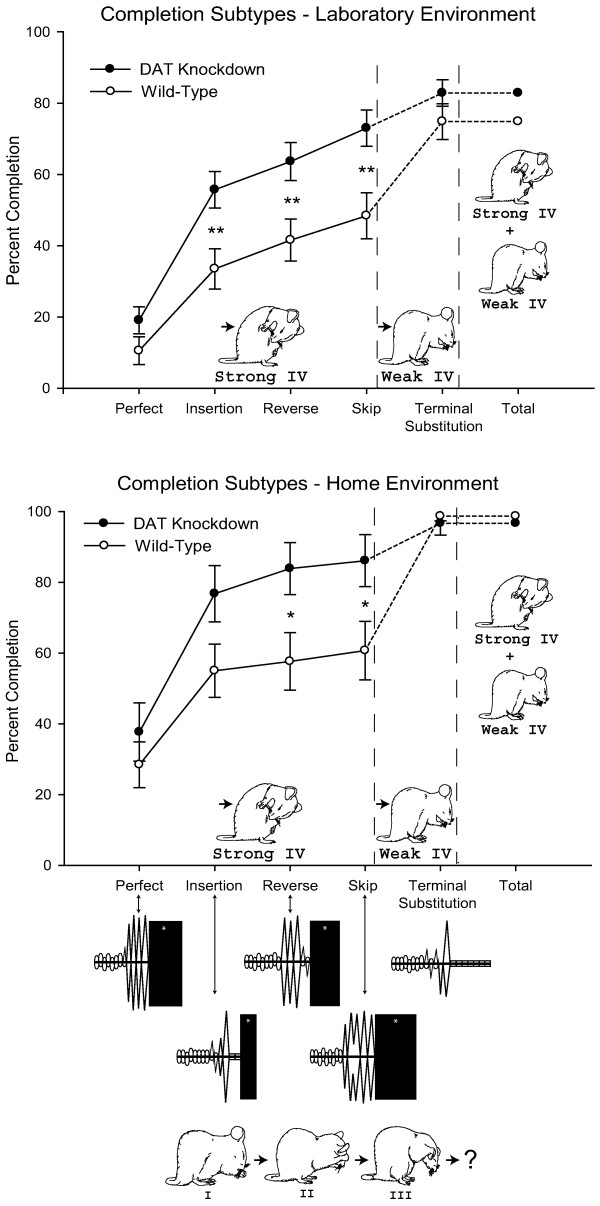
“Conversely, mutant mice lacking the D1A receptor were less likely to perform grooming chains to completion [70].”
BackgroundParkin deletion causes cerebral and systemic amyloidosis in human mutated tau over-expressing mice
Rodríguez-Navarro, J. A., Gómez, A., Rodal, I., Perucho, J., Martinez, A., Furió, V., Ampuero, I., Casarejos, M. J., Solano, R. M., de Yébenes, J. G., et al. (2008) · Human Molecular Genetics · doi:10.1093/hmg/ddn210 · Cited by 36
“mice, in which, knocking down the DAT causes an increase in the extracellular levels of DA in the striatum of 170% (17).”
BackgroundCombining Quantitative and Qualitative Data in the Study of Feeding Behavior in Male Wistar Rats
Casarrubea, M., Aiello, S., Giovanni, G. D., Santangelo, A., Palacino, M., & Crescimanno, G. (2019) · Frontiers in Psychology · doi:10.3389/fpsyg.2019.00881 · Cited by 38
Kurzina, N. P., Aristova, I., Volnova, A. B., & Gainetdinov, R. R. (2020) · Behavioural Brain Research · doi:10.1016/j.bbr.2020.112642 · Cited by 40
Kyzar, E. J., Gaikwad, S., Roth, A., Green, J. B. A., Pham, M., Stewart, A., Liang, Y., Kobla, V., & Kalueff, A. V. (2011) · Behavioural Brain Research · doi:10.1016/j.bbr.2011.07.052 · Cited by 38
“Rodent grooming enerally follows a cephalo-caudal progression (from paws/face o tail/genitals) [4,8], and is regulated by the basal ganglia and ypothalamus [9–11].”
ADHD and the Dopamine Transporter: Are There Reasons to Pay Attention?
Mazei‐Robison, M. S., & Blakely, R. (2006) · Springer eBooks · doi:10.1007/3-540-29784-7_17 · Cited by 38
Annual Research Review: Transgenic mouse models of childhood‐onset psychiatric disorders
Robertson, H. R., & Feng, G. (2011) · Journal of Child Psychology and Psychiatry · doi:10.1111/j.1469-7610.2011.02380.x · Cited by 39
“The hyper-dopaminergic DAT KD mice exhibit sequential super-stereotypy, and showed greater resistance to disruption of this pattern than control animals (Berridge et al., 2005).”
Kumar, P., & Rai, V. (2019) · Metabolic Brain Disease · doi:10.1007/s11011-019-00495-0 · Cited by 38
Cues to the usefulness of grooming behavior in the evaluation of anxiety in the elevated plus-maze.
Estanislau, C. R. (2012) · Psychology & Neuroscience · doi:10.3922/j.psns.2012.1.14 · Cited by 46
Hybridizing behavioral models: A possible solution to some problems in neurophenotyping research?
Kalueff, A. V., LaPorte, J. L., Murphy, D. L., & Sufka, K. J. (2007) · Progress in Neuro-Psychopharmacology and Biological Psychiatry · doi:10.1016/j.pnpbp.2007.12.010 · Cited by 32
Денисовна, Ш. А., Zharikova, T. S., Ковалева, О. Н., Luchina, A. M., Aktemirov, A. S., Olsufieva, A. V., Sinelnikov, M. Y., Pontes‐Silva, A., & Zharikov, Y. O. (2023) · Behavioural Brain Research · doi:10.1016/j.bbr.2023.114606 · Cited by 39
Abnormal repetitive behaviors in zebrafish and their relevance to human brain disorders
Zabegalov, K. N., Khatsko, S. L., Lakstygal, A. M., Demin, K. A., Cleal, M., Fontana, B. D., McBride, S. D., Harvey, B. H., de Abreu, M. S., Parker, M. O., et al. (2019) · Behavioural Brain Research · doi:10.1016/j.bbr.2019.03.044 · Cited by 36
“dopaminergic mutant deer mice [137, 138] and Sapap, Slitrk5 and HoxB8 knockout mice [139]), drug-”
BackgroundModulation of grooming behavior in rats by different test situations.
Veloso, A. W. N., Filgueiras, G. B., Lorenzo, P., & Estanislau, C. R. (2016) · Psychology & Neuroscience · doi:10.1037/pne0000038 · Cited by 42
Reprint of “Neurobiology of animal models of attention-deficit hyperactivity disorder”
Russell, V. A. (2007) · Journal of Neuroscience Methods · doi:10.1016/j.jneumeth.2006.12.020 · Cited by 35
Refining psychiatric genetics: from ‘mouse psychiatry’ to understanding complex human disorders
LaPorte, J. L., Ren‐Patterson, R. F., Murphy, D. L., & Kalueff, A. V. (2008) · Behavioural Pharmacology · doi:10.1097/fbp.0b013e32830dc09b · Cited by 29
Wang, X., Liu, X., Chen, L., & Zhang, X. (2023) · Frontiers in Immunology · doi:10.3389/fimmu.2023.1178113 · Cited by 32
Body Focused Repetitive Behavior Disorders: Behavioral Models and Neurobiological Mechanisms
Okumuş, H. G., & Akdemir, D. (2022) · Turkish Journal of Psychiatry · doi:10.5080/u26213 · Cited by 53
Crib-biting and its heritability in Finnhorses
Hemmann, K., Raekallio, M. R., Vainio, O., & Juga, J. (2014) · Applied Animal Behaviour Science · doi:10.1016/j.applanim.2014.04.008 · Cited by 34
Dopamine D1 activation shortens the duration of phases in stereotyped grooming sequences
Matell, M. S., Berridge, K. C., & Aldridge, J. W. (2005) · Behavioural Processes · doi:10.1016/j.beproc.2005.09.008 · Cited by 31
Self-citationAnimal Models for OCD Research
Chamberlain, B. L., & Ahmari, S. E. (2021) · Current topics in behavioral neurosciences · doi:10.1007/7854_2020_196 · Cited by 30
Palmér, T., Ek, F., Enqvist, O., Olsson, R., Åström, K., & Petersson, P. (2017) · Scientific Reports · doi:10.1038/s41598-017-03144-7 · Cited by 31
Catecholaminergic contributions to vocal communication signals
Matheson, L. E., & Sakata, J. T. (2015) · European Journal of Neuroscience · doi:10.1111/ejn.12885 · Cited by 33
Hoffman, K. L., & Morales, R. I. R. (2012) · Behavioural Brain Research · doi:10.1016/j.bbr.2012.01.041 · Cited by 31
Kyzar, E. J., Pham, M., Roth, A., Cachat, J., Green, J. B. A., Gaikwad, S., & Kalueff, A. V. (2012) · Brain Research Bulletin · doi:10.1016/j.brainresbull.2012.08.004 · Cited by 30
“…human psychiatric disorders involving stereotyped repetitive behaviors (e.g., autism, OCD and ADHD) have been associated with disruptions in SERT and BDNF genes (Bloch et al., 2008; Firk and Markus, 2009; Fontenelle et al., 2012; Maina et al., 2010; Nishimura et al., 2007; Sutcliffe et al., 2005).”
Macrì, S., Onori, M. P., & Laviola, G. (2013) · Neuroscience & Biobehavioral Reviews · doi:10.1016/j.neubiorev.2013.03.014 · Cited by 28
Eissa, N., Venkatachalam, K., Jayaprakash, P., Falkenstein, M., Dubiel, M., Frank, A., Reiner‐Link, D., Stark, H., & Sadek, B. S. (2021) · International Journal of Molecular Sciences · doi:10.3390/ijms22041947 · Cited by 30
“DAT knockout mice (hyperdopaminergic mutant mice) showed greater invariance in complex fixed action patterns, suggesting an association between abnormal DA levels and repetitive behaviors [26].”
BackgroundStereotypies in the Autism Spectrum Disorder: Can We Rely on an Ethological Model?
Keller, R., Costa, T., Imperiale, D., Bianco, A., Rondini, E., Hassiotis, A., & Bertelli, M. O. (2021) · Brain Sciences · doi:10.3390/brainsci11060762 · Cited by 36
“First, it results in increased dopamine levels at level of neostriatum up to 170% [103].”
BackgroundTowards a comprehensive model of stereotypy: Integrating operant and neurobiological interpretations
Lanovaz, M. J. (2011) · Research in Developmental Disabilities · doi:10.1016/j.ridd.2010.12.026 · Cited by 31
Melo-Felippe, F. B., Andrade, J. B. D. S., Giori, I. G., Vieira-Fonseca, T., Fontenelle, L. F., & Kohlrausch, F. B. (2015) · Journal of Molecular Neuroscience · doi:10.1007/s12031-015-0697-0 · Cited by 31
A role for the subthalamic nucleus in aversive learning
Serra, G. P., Guillaumin, A., Vlcek, B., Delgado-Zabalza, L., Ricci, A., Rubino, E., Dumas, S., Baufreton, J., Georges, F. E., & Wallén‐Mackenzie, Å. (2023) · Cell Reports · doi:10.1016/j.celrep.2023.113328 · Cited by 31
Young, J. W., Winstanley, C. A., Brady, A. M., & Hall, F. S. (2016) · Neuroscience & Biobehavioral Reviews · doi:10.1016/j.neubiorev.2016.10.029 · Cited by 29
Controllable branching of robust response patterns in nonlinear mechanical resonators
Eriksson, A. M., Shoshani, O., López, D., Shaw, S. W., & Czaplewski, D. A. (2023) · Nature Communications · doi:10.1038/s41467-022-35685-5 · Cited by 24
Behavioral and pharmacological phenotypes of brain-specific diacylglycerol kinase δ-knockout mice
Usuki, T., Takato, T., Lu, Q., Sakai, H., Bando, K., Kiyonari, H., & Sakane, F. (2016) · Brain Research · doi:10.1016/j.brainres.2016.07.017 · Cited by 25
Parikh, V., Apparsundaram, S., Kozak, R., Richards, J. B., & Sarter, M. F. (2006) · Neuroscience · doi:10.1016/j.neuroscience.2006.03.055 · Cited by 25
Serum biochemical markers in rheumatoid arthritis.
Pallinti, V., Ganesan, N., ANBAZHAGAN, M., & Rajasekhar, G. (2009) · PubMed · Cited by 29
Astrocytic glutamate transporter 1 (GLT1) deficient mice exhibit repetitive behaviors
Jia, Y., Wininger, K. M., Peyton, L., Ho, A. M., & Choi, D. (2020) · Behavioural Brain Research · doi:10.1016/j.bbr.2020.112906 · Cited by 23
“It has been previously shown that anxiety and stress promotes and increases repetitive or ritualized behaviors or tics in humans [41, 42] as well as in animal models of ASD, OCD and Tourette’s syndrome [7, 10, 35, 43, 44].”
BackgroundKwiatkowski, M. A., Hellemann, G. S., Sugar, C. A., Cope, Z. A., Minassian, A., Perry, W., Geyer, M. A., & Young, J. W. (2017) · Pharmacology Biochemistry and Behavior · doi:10.1016/j.pbb.2017.12.007 · Cited by 24
“Numerous studies have been conducted with the DAT KD mouse line since its creation, yielding valuable insights into the influences of altered dopamine signaling on psychiatry-relevant behavioral profiles (Berridge et al., 2005; Cagniard et al., 2006; Milienne-Petiot et al., 2017b; Peciña et al., 2003; Perry et al., 20…”
BackgroundRoth, A., Kyzar, E. J., Cachat, J., Stewart, A., Green, J. B. A., Gaikwad, S., O’Leary, T. P., Tabakoff, B., Brown, R. E., & Kalueff, A. V. (2012) · Progress in Neuro-Psychopharmacology and Biological Psychiatry · doi:10.1016/j.pnpbp.2012.10.015 · Cited by 22
“An increased understanding this important, commonly observed and complex/patterned phenotype is likely to lead to insights into complex neurobehavioral disorders, such as autism and obsessive–compulsive disorder, (OCD) (Berridge et al., 2005; Bienvenu et al., 2009; Crawley, 2007; Feusner et al., 2009; Rapoport, 1991;…”
InfluentialAbnormal neuronal activity in Tourette syndrome and its modulation using deep brain stimulation
Israelashvili, M., Loewenstern, Y., & Bar‐Gad, I. (2015) · Journal of Neurophysiology · doi:10.1152/jn.00277.2015 · Cited by 23
“…model) (Nordstrom and Burton, 2002), or TS comorbid symptoms such as OCB [SAPAP3, D1CT-7, DAT, and HDC (following amphetamine injection) models] (Berridge et al. 2005; Campbell et al. 1999; Castellan Baldan et al. 2014; Welch et al. 2007), anxiety (SLITRK1 and SAPAP3 models) (Katayama et al.…”
BackgroundScahill, L. D., & Challa, S. A. (2016) · Springer eBooks · doi:10.1007/978-3-319-29695-1_3 · Cited by 26
Ayers, C. A., Armsworth, P. R., & Brosi, B. J. (2015) · Behavioral Ecology and Sociobiology · doi:10.1007/s00265-015-1948-3 · Cited by 24
Eilam, D. (2014) · Neuroscience & Biobehavioral Reviews · doi:10.1016/j.neubiorev.2014.11.023 · Cited by 21
Kyzar, E. J., Pham, M., Roth, A., Cachat, J., Green, J. B. A., Gaikwad, S., & Kalueff, A. V. (2015) · Brain Research Bulletin · doi:10.1016/j.brainresbull.2015.08.002 · Cited by 19
Review of Obsessive Compulsive Disorders Theories
Fava, L., Bellantuono, S., Bizzi, A., Cesario, M. L., Costa, B. C. G., Simoni, E., di Nuzzo, M., Fadda, S., Gazzellini, S., Iacono, A. L., et al. (2022) · Global Journal of Epidemiology and Public Health · doi:10.12974/2313-0946.2014.01.01.1 · Cited by 23
The importance of behavioural bioassays in neuroscience
Brown, R. E., & Bolivar, S. (2017) · Journal of Neuroscience Methods · doi:10.1016/j.jneumeth.2017.05.022 · Cited by 25
“18 May 2017 11 detect repetitive stereotyped behaviour patterns (Berridge et al., 2005).”
BackgroundPsychotropic and Neurotropic Activity
Vogel, H. G. (2007) · Springer eBooks · doi:10.1007/978-3-540-70995-4_6 · Cited by 24
Wang, D., Li, W., Liu, X., Zhang, J., & Wang, S. (2013) · Evidence-based Complementary and Alternative Medicine · doi:10.1155/2013/385685 · Cited by 21
“An animal experiment has confirmed that DAT knockdown mutant mice cause extracellular DA levels in the neostriatum to rise to 170% of wild-type control levels, and sequential super stereotypy occurs in these complex fixed action patterns of hyperdopaminergic mutant mice [26].”
BackgroundJoel, D., Stein, D. J., & Schreiber, R. (2008) · Elsevier eBooks · doi:10.1016/b978-0-12-373861-5.00006-0 · Cited by 24
Athnaiel, O., Job, G. A., Ocampo, R., Teneqexhi, P., Messer, W. S., & Ragozzino, M. E. (2021) · The International Journal of Neuropsychopharmacology · doi:10.1093/ijnp/pyab079 · Cited by 19
“Enhanced dopamine signaling in the striatum particularly by activating dopamine D1 receptors leads to stereotyped motor behaviors (Chartoff et al., 2001; Presti et al., 2003; Berridge et al., 2005; Bouchekioua et al., 2018; Lee et al., 2018).”
Ryherd, G. L., Bunce, A. L., Edwards, H. A., Baumgartner, N. E., & Lucas, E. K. (2023) · Hormones and Behavior · doi:10.1016/j.yhbeh.2023.105439 · Cited by 22
Capone, F. T., Adriani, W., Shumilina, M. V., Izykenova, G. A., Granstrem, O., Dambinova, S. A., & Laviola, G. (2008) · Psychopharmacology · doi:10.1007/s00213-007-1062-y · Cited by 21
Eriguchi, Y., Kuwabara, H., Inai, A., Kawakubo, Y., Nishimura, F., Kakiuchi, C., Tochigi, M., Ohashi, J., Aoki, N., Kato, K., et al. (2017) · American Journal of Medical Genetics Part B Neuropsychiatric Genetics · doi:10.1002/ajmg.b.32559 · Cited by 18
Role of SHH in Patterning Human Pluripotent Cells towards Ventral Forebrain Fates
Brady, M. V., & Vaccarino, F. M. (2021) · Cells · doi:10.3390/cells10040914 · Cited by 27
“For instance, altered development of dopamine neurons, originating in the substantia nigra of the midbrain and projecting to the basal ganglia of the ventral forebrain, has been linked to both movement and neuropsychiatric disorders, from Tourette syndrome [63,64] to schizophrenia [65–67].”
BackgroundCui, R., Zhang, G., Kang, Y., Cheng, Q., Tan, H., Cui, H., & Shi, G. (2011) · Experimental Gerontology · doi:10.1016/j.exger.2011.10.009 · Cited by 19
Metaxas, A., Keyworth, H. L., Yoo, J.-S., Chen, Y., Kitchen, I., & Bailey, A. (2012) · British Journal of Pharmacology · doi:10.1111/j.1476-5381.2012.02023.x · Cited by 19
“Given that hyperactivation of the dopaminergic system has been implicated in the manifestation of anxiety spectrum disorders and stress-induced grooming (Homberg et al., 2002; Berridge et al., 2005), it is plausible that a hypocholinergic tone contributes significantly towards the behaviour observed in MLA+cocaine-tre…”
BackgroundWang, N., Wu, X., Yang, Q., Wang, D., Wu, Z. L., Wei, Y., Cui, J., Hong, L., Xiong, L., & Qin, D. (2022) · Frontiers in Pharmacology · doi:10.3389/fphar.2022.819872 · Cited by 18
Human Dopamine Transporter Gene: Differential Regulation of 18-kb Haplotypes
Zhao, Y. Y., Xiong, N., Liu, Y., Zhou, Y., Li, N., Qing, H., & Lin, Z. (2013) · Pharmacogenomics · doi:10.2217/pgs.13.141 · Cited by 18
Pharmacotherapy of trichotillomania (hair pulling disorder): an updated systematic review
Rothbart, R., & Stein, D. J. (2014) · Expert Opinion on Pharmacotherapy · doi:10.1517/14656566.2014.972936 · Cited by 16
The Dysfunctional Mechanisms Throwing Tics: Structural and Functional Changes in Tourette Syndrome
Lamanna, J., Ferro, M., Spadini, S., Racchetti, G., & Malgaroli, A. (2023) · Behavioral Sciences · doi:10.3390/bs13080668 · Cited by 24
“In addition, dopamine transporter knockout was also effective for generating complex sequential stereotypy in rodents, albeit the neurophysiological correlates have not been addressed [34].”
BackgroundSarter, M. F., Bruno, J. P., Parikh, V., Martínez, V., Kozak, R., & Richards, J. B. (2006) · Birkhäuser Basel eBooks · doi:10.1007/978-3-7643-7772-4_4 · Cited by 21
“Furthermore, Berridge and colleagues demonstrated that DAT-KD mice exhibited enhanced acquisition and greater incentive performance for a palatable food [100] and that they show more stereotyped grooming behavior [ 101 ].”
BackgroundAn ethological analysis of barbering behavior
Dufour, B. D., & Garner, J. P. (2010) · Cambridge University Press eBooks · doi:10.1017/cbo9780511676109.011 · Cited by 19
Scholl, C., Baladron, J., Vitay, J., & Hamker, F. H. (2022) · Brain Structure and Function · doi:10.1007/s00429-021-02446-x · Cited by 20
“Mice with excessive striatal dopamine show frequent rigid and complex action patterns and serve as an animal model of the Tourette syndrome (Berridge et al. 2005).”
BackgroundSantos‐García, I., Rodríguez‐Cueto, C., Villegas, P., Piscitelli, F., Lauritano, A., Shen, C.-K. J., Marzo, V. D., Fernández‐Ruíz, J., & de Lago, E. (2023) · Journal of Neuroinflammation · doi:10.1186/s12974-023-02792-z · Cited by 15
“Spray test This test was used for the assessment of stereotypic behaviours in mice, more specifically by observing grooming behaviour which can be taken as a pathological sign if developed compulsively (see details in [4, 38]).”
MethodNeurobiology of Obsessive–Compulsive Disorder from Genes to Circuits: Insights from Animal Models
Zhang, Y.-D., Shi, D., & Wang, Z. (2024) · Neuroscience Bulletin · doi:10.1007/s12264-024-01252-9 · Cited by 20
“Other transgenic models, such as KO mice [85, 86], and KD mice [87], show a number of behavioral abnormalities that may be related to several basal gan- glia-and dopamine-related disorders.”
Dias, K. C. F., de Almeida, J. C., Vasconcelos, L. C., Patrocínio, M. L. V., Barbosa, T. M., Ximenes, N. C., Leitão, A. P. D. A., Louchard, B. O., Pimenta, A. T. Á., Pinto, F. D. C. L., et al. (2019) · Journal of Pharmacy and Pharmacology · doi:10.1111/jphp.13039 · Cited by 19
Ebbinghaus, M., Tuchscherr, L. P. N., von Banchet, G. S., Liebmann, L., Adams, V., Gajda, M. R., Hübner, C. A., Kurth, I., & Schaible, H. (2020) · PLoS ONE · doi:10.1371/journal.pone.0237101 · Cited by 15
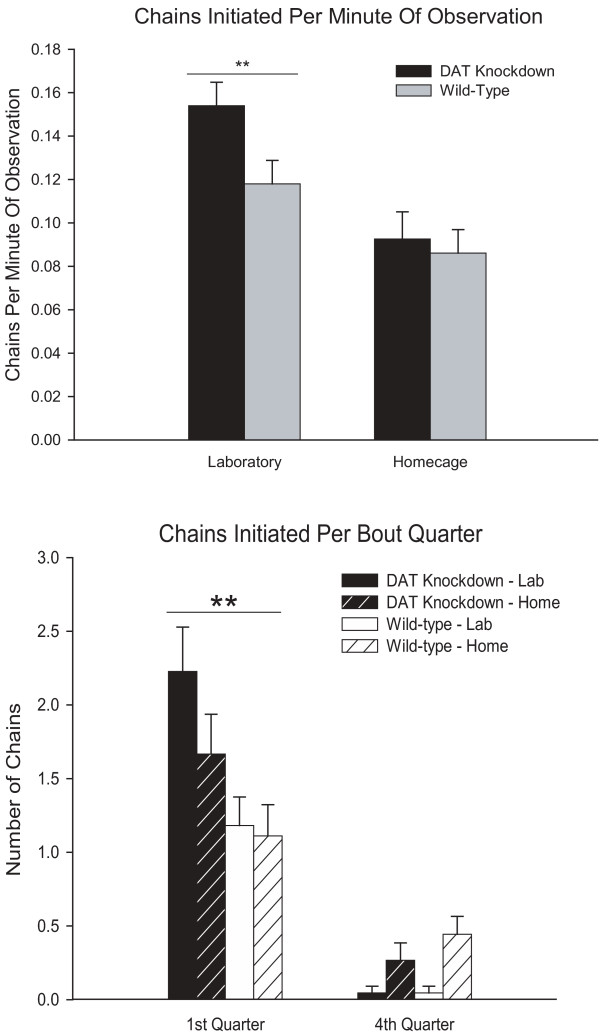
“Both hindlimb scratching bouts and forelimb grooming chains were counted between 9 am and 3 pm as previously described [5, 14, 15].”
MethodRats Lacking the Dopamine Transporter Display Inflexibility in Innate and Learned Behavior
Belskaya, A. D., Kurzina, N. P., Savchenko, A. A., Sukhanov, I., Gromova, A. A., Gainetdinov, R. R., & Volnova, A. B. (2024) · Biomedicines · doi:10.3390/biomedicines12061270 · Cited by 16
“These findings coincide with the super-stereotypy revealed in the transgenic mice with a lack of DAT [32].”
BackgroundResultHajheidari, S., Miladi‐Gorji, H., & Bigdeli, I. (2017) · PubMed Central · Cited by 15
Adriani, W., Koot, S., Cabezas, S. C., Romano, E., Travaglini, D., van den Bos, R., Granstrem, O., Ali, S. F., & Laviola, G. (2012) · Behavioral and Brain Functions · doi:10.1186/1744-9081-8-54 · Cited by 15
“Among studies describing alteration of dopamine systems in ADHD and/ or OCD, it has been proposed that specific symptoms may arise from a modification in dopamine transporter (DAT) expression and function [19-22].”
BackgroundAddressing the Complexity of Tourette's Syndrome through the Use of Animal Models
Nespoli, E., Rizzo, F. R., Boeckers, T. M., Hengerer, B., & Ludolph, A. G. (2016) · Frontiers in Neuroscience · doi:10.3389/fnins.2016.00133 · Cited by 17
Role of the basal ganglia in innate and learned behavioural sequences
Favila, N., GURNEY, K. N., & Overton, P. G. (2023) · Reviews in the Neurosciences · doi:10.1515/revneuro-2023-0038 · Cited by 20
AI-powered home cage system for real-time tracking and analysis of rodent behavior
Hsieh, C.-M., Hsu, C., Chen, J.-K., & Liao, L. (2024) · iScience · doi:10.1016/j.isci.2024.111223 · Cited by 16
“70,71 Furthermore, tail and genital grooming can often be observed in rodents as part of their general grooming behavior.”
Roubertoux, P. L., Tordjman, S., Caubit, X., di Cristopharo, J., Ghata, A. S., Fasano, L., Goff, L. K., Gubellini, P., & Carlier, M. (2019) · Behavior Genetics · doi:10.1007/s10519-019-09970-x · Cited by 14
The evolution of behavioural systems: a study of grooming in rodents
Malange, J., Alberts, C. C., Oliveira, E., & Japyassú, H. (2013) · Behaviour · doi:10.1163/1568539x-00003096 · Cited by 14
Hoffman, K. L., & Cano-Ramírez, H. (2017) · Expert Opinion on Drug Discovery · doi:10.1080/17460441.2018.1417379 · Cited by 18
“Dopamine neurotransmission has also been implicated in the modulation of normal, adaptive behaviors that have compulsive-like characteristics: a mouse dopamine transporter knockout displayed sequenced grooming behavior that was rigid, stereotyped, and resistant to disruption [78], D1 and D2 receptor”
BackgroundIkeda, H., Adachi, K., Fujita, S., Tomiyama, K., Saigusa, T., Kobayashi, M., Koshikawa, N., & Waddington, J. L. (2014) · Behavioural Pharmacology · doi:10.1097/fbp.0000000000000118 · Cited by 13
“For example, evaluation of grooming, which involves both orofacial and nonorofacial movement, has been investigated previously in terms of the body region licked and the number, intensity and duration of episodes, using visual observation and/or video recording (Bursten et al., 2000; Meyer-Luehmann et al., 2002; Berri…”
MethodCaracciolo, V., Macaluso, M., D’Agostino, L., Montanari, M., Scheff, J., Reiss, K., Khalili, K., & Giordano, A. (2010) · Journal of Cellular Biochemistry · doi:10.1002/jcb.22525 · Cited by 12
Affective Touch and Human Grooming Behaviours: Feeling Good and Looking Good
McGlone, F. P., Walker, S. C., & Ackerley, R. (2016) · Springer eBooks · doi:10.1007/978-1-4939-6418-5_16 · Cited by 16
Altered Grooming Syntax and Amphetamine-Induced Dopamine Release in EAAT3 Overexpressing Mice
Escobar, A. P., Martínez-Pinto, J., Silva-Olivares, F., Sotomayor‐Zárate, R., & Moya, P. R. (2021) · Frontiers in Cellular Neuroscience · doi:10.3389/fncel.2021.661478 · Cited by 15
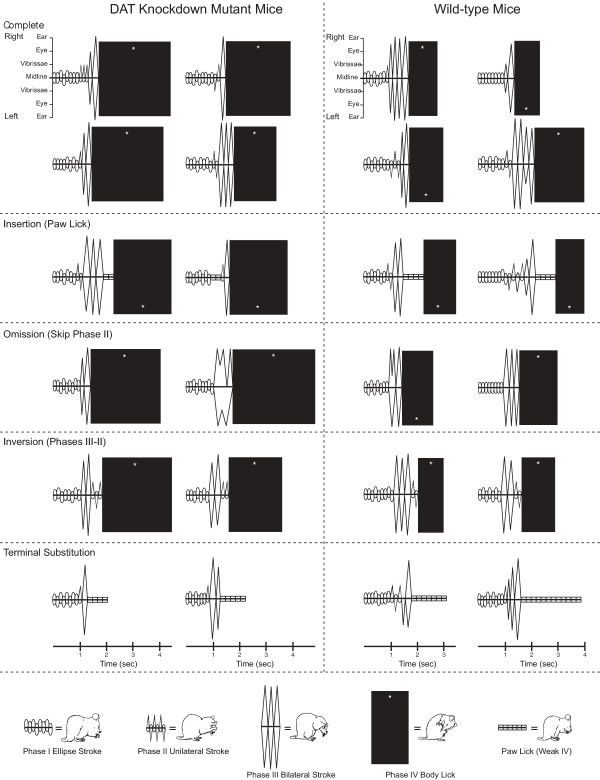
“Each grooming event was classified according to the grooming phase reached (Cromwell et al., 1998; Berridge et al., 2005; Kalueff et al., 2007).”
BackgroundInfluentialAntioxidant Behavioural Phenotype in the Immp2l Gene Knock-Out Mouse
Lawther, A. J., Zieba, J., Fang, Z., Furlong, T. M., Conn, I., Govindaraju, H., Choong, L. L. Y., Turner, N. A., Siddiqui, K. S., Bridge, W. J., et al. (2023) · Genes · doi:10.3390/genes14091717 · Cited by 10
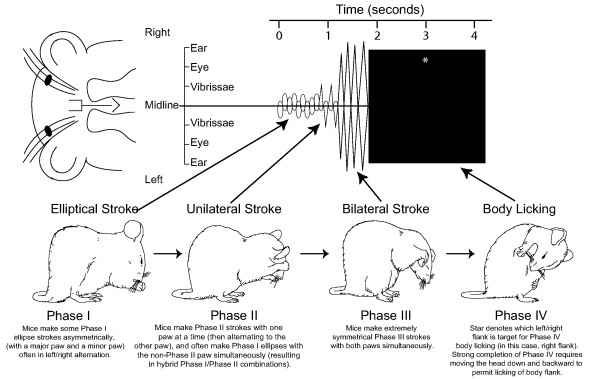
“This pattern starts with short elliptical strokes to the nose (phase 1), unilateral strokes to the face (phase 2), large bilateral strokes over the ears (phase 3), and ending with body/flank grooming (phase 4) [74].”
BackgroundTourette Syndrome and Tic Disorders
Tochen, L. S., & Singer, H. S. (2016) · Handbook of behavioral neuroscience · doi:10.1016/b978-0-12-802206-1.00048-9 · Cited by 11
Automated Grooming Detection of Mouse by Three-Dimensional Convolutional Neural Network
Sakamoto, N., Kobayashi, K., Yamamoto, T., Masuko, S., Yamamoto, M., & Murata, T. (2022) · Frontiers in Behavioral Neuroscience · doi:10.3389/fnbeh.2022.797860 · Cited by 12
“Additionally, it has been discovered that ordered grooming microstructures are disturbed by neuropsychiatric and neurodegenerative disorders in mice (Berridge et al., 2005; Kalueff et al., 2016).”
BackgroundBerlin, H. A., Hamilton, H., & Hollander, E. (2008) · Mount Sinai Journal of Medicine A Journal of Translational and Personalized Medicine · doi:10.1002/msj.20045 · Cited by 12
Wilson, C., Gattuso, J. J., Kuznetsova, M., Li, S., Connell, S., Choo, J. M., Rogers, G. B., Gubert, C., Hannan, A. J., & Renoir, T. (2024) · Journal of Affective Disorders · doi:10.1016/j.jad.2024.07.143 · Cited by 12
Complementary corticostriatal circuits orchestrate action repetition and switching
Zhang, B., Geddes, C. E., & Jin, X. (2025) · Science Advances · doi:10.1126/sciadv.adt0854 · Cited by 13
Sotnikova, T. D., Efimova, E. V., & Gainetdinov, R. R. (2020) · International Journal of Molecular Sciences · doi:10.3390/ijms21218216 · Cited by 10
“Unfortunately, due to difficulty in analyzing eight strains of mice simultaneously at maximally comparable conditions, we were not able to analyze sequential stereotypy of mutant mice more precisely and detailed according to well established methods [41,42].”
BackgroundD’Addario, S. L., Rosina, E., Cenere, M. M., Bagni, C., Mercuri, N. B., & Ledonne, A. (2024) · Molecular Psychiatry · doi:10.1038/s41380-024-02831-y · Cited by 9
“The latest demonstration that optogenetic activation of SNpc DA neurons triggers self-grooming (a repetitive behavior) in mice [12] and self-grooming is attenuated by optogenetic inhibition of the SNpc-to-ventromedial striatum circuit [13] has strengthened the idea that hyperactivation of the…”
Animal Models of Tourette Syndrome and Obsessive-Compulsive Disorder
Pittenger, C. (2014) · Elsevier eBooks · doi:10.1016/b978-0-12-405195-9.00047-0 · Cited by 14
Neural dynamics in co-morbid schizophrenia and OCD: A computational approach
Szalisznyó, K., Silverstein, D. N., & Tóth, J. (2019) · Journal of Theoretical Biology · doi:10.1016/j.jtbi.2019.01.038 · Cited by 11
Stone, J. E., Carpendale, J. I. M., Sugarman, J. H., & Martin, J. (2011) · New Ideas in Psychology · doi:10.1016/j.newideapsych.2011.09.002 · Cited by 12
Cacace, A. T., & Silver, S. M. (2007) · Progress in brain research · doi:10.1016/s0079-6123(07)66007-5 · Cited by 10
Neural substrates for regulating self-grooming behavior in rodents
Li, G., Lu, C., Yin, M., Wang, P., Zhang, P., Wu, J., Wang, W., Wang, D., Wang, M., Liu, J., et al. (2024) · Journal of Zhejiang University SCIENCE B · doi:10.1631/jzus.b2300562 · Cited by 12
“Phase IV (body licking) is preceded by a postural cephalocaudal transition from paw/head grooming to body grooming (Berridge et al., 2005; Kalueff et al., 2007, 2016).”
Festucci, F., Annunzi, E., Pepe, M., Curcio, G., D’Addario, C., & Adriani, W. (2022) · Synapse · doi:10.1002/syn.22244 · Cited by 11
“Such systemsmight contribute toOCD in humans and to some aspects of compulsive-like behavior in mutant mice (Berridge et al., 2005).”
BackgroundWolmarans, D. W., Stein, D. J., & Harvey, B. H. (2017) · Current Medicinal Chemistry · doi:10.2174/0929867324666170523125256 · Cited by 11
Varga, T. G., Simões, J. G. D. T., Siena, A., Henrique, E., da Silva, R. C. B., Bioni, V. S., Ramos, A. C., & Rosenstock, T. R. (2021) · Psychopharmacology · doi:10.1007/s00213-021-05880-1 · Cited by 9
Evaluation of hippocampal arylalkylamine N-acetyltransferase activity in amyloid-β neurotoxicity
Mohammadi, S., Zahmatkesh, M., Asgari, Y., Aminyavari, S., & Hassanzadeh, G. (2023) · Journal of Molecular Endocrinology · doi:10.1530/jme-22-0161 · Cited by 11
Opening new vistas on obsessive-compulsive disorder with the observing response task
Pickenhan, L., & Milton, A. L. (2024) · Cognitive Affective & Behavioral Neuroscience · doi:10.3758/s13415-023-01153-w · Cited by 10
“…dopamine levels (Zhuang et al., 2001), show behavioural aberrations, including hyperactivity, augmented reward sensitivity (Pecina et al., 2003), and repetitive grooming behaviour, ostensibly analogous to perseverative and compulsive rituals performed by human OCD patients (Berridge et al., 2005).”
Borba, J. V., Canzian, J., Resmim, C. M., da Silva, R. M., Duarte, M. C. F., Mohammed, K. A., Schoenau, W., Adedara, I. A., & Rosemberg, D. B. (2024) · Neuroscience & Biobehavioral Reviews · doi:10.1016/j.neubiorev.2024.105715 · Cited by 10
Genetics of Childhood and Adolescent Anxiety
Arnold, P. D., & Taillefer, S. E. (2011) · Springer eBooks · doi:10.1007/978-1-4419-7784-7_5 · Cited by 9
Metadata
- Authors
- Berridge, K. C., Aldridge, J. W., Houchard, K. R., & Zhuang, X.
- Affiliations
- University of Michigan (US)
- Wayne State University (US)
- University of Chicago (US)
- Corresponding author
- Berridge, Kent C
- Venue
- BMC Biology
- Published
- 2005-02-14
- Volume
- 3
- Issue
- 1
- Pages
- 4-4
- ISSN
- 1741-7007 (ISSN-L)
- PMC
- PMC552313
- OpenAlex
- W1882556075
- Cited by
- 309
- References
- 96
- Citations by year
- 2026: 8 · 2025: 8 · 2024: 22 · 2023: 14 · 2022: 12 · 2021: 16 · 2020: 13 · 2019: 13 · 2018: 9 · 2017: 16 · 2016: 19 · 2015: 16 · 2014: 21 · 2013: 13 · 2012: 14
- FWCI
- 16.20
- Type
- journal article
- Language
- en
- Open access
- gold
- doi.org
- Licence
- cc-by
- creativecommons.org/licenses/by/2.0/ (tdm)
- creativecommons.org/licenses/by/2.0/ (vor)
- Locations
- BMC Biology (publishedVersion, cc-by)
- PubMed Central (publishedVersion, cc-by)
- PubMed (publishedVersion)
- Human Biology (submittedVersion)
- Deep Blue (University of Michigan) (submittedVersion)
- DOAJ (DOAJ: Directory of Open Access Journals) (submittedVersion, cc-by-sa)
- Funders
- National Science Foundation (0091661)
- National Alliance for Research on Schizophrenia and Depression
- National Institutes of Health
- National Institute of Mental Health (MH-63649, R01MH063649)
- National Institute on Drug Abuse (DA015188, R01DA015188)
- Topics
- Social Sciences › Psychology › Clinical Psychology › Obsessive-Compulsive Spectrum Disorders
- Life Sciences › Neuroscience › Cellular and Molecular Neuroscience › Neurotransmitter Receptor Influence on Behavior
- Life Sciences › Neuroscience › Endocrine and Autonomic Systems › Neuroendocrine regulation and behavior
- Keywords
- fixed action patterns, obsessive-compulsive disorder, Tourette syndrome, nigrostriatal dopamine system, innate behavior, behavioral rigidity
- MeSH terms
- Animals, Disease Models, Animal, Tourette Syndrome, Male, Mice, Neurologic Mutants, Obsessive-Compulsive Disorder, Stereotyped Behavior, Dopamine Plasma Membrane Transport Proteins, Mice
About these checks
Registry, retraction, Cites and statistics results are computed, not judged, with one exception: a printed reference that no index lists is read once by a model before it counts as a citation error. Claims are extracted by a model and kept only when their quote appears verbatim in the text; each cited source is then checked, with a model’s help, for whether it says what the claim relies on. Those verdicts can be wrong — read the claim’s quote and the cited source before relying on one.
Statistics and arithmetic are recomputed, not judged.
Confidence bands are shown only for fields calibrated on our annotated test set. None is calibrated yet, so no band is shown.
What counts as a claim ›How we measure confidence ›How we check this ›
Are you an author, or do you see a problem with this page? Request a review
Data sources
Bibliographic data: Semantic Scholar, OpenAlex, Crossref.
Contains information from the Semantic Scholar Academic Graph Datasets, made available under the ODC Attribution License (ODC-BY 1.0).
Semantic Scholar’s data is described in: Kinney, R., et al. (2023). The Semantic Scholar Open Data Platform. arXiv:2301.10140.
