

The DOI matches its Crossref record; 68 of the 68 references it cites were found in a registry or an index.
The enteric bacterial metabolite propionic acid alters brain and plasma phospholipid molecular species: further development of a rodent model of autism spectrum disorders
Open accessAbstract
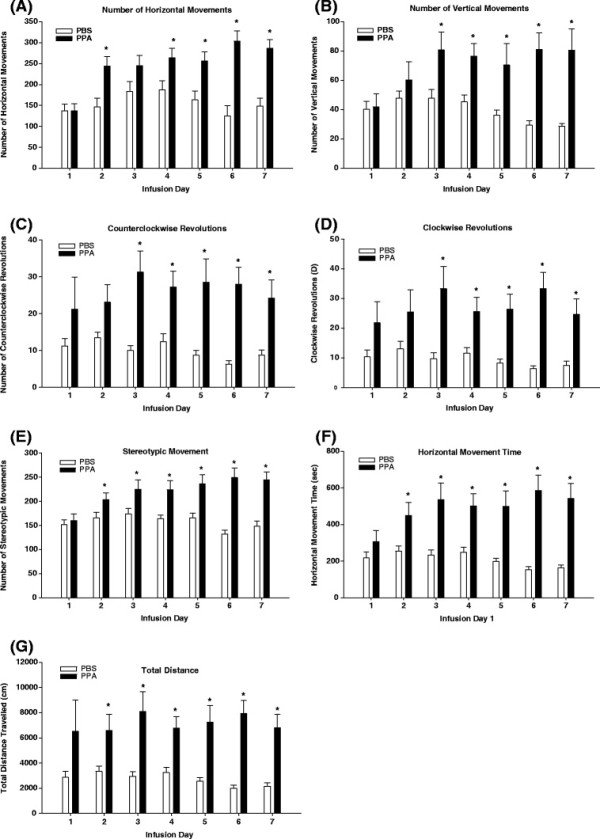
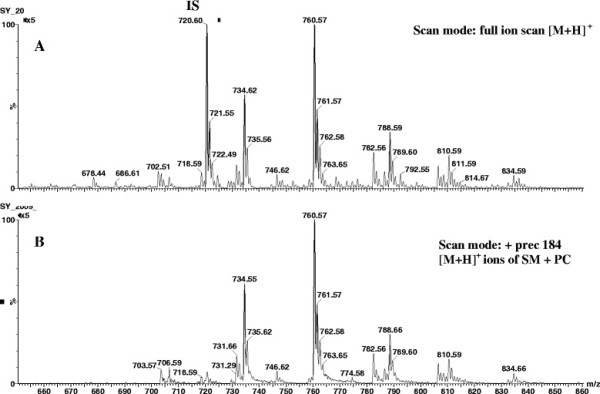
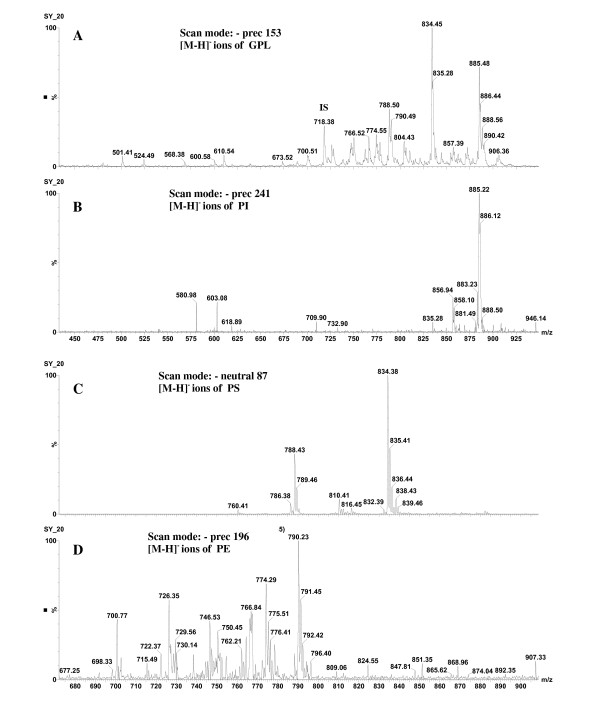
Gastrointestinal symptoms and altered blood phospholipid profiles have been reported in patients with autism spectrum disorders (ASD). Most of the phospholipid analyses have been conducted on the fatty acid composition of isolated phospholipid classes following hydrolysis. A paucity of information exists on how the intact phospholipid molecular species are altered in ASD. We applied ESI/MS to determine how brain and blood intact phospholipid species were altered during the induction of ASD-like behaviors in rats following intraventricular infusions with the enteric bacterial metabolite propionic acid. Animals were infused daily for 8 days, locomotor activity assessed, and animals killed during the induced behaviors. Propionic acid infusions increased locomotor activity. Lipid analysis revealed treatment altered 21 brain and 30 blood phospholipid molecular species. Notable alterations were observed in the composition of brain SM, diacyl mono and polyunsaturated PC, PI, PS, PE, and plasmalogen PC and PE molecular species. These alterations suggest that the propionic acid rat model is a useful tool to study aberrations in lipid metabolism known to affect membrane fluidity, peroxisomal function, gap junction coupling capacity, signaling, and neuroinflammation, all of which may be associated with the pathogenesis of ASD.
Overview
The claims and statistics of this paper haven’t been checked yet.
Run the check — free, no account needed. It reads the open-access text and checks the sources it cites.
Integrity signals
Registry
Cites
Statistics
Figures
Verification
Claims the paper makes
The claims and statistics of this paper haven’t been checked yet.
Run the check — free, no account needed. It reads the open-access text and checks the sources it cites.
Claims other papers make about this one
Each is checked against this paper’s own text: does it say what the citing paper says it does?
In the citing paper
“However, the accumulation of SCFAs, and specifically of propionate, has also been shown to have broad effects on the nervous system physiology, and it is associated to the pathogenesis of ASD [175,176].”
From Autism, Gastrointestinal Symptoms and Modulation of Gut Microbiota by Nutritional Interventions (2019) · cites this paper as [175]
Self-check
Percentages, sums and reported differences re-computed from the paper’s own numbers.
The self-check needs the paper’s full text.
Citations
Cites
A SIMPLE METHOD FOR THE ISOLATION AND PURIFICATION OF TOTAL LIPIDES FROM ANIMAL TISSUES
Folch, J., Lees, M., & Stanley, G. H. S. (1957) · Journal of Biological Chemistry · doi:10.1016/s0021-9258(18)64849-5 · Cited by 65,189
The Rat Brain in Stereotaxic Coordinates
Paxinos, G., & Watson, C. (1983) · Elsevier eBooks · doi:10.1016/c2009-0-63235-9 · Cited by 28,585
Neuroglial activation and neuroinflammation in the brain of patients with autism
Vargas, D. L., Nascimbene, C., Krishnan, C., Zimmerman, A. W., & Pardo, C. A. (2005) · Annals of Neurology · doi:10.1002/ana.20315 · Cited by 2,149 · cited 2×
“There is now emerging evidence that autism may be accompanied by abnormalities in the inflammatory response system [28], and that this abnormality may be related to the increases in oxidative stress [55-57], innate neuroinflammation [58], and altered lipid profiles [5,27,30,32,53] reported in ASD.”
BackgroundLe Poul, E., Loison, C., Struyf, S., Springael, J.-Y., Lannoy, V., Decobecq, M.-E., Brezillon, S., Dupriez, V., Vassart, G., Van Damme, J., et al. (2003) · Journal of Biological Chemistry · doi:10.1074/jbc.m301403200 · Cited by 1,651
Pyrosequencing study of fecal microflora of autistic and control children
Finegold, S. M., Dowd, S. E., Gontcharova, V., Liu, C., Henley, K. E., Wolcott, R. D., Youn, E., Summanen, P. H., Granpeesheh, D., Dixon, D., et al. (2010) · Anaerobe · doi:10.1016/j.anaerobe.2010.06.008 · Cited by 977
Autism and the pervasive developmental disorders
Volkmar, F. R., & Klin, A. (2012) · doi:10.1093/med/9780199696758.003.0214 · Cited by 931
Electrospray mass spectrometry of phospholipids
Pulfer, M. K., & Murphy, R. C. (2003) · Mass Spectrometry Reviews · doi:10.1002/mas.10061 · Cited by 909
Brügger, B., Erben, G., Sandhoff, R., Wieland, F., & Lehmann, W. D. (1997) · Proceedings of the National Academy of Sciences · doi:10.1073/pnas.94.6.2339 · Cited by 882
Gastrointestinal Microflora Studies in Late‐Onset Autism
Finegold, S. M., Molitoris, D., Song, Y., Liu, C., Vaisanen, M., Bolte, E., McTeague, M., Sandler, R., Wexler, H., Marlowe, E. M., et al. (2002) · Clinical Infectious Diseases · doi:10.1086/341914 · Cited by 742
Handbook of Thin-Layer Chromatography
(2003) · CRC Press eBooks · doi:10.1201/9780203912430 · Cited by 703
Cited by
Sorted by citations
Items 101–198 of 198
Autism and EMF? Plausibility of a pathophysiological link – Part I
Herbert, M. R., & Sage, C. (2013) · Pathophysiology · doi:10.1016/j.pathophys.2013.08.001 · Cited by 37
Karakuła‐Juchnowicz, H., Dzikowski, M., Pelczarska-Jamroga, A., Dzikowska, I., & Juchnowicz, D. (2015) · Psychiatria Polska · doi:10.12740/pp/onlinefirst/45053 · Cited by 35
Abdul‐Aziz, M. A., Cooper, A., & Weyrich, L. S. (2016) · Frontiers in Microbiology · doi:10.3389/fmicb.2016.01611 · Cited by 36
Wang, R., Afzal, A., Jing, X.-Y., Zhou, Y., Feng, J.-X., Chen, Z., Cao, D., & Liu, X. (2026) · Acta Pharmacologica Sinica · doi:10.1038/s41401-025-01693-6 · Cited by 33
Wijdeveld, M., Nieuwdorp, M., & IJzerman, R. G. (2020) · Expert Opinion on Therapeutic Targets · doi:10.1080/14728222.2020.1761958 · Cited by 32
Huang, L., Duan, C., Xia, X., Wang, H., Wang, Y., Zhong, Z., Wang, B., Ding, W., & Yang, Y. (2020) · Brain Research Bulletin · doi:10.1016/j.brainresbull.2020.12.001 · Cited by 32
Gonzales, J. A., Marchix, J., Aymeric, L., Berre‐Scoul, C. L., Zoppi, J., Bordron, P., Burel, M., Davidovic, L., Richard, J., Gaman, A., et al. (2021) · Microorganisms · doi:10.3390/microorganisms9081723 · Cited by 34
Savasan, Z. A., Yılmaz, A., Ugur, Z., Aydas, B., Bahado-Singh, R. O., & Graham, S. F. (2019) · Metabolites · doi:10.3390/metabo9020027 · Cited by 31
Dick, M. F., & Guglielmo, C. G. (2019) · Journal of Experimental Biology · doi:10.1242/jeb.187708 · Cited by 32
Serial Plasma Metabolites Following Hypoxic-Ischemic Encephalopathy in a Nonhuman Primate Model
Chun, P. T., McPherson, R. J., Marney, L. C., Zangeneh, S. Z., Parsons, B. A., Shojaie, A., Synovec, R. E., & Juul, S. E. (2015) · Developmental Neuroscience · doi:10.1159/000370147 · Cited by 30
Fast and simple method for semiquantitative determination of calcium propionate in bread samples
Phechkrajang, C. M., & Yooyong, S. (2016) · Journal of Food and Drug Analysis · doi:10.1016/j.jfda.2016.03.013 · Cited by 29
Downs, R. G., Perna, J., Vitelli, A., Cook, D., & Dhurjati, P. (2014) · Medical Hypotheses · doi:10.1016/j.mehy.2014.09.005 · Cited by 28
Bilbo, S. D., Nevison, C. D., & Parker, W. (2015) · Microbial Ecology in Health and Disease · doi:10.3402/mehd.v26.26253 · Cited by 28
Gut Microbiota and Fecal Metabolome Perturbation in Children with Autism Spectrum Disorder
Mohamadkhani, A. (2018) · Middle East Journal of Digestive Diseases · doi:10.15171/mejdd.2018.112 · Cited by 28
Parkinson’s Disease and the Gut: Future Perspectives for Early Diagnosis
Harsányiová, J., Buday, T., & Trancikova, A. K. (2020) · Frontiers in Neuroscience · doi:10.3389/fnins.2020.00626 · Cited by 29
Fillier, T. A., Shah, S., Doody, K. M., Pham, T. H., Aubry, I., Tremblay, M. L., Cheema, S. K., Blundell, J. J., & Thomas, R. (2022) · Scientific Reports · doi:10.1038/s41598-022-18363-w · Cited by 28
Self-citationSalia, S., Burke, F. F., Hinks, M., Randell, A. M., Matheson, M. A., Walling, S. G., & Swift‐Gallant, A. (2024) · Brain Behavior and Immunity · doi:10.1016/j.bbi.2024.10.030 · Cited by 26
Ke, X., Xiang, Q., Jiang, P., Liu, W., Yang, M., Yang, Y., Shi, D., Chen, L., & Tao, J. (2022) · Mediators of Inflammation · doi:10.1155/2022/3997947 · Cited by 26
Sun, Q., Cheng, L., Zhang, X., Wu, Z., & Weng, P. (2021) · Food & Function · doi:10.1039/d0fo02791j · Cited by 26
Chamtouri, M., Gaddour, N., Merghni, A., Mastouri, M., Arboleya, S., & Reyes‐Gavilán, C. G. D. L. (2023) · Scientific Reports · doi:10.1038/s41598-023-45534-0 · Cited by 26
A metaproteomic-based gut microbiota profiling in children affected by autism spectrum disorders
Mortera, S. L., Vernocchi, P., Basadonne, I., Zandonà, A., Chierici, M., Durighello, M., Marzano, V., Gardini, S., Gasbarrini, A., Urbani, A., et al. (2021) · Journal of Proteomics · doi:10.1016/j.jprot.2021.104407 · Cited by 25
McDonald, D. T., Hornig, M., Lozupone, C., Debelius, J. W., Gilbert, J. A., & Knight, R. D. (2015) · Microbial Ecology in Health and Disease · doi:10.3402/mehd.v26.26555 · Cited by 26
Hetta, H. F., Alanazi, F. E., Alqifari, S. F., Ali, M. A. S., Albalwi, M. A., Albalawi, A. A., & Ramadan, Y. N. (2025) · Molecular Neurobiology · doi:10.1007/s12035-025-05321-6 · Cited by 26
Wiefels, M. D., Furar, E., Eshraghi, R. S., Mittal, J., Memis, I., Moosa, M., Mittal, R., & Eshraghi, A. A. (2022) · Current Neuropharmacology · doi:10.2174/1570159x20666221003085508 · Cited by 25
Bottoms up: the role of gut microbiota in brain health
Radisavljevic, N., Cirstea, M. S., & Finlay, B. B. (2018) · Environmental Microbiology · doi:10.1111/1462-2920.14506 · Cited by 24
Samapundo, S., Devlieghere, F., Vroman, A., & Eeckhout, M. (2016) · International Journal of Food Microbiology · doi:10.1016/j.ijfoodmicro.2016.08.020 · Cited by 23
Pathogenesis from the microbial-gut-brain axis in white matter injury in preterm infants: A review
Wang, Y., Zhu, J., Zou, N., Zhang, L., Wang, Y., Zhang, M., Wang, C., & Yang, L. L. (2023) · Frontiers in Integrative Neuroscience · doi:10.3389/fnint.2023.1051689 · Cited by 23
Slattery, J., MacFabe, D., Kahler, S., & Frye, R. (2016) · Current Pharmaceutical Design · doi:10.2174/1381612822666160905123953 · Cited by 20
Self-citationAhmad, S., Ali, S., Rehman, D. A. U., Haq, I. U., Liaqat, I., Aftab, M. N., & Shume, T. (2026) · Journal of Medical Microbiology · doi:10.1099/jmm.0.002117 · Cited by 21
Sun, Q., Ho, C., Zhang, X., Liu, Y., Zhang, R., & Wu, Z. (2022) · Food & Function · doi:10.1039/d1fo02716f · Cited by 19
Kim, S. A., Jang, E. H., Mun, J. Y., & Choi, H. (2019) · NeuroToxicology · doi:10.1016/j.neuro.2019.09.009 · Cited by 17
Vernocchi, P., Marangelo, C., Guerrera, S., CHIERICO, F. D., Guarrasi, V., Gardini, S., Conte, F., Paci, P., Ianiro, G., Gasbarrini, A., et al. (2023) · Frontiers in Microbiology · doi:10.3389/fmicb.2023.1287350 · Cited by 17
Oxidative Stress Markers in Children with Autism Spectrum Disorders
González-Fraguela, M. E., Hung, M.-L. D., Vera, H., Agramonte, M. D. L. Á. R., & Gottfried, C. (2012) · Free Radical Biology and Medicine · doi:10.1016/j.freeradbiomed.2012.10.048 · Cited by 16
Choi, J. G., Jeong, M., Joo, B. R., Ahn, J., Woo, J., Kim, D., Oh, M. S., & Choi, J. (2020) · Journal of Neuropathology & Experimental Neurology · doi:10.1093/jnen/nlaa113 · Cited by 15
Modafinil Improves Autism-like Behavior in Rats by Reducing Neuroinflammation
Bağcıoğlu, E., Solmaz, V., Erbaş, O., Özkul, B., Çakar, B., Uyanıkgil, Y., & Söğüt, İ. (2023) · Journal of Neuroimmune Pharmacology · doi:10.1007/s11481-023-10061-2 · Cited by 16
Mamun, A. A., Geng, P., Wang, S., Shao, C., & Xiao, J. (2024) · Pharmacological Research · doi:10.1016/j.phrs.2024.107559 · Cited by 15
Overall Rebalancing of Gut Microbiota Is Key to Autism Intervention
Lu, C. F., Rong, J., Fu, C., Wang, W., Xu, J. B., & Ju, X. (2022) · Frontiers in Psychology · doi:10.3389/fpsyg.2022.862719 · Cited by 13
Redox System Dysfunction as a Key Mechanism in Autism Spectrum Disorder Pathogenesis
de Oliveira, C. A., Iorio, E. L., & Espíndola, F. S. (2025) · International Journal of Molecular Sciences · doi:10.3390/ijms26209850 · Cited by 12
Sever, İ. H., Özkul, B., Bozkurt, M. F., & Erbaş, O. (2022) · Neuroscience Letters · doi:10.1016/j.neulet.2022.136622 · Cited by 12
Özkul, B., Urfalı, F. E., Sever, İ. H., Bozkurt, M. F., Söğüt, İ., ELGORMUS, C. S., Erdoğan, M. A., & Erbaş, O. (2022) · International Journal of Neuroscience · doi:10.1080/00207454.2022.2079507 · Cited by 12
Chen, Y., Xue, Y., Jia, L., Yang, M., Huang, G., & Xie, J. (2024) · Medicine · doi:10.1097/md.0000000000037284 · Cited by 12
Probiotics in autism spectrum disorder: Recent insights from animal models
Golbaghi, N., Naeimi, S., Darvishi, A., Najari, N., & Cussotto, S. (2024) · Autism · doi:10.1177/13623613241246911 · Cited by 11
Dietary and Micronutrient Treatments for Children with Neurodevelopment Disorders
Taylor, M. R., Chuang, C.-C., Carrasco, K., Nagatomo, S., & Rucklidge, J. J. (2018) · Current Developmental Disorders Reports · doi:10.1007/s40474-018-0150-5 · Cited by 11
Tasnim, N., Quin, C., Gill, S. K., Dai, C., Hart, M. M., & Gibson, D. L. (2021) · Gut Microbes · doi:10.1080/19490976.2021.1875797 · Cited by 10
Anywar, D. A., Gazda, S. K., & Kitara, D. L. (2018) · Pan African Medical Journal · doi:10.11604/pamj.2018.30.115.13634 · Cited by 10
A cellular automaton model to find the risk of developing autism through gut-mediated effects
Nagaraju, K., Sudeep, K. S., & Kurhekar, M. P. (2019) · Computers in Biology and Medicine · doi:10.1016/j.compbiomed.2019.05.015 · Cited by 9
Zhu, F., Wang, W., Ma, Q., Yang, Z., Fan, Y., Ju, Y., Guo, R., Wang, Q., Mu, X., Zhao, B., et al. (2020) · bioRxiv (Cold Spring Harbor Laboratory) · doi:10.1101/2020.04.11.021915 · Cited by 9
Bacha, A. G. B., Al-Orf, N., Alonazi, M. A., Bhat, R. S., & El-Ansary, A. K. (2021) · Food Science & Nutrition · doi:10.1002/fsn3.2435 · Cited by 8
Research progress of neonatal hypoxic‐ischemic encephalopathy in nonhuman primate models
Guan, Y., Zhou, H., Luo, B., Hussain, S., & Xiong, L. (2023) · Ibrain · doi:10.1002/ibra.12097 · Cited by 8
Lee, J. G., Park, S., Lee, D. Y., & Cho, S. (2025) · Toxicology · doi:10.1016/j.tox.2025.154392 · Cited by 6
Sharma, R., Tiwari, A., Rahi, S., & Mehan, S. (2020) · Current Psychopharmacologye · doi:10.2174/1389203721999200820165117 · Cited by 6
Blagonravova, A. S., Zhilyaeva, T. V., & Kvashnina, D. V. (2021) · Journal of microbiology epidemiology immunobiology · doi:10.36233/0372-9311-83 · Cited by 6
Shor, E. K., Brown, S. P., & Freeman, D. A. (2022) · Journal of Biological Rhythms · doi:10.1177/07487304221092105 · Cited by 7
Ghosh, A. K. (2015) · JOURNAL OF CLINICAL AND DIAGNOSTIC RESEARCH · doi:10.7860/jcdr/2015/16522.6982 · Cited by 6
Gut Microbiome-Brain Communications Regulate Host Physiology and Behavior
Serre, C. B. D. L. (2015) · Journal of Nutritional Health & Food Science · doi:10.15226/jnhfs.2015.00141 · Cited by 6
Rocchetti, M. T., Chiano, M. D., Elouardi, I., & Fiocco, D. (2025) · Global Pediatrics · doi:10.1016/j.gpeds.2025.100266 · Cited by 6
Herwig, E. (2018) · Cited by 5
Zhou, J., Nelson, T. M., Lopez, C. M. R., Zhou, S. J., Ward‐Fear, G., Stuart, K. C., Shine, R., & Rollins, L. A. (2020) · bioRxiv (Cold Spring Harbor Laboratory) · doi:10.1101/2020.11.16.385690 · Cited by 6
Davias, A., Lyon-Caen, S., Iszatt, N., Monot, C., Rayah, Y., Ilhan, Z. E., Guichardet, K., Bayat, S., Valmary‐Degano, S., Muckle, G., et al. (2025) · Brain Behavior & Immunity - Health · doi:10.1016/j.bbih.2025.101063 · Cited by 5
Is Propionic acid a suitable model for autism?
E.Elmalahy, H., Ali, E. H. A., Almaaty, A. A., & Abbas, O. (2021) · Alfarama Journal of Basic & Applied Sciences · doi:10.21608/ajbas.2021.82905.1058 · Cited by 4
Nodding Syndrome and Autism Spectrum Disorder
Kitara, D. L., Anywar, D. A., & Gazda, S. K. (2019) · IntechOpen eBooks · doi:10.5772/intechopen.83530 · Cited by 3
Role of the gut microbiota in human health
Chałupnik, A., Chilimoniuk, Z., Sobstyl, A., Dobosz, M., Borkowska, A., & Wieteska, M. (2020) · Journal of Education Health and Sport · doi:10.12775/jehs.2020.10.08.056 · Cited by 4
Ta, N. L., Jia, X., Kiebish, M. A., & Seyfried, T. N. (2013) · Lipids · doi:10.1007/s11745-013-3857-4 · Cited by 3
Impact of Probiotics and Gut Microbiota on Host Behavior
Kanwar, S. S., Walia, S., & Sharma, S. (2016) · Springer eBooks · doi:10.1007/978-3-319-25277-3_2 · Cited by 3
Salem, H. A., Rizk, N. I., AbdelSalam, M. H., Ahmed, R., Atteia, H. H., Hamdan, A. M. E., Alghamdi, A. A., Alghusn, M. A., Alatawi, R. A., Atallah, R. A., et al. (2026) · Frontiers in Pharmacology · doi:10.3389/fphar.2025.1728908 · Cited by 2
Thoma, C., Papachristou, A., & Wozniak, G. (2023) · Journal of Psychology & Behavior Research · doi:10.22158/jpbr.v5n2p6 · Cited by 2
Holbrook, S. (2013) · Scholarship@Western (Western University) · Cited by 2
The microbiota-gut-brain axis and bipolar disorder
Gomes‐da‐Costa, S., Salagre, E., Camino, S., Vázquez, G. H., & Grande, I. (2020) · Elsevier eBooks · doi:10.1016/b978-0-12-819182-8.00023-5 · Cited by 1
Gluten-free diet for neurological and psychiatric diseases: is it worth expecting an effect?
Dmitrieva, Y. А., Zakharova, I. N., Radchenko, E. R., & Doroshina, E. A. (2021) · Экспериментальная и клиническая гастроэнтерология · doi:10.31146/1682-8658-ecg-188-4-170-177 · Cited by 1
Wang, X., Zhang, H., Sun, S., Shang, S., Liu, X., Hu, J., & Zhou, P. (2025) · Food Nutrition · doi:10.1016/j.fnutr.2025.100012 · Cited by 1
Lacticaseibacillus rhamnosus SL42 ameliorates Wistar rat autistic-like behavior
Ziar, H., Issaka, M. B. A., Warak, I., Amtout, L., Keddar, K., Belmadani, N., Douma-Bouthiba, Z., & Gérard, P. (2025) · Journal of Functional Foods · doi:10.1016/j.jff.2025.107056 · Cited by 1
Arafat, E. A.-G., & Shabaan, D. A. (2020) · The Egyptian Journal of Histology · doi:10.21608/ejh.2020.22000.1227 · Cited by 1
Son, J. Y., Do, Y., Seo, J., & Choi, J. (2026) · Nutrients · doi:10.3390/nu18091442 · Cited by 1
Foley, K. A. (2013) · Scholarship@Western (Western University) · Cited by 1
Shah, F., & Dwivedi, M. (2022) · Springer eBooks · doi:10.1007/978-981-16-6760-2_4 · Cited by 1
Probiotics Effect on Psychiatric Illnesses and Autism
Koç, S. T. (2020) · Journal of Experimental and Basic Medical Sciences · doi:10.5606/jebms.2020.75615 · Cited by 1
Selection of Young Animal Models of Autism over Adult: Benefits and Limitations
Paudel, R., & Singh, S. (2021) · Integrative Psychological and Behavioral Science · doi:10.1007/s12124-020-09595-4 · Cited by 1
Sharma, A., & Mehan, S. (2021) · Research Square · doi:10.21203/rs.3.rs-705335/v1 · Cited by 1
GUT in FOCUS Symposium NOBEL FORUM, Karolinska Institutet
(2015) · Microbial Ecology in Health and Disease · doi:10.3402/mehd.v26.28480
Ghosh, A., Bandyopadhyay, D., Nanda, P., & Mahapatra, S. C. (2015) · International Journal of Health Sciences and Research
The Future of Prebiotics and Probiotics
Brunser, O., Bravo, J., & Gotteland, M. (2013) · CRC Press eBooks · doi:10.1201/b15561-24
From Bacterial Genomics to Human Health
Benítez‐Páez, A., & Sanz, Y. (2016) · Elsevier eBooks · doi:10.1016/b978-0-12-802309-9.00008-x · Cited by 1
The development of a microbiome reference that spans thousands of individuals
McDonald, D. T. (2015) · CU Scholar (University of Colorado Boulder)
Guts over fear : internet therapy for abdominal pain in children
Lalouni, M. (2018) · Figshare
Microbiota, the brain and epigenetics
Louwies, T., Johnson, A. C., Orock, A. M., Yuan, T., & Meerveld, B. G. (2019) · Elsevier eBooks · doi:10.1016/b978-0-12-816843-1.00026-6
MICROBIOMA INTESTINAL: SEU POTENCIAL COMO UM NOVO ALVO TERAPÊUTICO
Magalhães, M. D. C., Roque, A. T., & Taketani, N. F. (2019) · Ensaios USF · doi:10.24933/eusf.v2i2.120
Miya, N. K. I. (2021) · Editora Omnis Scietia eBooks · doi:10.47094/978-65-88958-23-0/88-100
Gut Microbiota in Brain diseases
Salami, M. (2021) · Elsevier eBooks · doi:10.1016/b978-0-12-819265-8.00040-1
Bhandari, R., & Kuhad, A. (2022) · Springer eBooks · doi:10.1007/978-981-16-6760-2_5
Neurobiological Bases of Autism
Shehata, G. A. (2021) · Psychology & Psychological Research International Journal · doi:10.23880/pprij-16000283
Crosstalk between gut-brain axis and brain components along with associated neurological disorders
Bindal, P., Kaushal, S., Singh, C., & Singh, A. (2025) · Elsevier eBooks · doi:10.1016/b978-0-443-21680-0.00005-5
Toxicological Mechanisms Induced by Air Pollution
Xie, Y., & Xu, Y. (2025) · Springer eBooks · doi:10.1007/978-3-031-99302-2_4
Huang, W., Teng, Q., Li, S., Bai, J., Wang, Y., Tang, M., Chen, H., Yang, J., & Wan, C. (2026) · BMC Microbiology · doi:10.1186/s12866-026-04804-3
The gut–brain–epigenetic axis in brain health
Louwies, T. (2026) · Elsevier eBooks · doi:10.1016/b978-0-443-15572-7.00057-7
Wang, Q., Zheng, W., Zhang, C., Lv, S., Peng, L., Chen, J., & Lu, A. (2026) · Genes & Diseases · doi:10.1016/j.gendis.2026.102315
Kabrah, A. M., Alghamdi, S. A., Khan, A. A., & Kabrah, S. M. (2026) · Journal of Disability Research · doi:10.57197/jdr-2026-0956
Бояркин, В. С., Капица, И. Г., & Воронина, Т. А. (2026) · Pharmacokinetics and Pharmacodynamics · doi:10.37489/2587-7836-2026-3-125-134
van Staden, A., Sampson, T. R., Lochner, C., & Wolmarans, D. W. (2026) · Cognitive Affective & Behavioral Neuroscience · doi:10.3758/s13415-026-01510-5
Metadata
- Authors
- Thomas, R. H., Meeking, M. M., Mepham, J. R., Tichenoff, L., Possmayer, F., Liu, S., & MacFabe, D. F.
- Affiliations
- Western University (CA)
- Corresponding author
- Thomas, Raymond H
- Venue
- Journal of Neuroinflammation
- Published
- 2012-07-02
- Volume
- 9
- Issue
- 1
- Pages
- 153-153
- ISSN
- 1742-2094 (ISSN-L)
- PMC
- PMC3472254
- OpenAlex
- W2103294794
- Cited by
- 200
- References
- 68
- Citations by year
- 2026: 9 · 2025: 9 · 2024: 6 · 2023: 10 · 2022: 17 · 2021: 22 · 2020: 19 · 2019: 17 · 2018: 17 · 2017: 10 · 2016: 22 · 2015: 15 · 2014: 11 · 2013: 12 · 2012: 4
- FWCI
- 6.88
- Type
- journal article
- Language
- en
- Open access
- gold
- doi.org
- Locations
- Journal of Neuroinflammation (publishedVersion, cc-by)
- Europe PMC (PubMed Central) (publishedVersion, cc-by)
- PubMed Central (publishedVersion, cc-by)
- PubMed (publishedVersion)
- DOAJ (DOAJ: Directory of Open Access Journals) (submittedVersion)
- Funders
- Autism Research Institute
- Topics
- Life Sciences › Neuroscience › Cognitive Neuroscience › Autism Spectrum Disorder Research
- Life Sciences › Biochemistry, Genetics and Molecular Biology › Molecular Biology › Metabolomics and Mass Spectrometry Studies
- Health Sciences › Nursing › Nutrition and Dietetics › Fatty Acid Research and Health
- Keywords
- autism spectrum disorder, propionic acid, gut-brain axis, phospholipid molecular species, brain phospholipids, plasma phospholipids, intraventricular infusion, locomotor activity, sphingomyelin, phosphatidylcholine, phosphatidylethanolamine, phosphatidylinositol, phosphatidylserine, plasmalogens, lipid metabolism, neuroinflammation, membrane fluidity
- MeSH terms
- Animals, Brain, Child Development Disorders, Pervasive, Child, Preschool, Disease Models, Animal, Enterobacteriaceae, Humans, Motor Activity, Phospholipids, Propionates, Biomarkers, Rats, Long-Evans, Rats, Infusions, Intraventricular
About these checks
Registry, retraction, Cites and statistics results are computed, not judged, with one exception: a printed reference that no index lists is read once by a model before it counts as a citation error. Claims are extracted by a model and kept only when their quote appears verbatim in the text; each cited source is then checked, with a model’s help, for whether it says what the claim relies on. Those verdicts can be wrong — read the claim’s quote and the cited source before relying on one.
Statistics and arithmetic are recomputed, not judged.
Confidence bands are shown only for fields calibrated on our annotated test set. None is calibrated yet, so no band is shown.
What counts as a claim ›How we measure confidence ›How we check this ›
Are you an author, or do you see a problem with this page? Request a review
