

The DOI matches its Crossref record; 68 of the 68 references it cites were found in a registry or an index.
The enteric bacterial metabolite propionic acid alters brain and plasma phospholipid molecular species: further development of a rodent model of autism spectrum disorders
Open accessAbstract
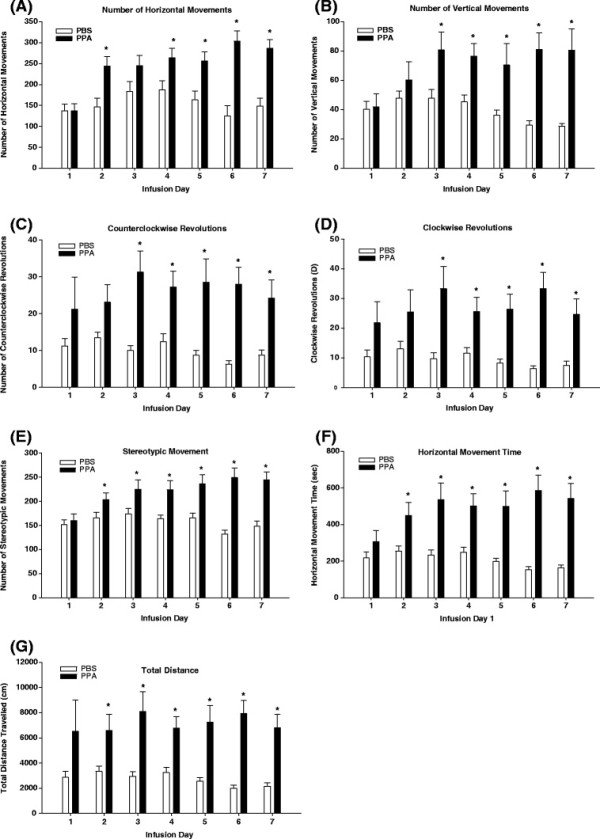
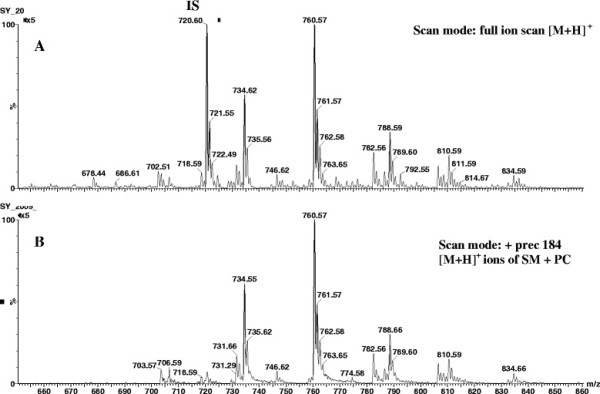
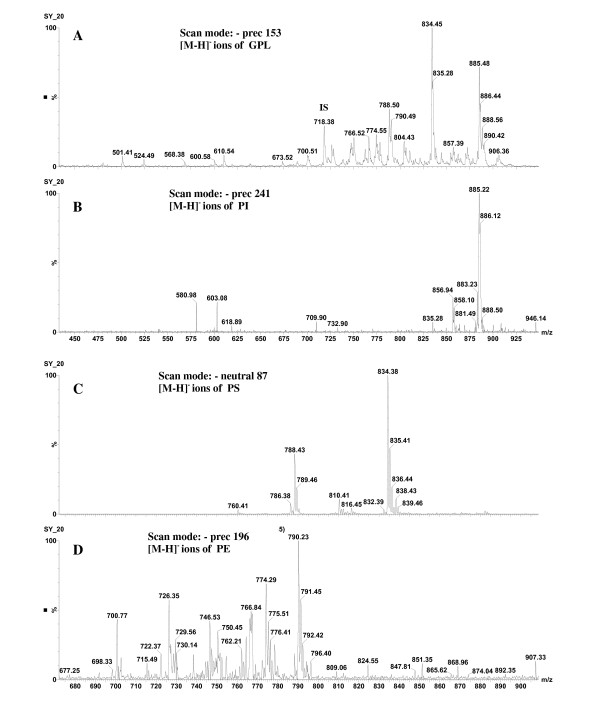
Gastrointestinal symptoms and altered blood phospholipid profiles have been reported in patients with autism spectrum disorders (ASD). Most of the phospholipid analyses have been conducted on the fatty acid composition of isolated phospholipid classes following hydrolysis. A paucity of information exists on how the intact phospholipid molecular species are altered in ASD. We applied ESI/MS to determine how brain and blood intact phospholipid species were altered during the induction of ASD-like behaviors in rats following intraventricular infusions with the enteric bacterial metabolite propionic acid. Animals were infused daily for 8 days, locomotor activity assessed, and animals killed during the induced behaviors. Propionic acid infusions increased locomotor activity. Lipid analysis revealed treatment altered 21 brain and 30 blood phospholipid molecular species. Notable alterations were observed in the composition of brain SM, diacyl mono and polyunsaturated PC, PI, PS, PE, and plasmalogen PC and PE molecular species. These alterations suggest that the propionic acid rat model is a useful tool to study aberrations in lipid metabolism known to affect membrane fluidity, peroxisomal function, gap junction coupling capacity, signaling, and neuroinflammation, all of which may be associated with the pathogenesis of ASD.
Overview
The claims and statistics of this paper haven’t been checked yet.
Run the check — free, no account needed. It reads the open-access text and checks the sources it cites.
Integrity signals
Registry
Cites
Statistics
Figures
Verification
Claims the paper makes
The claims and statistics of this paper haven’t been checked yet.
Run the check — free, no account needed. It reads the open-access text and checks the sources it cites.
Claims other papers make about this one
Each is checked against this paper’s own text: does it say what the citing paper says it does?
In the citing paper
“However, the accumulation of SCFAs, and specifically of propionate, has also been shown to have broad effects on the nervous system physiology, and it is associated to the pathogenesis of ASD [175,176].”
From Autism, Gastrointestinal Symptoms and Modulation of Gut Microbiota by Nutritional Interventions (2019) · cites this paper as [175]
Self-check
Percentages, sums and reported differences re-computed from the paper’s own numbers.
The self-check needs the paper’s full text.
Citations
Cites
A SIMPLE METHOD FOR THE ISOLATION AND PURIFICATION OF TOTAL LIPIDES FROM ANIMAL TISSUES
Folch, J., Lees, M., & Stanley, G. H. S. (1957) · Journal of Biological Chemistry · doi:10.1016/s0021-9258(18)64849-5 · Cited by 65,189
The Rat Brain in Stereotaxic Coordinates
Paxinos, G., & Watson, C. (1983) · Elsevier eBooks · doi:10.1016/c2009-0-63235-9 · Cited by 28,585
Neuroglial activation and neuroinflammation in the brain of patients with autism
Vargas, D. L., Nascimbene, C., Krishnan, C., Zimmerman, A. W., & Pardo, C. A. (2005) · Annals of Neurology · doi:10.1002/ana.20315 · Cited by 2,149 · cited 2×
“There is now emerging evidence that autism may be accompanied by abnormalities in the inflammatory response system [28], and that this abnormality may be related to the increases in oxidative stress [55-57], innate neuroinflammation [58], and altered lipid profiles [5,27,30,32,53] reported in ASD.”
BackgroundLe Poul, E., Loison, C., Struyf, S., Springael, J.-Y., Lannoy, V., Decobecq, M.-E., Brezillon, S., Dupriez, V., Vassart, G., Van Damme, J., et al. (2003) · Journal of Biological Chemistry · doi:10.1074/jbc.m301403200 · Cited by 1,651
Pyrosequencing study of fecal microflora of autistic and control children
Finegold, S. M., Dowd, S. E., Gontcharova, V., Liu, C., Henley, K. E., Wolcott, R. D., Youn, E., Summanen, P. H., Granpeesheh, D., Dixon, D., et al. (2010) · Anaerobe · doi:10.1016/j.anaerobe.2010.06.008 · Cited by 977
Autism and the pervasive developmental disorders
Volkmar, F. R., & Klin, A. (2012) · doi:10.1093/med/9780199696758.003.0214 · Cited by 931
Electrospray mass spectrometry of phospholipids
Pulfer, M. K., & Murphy, R. C. (2003) · Mass Spectrometry Reviews · doi:10.1002/mas.10061 · Cited by 909
Brügger, B., Erben, G., Sandhoff, R., Wieland, F., & Lehmann, W. D. (1997) · Proceedings of the National Academy of Sciences · doi:10.1073/pnas.94.6.2339 · Cited by 882
Gastrointestinal Microflora Studies in Late‐Onset Autism
Finegold, S. M., Molitoris, D., Song, Y., Liu, C., Vaisanen, M., Bolte, E., McTeague, M., Sandler, R., Wexler, H., Marlowe, E. M., et al. (2002) · Clinical Infectious Diseases · doi:10.1086/341914 · Cited by 742
Handbook of Thin-Layer Chromatography
(2003) · CRC Press eBooks · doi:10.1201/9780203912430 · Cited by 703
Cited by
Sorted by citations
Mind-altering microorganisms: the impact of the gut microbiota on brain and behaviour
Cryan, J. F., & Dinan, T. G. (2012) · Nature Reviews Neuroscience · doi:10.1038/nrn3346 · Cited by 4,572
The Intestinal Microbiome in Early Life: Health and Disease
Arrieta, M.-C., Stiemsma, L. T., Amenyogbe, N., Brown, E. M., & Finlay, B. (2014) · Frontiers in Immunology · doi:10.3389/fimmu.2014.00427 · Cited by 1,024
The neuropharmacology of butyrate: the bread and butter of the microbiota-gut-brain axis
Stilling, R. M., van de Wouw, M., Clarke, G., Stanton, C., Dinan, T. G., & Cryan, J. F. (2016) · Neurochemistry International · doi:10.1016/j.neuint.2016.06.011 · Cited by 891
The role of microbiome in central nervous system disorders
Wang, Y., & Kasper, L. H. (2014) · Brain Behavior and Immunity · doi:10.1016/j.bbi.2013.12.015 · Cited by 803
Microbial genes, brain & behaviour – epigenetic regulation of the gut–brain axis
Stilling, R. M., Dinan, T. G., & Cryan, J. F. (2014) · Genes, Brain and Behavior · doi:10.1111/gbb.12109 · Cited by 637
Gastrointestinal microbiota in children with autism in Slovakia
Tomova, A., Husarova, V., Lakatosova, S., Bakos, J., Vlkova, B., Babinska, K., & Ostatnikova, D. (2015) · Physiology & Behavior · doi:10.1016/j.physbeh.2014.10.033 · Cited by 632
Petra, A. I., Panagiotidou, S., Hatziagelaki, E., Stewart, J. M., Conti, P., & Theoharides, T. C. (2015) · Clinical Therapeutics · doi:10.1016/j.clinthera.2015.04.002 · Cited by 592
Autism Spectrum Disorders and the Gut Microbiota
Fattorusso, A., Di Genova, L., Dell’Isola, G., Mencaroni, E., & Esposito, S. (2019) · Nutrients · doi:10.3390/nu11030521 · Cited by 484
The Gut Microbiota and Autism Spectrum Disorders
Li, Q., Han, Y., Dy, A. B. C., & Hagerman, R. J. (2017) · Frontiers in Cellular Neuroscience · doi:10.3389/fncel.2017.00120 · Cited by 462
Altered gut microbiota and short chain fatty acids in Chinese children with autism spectrum disorder
Liu, S., Li, E., Sun, Z., Fu, D., Duan, G., Jiang, M., Yu, Y., Mei, L., Yang, P., Tang, Y., et al. (2019) · Scientific Reports · doi:10.1038/s41598-018-36430-z · Cited by 457
Self-citationNeuropeptides and the Microbiota-Gut-Brain Axis
Holzer, P., & Farzi, A. (2014) · Advances in Experimental Medicine and Biology · doi:10.1007/978-1-4939-0897-4_9 · Cited by 451
MacFabe, D. F. (2012) · Microbial Ecology in Health and Disease · doi:10.3402/mehd.v23i0.19260 · Cited by 438
Self-citationInfluence of gut microbiota on neuropsychiatric disorders
Cénit, M. C., Sanz, Y., & Codoñer‐Franch, P. (2017) · World Journal of Gastroenterology · doi:10.3748/wjg.v23.i30.5486 · Cited by 433
The microbiota-gut-brain axis: neurobehavioral correlates, health and sociality
Montiel-Castro, A. J., González-Cervantes, R. M., Bravo-Ruiseco, G., & Pacheco-López, G. (2013) · Frontiers in Integrative Neuroscience · doi:10.3389/fnint.2013.00070 · Cited by 413
Differences in fecal microbial metabolites and microbiota of children with autism spectrum disorders
Kang, D.-W., Ilhan, Z. E., Isern, N. G., Hoyt, D. W., Howsmon, D. P., Shaffer, M., Lozupone, C. A., Hahn, J., Adams, J. B., & Krajmalnik-Brown, R. (2018) · Anaerobe · doi:10.1016/j.anaerobe.2017.12.007 · Cited by 381
Bacterial Neuroactive Compounds Produced by Psychobiotics
Wall, R., Cryan, J. F., Ross, R. P., Fitzgerald, G. F., Dinan, T. G., & Stanton, C. (2014) · Advances in experimental medicine and biology · doi:10.1007/978-1-4939-0897-4_10 · Cited by 373
Understanding the Molecular Mechanisms of the Interplay Between Herbal Medicines and Gut Microbiota
Xu, J., Chen, H., & Li, S. (2017) · Medicinal Research Reviews · doi:10.1002/med.21431 · Cited by 346
Wang, Y., Li, N., Yang, J.-J., Zhao, D.-M., Chen, B., Zhang, G.-Q., Chen, S., Cao, R.-F., Yu, H., Zhao, C.-Y., et al. (2020) · Pharmacological Research · doi:10.1016/j.phrs.2020.104784 · Cited by 324
Altered Gut Microbiome Composition and Tryptic Activity of the 5xFAD Alzheimer’s Mouse Model
Brandscheid, C., Schuck, F., Reinhardt, S., Schäfer, K.-H., Pietrzik, C. U., Grimm, M., Hartmann, T., Schwiertz, A., & Endres, K. (2017) · Journal of Alzheimer s Disease · doi:10.3233/jad-160926 · Cited by 318
Autism spectrum disorders and intestinal microbiota
De Angelis, M., Francavilla, R., Piccolo, M., De Giacomo, A., & Gobbetti, M. (2015) · Gut Microbes · doi:10.1080/19490976.2015.1035855 · Cited by 311
Morris, G., Berk, M., Carvalho, A. F., Caso, J. R., Sanz, Y., Walder, K. R., & Maes, M. H. J. (2016) · Molecular Neurobiology · doi:10.1007/s12035-016-0004-2 · Cited by 318
Microbiota regulation of the mammalian gut-brain axis
Burokas, A., Moloney, R. D., Dinan, T. G., & Cryan, J. F. (2015) · Advances in applied microbiology · doi:10.1016/bs.aambs.2015.02.001 · Cited by 300
Sherwin, E., Sandhu, K. V., Dinan, T. G., & Cryan, J. F. (2016) · CNS Drugs · doi:10.1007/s40263-016-0370-3 · Cited by 308
Nankova, B. B., Agarwal, R., MacFabe, D. F., & La Gamma, E. F. (2014) · PLoS ONE · doi:10.1371/journal.pone.0103740 · Cited by 294
Self-citationYarandi, S., Peterson, D. A., Treisman, G. J., Moran, T. H., & Pasricha, P. J. (2016) · Journal of Neurogastroenterology and Motility · doi:10.5056/jnm15146 · Cited by 308
Cross talk: the microbiota and neurodevelopmental disorders
Kelly, J. R., Minuto, C., Cryan, J. F., Clarke, G., & Dinan, T. G. (2017) · Frontiers in Neuroscience · doi:10.3389/fnins.2017.00490 · Cited by 271
Effects of electromagnetic fields exposure on the antioxidant defense system
Kıvrak, E. G., Yurt, K., Kaplan, A., Alkan, I., & Altun, G. (2017) · Journal of Microscopy and Ultrastructure · doi:10.1016/j.jmau.2017.07.003 · Cited by 268
Desulfovibrio in the Gut: The Enemy within?
Singh, S., Carroll‐Portillo, A., & Lin, H. C. (2023) · Microorganisms · doi:10.3390/microorganisms11071772 · Cited by 279
Gut Microbiota Features in Young Children With Autism Spectrum Disorders
Coretti, L., Paparo, L., Riccio, M. P., Amato, F., Cuomo, M., Natale, A., Borrelli, L., Corrado, G., De Caro, C., Comegna, M., et al. (2018) · Frontiers in Microbiology · doi:10.3389/fmicb.2018.03146 · Cited by 266
MacFabe, D. F. (2015) · Microbial Ecology in Health and Disease · doi:10.3402/mehd.v26.28177 · Cited by 263
Self-citationGut Microbiota and Their Metabolites in Stroke: A Double-Edged Sword
Peh, A., O’Donnell, J. A., Broughton, B. R. S., & Marques, F. Z. (2022) · Stroke · doi:10.1161/strokeaha.121.036800 · Cited by 260
Gevi, F., Zolla, L., Gabriele, S., & Persico, A. M. (2016) · Molecular Autism · doi:10.1186/s13229-016-0109-5 · Cited by 251
Frye, R. E., Melnyk, S., & MacFabe, D. F. (2013) · Translational Psychiatry · doi:10.1038/tp.2012.143 · Cited by 239
Self-citationClinical and Molecular Characteristics of Mitochondrial Dysfunction in Autism Spectrum Disorder
Rose, S., Niyazov, D. M., Rossignol, D. A., Goldenthal, M. J., Kahler, S. G., & Frye, R. E. (2018) · Molecular Diagnosis & Therapy · doi:10.1007/s40291-018-0352-x · Cited by 237
Gut microbiota and autism: key concepts and findings
Ding, H. T., Taur, Y., & Walkup, J. T. (2017) · Journal of Autism and Developmental Disorders · doi:10.1007/s10803-016-2960-9 · Cited by 232
Microbiome disturbances and autism spectrum disorders
Rosenfeld, C. S. (2015) · Drug Metabolism and Disposition · doi:10.1124/dmd.115.063826 · Cited by 229
Butyrate enhances mitochondrial function during oxidative stress in cell lines from boys with autism
Rose, S., Bennuri, S. C., Davis, J. E., Wynne, R., Slattery, J. C., Tippett, M., Delhey, L., Melnyk, S., Kahler, S. G., MacFabe, D. F., et al. (2018) · Translational Psychiatry · doi:10.1038/s41398-017-0089-z · Cited by 226
Self-citationAutism, Gastrointestinal Symptoms and Modulation of Gut Microbiota by Nutritional Interventions
Ristori, M. V., Quagliariello, A., Reddel, S., Ianiro, G., Vicari, S., Gasbarrini, A., & Putignani, L. (2019) · Nutrients · doi:10.3390/nu11112812 · Cited by 214
Gut Dysbiosis in Animals Due to Environmental Chemical Exposures
Rosenfeld, C. S. (2017) · Frontiers in Cellular and Infection Microbiology · doi:10.3389/fcimb.2017.00396 · Cited by 217
Gut Microbiota and Psychiatric Disorders: A Two-Sample Mendelian Randomization Study
Ni, J., Xu, Q., Yan, S., Han, B., Zhang, H., Wei, X., Feng, G.-J., Zhao, M., Pei, Y., & Zhang, L. (2022) · Frontiers in Microbiology · doi:10.3389/fmicb.2021.737197 · Cited by 184
Implications of the Gut Microbiome in Parkinson's Disease
Elfil, M., Kamel, S., Kandil, M. A., Koo, B. B., & Schaefer, S. M. (2020) · Movement Disorders · doi:10.1002/mds.28004 · Cited by 160
Microbiota‐gut‐brain axis as a regulator of reward processes
García‐Cabrerizo, R., Carbia, C., O’Riordan, K. J., Schellekens, H., & Cryan, J. F. (2020) · Journal of Neurochemistry · doi:10.1111/jnc.15284 · Cited by 150
Microbiome and nutrition in autism spectrum disorder: Current knowledge and research needs
Berding, K., & Donovan, S. M. (2016) · Nutrition Reviews · doi:10.1093/nutrit/nuw048 · Cited by 146
Diet can impact microbiota composition in children with autism spectrum disorder
Berding, K., & Donovan, S. M. (2018) · Frontiers in Neuroscience · doi:10.3389/fnins.2018.00515 · Cited by 144
Frye, R. E., Rose, S., Slattery, J. M., & MacFabe, D. F. (2015) · Microbial Ecology in Health and Disease · doi:10.3402/mehd.v26.27458 · Cited by 145
Self-citationMadore, C., Leyrolle, Q., Lacabanne, C., Benmamar-Badel, A., Joffre, C., Nadjar, A., & Layé, S. (2016) · Neural Plasticity · doi:10.1155/2016/3597209 · Cited by 141
Choi, J., Lee, S., Won, J., Jin, Y., Hong, Y., Hur, T.-Y., Kim, J.-H., Lee, S.-R., & Hong, Y. (2018) · PLOS ONE · doi:10.1371/journal.pone.0192925 · Cited by 139
Stilling, R. M., Bordenstein, S. R., Dinan, T. G., & Cryan, J. F. (2014) · Frontiers in Cellular and Infection Microbiology · doi:10.3389/fcimb.2014.00147 · Cited by 139
Autism: Metabolism, Mitochondria, and the Microbiome
Macfabe, D. (2013) · Global Advances in Health and Medicine · doi:10.7453/gahmj.2013.089 · Cited by 131
Self-citationFrye, R. E., Rose, S., Chacko, J., Wynne, R., Bennuri, S. C., Slattery, J. C., Tippett, M., Delhey, L., Melnyk, S., Kahler, S. G., et al. (2016) · Translational Psychiatry · doi:10.1038/tp.2016.189 · Cited by 130
Self-citationFrye, R. E., Rincon, N., McCarty, P. J., Brister, D., Scheck, A. C., & Rossignol, D. A. (2024) · Neurobiology of Disease · doi:10.1016/j.nbd.2024.106520 · Cited by 132
Microbial ecosystems therapeutics: a new paradigm in medicine?
Petrof, E., Claud, E. C., Gloor, G. B., & Allen‐Vercoe, E. (2012) · Beneficial Microbes · doi:10.3920/bm2012.0039 · Cited by 127
Bested, A. C., Logan, A. C., & Selhub, E. M. (2013) · Gut Pathogens · doi:10.1186/1757-4749-5-3 · Cited by 121
The Human Gut Microbiome as a Potential Factor in Autism Spectrum Disorder
Alharthi, A., Alhazmi, S., Alburae, N. A., & Bahieldin, A. (2022) · International Journal of Molecular Sciences · doi:10.3390/ijms23031363 · Cited by 126
The role of the gut microbiome in the development of schizophrenia
Kelly, J. R., Minuto, C., Cryan, J. F., Clarke, G. A., & Dinan, T. G. (2020) · Schizophrenia Research · doi:10.1016/j.schres.2020.02.010 · Cited by 121
Microbiota, immunoregulatory old friends and psychiatric disorders
Rook, G. A. W., Raison, C. L., & Lowry, C. A. (2014) · Advances in Experimental Medicine and Biology · doi:10.1007/978-1-4939-0897-4_15 · Cited by 117
Foley, K. A., MacFabe, D. F., Vaz, A., Ossenkopp, K., & Kavaliers, M. (2014) · International Journal of Developmental Neuroscience · doi:10.1016/j.ijdevneu.2014.04.001 · Cited by 116
Self-citationGenetic and non-genetic animal models for autism spectrum disorders (ASD)
Ergaz, Z., Weinstein‐Fudim, L., & Ornoy, A. (2016) · Reproductive Toxicology · doi:10.1016/j.reprotox.2016.04.024 · Cited by 121
García-Gutiérrez, E., Narbad, A., & Rodríguez, J. M. (2020) · Frontiers in Neuroscience · doi:10.3389/fnins.2020.578666 · Cited by 118
Carter, C., & Blizard, R. (2016) · Neurochemistry International · doi:10.1016/j.neuint.2016.10.011 · Cited by 116
Hashemi, S. A., Ghaffarkhah, A., Hosseini, E., Bahrani, S., Najmi, P., Omidifar, N., Mousavi, S. M., Amini, M., Ghaedi, M., Ramakrishna, S., et al. (2022) · Matter · doi:10.1016/j.matt.2022.09.012 · Cited by 112
Gut microbiota and Autism Spectrum Disorder: From pathogenesis to potential therapeutic perspectives
Mehra, A., Arora, G., Sahni, G., Kaur, M., Singh, H. B., Singh, B., & Kaur, S. (2022) · Journal of Traditional and Complementary Medicine · doi:10.1016/j.jtcme.2022.03.001 · Cited by 116
Borrego-Ruiz, A., & Borrego, J. J. (2023) · Progress in Neuro-Psychopharmacology and Biological Psychiatry · doi:10.1016/j.pnpbp.2023.110861 · Cited by 111
The neurobiology of autism spectrum disorders
Parellada, M., Penzol, M. J., Pina‐Camacho, L., Moreno, C., González‐Vioque, E., Zalsman, G., & Arango, C. (2013) · European Psychiatry · doi:10.1016/j.eurpsy.2013.02.005 · Cited by 115
Wang, M., Amakye, W. K., Guo, L., Gong, C., Zhao, Y., Yao, M., & Ren, J. (2019) · Molecular Nutrition & Food Research · doi:10.1002/mnfr.201900326 · Cited by 99
Foley, K. A., MacFabe, D. F., Kavaliers, M., & Ossenkopp, K. (2014) · Behavioural Brain Research · doi:10.1016/j.bbr.2014.09.032 · Cited by 100
Self-citationVisceral Inflammation and Immune Activation Stress the Brain
Holzer, P., Farzi, A., Hassan, A. M., Zenz, G., Jačan, A., & Reichmann, F. (2017) · Frontiers in Immunology · doi:10.3389/fimmu.2017.01613 · Cited by 84
Pham, T. H., Zaeem, M., Fillier, T. A., Nadeem, M., Vidal, N. P., Manful, C. F., Cheema, S. K., Cheema, M., & Thomas, R. (2019) · Scientific Reports · doi:10.1038/s41598-019-41556-9 · Cited by 80
Self-citationParker, W., Hornik, C. D., Bilbo, S. D., Holzknecht, Z. E., Gentry, L., Rao, R., Lin, S. S., Herbert, M. R., & Nevison, C. D. (2017) · Journal of International Medical Research · doi:10.1177/0300060517693423 · Cited by 87
Tiwari, A., Khera, R., Rahi, S., Mehan, S., Makeen, H. A., Khormi, Y. H., Rehman, M. U., & Khan, A. (2021) · Brain Sciences · doi:10.3390/brainsci11030288 · Cited by 73
Slattery, J. M., MacFabe, D. F., & Frye, R. E. (2016) · Clinical Medicine Insights Pediatrics · doi:10.4137/cmped.s38338 · Cited by 72
Self-citationHe, J., Gong, X., Hu, B., Lin, L., Lin, X., Gong, W., Zhang, B., Cao, M., Xu, Y., Xia, R., et al. (2023) · Scientific Reports · doi:10.1038/s41598-023-46566-2 · Cited by 74
Shultz, S. R., aziz, N. A., Yang, L., Sun, M., MacFabe, D. F., & O'Brien, T. J. (2014) · Behavioural Brain Research · doi:10.1016/j.bbr.2014.10.050 · Cited by 70
Self-citationNiccolai, E., Boem, F., Russo, E., & Amedei, A. (2019) · Nutrients · doi:10.3390/nu11010156 · Cited by 70
Microbiome to Brain: Unravelling the Multidirectional Axes of Communication
Aidy, S. E., Stilling, R. M., Dinan, T. G., & Cryan, J. F. (2016) · Advances in experimental medicine and biology · doi:10.1007/978-3-319-20215-0_15 · Cited by 65
The Impact of Gut Microbiota-Derived Metabolites in Autism Spectrum Disorders
Marzal, L. N. P., Prince, N., Bajić, D., Roussin, L., Naudon, L., Rabot, S., Garssen, J., Kraneveld, A. D., & Perez‐Pardo, P. (2021) · International Journal of Molecular Sciences · doi:10.3390/ijms221810052 · Cited by 67
Feng, P., Zhao, S., Zhang, Y., & Li, E. (2023) · Frontiers in Microbiology · doi:10.3389/fmicb.2023.1123462 · Cited by 62
The microbiome and disorders of the central nervous system
Felice, V. D., & O'Mahony, S. M. (2017) · Pharmacology Biochemistry and Behavior · doi:10.1016/j.pbb.2017.06.016 · Cited by 60
Mirza, R., & Sharma, B. (2019) · Chemico-Biological Interactions · doi:10.1016/j.cbi.2019.108758 · Cited by 60
Duque, A. L. R. F., Demarqui, F. M., Santoni, M. M., Zanelli, C. F., Adorno, M. Â. T., Milenković, D., Mesa, V., & Sivieri, K. (2021) · Food Research International · doi:10.1016/j.foodres.2021.110657 · Cited by 62
Meeking, M. M., MacFabe, D. F., Mepham, J. R., Foley, K. A., Tichenoff, L. J., Boon, F. H., Kavaliers, M., & Ossenkopp, K. (2019) · Progress in Neuro-Psychopharmacology and Biological Psychiatry · doi:10.1016/j.pnpbp.2019.109794 · Cited by 60
Self-citationNeuropeptides, Microbiota, and Behavior
Holzer, P. D. (2016) · International review of neurobiology · doi:10.1016/bs.irn.2016.08.005 · Cited by 57
Cristiano, C., Lama, A., Lembo, F., Mollica, M. P., Calignano, A., & Raso, G. M. (2018) · Frontiers in Physiology · doi:10.3389/fphys.2018.00184 · Cited by 60
Mirza, R., & Sharma, B. (2018) · Life Sciences · doi:10.1016/j.lfs.2018.10.045 · Cited by 55
Potential Role of L-Carnitine in Autism Spectrum Disorder
Kępka, A., Ochocińska, A., Chojnowska, S., Borzym‐Κluczyk, M., Skorupa, E., Knaś, M., & Waszkiewicz, N. (2021) · Journal of Clinical Medicine · doi:10.3390/jcm10061202 · Cited by 56
Dick, M. F., & Guglielmo, C. G. (2019) · American Journal of Physiology-Regulatory, Integrative and Comparative Physiology · doi:10.1152/ajpregu.00206.2018 · Cited by 50
Sharma, A. R., Batra, G., Saini, L. K., Sharma, S., Mishra, A., Singla, R., Singh, A. K., Singh, R. S., Jain, A., Bansal, S., et al. (2021) · CNS & Neurological Disorders - Drug Targets · doi:10.2174/1871527320666210806165430 · Cited by 49
Gut-to-Brain Axis in Autism Spectrum Disorders
Kraneveld, A. D., Szklany, K., de Theije, C. G. M., & Garssen, J. (2016) · International review of neurobiology · doi:10.1016/bs.irn.2016.09.001 · Cited by 47
A systematic review of gut‐immune‐brain mechanisms in Autism Spectrum Disorder
Azhari, A., Azizan, F., & Esposito, G. (2018) · Developmental Psychobiology · doi:10.1002/dev.21803 · Cited by 52
Sharma, A., Bhalla, S., & Mehan, S. (2022) · Metabolic Brain Disease · doi:10.1007/s11011-022-01026-0 · Cited by 47
RetractedThe Microbiota-Gut Axis in Premature Infants: Physio-Pathological Implications
Bresesti, I., Salvatore, S., Valetti, G., Baj, A., Giaroni, C., & Agosti, M. A. (2022) · Cells · doi:10.3390/cells11030379 · Cited by 51
Cheng, Y., Mai, Q., Zeng, X., Wang, H., Xiao, Y., Tang, L., Li, J., Zhang, Y., & Ding, H. (2019) · Biochemical Pharmacology · doi:10.1016/j.bcp.2019.08.009 · Cited by 45
Thomann, A., Mak, J. W. Y., Zhang, J., Wüstenberg, T., Ebert, M. P., Sung, J. J. �., Bernstein, C. N., Reindl, W., & Ng, S. C. (2020) · Alimentary Pharmacology & Therapeutics · doi:10.1111/apt.15787 · Cited by 44
Kolář, D., Kletečková, L., Brožka, H., & Valeš, K. (2021) · Neuroscience Letters · doi:10.1016/j.neulet.2021.136003 · Cited by 46
Zhu, J., Hua, X., Yang, T., Guo, M., Li, Q., Xiao, L., Li, L., Chen, J., & Li, T. (2021) · Journal of Autism and Developmental Disorders · doi:10.1007/s10803-021-05066-w · Cited by 44
The role of microbiota in autism spectrum disorders
Campion, D., Ponzo, P., Alessandria, C., Saracco, G. M., & Balzola, F. A. (2018) · Minerva Gastroenterologica e Dietologica · doi:10.23736/s1121-421x.18.02493-5 · Cited by 40
Can microbiology affect psychiatry? A link between gut microbiota and psychiatric disorders
Gulas, E., Wysiadecki, G., Strzelecki, D., Gawlik-Kotelnicka, O., & Polguj, M. (2018) · Psychiatria Polska · doi:10.12740/pp/onlinefirst/81103 · Cited by 40
Lobzhanidze, G., Japaridze, N. J., Lordkipanidze, T. G., Rzayev, F., MacFabe, D. F., & Zhvania, M. G. (2020) · International Journal of Developmental Neuroscience · doi:10.1002/jdn.10011 · Cited by 38
Self-citationEnhancing Clinical Efficacy through the Gut Microbiota: A New Field of Traditional Chinese Medicine
Lu, Y., Xie, J., Peng, C., Wang, B., Wang, K., & Li, L. (2018) · Engineering · doi:10.1016/j.eng.2018.11.013 · Cited by 37
Rahi, S., & Mehan, S. (2020) · Cellular and Molecular Neurobiology · doi:10.1007/s10571-020-01010-1 · Cited by 38
Metadata
- Authors
- Thomas, R. H., Meeking, M. M., Mepham, J. R., Tichenoff, L., Possmayer, F., Liu, S., & MacFabe, D. F.
- Affiliations
- Western University (CA)
- Corresponding author
- Thomas, Raymond H
- Venue
- Journal of Neuroinflammation
- Published
- 2012-07-02
- Volume
- 9
- Issue
- 1
- Pages
- 153-153
- ISSN
- 1742-2094 (ISSN-L)
- PMC
- PMC3472254
- OpenAlex
- W2103294794
- Cited by
- 200
- References
- 68
- Citations by year
- 2026: 9 · 2025: 9 · 2024: 6 · 2023: 10 · 2022: 17 · 2021: 22 · 2020: 19 · 2019: 17 · 2018: 17 · 2017: 10 · 2016: 22 · 2015: 15 · 2014: 11 · 2013: 12 · 2012: 4
- FWCI
- 6.88
- Type
- journal article
- Language
- en
- Open access
- gold
- doi.org
- Locations
- Journal of Neuroinflammation (publishedVersion, cc-by)
- Europe PMC (PubMed Central) (publishedVersion, cc-by)
- PubMed Central (publishedVersion, cc-by)
- PubMed (publishedVersion)
- DOAJ (DOAJ: Directory of Open Access Journals) (submittedVersion)
- Funders
- Autism Research Institute
- Topics
- Life Sciences › Neuroscience › Cognitive Neuroscience › Autism Spectrum Disorder Research
- Life Sciences › Biochemistry, Genetics and Molecular Biology › Molecular Biology › Metabolomics and Mass Spectrometry Studies
- Health Sciences › Nursing › Nutrition and Dietetics › Fatty Acid Research and Health
- Keywords
- autism spectrum disorder, propionic acid, gut-brain axis, phospholipid molecular species, brain phospholipids, plasma phospholipids, intraventricular infusion, locomotor activity, sphingomyelin, phosphatidylcholine, phosphatidylethanolamine, phosphatidylinositol, phosphatidylserine, plasmalogens, lipid metabolism, neuroinflammation, membrane fluidity
- MeSH terms
- Animals, Brain, Child Development Disorders, Pervasive, Child, Preschool, Disease Models, Animal, Enterobacteriaceae, Humans, Motor Activity, Phospholipids, Propionates, Biomarkers, Rats, Long-Evans, Rats, Infusions, Intraventricular
About these checks
Registry, retraction, Cites and statistics results are computed, not judged, with one exception: a printed reference that no index lists is read once by a model before it counts as a citation error. Claims are extracted by a model and kept only when their quote appears verbatim in the text; each cited source is then checked, with a model’s help, for whether it says what the claim relies on. Those verdicts can be wrong — read the claim’s quote and the cited source before relying on one.
Statistics and arithmetic are recomputed, not judged.
Confidence bands are shown only for fields calibrated on our annotated test set. None is calibrated yet, so no band is shown.
What counts as a claim ›How we measure confidence ›How we check this ›
Are you an author, or do you see a problem with this page? Request a review
