

Modeling of the hypothalamic-pituitary-adrenal axis-mediated interaction between the serotonin regulation pathway and the stress response using a Boolean approximation: a novel study of depression
Open accessThe DOI matches its Crossref record; 70 of the 70 references it cites were found in a registry or an index.
Abstract
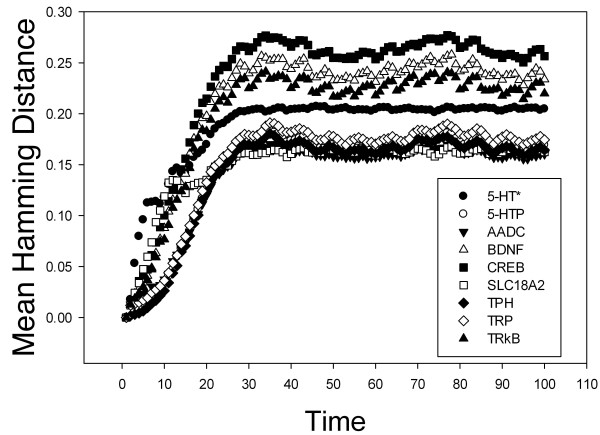
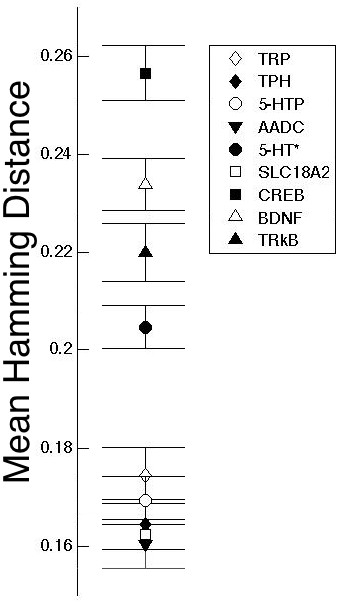
Major depressive disorder (MDD) is a multifactorial disorder known to be influenced by both genetic and environmental factors. MDD presents a heritability of 37%, and a genetic contribution has also been observed in studies of family members of individuals with MDD that imply that the probability of suffering the disorder is approximately three times higher if a first-degree family member is affected. Childhood maltreatment and stressful life events (SLEs) have been established as critical environmental factors that profoundly influence the onset of MDD. The serotonin pathway has been a strong candidate for genetic studies, but it only explains a small proportion of the heritability of the disorder, which implies the involvement of other pathways. The serotonin (5-HT) pathway interacts with the stress response pathway in a manner mediated by the hypothalamic-pituitary-adrenal (HPA) axis. To analyze the interaction between the pathways, we propose the use of a synchronous Boolean network (SBN) approximation. The principal aim of this work was to model the interaction between these pathways, taking into consideration the presence of selective serotonin reuptake inhibitors (SSRIs), in order to observe how the pathways interact and to examine if the system is stable. Additionally, we wanted to study which genes or metabolites have the greatest impact on model stability when knocked out in silico. We observed that the biological model generated predicts steady states (attractors) for each of the different runs performed, thereby proving that the system is stable. These attractors changed in shape, especially when anti-depressive drugs were also included in the simulation. This work also predicted that the genes with the greatest impact on model stability were those involved in the neurotrophin pathway, such as CREB, BDNF (which has been associated with major depressive disorder in a variety of studies) and TRkB, followed by genes and metabolites related to 5-HT synthesis.
Overview
The claims and statistics of this paper haven’t been checked yet.
Free: it reads the open-access text and checks the first 5 claims that cite a source we can check. Create a free account to check every claim.
Integrity signals
Registry
Cites
Statistics
Figures
Verification
Claims the paper makes
The claims and statistics of this paper haven’t been checked yet.
Free: it reads the open-access text and checks the first 5 claims that cite a source we can check. Create a free account to check every claim.
Claims other papers make about this one
Each is checked against this paper’s own text: does it say what the citing paper says it does?
The check wasn’t confident either way, so it gives no verdict — never disputed.
In the citing paper
“Trauma, such as violence and abuse, can trigger the autonomic nervous system and the immune system, leading to an inflammatory response to nociceptive stimuli [107].”
From The association between violence against women and chronic pain: a systematic review and meta-analysis (2024) · cites this paper as [107]
Experimental — accuracy not yet measuredIn the citing paper
“Trauma, such as violence and abuse, can cause the same biological reactions to nociceptive stimuli, activating the autonomic nervous system, which triggers the immune system and inflammatory response [41].”
From The Risk Factors of Chronic Pain in Victims of Violence: A Scoping Review (2023) · cites this paper as [41]
Self-check
Percentages, sums and reported differences re-computed from the paper’s own numbers.
The self-check needs the paper’s full text.
Citations
Cites
Kessler, R. C., Berglund, P., Demler, O., Jin, R., Merikangas, K. R., & Walters, E. E. (2005) · Archives of General Psychiatry · doi:10.1001/archpsyc.62.6.593 · Cited by 20,391 · cited 1×
“Approximately 15% of the population is estimated to be affected with this disorder at least once in their lifetime [1-4].”
BackgroundKessler, R. C., Chiu, W. T., Demler, O., & Walters, E. E. (2005) · Archives of General Psychiatry · doi:10.1001/archpsyc.62.6.617 · Cited by 12,052 · cited 1×
“Approximately 15% of the population is estimated to be affected with this disorder at least once in their lifetime [1-4].”
BackgroundMolecular Mechanisms of Depression: Perspectives on New Treatment Strategies
Lang, U. E., & Borgwardt, S. (2013) · Cellular Physiology and Biochemistry · doi:10.1159/000350094 · Cited by 8,475
Influence of life stress on depression: moderation by a polymorphism in the 5-HTT gene
Caspi, A., Sugden, K., Moffitt, T. E., Taylor, A., Craig, I. W., Harrington, H., McClay, J., Mill, J., Martin, J., Braithwaite, A., et al. (2003) · Science · doi:10.1126/science.1083968 · Cited by 8,120 · cited 1×
“In this work, they evaluated the possible association of a genetic variant of the serotonin transporter (5-HTT) with maltreatment [9].”
BackgroundKessler, R. C., Berglund, P., Demler, O., Jin, R., Koretz, D., Merikangas, K. R., Rush, A. J., Walters, E. E., & Wang, P. S. (2003) · JAMA · doi:10.1001/jama.289.23.3095 · Cited by 7,988 · cited 1×
“Approximately 15% of the population is estimated to be affected with this disorder at least once in their lifetime [1-4].”
BackgroundGenetic Epidemiology of Major Depression: Review and Meta-Analysis
Sullivan, P. F., Neale, M. C., & Kendler, K. S. (2000) · American Journal of Psychiatry · doi:10.1176/appi.ajp.157.10.1552 · Cited by 3,431 · cited 1×
“31042) based on data from twin studies, and a genetic contribution has also been observed in family studies of individuals with MDD that imply that the probabili ty of suffering the disorder is approximately three times higher if a first-degree famil y ember is affected [5,6].”
BackgroundA Neurotrophic Model for Stress-Related Mood Disorders
Duman, R. S., & Monteggia, L. M. (2006) · Biological Psychiatry · doi:10.1016/j.biopsych.2006.02.013 · Cited by 3,375 · cited 1×
“On the other hand, both stress and glucocorticoids are known to decrease brain levels of BDNF in rodents and post-mortem human tissue [20].”
BackgroundBelmaker, R. H., & Agam, G. (2008) · New England Journal of Medicine · doi:10.1056/nejmra073096 · Cited by 2,166
The neurobiology of stress and development.
Gunnar, M., & Quevedo, K. (2007) · Annual Review of Psychology · doi:10.1146/annurev.psych.58.110405.085605 · Cited by 2,011 · cited 1×
“Childhood maltreatment and stressful life events (SLEs) have been established as critical environmental factors that profoundly influence the onset of MDD [7,8]; however, the question of why some individuals develop MDD when exposed to stressful events and some do not has been difficult to answer.”
BackgroundDecreased serum brain-derived neurotrophic factor levels in major depressed patients
Karege, F., Perret, G., Bondolfi, G., Schwald, M., Bertschy, G., & Aubry, J.-M. (2002) · Psychiatry Research · doi:10.1016/s0165-1781(02)00005-7 · Cited by 1,232 · cited 1×
“Various authors have reported low BDNF serum concentrations in depressive patients and in association with suicidal behavior [42-44].”
BackgroundInteraction between BDNF and Serotonin: Role in Mood Disorders
Martinowich, K., & Lu, B. (2008) · Neuropsychopharmacology · doi:10.1038/sj.npp.1301571 · Cited by 793 · cited 6×
“This work also predicted that the genes with the greatest impact on model stability were those involved in the neurotrophin pathway, such as CREB, BDNF (which has been associated with major depressive disorder in a variety of studies) and TRkB, followed by genes and metabolites related to 5-HT synthesis.”
BackgroundInfluentialHippocampal Neurogenesis: Regulation by Stress and Antidepressants
Dranovsky, A., & Hen, R. (2006) · Biological Psychiatry · doi:10.1016/j.biopsych.2006.03.082 · Cited by 663 · cited 1×
“modulate hippocampal neurogenesis, which is essential in MDD treatment [40,41].”
BackgroundMi, H., Dong, Q., Muruganujan, A., Gaudet, P., Lewis, S., & Thomas, P. D. (2010) · Nucleic Acids Research · doi:10.1093/nar/gkp1019 · Cited by 609 · cited 2×
“The genetic regulation network obtained was initially based on the interaction pathway found in www.pantherdb.org with the accession number P04375 [54].”
Fava, M., & Kendler, K. S. (2000) · Neuron · doi:10.1016/s0896-6273(00)00112-4 · Cited by 603
Random Boolean network models and the yeast transcriptional network
Kauffman, S., Peterson, C., Samuelsson, B., & Troein, C. (2003) · Proceedings of the National Academy of Sciences · doi:10.1073/pnas.2036429100 · Cited by 553 · cited 1×
“SBNs are networks that update their nodes synchronously in a discrete time step [23].”
BackgroundMechanism of action of serotonin selective reuptake inhibitors
Stahl, S. M. (1998) · Journal of Affective Disorders · doi:10.1016/s0165-0327(98)00221-3 · Cited by 540 · cited 1×
“When the synaptic 5-HT concentration is higher than normal, the autoreceptor 5-HT 1A is desensitized, and this leads to constant synthesis and transport of 5-HT in DRN cells [36,69].”
BackgroundLong-term physical health consequences of childhood sexual abuse: a meta-analytic review
Irish, L., Kobayashi, I., & Delahanty, D. L. (2010) · Journal of Pediatric Psychology · doi:10.1093/jpepsy/jsp118 · Cited by 495 · cited 1×
“Childhood maltreatment and stressful life events (SLEs) have been e stablished as critical environmental factors that profoundly influence the onset of MDD [7,8]; however, the question of why some individuals develop MDD when exposed to stressful events and some do not has been difficult to answer.”
BackgroundMorimoto, M., Morita, N., Ozawa, H., Yokoyama, K., & Kawata, M. (1996) · Neuroscience Research · doi:10.1016/s0168-0102(96)01105-4 · Cited by 480 · cited 1×
“The glucocorticoid receptor is expressed in serotoninergic neurons [17-19], which is indicative of glucocorticoid-exerted control in these neurons.”
BackgroundGlucocorticoid receptor immunoreactivity in monoaminergic neurons of rat brain.
Härfstrand, A., Fuxe, K., Cintra, A., Agnati, L. F., Zini, I., Wikström, A. C., Okret, S., Yu, Z. Y., Goldstein, M., & Steinbusch, H. (1986) · Proceedings of the National Academy of Sciences · doi:10.1073/pnas.83.24.9779 · Cited by 476 · cited 1×
“The glucocorticoid receptor is expressed in serotoninergic neurons [17-19], which is indicative of glucocorticoid-exerted control in these neurons.”
BackgroundChildhood sexual abuse, stressful life events and risk for major depression in women
KENDLER, K. S., KUHN, J. W., & PRESCOTT, C. A. (2004) · Psychological Medicine · doi:10.1017/s003329170400265x · Cited by 475 · cited 1×
“This gene x environment interaction approach in which 5-HTT gene variations are proposed to influence the likelihood of stressful life events resulting in MDD has not been fully supported by recent studies, suggesting that other pathways, such as those involved in stress responses, might also be involved in the develo…”
BackgroundFrodl, T., Schüle, C., Schmitt, G., Born, C., Baghai, T., Zill, P., Bottlender, R., Rupprecht, R., Bondy, B., Reiser, M., et al. (2007) · Archives of General Psychiatry · doi:10.1001/archpsyc.64.4.410 · Cited by 394 · cited 1×
“polymorphism in BDNF has been associated with depressive states [46].”
BackgroundCorticosteroid–serotonin interactions in the neurobiological mechanisms of stress-related disorders
Lanfumey, L., Mongeau, R., Cohen-Salmon, C., & Hamon, M. (2008) · Neuroscience & Biobehavioral Reviews · doi:10.1016/j.neubiorev.2008.04.006 · Cited by 341 · cited 3×
“Even though the present work did not consider the effect of stress on neura l plasticity and connectivity, it is well known that treatment with SSRI-type ant idepressants seems to modulate hippocampal neurogenesis, which is essential in MDD treatm ent [40,41].”
BackgroundInfluentialSynchronous versus asynchronous modeling of gene regulatory networks
Garg, A., Di Cara, A., Xenarios, I., Mendoza, L., & De Micheli, G. (2008) · Bioinformatics · doi:10.1093/bioinformatics/btn336 · Cited by 305 · cited 1×
“[24], feature observed in various biological systems [25,26].”
BackgroundLow plasma BDNF is associated with suicidal behavior in major depression
Kim, Y.-K., Lee, H.-P., Won, S.-D., Park, E.-Y., Lee, H.-Y., Lee, B.-H., Lee, S.-W., Yoon, D., Han, C., Kim, D.-J., et al. (2007) · Progress in Neuro-Psychopharmacology and Biological Psychiatry · doi:10.1016/j.pnpbp.2006.06.024 · Cited by 300 · cited 1×
“Various authors have reported low BDNF serum concentrations in depress ive patients and in association with suicidal behavior [42-44].”
BackgroundSynchronous and asynchronous updating in cellular automata
Schönfisch, B., & de Roos, A. (1999) · Biosystems · doi:10.1016/s0303-2647(99)00025-8 · Cited by 299
Hoffman, B. J., Hansson, S. R., Mezey, É., & Palkovits, M. (1998) · Frontiers in Neuroendocrinology · doi:10.1006/frne.1998.0168 · Cited by 279 · cited 3×
“It is believed that SSRIs block the serotonin transporter and thereby incre ase 5-HT concentrations in the synaptic cleft, which in turn leads to a gradual desensitiz ation of the 5-HT1A * autoreceptor [33-36].”
BackgroundResult5-HT1A Receptors, Gene Repression, and Depression: Guilt by Association
Albert, P. R., & Lemonde, S. (2004) · The Neuroscientist · doi:10.1177/1073858404267382 · Cited by 275 · cited 3×
“This is followed by activat ion mediated by Gi proteins and leads to cell hyperpolarization [33,63-65].”
BackgroundResultCorticosteroids regulate brain hippocampal 5-HT1A receptor mRNA expression
Chalmers, D., Kwak, S., Mansour, A., Akil, H., & Watson, S. (1993) · The Journal of Neuroscience · doi:10.1523/jneurosci.13-03-00914.1993 · Cited by 265
5-HT1A receptor-regulated signal transduction pathways in brain
Polter, A. M., & Li, X. (2010) · Cellular Signalling · doi:10.1016/j.cellsig.2010.03.019 · Cited by 225 · cited 1×
“This is followed by activation mediated by Gi proteins and leads to cell hyperpolarization [33,63-65].”
BackgroundTryptophan hydroxylation in brain
Grahame-Smith, D. G. (1964) · Biochemical and Biophysical Research Communications · doi:10.1016/0006-291x(64)90197-4 · Cited by 196
la Cour, C. M., Mestikawy, S. E., Hanoun, N., Hamon, M., & Lanfumey, L. (2006) · Molecular Pharmacology · doi:10.1124/mol.106.022756 · Cited by 144 · cited 1×
“This hyperpolarization causes a reduction in 5-HT synthesis that results from a blockade of TPH transcription by BDNF pathway activity and reduction in the transport of 5-HT [66-68].”
BackgroundRahman, M. K., Nagatsu, T., & Kato, T. (1981) · Biochemical Pharmacology · doi:10.1016/0006-2952(81)90139-8 · Cited by 137 · cited 1×
“Serot onin can be degraded by monoamine oxidase A (MAOA) to produce 5-hydroxyindoleacet ic acid (5HIAA) [56-60].”
BackgroundThe 5-HT1A receptor: Signaling, desensitization, and gene transcription
Albert, P. R., Lembo, P. M. C., STORRING, J., Charest, A., & Saucier, C. (1996) · Neuropsychopharmacology · doi:10.1016/s0893-133x(96)80055-8 · Cited by 131 · cited 1×
“This is followed by activation mediated by Gi proteins and leads to cell hyperpolarization [33,63-65].”
BackgroundRosa-Neto, P., Diksic, M., Okazawa, H., Leyton, M., Ghadirian, N., Mzengeza, S., Nakai, A., Debonnel, G., Blier, P., & Benkelfat, C. (2004) · Archives of General Psychiatry · doi:10.1001/archpsyc.61.6.556 · Cited by 126 · cited 1×
“This may explain why patients with MDD synthesize lower levels of serotonin than healthy controls [47].”
BackgroundFrom biological pathways to regulatory networks
Layek, R. K., Datta, A. A., & Dougherty, E. R. (2010) · Molecular BioSystems · doi:10.1039/c0mb00263a · Cited by 124
Adenosine Receptor Subtypes Modulate Two Major Functional Pathways for Hippocampal Serotonin Release
Okada, M., Nutt, D. J., Murakami, T., Zhu, G., Kamata, A., Kawata, Y., & Kaneko, S. (2001) · The Journal of Neuroscience · doi:10.1523/jneurosci.21-02-00628.2001 · Cited by 121 · cited 1×
“Serotonin vesicular packaging is mediated by the sol ute carrier 18A-2 (SLC18A2), and its liberation into the synaptic cleft is performed via the SNARE complex [61,62].”
BackgroundGetting Started in Biological Pathway Construction and Analysis
Viswanathan, G. A., Seto, J., Patil, S., Nudelman, G., & Sealfon, S. C. (2008) · PLoS Computational Biology · doi:10.1371/journal.pcbi.0040016 · Cited by 117 · cited 1×
“thorough bibliographic mining following the procedure described in [55].”
MethodBoolean network analysis of a neurotransmitter signaling pathway
Gupta, S., Bisht, S. S., Kukreti, R., Jain, S., & Brahmachari, S. K. (2006) · Journal of Theoretical Biology · doi:10.1016/j.jtbi.2006.08.014 · Cited by 115 · cited 5×
“which allowed a statistical measurement of convergence/divergence of the network dynamics [21].”
BackgroundMethodInfluentialCour, C. M. L., Boni, C., Hanoun, N., Lesch, K.-P., Hamon, M., & Lanfumey, L. (2001) · The Journal of Neuroscience · doi:10.1523/jneurosci.21-06-02178.2001 · Cited by 113 · cited 2×
“This transporte r is one of the main targets for SSRI antidepressants, which act by blocking 5-HT rec apture and lead to higher 5HT synaptic concentrations [34,35,68].”
BackgroundGörgülü, Y., & Çalıyurt, O. (2009) · Brain Research Bulletin · doi:10.1016/j.brainresbull.2009.06.016 · Cited by 111 · cited 1×
“Various authors have reported low BDNF serum concentrations in depressive patients and in association with suicidal behavior [42-44].”
BackgroundKohli, M. A., Salyakina, D., Pfennig, A., Lucae, S., Horstmann, S., Menke, A., Kloiber, S., Hennings, J., Bradley, B. B., Ressler, K. J., et al. (2010) · Archives of General Psychiatry · doi:10.1001/archgenpsychiatry.2009.201 · Cited by 107 · cited 1×
“Recently, a variety of SNPs in TRkB have been found to be associated with MDD or with attempted suicide in German and African American populations [52].”
BackgroundAltered regulation of the 5‐HT system in the brain of MAO‐A knock‐out mice
Evrard, A., Malagié, I., Laporte, A. ‐., Boni, C., Hanoun, N., Trillat, A. ‐., Seif, I., De Maeyer, E., Gardier, A., Hamon, M., et al. (2002) · European Journal of Neuroscience · doi:10.1046/j.1460-9568.2002.01917.x · Cited by 96 · cited 1×
“Serotonin can be degraded by monoamine oxidase A (MAOA) to produce 5-hydroxyindoleacetic acid (5-HIAA) [56-60].”
BackgroundDeveloping novel treatments for mood disorders: accelerating discovery
Tamminga, C. A., Nemeroff, C. B., Blakely, R., Brady, L. S., Carter, C. S., Davis, K. L., Dingledine, R. J., Gorman, J. M., Grigoriadis, D. E., Henderson, D. C., et al. (2002) · Biological Psychiatry · doi:10.1016/s0006-3223(02)01470-1 · Cited by 94 · cited 1×
“Therefore, 5-HT homeostasis in the brain is related to the disease, which makes the 5-HT pathway a strong candidate for studies of MDD [12].”
BackgroundFuxé, K., Cintra, A., Agnati, L. F., Härfstrand, A., Wikström, A. C., Okret, S., Zoli, M., Miller, L. S., Greene, J. L., & Gustafsson, J.-Α. (1987) · Journal of Steroid Biochemistry · doi:10.1016/0022-4731(87)90306-2 · Cited by 85 · cited 1×
“The glucocorticoid receptor is expressed in serotoninergic neurons [17-19], which is indicative of”
BackgroundMultiple Signal Transduction Pathways Mediated by 5-HT Receptors
Noda, M., Higashida, H., Aoki, S., & Wada, K. (2004) · Molecular Neurobiology · doi:10.1385/mn:29:1:31 · Cited by 84 · cited 1×
“This is followed by activation mediated by Gi proteins and leads to cell hyperpolarization [33,63-65].”
BackgroundKumamaru, E., Numakawa, T., Adachi, N., & Kunugi, H. (2011) · FEBS Letters · doi:10.1016/j.febslet.2011.09.010 · Cited by 83
Variation in brain-derived neurotrophic factor (BDNF) gene is associated with symptoms of depression
Duncan, L. E., Hutchison, K. E., Carey, G., & Craighead, W. E. (2009) · Journal of Affective Disorders · doi:10.1016/j.jad.2008.08.016 · Cited by 82 · cited 1×
“BDNF administration to the D RN cells has been observed to have an antidepressant effect [45].”
BackgroundGalter, D., & Unsicker, K. (2000) · Molecular and Cellular Neuroscience · doi:10.1006/mcne.2000.0841 · Cited by 72 · cited 6×
“This work also predicted that the genes with the greatest impact on model stability were those involved in the neurotrophin pathway, such as CREB, BDNF (which has been associated with major depressive disorder in a variety of studies) and TRkB, followed by genes and metabolites related to 5-HT synthesis.”
BackgroundInfluential5-HT1A autoreceptors and the mode of action of selective serotonin reuptake inhibitors (SSRI)
Hjorth, S., & Auerbach, S. B. (1995) · Behavioural Brain Research · doi:10.1016/0166-4328(96)00113-1 · Cited by 72 · cited 2×
“HT concentrations in the synaptic cleft, which in turn leads to a gradual desensitization of the 5-HT1A * autoreceptor [33-36].”
BackgroundMatthews, P. R., & Harrison, P. J. (2012) · Journal of Affective Disorders · doi:10.1016/j.jad.2011.10.043 · Cited by 71 · cited 2×
“In fact, it has been found that the cross-sectional area of the DRN is decreased in MDD patients, possibly due to a neuropil reduction [49].”
BackgroundZimmermann, P., Brückl, T. M., Lieb, R., Nocon, A., Ising, M., Beesdo‐Baum, K., & Wïttchen, H. (2007) · Biological Psychiatry · doi:10.1016/j.biopsych.2007.05.020 · Cited by 70 · cited 1×
“This gene x environment interaction approach in which 5-HTT gene variations are proposed to influence the likelihood of stressful life events resulting in MDD has not been fully supported by recent studies, suggesting that other pathways, such as those involved in stress responses, might also be involved in the develo…”
BackgroundGalter, D., & Unsicker, K. (2000) · Journal of Neuroscience Research · doi:10.1002/1097-4547(20000801)61:3<295::aid-jnr7>3.0.co;2-4 · Cited by 70 · cited 6×
“This work also predicted that the genes with the greatest impact on model stability were those involved in the neurotrophin pathway, such as CREB, BDNF (which has been associated with major depressive disorder in a variety of studies) and TRkB, followed by genes and metabolites related to 5-HT synthesis.”
BackgroundInfluentialMalignancy of recurrent, early‐onset major depression: A family study
Zubenko, G. S., Zubenko, W. N., Spiker, D. G., Giles, D. E., & Kaplan, B. B. (2001) · American Journal of Medical Genetics · doi:10.1002/ajmg.1554 · Cited by 68 · cited 1×
“Approximately 15% of the population is estimated to be affected with this disorder at least once in their lifetime [1-4].”
BackgroundNagaraj, S. H., & Reverter, A. (2011) · BMC Systems Biology · doi:10.1186/1752-0509-5-35 · Cited by 67 · cited 1×
“Furthermore, this approach has also been applied to search for new candidate genes in schizophrenia [21] and as a modeling technique in cancer studies [29].”
MethodMadhav, T. R., Pei, Q., & Zetterström, T. S. C. (2001) · Molecular Brain Research · doi:10.1016/s0169-328x(01)00183-8 · Cited by 65 · cited 1×
“TRkB mRNA has been found to be expressed in the DR N, as has its ligand, BDNF, and both are essential to the serotoninergic phenotype of the cel ls [49,51].”
BackgroundChapter 5 Organization of the stress response at the anatomical level
Palkovits, M. (1987) · Progress in brain research · doi:10.1016/s0079-6123(08)60195-8 · Cited by 57 · cited 2×
“ACTH is then transported by the blood stream to the suprarenal cortex where it mediates cortisol synthesis [16,41].”
BackgroundDifferential hormonal regulation of tryptophan hydroxylase-2 mRNA in the murine dorsal raphe nucleus
Clark, J. A., Pai, L.-Y., Flick, R. B., & Rohrer, S. P. (2005) · Biological Psychiatry · doi:10.1016/j.biopsych.2005.01.013 · Cited by 56 · cited 4×
“When cortisol levels rise in the blood stream, they cause negative feedback regulation of cortisol synthesis through activation of glucocorticoid receptors (GRs) and mineralocorticoid receptors (MRs) [41].”
BackgroundInfluentialPhosphorylation and Activation of Tryptophan Hydroxylase by Exogenous Protein Kinase A
Johansen, P. A., Jennings, I. G., Cotton, R. G. H., & Kuhn, D. M. (1996) · Journal of Neurochemistry · doi:10.1046/j.1471-4159.1996.66020817.x · Cited by 54 · cited 1×
“This hyperpolarization causes a reduction in 5-HT synthesis that results from a blockade of TPH transcription by BDNF pathway activity and a reduction in the transport of 5-HT [66-68].”
BackgroundRind, H. B., Russo, A. F., & Whittemore, S. R. (2000) · Neuroscience · doi:10.1016/s0306-4522(00)00402-4 · Cited by 47 · cited 1×
“Serot onin can be degraded by monoamine oxidase A (MAOA) to produce 5-hydroxyindoleacet ic acid (5HIAA) [56-60].”
BackgroundDieni, S., & Rees, S. M. (2004) · Experimental Neurology · doi:10.1016/j.expneurol.2004.06.003 · Cited by 46 · cited 1×
“Neuropil reducti on is related to low BDNF and TRkB concentrations [50], and stress may therefore af fect BDNF regulation pathways in the DRN cells.”
BackgroundUnderstanding cancer mechanisms through network dynamics
Cheng, T. M. K., Gulati, S., Agius, R., & Bates, P. A. (2012) · Briefings in Functional Genomics · doi:10.1093/bfgp/els025 · Cited by 42 · cited 1×
““active”, to model a complex system [21,22].”
Serotonin Catabolism and the Formation and Fate of 5-Hydroxyindole Thiazolidine Carboxylic Acid
Squires, L. N., Jakubowski, J. A., Stuart, J. N., Rubakhin, S. S., Hatcher, N. G., Kim, W.-S., Chen, K., Shih, J. C., Seif, I., & Sweedler, J. V. (2006) · Journal of Biological Chemistry · doi:10.1074/jbc.m602210200 · Cited by 40 · cited 1×
“Serot onin can be degraded by monoamine oxidase A (MAOA) to produce 5-hydroxyindoleacet ic acid (5HIAA) [56-60].”
BackgroundBosker, F. J., Tanke, M. A. C., Jongsma, M. E., Cremers, T. I. F. H., Jagtman, E., Pietersen, C. Y., van der Hart, M. G. C., Gladkevich, A. V., Kema, I. P., Westerink, B. H. C., et al. (2010) · Neurochemistry International · doi:10.1016/j.neuint.2010.10.001 · Cited by 40 · cited 1×
“This result suggests that other pathways might be interacting with 5-HT, as has also been implied by the results of other studies [37,38].”
ResultNegative affectivity moderated by BDNF and stress response
Perea, C. S., Paternina, A. C., Gómez, Y., & Lattig, M. C. (2011) · Journal of Affective Disorders · doi:10.1016/j.jad.2011.09.043 · Cited by 39 · cited 1×
“However, an interaction between stress and the expression and biological functions of BDNF, mostly at early developmental stages, has been described [48].”
BackgroundSelf-citationMacGillivray, L., Lagrou, L. M., Reynolds, K. B., Rosebush, P. I., & Mazurek, M. F. (2010) · Neuroscience · doi:10.1016/j.neuroscience.2010.08.055 · Cited by 34 · cited 3×
“It is believed that SSRIs block the serotonin transporter and thereby incre ase 5-HT concentrations in the synaptic cleft, which in turn leads to a gradual desensitiz ation of the 5-HT1A * autoreceptor [33-36].”
BackgroundResultHonig, G., Jongsma, M. E., van der Hart, M. C. G., & Tecott, L. H. (2009) · PLoS ONE · doi:10.1371/journal.pone.0006797 · Cited by 33 · cited 1×
“This result suggests that othe r pathways might be interacting with 5-HT, as has also been implied by the results of other studies [37,38].”
ResultCritical Values in Asynchronous Random Boolean Networks
Mesot, B., & Teuscher, C. (2003) · Lecture notes in computer science · doi:10.1007/978-3-540-39432-7_39 · Cited by 22 · cited 1×
“[24], feature observed in various biological systems [25,26].”
BackgroundRoles of SNARE Proteins in Synaptic Vesicle Fusion
Palfreyman, M. T., & Jørgensen, E. M. (2008) · Humana Press eBooks · doi:10.1007/978-1-59745-481-0_3 · Cited by 17 · cited 1×
“Serotonin vesicular packaging is mediated by the sol ute carrier 18A-2 (SLC18A2), and its liberation into the synaptic cleft is performed via the SNARE complex [61,62].”
BackgroundA network model for biofilm development in Escherichia coli K-12
Shalá, A. A., Restrepo, S., & Barrios, A. F. G. (2011) · Theoretical Biology and Medical Modelling · doi:10.1186/1742-4682-8-34 · Cited by 7
Patiño, J., Groot, H., & Barrios, A. F. G. (2013) · Revista Facultad de Ingeniería Universidad de Antioquia · doi:10.17533/udea.redin.14619 · Cited by 2 · cited 1×
“SBN approximations have been used to model the orientation pat hways by which neural crest stem cells give rise to two different types o f ensorial cells [27], and it has also been used to model biofilm formation in the E.”
Method
Research works printed but not linked: 2
- Horowitz JL The Bootstrap 2000 In Handbook of Econometrics: Elsevier Science 3159 3238
- Varian H Boostrap Tutorial The Mathematica Journal 2005 9 768 775
Cited by
Sigurdardottir, S. L., & Halldórsdóttir, S. (2021) · International Journal of Environmental Research and Public Health · doi:10.3390/ijerph18041849 · Cited by 91
“Inflammation also increases the risk of cardiovascular disease and type 2 diabetes by affecting the exacerbation of atherosclerosis and the increase in insulin sensitivity [7].”
BackgroundRodrigues, F. T. S., de Souza, M. R. M., Lima, C. N. D. C., da Silva, F. E. R., Costa, D. V. D. S., dos Santos, C. C., Miyajima, F., de Sousa, F. C. F., Vasconcelos, S. M. M., Barichello, T., et al. (2018) · Journal of Psychiatric Research · doi:10.1016/j.jpsychires.2018.10.003 · Cited by 70
Peritore, A. F., Crupi, R., Scuto, M. C., Gugliandolo, E., Siracusa, R., Impellizzeri, D., Cordaro, M., D’Amico, R., Fusco, R., Paola, R. D., et al. (2020) · CNS & Neurological Disorders - Drug Targets · doi:10.2174/1871527319666200107094732 · Cited by 61
Modelling gene-environment interaction in first episodes of psychosis
Bernardo, M., Bioque, M., Cabrera, B., Lobo, A., González-Pinto, A. M., Pina, L., Corripio, I., Sanjuán, J., Mané, A., Castro‐Fornieles, J., et al. (2017) · Schizophrenia Research · doi:10.1016/j.schres.2017.01.058 · Cited by 63
Molecular and genetic basis of depression
ROY, M., Tapadia, M. G., Joshi, S., & Koch, B. (2014) · Journal of Genetics · doi:10.1007/s12041-014-0449-x · Cited by 45
Metadata
- Authors
- Moreno-Ramos, O. A., Lattig, M. C., & González Barrios, A. F.
- Affiliations
- Universidad de Los Andes (CO)
- Venue
- Theoretical Biology and Medical Modelling
- Published
- 2013-10-05
- Volume
- 10
- Issue
- 1
- Pages
- 59-59
- ISSN
- 1742-4682 (ISSN-L)
- PMC
- PMC3856587
- OpenAlex
- W2132180972
- Cited by
- 22
- References
- 70
- Citations by year
- 2024: 1 · 2023: 1 · 2022: 1 · 2021: 1 · 2020: 2 · 2019: 1 · 2018: 3 · 2017: 2 · 2016: 2 · 2015: 3 · 2014: 5
- FWCI
- 1.51
- Type
- journal article
- Language
- en
- Open access
- hybrid
- doi.org
- Licence
- cc-by
- Locations
- Theoretical Biology and Medical Modelling (publishedVersion, cc-by)
- Europe PMC (PubMed Central) (publishedVersion, cc-by)
- PubMed Central (publishedVersion, cc-by)
- PubMed (publishedVersion)
- Greater South Information System
- Topics
- Life Sciences › Neuroscience › Behavioral Neuroscience › Stress Responses and Cortisol
- Life Sciences › Biochemistry, Genetics and Molecular Biology › Molecular Biology › Gene Regulatory Network Analysis
- Life Sciences › Neuroscience › Cellular and Molecular Neuroscience › Neurotransmitter Receptor Influence on Behavior
- Keywords
- major depressive disorder, hypothalamic-pituitary-adrenal axis, serotonin pathway, stress response, Boolean networks, model stability, attractors, selective serotonin reuptake inhibitors, child abuse, life events, brain-derived neurotrophic factor, CREB, TrkB
- MeSH terms
- Computer Simulation, Depression, Humans, Hypothalamo-Hypophyseal System, Models, Biological, Molecular Sequence Data, Pituitary-Adrenal System, Serotonin, Stress, Psychological, Signal Transduction, Gene Knockout Techniques
About these checks
Registry, retraction, Cites and statistics results are computed, not judged, with one exception: a printed reference that no index lists is read once by a model before it counts as a citation error. Claims are extracted by a model and kept only when their quote appears verbatim in the text; each cited source is then checked, with a model’s help, for whether it says what the claim relies on. Those verdicts can be wrong — read the claim’s quote and the cited source before relying on one.
Statistics and arithmetic are recomputed, not judged.
Confidence bands are shown only for fields calibrated on our annotated test set. None is calibrated yet, so no band is shown.
What counts as a claim ›How we measure confidence ›How we check this ›
Are you an author, or do you see a problem with this page? Request a review
Data sources
Bibliographic data: Semantic Scholar, OpenAlex, Crossref.
Contains information from the Semantic Scholar Academic Graph Datasets, made available under the ODC Attribution License (ODC-BY 1.0).
Semantic Scholar’s data is described in: Kinney, R., et al. (2023). The Semantic Scholar Open Data Platform. arXiv:2301.10140.
