

HIV-1 Vpr activates the G2 checkpoint through manipulation of the ubiquitin proteasome system
Open accessThe DOI matches its Crossref record; 34 of the 34 references it cites were found in a registry or an index.
Abstract
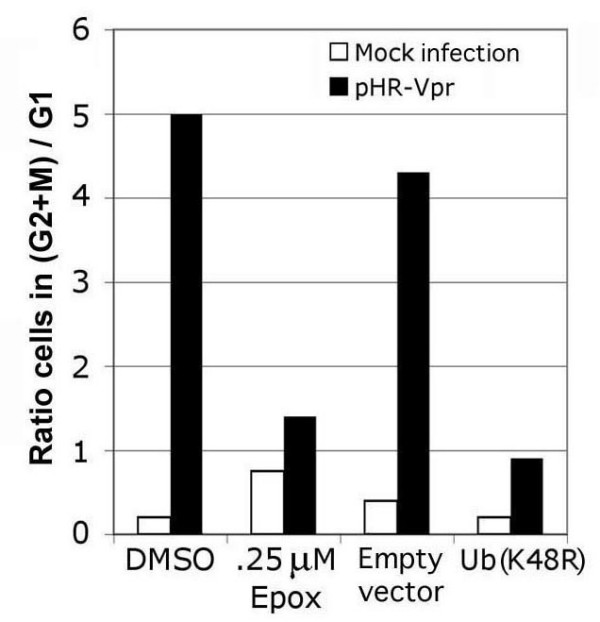
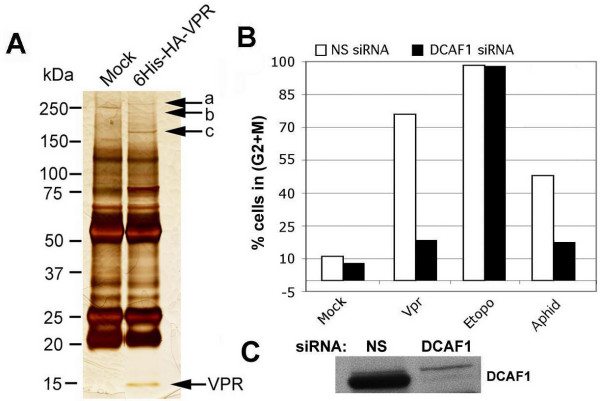
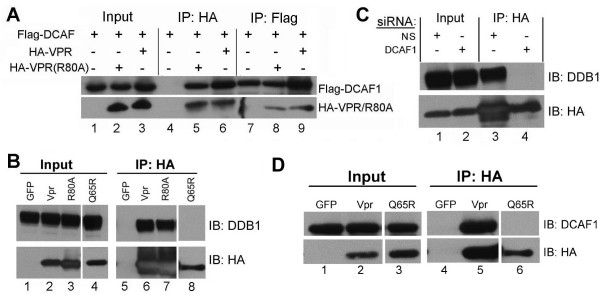
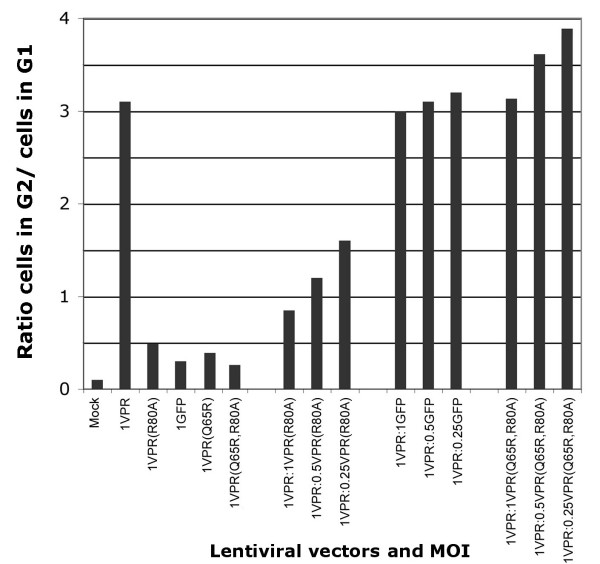
HIV-1 Vpr is a viral accessory protein that activates ATR through the induction of DNA replication stress. ATR activation results in cell cycle arrest in G 2 and induction of apoptosis. In the present study, we investigate the role of the ubiquitin/proteasome system (UPS) in the above activity of Vpr. We report that the general function of the UPS is required for Vpr to induce G 2 checkpoint activation, as incubation of Vpr-expressing cells with proteasome inhibitors abolishes this effect. We further investigated in detail the specific E3 ubiquitin ligase subunits that Vpr manipulates. We found that Vpr binds to the DCAF1 subunit of a cullin 4a/DDB1 E3 ubiquitin ligase. The carboxy-terminal domain Vpr(R80A) mutant, which is able to bind DCAF1, is inactive in checkpoint activation and has dominant-negative character. In contrast, the mutation Q65R, in the leucine-rich domain of Vpr that mediates DCAF1 binding, results in an inactive Vpr devoid of dominant negative behavior. Thus, the interaction of Vpr with DCAF1 is required, but not sufficient, for Vpr to cause G 2 arrest. We propose that Vpr recruits, through its carboxy terminal domain, an unknown cellular factor that is required for G 2 -to-M transition. Recruitment of this factor leads to its ubiquitination and degradation, resulting in failure to enter mitosis.
Overview
The claims and statistics of this paper haven’t been checked yet.
Free: it reads the open-access text and checks the first 5 claims that cite a source we can check. Create a free account to check every claim.
Integrity signals
Registry
Cites
Statistics
Figures
Verification
Claims the paper makes
The claims and statistics of this paper haven’t been checked yet.
Free: it reads the open-access text and checks the first 5 claims that cite a source we can check. Create a free account to check every claim.
Claims other papers make about this one
Each is checked against this paper’s own text: does it say what the citing paper says it does?
The cited source says what the claim attributes to it.
In the citing paper
“Consistent with this, endogenously expressed PU.1 from K562 cells did not coprecipitate with a Vpr mutant (89.6-VprQ65R) protein that is defective for DCAF1 interactions59,60 (Fig. 6E).”
From HIV-1 Vpr combats the PU.1-driven antiviral response in primary human macrophages (2024) · cites this paper as [60]
Self-check
Percentages, sums and reported differences re-computed from the paper’s own numbers.
The self-check needs the paper’s full text.
Citations
Cites
The HPV-16 E6 and E6-AP complex functions as a ubiquitin-protein ligase in the ubiquitination of p53
Scheffner, M., Huibregtse, J. M., Vierstra, R. D., & Howley, P. M. (1993) · Cell · doi:10.1016/0092-8674(93)90384-3 · Cited by 2,054 · cited 1×
“Examples of these viral proteins include hepatitis B protein X [7], human papilloma virus E6 [ 8 ], simian virus 5 V protein [9,10], HIV-1 Vif [11-13], and HIV-1 Vpu [14].”
BackgroundInduction of APOBEC3G Ubiquitination and Degradation by an HIV-1 Vif-Cul5-SCF Complex
Yu, X., Yu, Y., Liu, B., Luo, K., Kong, W., Mao, P., & Yu, X.-F. (2003) · Science · doi:10.1126/science.1089591 · Cited by 1,200 · cited 2×
“Examples of these viral proteins include hepatitis B protein X [7], human papilloma virus E6 [8], simian virus 5 V protein [9,10], HIV-1 Vif [ 11-13 ], and HIV-1 Vpu [14].”
BackgroundThe antiretroviral enzyme APOBEC3G is degraded by the proteasome in response to HIV-1 Vif
Sheehy, A. M., Gaddis, N. C., & Malim, M. H. (2003) · Nature Medicine · doi:10.1038/nm945 · Cited by 967 · cited 5×
“Yu X, Yu Y, Liu B, Luo K, Kong W, Mao P, Yu XF: Induction of APOBEC3G ubiquitination and degradation by an HIV-1 VifCul5-SCF complex.”
BackgroundInfluentialMolecular architecture and assembly of the DDB1–CUL4A ubiquitin ligase machinery
Angers, S., Li, T., Yi, X., MacCoss, M. J., Moon, R. T., & Zheng, N. (2006) · Nature · doi:10.1038/nature05175 · Cited by 674 · cited 9×
“First, a protein known as RIP, that was discovered as an interaction partner of Vpr [15], was recently shown to be part of a family of WDrepeat proteins that are found in association with cullin 4a/DDB1 E3 ubiquitin ligases [9].”
BackgroundInfluentialMargottin, F., Bour, S. P., Durand, H., Selig, L., Benichou, S., Richard, V., Thomas, D., Strebel, K., & Benarous, R. (1998) · Molecular Cell · doi:10.1016/s1097-2765(00)80056-8 · Cited by 672 · cited 2×
“Examples of these viral proteins include hepatitis B protein X [7], human papilloma virus E6 [8], simian virus 5 V protein [9,10], HIV-1 Vif [11-13], and HIV-1 Vpu [ 14 ].”
BackgroundMethodATR Regulates Fragile Site Stability
Casper, A. M., Nghiem, P., Arlt, M. F., & Glover, T. W. (2002) · Cell · doi:10.1016/s0092-8674(02)01113-3 · Cited by 559
Mehle, A., Strack, B., Ancuta, P., Zhang, C., McPike, M., & Gabuzda, D. (2004) · Journal of Biological Chemistry · doi:10.1074/jbc.m313093200 · Cited by 474 · cited 1×
“We resorted to two different methods of proteasome inhibition: incubation with epoxomicin, and overexpression of a dominant-negative ubiquitin mutant, Ub(K48R) [17] that blocks formation of polyubiquitin chain conjugates.”
MethodHiga, L. A., Wu, M., Ye, T., Kobayashi, R., Sun, H., & Zhang, H. (2006) · Nature Cell Biology · doi:10.1038/ncb1490 · Cited by 413 · cited 3×
“These observations confirm that Vpr targets a cullin 4-based E3 ligase, for which DCAF1 is a cognate substrate specificity receptor [9,23,24].”
BackgroundTwo E3 ubiquitin ligases, SCF‐Skp2 and DDB1‐Cul4, target human Cdt1 for proteolysis
Nishitani, H., Sugimoto, N., Roukos, V., Nakanishi, Y., Saijo, M., Obuse, C., Tsurimoto, T., Nakayama, K. I., Nakayama, K., Fujita, M., et al. (2006) · The EMBO Journal · doi:10.1038/sj.emboj.7601002 · Cited by 392 · cited 1×
“The existence of a connection between proteasomal degradation of cell cycle regulators and ATR activation is exemplified in several instances involving Cdt1 [3-5] and Chk1 [6] among others.”
BackgroundTargeted ubiquitination of CDT1 by the DDB1–CUL4A–ROC1 ligase in response to DNA damage
Hu, J., McCall, C. M., Ohta, T., & Xiong, Y. (2004) · Nature Cell Biology · doi:10.1038/ncb1172 · Cited by 348 · cited 1×
“Upon DNA damage or firing of origins of replication, Cdt1 becomes ubiquitinated by the Cul4A-DDB1 E3 ligase complex resulting in its proteasomal degradation [28-30].”
Background
Cited by
HIV-1 Accessory Proteins—Ensuring Viral Survival in a Hostile Environment
Malim, M. H., & Emerman, M. (2008) · Cell Host & Microbe · doi:10.1016/j.chom.2008.04.008 · Cited by 551
“Moreover, there is precedence with the V protein of paramyxoviruses, which also binds to DDB1, and although the mechanism is entirely different, also causes both cell-cycle arrest and is involved in abrogation of host defense through interference with interferon signaling (Horvath, 2004).”
BackgroundInfluentialHosmane, N. N., Kwon, K. J., Bruner, K. M., Capoferri, A. A., Beg, S., Rosenbloom, D. I. S., Keele, B. F., Ho, Y.-C., Siliciano, J. D., & Siliciano, R. F. (2017) · Journal of Experimental Medicine · doi:10.1084/jem.20170193 · Cited by 381
“In addition, the HIV-1 Vpr protein causes cell cycle arrest (Jowett et al., 1995; Stewart et al., 1997, 2000; Sakai et al., 2006; DeHart et al., 2007; Hrecka et al., 2007; Schröfelbauer et al., 2007; Romani and Cohen, 2012).”
BackgroundLaguette, N., Brégnard, C., Hue, P., Basbous, J., Yatim, A., Larroque, M., Kirchhoff, F., Constantinou, A., Sobhian, B., & Benkirane, M. (2014) · Cell · doi:10.1016/j.cell.2013.12.011 · Cited by 212
“…of Vpr that may contribute to G2/M arrest have been proposed, yet no consensus has been reached apart from the absolute requirement for the VPRBP-DDB1-CUL4 E3-ligase complex (Belzile et al., 2007; DeHart et al., 2007; Hrecka et al., 2007; Le Rouzic et al., 2007; Tan et al., 2007; Wen et al., 2007).”
Srivastava, S., Swanson, S. K., Manel, N., Florens, L., Washburn, M. P., & Skowronski, J. (2008) · PLoS Pathogens · doi:10.1371/journal.ppat.1000059 · Cited by 209
“Evidence has been obtained showing that these interactions provide Vpr with the ability to modulate specifically the intrinsic catalytic activity of the Cullin 4 E3 containing VprBP and with a potential to influence the recruitment of substrate proteins for ubiquitination by Cullin 4, which in turn leads to the activa…”
BackgroundPrimate Lentiviral Vpx Commandeers DDB1 to Counteract a Macrophage Restriction
Sharova, N., Wu, Y., Zhu, X., Stranska, R., Kaushik, R., Sharkey, M., & Stevenson, M. (2008) · PLoS Pathogens · doi:10.1371/journal.ppat.1000057 · Cited by 189
Ahn, J., Hao, C., Yan, J., DeLucia, M., Mehrens, J., Wang, C., Gronenborn, A. M., & Skowronski, J. (2012) · Journal of Biological Chemistry · doi:10.1074/jbc.m112.340711 · Cited by 184
“It should be pointed out that this amino acid sequence is distinct from that in the Vpr accessory protein of HIV/SIV, and the degron-binding interface of Vpr is probably located in its C-terminal region (36, 40).”
BackgroundUpdate from the 2011 International Schwannomatosis Workshop: From genetics to diagnostic criteria
Plotkin, S. R., Blakeley, J. O., Evans, D. G., Hanemann, C. O., Hulsebos, T. J. M., Hunter‐Schaedle, K., Kalpana, G. V., Korf, B., Messiaen, L., Papi, L., et al. (2013) · American Journal of Medical Genetics Part A · doi:10.1002/ajmg.a.35760 · Cited by 187
“This association of Vpr with CLR4DCAF1 appears to be required for inducing G2/M arrest [DeHart et al., 2007; Wen et al., 2012].”
BackgroundCell Cycle Regulation During Viral Infection
Bagga, S., & Bouchard, M. J. (2014) · Methods in Molecular Biology · doi:10.1007/978-1-4939-0888-2_10 · Cited by 179
Richard, J., Sindhu, S., Pham, T. N. Q., Belzile, J.-P., & Cohen, É. A. (2010) · Blood · doi:10.1182/blood-2009-08-237370 · Cited by 164
Wen, X., Duus, K. M., Friedrich, T. D., & de Noronha, C. M. C. (2007) · Journal of Biological Chemistry · doi:10.1074/jbc.m703955200 · Cited by 150
Kogan, M., & Rappaport, J. (2011) · Retrovirology · doi:10.1186/1742-4690-8-25 · Cited by 205
“While it is unknown how Vpr/DCAF-1 binding promotes G2 arrest, it has been proposed that Vpr may recruit a particular factor to this complex, promoting ubiquitination and degradation of a yet unknown cellular protein or, perhaps, several targets [130,131].”
BackgroundInfluentialGoujon, C., Arfi, V., Pertel, T., Luban, J., Lienard, J., Rigal, D., Darlix, J.-L., & Cimarelli, A. (2008) · Journal of Virology · doi:10.1128/jvi.01181-08 · Cited by 142
“The main described function of Vpx has been the nuclear import of viral DNA, similarly to HIV-1 Vpr.”
BackgroundInfluentialWard, J., Davis, Z., DeHart, J., Zimmerman, E., Bosque, A., Brunetta, E., Mavilio, D., Planelles, V., & Barker, E. (2009) · PLoS Pathogens · doi:10.1371/journal.ppat.1000613 · Cited by 141
“[39] that, in turn, leads to G2 arrest [35].”
BackgroundInfluentialSelf-citationActivation of the DNA Damage Response by RNA Viruses
Ryan, E., Hollingworth, R., & Grand, R. (2016) · Biomolecules · doi:10.3390/biom6010002 · Cited by 133
“Vpr binding of both Cul4A and DDB1, components of the DDB1-CUL4A-RBX1 E3 ligase complex, via interaction with VPRBP is believed to cause ATR activation and G2 arrest through the ubiquitination of an unknown target [159, 160] .”
BackgroundDDB1 and Cul4A Are Required for Human Immunodeficiency Virus Type 1 Vpr-Induced G 2 Arrest
Tan, L., Ehrlich, E., & Yu, X.-F. (2007) · Journal of Virology · doi:10.1128/jvi.01380-07 · Cited by 128
“DCAF1 to form an E3 ubiquitin ligase complex that can target cell cycle regulatory protein(s) for destruction and induce G2 arrest (13, 26).”
BackgroundResultInfluentialBergamaschi, A., Ayinde, D., David, A., Le Rouzic, E., Morel, M., Collin, G., Descamps, D., Damond, F., Brun-Vezinet, F., Nisole, S., et al. (2009) · Journal of Virology · doi:10.1128/jvi.00187-09 · Cited by 121
“HIV-1 Vpr uses the adaptor function of DCAF1 to assemble with the CUL4A-DDB1 ubiquitin ligase and presumably to divert its activity (3, 8, 18, 26, 38, 46).”
HIV-1 Vpr—a still “enigmatic multitaskerâ€
Guenzel, C. A., Hérate, C., & Benichou, S. (2014) · Frontiers in Microbiology · doi:10.3389/fmicb.2014.00127 · Cited by 120
HIV-1 Vpr: Mechanisms of G2 arrest and apoptosis
Andersen, J. L., Rouzic, E. L., & Planelles, V. (2008) · Experimental and Molecular Pathology · doi:10.1016/j.yexmp.2008.03.015 · Cited by 140
Self-citationAhn, J., Vu, T., Novince, Z., Guerrero-Santoro, J., Rapic-Otrin, V., & Gronenborn, A. M. (2010) · Journal of Biological Chemistry · doi:10.1074/jbc.m110.133181 · Cited by 104
Lluesma, S. M., Schaeffer, C., Robert, E. I., Breugel, P. C. V., Leupin, O., Hantz, O., & Strubin, M. (2008) · Hepatology · doi:10.1002/hep.22542 · Cited by 114
HIV-1 Vpr degrades the HLTF DNA translocase in T cells and macrophages
Lahouassa, H., Blondot, M.-L., Chauveau, L., Chougui, G., Morel, M., Leduc, M., Guillonneau, F., Ramirez, B. C., Schwartz, O., & Margottin-Goguet, F. (2016) · Proceedings of the National Academy of Sciences · doi:10.1073/pnas.1600485113 · Cited by 100
Lv, L., Wang, Q., Xu, Y., Tsao, L.-C., Nakagawa, T., Guo, H., Su, L., & Xiong, Y. (2018) · Molecular Cell · doi:10.1016/j.molcel.2018.05.007 · Cited by 100
“Unlike the Q65R mutation, which disrupts Vpr’s ability to bind with VprBP, to cause G2/M cell-cycle arrest, and to enhance HIV-1 replication, the Vpr mutant is reported to be defective in causing G2 arrest (DeHart et al., 2007) but retains Vpr’s activity of binding with VprBP and enhancing viral replication (Rajan et…”
BackgroundThe DDB1–DCAF1–Vpr–UNG2 crystal structure reveals how HIV-1 Vpr steers human UNG2 toward destruction
Wu, Y., Zhou, X., Barnes, C. O., DeLucia, M., Cohen, A. E., Gronenborn, A. M., Ahn, J., & Calero, G. (2016) · Nature Structural & Molecular Biology · doi:10.1038/nsmb.3284 · Cited by 97
Vipirinin, a Coumarin-based HIV-1 Vpr Inhibitor, Interacts with a Hydrophobic Region of VPR
Ong, E. B. B., Watanabe, N., Saito, A., Futamura, Y., Galil, K. H. A. E., Koito, A., Najimudin, N., & Osada, H. (2011) · Journal of Biological Chemistry · doi:10.1074/jbc.m110.185397 · Cited by 105
Sharma, A., Yilmaz, A., Marsh, K., Cochrane, A., & Boris-Lawrie, K. (2012) · PLoS Pathogens · doi:10.1371/journal.ppat.1002612 · Cited by 93
“The reduction was not observed when Vif or the Vpr mutants deficient in G2/M arrest were expressed (Figure 7B, compare Vpr to R80A, Q65R, R80AQ65R and Vif).”
BackgroundInfluentialHIV Triggers a cGAS-Dependent, Vpu- and Vpr-Regulated Type I Interferon Response in CD4+ T Cells
Vermeíre, J., Roesch, F., Sauter, D., Rua, R., Hotter, D., Nuffel, A. V., Vanderstraeten, H., Naessens, E., Iannucci, V., Landi, A., et al. (2016) · Cell Reports · doi:10.1016/j.celrep.2016.09.023 · Cited by 101
The Ubiquitin-Conjugating System: Multiple Roles in Viral Replication and Infection
Calistri, A., Munegato, D., Carli, I., Parolin, C., & Palù, G. (2014) · Cells · doi:10.3390/cells3020386 · Cited by 104
“Indeed, Vpr interacts with the cullin4A-DDB1-DCAF1 Ub ligase complex [130, [156] [157] [158] [159] [160] [161] [162] , a binding that is required for the induction of the G2 arrest [163] .”
BackgroundJacquot, G., Rouzic, E. L., David, A., Mazzolini, J., Bouchet, J., Bouaziz, S., Niedergang, F., Pancino, G., & Bénichou, S. (2007) · Retrovirology · doi:10.1186/1742-4690-4-84 · Cited by 105
“Recent studies have shown that these residues may be involved in the direct recruitment of an unknown cellular factor that is required for G2-to-M transition [42-46].”
BackgroundLimelight on two HIV/SIV accessory proteins in macrophage infection: Is Vpx overshadowing Vpr?
Ayinde, D., Maudet, C., Transy, C., & Margottin-Goguet, F. (2010) · Retrovirology · doi:10.1186/1742-4690-7-35 · Cited by 87
“Consistent with this possibility, G2 arrest-defective mutants of Vpr which conserve DCAF1-binding activity were shown to inhibit G2 arrest induced by wt Vpr, suggesting that the amount of DCAF1 might be limiting [81,83].”
McCall, C. M., Miliani de Marval, P. L., Chastain, P. D., Jackson, S. C., He, Y. J., Kotake, Y., Cook, J. G., & Xiong, Y. (2008) · Molecular and Cellular Biology · doi:10.1128/mcb.00232-08 · Cited by 83
“Recently, a number of studies concurrently reported that VprBP is a major cellular binding partner of and is required for the G2 arrest caused by Vpr (3, 8, 17, 24, 35, 39, 42).”
BackgroundThe HIV-1 Vpr Protein: A Multifaceted Target for Therapeutic Intervention
González, M. E. (2017) · International Journal of Molecular Sciences · doi:10.3390/ijms18010126 · Cited by 95
HIV-1 Vpr induces cell cycle arrest and enhances viral gene expression by depleting CCDC137
Zhang, F., & Bieniasz, P. D. (2020) · eLife · doi:10.7554/elife.55806 · Cited by 75
“Both proteins bind to VprBP (DCAF1) and in so doing recruit the cullin 4A-containing E3 ubiquitin ligase complex (CRL4) (Zhang et al., 2001; Srivastava et al., 2008; DeHart et al., 2007; Hrecka et al., 2007; Le Rouzic et al., 2007; Schröfelbauer et al., 2007; Tan et al., 2007; Wen et al., 2007).”
BackgroundInfluentialPertel, T., Reinhard, C., & Luban, J. (2011) · Retrovirology · doi:10.1186/1742-4690-8-49 · Cited by 74
“Both Vpr and Vpx bind DCAF1 (VPRBP) and associate with the DDB1/RBX1/CUL4A E3 ubiquitin ligase complex [12,13,15,33-37,71,72].”
BackgroundVpr Overcomes Macrophage-Specific Restriction of HIV-1 Env Expression and Virion Production
Mashiba, M., Collins, D. R., Terry, V. H., & Collins, K. L. (2014) · Cell Host & Microbe · doi:10.1016/j.chom.2014.10.014 · Cited by 71
“Interestingly, we observed that a mutant Vpr (Vpr) that is defective at DCAF1 interactions, DCAF1-dependent cell cycle arrest, and SLX4 complex activation (DeHart et al., 2007; Hrecka et al., 2007; Laguette et al., 2014) was similarly defective at enhancing Env expression and virion production (Figure S6).”
Lentivirus Vpr and Vpx accessory proteins usurp the cullin4–DDB1 (DCAF1) E3 ubiquitin ligase
Romani, B., & Cohen, É. A. (2012) · Current Opinion in Virology · doi:10.1016/j.coviro.2012.09.010 · Cited by 63
“The second one encompasses the C-terminal region of the protein, a domain of Vpr that is dispensable for DCAF1 binding, yet is essential for the induction of a G2 arrest [7 ,8 ,9 ,31 ].”
BackgroundWei, W., Guo, H., Han, X., Liu, X., Zhou, X., Zhang, W., & Yu, X.-F. (2012) · Cellular Microbiology · doi:10.1111/j.1462-5822.2012.01835.x · Cited by 73
“The HIV-1 Vpr protein also interacts with DCAF1, which is required for Vpr-induced G2 cell cycle arrest (Battey et al., 2007; Belzile et al., 2007; DeHart et al., 2007; Hrecka et al., 2007; Le Rouzic et al., 2007; Schrofelbauer et al., 2007; Wen et al., 2007).”
BackgroundKitayama, H., Miura, Y., Ando, Y., Hoshino, S., Ishizaka, Y., & Koyanagi, Y. (2007) · Journal of Virology · doi:10.1128/jvi.02094-07 · Cited by 62
“It has been shown recently that Vpr induces cell cycle arrest following its binding to a large complex consisting of DDB1, Cul4A E3 ubiquitin ligase, and DDB1-Cul4A-associated factor 1 (8, 12, 13, 24, 33, 56, 59).”
DeHart, J. L., Bosque, A., Harris, R. S., & Planelles, V. (2008) · Journal of Virology · doi:10.1128/jvi.00377-08 · Cited by 58
“Treatment with Cul5 siRNA was specific for the effect of Vif, since it had no effect on cell cycle delay induced by DHIV-Vpr (which expresses Vpr and not Vif), presumably because Vpr recruits a Cul4 ubiquitin ligase (10).”
BackgroundSelf-citationBelzile, J.-P., Abrahamyan, L. G., Gérard, F. C. A., Rougeau, N., & Cohen, É. A. (2010) · PLoS Pathogens · doi:10.1371/journal.ppat.1001080 · Cited by 57
“In addition to a reduced affinity for VPRBP [19,20,22], this mutation also leads to other defects including accumulation of Vpr in the cytoplasm (Figure 4), reduced”
BackgroundResultInfluentialSnyder, A., Alsauskas, Z. C., Leventhal, J. S., Rosenstiel, P. E., Gong, P., Chan, J., Barley, K. M., He, C., Klotman, M. E., Ross, M. J., et al. (2010) · AIDS · doi:10.1097/qad.0b013e328337b0ab · Cited by 63
“transduced cells with lentiviral vectors expressing either wild-type Vpr (HA-Vpr-DGFP) or mutated Vpr [HAVpr(Q65R)-DGFP] which is inactive due to mutation of its DCAF1 binding site [22].”
MethodInfluentialProteasomal Degradation Machinery: Favorite Target of HIV-1 Proteins
Lata, S., Mishra, R., & Banerjea, A. C. (2018) · Frontiers in Microbiology · doi:10.3389/fmicb.2018.02738 · Cited by 71
“However, the exact target of this complex is still unknown (Belzile et al., 2007; DeHart et al., 2007; Hrecka et al., 2007; Schröfelbauer et al., 2007; Tan et al., 2007; Wen et al., 2007).”
BackgroundVpr-Host Interactions During HIV-1 Viral Life Cycle
Zhao, Y., Li, G., & Bukrinsky, M. (2011) · Journal of Neuroimmune Pharmacology · doi:10.1007/s11481-011-9261-z · Cited by 68
“In particular, a specific Cullin ubiquitin E3 ligase known as Cul4A-DDB1-DCAF1/ VprBP was found to be associated specifically with this G2 induction process (Belzile et al. 2007; DeHart et al. 2007; Hrecka et al. 2007; Le Rouzic et al. 2007; Schrofelbauer et al. 2007; Tan et al. 2007; Wen et al. 2007).”
Belzile, J.-P., Richard, J., Rougeau, N., Xiao, Y., & Cohen, E. A. (2010) · Journal of Virology · doi:10.1128/jvi.02590-09 · Cited by 49
“TAP-Vpr(1-78), TAP-Vpr (1-86), and TAP-Vpr(R87A,R88A) were generated”
BackgroundMethodInfluentialHuman Immunodeficiency Virus Type 1 Vpr Links Proteasomal Degradation and Checkpoint Activation
DeHart, J. L., & Planelles, V. (2008) · Journal of Virology · doi:10.1128/jvi.01628-07 · Cited by 49
“The most recent addition to this list of viral proteins is HIV-1 Vpr (11, 25, 34, 53, 54, 62).”
BackgroundMethodInfluentialSelf-citationDNA damage repair machinery and HIV escape from innate immune sensing
Brégnard, C., Benkirane, M., & Laguette, N. (2014) · Frontiers in Microbiology · doi:10.3389/fmicb.2014.00176 · Cited by 57
“Keywords: DNA damage response, innate immunity, HIV,Vpr, G2/M arrest, SLX4 complex”
BackgroundVpr and Its Cellular Interaction Partners: R We There Yet?
Fábryová, H., & Strebel, K. (2019) · Cells · doi:10.3390/cells8111310 · Cited by 56
“Reduced cell-to-cell spread of HIV-1 from macrophages to CD 4+ T lymphocytes [63] [64]”
BackgroundHIV-1 Vpr inhibits cytokinesis in human proximal tubule cells
Rosenstiel, P. E., Gruosso, T., Letourneau, A., Chan, J., LeBlanc, A., Husain, M., Najfeld, V., Planelles, V., D’Agati, V. D., Klotman, M. E., et al. (2008) · Kidney International · doi:10.1038/ki.2008.303 · Cited by 52
Self-citationHIV relies on neddylation for ubiquitin ligase-mediated functions
Nekorchuk, M. D., Sharifi, H. J., Furuya, A. K. M., Jellinger, R. M., & de Noronha, C. M. C. (2013) · Retrovirology · doi:10.1186/1742-4690-10-138 · Cited by 48
“HIV-1 Vpr also promotes G2 cell cycle arrest though interaction with the CRL4 ubiquitin ligase complex [17,22,36-39].”
BackgroundSnyder, A., Alsauskas, Z. C., Gong, P., Rosenstiel, P. E., Klotman, M. E., Klotman, P. E., & Ross, M. J. (2009) · Journal of Virology · doi:10.1128/jvi.00034-09 · Cited by 46
“Future studies should also determine whether FAT10 interacts with the recently described DCAF1-DDB1-VprBP complex that mediates Vpr-induced G2/M arrest (10, 11, 13, 34, 36).”
BackgroundHuman Immunodeficiency Virus-1 (HIV-1)-Mediated Apoptosis: New Therapeutic Targets
Mbita, Z., Hull, R., & Dlamini, Z. (2014) · Viruses · doi:10.3390/v6083181 · Cited by 47
SLX4-SLX1 Protein-independent Down-regulation of MUS81-EME1 Protein by HIV-1 Viral Protein R (Vpr)
Zhou, X., DeLucia, M., & Ahn, J. (2016) · Journal of Biological Chemistry · doi:10.1074/jbc.m116.721183 · Cited by 43
“In line with this hypothesis, mutagenesis studies have shown that a Vpr mutant with reduced DCAF1 binding, Q65R, lacks the ability to induce G2 arrest (22, 25, 28, 37).”
BackgroundResultThe HIV1 Protein Vpr Acts to Enhance Constitutive DCAF1-Dependent UNG2 Turnover
Wen, X., Casey Klockow, L., Nekorchuk, M., Sharifi, H. J., & de Noronha, C. M. C. (2012) · PLoS ONE · doi:10.1371/journal.pone.0030939 · Cited by 41
“This mutant has been reported to act as a dominant negative in G2 arrest assays [5].”
BackgroundYan, J., Shun, M.-C., Hao, C., Zhang, Y., Qian, J., Hrecka, K., DeLucia, M., Monnie, C. M., Ahn, J., & Skowroński, J. (2018) · mBio · doi:10.1128/mbio.01732-18 · Cited by 51
The Cullin-RING E3 Ubiquitin Ligase CRL4−DCAF1 Complex Dimerizes via a Short Helical Region in DCAF1
Ahn, J., Novince, Z., Concel, J., Byeon, C.-H., Makhov, A. M., Byeon, I.-J. L., Zhang, P., & Gronenborn, A. M. (2011) · Biochemistry · doi:10.1021/bi101749s · Cited by 41
Jacquot, G., Rouzic, E. L., Maidou-Peindara, P., Maizy, M., Lefrère, J., Daneluzzi, V., Monteiro-Filho, C. M., Hong, D., Planelles, V., Morand‐Joubert, L., et al. (2009) · PLoS ONE · doi:10.1371/journal.pone.0007514 · Cited by 42
“While no variant had substitution of the Trp54 residue required for UNG2 binding [4,5,35], LTNP-04-2 naturally contained the Q65R substitution and failed to interact with DCAF1, confirming the crucial role of this residue in mediating Vpr/DCAF1 interaction in the context of a primary Vpr variant [13,15].”
BackgroundSelf-citationVpr and Its Interactions with Cellular Proteins
Planelles, V., & Bénichou, S. (2009) · Current topics in microbiology and immunology · doi:10.1007/978-3-642-02175-6_9 · Cited by 51
Self-citationVirion-Associated Vpr Alleviates a Postintegration Block to HIV-1 Infection of Dendritic Cells
Miller, C. M., Akiyama, H., Agosto, L. M., Emery, A., Ettinger, C. R., Swanstrom, R. I., Henderson, A. J., & Gummuluru, S. (2017) · Journal of Virology · doi:10.1128/jvi.00051-17 · Cited by 38
Zhao, Y. (2017) · Microbial Cell · doi:10.15698/mic2017.10.592 · Cited by 45
“Subsequent studies in mammalian cells showed that Vpr-induced G2 arrest is mediated through direct binding of Vpr with a Vpr-binding protein (VprBP) [146, 147] , which is part of the ubiquitin E3 enzyme, suggesting possible involvement of the ubiquitin proteasome system.”
BackgroundHIV-1 Vpr mediates the depletion of the cellular repressor CTIP2 to counteract viral gene silencing
Forouzanfar, F., Ali, S., Wallet, C., Rovere, M. D., Ducloy, C., Mekdad, H. E., Maassarani, M. E., Aït-Ammar, A., Assche, J. V., Boutant, E., et al. (2019) · Scientific Reports · doi:10.1038/s41598-019-48689-x · Cited by 45
The functions of the HIV1 protein Vpr and its action through the DCAF1·DDB1·Cullin4 ubiquitin ligase
Casey, L., Wen, X., & de Noronha, C. M. C. (2010) · Cytokine · doi:10.1016/j.cyto.2010.02.018 · Cited by 45
Li, D., Lopez, A., Sandoval, C., Doyle, R. N., & Fregoso, O. I. (2020) · mBio · doi:10.1128/mbio.00940-20 · Cited by 47
Assembly with the Cul4A-DDB1DCAF1 Ubiquitin Ligase Protects HIV-1 Vpr from Proteasomal Degradation
Rouzic, E. L., Morel, M., Ayinde, D., Belaïdouni, N., Letienne, J., Transy, C., & Margottin-Goguet, F. (2008) · Journal of Biological Chemistry · doi:10.1074/jbc.m710298200 · Cited by 39
Structural alteration of DNA induced by viral protein R of HIV-1 triggers the DNA damage response
Iijima, K., Kobayashi, J., & Ishizaka, Y. (2018) · Retrovirology · doi:10.1186/s12977-018-0391-8 · Cited by 37
“Although these findings imply that Vpr modulates RPA70 loading onto the chromatin in close functional association with the DDB1/VprBP-Cul4-dependent ubiquitination pathway, no cellular targets of Vpr-dependent ubiquitination have yet been identified.”
BackgroundMethodInfluentialVpr Promotes Macrophage-Dependent HIV-1 Infection of CD4+ T Lymphocytes
Collins, D. R., Lubow, J., Lukic, Z., Mashiba, M., & Collins, K. L. (2015) · PLOS Pathogens · doi:10.1371/journal.ppat.1005054 · Cited by 34
“6 that is deficient at interacting with DCAF1 and relatively defective at inducing DCAF1-dependent cell cycle arrest [11,28].”
BackgroundMaudet, C., Sourisce, A., Dragin, L., Lahouassa, H., Rain, J., Bouaziz, S., Ramírez, B. C., & Margottin-Goguet, F. (2013) · PLoS ONE · doi:10.1371/journal.pone.0077320 · Cited by 39
“adaptor of the Cul4A ubiquitin ligase to a so far unidentified host target protein (hereafter referred to as the G2 target), which is required for the G2/M transition [15-21].”
BackgroundDCAF1 controls T-cell function via p53-dependent and -independent mechanisms
Guo, Z., Kong, Q., Liu, C., Zhang, S., Zou, L., Yan, F., Whitmire, J. K., Xiong, Y., Chen, X., & Wan, Y. Y. (2016) · Nature Communications · doi:10.1038/ncomms10307 · Cited by 36
Barnitz, R. A., Wan, F., Tripuraneni, V., Bolton, D. L., & Lenardo, M. J. (2010) · Journal of Virology · doi:10.1128/jvi.02273-09 · Cited by 36
Vpr Enhances Tumor Necrosis Factor Production by HIV-1-Infected T Cells
Roesch, F., Richard, L., Rua, R., Porrot, F., Casartelli, N., & Schwartz, O. (2015) · Journal of Virology · doi:10.1128/jvi.02098-15 · Cited by 37
“Disrupted interaction(s) hCG1 (30) UNG2 (105) DDB1 (57), DCAF1 (59),”
Langevin, C., Maidou-Peindara, P., Aas, P. A., Jacquot, G., Otterlei, M., Slupphaug, G., & Bénichou, S. (2009) · Journal of Virology · doi:10.1128/jvi.02654-08 · Cited by 31
“To test this hypothesis, two Vpr mutants (R90K and Q65R) deficient for G2 arrest were analyzed (4, 10, 14, 23, 26).”
Sensing of HIV-1 Infection in Tzm-bl Cells with Reconstituted Expression of STING
Trotard, M., Tsopoulidis, N., Tibroni, N., Willemsen, J., Binder, M., Ruggieri, A., & Fackler, O. (2015) · Journal of Virology · doi:10.1128/jvi.02966-15 · Cited by 30
Sakai, K., Barnitz, R. A., Chaigne-Delalande, B., Bidère, N., & Lenardo, M. J. (2011) · Virology Journal · doi:10.1186/1743-422x-8-219 · Cited by 30
“been extensively studied [4-14], how Vif causes cell cycle”
BackgroundHost Restriction of HIV-1 by APOBEC3 and Viral Evasion Through Vif
Niewiadomska, A. M., & Yu, X.-F. (2009) · Current topics in microbiology and immunology · doi:10.1007/978-3-642-02175-6_1 · Cited by 29
de Silva, S., Planelles, V., & Wu, L. J. (2012) · PLoS ONE · doi:10.1371/journal.pone.0035385 · Cited by 37
Self-citationPower, C., Hui, E., Vivithanaporn, P., Acharjee, S., & Polyak, M. J. (2011) · Journal of Neuroimmune Pharmacology · doi:10.1007/s11481-011-9310-7 · Cited by 28
“and an unknown protein involved in cell cycle progression (DeHart et al. 2007; Le Rouzic et al. 2007).”
BackgroundHIV-1 Vpr Redirects Host Ubiquitination Pathway
Arora, S., Verma, S. K., & Banerjea, A. C. (2014) · Journal of Virology · doi:10.1128/jvi.00619-14 · Cited by 28
Genetic Variation and HIV-Associated Neurologic Disease
Dahiya, S., Irish, B. P., Nonnemacher, M. R., & Wigdahl, B. L. (2013) · Advances in virus research · doi:10.1016/b978-0-12-407698-3.00006-5 · Cited by 28
Roles of Vpr and Vpx in modulating the virus-host cell relationship
Planelles, V., & Barker, E. (2010) · Molecular Aspects of Medicine · doi:10.1016/j.mam.2010.05.002 · Cited by 26
“In addition, co-expression of either Vpr(1-78) or Vpr(R80A) (Figure 1) with wild-type Vpr resulted in a dominant-negative effect by either of the previous mutants (DeHart et al., 2007; Le Rouzic et al., 2007).”
BackgroundInfluentialSelf-citationZhou, X., DeLucia, M., Hao, C., Hrecka, K., Monnie, C. M., Skowroński, J., & Ahn, J. (2017) · Journal of Biological Chemistry · doi:10.1074/jbc.m117.798801 · Cited by 31
“ubiquitin ligase by Vpr towards host cellular factors likely facilitates HIV-1 replication (17-22).”
BackgroundHIV-1 Vpr activates the DNA damage response in renal tubule epithelial cells
Rosenstiel, P. E., Chan, J., Snyder, A., Planelles, V., D’Agati, V. D., Klotman, P. E., & Klotman, M. E. (2009) · AIDS · doi:10.1097/qad.0b013e32833088a0 · Cited by 25
Self-citationVpr expression abolishes the capacity of HIV-1 infected cells to repair uracilated DNA
Eldin, P., Chazal, N., Fenard, D., Bernard, É., Guichou, J., & Briant, L. (2013) · Nucleic Acids Research · doi:10.1093/nar/gkt974 · Cited by 28
Visualizing Vpr-Induced G2 Arrest and Apoptosis
Murakami, T., & Aida, Y. (2014) · PLoS ONE · doi:10.1371/journal.pone.0086840 · Cited by 25
Subversion of Cell Cycle Regulatory Mechanisms by HIV
Rice, A. P., & Kimata, J. T. (2015) · Cell Host & Microbe · doi:10.1016/j.chom.2015.05.010 · Cited by 21
“…ligase complex, and analyses of mutant Vpr proteins indicated that this association is required 738 Cell Host & Microbe 17, June 10, 2015 ª2015 Elsevier Inc. for cell cycle arrest (Belzile et al., 2007; DeHart et al., 2007; Hrecka et al., 2007; Le Rouzic et al., 2007; Schröfelbauer et al., 2007).”
BackgroundZBTB2 represses HIV-1 transcription and is regulated by HIV-1 Vpr and cellular DNA damage responses
Bruce, J. W., Bracken, M., Evans, E. L., Sherer, N. M., & Ahlquist, P. (2021) · PLoS Pathogens · doi:10.1371/journal.ppat.1009364 · Cited by 23
“Vpr expression was unaltered by the ATRi inhibitor (Fig 11F) and both the WT and R80A Vpr variants expressed to similar levels (Fig 11G).”
MethodInfluentialMaudet, C., Bertrand, M., Rouzic, E. L., Lahouassa, H., Ayinde, D., Nisole, S., Goujon, C., Cimarelli, A., Margottin-Goguet, F., & Transy, C. (2011) · Journal of Biological Chemistry · doi:10.1074/jbc.m111.220780 · Cited by 26
Changing the ubiquitin landscape during viral manipulation of the DNA damage response
Weitzman, M. D., Lilley, C. E., & Chaurushiya, M. S. (2011) · FEBS Letters · doi:10.1016/j.febslet.2011.04.049 · Cited by 22
“The interaction of Vpr with DDB1/Cul4 is required for a number of the Vpr functions, including G2 cell cycle arrest and activation of the DDR [100,101].”
BackgroundSalamango, D. J., McCann, J. L., Demir, Ö., Becker, J. T., Wang, J., Lingappa, J. R., Temiz, N. A., Brown, W. L., Amaro, R. E., & Harris, R. S. (2020) · Journal of Virology · doi:10.1128/jvi.00631-20 · Cited by 25
“Another ascribed Vif function is its ability to promote G 2 /M cell cycle arrest in adherent, myeloid, and lymphoid cell lines (9–13).”
BackgroundNonaka, M., Hashimoto, Y., Takeshima, S., & Aida, Y. (2009) · Cancer Cell International · doi:10.1186/1475-2867-9-20 · Cited by 19
The Natural Killer Cell Cytotoxic Function Is Modulated by HIV-1 Accessory Proteins
Sowrirajan, B., & Barker, E. (2011) · Viruses · doi:10.3390/v3071091 · Cited by 18
“unknown cell cycle protein through an arginine at residue 80 of Vpr [95–97].”
BackgroundThe role of HIV-1 Vpr in promoting the infection of nondividing cells and in cell cycle arrest
Sharifi, H. J., Furuya, A. K. M., & de Noronha, C. M. C. (2012) · Current Opinion in HIV and AIDS · doi:10.1097/coh.0b013e32835049e0 · Cited by 21
HIV-1 Accessory Protein Vpr Interacts with REAF/RPRD2 To Mitigate Its Antiviral Activity
Gibbons, J. M., Marno, K. M., Pike, R., Lee, W.-Y. J., Jones, C. E., Ogunkolade, B.-W., Pardieu, C., Bryan, A., Fu, R., Warnes, G., et al. (2019) · Journal of Virology · doi:10.1128/jvi.01591-19 · Cited by 23
HIV-1-induced type I IFNs promote viral latency in macrophages
Dickey, L. L., Martins, L. J., Planelles, V., & Hanley, T. M. (2022) · Journal of Leukocyte Biology · doi:10.1002/jlb.4ma0422-616r · Cited by 17
Self-citationGérard, F. C. A., Yang, R., Romani, B., Poisson, A. O., Belzile, J.-P., Rougeau, N., & Cohen, É. A. (2014) · PLoS ONE · doi:10.1371/journal.pone.0089195 · Cited by 19
“Hence, viral protein R (Vpr) was shown to engage a cullin 4A-ring E3 ubiquitin ligase (CRL4A) composed of cullin4A (CUL4A), the E3 ligase Roc1, damaged DNA binding protein 1 (DDB1) and a member of the DCAF (DDB1–cullin4-associated-factor) family called DCAF1 or VprBP (viral protein R binding protein) [3,4,5,6,7,8,9].”
BackgroundBiard‐Piechaczyk, M., Borel, S., Espert, L., de Bettignies, G., & Coux, O. (2012) · Biology of the Cell · doi:10.1111/boc.201100112 · Cited by 19
“Vpr Ubiquitylation of an unknown cellular factor Recruitment of the DCAF1-DDB1-Cul4 Ub ligase G2 cell cycle arrest (DeHart et al. 2007)”
BackgroundHow SLX4 cuts through the mystery of HIV-1 Vpr-mediated cell cycle arrest
Blondot, M.-L., Dragin, L., Lahouassa, H., & Margottin-Goguet, F. (2014) · Retrovirology · doi:10.1186/preaccept-2057766064124418 · Cited by 20
Guatelli, J., Siliciano, R. F., Kuritzkes, D. R., & Richman, D. D. (2016) · ASM Press eBooks · doi:10.1128/9781555819439.ch34 · Cited by 16
HIV-1 Vpr Functions in Primary CD4+ T Cells
Vanegas-Torres, C. A., & Schindler, M. (2024) · Viruses · doi:10.3390/v16030420 · Cited by 19
Determinants for degradation of SAMHD1, Mus81 and induction of G2 arrest in HIV-1 Vpr and SIVagm Vpr
DePaula-Silva, A. B., Cassiday, P. A., Chumley, J., Bosque, A., Monteiro-Filho, C. M., Mahon, C. S., Cone, K. R., Krogan, N. J., Elde, N. C., & Planelles, V. (2015) · Virology · doi:10.1016/j.virol.2014.12.040 · Cited by 15
“The C-terminal unstructured region of Vpr is predicted to be required for interaction with the target, since the mutant R80A within that region is capable of interacting with DCAF1 but is unable to cause G2 arrest (DeHart et al., 2007).”
BackgroundSelf-citationSharifi, H. J., Furuya, A. K. M., Jellinger, R. M., Nekorchuk, M. D., & de Noronha, C. M. C. (2014) · Journal of Virology · doi:10.1128/jvi.00241-14 · Cited by 18
Barnitz, R. A., Chaigne-Delalande, B., Bolton, D. L., & Lenardo, M. J. (2011) · PLoS ONE · doi:10.1371/journal.pone.0024924 · Cited by 16
“Recently, multiple groups have found that Vpr binds to an E3 ubiquitin ligase comprised of DCAF1/VprBP, DDB1, Cul4, and Roc1 [16,47,48,49,50,51,52].”
BackgroundSimmondsia chinensis: A rich source of bioactive flavonoids and lignans
Abdel-Mageed, W. M., Bayoumi, S. A. L., Radwan, A. A., Salem-Bekhit, M. M., Abd-Alrahman, S. H., Basudan, O. A., & Sayed, H. M. (2014) · Industrial Crops and Products · doi:10.1016/j.indcrop.2014.06.007 · Cited by 14
Metadata
- Authors
- DeHart, J. L., Zimmerman, E. S., Ardon, O., Monteiro-Filho, C. M., Argañaraz, E. R., & Planelles, V.
- Affiliations
- University of Utah (US)
- Universidade de Brasília (BR)
- Corresponding author
- Planelles, Vicente
- Venue
- Virology Journal
- Published
- 2007-06-08
- Volume
- 4
- Issue
- 1
- Pages
- 57-57
- ISSN
- 1743-422X (ISSN-L)
- PMC
- PMC1904188
- OpenAlex
- W2129784359
- Cited by
- 152
- References
- 34
- Citations by year
- 2026: 1 · 2024: 6 · 2023: 4 · 2022: 3 · 2021: 8 · 2020: 4 · 2019: 6 · 2018: 7 · 2017: 5 · 2016: 10 · 2015: 6 · 2014: 17 · 2013: 8 · 2012: 10
- FWCI
- 5.69
- Type
- journal article
- Language
- en
- Open access
- gold
- doi.org
- Licence
- cc-by
- Locations
- Virology Journal (publishedVersion, cc-by)
- PubMed Central (publishedVersion, cc-by)
- PubMed (publishedVersion)
- DOAJ (DOAJ: Directory of Open Access Journals) (submittedVersion)
- Funders
- Saint Louis University
- York University
- Conselho Nacional de Desenvolvimento Científico e Tecnológico
- National Institutes of Health
- National Institute of General Medical Sciences (T32 GM 07464, T32GM007464)
- National Institute of Allergy and Infectious Diseases (R56AI049057, AI 49057, R01AI049057, T32AI055434)
- Topics
- Life Sciences › Biochemistry, Genetics and Molecular Biology › Molecular Biology › Ubiquitin and proteasome pathways
- Life Sciences › Immunology and Microbiology › Virology › HIV Research and Treatment
- Health Sciences › Medicine › Oncology › Cancer-related Molecular Pathways
- Keywords
- HIV-1 Vpr, G2 checkpoint, ubiquitin-proteasome system, replication stress, DCAF1, proteasome inhibitors, leucine-rich domain, apoptosis, viral accessory proteins
- MeSH terms
- Cell Line, HeLa Cells, Humans, Kidney, Oligopeptides, RNA, Viral, Transfection, Virus Replication, HIV-1, G2 Phase, Gene Products, vpr, Ubiquitin, RNA, Small Interfering, Proteasome Endopeptidase Complex, vpr Gene Products, Human Immunodeficiency Virus
About these checks
Registry, retraction, Cites and statistics results are computed, not judged, with one exception: a printed reference that no index lists is read once by a model before it counts as a citation error. Claims are extracted by a model and kept only when their quote appears verbatim in the text; each cited source is then checked, with a model’s help, for whether it says what the claim relies on. Those verdicts can be wrong — read the claim’s quote and the cited source before relying on one.
Statistics and arithmetic are recomputed, not judged.
Confidence bands are shown only for fields calibrated on our annotated test set. None is calibrated yet, so no band is shown.
What counts as a claim ›How we measure confidence ›How we check this ›
Are you an author, or do you see a problem with this page? Request a review
Data sources
Bibliographic data: Semantic Scholar, OpenAlex, Crossref.
Contains information from the Semantic Scholar Academic Graph Datasets, made available under the ODC Attribution License (ODC-BY 1.0).
Semantic Scholar’s data is described in: Kinney, R., et al. (2023). The Semantic Scholar Open Data Platform. arXiv:2301.10140.
